
South America

Evolution Still Happening.
You Can Watch It.

The Galápagos is the destination where the wildlife has no evolutionary reason to fear humans — marine iguanas warm themselves on landing rocks, sea lions sleep on harbor benches in Puerto Ayora, blue-footed boobies perform mating dances three feet from the walking path while the next pair five feet over begins their own. The planning work is choosing the liveaboard or land-based format and matching the boat or lodge to the islands worth reaching.

Best Season
June – November
Best For
Wildlife
& Liveaboards
The Region

The Choice That Determines
What You Actually See.

There is no bad season in the Galápagos. The cool dry season runs June to November with rougher seas and more seabird activity; December to May is warmer, calmer and better for snorkelling. Trips run 8–14 days. The real decision is liveaboard versus land-based — only a liveaboard reaches the western islands and the northern outliers, where the endemic wildlife genuinely differs.

The Galápagos archipelago contains thirteen major islands distributed across 28,000 square kilometers of Pacific Ocean — a geography that turns out to matter enormously for what kind of trip is possible. The eastern islands (Santa Cruz, Santiago, Bartolomé, North Seymour, Española) are accessible from a land base in Puerto Ayora and Baltra. The western islands (Fernandina, Isabela, the northern parts of Santiago) — which contain the most pristine wildlife environments and the species concentrations that justify the Galápagos's UNESCO listing — are only accessible by liveaboard. The choice between land-based and liveaboard determines which 40% of the archipelago you can actually visit.

The naturalist guide is the single most consequential planning decision in the Galápagos. The Galápagos National Park licenses approximately 400 naturalist guides, divided into three tiers based on training and language certification. A Class III naturalist — typically a Darwin Foundation-trained scientist who has spent decades in the field — produces a different experience from a Class I guide who has passed the basic license exam. The Class III naturalist on a small liveaboard reads the islands at a different level: explaining what Darwin was actually recording about adaptive radiation, identifying the specific finch species and the beak morphology that correlates with the food source on each island, distinguishing between male and female frigatebirds at fifty feet by silhouette.

The seasons are not a strong factor in choosing when to visit — the Galápagos has no genuinely bad season — but they do shift the emphasis of the trip. June through November (the cool, dry season, driven by the Humboldt current pushing up from the south) produces colder water, more aggressive sea lion activity, the best diving conditions, and the waved albatross nesting on Española. December through May (the warm, wetter season) brings calmer seas, sea turtle nesting on the beaches, and the peak of the land bird breeding season. We match the timing to the trip's emphasis.
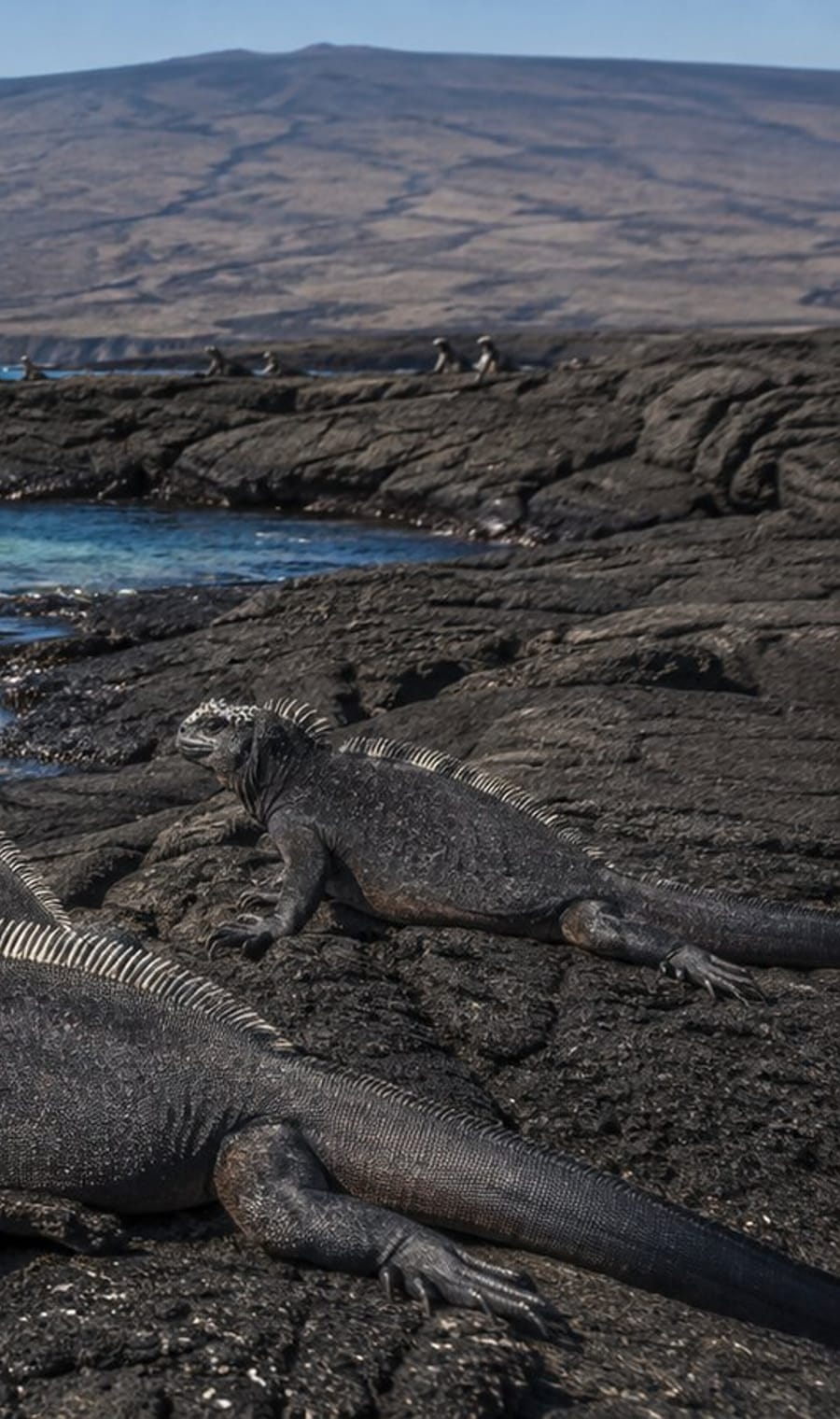
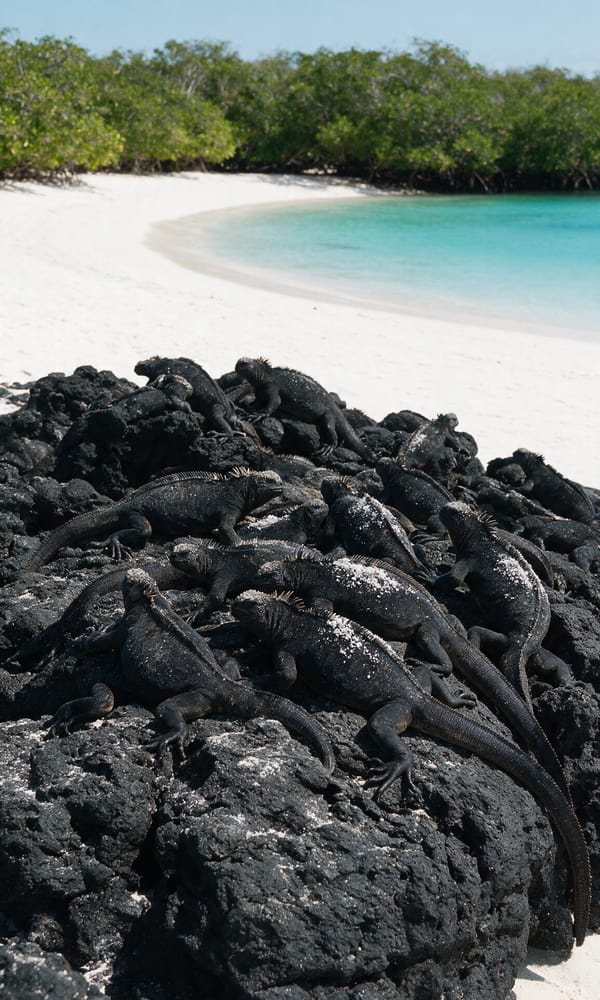
Marine iguanas resting on black lava rock in the Galápagos
Fernandina Island · Galápagos
Where We Send Clients

Six Islands Worth Building a Trip Around

Each Galápagos island has a different geological age, a different ecosystem, and a different signature wildlife event. The right combination depends on whether you're land-based or on a liveaboard, and how many days you have to allocate to each.
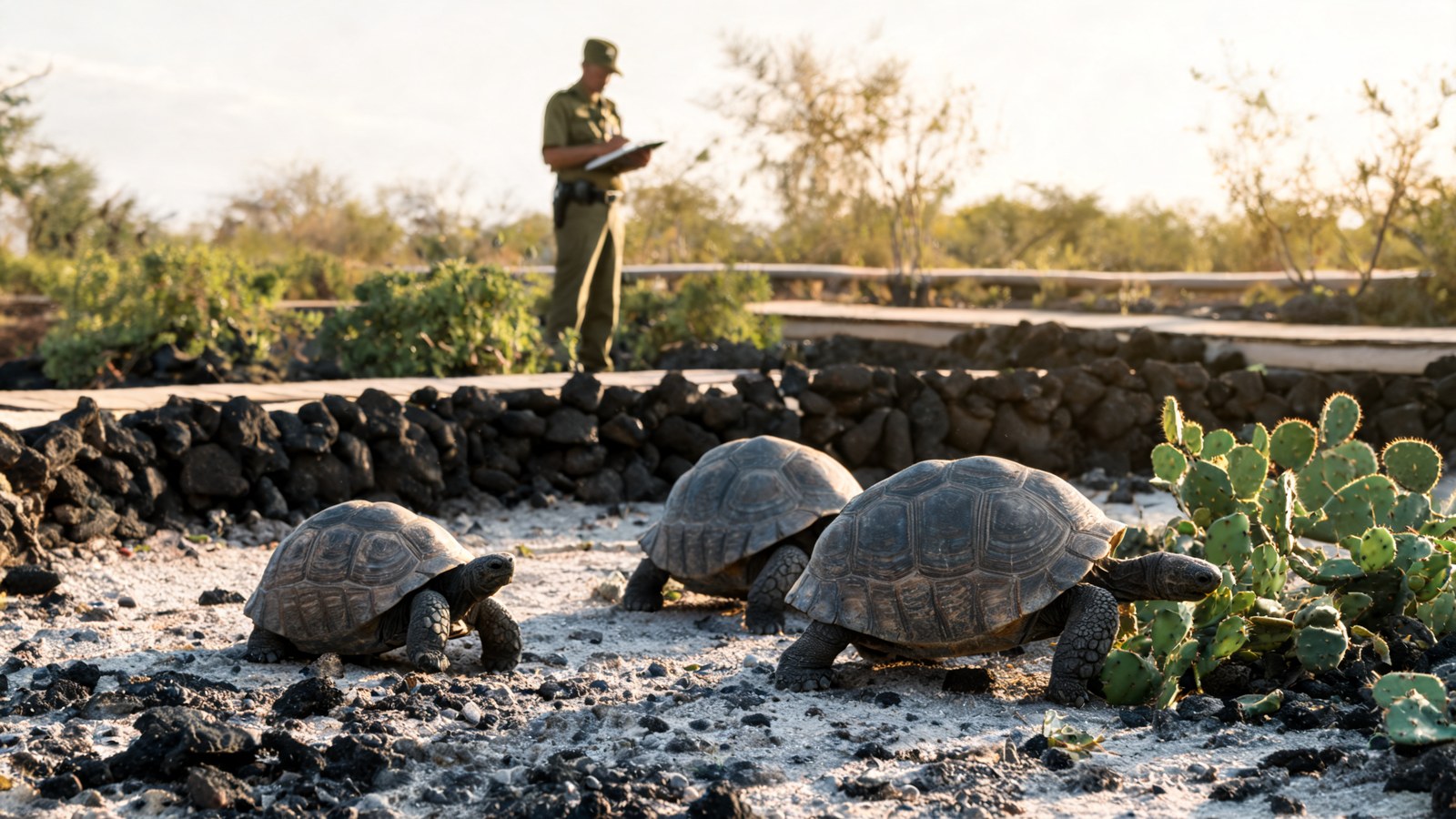
Santa Cruz & Charles Darwin Research Station, Central Galápagos
Central Galápagos
Santa Cruz & Charles Darwin Research Station
The most populated island, and the land base for travelers choosing lodges over a liveaboard. The Darwin Station for the tortoise breeding program in context — Lonesome George, and the repatriations that pulled subspecies back. El Chato, where wild tortoises graze in the wet season.
Giant Tortoise Darwin Station Lava Tubes
Explore →
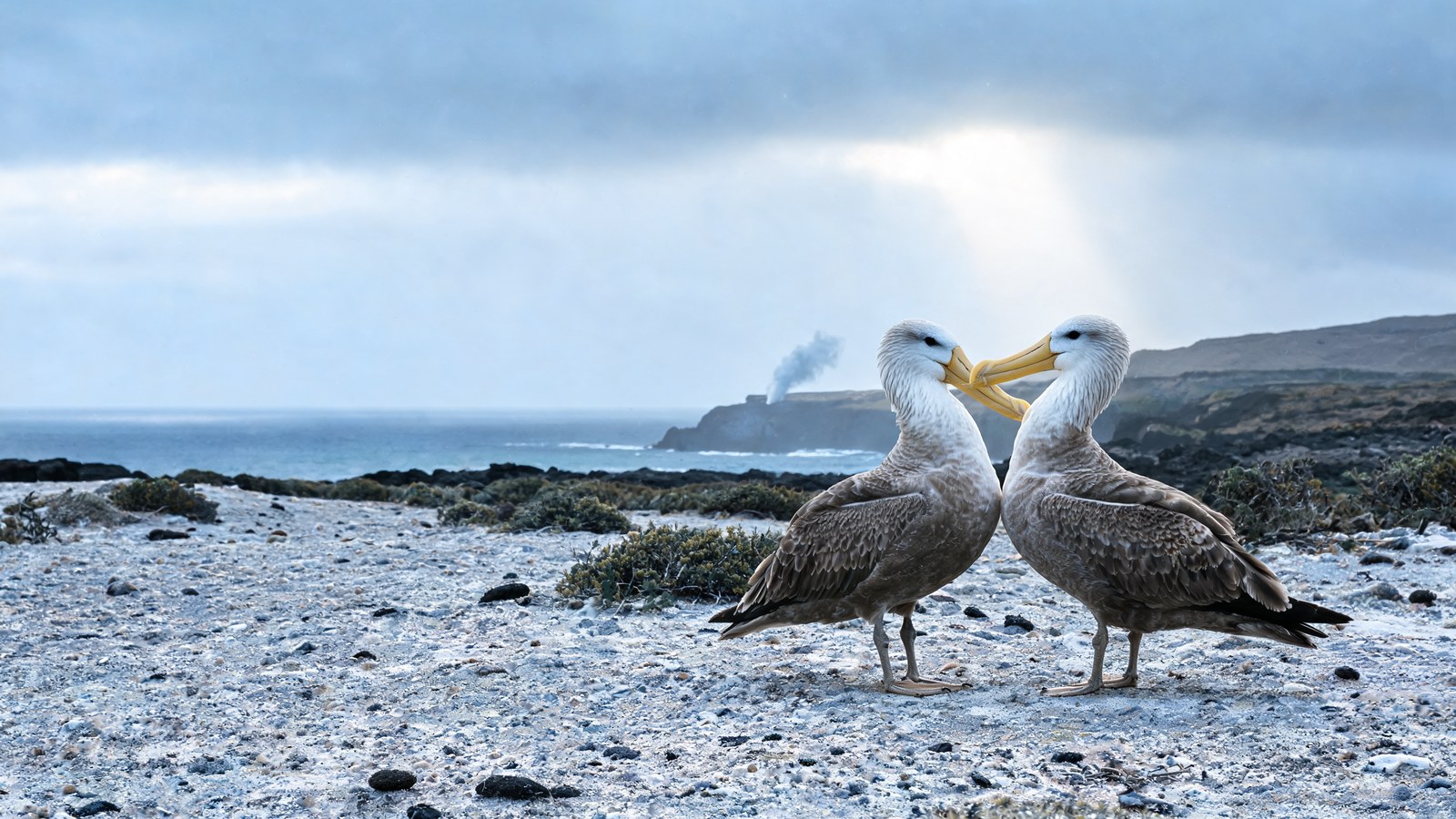
Española Island, Southeastern Islands
Southeastern Islands
Española Island
The only nesting site on earth for the waved albatross — about 30,000 birds return between April and December, and the courtship dance is one of the great wildlife encounters here. Swallow-tailed gulls, the only night-feeding gull in the world. The most wildlife-dense island in the chain.
Albatross Blow Hole Endemic Birds
Explore →
Fernandina & Isabela, Western Islands
Western Islands
Fernandina & Isabela
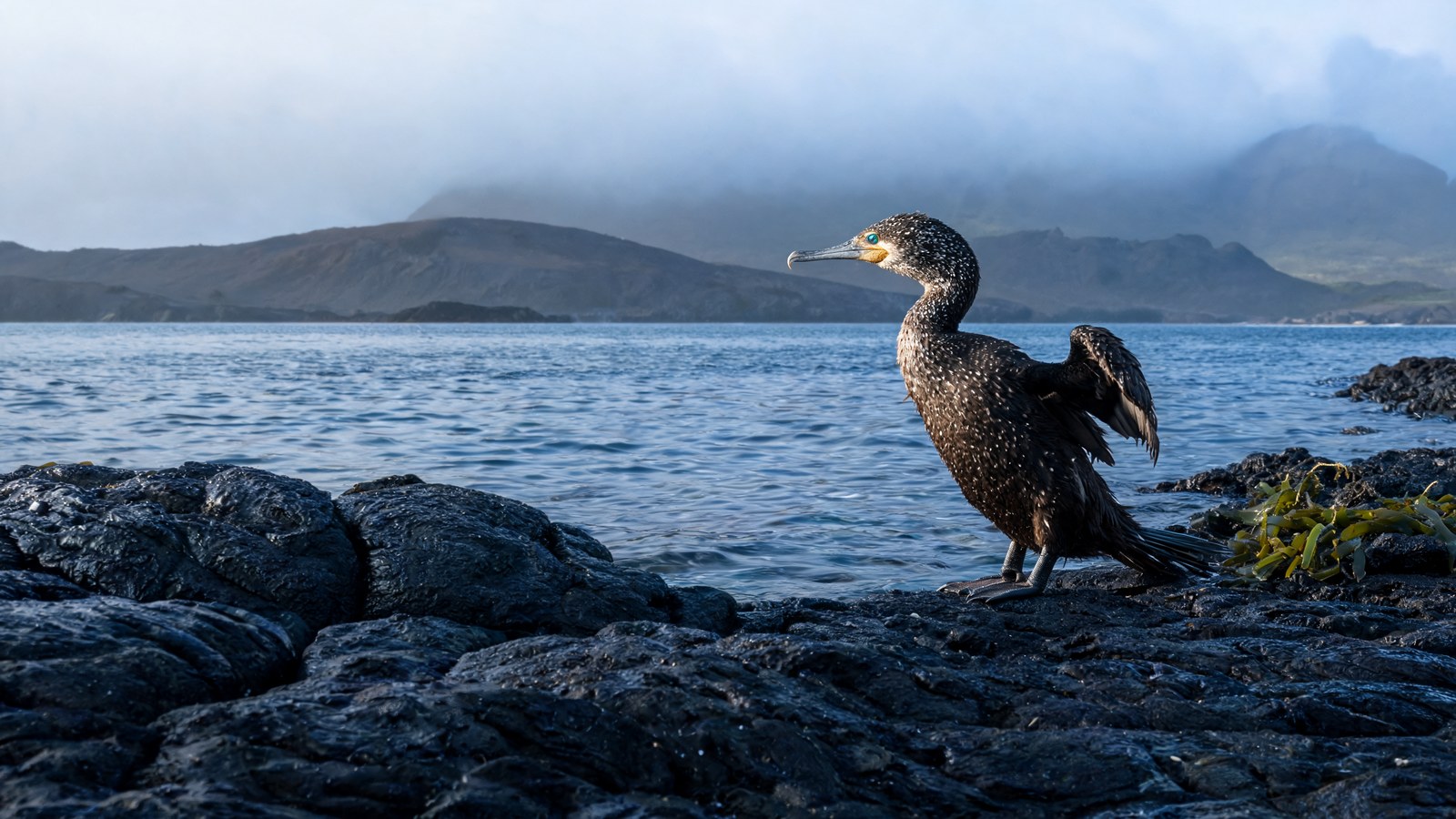
The western islands, liveaboard only. Fernandina is the most pristine in the archipelago — no introduced species, no settlement, and the largest marine iguana colony on earth piled at Punta Espinoza. The flightless cormorant is found nowhere else. Isabela is six overlapping volcanoes.
Fernandina Marine Iguanas Penguins
Explore →
Bartolomé Island, Central Galápagos
Central Galápagos
Bartolomé Island
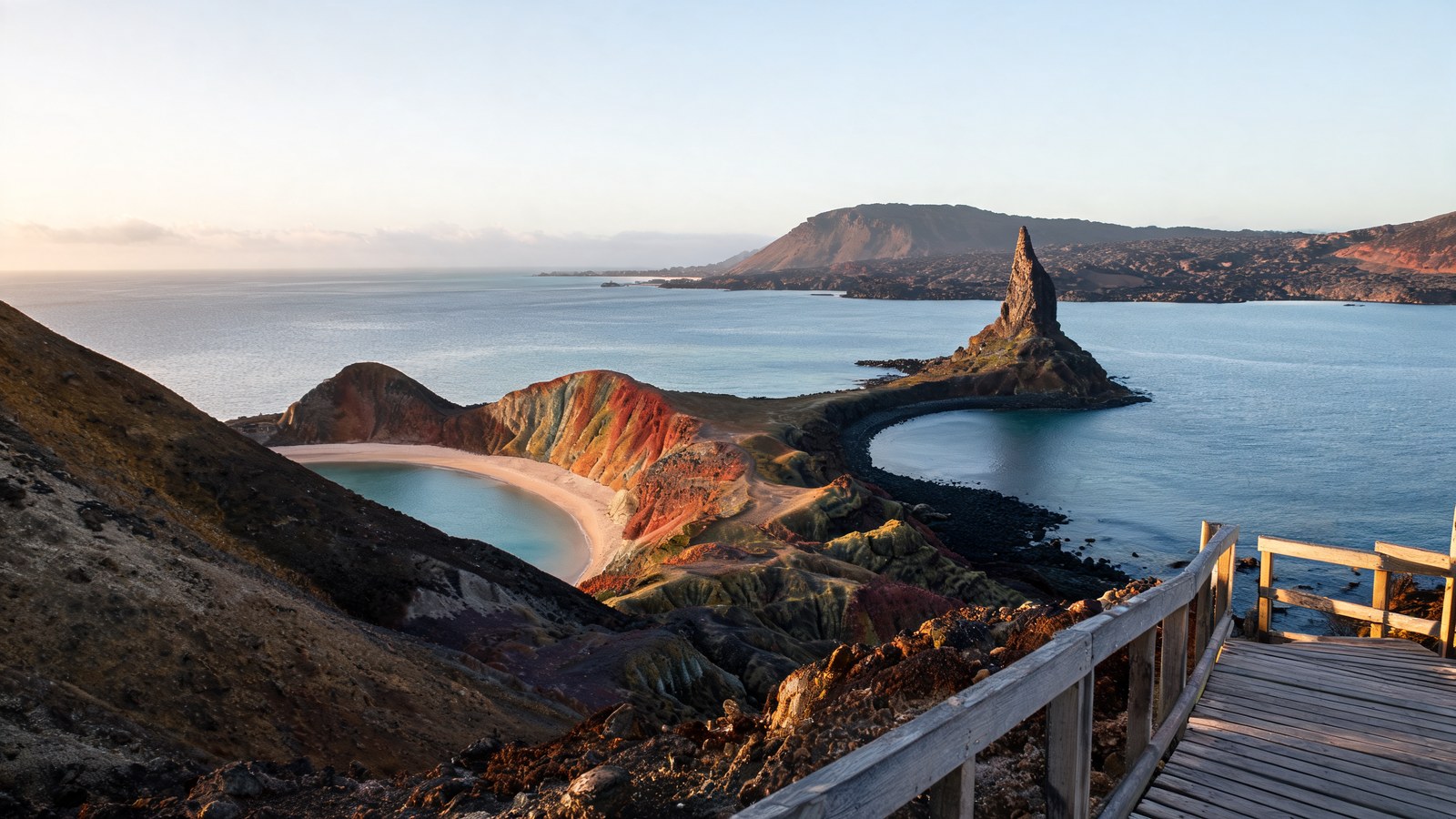
The view across Pinnacle Rock with penguins in the bay below is the most photographed in the Galápagos, and still earns it. The 372 wooden steps climb through volcanic moonscape. The snorkel beneath the rock is among the most reliable in the archipelago for penguins and reef sharks.
Pinnacle Rock Lava Fields Penguins
Explore →
North Seymour & Baltra, North Central
North Central
North Seymour & Baltra
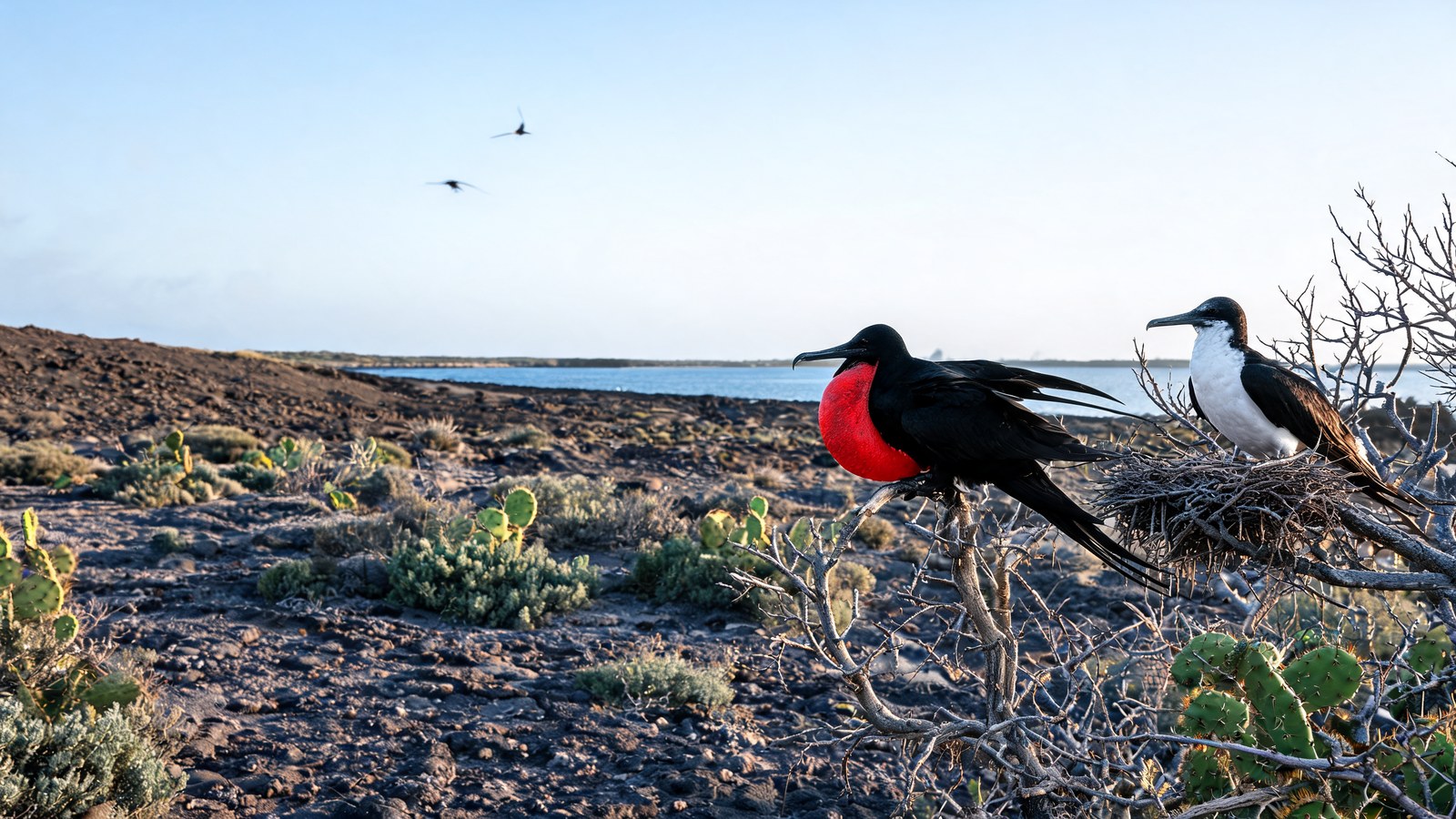
North Seymour for the magnificent frigatebird colony — in breeding season the males inflate red throat pouches to grapefruit size and call from the treetops, at close range from the path. Land iguana dens sit on the same trail. Baltra is the airport island, once a wartime US base.
Frigatebirds Land Iguanas Airport Island
Explore →
Liveaboard Experience, Outer Islands
Outer Islands
Liveaboard Experience
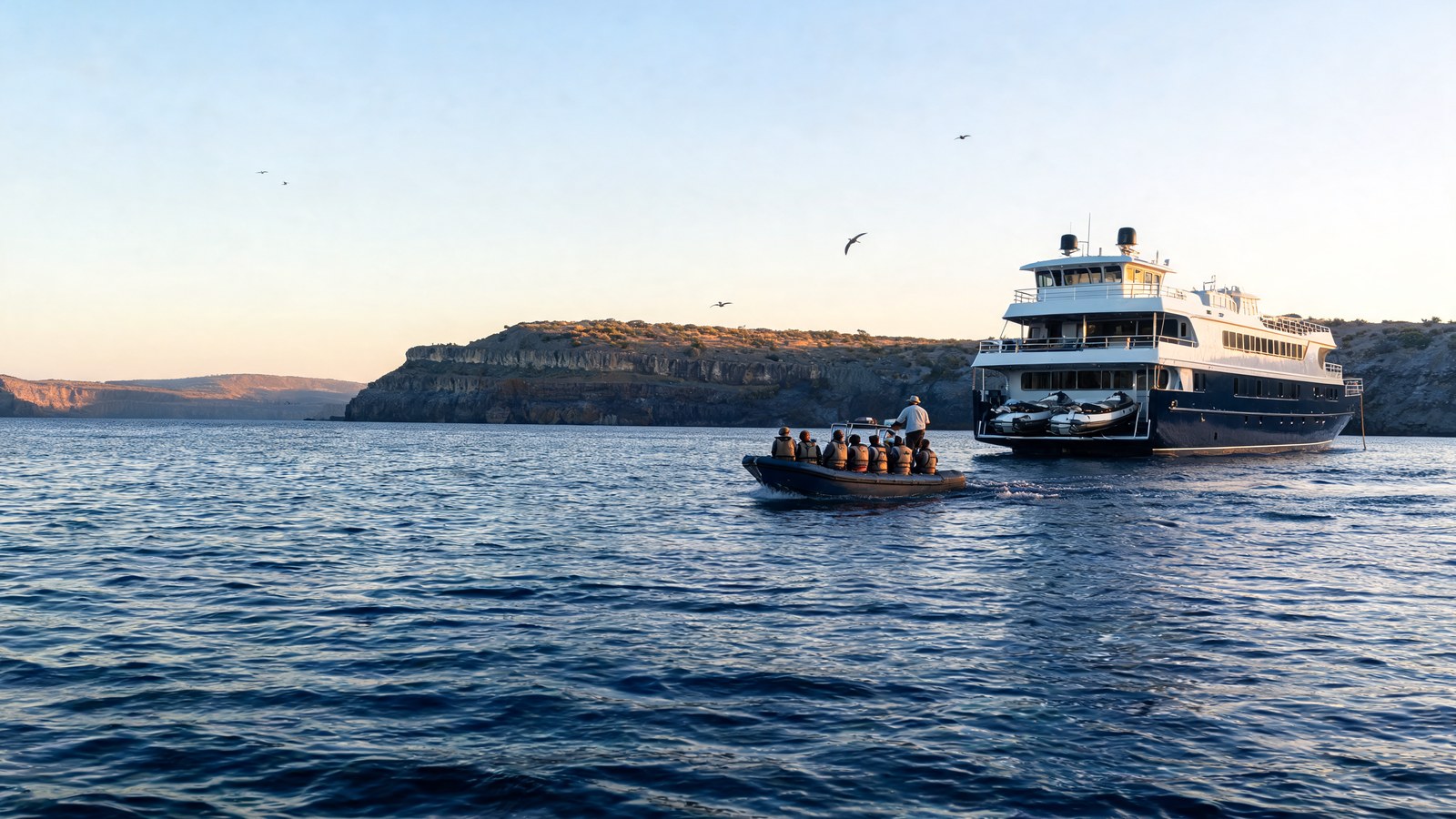
Small expedition yachts of eight to sixteen passengers reach the outer islands day trips cannot: Genovesa for the red-footed booby colony, Fernandina and Isabela in the west, night snorkeling with bioluminescent plankton off the stern. A Class III naturalist guide makes the difference.
Small Ship Outer Islands Naturalist
Explore →
Featured Itineraries

Trips We Plan Often

Galápagos itineraries built around the right naturalist guide, the right format (liveaboard vs land-based), and the right ship size or lodge selection for the kind of trip you want to have.
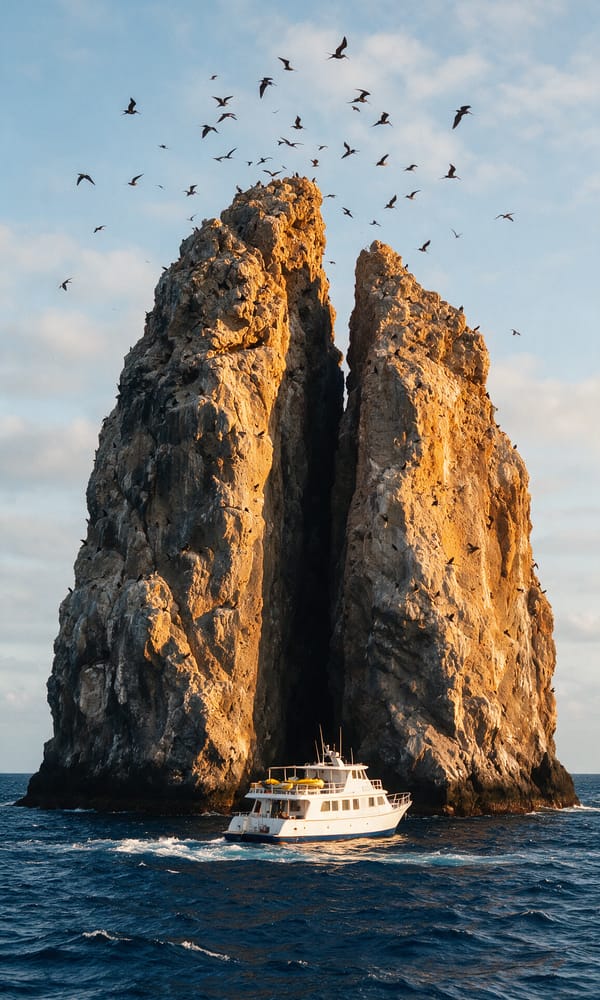
A small expedition yacht anchored beside the split tuff walls of Kicker Rock in the late afternoon
June – November · 10–14 Days
Galápagos Liveaboard
8-passenger expedition yacht for the full outer-island circuit — Santa Cruz, North Seymour, Genovesa (the seabird island), Española (the waved albatross colony), Fernandina (marine iguanas, flightless cormorants), Isabela (Galápagos penguins, the western volcanic landscapes), and Bartolomé. A Class III naturalist with a Darwin Foundation background reads the islands at the species and behavior level. Snorkeling at three or four landings per day, night kayaking off the boat, and the deep-water snorkel of Kicker Rock for hammerhead sharks. The format that accesses the full archipelago in the depth that the Galápagos rewards.
Ecuador10–14 Days
Plan This Trip
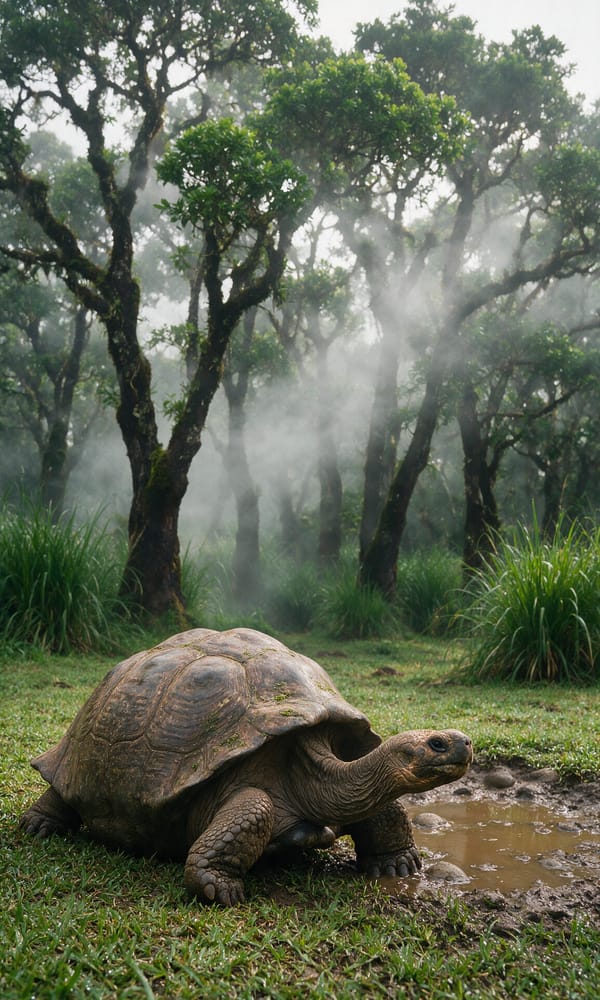
A Galápagos giant tortoise in wet grass with mist drifting through the scalesia highlands of Santa Cruz
Year-Round · 8–10 Days
Galápagos Land-Based & Santa Cruz
Based in Puerto Ayora on Santa Cruz at a boutique lodge with day trips by yacht to the surrounding islands: Española for the waved albatross day, Bartolomé for the iconic view and snorkeling, North Seymour for the frigatebird colony, and the Santa Cruz highlands for the giant tortoise reserve and the lava tubes. The land-based format suits travelers who want stable accommodation, no shipboard motion, evening dinners off-boat in Puerto Ayora's improving restaurant scene, and a slower pace that includes pool and downtime days. Accepts that the western islands (Fernandina, Isabela) are not on this itinerary.
Ecuador8–10 Days
Plan This Trip
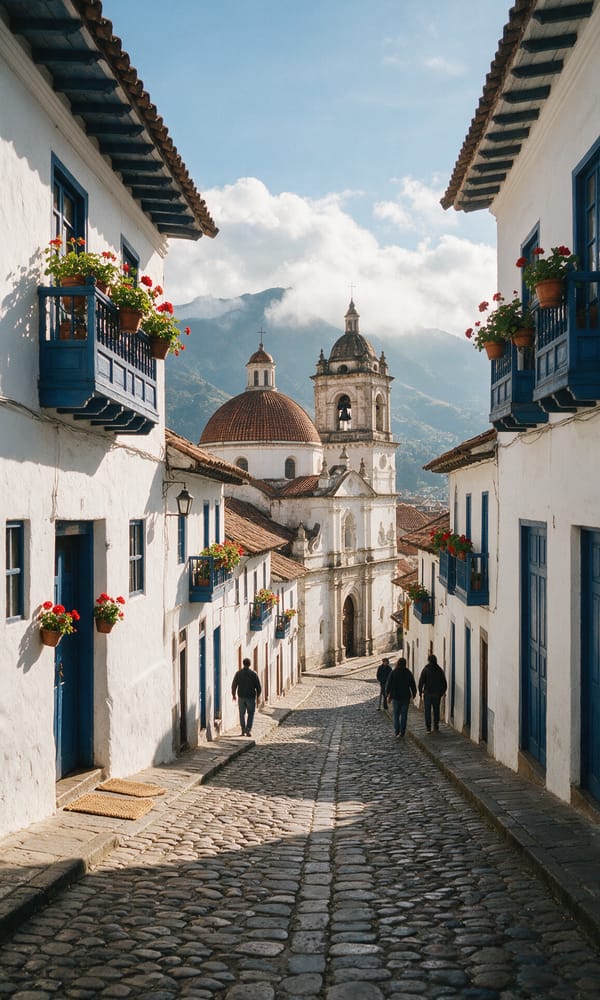
A steep cobbled street of whitewashed walls and blue balconies in Quito's colonial old city
Year-Round · 12–14 Days
Galápagos & Ecuador
Quito for two nights to acclimate to altitude (2,850m) and tour the colonial Old City (UNESCO World Heritage, the largest intact colonial center in the Americas), with a half-day at the Mitad del Mundo equatorial line. Fly to the Galápagos for an 8-night liveaboard or a 7-night land-based circuit. Return via Guayaquil with one final night, or direct connection to international flights from Quito. Combines the Andes and the Pacific archipelago into a coherent Ecuadorian trip that reveals the geographic range of the country (4,800m volcanic Andes summits and sea-level lava landscapes within the same itinerary).
Ecuador · Galápagos12–14 Days
Plan This Trip
Marine iguanas basking on black lava at the edge of Tortuga Bay's white sand and turquoise shallows
Year-Round · 8–10 Days
Galápagos Family
Land-based for stability (smaller liveaboards can be uncomfortable for younger children, particularly in the rougher months). Boutique lodge on Santa Cruz as base, with age-appropriate day trips: Tortuga Bay for the beach and a chance to see marine iguanas at the snorkel rocks, Bartolomé for the iconic view and a sheltered snorkel, the giant tortoise reserve in the highlands, a school-program morning at the Charles Darwin Research Station. The Galápagos is one of the strongest family destinations in South America when planned with appropriate ship-vs-lodge selection and age-appropriate landing choices.
Ecuador8–10 Days
Plan This Trip
Why Plan With Us

What We Add to Galápagos Planning

The Galápagos is the destination where the format choice (liveaboard vs land-based), the ship or lodge selection, and the naturalist guide credential combine to produce a trip that either accesses the full archipelago meaningfully or stays at the surface of it.

Liveaboard vs Land-Based
The outer western islands (Fernandina, Isabela's northern coast) and the remote northern islands (Genovesa) are inaccessible from any land-based itinerary. The choice between liveaboard and land-based determines which 40% of the archipelago you can actually visit. Travelers who specifically want the full wildlife range of the Galápagos should be on a liveaboard. Travelers who specifically want the stable-accommodation, pool-days, off-boat-dinners format should be land-based and accept the access tradeoff. We help clients understand exactly what each option includes and excludes.
Naturalist Guide Quality
The Galápagos National Park licenses approximately 400 naturalist guides in three tiers. A Class III naturalist (typically a Darwin Foundation-trained scientist with a graduate degree in ecology or marine biology) reads the islands at the species, behavior, and evolutionary biology level. A Class I naturalist points at iguanas. The difference is significant. The best liveaboards staff exclusively Class III naturalists; we know which boats and which lodges retain them, and we book based on this rather than on the marketing photographs.
Seasonal Timing
The Galápagos has no genuinely bad season — there is no time when wildlife is broadly absent. The cool dry season (June–November, driven by the Humboldt current) produces cold water (18–22°C), the best diving, more aggressive sea lion behavior, and the waved albatross nesting on Española. The warm wet season (December–May) brings calm seas, warm water (24–28°C), sea turtle nesting, and the peak of the land bird breeding season. The honeymoon couple, the photographer, the diver, and the family all get different optimal months. We match the timing to the trip.
Island Selection
Galápagos itineraries are tightly regulated by the National Park — each licensed ship operates a fixed route on a 14-day or 7-day rotation, and visits to specific landing sites are scheduled across operators. This means the choice of ship determines the choice of islands. Some routes prioritize the western islands (Fernandina, Isabela), others prioritize the northern outliers (Genovesa, Pinta), others stay closer to the central circuit. We map the itineraries against the islands you most want to see and book the ship whose route delivers your priorities.
When to Go

The Galápagos by Season

Cool Dry Season
June – November
The Humboldt current pushes north from the Antarctic, dropping sea temperatures to 18–22°C, increasing nutrient density, and concentrating wildlife activity. The best months for diving and snorkeling visibility. Sea lion activity is at its most playful and curious — pups in the water approach divers and snorkelers without hesitation. Waved albatross are nesting and dancing on Española (the species departs for the Pacific from December onwards). Cooler air temperatures (in the low 70s) and overcast skies are common. The most consistently rewarding window for wildlife-focused travel, and the period most serious naturalists and photographers prefer.
Best for Wildlife & Diving
Warm Wet Season
December – May
The warm Panama current brings calm seas, water temperatures of 24–28°C, and frequent short afternoon rain showers. Sea turtle nesting peaks January through March on the sandy beaches. Land bird breeding season is at its peak, with most species in active courtship and nesting display. Best months for family travelers and for travelers who prioritize beach time, calm seas (significantly less seasickness risk for liveaboards), and warm water snorkeling without wetsuits. The land iguanas are at their most active in the morning sun. Rainfall is rarely heavy and rarely sustained.
Year-Round Note
No Bad Season
Unlike most wildlife destinations, the Galápagos has no genuinely bad month. Wildlife is consistently present year-round and the resident endemic species (giant tortoises, marine iguanas, sea lions, Darwin's finches) are active at all times. Sea temperature, swell, and specific seasonal events (albatross nesting, turtle nesting, penguin activity) shift across the year, but no month closes the archipelago to meaningful travel. We match the season to the trip emphasis rather than steering all clients to one window.
Ready When You Are

Plan a Galápagos Trip
Built Around Real Access

Tell me whether you want a liveaboard or a land-based trip, how many days you can allocate, and whether you want to combine with mainland Ecuador or Peru. I'll come back with a specific ship or lodge recommendation and a routing within one business day.

Plan a Galápagos Trip All South America

No booking fees  ·  Response within 24 hours  ·  Fully bespoke

What It Costs

What the Galápagos Actually Costs

$10,950–$21,900 for a seven-night voyage
per person, per voyage. Ranges, not quotes.
What that includes
  • A shared luxury cabin or suite, with all meals and open bar
  • Twice-daily island landings with licensed naturalists
  • Wi-Fi, equipment and qualifying island transfers
What it does not
  • Mainland Ecuador hotels and flights
  • The $200 park entry levy and $20 transit control card
  • Insurance and gratuities
The two or three things that move it most
  • Vessel and suite category
  • Seven versus fourteen nights aboard
  • Festive-week departures and full charters

Editorial planning bands, not quotes — assembled from published rates and official fee sources, verified . Rates, permit costs and park fees change; confirm before booking. Source: Galápagos National Park entry levy.

Common Questions

Galápagos — FAQ

Questions we hear most when planning the Galápagos — from liveaboard vs land-based to seasonal timing, naturalist guide selection, and combining with mainland South America.

Liveaboard, if wildlife is the primary motivation — it is the only way to reach the islands where the endemic species genuinely differ. That means the western islands (Fernandina, Isabela's pristine northern coast) and the remote northern outliers like Genovesa. The western islands contain genuinely different wildlife environments — the marine iguana megacolonies of Fernandina, the flightless cormorants, the Galápagos penguins of Isabela — that cannot be reached on any land-based itinerary. Land-based for travelers who want stable accommodation, off-boat evening dinners in Puerto Ayora, pool and rest days, and a calmer pace that accepts the tradeoff of missing the western islands. We help clients understand exactly what each format includes.

Variable. The cool dry season (June–November) brings stronger swells from the south driven by the Humboldt current — moderate seasickness risk for travelers who are sensitive. The warm wet season (December–May) brings calmer water from the Panama current — significantly reduced risk. Smaller liveaboards (8–16 passengers) feel motion more than larger ships (32+ passengers), but the smaller boats also have more intimate naturalist access and more flexibility on landings. Travelers with significant motion sensitivity should consider the calm-season liveaboards or the land-based format.

It depends on what you want. June through November is the cool dry season — best for diving and snorkeling visibility, most active sea lion behavior, waved albatross nesting on Española, and cooler air temperatures. December through May is the warm wet season — calmer seas, warmer water for snorkeling without wetsuits, sea turtle nesting on the beaches, and the peak of land bird breeding. The Galápagos has no bad month; the right month depends on the trip's emphasis (wildlife-and-diving focused vs. family-and-comfort focused).

Only by liveaboard. The Galápagos National Park controls all visitation to the outer islands (Fernandina, the northern islands of Isabela, Genovesa, Marchena, the western parts of Santiago). Day trips by yacht from Santa Cruz do not have permits to reach these islands. The only way to visit the outer islands is to be on a liveaboard whose licensed itinerary includes them — typically the 14-day full archipelago routes, or specific 7-day routes that focus on either the western or northern circuits.

No touching of animals (the closest-approach rule is 2 meters, though the animals frequently approach closer). Stay on marked paths at all landings — leaving the trail is genuinely consequential because it disturbs nesting sites that the visitor cannot see. No flash photography for sea birds. No food or drink at the landings. A naturalist guide is required for all landings; independent walking is not permitted. These rules are well-enforced and well-respected by visitors, which is one of the reasons the wildlife remains as fearless as it does.

Yes, with caveats about age and format. The land-based format works for families with children of any age. Smaller liveaboards have minimum-age requirements (typically 7 or 10) and the cabin space and motion can be challenging for younger children. The wildlife encounters are genuinely exceptional for children — close-range sea lions on every beach, blue-footed boobies, giant tortoises in the highlands. Snorkeling is excellent for kids confident in the water. We match families to specific lodges and ships that have track records with children of the relevant ages.

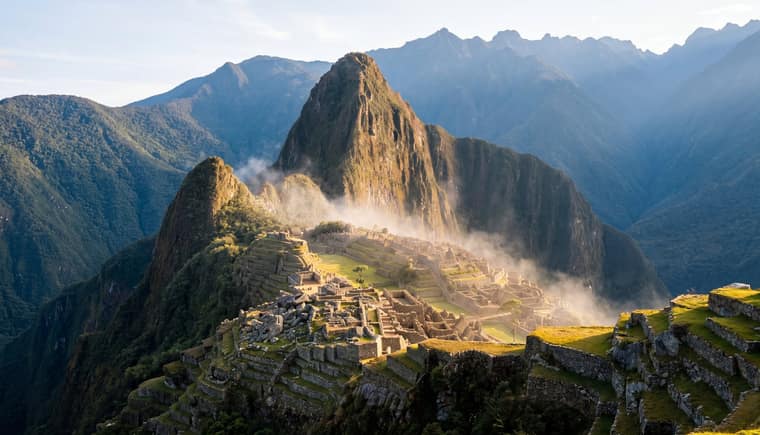
Yes, and both combinations are common. With Ecuador: Quito for the colonial Old City and the Avenue of the Volcanoes is the natural 2–3 night addition, frequently with a side trip to Otavalo for the indigenous market. With Peru: typically Galápagos plus Peru (Machu Picchu, Sacred Valley, Lima) for the 14–18 day South American grand circuit. Flight connections through Lima, Quito, or Guayaquil are efficient. The seasonality of the Galápagos (year-round) does not constrain the combination; Peru's dry season is May–October, so the most efficient combined window is May–October.

Yes, for the most extraordinary diving. The Galápagos has world-class scuba diving — Kicker Rock (sea lions, white-tipped sharks, occasionally hammerheads), Gordon Rocks (the volcanic crater wall, hammerhead schools, mantas), and Wolf and Darwin Islands in the far north (the most concentrated marine megafauna diving on earth, accessible only on dedicated diving liveaboards). All require Open Water certification minimum; Wolf and Darwin require Advanced and 50+ logged dives. Snorkeling alone is excellent across the standard itineraries and accesses many of the same species, though without the depth or the hammerhead concentrations.
More questions answered on the Full FAQ Page
From the Journal

Read More on the Galápagos