North America

Closer Than You
Think. Better Than
You Remember.

The domestic and near-international options most travelers underestimate. Napa at harvest. Alaska in late summer. New Orleans in the right week. Canada's Rocky Mountain parks before the crowds arrive. North America rewards the same level of planning that takes most people abroad.

Best Season
September – November
Best For
Short Trips
& National Parks
The Region

North America Is Not
a Consolation Prize

North America is a fall destination first: September through November delivers the best weather and the thinnest crowds across most of the continent. Summer, June to August, is national-park season and the busiest. Trips run 4–10 days depending on region. Yellowstone with Grand Teton is the strongest single natural pairing; Utah's Zion and Bryce are the desert equivalent.

The assumption that a domestic or near-international trip is somehow less than a transatlantic one is a bias worth examining. California's wine country in October sits alongside Burgundy and Tuscany as one of the great food and wine experiences in the world. Alaska's remote wilderness lodges offer access to brown bear behavior, humpback feeding grounds, and glacier landscapes that no other continent can match. The Canadian Rockies in spring — before the summer crowds — produce some of the most extraordinary mountain scenery available to a traveler flying coach class from a domestic departure gate. Aspen runs four mountains on one lift ticket, and a summer season that almost nobody plans for.

What North American travel often lacks is the planning rigor that international trips naturally attract. People book a Napa weekend without understanding that the difference between a private barrel tasting at an estate not open to the general public and a walk-in tasting room visit is not a small one. They book an Alaska cruise without understanding that a small-ship expedition to the Inside Passage and Glacier Bay is a fundamentally different experience from a large-vessel port-stop itinerary.

We plan North American travel with the same level of specificity we apply to any other region — the right properties, the right access, the right time of year. The result is usually a trip that surprises people who thought they already knew what domestic travel could be.
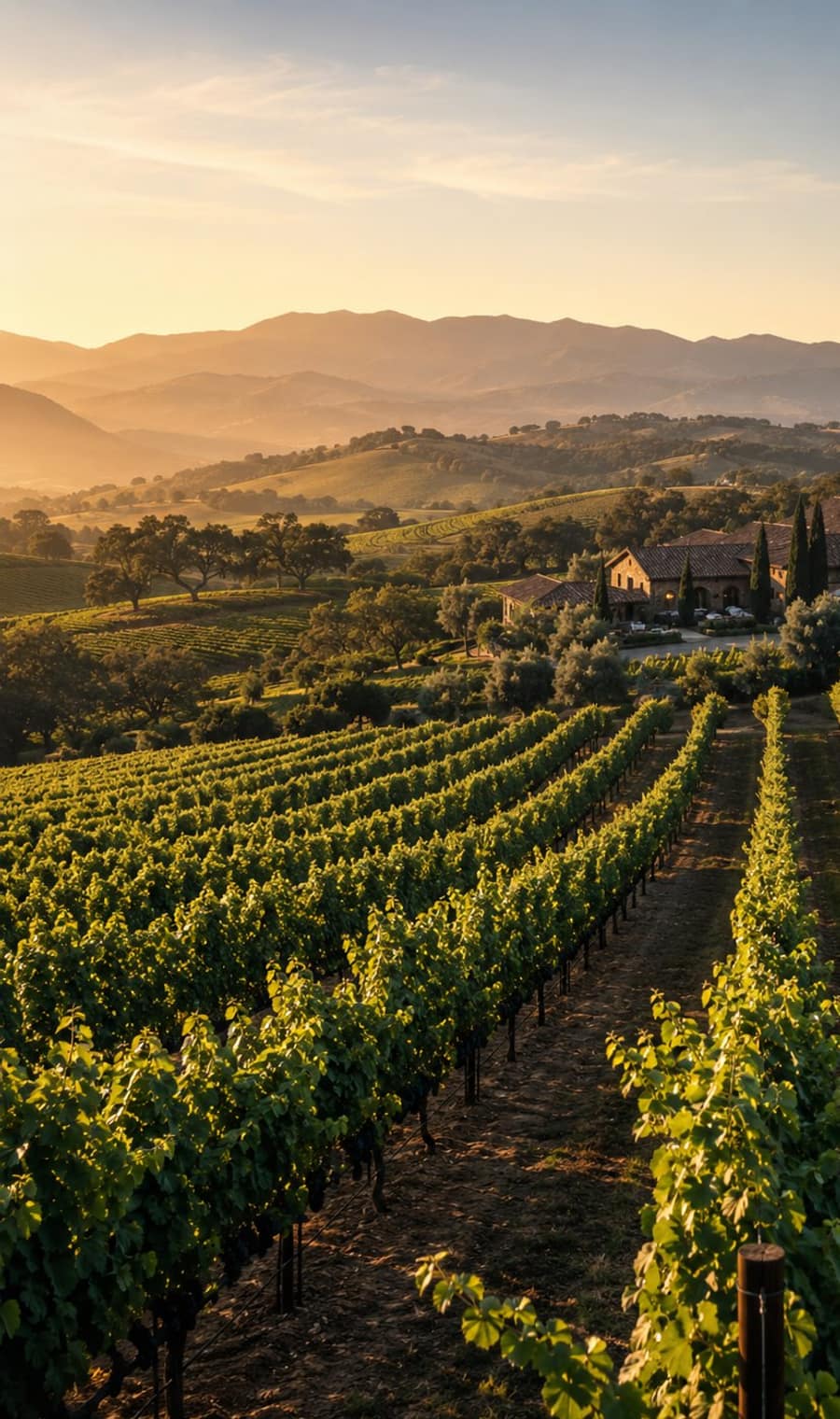
Rows of vines running downhill toward a stone winery estate in the Napa Valley at golden hour
Napa Valley · California
Where We Send Clients

Six North American Destinations Worth Planning Properly

Each rewards genuine planning — the kind that turns a good trip into one you recommend to everyone you know for the next two years.
Napa & Sonoma, California Wine Country
California Wine Country
Napa & Sonoma
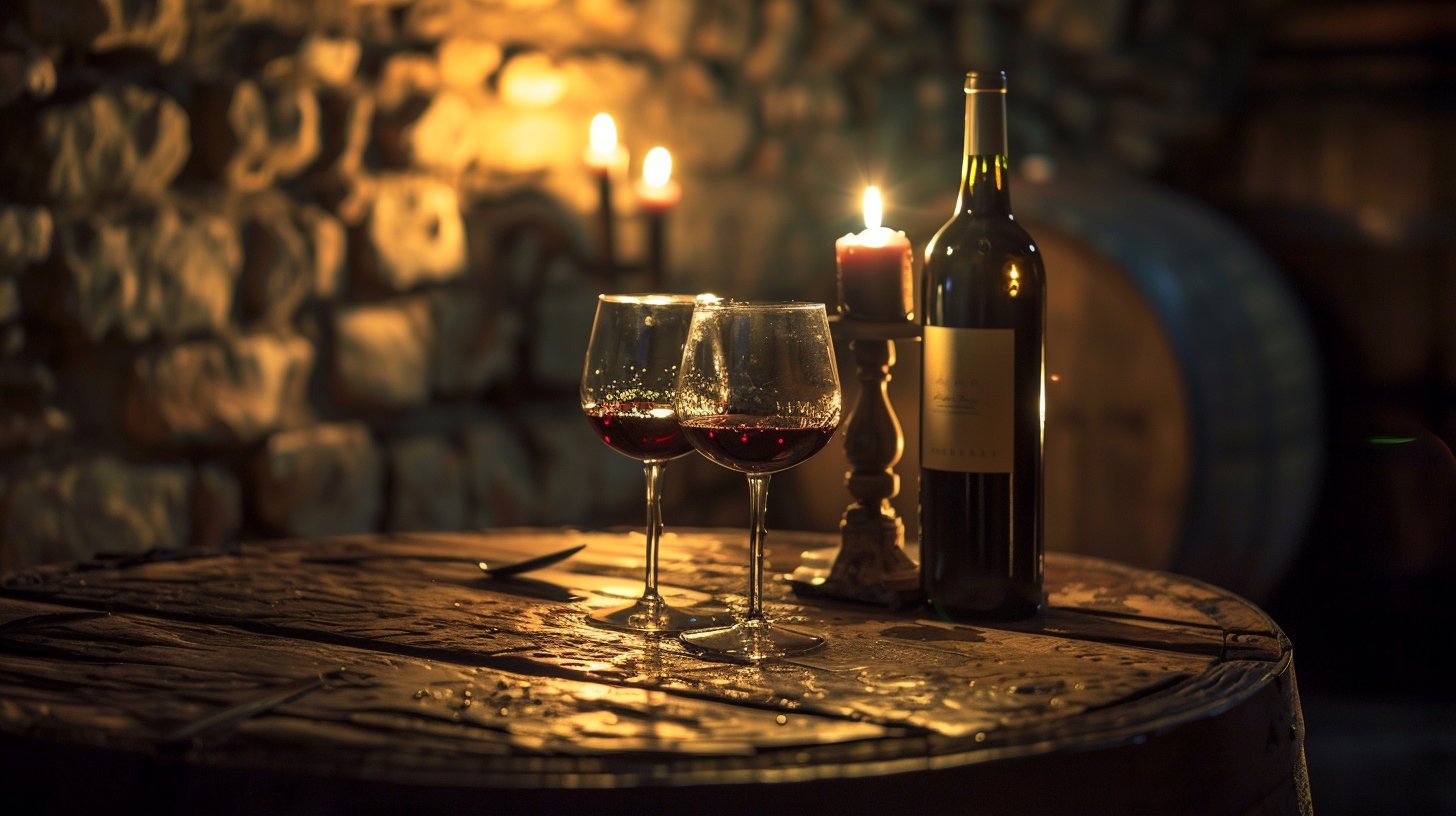
Two valleys, two personalities, one of the great wine regions on earth. Napa for the grand estates and hillside cave tastings; Sonoma for working farms and winemakers who answer their own phone. Harvest in September and October is the window worth planning around. Private barrel tastings for those who ask.
Wine CountryCulinaryPrivate Estates
Explore →
Hawaii, Pacific Islands, USA
Pacific Islands · USA
Hawaii
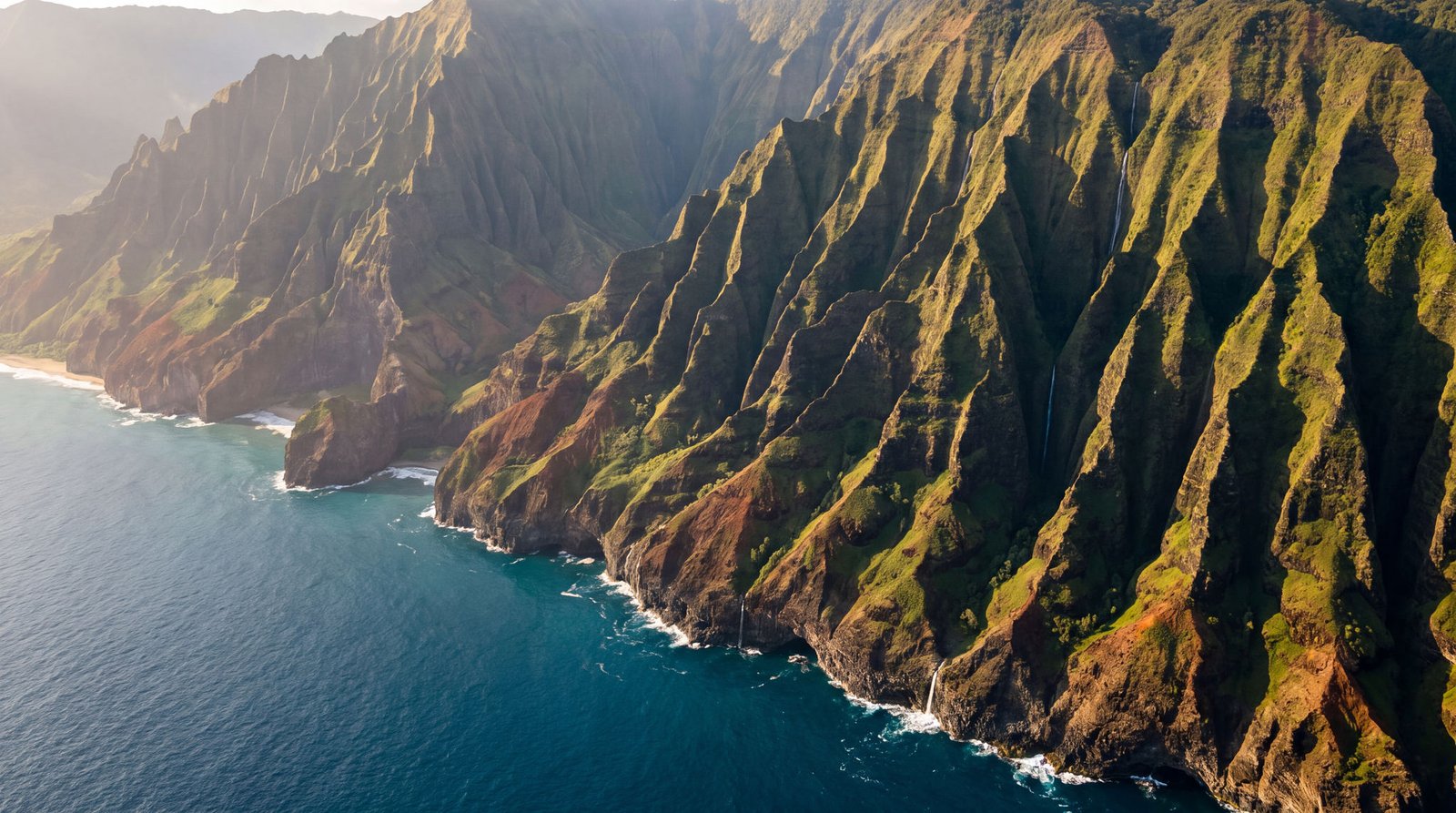
No passport, no currency exchange, and one of the most spectacular island chains on earth. Maui for the Road to Hana, the Big Island for Kilauea's lava fields and manta ray night dives, Kauai for the Na Pali cliffs. Multi-island itineraries reach a depth that a single-resort stay can't approach.
No PassportMulti-IslandYear-Round
Explore →
Alaska, Pacific Northwest, USA
Pacific Northwest · USA
Alaska
The last genuinely wild destination reachable from a U.S. domestic gate. Remote lodges in Katmai and Kenai Fjords for brown bear and humpback encounters. Small-ship expedition cruising through the Inside Passage and Glacier Bay is a different trip from a large-vessel port stop. Best late June through August.
Wildlife LodgesExpeditionGlacier Bay
Explore →
New York & the Northeast, Northeast, USA
Northeast · USA
New York & the Northeast
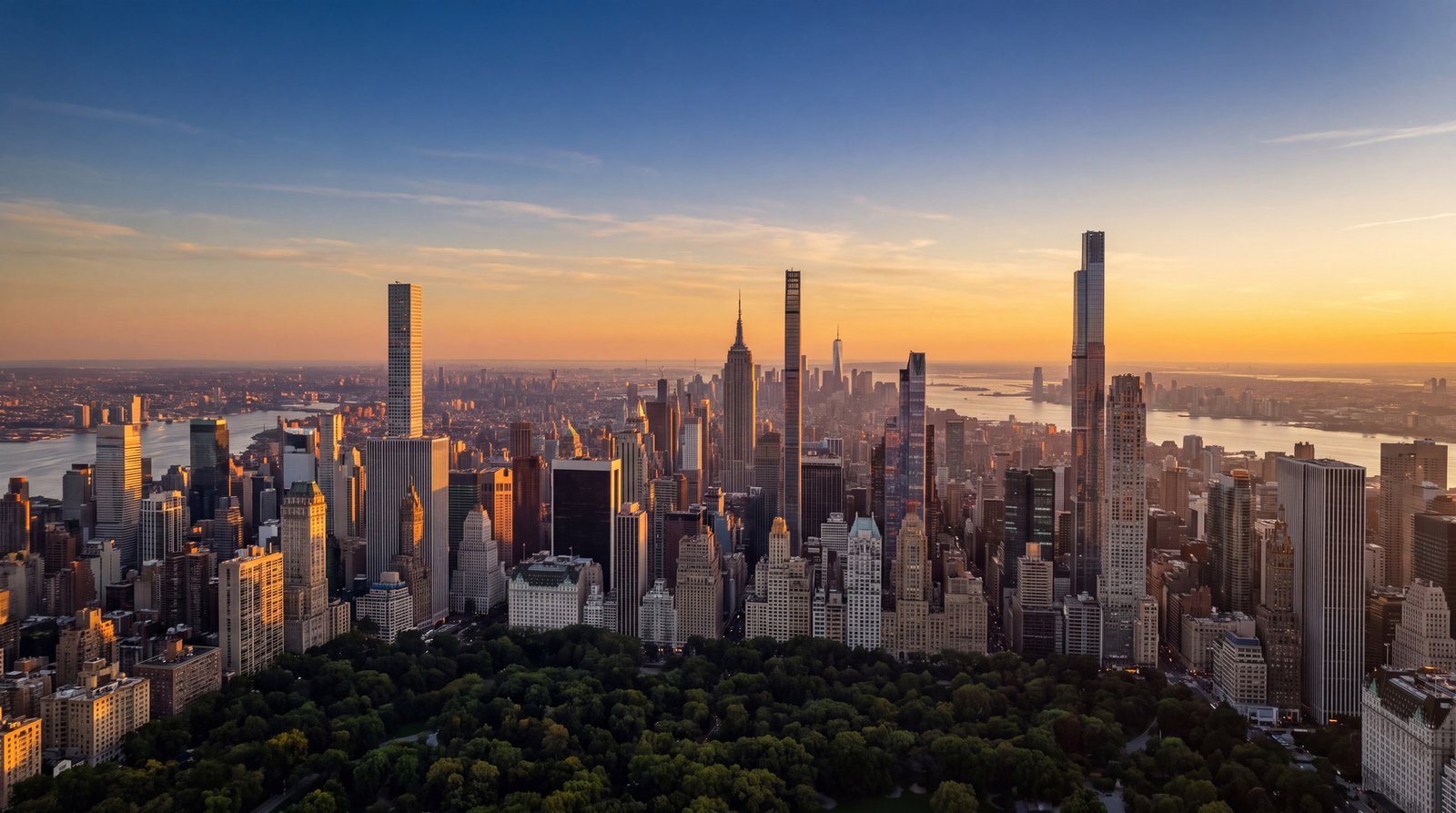
New York City done properly — a hotel within walking distance of what matters, a food itinerary that doesn't start at Times Square, and Broadway tickets for the shows actually worth the price. Then the Northeast in fall: Vermont foliage, coastal Maine, the Berkshires. September and October is the peak.
New York CityFall FoliageCoastal Maine
Explore →
Canadian Rockies, Western Canada
Western Canada
Canadian Rockies
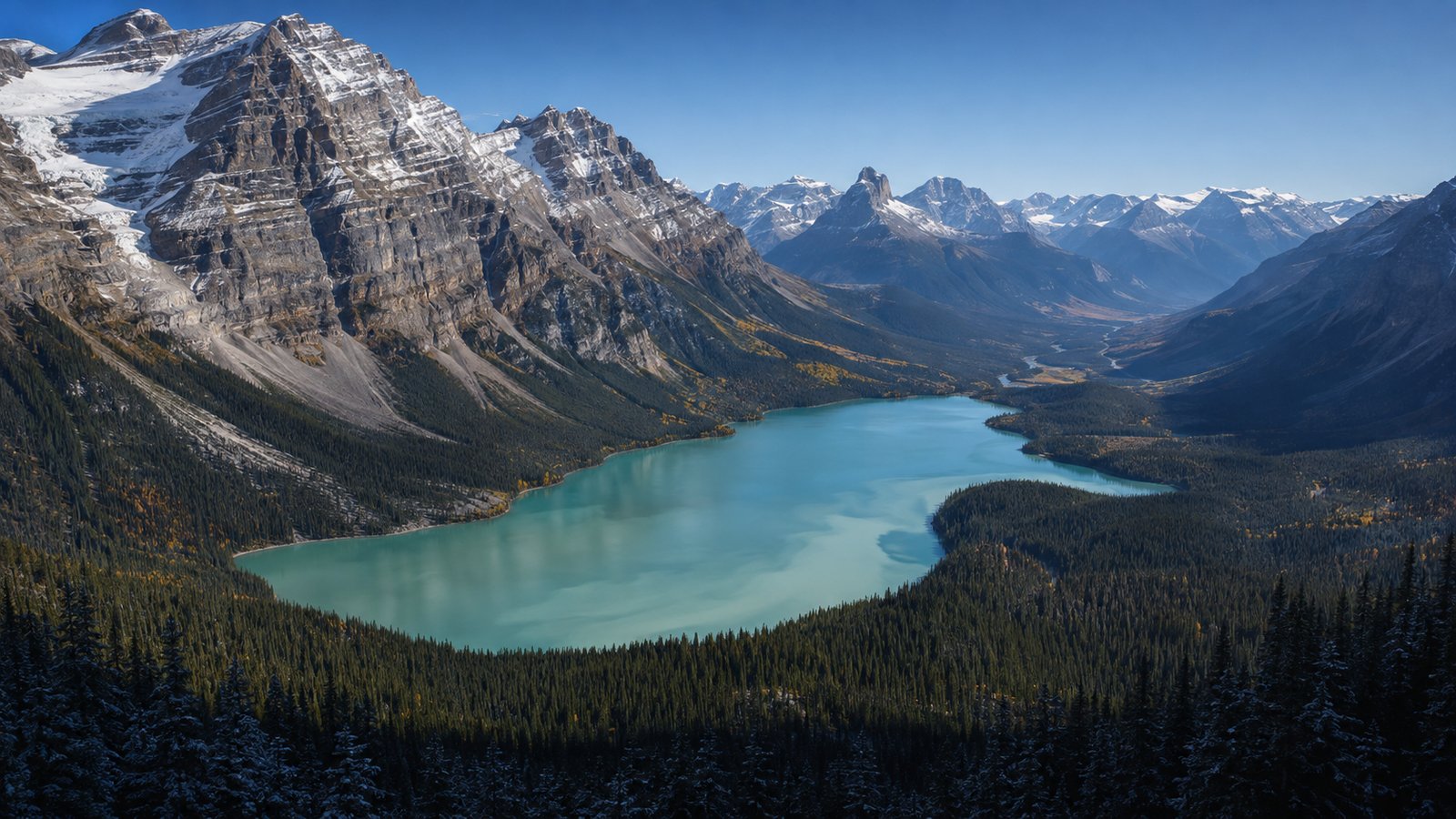
Banff and Jasper hold some of the most dramatic mountain scenery on the continent — glacial lakes, icefields, grizzly sightings inside park boundaries. The Rocky Mountaineer between Vancouver and Banff is one of the world's great rail journeys. Best May to June, and late September for the larches.
BanffJasperRocky Mountaineer
Explore →
New Orleans, Gulf South, USA
Gulf South · USA
New Orleans
The most culturally specific city in the United States — its own architecture, cuisine, music, and relationship with time. The French Quarter for the layered history, Frenchmen Street for music that doesn't start until midnight, a restaurant no website recommends. Best September through November, plus Jazz Fest.
Food CultureMusicJazz Fest
Explore →
Featured Itineraries

Trips We Plan Often

North American itineraries we've refined over many runs — and built around the access and details that don't come from searching online.
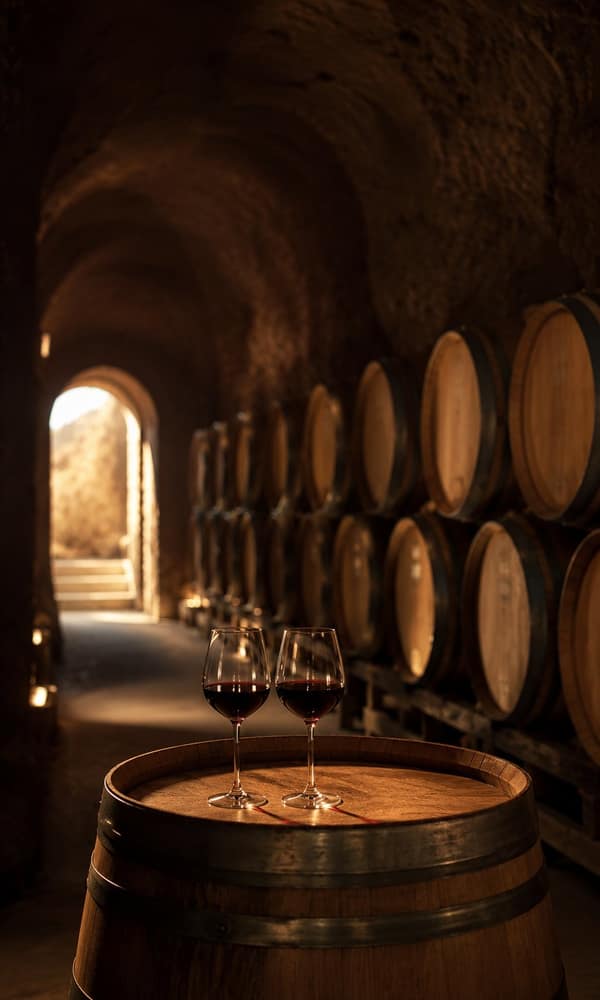
Two glasses of red wine on a barrel head in a candlelit Napa Valley wine cave
September – October · 5–7 days
Napa Harvest & Sonoma Deep Dive
Four nights in Napa during crush — a private barrel tasting at a hillside estate not open to walk-ins, a winemaker lunch at a family property in Rutherford, and a restaurant dinner that requires knowing which nights the chef is actually in the kitchen. Two nights in Sonoma for a smaller-scale counterpoint: a working farm stay, a late-afternoon oyster stop in Marshall, and a winery run by a couple whose wines are on two restaurant lists and nothing else.
California5–7 Days
Plan This Trip
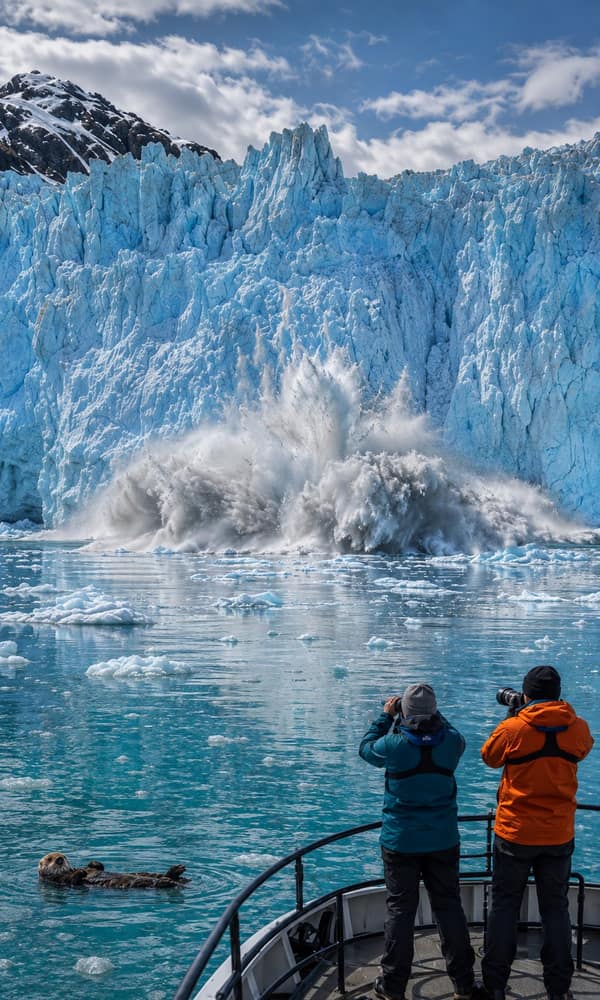
Two passengers on a small ship bow photographing a glacier calving into Alaskan water, a sea otter floating nearby
Late June – August · 8–10 days
Alaska Wilderness Lodge Week
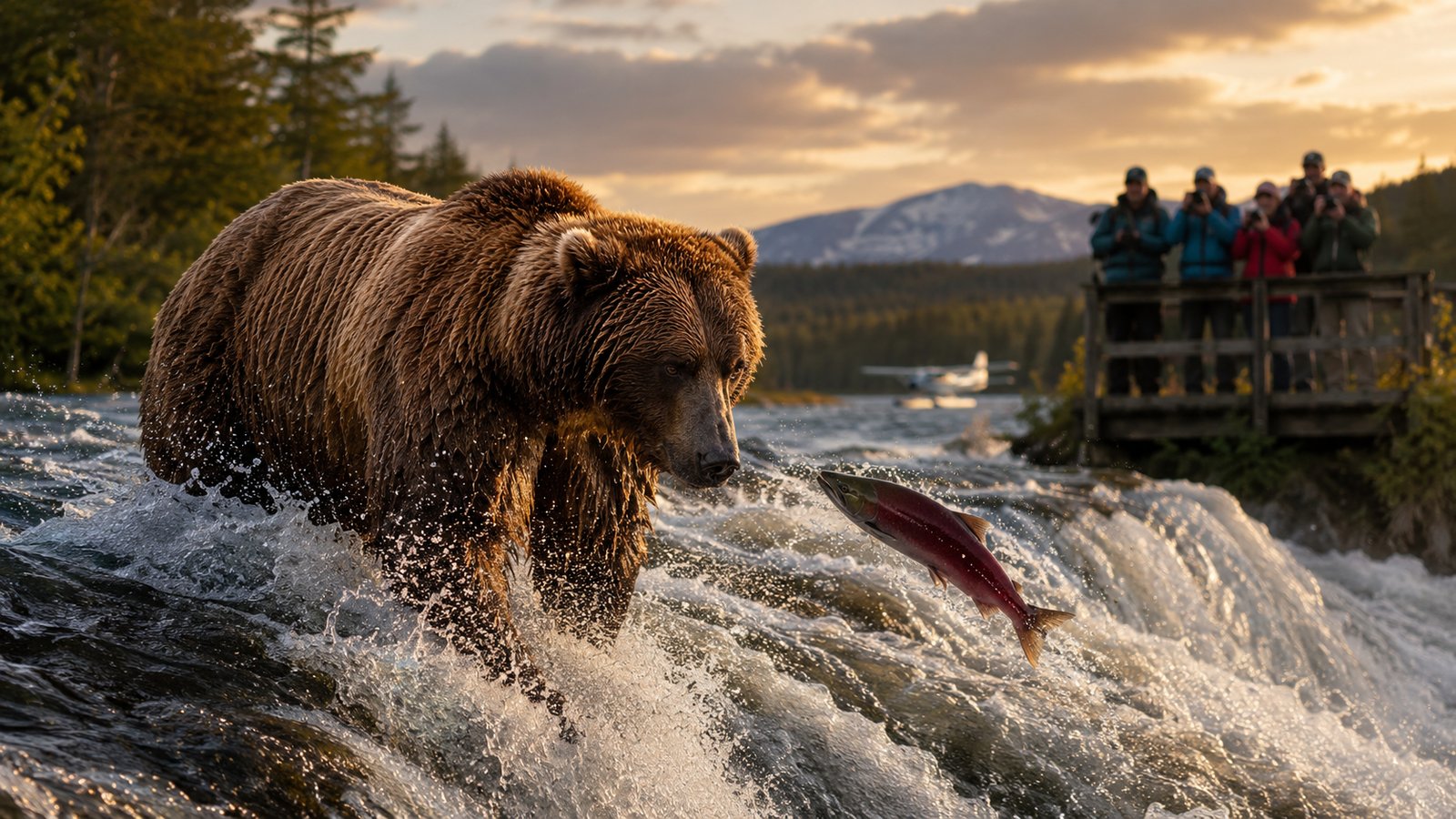
Anchorage for one night, then a floatplane to a remote lodge on the Katmai coast for four days — brown bears fishing the Brooks Falls salmon run, humpback whales in Shelikof Strait, and a staff-to-guest ratio that makes a small African camp feel crowded. Kenai Fjords by small boat for the glacier calving and sea otter nurseries. A final night in Homer for the halibut fishing if the group wants it. The most concentrated wildlife experience available from a U.S. departure gate.
Alaska8–10 Days
Plan This Trip
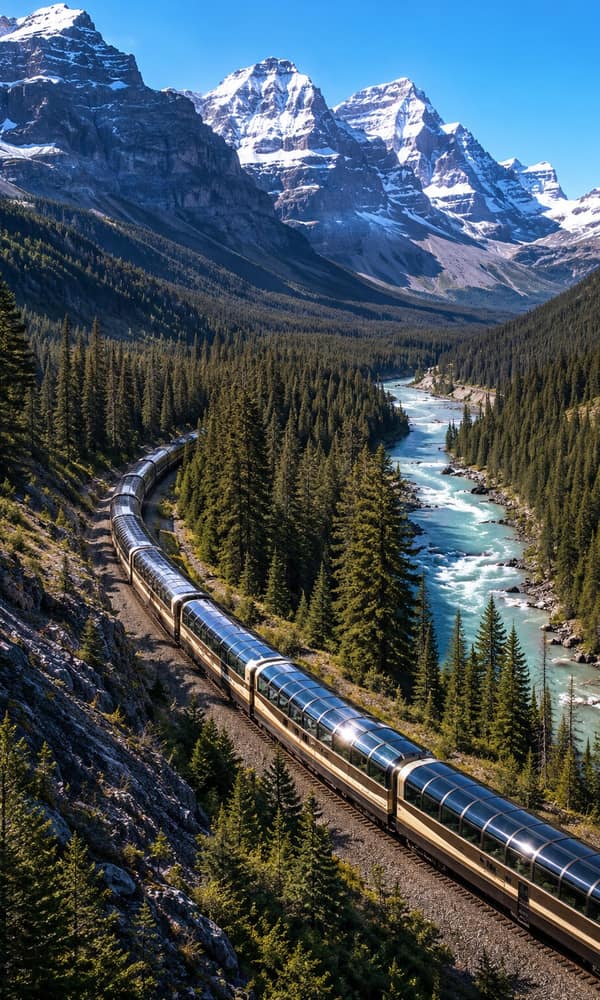
A glass-domed train curving along a river valley below the snow-capped Canadian Rockies
May – June & September · 8–10 days
Canadian Rockies by Rail & Road
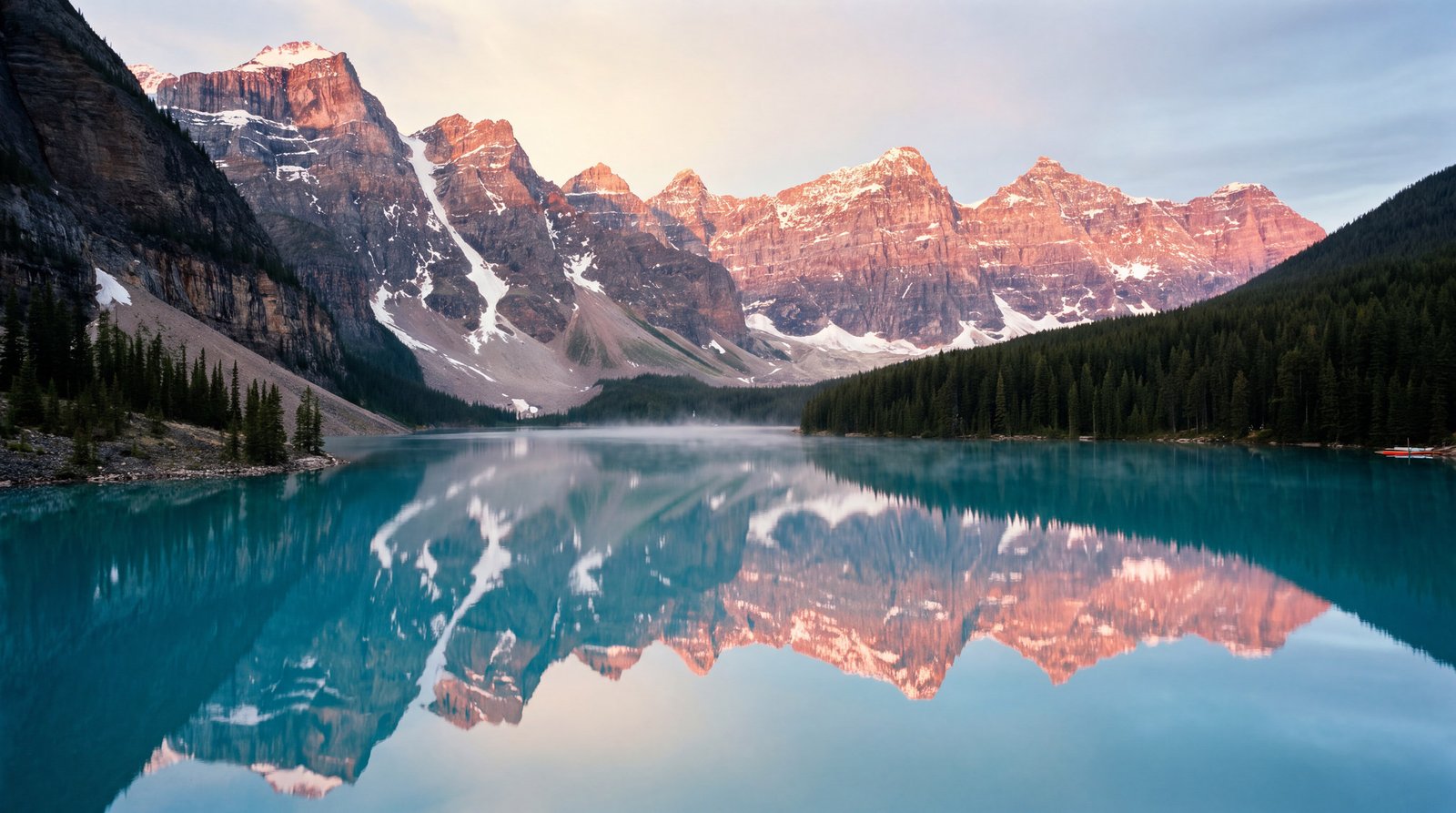
The Rocky Mountaineer from Vancouver to Banff in its Gold Leaf dome car — two days of mountain scenery at the pace the landscape deserves, with meals that match. Three nights in Banff: Moraine Lake at dawn before the shuttle buses arrive, a Banff Springs dinner, and a guided wildlife morning in the Bow Valley. Drive north to Jasper for three nights — Maligne Lake, the Columbia Icefield Skywalk, and an evening elk walk in the townsite. One of the finest rail journeys in the world on either side of a spectacular drive.
Canada8–10 Days
Plan This Trip
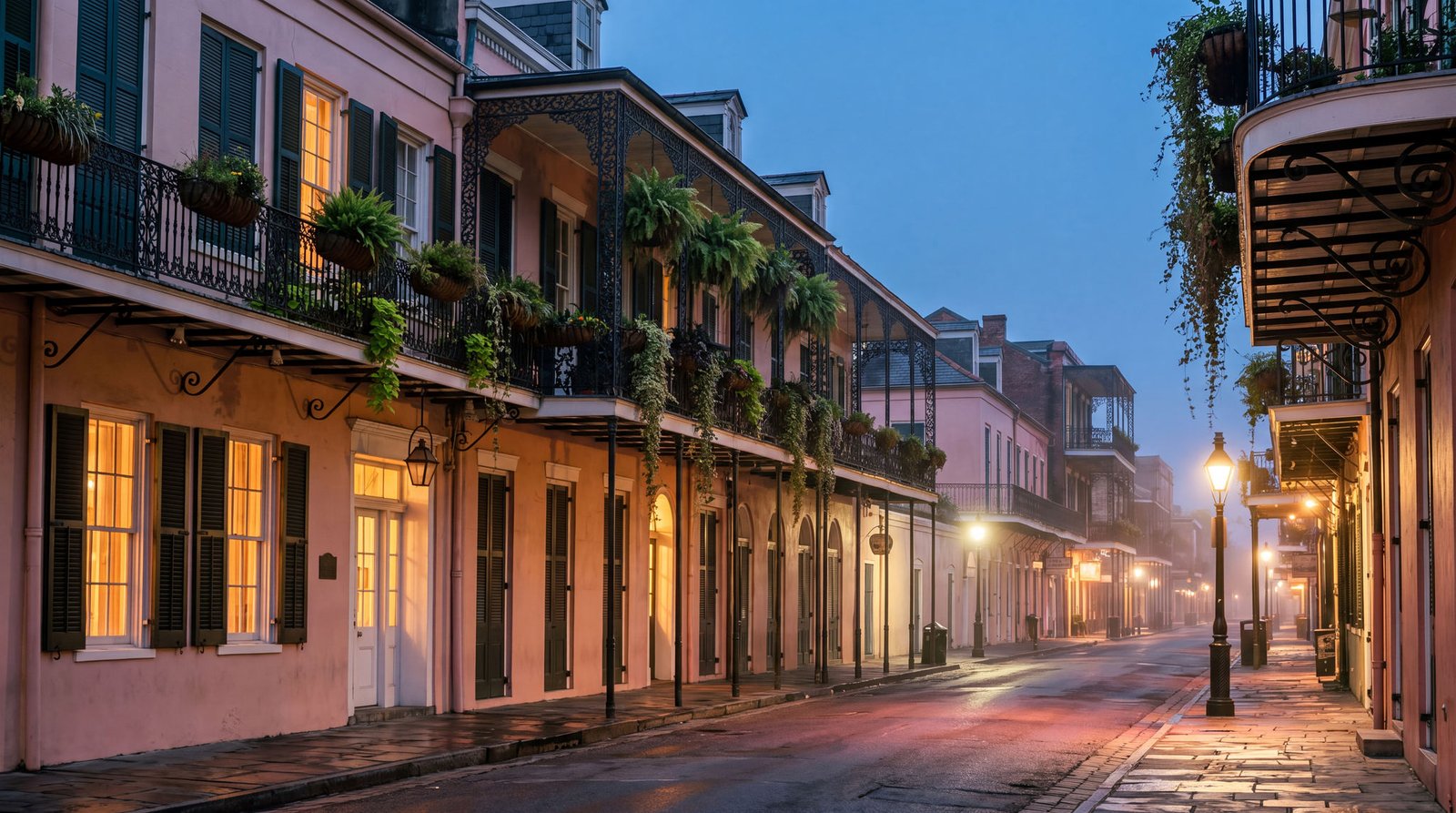
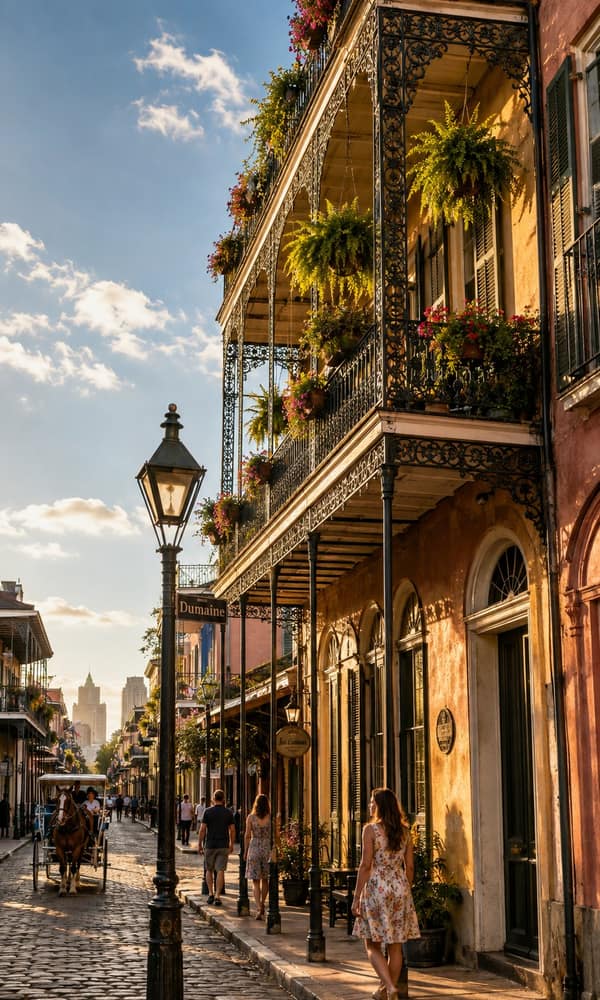
Late afternoon light on a French Quarter street in New Orleans, wrought-iron balconies hung with ferns above a cobbled sidewalk
September – November · 4–5 days
New Orleans in the Right Week
A French Quarter hotel within walking distance of Frenchmen Street. A guided food tour through the Tremé with a local culinary historian — not the tourist circuit, but the neighborhood places that have been feeding the same families for three generations. A po'boy at a lunch counter, a dinner at a Creole institution that requires knowing to book six weeks out, and a late night at a Frenchmen Street club where the house band plays until 2 a.m. and the set list is different every night. Four days that take most clients years to stop talking about.
Louisiana4–5 Days
Plan This Trip
Why Plan With Us

What We Add to North American Travel

The assumption that domestic travel doesn't need a specialist is the one that produces forgettable trips. Here's where the planning work actually lives.

Access Others Don't Have
Private estate tastings in Napa that aren't listed on any website. Remote Alaska lodge slots that fill through relationships, not booking engines. A New Orleans restaurant table that requires a six-week lead time and knowing who to call. The access layer is what separates a good North American trip from a remarkable one.
Property & Timing Precision
North America has a handful of exceptional properties and many average ones at similar price points. We know the difference — which Napa inn is actually worth the rate, which Alaska lodge has the right staff-to-guest ratio, which Canadian Rockies hotel to book and which month makes Moraine Lake worth the drive to it.
Preferred Partner Benefits
As a Virtuoso member, we access rate programs, suite upgrades, resort credits, and amenity packages at participating properties across North America. For clients staying at luxury hotels in New York, Napa, and the Canadian Rockies, that value comes with no planning fee attached.
Local Expert Network
Culinary historians in New Orleans, glaciologists on Alaska expedition vessels, winemakers in Napa who take private groups during crush, naturalist guides in Jasper who have worked the same valley for twenty years. The guides we source for North American trips are the same caliber we require internationally.
When to Go

North America by Season

Fall
September – November
The best travel window for Napa and Sonoma (harvest), the Northeast (foliage), New Orleans (cooler, pre-holiday quiet), and the Canadian Rockies (larch season in late September, elk rut, lower occupancy). Multiple exceptional destinations all at their peak simultaneously — and at meaningfully lower rates than summer.
Best Overall Window
Summer
June – August
Alaska's primary window — late June through August for bear viewing at peak salmon runs, humpback feeding activity, and the longest daylight hours. Hawaii is excellent year-round but books early for summer. The Canadian Rockies and national parks are at full visitor capacity in July and August — shoulder dates (early June, late August) offer the same scenery with significantly smaller crowds.
Winter & Spring
December – May
New York City at the holidays is a genuine experience — the right hotel, the right shows, the right restaurants before the December rush. New Orleans during Jazz Fest (late April, early May) is the single best week in the city's calendar. Hawaii is exceptional in winter — whale season runs December through April on Maui. Canadian Rockies in winter offer ice skating on frozen lakes and skiing at Sunshine Village.
Ready When You Are

Plan a North America Trip
Worth the Time Off

Tell me the destination you're drawn to, when you can travel, and what you're looking for. I'll come back with a specific recommendation — property, timing, access, and what makes it right for you — within one business day.

Plan a North America Trip All Destinations

No booking fees  ·  Response within 24 hours  ·  Fully bespoke

What It Costs

What North America Actually Costs

$600–$1,200
per person, per day, land only. Ranges, not quotes.
What that includes
  • Luxury hotels or lodges with breakfast
  • Private or premium ground transport
  • Core guiding and park admissions
What it does not
  • Airfare to the destination
  • Most meals and reservations not packaged
  • Optional helicopter or floatplane access, plus gratuities
The two or three things that move it most
  • City stays versus remote lodges — remote access carries the premium
  • Guide and vehicle days
  • Park, rail and event availability in the travel window

Editorial planning bands, not quotes — assembled from published rates and official fee sources, verified . Rates, permit costs and park fees change; confirm before booking. Source: U.S. National Park Service entrance fees.

Common Questions

North America — FAQ

Questions about national parks, wine country, the Pacific Coast, and when a travel advisor actually adds value for North America travel.

Yellowstone and Grand Teton in Wyoming is one of the great natural combinations — wolves, bears, bison, geysers, and alpine scenery accessible even to non-hikers. Zion and Bryce Canyon in Utah offer dramatic canyon landscapes. The Canadian Rockies (Banff and Jasper) are extraordinary for mountain scenery. Glacier National Park in Montana is one of the least-crowded spectacular parks in the system.

Napa Valley and Sonoma in California offer the deepest concentration of world-class wineries, Michelin-star dining, and luxury accommodation in North America. Willamette Valley in Oregon is Pinot Noir country with a fraction of the crowds and extraordinary access to cult producers. Both have detailed winery route guides in the travel journal with specific itineraries and stops.

Drive the Pacific Coast Highway — it is one of the world's great road journeys. The classic run goes from San Francisco south through Big Sur, Carmel-by-the-Sea, and Santa Barbara to Los Angeles. North from San Francisco to Mendocino, the coast is wilder and less traveled. Adding Napa or Sonoma wine country to a Northern California road trip adds depth without significant detour.

New York and San Francisco are the most globally recognized, each with extraordinary food, cultural, and accommodation options. Chicago, New Orleans, Portland, Austin, and Nashville have distinct characters and often reward travelers who have already done the gateway cities. Montreal and Vancouver are exceptional Canadian alternatives with very different personalities.

For national parks (permit access, guide bookings, lodge reservations that sell out far in advance), private ranch stays, remote backcountry lodges, and culinary access. The same access advantages apply as with international travel. Where I add most value is connecting experiences into a coherent itinerary rather than a series of independent bookings that don't build on each other.

Southwest (Utah, Arizona): fall and spring avoid extreme heat. Yellowstone: June–September for full wildlife access, with the elk rut in late September being spectacular. Pacific Coast: May–September for stable weather. Wine country (Napa, Willamette): September–October for harvest. Canadian Rockies: July–early September for snow-free mountain access. Alaska: June–August for maximum light and wildlife activity.

Alaska in summer delivers glaciers, bear viewing on salmon streams, whale watching, and remote wilderness on a scale unlike anywhere else in North America. Denali National Park, the Kenai Peninsula, and Kodiak Island each offer extraordinary wildlife access. Small-ship cruising through the Inside Passage is one of the most scenic journeys in the world. The effort is real — but so is the reward.

Yes. The private dude ranch and wilderness lodge category in North America is exceptional — properties in Wyoming, Montana, and Colorado combine genuine wildness with outstanding food and accommodation. Rates at properties like Triple Creek Ranch or The Ranch at Rock Creek often include all activities, meals, and guiding. These properties sell out early and benefit from advisor relationships for access and upgrades.
More questions answered on the Full FAQ Page
From the Journal

Read More on North America