
Europe

The Depth Is What
Most People Miss.

Italy, France, Spain, Portugal, and Greece contain some of the most traveled destinations in the world and some of the most overlooked ones. The difference between a European trip that checks boxes and one that stays with you for twenty years is almost always the same thing: knowing which version of each place you're actually getting.

Best Season
April – June & September – October
Best For
Culture, Food
& Wine
The Region

Europe Has a Tourist
Version and a Real One

The best months for most of Europe are May–June and September–October. July and August are peak crowds and peak heat simultaneously. Shoulder season delivers the same continent with lower rates, harvest underway in the wine regions, and noticeably fewer people at the major sites. Most itineraries run 7–12 days, and two weeks covers one country properly rather than six cities badly.

Millions of people visit Florence every year. Almost none of them spend two mornings in the Uffizi with an art historian who limits the visit to a dozen paintings and explains what was at stake in each one. Almost none of them make it to Emilia-Romagna to stand in a Parmigiano cave at five in the morning or sit at a Tuesday lunch in Bologna with a family that has been making the same pasta for four generations. Those experiences don't show up on the highlights tour. They exist in the gap between a good European itinerary and an exceptional one.

The same logic applies across the continent. The Amalfi Coast has ten resorts within a half-mile of each other — one of them is worth booking and the others are expensive ways to be disappointed. Portugal's Alentejo region is one of the great under-traveled food and wine destinations in the world, forty-five minutes from Lisbon, almost entirely unknown to international tourists. The Basque Country sits between France and Spain and belongs to neither — a food culture that has no equivalent anywhere else, and a txoko dinner accessible only through the right connection.

We plan European travel around that gap. Not the highlights, but the version behind them — the properties that actually deliver, the guides who are genuine specialists, the access that requires knowing who to call.
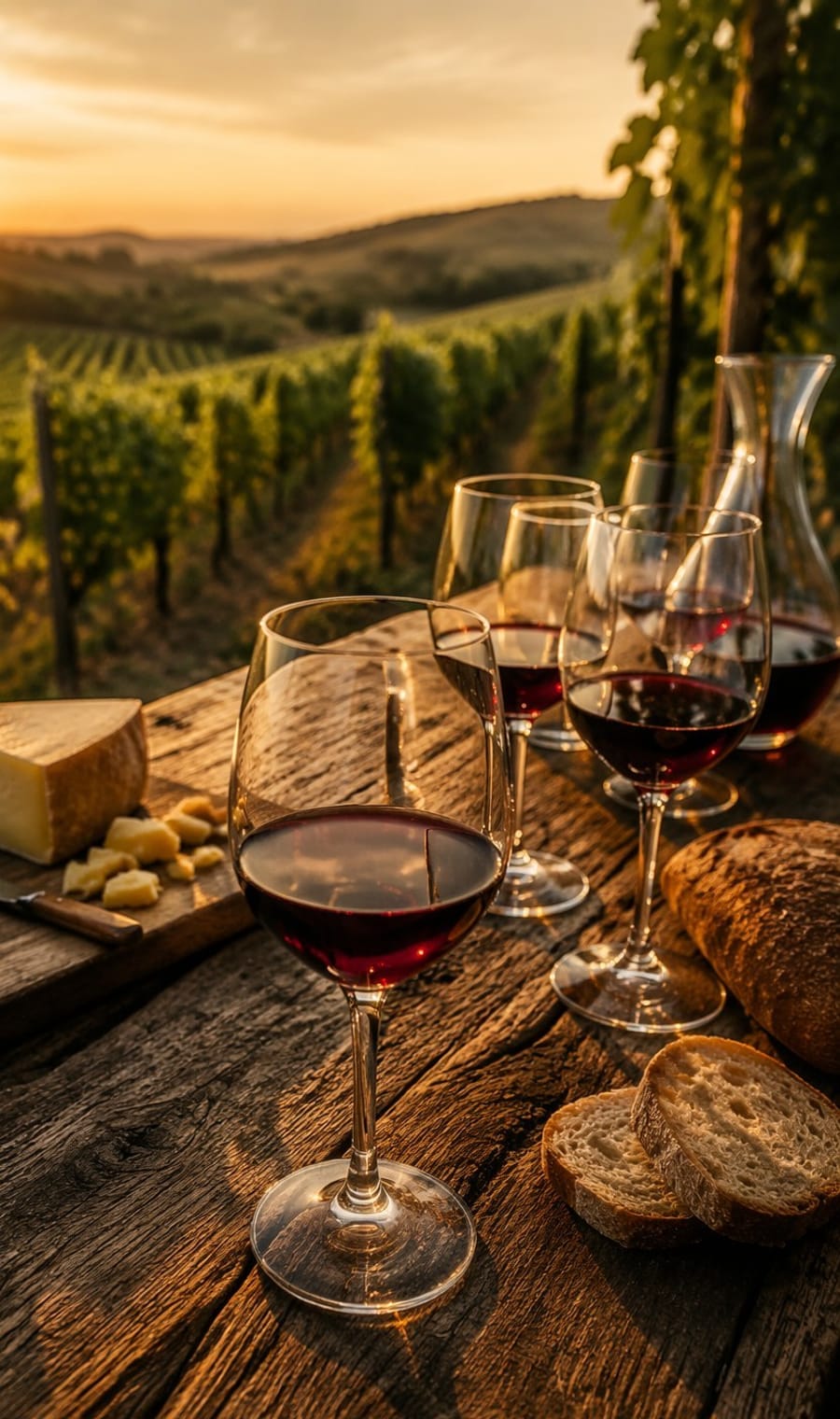
Glasses of red wine, pecorino and bread on a weathered table above a Tuscan vineyard at golden hour
Tuscany · Italy
Where We Send Clients

Six European Destinations Worth Planning Properly

Each has a surface version most travelers get and a deeper one that requires knowing exactly where to go, when to arrive, and who opens doors that aren't listed anywhere.
Italy, Southern Europe
Southern Europe
Italy
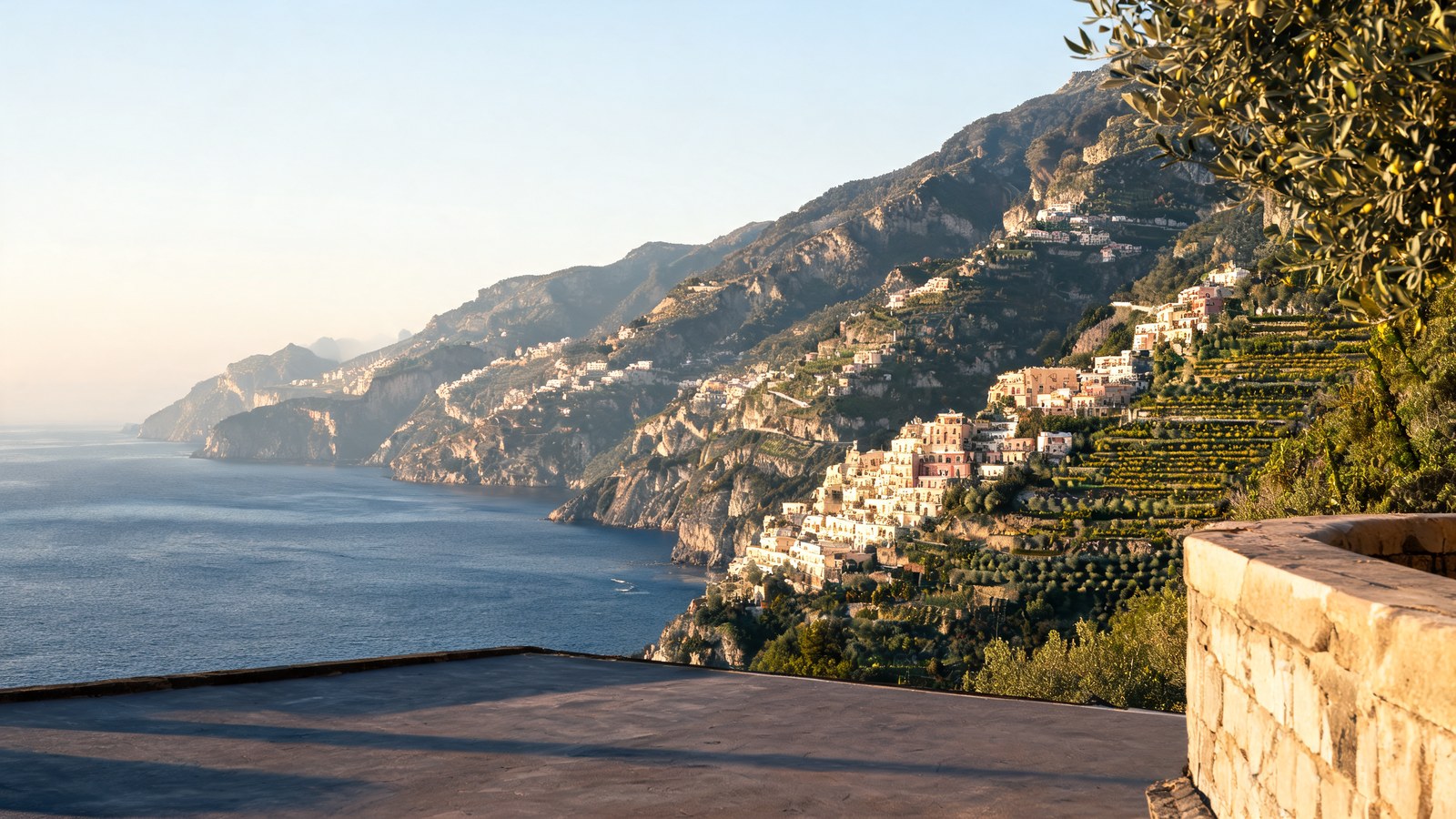
The most visited country in Europe, and still capable of surprising you when it is planned correctly. Rome for the archaeology done properly — not the Colosseum line, but private early-morning access with a classicist. Florence with an art historian who limits the Uffizi to twelve paintings.
Rome Amalfi Coast Emilia-Romagna
Explore →
France, Western Europe
Western Europe
France
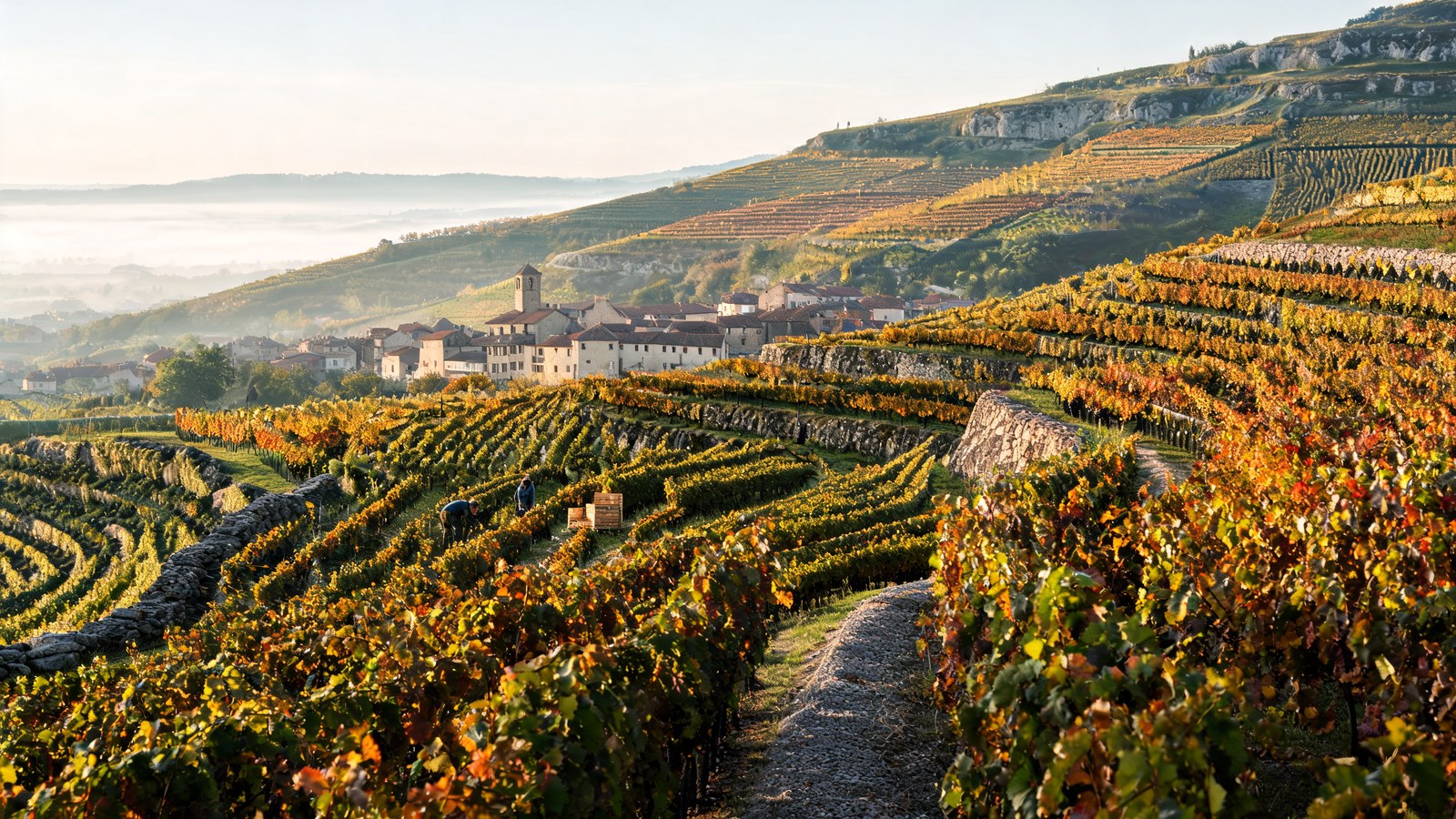
Paris for the genuine version — not the Eiffel Tower, but the arrondissements that hold the city's daily life, a market morning in the 6th, a bistro whose prix fixe has not changed in thirty years and is still extraordinary. Lyon, the gastronomic capital, undervisited by most travelers.
ParisBurgundyLyon
Explore →
Spain, Iberian Peninsula
Iberian Peninsula
Spain
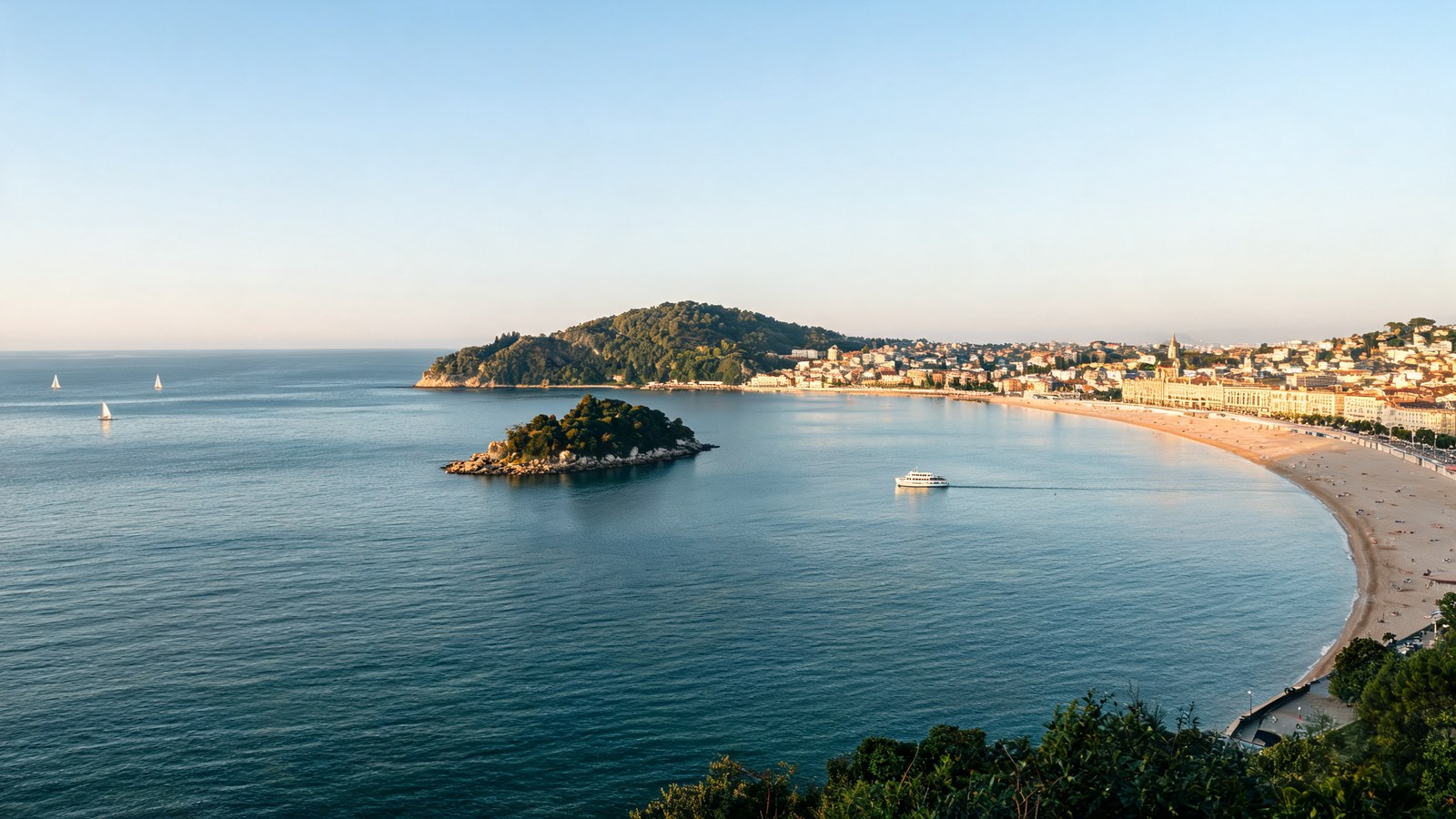
San Sebastián for the pintxos crawl and the txoko dinner that takes knowing a member. La Rioja for a bodega whose family has tended the same vines since 1902, and a village lunch that costs fourteen euros and lasts three hours. Madrid for a meal that does not start until ten at night.
San SebastiánLa RiojaMadrid
Explore →
Portugal, Iberian Peninsula
Iberian Peninsula
Portugal
One of the most underused destinations in Europe. Lisbon for the trams, the fado, and the pastéis de nata at the original bakery before the queue forms. The Alentejo, forty-five minutes south, rivals Burgundy in depth with almost no tourist infrastructure. The Douro for the port lodges.
LisbonAlentejoDouro Valley
Explore →
Greece & the Aegean, Mediterranean
Mediterranean
Greece & the Aegean
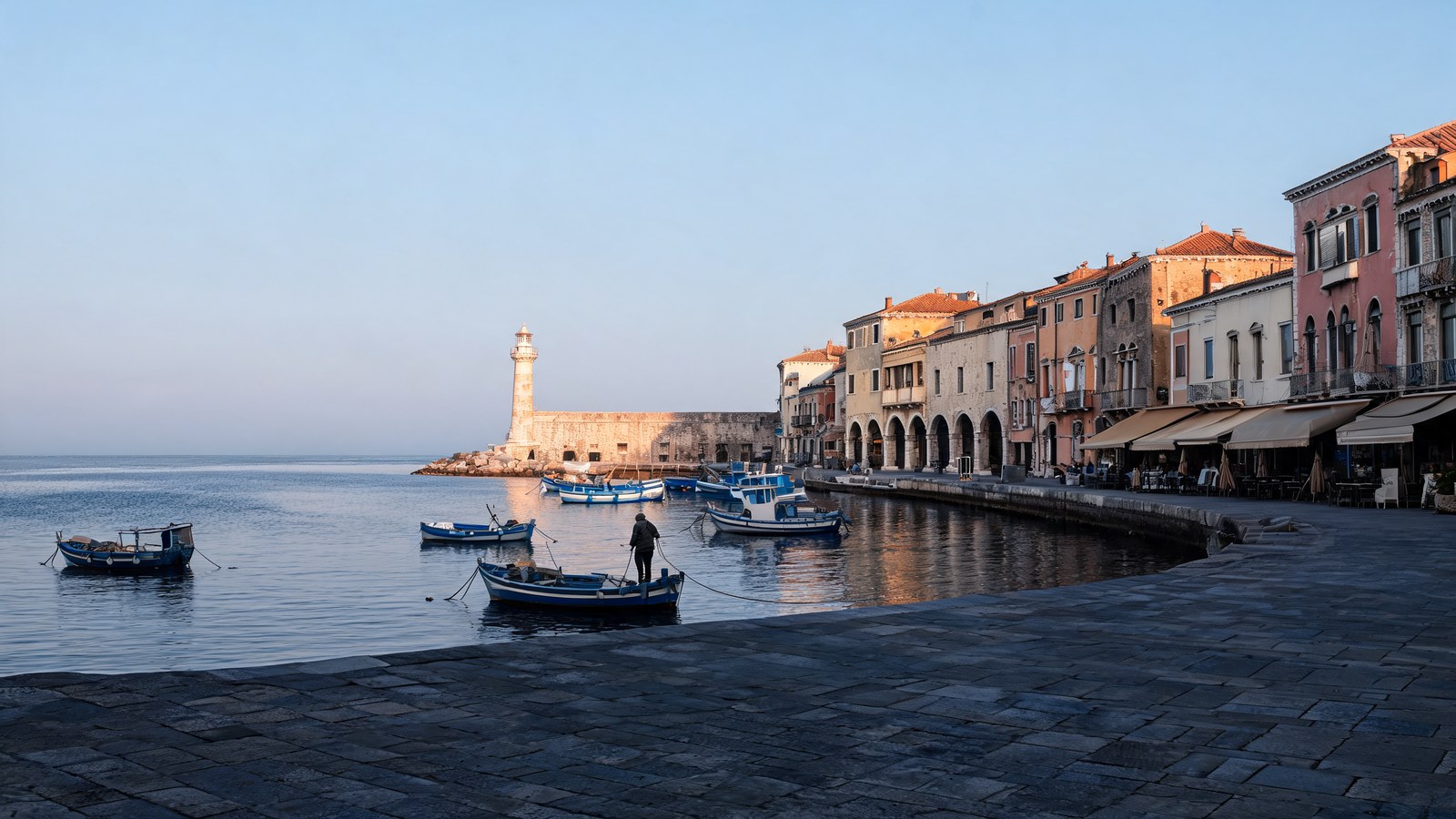
Santorini and Mykonos are real, and there is a version of each worth booking. But the Greece most travelers miss sits behind the beach tourism: the Peloponnese for classical sites with no crowds, Crete for a food culture older than the republic, Rhodes for a medieval neighborhood.
PeloponneseYacht CharterCrete
Explore →
UK & Ireland, Northern Europe
Northern Europe
UK & Ireland
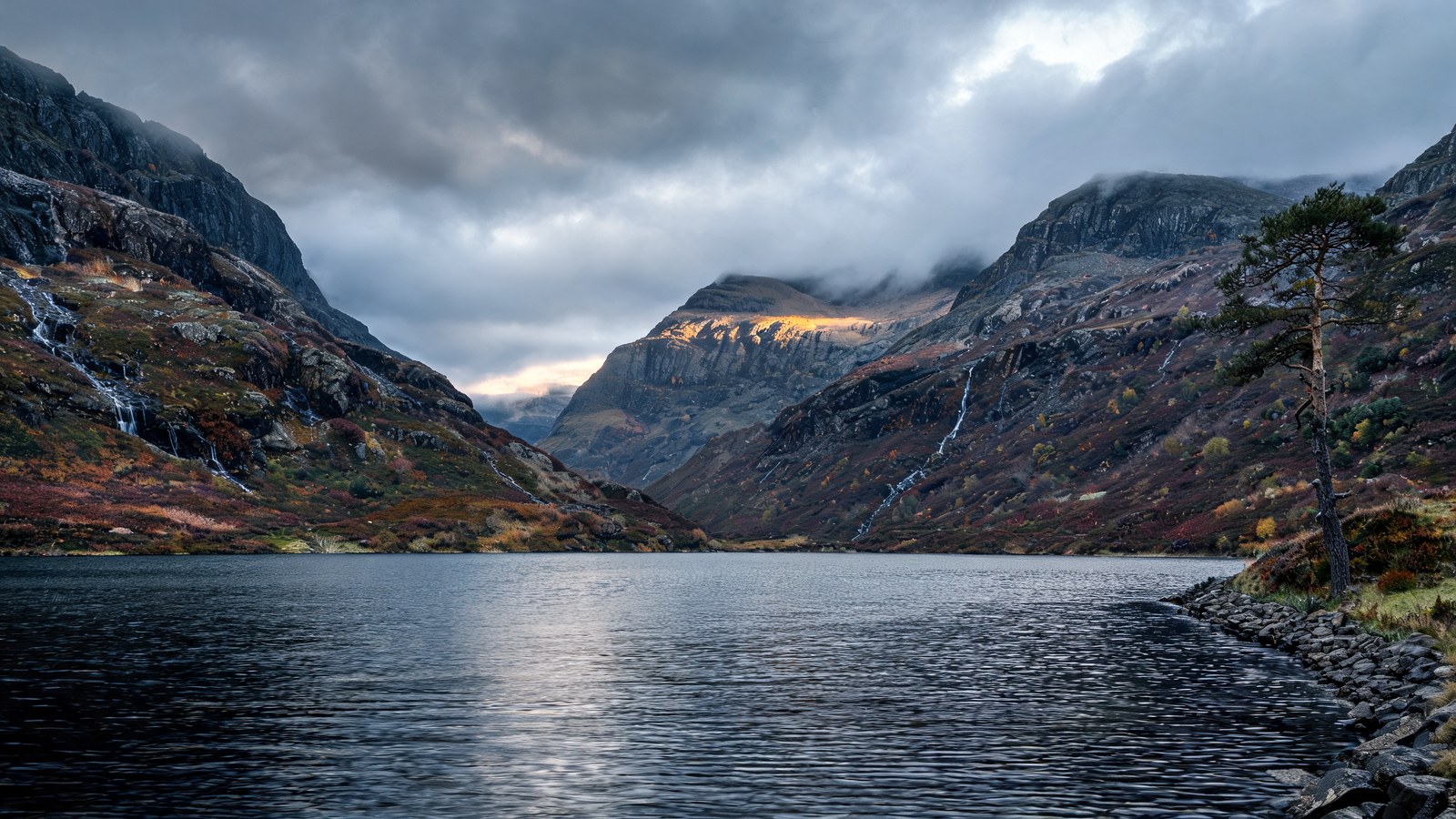
London done properly — not the tourist circuit, but the neighborhoods, the markets, and the galleries most visitors never find. Scotland for the Highlands in September, when the heather is out and the distillery tours turn into proper tastings. Ireland for the Wild Atlantic Way.
LondonScotlandIreland
Explore →
Featured Itineraries

Trips We Plan Often

European itineraries refined over many clients — built around the access, pacing, and specificity that most trip-planning tools can't provide.
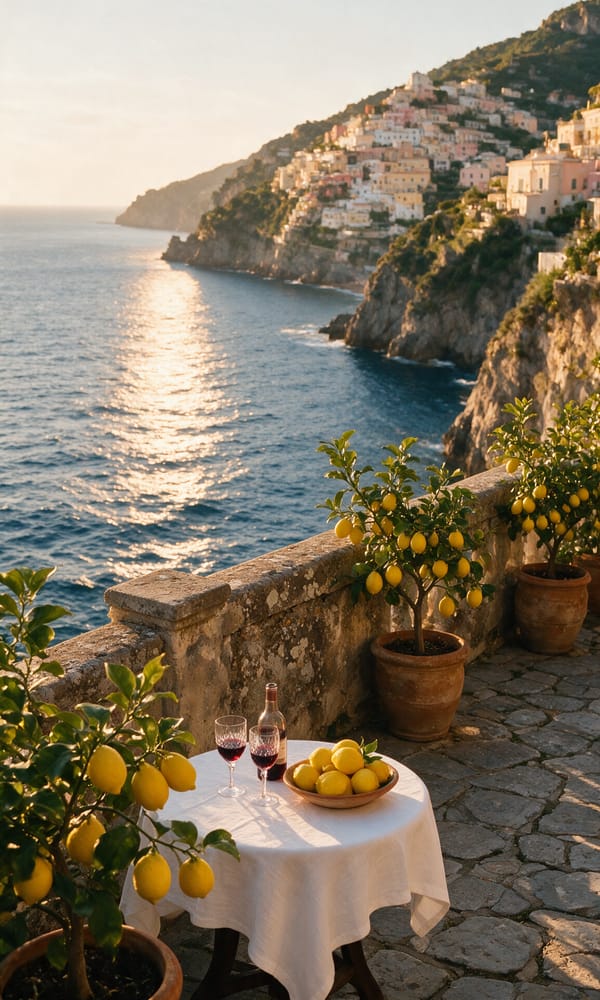
A table set with wine and lemons on an Amalfi Coast terrace above the sea, Positano on the far headland
May – June & September – October · 10–12 days
Italy: Tuscany Villa & Amalfi in Depth
Five nights in a Chianti Classico villa — a private chef dinner in the garden, a morning at a sixth-generation Parmigiano producer before the tourists arrive, a wine tasting at an estate that has never opened to the general public. Drive south through Rome for two nights — the Vatican at dawn with a private guide, the Forum as it was meant to be seen. Three nights on the Amalfi Coast at the one property worth the rate: a cliff-edge terrace, a boat charter to Positano and Capri, and a seafood dinner arranged by the hotel concierge who has been calling the same fisherman for twenty years.
Italy10–12 Days
Plan This Trip
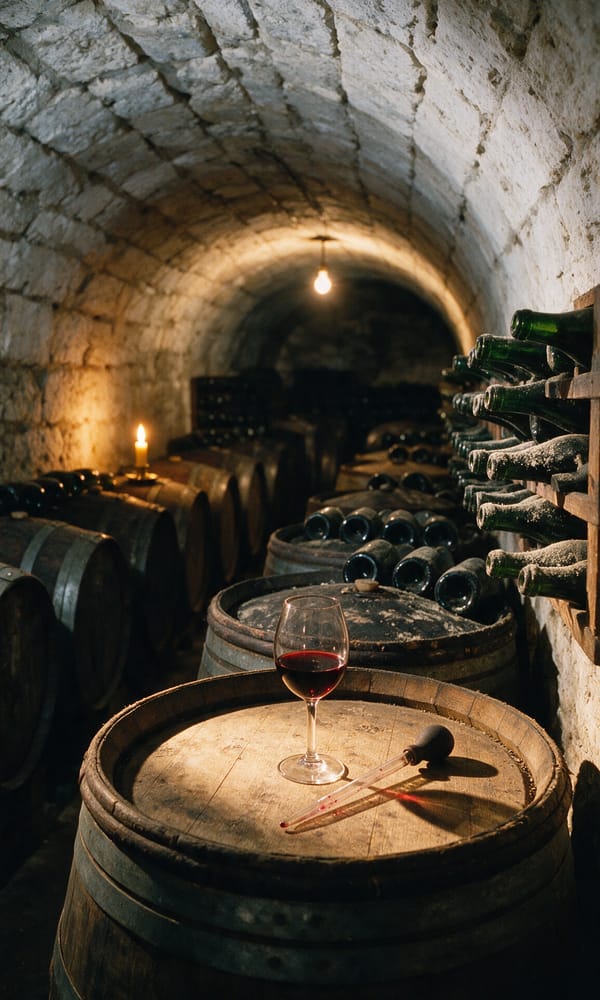
A glass of red wine and a pipette on a barrel head in a candlelit Burgundy cellar
September – November · 8–10 days
France: Burgundy Deep Dive & Lyon
Two nights in Paris — a market morning in the Marais, a bistro dinner that requires a reservation three weeks out, a cheese shop in the 6th that most French food writers consider essential. Train south to Lyon for two nights: a bouchon lunch that doesn't start until 12:30 and ends at 3:00, a morning at Les Halles Paul Bocuse, a Michelin dinner where the menu is written in handwriting because it changes daily. Four nights in Burgundy — Côte de Nuits domaine visits, a cellar tasting through twenty vintages with a négociant who has been buying barrels since the 1980s, and a harvest dinner with a 1947 wine list.
France8–10 Days
Plan This Trip
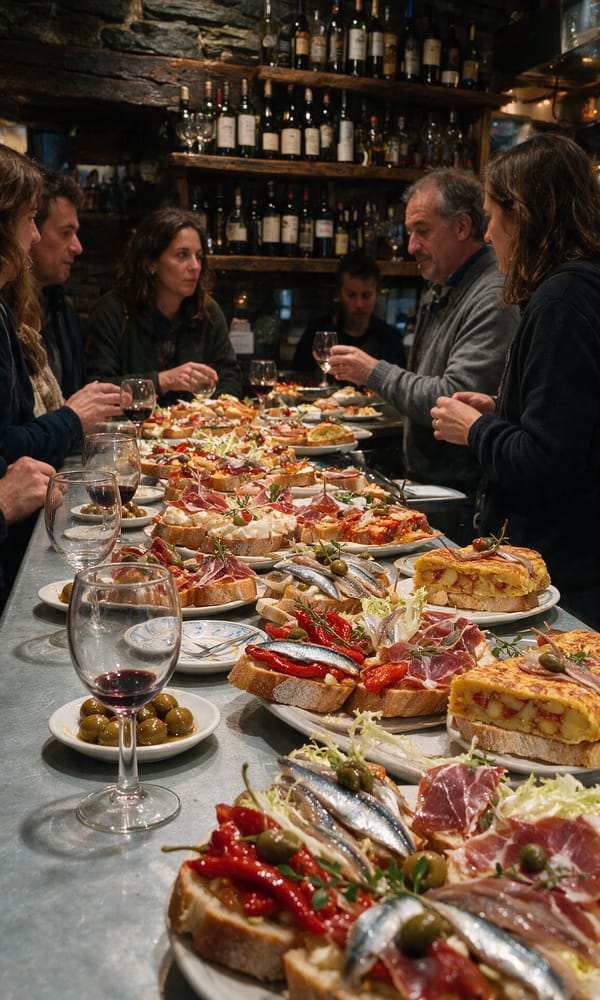
Platters of pintxos crowding a zinc bar counter in the old town of San Sebastián
April – June & September – October · 9–11 days
Spain: Basque Country, Rioja & Andalusia
Three nights in San Sebastián — a pintxos crawl through the old town with someone who knows which bars to visit in which order, a txoko dinner in a members-only gastronomic society accessible through the right connection, and a morning drive into the French Basque Country to Biarritz for a different perspective on the same food culture. Two nights in La Rioja — a family bodega with vines planted in 1902, a barrel tasting through five vintages, and a village lunch that fourteen euros gets you. Four nights in Andalusia: Granada for the Alhambra at dusk with a private guide, Jerez for the sherry bodegas and the flamenco that happens in a courtyard, Ronda for the view that earns the drive.
Spain9–11 Days
Plan This Trip
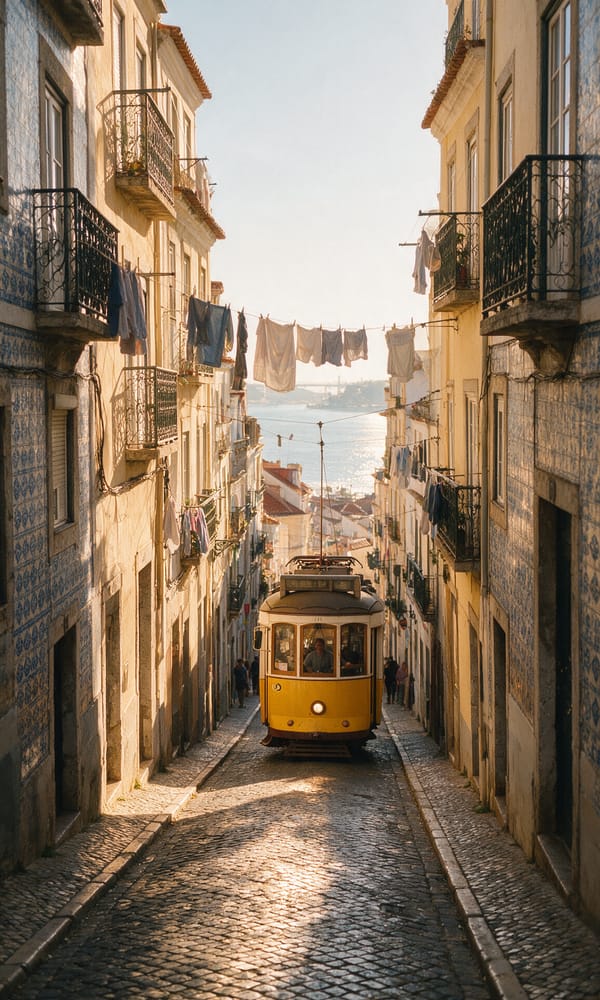
A yellow tram climbing a cobbled Alfama street in Lisbon with laundry strung overhead and the Tagus below
April – June & September – October · 7–9 days
Portugal: Lisbon, Alentejo & the Douro
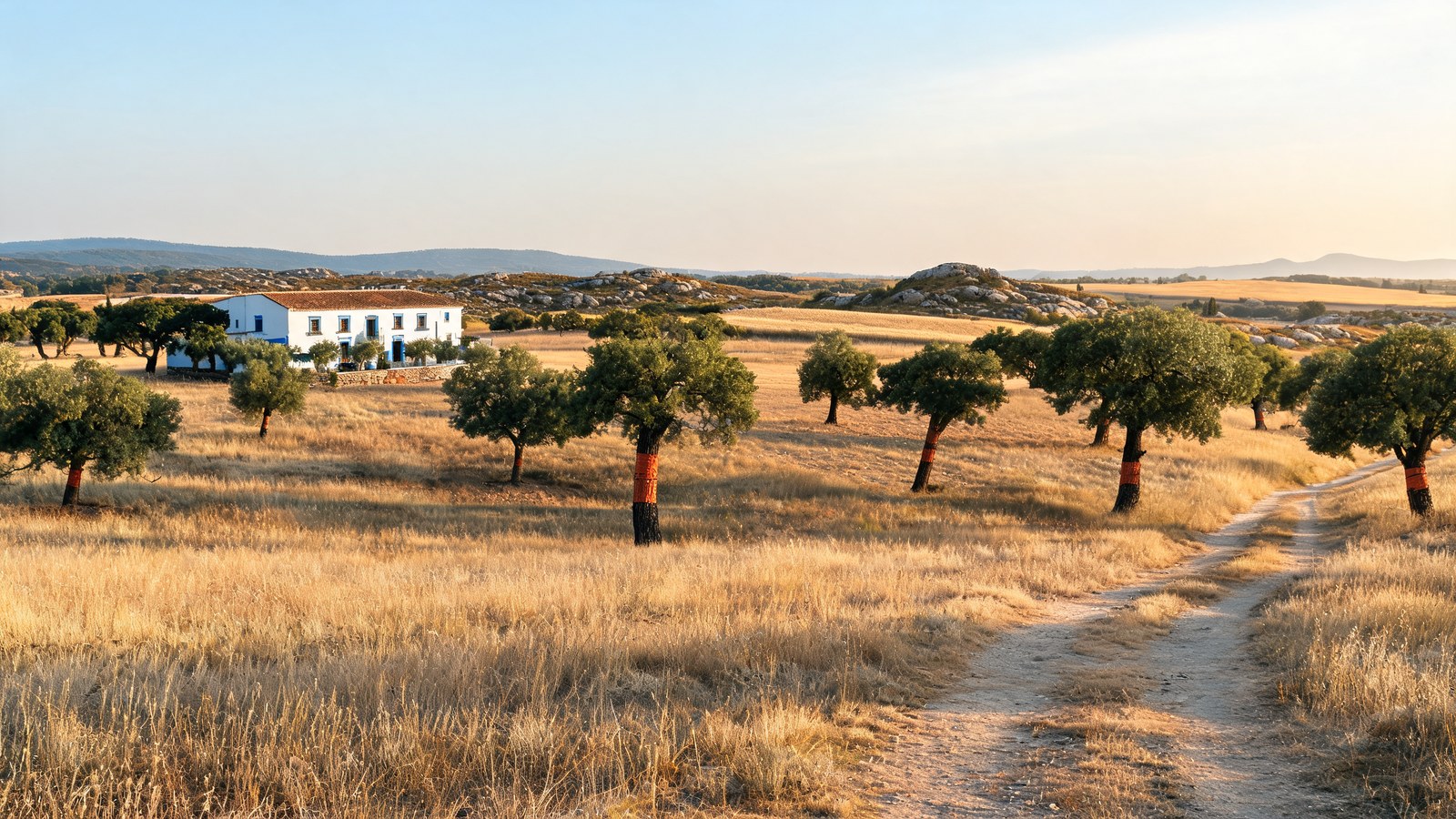
Two nights in Lisbon — a fado performance in Alfama on a Tuesday when the house is small, a market morning in the Time Out Market before the crowds, a tram ride through Bairro Alto with a local guide who grew up in the neighborhood. Three nights in the Alentejo at a converted herdade — a working cork farm, a private wine cellar beneath the estate, mornings among the cork oaks, evenings at a table that seats eight and never serves the same menu twice. Two nights in the Douro Valley — a port lodge tour with the family's fifth generation, a harvest boat down the river, and a dinner at the estate overlooking vineyards that predate the Portuguese republic.
Portugal7–9 Days
Plan This Trip
Why Plan With Us

What We Add to European Travel

Europe is the most traveled region in the world. The planning work that separates a good trip from an exceptional one is less obvious here than anywhere — and more consequential.

Specialist Guide Network
An art historian who limits the Uffizi to twelve paintings and explains what was at stake in each one. A winemaker in Burgundy who has been tending the same vines for forty years. A food guide in Lyon who grew up eating in bouchons. The guides who make Europe legible are the guides most travelers never find — we know where to find them.
Property Selection
Europe has more luxury properties per square mile than any other region, and the range in quality at similar price points is enormous. The right villa in Tuscany, the right terrace on the Amalfi Coast, the right townhouse hotel in Lisbon — these are specific answers, not categories. We know which properties earn the rate and which ones spend their review capital on photography.
Preferred Partner Access
Virtuoso membership gives clients access to amenity packages, suite upgrades, and property credits at participating European hotels — with no planning fee on our side, so the full value lands with clients staying at major hotels in London, Paris, Rome, and the Mediterranean coast. The reservation also means something when it comes through a recognized network rather than a booking engine.
Pacing & Depth Over Breadth
The most common European planning mistake is covering too much ground too quickly. Three days in Rome, two in Florence, one in Cinque Terre, two in Venice. Each destination gets a surface pass that produces fatigue instead of memory. We build European itineraries around fewer places with genuine depth — the version that produces the stories people tell for the next decade.
When to Go

Europe by Season

Shoulder Season
April – June & September – October
The best European travel window by a significant margin. Crowds at major sites are manageable. Temperatures across the Mediterranean, Tuscany, and Provence are ideal. September and October add harvest season in Burgundy, Tuscany, and the Douro Valley — the single best window for food and wine travel across the continent. Rates at top properties are meaningfully lower than peak summer.
Best Overall Window
Summer
July – August
The Mediterranean, Greek islands, and Scandinavian coasts are at their best for sailing and long evenings. July and August in Italy, France, and Spain bring crowds at iconic sites and significantly elevated hotel rates. The Greek islands and Croatian coast perform well in summer for yacht charters and island-hopping. Scotland and Ireland are excellent in summer — warm, green, and considerably emptier than the south.
Winter
November – March
The Christmas markets of Germany, Austria, and Prague reward the cold. Paris in November is the best-kept secret in European travel — every restaurant has availability, every museum has room to breathe, and the city looks like itself. London in winter is exceptional for theatre. The Canary Islands and Madeira offer warm Atlantic island weather when mainland Europe closes for the season. Ski season in the Alps from December through March.
Ready When You Are

Plan a Europe Trip
Worth the Flight

Tell me which country or region you're drawn to, when you can travel, and what kind of experience you're after. I'll come back with a specific recommendation — destination, property, pacing, and access — within one business day.

Plan a Europe Trip All Destinations

No booking fees  ·  Response within 24 hours  ·  Fully bespoke

What It Costs

What Europe Actually Costs

$700–$1,500
per person, per day, land only. Ranges, not quotes.
What that includes
  • Five-star or boutique hotels with breakfast
  • Private transfers and private guiding
  • Principal admissions and selected rail or short-haul segments
What it does not
  • Transatlantic airfare
  • Most meals and city taxes unless packaged
  • Major-event tickets and room-category upgrades
The two or three things that move it most
  • Country and city — capital-city five-stars set the ceiling
  • Hotel tier and the driver-guide versus rail mix
  • Major events and festival weeks

Editorial planning bands, not quotes — assembled from published rates and official fee sources, verified . Rates, permit costs and park fees change; confirm before booking. Source: Louvre admission prices.

Common Questions

Europe — FAQ

Questions about timing, itinerary depth, country combinations, and how to get more out of European travel than most people do.

May–June is ideal for most of Western Europe — warm, less crowded than July–August, and attractions fully open. September–October delivers excellent weather, harvest seasons in wine country, and noticeably fewer tourists. July and August are the most popular but also the most crowded and expensive. Winter is excellent for cities — Paris, Rome, and Vienna are best without summer crowds.

Two to three countries allows genuine depth. Four or more produces a rushed experience — too much transit, too little time in each place. There is a strong argument for spending two weeks in one country (Italy, France, Spain) rather than rushing through five. The best European trips go deeper rather than wider.

City-country combinations produce the richest trips. Rome and Tuscany. London and the Cotswolds. Paris and Burgundy or Provence. Barcelona and the Costa Brava. A week in a city followed by several days in rural surroundings suits most travelers better than exclusively one or the other.

Italy, France, Spain, Portugal, Greece, and the UK and Ireland are the six I know best. Within them: Rome, Florence, Tuscany, the Amalfi Coast and the Dolomites; Paris, Provence, Burgundy and the Riviera; Barcelona, Andalucía and the Basque Country; Lisbon and the Douro Valley; Athens, Santorini and the Peloponnese. I plan in these regions constantly and have vetted supplier relationships throughout.

For the right traveler, yes. A Danube or Rhine cruise covers multiple countries efficiently with the simplicity of unpacking once. Shore time at each port is typically limited, so it suits travelers who want a comfortable overview rather than a deep dive. The better lines — Scenic, Uniworld, Avalon — deliver meaningfully higher quality than the mass-market alternatives.

US and Canadian passport holders can visit Schengen Area countries for up to 90 days within any 180-day period without a visa. The EU's ETIAS system will eventually require pre-travel authorization. The UK has a separate Electronic Travel Authorisation since Brexit. Entry requirements for non-US/Canadian travelers vary — I verify current requirements for every client and passport combination.

Rome (3 nights minimum) and Tuscany (3–4 nights, ideally based in a rural villa or Siena) cover the essentials. Adding Florence and the Amalfi Coast extends to an ideal 10–14 day itinerary. High-speed rail connects cities efficiently. A private guide in Rome transforms the experience — the Colosseum, the Forum, and the Vatican are exponentially better with the right context and access.

Summer peak season (July–August) requires 6–9 months for the best hotel inventory. Shoulder season travel (May–June, September–October) can be arranged in 3–4 months. Private villa rentals in Tuscany, Vatican early-access bookings, and certain Michelin-star reservations benefit from booking as far in advance as possible.
More questions answered on the Full FAQ Page
From the Journal

Read More on Planning Europe