
Destination Guide 14 min read

The Europe Guide: Choosing the Right Version of the Continent

Six regions. The honest character of each. Why season changes the trip as much as destination does — and why going deeper into fewer places almost always outperforms the highlights tour.

Europe is the most over-planned and under-considered destination in the world. There is more research done on European travel than on any other continent — guidebooks, apps, curated lists, editorial recommendations — and most of it leads people toward the same handful of cities with the same handful of itineraries. Six cities in twelve days. The Louvre on Tuesday, the Colosseum on Thursday, a day in Barcelona, a day in Amsterdam. A checklist executed rather than a trip experienced.

The fundamental mistake is going wider instead of deeper. One region in ten days outperforms six cities in two weeks almost without exception — not because the cities aren't worth seeing, but because a week in Tuscany or the Luberon or the Dordogne gives you time to actually be somewhere rather than arriving, ticking the landmarks, and moving on before the place has had a chance to settle. The best Europe trips I plan are the ones where the client agrees to stay in fewer places and let each one breathe.

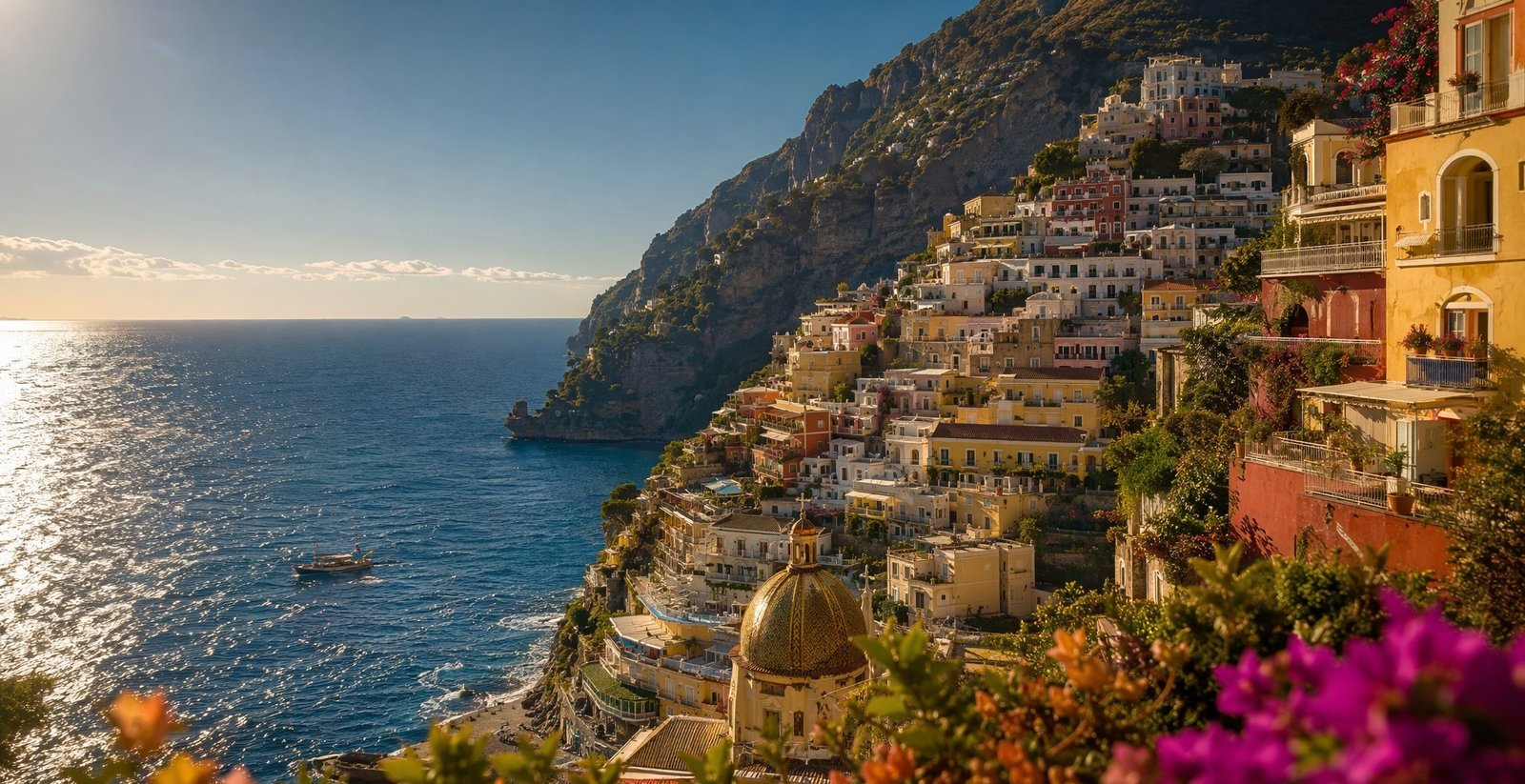
The second mistake is ignoring season. The Amalfi Coast in late May and the Amalfi Coast in August are not the same trip. The same road, the same hotels, the same water — but in August the single-lane coastal road becomes a traffic queue, the beaches are shoulder-to-shoulder, and the prices for everything reflect the demand of the entire continent converging on the same postcard. In May the road is clear, the water is just warm enough, and the towns feel like they belong to the people who actually live there. The difference between a good Europe trip and a great one is often just the month.

What This Guide Covers

Six regions, each with a distinct character that doesn't compress into the others. Italy is not interchangeable with France, Greece is not the Mediterranean in the same way that Croatia is, and Scandinavia operates on entirely different logic from the rest of the continent. For each region, this guide covers the honest character of the place, who it suits, when to go, and the specific properties worth knowing. The goal is to help you identify which version of Europe you're actually looking for before the planning conversation begins.

"The most common mistake in Europe travel is going wider instead of deeper. Six cities in twelve days is an itinerary. One region in ten days is a trip."

Six Regions at a Glance

Below is a breakdown of each region — its character, who it's right for, the timing that matters, and the properties worth knowing. After the region portraits, a timing guide and property reference section cover the continent as a whole.

Region Overview · Europe
The Numbers That Frame the Continent
6
Distinct regions covered in this guide
Apr–Oct
Primary travel window for Mediterranean & Northern Europe
7–10 hrs
Flight from major US East Coast gateways
Coast
Culture
Food
Primary experience types this guide covers
Six Regions. Six Different Trips.
01
Italy
Top Pick Coast + Culture Food
Amalfi Coast · Tuscany · Rome · Sicily · Lake Como
The most complete travel destination in Europe — coast, culture, food, and landscape in a single country, often within a single region. The Amalfi Coast is the concentrated version: dramatic cliff roads, pastel-colored villages above a sea that is genuinely that color in person, and a collection of hotel properties that have been refining the clifftop luxury experience for decades. The correct approach is a property with a sea-facing pool and private boat access to avoid the coastal road during peak hours.

Tuscany is the interior alternative — rolling hills covered in cypress and vineyards, agriturismo stays in restored farmhouses that produce the olive oil and wine you drink at dinner, and towns like Montalcino and Pienza that reward walking rather than ticking boxes. Rome is Rome, and it does not need marketing, but it rewards staying longer than the standard two days and going further than the Colosseum. Sicily is the least-visited of the major Italian options and the most genuinely surprising: Greek temples, Norman-Arab architecture, the best caponata in the world, and a coastline on the southern shore that almost no international travelers know about.
Best Months: May–June and September–October Avoid: August on the Amalfi — road gridlock and crowded beaches Gateway: FCO (Rome), NAP (Naples), MXP or LIN (Milan for Lake Como) Key Properties: Le Sirenuse (Positano), Il Pelicano (Porto Ercole), Monteverdi Tuscany
02
France
Riviera Provence Wine Country
French Riviera · Provence · Paris · Burgundy · Champagne
France has enough distinct travel regions to fill this guide on its own. The French Riviera in June — before the July–August peak — is the version worth booking: the coast is warm and clear, the properties are fully operational, and Cap Ferrat and Cap d'Antibes have the uncrowded-exclusive character that vanishes when the school holidays begin. Hotel du Cap-Eden-Roc at Cap d'Antibes has been the reference property for Riviera luxury since 1870, and the distinction between staying there and looking at photographs of it is significant.

Provence is the slower, more sustainable France trip: markets in Aix and Arles, the Luberon villages of Gordes and Bonnieux, lavender fields in bloom through June and into July, and a rosé wine culture that is not performed but simply how the region eats and drinks. The Dordogne and Périgord offer a version of the same quiet depth — medieval bastide towns, truffle country, canoe trips on the river between cliffs — with significantly fewer other travelers. Burgundy in September and October, during the grape harvest, is among the great seasonal travel experiences in Europe: cellar doors open, restaurants operate at their full capacity, and the vine rows turn gold while the Côte d'Or villages prepare for the winter quiet.
Riviera: May–June and September (peak July–August is crowded and priced accordingly) Provence: May–July (lavender); September–October (harvest quiet) Burgundy: September–October for harvest season Key Properties: Hotel du Cap-Eden-Roc (Antibes), La Bastide de Gordes (Provence), Château de Berne (Var)
03
Spain & Portugal
Food Capital Douro Valley Mallorca
Mallorca · Basque Country · Andalusia · Alentejo · Douro Valley
Spain contains the most underrated food destination in Europe. San Sebastián (Donostia) — a mid-sized Basque coastal city of 180,000 people — has more Michelin-starred restaurants per capita than anywhere else on earth. The pintxos culture in the old town alone justifies a dedicated trip, and the surrounding Basque countryside produces wine (Txakoli) and cider that belong to the region in a way that makes them worth drinking only here. This is the trip for people who travel for the table more than the landscape.

Mallorca has undergone a significant shift in the last decade — from a package-holiday island to one of the genuinely sophisticated Mediterranean finca hotel destinations. Cap Rocat, carved into a 19th-century military fortress above the bay of Palma, is the example of what the island does at its best. Portugal's Douro Valley rivals Burgundy as a wine-country travel experience and outperforms it on value: terraced quintas above the river, port wine lodges in Vila Nova de Gaia, and a rail journey from Porto through the valley that is one of the great scenic train routes in Europe. The Alentejo — the cork-oak plains between Lisbon and the Spanish border — remains genuinely undiscovered by international travelers and delivers a version of rural Portugal that looks like the 1960s except with extraordinary olive oil.
Best Months: April–June and September–October Avoid: Mallorca in August; Andalusia in July–August (extreme heat) Gateway: BCN (Barcelona), MAD (Madrid), OPO (Porto), PMI (Mallorca direct) Key Properties: Cap Rocat (Mallorca), Six Senses Douro Valley (Portugal), Finca Cortesín (Andalusia)
04
Greece & the Greek Islands
Cyclades Couples Shoulder Season
Santorini · Mykonos · Crete · Milos · Folegandros · Ionian Islands
The most photographed coastline in Europe — and like the Caribbean, the photograph tells only part of the story. Santorini in July is one of the most crowded small spaces on the continent: narrow caldera-rim footpaths shoulder-to-shoulder, restaurants booked weeks out, hotels commanding rates that reflect pure demand rather than proportional value. Santorini in May or October is the same caldera view, the same cave suites, the same volcanic sand beaches — with a fraction of the people and rates 25–35% lower.

The intelligent move for anyone who has already done Santorini and Mykonos is to go to the Cyclades islands that don't appear on every magazine cover. Milos has the most extraordinary geological coastline in Greece — Sarakiniko, the white lunar rock formations above a turquoise bay, is unlike anything else in Europe. Folegandros has one of the most beautifully preserved chora (village centers) in the islands and almost no package tourism. Sifnos is the food island of the Cyclades. The Ionian Islands — Kefalonia, Zakynthos, Ithaca — operate on different terrain: lush, green, dramatic cliff beaches, Venetian architecture, and fewer crowds than the Aegean alternatives.
Best Months: May–June and September–October Avoid: August in Santorini/Mykonos — crowds and pricing at maximum Gateway: ATH (Athens), then ferry or domestic flight to islands Key Properties: Mystique (Santorini), Andronis Boutique (Santorini), Bill & Coo (Mykonos)
05
Scandinavia & Northern Europe
Fjords Northern Lights Architectural
Norway · Iceland · Sweden · Finnish Lapland · Faroe Islands
The only region in Europe where summer and winter are equally compelling for entirely different reasons — which means it's also the region that gets misbooking most often, because travelers don't clearly decide which version they're after. June through August in Norway is fjord country under midnight sun: the Geirangerfjord and Nærøyfjord look so implausible in late evening light that first-time visitors often assume photographs have been enhanced. They have not. The Flåm Railway, the Aurlandsfjord, the ferry between Bergen and Flåm — these are genuine landscape experiences without qualification.

November through February in Iceland and northern Norway is Northern Lights season — and is worth booking specifically for that experience, with the understanding that the lights require clear skies and can't be guaranteed on any given night. The properties in this region have responded by building in enough to do in darkness and cold that the stay is excellent regardless: Deplar Farm in Iceland's Troll Peninsula has a geothermal spa, heli-skiing in winter, and river fishing in summer on the same property. The Faroe Islands — between Norway, Iceland, and Scotland — are among the most dramatically beautiful landscapes in Europe, still genuinely remote, and accessible only to travelers who have planned specifically to get there.
Fjords / Midnight Sun: June – August (Norway, Iceland) Northern Lights: November – February (Iceland, Norwegian Arctic) Gateway: OSL (Oslo), BGO (Bergen), KEF (Reykjavik) Key Properties: Juvet Landscape Hotel (Norway), Deplar Farm (Iceland), Manshausen Island Resort (Norway)
06
United Kingdom & Ireland
Highlands Country House Understated
Scottish Highlands · Cotswolds · West Cork · Connemara · English Country
The most consistently underestimated destinations in Europe, partly because English-speaking implies familiar, partly because London tends to absorb travel time that would be better spent elsewhere. The Scottish Highlands are as remote and dramatically beautiful as anything in Norway — single-track roads, lochs that could be set-dressed for a film, and an infrastructure of historic estates turned country house hotels that provides exceptional access to the landscape with the comfort level of a different category of trip entirely. The best Scotland trips are organized around estates: a few days in Perthshire, a few days in the far north, walking or fishing or shooting depending on the season.

The west coast of Ireland — Connemara, the Dingle Peninsula, the Ring of Kerry, the Aran Islands — is a landscape of such spare and particular beauty that it surprises almost every traveler who has based their expectations on Dublin airport and the east coast. Ballyfin in County Laois, one of the great country house hotels in Europe, is two hours from Dublin and operates in a context — a fully restored Regency house on 614 acres with a private lake — that has almost no parallel on the continent. England's country house hotel tradition, in the Cotswolds and New Forest and Lake District, delivers a version of English life that the country has refined over several centuries and continues to do better than anywhere else.
Best Months: May–June and September–October (July–August is fine but busy in Cotswolds) Note: Scotland in July–August brings midges (biting insects) to the Highlands — plan accordingly Gateway: LHR (London), EDI (Edinburgh), DUB (Dublin) Key Properties: Ballyfin (County Laois), Inverlochy Castle (Scottish Highlands), Lime Wood (New Forest)
When to Go — and Why Season Changes Everything
May – Jun
Spring / Shoulder
The best window for most of the continent. Mediterranean beaches are warm but uncrowded. Provence lavender begins mid-June. Greek islands are open and accessible without August's pressure. Amalfi villages are navigable. Rates are 20–35% below peak. The single best season for a first Europe trip.
Best Window
Sep – Oct
Fall / Harvest
The second-best window — and the best for wine country specifically. Burgundy and Champagne harvest runs September into October. Tuscan grape and olive harvests bring the best seasonal menus. Greek islands are warm through October. Crowds thin sharply after the first week of September throughout the Mediterranean.
Best Value
Jul – Aug
Peak Summer
The right window for Scandinavia and the fjords — midnight sun, warm enough to be comfortable, the peak of Nordic hiking and outdoor season. The wrong window for the Amalfi, Santorini, and Mykonos, where crowds and pricing are at their maximum. Plan your Mediterranean beach trip around this window only if you book 12+ months out.
Nov – Mar
Winter
Northern Lights season in Iceland and Arctic Norway (Nov–Feb). Christmas markets across Germany, Austria, and Alsace. Alpine ski season peaks January–March. The off-season for the Mediterranean is genuinely off — many island properties close, Amalfi villages become quiet and cold. Cities — Paris, Rome, London — are less crowded and often worth the trade.
Eight Properties That Earn Their Rates
Not a comprehensive list — these are the specific properties across Europe that consistently deliver what they promise, from Amalfi clifftops to Icelandic adventure lodges to Irish Regency estates.
Le Sirenuse
Amalfi Classic
Positano · Amalfi Coast · Italy
The reference property on the Amalfi Coast — a converted 18th-century palace on the hillside above Positano, in the same family for three generations, with a terrace restaurant and pool that face the bay directly. The interiors are genuine rather than designed: antiques, coral, ceramics, and a lack of the corporate polish that makes newer luxury properties feel interchangeable. The service knowledge, built over decades, is what makes a stay here different from staying at a hotel that looks similar in photographs.
Hotel du Cap-Eden-Roc
Riviera Legend
Cap d'Antibes · French Riviera
The Riviera property that has been defining a certain kind of summer for 150 years — on 22 acres of pine forest on the tip of Cap d'Antibes, with a seawater pool blasted into the rock at the water's edge that has been photographed as many times as the Colosseum. Cash only (historically — policy worth confirming), May through October only, and booked by the same clientele year after year. The experience is exactly as particular as the mythology suggests, and the location is as good as the photographs indicate.
Il Pelicano
Clifftop Classic
Porto Ercole · Tuscany · Italy
The Slim Aarons photograph property — a clifftop hotel on the Argentario peninsula in southern Tuscany that has been attracting a specific, loyal European clientele since 1965. The pool hangs above the Tyrrhenian Sea. The restaurant holds a Michelin star and earns it. The rooms in the original building are the correct ones to book. Porto Ercole itself is a fishing village with a fortified old town and no particular concession to mass tourism, which is exactly the right context for a hotel of this character.
Mystique
Cave Suite
Oia · Santorini · Greece
The most architecturally honest luxury property in Santorini — cave suites built into the caldera cliff in Oia, with private plunge pools that face directly into the volcanic basin and the sea below. The property has 18 suites, which keeps the scale intimate in a way the larger Santorini properties cannot replicate. Oia's northern position gives it the most dramatic caldera views on the island and slightly less foot traffic than the main towns during peak season.
Juvet Landscape Hotel
Fjord Architecture
Norddal · Møre og Romsdal · Norway
Seven separate pavilions built into the riverbank of the Valldøla in western Norway, each with floor-to-ceiling glass facing directly into the birch forest and the river gorge below. The architecture — winner of multiple international awards — is designed to be invisible in the landscape rather than imposing on it. Used as a filming location for Ex Machina. The experience of waking up with nothing between you and the Norwegian forest except glass is one of the genuinely singular hotel experiences in Europe.
Cap Rocat
Fortress Hotel
Cala Blava · Mallorca · Spain
A 19th-century military fortress above the Bay of Palma, converted into 30 suites and apartments without losing the architecture that makes it extraordinary — cannon embrasures turned into window frames, ramparts turned into sun terraces, the original cisterns still visible below the property. The seawater pool is carved directly from the rock at the water's edge. The location keeps it 20 minutes from Palma while feeling entirely separate from the island's resort zones.
Ballyfin
Regency Estate
County Laois · Ireland
A fully restored Regency house on 614 acres in the Irish midlands, two hours from Dublin, with a private lake, walled gardens, and 15 suites individually furnished with antiques from the house's original collection. The restoration — completed after a decade of work and a reported $75 million — is one of the most complete in Europe. Rates include all meals and activities. The clientele is international and returns repeatedly, which is the best endorsement a hotel this size can receive.
Monteverdi Tuscany
Hilltop Estate
Castiglioncello del Trinoro · Tuscany · Italy
An entire medieval hilltop village in the Val d'Orcia — the most cinematic corner of Tuscany — restored into a 14-room hotel, spa, and cooking school by the American music producer Michael White. The views from the village terrace cover the full breadth of the valley that UNESCO protected on the basis of its landscape. The food program is serious: the restaurant uses produce from the estate's farm, and the cooking school attracts guests who plan trips specifically around it.
Plan Your Trip

The full destination overview for Europe — including sample itineraries by region and the properties we recommend most often — is on the Europe Destination Page.

If food and wine are central to how you travel, the Food & Wine Travel experience page covers how to structure a trip around the table — which regions, which seasons, and what to look for in a property that takes its food program seriously. For cultural and art-focused travel, the Culture & History page is the right starting point.

Tell me which region draws you, which month, and who's traveling. I'll come back with a specific recommendation within one business day.

Plan a Europe Trip
That Goes Deeper

Tell me which region draws you — Amalfi in May, Greek islands in September, Norwegian fjords in summer — and I'll come back with a specific recommendation. Property, timing, room category, and exactly why it fits your trip.

Start Planning
May–June and September–October for most regions
7–10 nights (the flight justifies the time)
JFK, EWR, BOS, MIA direct to major European hubs
One region deeply rather than multiple cities
6–12 months for peak season top properties
Mark Sole
Founder & Travel Director

Hit Your Mark Travel plans luxury travel for clients who know what they want and need someone who can actually deliver it. The European properties and regions in this guide are based on direct experience — the stays, the restaurants, the specific rooms — not editorial research.

About Mark