
Sea & River

The Right Ship
Changes Everything

Cruising done well is the most efficient way to see the world's coastlines — done poorly, it's a floating buffet with a crowd attached. The difference is ship size, itinerary design, and who booked it for you.

Why Cruise Travel

Small Ships, Real Itineraries

Ship size decides the experience more than the itinerary does. A 200-guest expedition ship means no queuing and a destination focus; a large ship means more amenities and more people between you and the place. Mediterranean shoulder seasons run May–June and September–October, Alaska June to August, and Antarctica November to March. Expedition cabins book twelve to eighteen months out.

The cruise industry is built around a volume model: five thousand passengers, a port every day, and an onboard economy designed to keep you spending. That model produces a specific kind of trip — and it's rarely the one our clients are looking for.

The version of cruising we plan is different. Ships measured in hundreds of guests, not thousands. Itineraries that stay late in port or overnight where the day-trippers leave. Expedition vessels with naturalists and Zodiacs where the destination is the point, river ships that dock in the center of the city you're there to see, and private yachts where the itinerary is a conversation, not a schedule.

The choice of vessel, cabin category, and sailing date matters more in cruising than in almost any other travel category — the same itinerary on two different ships is two different trips. That matching problem is what we're for.
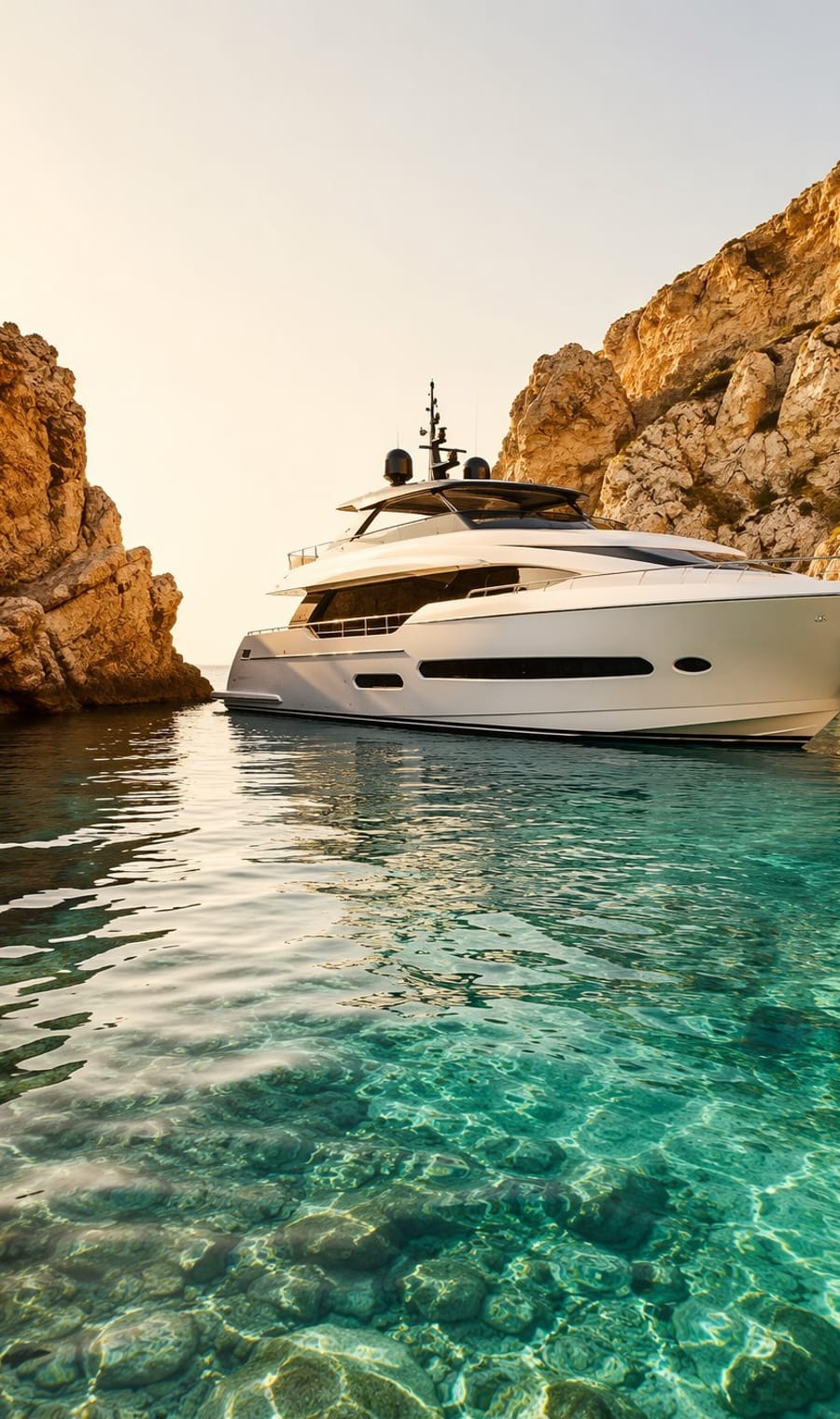
A white motor yacht anchored in a rocky Mediterranean cove
A yacht cove · The Mediterranean
Where to Go

Waters We Know in Detail

Each cruising ground rewards a different kind of ship and season. The right combination depends on what you're actually going to see.
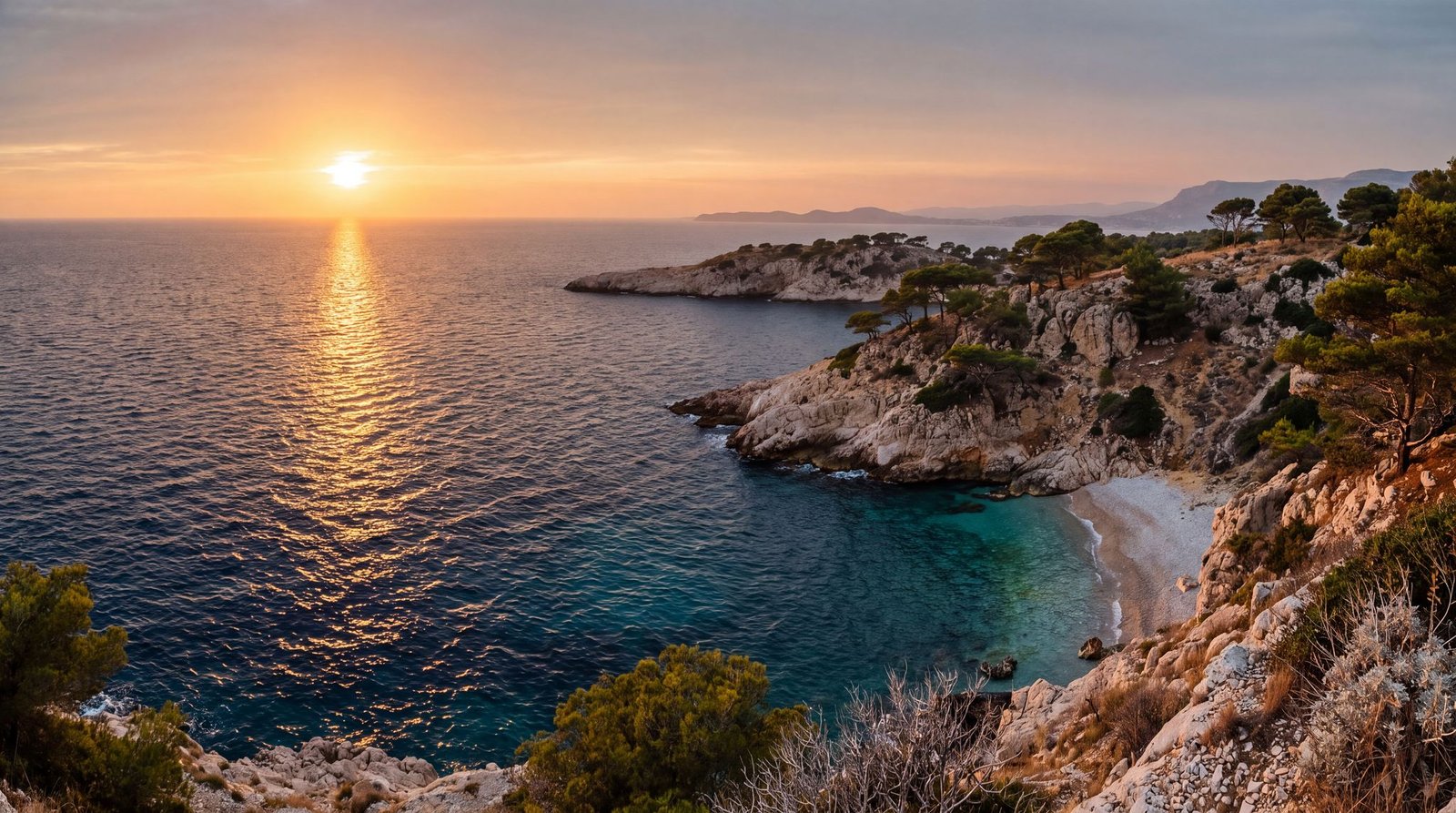
Mediterranean coastline in October light
Europe
The Mediterranean
The classic luxury cruising ground — but the version worth doing avoids the megaship ports in August. Small-ship and yacht itineraries through the Dalmatian coast, the Greek Isles beyond Mykonos and Santorini, and the Amalfi anchorages the big ships can't reach. Best May–June and September–October.
Dalmatian CoastGreek IslesSmall Ship
Explore →
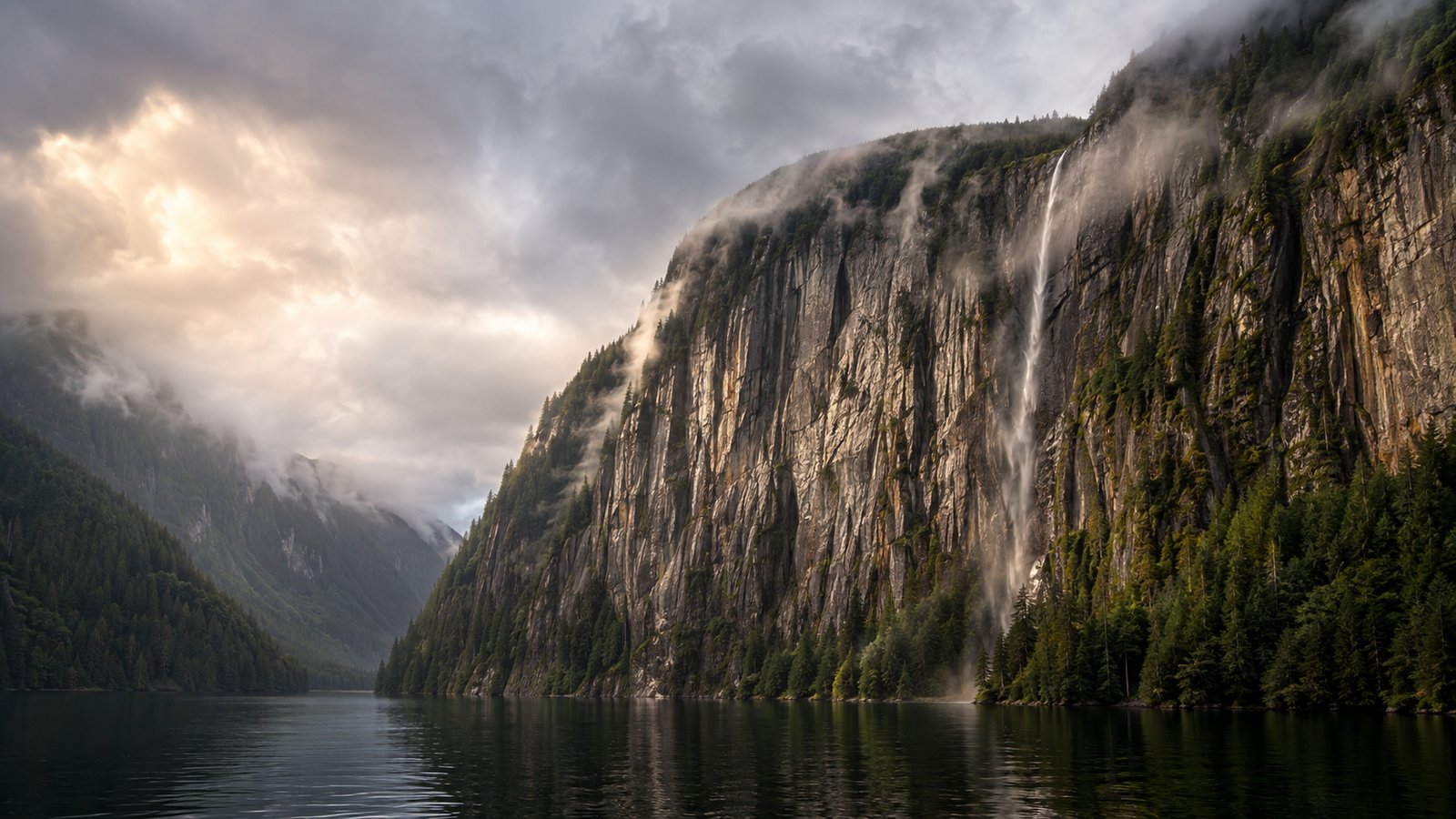
The Inside Passage, Southeast Alaska
North America
Alaska
Expedition cruising at its most accessible — glaciers, whales, and brown bears from a small ship that can nose into fjords the big vessels pass by. The Inside Passage done properly includes time in the smaller communities, not just the cruise ports. Best June through August.
Inside PassageGlaciersJune – August
Explore →
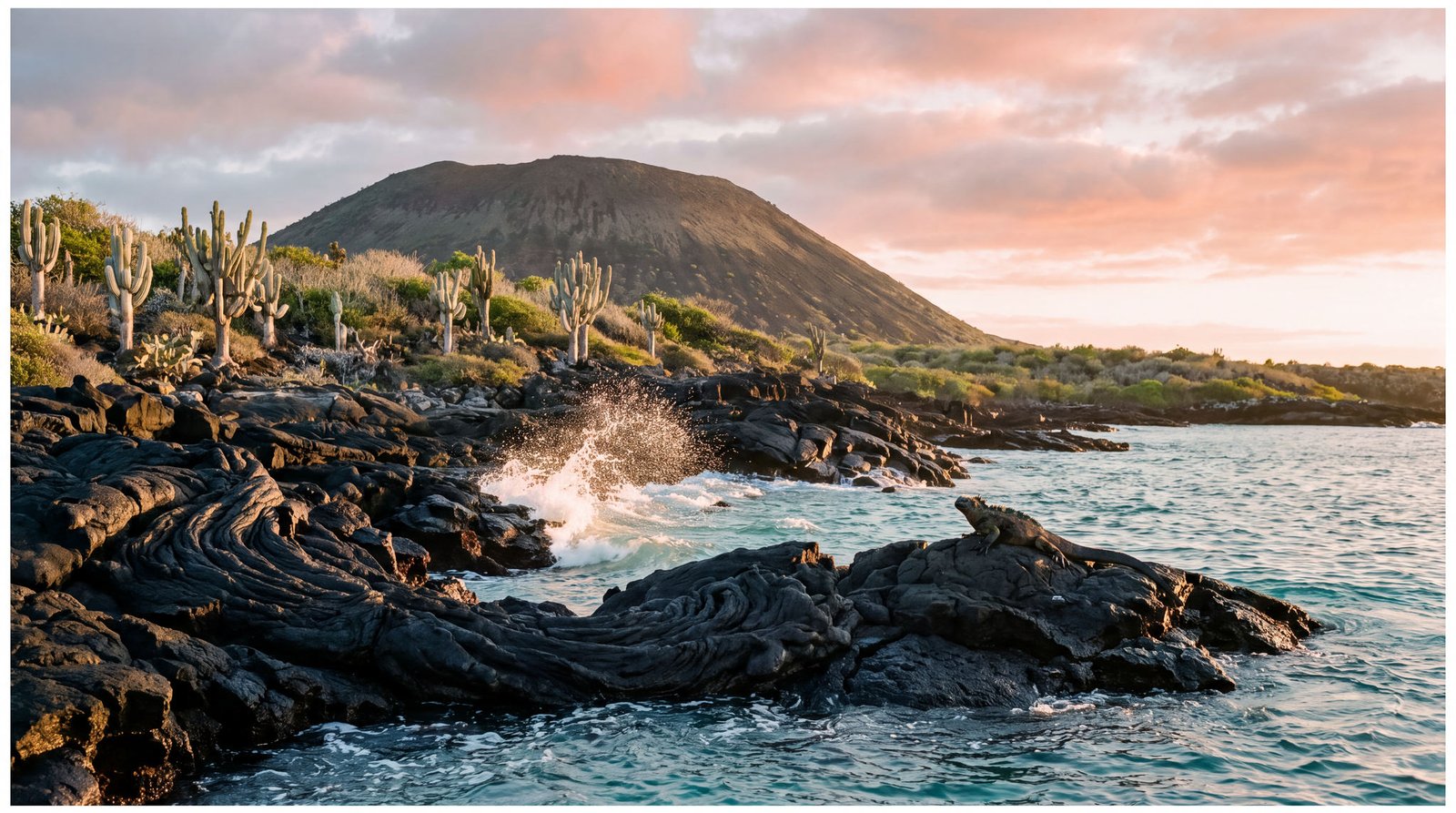
Volcanic coastline in the Galápagos Islands
South America
The Galápagos
A destination that only exists as a cruise — the islands are visited by licensed vessel, full stop. Ship selection here is the entire decision: the best naturalist guides, the right island sequence, and vessels small enough to feel the place rather than tour it. Year-round, with wildlife calendars that vary by month.
Naturalist GuidesLicensed VesselYear-Round
Explore →
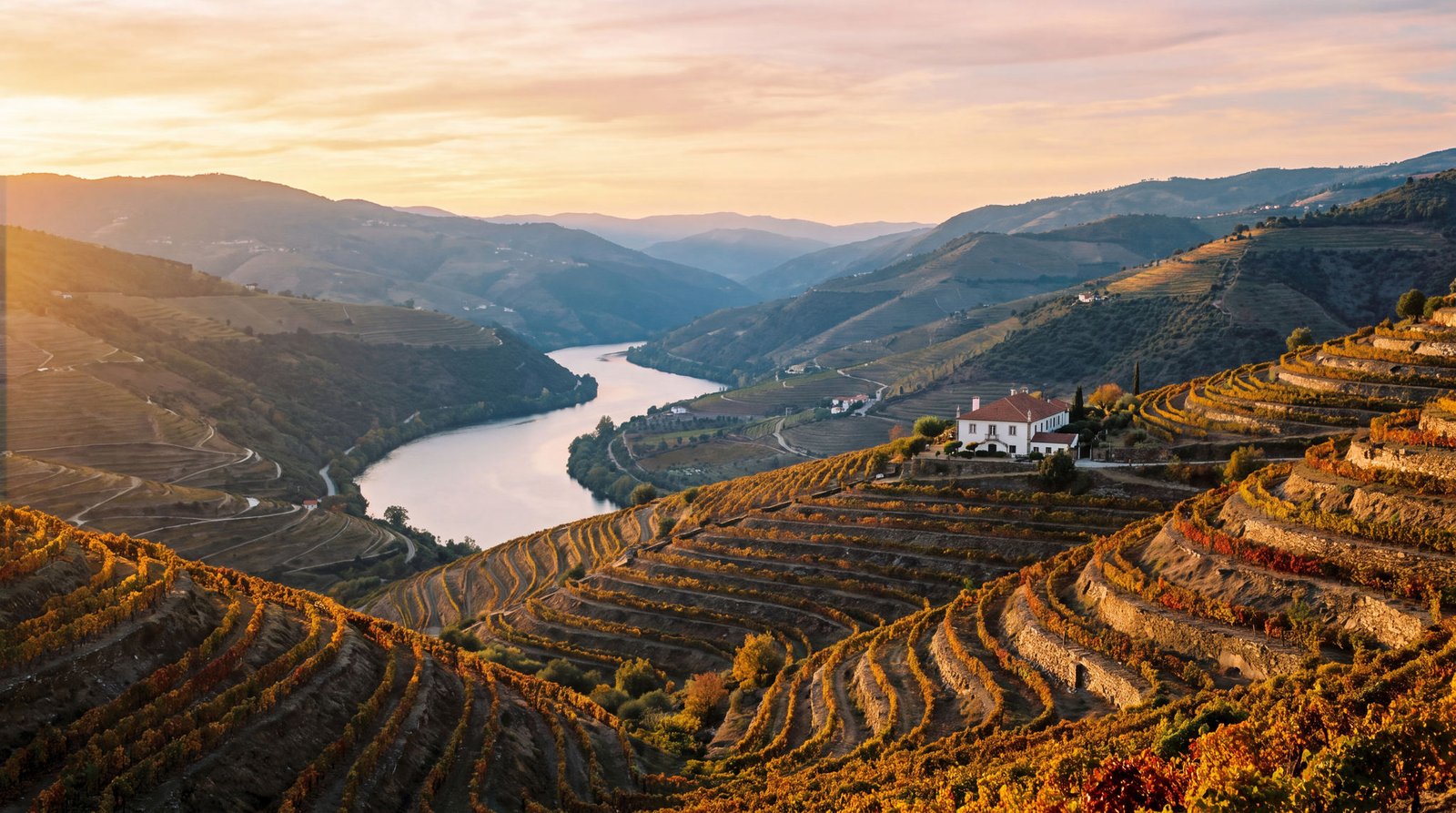
The Douro Valley, Portugal
Europe
The European Rivers
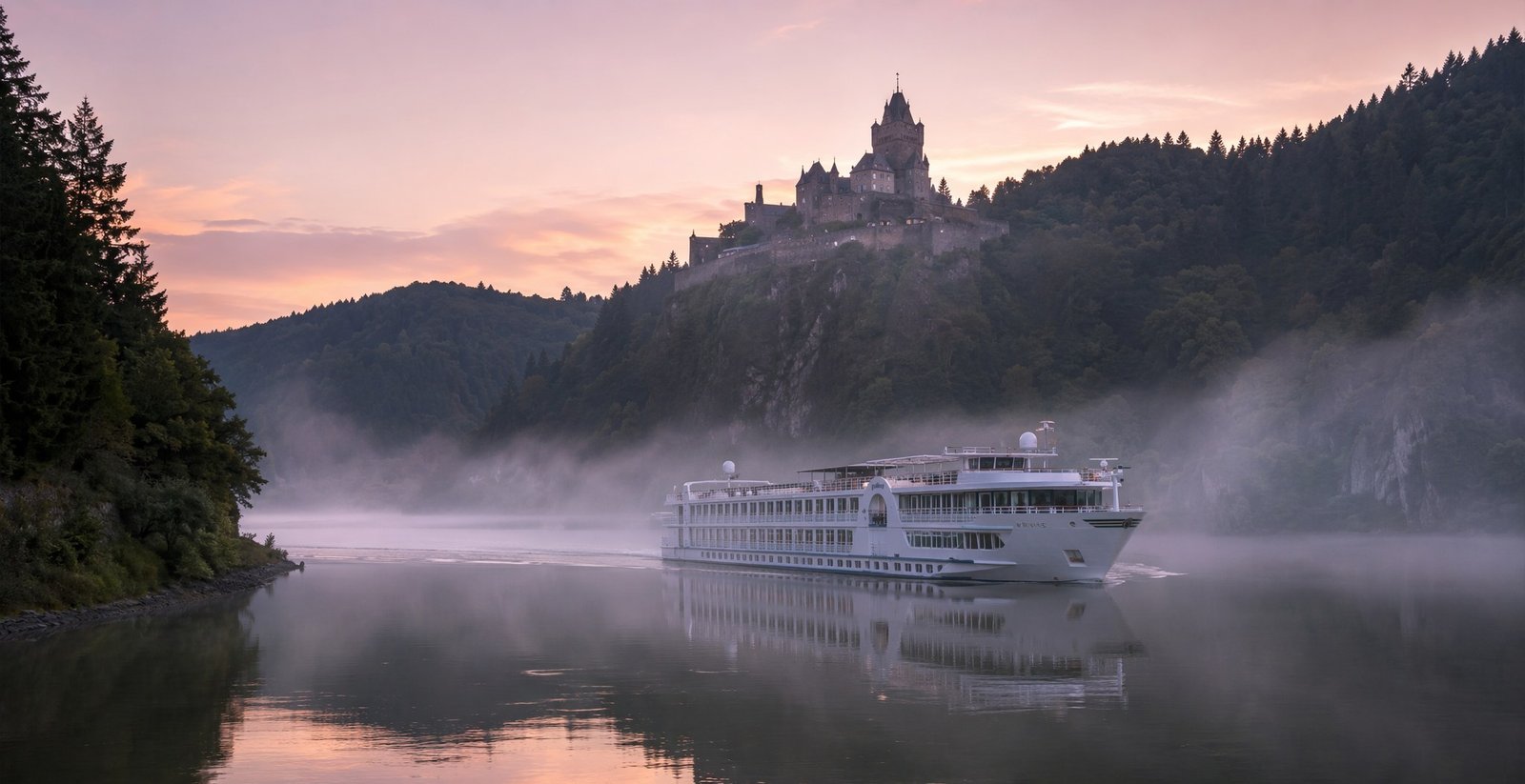
The Rhine, Danube, Rhône, and Douro — docked in the center of Vienna, Budapest, or Lyon rather than a bus ride outside it. River cruising rewards the right ship choice: the difference between vessels is felt most at dinner and in the cabin. Shoulder season (April, October) means fewer ships and better tables.
Rhine & DanubeDouroCity-Centre Docking
Explore →
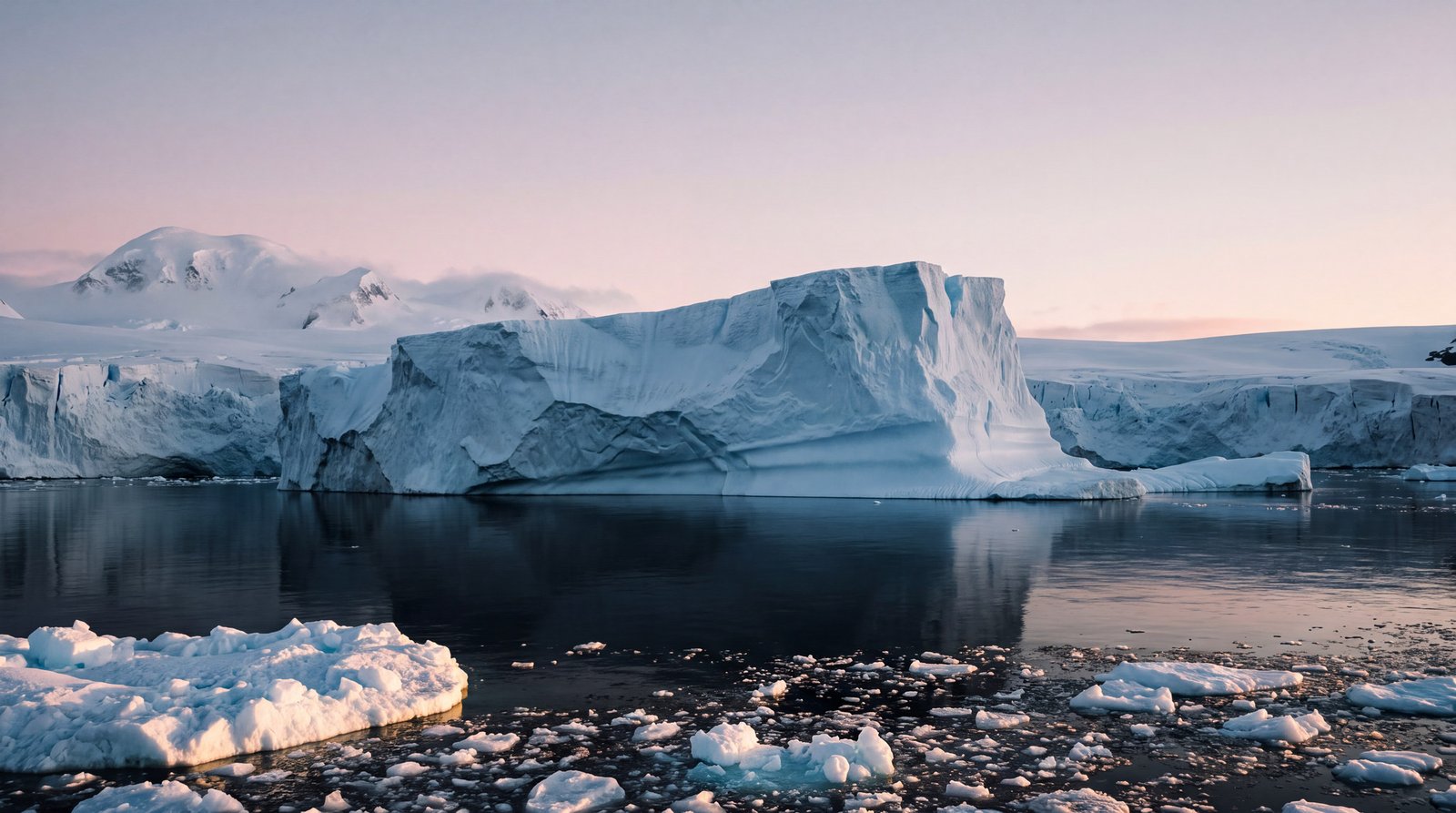
Ice cliffs in Antarctica
Polar Regions
Antarctica & the Arctic
The ultimate expedition cruise. Ship choice determines everything: how many landings per day, whether you camp on the ice, how the vessel handles the Drake Passage. We book ice-class expedition ships with serious naturalist teams — never the large vessels that can only look from a distance. November through March for Antarctica.
Ice-Class ShipsDrake PassageNov – March
Explore →
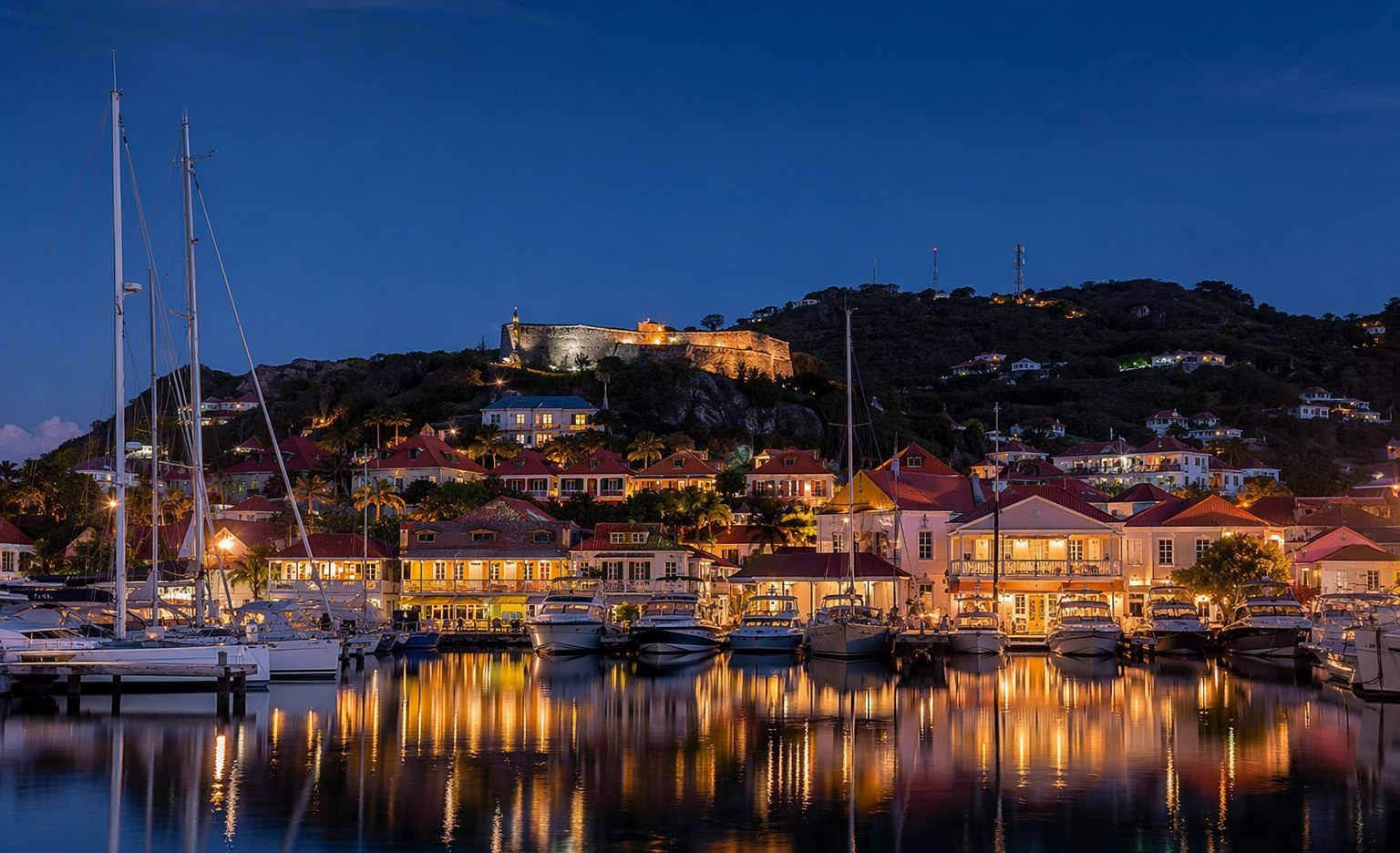
Yachts at anchor in St Barth’s harbour
Bespoke
Private Yacht Charters
The anti-cruise: your own crewed vessel, your own pace, your own anchorages. Turkish gulets, Greek island catamarans, Caribbean motor yachts — with a chef who learns how you take breakfast by day two. The most flexible version of water travel that exists.
Turkish GuletsCrewed VesselCaribbean
Explore →
Signature Experiences

Trips We Plan Often

A starting point, not a menu. Every sailing we book is shaped around the clients on it.
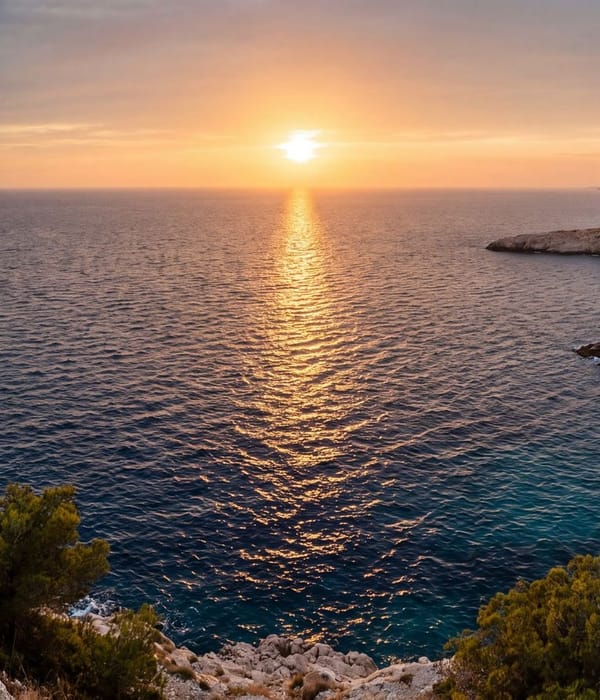
Sun low over a rocky Mediterranean coastline in early autumn
May – June, September · 8–10 days
The Dalmatian Coast by Small Ship
Dubrovnik to Split the way it should be done — overnighting in Hvar and Korčula after the day boats leave, swimming off the stern in quiet coves, and a ship small enough to dock in the old harbors. Paired with two nights on land at either end.
Croatia8–10 Days
Plan This Trip
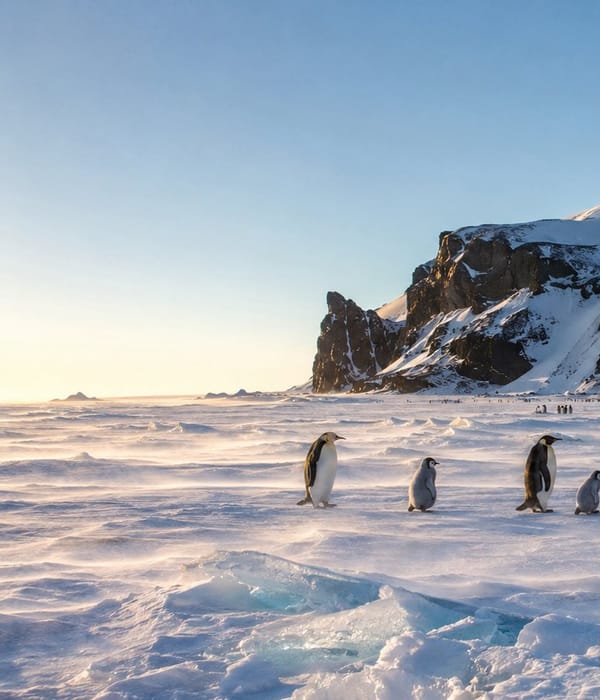
Penguins on the sea ice below a weathered iceberg in Antarctic waters
November – March · 11–14 days
Antarctica, Done Properly
An ice-class expedition ship with two landings a day, a naturalist team worth listening to, and — for those who want it — a night camping on the ice. The trip that resets what travel can be. Booked twelve to eighteen months out; the best cabins go first.
Antarctica11–14 Days
Plan This Trip
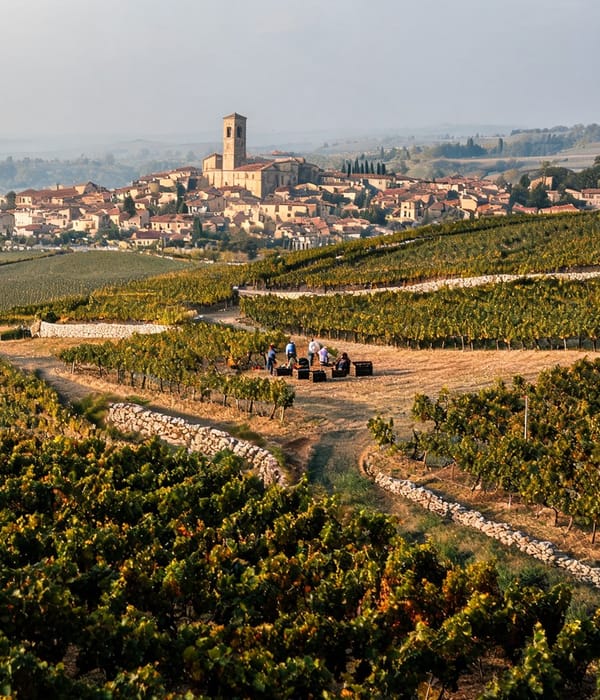
A hilltop village above terraced vineyards with a tasting table set among the vines
April, October · 8 days
The Rhône for Wine People
Lyon to Avignon on a river ship chosen for its kitchen, with private tastings in Hermitage and Châteauneuf-du-Pape that the ship's excursions don't include. We add the producers we've worked with for years — the ones who don't take groups.
France8 Days
Plan This Trip
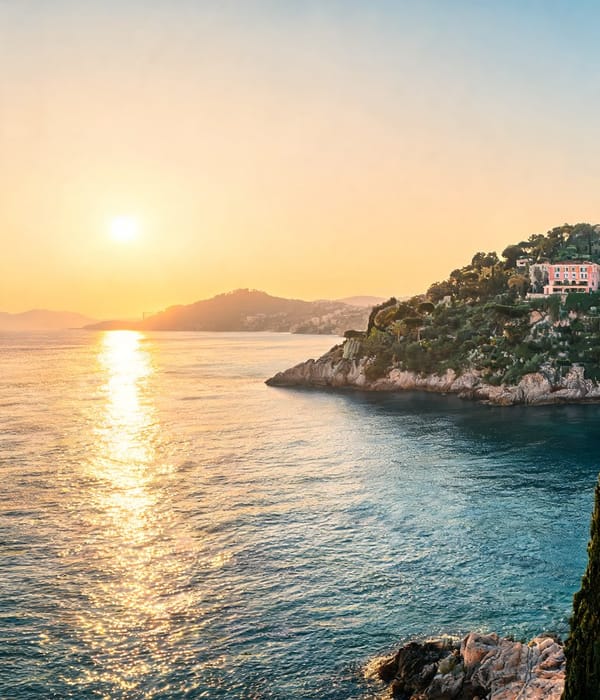
Sun setting over a turquoise cove below a headland above the water
May – October · 7 days
A Gulet of Your Own
A crewed wooden gulet on Turkey's Turquoise Coast — captain, chef, and a route that bends around your mood each morning. Ruins by tender, lunch at anchor, and evenings in harbor towns the cruise ships have never heard of. The definitive family or group charter.
Turkey7 Days
Plan This Trip
The Details

What Every Cruise Booking Includes

The fare is the beginning, not the end. What surrounds it is where trips are made or quietly diminished.

Ship & Cabin Selection
We vet the vessels we recommend deck plan by deck plan, with the cruise lines and with clients who have just sailed them. We know which cabin categories justify their premium, which decks to avoid, and which 'suites' are marketing. On the right ship, in the right cabin, the same itinerary is a different trip.
Pre & Post Extensions
The cruise is rarely the whole trip. We build the land portion around it — the two nights in Athens before the Aegean, the wine country week after the Douro — so the journey has a beginning and an end, not just a middle.
Private Shore Arrangements
Ship excursions move at the speed of the slowest passenger. We arrange private guides and drivers in the ports that matter — you see the place on your schedule, with someone who knows it, and you're back before the gangway closes.
Expedition Vetting
For polar, Galápagos, and remote expedition sailings, the operator's safety record, naturalist quality, and landing logistics are the trip. We book expedition lines with serious track records — and we can tell you why, specifically.
Charter Brokerage
For private yachts, we work with established charter brokers, inspect crew references, and structure the provisioning around your table — not a standard menu. The boat is the easy part; the crew is everything.
Flights, Transfers & the Boring Parts
Embarkation day has a way of going wrong in small ways. Flights timed to the sailing, transfers that know the terminal, and a plan for the luggage — all confirmed before you leave home.
When to Go

Cruising Season by Region

The same coastline in the wrong month is a different trip. Timing is the first decision.

Mediterranean Shoulder
May – June · Sept – Oct
Warm water, working harbors, and restaurant tables you can actually get. The Med at its best — before and after the August compression.
Best Window
Alaska & Expedition North
June – August
The short northern window. Wildlife at peak activity, the longest days, and expedition ships deployed to Alaska, Greenland, and the High Arctic.
Antarctica & the South
November – March
The austral summer is the only window. November for pristine snow and penguin courtship; February–March for whales and the warmest temperatures.
Ready When You Are

Plan a Cruise
Worth Sailing

Tell me the coastline you're drawn to, when you can travel, and who's coming. I'll come back with specific ships, cabins, and sailing dates — with the reasoning behind each — within one business day.

Plan My Cruise Explore All Experiences

No booking fees  ·  Response within 24 hours  ·  Fully bespoke

What It Costs

What a cruise or expedition Actually Costs

$5,000–$30,000
per person, per voyage. Ranges, not quotes.
What that includes
  • A shared cabin with onboard meals
  • The expedition team and lecture program
  • Scheduled landings and standard gear where stated
What it does not
  • International airfare and insurance
  • Gratuities unless included
  • Premium excursions, pre- and post-cruise land, and top suites
The two or three things that move it most
  • Region and voyage length
  • Ship and cabin category
  • Fly-cruise legs and single supplements

Editorial planning bands, not quotes — assembled from published rates and official fee sources, verified . Rates, permit costs and park fees change; confirm before booking. Source: IAATO.

Common Questions

Cruises & Yachts — FAQ

Questions we hear most when planning cruises and yacht charters. More detail on the full FAQ page.

It depends entirely on the ship. Clients who swear they 'aren't cruise people' often love small-ship and expedition cruising — two hundred guests, a destination focus, no queueing. What they dislike is the volume model, not the water. The first conversation is about what you want the trip to feel like; the vessel follows from that.

Everything that matters. Small ships dock in harbors big ships can't enter, stay in port after the day-trippers leave, and run dinner as a restaurant rather than a seating. Big ships offer more onboard entertainment and lower headline fares — but the destination becomes a backdrop. If the point is the place, the ship should be small.

Twelve to eighteen months ahead for Antarctica, the Galápagos, and High Arctic sailings. The best ships carry one to two hundred guests, and the desirable cabin categories sell out long before departure. Last-minute expedition deals exist, but they're rarely on the ships we'd put you on.

Less than most clients expect. We work with established charter brokers, match the vessel and crew to your group, and structure provisioning around how you actually eat and drink. You tell us the coastline and the dates; the boat, crew, and itinerary come back as one proposal.

A fair concern, and a manageable one. Modern expedition ships are stabilized; itineraries can be chosen for sheltered waters; the Galápagos and Greek Isles are gentle compared to the Drake Passage. We plan around your tolerance honestly — including when that means picking the river instead of the ocean.

Charters and small-ship bookings often compare surprisingly well to equivalent land trips. One unpacking, meals and guiding included, and a built-in structure that works across generations. For multigenerational groups especially, a yacht or small ship solves problems that villas can't.
From the Journal

Read More on Travel by Water and Rail