Safari & Wildlife Travel

Africa Done
Properly

Private camps. Guides who've worked the same conservancy for thirty years. Shoulder season when the herds are still there and the camps are at half capacity. That's the version worth booking.

Why Safari Travel

The Difference Is Almost
Entirely the Guide

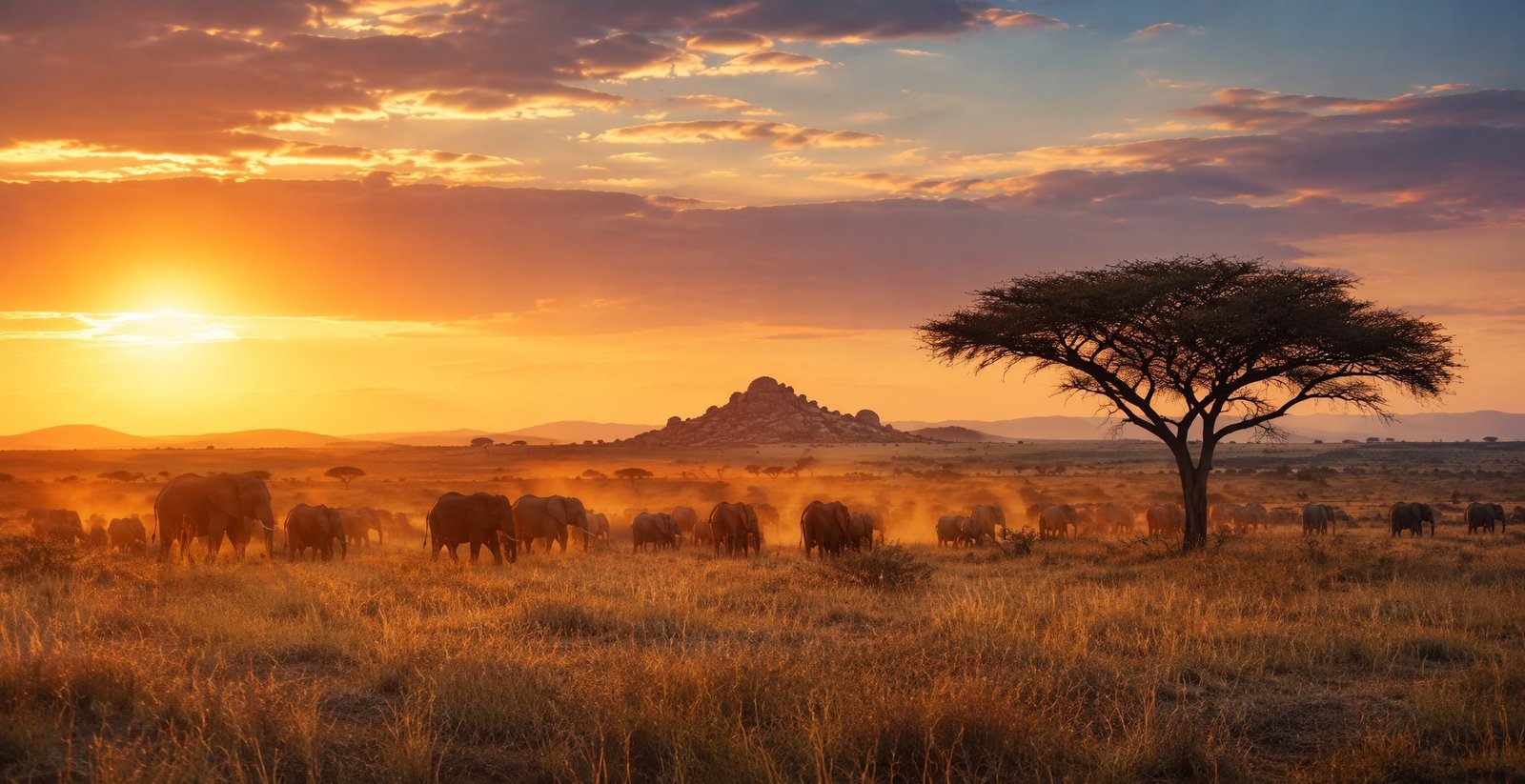
Peak timing is by country, not by continent, and the 4 planned most often diverge. Kenya and Tanzania are best July through October for the Great Migration; Botswana peaks May to October, when the dry season concentrates game on water; green season, December to March, costs less and delivers calving and birdlife. Camp choice — its size, its concession, its guides — outranks the month every time.

A safari built around the right camp with the right guide is one of the most extraordinary experiences in travel. A safari built around the wrong ones is a long, dusty week of disappointment. The difference is almost never reflected in the brochure.

We recommend a short list of camps, and we hold a direct relationship with the operator behind every one of them. We know which lodges treat their guides as employees and which treat them as partners. We know which conservancies enforce vehicle limits and which silently let safari trucks pile up around a leopard sighting. Those distinctions are the trip.

The questions we ask before placing you in a camp are not the questions most agents think to ask. How long has the head guide been there? What's the camp's policy on off-roading? How many vehicles do they put on a single sighting? Get those answers right, and the rest of the trip takes care of itself.
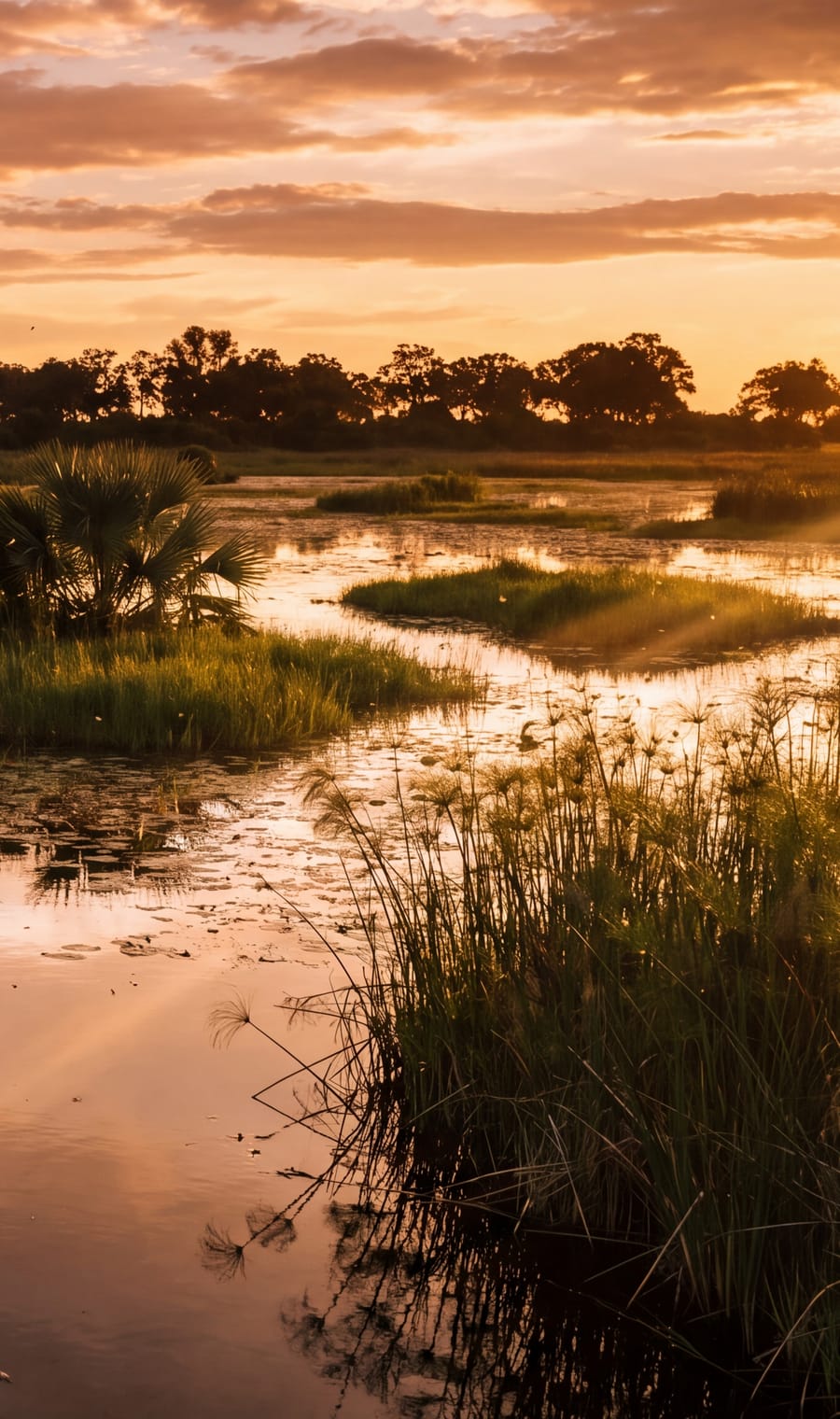
Water channels through Moremi's floodplain at golden hour
Moremi · Okavango Delta · Botswana
Where to Safari

Six Countries We Know Inside Out

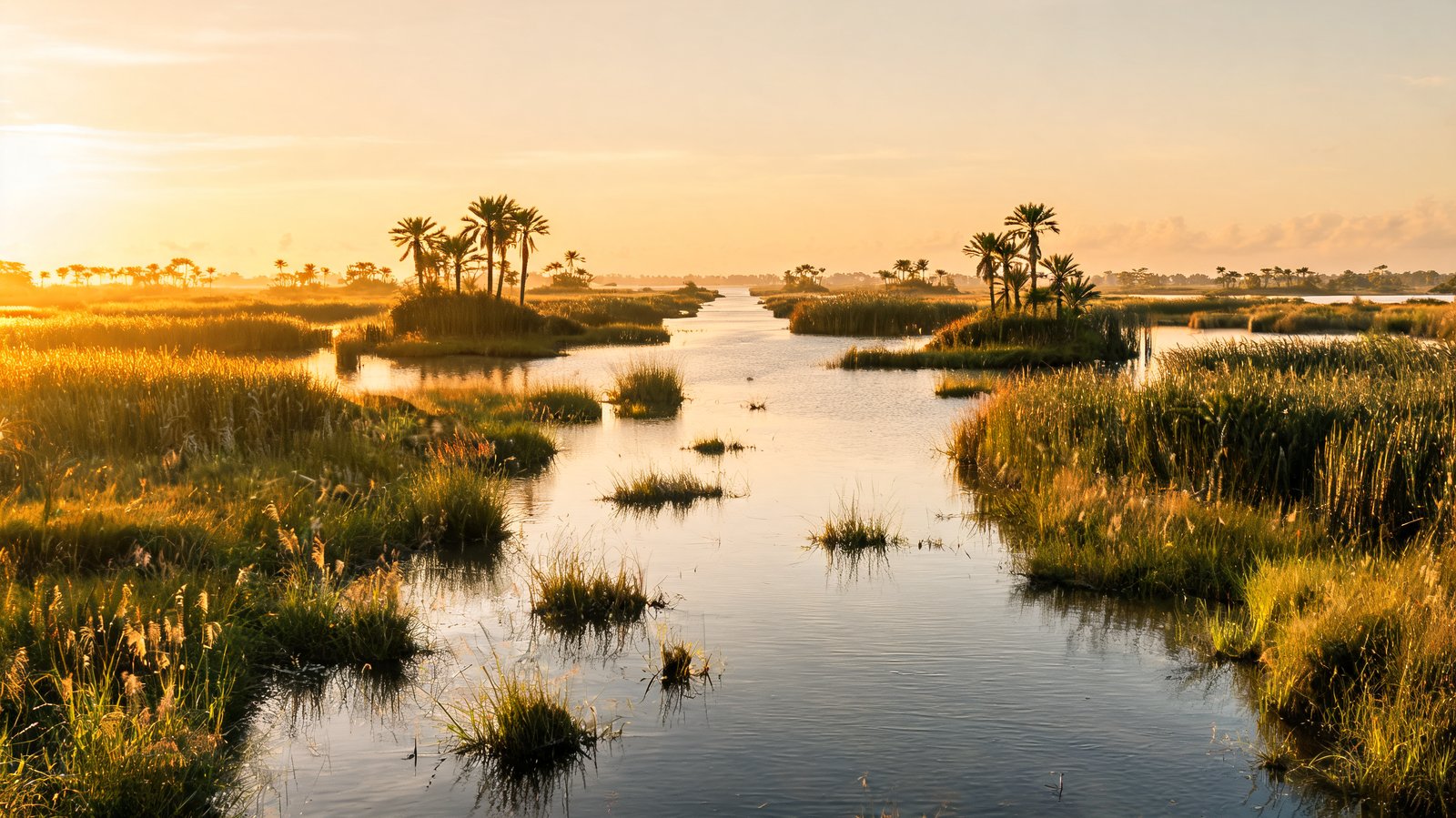
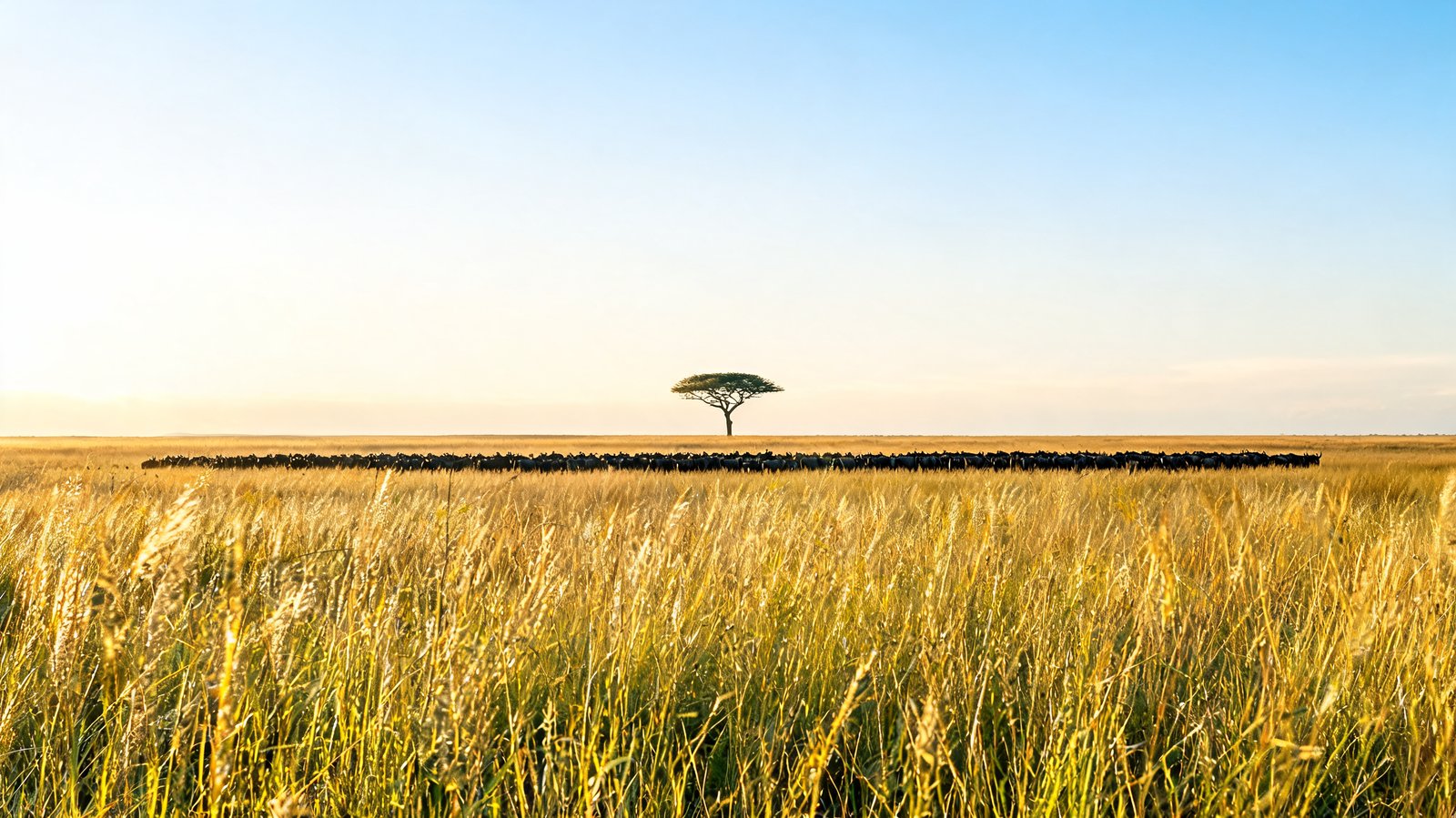
Different countries deliver different experiences. The right one depends on what you're actually after — and the time of year you can travel.
Signature Experiences

Trips We Plan Often

A handful of safari trips we've put together repeatedly — and recommend often. Each is fully customisable from here.
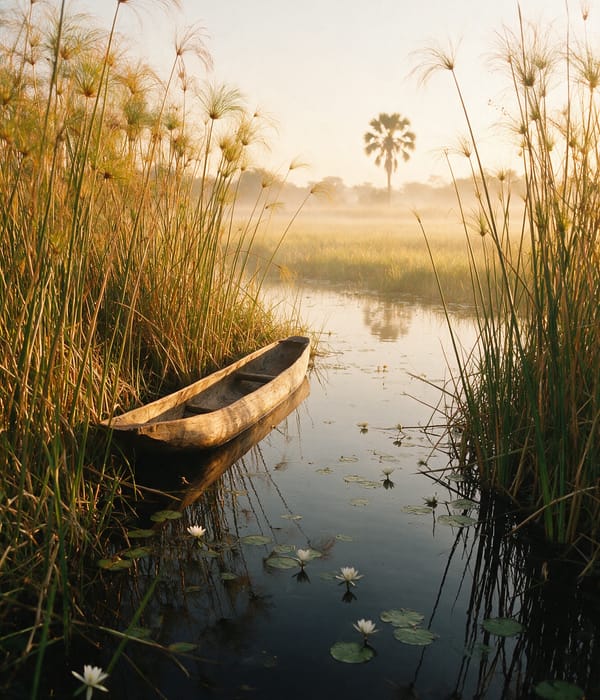
A wooden mokoro among papyrus and water lilies on a still Okavango Delta channel at dawn
May – October · 10–14 days
The Okavango Classic
Three camps across the Delta — water-based, land-based, and a final mobile camp deep in Moremi. Small aircraft transfers, no two days the same, and a guide team that hands off seamlessly.
Botswana10–14 Days
Plan This Trip
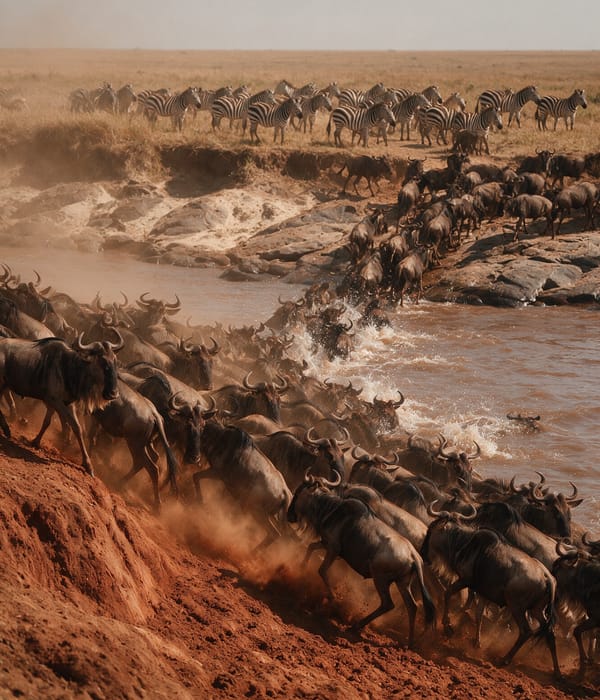
A column of wildebeest plunging down a red-earth bank into the Mara River during the crossing
July – October · 7–10 days
The Great Migration
Mara Conservancy private camps positioned along the migration route. River crossings at Mara North, sundowners at the escarpment, and guides who've followed the herds for decades.
Kenya / Tanzania7–10 Days
Plan This Trip
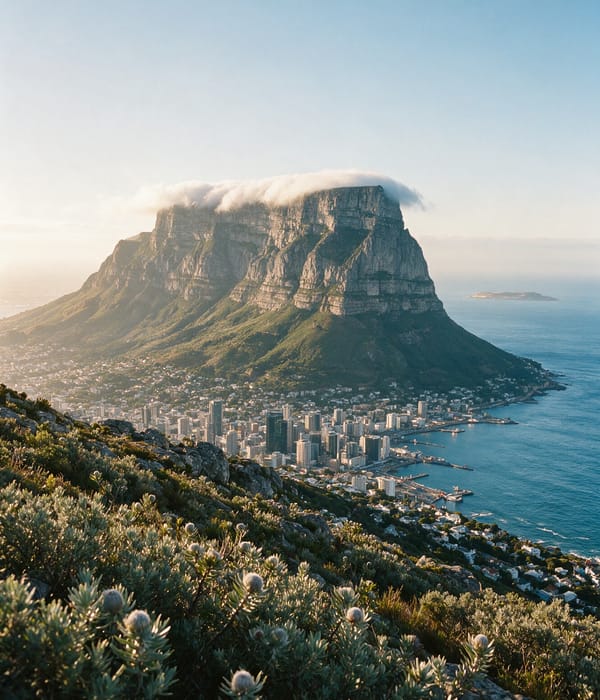
Cloud spilling over Table Mountain's flat summit above the Cape Town city bowl and Atlantic
Year-round · 10–14 days
Cape Town & Sabi Sand
Four nights in Cape Town with private wine tours and Table Mountain hiking. Six nights at a Sabi Sand lodge for guaranteed Big Five sightings. The most balanced first-safari itinerary on the continent.
South Africa10–14 Days
Plan This Trip
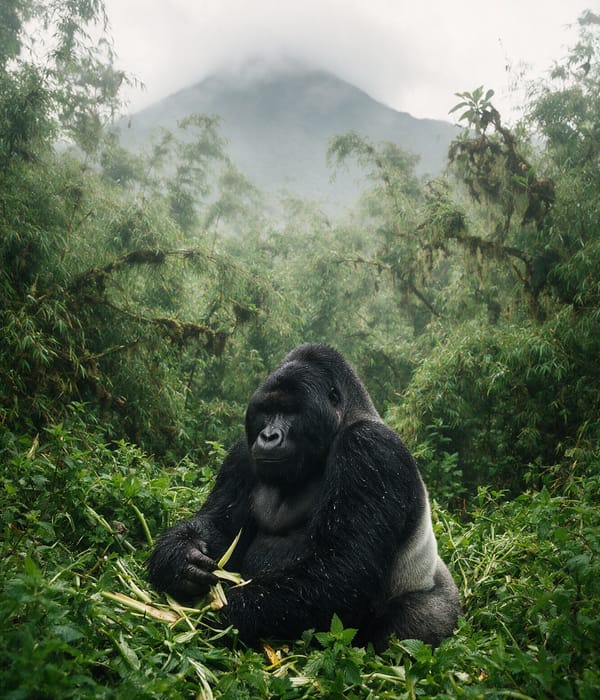
A silverback mountain gorilla seated in wild celery in the misty forest of Volcanoes National Park, Rwanda
June – September · 7 days
Rwanda & the Mountain Gorillas
Three nights at a Volcanoes-adjacent lodge with two trekking permits. Combine with two nights in Kigali or extend to Akagera for a complete contrast. Limited permits make booking early essential.
Rwanda7 Days
Plan This Trip
The Details

What Every Safari Includes

No upselling, no surprise add-ons. Here's what's in every trip we put together.

Vetted Camps
Every camp vetted through its operator and through the clients we have sent there. We track the rooms, the food, the staff turnover, and the unwritten rules of the conservancy.
Expert Guides
We request specific head guides by name. Twenty-year tenure on a single conservancy is a different experience entirely from a rotating roster.
Air Transfers
Small-plane charters between camps, internal flights coordinated with your itinerary. No long drives, no missed game drives.
Full Trip Support
A direct contact on the ground, satellite communication where needed, and a real person on the phone if something needs adjusting mid-trip.
When to Go

Safari Season by Season

Dry Season
May – October
The benchmark window for southern and East Africa. Wildlife concentrates around water sources, vegetation thins, and visibility is exceptional.
Best Time to Safari
Shoulder
November & April
Quieter camps, lower rates, and excellent birding. The brief windows on either side of the rains. Often the most rewarding for repeat visitors.
Green Season
December – March
Calving season in the south. Lush landscapes, dramatic skies, fewer guests, and meaningfully lower rates. Best for photographers and birders.
Ready When You Are

Plan a Safari
You'll Talk About for Years

Tell me which country, what month, and who's travelling. I'll come back with a specific itinerary — camps, guides, transfers, costs — within one business day.

Plan My Safari Explore All Experiences

No booking fees  ·  Response within 24 hours  ·  Fully bespoke

What It Costs

What a safari Actually Costs

$1,200–$3,200
per person, per night, all-inclusive at camp. Ranges, not quotes.
What that includes
  • A luxury camp with all meals and standard drinks
  • Shared game drives and lodge activities
  • Laundry, transfers and conservation fees where the camp bundles them
What it does not
  • International and regional flights
  • Visas and special permits — gorilla permits price separately
  • A private vehicle, ballooning and gratuities
The two or three things that move it most
  • Country and concession
  • Migration and season
  • Camp tier, fly-in routing and a private guide

Editorial planning bands, not quotes — assembled from published rates and official fee sources, verified . Rates, permit costs and park fees change; confirm before booking. Source: Kenya Wildlife Service.

Common Questions

Safari & Wildlife — FAQ

The questions we hear most often when planning a safari. More detail on the full FAQ page.

Peak timing varies by destination. Kenya and Tanzania's Masai Mara and Serengeti are best July–October for the Great Migration. Botswana peaks May–October during the dry season, when wildlife concentrates around water sources. South Africa is excellent year-round. The "best" month depends on what you most want to see.

Each delivers a different experience. Kenya and Tanzania are defined by open savanna and the Great Migration. Botswana is less visited, more remote, and extraordinary for specialist wildlife — wild dogs, large elephant herds, pristine waterways. South Africa is the most accessible first safari: strong infrastructure, no malaria in private reserves, excellent luxury camps at a higher quality-to-cost ratio.

A tented camp is typically a permanent canvas structure on a platform — intimate, immersive, with the sounds of the bush all around you. A lodge uses fixed-structure rooms or suites. Both can be equally luxurious. Many of the world's finest safari properties are tented camps. The distinction is about atmosphere and proximity to nature, not quality.

Less than most people expect. Safari consists primarily of game drives in 4x4 vehicles, typically at dawn and dusk when wildlife is most active. Walking safaris, where available, add more exertion. Most itineraries are accessible to any reasonable fitness level, including older travelers and families.

Yes, but age policies vary by camp. Many top Botswana camps require children to be at least 12 — game drives run unpredictably and young children can limit what activities are available for the vehicle. South Africa, Kenya, and certain family-specific camps accommodate children as young as 5 or 6 with dedicated programs. I match families to properties that genuinely welcome children.

Depends on the destination. South Africa generally requires no vaccinations for most travelers. Kenya, Tanzania, and Botswana recommend or require malaria prophylaxis; yellow fever documentation may be required based on transit countries. I provide a full health and entry brief for every itinerary and recommend consulting a travel health clinic 6–8 weeks before departure.

A minimum of five nights in the bush makes sense. This allows time for multiple game drives and the chance to settle into the daily rhythm of the bush. Seven to ten nights is the sweet spot for a first safari. Under four nights tends to feel rushed and produces fewer meaningful encounters.

Top-tier camps in Botswana start around $700–$1,500 per person per night, all-inclusive. A meaningful luxury safari of 8–10 days typically runs $8,000–$20,000+ per person depending on destination, timing, and camp selection. South Africa offers a higher quality-to-cost ratio. Pricing includes accommodation, meals, game activities, and often internal flights.
More questions answered on the Full FAQ Page
From the Journal

Read More on Safari Planning