
Southern Africa

The Right First Trip
to Africa.

South Africa is the only country on the continent where a private game reserve, a serious wine region, a major city and a coastline you can drive in a week sit inside one two-week itinerary. That is exactly why it is the right first Africa trip and the wrong one for a traveller who wants nothing but bush. Everything else turns on which reserve you book, and on the fact that the two halves of the country peak in opposite months.

Best Season
April – October
Best For
A First
Africa Trip
The Country

South Africa Is Four Trips
Inside One Border.

April to October is the window that works for both halves of a South Africa trip: the bush thins out and animals concentrate at water, and the Cape's summer wind has not started. A first trip runs 10 to 12 days, split four nights in a private game reserve, four in Cape Town and the Winelands, and two on the coast. September and October are the strongest two months.

That versatility is the whole case for South Africa and also the whole case against it. Someone who wants nothing but bush will get a better safari in Botswana's low-volume delta camps. South Africa gives some of that up and hands back a wine region with documented history to the seventeenth century, a city under a mountain, a coastline you can drive in a week, and a reserve where the leopards have been habituated to vehicles for two generations. If four people are travelling and want four different things, there is no better answer on the continent.

The two halves of the country have opposite weather. The bush in the northeast is at its best in the dry winter. Cape Town is at its best in summer, which is exactly when the northeast is green and hard to see into. Itineraries fail when they optimise one half and take whatever the other gives. April, September and October compromise neither end badly, and are committed a year ahead.

Then the reserve. "Kruger" on an itinerary can mean the national park, where you stay on the road network and the gates run to published times, or a private reserve on its western boundary, where a guide and a tracker can leave the road and stay out after dark. Those are not two grades of one trip. They are different activities with the same animals in them, and the choice sets the pace, the price bracket and whether the trip suits children.
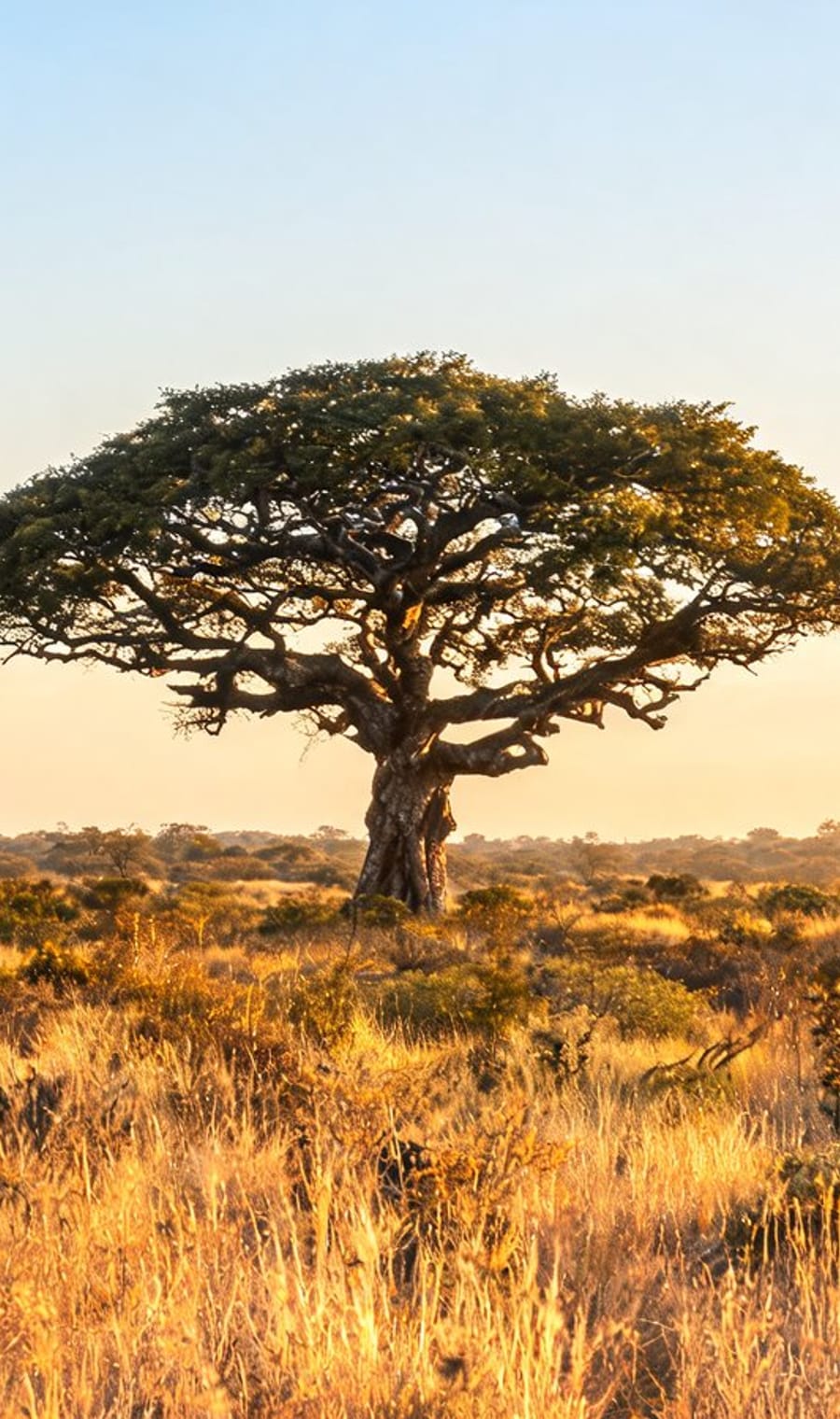
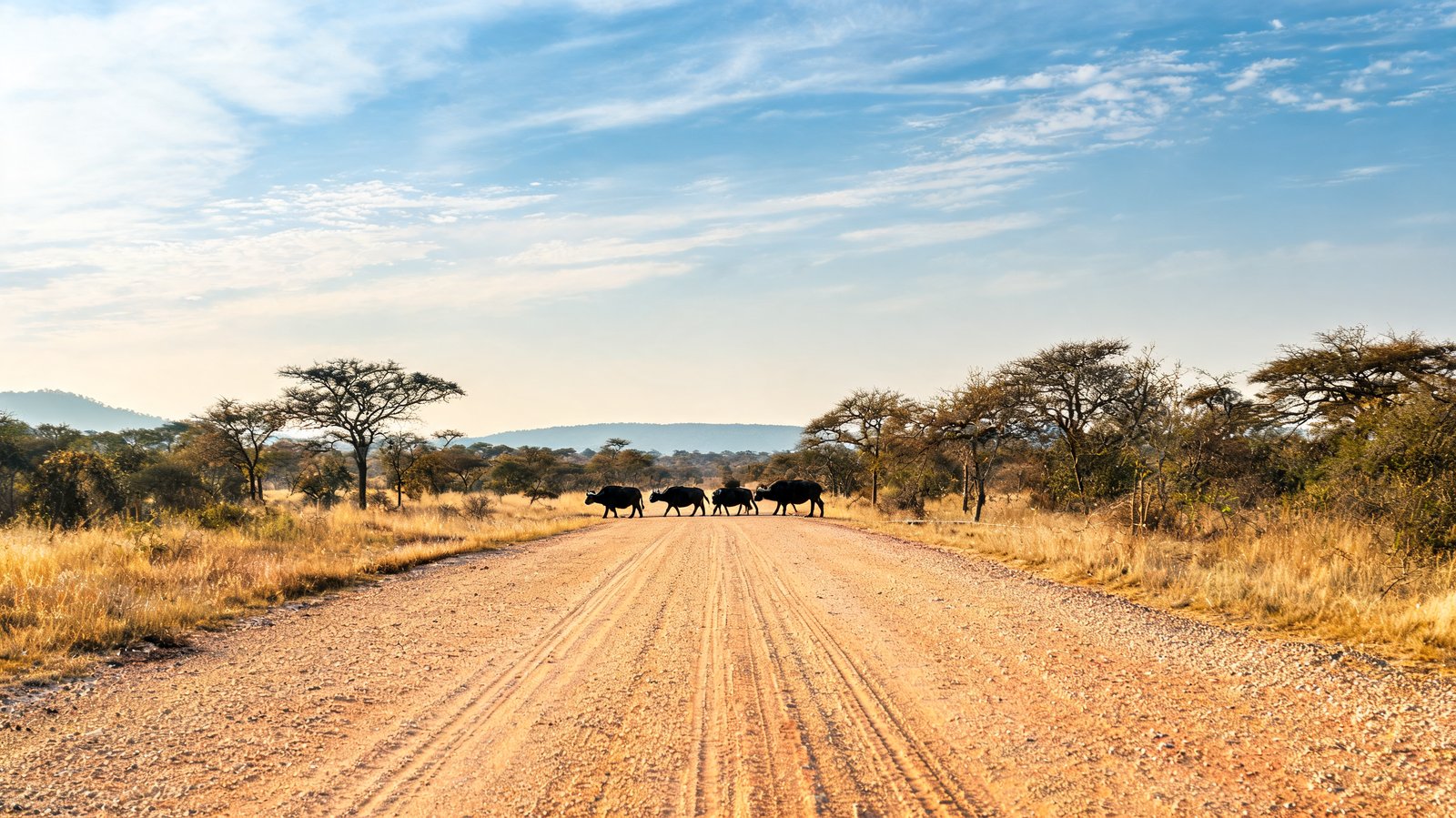
A lone flat-crowned leadwood standing in golden grass in the Sabi Sand
Sabi Sand · Mpumalanga · South Africa
Where We Send Clients

Six Places That Decide the Itinerary

Two are safari and they are not the same activity, two are the Cape, one is the drive between them, and one is the version that works without antimalarials.
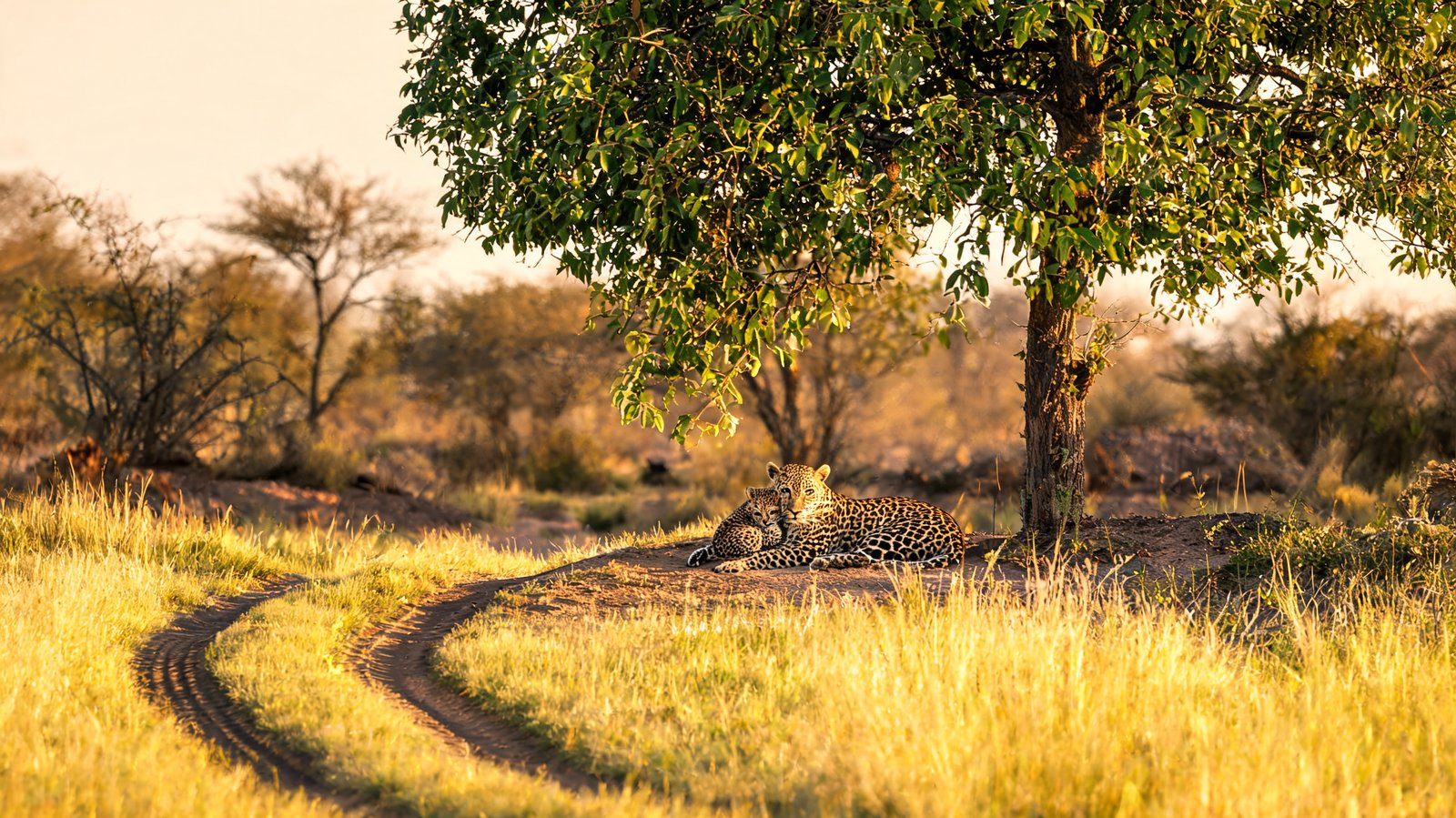
Sabi Sand, Mpumalanga · Greater Kruger
Mpumalanga · Greater Kruger
Sabi Sand
The fence with the national park came down in 1993 and the game crosses freely. A guide and a tracker can leave the road and stay out after dark, which is what produces the leopard viewing Sabi Sand is known for. It is also where malaria advice applies.
Leopards Off-Road Night Drives
Explore →
Kruger National Park, Mpumalanga & Limpopo
Mpumalanga & Limpopo
Kruger National Park
Close to two million hectares, run by SANParks, and a different activity from the private reserves on its western edge. You keep to the road network and nobody drives off-road. What you get instead is scale, self-drive freedom and long empty stretches a three-night lodge stay never shows you.
Self-Drive Fixed Gate Times Big Five
Explore →
Cape Town, Western Cape
Western Cape
Cape Town
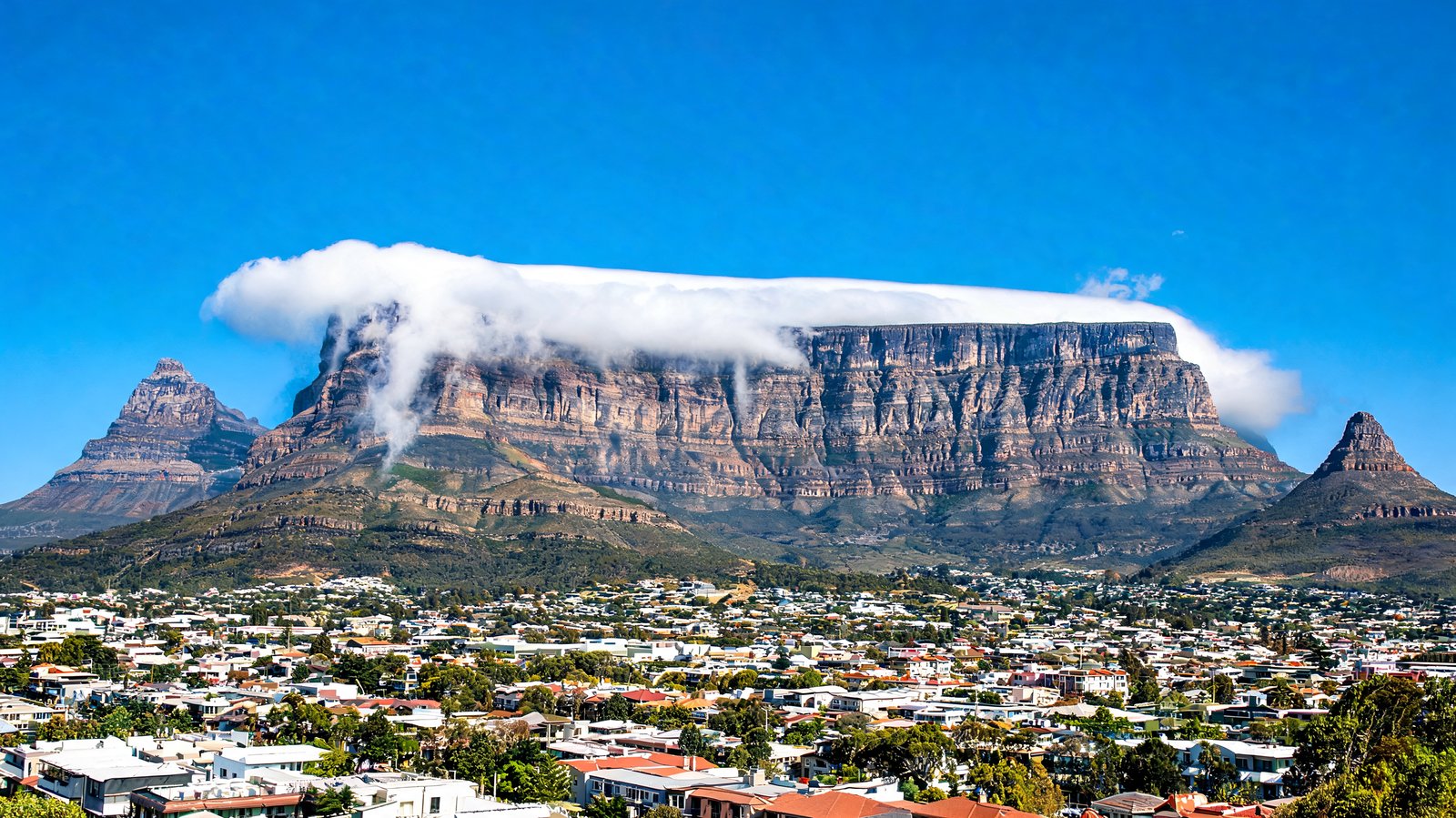
The mountain, the Peninsula and the restaurants, in that order of scheduling risk. Table Mountain sits inside the Cape Floral Region, a UNESCO World Heritage Site holding close to twenty per cent of Africa's plant species on under half a per cent of its land.
Table Mountain Robben Island Wind Dependent
Explore →
The Cape Winelands, Western Cape
Western Cape
The Cape Winelands
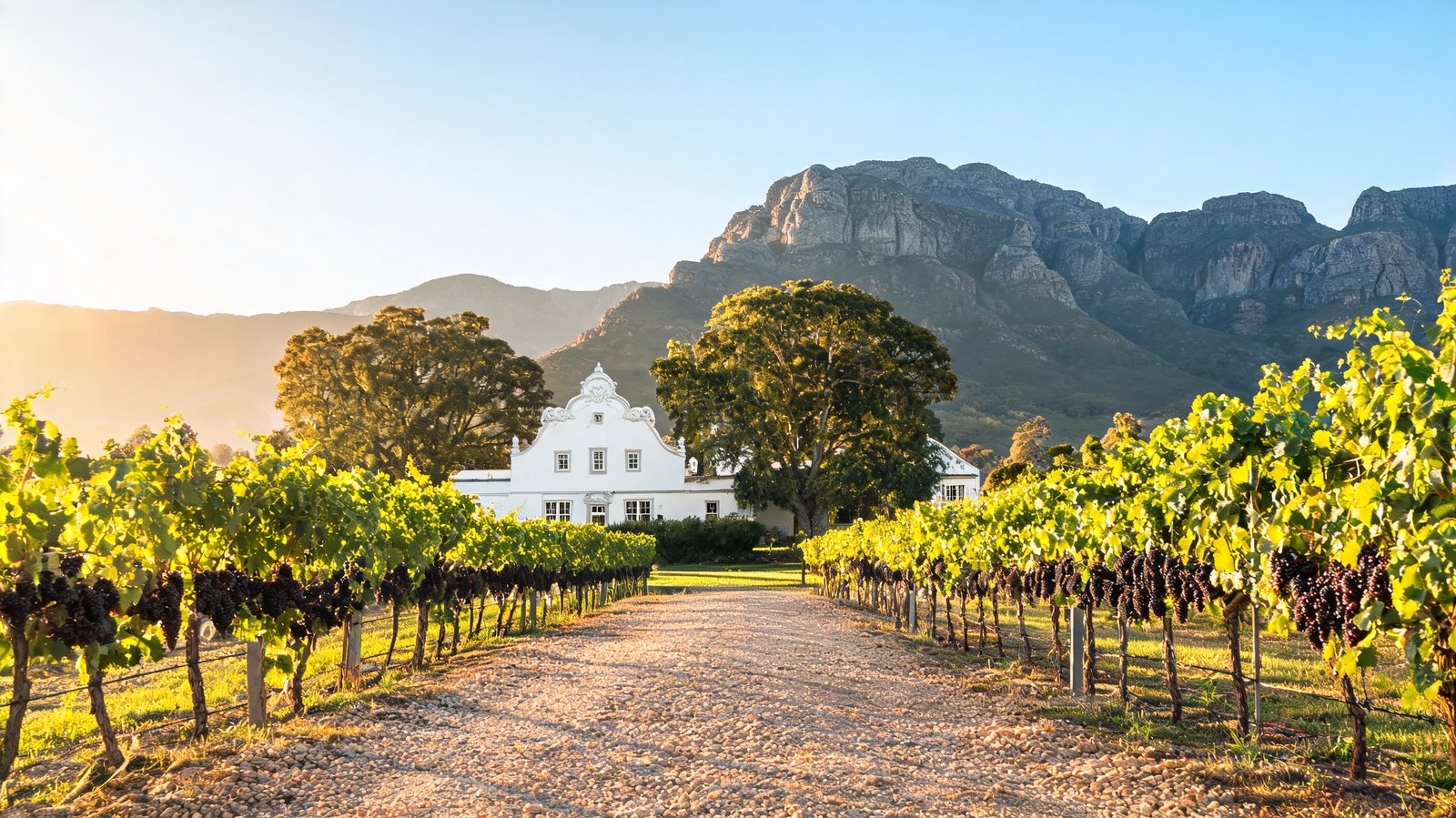
Stellenbosch, Franschhoek and Constantia, roughly fifty kilometres from the city and worth two nights rather than a day trip. Groot Constantia has been producing wine since 1685. Harvest runs February and March, which is the difference between a working cellar and a tasting room.
Stellenbosch Franschhoek Harvest Feb – Mar
Explore →
Garden Route & Overberg, Western & Eastern Cape
Western & Eastern Cape
Garden Route & Overberg
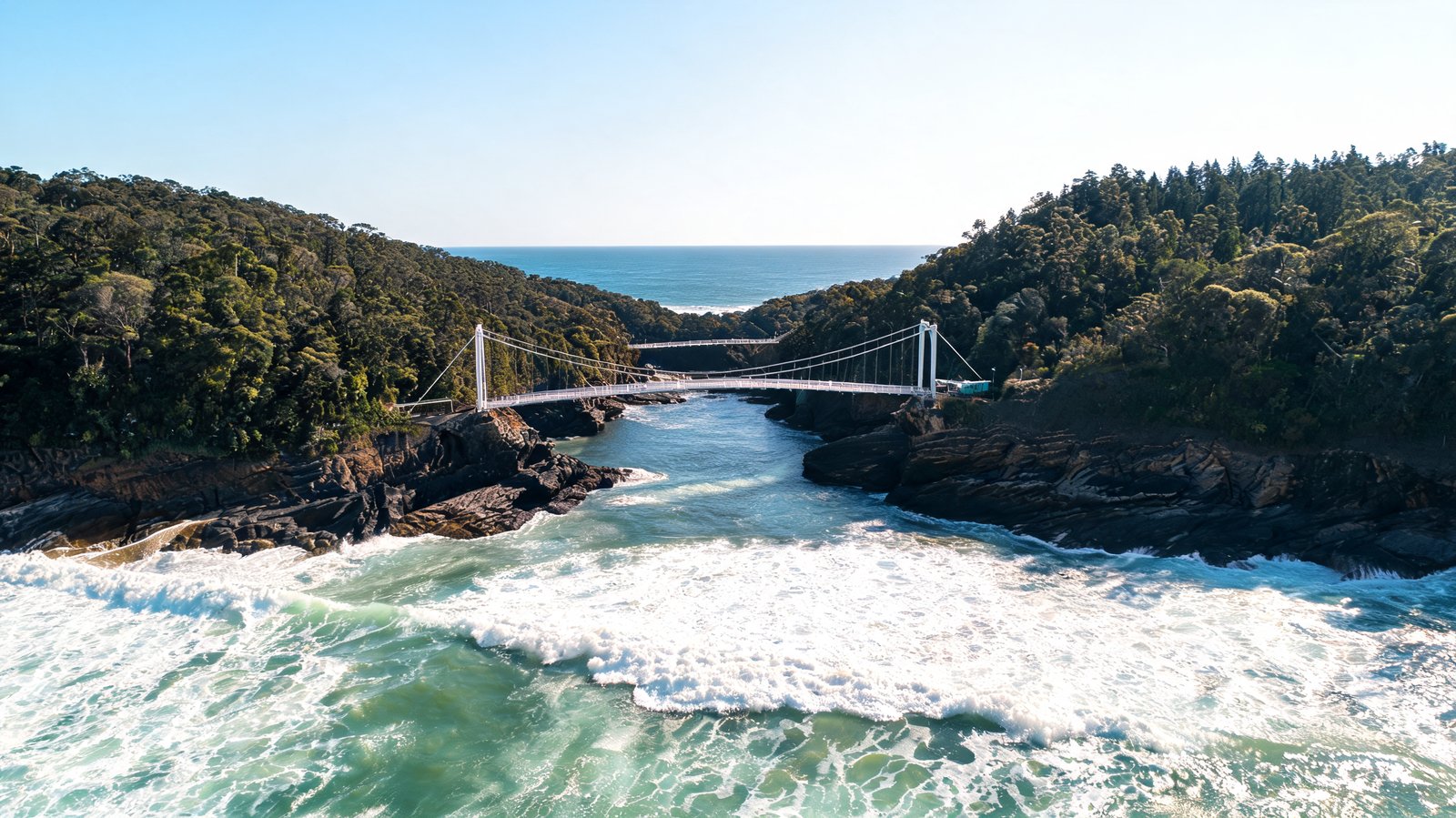
Roughly 750 kilometres of the N2 between Gqeberha and Cape Town, driven east to west. Tsitsikamma's forest and river gorges, Knysna's lagoon, the empty beaches either side of Mossel Bay, then the Overberg, where southern right whales calve inshore from about June to November.
Whales Jun – Nov Tsitsikamma Self-Drive
Explore →
Addo & the Eastern Cape
Eastern Cape
Addo & the Eastern Cape
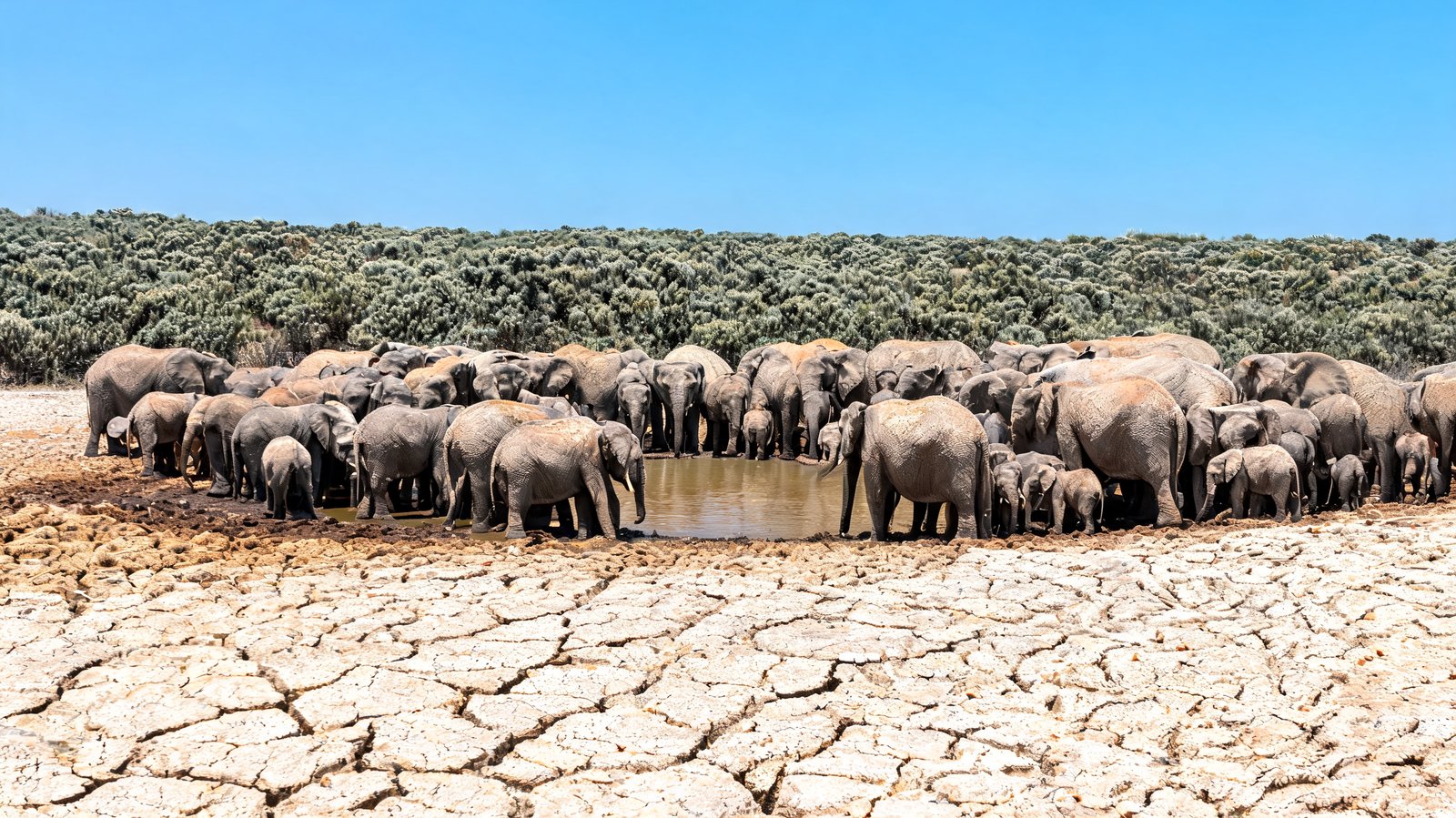
The malaria-free Big Five, and why South Africa works for families where much of the safari map does not. Addo Elephant National Park and the private reserves around it sit outside the malaria zone, at the eastern end of the Garden Route, so the safari and the coast join up without a flight. Smaller and more managed than Kruger.
Malaria-Free Families Elephants
Explore →
Featured Itineraries

Trips We Plan Often

Itineraries built around the reserve rather than the lodge, and sequenced so a Cape wind day costs you an afternoon instead of the thing you came for.
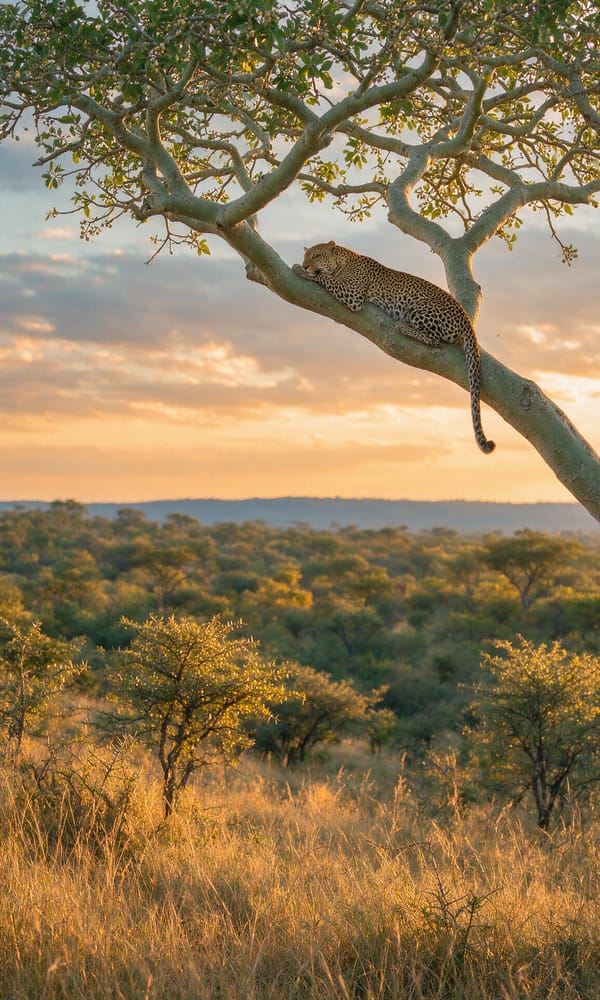
A leopard stretched along a marula branch at last light in the Sabi Sand bush
April – October · 10–12 Days
Safari, Cape Town and the Winelands
Four nights in a private reserve on Kruger's western boundary to open, because the safari has the least schedule flexibility and is the part jet lag damages least. Morning and afternoon drives, a walk with an armed guide, and at least one night drive. Then Cape Town for four nights with the weather-dependent days placed early: the cable car and the Peninsula first, the galleries and the restaurants held for the day the wind takes. Two nights in the Winelands to finish, staying in Stellenbosch or Franschhoek rather than commuting from the city. This is the trip most people mean, and the one most often compressed into eight days.
South Africa10–12 Days
Plan This Trip
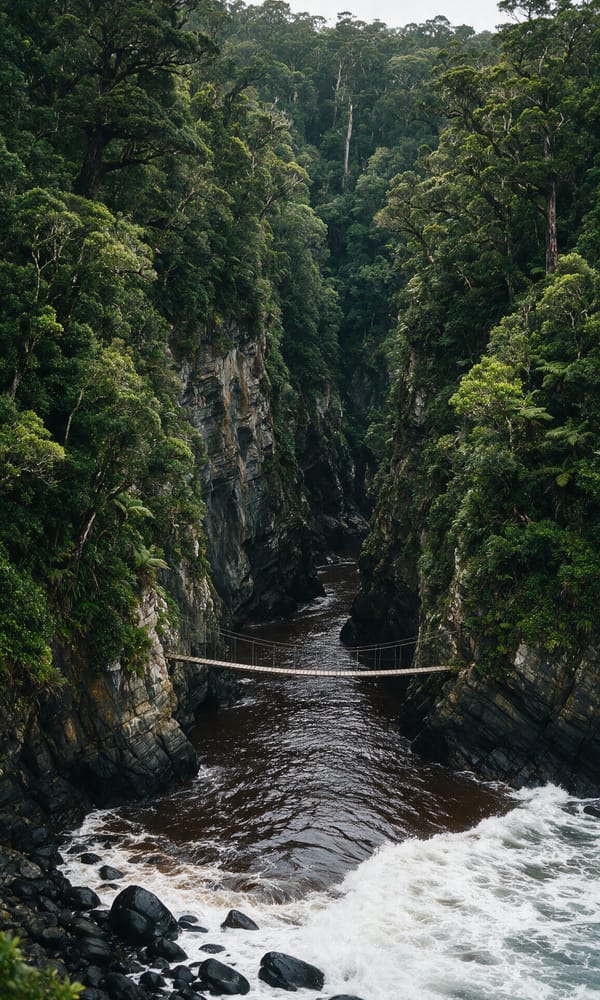
A suspension footbridge over the dark Storms River mouth between forested cliffs at Tsitsikamma
September – April · 13–15 Days
The Garden Route, Driven East to West
Start with the safari, then fly to Gqeberha rather than Cape Town and drive the coast east to west, which puts the sea on your side. Two nights in an Eastern Cape reserve or at Addo, then west: Tsitsikamma and the forest, Knysna and the lagoon, the emptier stretches either side of Mossel Bay. Cross the Overberg to Hermanus, where the southern right whales sit close inshore from about June to November, and take the coast road into Cape Town rather than the inland N2. Four nights in the city and two in the Winelands to finish. Not for anyone who wants a lodge, a pool and no car keys.
South Africa13–15 Days
Plan This Trip
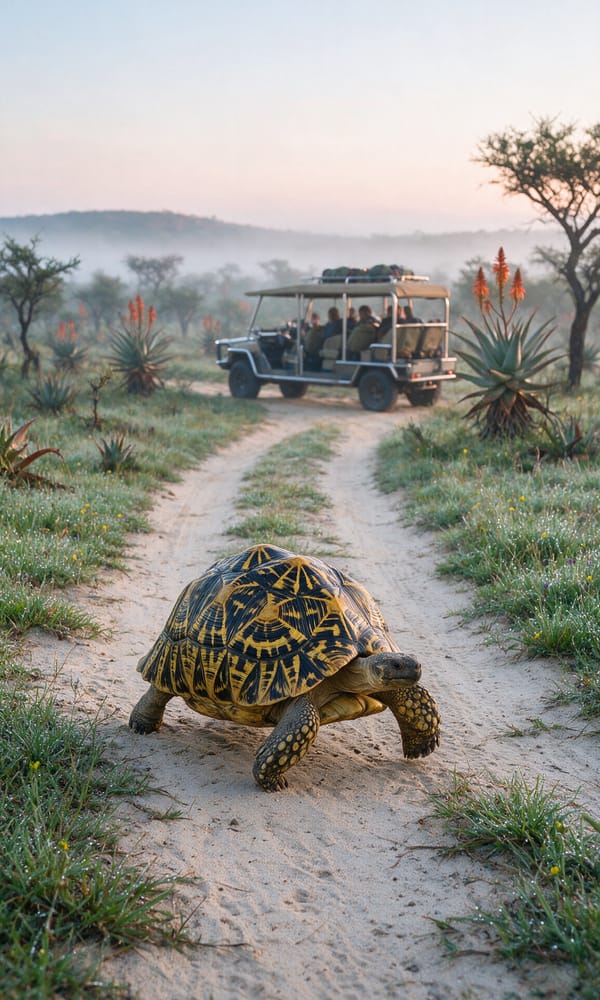
A leopard tortoise crossing a sandy track ahead of a stopped safari vehicle at dawn
April – October · 9–11 Days
Malaria-Free, With Children
Built for families who want a real Big Five safari without antimalarials, and for anyone whose doctor has ruled prophylaxis out. Three or four nights in an Eastern Cape reserve outside the malaria zone, with family units, shorter game drives and guides willing to spend ten minutes on a tortoise because a six-year-old asked. Then Cape Town for four nights: the penguin colony at Boulders, the aquarium at the Waterfront, the cable car, and the easier Table Mountain walks. Two nights on the Garden Route to finish. No light-aircraft legs and shorter transfers than any comparable African itinerary. It is not the leopard trip, and we say so up front.
South Africa9–11 Days
Plan This Trip
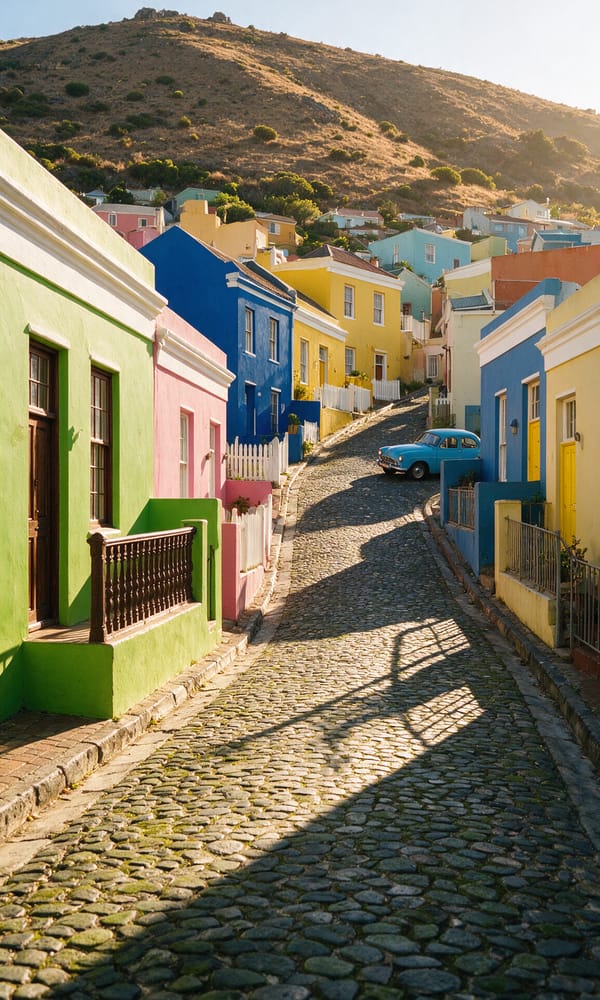
Brightly painted Bo-Kaap houses climbing a cobbled Cape Town street below Signal Hill
September – November · 9–11 Days
The Cape Without a Safari
For travellers who have already done East Africa, and for the ones who never wanted the bush in the first place. Five nights in Cape Town rather than three: Table Mountain and the Peninsula, Robben Island, the Bo-Kaap, and the restaurant scene that is the actual reason for the extra two nights. Three nights across the Winelands, moving between Stellenbosch, Franschhoek and Constantia rather than basing in one. Then the Overberg for the whales, the fynbos of the Cape Floral Region, and a coast most itineraries pass at speed. September through November puts the whales in the bay and the summer wind not yet at full strength.
South Africa9–11 Days
Plan This Trip
Why Plan With Us

What We Add to South Africa Planning

Four decisions carry this trip, and three of them are made before a single property is shortlisted.

⬡
The Reserve, Not the Lodge
The lodge decides your bed and your dinner. The reserve decides what you see. Traversing rights, how many vehicles may attend a sighting, whether off-road driving is permitted, whether night drives happen at all, and how much ground the guides can work are properties of the reserve, not of the property you booked. Two lodges twenty minutes apart can sit on completely different traversing agreements and deliver completely different weeks. This is the decision we make first, and the one that never appears on a booking site, because it cannot be photographed.
⬡
The Two Halves Peak in Opposite Months
South Africa's bush and South Africa's Cape do not want the same time of year, and no amount of good hotel selection fixes a trip built in the wrong month. Winter dries the northeast out and concentrates the game; it also brings Cape Town its rain. Summer gives the Cape long evenings and gives the bush thick cover and standing water everywhere. April, September and October compromise neither end badly, which is precisely why the good reserves and the good Cape properties are committed in them a year out. Booking late in those months does not get you a lesser room. It gets you a different itinerary.
⬡
Malaria, Answered Honestly
Most of a South African itinerary is outside the malaria zone and one specific part of it is not. The US Centers for Disease Control and Prevention places the risk in the low-altitude areas of Mpumalanga and Limpopo, which takes in Kruger and the reserves on its boundary, and in the northeast of KwaZulu-Natal. The question is not whether South Africa is safe; it is which safari you want. Families who would rather not medicate go to the Eastern Cape and get a genuine Big Five reserve. Travellers who want the leopards go to Sabi Sand and take a travel clinic's advice.
⬡
The Cape Days That Can Be Cancelled
Four of the Cape's best days depend on the weather: the Table Mountain Aerial Cableway, Chapman's Peak Drive, the Robben Island ferry and the whale boats. Each publishes a daily status, each closes, and none of them closes on a schedule anyone can plan against. So we sequence the Cape instead of listing it. Weather-dependent items go early, fixed and indoor items go late, and one morning stays deliberately empty. That is the difference between a wind day costing an afternoon and a wind day costing the thing you came for.
When to Go

South Africa by Season

Dry Season
April – October
The window that works for both halves of the country. From about April the bush in the northeast dries down: the grass drops, the leaves come off, the animals commit to the water that is left. Mornings on a June or July drive are genuinely cold, which is why every good lodge hands out blankets and hot water bottles. Cape Town is at its wettest in June and July, so mid-winter is not equally good at both ends of the trip. September and October are the sweet spot: bush still open, Cape rain easing, summer wind not yet arrived, whales on the Overberg coast.
Best Overall Window
Cape Summer
November – January
Cape Town at its best and the bush at its most difficult. The Peninsula gets long evenings and the Winelands are in full leaf. The cost is wind: the south-easter runs hardest through these months and closes the cableway and Chapman's Peak often enough that both publish daily status pages. Inland the rains arrive, the bush greens up and thickens, and sightings get harder even where the density has not changed. This is the right window for a Cape-only trip and the wrong one for a first safari, and peak season over Christmas besides.
Harvest Season
February – March
The Winelands' working months and the tail of the Cape summer. Harvest across Stellenbosch, Franschhoek and Constantia runs through February and March, the one stretch of the year when a cellar visit means a working cellar rather than a tasting room, and the estates that take visitors during it are worth asking for by name months ahead. The wind has usually eased from its December peak. Inland the northeast is still green, humid and hard to see into. If the trip is about wildlife, wait for April.
Ready When You Are

Plan a South Africa Trip
Around the Right Reserve.

Tell me who is travelling, whether antimalarials are on the table, and how many nights you actually have. I'll come back with a specific reserve, a Cape sequence that survives a wind day, and property recommendations within one business day.

Plan a South Africa Trip All Africa Destinations

No booking fees  ·  Response within 24 hours  ·  Fully bespoke

What It Costs

What South Africa Actually Costs

Sold as reserve nights and city nights separately
A Sabi Sand lodge night buys guiding, trackers, off-road traversing rights, meals and drinks in one figure, while a Cape Town hotel night buys a room and breakfast — the two sit an order of magnitude apart, and one band would describe neither.
What actually sets the number
  • Kruger's daily conservation fee — R602 per international adult, R692 from 1 November 2026
  • Which reserve rather than which lodge, since traversing and off-road rights belong to the reserve
  • April, September and October, when both halves work and both commit a year out

Tell me the dates and the party and you get a real quote, not a range. Source: SANParks daily conservation fees.

Common Questions

South Africa — FAQ

The questions that come up most when planning a first South Africa trip — which months work, which reserve to book, whether malaria is a real constraint, and how long the whole thing needs.

April through October, and September and October are the two strongest months if you want the safari and the Cape both working. The bush in the northeast dries down from about April, and the animals commit to whatever water is left, so winter sightings are more reliable than summer ones. Cape Town runs on the opposite calendar, with its rain in June and July, so a mid-winter safari pairs with a wet, cold Cape. September and October split the difference: the bush still open, the Cape rain easing, the summer wind not yet arrived, and the southern right whales inshore along the Overberg.

Sabi Sand if you want leopards and off-road driving; Kruger's public park if you want scale, self-drive freedom and open roads. In the national park you keep to the road network and the gates run to times SANParks publishes month by month, across close to two million hectares. In Sabi Sand, whose fence with the national park came down in 1993, a guide and a tracker can leave the road and stay out after dark, which is what produces the leopard viewing. The private reserves cost a great deal more per night. Gate times change; checked , confirm before booking.

Not entirely: the risk sits in the low-lying northeast, and the Cape, the Garden Route and the Eastern Cape reserves are outside it. The US Centers for Disease Control and Prevention places the risk in the low-altitude areas of Mpumalanga and Limpopo, which takes in Kruger and the reserves on its boundary, and in the northeast of KwaZulu-Natal. Anyone who would rather not take antimalarials can still do a genuine Big Five safari in the Eastern Cape and pair it with Cape Town and the Garden Route without entering a risk area. Prophylaxis is a medical decision rather than a travel-agent one. Checked .

East to west, from Gqeberha to Cape Town, because South Africa drives on the left and that puts the sea on your side. Left-hand traffic (Automobile Association of South Africa) turns every viewpoint and beach turn-off on the coastal side into a left turn out of your own lane rather than a right turn across oncoming traffic, and over roughly 750 kilometres of the N2 that adds up. Ending in Cape Town beats starting there, because the Cape is the part most likely to lose a day to weather, and a day lost at the end has nowhere to go. Packaged versions run the other way to suit the arrival airport.

Ten to twelve for a first trip covering a private reserve, Cape Town and the Winelands; add four more for the Garden Route. Below ten days something gets cut, and it is always the safari, because it has the least flexible transfer schedule. Three nights in a reserve is the floor, since two gives you three game drives and no margin for a quiet morning. Four nights in Cape Town is the floor, because at least one will be taken by wind. The Winelands want two nights rather than a day trip. That is eleven nights before the coast is in the plan.

Enough that we plan around it: the south-easter runs hardest from November to February and routinely closes the cable car and Chapman's Peak. The Table Mountain Aerial Cableway publishes its operating status daily and suspends service in high wind. Chapman's Peak Drive, the toll road cut into the cliff between Hout Bay and Noordhoek, closes for wind and rockfall. The Robben Island ferry cancels in heavy seas, and so do the whale boats. That is why we never put the cable car on the last afternoon. Check each status on the morning rather than the week before; verified .

Yes, and it is the strongest family safari country in Africa, largely because the malaria-free reserves take the medication question off the table. Botswana's delta camps sit inside a malaria area, per the CDC, and so does northern Tanzania, which for a family with a five-year-old is the whole conversation before anyone looks at a lodge. In South Africa the Eastern Cape reserves around Addo Elephant National Park are outside the zone and sit at the end of the Garden Route. The Eastern Cape has neither Sabi Sand's leopard density nor Kruger's scale, and its reserves are smaller and more actively managed.

Most visitors from the United States, the United Kingdom and the EU do not, for stays under 90 days, but the rule is nationality-specific. The authority is the South African Department of Home Affairs, and the obligation to check sits with the traveller rather than with a forum thread from three years ago. The passport needs blank pages for entry and exit stamps, and one that is technically valid but full becomes a refused boarding. And South Africa has specific documentation requirements for travellers under eighteen, so if children are on the booking, check the current Home Affairs position. Verified .
More questions answered on the Full FAQ Page
From the Journal

Read More on Planning Africa