Central Africa

One Hour That
Changes Everything.

The gorilla trekking permit allows one hour with a habituated gorilla family in the volcanic forest above 2,500 meters. The rule exists because any longer would stress the animals. One hour is also more than enough to understand why seventy countries of travel experience does not prepare you for this particular encounter — the intelligence in the eyes, the proximity, the forest itself, the silence above the clouds.

Best Season
June – September
Best For
Gorilla Trekking
The Country

Mountain Gorillas.
A Country Rebuilt.

Rwanda's dry seasons run June to September and December to February, but gorilla trekking works year-round and turns on trail conditions rather than the month. Most itineraries run 7–12 days. The trek itself varies from thirty minutes to five hours of steep volcanic terrain. Permits bind the whole trip: eight trekkers per gorilla family, roughly one hundred issued daily.

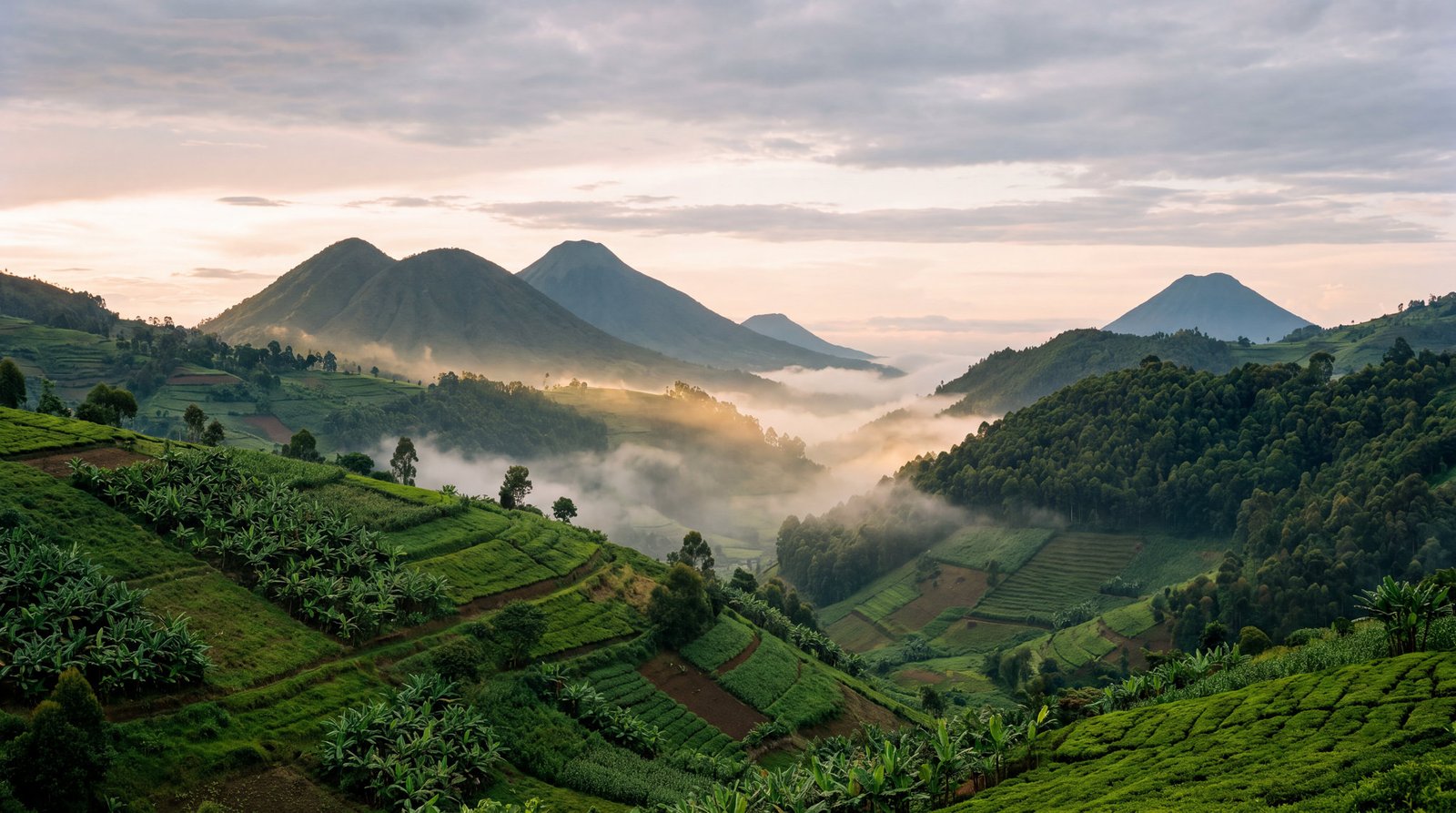
There are approximately 1,000 mountain gorillas left on earth. All of them live in the Virunga Massif — a chain of extinct volcanoes straddling the borders of Rwanda, Uganda, and the Democratic Republic of Congo — and in Uganda's Bwindi Impenetrable Forest. Rwanda's Volcanoes National Park protects the Rwandan side of the Virunga population. The habituated families — groups that have been exposed to human presence long enough to tolerate a small number of trekkers daily — are the ones accessible for treks. The process took years of careful behavioral work by conservation teams. The result is an encounter with no equivalent in wildlife travel anywhere.

The trek itself begins before dawn at the park headquarters, where groups of eight are assigned to a gorilla family based on fitness level, location, and ranger recommendations. The hike through the bamboo forest and volcanic scrub takes anywhere from thirty minutes to four hours, depending on where the family has moved. When you find them, the hour begins. The silverback may be ten feet away. A juvenile may approach the tracker's feet. The family moves, feeds, and rests with complete indifference to your presence — because indifference is what decades of habituation produces.

Rwanda has rebuilt itself around a tourism model that matches the quality of the gorilla experience with the quality of the lodges at the forest edge. Several properties here sit alongside the finest small lodges in Africa. Nyungwe Forest in the south adds chimpanzee tracking and the Bigugu canopy walkway. Akagera National Park on the eastern border offers resurgent Big Five savanna wildlife. Rwanda is a complete country for the traveler who wants more than a single encounter.
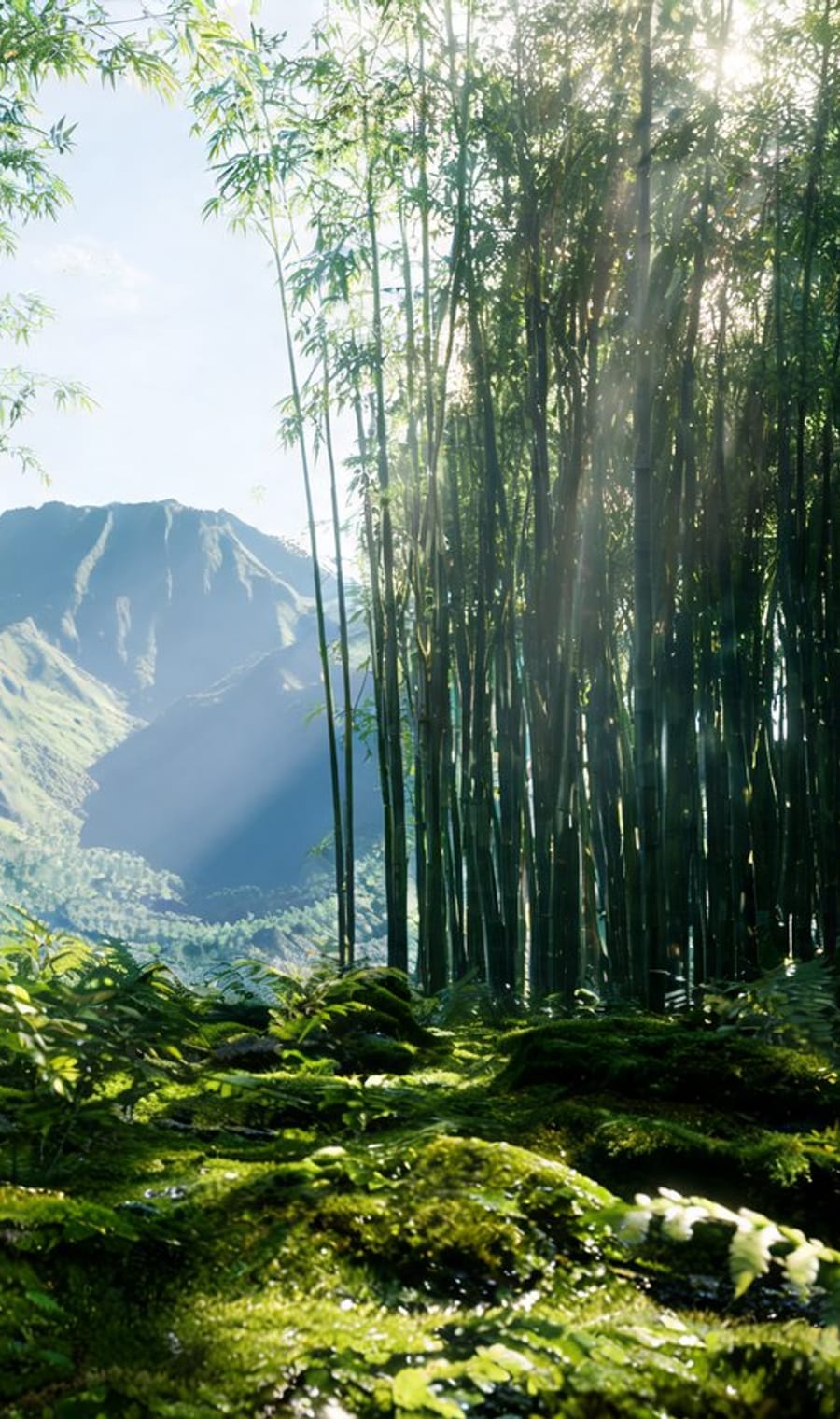
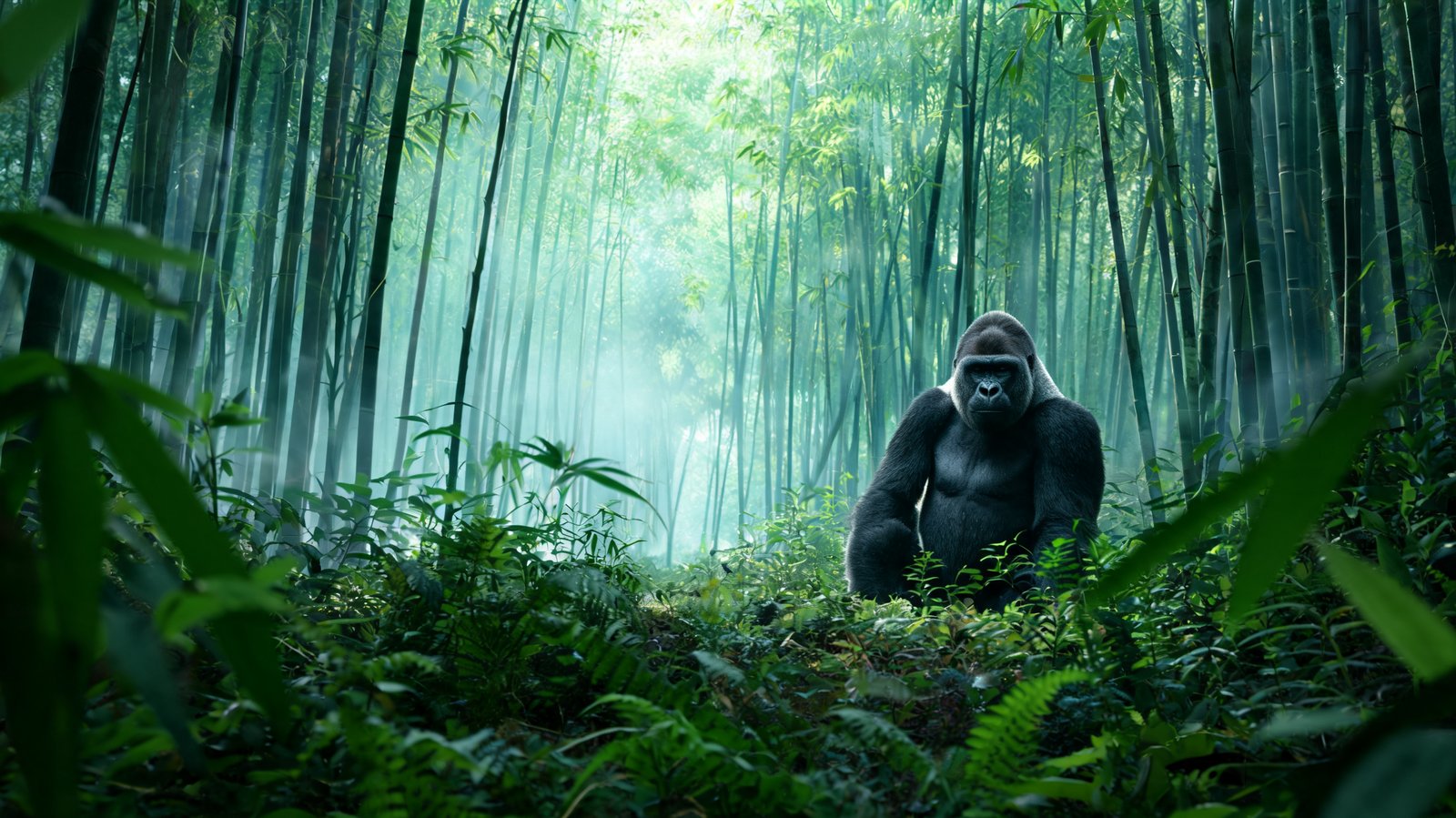
Sunlight through a bamboo forest on the slopes of the Virunga volcanoes
Virunga Bamboo · Volcanoes National Park
Where We Send Clients

Six Areas Worth Knowing

Rwanda is small enough to cover in a week and layered enough to spend three — from the volcanic highlands of the north to the ancient rainforest of Nyungwe and the savanna lakes of Akagera.
Volcanoes National Park, Northwestern Rwanda
Northwestern Rwanda
Volcanoes National Park
Ten habituated gorilla families, each visited by eight trekkers a day. Permits sell out months ahead, and your family is assigned at the trailhead rather than before. The bamboo forest also holds golden monkeys habituated to the same closeness — an underrated second day after the gorillas.
Gorillas Volcanoes NP Year-Round
Explore →
Nyungwe Forest, Southwestern Rwanda
Southwestern Rwanda
Nyungwe Forest
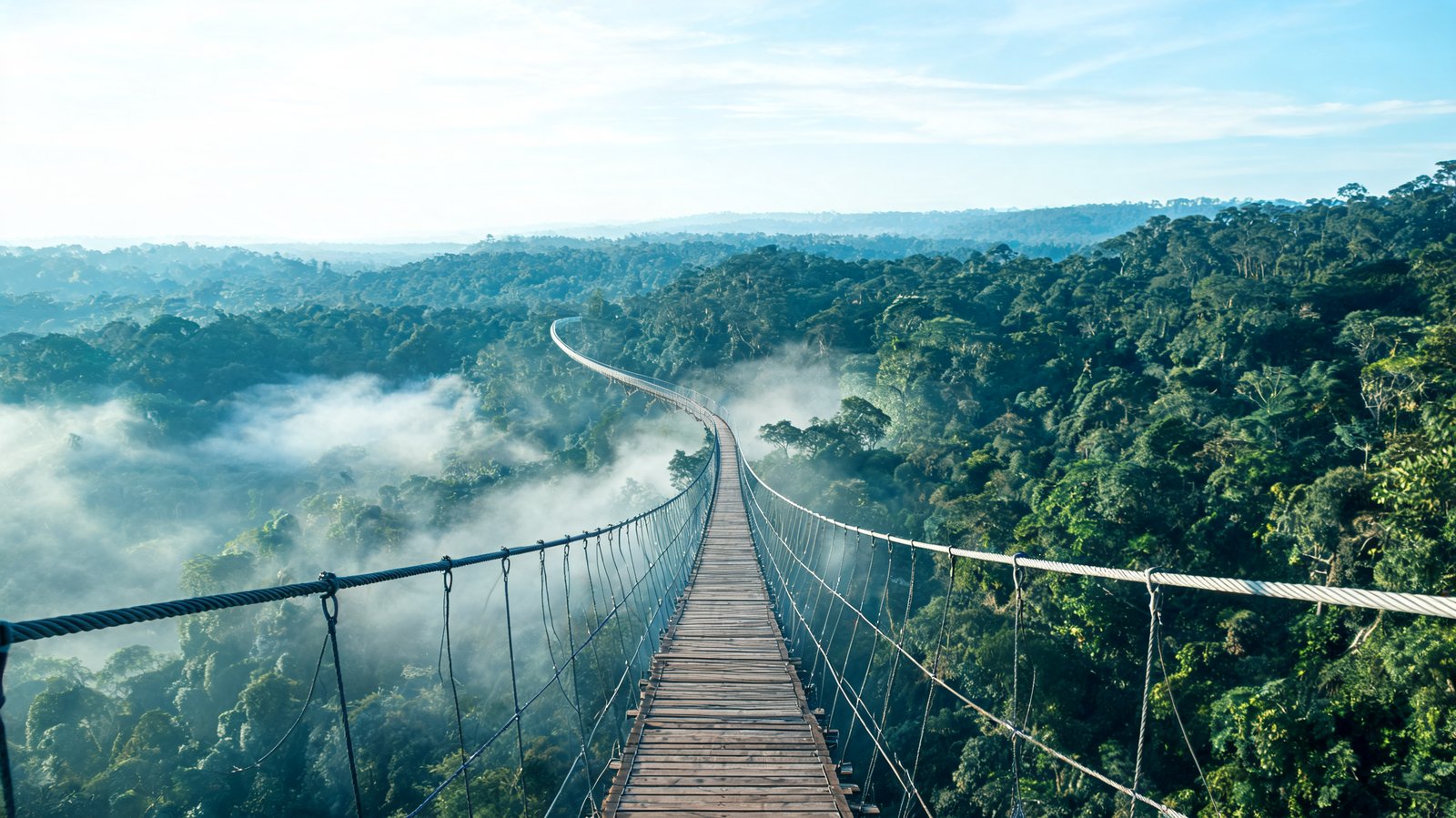
The oldest montane rainforest in Central Africa, holding thirteen primate species including chimpanzees and colobus troops several hundred strong. The Bigugu walkway, suspended fifty meters above the floor, reaches a canopy no ground trail does. Chimp tracking is its own kind of encounter.
Chimpanzees Canopy Walk Rainforest
Explore →
Akagera National Park, Eastern Rwanda
Eastern Rwanda
Akagera National Park
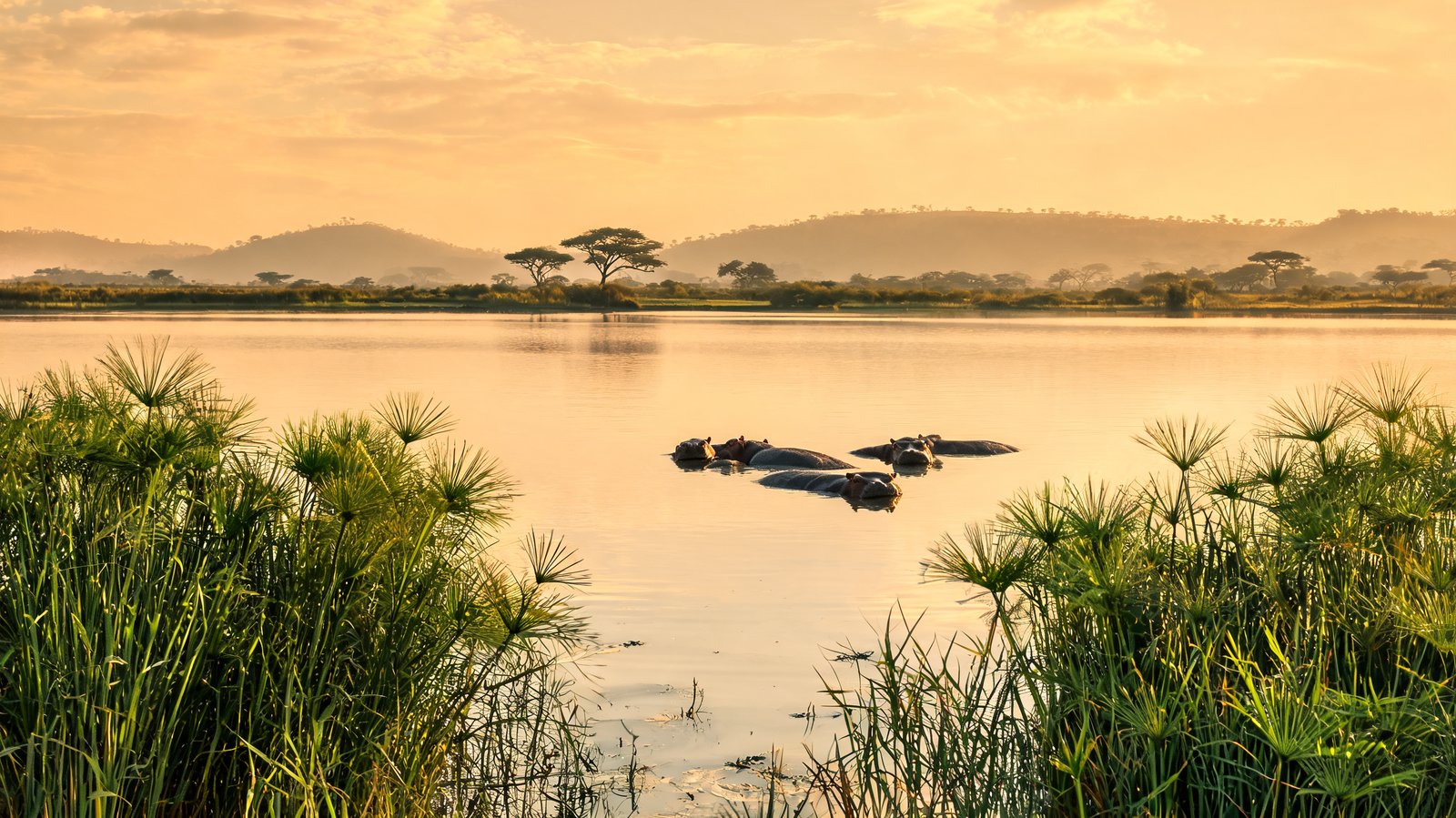
Lion returned in 2015 after decades of local extinction, and black rhino in 2017, turning Akagera from a pleasant savanna into a genuine Big Five park. Lake Ihema holds some of the best hippo and crocodile viewing in East Africa. The park is run jointly with African Parks.
Big Five Lake Ihema Savanna
Explore →
Kigali, Central Rwanda
Central Rwanda
Kigali
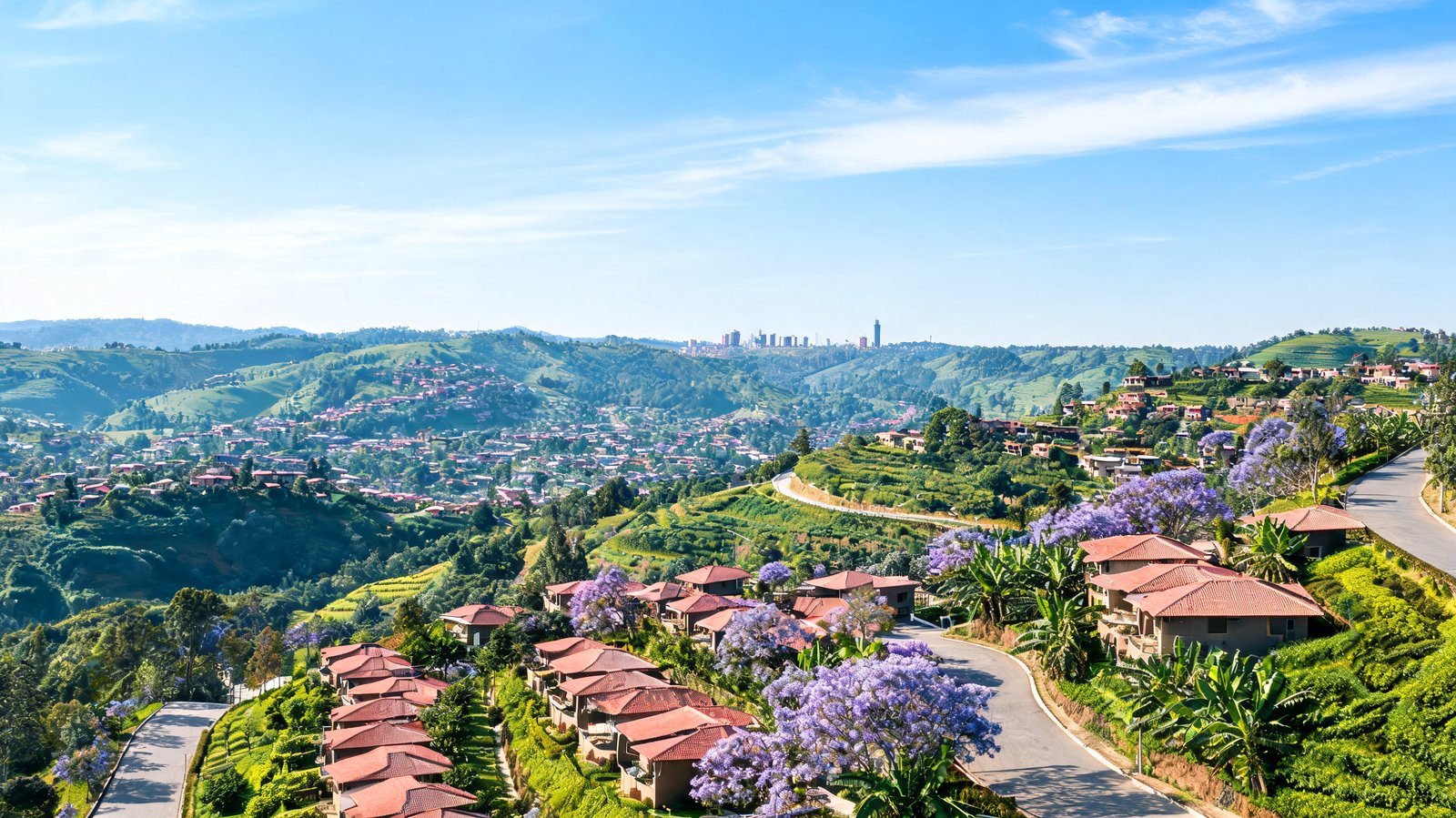
Africa's cleanest capital, which understates how well the city actually works. The Genocide Memorial is essential — not an attraction but a record of 1994 and of how a country chose to answer it. The restaurants and design shops of Nyamirambo exceed what a city this size should carry.
Capital Genocide Memorial Gateway
Explore →
Lake Kivu, Western Rwanda
Western Rwanda
Lake Kivu
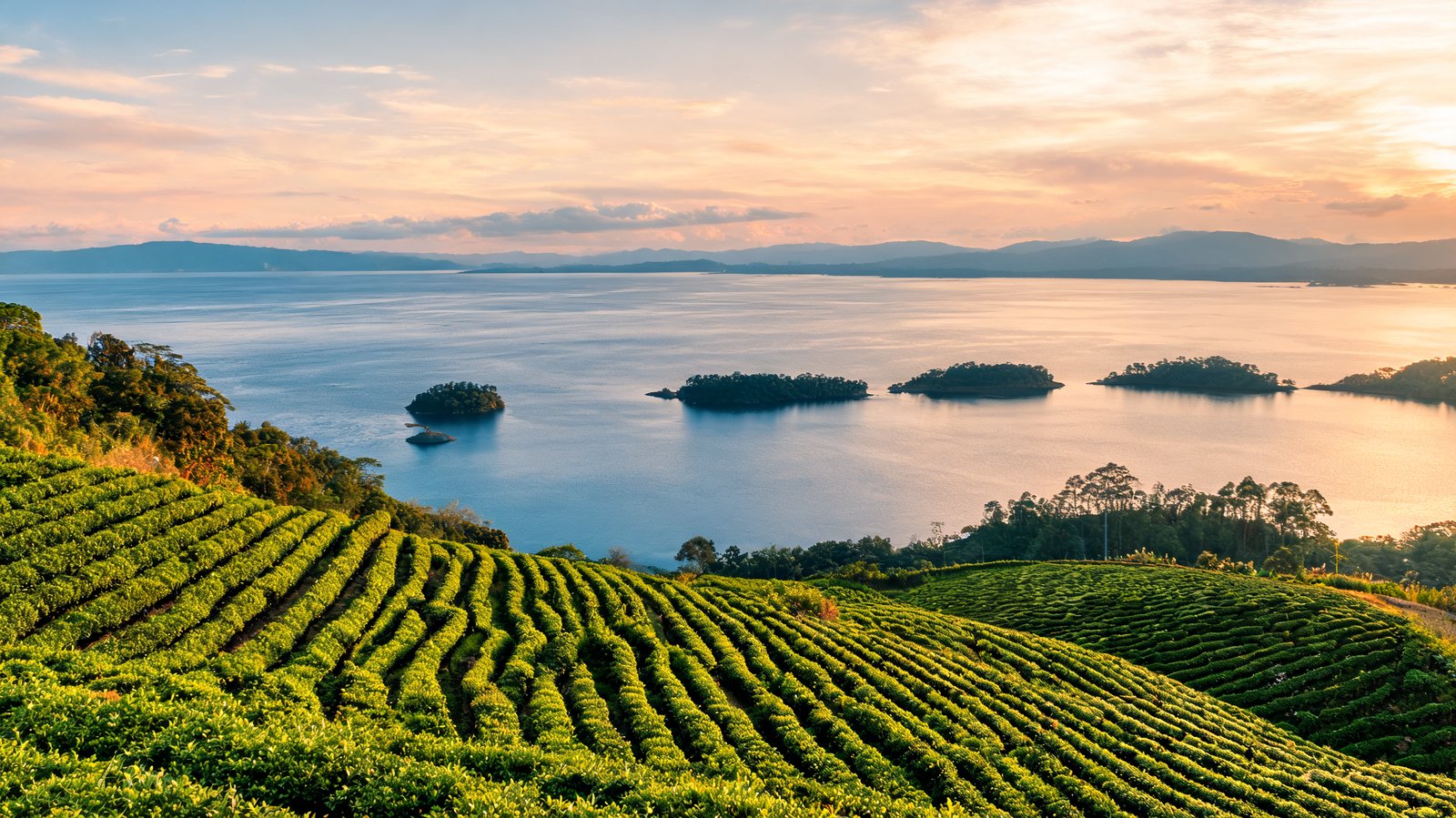
One of Africa's Great Lakes, and complete tonal contrast to the volcano lodges — Rubavu in the north, islands in the southern basin, coffee highlands along the eastern shore. Ninety minutes from Volcanoes through tea country, and the stop that turns a gorilla trip into a country.
Lake District Coffee Country Relaxation
Explore →
Musanze & Surrounds, Northern Rwanda
Northern Rwanda
Musanze & Surrounds
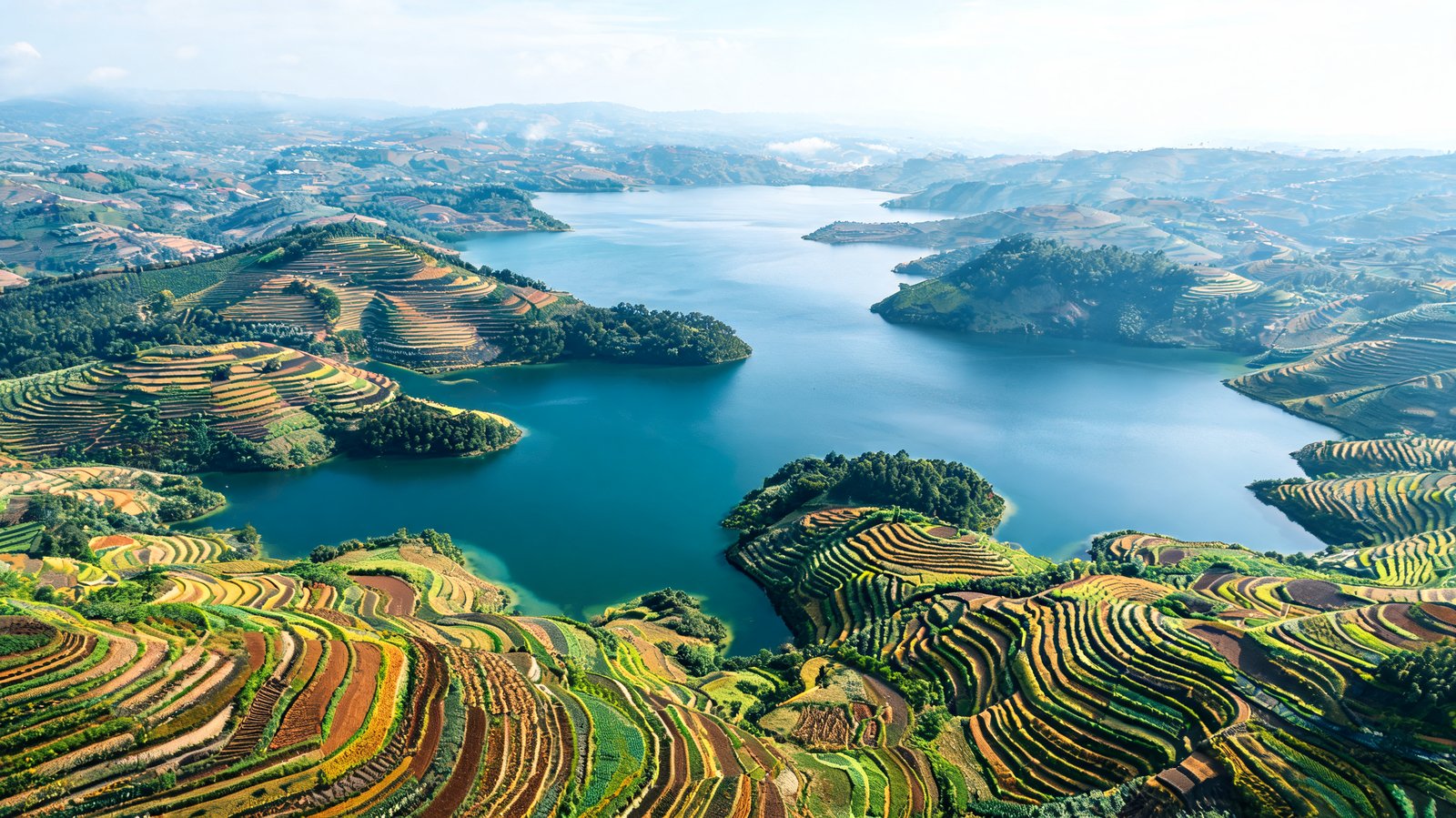
The town sits at the foot of the Virungas, twenty minutes from park headquarters. The twin lakes of Burera and Ruhondo are among the most beautiful landscapes in Rwanda, crater lakes ringed by terraces farmed for centuries. Craft cooperatives and home visits fill in the rural picture.
Local Culture Twin Lakes Community
Explore →
Featured Itineraries

Trips We Plan Often

Rwanda itineraries built around permit access, lodge selection at the forest edge, and combinations that capture the full range of what the country offers beyond the gorilla trek itself.
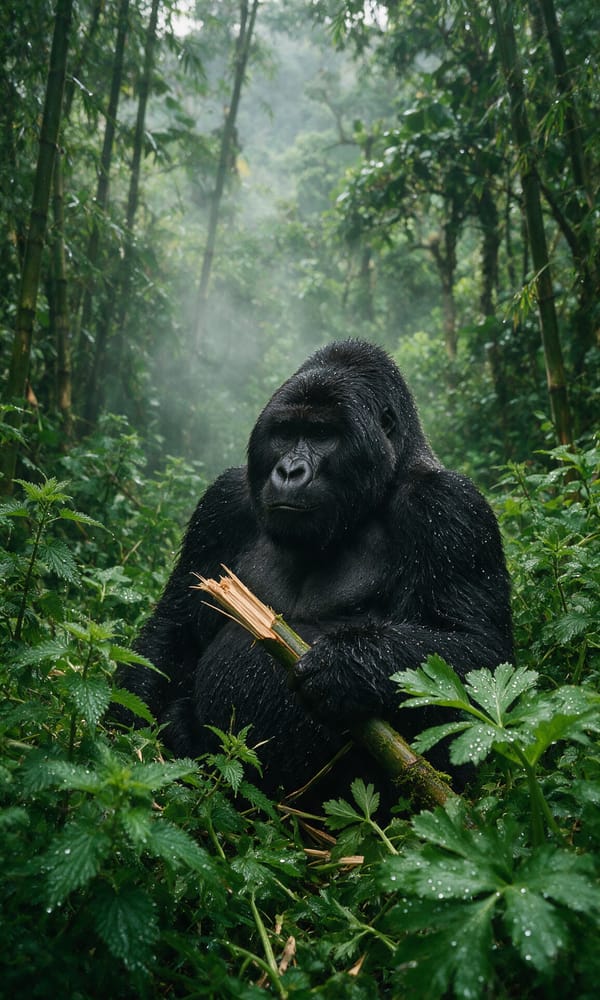
A silverback gorilla among wet nettles and bamboo in the misty forest of Volcanoes National Park
Year-Round · 7–9 Days
Rwanda Gorilla Trek & Nyungwe Primates
Two gorilla trekking permits on different days — the same family on the same trail produces a different experience each time; a different family produces an entirely different encounter. Golden monkey trekking in the bamboo forest fills the day between gorilla permits. Transfer south to Nyungwe for chimpanzee tracking and the Bigugu canopy walkway. Three nights at the Volcanoes forest edge lodge, two nights in Nyungwe at the one property that genuinely matches the quality of the northern lodges. Seven to nine days covers the full primate circuit of Rwanda without the addition of Akagera or Kigali cultural time.
Rwanda7–9 Days
Plan This Trip
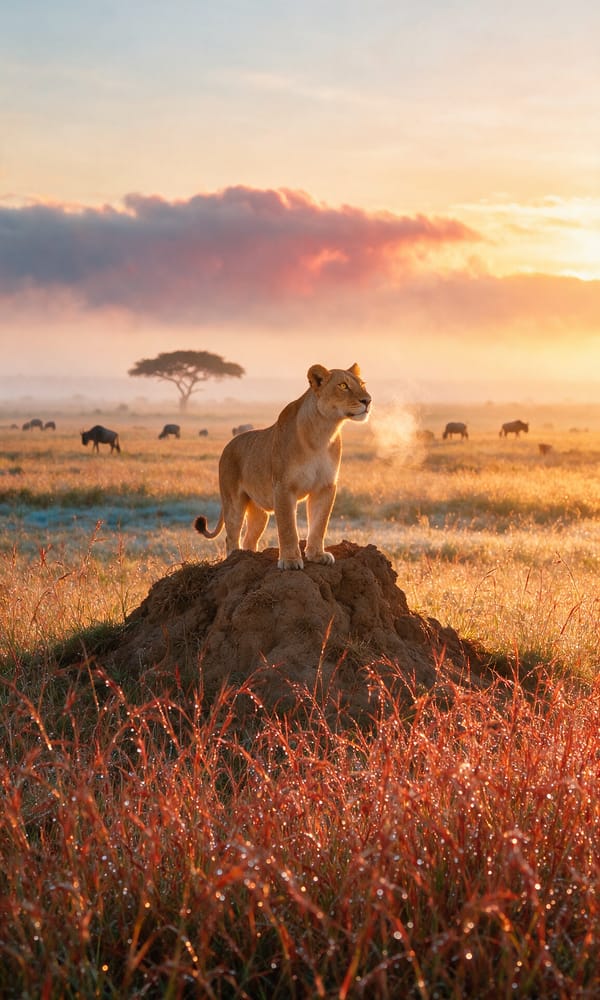
A lioness on a termite mound in dewy Masai Mara grass at sunrise with wildebeest behind
Year-Round · 10–12 Days
Rwanda & Kenya Safari
Two gorilla trekking permits in Rwanda, three nights at the Volcanoes forest edge lodge, and then a flight to Nairobi for connection to a Masai Mara conservancy camp. The combination covers the widest possible range of Africa wildlife experiences in a single itinerary — forest primate encounter at altitude in Rwanda, open-plains predator safari in Kenya — and the contrast between the two ecosystems is total. This is the Africa itinerary that produces the most repeat clients: travelers who come for the gorillas and leave having decided they need to return for the Mara, or vice versa.
Rwanda · Kenya10–12 Days
Plan This Trip
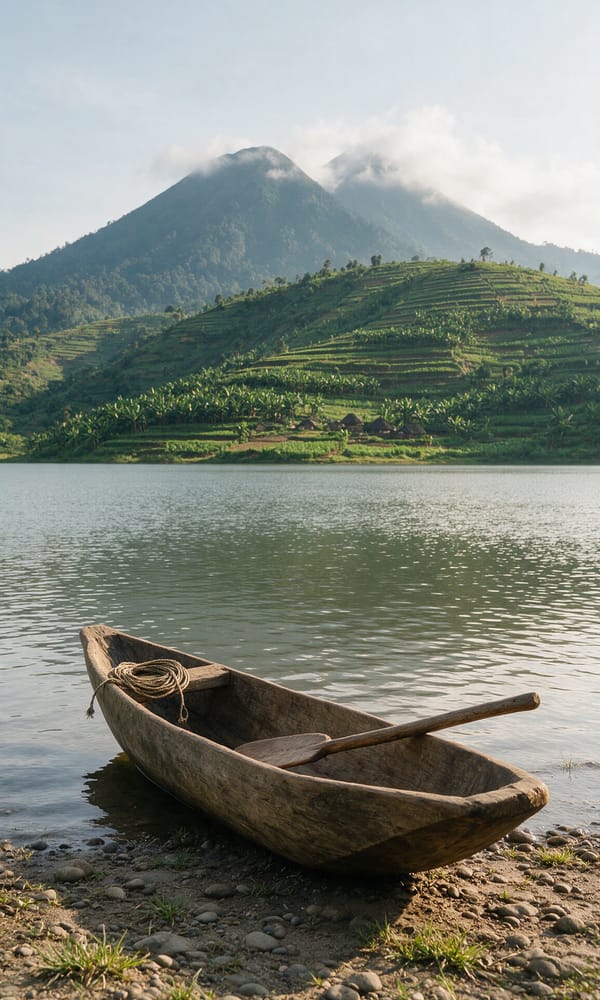
A wooden dugout canoe on the shore of Lake Burera below terraced hills and the Virunga cones
June – September · 8 Days
Rwanda Family Gorilla Trek
Gorilla trekking permits require a minimum age of fifteen, which shapes the entire structure of a family Rwanda trip. Two permits for adults on different days; cultural and nature activities for younger children with a dedicated ranger guide while adults trek. A lodge at the forest edge with an elevated viewing deck and child-appropriate programming covers the accommodation requirement. One day at the twin lakes with a community visit, and Kigali for a city day on arrival or departure. The itinerary covers eight days comfortably. Families with children under fifteen can observe the forest from the park boundary while adults complete the trek — we structure the timing around both.
Rwanda8 Days
Plan This Trip
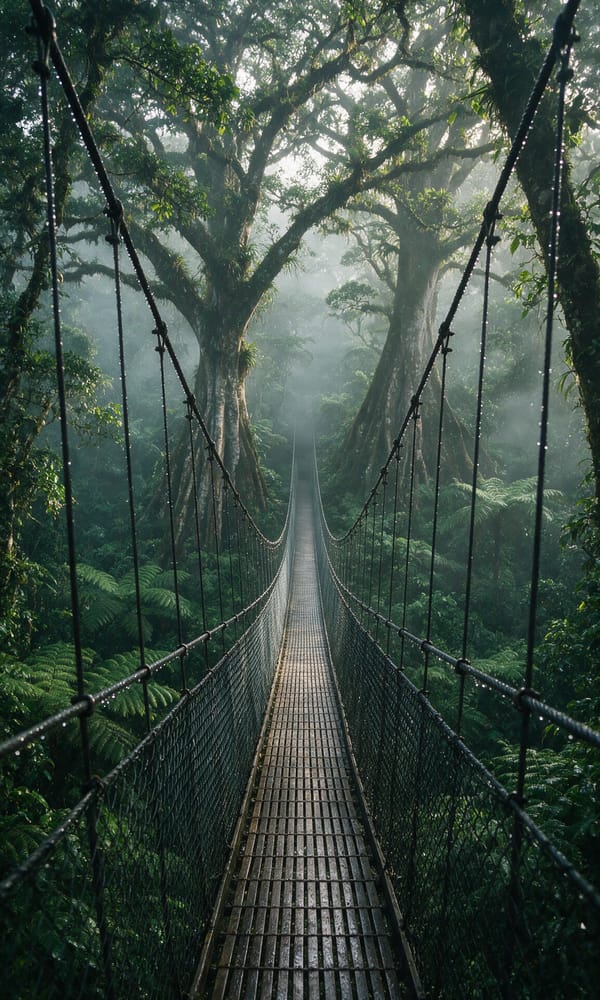
A steel canopy walkway running into mist above the tree ferns of Nyungwe Forest
Year-Round · 10 Days
Rwanda in Depth
The full country in ten days: Kigali on arrival for the Genocide Memorial and the restaurant scene, transfer north to Volcanoes for two gorilla trekking permits and golden monkey trekking, drive west to Lake Kivu for two nights of lake and highland decompression, south to Nyungwe for chimpanzee tracking and the canopy walkway, and east to Akagera for two nights of savanna game drives and hippo boat safari on Lake Ihema. Most travelers see Rwanda as a destination built around a single experience. This itinerary demonstrates why that's an underestimate of what the country is.
Rwanda10 Days
Plan This Trip
Why Plan With Us

What We Add to Rwanda Planning

Rwanda planning is primarily a logistics and permit problem — and the permit problem, solved incorrectly, means you don't go gorilla trekking on the day you planned.

Permit Procurement
Gorilla trekking permits are issued by the Rwanda Development Board at $1,500 per person per trek, and they sell out for peak season (June–September) many months in advance. The allocation system requires navigating both direct RDB booking and licensed operator channels. We secure permits as far out as required — twelve months for peak periods is not unusual — and we hold allocations that allow us to respond to client requests more quickly than booking through public channels allows.
Lodge Selection at Forest Edge
There are several lodges within range of Volcanoes National Park, and the quality range between them is significant. The top two or three properties here are genuinely among the finest small lodges in Africa; the others trade on proximity to the park without delivering the same standard. The difference shows in the management, the guide depth, the food quality, and the architectural sensitivity to the landscape. We recommend specific properties and can articulate exactly why one is right for a given traveler over another.
Trek Day Management
The gorilla trek requires preparation that isn't communicated clearly by most planning resources: altitude acclimatization matters if you're arriving directly from sea level, the fitness range between the shortest and longest trek is significant, and what to expect during the hour with the gorilla family — where to stand, where not to stand, what the tracker is doing, why the silverback is displaying — shapes the experience materially. We brief clients fully before departure and connect them with the trek briefing protocol that the park provides on the morning itself.
Combining Parks Correctly
Nyungwe and Volcanoes are four hours apart by road through highlands; Akagera is three hours east of Kigali; Lake Kivu is ninety minutes west of Volcanoes. The routing through these areas has a correct sequence that minimizes backtracking and maximizes the sense that each area is a distinct destination rather than a long drive between lodges. Adding too many stops to a Rwanda itinerary is as damaging as adding too few — the country rewards a pace that allows each place to register before the next one begins.
When to Go

Rwanda by Season

Long Dry Season
June – September
The primary Rwanda window for gorilla trekking. Dry conditions mean firmer forest trails, lower undergrowth, better photography light through the canopy, and clearer views from the volcano ridges. The same window aligns with the Masai Mara migration peak if you're combining Rwanda with Kenya. Permits for this period are the first to sell out — June and July especially. Book permits and lodges six to nine months in advance for this window. The dry season also produces the best chimpanzee tracking conditions in Nyungwe.
Best Overall Window
Short Dry Season
December – February
Rwanda's second dry window is shorter but often overlooked by travelers who default to the June–September peak. Gorilla trekking is excellent: drier trails, better light, and permit availability that's easier to secure than the primary season. The forest is less lush but the clearings are more open. This window aligns well with Christmas-New Year travel if combined with a beach destination at the start or end — Zanzibar or the Kenyan coast pair naturally with Rwanda in a two-week itinerary.
Wet Seasons
March–May & Oct–Nov
Rwanda's two wet seasons produce challenging trekking conditions — the trails through the forest are muddy and steep, rain is common during the trek itself, and photography is more difficult in flat wet-season light. Gorilla trekking is still available and still excellent — the gorillas don't go anywhere, and seeing a silverback in mist has its own quality. Rates at the forest lodges drop significantly. For travelers with flexibility, the shoulder of October-November can be exceptional: lower rates, fewer trekking groups, and the forest at its most lush.
Ready When You Are

Plan a Rwanda Gorilla Trek
Worth the Journey

Tell me when you can travel and whether you're thinking Rwanda alone or combined with Kenya or Tanzania. I'll come back with a permit availability check, lodge recommendation, and itinerary structure within one business day.

Plan a Rwanda Trip All Africa Destinations

No booking fees  ·  Response within 24 hours  ·  Fully bespoke

What It Costs

What Rwanda Actually Costs

$1,500–$3,800
per person, per night, all-inclusive at lodge. Ranges, not quotes.
What that includes
  • A shared luxury lodge on full board
  • Standard drinks and lodge service
  • Scheduled lodge activities
What it does not
  • The $1,500 per-person, per-trek gorilla permit
  • Regional and international flights
  • Helicopter or private transfers unless bundled, plus gratuities
The two or three things that move it most
  • Lodge and suite tier — the top lodges rank among Africa's most expensive
  • Season
  • Number of trekking days

Editorial planning bands, not quotes — assembled from published rates and official fee sources, verified . Rates, permit costs and park fees change; confirm before booking. Source: Visit Rwanda gorilla permits.

Common Questions

Rwanda — FAQ

Questions we hear most when planning Rwanda gorilla trekking — from physical demands and permit logistics to lodge selection, age restrictions, and combining Rwanda with East Africa.

Highly variable. The trek to find the gorilla family can take anywhere from thirty minutes to four or five hours depending on where the family has moved overnight. The terrain is volcanic and steep, the altitude is 2,500–3,000 meters, and the trail is often muddy. Good general fitness is required. Travelers with mobility concerns can request assignment to families with historically shorter treks, but it cannot be guaranteed. Rangers offer assistance for the more challenging terrain. If you can walk briskly uphill for ninety minutes, most gorilla treks are manageable. The physical discomfort is real and worth it.

Fifteen years old is the minimum age set by the Rwanda Development Board. This is a firm rule, not a guideline — children under fifteen will not be issued permits or allowed on the trek. Family Rwanda itineraries require specific planning around this restriction; we structure alternative activities for younger family members on trek days and can suggest lodges with appropriate child programming during the trekking hours.

The Rwanda Development Board issues a limited number of permits daily. Eight trekkers per habituated gorilla family, roughly one hundred total per day across all families in the park. Peak season (June–September) permits for the best lodges are frequently sold out six to nine months in advance through licensed operators. We hold permit allocations and can often confirm availability faster than public booking channels. Shoulder and wet season permits are significantly easier to obtain with less lead time.

The habituated gorilla families in Volcanoes National Park are located by rangers every morning before trekkers set out. The trackers follow the family daily and know approximately where they are at dawn. In practice, trekkers always find the gorilla family. The variability is in how long the trek takes, not whether the gorillas are found. The Rwanda Development Board has a policy of refunding the permit if, for any reason, the family cannot be located — but this has not been a meaningful occurrence with the habituated families in recent years.

Both work. Rwanda standalone for seven to ten days covers the gorillas, Nyungwe, and one or two additional areas and is a complete, satisfying trip. The Rwanda-Kenya combination covers the widest range of East Africa wildlife experiences in a single itinerary and is the choice for travelers who want the full picture in one journey. The flight connection between Kigali and Nairobi is direct and under two hours. Most clients who do the combination describe it as one of the best travel decisions they've made.

Rwanda is among the safest countries in Africa for tourism. Kigali consistently ranks as one of the safest capital cities on the continent — clean, well-lit, with a functioning taxi and transport infrastructure. The national parks operate under established security protocols. The country's stability and the government's investment in tourism infrastructure are direct results of the choices made in the post-1994 reconstruction period. We brief clients fully on current conditions as part of every itinerary.

The gorilla trekking permit costs $1,500 per person per trek, paid to the Rwanda Development Board through licensed operators. This fee goes directly to park conservation and community development — a portion is returned to the communities surrounding the park as compensation for coexisting with wildlife that occasionally damages crops. The fee is the primary funding mechanism for the mountain gorilla conservation program that grew the population from approximately 600 to over 1,000 animals over the past three decades. It is expensive. The conservation argument for paying it is as strong as the experiential one.

There are three lodges that consistently deliver at the top of what Rwanda's mountain accommodation offers. Two within the closest possible range of the park headquarters, one slightly further with a design and setting that compensates for the additional transfer time. The right choice depends on your priorities: view, access time, room type, and price point all differ meaningfully between the three. This is a conversation worth having before booking; the experience at the average Volcanoes lodge and the experience at the best one are not comparable.
More questions answered on the Full FAQ Page
From the Journal

Read More on Planning Rwanda