The Gold Standard of
Exclusive Safari.
Botswana's entire tourism model was built around a simple premise: limit the number of guests, charge accordingly, and deliver a wilderness experience that cannot be replicated anywhere else in Africa. The Okavango Delta, Chobe's elephant herds, the Linyanti Concession, and the Central Kalahari are not comparable to other safari destinations — they are the benchmark against which other safari destinations are measured.
Safari
Low Volume. High Value.
The Botswana Model.
Botswana's dry season peaks June through October, when the Okavango flood is at its height and game concentrates on the water. Most safaris run 9–12 days across two or three camps. Botswana costs more than its neighbours by design: the government set a high minimum daily rate to cap visitor numbers, so the premium buys fewer vehicles at a sighting.
Botswana made a deliberate policy decision decades ago that still shapes every aspect of safari travel here: high-cost, low-volume tourism. Rather than maximizing visitor numbers, the government capped the number of guests permitted in each wilderness area, required most visitors to fly into private camps on light aircraft, and set the conservation fee structure to keep the ecosystem financially viable at low occupancy. The result is the most pristine safari experience available anywhere in Africa.
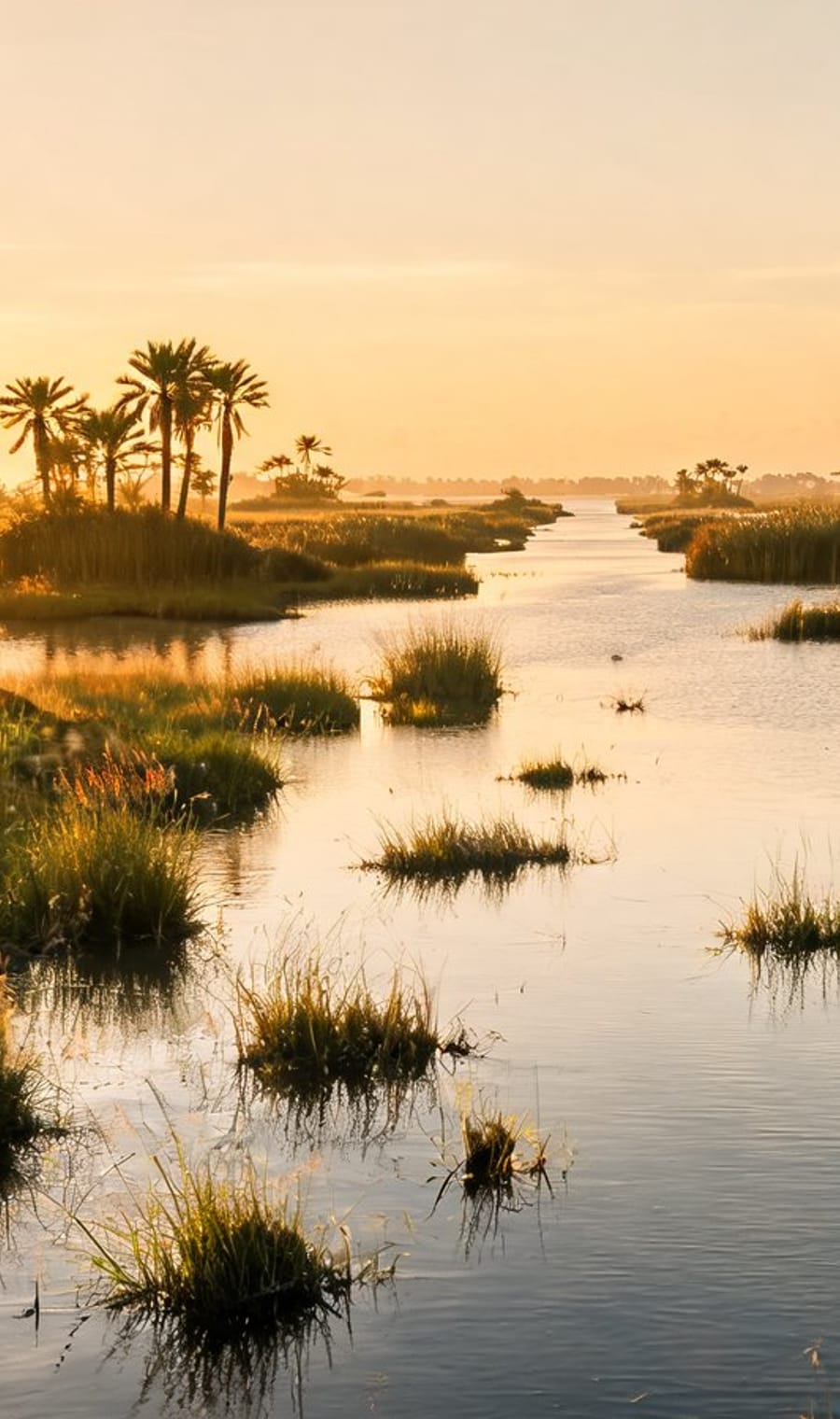
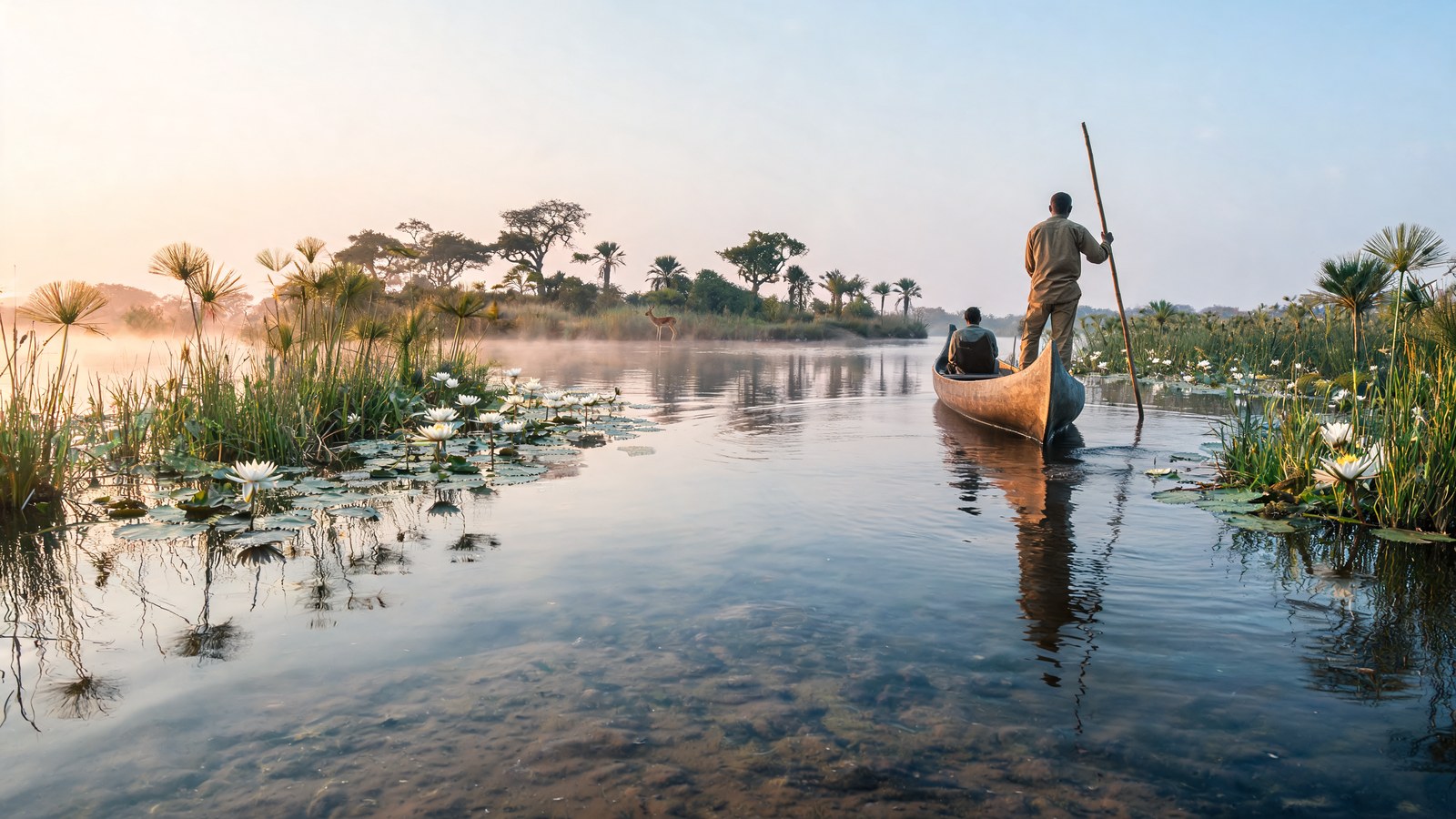
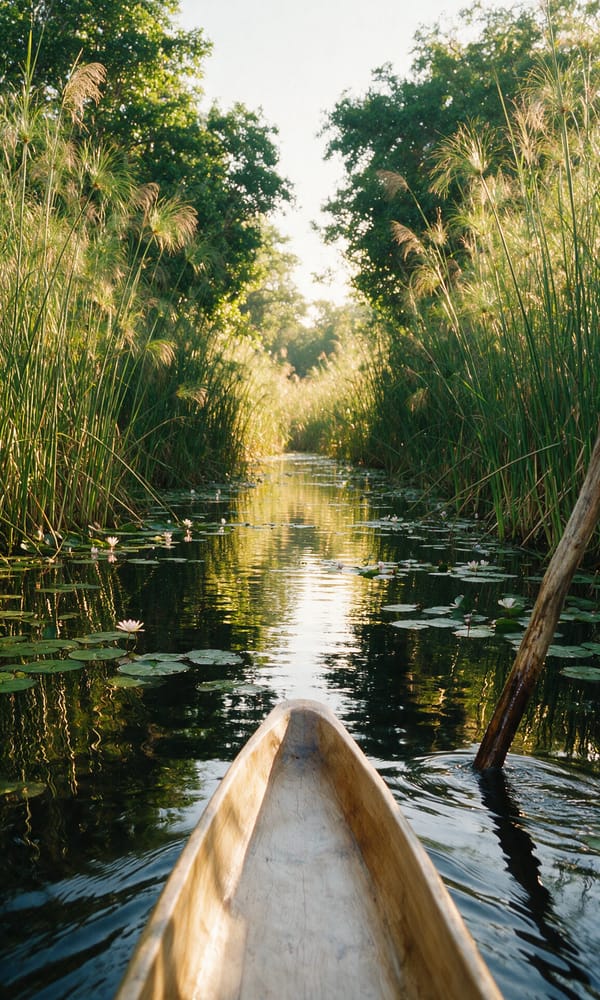
The Okavango Delta — a UNESCO World Heritage Site — is one of the natural world's great anomalies: the Okavango River flows inland from the Angolan highlands, spreads across the Kalahari Desert in a vast alluvial fan, and disappears into the sand without ever reaching the sea. The result is a permanent oasis in the middle of the world's second largest desert — a labyrinth of channels, lily-covered lagoons, and seasonal islands that support one of the highest concentrations of wildlife in Africa. Poling through it in a mokoro at dawn, in complete silence, is the experience that Botswana clients return home talking about twenty years later.
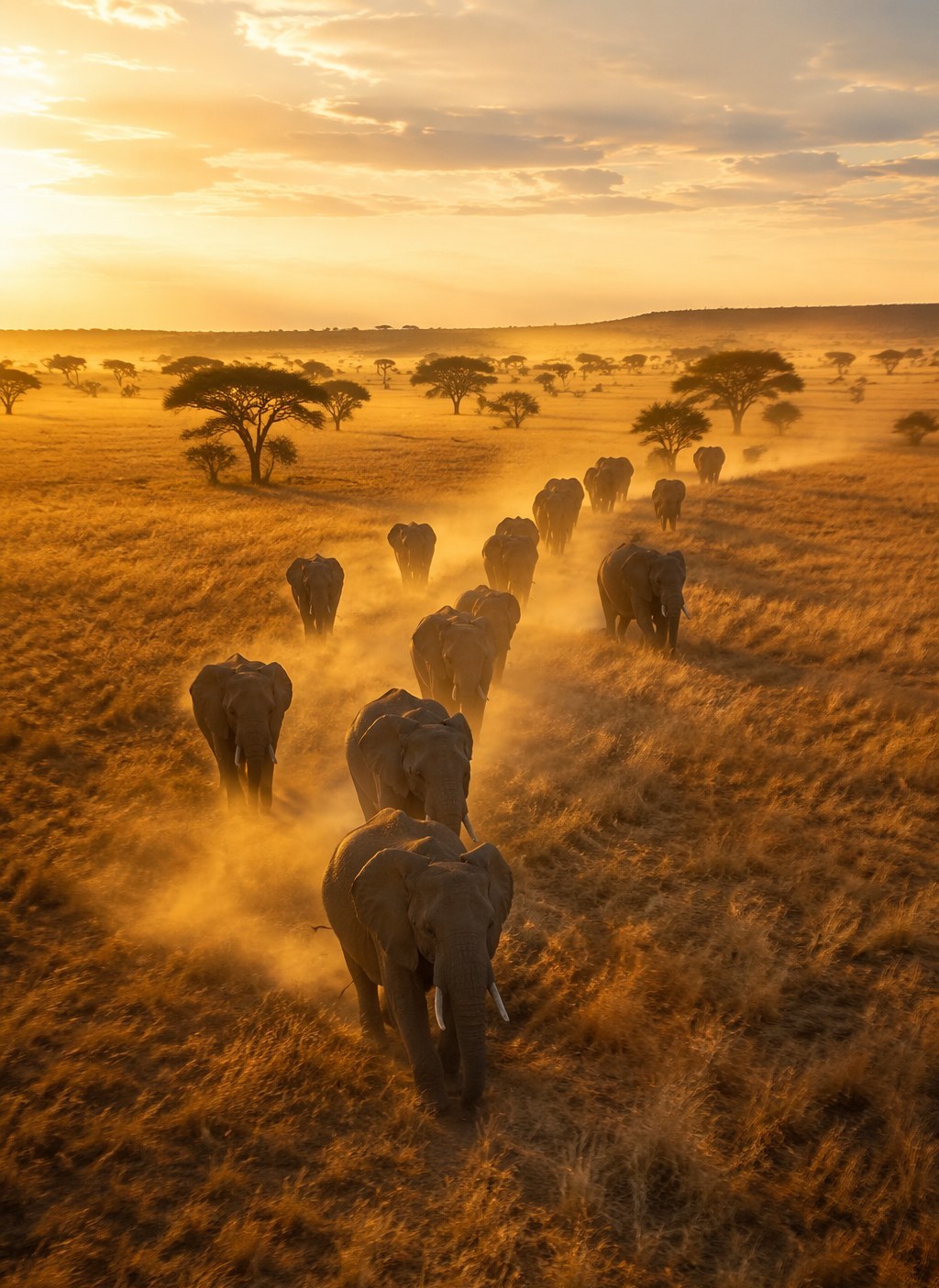
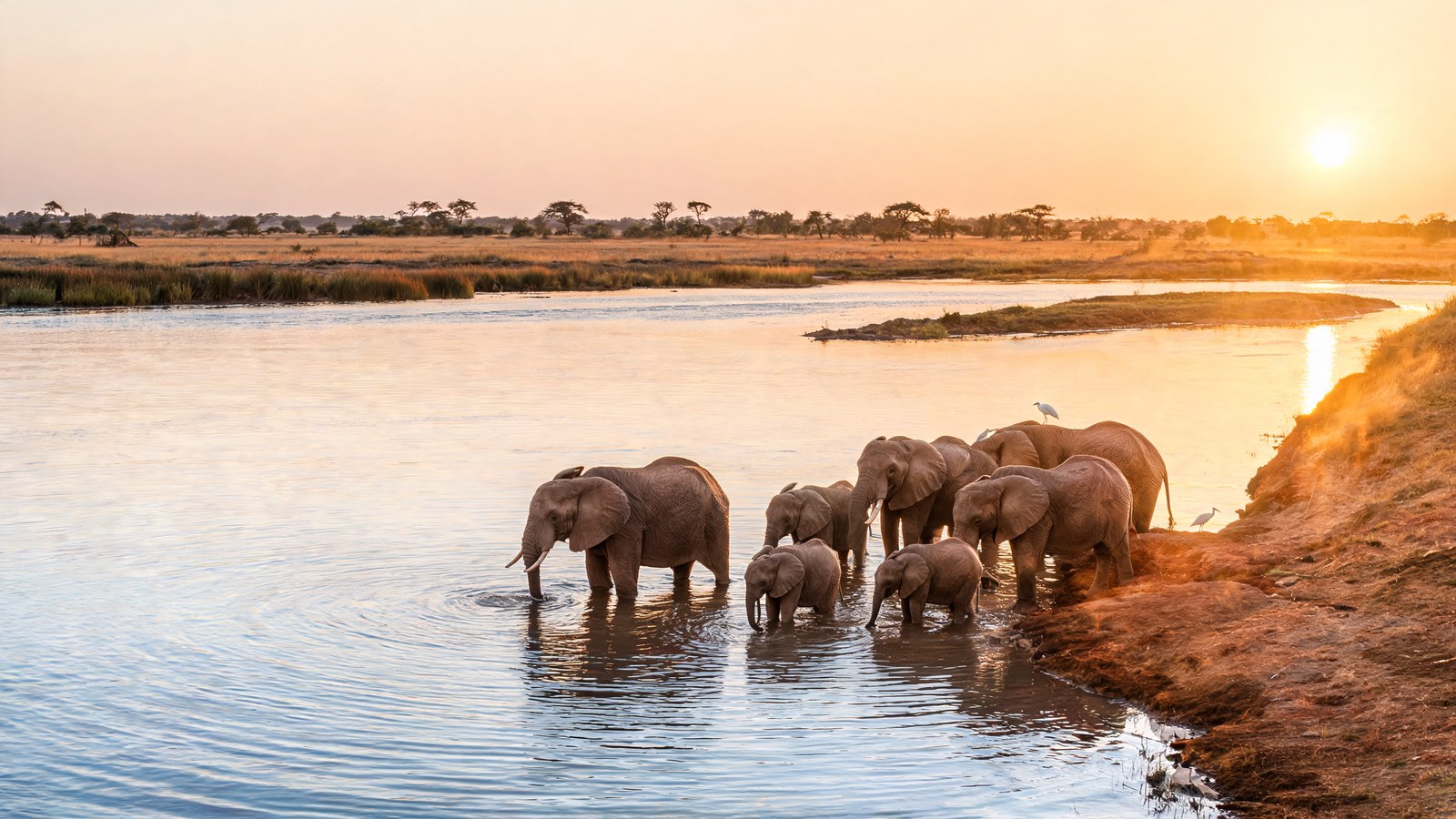
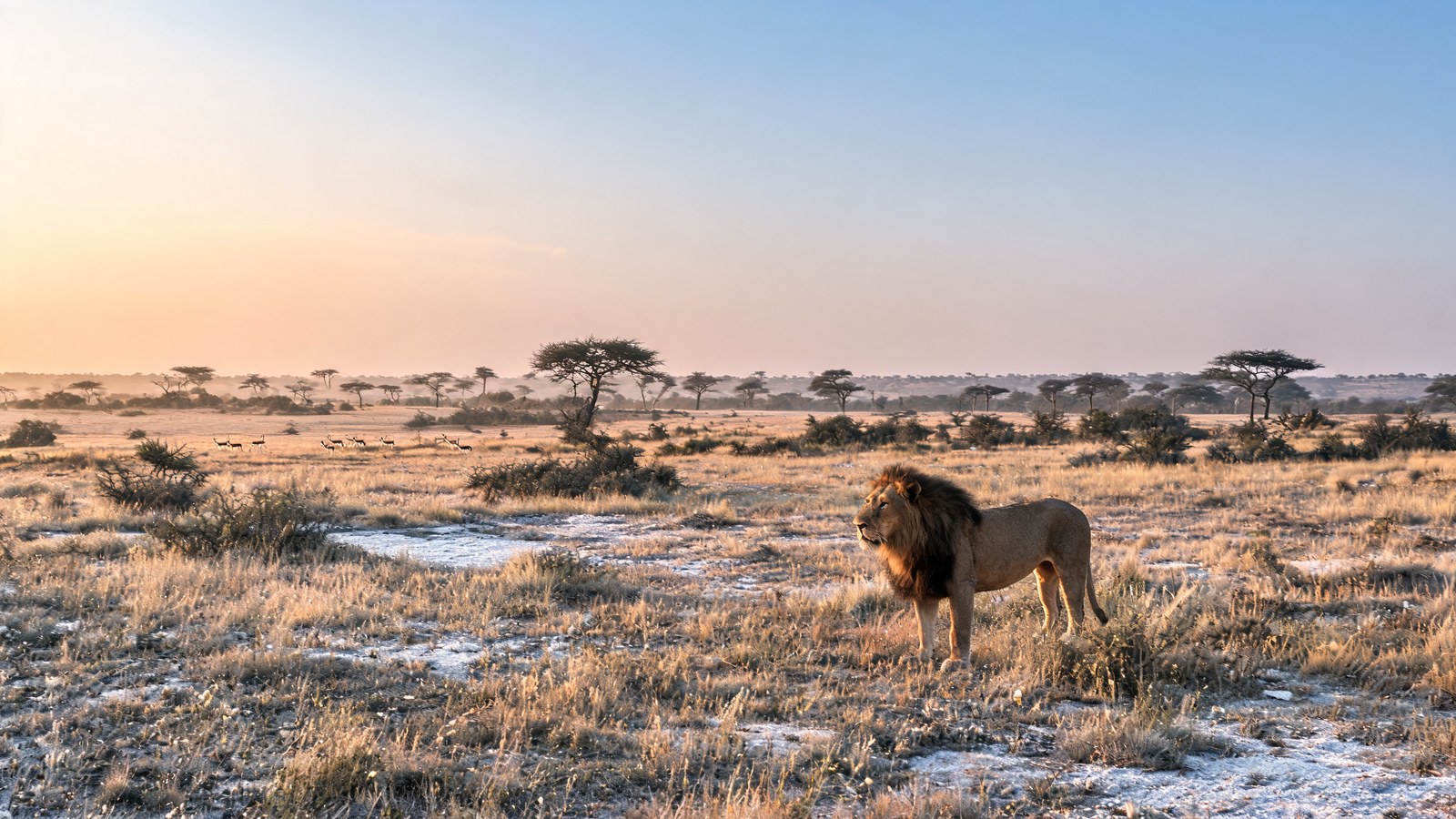
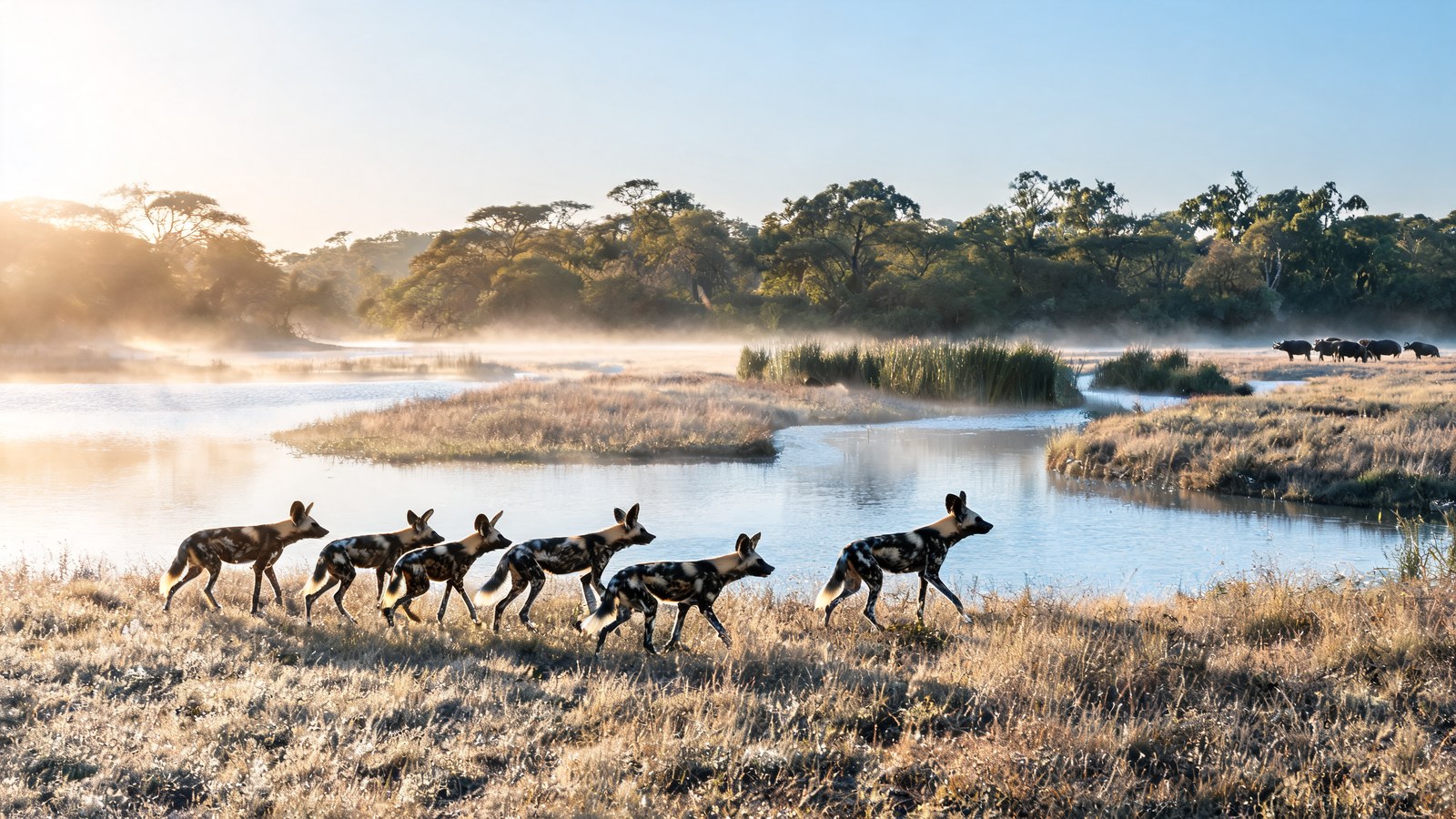
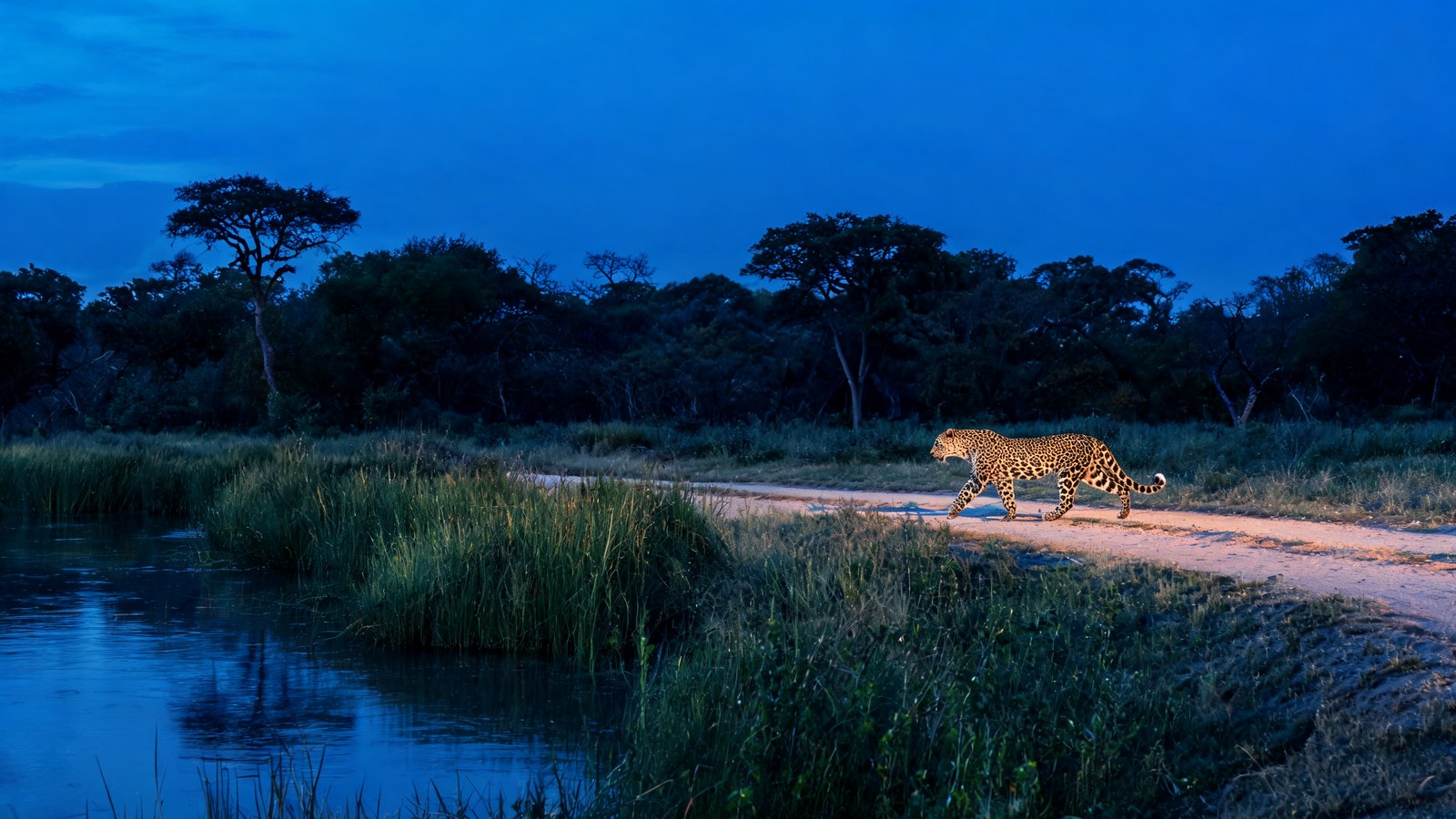
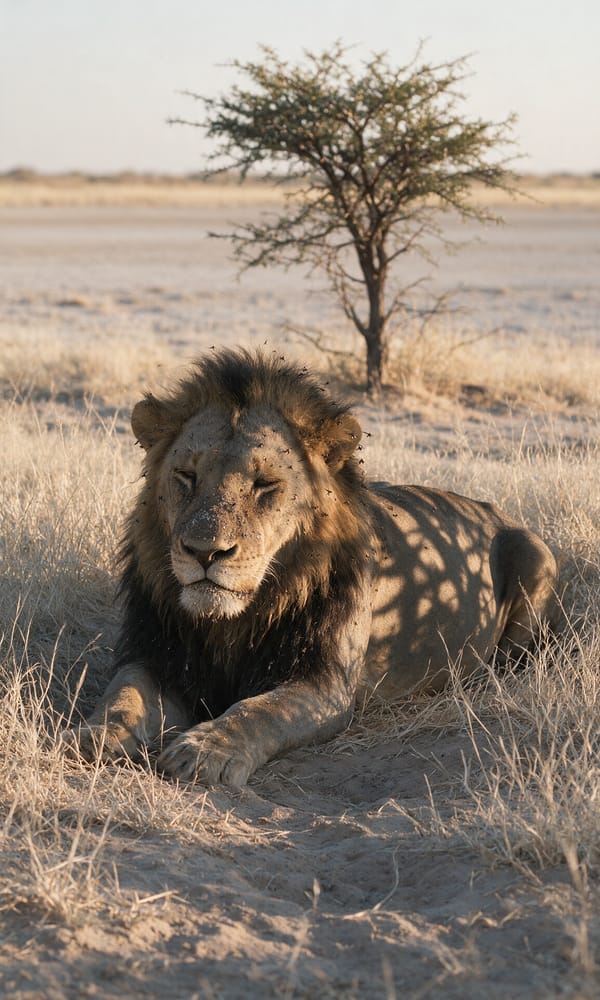
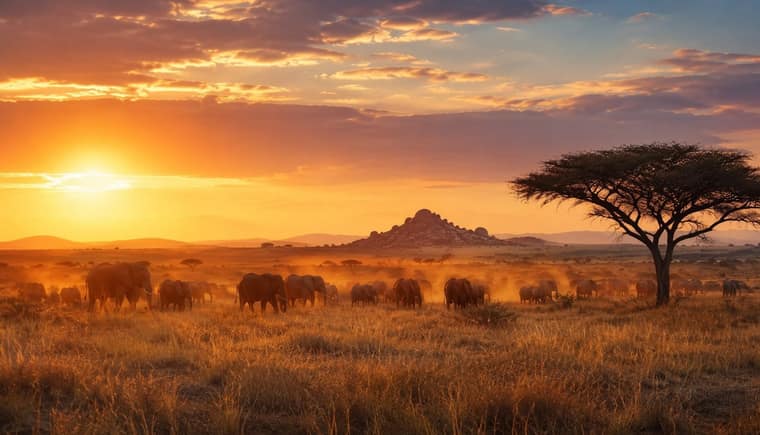
The elephant herds of Chobe are the largest in Africa — an estimated 130,000 animals in the Chobe ecosystem, more than any other country on earth. The Linyanti Concession holds one of the continent's highest concentrations of wild dogs. The Central Kalahari offers desert-adapted lions with the distinctive black manes of the Kalahari pride, in a reserve so vast that the nearest tourist vehicle may be thirty kilometers away. This is what Botswana charges for. It is worth it.
Six Ecosystems Worth Planning Properly
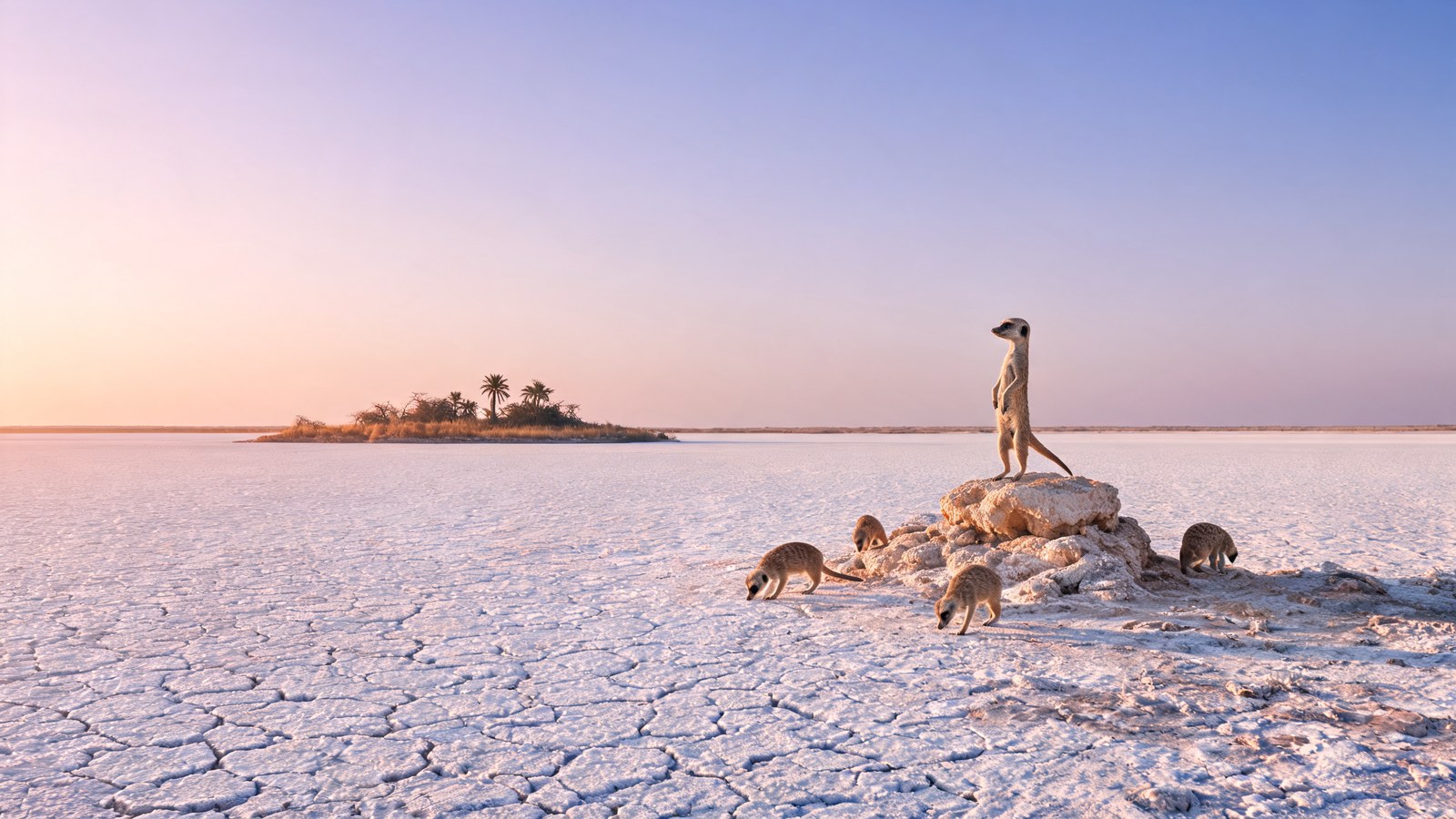
Each of Botswana's wilderness areas has its own character, its own peak season, and a camp quality range that is wider than anything comparable in East Africa.
Trips We Plan Often
Botswana itineraries built around the ecosystems, the camp selection, and the seasonal windows that deliver what the country does at its most extraordinary.
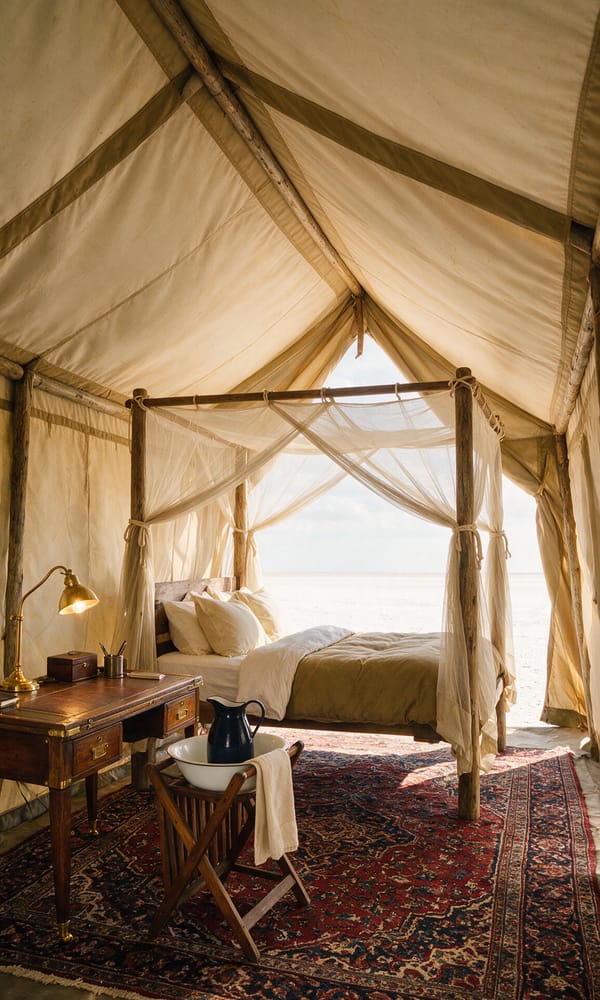
What We Add to Botswana Planning
Botswana is the destination where the camp selection matters most absolutely — the price range at the same "area" is enormous, and the difference in experience is proportional.
Botswana by Season
Plan a Botswana Safari
at Its Best
Tell me which ecosystems interest you, whether you've done East Africa before, and when you can travel. I'll come back with a specific camp recommendation and routing rationale within one business day.
No booking fees · Response within 24 hours · Fully bespoke
Destinations Worth Comparing
What Botswana Actually Costs
- A luxury camp on an all-inclusive basis
- All meals and house drinks, with laundry at most camps
- Twice-daily shared safari activities and core fees
- International and inter-camp flights unless stated
- Premium wines and private-vehicle upgrades
- Gratuities
- Delta water levels and the concession the camp sits on
- Season — the June–October dry season commands the top of the band
- Camp tier and fly-in routing
Editorial planning bands, not quotes — assembled from published rates and official fee sources, verified . Rates, permit costs and park fees change; confirm before booking. Source: Botswana Dept. of Wildlife & National Parks.
Botswana — FAQ
Questions we hear most when planning Botswana travel — from the cost conversation to mokoro versus motorboat, malaria zones, and how to combine Botswana with neighboring countries.