Africa

Nothing Else
Comes Close.

Every traveler who has been on a genuine African safari says the same thing: nothing they had read or seen prepared them for what it actually was. The scale of the landscape. The proximity of the animals. The silence at dawn. Africa is a region where the planning work — camp selection, guide quality, timing — is the difference between a good experience and one that resets how you understand what travel can be.

Best Season
July – October
Best For
First Safaris
& Big Game
The Region

The Camp Is Everything.
The Guide Is More.

The Great Migration peaks July–October, but Africa runs on six separate calendars rather than one. Botswana's dry season concentrates game June–October; Rwanda's gorilla trekking works year-round and depends on trail conditions instead. Most first safaris run 10–12 days across two or three camps. Camp selection matters more than country — it decides the guiding, the vehicle, and how many other vehicles share a sighting.

There are over a thousand safari camps and lodges operating across sub-Saharan Africa. The range in quality between the best and the rest is one of the largest in any travel category anywhere in the world. A top-ten Botswana camp and a mid-tier Tanzania camp cost within a few hundred dollars of each other per night. The experience they deliver is not in the same category.

The guide is the variable that matters most. A guide who has worked the same ecosystem for fifteen years reads animal behavior in ways that a less experienced guide doesn't — predicting where the leopard will move before it moves, positioning the vehicle for the light before the light arrives, staying at a sighting for the right amount of time instead of moving on when the drama pauses. That difference is only available at camps that hire and retain the right people, which is a short list that takes years to develop.

Africa also has more to offer than the safari circuit. Morocco is one of the great cultural travel destinations in the world. South Africa combines world-class wine country, penguin colonies, the Cape Peninsula, and private game reserves with malaria-free Big Five access. Rwanda's gorilla treks are among the most profound wildlife experiences on earth. The Seychelles sits off the same coast and answers a different question entirely — granite islands you move between on a scheduled ferry, not a single-resort atoll. We know all of it — and we know which version of each destination is worth the flight.
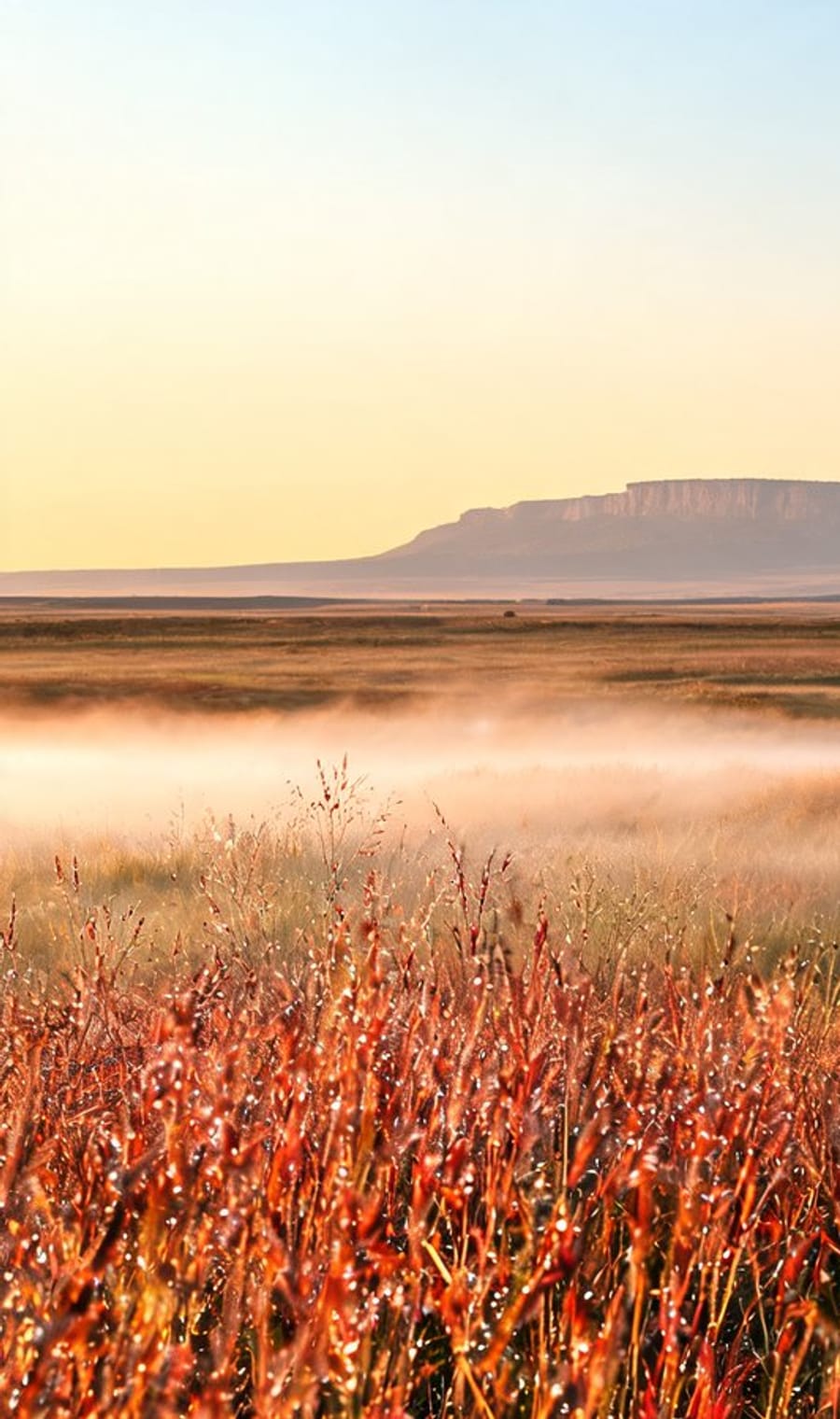
Mist lying over the red oat grass of the Masai Mara at sunrise, with a flat-topped escarpment on the horizon
Masai Mara · Kenya
Where We Send Clients

Six African Destinations Worth Planning Properly

Each has a definitive window, a specific set of camps worth booking, and a version of the experience that most travelers never find because they booked without knowing what they were looking for.
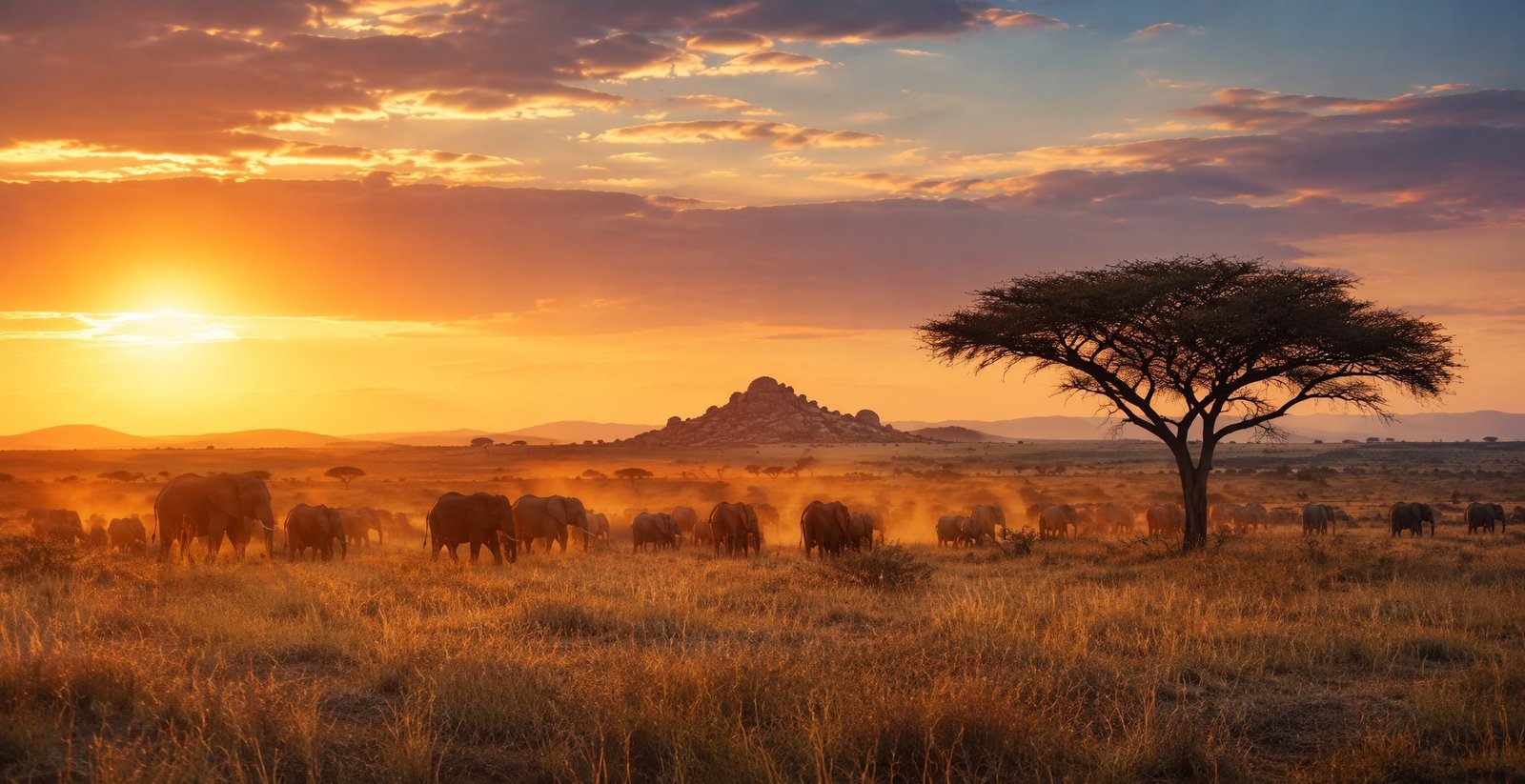
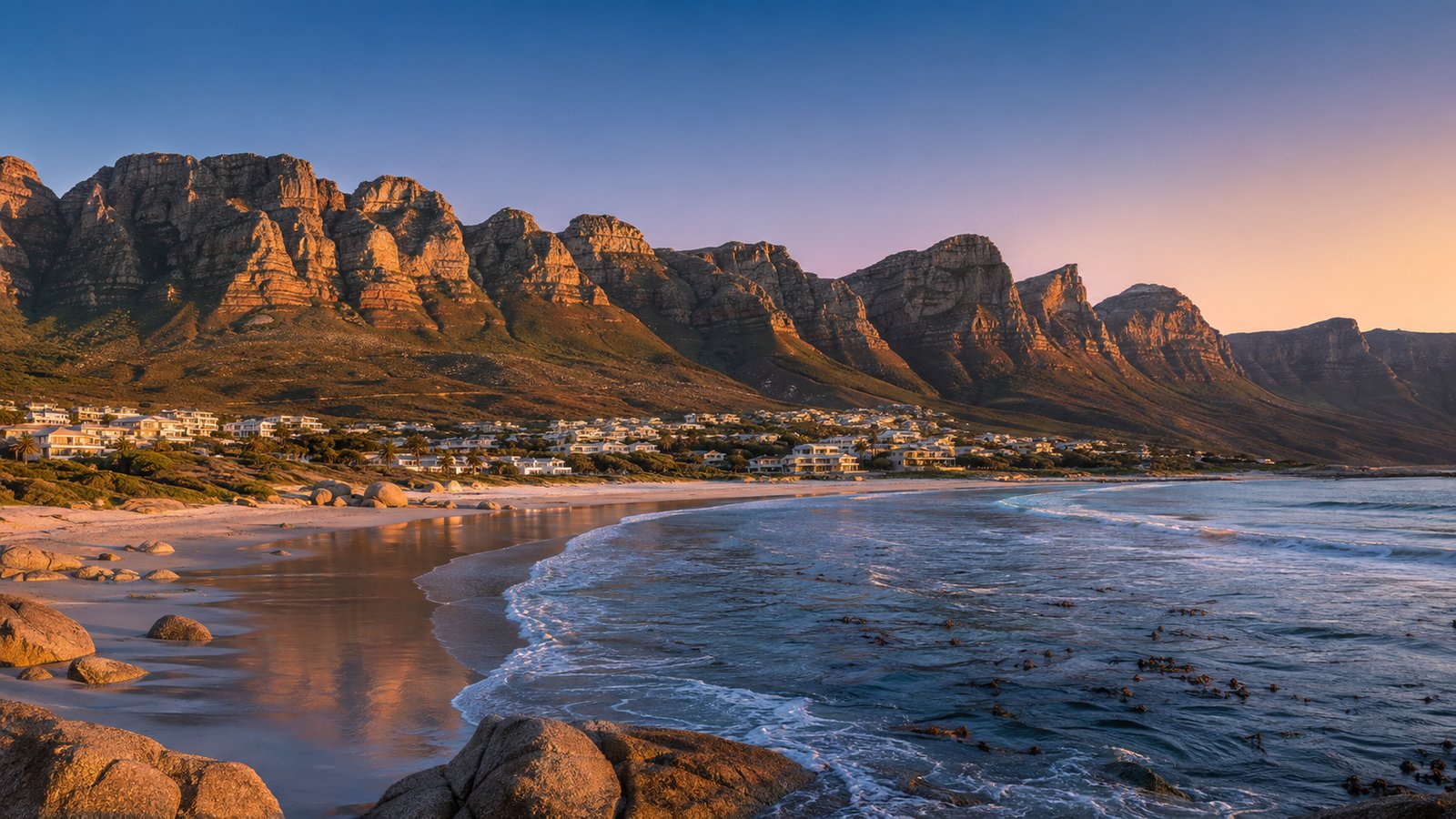
Kenya & Tanzania, East Africa
East Africa
Kenya & Tanzania
The Masai Mara and Serengeti sit either side of an invisible border and form one continuous ecosystem — the greatest wildlife theater on earth. The Migration peaks in the Mara July through October. Kenya for the private conservancies where no buses enter, Tanzania for the Ngorongoro Crater and calving season.
Great Migration Conservancies Masai Mara
Explore →
South Africa, Southern Africa
Southern Africa
South Africa
The most versatile destination in Africa — one trip covers a malaria-free private reserve with Big Five access, the Winelands of Stellenbosch and Franschhoek, and Cape Town's restaurant scene. Sabi Sands has the continent's highest leopard density; the Garden Route links the two. Best April through October.
Big Five SafariWinelandsMalaria-Free
Explore →
Botswana, Southern Africa
Southern Africa
Botswana
The gold standard of exclusive safari travel. A low-volume model caps guest numbers in each ecosystem and produces the most pristine wilderness in Africa. The Okavango Delta, where the Kalahari floods into channels and islands, is unlike anything else on the continent. Best June through October in the dry season.
Okavango DeltaExclusive CampsChobe
Explore →
Rwanda & Gorilla Country, Central Africa
Central Africa
Rwanda & Gorilla Country
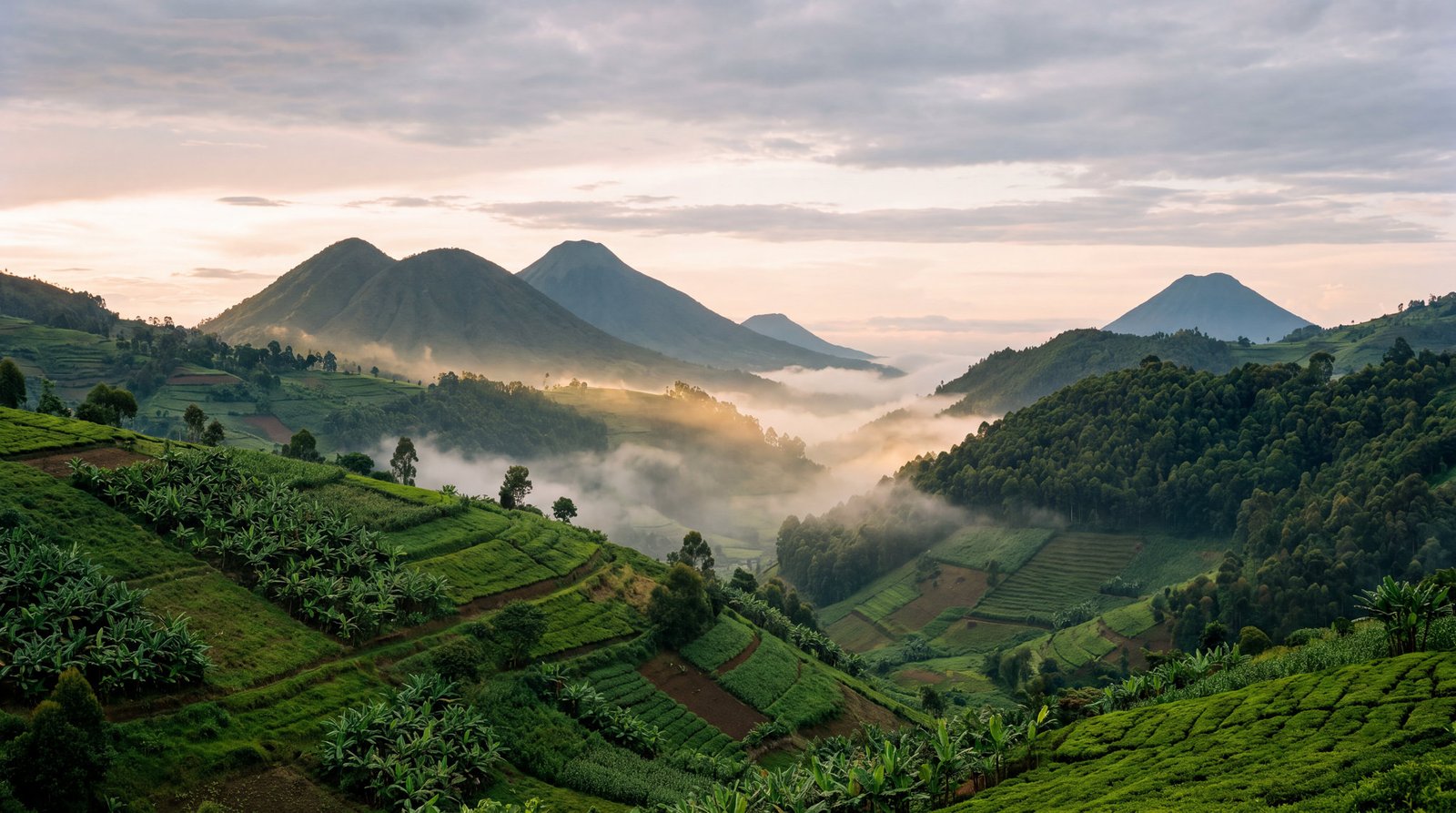
Gorilla trekking in Volcanoes National Park is among the most affecting wildlife experiences in the world — one hour with a habituated family in a volcanic forest, close enough to meet a silverback's eye. The lodges at the forest edge rank among Africa's finest. Best year-round; driest June through September.
GorillasVolcano TrekYear-Round
Explore →
Zambia & Victoria Falls, Southern Africa
Southern Africa
Zambia & Victoria Falls
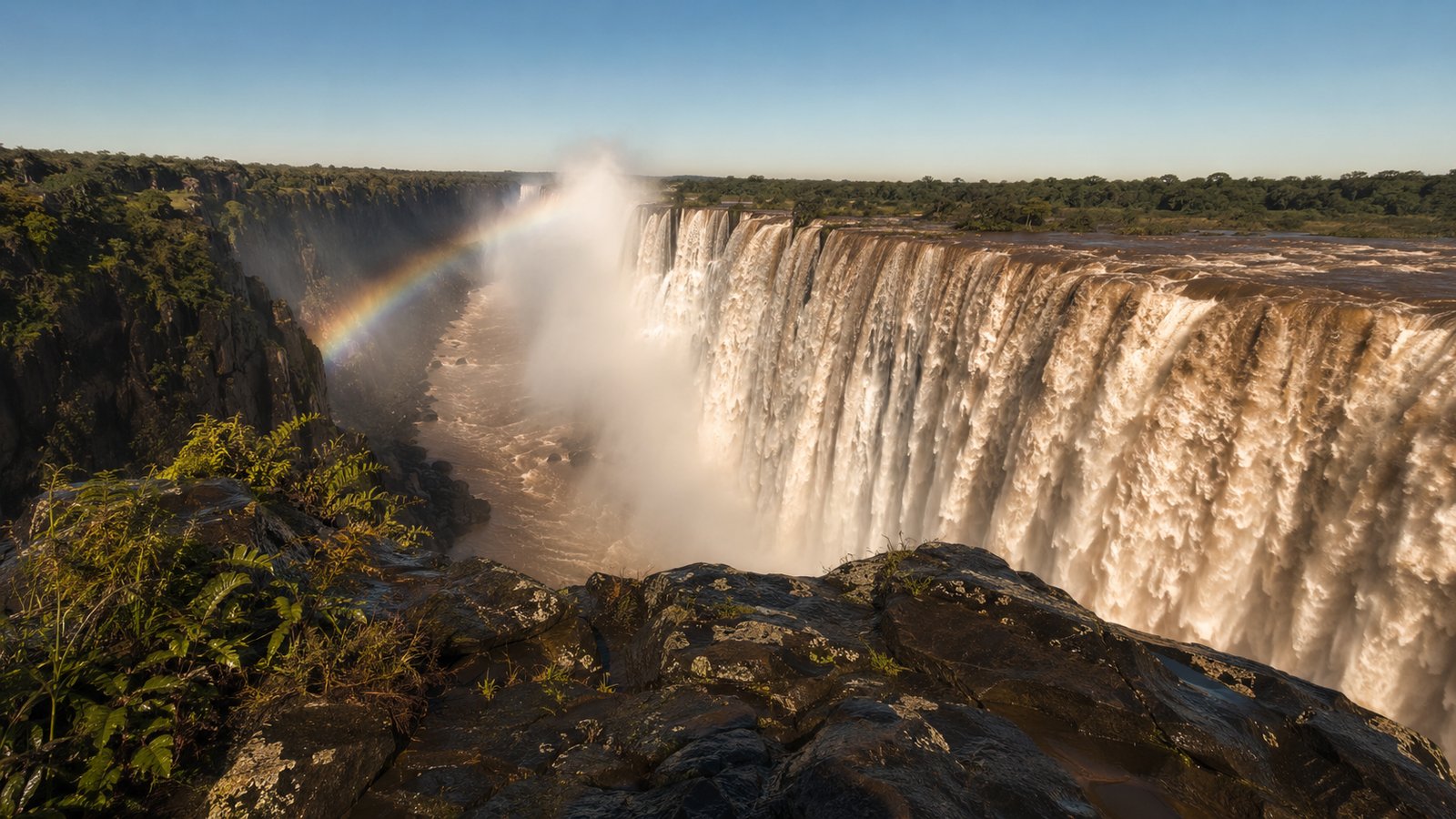
Victoria Falls is a genuine wonder — the largest waterfall on earth by volume, best from the Zambian side February through May, when the spray carries twenty miles. South Luangwa for walking safaris with the finest guides in Africa; the valley invented the format. Lower Zambezi for canoeing past hippo pods.
Victoria FallsWalking SafariLuangwa
Explore →
Morocco, North Africa
North Africa
Morocco
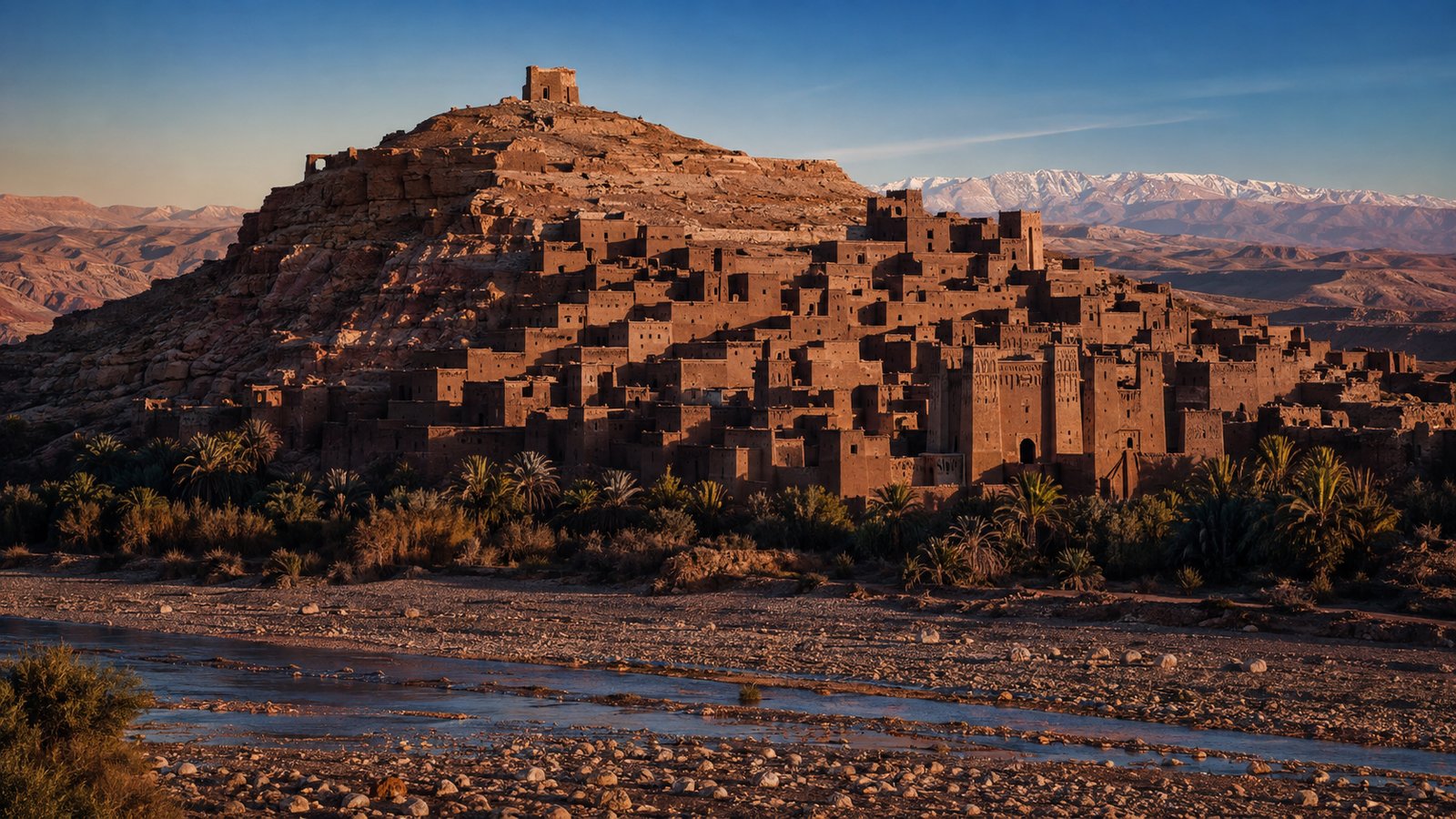
The most culturally layered destination in Africa, where the medinas have been inhabited for a thousand years and a guide raised in the Fez quarter beats any research. The Middle Atlas for Berber villages, Merzouga for a desert camp that earns the cliché, Marrakech for the souks. Best October through April.
Fez MedinaSahara DesertMarrakech
Explore →
Featured Itineraries

Trips We Plan Often

African itineraries built around the camps, guides, and windows that put clients in the right place at the right moment — not just a good safari, but the specific one worth planning around.
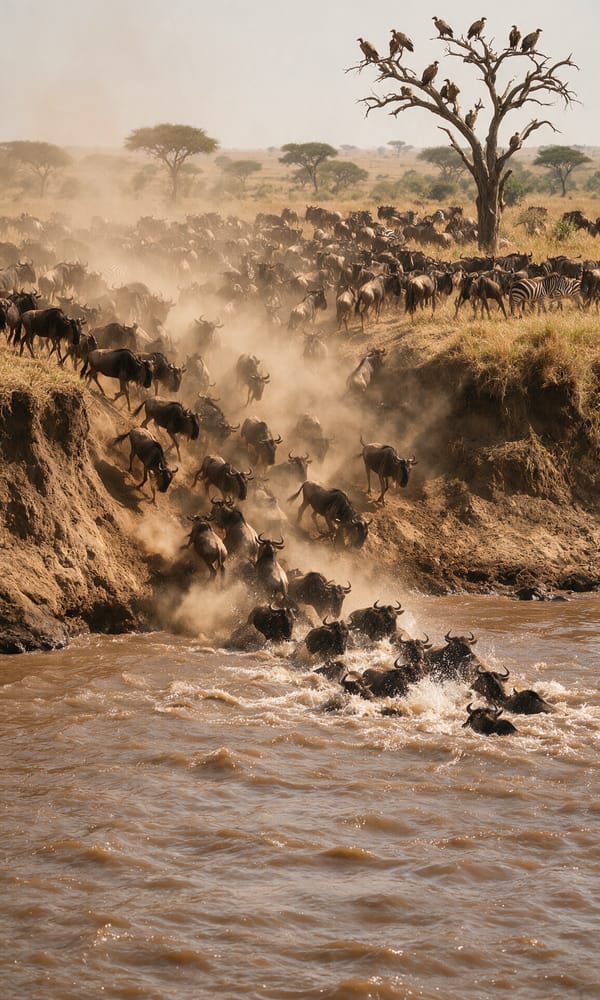
Wildebeest plunging off a cut bank into the churning brown Mara River
July – October · 10–12 days
Kenya Great Migration & Mara Conservancies
Three nights at a private conservancy camp bordering the Mara reserve — a maximum of twelve guests, a vehicle to every sighting, and a guide who has worked this terrain for over a decade. The wildebeest crossings of the Mara River are the most dramatic wildlife spectacle on earth; being positioned for them requires exactly this kind of access and exactly this kind of guide. Two nights in Amboseli for elephant herds against the Kilimanjaro backdrop. Two nights in Laikipia on a private ranch with wild dogs, reticulated giraffe, and a horseback ride at dawn over plains that feel genuinely untouched. Return to Nairobi for a final night and a direct flight home. The itinerary most clients use to bring other people to Africa for the first time.
Kenya10–12 Days
Plan This Trip
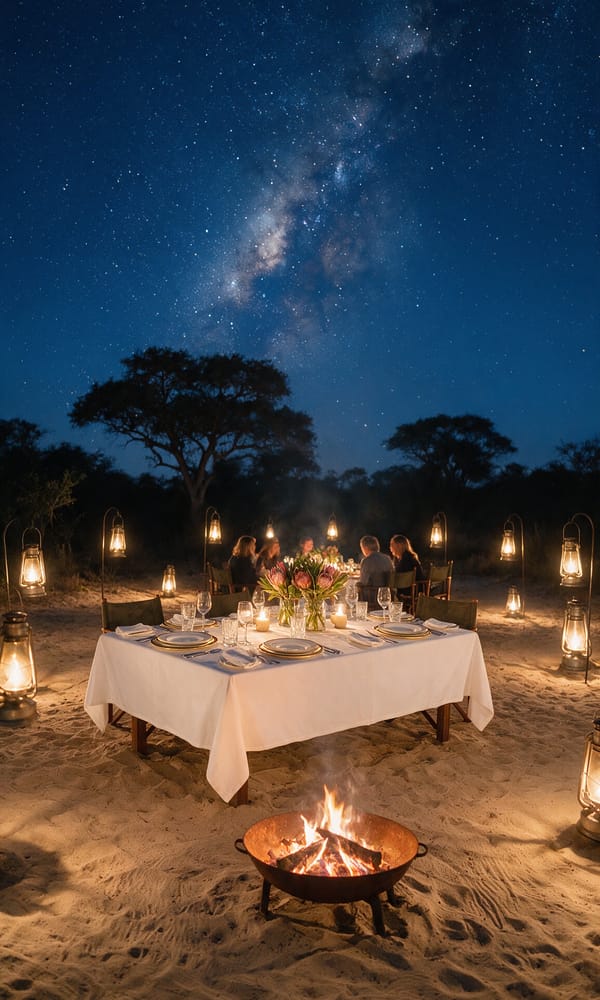
A lantern-lit dinner table on swept sand under the Milky Way in the Sabi Sands
April – October · 10–12 days
South Africa: Safari, Winelands & the Cape
Four nights in Sabi Sands — the private reserve adjacent to Kruger with the highest leopard encounter rate on the continent and malaria-free status that makes it accessible for families and non-malaria travelers. Morning and evening game drives, a walking safari with an armed ranger, and a bush dinner under a sky that has no light pollution for forty miles in any direction. Fly to Cape Town for three nights: a morning at Boulders Beach with the penguin colony, the Cape of Good Hope by convertible on the Chapman's Peak Drive, and a dinner at a Franschhoek restaurant that requires knowing which week the tasting menu changes. Two nights in the Winelands — a private wine farm stay, a Stellenbosch cellar tour, and a harvest lunch that lasts most of the afternoon. The most efficiently varied African itinerary available in under two weeks.
South Africa10–12 Days
Plan This Trip
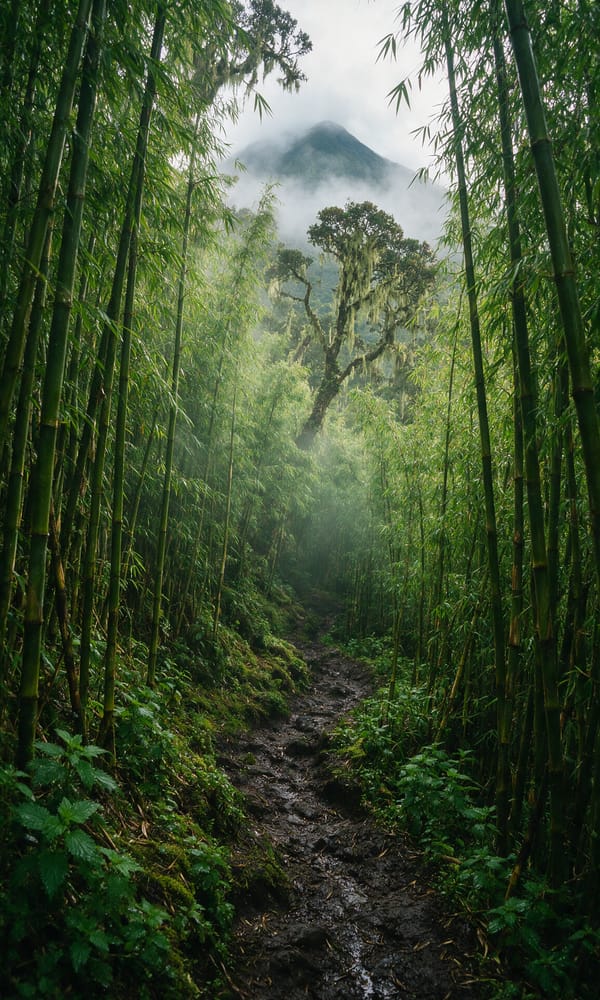
A misty trail climbing through dense green bamboo on the slopes of Rwanda's Volcanoes National Park
Year-Round · 8–10 days
Rwanda Gorilla Trek & Kenya Safari
Three nights in Rwanda — a lodge at the Volcanoes National Park forest edge, two gorilla trek permits (the experience is different on each visit), and an afternoon with the golden monkeys of the bamboo forest as a counterpoint. Fly to Nairobi and connect to a Masai Mara conservancy for four nights. The combination of the forest primate encounter in Rwanda and the open-plains predator activity of the Mara produces the widest range of wildlife experiences available in a single Africa itinerary — two ecosystems, two countries, two completely different versions of what Africa can be. One of the most frequently requested itineraries we build, and the one that produces the most repeat clients.
Rwanda · Kenya8–10 Days
Plan This Trip
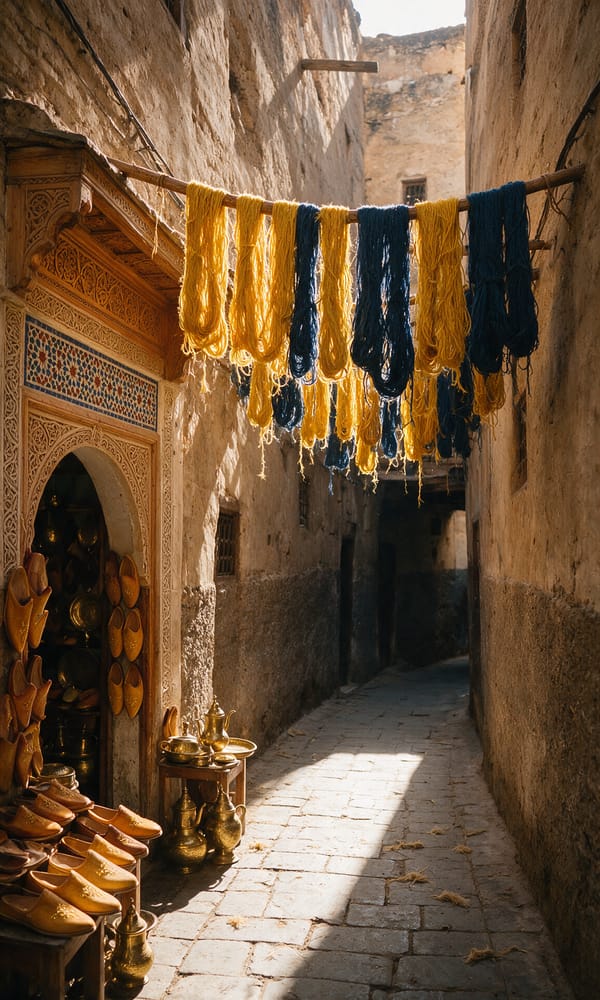
Dyed wool skeins drying above a narrow sunlit lane in the Fez medina
October – April · 9–11 days
Morocco: Medina to Desert
Three nights in Fez — a riad in the medina, a morning with a scholar who has studied the medieval quarter for twenty years, and an afternoon in the tanneries with a craftsman who explains the color trade rather than the Instagram opportunity. Drive south through the Middle Atlas — cedar forests, Berber villages, and a lunch with a family in Ifrane that nobody arranged in advance. Two nights at a Sahara camp near Merzouga for a sunset dune ride, a dinner beneath the Milky Way, and a dawn that turns the erg from black to gold. Marrakech for three nights: a hammam morning, a souk afternoon with a guide who knows the difference between the tourist circuit and the wholesale quarter, and a dinner in a rooftop riad that requires knowing which entrance to use.
Morocco9–11 Days
Plan This Trip
Why Plan With Us

What We Add to African Travel

Africa is the region where the planning work matters most. The gap between the right camp and the wrong one is wider here than anywhere else in the world.

Camp & Lodge Selection
There are over a thousand safari properties in sub-Saharan Africa. The list of camps that consistently deliver exceptional wildlife experiences and guide quality is short. We know it — built from operator relationships and client feedback across every major ecosystem. The difference between a camp on that list and one that isn't is frequently invisible in the brochure and immediately apparent on the ground.
Guide Quality
The best guide on a mediocre camp delivers a better safari than a mediocre guide on the best camp. We know which properties retain their top guides year over year, which camps have naturalists with specialist qualifications in specific ecosystems, and which operations have the guide-to-guest ratios that allow for the kind of personalized wildlife reading that makes a safari genuinely exceptional.
Timing & Migration Windows
The Great Migration is a continuous cycle — wildebeest in the Serengeti southern plains for calving in January and February, moving north through June and July, crossing into the Mara between July and October, returning south by November. Being in the right place in the right week requires understanding exactly where in that cycle the herds are. We track this annually and build itineraries around it rather than marketing a window and hoping the timing aligns.
Combination Itineraries
Africa's best trips are rarely single-country. Kenya and Tanzania together. South Africa's safari combined with the Cape. Rwanda's gorillas followed by the Mara. Zambia's walking safaris paired with Victoria Falls. We build these combination itineraries with the same rigor we apply to individual countries — ensuring that the logistics, the pacing, and the camp selection across multiple countries produce a coherent trip rather than a collection of disconnected experiences.
When to Go

Africa by Season

Great Migration Peak
July – October
The primary East Africa window — dry season in Kenya and Tanzania, peak wildlife viewing across the Mara and Serengeti, and the wildebeest river crossings at their most dramatic in July through September. Also the best window for Botswana (dry season concentrates animals at waterholes) and Zambia's South Luangwa. South Africa's Sabi Sands and Kruger perform excellently year-round but peak for leopard sightings in the dry winter months of June through August.
Best Overall Window
Green Season
November – March
The wet season in East and Southern Africa — lush landscapes, dramatically lower rates (30–50% at many camps), newborn wildlife in January and February, and the best bird-watching of the year. The Serengeti calving season from January through March is an extraordinary wildlife spectacle in its own right. Morocco and North Africa are ideal in winter — cool, dry, and uncrowded. Rwanda's gorilla trekking is excellent year-round. Not recommended for first-time safari travelers who want the maximum predator viewing.
Shoulder & Transition
April – June
April and May bring the long rains to East Africa — most camps close or operate at reduced capacity, and this window is generally not recommended for Kenya and Tanzania. However, the shoulder months of late April and May represent excellent value for South Africa, where the dry season is just beginning. June is the start of the peak window in Botswana and Zambia. Victoria Falls is at its most dramatic in March through May when the Zambezi is in full flood.
Ready When You Are

Plan an Africa Trip
Worth the Distance

Tell me which part of Africa draws you, when you can travel, and what kind of experience you're looking for. I'll come back with a specific recommendation — camp, timing, combination itinerary, and what makes it right for you — within one business day.

Plan an Africa Trip All Destinations

No booking fees  ·  Response within 24 hours  ·  Fully bespoke

What It Costs

What Africa Actually Costs

$800–$3,000
per person, per night, all-inclusive at camp. Ranges, not quotes.
What that includes
  • A luxury safari camp or lodge on an all-inclusive basis
  • All meals and house drinks, with laundry at most camps
  • Twice-daily shared game activities and core park or reserve fees
What it does not
  • International and inter-camp flights unless expressly stated
  • Premium wines, private-vehicle upgrades, visas and insurance
  • Gratuities for guides and camp staff
The two or three things that move it most
  • Country and concession — the same night prices very differently across the continent
  • Migration timing and dry-season demand
  • Camp exclusivity and fly-in logistics

Editorial planning bands, not quotes — assembled from published rates and official fee sources, verified . Rates, permit costs and park fees change; confirm before booking. Source: TANAPA park tariffs.

Common Questions

Africa — FAQ

Questions we hear most when planning Africa travel — from choosing the right country to timing, vaccinations, and combining destinations.

South Africa is the most accessible first safari. Strong infrastructure, no malaria in the Kruger private reserves, year-round big five viewing, and excellent luxury camps at a higher quality-to-cost ratio. If you're ready to go further, Kenya's Masai Mara during the Great Migration is one of the most extraordinary wildlife experiences in the world.

Safety is destination and context-specific, not continental. The safari countries — South Africa, Kenya, Tanzania, Botswana, Rwanda — have well-established tourism infrastructure, professional operators, and dedicated wildlife areas with consistent security. I don't recommend specific regions within any country where the risk profile isn't appropriate for tourism.

It depends on the country and region. South Africa generally requires no vaccinations for most travelers. Kenya, Tanzania, and Botswana recommend or require malaria prophylaxis; yellow fever documentation may be required depending on transit countries. I provide a full health and entry brief with every itinerary and recommend consulting a travel health clinic 6–8 weeks before departure.

Yes, and many of the best itineraries do. Kenya and Tanzania are natural partners — the Masai Mara and Serengeti share the same ecosystem across a border. South Africa and Botswana are frequently combined, often adding Zimbabwe's Victoria Falls as a third country. Rwanda's gorilla trekking pairs well with a Kenya safari. These combinations add complexity but are very manageable with the right logistics.

East Africa (Kenya, Tanzania) is defined by the Great Migration, open savanna landscapes, and Maasai culture alongside the wildlife. Southern Africa (Botswana, Zimbabwe, South Africa, Zambia) offers deeper wilderness, more intimate camps with fewer vehicles at any sighting, and higher concentrations of certain species like wild dogs and large elephant herds.

The dry season (May–October in most of Southern and East Africa) concentrates wildlife around water sources and keeps bush roads accessible. The Great Migration's dramatic river crossings peak July–October in Kenya and Tanzania. Gorilla trekking in Rwanda is possible year-round. The green season (November–April) offers lower prices, fewer visitors, and exceptional birdwatching.

At the luxury end, camps in Botswana start around $700–$1,500 per person per night all-inclusive. A meaningful Africa itinerary of 8–12 days typically runs $10,000–$25,000+ per person depending on destination, timing, and camp selection. South Africa delivers a stronger quality-to-cost ratio. Budget expectations vary significantly by country and style of travel.

With the right property selection, yes. Many Botswana camps require a minimum age of 12; South Africa's private reserves are more family-accessible, with some camps welcoming children from age 6. Kenya has strong family-friendly options in the Masai Mara. I match families to properties that are genuinely set up for children — both in terms of programming and the daily rhythm of life in the bush.
More questions answered on the Full FAQ Page
From the Journal

Read More on Planning Africa