
Indian Ocean

Granite Islands You Can
Actually Move Between.

Seychelles is not a Maldives with hills. The three main granite islands are joined by a scheduled catamaran, which makes a week here an island-hopping trip rather than a stay on one resort island. Which island you sleep on, and which way its beach faces in your month, decides more about the holiday than the hotel does.

Best Season
April & October
Best For
Island Hopping
& Beaches
The Country

Seychelles Is Not
a Maldives With Hills.

Seychelles works as a three-island week. Mahé, Praslin and La Digue sit 15 minutes to an hour apart by scheduled ferry, so you move between islands rather than staying put on one. April and October are the calmest months, between the two monsoon windows: the southeast trades blow May to September and push seaweed onto southeast-facing beaches, and the northwest monsoon runs November to March.

The question that actually gets asked is Seychelles or the Maldives, and they are not the same holiday. In the Maldives the resort is the island: you land, you transfer, and your map for the week is one lagoon and one reef. Seychelles is a country you move around inside — Mahé, Praslin and La Digue have towns, roads, bus routes and shops, and a scheduled catamaran runs between them on a published timetable. If you want nothing asked of you, the Maldives does it better and I will say so. If you want to be somewhere rather than on something, this is the one.

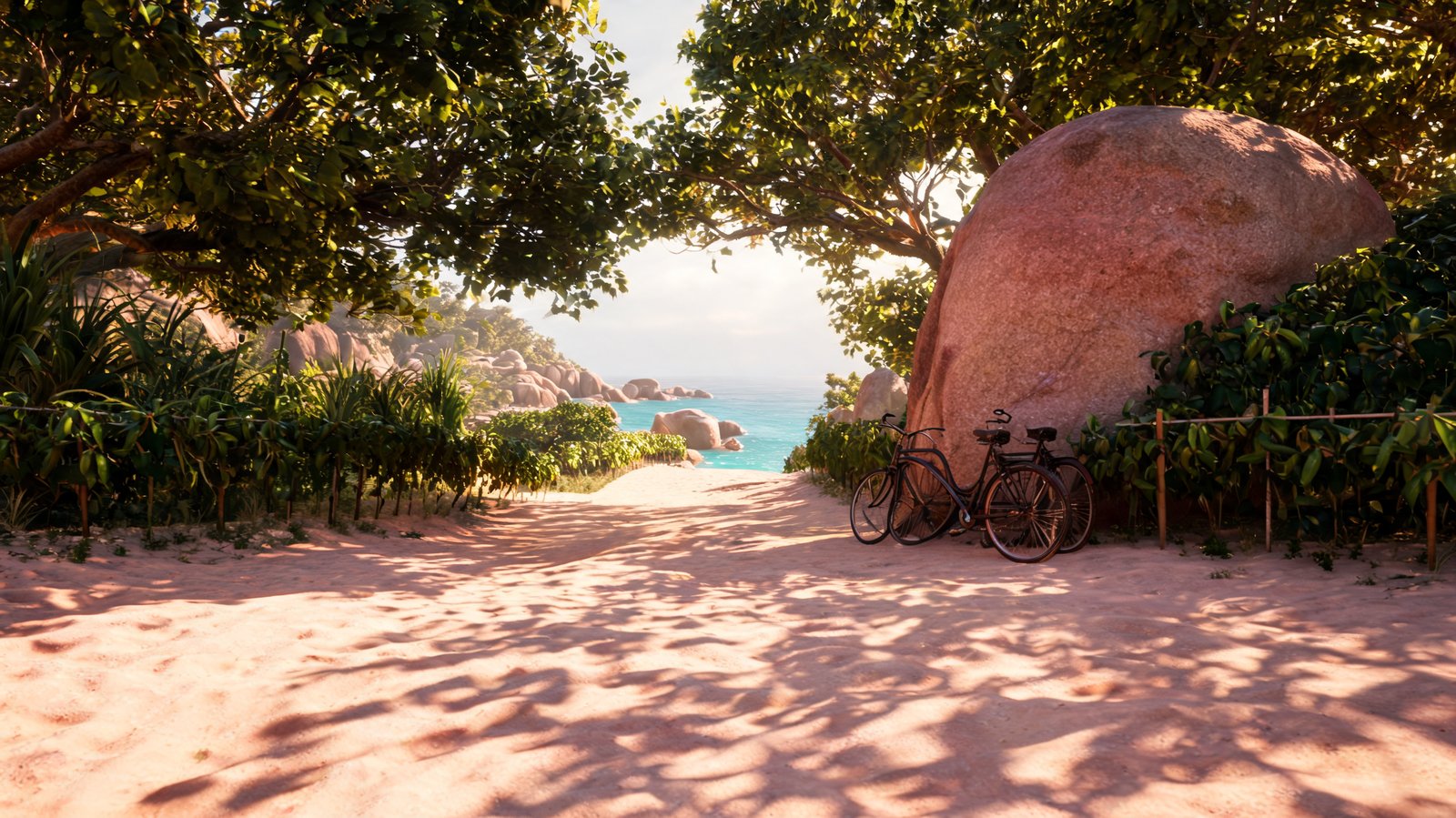
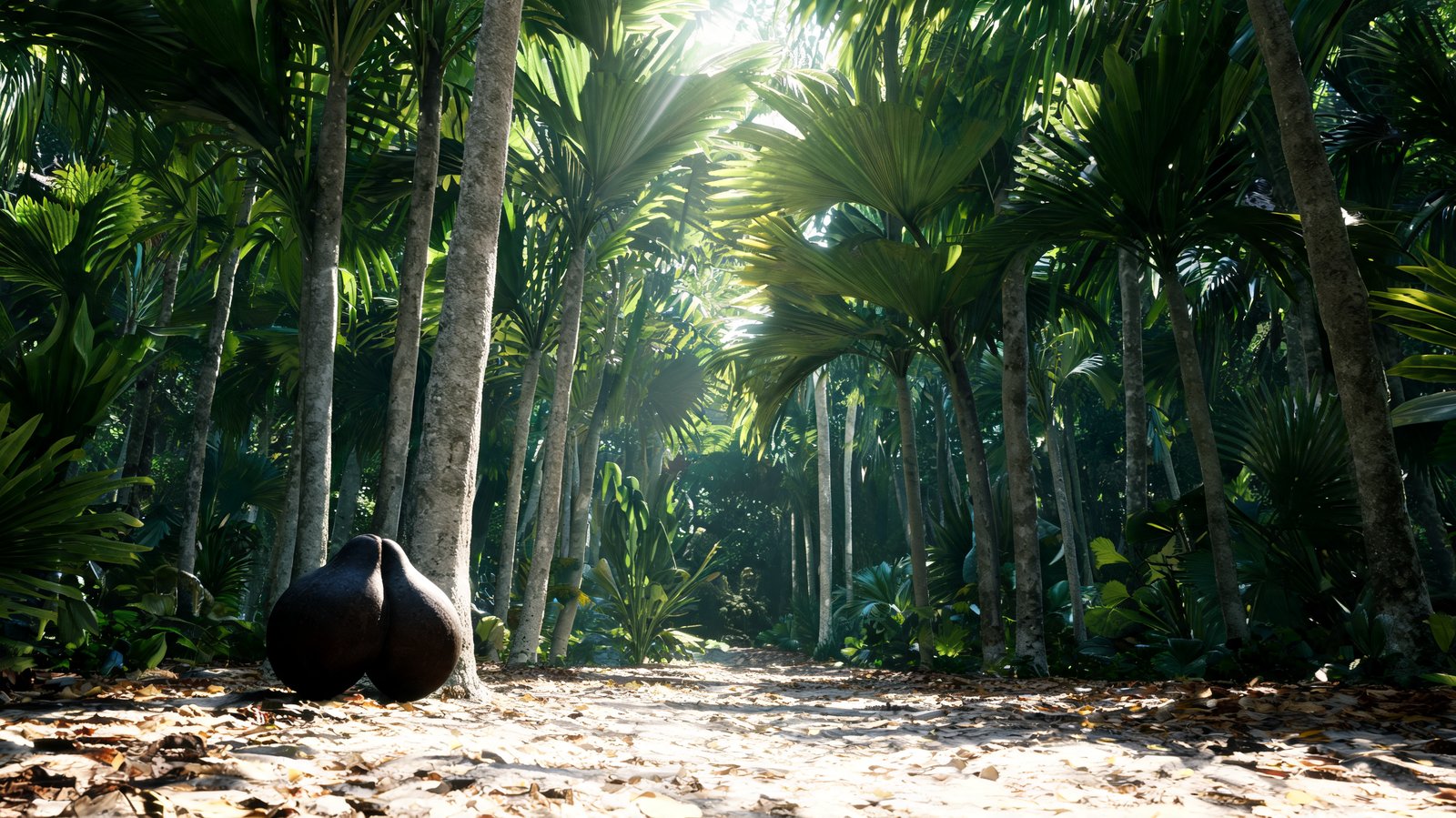
The three islands are not interchangeable and the order matters. Mahé is the arrival island, the largest, and the only one with a mountainous interior, a capital and a road network. Praslin holds the Vallée de Mai, the palm forest inscribed as a UNESCO World Heritage site in 1983, where the coco de mer grows wild. La Digue is the small one, mostly cycled, and where the photograph everybody has seen was taken.

One structural thing before you compare hotels: outside a handful of private islands, Seychelles is not an all-inclusive country. It runs on hotels, guesthouses and licensed self-catering houses, and you go out to eat. That is a feature if you want a Creole restaurant scene and a Tuesday market, and a drawback if your idea of a beach holiday is a wristband and a buffet — in which case book the Maldives, or a resort island here.
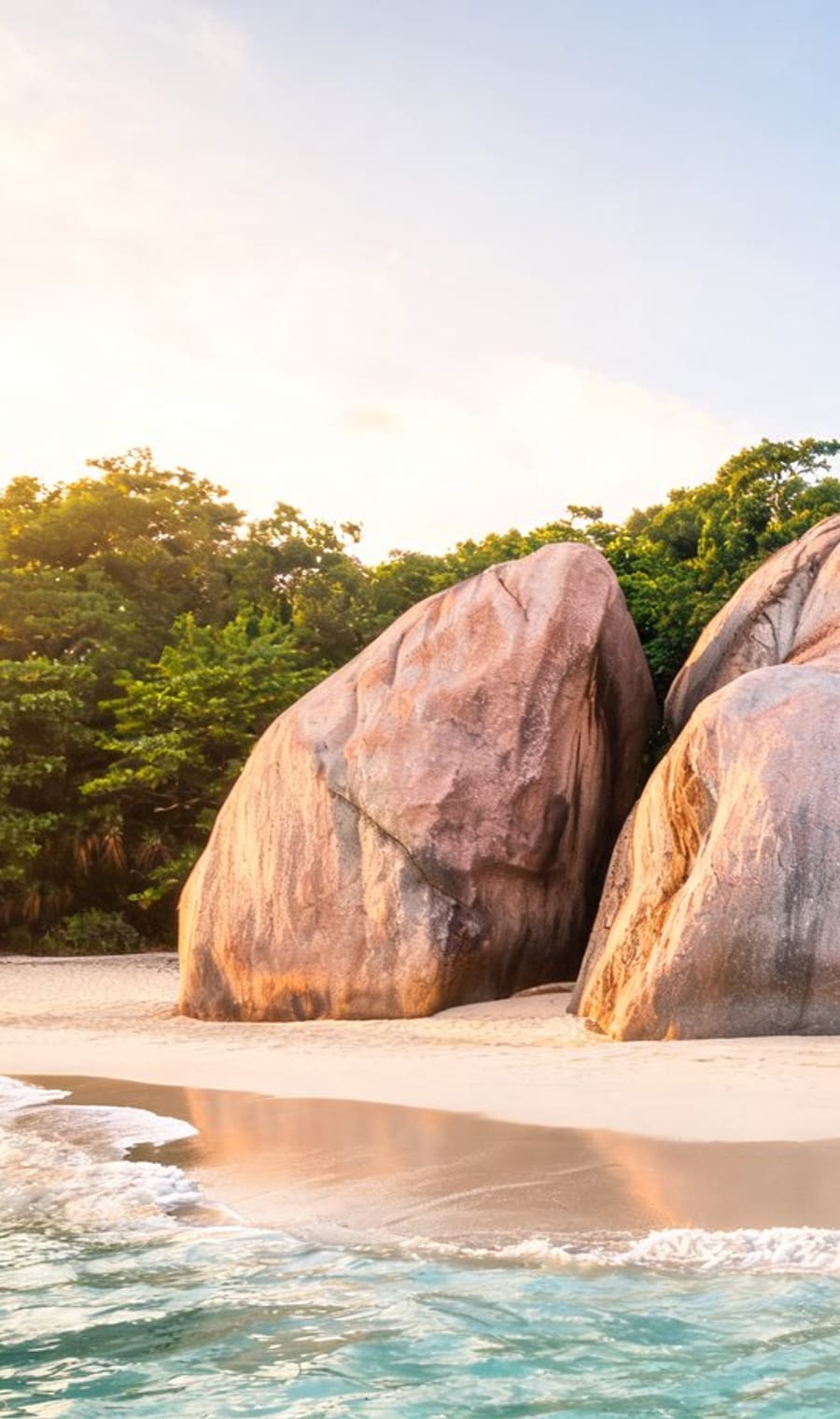
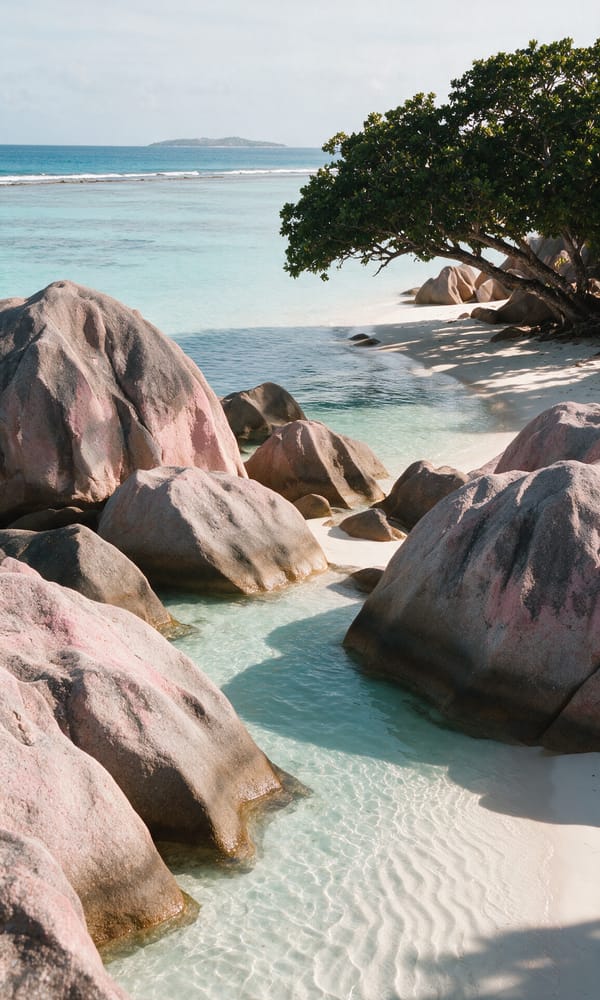
Weathered granite boulders on the sand at Anse Source d'Argent, La Digue
Anse Source d'Argent · La Digue · Seychelles
Where We Send Clients

Six Islands Worth Planning Properly

Three of these carry almost every trip, two are day boats from Praslin, and the last is a separate expedition entirely. Cousin is a protected reserve with restricted visiting days and authorised boats only — confirm current access with Nature Seychelles, which manages it.
Mahé, Inner Granitic Islands
Inner Granitic Islands
Mahé
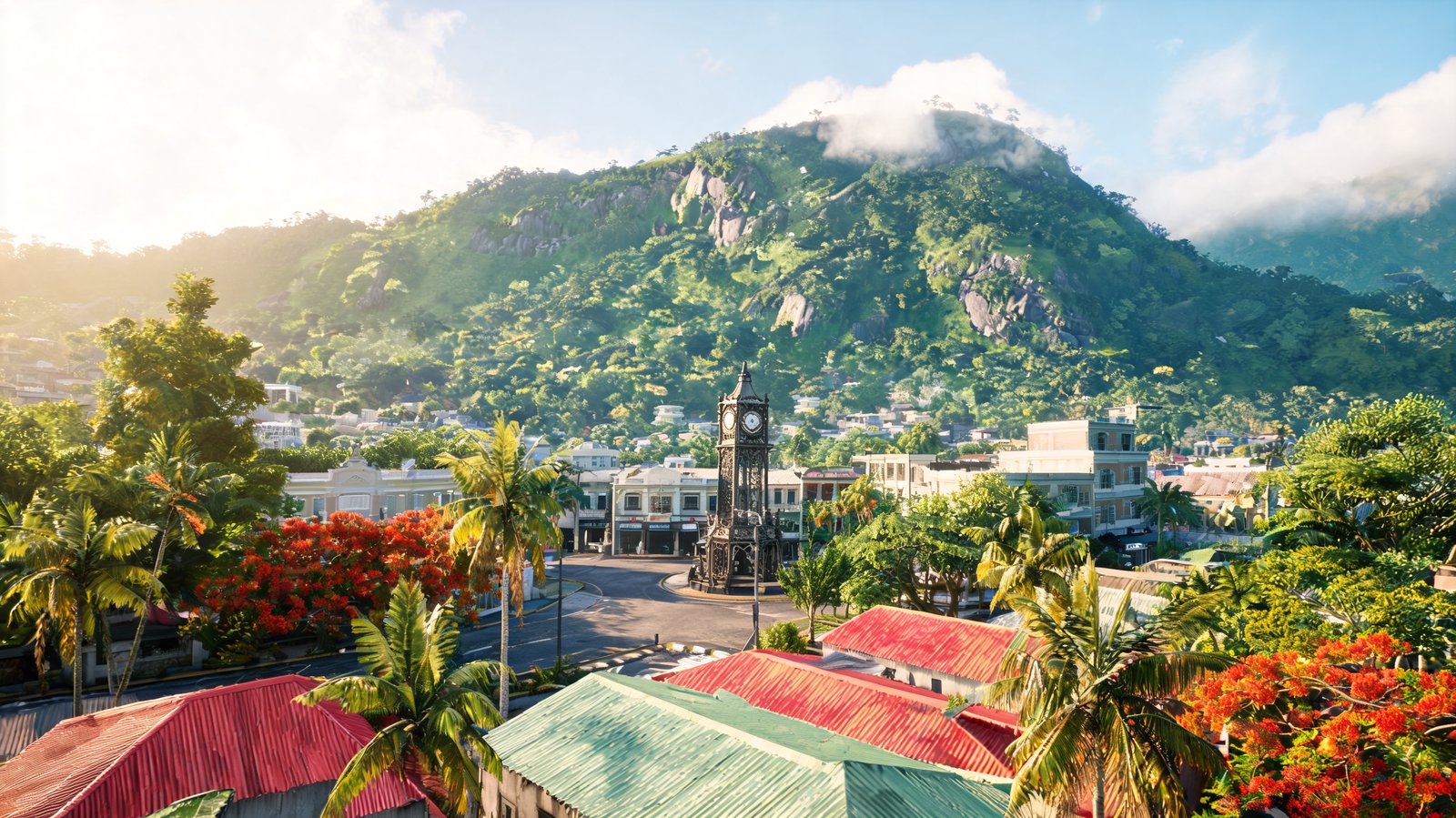
The arrival island. Victoria is the only real town in the country, the mountain ridge behind it holds cloud forest and walking trails, and the southwest coast beaches take swell the north coast never sees. Two nights here, at the start, not one.
Victoria Market Mountain Trails Southwest Beaches
Explore →
Praslin, Inner Granitic Islands
Inner Granitic Islands
Praslin
The middle island. The Vallée de Mai is a remnant palm forest where the coco de mer grows wild, and it is a morning rather than a photo stop. Anse Lazio and Anse Georgette sit on the north and west, the side that stays clean through the southeast trades.
Vallée de Mai Anse Lazio Ferry Hub
Explore →
La Digue, Inner Granitic Islands
Inner Granitic Islands
La Digue
Small enough to cycle end to end in a morning. Anse Source d'Argent is the granite-boulder beach from the photographs, genuinely that good early and genuinely crowded by eleven. Private cars are restricted; bicycles are the transport, not the activity.
Anse Source d'Argent Bicycles Granite
Explore →
Curieuse & Cousin, Praslin Day Boats
Praslin Day Boats
Curieuse & Cousin
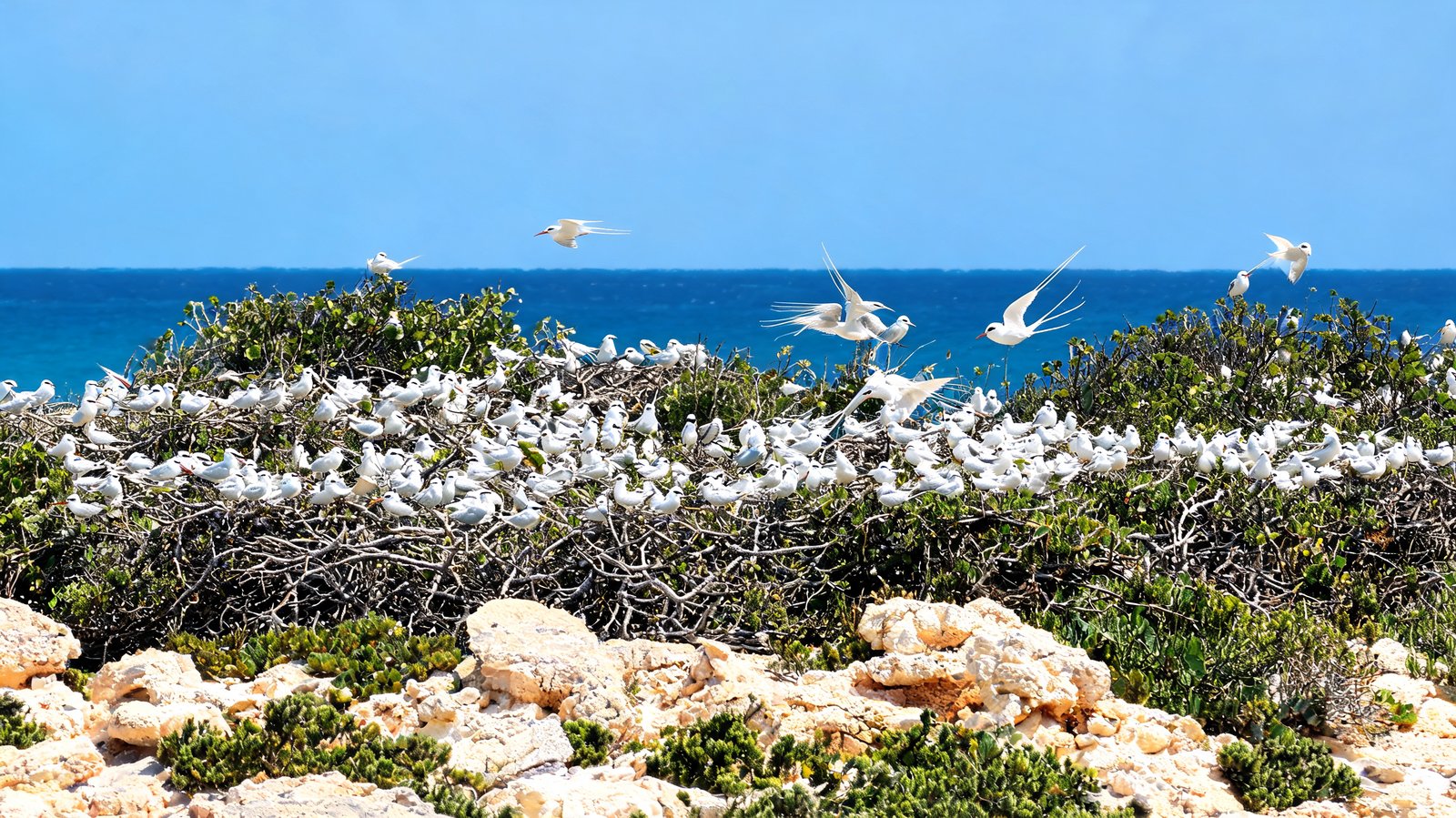
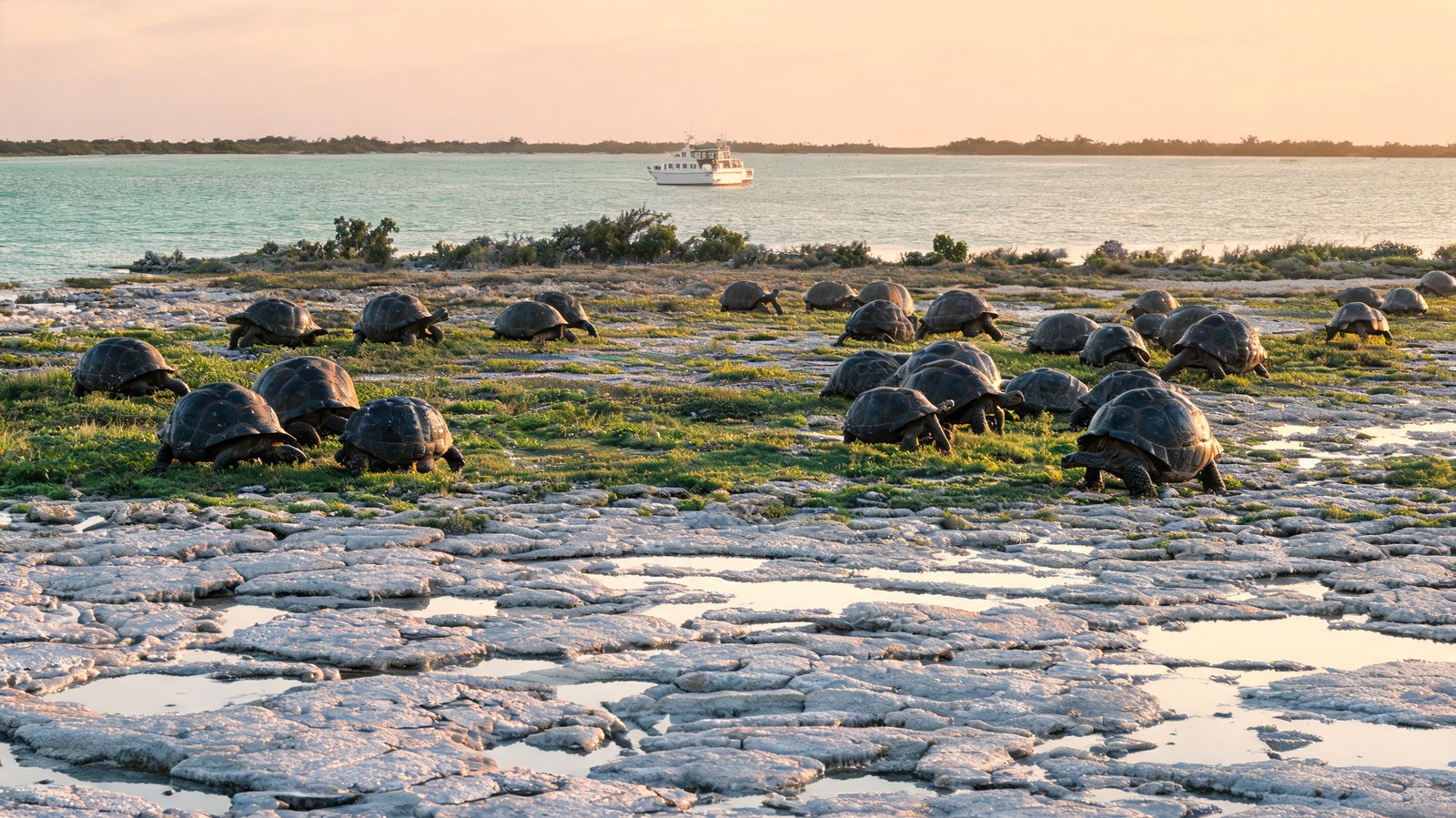
The two day trips out of Praslin worth taking. Curieuse has free-ranging Aldabra giant tortoises and a mangrove boardwalk. Cousin is a managed special reserve with seabird colonies at close range, and the visiting rules are why it still looks the way it does.
Giant Tortoises Seabird Colonies Snorkelling
Explore →
The Private Islands, Inner & Coralline Islands
Inner & Coralline Islands
The Private Islands
One island, one property, reached by light aircraft or boat from Mahé. This is the closest Seychelles gets to the Maldivian model, and the right ending to a trip rather than the whole of it. Conservation programmes on several of them are the actual reason to go: rewilded forest and nesting turtles.
One-Island Resorts Rewilding Turtle Nesting
Explore →
Aldabra & the Outer Islands
Outer Islands
Aldabra & the Outer Islands
A different country, effectively. Aldabra sits far southwest of the granite islands, closer to Madagascar than to Mahé, and holds the largest giant tortoise population on earth. There is no hotel and no scheduled service: access is by expedition vessel, under permit, and planned around a sailing schedule rather than a fortnight off work.
UNESCO Atoll Liveaboard Only Permit Required
Explore →
Featured Itineraries

Trips We Plan Often

Seychelles itineraries built around the ferry timetable, the direction each beach faces, and the difference between an island that needs three nights and one that needs two.
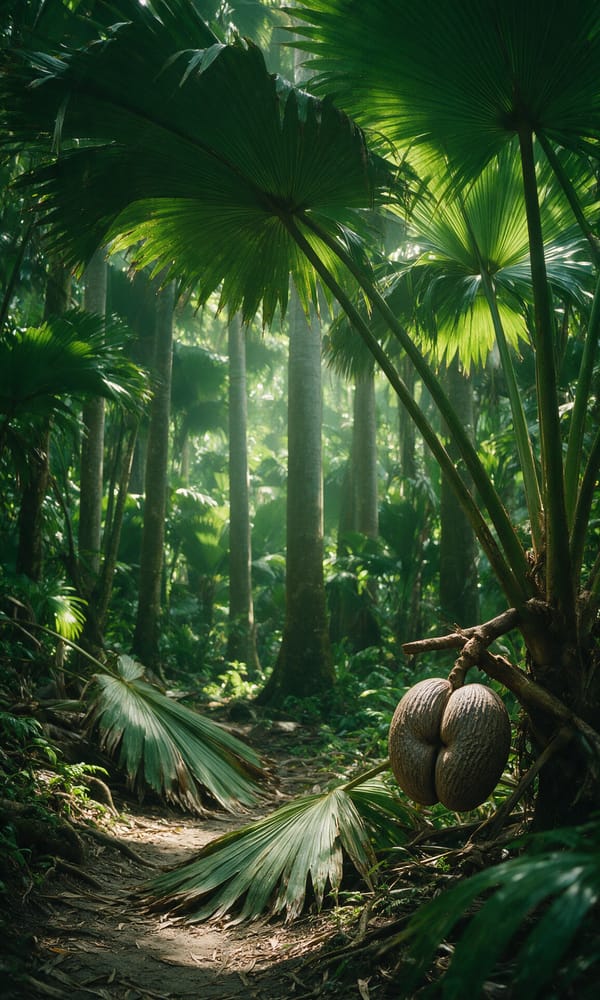
Giant coco de mer fronds over a leaf-litter path in the Vallée de Mai forest on Praslin
April or October · 9–10 Days
The Three-Island Week
The version of Seychelles that justifies the distance, and the one the ferry network exists for. Two nights on Mahé to start — the Victoria market on a weekday morning, a walk in the mountain forest, and a first swim on the southwest coast rather than the hotel strip. Catamaran to Praslin for three or four nights: the Vallée de Mai early, before the tour boats land, then Anse Lazio and Anse Georgette, and a day boat to Curieuse in between. A short crossing to La Digue for three nights — a bicycle instead of a car, Anse Source d'Argent at opening, and the east-coast bays almost nobody bothers with. Back to Mahé the day before you fly.
Seychelles9–10 Days
Plan This Trip
Weathered pink granite boulders and shallow turquoise water at Anse Source d'Argent, La Digue
April – October · 7 Days
Praslin and La Digue, Nothing Else
The right shape when you have a week rather than ten days, and the correction to the most common mistake here — fitting three islands into six nights and spending two of them in transit. Land on Mahé and connect straight on. Four nights on Praslin, three on La Digue, one crossing between them and one back. It buys the two mornings that matter, the Vallée de Mai before the day boats and Anse Source d'Argent before the sun comes over the boulders, and keeps the packing to one move. Mahé keeps for a second trip, which beats seeing all three badly.
Seychelles7 Days
Plan This Trip
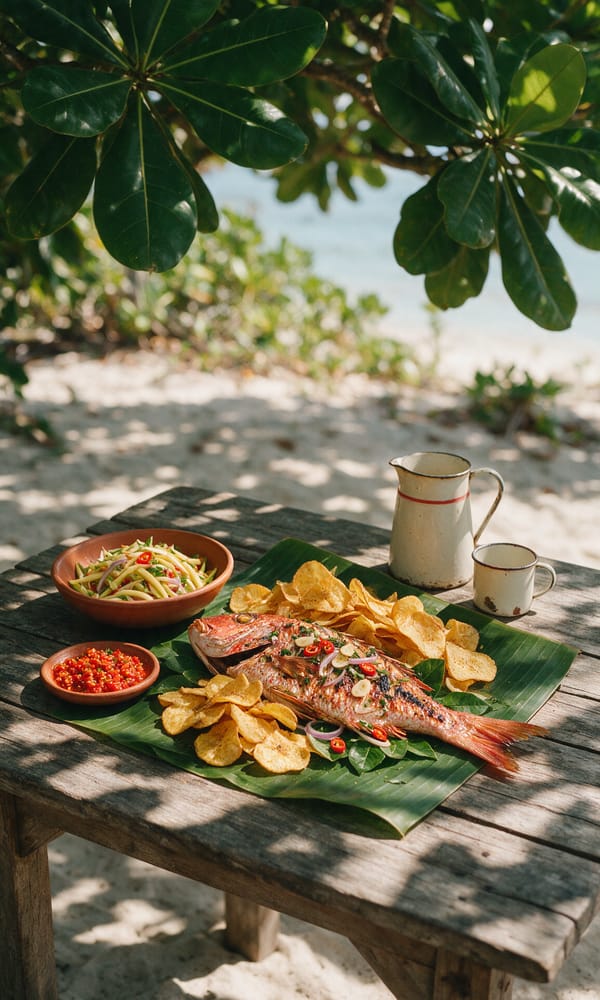
Grilled red snapper, breadfruit chips and mango salad on a shaded wooden table by the sea
April or October · 11–13 Days
Granite Islands, Then One Private Island
The itinerary for people who want both halves of the argument. Eight days across Mahé, Praslin and La Digue at the pace above, so the trip has a country in it — a market, a Creole kitchen, a bus, a forest. Then a light aircraft to a one-property island for the last four or five nights, where the guest count is small and the conservation programme is a real part of the day rather than a line in the brochure. The order is deliberate: the moving half first, while you still have the energy for it, and the still half at the end.
Seychelles11–13 Days
Plan This Trip
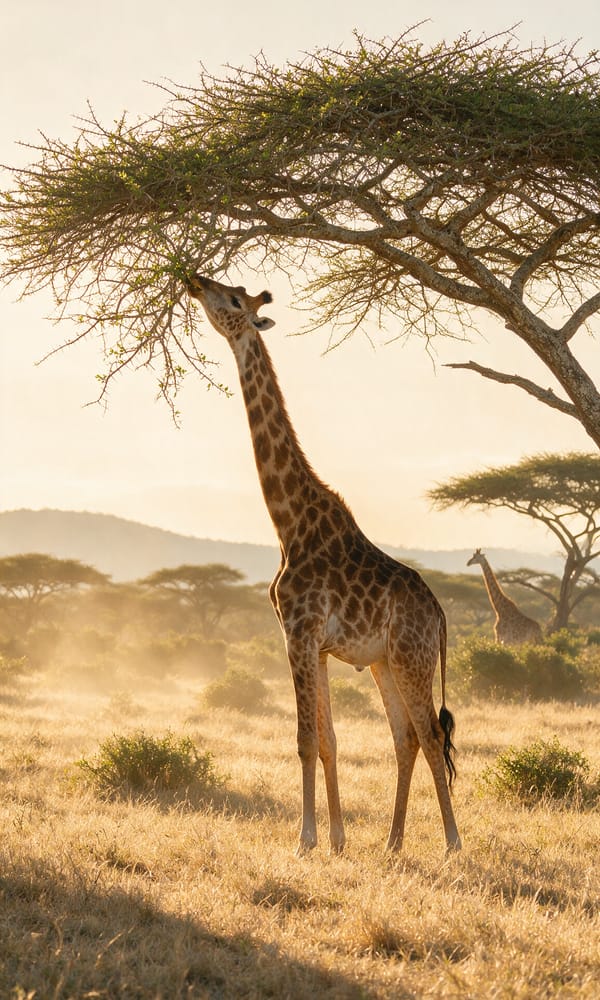
A giraffe browsing a flat-topped acacia in golden dawn light on an East African plain
June – October · 13–15 Days
Safari First, Seychelles Second
The classic pairing, and the reason Seychelles sits under Africa rather than under Asia on this site. Seven or eight days of East or Southern African safari at the front, when the early starts are still welcome, then east to the Indian Ocean for six or seven nights of not setting an alarm. Two islands rather than three on this half — Praslin and La Digue, or one granite island and one private island — because the point of the second week is to stop moving. It lines up on season too: the dry safari months and the southeast trades overlap, so you go onto north- and west-facing beaches.
Africa · Seychelles13–15 Days
Plan This Trip
Why Plan With Us

What We Add to Seychelles Planning

Almost every decision that decides how this week feels is made before you book: which island, in which order, on which coast, and in which month.

Which Island, In Which Order
Most self-planned Seychelles trips get the order backwards. Mahé is treated as an airport with a hotel attached and given one night; La Digue is given six because of one beach. The version that works gives Mahé two nights at the front, so the first day is a mountain walk and a market rather than a transfer, then moves outward to Praslin and finishes on La Digue, where doing nothing is easiest. Every move costs a half-day. Three islands wants nine or ten days. Two islands is the honest answer to a week.
Which Way the Beach Faces
This is the single most useful thing anyone can tell you about a Seychelles hotel, and no booking site will. From May to September the southeast trades blow steadily, which cools the islands and also pushes seaweed onto southeast-facing bays and roughens the water there. From November to March the pattern reverses. A beautiful property on the wrong coast for your month means wind on the terrace and weed in the shallows for a week. The fix is not a better hotel, it is the same standard of hotel facing the other way, and it costs nothing to get right at the booking stage.
Ferries, Aircraft and the Half-Day You Lose
The scheduled catamarans between Mahé, Praslin and La Digue are the backbone of a trip here and they are also the part most easily got wrong. Sailings are limited, they fill in the high weeks, the crossing is less comfortable when the trades are up, and a booking made against the wrong sailing turns a beach day into a departure-lounge day. Light aircraft between Mahé and Praslin are the alternative and they change the arithmetic on arrival day, particularly with a late long-haul landing. We build the island order around published sailings and confirm them again before departure, because timetables here are seasonal.
Self-Catering Is a Real Category Here
Seychelles has a large, licensed self-catering and guesthouse sector that has no equivalent in the Maldives, and ignoring it removes the best-value half of the country from your search. A licensed house on Praslin with a car and a cook two evenings a week is a different trip from a resort room, and for families and longer stays it is frequently the better one. The trade is real: no room service, no concierge, and a standard that varies more than any rating suggests.
When to Go

Seychelles by Season

The Transitions
April & October
The two months between the monsoon windows, when the wind drops and the sea goes flat. Water clarity is at its best for diving and snorkelling, and neither coast is taking the weather — the only time of year beach orientation stops mattering. Four degrees south of the equator, Seychelles has no cold season and very little temperature range across the year; what changes is the wind, not the thermometer. Climate normals for Victoria are published through the World Meteorological Organization. These are also the shortest windows and the first to sell.
Best Overall Window
Southeast Trades
May – September
The drier, breezier half of the year, and the one that suits anybody who finds equatorial humidity hard work. The trades blow steadily from the southeast, which keeps the evenings pleasant and the mosquitoes down, and stacks seaweed on southeast-facing bays. Plan onto north- and west-facing beaches — the north of Mahé, the north and west of Praslin — and the season is a strength rather than a compromise. Ferry crossings are choppier in these months. This window also overlaps the dry safari season on the mainland, which is why the pairing works.
Northwest Monsoon
November – March
Hotter, more humid and wetter — though the rain mostly arrives as heavy afternoon bursts rather than as days lost indoors. The wind reverses to the northwest, so the calm, clean water moves to the southeast-facing coasts, and beaches that were weeded in July are the ones to be on in January. The inner islands sit close enough to the equator to be outside the main southwest Indian Ocean cyclone belt, unlike Mauritius and Réunion further south. It is the right window for the southeast coasts and a quieter island, and the wrong one if you came primarily to dive.
Ready When You Are

Plan a Seychelles Trip
Around the Right Coast and the Right Week

Tell me which weeks you can travel, whether you want two islands or three, and whether you would rather eat in the hotel every night or walk to a restaurant. I'll come back with an island order, the crossings that make it work, and specific property recommendations within one business day.

Plan a Seychelles Trip All Africa Destinations

No booking fees  ·  Response within 24 hours  ·  Fully bespoke

What It Costs

What Seychelles Actually Costs

$400–$1,300
per person, per day, land only. Ranges, not quotes.
What that includes
  • Half of a granite-island five-star or boutique room, breakfast where the rate carries it
  • The SCR 100 (about $7) sustainability levy, charged per person per night at large hotels and island resorts
  • Scheduled catamaran crossings, a hire car or transfers on Mahé, and reserve entry like the Vallée de Mai's SCR 450
What it does not
  • International airfare and the light-aircraft hop to a private island
  • Lunch and dinner — outside the private islands this is not an all-inclusive country
  • Diving, boat charters, spa and gratuities
The two or three things that move it most
  • Island and property — a La Digue boutique holds the floor, a Praslin five-star sets the ceiling, and the one-property private islands price several times above the band
  • Which coast the room faces — the southeast trades run May to September and reverse in November
  • How many crossings the week carries — Mahé–Praslin is €56 a person each way before the La Digue leg

Editorial planning bands, not quotes — assembled from published rates and official fee sources, verified . Rates, permit costs and park fees change; confirm before booking. Source: Vallée de Mai entrance fee.

Common Questions

Seychelles — FAQ

The questions that come up most when planning a first Seychelles trip — how it compares to the Maldives, which months work, how the ferries run, and what the seaweed reports actually mean.

Seychelles if you want to move between islands; the Maldives if you want one resort island and nothing asked of you. Seychelles is a populated country with towns, buses, a market, a Creole kitchen and a scheduled ferry network, so a week here has geography in it. The Maldives is a set of one-island resorts where the property, the lagoon and the reef are the entire trip. Seychelles also has hills, forest and walking, which the Maldives does not, so if one half of the party wants an excursion and the other wants a sunbed, it handles that better. If everyone wants the sunbed, book the Maldives and skip the ferries.

April and October are the calmest months, sitting between the two monsoon windows. In those weeks the wind drops, the water clears and neither coast is taking weather — the only time of year when which way your beach faces stops deciding the holiday. The trade-off is availability: two months is a narrow target and the good properties on Praslin and La Digue commit early. May to September is drier and breezier, provided you are booked onto a north- or west-facing beach. November to March is hotter and wetter, with the calm water on the southeast coasts. There is no bad month here, only a wrong coast for the month you chose.

By scheduled catamaran ferry: roughly an hour from Mahé to Praslin, roughly fifteen minutes from Praslin to La Digue. The islands are connected by public transport on a published timetable, not by a seaplane the resort books for you. Sailings are limited in number, fill in the busy weeks, and are less comfortable when the southeast trades are up, so the crossings should be chosen before the hotels rather than after. Light aircraft also run between Mahé and Praslin and are worth the swap on a tight arrival day. Timetables are seasonal and change; check the current one with Cat Cocos, the inter-island ferry operator, and confirm before booking.

Yes, seasonally, and mostly on southeast-facing beaches between May and September when the southeast trades are blowing. It is the most common complaint in reviews of otherwise excellent hotels, and it is almost always a booking error rather than a hotel failure. The wind stacks weed on the coast it is blowing onto, then reverses with the northwest monsoon and does the same to the other side. Hotels rake their frontage; the water clarity is the part they cannot fix. Choose a north- or west-facing beach for a May-to-September trip and a southeast-facing one for December to March, and the problem largely disappears.

Nine or ten nights for all three main islands; seven nights is enough for two of them. Every island move costs the better part of a day once you count packing, the crossing and checking in again. Six nights split three ways is the most common self-planned mistake here: two travel days out of six, and no morning anywhere at its best hour. If the trip has to be a week, Praslin and La Digue is the stronger pair, with Mahé kept for the arrival and departure days. If it can be ten nights, add Mahé at the front, where a mountain walk and the Victoria market beat a transfer.

Seychelles issues no tourist visa: visitors receive a permit on arrival, but an online travel authorisation must be obtained before you board. The permit conditions are the usual ones: a passport valid for the stay, confirmed accommodation, a return or onward ticket, and proof of funds. It is not a formality to leave until the week of departure, because approval is not instantaneous and airlines check it at the gate. Requirements and fees change, and the Seychelles government sets them, not the airline. Apply through the official Seychelles travel authorisation portal and verify the current rules before booking. Checked .

Only by expedition vessel, under permit, and only if you can plan around a sailing rather than a fortnight. Aldabra was inscribed as a UNESCO World Heritage site in 1982; it holds the largest population of giant tortoises on earth and lies closer to Madagascar than to Mahé. There is no hotel, no airstrip for visitors and no scheduled service. Access is controlled by the Seychelles Islands Foundation, which manages the atoll and the Vallée de Mai, and permission is required in advance. It is not an add-on to a beach week. Confirm permit conditions before committing to a charter.

Mostly no: outside a handful of private islands, Seychelles runs on hotels and self-catering houses where you eat out. It is the difference people are least prepared for, and it cuts both ways. You get restaurants, a market, takeaway Creole food and the option of cooking, and you lose the all-inclusive safety net that makes an atoll week effortless. The licensed self-catering sector is large and is where much of the value sits, particularly for families and stays over a week — but standards vary far more than any rating implies, so the specific house matters more than the category.
More questions answered on the Full FAQ Page
From the Journal

Read More on Planning Africa