Asia  ·  Indian Ocean

The
Maldives

Where the sky meets the sea and every sunrise feels made for two. Overwater villas, private atolls, and lagoons that glow at dusk. The benchmark for seclusion done properly.

Best Season
Nov – Apr
Best For
Honeymoons
& Couples
Why the Maldives

Not Every Overwater Villa
Is the Same

The Maldives' dry season runs November through April. Most trips run 7–10 nights. The atoll and the villa category decide the holiday far more than the star rating does: a house reef forty steps from the deck is a different trip from a lagoon that has been grazed bare. Ask which way the villa faces and what the lagoon depth is at low tide.

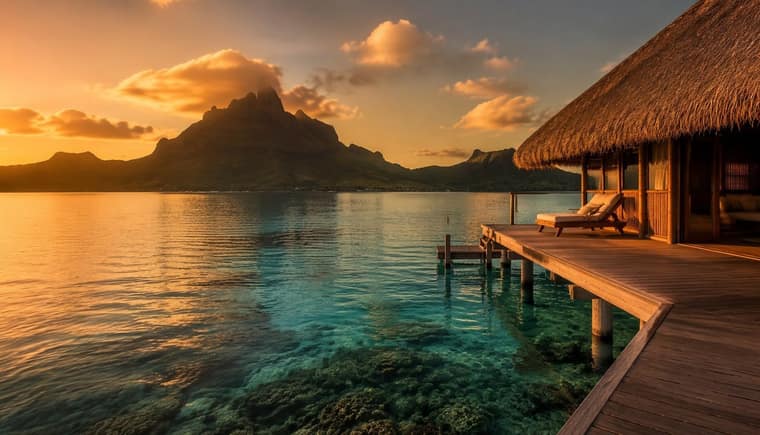
The photographs are accurate. The water is that colour, the villas do sit over it, and the silence in the early morning is as complete as it looks. What the photographs can't show is the difference between an atoll with a functioning house reef forty steps from your deck and one where the marine life has been grazed to nothing.

We know which atolls are worth the longer seaplane transfer, which properties have maintained their reef, and which ones have trading primarily on legacy reputation. Those distinctions are not available on a booking site. They require time in the water — which we've put in.

Most clients ask about overwater villas. We ask which direction the villa faces, whether the prevailing wind will be in your face on the deck, and what the lagoon depth is at low tide. That's the difference between a beautiful room and a trip you'll spend the next decade recommending.
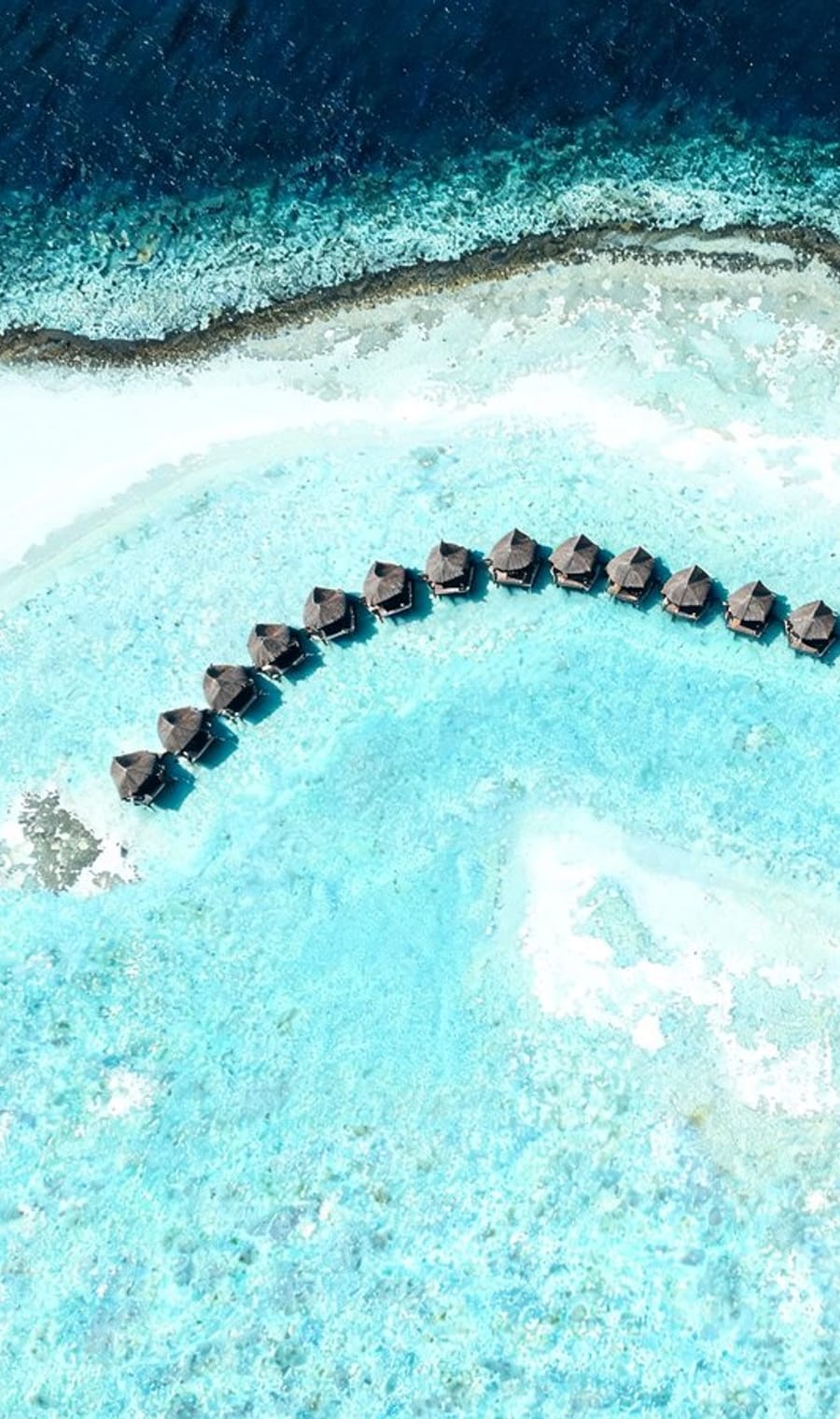
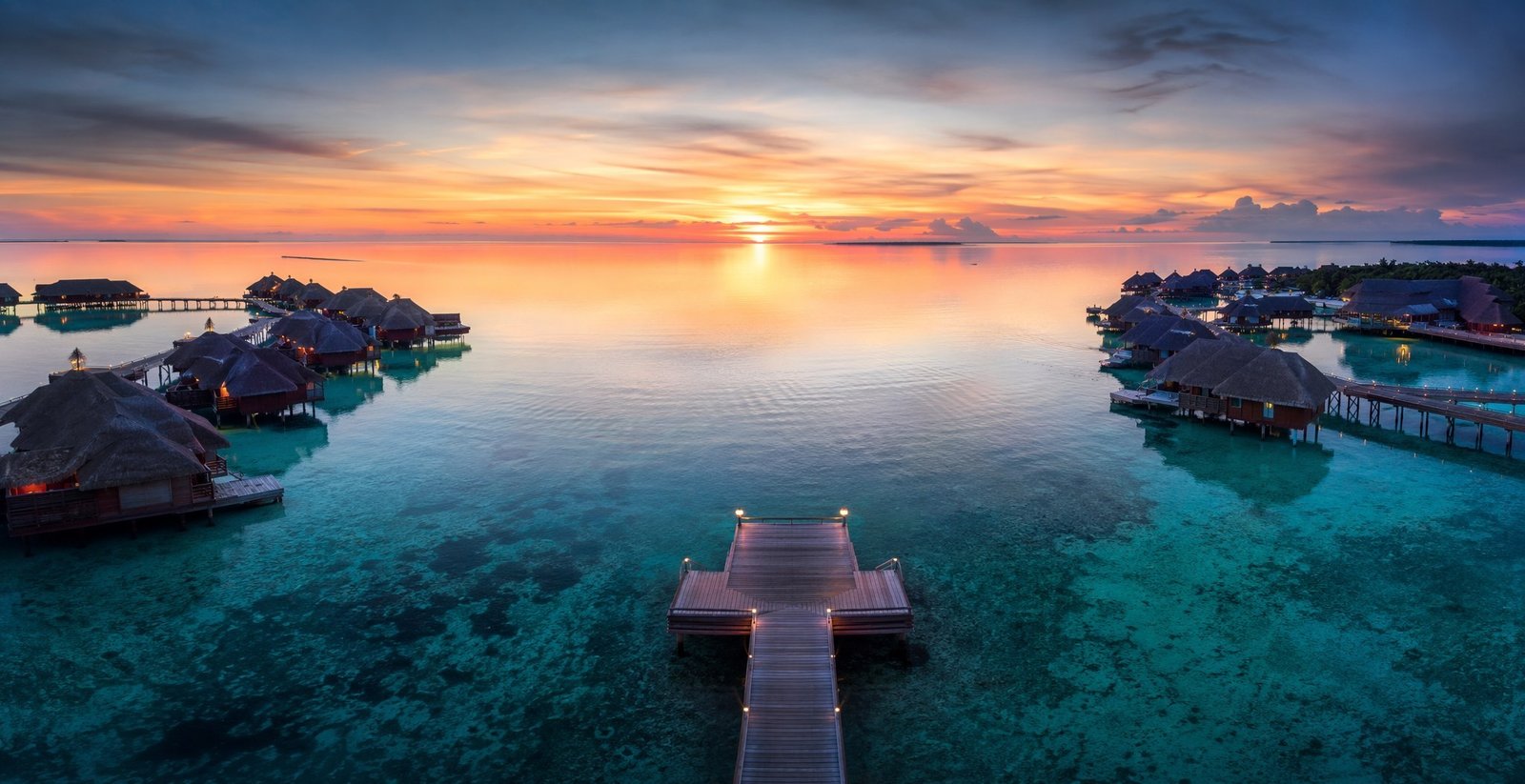
An aerial view of overwater villas curving across the turquoise shallows of a Maldivian atoll
North Malé Atoll · The Maldives
When to Go

The Maldives Season by Season

Dry Season
Nov – Apr
Clear skies, calm seas, excellent visibility for diving. The benchmark season — book 9–12 months ahead for the best properties.
Best Time to Go
Shoulder
May – Jun
Weather begins to soften. Some rain, but often afternoons only. Rates drop meaningfully and resorts operate at lower occupancy.
Wet Season
Jul – Sep
Heavier rainfall and rougher surf on west-facing atolls. The Manta season. Best for experienced divers; not ideal for first-timers.
Transition
Oct – Nov
Weather improves as the season shifts. Fewer crowds, negotiable rates. Often an underrated window for couples who've been before.
What to Do

Experiences Worth Planning Around

The Maldives isn't one destination — it's an archipelago of 1,200 islands spread across 90,000 square kilometres of Indian Ocean. What you do depends entirely on which atoll you're in.

01
House Reef Diving & Snorkelling
The best atolls have a functioning reef directly accessible from your villa. Hammerheads at Fuvahmulah, mantas at Baa Atoll, and whale sharks year-round at South Ari. We match you to the atoll that fits what you're actually after.
02
Private Sandbank Dinners
A table for two on a uninhabited sandbank. Champagne chilling in the shallows, a chef setting up on the sand, no other guests for miles. This is standard at the better properties — and the detail that distinguishes a stay from an experience.
03
Sunset Dolphin Cruises
Spinner dolphins are resident in most atolls and reliably active at dusk. A private dhoni with an experienced guide, a cooler of wine, and an Indian Ocean sunset. It doesn't require much more than that.
04
Underwater Spa Treatments
Several properties in North Malé Atoll operate glass-walled treatment rooms below the lagoon surface. Massage with manta rays gliding past the window is the kind of detail that sounds absurd until you've experienced it.
05
Island-Hopping by Seaplane
The aerial view alone justifies the transfer. But combining two or three atolls in one trip — a diving atoll and a seclusion atoll — is how experienced Maldives travelers structure a two-week stay rather than one long week in one place.
06
Private Chef Experiences
Beyond the standard in-villa dining, several properties arrange private chef residencies — a dedicated cook sourcing locally caught tuna and tropical fruit, preparing meals around your preferences rather than a fixed menu. Available by arrangement.
Where to Stay

The Atolls We Recommend

The atoll matters as much as the property. These are the three we book most confidently — and the reasons they suit different kinds of travelers.
North Malé Atoll
The Classic Choice
A 20-minute speedboat transfer from the airport. Consistently calm lagoons, mature house reefs, and the highest concentration of flagship properties. The right starting point for first-time Maldives visitors.
First-Timers Ease of Access Strong Reefs
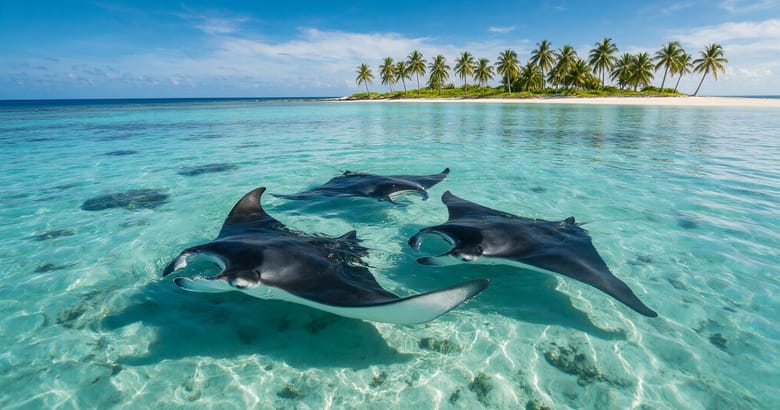
Manta rays circling in a shallow turquoise channel off a reef edge in Baa Atoll
Baa Atoll · UNESCO Biosphere
The Diver's Choice
A 30-minute seaplane transfer and a UNESCO Biosphere Reserve. Home to Hanifaru Bay — the world's densest feeding ground for manta rays and whale sharks. Plan the trip around the July–November aggregation season.
Manta Rays Whale Sharks Divers
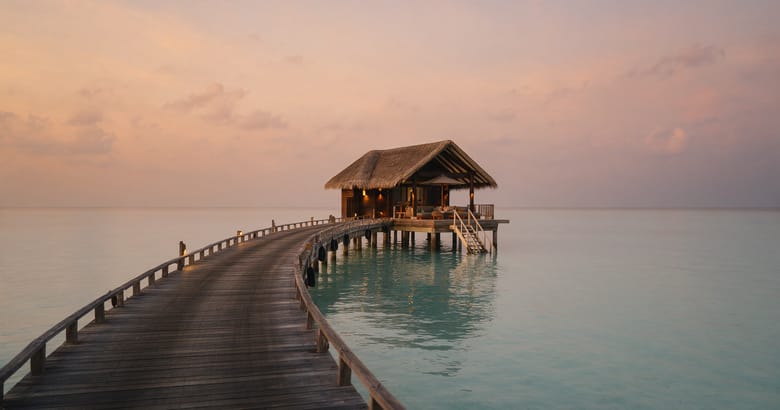
A single thatched overwater villa at the end of a curving jetty above still lagoon water at dusk
South Malé Atoll
The Seclusion Choice
A seaplane transfer that adds time but removes nearly all other guests. Fewer properties, more space, and a quieter version of the same spectacular setting. The choice for clients who've been to the Maldives before and want a different register.
Seclusion Repeat Visitors Quiet
The Details

What to Know Before You Go

Travel Essentials
  • CurrencyUSD accepted everywhere; MVR local currency
  • Visa30-day on arrival for most nationalities
  • TransferSpeedboat (20–45 min) or seaplane (15–45 min)
  • ConnectivityStrong WiFi at all resorts; often intentionally slow
  • Dress CodeResort casual; modest dress on local islands
  • AlcoholPermitted at resorts; prohibited on local islands
Booking & Planning
  • Book Ahead9–12 months for peak season (Nov–Apr)
  • Trip Length7 nights minimum; 10–14 ideal
  • Average Cost$1,500–$5,000+ per night at top properties
  • Combine WithDubai, Sri Lanka, Seychelles, Singapore
  • AccessFly into Malé (MLE); seaplane transfers in daylight only
  • Best ForHoneymooners, couples, wellness travelers

Ready to plan
your Maldives trip?

Tell me what you're after — the atoll, the occasion, the kind of morning you want to wake up to. I'll take it from there and come back with a specific proposal, not a generic brochure.

Plan My Trip

No booking fees  ·  Response within 24 hours  ·  Fully bespoke

Response
Within one business day
Also Consider
Seychelles · Bora Bora · Bali
What It Costs

What the Maldives Actually Costs

$900–$2,500
per person, per night. Ranges, not quotes.
What that includes
  • Half of a luxury villa with breakfast
  • The 10% service charge and 17% TGST
  • The $12 per-person, per-night Green Tax
What it does not
  • International airfare
  • The seaplane or speedboat transfer unless packaged
  • Other meals, alcohol, spa, diving and gratuities
The two or three things that move it most
  • Villa category — overwater with pool tops the band
  • Meal plan and transfer type
  • Festive-season dates

Editorial planning bands, not quotes — assembled from published rates and official fee sources, verified . Rates, permit costs and park fees change; confirm before booking. Source: Maldives Inland Revenue Authority.

Common Questions

Maldives — FAQ

Questions about choosing the right resort, what is included, seaplane logistics, and who the Maldives is actually right for.

Each resort prices differently. A typical package covers accommodation, breakfast, non-motorized water sports, and transfers from the local island airport. Premium drinks, spa treatments, scuba diving, and most excursions are usually extra. All-inclusive rates are available at most resorts and make sense if you plan to eat and drink extensively on-property.

Five variables decide it: transfer, reef quality, food, villa configuration, and service culture. Location relative to Male international airport matters because some resorts are 30 minutes by speedboat while others need a 40-minute seaplane; reef quality decides the snorkeling and diving. The gap between a $600/night and $2,000/night Maldives resort is real. I track the resorts individually — reef, transfer, villa layout, kitchen — and advise based on what each client actually prioritizes.

No. While it excels for honeymoons and anniversaries, the Maldives works for anyone seeking total relaxation, exceptional marine environments, and resort seclusion. Families visit regularly, and a number of resorts have strong children's programming and shallow lagoons ideal for young swimmers. The experience scales to who is traveling.

November through April is the dry season — the peak window with the most consistent weather and best visibility for snorkeling and diving. May–October is wetter, with potentially rough seas, but significantly lower rates. Many clients travel in shoulder months (late April or October–November) for a balance of conditions and value.

No. Snorkeling with a life jacket provides access to extraordinary marine life at virtually every resort. Reef sharks, manta rays, sea turtles, and hundreds of fish species. Non-swimmers can fully enjoy the overwater villa experience, spa, sunset cruises, and sandbank excursions. Scuba adds depth, but it is not required for a meaningful trip.

Many resorts in remote atolls require a 20–40 minute seaplane transfer in a Twin Otter floatplane. Seaplanes operate in daylight hours only, meaning late-arriving international flights may require a night's transit accommodation in Male. I factor this into every Maldives itinerary and book transfer-compatible international connections to avoid unnecessary transit nights.

The combination of water clarity, marine life access, overwater villa experience, and genuine resort seclusion is difficult to replicate elsewhere. The best Maldives properties deliver a level of service and environment that justifies the price for travelers who value these things. For travelers who find pure relaxation less satisfying than cultural exploration, the cost-to-experience ratio may be less compelling.

Yes. The Maldives pairs naturally with Sri Lanka or a Golden Triangle and Kerala itinerary (both a short flight away), allowing cultural exploration before or after the resort stay. Dubai as a transit point is also common. Some clients combine the Maldives with Southeast Asia — Bali or Thailand — for a contrast between resort luxury and active cultural travel.
More questions answered on the Full FAQ Page
From the Journal

Read More on the Maldives