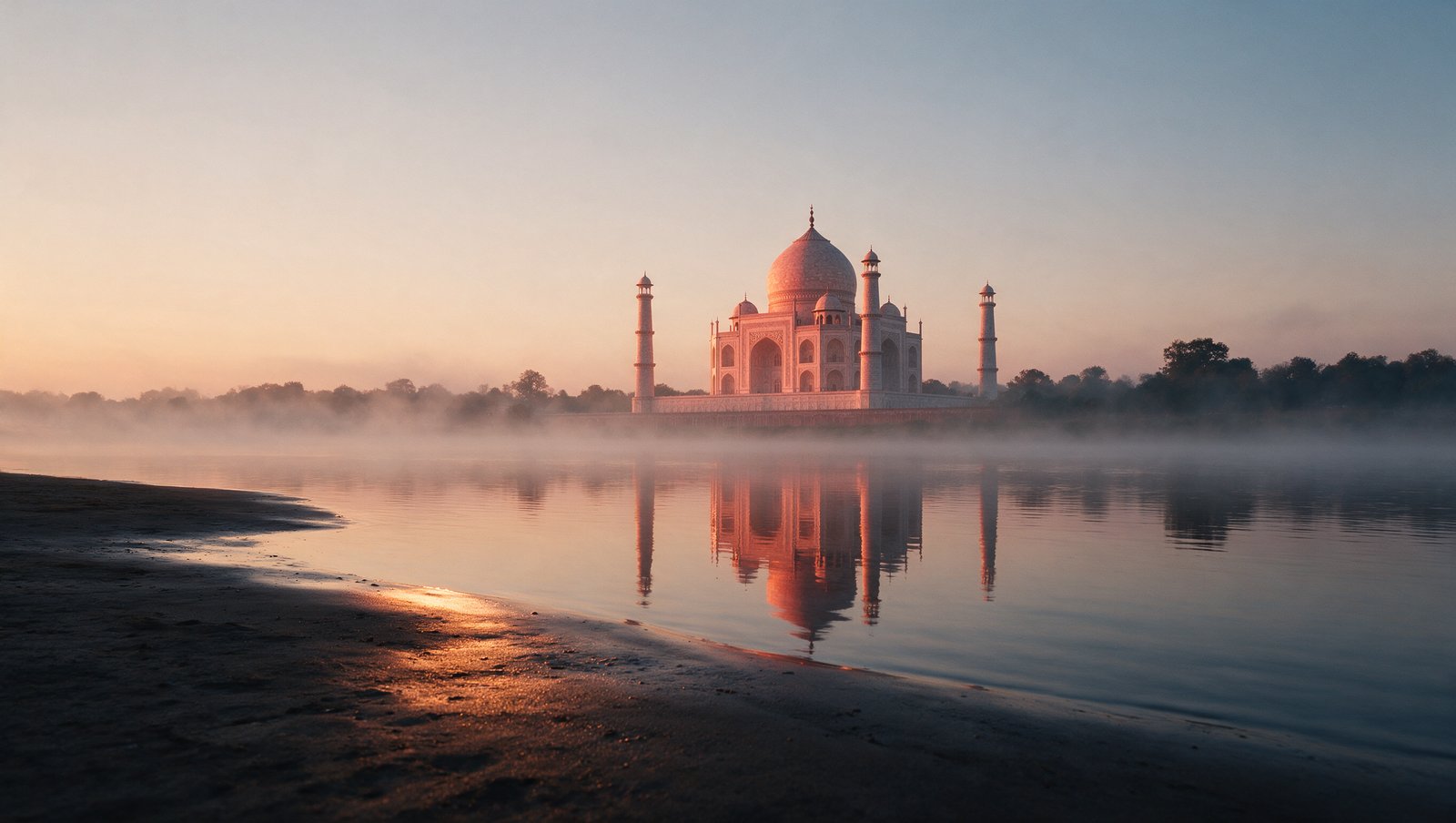

South Asia

The Country That Rewards
Preparation Most.

India is not a destination you improvise. The distances are long, the internal flights decide how the days feel, and the difference between a licensed guide and a Mughal architecture specialist is the difference between seeing the Taj Mahal and reading it. Every one of those is a decision made months ahead, and each of them compounds across the trip.

Best Season
Oct – March
Best For
Culture
& Grand Touring
The Country

India Rewards Preparation
More Than Any Country.

The window for most of India is October through March, when the north is dry and cool enough to walk a fort at midday. A first trip runs 12–16 days: the Golden Triangle of Delhi, Agra and Jaipur takes 7–8 of them, and the rest goes to Rajasthan, Kerala or a tiger park. The Taj Mahal closes every Friday.

India is not a country you improvise. The distances are long, the internal flights matter, the difference between a good guide and a licensed one is the difference between a monument and the argument the monument was making, and the gap between a heritage hotel that is genuinely a family seat and one that borrowed the word is invisible from a booking site. Every one of those is a planning decision made months ahead, and each of them compounds.

The Golden Triangle earns its reputation and also collects the most rushed itineraries in Asia. Delhi, Agra and Jaipur can be crossed in four days, and are, constantly. Seven or eight days across the same three cities is a different trip: the Taj Mahal at opening rather than at ten, a morning in Old Delhi with someone who can read the Mughal and colonial layers off the street plan, an afternoon in a Jaipur block-printing workshop where the blocks are cut by hand and the indigo vat is live. The itinerary looks similar on paper. It is not the same country.

South India is a separate decision, not an extension. Kerala runs on a different calendar, a different cuisine and a different pace — the backwaters near Alleppey, the tea country above Munnar, and an Ayurvedic tradition where the serious centres want two weeks and a consultation, not a spa afternoon. Pairing north and south in twelve days produces two hurried halves. Pairing them in sixteen produces the trip most people were imagining.
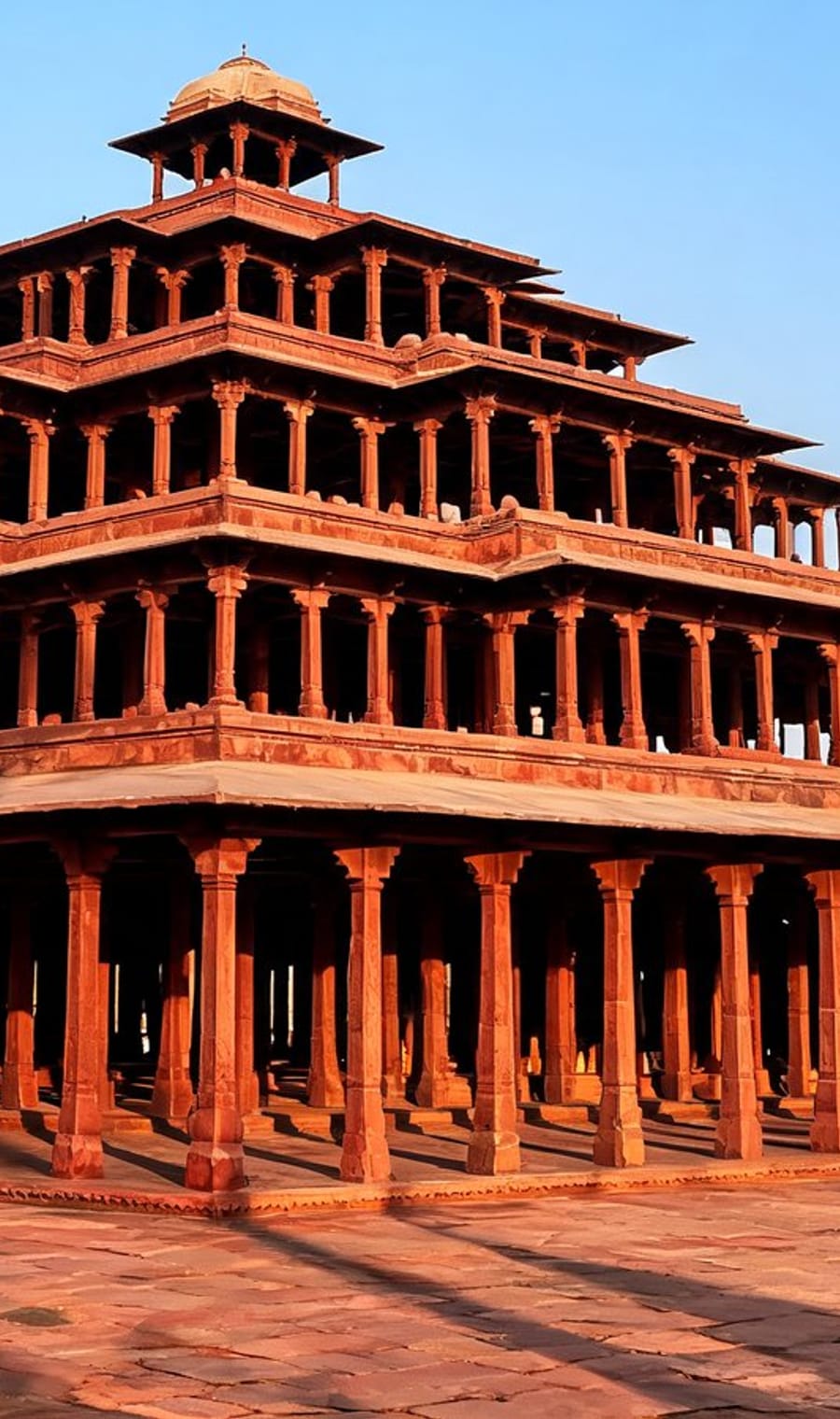
The red sandstone colonnades of the Panch Mahal at Fatehpur Sikri near Agra
Fatehpur Sikri · Agra · India
Where We Send Clients

Six Regions Worth Planning Properly

India is not one destination. The north and the south share a passport and very little else — different food, different climate calendars, different architecture, different languages. These six are the ones that repay the time.
Delhi, National Capital Territory
National Capital Territory
Delhi
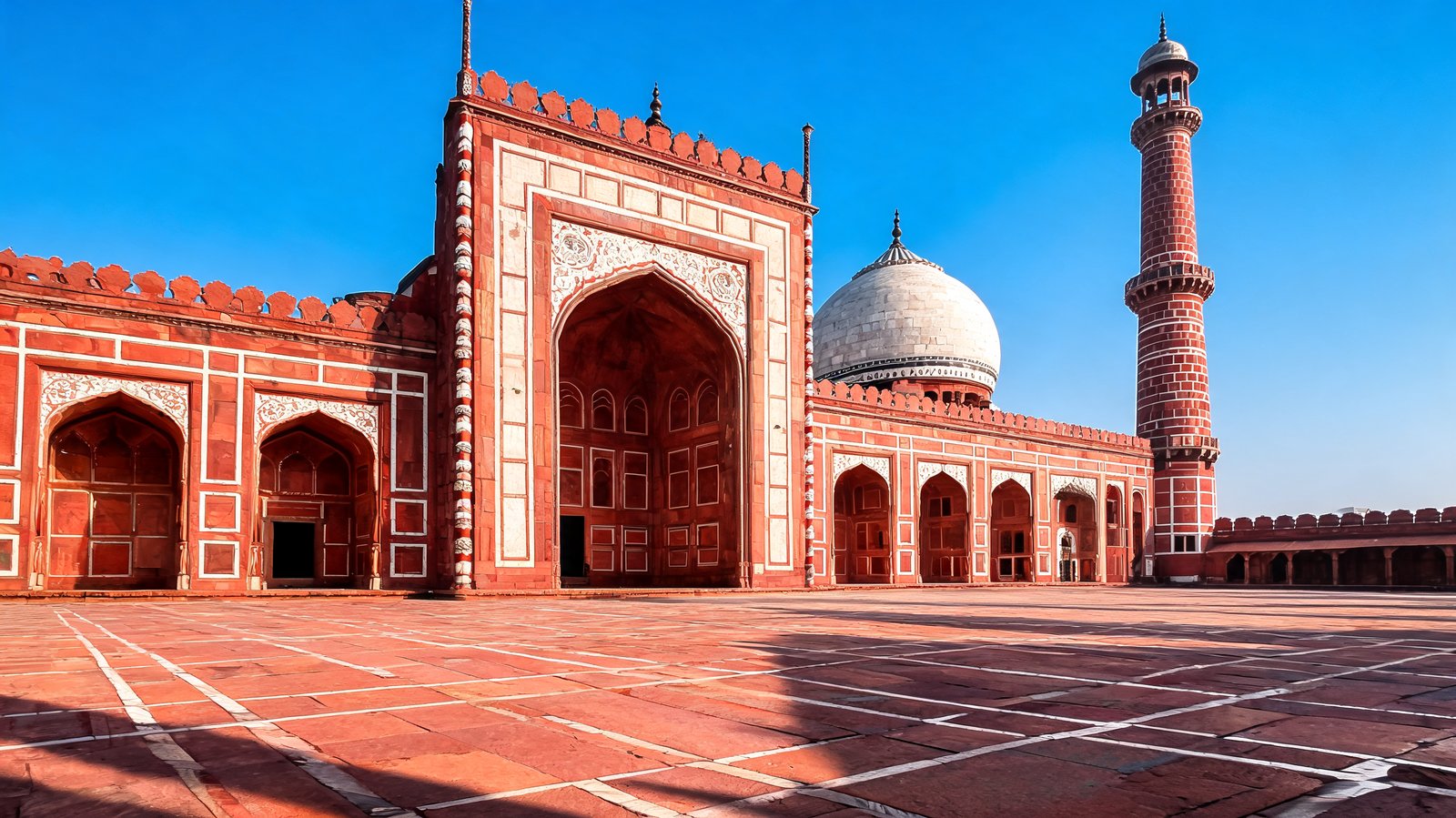
Two cities on one map. Old Delhi for Chandni Chowk at opening and the Jama Masjid courtyard before the heat; New Delhi for Lutyens' imperial plan and the Mughal tombs. Humayun's Tomb is the building the Taj Mahal was answering, and reading them a week apart changes both.
Old Delhi Humayun's Tomb Food Walk
Explore →
Agra, Uttar Pradesh
Uttar Pradesh
Agra
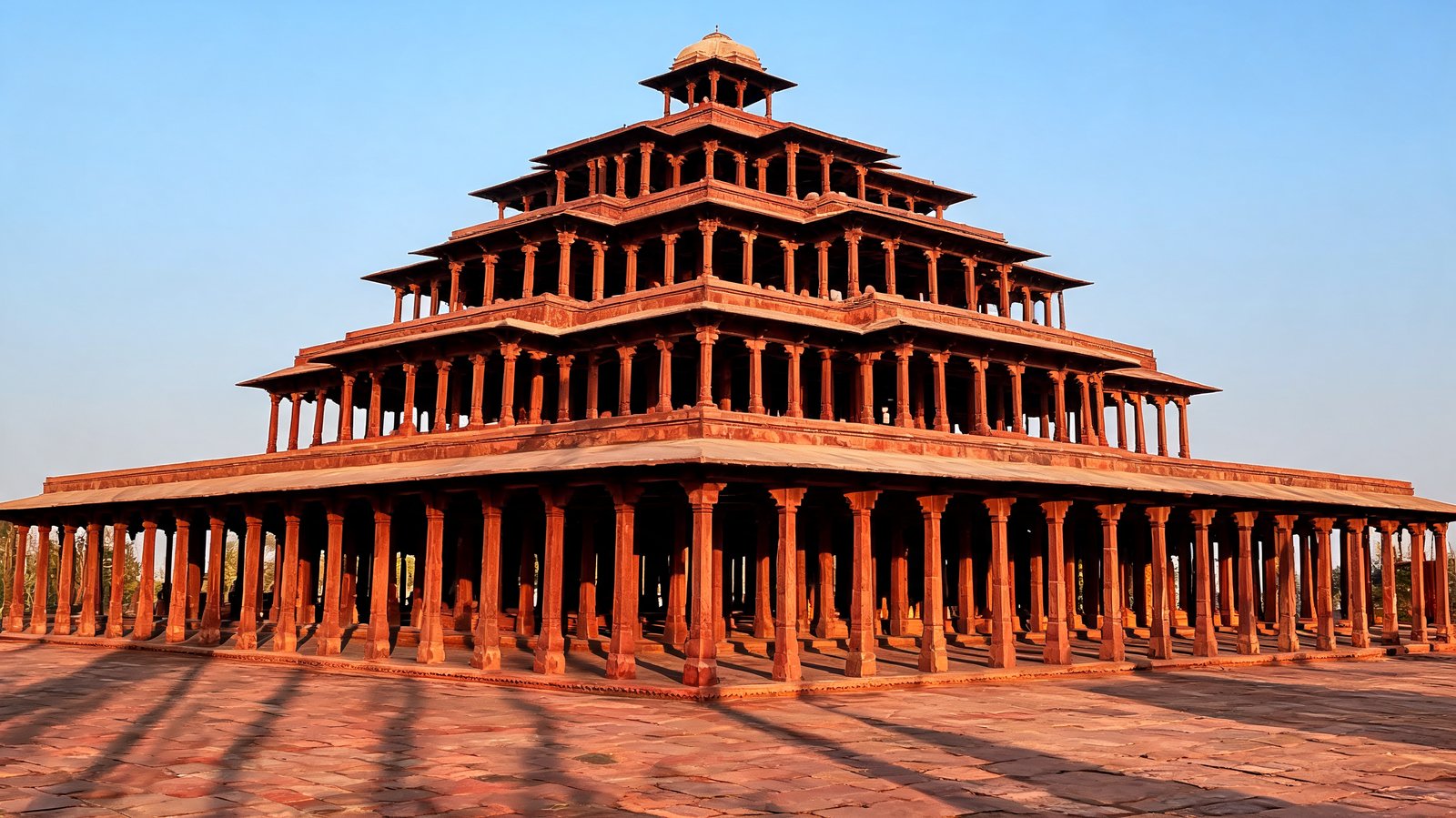
The Taj Mahal at opening, when the marble takes the low light and the forecourt is not yet full. Agra Fort in the afternoon, from the octagonal tower where Shah Jahan spent his last years looking downriver at it. Fatehpur Sikri on the way out — a complete Mughal capital, abandoned after fourteen years.
Taj at Dawn Agra Fort Fatehpur Sikri
Explore →
Jaipur, Rajasthan
Rajasthan
Jaipur
The craft capital, and the reason to slow down in Rajasthan. A block-printing workshop where the blocks are hand-cut and the indigo is a living vat, the Amber Fort before the coach arrivals, and the Jantar Mantar instruments — eighteenth-century astronomy built at architectural scale and still accurate.
Block Printing Amber Fort Jantar Mantar
Explore →
Udaipur & the Lakes, Rajasthan
Rajasthan
Udaipur & the Lakes
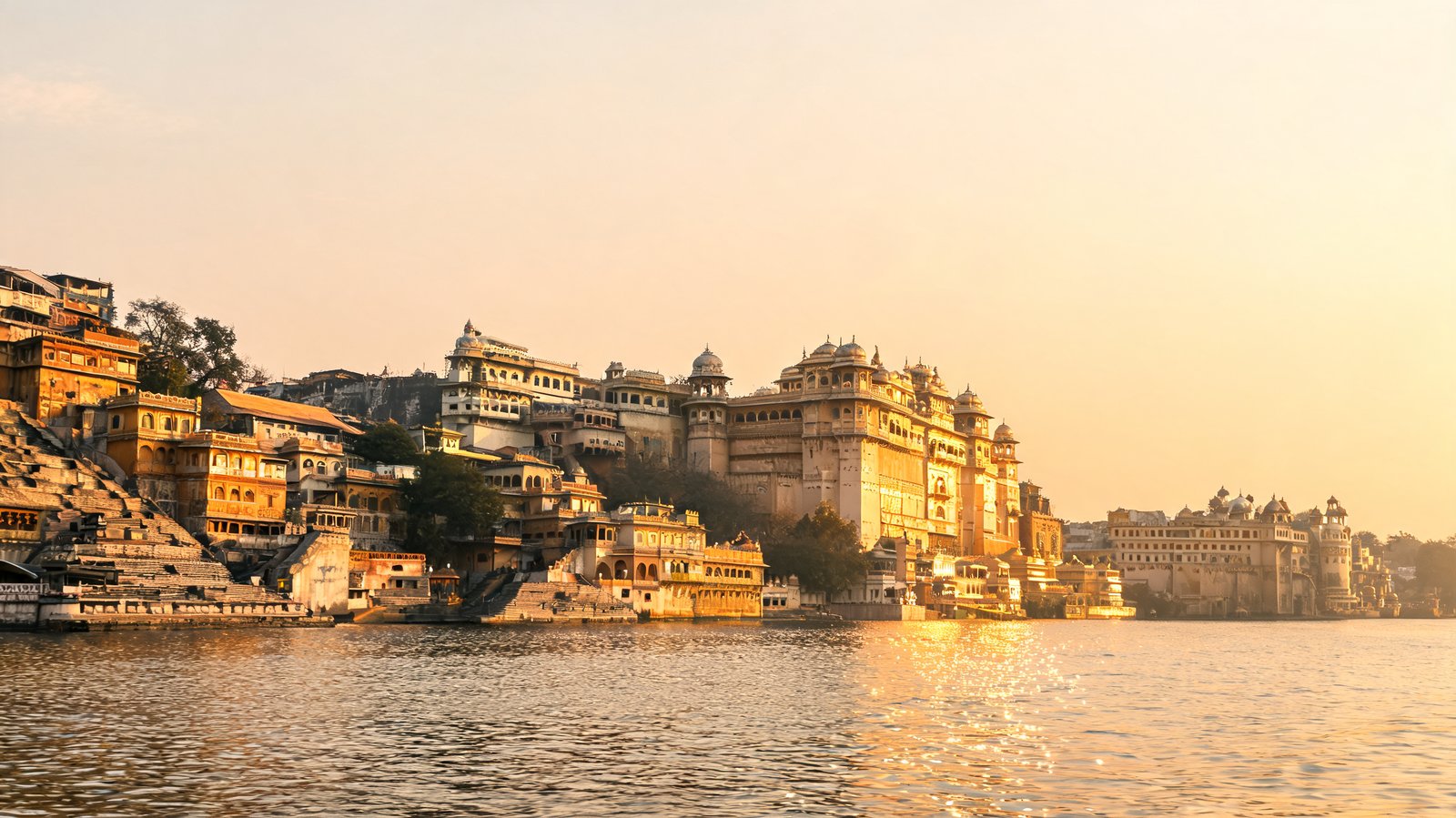
The softest landing in Rajasthan and the right place to stop moving. The City Palace complex above Lake Pichola, a boat out at the end of the day rather than the middle, and the miniature-painting studios in the old city where the brushes are still squirrel hair and the technique is taught by lineage.
Lake Pichola City Palace Miniatures
Explore →
Kerala
Kerala
Kerala
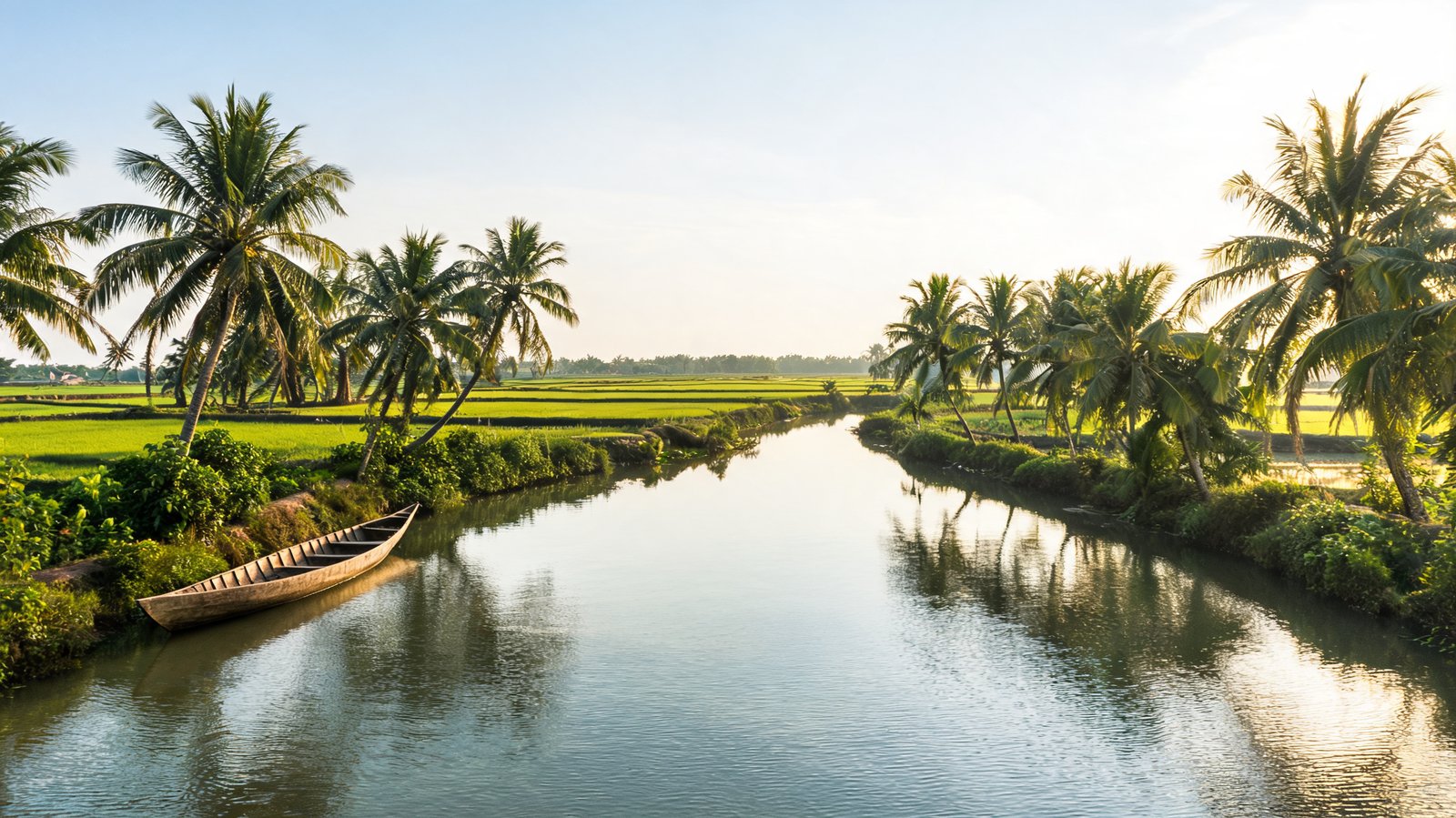
The south on its own terms. The backwaters by houseboat out of Alleppey, one night rather than three, then a homestay on a working spice or tea estate above Munnar. Kerala's food runs on coconut, curry leaf and fish rather than the wheat and dairy of the north — closer to Sri Lanka than to Rajasthan.
Backwaters Munnar Tea Ayurveda
Explore →
Ranthambore, Rajasthan
Rajasthan
Ranthambore
Tiger country inside the Golden Triangle's driving radius, which is why it works as a three-night addition rather than a separate trip. The park closes through the monsoon and reopens in October; March through May is when the water dries down and sightings concentrate, at the cost of the heat.
Tigers Oct – Jun Fort Ruins
Explore →
Featured Itineraries

Trips We Plan Often

India itineraries built around the guides who can read the buildings, the heritage properties that are genuinely family seats, and the internal flights that keep the driving days honest.
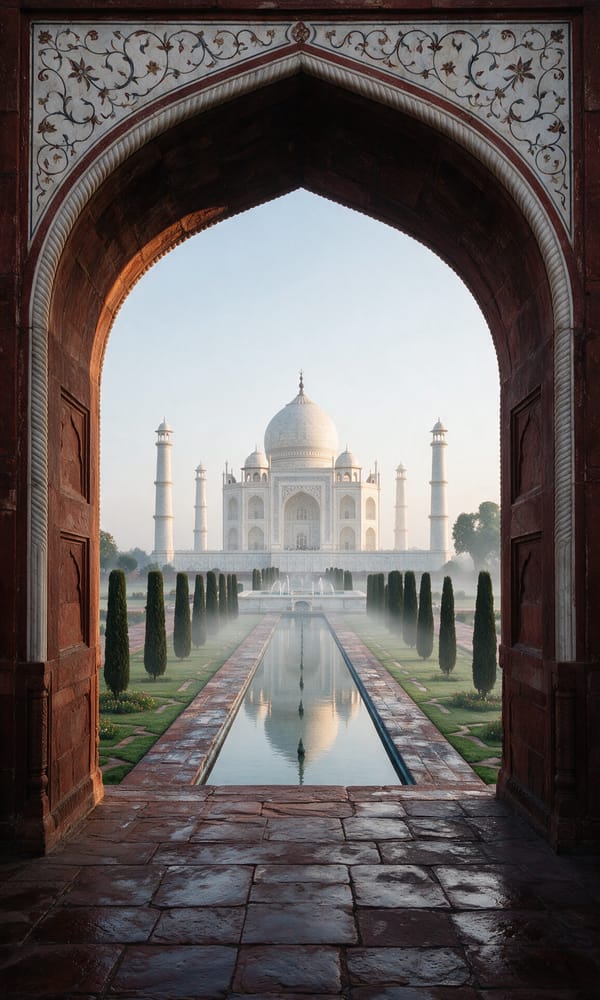
The Taj Mahal framed by the dark red sandstone gateway arch in early morning mist
October – March · 8–10 Days
The Golden Triangle, Properly
Three nights Delhi to start, not one: Old Delhi at opening with a historian, Humayun's Tomb and the Lodi gardens, and a day held back for the museums most itineraries skip. Drive to Agra for two nights, with the Taj Mahal at opening on the first full morning and Agra Fort in the afternoon light rather than the middle of the day. Fatehpur Sikri en route to Jaipur, where three nights allow the Amber Fort early, a working block-printing and natural-dye workshop, the Jantar Mantar with someone who can explain the instruments, and one unscheduled day — which in India is the day people remember. Return to Delhi by road or the morning train.
India8–10 Days
Plan This Trip
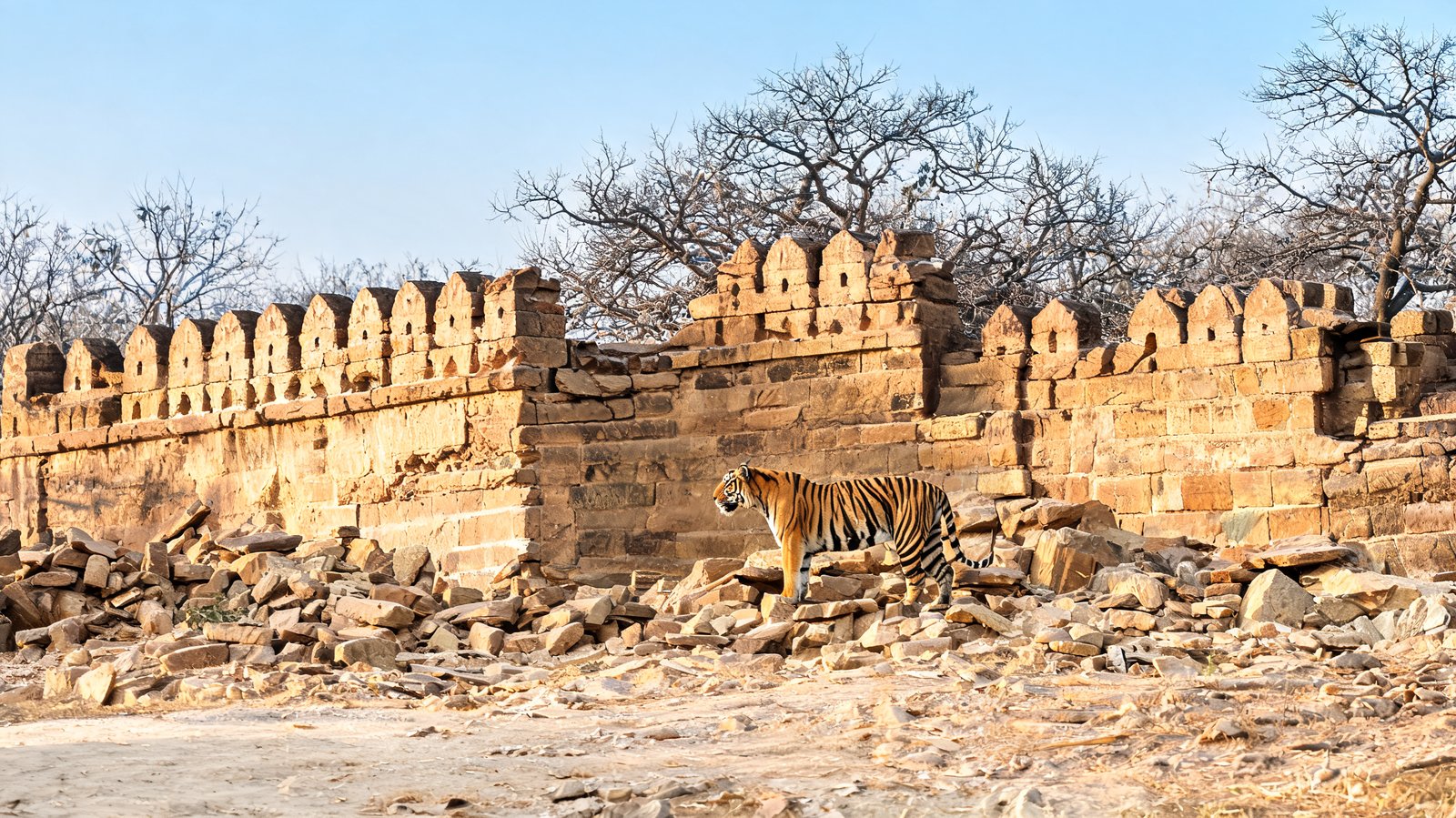
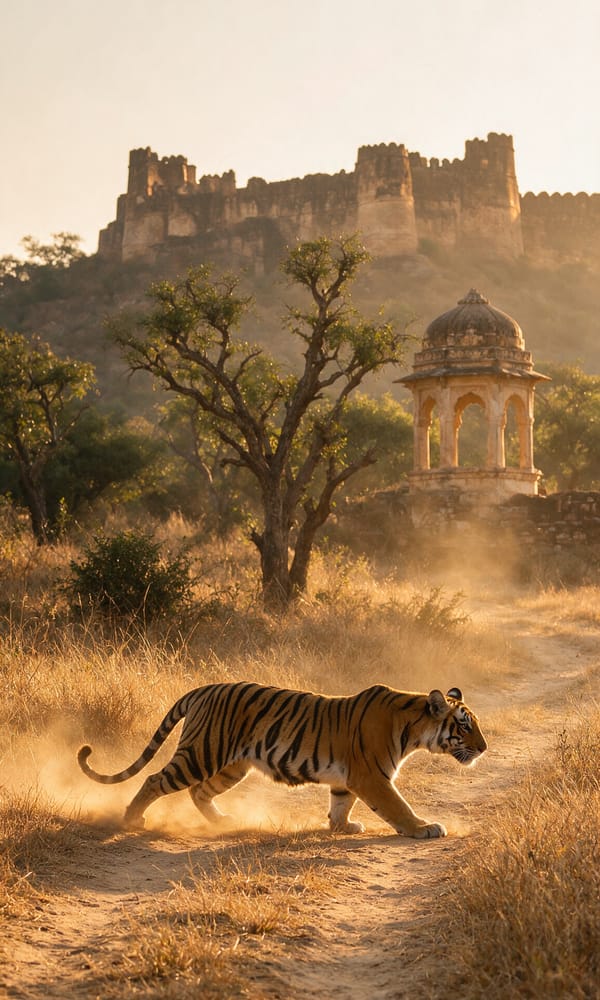
A tigress walking a dusty track through dry grass below Ranthambore's ruined fort wall
November – February · 12–14 Days
Rajasthan Beyond the Triangle
The Golden Triangle as the first half, then south and west into the Rajasthan most trips run out of days before reaching. Two nights Ranthambore for tiger drives, morning and afternoon. On to Udaipur for three nights — the City Palace, Lake Pichola at the end of the day, and the miniature studios in the old city. Jodhpur for two nights beneath the Mehrangarh fort, which stands over the blue town rather than beside it. Finish in Jaisalmer or return via a Shekhawati haveli town for the painted merchant houses. Heritage properties throughout, chosen for the ones still run by the families whose seat they were.
India12–14 Days
Plan This Trip
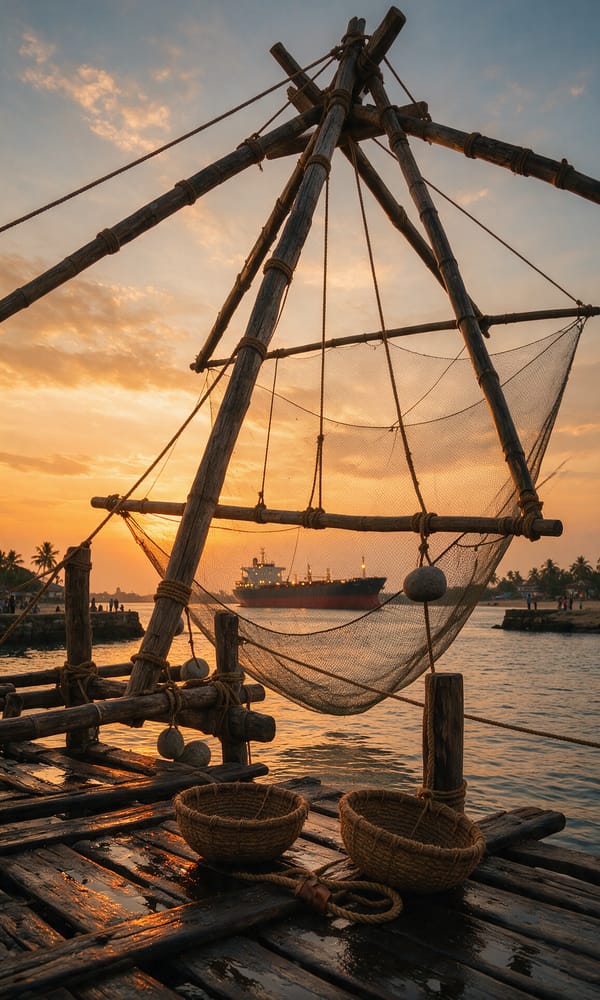
A cantilevered Chinese fishing net silhouetted over the water at Fort Cochin at dusk
October – March · 16 Days
North and South in One Trip
The trip that needs sixteen days and does not work in twelve. Eight days across the Golden Triangle at the pace above, then an internal flight south to Kochi for two nights in Fort Cochin — the Portuguese, Dutch and British layers sit within a few streets of each other, and the Kathakali and Kalaripayattu traditions are performed here rather than staged. One night on a backwater houseboat out of Alleppey, then three nights on a tea or spice estate above Munnar at altitude, where the temperature drops and the walking is good. Finish on the Malabar coast. Two countries' worth of food, architecture and climate inside one passport.
India16 Days
Plan This Trip
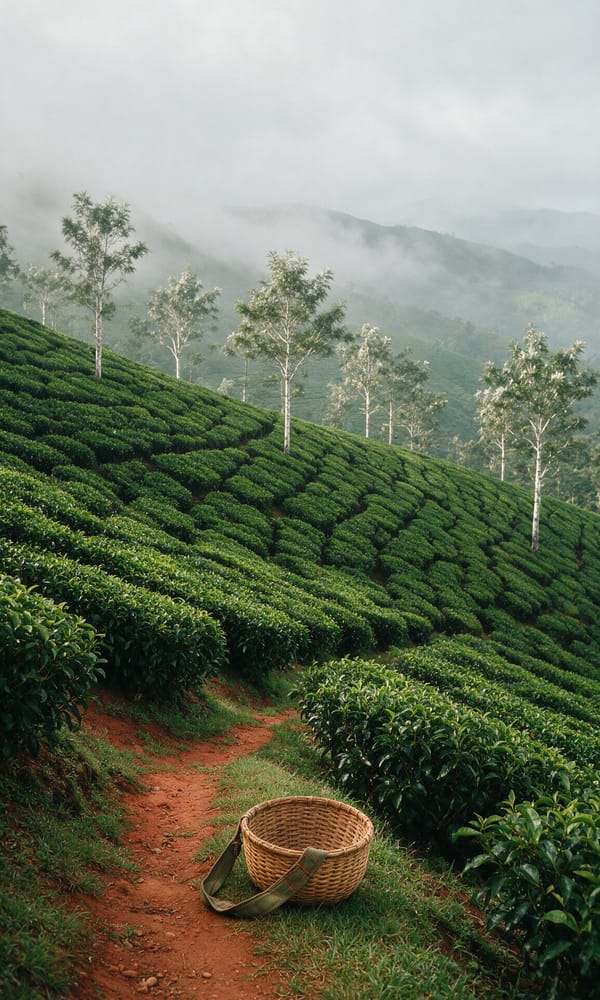
Contoured rows of tea bushes climbing a misty hillside above Munnar past a plucking basket
November – March · 9–11 Days
Kerala and the South
South India as a first trip rather than an add-on, and a gentler introduction to the country than the north for travellers who want one. Three nights Fort Cochin for the colonial layers and the food, a single night on the backwaters — one is the right number — then four nights in the hills above Munnar on a working tea estate, with walking, plantation mornings and a genuine Ayurvedic consultation rather than a spa treatment. Finish with two nights on the coast north of Kochi. Shorter driving days than Rajasthan, a milder climate window, and the cuisine that most surprises people who thought they knew Indian food.
India9–11 Days
Plan This Trip
Why Plan With Us

What We Add to India Planning

India is the destination where the difference between a well-planned trip and a poorly planned one is largest, and where it shows up on the first morning rather than the fourth day.

Guides Who Read Buildings
A licensed guide at the Taj Mahal will give you the dates, the marble inlay technique and the story about the hands of the craftsmen. A Mughal architecture specialist will show you why the building sits off-centre in its own garden, what the char bagh layout is arguing about paradise, and how Humayun's Tomb in Delhi is the draft that this is the final version of. India's monuments were built to be read, and most visitors are handed the wrong reading list. Getting this right is the single highest-leverage decision in the itinerary.
Pace and Internal Flights
The most common failure in an India itinerary is not a bad hotel — it is a day lost to a drive that should have been a flight, repeated four times. Delhi to Agra is a reasonable road day. Agra to Jaipur is a reasonable road day with Fatehpur Sikri in the middle. Almost everything else across the north and to the south wants an internal flight, and the timing of those flights determines whether a morning is a monument at opening or a check-in queue. We build the ground around the air schedule rather than the other way round.
Heritage Property Selection
"Heritage hotel" in India covers a family seat still occupied by the family, a genuinely restored fort under professional management, and a 1990s build with crenellations added to the roofline. The first two are among the best stays in Asia. The third is a hotel with a costume. The distinction is invisible in photographs and largely invisible in reviews, because guests are comparing against expectations rather than against the category. It takes direct contact and honest reports from clients who have stayed, which is the part that does not scale and is the reason to use an advisor here.
The First Forty-Eight Hours
India rewards a soft landing. Most long-haul arrivals land in Delhi late at night, and the itineraries that fail are the ones that put a full Old Delhi walking day against jet lag on the first morning. A hotel near the arrival side of the city, a first day built around one thing rather than four, and a driver and guide who have been briefed that day one is a settling day rather than a schedule — that sequence decides how the following two weeks feel. It costs nothing and it is skipped constantly.
When to Go

India by Season

Cool Season
October – March
The window for the north, and the reason India's calendar is less flexible than most destinations'. Delhi, Agra and Rajasthan are dry and walkable, the forts are bearable at midday, and the light is long. December and January bring genuine cold to the north and morning fog that can delay flights and trains out of Delhi — worth building slack around rather than avoiding. Kerala and the south are also at their best in this window. This is peak season for a reason: the heritage properties in Rajasthan book months ahead, and the good guides are committed earlier than that.
Best Overall Window
Hot Season
April – June
The north becomes genuinely difficult — Rajasthan regularly passes 40°C and sightseeing compresses into early mornings and evenings. There is one strong reason to accept it: this is the best tiger window. As the seasonal water dries down, sightings at Ranthambore and the central Indian parks concentrate around the remaining waterholes, and rates across the north fall from their peak. For a wildlife-led trip with early starts and afternoons indoors, the trade is defensible. For a first trip built on forts and cities, it is not.
Monsoon
July – September
The southwest monsoon arrives in Kerala first, usually in early June, and moves north. Most tiger parks including Ranthambore close for the season and reopen from October. It is the wrong window for the Golden Triangle and for a first trip. It is the right one for two specific things: Kerala's Ayurvedic tradition treats the monsoon as the optimal season for treatment, and the Western Ghats are green rather than dust-coloured. Rates fall accordingly. Plan it deliberately or not at all.
Ready When You Are

Plan an India Trip
With the Days in the Right Places

Tell me how long you have, whether you want the north, the south or both, and how hard you want to travel. I'll come back with a specific itinerary, the guides I'd use in each city, and property recommendations within one business day.

Plan an India Trip All Asia Destinations

No booking fees  ·  Response within 24 hours  ·  Fully bespoke

What It Costs

What India Actually Costs

Quoted per property class, not per India night
A family-seat palace in Rajasthan, a tented camp at a tiger reserve and a Delhi five-star are three different purchases inside one two-week itinerary, and a band wide enough to cover all three would tell a reader nothing about any of them.
What actually sets the number
  • The Taj Mahal at ₹1,100 for a foreign visitor, plus ₹200 for the main mausoleum
  • Which property class — a family seat, a restored fort and a costumed new build all say heritage
  • October to March against the April-to-June tiger window, when rates fall and the heat arrives

Tell me the dates and the party and you get a real quote, not a range. Source: Archaeological Survey of India, Taj Mahal ticketing.

Common Questions

India — FAQ

The questions that come up most when planning a first India trip — timing, how long the Golden Triangle really needs, whether to add the south, and what to expect on the ground.

October through March, for the north and the south alike. That window is dry and cool enough to walk a Rajasthan fort in the middle of the day, which April through June is not — the north regularly passes 40°C by May. The trade-off is that it is peak season: the heritage properties in Rajasthan and the guides worth having are committed months ahead. December and January add genuine cold in the north and morning fog that delays flights and trains out of Delhi, so a well-built itinerary leaves slack around those connections rather than scheduling tightly against them.

Seven or eight, not four. Four is the standard packaged version and it works as transport between three monuments. Seven or eight gives Delhi three nights instead of one, Agra two so the Taj Mahal can be seen at opening rather than mid-morning, and Jaipur three with a day held in reserve. The distances have not changed; what changes is whether each city gets a morning at its best hour and an unscheduled day. In India the unscheduled day is reliably the one people describe afterwards.

Friday. The monument is closed to tourists every Friday for prayers at the mosque within the complex, and it is the single most common scheduling error in a self-planned India itinerary — arriving in Agra on a Thursday evening for a Friday morning visit. It opens around sunrise on the other six days, which is the hour worth taking: the marble reads differently in low light, and the forecourt fills through the morning. Ticketing and opening hours are published by the Archaeological Survey of India; confirm before booking, as timings around religious holidays vary.

Only with sixteen days or more. Below that, pick one. The north and Kerala are effectively different countries — different cuisine, different languages, different architecture and a different pace — and the flight between them costs the better part of a day at each end. Twelve days split between the two produces two rushed halves and a lot of airports. Sixteen produces the trip most people had in mind when they asked the question. If the trip has to be twelve days, the Golden Triangle plus Rajasthan is the stronger first visit; Kerala then stands on its own as a second trip.

Yes — almost every visitor needs one, and most apply for the e-Visa online before travelling. Applications go through the Indian government's official portal, and the category, validity and fee depend on nationality and trip length, so the requirement should be checked against the current rules rather than against what a previous traveller did. Apply well ahead of departure rather than in the final fortnight: approval is usually quick but is not guaranteed to be, and a rejected or delayed application against a fixed departure is the one problem an advisor cannot solve for you. The authoritative source is the Indian e-Visa portal; verify before booking flights.

It is an excellent first trip for the right traveller and a poor one for the wrong traveller. The difference is not adventurousness. India is loud, crowded and unrelenting in a way that rewards people who find that energising and punishes people who need a quiet hotel lobby at the end of the day to reset. If the second description fits, Kerala is the gentler entry point to the same country, and Thailand or Japan are gentler entries to the region. If the first fits, the north is one of the most rewarding places anyone travels. We ask this question early because the answer changes the whole itinerary rather than one hotel.

April through June gives the best odds, and it costs you the comfortable weather. Most tiger reserves including Ranthambore close through the monsoon and reopen from October, so the season runs roughly October to June. As the seasonal water dries down through the spring, animals concentrate around the remaining waterholes and sightings become markedly more reliable — at the price of a north Indian summer, which means early starts and afternoons indoors. Sightings are never guaranteed at any time of year. Ranthambore's position within the Golden Triangle's driving radius is what makes it work as a three-night addition rather than a separate trip; park rules and permit windows should be confirmed with the reserve before booking.

Anything from a family's own fort to a modern build with battlements added. The label is not regulated in any way a traveller can rely on, and it covers three very different things: a genuine family seat where the family is still in residence and eats with guests, a historic property under professional hotel management that has been restored seriously, and a recent building styled to look old. The first two are among the best stays in Asia. The third is a hotel in costume, and photographs will not tell you which you are looking at. This is the part of an India itinerary where an advisor's direct knowledge of individual properties earns its place.
More questions answered on the Full FAQ Page
From the Journal

Read More on Planning Asia