
East Asia

The Most Complete
Travel Destination
in the World.

Japan has food culture, craft tradition, temple gardens, and a hospitality philosophy refined over four centuries of the ryokan tradition — all operating simultaneously, at the highest level, in a country served by the Shinkansen network that moves you between cities in ninety minutes. The problem is not finding things to do in Japan. It's knowing which version of each experience is worth planning around.

Best Season
Late March – Early April
Best For
Food, Craft
& Ryokan
The Country

Depth Beats Breadth.
Always in Japan.

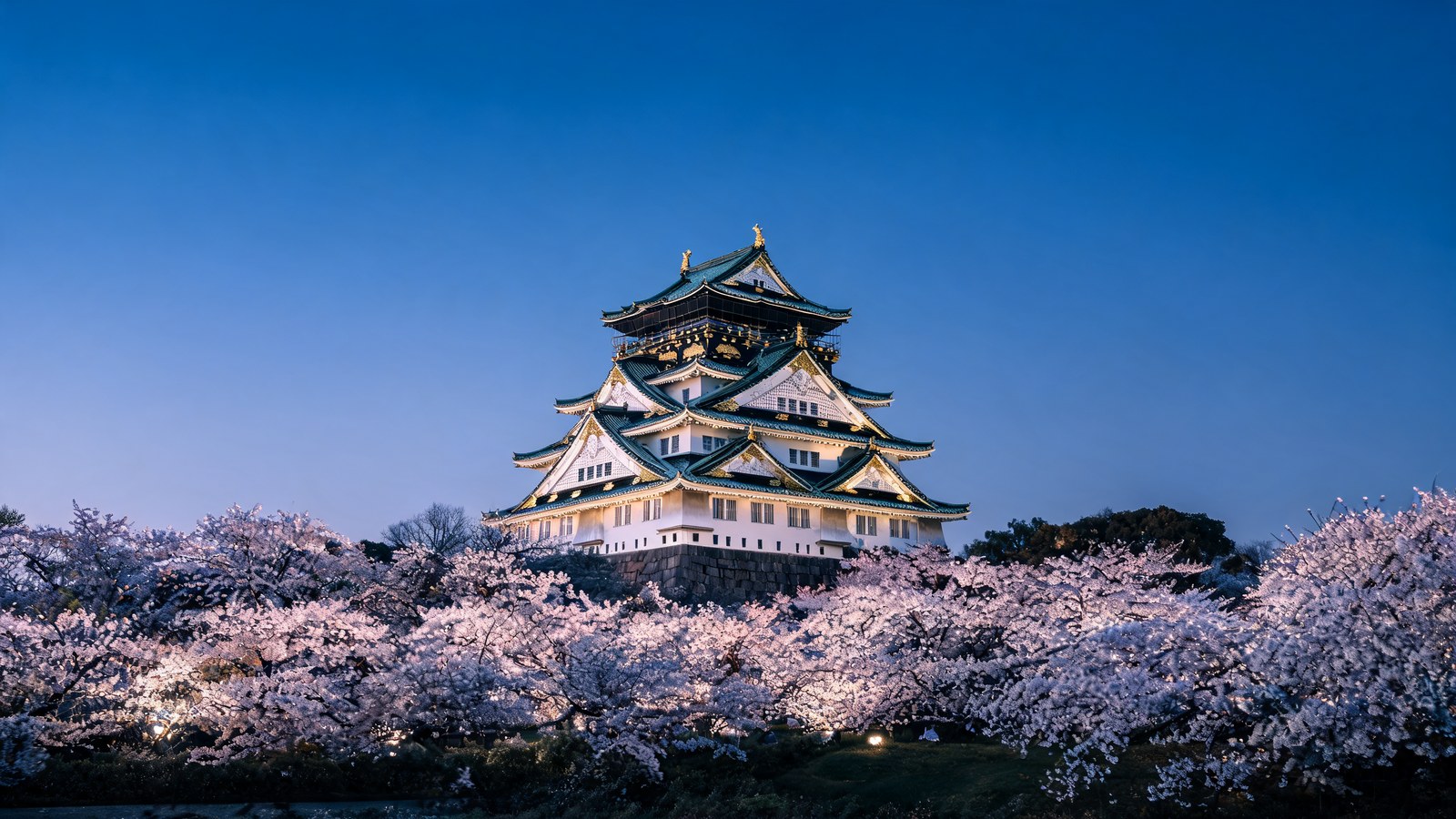
Japan has two peak seasons with genuine justification: cherry blossom in late March and early April, and autumn foliage from mid-October through November. Cherry blossom demands the most advance planning of any window in the country. Most itineraries run 12–14 days. The language barrier is smaller than expected in the cities and a real consideration in the countryside.

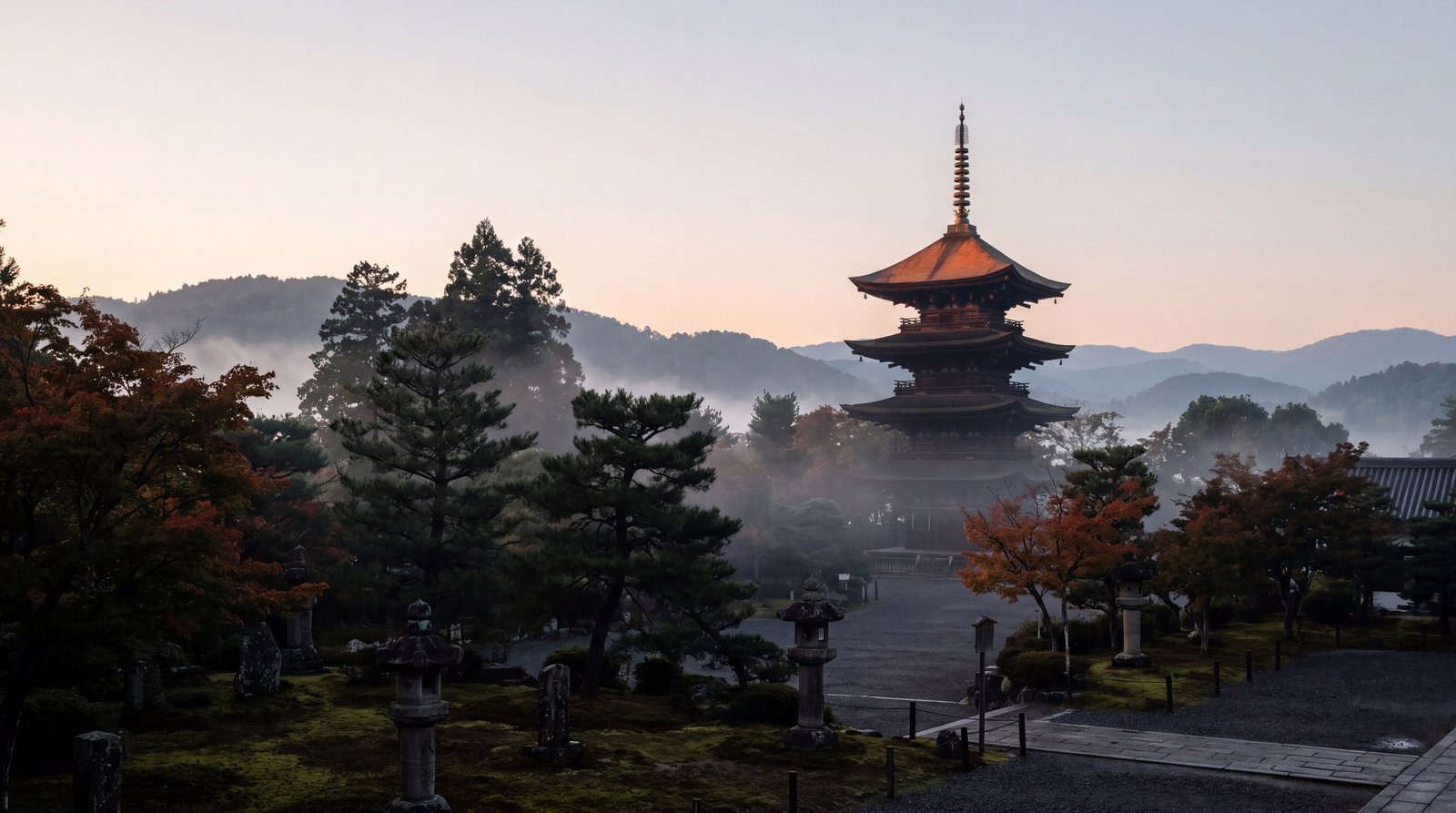
The concept of shun — the Japanese idea that each ingredient has a peak season measured in weeks, sometimes days, and that eating it outside that window is a lesser version of the thing — applies to Japan as a destination as precisely as it applies to matsutake mushrooms in October. Cherry blossom is a specific two-week window that moves north across the country from late March. The autumn foliage peaks in Kyoto's temple gardens in mid-November, not all November. The fish market at Tsukiji produces its best tuna in the cold months of January and February. Planning Japan around shun, in the broadest sense, is what separates a beautiful trip from an exceptional one.

The ryokan tradition — traditional Japanese inns with tatami mat rooms, futon beds, multi-course kaiseki dinners, and shared or private onsen baths — represents a philosophy of hospitality that is unlike anything available in Western luxury hotels. The best ryokan have been operating for generations under the same families, and the service model reflects an understanding of anticipatory hospitality that the hotel industry has not been able to replicate. Selecting the right ryokan for the right night of a Japan itinerary is one of the most consequential planning decisions we make.

The specialist guide makes the difference between knowing that the Fushimi Inari Shrine has ten thousand torii gates and understanding why they were built, who paid for them, and what the mountain behind them means within the Shinto cosmology that shaped the city around it. Japan rewards the specialist absolutely and punishes the generalist with pleasant but superficial experiences that leave the country feeling like a series of sights rather than a coherent civilization.
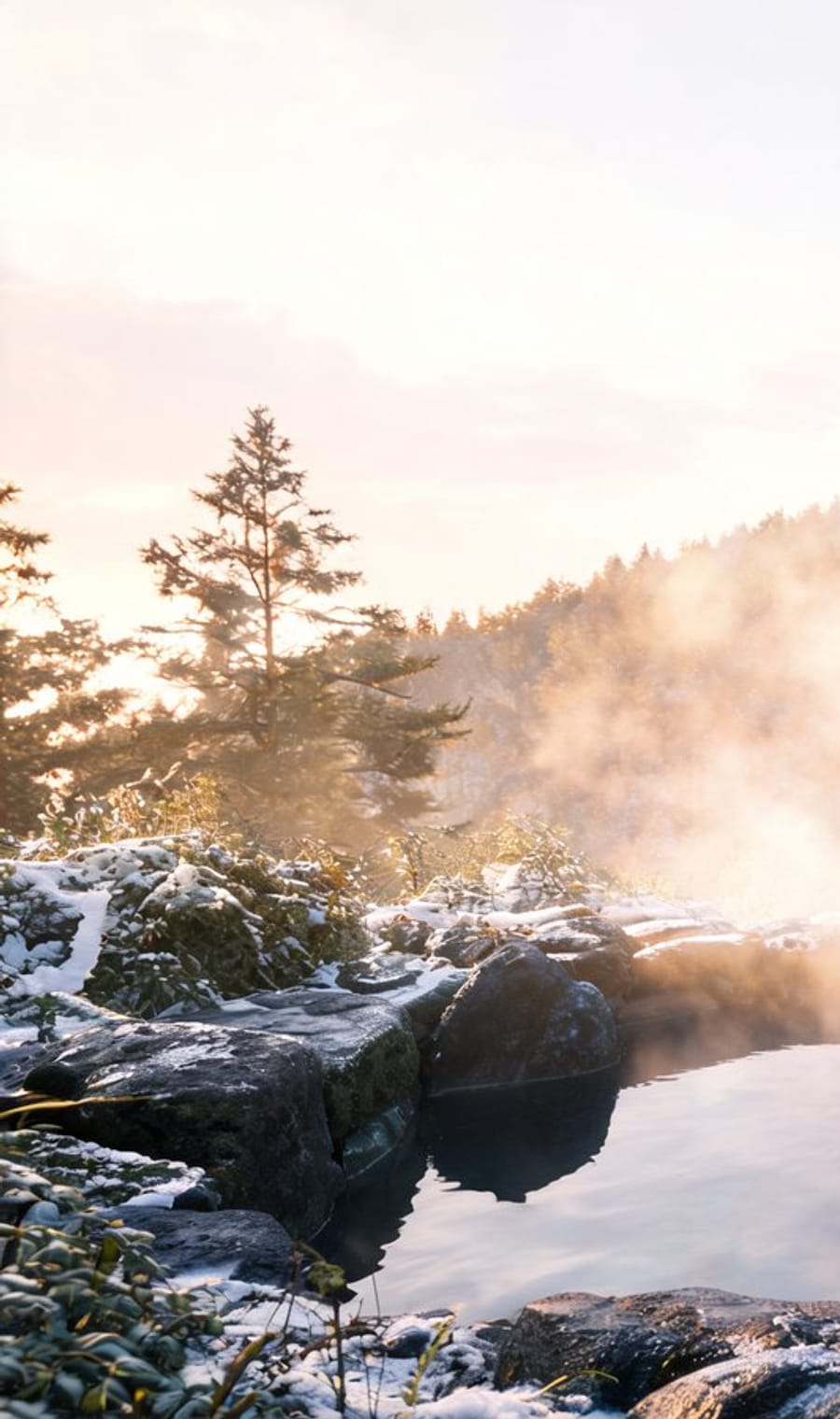
Steam rising from an outdoor onsen among snow-covered rocks at first light
An onsen at first light · Japan
Where We Send Clients

Six Cities and Regions Worth Planning Properly

Japan's Shinkansen network makes multi-city itineraries logistically straightforward. The depth available in each city makes rushing through too many a reliable planning error.
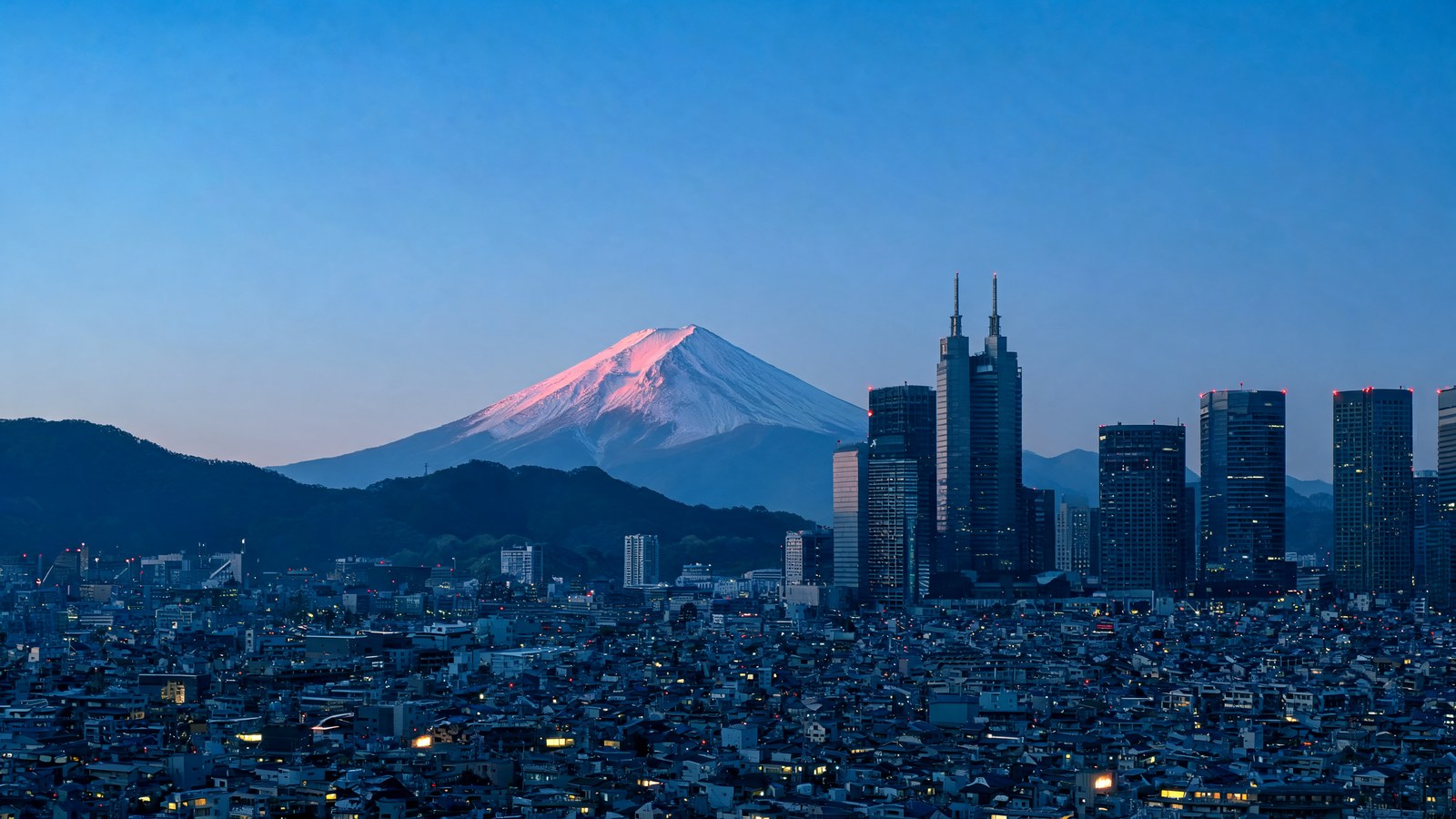
Tokyo, Kanto Region
Kanto Region
Tokyo
The Tsukiji outer market at six, still working as it always has, with vendors who have opened their stalls at four for thirty years. An omakase counter that takes a relationship, not a booking engine. Yanaka, the old neighborhood that survived the firebombing and keeps its original scale.
Food Culture Omakase Guides
Explore →
Kyoto, Kansai Region
Kansai Region
Kyoto
A tea ceremony with a practitioner who trained fifteen years under a traditional school — two private hours, not a pavilion demonstration. Fushimi Inari at 5:30, quiet enough to hear your own feet on the gravel. The Philosopher's Path in mid-November, at its deepest red.
Tea Ceremony Fushimi Inari Machiya Stay
Explore →
Osaka, Kansai Region
Kansai Region
Osaka
Kuromon Ichiba mid-morning, as the wholesalers turn to retail and the stalls fire up — grilled wagyu, fresh oysters, fruit on sticks with no equivalent elsewhere. Dotonbori late, neon on the canal, takoyaki three deep. Louder than Tokyo, more generous, less concerned with presentation.
Street Food Kuromon Ramen
Explore →
Hiroshima & Miyajima, Chugoku Region
Chugoku Region
Hiroshima & Miyajima
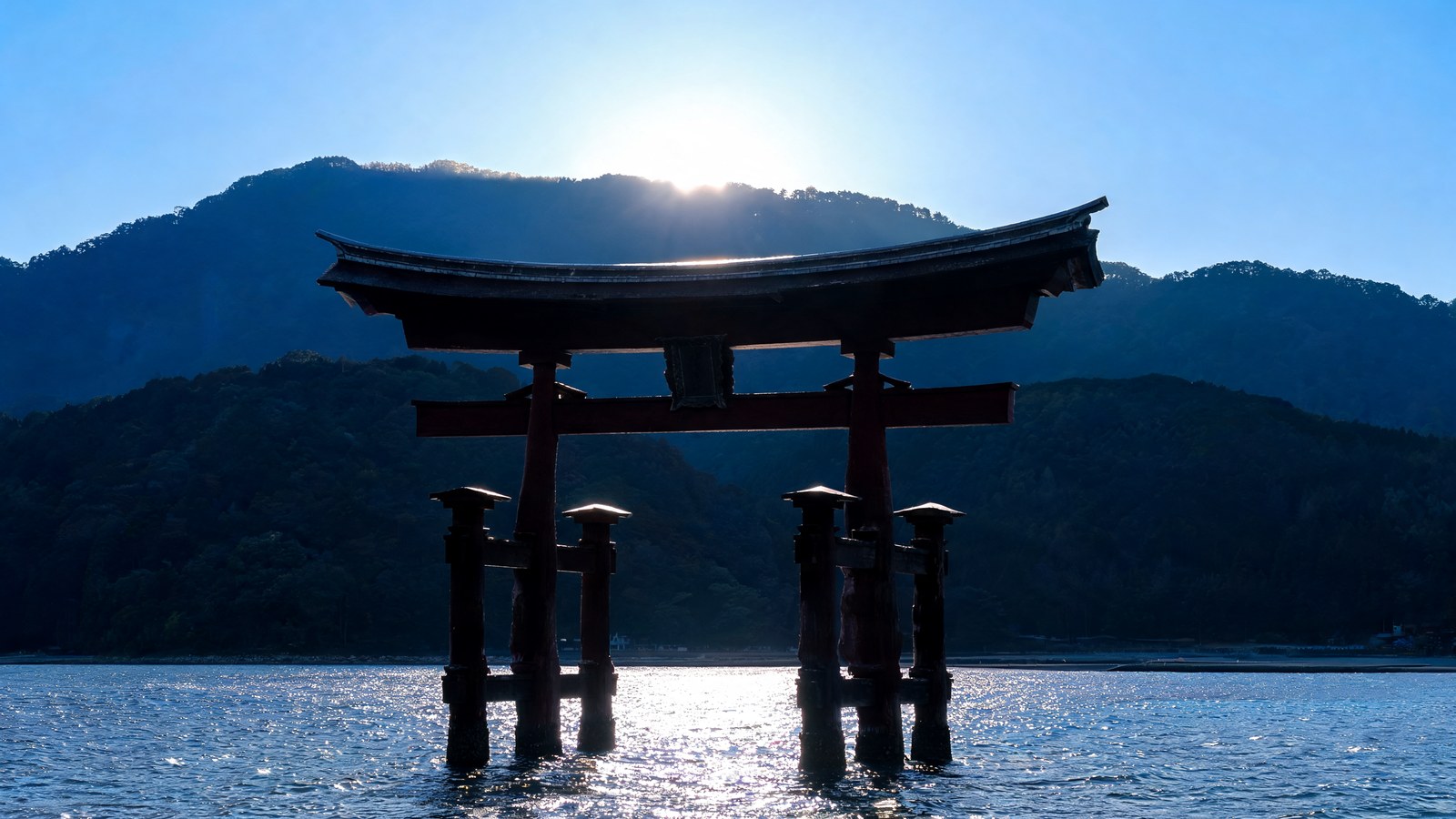
The Peace Memorial Museum makes the city a historical reckoning rather than a stop, and the right guide presents the narrative rather than simply documenting it. Miyajima by ferry in the late afternoon, the torii at high tide. Oyster kaiseki after — the prefecture grows Japan's finest.
Peace Memorial Miyajima Floating Torii
Explore →
Kanazawa, Chubu Region
Chubu Region
Kanazawa
What Kyoto was before the infrastructure arrived and remade it. Kenroku-en, one of Japan's three great gardens, is still walkable early without crowds. The Higashi Chaya teahouses still work as performance venues. Kutani ceramicists have held the same studios for three hundred years.
Kenroku-en Geisha District Crafts
Explore →
Rural Japan, Various Regions
Various Regions
Rural Japan
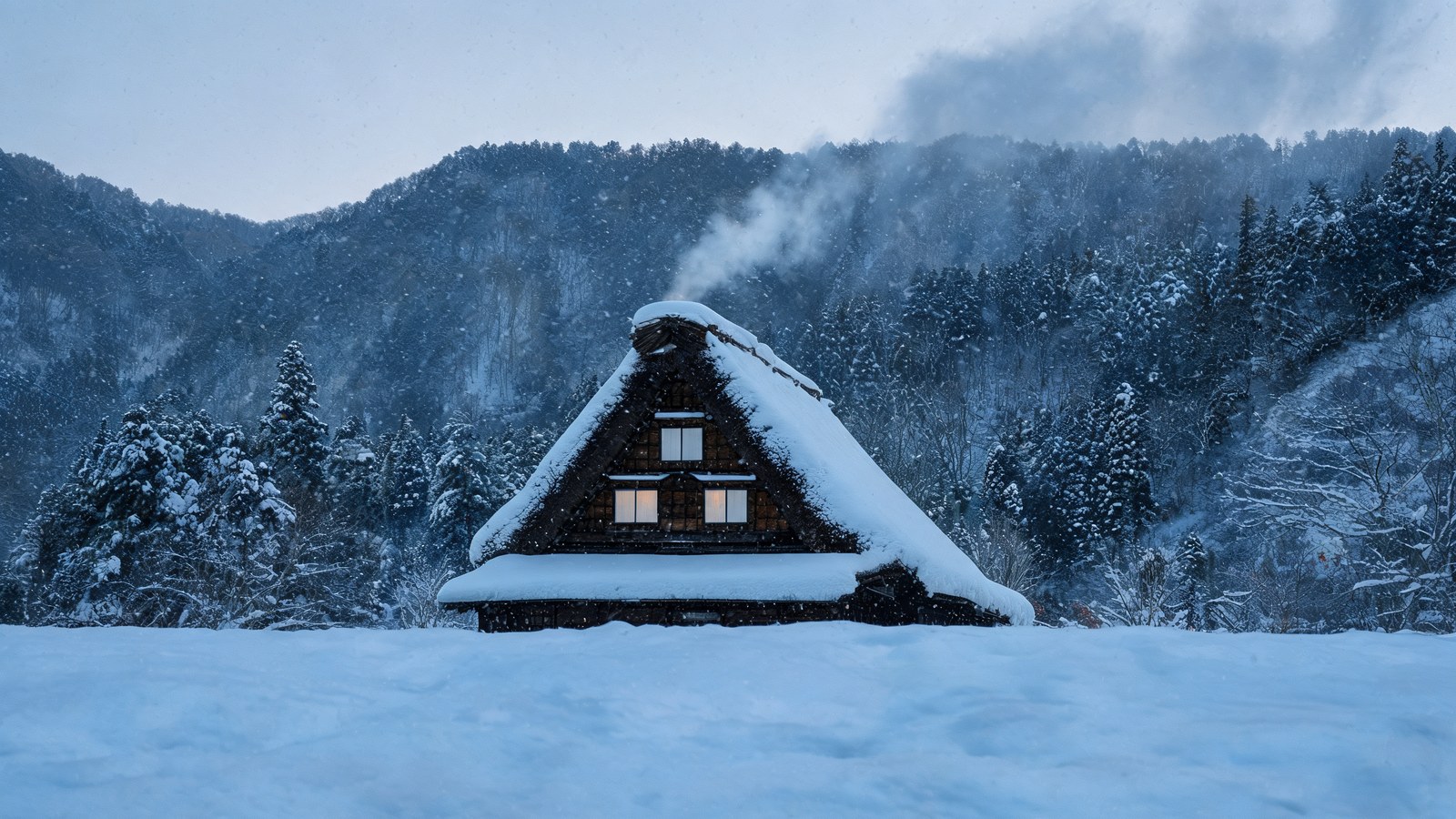
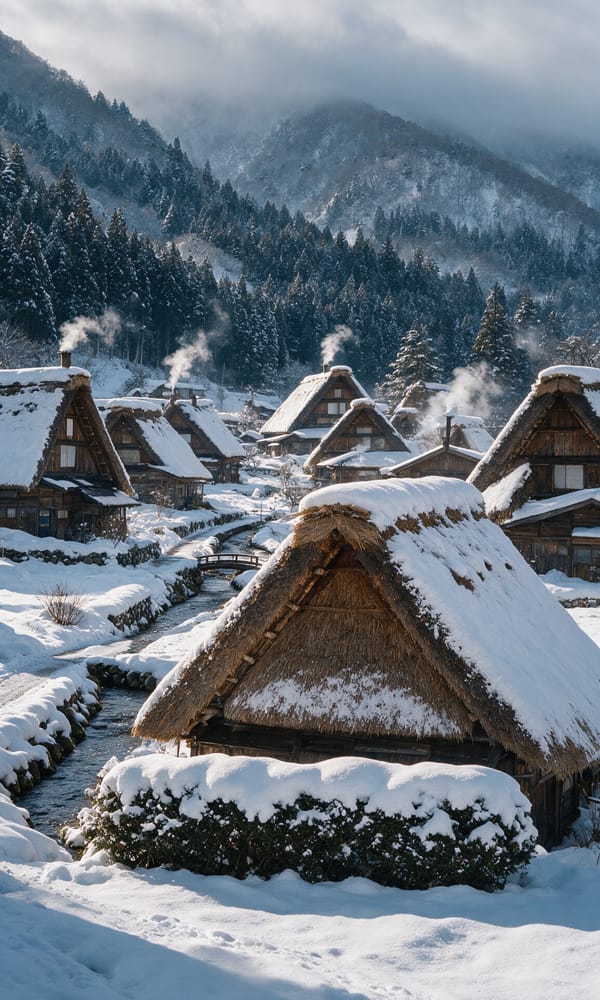
Shirakawa-go's gassho farmhouses, roofed steeply to shed the two meters of Gifu snow, are usually run as a day trip from Kanazawa — staying overnight in one converted to a minshuku is a different encounter entirely. Yakushima for cedar that has been growing for two thousand years.
Shirakawa-go Onsen Rural
Explore →
Featured Itineraries

Trips We Plan Often

Japan itineraries calibrated to the season, the specialist guides, and the depth in each city that the standard Golden Route itinerary consistently leaves behind.
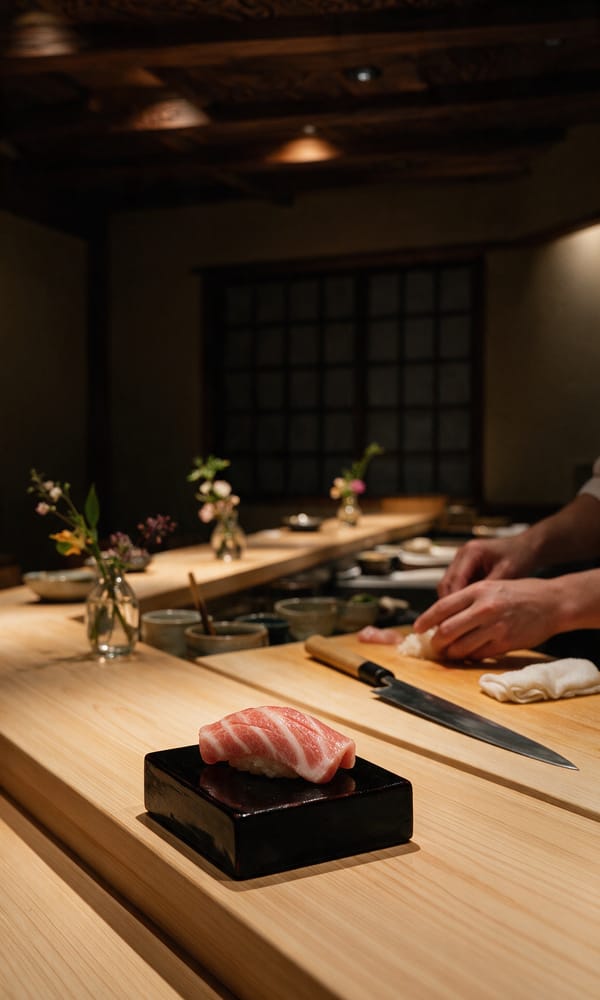
A single piece of tuna nigiri on a lacquer block at a hinoki omakase counter in Tokyo
Late March–April / Oct–Nov · 12–14 Days
Japan: Tokyo, Kyoto & Osaka
Four nights Tokyo with a food specialist guide for the Tsukiji outer market, a Yanaka neighborhood walk, and an omakase counter that requires an introduction rather than a booking. Shinkansen to Kyoto for five nights: a private tea ceremony with a school-trained practitioner, Fushimi Inari at dawn before the first visitor buses arrive, the Philosopher's Path in autumn color, and a machiya townhouse stay in the Higashiyama neighborhood. Two nights Osaka for the Kuromon Market morning and Dotonbori in the evening. One day Hiroshima and Miyajima, return to Osaka for the final night. The classic circuit, built around depth rather than coverage.
Japan12–14 Days
Plan This Trip
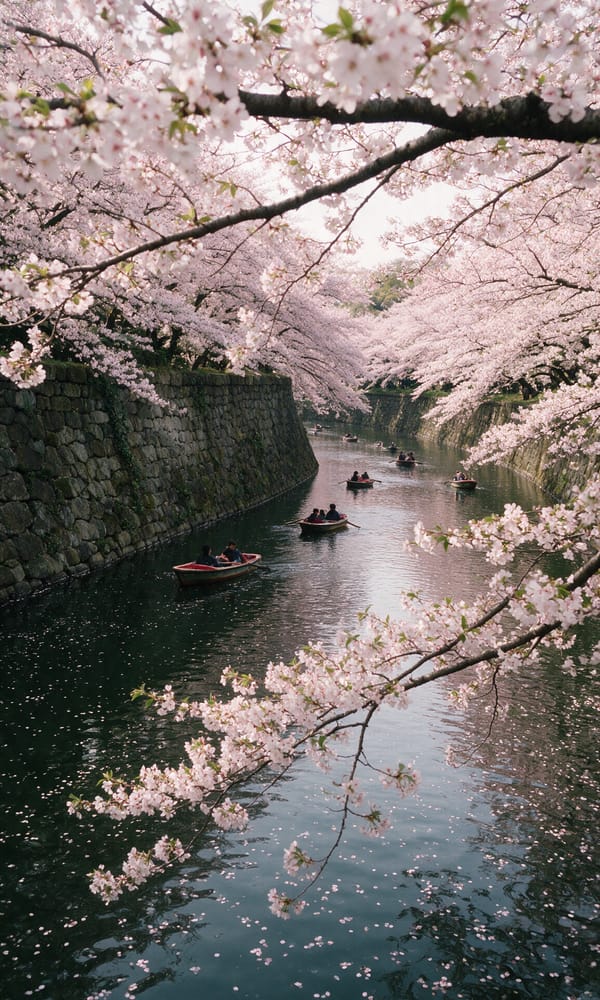
Cherry branches arching over rowing boats drifting through fallen petals on the Chidorigafuchi moat
Late March – Early April · 10–12 Days
Japan Cherry Blossom
Cherry blossom timing varies by up to two weeks between years and cannot be confirmed until six to eight weeks before the date. We track the JMA forecast and have planning conversations with clients well in advance to build itinerary flexibility. The peak window in Tokyo (Shinjuku Gyoen, Ueno Park, Chidorigafuchi canal) typically runs late March to early April; Kyoto (Maruyama Park, Philosopher's Path, Nijo Castle) follows by three to five days. Hirosaki in the north peaks in late April. A sequenced itinerary that moves north to south with the bloom provides two weeks of peak blossom rather than a concentrated three-day window. Accommodation must be booked a year in advance.
Japan10–12 Days
Plan This Trip
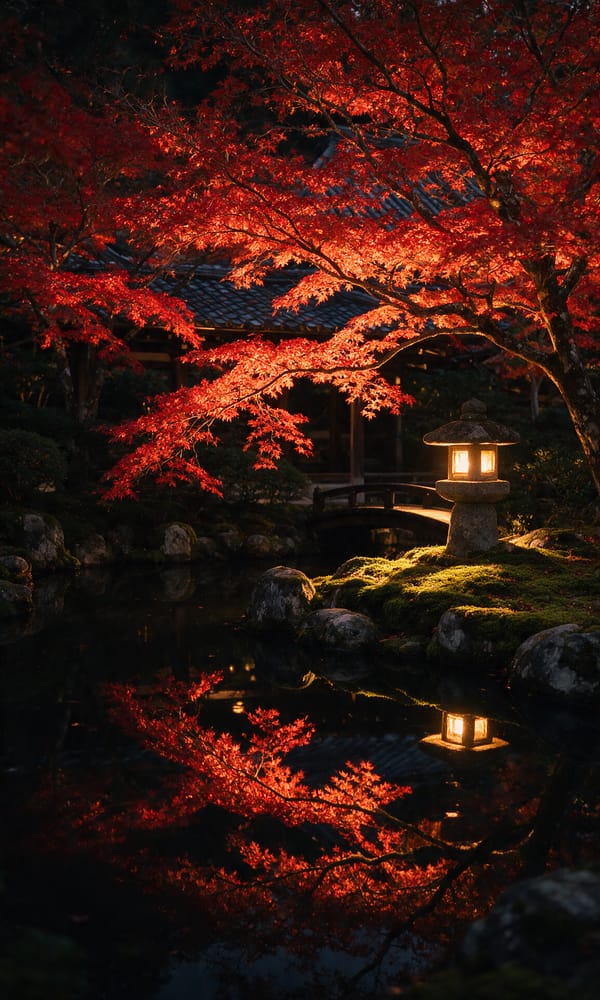
A floodlit red maple mirrored in the black pond at Eikan-do temple during Kyoto's autumn illumination
October – November · 12 Days
Japan Autumn
The autumn foliage circuit begins in the north: Nikko's temple complex in the Japanese Alps peaks in mid-October, producing a combination of Edo-period architecture and maple color that has no equivalent. Shinkansen to Kyoto for the peak foliage in Arashiyama's bamboo grove and Eikan-do Zenrin-ji temple, where the autumn illuminations run through November. Kanazawa for Kenroku-en's ginkgo alley in peak gold. The foliage moves south as November progresses — a well-timed twelve-day circuit that moves with it produces more peak-color days than staying in one city for the entire window.
Japan12 Days
Plan This Trip
Steep thatched gassho roofs under fresh snow in the mountain village of Shirakawa-go
Year-Round · 12–14 Days
Japan Off the Circuit
Tokyo (three nights, food specialist guide only) → Shinkansen to Kanazawa (two nights, Kenroku-en and Higashi Chaya district) → bus to Shirakawa-go (one night in a gassho farmhouse minshuku) → Kyoto (four nights, specialist temple and tea guide) → Hiroshima for the Peace Memorial and Miyajima (two nights) → Osaka out. The itinerary avoids the standard Golden Route structure — no Shinjuku Gyoen day trip, no Asakusa temple walk — without giving up the core of what Japan does best. For travelers who have done the standard circuit before and want the country from a different angle, or first-time travelers willing to skip the famous in favor of the genuinely excellent.
Japan12–14 Days
Plan This Trip
Why Plan With Us

What We Add to Japan Planning

Japan is the destination where the quality of the guide makes the largest single difference in the quality of the experience. Getting that right requires knowing who is working in each city at the specialist level.

Specialist Guide Access
A food guide in Tokyo who has spent fifteen years mapping the city by cuisine, neighborhood, and seasonal ingredient knows things that no search engine surfaces: which ramen shop changed its tare recipe last winter, which omakase counter has a new chef who trained under the master for a decade, which covered market still operates on a schedule that predates the tourist circuit. We maintain relationships with specialist guides in Tokyo, Kyoto, and Osaka whose depth of knowledge cannot be approximated by general guides, regardless of language skills.
Timing Around Shun
The seasonal food windows in Japan are specific enough to plan around: matsutake in October, fresh-run ayu sweetfish in June and July, shirako in the cold months, hamo eel in Kyoto in August. A kaiseki dinner in Kyoto in October tastes different from one in April, and knowing what the kitchen will be working with on the dates of your visit changes how we think about which restaurants to prioritize. We time itineraries around shun at the same level of precision we apply to the cherry blossom forecast.
Ryokan Selection
The traditional ryokan is Japan's most distinctive accommodation form and one of the most variable experiences in travel: the best deliver a level of anticipatory hospitality that has no equivalent in Western luxury hotels; commercially minded ryokan operate the format as a checklist of tatami mats and multi-course dinners without the spirit that makes the form meaningful. We know which properties in each region are operating with genuine intent and which are trading on the category name. The difference between the two is the difference between a Japanese cultural experience and an expensive hotel with futons.
Crowd Avoidance
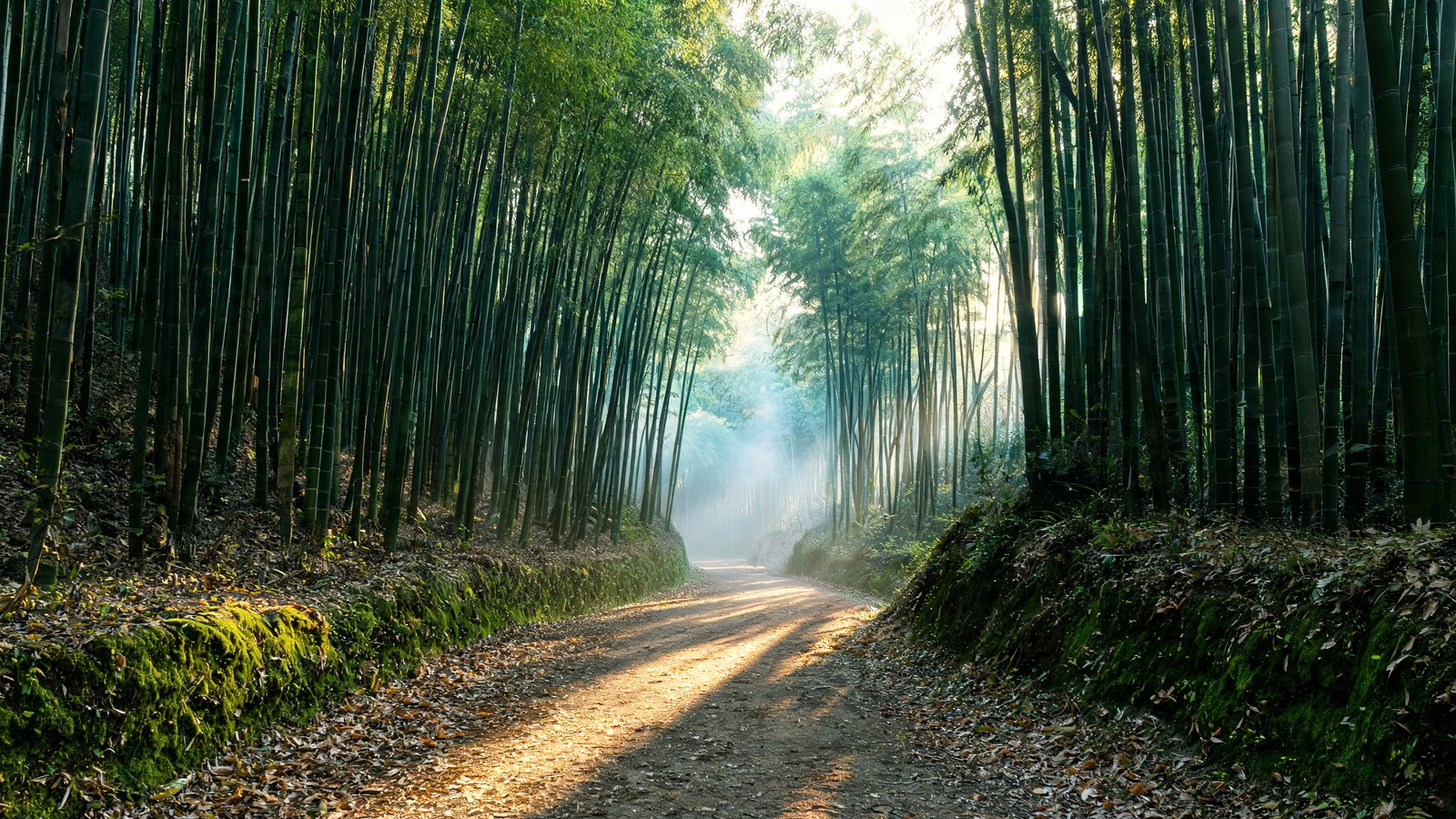
Fushimi Inari Shrine has ten thousand torii gates and, at 10am in April, has approximately that many visitors. At 5:30am, it has you, one photographer, and the sound of the wooden gates in the early morning breeze. Arashiyama Bamboo Grove is the same ratio between dawn and mid-morning. Knowing the specific times, the specific entry points, and the specific days of week when the crowd dynamics at Japan's most visited sites shift from overwhelming to extraordinary is operational planning knowledge that changes the experience materially.
When to Go

Japan by Season

Cherry Blossom Window
Late March – Early April
The most requested Japan window — and the one requiring the most lead time for accommodation (twelve months for the best ryokan, six months minimum for good hotels). The exact dates vary by up to two weeks annually based on winter temperature. Tokyo typically peaks late March to early April; Kyoto follows by three to five days; Hirosaki in the north runs late April. We track the Japan Meteorological Corporation forecast and help clients build flexible dates where possible. The crowds are real; the experience, with the right morning timing, is genuinely extraordinary.
Most Requested Window
Autumn Foliage
October – November
Japan's second most beautiful season — and, in our assessment, the better travel window for most clients. The foliage peaks mid-October in the north and progresses south through November, reaching Kyoto at its peak in mid-November. Crisp air, shorter days that compress the golden light, and autumn food culture (matsutake, kuri, kabocha) at its seasonal best. The crowds are smaller than cherry blossom season, accommodation is slightly easier to book, and the combination of foliage and autumn cuisine is as compelling as the blossom. For first-time travelers who can be flexible on season, this is frequently what we recommend.
Other Seasons
June–September & December–February
June and July are tsuyu — the rainy season — which dampens spirits and photography in equal measure; Kyoto in June rain has its own beauty but is not what most clients imagine. August is summer festival season (matsuri) with genuine cultural depth if the heat (35°C) is manageable. Winter — December through February — brings snow to Kyoto's temple gardens and Kanazawa, ski season in Hakuba, and the best omakase tuna season in Tokyo. The crowds are smallest in winter and accommodation rates are at their annual low. A genuinely excellent Japan option for the right traveler.
Ready When You Are

Plan a Japan Trip
Built Around Depth

Tell me when you want to travel, which season matters most, and whether this is your first Japan trip or a return. I'll come back with a city sequence, ryokan recommendations, and specialist guide options within one business day.

Plan a Japan Trip All Asia Destinations

No booking fees  ·  Response within 24 hours  ·  Fully bespoke

What It Costs

What Japan Actually Costs

$1,300–$2,500
per person, per day, land only. Ranges, not quotes.
What that includes
  • Luxury hotels and ryokan, with breakfast and selected dinners
  • Private transfers and guides
  • Reserved rail seats and key experiences
What it does not
  • International airfare
  • Most meals and luggage shipping
  • Premium train and air upgrades, plus gratuities
The two or three things that move it most
  • Cherry-blossom and autumn-foliage dates
  • Ryokan tier and luxury-train segments
  • Private guide-and-vehicle days versus rail

Editorial planning bands, not quotes — assembled from published rates and official fee sources, verified . Rates, permit costs and park fees change; confirm before booking. Source: Japan Rail Pass pricing.

Common Questions

Japan — FAQ

Questions we hear most when planning Japan — from timing cherry blossom to ryokan selection, city sequencing, and dietary accommodation for non-Japanese speakers.

Cherry blossom (late March–early April) and autumn foliage (mid-October through November) are the two peak seasons, each with genuine justification. Cherry blossom requires the most advance planning and has the largest crowds; autumn has the better food season and, in our view, the more complete travel experience. Spring is the more iconic Japan image; autumn is the one more clients prefer in retrospect. Winter is excellent for ryokan and ski culture with minimal crowds. June through September is the least recommended for most travelers — hot, humid, with tsuyu rains in June and July.

Less than most travelers expect at the practical level. The train system has English signage, convenience stores operate with point-and-pay simplicity, and Google Translate's camera function handles most menus in seconds. At the experiential level, the language barrier is significant: the authentic ramen shop, the sake bar with no English menu, the craft ceramics studio in a back alley — these experiences require either a guide or considerable comfort with navigating Japan in Japanese. This is where the specialist guide pays back far more than the cost.

A ryokan is a traditional Japanese inn: tatami rooms, futon bedding, yukata robes, multi-course kaiseki dinners, and onsen (hot spring) bathing. The baths may be shared or private. The experience ranges from extraordinary (family-run inns operating for generations with genuine omotenashi hospitality) to disappointing (commercial operations with tatami floors and mediocre food). The right ryokan for a given traveler depends on whether they want shared or private onsen, their comfort with communal spaces, and their appetite for the full kaiseki dinner format. We match travelers to the right property.

For a standard Tokyo-Kyoto-Osaka circuit, the JR Pass (currently around $400 for seven days) is approximately break-even with buying individual Shinkansen tickets. It becomes clearly valuable if you add Hiroshima, Kanazawa, or northern Japan destinations. The pass also covers the Narita Express airport transfer. The calculation changes annually with JR pricing; we provide a specific cost comparison as part of every Japan itinerary. The pass must be purchased before arriving in Japan, which adds a planning step that catches some travelers off guard.

Tokyo first is the more common routing, and the practical one. It has the direct Narita Express connection and acclimatizes you before the more culturally demanding Kyoto experience. Tokyo last allows departure from Osaka (connected to Kansai International) with the Kyoto and Osaka experiences still fresh, and some travelers find the energy and scale of Tokyo a better re-entry point to the modern world before flying home. Neither is wrong. We build the routing around which airport is cheaper to fly into and which experiences the client is most anticipating.

Three cities in twelve days is the sweet spot. Tokyo four nights, Kyoto four, Osaka two, with a Hiroshima day trip added from Osaka or Kyoto. Adding more cities — Kanazawa, Nara, Nikko — before the three-city circuit is properly explored tends to produce a trip that feels like a highlight reel rather than a genuine encounter with any of them. Japan rewards time in each place more than breadth across many. The exception is Kanazawa, which is best added to a second Japan trip for the traveler who already knows Tokyo and Kyoto well.

Twelve months ahead for the best ryokan. Nine months for quality hotels in Tokyo and Kyoto; six months is the absolute minimum for anything that doesn't involve two-star business hotels. Cherry blossom timing cannot be confirmed until six to eight weeks before the peak, which creates an uncomfortable planning situation — you must book accommodation a year in advance for dates that may be one to two weeks off the actual blossom peak. We help clients build itinerary flexibility where possible and track forecasts to adjust the sequence if timing allows.

Japan presents specific challenges for strict vegetarians. Dashi stock (made from bonito fish flakes) is foundational to most Japanese cooking, including many dishes described as "vegetable" in translation. Vegan travelers face significant menu limitations outside urban areas. Buddhist temple cuisine (shojin ryori) is inherently vegetarian and available at some Kyoto temples and specialized restaurants. We communicate dietary requirements in advance in Japanese for every restaurant reservation, and we avoid sending strict vegetarians to omakase counters where the menu cannot be modified. With advance planning, Japan is manageable; without it, it's difficult.
More questions answered on the Full FAQ Page
From the Journal

Read More on Planning Japan