
Southern Europe

Nothing Else in Europe
Covers This Much Ground.

Italy is the only European destination where the art history, the food culture, the wine, the architecture, the coastline, and the landscape all operate simultaneously at the highest level in the world. The problem is not finding things in Italy. It's knowing which guide, which agriturismo, which hour of the day at which site — the specific choices that determine whether you experience Italy or merely visit it.

Best Season
May – June
Best For
Art, Food
& Coastline
The Country

The Specialist Earns Back
Everything in Italy.

The best months for Italy are May–June and September–October. July and August are simultaneously peak tourist season and peak heat, and the Amalfi Coast in particular becomes difficult. Shoulder season delivers the same country with 30–40% fewer visitors, lower rates, and either wildflowers or the grape and truffle harvest depending which end you pick. Most itineraries run 10–14 days.

A generalist guide in Rome will tell you when the Sistine Chapel was painted. An art historian who specializes in Counter-Reformation iconography will explain what Michelangelo was arguing about salvation and the role of the Pope in the afterlife — an argument that reads directly from the ceiling if you know the visual language. The difference between those two experiences is the difference between seeing the Sistine Chapel and understanding what you're looking at. Italy is the destination where that gap is widest and where closing it produces the largest transformation in the travel experience.

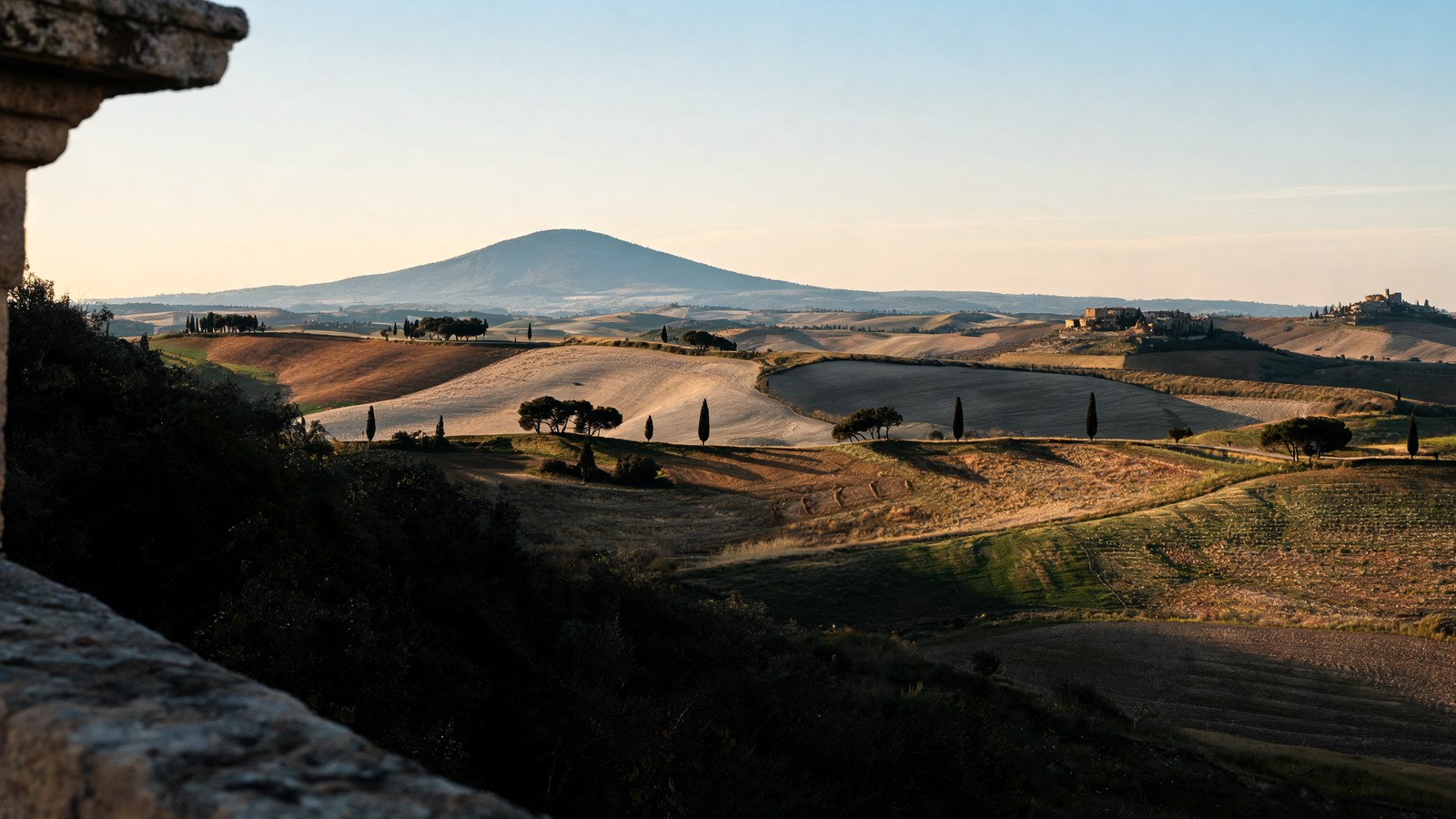
Tuscany rewards slow travel in a way that most itineraries don't allow. The Val d'Orcia landscape — cypress trees on ridgelines, stone farmhouses surrounded by wheat fields, the afternoon light that photographers fly from across Europe to capture in September — is not a destination you drive through on the way to the next hilltop town. It is a destination you remain in for two or three nights at an agriturismo that was producing wine before the current owners' grandparents were born, eating what the kitchen decided to make that morning based on what arrived from the garden.

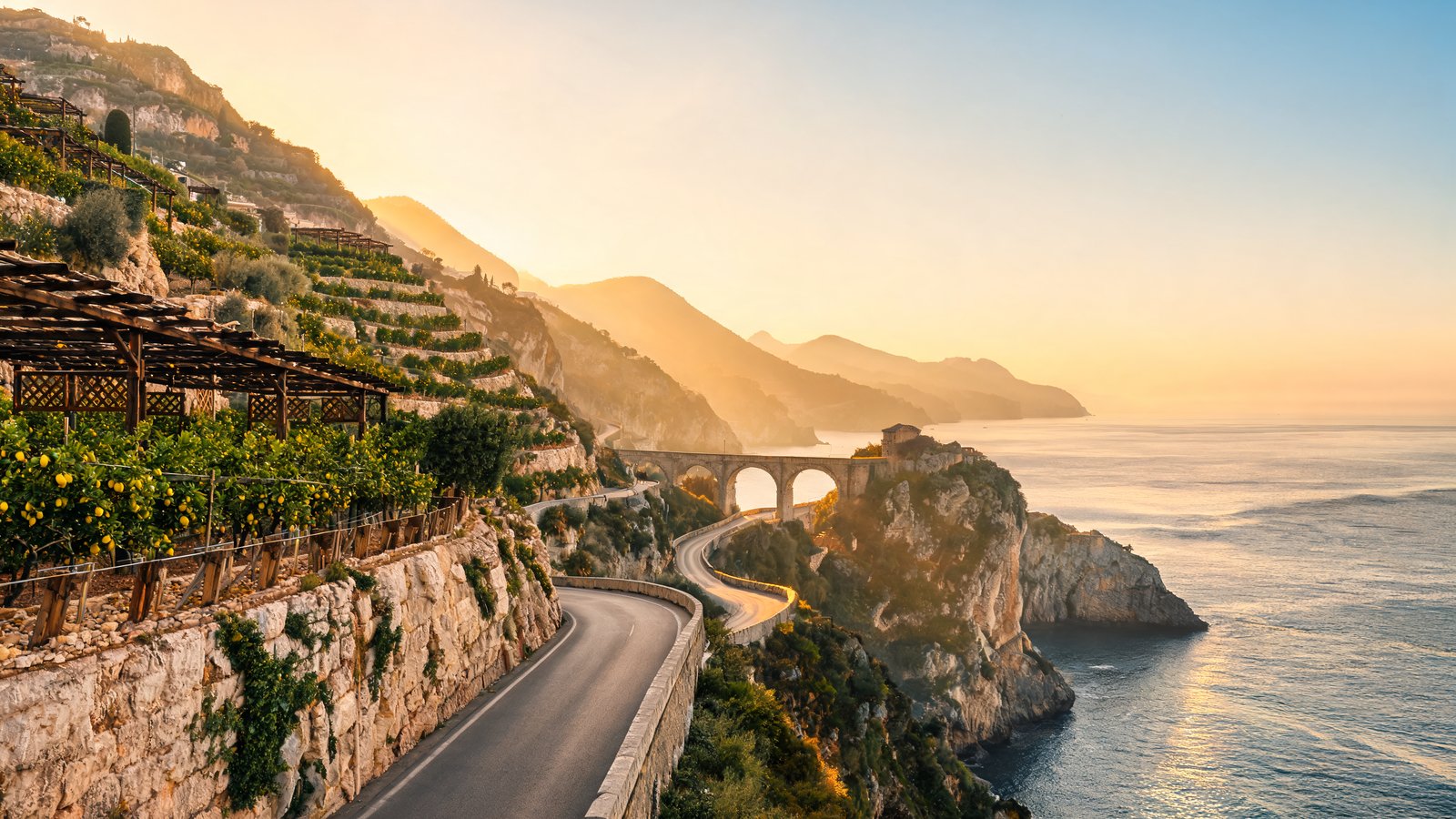
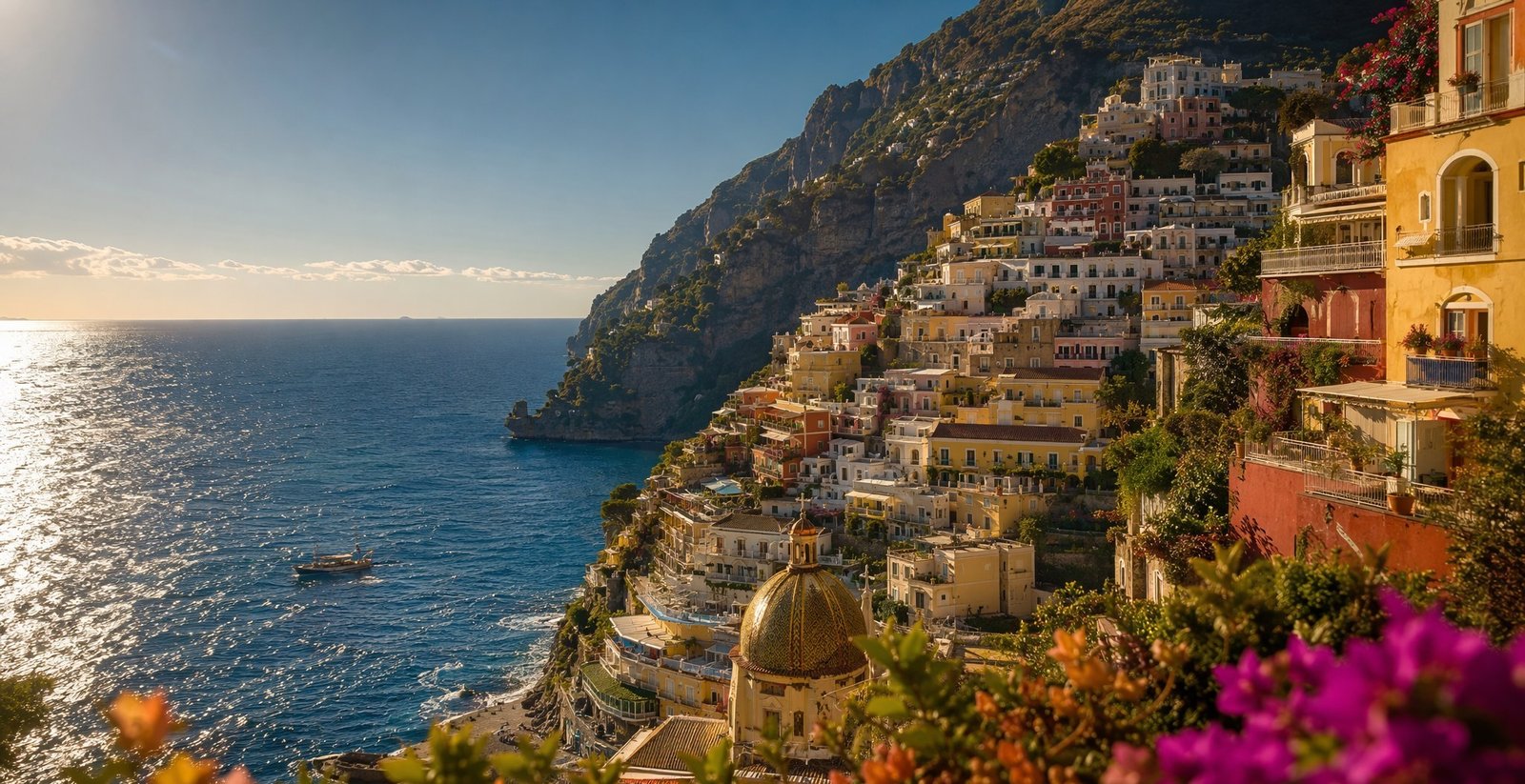
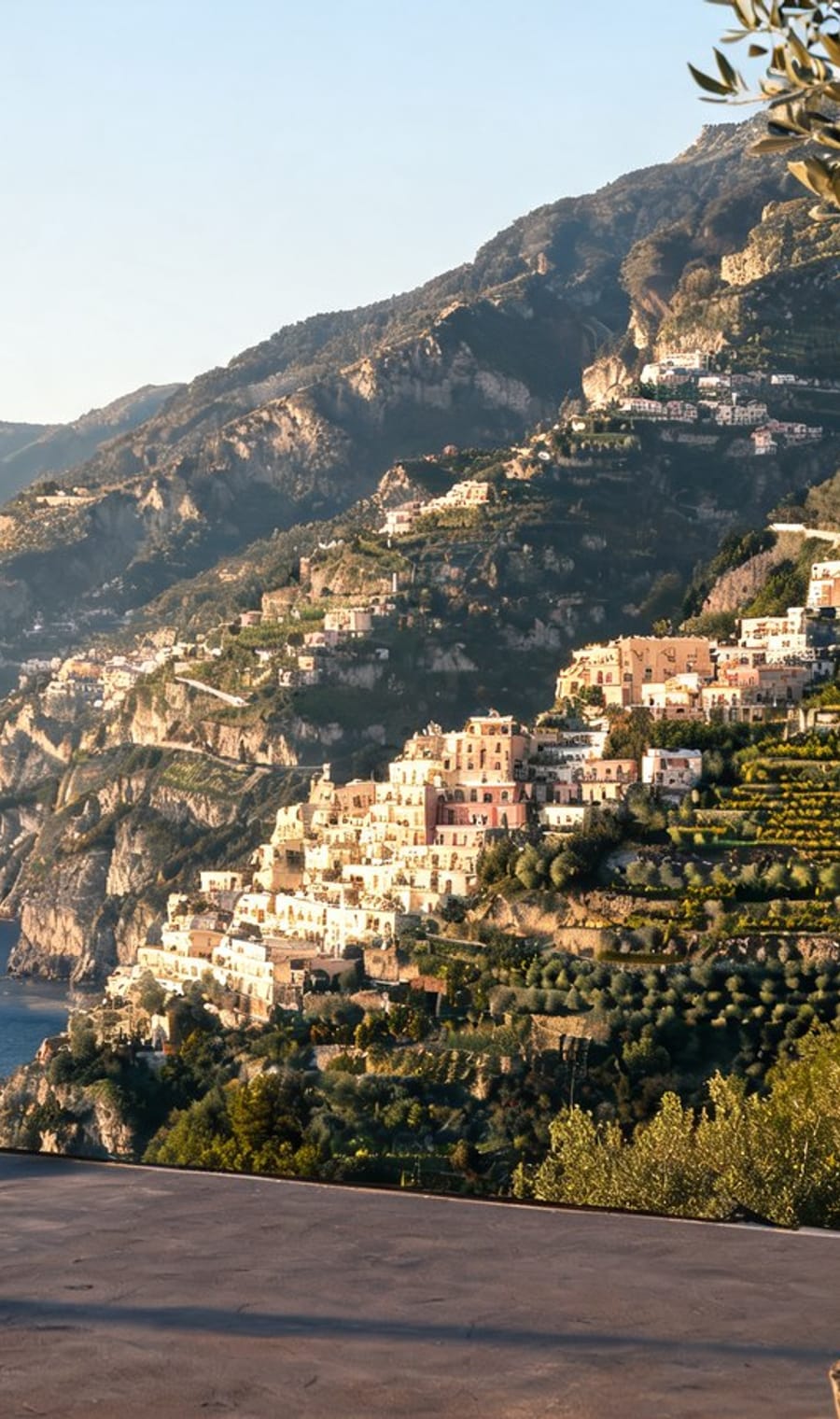
The Amalfi Coast has some of the most beautiful scenery in Europe and some of the most mismanaged tourist logistics in Italy. The timing of the visit — which town to sleep in versus which to visit for the day, which water access is private versus which route everyone takes — determines whether the Amalfi Coast is a revelation or a frustration. These are planning decisions, not luck.
Pastel houses stacked down the cliff to the sea on the Amalfi Coast
The Amalfi Coast · Italy
Where We Send Clients

Six Regions Worth Planning Properly

Italy has six genuinely distinct travel destinations operating at a world-class level simultaneously. Each has a different season, a different specialist, and a different version of the experience worth planning around.
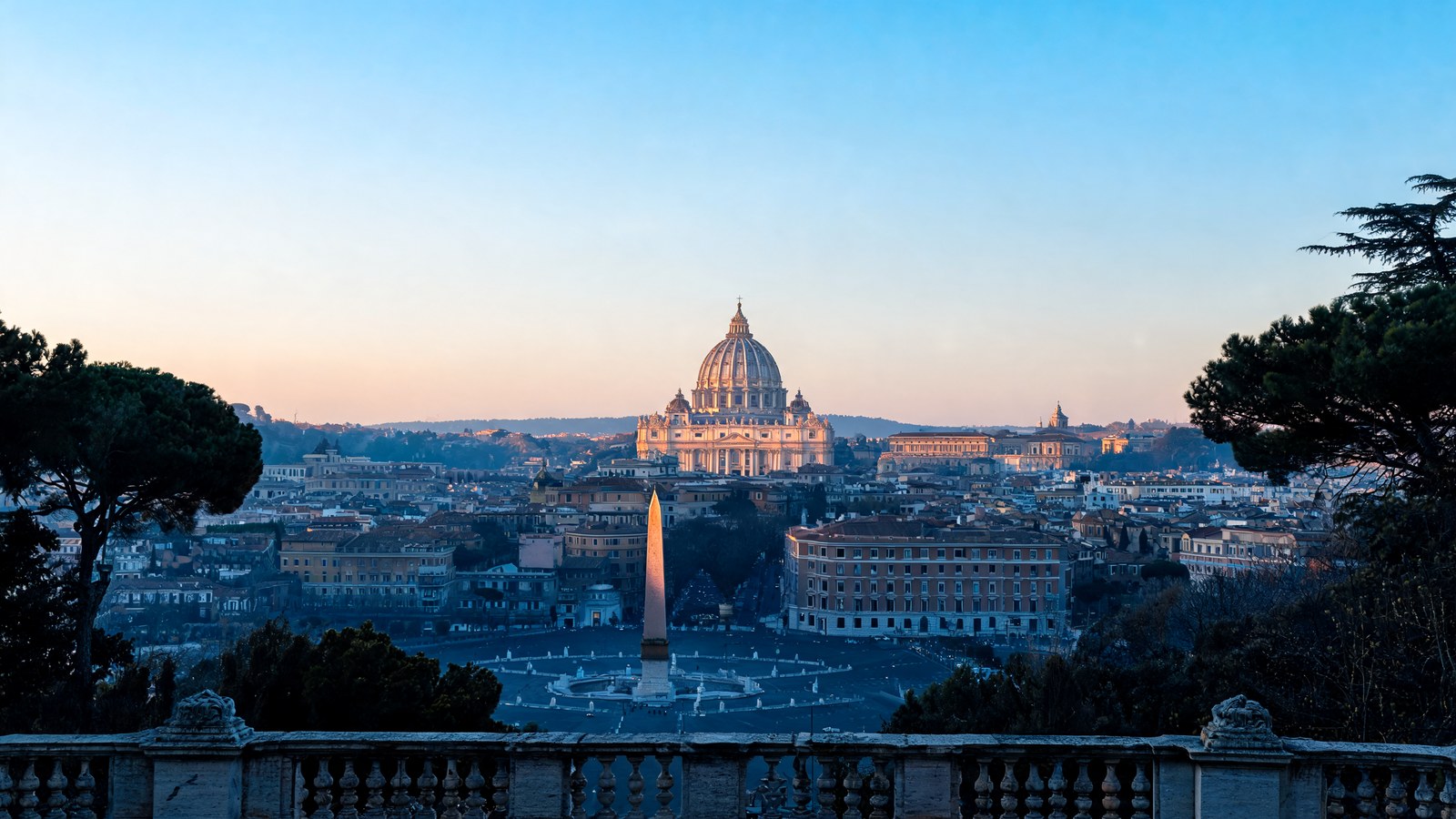
Rome, Lazio
Lazio
Rome
The Sistine Chapel at seven through the private early-access program, in a room that fills to capacity by nine. The Caravaggio route: seven churches with an art historian who explains the theological argument in each canvas. Trastevere for the osterie that take no reservations.
Early Access Caravaggio Trastevere
Explore →
Tuscany
Tuscany
Tuscany
The Uffizi with a guide who can explain what Botticelli was arguing in the Primavera, five centuries into the debate. Chianti by bicycle between Greve and Panzano. An agriturismo in the Val d'Orcia, and a Montalcino producer who pours Brunello from the barrel rather than the bottle.
Uffizi Chianti Val d'Orcia
Explore →
Amalfi Coast, Campania
Campania
Amalfi Coast
Ravello for the garden terraces — Villa Cimbrone at dawn, before the day visitors, with a view south across the Tyrrhenian that has no precedent in European garden design. Positano by the week rather than the night. Capri by private boat, reaching the Blue Grotto before the rowing boats.
Ravello Positano Private Boat
Explore →
Venice, Veneto
Veneto
Venice
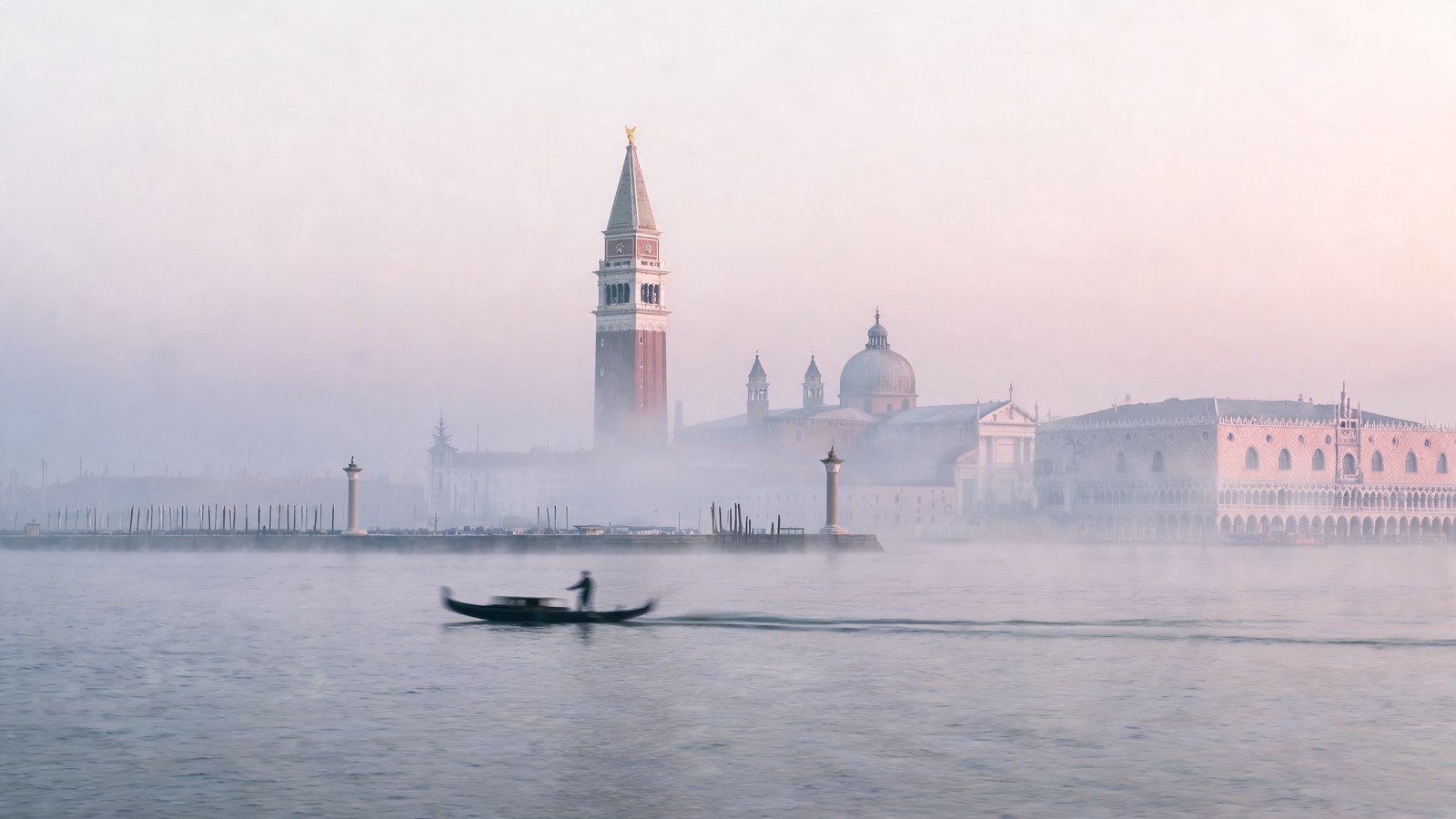
The Rialto Market at six with a chef buying the lagoon bycatch that never reaches public hours. Murano by private water taxi after the tourist boats leave, with a maestro whose family has worked the same furnace since the 16th century. Burano and Torcello, and why Venice was built here.
Rialto Murano Lagoon
Explore →
Sicily
Sicily
Sicily
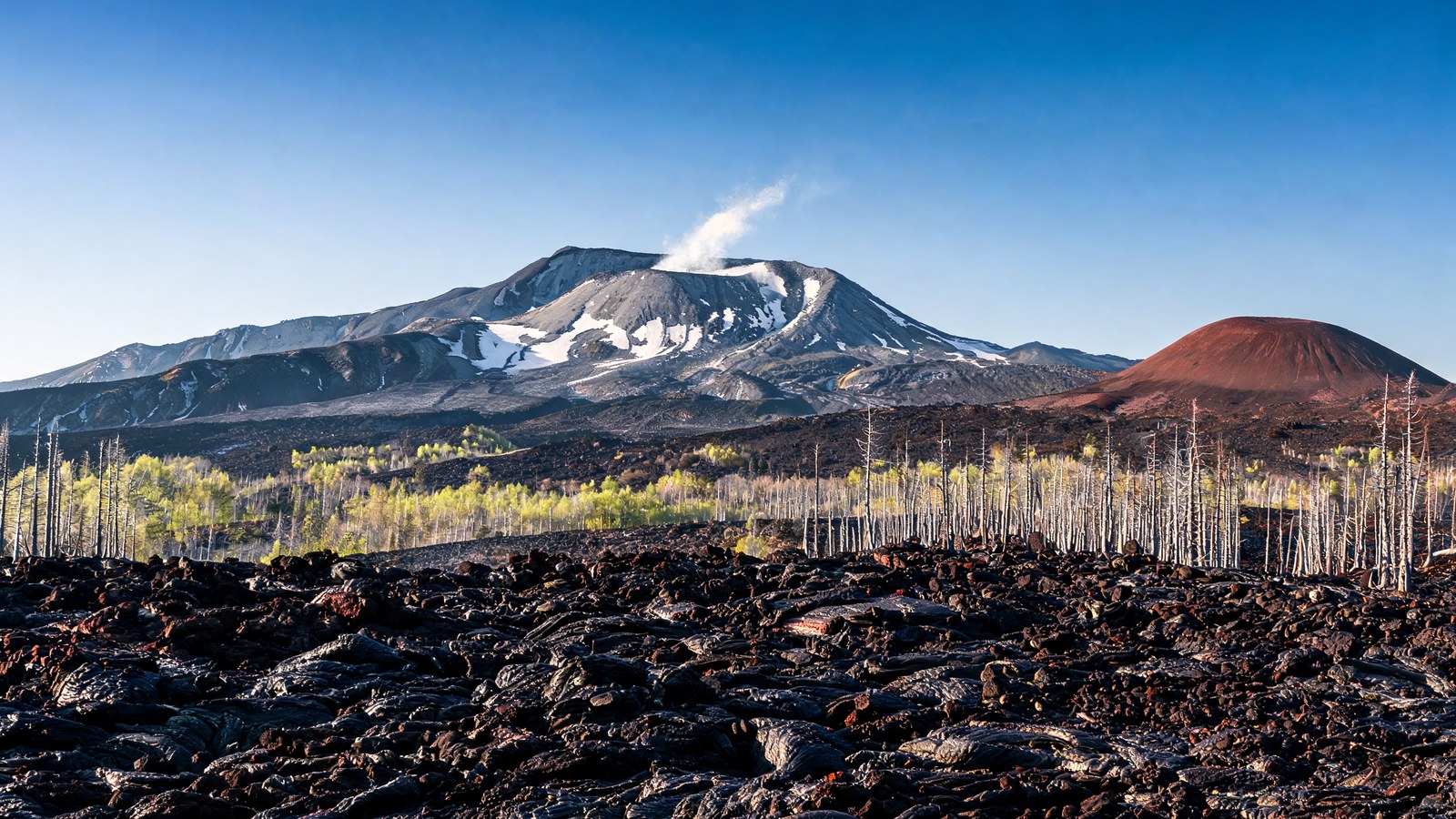
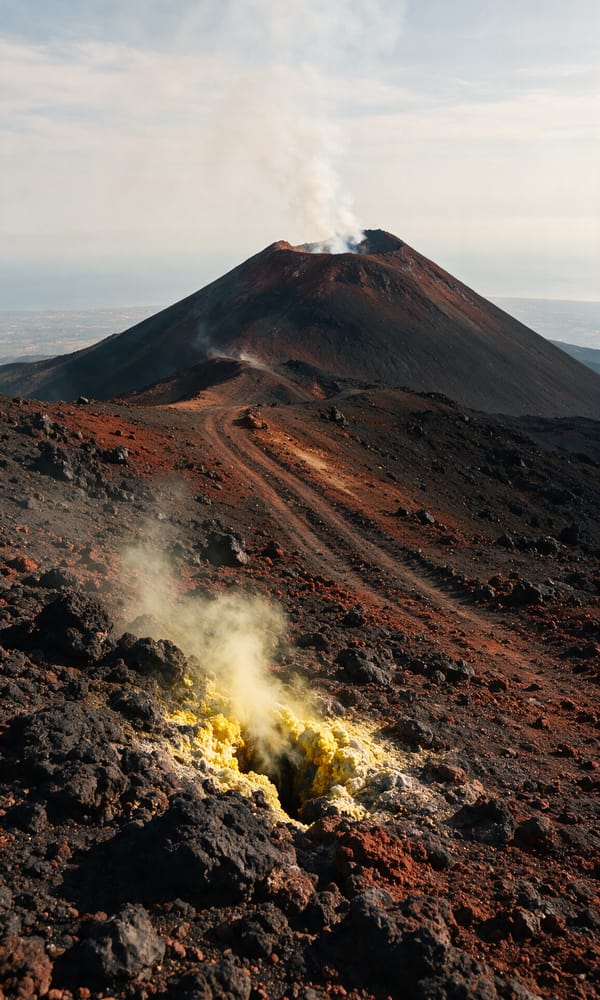
Palermo's Ballarò Market has run for a thousand years, since the Arab traders whose souk still underlies the layout. The street food here — arancini, sfincione, panelle, stigghiola — exists nowhere else with any fidelity. Etna by 4WD with a volcanologist, across a field that cooled in 2002.
Palermo Temples Etna
Explore →
Puglia, Apulia
Apulia
Puglia
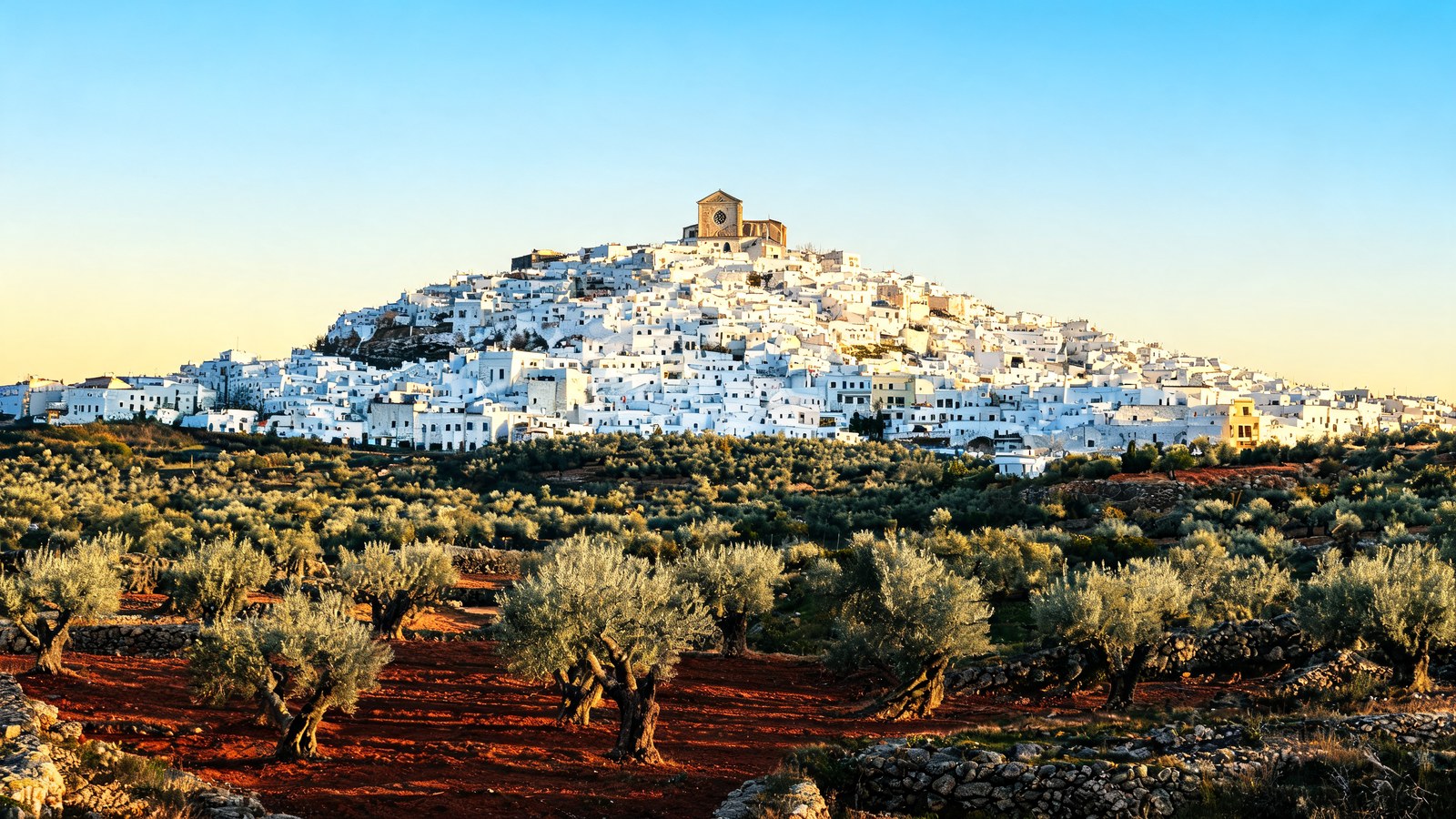
Alberobello's trulli are built without mortar, so they could be pulled down quickly to dodge taxation. Ostuni the White City above the olive groves. Lecce for Baroque that outpaces Rome in ambition. A masseria stay through the October harvest, when the Leccino olives go to first press.
Trulli Masseria Olive Harvest
Explore →
Featured Itineraries

Trips We Plan Often

Italy itineraries built around the art historians, the food specialists, the agriturismo selections, and the specific hours at specific sites that convert a visit into something more.
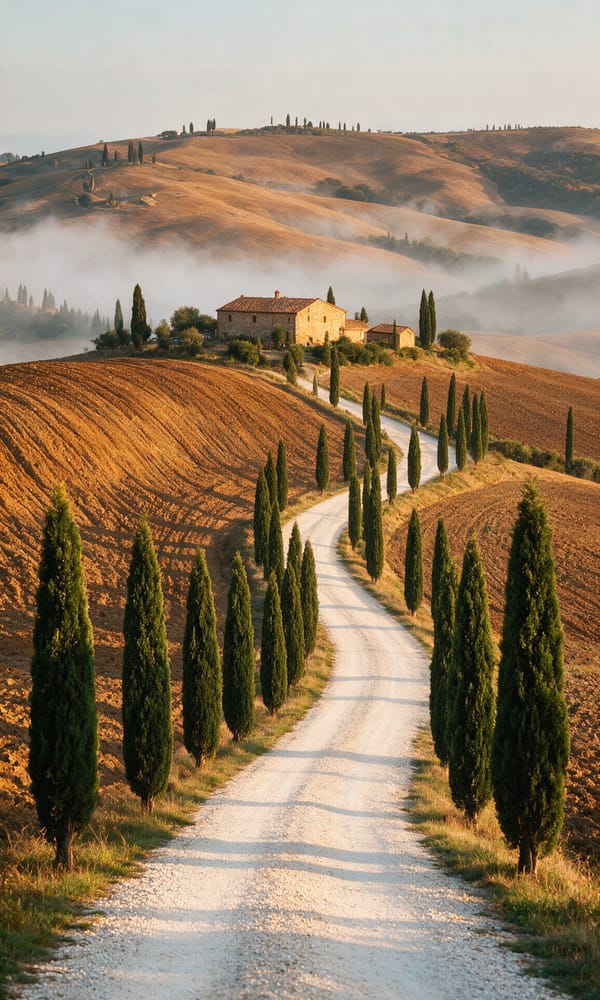
A gravel road curving between cypresses toward a stone farmhouse on a misty Val d'Orcia ridge
May–June / Sept–Oct · 10–12 Days
Rome & Tuscany
Three nights Rome: private early Vatican access (Sistine Chapel before crowds), the Caravaggio route across seven churches with an art historian, dinner in Trastevere with a food guide. Train to Florence for two nights: the Uffizi with a specialist who teaches the Botticelli argument rather than the dates. Drive to Chianti for two nights in an agriturismo producing Chianti Classico — a winery visit, a bicycle day through the vineyards, a lunch in the farmhouse kitchen. Move south to Siena for one night and the Val d'Orcia for two nights — the cypress ridgeline landscape in the late September light is the Tuscany most people imagine and fewer actually sit inside. Return to Rome for one final night and the flight home.
Italy10–12 Days
Plan This Trip
Steaming sulphur vents in black lava on the upper slopes of Etna above the hazy coast
May / September · 12–14 Days
Amalfi & Sicily
Fly into Rome for one night, then fly Naples for the Amalfi Coast: three nights Positano (villa access), two nights Ravello (garden and cliff views), a Capri day by private boat. Fly from Naples to Palermo for the Sicilian half: two nights Palermo (Ballarò Market morning, street food circuit with guide), drive east to Agrigento for the Valley of the Temples at sunset, two nights near Etna for the volcanic landscapes (4WD summit approach with a guide who knows the 2002 flow), finish in Catania for the final night before the flight home. Two of Italy's most distinct landscapes and food cultures in a single itinerary that gives each room to register.
Italy12–14 Days
Plan This Trip
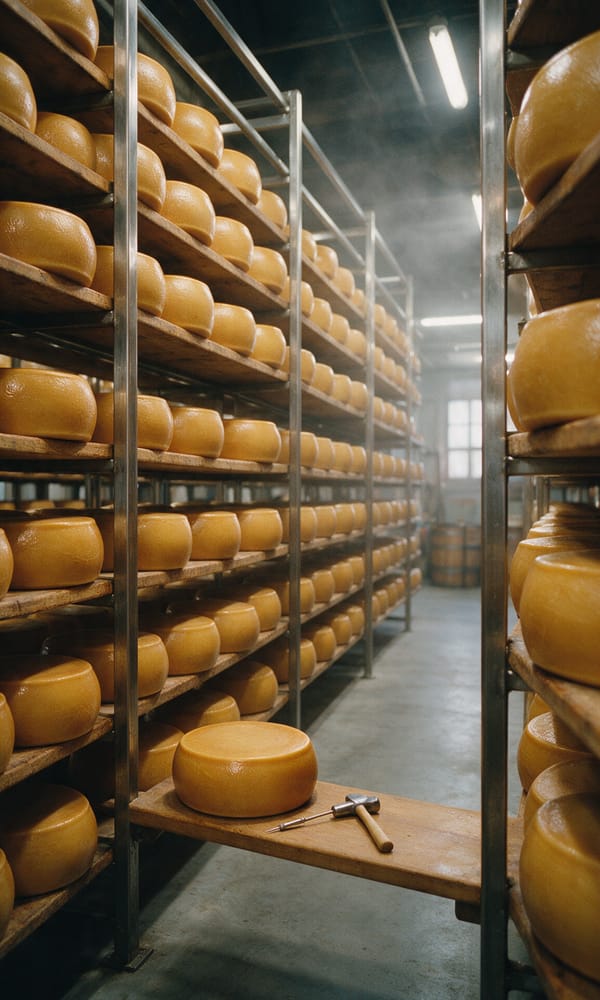
Racks of golden Parmigiano-Reggiano wheels stacked to the ceiling down a narrow ageing-room aisle
September – October · 12–14 Days
Italy Food & Wine
The harvest season circuit: Bologna for two nights (the food capital of Italy, not Rome or Florence — the city where Emilia-Romagna's production of Parmigiano-Reggiano, prosciutto di Parma, and mortadella is at the source). Drive to the Parmigiano-Reggiano caseifici and the prosciutto aging rooms in Langhirano. North to Barolo in Piedmont for two nights during the Nebbiolo harvest — a barrel tasting with a producer whose vines are on the Cannubi hill. Drive south to Chianti for two nights (the Sangiovese harvest, October) and finish with three nights on the Amalfi Coast in the off-season quiet, when the coast is at its most accessible and the lemons are at their October peak.
Italy12–14 Days
Plan This Trip
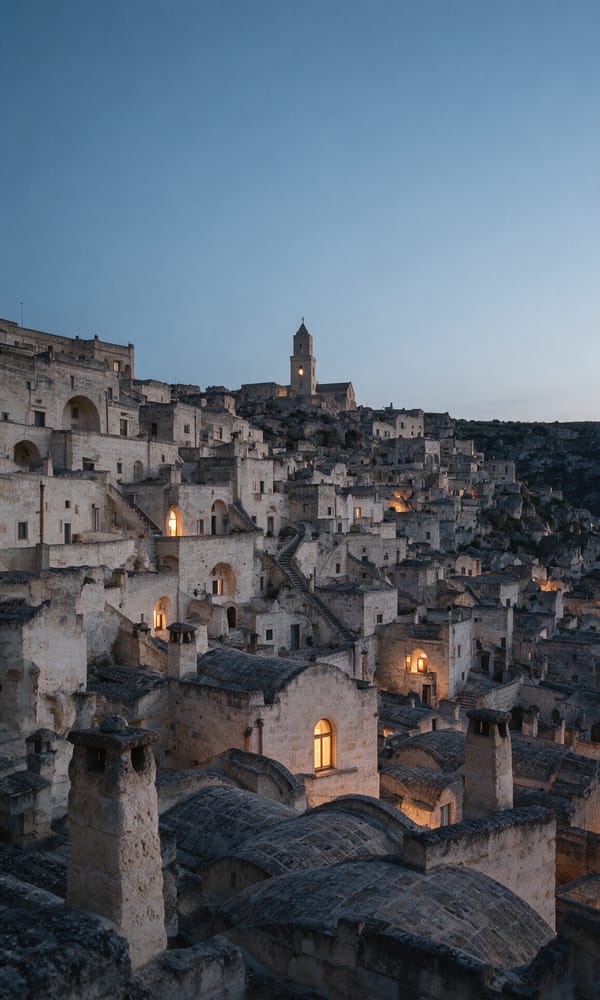
Tufa cave houses and stone stairways stacked up the Matera ravine at blue hour
May–June / September · 10 Days
Italy South: Puglia & Basilicata
Fly into Bari, overnight in the old city quarter, then south to Alberobello for the trulli district — staying in one converts the experience from architectural tourism into domestic understanding. Drive to Matera (the Sassi cave city, inhabited for 9,000 years and abandoned in the 1950s for being a national embarrassment, then rehabilitated into one of Italy's most extraordinary UNESCO sites) for two nights. East to Lecce for the Baroque district and the Leccino olive groves in the Salento flatlands. South to Otranto and the Adriatic coast. Masseria dinner in the olive country between Lecce and Brindisi. The south of Italy that most travelers reach Rome and stop before finding.
Italy10 Days
Plan This Trip
Why Plan With Us

What We Add to Italy Planning

Italy is the destination where the specialist guide makes the largest and most immediate difference — in Rome, in the Uffizi, in the wine country. Getting the guide right here changes the entire trip.

Art Specialist Access
The Sistine Chapel contains a complete theological argument about salvation, predestination, and the relationship between the Old and New Testaments — an argument that was controversial in 1512 and that Michelangelo encoded carefully enough to keep himself out of trouble while saying exactly what he meant. A specialist who has been teaching this ceiling for twenty years reads it differently than a guide who explains the dates and the commissions. The same applies to the Uffizi, the Caravaggio churches, the Baroque of Lecce. Italy's art rewards the specialist at every level.
Seasonal Timing
September in Tuscany beats July by every measure: lower temperatures, harvest-season food, fewer tourists at the main sites, the autumn light that photographers specifically plan around, and rates at the agriturismi that drop 20–30% from peak. The Amalfi Coast in May is warm but uncrowded; in August it is warm and a logistics problem. Puglia in June is excellent; in August the same roads and restaurants are shared with the entirety of Italian domestic summer tourism. We time itineraries around the specific season where each destination delivers its best version.
Property Selection
The agriturismo category in Tuscany and Puglia ranges from extraordinary working farms where the kitchen uses what the land produced that week to commercial operations that call themselves agriturismi while buying produce from the wholesale market. The boutique hotel category in Rome includes properties that operate with genuine curatorial intelligence about the neighborhood they occupy and properties that operate a business in a beautiful building. The villa rental on the Amalfi Coast ranges from cliff-edge perfection to a flat above a parking garage with a view. These distinctions are invisible in a listing. Navigating them takes direct contact with the properties and honest reports from the clients we send.
The Crowd Equation
Positano at 9am on a Tuesday in July has more day visitors from the tour boats than the streets can absorb. At 7am on the same Tuesday, it has the local baker opening the bread oven and the fishing boat coming in from the night catch. Fushimi Inari in Kyoto and Fushimi Inari in Rome have the same dynamic: the same site, the same hour of the day earlier, a fundamentally different experience. We know which sites in Italy have meaningful crowd windows, which have no good window (avoid the Trevi Fountain at any hour in July), and which are consistently overestimated for difficulty and worth planning around correctly.
When to Go

Italy by Season

Spring Season
May – June
The best general Italy window for most travelers: warm but not yet oppressively hot, wildflowers in Tuscany and Umbria, pre-peak crowds at the major sites, and the spring food calendar (asparagus, artichokes, fresh peas, early strawberries) at its best. The Amalfi Coast is ideal in May before the August ferry crowds. Rome and Florence are still manageable in June before the main summer tourist wave arrives. Accommodations are available with reasonable lead times and at below-summer rates. For a first Italy trip or a return with a focus on the northern regions, May through early June is the window that most consistently delivers.
Best Overall Window
Harvest Season
September – October
Italy's second season — and, for wine, food, and Tuscany specifically, arguably the better one. The grape harvest runs September through October depending on variety and altitude; the olive harvest begins in October; the truffle season opens in Piedmont and Tuscany in October and November. The light in September across the Val d'Orcia and the Chianti hills is the light in the photographs. Tourist pressure at major sites drops significantly from August peaks. Sicily and Puglia are excellent in September — warm enough for coast and beach, cool enough for walking the archaeological sites. Rates at most properties drop 15–25% from peak.
Peak & Off Season
July–August & November–April
July and August are Italy's peak season: hot, crowded at all major sites, and expensive everywhere that tourism is the primary industry. The Amalfi Coast in August is the clearest example of a destination that should be avoided in its peak month. Rome and Florence in July require early-morning starts for every museum visit. November through April is Italy's off season — fewer tourists, lower rates, and the art at its most peacefully viewable, but many Amalfi and island restaurants and hotels close entirely. Rome and Florence are year-round destinations; the coasts and islands are not.
Ready When You Are

Plan an Italy Trip
That Goes Below the Surface

Tell me which regions interest you, whether you want art, food, wine, coast, or a combination, and when you can travel. I'll come back with a specific itinerary, guide recommendations, and property suggestions within one business day.

Plan an Italy Trip All Europe Destinations

No booking fees  ·  Response within 24 hours  ·  Fully bespoke

What It Costs

What Italy Actually Costs

$1,000–$1,800
per person, per day, land only. Ranges, not quotes.
What that includes
  • Luxury rooms with breakfast
  • Private transfers throughout
  • Expert guides, priority admissions and selected meals
What it does not
  • Transatlantic airfare
  • Most meals and wine
  • Premium rail unless stated, and gratuities
The two or three things that move it most
  • Region — the Lakes, the Amalfi Coast and Venice set the ceiling
  • Room and view category
  • Private access, boat days and driver days

Editorial planning bands, not quotes — assembled from published rates and official fee sources, verified . Rates, permit costs and park fees change; confirm before booking. Source: Vatican Museums admission.

Common Questions

Italy — FAQ

Questions we hear most when planning Italy — from the Rome vs Florence debate to Vatican access, Amalfi Coast logistics, and the best time to visit each region.

May through June and September through October. The summer months (July–August) are Italy's peak tourist season and peak heat season simultaneously — the combination makes the major sites difficult and the Amalfi Coast genuinely challenging. Spring and autumn offer the same Italy with 30–40% fewer visitors, lower accommodation rates, and seasonal food (wildflowers in spring, harvest and truffles in autumn) that adds a layer unavailable in summer. For wine country specifically, September and October during the harvest are the definitive window.

Neither wins: give Rome three nights, Tuscany three, Florence two, and the remaining time to the coast or south. Within the Tuscany block, spend one or two of those nights in a Val d'Orcia agriturismo. Rome and Florence are not competing — they cover different chapters of Italian history (ancient Rome through Baroque; medieval and Renaissance respectively) and different art traditions. The mistake is trying to do both properly in fewer than five combined nights, which produces a highlights reel in each city rather than depth in either. If forced to choose for a shorter trip, Rome for the art range; Florence for the Renaissance concentration.

Yes, categorically. The Sistine Chapel at 7am with pre-arranged private access contains approximately thirty people and the frescoes. The same chapel at 10am contains approximately three hundred people, a continuous recorded audio announcement asking visitors to be quiet, and very little ability to stand still and look at the ceiling without someone's arm in your peripheral vision. The theological argument that Michelangelo encoded in the ceiling takes concentration and stillness to receive. Early access provides both. The premium is justified by the transformation in the experience, not as a luxury add-on.

Positano for the most iconic view and the best access to private water. Ravello for altitude, garden culture, and significantly fewer day visitors (it's at the top of the cliff, not the bottom). Amalfi town for the most central logistics and the closest proximity to the actual production of the lemon products that are sold everywhere else on the coast. Praiano as a quieter alternative to Positano with similar cliff and sea access. The choice depends on whether you want the postcard view (Positano), the retreat feeling (Ravello), or the practical base (Amalfi). We match based on travel style and group composition.

For the Val d'Orcia, the Chianti wine country, and the Maremma coast: yes, unambiguously. The experience of Tuscany that most travelers imagine — driving the cypress-lined lanes, stopping at a winery without a schedule, arriving at a hilltop village when the light is right rather than when the tour bus arrives — requires a car. Florence and Siena are accessible by train. The agriturismo stays in the countryside between them are not. Driving in Italy is dramatically less intimidating than its reputation; the roads in the Chianti hills are quiet and scenic. We recommend the self-drive option to every client who is comfortable driving in Europe.

Both work. Sicily standalone for seven to ten days — Palermo, Agrigento, Etna, Ragusa, Catania — is a complete and coherent trip that requires no justification by reference to the mainland. As an add-on to Rome and the Amalfi Coast, it adds the archaeological grandeur of the Valley of the Temples and the culinary distinctiveness of the Palermo street food circuit. Sicily is not "just another Italian region" — it has Arab, Norman, Greek, and Baroque layers that are absent from the mainland entirely, and a food culture that is closer to North Africa than to Tuscany. It rewards allocation as a primary destination.

Train for city-to-city connections (Rome to Florence in 90 minutes, Florence to Bologna in 37 minutes, Rome to Naples in 70 minutes). Italy's high-speed rail is genuinely world-class. Private transfers for Amalfi Coast logistics, agriturismo arrivals in the Chianti hills, and airport connections where taxi queues are genuinely long. A hybrid approach — train between cities, rental car or private driver for the countryside — is the most efficient structure for most itineraries. Trenitalia's high-speed Frecce trains are bookable online and require reservations; point-to-point tickets are usually more economical than passes for most itinerary structures.

Excellent, with one important planning note about restaurants. Italy's restaurant culture is designed for groups and families, and solo diners occasionally encounter staffing that allocates them to the worst table in the room with minimal service attention. Booking in advance with the specific note that you are dining solo, and knowing which restaurants are specifically welcoming of solo diners (usually the counter-culture trattorie and wine bars rather than the white tablecloth restaurants), converts this from a frustration into a non-issue. The art, the transportation, the accommodation, and the general safety situation are all highly amenable to solo travel. Rome and Florence specifically have excellent solo traveler infrastructure.
More questions answered on the Full FAQ Page
From the Journal

Read More on Planning Italy