
Southern Europe

Where History and
Landscape Are
the Same Thing.

Greece is the destination where history is not separate from landscape — the temples stand on the headlands, the theaters are carved into the hillsides, and the harbors still look like what Odysseus left when he sailed for Troy. The work of planning Greece is choosing which version you want: the island archetype, the Peloponnese road trip, the Athens deep dive, or the combination that converts a Greek Islands postcard trip into something rarer.

Best Season
September – October
Best For
Islands
& Antiquity
The Country

The Country Where History
Sits on Top of Landscape.

September is the best month in Greece, decisively. The weather matches July and August while crowds at the islands and the major archaeological sites drop by roughly 50%, and rates fall with them. May and early June are the spring equivalent. Most itineraries run 8–14 days. Athens deserves two full days before the ferries, not one.

Athens repays the right guide more than almost any city in Europe. The Acropolis at 8am on a weekday in May with an archaeologist who has been excavating the Agora for twenty years is a different building than the Acropolis at 11am with a coach tour. The same archaeologist will sit you down on the marble steps of the Agora and explain what it felt like to be a citizen in 430 BC — the smells, the political theater, the trial of Socrates which happened in this courtyard, the assemblies that voted on the wars that followed. The information is available in any guidebook. The experience of receiving it from someone who has spent two decades sitting in that space is not.

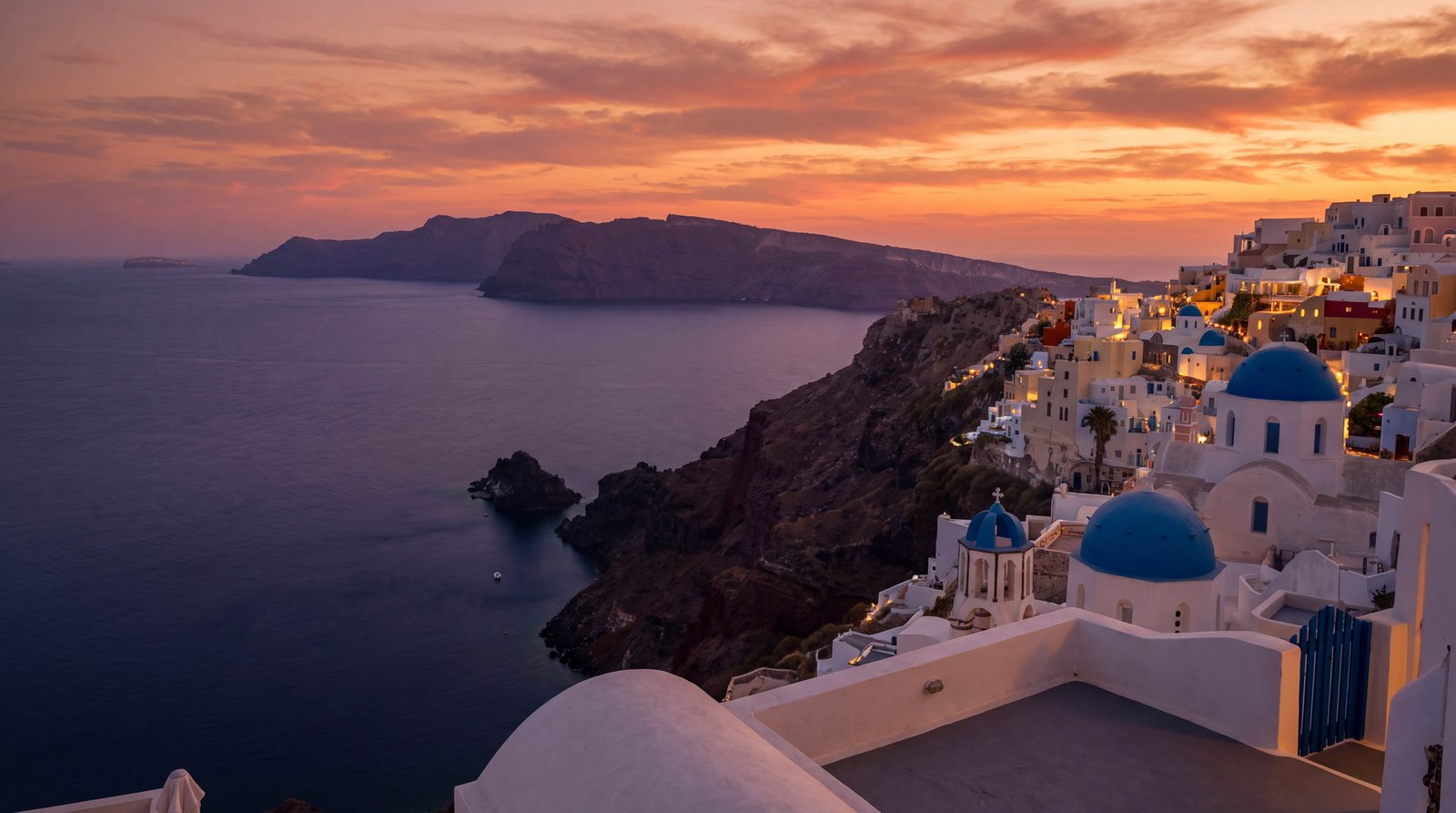
The Greek island archetype — Santorini and Mykonos — is largely a product of the cruise ship era and a few photographs that ended up on every travel agent's wall in the 1990s. Both islands remain worth visiting, but the question of how to visit them — at what hour, from which property, with which boat charter — determines whether the experience matches the photograph or contradicts it. Santorini at 7am from a caldera-facing terrace in Imerovigli, before the cruise ships dock at the Old Port and disgorge their passengers into Oia, is the Santorini that justifies the trip. The same village at 1pm is a different and inferior version.

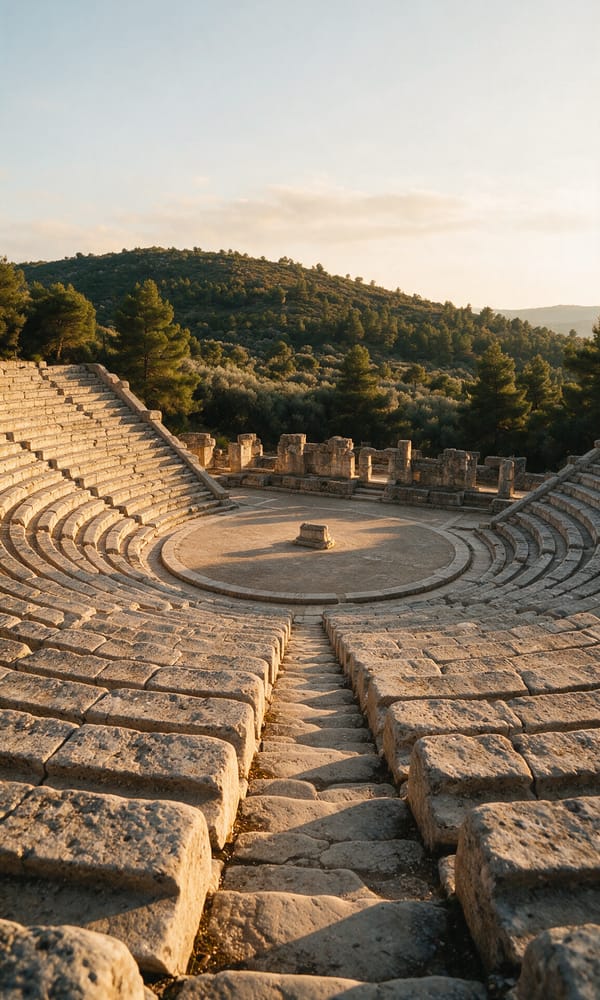
The Peloponnese is the answer for travelers who want Greece without crowd management. A self-drive circuit covering Nafplio (one of Greece's most beautiful small cities, with a Venetian fortress above a Venetian harbor), Mycenae (the Lion Gate and Agamemnon's tomb, walked in solitude in shoulder season), Epidaurus (the theater where a whisper from the stage carries to row 55 — verifiable, and demonstrably true), Mystras (the Byzantine ghost city in the Taygetus mountains), and the Mani Peninsula at the south of the Peloponnese is one of the most underused itineraries in southern Europe.
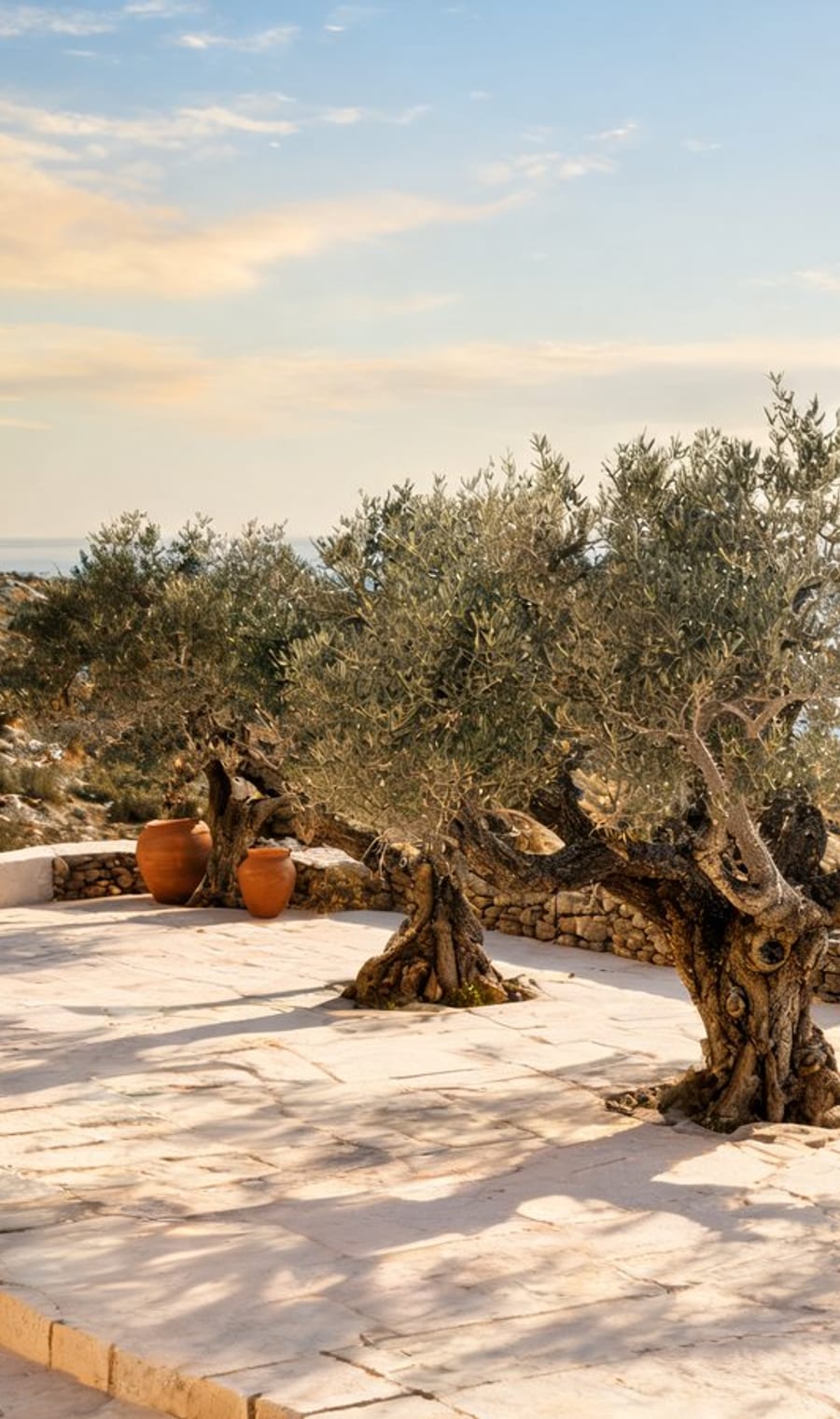
Ancient olive trees and terracotta pots on a walled terrace in Crete
Olive Terraces · Crete · Greece
Where We Send Clients

Six Regions Worth Planning Properly

Greece has six distinct travel destinations operating in different formats — the city, the iconic islands, the archaeological heartland, the underused alternatives. Each has a different rhythm, a different guide profile, and a different version of Greece worth planning around.
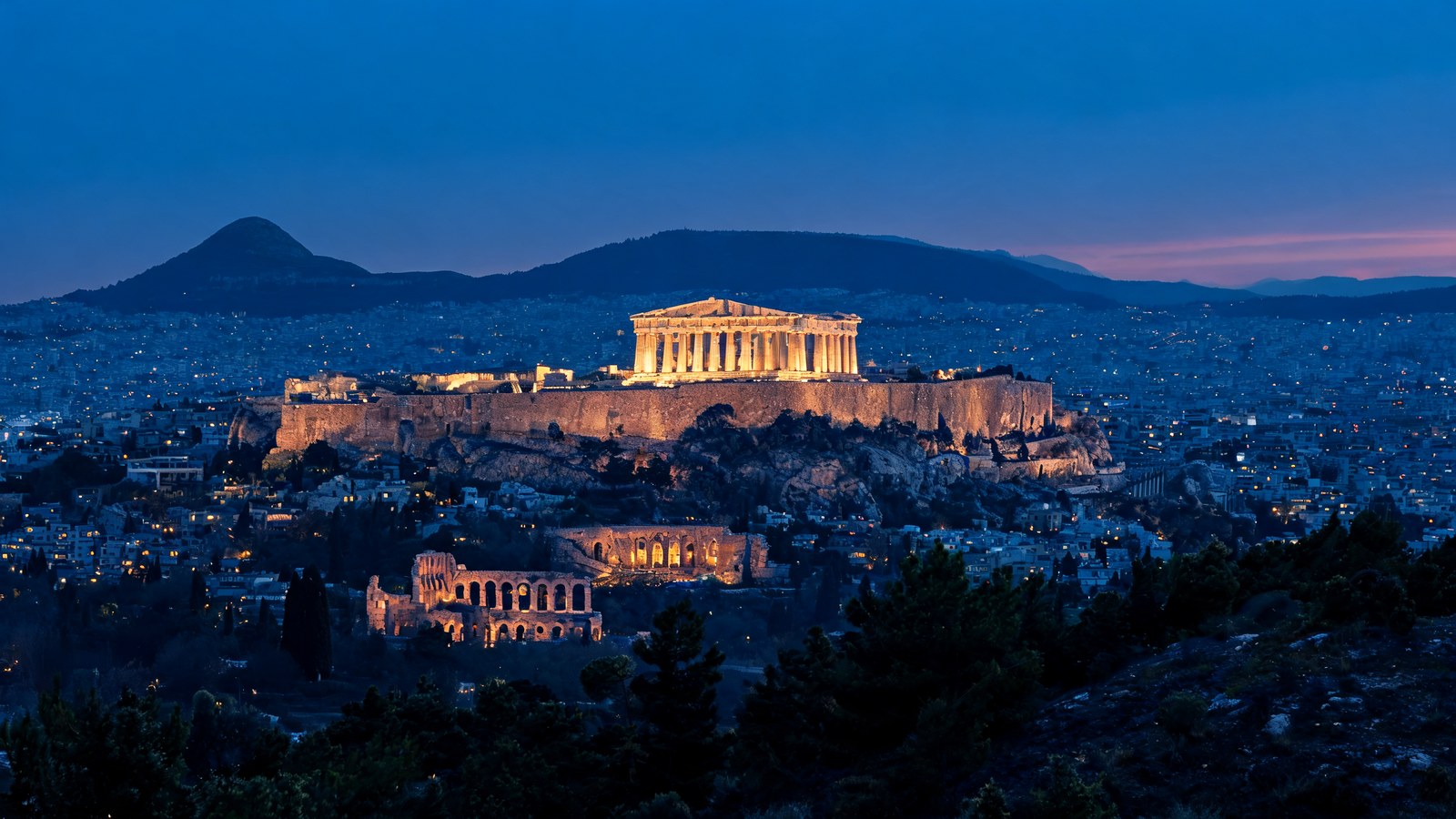
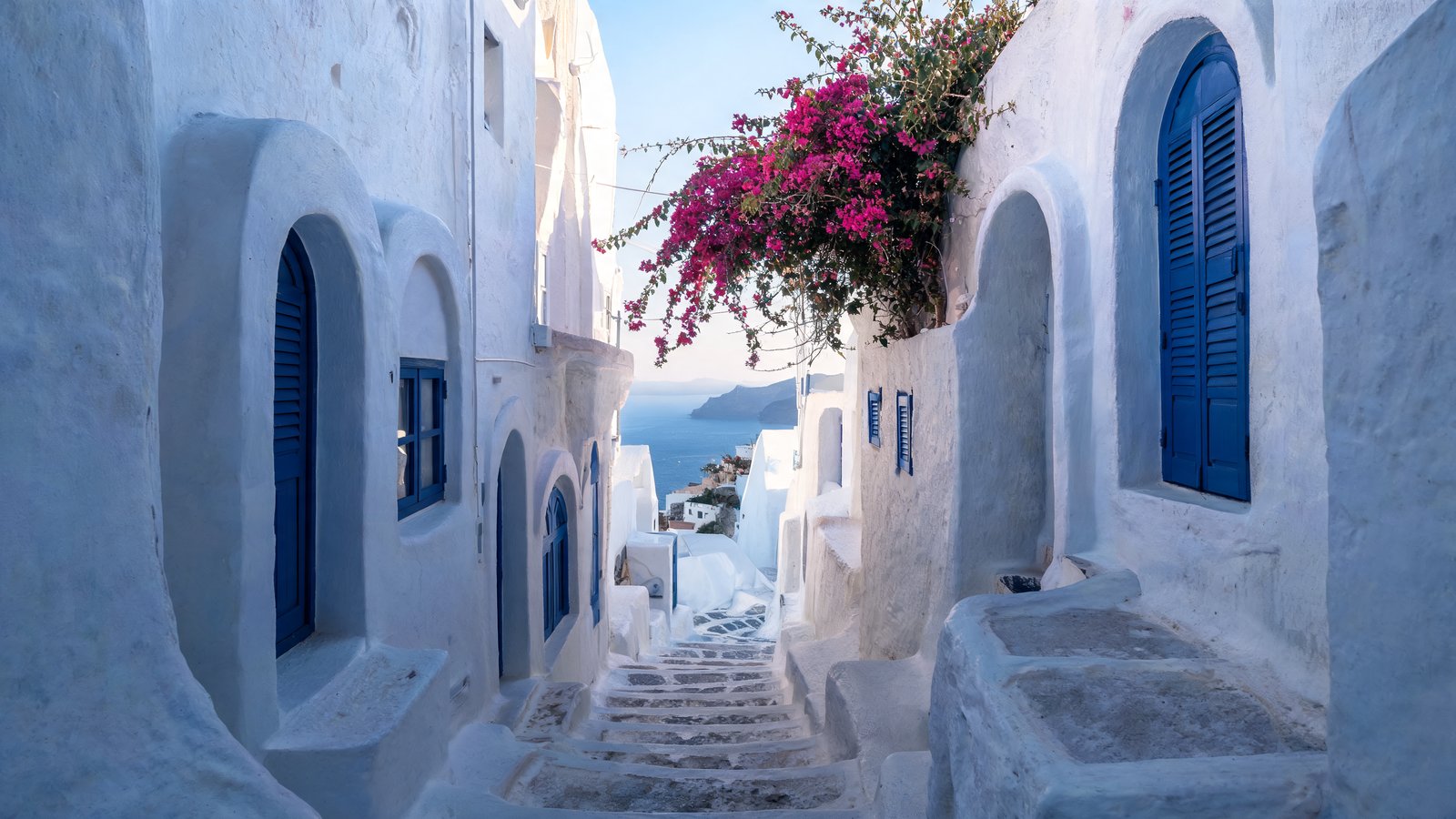
Athens, Attica
Attica
Athens
The Acropolis at opening hour with an archaeologist who has dug the Agora for twenty years — the Parthenon's optical refinements need someone to show you where to stand. The National Archaeological Museum for the Antikythera Mechanism, not fully reverse-engineered until 2006.
Acropolis Agora Monastiraki
Explore →
Santorini, Cyclades
Cyclades
Santorini
Oia at dawn, before the day-visitors arrive — the photographs are taken at sunset, but the village is at its best empty at 6:30. Assyrtiko has grown here since the 1200s in basket-trained vines built to shield the fruit from the wind. Akrotiri, a Minoan city sealed under ash in 1600 BC.
Caldera Sunset Assyrtiko Akrotiri
Explore →
Crete
Crete
Crete
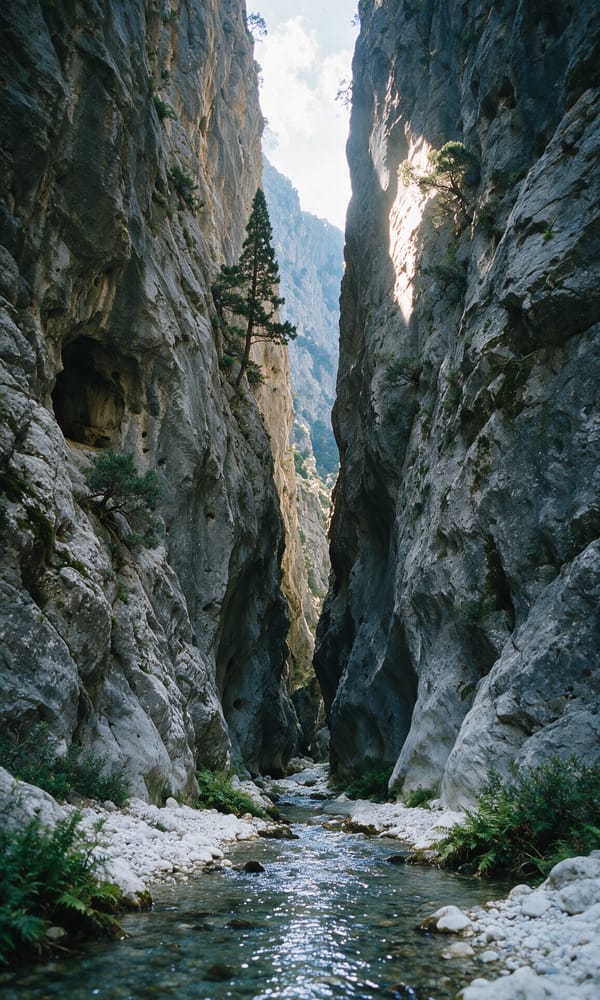
Knossos with a guide who explains Minoan archaeology rather than rehearsing the Evans reconstruction debate. The Samaria Gorge for the full 16km descent through the White Mountains to the Libyan Sea. A Sfakiá village taverna where the lamb has been in the oven since morning.
Knossos Samaria Gorge Sfakiá
Explore →
Peloponnese
Peloponnese
Peloponnese
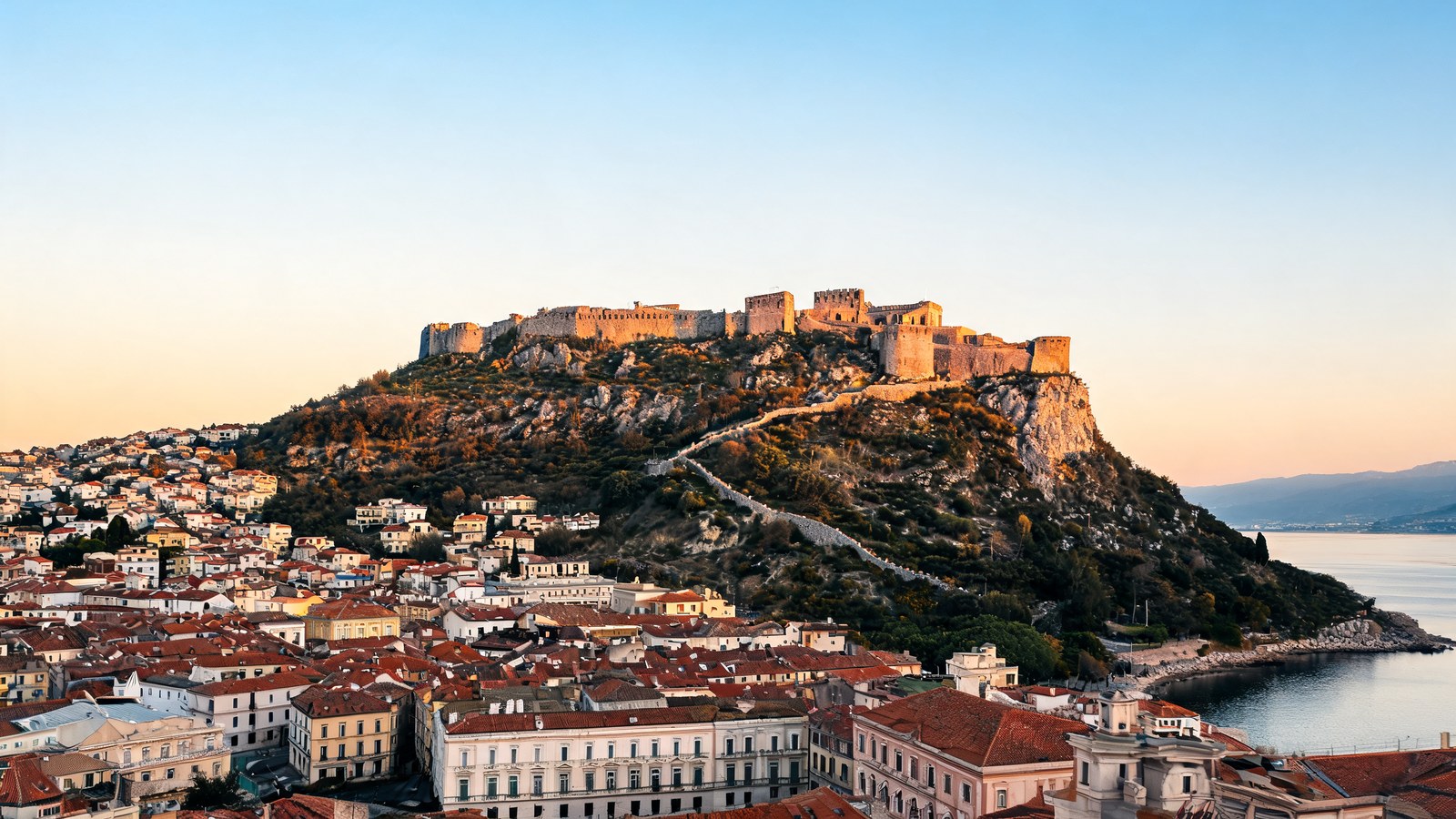
Nafplio, a Venetian harbor town under a fortress reached by 999 steps. Mycenae for the Lion Gate and the Treasury of Atreus, a corbeled dome unmatched until the Pantheon. At Epidaurus a whisper from the stage carries to row 55, which sounds like exaggeration until you sit there.
Nafplio Mycenae Epidaurus
Explore →
Mykonos & Delos, Cyclades
Cyclades
Mykonos & Delos
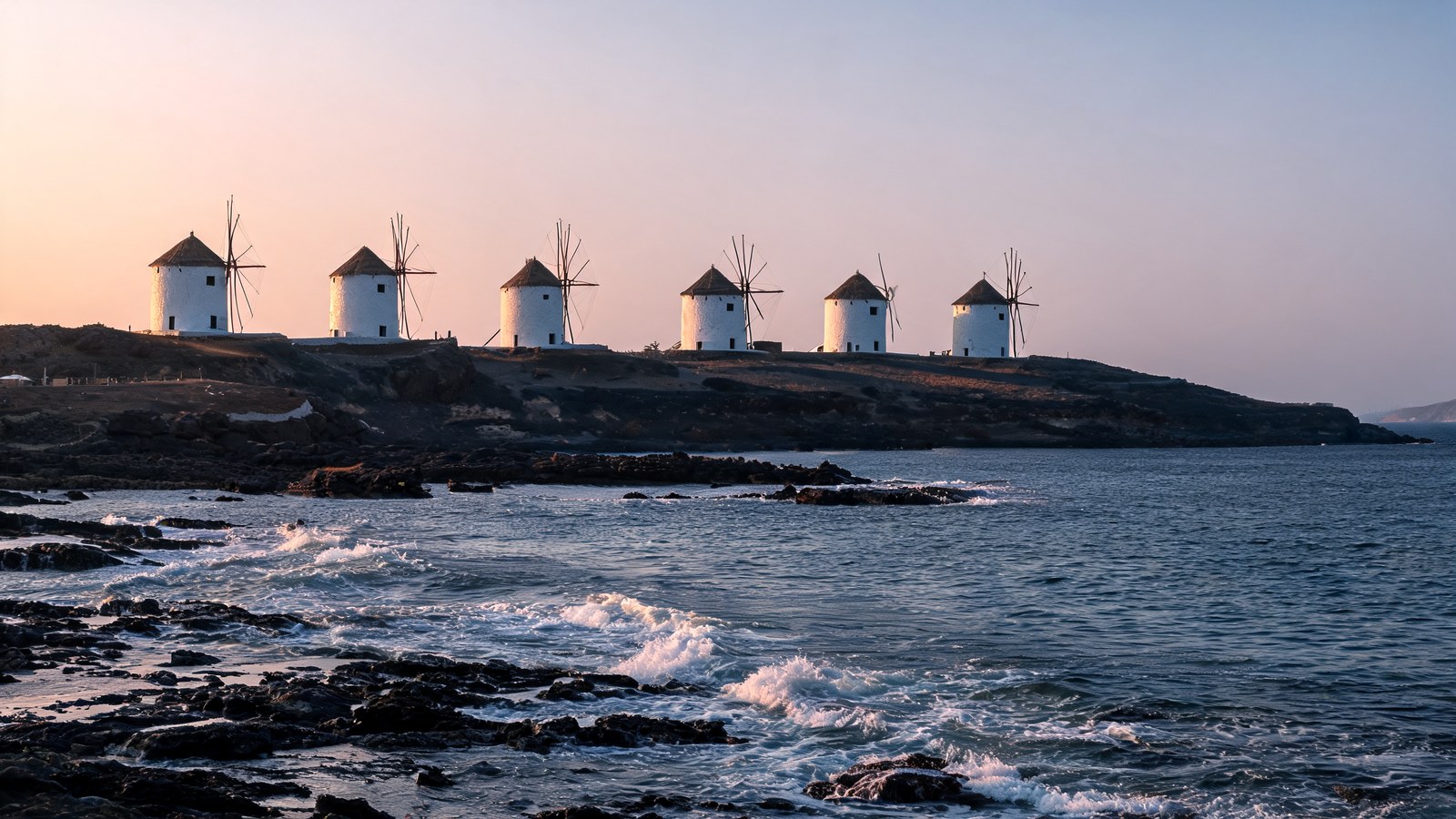
The Chora windmills at seven in September, without the July crowds. Little Venice late in the day, when the pelicans walk the promenade. Fast boat to Delos, the sacred island every Apollo temple in the Mediterranean was oriented toward, now a UNESCO site with its Terrace of the Lions.
Delos Chora Sacred Island
Explore →
Rhodes & Dodecanese
Dodecanese
Rhodes & Dodecanese
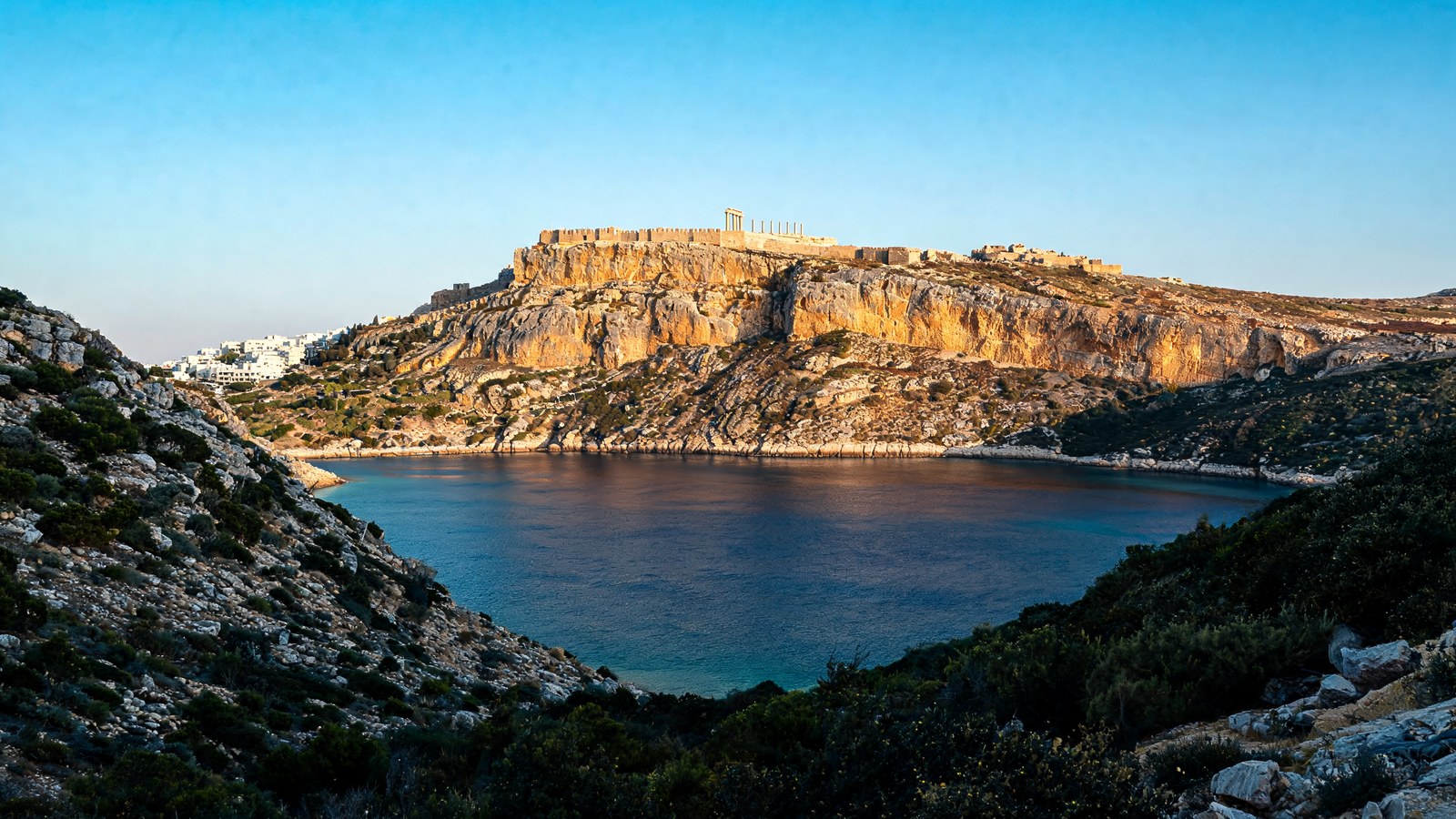
Rhodes Old City is the largest living medieval city in Europe — a working residential quarter where families have held the same Crusader-era stone houses for generations. The Lindos Acropolis on its cliff before nine. Patmos for the cave where Revelation was written in 95 AD.
Medieval City Lindos Patmos
Explore →
Featured Itineraries

Trips We Plan Often

Greece itineraries built around the archaeology specialists, the island combinations, and the shoulder-season timing that turns a Greek Islands trip into the version most travelers don't realize is available.
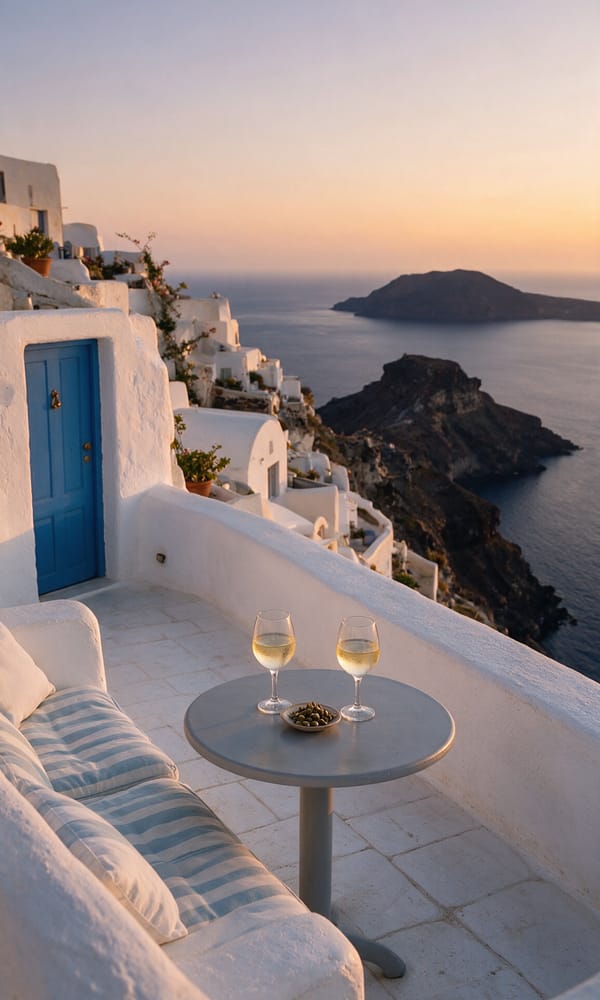
Two glasses of white wine on a whitewashed Imerovigli terrace above the Santorini caldera at dusk
May–June / September–October · 8–10 Days
Athens & Santorini
Three nights Athens with an archaeologist who works the Agora — the Acropolis at opening hour, the National Archaeological Museum for the Antikythera Mechanism, a Plaka taverna dinner that doesn't appear in any guidebook. Ferry or flight to Santorini for four nights at a caldera-facing property in Imerovigli (less crowded than Oia, same view). Dawn Oia, a private caldera sailing trip at sunset, Akrotiri excavation with the same archaeologist's recommended Santorini specialist, and an Assyrtiko wine tasting at a winery with basket-trained vines.
Greece8–10 Days
Plan This Trip
Sheer limestone walls closing over a stony stream at the Iron Gates of the Samaria Gorge
June / September · 12–14 Days
Greek Islands Circuit
Athens for two nights to acclimate and complete the Acropolis circuit, then ferry to Mykonos for three nights — the September windmill morning, a Delos archaeological day with a specialist guide, a beach club Sunday with reservation. Ferry to Santorini for three nights at a caldera property, including the dawn Oia and the Akrotiri excavation. Fly south to Crete for four nights — Knossos with an archaeologist, the Samaria Gorge descent, a Sfakiá highlands village dinner, the Heraklion museum. Fly back to Athens for the final night and the flight home. The most comprehensive Greek Islands circuit available in two weeks.
Greece12–14 Days
Plan This Trip
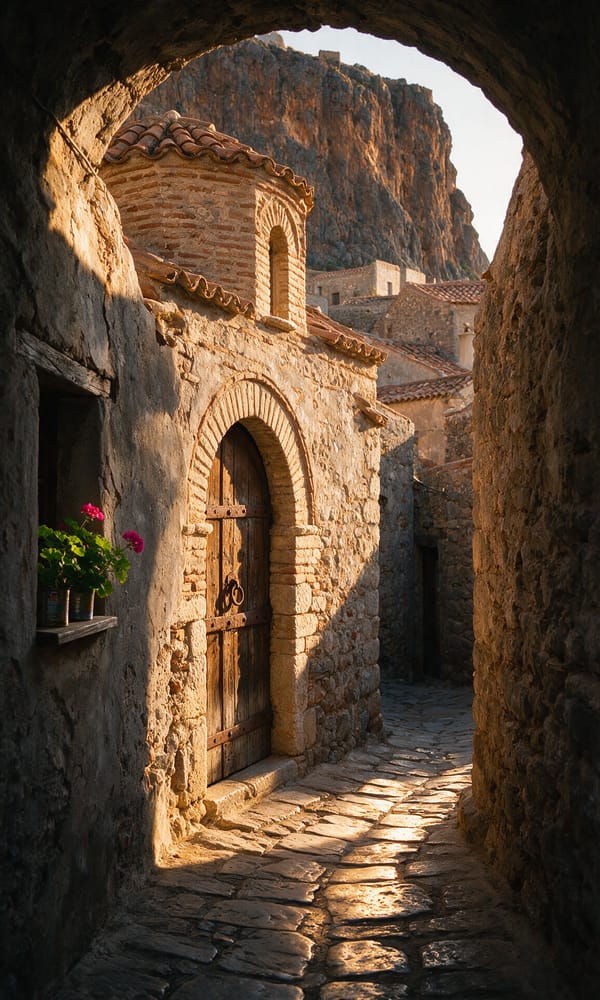
A vaulted stone lane in Monemvasia below the sheer rock of the fortress plateau
May / September–October · 9–11 Days
Peloponnese & Athens
Two nights Athens with the Agora archaeologist, then a rental car or private driver for the Peloponnese circuit: Nafplio for two nights (Venetian fortress, Mycenae day, Epidaurus theater), south to Monemvasia for one night (the Byzantine fortress city accessible only by causeway), into the Mani Peninsula for two nights (tower houses, Byzantine churches, the Gerolimenas coast), Mystras for the Byzantine ghost city in the Taygetus mountains, ferry from Gythio across the Saronic Gulf back toward Athens for one final night. The Greek itinerary for travelers who want depth without island-hopping.
Greece9–11 Days
Plan This Trip
Empty limestone tiers curving down to the round orchestra of the ancient theatre at Epidaurus
September · 12–14 Days
Greece in September
Built specifically for the September window, which is — definitively, with the supporting data — the correct month to visit Greece for almost every traveler. Same weather as August (low 80s, sun, no rain), half the crowds at the islands, 30% lower accommodation rates, dramatically better restaurant reservations on Santorini and Mykonos, and the final week of the Epidaurus summer theater season for a performance in the original Greek theater architecture. Athens, Santorini, and one Cyclades island of the traveler's choice (Naxos for the laid-back alternative, Milos for the dramatic coastline, Folegandros for the village quiet).
Greece12–14 Days
Plan This Trip
Why Plan With Us

What We Add to Greece Planning

Greece is the destination where the right guide at the Acropolis and the right month for the islands make the largest combined difference. Both are planning decisions, and both have right answers.

The Right Guide for the Acropolis
Athens has approximately 600 licensed tour guides. A small fraction of them are working archaeologists who have spent decades on the Agora excavations, who can read the inscriptions, who know which corner of the Parthenon optical refinements are most visible from. The licensing system makes both categories look identical on paper. The difference in the experience they deliver is the difference between the standard Acropolis visit and the one that changes how you understand classical civilization.
Island Combination Sequencing
Santorini and Mykonos is the standard pairing because they are the most famous. They are also, for many travelers, the worst pairing — two intensely developed island-archetype destinations back to back. The better combinations depend on what the traveler wants: Santorini and a quieter Cyclades island (Naxos, Milos, Folegandros) for landscape diversity; Mykonos and Delos for an archaeological counterpoint; Crete and Rhodes for the most substantial Greek islands without the postcard-island congestion. We match the combination to the trip.
Shoulder Season Strategy
September in Greece is unambiguously the best month for almost every traveler — same weather as July and August, crowds reduced by approximately 50% at the major sites and islands, accommodation rates 25–35% below peak, and the final week of the Epidaurus summer theater season still running. October remains excellent through the middle of the month. The travelers who insist on July and August are typically constrained by school calendars; for everyone else, the case for September is overwhelming and we make it consistently.
Peloponnese as Counterpoint
The Peloponnese is the most underused itinerary in mainland Greece. It contains four of the most significant Greek archaeological sites (Mycenae, Epidaurus, Olympia, Mystras), one of the most beautiful small cities in southern Europe (Nafplio), two outstanding peninsular landscapes (Mani and Messinia), and is genuinely uncrowded outside of July and August. Adding two to three nights of the Peloponnese to an Athens-and-islands trip transforms the geographic and cultural range of the itinerary without significantly increasing total travel time.
When to Go

Greece by Season

Shoulder Peak
September – October
Definitively the best window for most Greece travel — particularly for the islands. The weather remains warm (highs in the upper 70s to low 80s through mid-October) and stable, sea temperatures are at their warmest from summer, the cruise ship traffic drops significantly from August peaks, Santorini's restaurant reservations open up dramatically, and accommodation rates are 25–35% below July–August. The Epidaurus theater season runs through early September. For wine, food, and archaeology trips, autumn is also the season for the grape and olive harvests in the Peloponnese. October's first half is still excellent; the second half begins the shoulder transition.
Best Overall Window
Spring Season
May – Early June
Greece's spring is the second-best window: wildflowers across the Peloponnese, comfortable weather in Athens (mid-70s, low humidity), and the spring food calendar — fresh artichokes, fava, the first lamb. Sea temperatures are still cool through May (15–18°C), which limits casual swimming and reduces the appeal of the islands by a small but meaningful amount. Major archaeological sites are at their most pleasant — comfortable temperature for walking, manageable crowds. May is the correct window for travelers prioritizing the cultural and archaeological circuit over the beach component.
Peak & Off Season
July–August & November–April
July and August are Greece's peak tourist season and the peak of Mediterranean heat — Athens regularly exceeds 95°F, the islands fill with cruise ship traffic, accommodation rates spike, and the Greek domestic vacation period overlaps with peak international tourism. Not recommended for travelers with any flexibility. November through April is the off-season — the islands largely close (most Cycladic restaurants and small hotels operate seasonally), but Athens remains a full-year destination and Crete has enough year-round infrastructure to function. Winter Greece is a different and quieter country, suitable for archaeology-focused travelers who don't need the islands.
Ready When You Are

Plan a Greece Trip
Timed and Built Correctly

Tell me which version of Greece you want — the islands, the cultural heartland, the Peloponnese road trip, or a combination — and when you can travel. I'll come back with a specific itinerary, guide recommendations, and property suggestions within one business day.

Plan a Greece Trip All Europe Destinations

No booking fees  ·  Response within 24 hours  ·  Fully bespoke

What It Costs

What Greece Actually Costs

$900–$1,600
per person, per day, land only. Ranges, not quotes.
What that includes
  • Luxury rooms with breakfast
  • Private or small-group transfers and guiding
  • Principal admissions and selected meals
What it does not
  • International airfare
  • Most meals; ferries and domestic flights unless stated
  • Beach clubs and gratuities
The two or three things that move it most
  • Island mix and logistics
  • Mykonos and Santorini room rates in peak season
  • Private touring intensity

Editorial planning bands, not quotes — assembled from published rates and official fee sources, verified . Rates, permit costs and park fees change; confirm before booking. Source: Hellenic Heritage e-ticket portal.

Common Questions

Greece — FAQ

Questions we hear most when planning Greece — from the September timing case to ferry logistics, Athens allocation, and whether the iconic islands actually deliver what the photographs promise.

September, decisively. Same weather as July and August (the heat actually moderates slightly by mid-September), with crowds reduced by approximately 50% at the islands and major archaeological sites, accommodation rates 25–35% below peak, and dramatically better restaurant reservations on Santorini and Mykonos. May through early June is the second-best window for cultural and archaeological trips. July and August are not recommended for any traveler with the calendar flexibility to choose another month.

Three full nights minimum for a serious first visit. That is enough for the Acropolis at opening hour with an archaeologist (a half-day with proper rest beforehand), the National Archaeological Museum (a separate half-day), the Plaka and Anafiotika neighborhood walks, an evening at a real taverna in Psirri or Mets, and the breathing room not to rush. Two nights is acceptable for travelers using Athens as a gateway to the islands but produces a checklist rather than an experience. Four to five nights for travelers who want to add the Cape Sounion sunset, the Marathon archaeological site, or a day trip to Delphi.

Two formats: high-speed catamarans (smaller, faster, more expensive, less stable in rough weather) and conventional car ferries (larger, slower, more stable, dramatically cheaper). For most island-hopping itineraries, the high-speed format is the right answer — Mykonos to Santorini is 2 hours by catamaran vs. 5 hours by conventional ferry. Tickets are purchased online and should be booked in advance during peak season; same-day tickets in September are usually available but not guaranteed for the most popular routes. The ferry network is extensive and reliable; rough weather occasionally cancels routes, which is the main argument for planning a buffer day on return to Athens before international flights.

Yes — if you visit it correctly. The caldera view from Imerovigli or Oia at dawn or in the late afternoon is genuinely one of the most extraordinary visual experiences in European travel. The cruise ship day-visitor congestion from 11am to 4pm in Oia is the most overwhelming tourist experience in the Cyclades. The difference between visiting Santorini well and visiting Santorini poorly is large, and it is entirely determined by the property selection (caldera-facing, away from the Oia village center) and the daily rhythm (dawn and dusk for Oia, midday for the caldera sail or the Akrotiri excavation). September visits avoid most of the cruise ship congestion entirely.

Crete for the larger and more varied destination. Three quite distinct sub-regions (the west around Chania, the central area around Heraklion and Knossos, the east around Sitia), a genuinely substantial mountain interior, the Samaria Gorge, and a food culture distinct from the rest of Greece. Rhodes for the Old City (the largest living medieval city in Europe is genuinely unmatched elsewhere in the Mediterranean) and for combining with the Dodecanese (Symi, Patmos) by short ferry. For a first visit and a single-island choice, Crete provides more total content. Rhodes is the better choice if the medieval Old City specifically is the draw.

Essential. The Peloponnese is a peninsula about the size of Massachusetts and the major sites (Nafplio, Mycenae, Epidaurus, Olympia, Mystras, the Mani Peninsula) are distributed across it. Public transport exists but is slow and infrequent. A rental car opens up the genuinely rewarding loop and allows for the smaller villages, the coastal stops, and the timing flexibility to be at major sites at the right hours. For travelers who prefer not to drive, a private driver for two or three days covers the highlights but at significantly higher cost than self-drive. Roads are good and traffic is light outside of the Athens orbital.

Highly regional and significantly better than the standard taverna experience suggests. Crete has its own food tradition (raki, dakos, the Sfakiá lamb pie), distinct from the mainland. The Mani Peninsula has a wild greens (horta) and goat tradition unlike anywhere else in Greece. Athens has a quietly excellent restaurant scene that operates almost entirely below the international radar (Cookoovaya, Aleria, the smaller modern Greek kitchens in the Pangrati and Mets neighborhoods). The cuisine rewards the right guide who can map a city by food rather than by landmark — which is the approach we structure into most Greek itineraries.

Greece is meaningfully cheaper than Italy at equivalent quality levels. Typically 20–35% lower for accommodation in the cities and on the mainland, and approximately on par with Italy at the top end on Santorini and Mykonos (where rates can run higher than Amalfi during peak). Restaurant pricing is significantly lower across Greece than across Italy at comparable quality — a serious dinner with wine in Athens at one of the city's best modern Greek restaurants runs €70–90 per person, vs. €120–180 in Rome at equivalent restaurants. Mid-September accommodation rates in Greece can be 30–40% below Italian shoulder-season equivalents.
More questions answered on the Full FAQ Page
From the Journal

Read More on Planning Greece