
Go Deeper

Travel That
Stays With You

There is a tourist version of every destination and a real one. The tourist version is efficient and forgettable. The real version takes a better guide, a different pace, and the willingness to spend more time in fewer places — and it's the one people talk about for the rest of their lives.

Why Cultural Travel

The Tourist Version and
the Real Version Are Not
the Same Trip

A culture-first itinerary trades coverage for depth: time with local historians, site access before the crowds arrive, and meals at family-run places rather than tourist-facing ones. Europe's shoulder seasons run April–June and September–October, Japan runs March–May and October–November, and the Middle East and North Africa run October to April. 2 cities covered properly beats 5 covered superficially.

The standard highlights tour of any major destination covers the same ground in the same order, moves at the same pace, and leaves clients with the same photographs and a vague sense that they've been somewhere without quite understanding it. That's not what we build.

The difference between a forgettable cultural trip and a genuinely immersive one almost always comes down to the guide. Not a tour leader with a headset and a flag — a specialist. An art historian who can explain why the light in a Caravaggio does something the Flemish masters couldn't achieve, and then walk you to a lesser-known church where there's a painting that makes the point better than anything in the major museum. A Fez medina guide who grew up in the quarter and knows which family in the leatherworkers' souk still tans hides by hand. A Kyoto tea master who has been practicing for thirty years and agreed to receive a small private group on a Tuesday morning.

That level of access doesn't happen through a booking engine. It comes from relationships built over years, and from knowing which doors to knock on before a trip is confirmed. That's the foundation every cultural itinerary we build starts from.
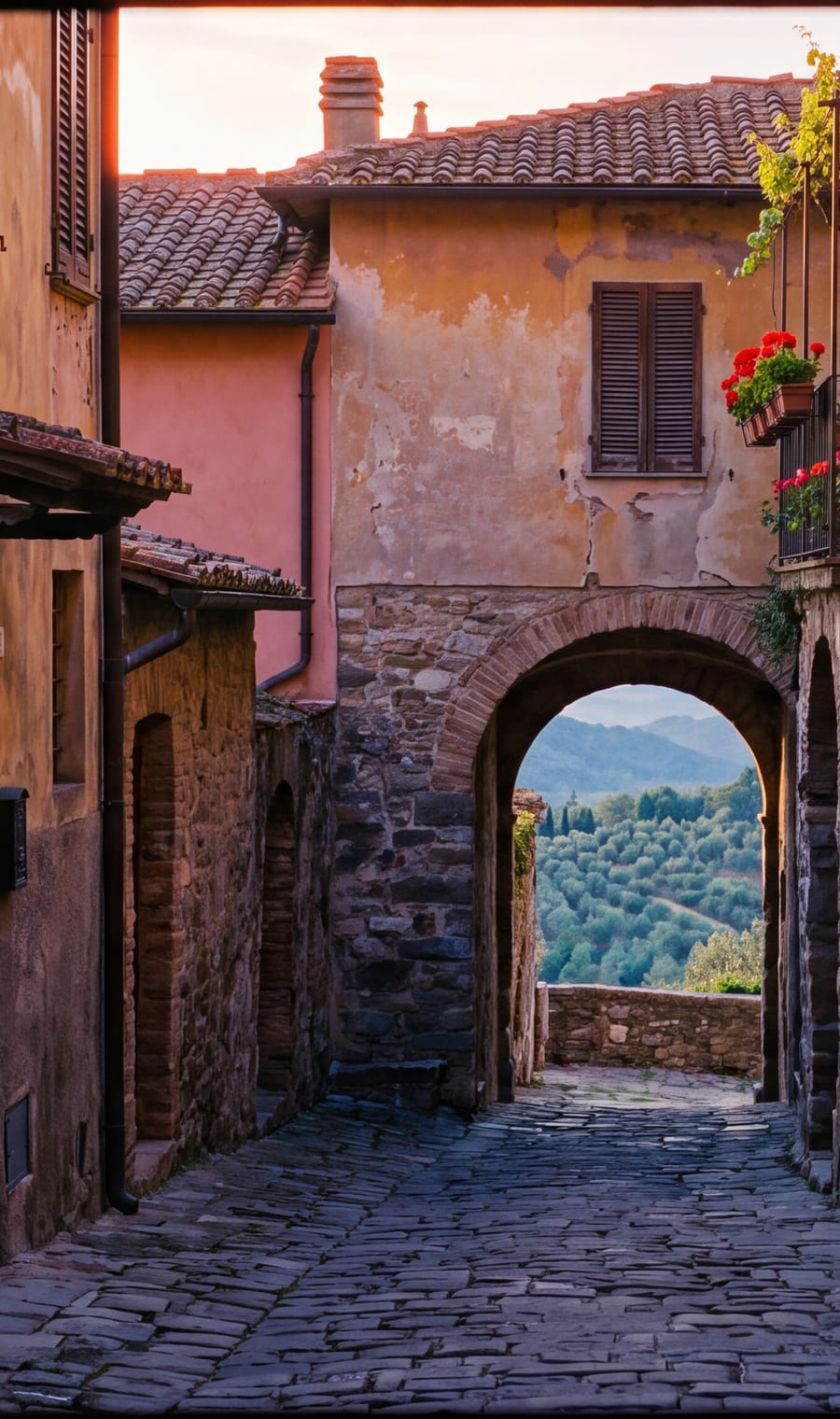
A stone archway in a hill village opening onto olive groves
A hill village lane · Immersive Travel
Where We Plan Cultural Trips

Six Destinations With Layers Worth Finding

The best cultural destinations share one quality: the more time you spend, the more you find. These are places that reward depth — and where a good guide changes everything.
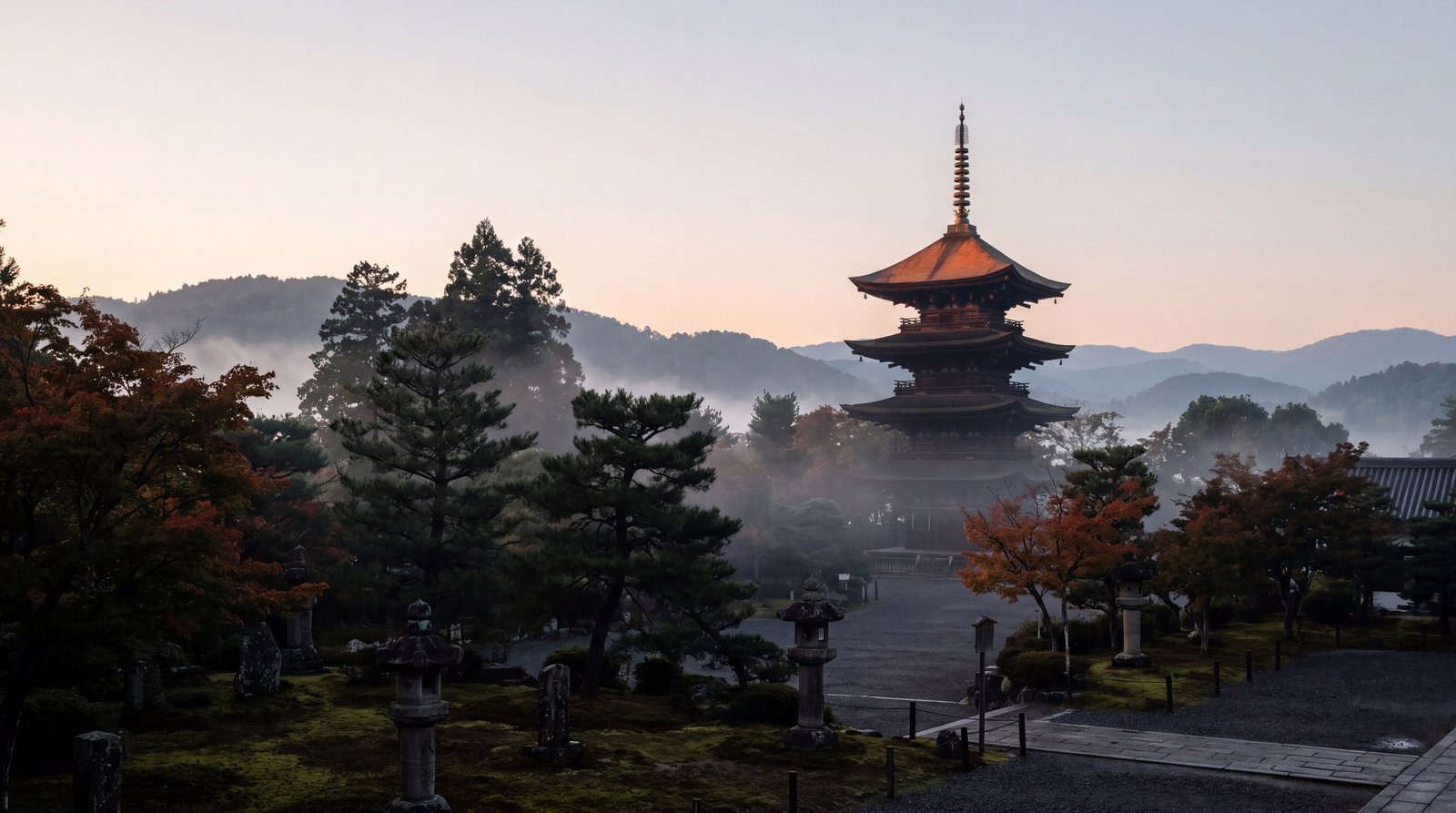
Kyoto at dawn, Japan
East Asia
Japan
The most culturally layered destination we send clients to, and the one that most consistently produces the response: I need to come back. Tokyo for the intersection of the ancient and the ultramodern — Senso-ji at dawn before the crowds, a standing sushi counter in Tsukiji where the chef has been doing the same thing for forty years, teamLab's digital art installations as a counterpoint. Kyoto for the depth beneath the surface: private tea ceremony with a practicing master, nishiki market with a culinary guide, the back streets of Gion on a weekday morning before the tour groups arrive. Japan rewards slow travel more than almost anywhere on earth.
Tokyo Kyoto Tea Ceremony Culinary Culture
Explore →
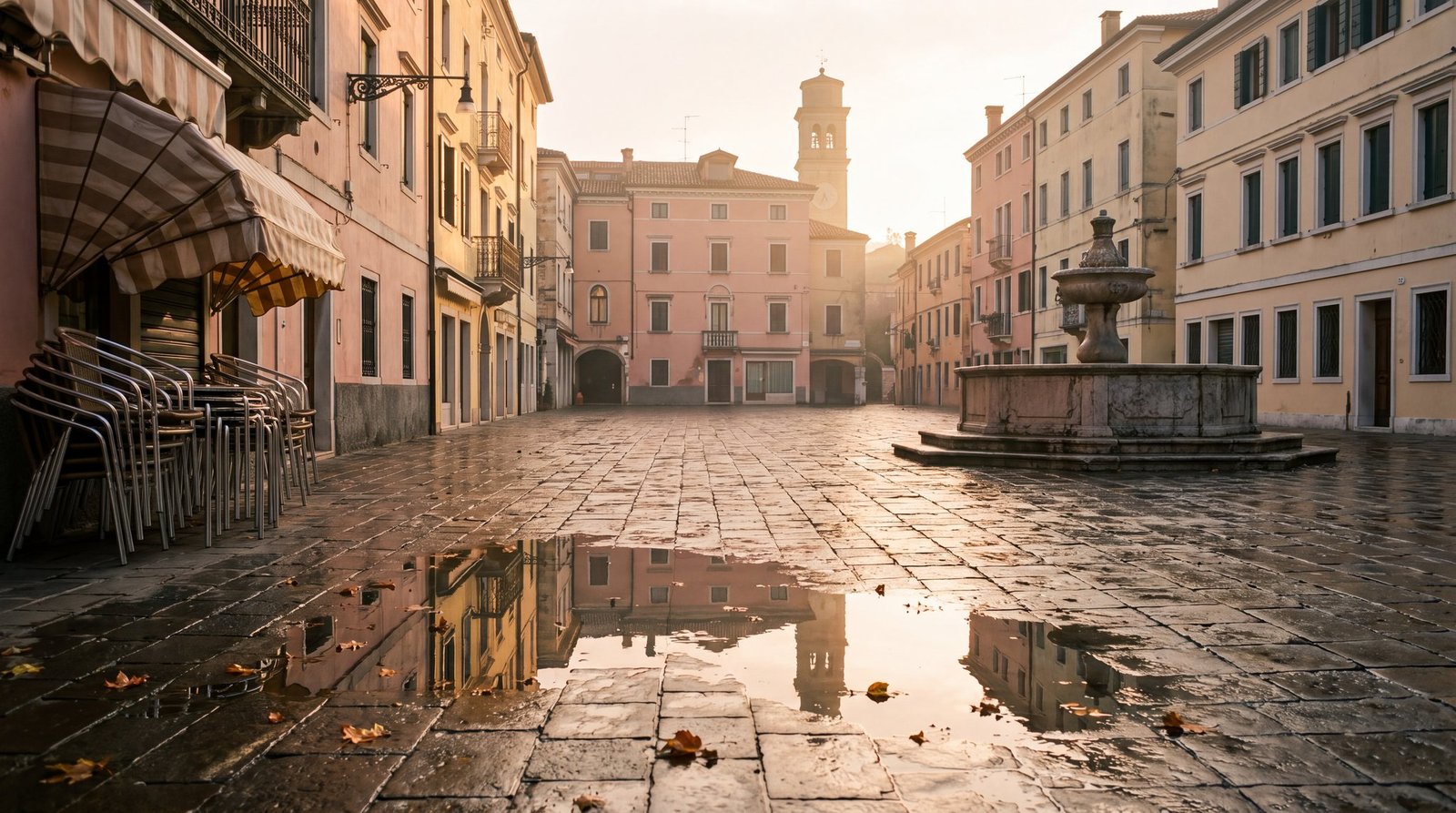
An empty Italian piazza in shoulder season
Europe
Italy
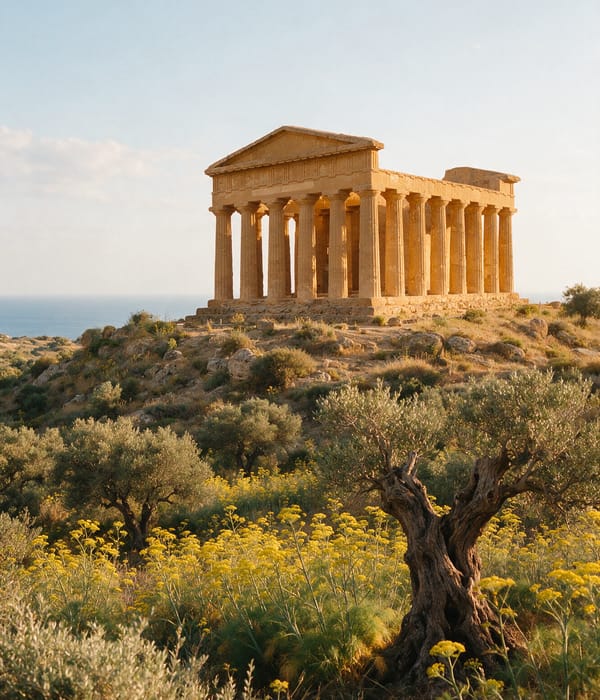
The depth version of Italy is not the highlights tour. It's an art historian in the Uffizi who focuses on three rooms instead of rushing thirty. It's Emilia-Romagna's food valley — a Parmigiano-Reggiano producer at 5 a.m., a prosciutto cellar in Langhirano, a fresh pasta lesson with a sfoglina in Bologna. It's Sicily instead of Rome — the Greek temples at Agrigento, the Baroque excess of Noto, the Arab-Norman architecture of Palermo. Italy has enough depth to fill a lifetime of trips. The question is where to focus.
Art HistoryFood CultureSicily
Explore →
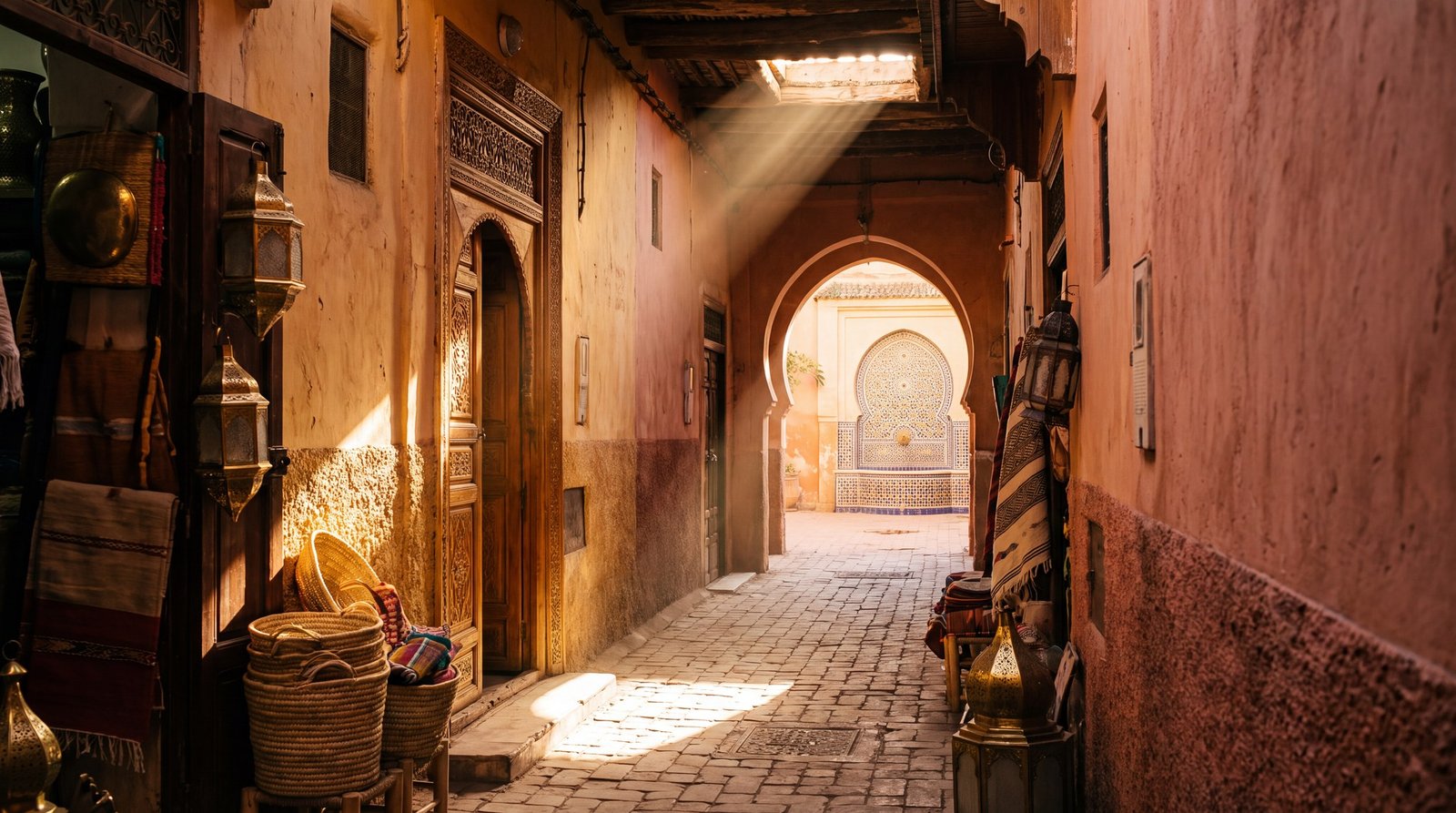
Light in a medina alley, Morocco
North Africa
Morocco
Fez's medina is one of the most intact medieval cities on earth — 9,000 narrow lanes, the oldest university in the world still operating, and craft traditions that have continued without interruption for centuries. The right guide transforms it from disorienting to extraordinary. Marrakech for the Djemaa el-Fna at dusk, the Majorelle Garden, and the Atlas foothills. The Sahara at Merzouga for two nights of silence under a sky with no light pollution. Best October through April.
Fez MedinaSaharaCraft Traditions
Explore →
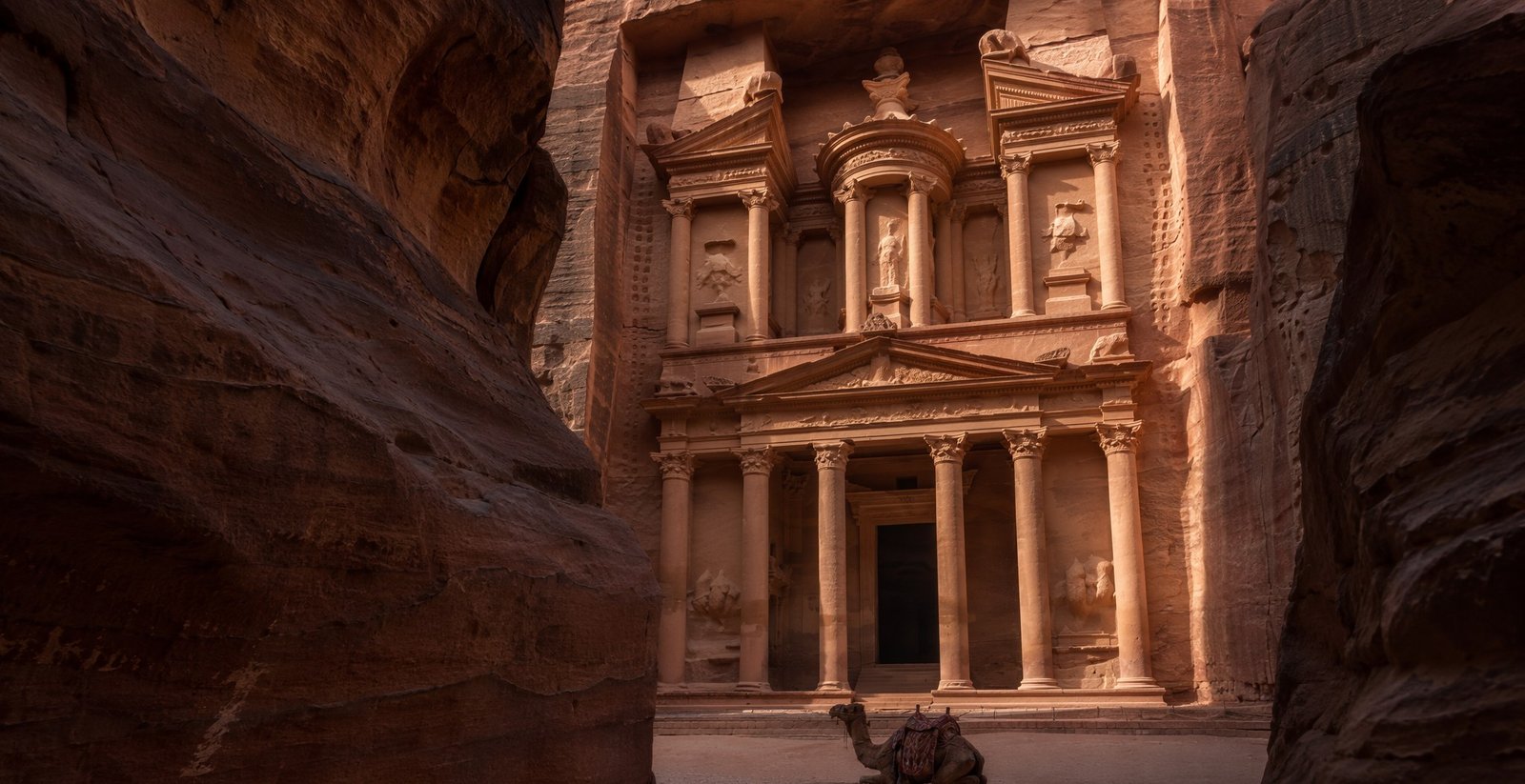
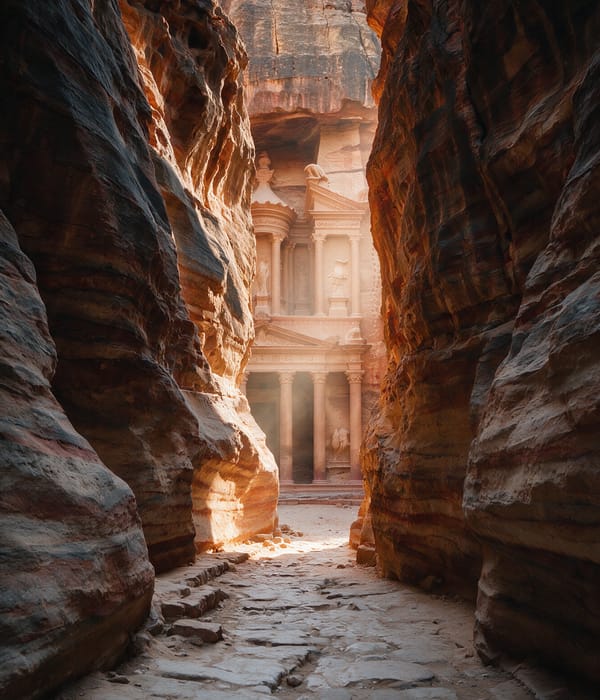
The Treasury at Petra, Jordan
Middle East
Jordan & the Levant
One of the most underrated cultural destinations in the world. Petra is one of the genuine archaeological wonders — rose-red sandstone carved by the Nabataean civilization two thousand years ago. Wadi Rum's silence and scale are incomparable. Jerash, north of Amman, is among the best-preserved Roman provincial cities outside of Italy. Jordanian hospitality is a cultural experience in itself. Small, safe, and one of the most efficiently explorable destinations we send clients to.
PetraWadi RumJerash
Explore →
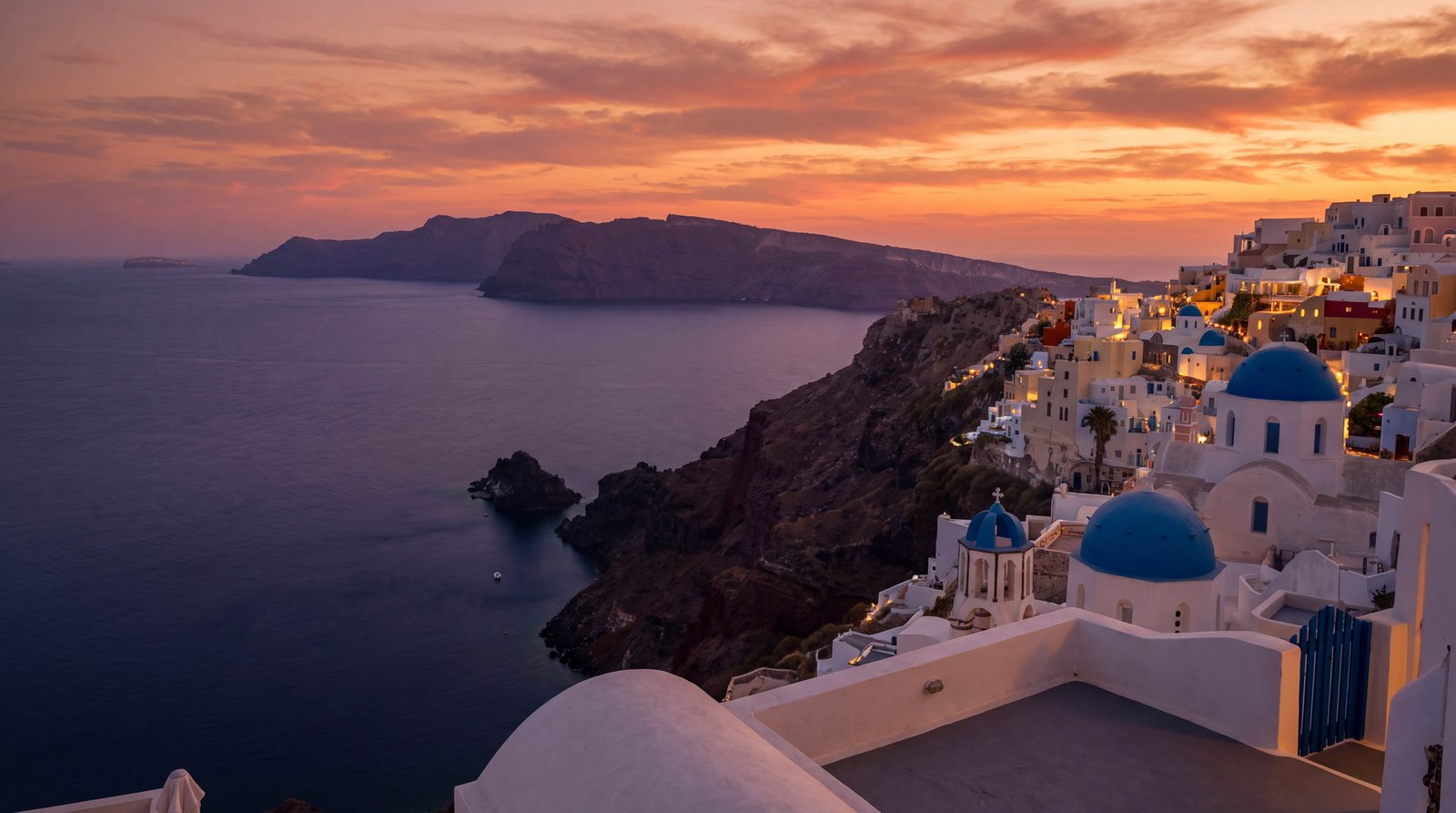
The caldera at dusk, Greece
Mediterranean
Greece & the Aegean
Athens with a classical archaeologist before the Acropolis opens to the public. Thessaloniki for Byzantine art and the best food culture in Greece. The Peloponnese for Mycenae, Epidaurus, and the medieval fortress of Mystras — without the Santorini crowds. The less-visited Dodecanese islands — Rhodes Old Town is a walled medieval city; Patmos has a monastery that has operated since 1088. Greece has been hiding in plain sight beneath the beach-and-island tourism for decades.
ArchaeologyByzantine ArtPeloponnese
Explore →
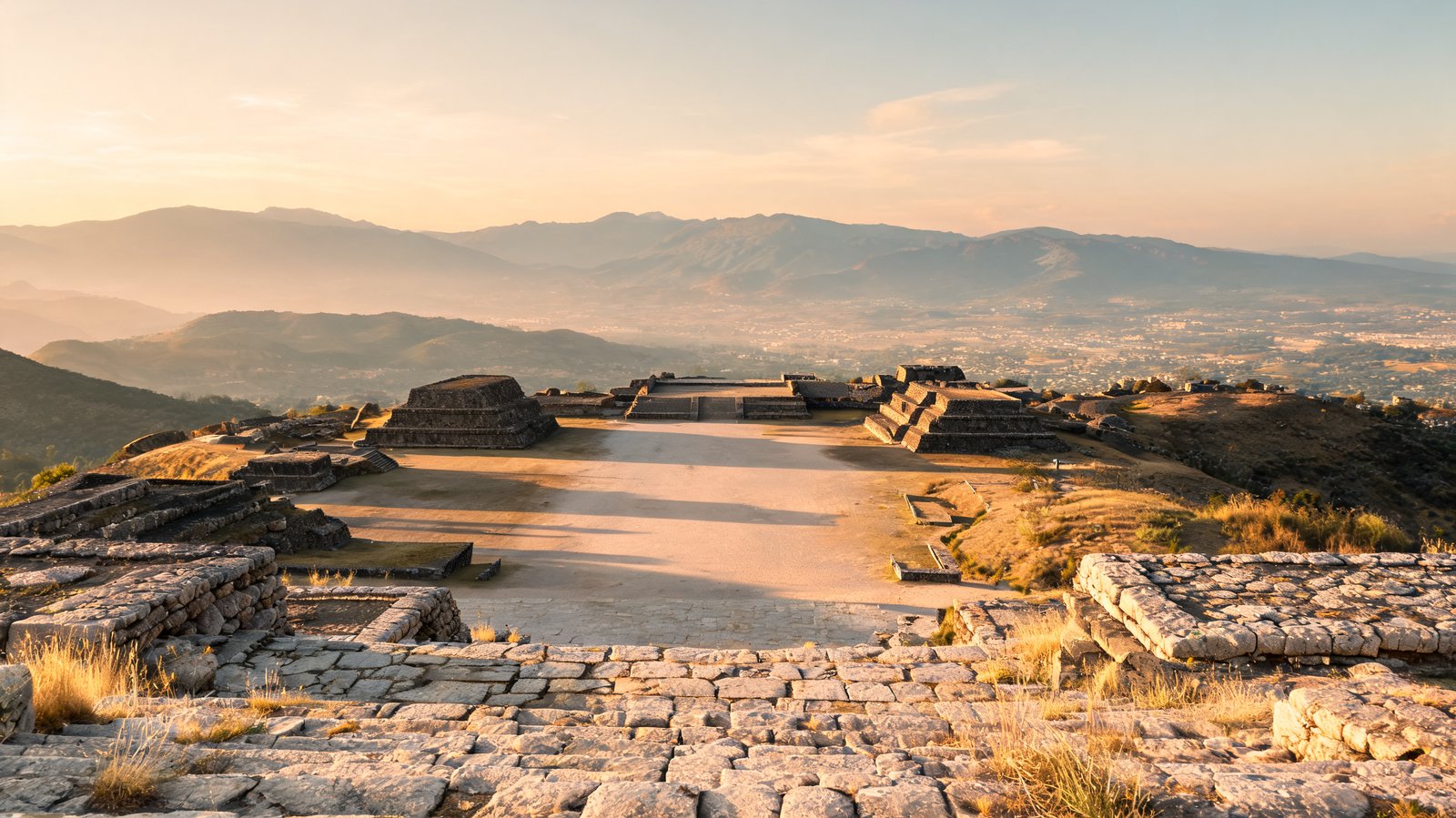
The Gran Plaza at Monte Albán, Mexico
North America
Mexico
Oaxaca is the most culturally concentrated destination in Mexico — pre-Columbian archaeological sites at Monte Albán, the mezcal villages of the Valles Centrales, a textile tradition that goes back thousands of years, and a food culture that anthropologists come to study. Mexico City for muralism, the Anthropology Museum, and the Coyoacán neighborhood where Frida Kahlo lived and worked. The Yucatán for Chichén Itzá and Uxmal with a guide who treats them as living history rather than photo stops.
OaxacaMexico CityPre-Columbian
Explore →
Signature Experiences

Trips We Plan Often

Cultural itineraries we've refined over many runs. Each is built around fewer places, longer stays, and guides who know what they're talking about.
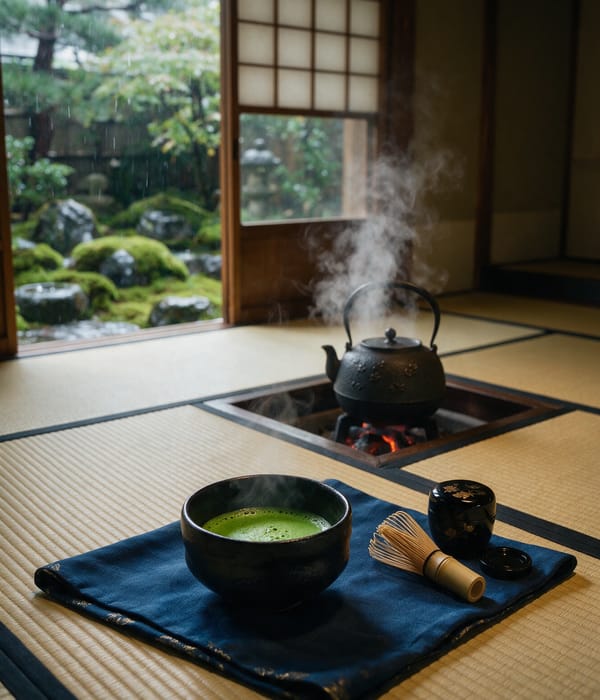
A raku bowl of whisked matcha and an iron kettle on tatami beside a shoji-framed Kyoto garden
March – May & October – November · 12–14 days
Japan Cultural Immersion
Tokyo for four nights with a food-culture specialist — Tsukiji pre-dawn, a standing ramen counter in Shimokitazawa, a private ceramics workshop in Koenji. Shinkansen to Kyoto for six nights: private tea ceremony with a licensed master, Nishiki market with a culinary guide, early-morning access to Fushimi Inari before the gates fill, and a half-day in a Nara temple compound away from the deer park crowds. Hiroshima and the Inland Sea for the finish.
Japan12–14 Days
Plan This Trip
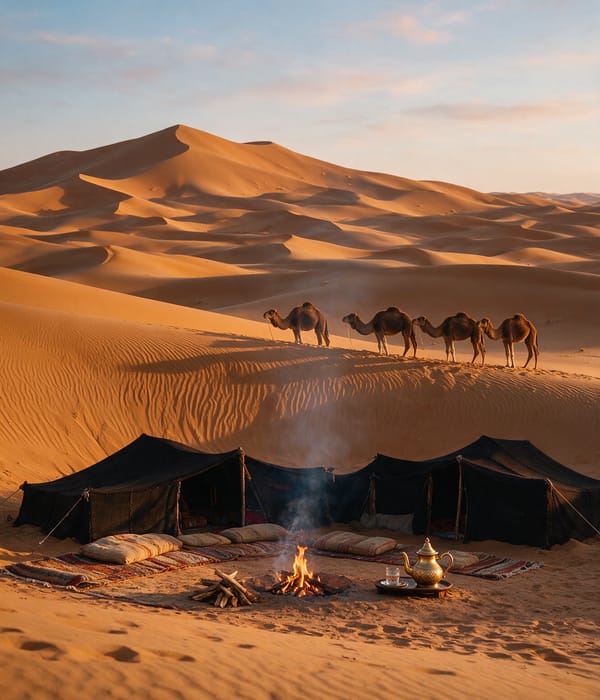
Black nomad tents and resting camels on the Erg Chebbi dunes near Merzouga at last light
October – April · 10–12 days
Morocco: Medina to Desert
Three nights in Fez with a medina specialist who grew up in the old city — the tanneries, the madrasa, the brass-workers' quarter, and the city's oldest mosque viewed from an adjoining rooftop. Overland through the Middle Atlas to the Todra Gorge. Two nights at a desert camp outside Merzouga — dunes, no phone signal, and a sky worth the journey on its own. Marrakech for the final two nights before departure. The most complete single-trip version of Morocco we've found.
Morocco10–12 Days
Plan This Trip
The rose-sandstone Treasury facade at Petra framed in a sliver of the Siq's shadowed canyon walls
October – April · 8–10 days
Jordan in Depth
Amman for two nights with a local guide who covers the Citadel, the Roman Theatre, and dinner in an East Amman neighborhood the hotels don't recommend. Jerash for a half-day with a classicist. Petra for two full days — the Siq and the Treasury on the first morning before the tour groups arrive, the Royal Tombs and the Monastery trail on the second. Wadi Rum for two nights with a Bedouin camp host who has guided the desert for twenty years. Dead Sea for the finish.
Jordan8–10 Days
Plan This Trip
Honey-coloured Doric columns of the Temple of Concordia at Agrigento standing above olive trees
April – June & September – October · 12 days
Italy Off the Highlights Route
Bologna as a base for Emilia-Romagna — Parmigiano-Reggiano at dawn, a prosciutto ageing cellar, a fresh pasta lesson with a sfoglina who learned from her grandmother. Florence for three nights focused entirely on the Uffizi and the Oltrarno workshops, with an art historian who limits the day to twelve paintings. Sicily for the finish — Palermo's street food markets, the Greek temples at Agrigento in the late afternoon, and the Baroque hill town of Ragusa for two nights of stillness.
Italy12 Days
Plan This Trip
The Details

What Every Cultural Trip Includes

Immersive travel is built differently from sightseeing travel. The infrastructure is the same — flights, hotels, transfers — but the content is where the work actually lives.

Expert Private Guides
Specialists, not generalists. Art historians for gallery visits, archaeologists for ancient sites, culinary anthropologists for food-focused days, medina scholars for North African cities. We source guides by expertise and vet them on the depth of their knowledge — not just their availability and price.
Access & Timing
Early-morning entry before sites open to the public, private viewings at smaller institutions, access to working studios and producers not on standard itineraries. The moments that make cultural travel memorable are almost never available through standard booking channels. They require relationships and lead time.
Depth Over Breadth
We build itineraries around fewer places and longer stays. Three nights in one city, not one night in three. An afternoon with no agenda. The ability to return to a place that surprised you on the first pass. Cultural understanding accumulates slowly — the itinerary has to give it room to do that.
Pre-Trip Preparation
A curated reading list and background brief for your specific itinerary — the history, the context, the debates, the things worth noticing that most visitors walk past. A client who arrives with some context gets ten times more from the same guide, the same site, the same morning in the market. Preparation is part of the trip.
When to Go

Cultural Travel Season by Destination

European Shoulder
April – June & September – October
The definitive window for cultural travel in Italy, Greece, Morocco, and Jordan. Mild temperatures, manageable crowds at major sites, and the unhurried pace that cultural depth requires. The Uffizi in July is a different and significantly worse experience than the Uffizi in October. Spring in Kyoto and Morocco is the most beautiful either destination gets. Book well in advance — this is the window experienced cultural travelers converge on.
Best for Europe & Med
Japan
March – May & October – November
Cherry blossom season in late March and April is Japan's most visited and most beautiful window — Kyoto's Maruyama Park, Philosopher's Path, and temple gardens are extraordinary, but require booking twelve months out. The fall foliage window in late October and November is quieter, equally stunning, and often preferred by repeat visitors who want more access and less company at the temples they've been wanting to see.
Middle East & North Africa
October – April
Jordan and Morocco are best October through April — comfortable temperatures for walking ancient sites and medina lanes, and drier conditions for the desert stages of any itinerary. Summer heat in Petra and the Fez medina is genuinely prohibitive for full-day cultural exploration. Ramadan timing changes year to year and requires specific preparation — ask us before booking if your travel falls in that window.
Ready When You Are

Plan a Trip That
Changes How You See

Tell me the destination you're drawn to, what you want to understand better, and how long you have. I'll come back with a specific itinerary — places, guides, access, and the context that makes all of it mean something — within one business day.

Plan a Cultural Trip Explore All Experiences

No booking fees  ·  Response within 24 hours  ·  Fully bespoke

What It Costs

What a culture-led trip Actually Costs

$700–$1,500
per person, per day, land only. Ranges, not quotes.
What that includes
  • Luxury hotels with breakfast
  • A private scholar-guide and transfers
  • Standard admissions and selected meals
What it does not
  • International airfare
  • After-hours openings and private buyouts
  • Most dinners and shopping
The two or three things that move it most
  • Guide caliber — a subject scholar prices above a licensed guide
  • City and transport mix
  • Special access

Editorial planning bands, not quotes — assembled from published rates and official fee sources, verified . Rates, permit costs and park fees change; confirm before booking. Source: Louvre admission.

Common Questions

Culture & History Travel — FAQ

Questions about planning culturally immersive travel — from guide selection to accessing sites before the crowds arrive.

A culture trip prioritizes depth over coverage. Time with local historians, access to sites before the crowds arrive, meals at family-run restaurants rather than tourist-facing operations, and time in neighborhoods and villages that standard tours skip. The goal is understanding a place rather than simply photographing it.

Japan for living tradition and aesthetic culture. Italy for art, architecture, and culinary history. Greece and Turkey for ancient civilization. Morocco and Jordan for Islamic culture and archaeology. Peru for pre-Columbian history. India for layered religious and artistic traditions. The right destination depends on what kind of history and culture resonates with you.

No — exceptional local guides who are deeply embedded in the culture make language barriers irrelevant for most experiences. A great guide at a Japanese temple or an Egyptian site adds layers of meaning that no amount of personal research can replicate. Guide selection is one of the most important decisions in a cultural itinerary, and it's where I spend the most time.

Through operators with private access agreements and early-entry permits. Vatican Museums before opening hours, Machu Picchu at sunrise with a private guide, the Alhambra without queues — these experiences are routinely available to clients who book through advisors with the right supplier relationships. They require planning, but not necessarily premium pricing.

Completely. The best cultural guides meet travelers where they are and adjust depth and style accordingly. What makes a cultural trip rewarding isn't prior knowledge — it's access, context, and the quality of the people showing you around. I've had clients with no prior interest in ancient Rome leave deeply moved by three days in the city.

A meaningful single-country cultural trip typically runs 10–14 days. Shorter visits produce surface-level experiences. Multi-country cultural trips — Italy and Greece, Jordan and Egypt, Japan and South Korea — benefit from 16–21 days to allow the pace needed for genuine absorption. Rushing cultural travel is the most common mistake people make.

Pace, depth, access and expertise — a private guide adjusts all four to you. They move at your pace, adjust depth to your interests, access areas closed to group tours, and bring decades of specialist knowledge to every site. The cost difference between a group tour and a private guide is often smaller than people expect, and the experience difference is significant. I vet guides rigorously — a mediocre guide at an extraordinary site can still produce a mediocre experience.

Absolutely. Many of the best itineraries combine cultural intensity with well-paced recovery: a few days in Rome followed by a week in Tuscany, or a week in Kyoto followed by a ryokan stay in rural Japan. Cultural immersion is tiring if it's unrelenting. I build rest into every itinerary as a feature, not an afterthought.
More questions answered on the Full FAQ Page
From the Journal

Read More on Travelling with Guides