
Middle East

The Version Most
Travelers Never See.

The Middle East has a tourist version and a real one. Petra in a day trip from Amman is a photograph. Petra over two full days with a Bedouin guide who grew up in the canyon is something else entirely. Jordan, Israel, Oman, and Egypt contain some of the most extraordinary history, landscape, and hospitality on earth — and almost all of it rewards the traveler who arrives knowing what to ask for.

Best Season
October – April
Best For
History
& Hospitality
The Region

Ancient History.
Genuine Hospitality. Wrong Assumptions.

The Middle East runs October through April; May to September is too hot for anything outdoors. Most itineraries run 8–12 days, and the region combines well — Jordan with Oman, or the UAE as a stopover on either end. Ramadan shifts roughly eleven days earlier each year and changes restaurant and site hours throughout, so confirm the dates before fixing travel.

Most travelers who have never been to the Middle East are operating from an image of the region that doesn't match the experience of arriving. Jordan is one of the safest and most welcoming countries in the world to travel — a Bedouin host in Wadi Rum who offers tea and stays for three hours because conversation is hospitality, a family in Petra who has been selling hand-painted ceramics from the same stall for three generations and knows the canyon better than any guidebook. Israel's Old City of Jerusalem contains more layers of human civilization per square meter than any other site on earth. Oman is the kind of country that travelers who have been tell every other traveler about — a road trip along the frankincense trail, a morning with a potter in Nizwa, a night in a remote desert camp beneath the Milky Way.

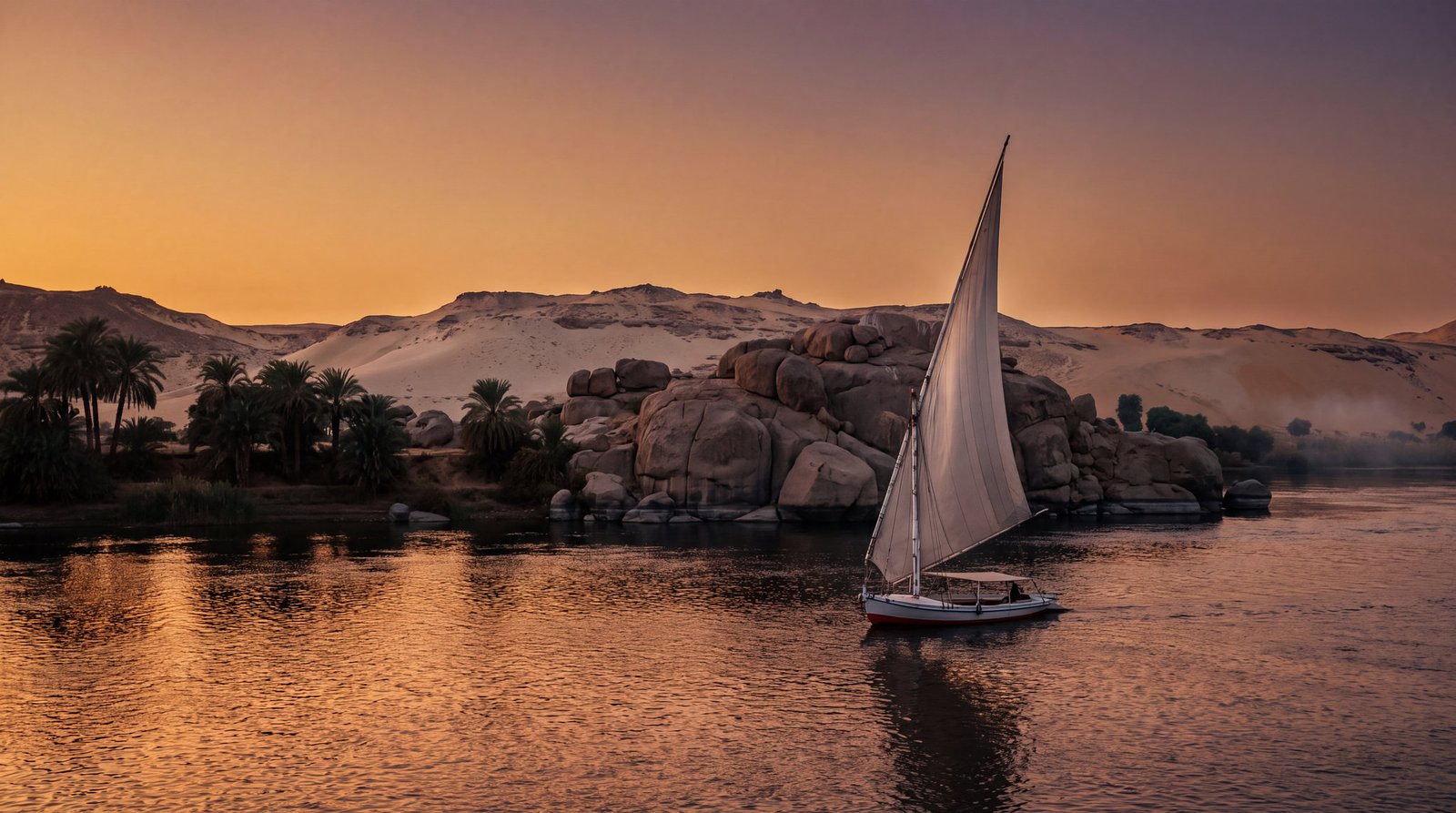
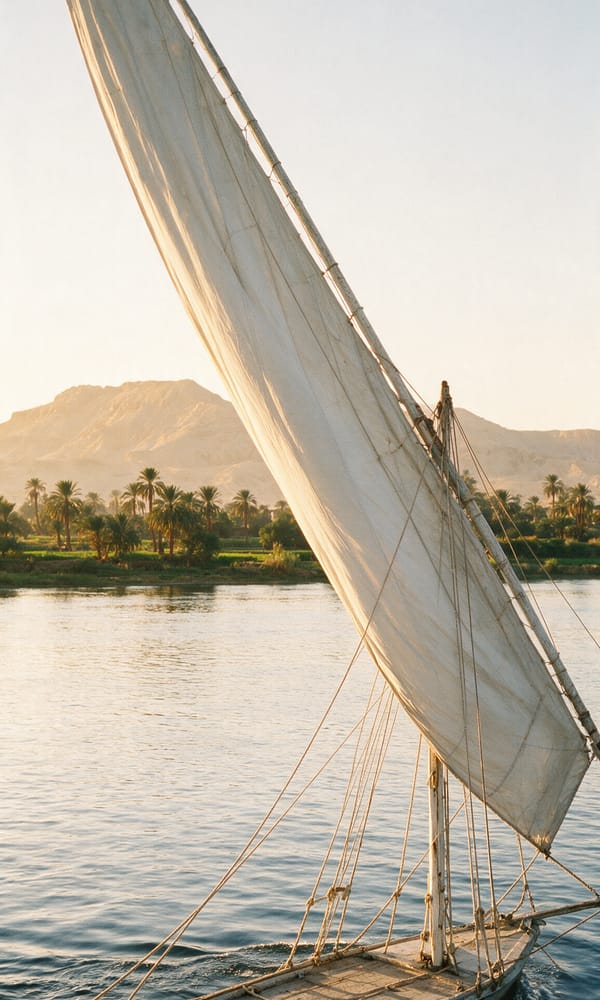
Egypt is one of the oldest continuous civilizations in the world and deserves more than a Pyramids afternoon and a souvenir market. The Valley of the Kings at Luxor with an Egyptologist who can read the hieroglyphics. A felucca sail on the Nile at dusk between Luxor and Aswan. The Abu Simbel temples at dawn, before the tour buses arrive, in a silence that makes the scale of the construction comprehensible. These are not difficult experiences to access — they require a guide, a plan, and knowing which morning to arrive.
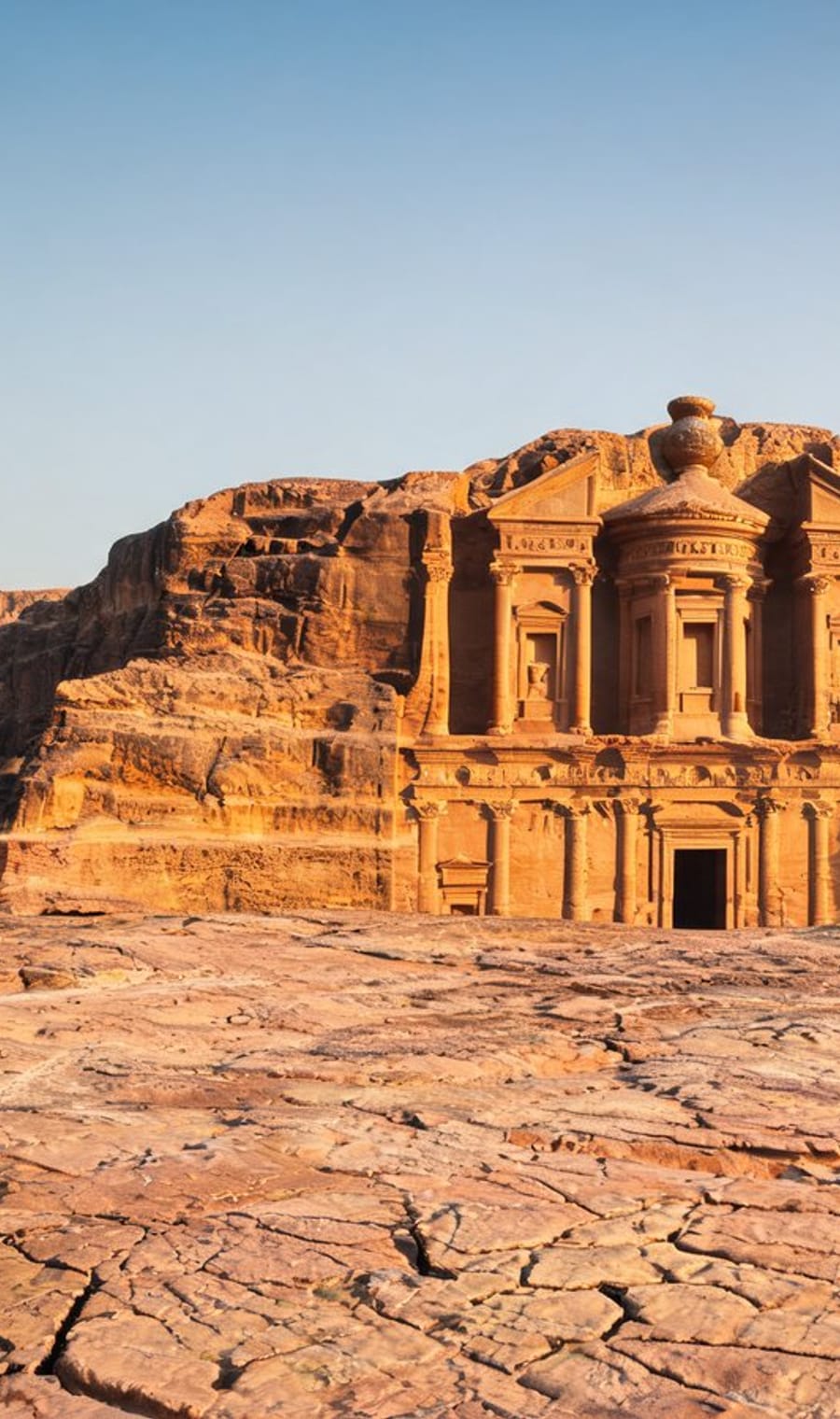
The rock-cut facade of Ad Deir standing above the open sandstone plateau at Petra in late light
Ad Deir · Petra, Jordan
Where We Send Clients

Six Middle East Destinations Worth Planning Properly

Each has an extraordinary version that requires a specialist guide, the right timing, and knowing which access to ask for — and a forgettable version available to anyone who books without that knowledge.
Jordan, The Levant
The Levant
Jordan
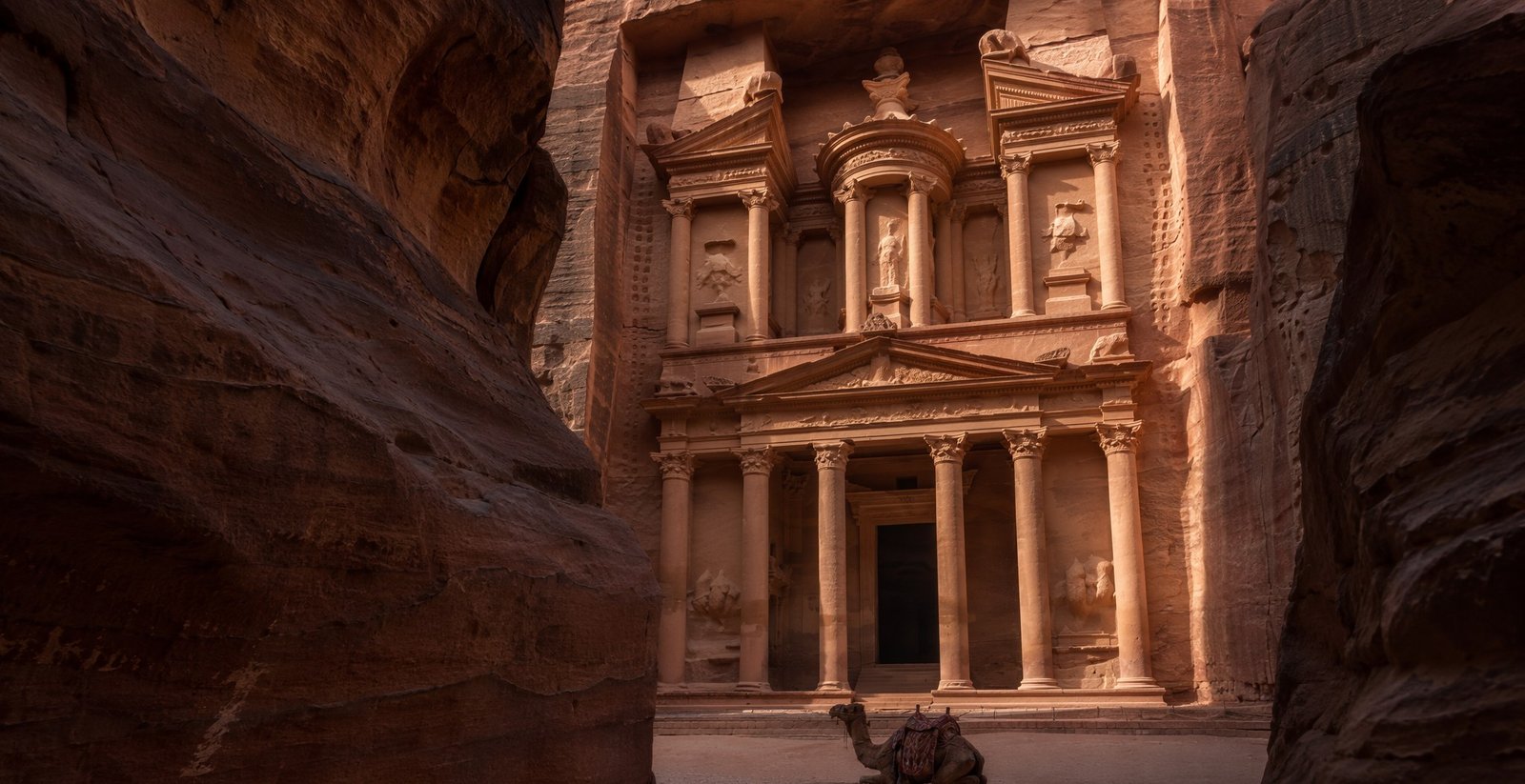
The most consistently impressive destination in the region for a first visit. Petra deserves two full days, not one — the Treasury at dawn before the day visitors arrive, the Royal Tombs by candlelight. Wadi Rum for a Bedouin camp host who has received travelers in his tent for thirty years.
Petra Wadi Rum Desert Dead Sea
Explore →
Israel, The Levant
The Levant
Israel
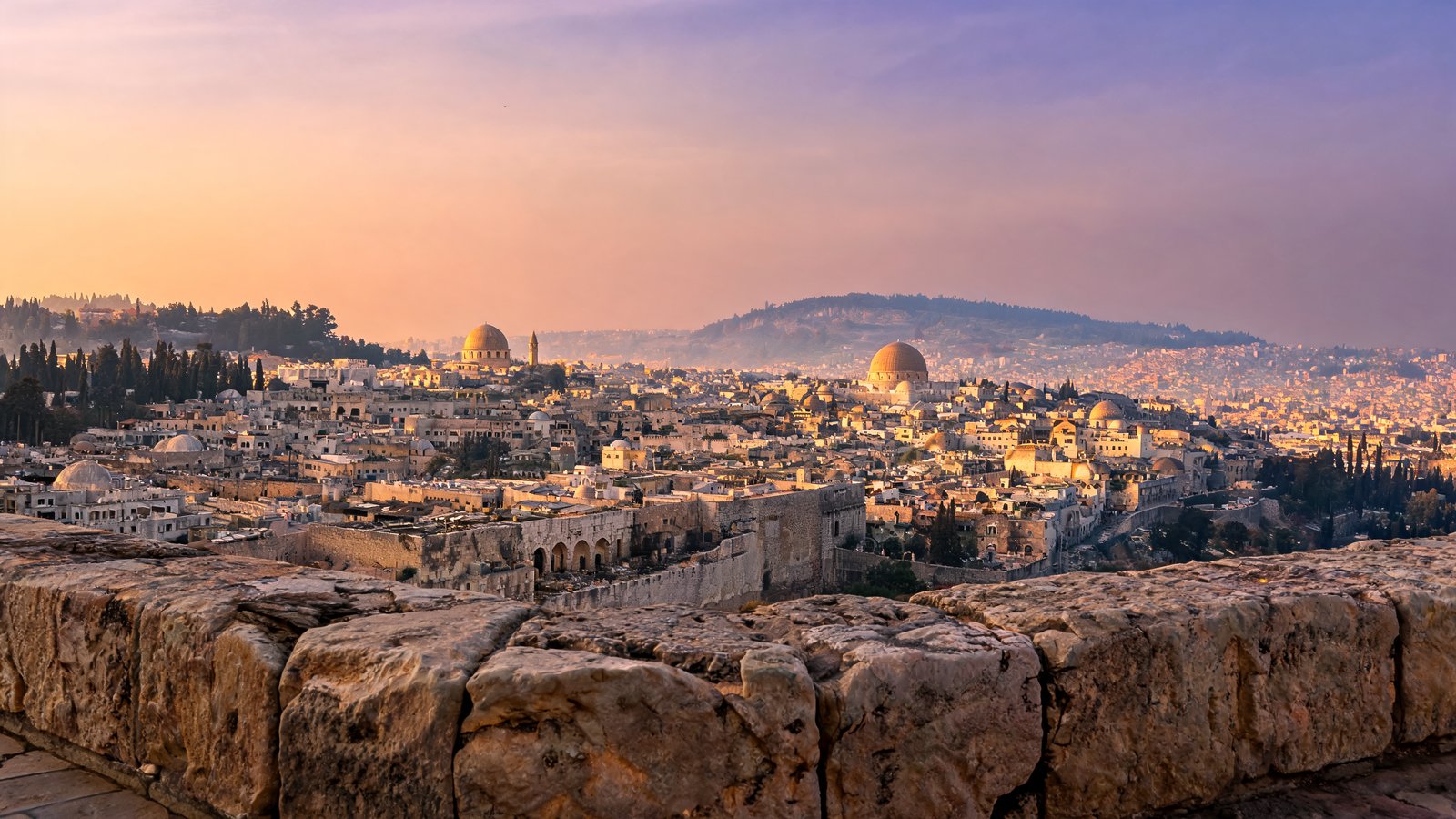
Jerusalem's Old City holds the most contested two square kilometers on earth — the Western Wall, the Holy Sepulchre, the Temple Mount and the Via Dolorosa, all within fifteen minutes of each other. A guide who can hold that complexity without simplifying it is the most important decision here.
Jerusalem Old CityTel AvivNegev Desert
Explore →
Oman, Arabian Peninsula
Arabian Peninsula
Oman
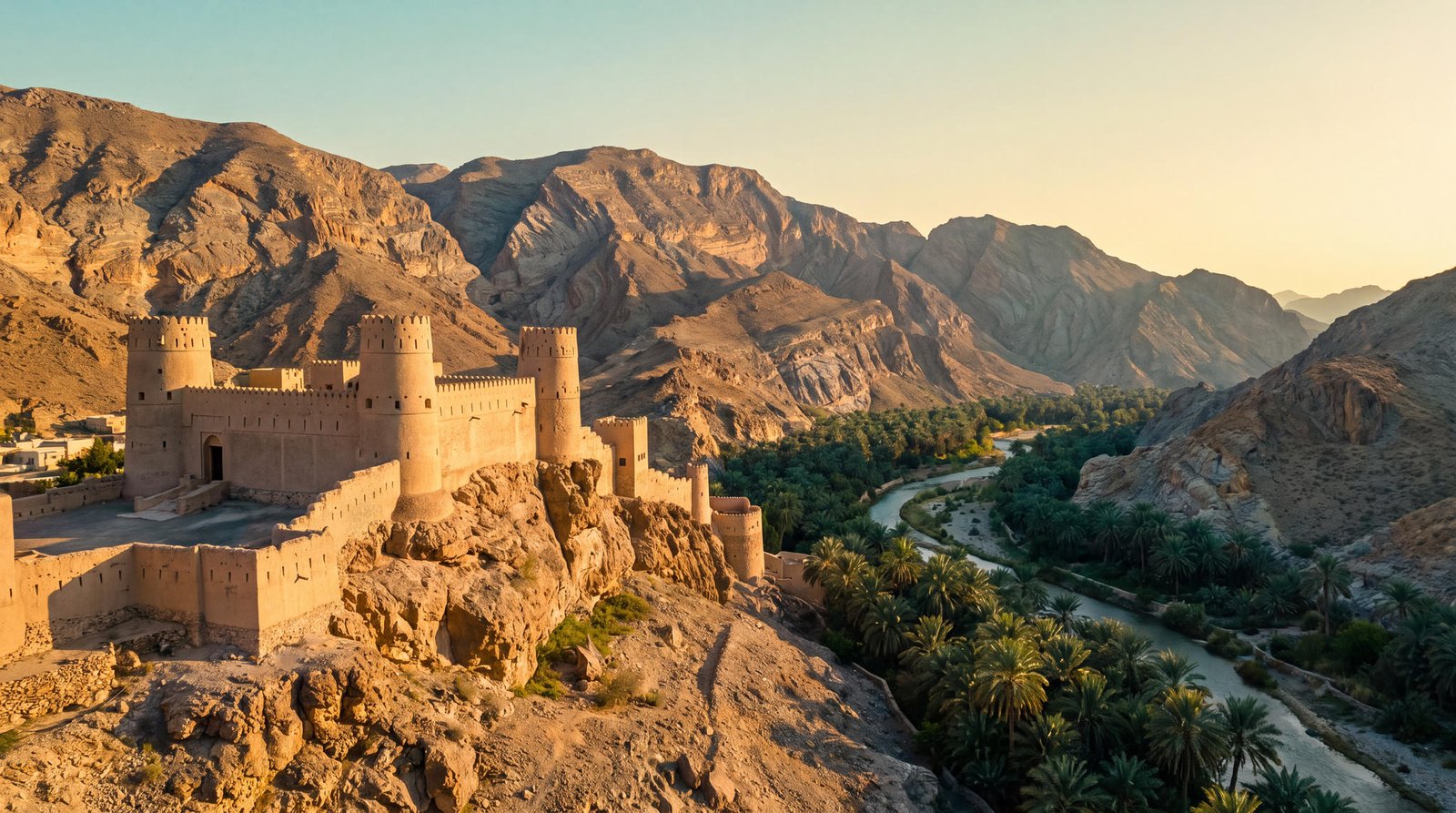
The region's most underused destination — extraordinary landscape diversity and a self-drive road trip culture that rivals New Zealand for scenic reward. The Wahiba Sands for a camp reachable only by 4WD, the Musandam Peninsula for fjords with no parallel outside Norway. Best October to March.
Wahiba SandsMusandam FjordsSelf-Drive
Explore →
Egypt, North Africa
North Africa
Egypt
The Pyramids of Giza at dawn, before the camel touts arrive and while the light crosses the Sahara in a color no photograph reproduces. The Valley of the Kings with an Egyptologist who reads the hieroglyphics. A felucca on the Nile at dusk between Luxor and Aswan. Abu Simbel by early flight.
GizaValley of the KingsNile Cruise
Explore →
UAE & the Gulf, Arabian Peninsula
Arabian Peninsula
UAE & the Gulf
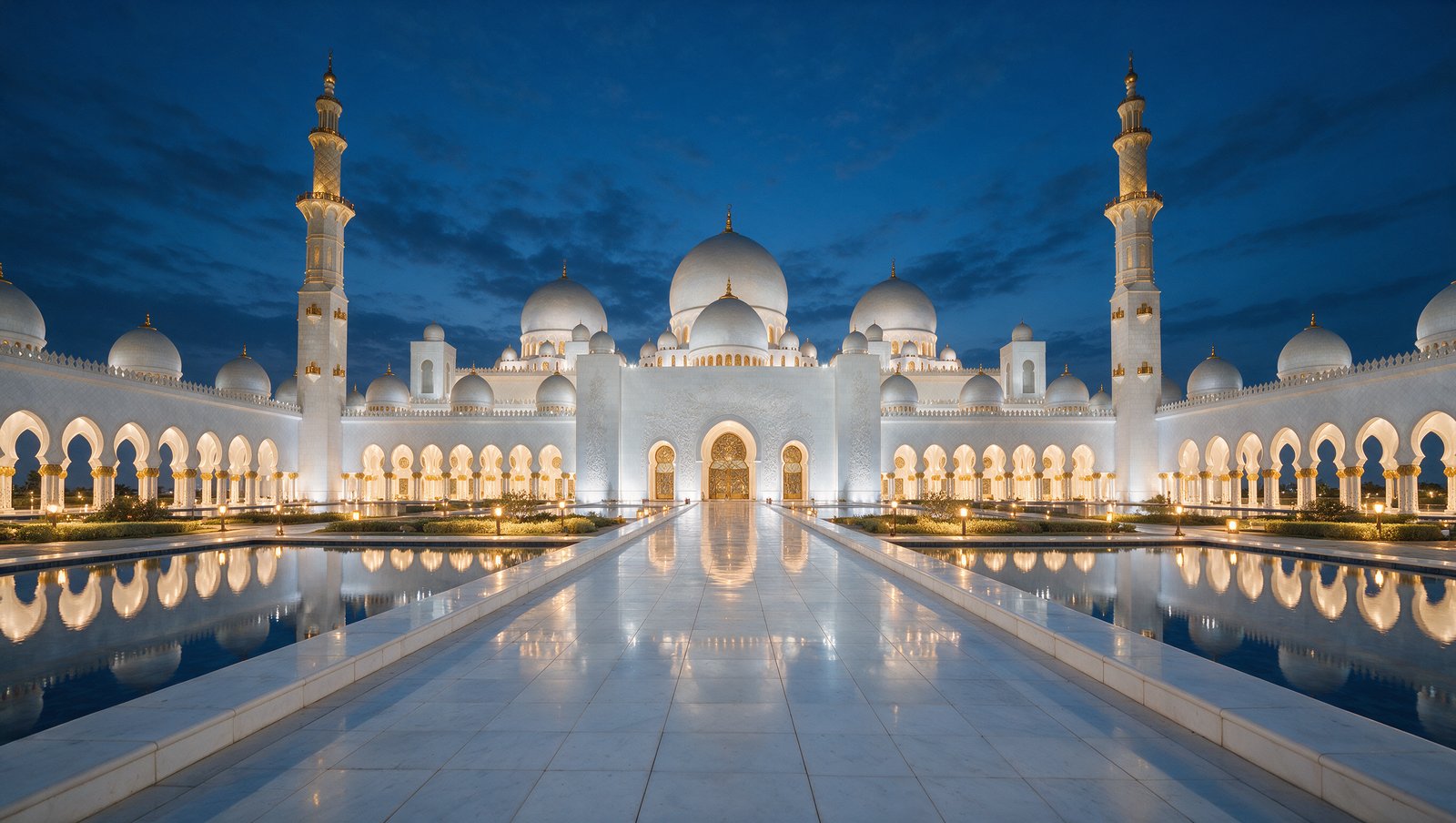
Dubai and Abu Dhabi as both gateway and destination — the architecture is genuinely extraordinary, the desert camps in the Liwa sit an hour from the Burj Khalifa, and the Sheikh Zayed Grand Mosque is one of the most beautiful buildings finished this century. Doha for the Museum of Islamic Art.
DubaiAbu DhabiDesert Safari
Explore →
Georgia & Armenia, Caucasus
Caucasus
Georgia & Armenia
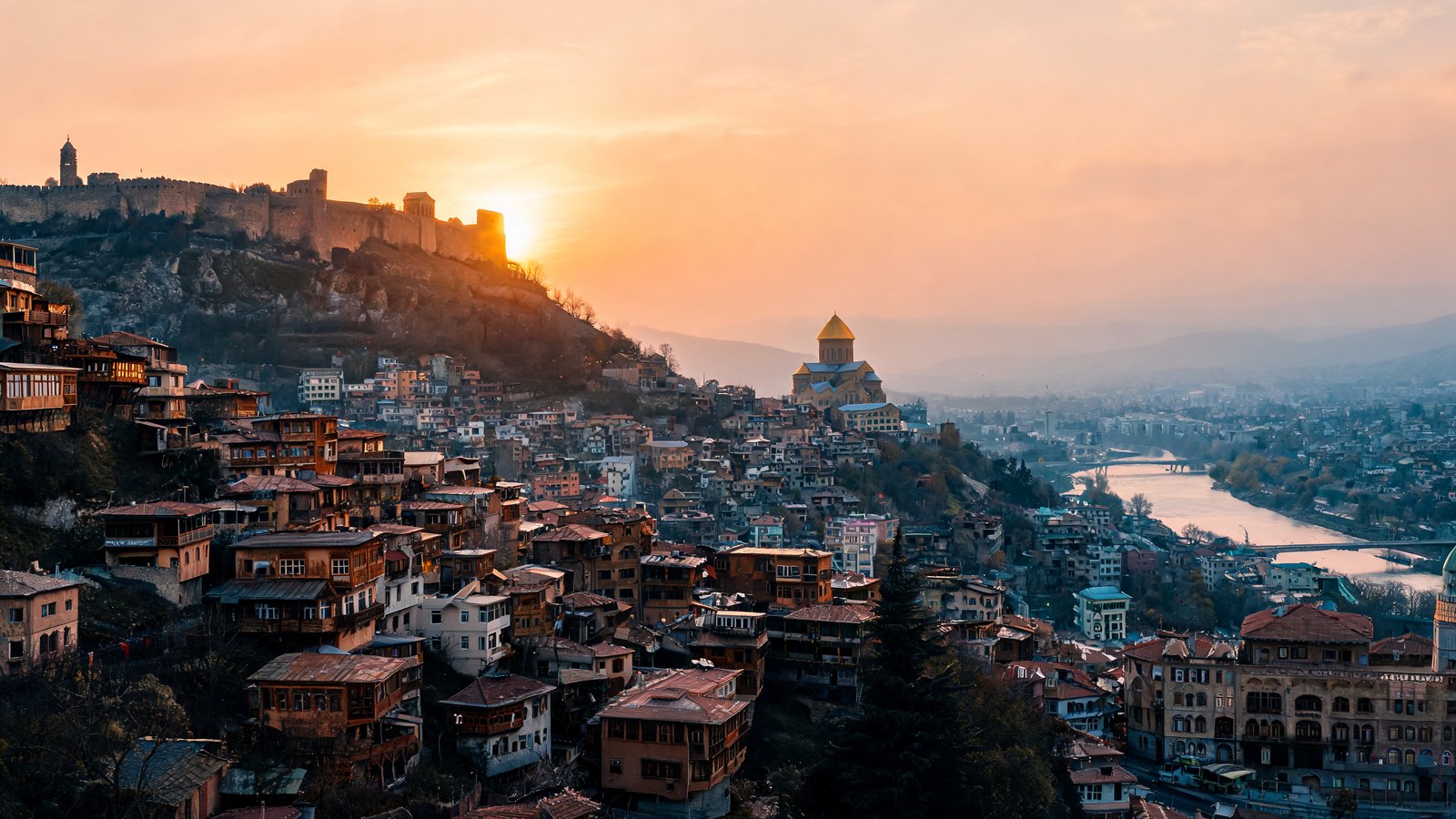
The Caucasus as the under-the-radar extension of a Middle East itinerary. Tbilisi is a palimpsest of Ottoman baths, Soviet boulevards and Orthodox cathedrals within a half-mile walk. Kakheti for a qvevri winemaker fermenting in 2,000-year-old clay vessels buried beneath the cellar floor.
TbilisiGeorgian WineArmenia
Explore →
Featured Itineraries

Trips We Plan Often

Middle East itineraries built around the guides, the access, and the depth that makes a region most travelers have underestimated reveal what it actually is.
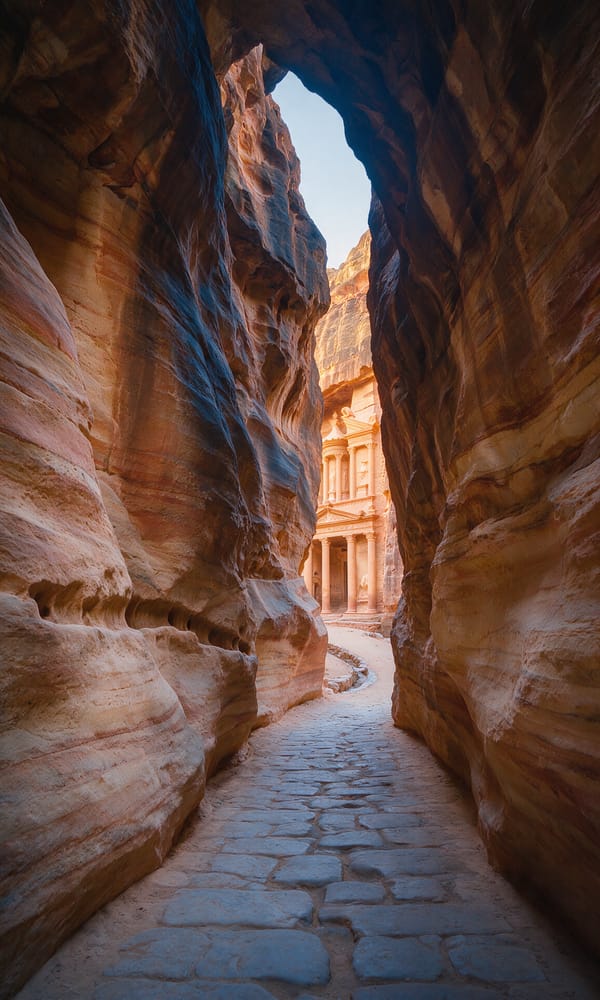
Sunlit Treasury columns glimpsed at the end of Petra's shadowed Siq gorge at dawn
October – April · 8–10 days
Jordan in Depth
One night in Amman with a local guide who maps the Roman Citadel and the downtown food circuit — a mansaf at a restaurant that hasn't changed its menu since 1962, a falafel at the counter that opens at seven. Drive north to Jerash for the afternoon with a classicist who has been excavating the site for fifteen years and knows which forum the merchants preferred and which street was the Roman equivalent of a rush-hour corridor. Two full days in Petra — the Siq at dawn before anyone else is there, the Monastery in the afternoon light, the Royal Tombs by candlelight on the Petra by Night experience. Two nights in Wadi Rum with a Bedouin host who grew up in the canyon and drives the desert the way a guide who grew up in a valley drives without looking at the map. One night at the Dead Sea before the flight home — floating at sunset in water ten times saltier than the ocean.
Jordan8–10 Days
Plan This Trip
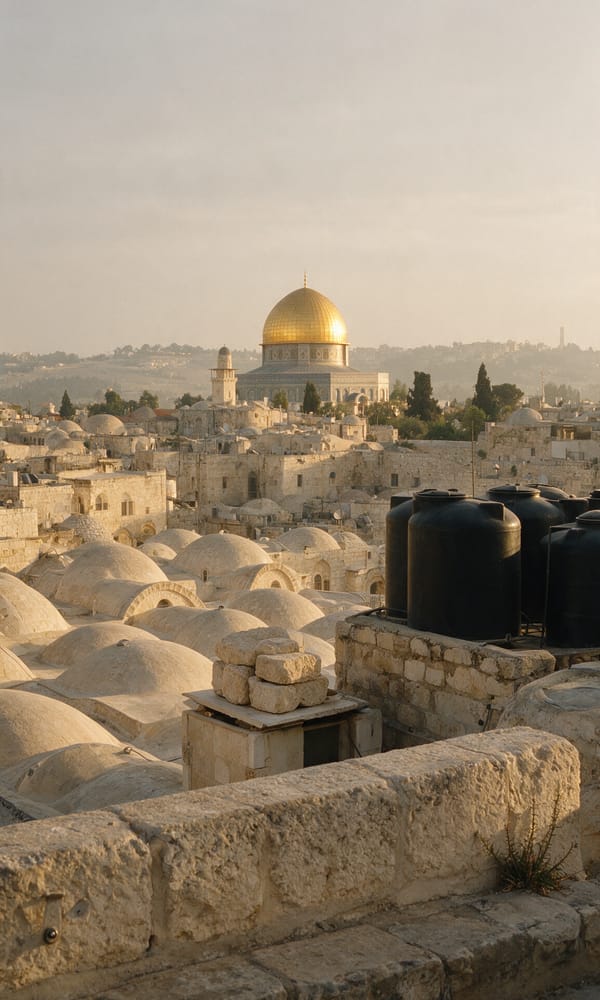
Limestone rooftops and domes of Jerusalem's Old City at first light with the gold Dome of the Rock beyond
October – April · 10–12 days
Israel & Jordan Combined
Four nights in Israel — Jerusalem for two days with a guide who holds the complexity of the Old City without simplifying any of it: the Western Wall at dawn, the Via Dolorosa on a Friday, the Armenian Quarter on a Saturday when the rest of the Old City is closed. Tel Aviv for two nights: the Carmel Market, the White City Bauhaus walk, and a beach sunset that turns the Mediterranean gold. Fly or drive to Aqaba and enter Jordan. Three nights at Wadi Rum and Petra — the same full Petra days as the Jordan itinerary, the same Bedouin camp in the desert. Dead Sea for the final night before flying from Amman. A combined itinerary that covers two of the most historically significant and consistently impressive countries in the region in under two weeks.
Israel · Jordan10–12 Days
Plan This Trip
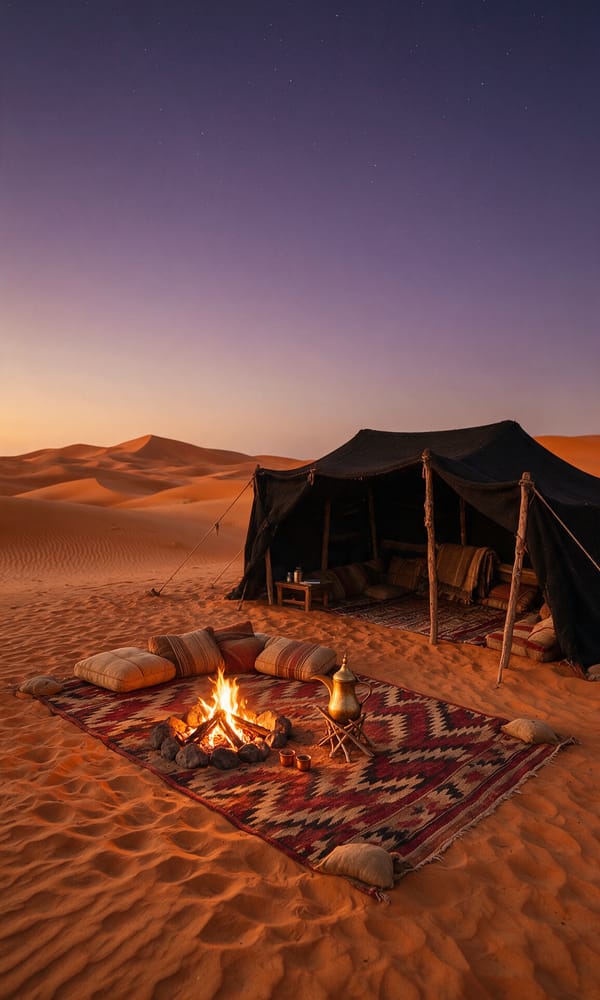
A brass coffee pot and cushions on a carpet before a goat-hair tent in the Wahiba Sands at dusk
October – March · 8–10 days
Oman Road Trip
Muscat for two nights — the Sultan Qaboos Grand Mosque in the hour before it opens to visitors, when the caretakers are still sweeping the courtyard and the dome is lit from the east; the Muttrah Souk at dusk, where the frankincense and the silver come from families who have been trading here for three hundred years. Drive inland to Nizwa for the Friday morning goat market, a medieval fort, and an afternoon with a pottery family whose craft predates the sultanate. The Hajar Mountains for a night at a mountain lodge with a view that makes the driving worth every minute. The Wahiba Sands for two nights in a desert camp accessible only by 4WD, where the owner's family have been Bedouin in these sands since before there was a country called Oman. Wadi Shab on the way back to Muscat for the emerald pools and the cave swim. A road trip that clients who have done Jordan ask for as the follow-up.
Oman8–10 Days
Plan This Trip
A felucca's white lateen sail on the Nile at Luxor with the Theban hills gold behind
October – April · 9–11 days
Egypt: Cairo, the Nile & Abu Simbel
Two nights in Cairo — the Egyptian Museum with an Egyptologist who limits the visit to a dozen objects and explains what each one tells us about the civilization that produced it; the Pyramids of Giza at dawn before the camel operators set up, with a guide who can describe the logistical achievement of construction without resorting to mysticism; a dinner in the Zamalek neighborhood that the city's own architects and writers use on a Tuesday night. Fly to Luxor for three nights — the Valley of the Kings with a guide who can read the hieroglyphics in the royal tombs, the Temple of Karnak at dawn before the tour groups arrive, and an afternoon felucca sail on the Nile watching the west bank light change from gold to amber. Nile cruise to Aswan for two nights. Early morning flight to Abu Simbel — a temple carved into a cliff face on the order of Ramesses II to impress every traveler arriving from the south for three thousand years. It earns the flight entirely.
Egypt9–11 Days
Plan This Trip
Why Plan With Us

What We Add to Middle East Travel

The Middle East is the region where wrong assumptions most get in the way of extraordinary travel. The planning work starts with removing them.

Specialist History Guides
Petra with a Nabataean archaeologist who has been excavating the site for fifteen years. Jerusalem with a guide who can hold the theological complexity of the Old City without simplifying any one tradition. The Valley of the Kings with an Egyptologist who reads hieroglyphics and explains the Book of the Dead as it applies to each royal tomb. These guides exist. They require knowing where to find them and having the relationships to access them.
Timing & Access
The Pyramids at dawn before the operators set up. The Treasury at Petra before the day visitors arrive. Abu Simbel on an early-morning flight before the afternoon heat. The Siq at Petra by candlelight on a Petra by Night evening. These aren't insider secrets — they're specific times and arrangements that most travelers never make because they don't know to ask. We build them into every itinerary as a matter of course.
Regional Combination Logic
Jordan and Israel combine naturally — shared border crossings, complementary history, a two-week itinerary that covers both countries at depth. Jordan and Egypt work for travelers who want ancient history in two very different landscape contexts. Oman pairs with the UAE as a ten-day itinerary that covers the Gulf at its most interesting and most genuine. We build these combinations around the logistics that make them flow rather than the itineraries that make them feel like a checklist.
Cultural Preparation
Middle East travel requires cultural preparation that most itineraries ignore — dress code guidance for religious sites, Ramadan calendar awareness (the region transforms during Ramadan in ways that are either extraordinary or inconvenient depending on how prepared you are), and the social protocols that make the difference between being a tourist and being received as a guest. We brief every client on this before departure as part of the planning process.
When to Go

Middle East by Season

Primary Window
October – April
The optimal window for all Middle East travel — cool temperatures across Jordan, Israel, Oman, and Egypt; clear skies; and the full range of outdoor and archaeological site experiences available without heat management. October and November offer shoulder pricing with excellent conditions. February and March bring wildflowers to the Jordanian desert and the Israeli hillsides. April is Ramadan in some years — transformative for the right traveler, requiring extra planning for everyone.
Best Overall Window
Summer
May – September
Summer temperatures across the Middle East are extreme — Jordan and Israel reach 38–42°C in July and August, Egypt's desert regions are genuinely dangerous without proper preparation, and Oman's interior is best avoided entirely. The UAE and Gulf coast function in summer because of total air-conditioning infrastructure — Dubai in summer is an indoor experience, and perfectly manageable for travelers who understand this. The Red Sea coast of Jordan (Aqaba) and Egypt (Hurghada, Sharm el-Sheikh) are excellent for diving year-round, with summer water temperatures ideal for extended time in the water.
Ramadan Consideration
Variable · Check annually
Ramadan follows the Islamic lunar calendar, moving approximately eleven days earlier each year. Traveling in the region during Ramadan requires specific preparation — many restaurants are closed during daylight hours, the pace of daily life changes, and in some cities the atmosphere transforms entirely after sunset in ways that are genuinely extraordinary. Ramadan is not a reason to avoid travel; it is a reason to prepare differently. We advise every client on the Ramadan calendar as part of trip planning and help them decide whether the timing works for their specific itinerary.
Ready When You Are

Plan a Middle East Trip
Worth the Preconceptions

Tell me which country or region draws you, when you can travel, and what you're looking for. I'll come back with a specific recommendation — destination, guide, timing, and what makes it right for you — within one business day.

Plan a Middle East Trip All Destinations

No booking fees  ·  Response within 24 hours  ·  Fully bespoke

What It Costs

What the Middle East Actually Costs

$600–$1,600
per person, per day, land only. Ranges, not quotes.
What that includes
  • Luxury hotels with breakfast
  • A private driver and transfers throughout
  • Private guiding, key admissions and selected meals
What it does not
  • International airfare and visas
  • Most meals outside touring days
  • Premium desert-camp and aviation experiences, plus gratuities
The two or three things that move it most
  • Country and routing — internal flights and desert camps move the number most
  • Hotel tier and guiding intensity
  • Winter-sun demand at the Gulf resorts

Editorial planning bands, not quotes — assembled from published rates and official fee sources, verified . Rates, permit costs and park fees change; confirm before booking. Source: U.S. State Department travel advisories.

Common Questions

Middle East — FAQ

Questions about safety, visas, dress codes, and what makes Jordan, UAE, and Saudi Arabia worth adding to your travel list.

The destinations I plan — Jordan, UAE, Saudi Arabia, Oman, and Qatar — are stable, well-established tourism destinations with professional hospitality infrastructure. "The Middle East" covers a vast region; the countries I recommend have strong records for traveler safety and a genuine interest in international visitors. I don't plan travel to areas where the security context doesn't support tourism.

Jordan alone — Amman, Petra, Wadi Rum, the Dead Sea — makes an excellent 7–10 day stand-alone trip. Dubai or Abu Dhabi work well as a destination or a stopover. Jordan and Israel together offer extraordinary historical depth across two culturally distinct but geographically close countries. Saudi Arabia's AlUla is a compelling emerging destination for archaeology and desert landscapes.

Jordan, UAE, and Saudi Arabia offer visa on arrival or e-visa options for US and most Western passport holders. Israel operates its own entry system. Evidence of a visit to Israel may complicate entry to certain Arab countries in some circumstances — this is evolving and depends on the specific passport. I verify current entry requirements for each destination and flag any potential complications in advance.

UAE and Jordan are relatively moderate — covered shoulders and knees are appropriate outside resorts and tourist areas, though international hotels are more relaxed. Saudi Arabia has specific public dress requirements for non-Muslims outside major tourist zones. Oman is similarly conservative beyond resort settings. I provide a practical cultural brief for every destination that covers local norms clearly.

Petra is one of the genuinely irreplaceable travel experiences. The approach through the Siq — a 1.2km narrow gorge carved into rose-red sandstone — leads to the sudden reveal of the Treasury, which is unlike anything else in the world. A single day is manageable; two days allows exploration of the Monastery, the High Place of Sacrifice, and the less-visited areas. Best at opening time before the crowds arrive.

Yes — this is a compelling combination for travelers who want to see the region broadly. Jordan and UAE are easy to combine (Amman to Dubai is a 3-hour direct flight). Adding AlUla in Saudi Arabia brings a dramatic desert archaeology component. A 12–16 day itinerary covers all three comfortably. Israel can be added to a Jordan trip if entry considerations permit.

October through April is the optimal window for most of the region — Jordan, Israel, Oman — when temperatures are comfortable for outdoor exploration (15–25°C). UAE and Qatar are best November–March when the heat is manageable. Summer (June–August) is extremely hot throughout the region and best avoided for outdoor-heavy itineraries, though desert camps and indoor experiences remain excellent year-round.

Wadi Rum is Jordan's vast desert valley. Sweeping red sandstone and granite, Bedouin culture, and one of the most dramatic night-sky environments in the Middle East. Overnight camps range from basic to highly designed tented glamping operations with en-suite bathrooms, good food, and guided 4WD excursions during the day. It is one of the most distinctive overnight experiences in the region and is worth at least one night on a Jordan itinerary.
More questions answered on the Full FAQ Page
From the Journal

Read More on the Middle East