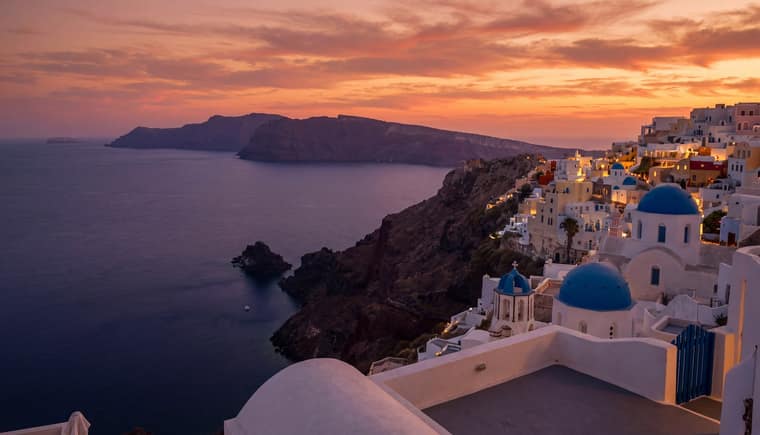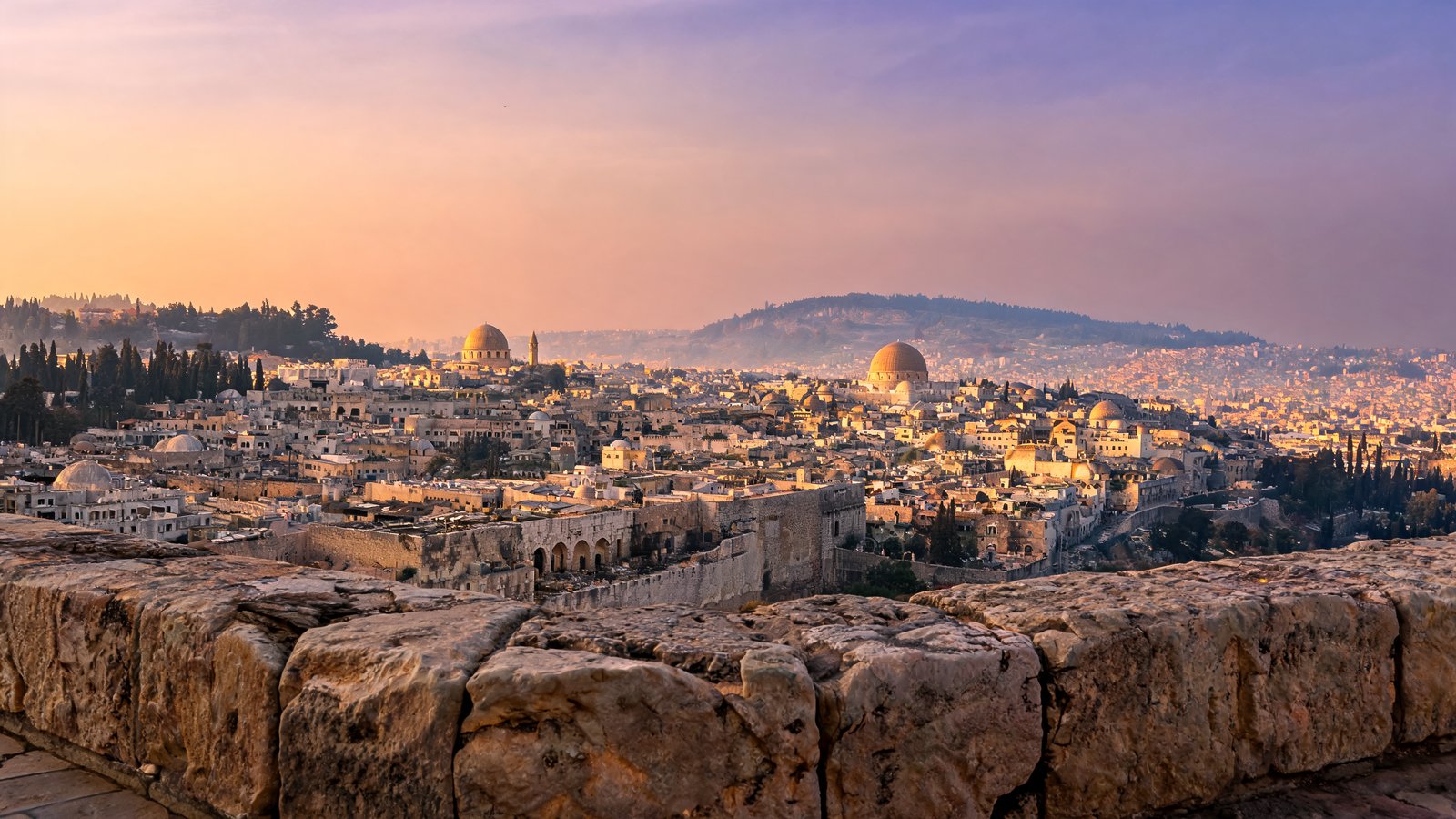

Eastern Mediterranean

Plan Around the Calendar,
Not Around the Map.

The country is small enough to cross in a day, so the driving is never the problem. Timing is. The trains and most of the shops stop from Friday sunset to Saturday nightfall, the Hebrew, Christian and Muslim festivals move against the Gregorian year, and an itinerary written without both calendars open will lose the day you wanted in the Old City.

Best Season
Mar – May, Oct – Nov
Best For
Layered History
& City Contrast
The Country

Israel Runs on the Calendar,
Not on the Map.

The two windows that work are March to May and October to November. A first trip runs 8 to 10 days: Jerusalem wants 4 nights, Tel Aviv two or three, and the Galilee or the Dead Sea takes the rest. Public transport stops from Friday sunset to Saturday nightfall, Israel Railways included, so the week is built around Shabbat rather than the other way round.

Two calendars run here at once. The weekly one stops the trains, the buses and most of the shops for twenty-five hours from Friday sunset. The annual one is three religious calendars at the same time, Hebrew, Christian and Muslim, each moving against the Gregorian year and against each other, so last year's dates are wrong for this year. An itinerary written without both open in front of you will lose a day, and it will usually be the day earmarked for the Old City.

Jerusalem is the reason most people come and the place most trips underbook. The walled Old City covers under a square kilometre and holds four quarters, and the Old City of Jerusalem and its Walls has been on the World Heritage List since 1981. Within fifteen minutes of each other sit the Western Wall, the Church of the Holy Sepulchre and the Via Dolorosa. Which of those you understand, and how much of the layering under them you get, depends almost entirely on who is walking with you.

Everything else is a counterweight to that. Tel Aviv is an hour away and behaves like a different country: UNESCO counts some 4,000 buildings in its 1930s International Style core, Shabbat barely registers, and the beach is a short walk from it. North is the Galilee, green and agricultural. South is Masada, the Dead Sea and a desert most visitors never reach. Pick two of the three, or take twelve days.
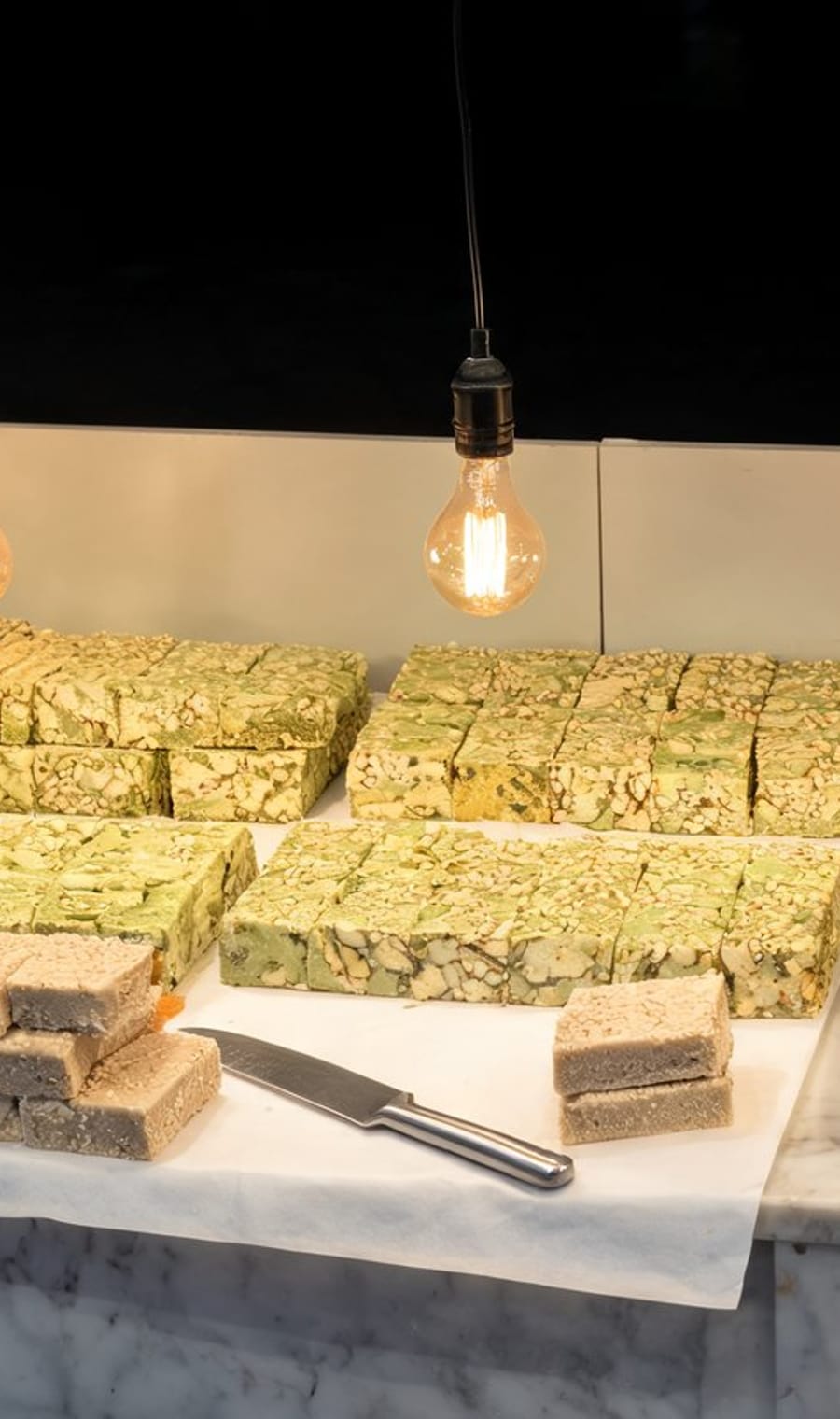
Slabs of halva under a bare bulb on a Jerusalem market counter
A market stall · Jerusalem · Israel
Where We Send Clients

Six Places Worth the Nights

Short distances make it tempting to day-trip everything from one base, and that is the mistake. These six want to be slept in: the hours that matter are early morning and after the day visitors leave.
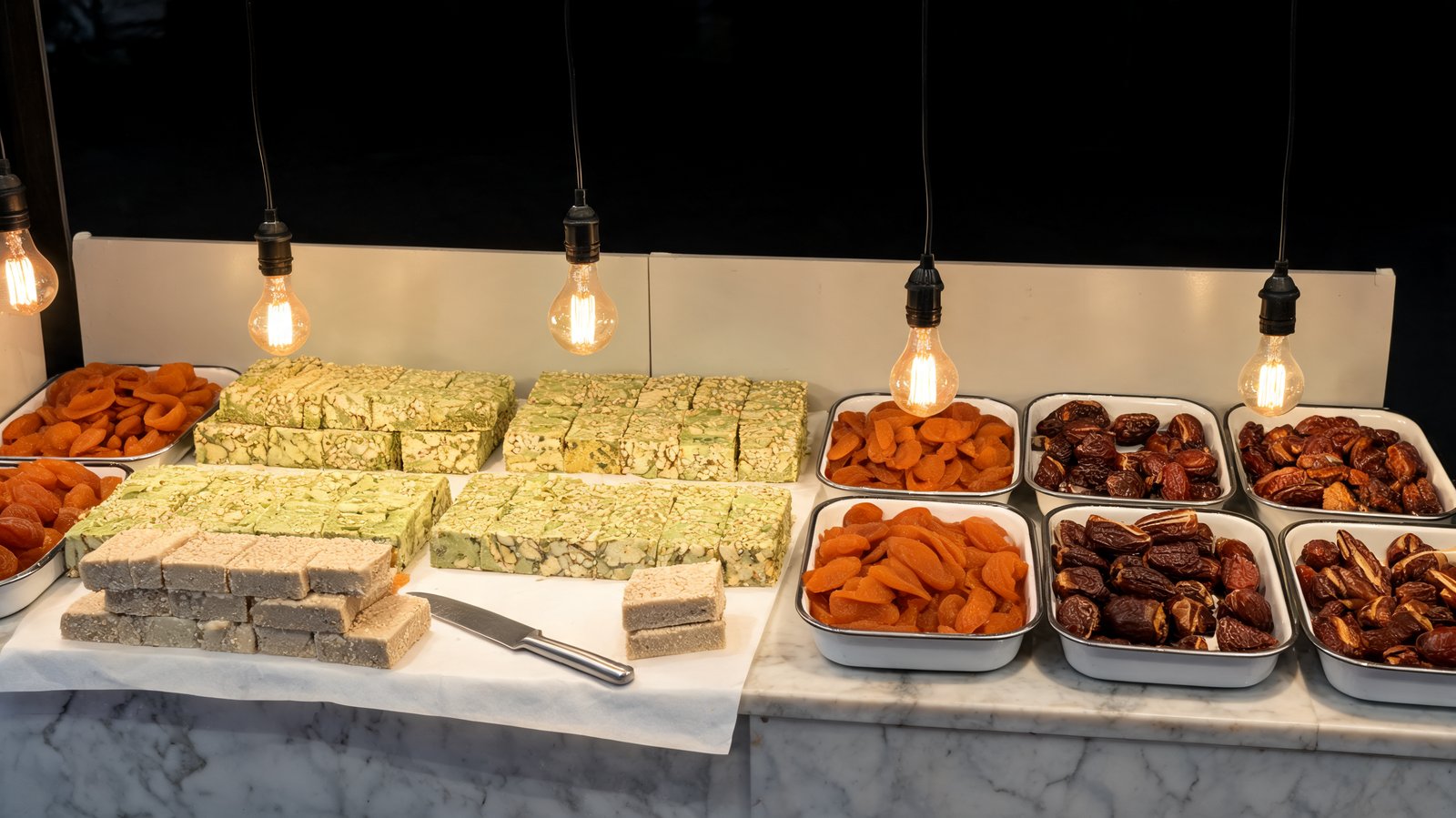
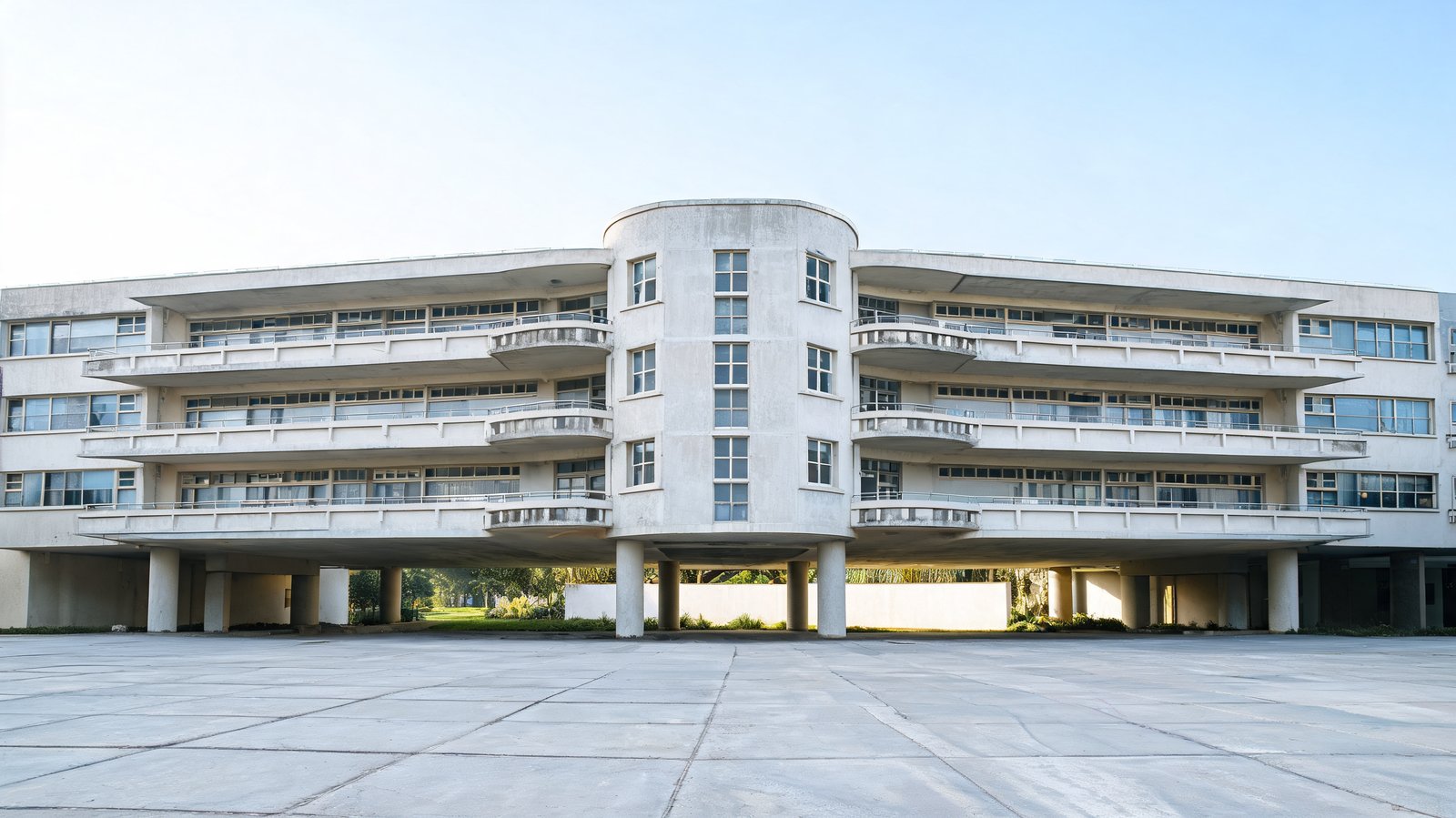
Jerusalem, Judaean Hills
Judaean Hills
Jerusalem
Four quarters inside one walled square kilometre, and the guide you walk with decides which city you see. Four nights, not two: the Old City empties at dusk, the Mount of Olives is a morning, and Machane Yehuda on a Thursday night is another city.
Old City Mount of Olives Machane Yehuda
Explore →
Tel Aviv & Jaffa, Mediterranean Coast
Mediterranean Coast
Tel Aviv & Jaffa
A genuinely different city an hour from Jerusalem, and the reason a week here never repeats itself. The Bauhaus core is walkable in a morning, Jaffa's port is thousands of years older, and the restaurant scene is the strongest in the region. Shabbat barely lands here.
White City Carmel Market Old Jaffa
Explore →
Galilee & the Golan, Northern District
Northern District
Galilee & the Golan
Green, agricultural, and the half of the country most itineraries skip. The Sea of Galilee sits roughly 210 metres below sea level with Capernaum and the Mount of Beatitudes on its northern shore. Nazareth, Tzfat's synagogue quarter and the Golan wineries are all within an hour of a lake base.
Sea of Galilee Nazareth Golan Wine
Explore →
Masada & the Dead Sea, Judaean Desert
Judaean Desert
Masada & the Dead Sea
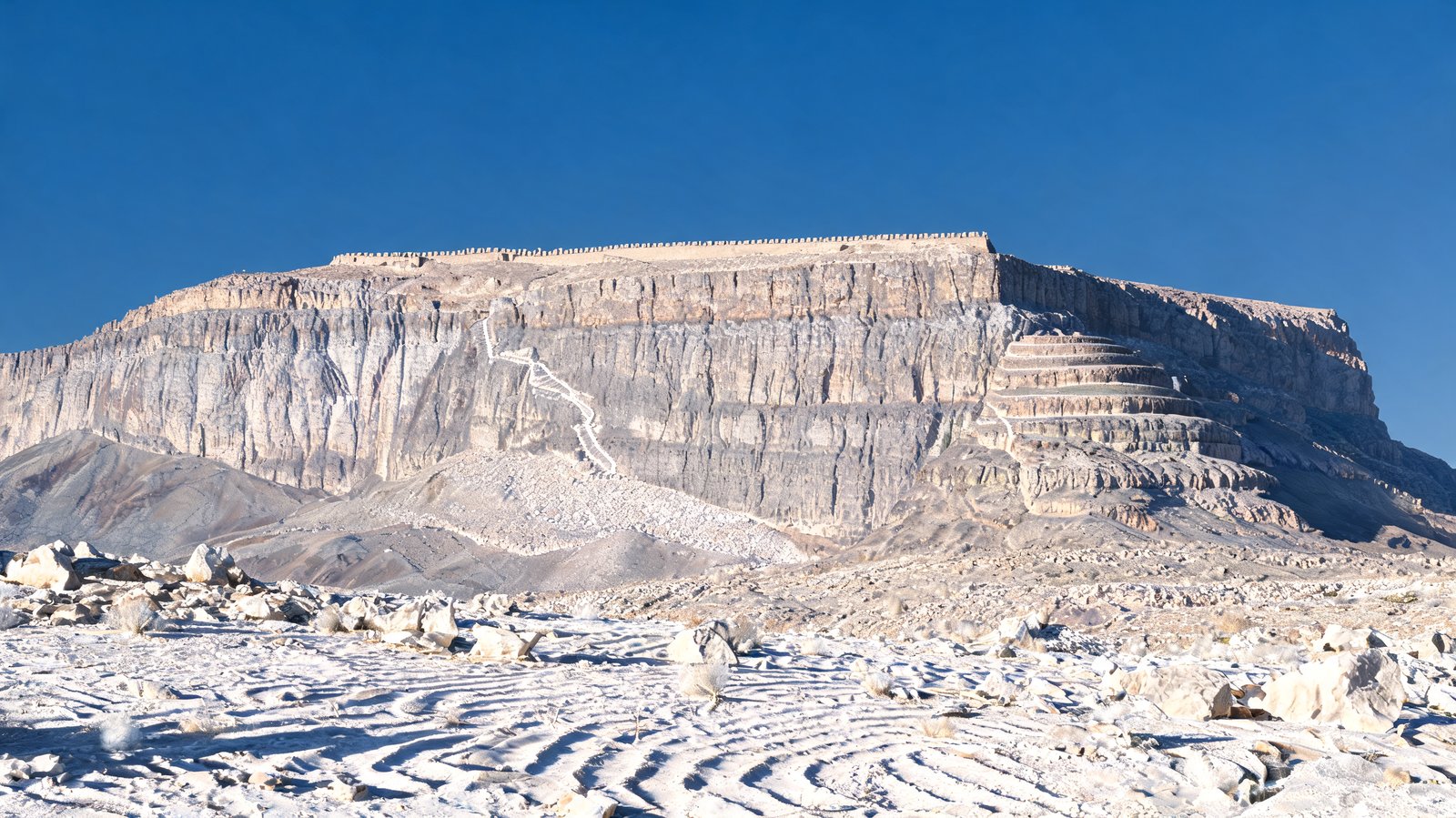
The fortress plateau stands roughly 400 metres above the shore, and the Snake Path is walked before first light or not at all. The lake below is the lowest dry land on the planet, near 430 metres below sea level. Two nights down here covers both without a punishing round trip from Jerusalem.
Snake Path Sunrise Climb Ein Gedi
Explore →
Caesarea & Akko, Northern Coast
Northern Coast
Caesarea & Akko
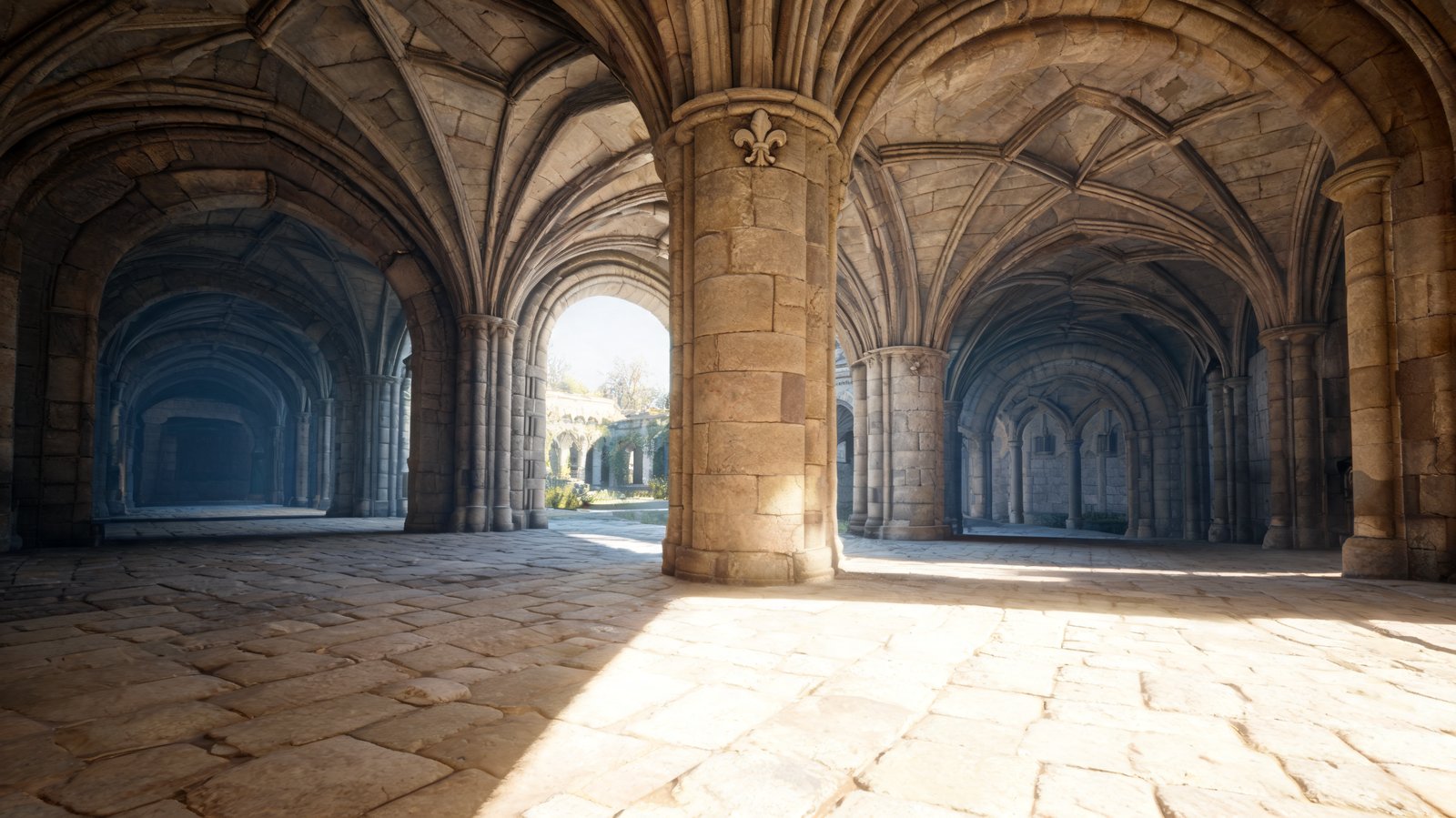
Herod's harbour city and a Crusader town with an Ottoman one built over it, an hour apart on the coast road. The Hospitaller halls under Akko are largely intact. Haifa sits between them, its Bahá'í terraces cut in stages down Mount Carmel above the port.
Roman Theatre Crusader Halls Carmel Terraces
Explore →
The Negev, Southern District
Southern District
The Negev
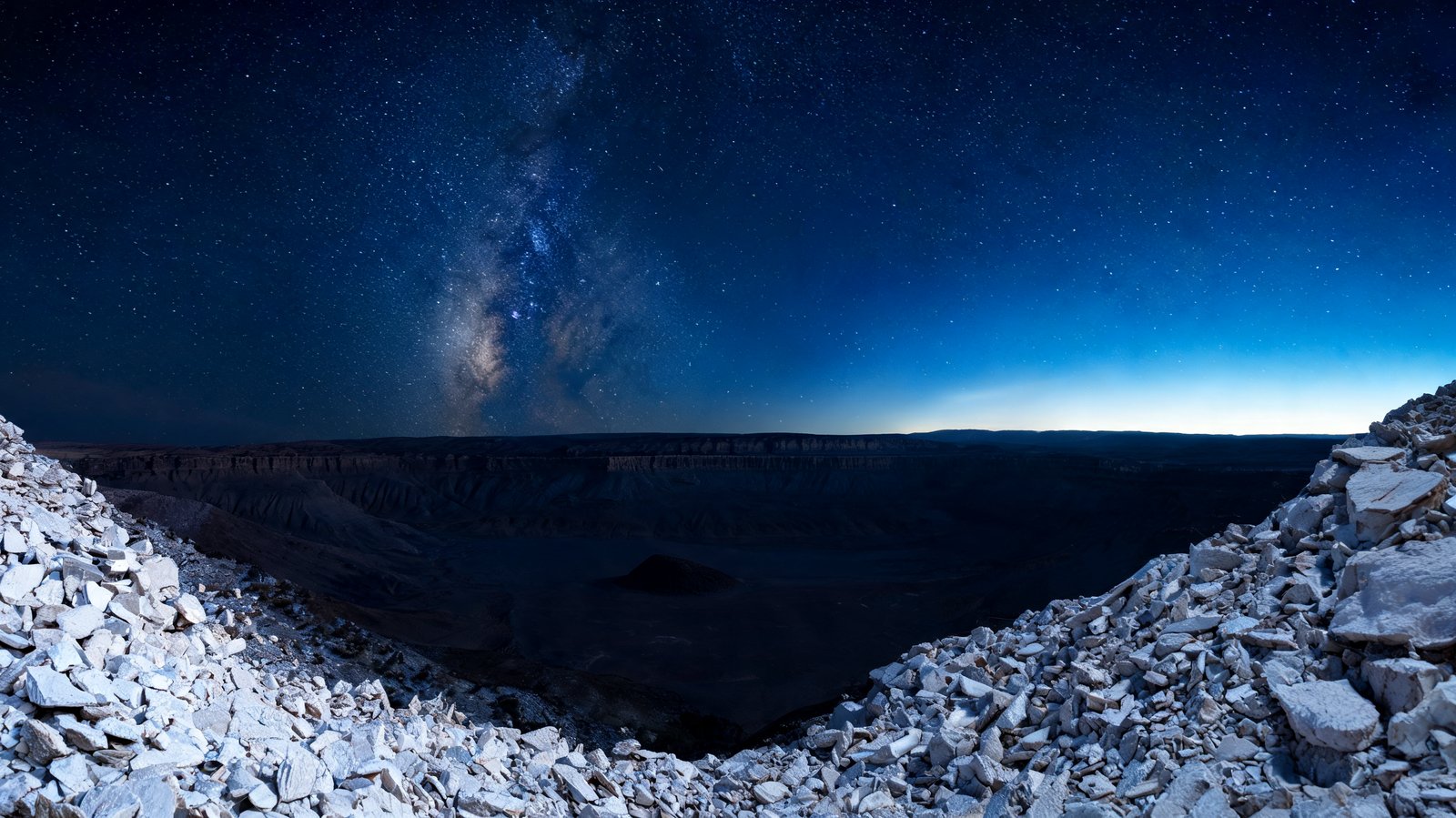
Over half the country's land area and a fraction of its visitors. Makhtesh Ramon is an erosion crater around 40 kilometres long and up to 500 metres deep, with Mitzpe Ramon on the rim. The Nabataean towns of the Incense Route are out here, and so is the country's darkest sky.
Makhtesh Ramon Incense Route Desert Skies
Explore →
Featured Itineraries

Trips We Plan Often

Each of these is built backwards from the Shabbat and holiday calendar for the week you travel, then filled in with guides and driving.
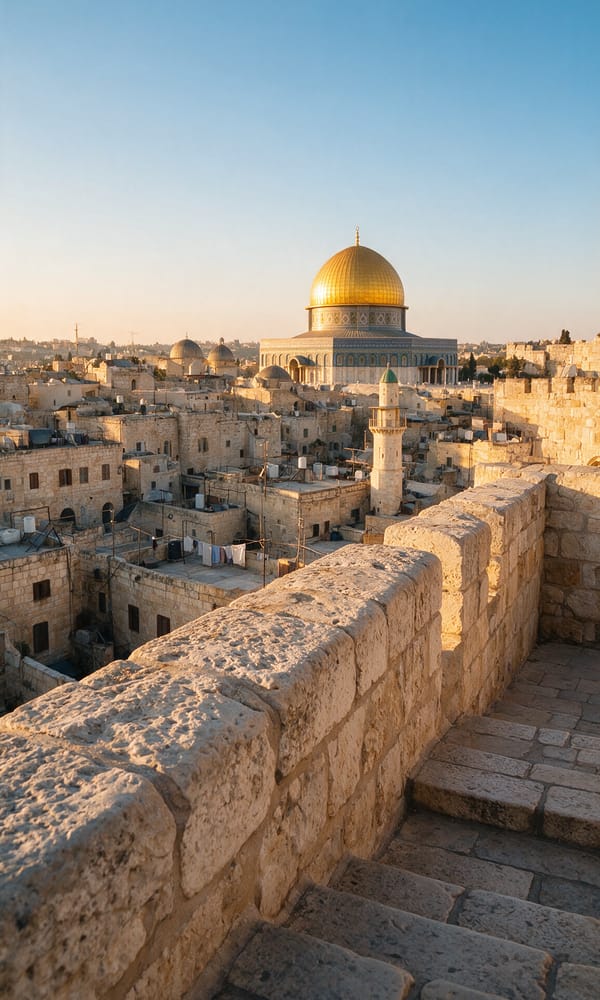
Old City rooftops and domes seen from the Jerusalem ramparts with the golden Dome of the Rock beyond
March – May · 7–8 Days
Jerusalem and Tel Aviv, Properly
The first trip, and the one that most rewards a slow build. Four nights in Jerusalem inside or beside the Old City: a full day on the walls and through the quarters with a historian rather than a route-marcher, a second on the Mount of Olives and the City of David, and a third held loose for what the first two opened up. Add the Israel Museum and its model of the Second Temple city, which makes every wall you walked make sense. Then three nights in Tel Aviv, a hard reset rather than a continuation: the Bauhaus streets in the morning, Jaffa at the end of the day, and dinner as a reason to be there.
Israel7–8 Days
Plan This Trip
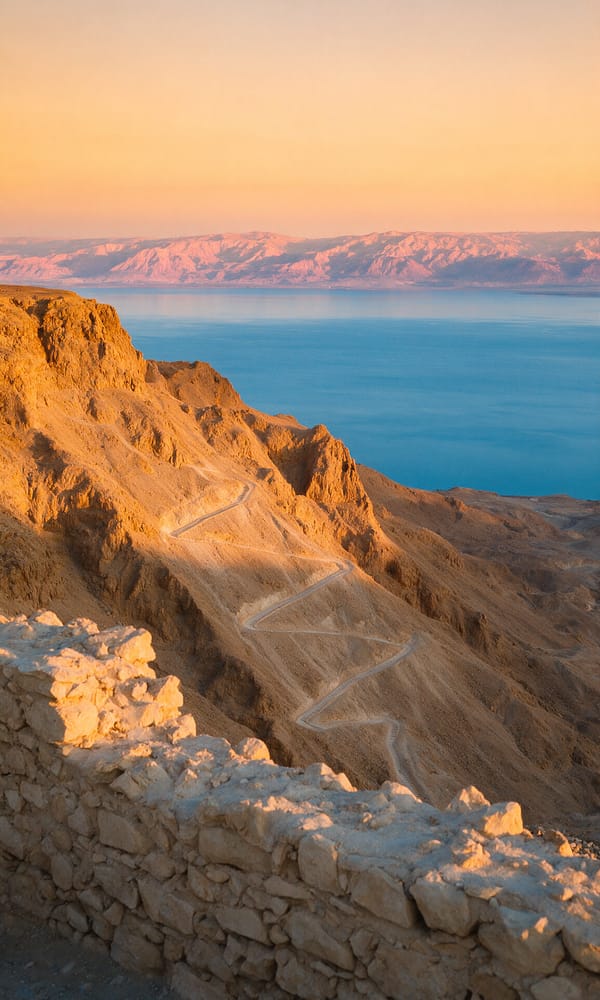
A ruined stone wall on Masada at sunrise above the Dead Sea and the Moab mountains
October – November · 11–12 Days
Israel End to End
North to south, one way, with no day given back to a repeated road. Three nights on the Sea of Galilee for Capernaum, Nazareth and a Golan wine afternoon, then down the coast for two nights at Akko or Haifa for the Crusader halls, the Carmel terraces and Caesarea's theatre without rushing them. Four nights in Jerusalem in the middle, where the trip has its centre of gravity. Finish with two nights at the Dead Sea for Masada at sunrise and Ein Gedi, and two more at Mitzpe Ramon on the crater rim for the desert and the night sky. Tel Aviv can be the arrival city or the last two nights, not both.
Israel11–12 Days
Plan This Trip
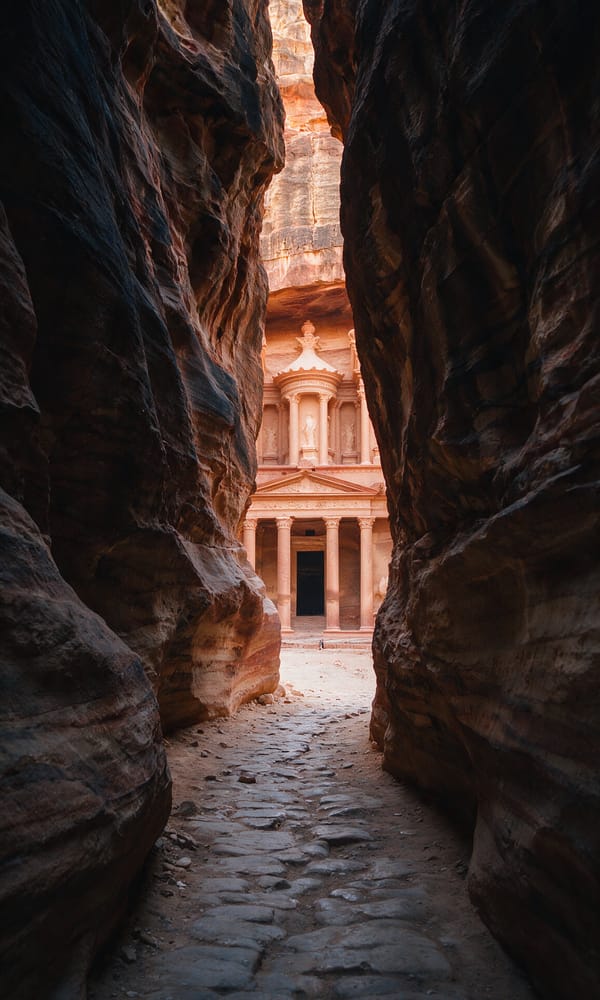
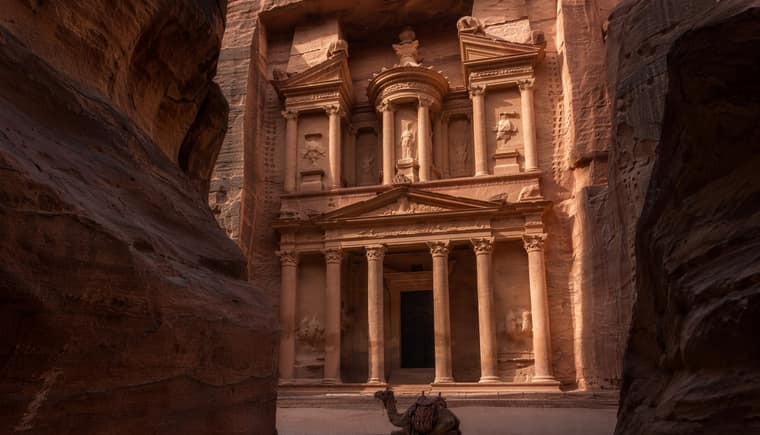
Petra's rose-red Treasury facade lit at the end of the shadowed Siq gorge
March – May · 13–14 Days
Israel and Jordan Overland
Two countries by road, with the land crossing treated as a half-day rather than a transfer. Six nights in Israel first: four in Jerusalem, two at the Dead Sea with Masada at first light. Cross south at Wadi Araba, between Eilat and Aqaba, on a morning with nothing else scheduled behind it. Then Jordan at the pace a Jordan trip deserves — two full days at Petra rather than one, the Treasury early and the Monastery climb on the second morning, a night at a Bedouin camp in Wadi Rum, and the Roman city at Jerash on the way north to Amman. Fly out of Amman rather than doubling back. Crossing hours and visa arrangements differ by border post; confirm close to travel.
Israel · Jordan13–14 Days
Plan This Trip
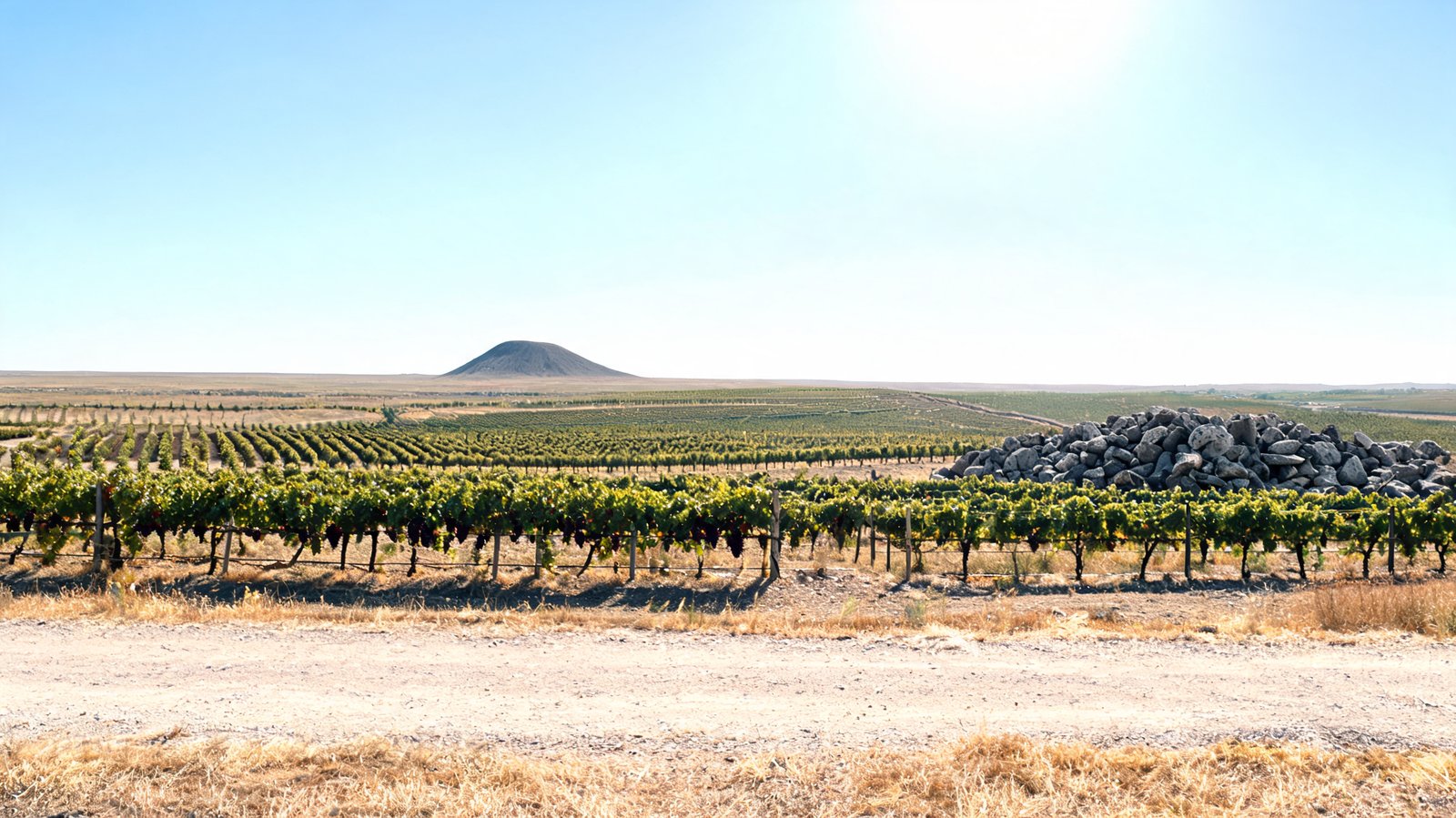
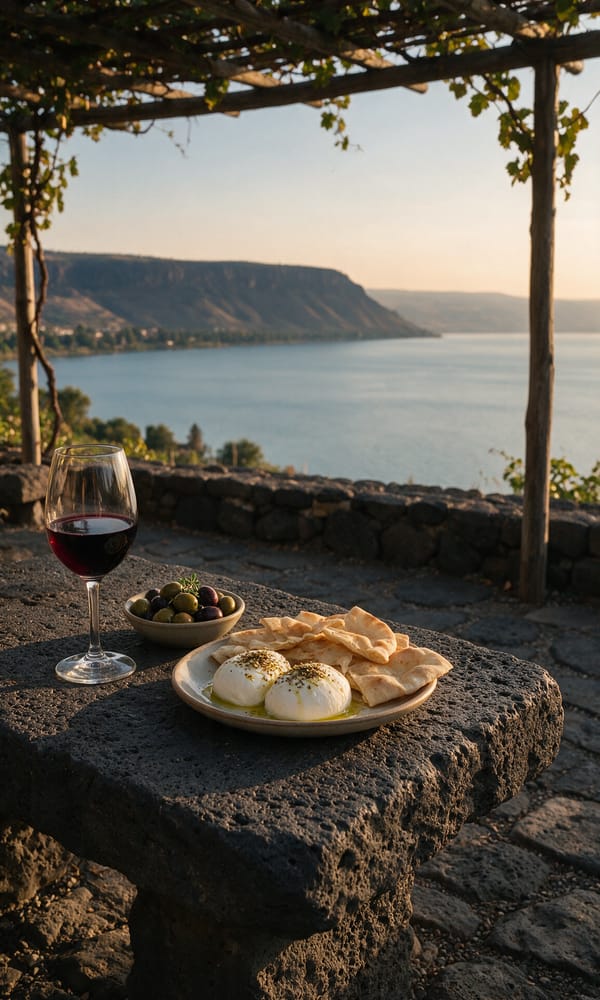
Golan red wine, olives and flatbread on a basalt table above the Sea of Galilee
April – May · 8–9 Days
The Galilee, the Golan and the Coast
A second visit, or a first one for travellers who want landscape and food ahead of monuments. Four nights on or above the Sea of Galilee: Capernaum and the Mount of Beatitudes early, Tzfat's synagogue lanes in the afternoon, a day on the Golan escarpment, and the wineries that grew up on the basalt from the 1980s. Two nights at Akko for the Hospitaller halls, the Ottoman town above them and the harbour-wall fish restaurants. Finish with two or three nights in Tel Aviv, an hour down the coast, with Caesarea broken into the drive. Two days in Jerusalem can be bolted on, but that is a different trip and this one is complete without it.
Israel8–9 Days
Plan This Trip
Why Plan With Us

What We Add to Israel Planning

Two things decide how this trip goes: who guides you in the Old City, and whether the week was written against the calendar or in spite of it.

The Old City Guide Decision
Jerusalem is the one place on this site where the guide matters more than the hotel. A licensed guide will get you to the Western Wall, the Holy Sepulchre and the Via Dolorosa in a morning and give you the dates. A specialist will explain the 1852 Status Quo that still governs which Christian community maintains which stair inside the Sepulchre, why the Armenian Quarter keeps its own hours, and what changed above and below ground across three thousand years on the same rock. Same walking route, two different cities. We match the guide to what you came to understand, and book them long before the hotel.
The Calendar, Built In First
We write the week against your specific dates before a single hotel is held. Shabbat removes the trains and most intercity transport from Friday sunset to Saturday nightfall. Yom Kippur stops the country outright and closes Ben Gurion Airport for roughly twenty-five hours. Passover fills the hotels for a week. Ramadan changes the Muslim Quarter's rhythm, and Western and Orthodox Easter fall on different dates, which decides which procession you see. Each is fine to travel through when it is planned for, and expensive to meet by accident on a Friday afternoon with a driver who has gone home.
Where the Nights Actually Go
The country is small, so almost everything is technically a day trip from Jerusalem or Tel Aviv. That is the trap. Masada at sunrise from Jerusalem means leaving in the middle of the night; from a Dead Sea hotel it is a normal early start. The Galilee from the coast is a long drive for a shallow look at a region that repays three nights. We spend the planning argument on where you sleep rather than on what you see, because on a map this size the sleeping decides the seeing.
Bookings That Can Move
This region asks more of a booking structure than most, and the answer is not to plan less but to plan reversibly. Where the gap between a refundable and non-refundable rate is small, we take the refundable one and say why. Where a land crossing is in the itinerary, there is a version of the trip that works without it. Insurance is chosen by reading the exclusions rather than the headline, and we name the advisories to read before you commit and again before you fly. That work is invisible when nothing changes, which is the point.
When to Go

Israel by Season

Spring and Autumn
March – May · October – November
The two windows where the whole country works at once. Jerusalem is walkable at midday, the Galilee is green rather than burnt, and the Dead Sea and the Negev allow a full day outside instead of a dawn raid. April and October are the strongest single months. The catch is that both windows collide with the busiest holidays: Passover and Easter in spring, Rosh Hashanah, Yom Kippur and Sukkot in autumn. Hotels in Jerusalem go months ahead around all of them, and the good Old City guides go earlier than that.
Best Overall Window
Summer
June – September
Two countries again. The Mediterranean coast is hot but civilised, and Tel Aviv, Akko and Caesarea are perfectly good with a beach afternoon built in. The Dead Sea, Masada and the Negev are not: WMO normals put the rift valley past 40°C, and everything down there compresses into the two hours after sunrise. Jerusalem is bearable, dry rather than humid, and cooler after dark than the coast. If the trip has to fall here, go coast-and-Jerusalem and leave the desert for another year.
Winter
December – February
Cold and wet in Jerusalem, which surprises people who packed for the Middle East. The hills take real rain and occasionally snow, the Galilee is green and empty, and the light is good. This is the one season when the Dead Sea, the Negev and Eilat are the warm option rather than the punishing one, which makes a north-cool, south-warm itinerary work better than at any other time. Christmas and Orthodox Christmas fill Jerusalem on different dates; the rest of the season is the quietest and cheapest of the year.
Ready When You Are

Plan an Israel Trip
Around the Right Week

Tell me your dates, whether Jerusalem or the coast is the reason you are going, and whether Petra is on the table. I'll come back with the week written against that calendar, the guides I'd use in the Old City, and where the nights should go, within one business day.

Plan an Israel Trip All Middle East Destinations

No booking fees  ·  Response within 24 hours  ·  Fully bespoke

What It Costs

What Israel Actually Costs

$500–$1,100
per person, per day, land only. Ranges, not quotes.
What that includes
  • Half of a Jerusalem or Tel Aviv five-star or boutique room with breakfast
  • A licensed guide on the touring days, and a car and driver where the route needs one
  • Site admissions like Masada National Park's ₪37 adult ticket, plus local transfers
What it does not
  • International airfare, insurance and gratuities
  • Most lunches and dinners, including the Tel Aviv tasting rooms
  • Optional Dead Sea spa programmes and premium experiences
The two or three things that move it most
  • The calendar, not the season — Rosh Hashanah, Yom Kippur and Sukkot make October the most expensive month in Jerusalem, and Passover fills the city for a week in spring
  • The guide — a licensed guide runs about $400 a day, a specialist with a vehicle $550–$650
  • Where the nights go — an Old City-facing room and a Dead Sea resort price nothing like a Galilee guesthouse

Editorial planning bands, not quotes — assembled from published rates and official fee sources, verified . Rates, permit costs and park fees change; confirm before booking. Source: Masada National Park entrance fees.

Common Questions

Israel — FAQ

The questions that come up most when planning a first trip — the seasons that work, what Shabbat and the holiday calendar close, how long Jerusalem needs, and how Petra fits.

March to May and October to November, with April and October the two strongest months. Those windows give you Jerusalem walkable at midday, the Galilee green rather than burnt, and the Dead Sea and Negev at temperatures that allow a full day outside. Summer inverts it: the coast stays workable while the rift valley runs past 40°C and compresses everything into the hours after sunrise. Winter is cold and wet in the hills, occasionally snowy in Jerusalem, and the one season when the desert and Eilat are the comfortable half of the country. Both good windows collide with major holidays, the next question here.

Public transport, most shops, and much of Jerusalem, from sunset on Friday until nightfall on Saturday. Israel Railways does not run and intercity buses stop, so a Saturday intercity train is not a plan. Tel Aviv is the exception: much of the city carries on, restaurants open, and shared taxis keep moving. In practice Shabbat is not a lost day, it is a differently shaped one: the Christian and Armenian sites in the Old City are open, hotels serve, and a car and driver booked in advance covers the transport gap. What it rules out is a late-Friday transfer, a Saturday intercity train and a Saturday supermarket run. Service times shift with sunset through the year; confirm before booking. Verified .

Yom Kippur and Passover change everything; Rosh Hashanah, Sukkot, Ramadan and Easter change enough to matter. The Hebrew and Islamic calendars both move against the Gregorian year, so last year's answer is wrong for this year. On Yom Kippur the country stops: no broadcast, almost no traffic, and Ben Gurion Airport closed for roughly twenty-five hours. Passover fills hotels for a week and changes their kitchens with it. Ramadan reshapes the Muslim Quarter's day and its evenings. Western and Orthodox Easter fall on different dates, which decides which procession you can be present for. Current dates sit on the Israeli government portal. Verified ; confirm before booking.

Four nights, and the Old City is only about half of them. One full day covers the walls and the four quarters with a guide who can hold the layers without flattening them. A second takes the Mount of Olives, the City of David and the tunnels beneath the Western Wall plaza, which need booking ahead. A third is for the Israel Museum, whose model of the Second Temple city retroactively explains everything you walked, and the market on a Thursday evening. Two nights buys the monuments and none of the understanding, a poor trade in the one city where understanding is the point.

Most visa-exempt travellers now need an ETA-IL, approved online before departure, on top of a valid passport. The requirement came into force for visa-exempt nationalities in January 2025, and an airline can refuse boarding without it. Eligibility, validity and fees run by nationality, so check it against your own passport rather than against what a friend did last year. Apply well ahead rather than in the final week: approval is usually quick and not guaranteed to be. The authoritative source is the official ETA-IL portal run by the Population and Immigration Authority. Rules change without notice; verify there before booking flights. Verified .

Yes, by land, and it works well as long as the crossing gets a whole morning rather than an hour. Two crossings are useful for a touring itinerary: Yitzhak Rabin at Wadi Araba between Eilat and Aqaba in the south, and Jordan River at Sheikh Hussein near Beit She'an in the north. Both keep limited hours, both close on Yom Kippur and the Islamic New Year, and visa arrangements differ by crossing, which is the detail that catches people. Read the Jordan Pass conditions before you travel rather than at the border, and check current hours with Visit Jordan. Both can change; confirm before booking. Verified .

Yes, and it means the Snake Path in the dark, because that is the route open before the cable car begins running. The climb gains roughly 400 metres from the shore and takes most fit walkers under an hour, on switchbacks in the dark. Genuinely not for everyone; the alternatives are the far shorter western ramp path from the Arad side, or the cable car later. The reward is the plateau in first light with the Dead Sea below it, and Herod's palace terraces on the northern edge before the heat arrives. Opening times are seasonal and set by the Israel Nature and Parks Authority; confirm the day's gate time before booking a hotel around it.

Your own government's current travel advice, twice: once before you book and again before you fly. Advisories here are updated often and are region-specific rather than country-wide, so read the detail rather than the headline. US travellers should use the State Department country information page; travellers from elsewhere should use their own foreign ministry, which may reach a different conclusion. Beyond that: take refundable rates where the premium is small, buy insurance chosen by its exclusions, register with your embassy if your country offers it, and keep one leg of the itinerary that can be dropped without unpicking the rest. Verified .
More questions answered on the Full FAQ Page
From the Journal

Read More on Planning Middle East