
The Levant

The Most Consistently
Impressive Destination
in the Middle East.

Petra at dawn before the tour groups arrive. Wadi Rum with a Bedouin host who has been reading the desert for thirty years. The Dead Sea at sunset. Jerash — the finest Roman ruins outside Italy — with a classicist guide who has been excavating the site for fifteen years. Jordan is the Middle East at its most accessible and its most profound.

Best Season
October – April
Best For
Ancient Sites
& Desert
The Destination

The Middle East for
the First-Time Visitor.

Jordan's window is October through April, with March and April the spring peak. May through September is too hot for walking Petra or Wadi Rum comfortably. Most itineraries run 7–14 days. Petra needs two days rather than one: the second is when you walk the back route to the Monastery and see the site without the day-trip crowds.

Jordan is the answer to a question most travelers ask when considering the Middle East for the first time: where do I go that gives me the full cultural and archaeological experience without the complexity? The answer has been Jordan for decades, and it remains Jordan today. No other country in the region offers the same combination of extraordinary archaeology, a hospitality culture that runs genuinely deep, and a tourism infrastructure that rewards visitors who plan properly.

The Nabataean civilization built Petra between the 4th century BCE and the 1st century CE — carving an entire city from the rose-red sandstone of a canyon in the southern desert. The Treasury, the Monastery, the Royal Tombs, the colonnaded street — most visitors see the Treasury and leave. A two-day visit with a Petra Bedouin guide who grew up inside the city reveals what the first day only hints at. The Monastery is larger than the Treasury and most visitors never reach it because they don't know it exists.

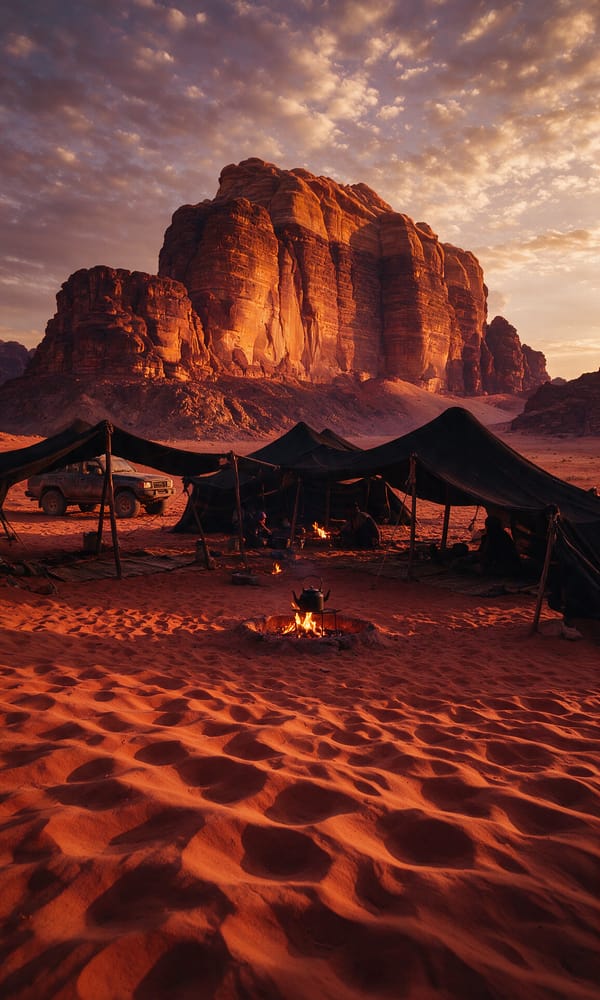
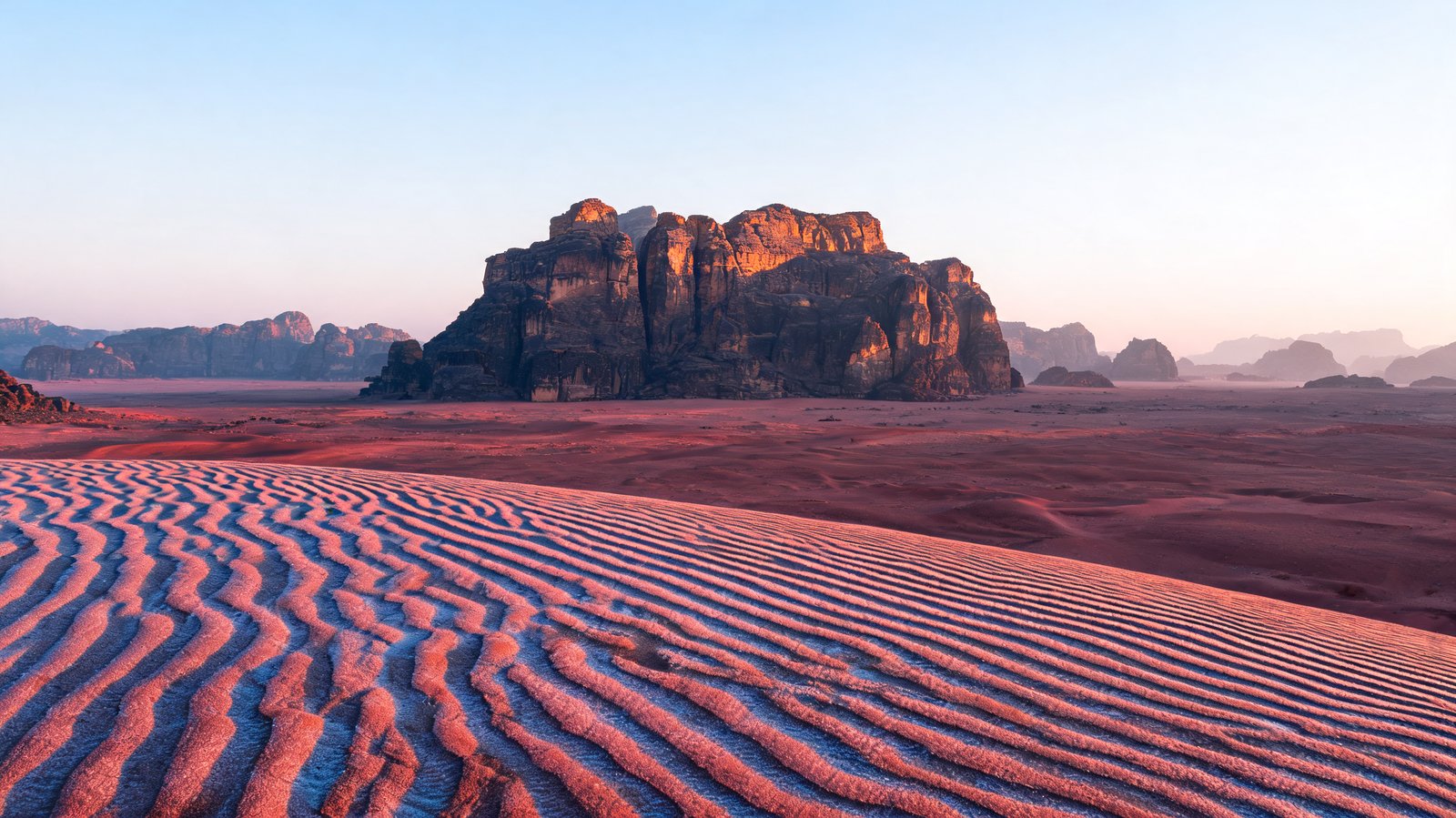
Wadi Rum is the finest desert landscape outside the Sahara — an expanse of red-orange sandstone, granite massifs, and silence that produces the kind of sunset no photograph reproduces faithfully. A night in a Bedouin camp with a guide who grew up in the canyon is a different experience from a day tour from Petra. The tea happens after the sun goes down, and the conversation that follows is usually the reason travelers return.
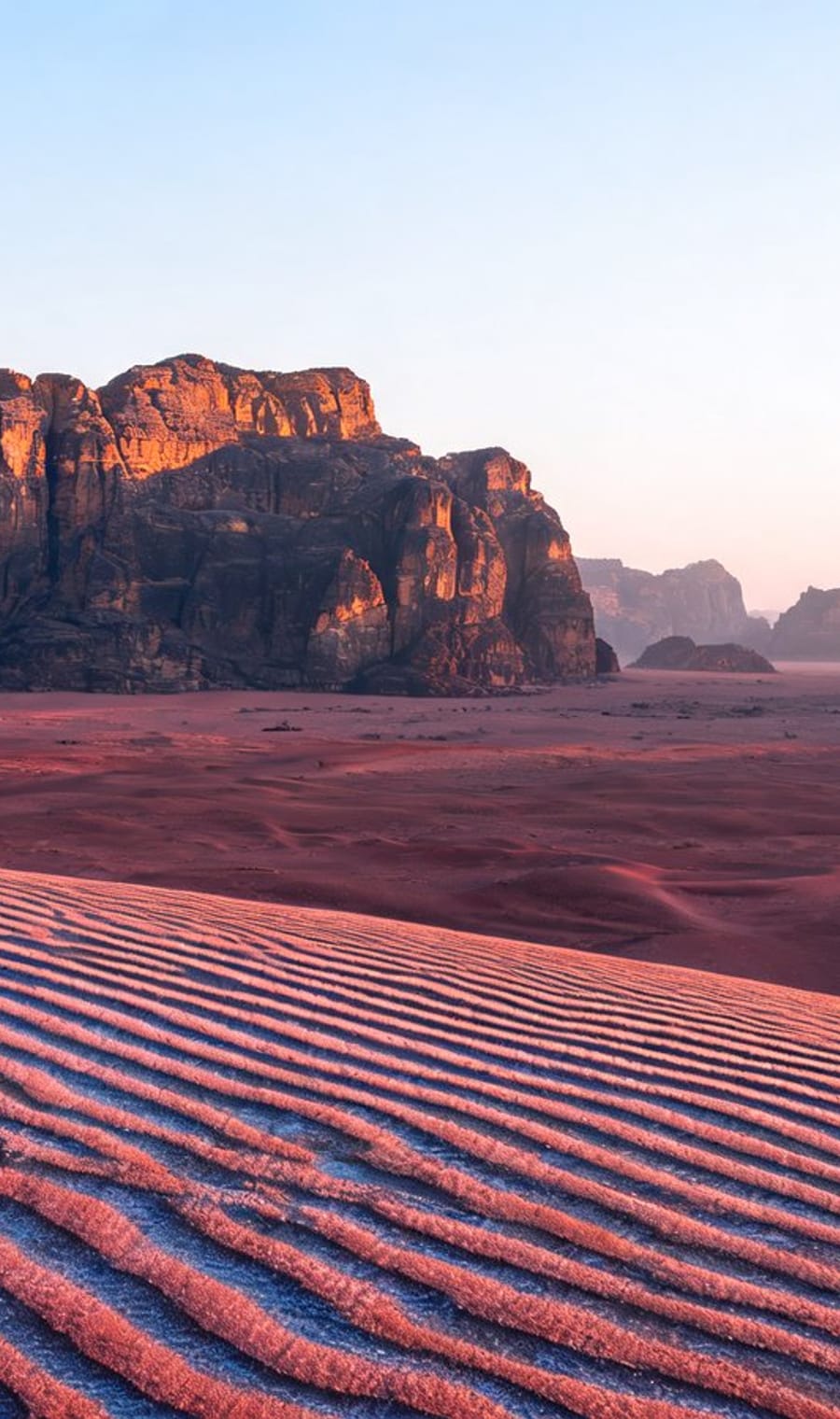
Rippled red sand and sandstone mesas in Wadi Rum, Jordan
Wadi Rum · Jordan
Where We Send Clients

Six Jordan Destinations Worth Planning Properly

Each has a specific entry strategy, the right guide profile, and a version of the experience that most visitors miss because they arrived without knowing what to look for.
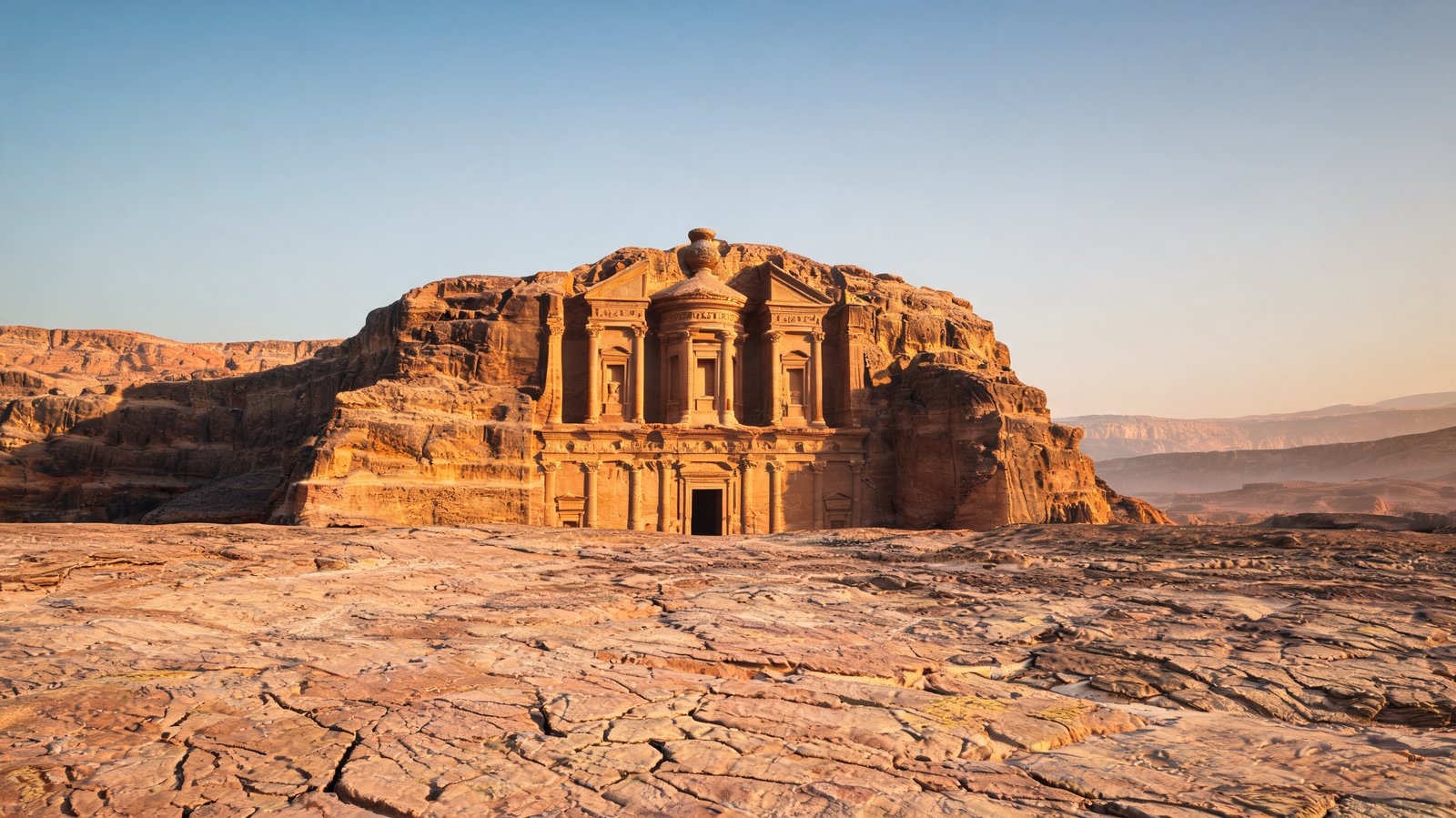
Petra, Southern Jordan
Southern Jordan
Petra
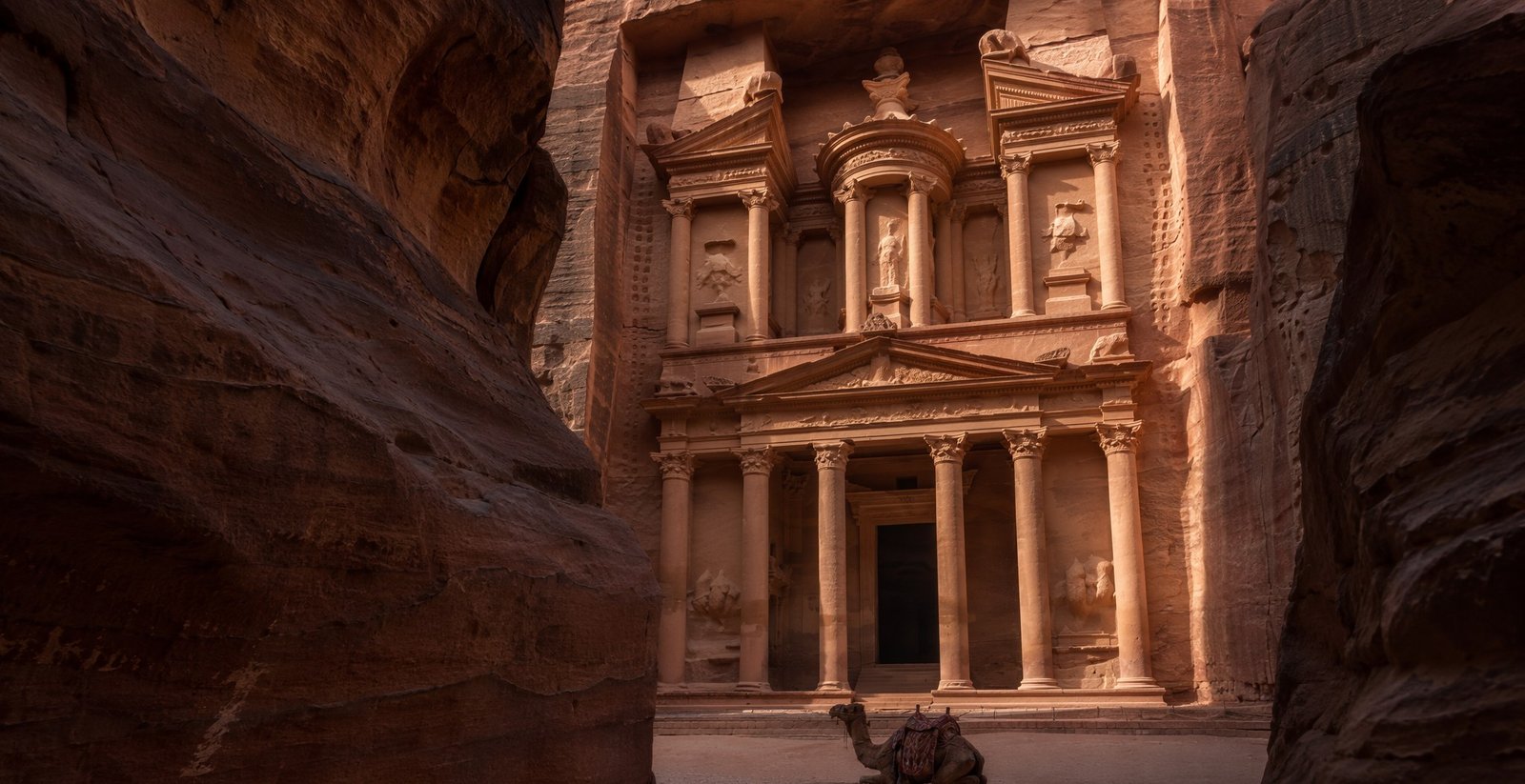
The Treasury at dawn, before the day visitors arrive and while the light moves through the Siq in a color that is gone by nine. The High Place of Sacrifice in the afternoon heat. And the Monastery — larger than the Treasury, a 45-minute climb, reached by perhaps a fifth of Petra's visitors.
Treasury Petra by Night Monastery
Explore →
Wadi Rum, Southern Jordan
Southern Jordan
Wadi Rum
A Bedouin host who has received travelers in his camp for thirty years. Sunrise over the red desert from a dune crest as the massifs turn from black to amber. Lawrence's Spring and the Seven Pillars landscape. A 4WD along the canyon floor with a guide who drives it without checking the route.
Bedouin CampDesert Sunrise4WD
Explore →
Dead Sea, Jordan Valley
Jordan Valley
Dead Sea
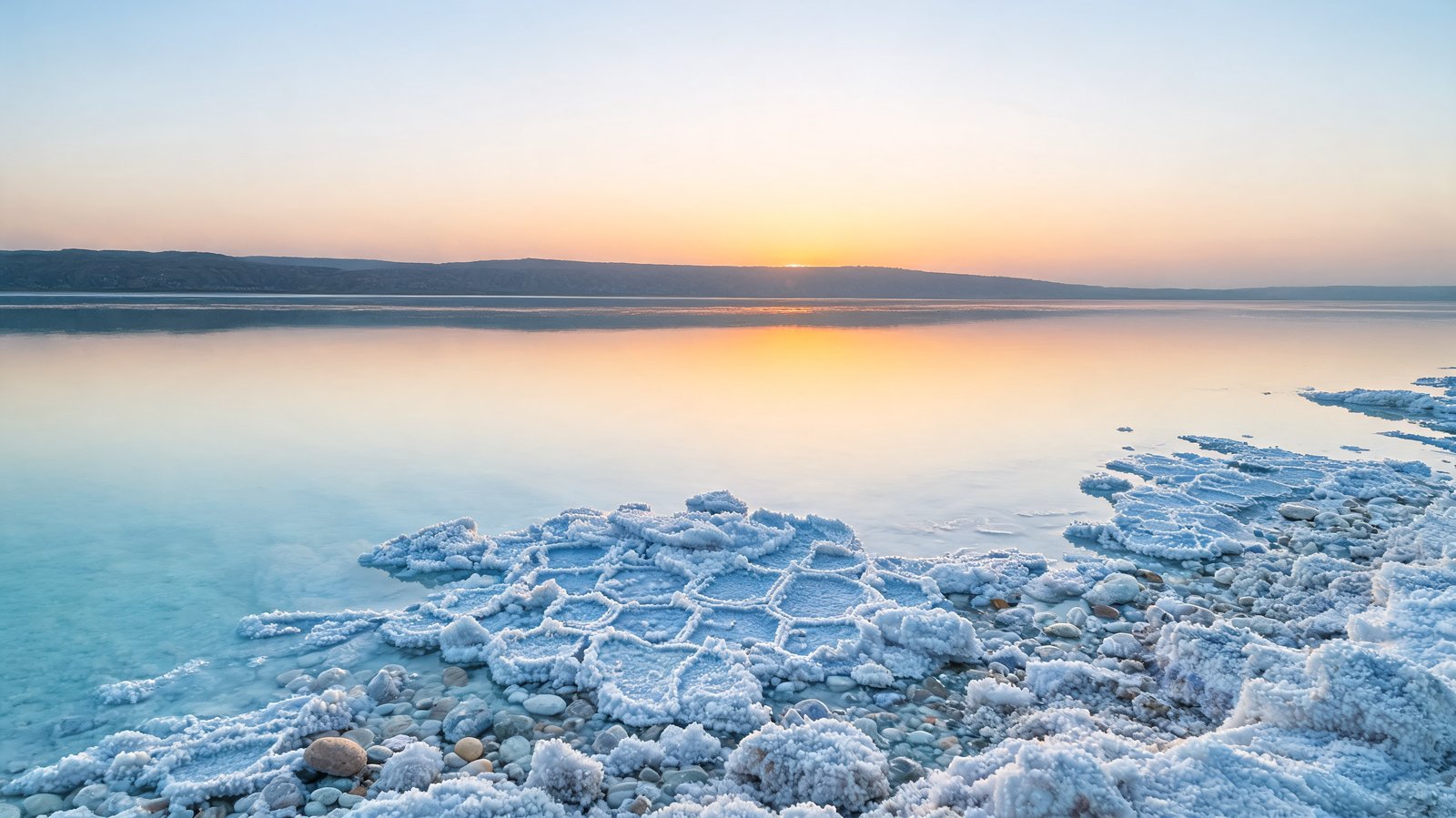
Floating in hypersaline water ten times saltier than the ocean, at the lowest point on earth, 430 meters down, as the sun drops behind the West Bank hills. Mineral mud from the shoreline. The retreating shore is its own conversation: diversion has cut the sea by a third in sixty years.
FloatMineral MudLowest Point
Explore →
Jerash, Northern Jordan
Northern Jordan
Jerash
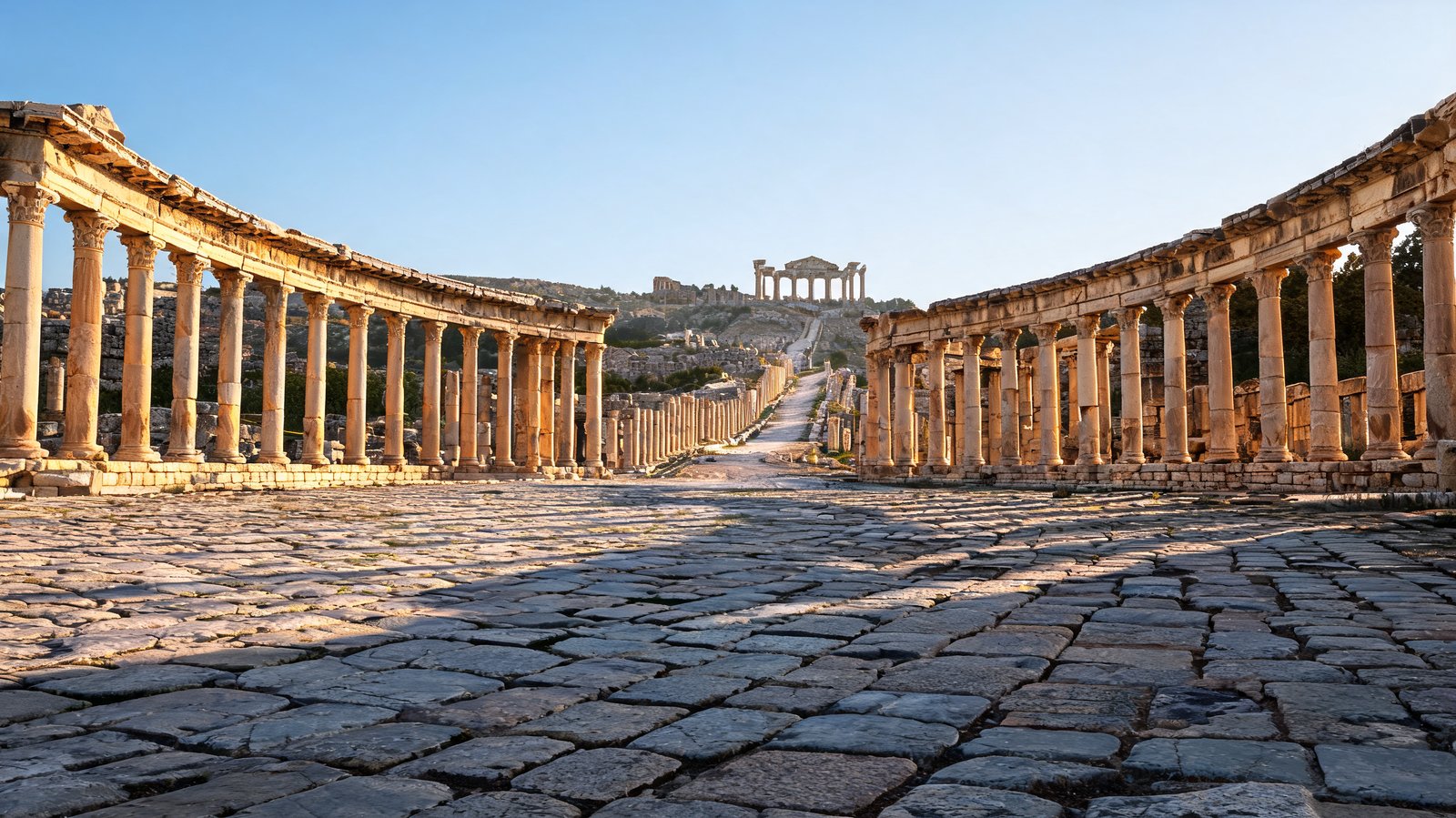
The best-preserved Roman ruins outside Italy — the Oval Forum still oriented toward the Temple of Zeus, the colonnaded Cardo intact for 600 meters, Hadrian's Arch at its full original height. A classicist who has excavated here for fifteen years reads the city as no general tour can.
Roman RuinsOval ForumHadrian's Arch
Explore →
Amman & Surrounds, Central Jordan
Central Jordan
Amman & Surrounds
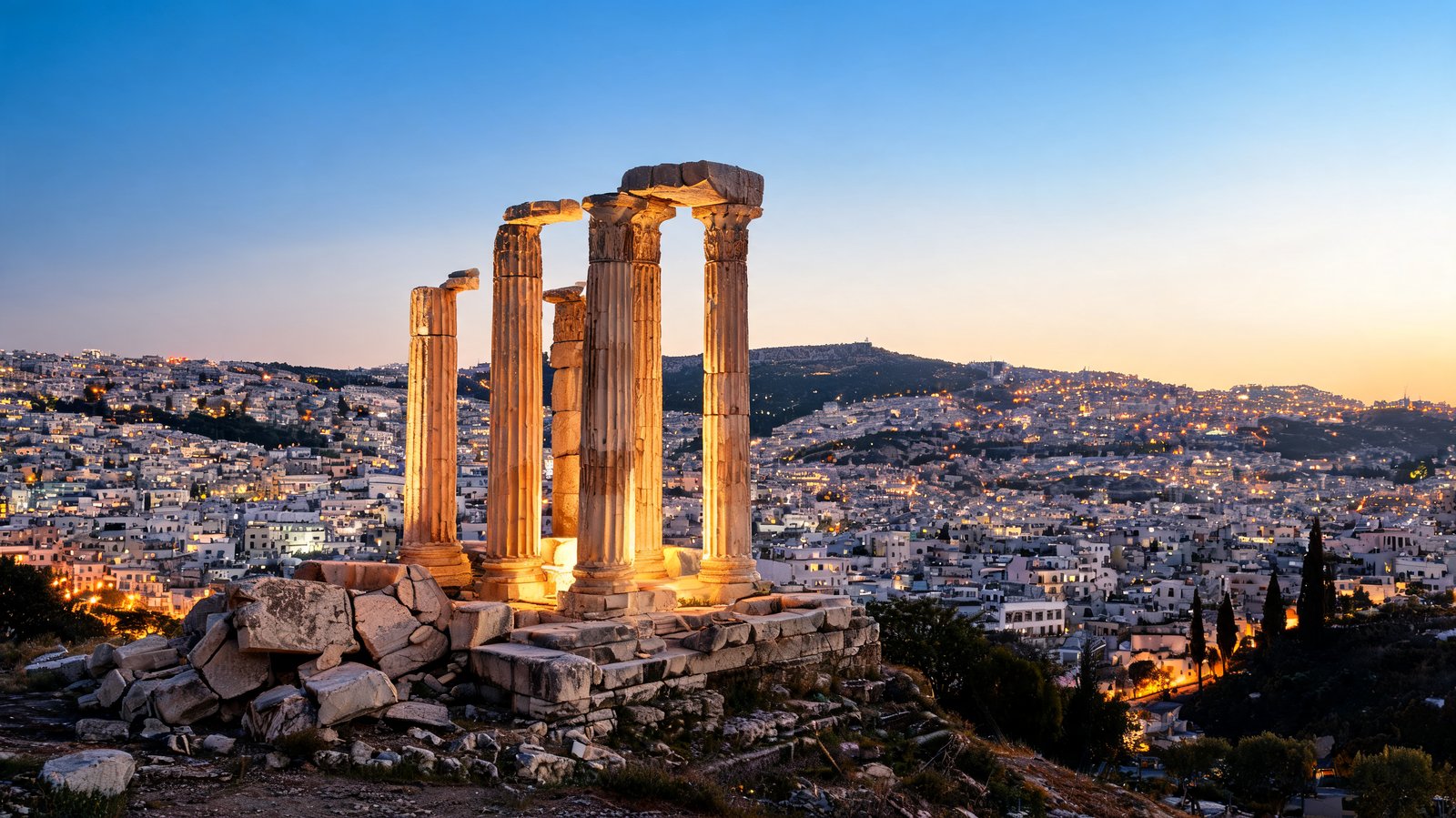
The Roman Citadel above downtown at the hour the muezzin call rises from seven directions at once. Restaurants in Jabal Amman where the mansaf is made with fermented jameed, not the tourist version. Madaba's mosaic map, the oldest image of the Holy Land, still set in the church floor.
Roman CitadelMadaba MosaicMansaf
Explore →
Aqaba & Wadi Mujib, South & Central Jordan
South & Central Jordan
Aqaba & Wadi Mujib
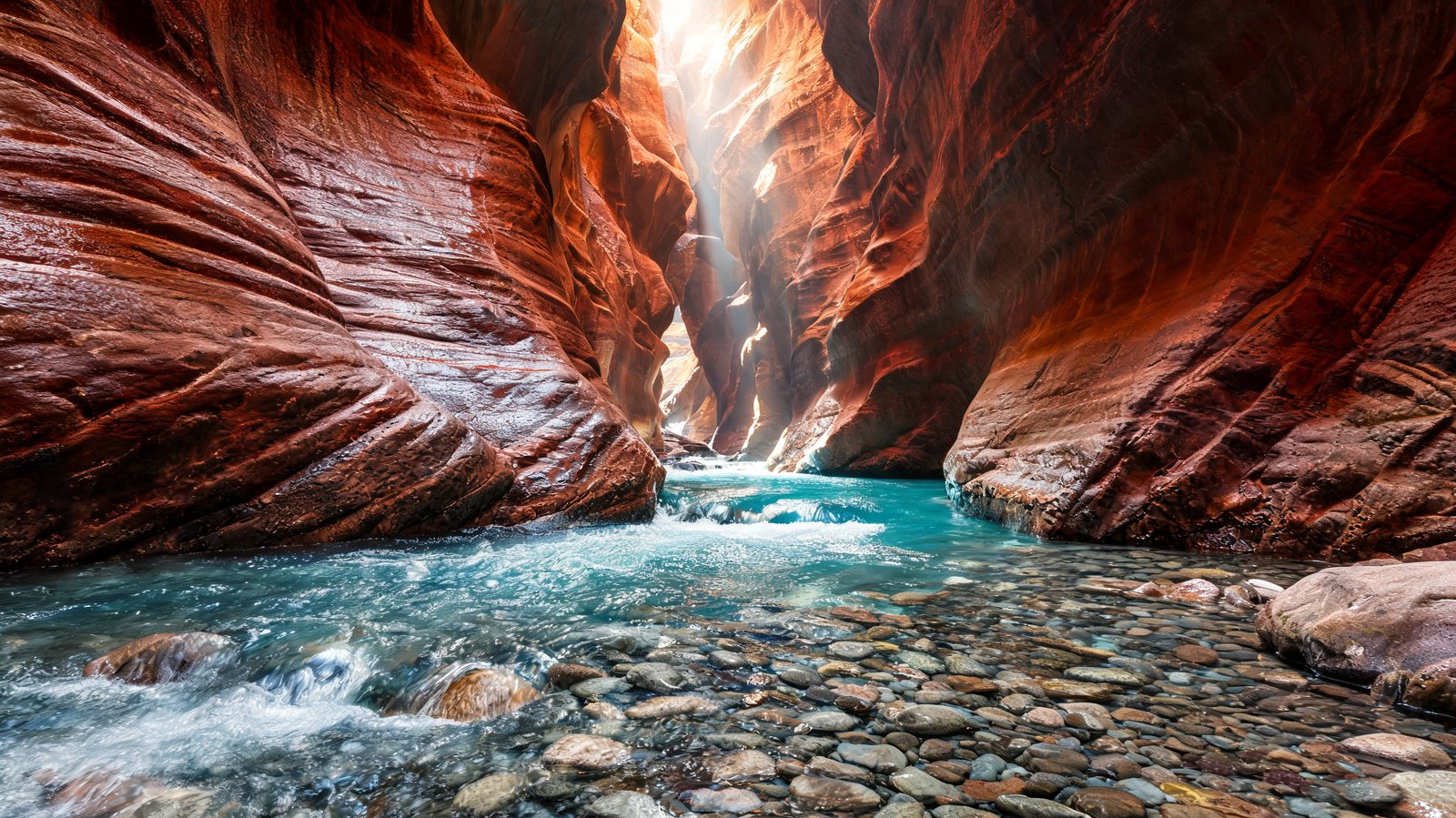
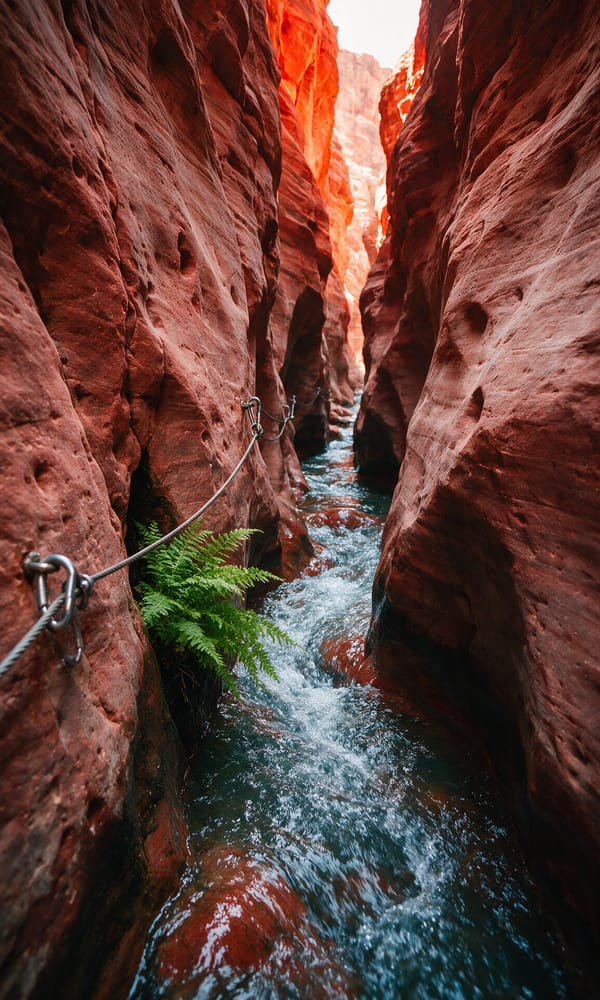
Red Sea diving where Indian Ocean and Red Sea species meet, producing a diversity that surprises experienced divers. Wadi Mujib: a river gorge between the Dana Reserve and the Dead Sea, wading slots and pools that appear on no map drawn before 2000. The Jordan Trail runs the southern arc.
Red Sea DivingWadi MujibDana Reserve
Explore →
Featured Itineraries

Trips We Plan Often

Jordan itineraries built around the sites, the guides, and the sequencing that makes each location meaningful rather than a stop on a checklist.
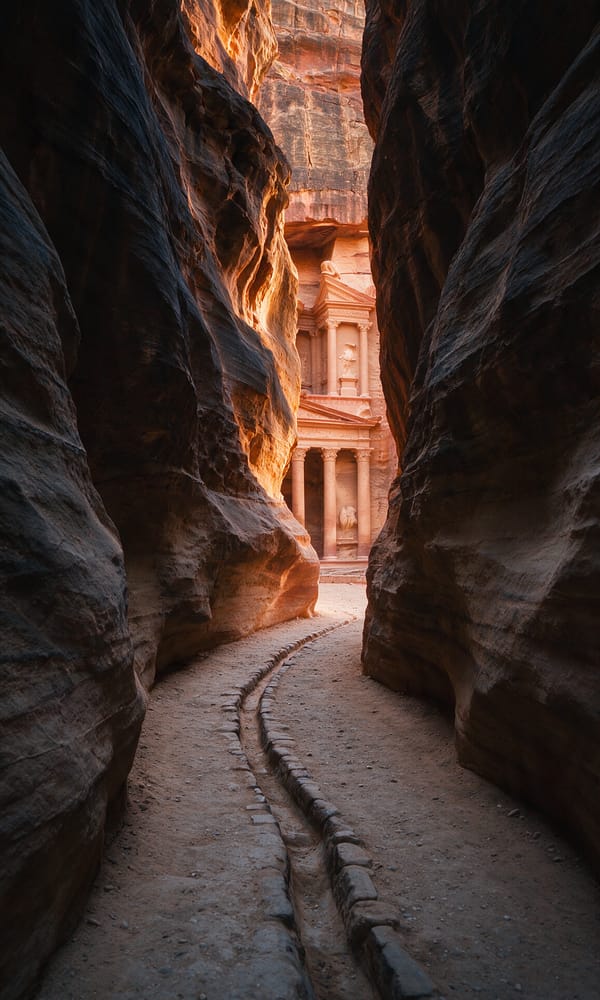
The carved facade of Petra's Treasury lit at dawn at the end of the dark Siq
October – April · 8–10 Days
Jordan in Depth
Amman with the Citadel at dawn and an evening food circuit through Jabal Amman. Jerash with the archaeologist who has spent fifteen years excavating the Oval Forum. Petra over two full days — the Treasury at first light, the High Place of Sacrifice in the afternoon, Petra by Night on the second evening, the Monastery on the third morning before checkout. Two nights in a Wadi Rum Bedouin camp: 4WD through the valley floor, dune crest at sunrise, dinner under the stars. The Dead Sea as a final night before the return flight — floating at dusk as the hills of Israel turn dark across the water.
Jordan8–10 Days
Plan This Trip
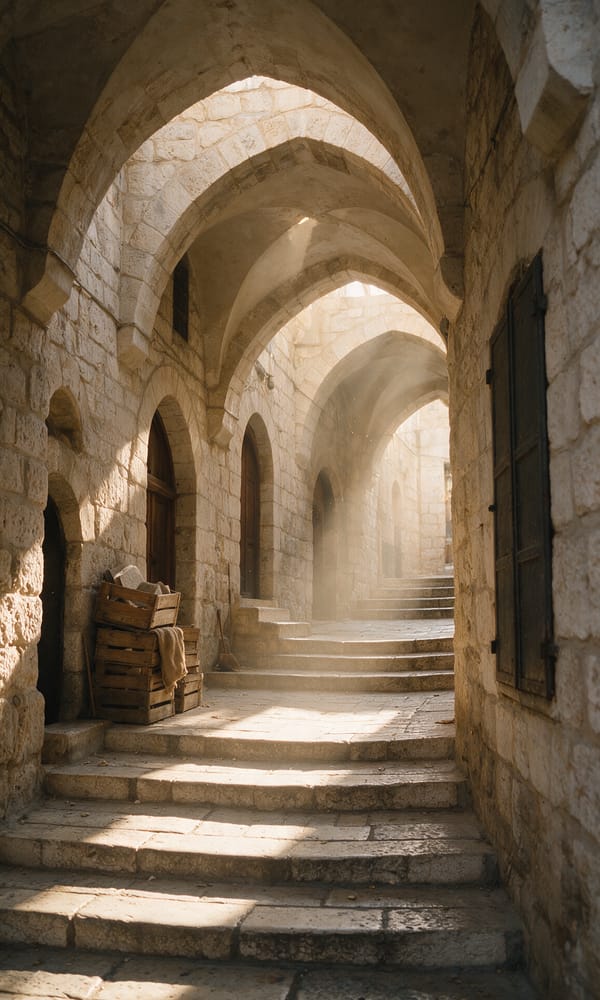
Shafts of morning sun falling through a vaulted stone street in Jerusalem's Old City
October – April · 12–14 Days
Jordan & Israel Combined
Six days in Jordan — Petra two full days, Wadi Rum two nights, Dead Sea — then crossing at Wadi Araba or King Hussein Bridge into Israel for seven days covering Jerusalem's Old City, the Negev Desert, and Tel Aviv. Two of the most distinct and archaeologically layered destinations in the Middle East, combined in a single two-week trip with border crossing logistics managed from both sides. The crossing requires a specific sequence of visits to avoid visa complications — the itinerary is built around this from the outset.
Jordan · Israel12–14 Days
Plan This Trip
Black goat-hair tents on red sand below a striped sandstone wall in Wadi Rum
October – April · 7–9 Days
Petra Family Adventure
A child-appropriate pacing through Jordan's headline sites — a short horse ride into Petra that covers the Siq and the Treasury without the full-day walking circuit, a Wadi Rum Jeep tour that is manageable for all ages, the Dead Sea float that children find immediately extraordinary, and Jerash with a guide who adjusts the historical narrative for mixed-age groups. The sequence is built around energy levels and distance between sites — Jerash to Amman to Petra to Wadi Rum to Dead Sea — so the arc of the trip builds rather than front-loading.
Jordan7–9 Days
Plan This Trip
Clear water running between polished red sandstone walls in the narrow Wadi Mujib gorge
March–May / October–November · 10 Days
Jordan Hiking & Nature
Two nights in the Dana Biosphere Reserve — the most biodiverse protected area in Jordan, where the cliffs drop from highland to the Wadi Araba below. The Wadi Mujib canyoning route through the gorge to the Dead Sea. Wadi Rum trekking on foot rather than by 4WD. The Petra full exploration over two days with time on the upper circuits that most visitors never reach. A Jordan Trail section in the spring wildflower season when the hillsides above Petra are in color.
Jordan10 Days
Plan This Trip
Why Plan With Us

What We Add to Jordan Planning

Jordan rewards the traveler who arrives knowing what they're looking at. The guide selection and site timing are the variables that change the experience.

Guide Selection for Petra
A Petra Bedouin guide who grew up inside the city — whose family has been living and working within the archaeological zone for generations — reads the site differently from a Jordanian national guide with a general tourism license. The former knows which tombs are open on which days, which slopes have the best light in which hour, and which path takes you to the Monastery before the day-trippers arrive. That knowledge is what makes the second day in Petra better than the first.
Timing for Each Site
The Treasury at dawn — the first hour before commercial entry — is a different site from the Treasury at noon. The Monastery in the afternoon shade is a different climb from the Monastery at midday. Jerash before the tour buses from Amman arrive. These timing decisions are not incidental to the experience; they are the experience. We build the daily schedule around light and crowd patterns, not around convenience.
Jordan vs Egypt Debate
The two most accessible and archaeologically significant Middle East destinations are frequently compared. For a traveler who wants to do both, we advise which to do first and why the sequence matters. For a traveler choosing between them, the decision depends on what draws them — Nabataean vs pharaonic, Bedouin culture vs Nile valley, a country you can navigate easily vs one that rewards a specialist. We answer this question with specifics, not platitudes.
Israeli Border Crossing Logistics
The Jordan-Israel crossing — whether at Wadi Araba near Aqaba or at King Hussein Bridge near Amman — has implications for onward travel, visa sequencing, and day logistics that most travelers don't discover until they're at the border. We plan the crossing from the outset, choosing which border based on the overall itinerary, arranging transport on both sides, and briefing clients on the timing and documentation required to avoid delays.
When to Go

Jordan by Season

Primary Window
October – April
Cool and dry across the country. Petra is walkable for a full day without heat management. Wadi Rum nights are cold but manageable in a Bedouin camp with the right blankets. Spring wildflowers across the hillsides above Petra in March and April produce a landscape that the summer photographs don't show. The Dead Sea at 25°C is ideal for a sunset float.
Best Overall Window
Spring Peak
March – April
The finest time for Petra specifically — the wildflowers on the hillsides above the Treasury, comfortable temperatures for the Monastery climb, and a green fringe on the Wadi Rum dunes that disappears by May. The Jordan Trail trekking season peaks in April. Book accommodation in Petra well in advance — this is the highest-demand window of the year.
Avoid for Walking
May – September
Petra reaches 33°C in summer — a full day of walking the archaeological circuit is genuinely uncomfortable and limits what's achievable before the heat forces a retreat. Wadi Rum in August can exceed 40°C in the canyon floor. The Dead Sea in summer is manageable but not pleasant. The season is feasible for travelers who arrive before 7am and retreat by noon, but not recommended for a first visit.
Ready When You Are

Plan a Jordan Trip
That Goes Beyond Petra

Tell me which Jordan sites draw you most, when you can travel, and whether you're considering combining with Israel or another Middle East destination. I'll come back with a specific recommendation — timing, guide, sequence, and what makes it right for your trip — within one business day.

Plan a Jordan Trip All Middle East

No booking fees  ·  Response within 24 hours  ·  Fully bespoke

What It Costs

What Jordan Actually Costs

$650–$1,200
per person, per day, land only. Ranges, not quotes.
What that includes
  • Luxury hotels and a desert camp, with breakfast and selected dinners
  • A private driver-guide throughout
  • Petra admission or the Jordan Pass where eligible
What it does not
  • International airfare, and the visa where applicable
  • Most lunches
  • Optional special-access sites and gratuities
The two or three things that move it most
  • Petra and Wadi Rum lodging tier
  • Vehicle and guide configuration
  • Dead Sea and Aqaba nights

Editorial planning bands, not quotes — assembled from published rates and official fee sources, verified . Rates, permit costs and park fees change; confirm before booking. Source: Petra entrance fees.

Common Questions

Jordan — FAQ

Questions we hear most when planning Jordan travel — from Petra timing to dress codes, border crossings, and whether Jordan is the right first Middle East destination.

Jordan has one of the most stable safety records in the Middle East and has been a reliable tourism destination for decades. Petra, Wadi Rum, Amman, and the Dead Sea are all established tourism corridors with consistent security and strong visitor infrastructure. The country has no conflict zones in its tourism regions. We monitor conditions continuously and would not operate trips to any destination we had concerns about.

Two days changes the experience fundamentally. One day gives you the Siq, the Treasury, and the main colonnaded street — which is a remarkable day by any standard. Two days gives you the High Place of Sacrifice, the Royal Tombs, the Monastery, Petra by Night, and the upper circuits where the city becomes quieter and more extraordinary. Most travelers who spent one day return specifically to spend two. The Jordan Pass covers both days at the same ticket cost, so the incremental expense is only accommodation.

There is no formal dress code, but modest dress — shoulders and knees covered — is appropriate throughout. Jordan is one of the more relaxed countries in the region for dress expectations. At Petra and Wadi Rum the practical case for covering up is actually the sun, not cultural protocol. In Amman's more conservative neighborhoods, modest dress is respectful. At the Dead Sea and Aqaba, swimwear at the beach or pool is entirely normal. A scarf that can be pulled over shoulders is worth carrying throughout any Jordan trip.

Stay the night — the day trip is fine, but the overnight is the point. A day trip from Petra produces a 4WD tour of the valley floor and a late return, which is a fine experience. An overnight in a Bedouin camp produces the desert at sunset, the stars with no light pollution for thirty miles, the cold silence of 3am, and the dunes at dawn turning from grey to orange. The experience is not comparable. For any traveler who has made the journey to Jordan, one night in the desert is the element most likely to define the trip in retrospect.

A day visit to the Dead Sea from Amman or Petra is logistically straightforward and covers the essential experience. The float, the mud, the landscape. A hotel stay on the Jordanian shore (the King Hussein Bin Talal Memorial area has the best properties) adds a sunset from your room at water level and a morning before the day visitors arrive. For most itineraries, the Dead Sea fits best as a final night before the Amman flight — a gentle conclusion before departure.

Yes, for almost every traveler. The Jordan Pass covers visa costs (for most nationalities), Petra entry for 1, 2, or 3 days, and over 40 other sites including Jerash, Wadi Rum, and the Dead Sea Panoramic Complex. For a standard 8-10 day itinerary that includes Petra, Jerash, and Wadi Rum, the pass delivers significant savings over purchasing individual tickets and simplifies entry at every site. Buy it before departure — it's an online purchase only.

March and April — the spring wildflower season — produce the finest conditions at Petra. Comfortable temperatures, green hillsides above the Treasury, and the afternoon light on the rose-red sandstone at its most photogenic. October and November are the second-best window. December through February can bring cold and rain (snow is not unknown in Petra in January) which clears the crowds substantially but can limit access to the upper circuits. Summer is manageable with very early starts but not ideal for a first visit.

For most travelers, yes. Jordan has the strongest combination of extraordinary content and straightforward visitor experience in the region. English is widely spoken in tourism contexts. The infrastructure is reliable. The hospitality culture is genuine rather than performed. And the archaeology — Petra specifically — is among the most affecting things a traveler can see anywhere in the world. It's the right entry point to the Middle East for a traveler who wants depth without difficulty.
More questions answered on the Full FAQ Page
From the Journal

Read More on Planning Jordan