
Machu Picchu Is
the Beginning,
Not the End.
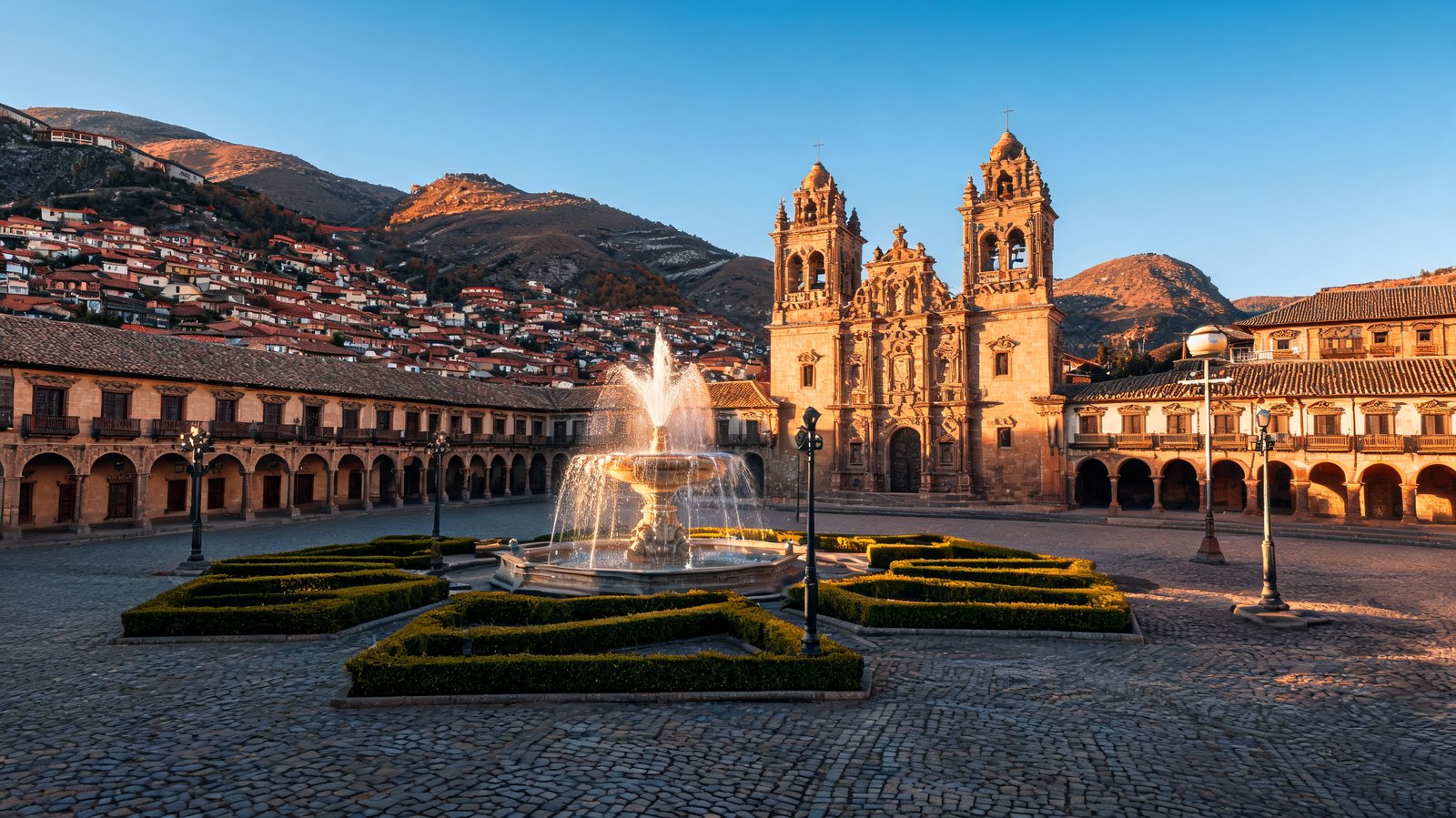
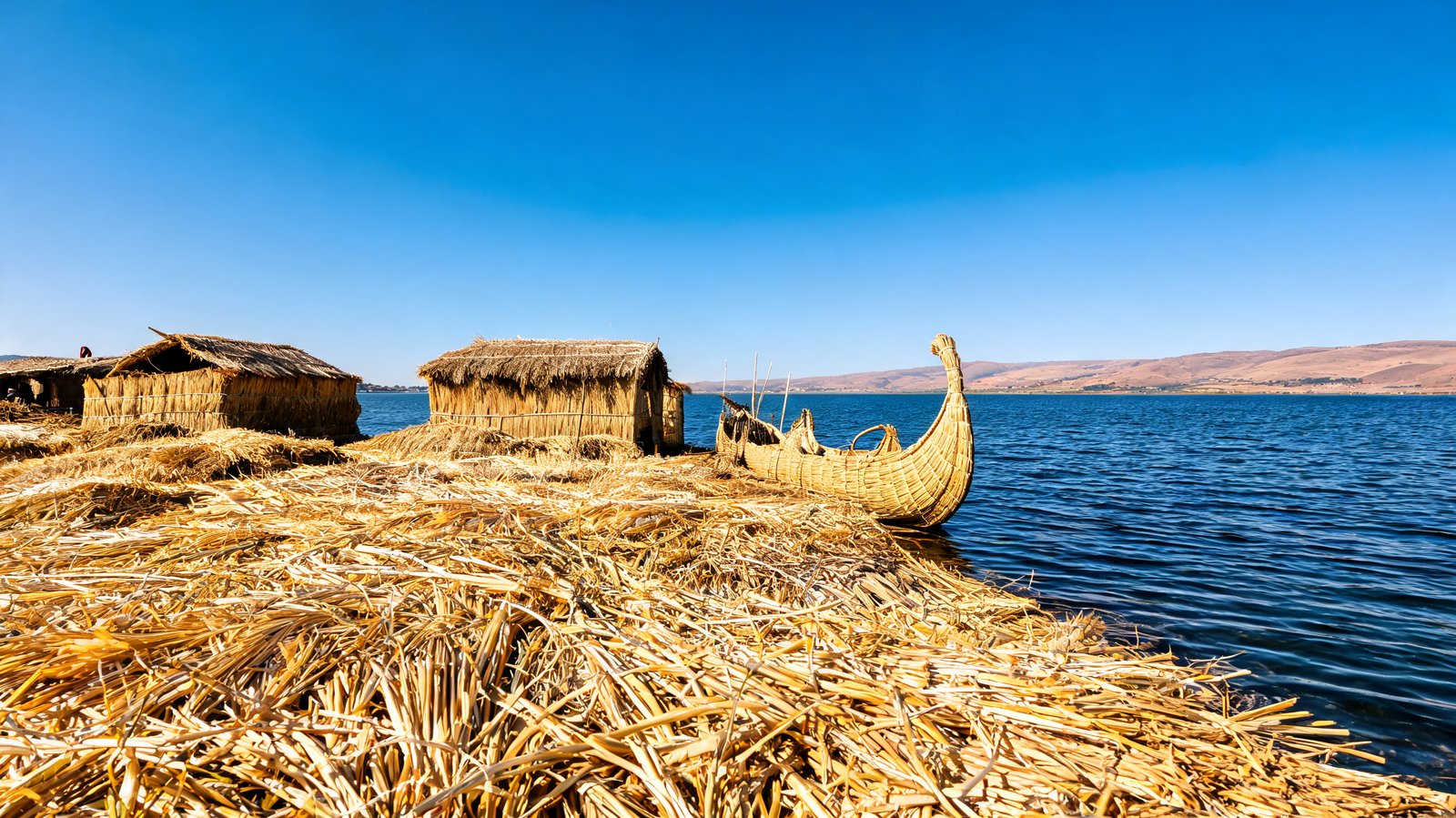
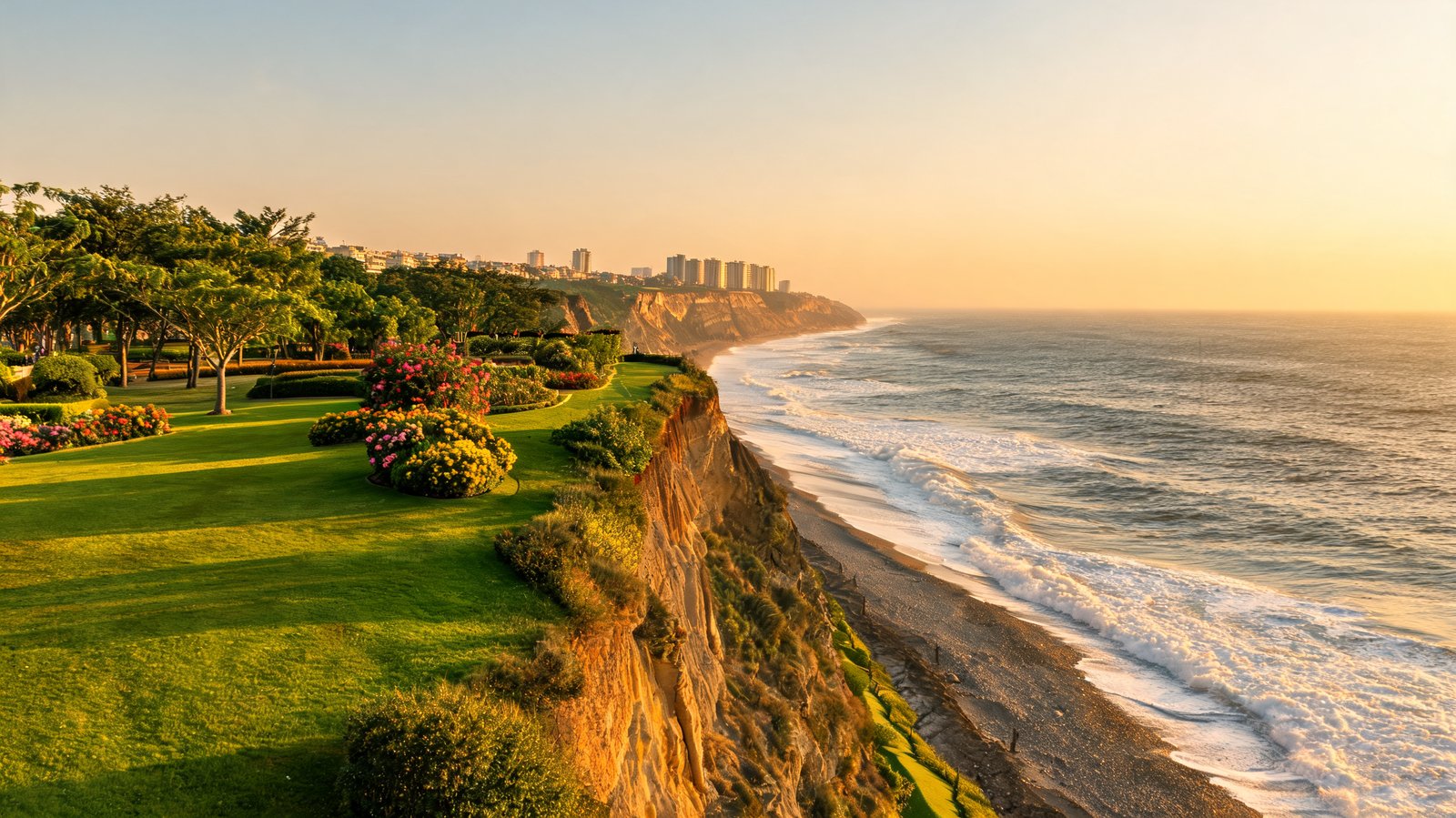
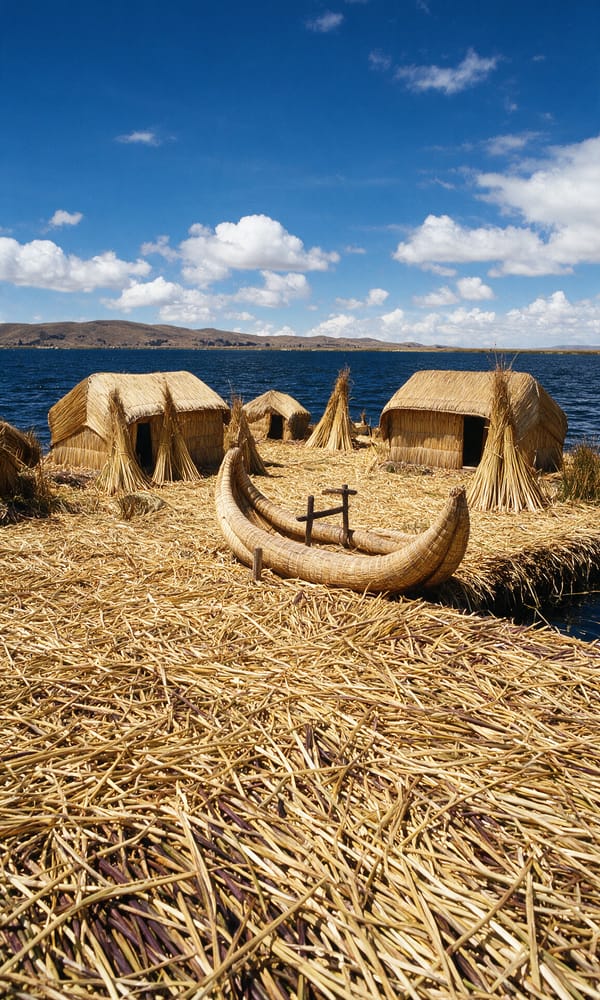
The Sacred Valley of the Incas with its living Quechua communities and working salt terraces. Cusco as a city built on Inca foundations — Spanish churches on top of Inca walls still visible at the join. Lima's food scene, genuinely one of the best in the world. Lake Titicaca and the floating reed islands. Peru rewards the traveler who plans beyond the headline.
& Food
The Country That
Surrounds the Ruin.
Peru's dry season runs May through October, with June to August the busiest months in it. Most itineraries run 10–16 days. Altitude is what ruins Peru trips: the correct sequence is Lima at sea level, then the Sacred Valley at 9,000 feet for two nights, then Cusco at 11,000. Flying Lima to Cusco directly is the most common mistake made.
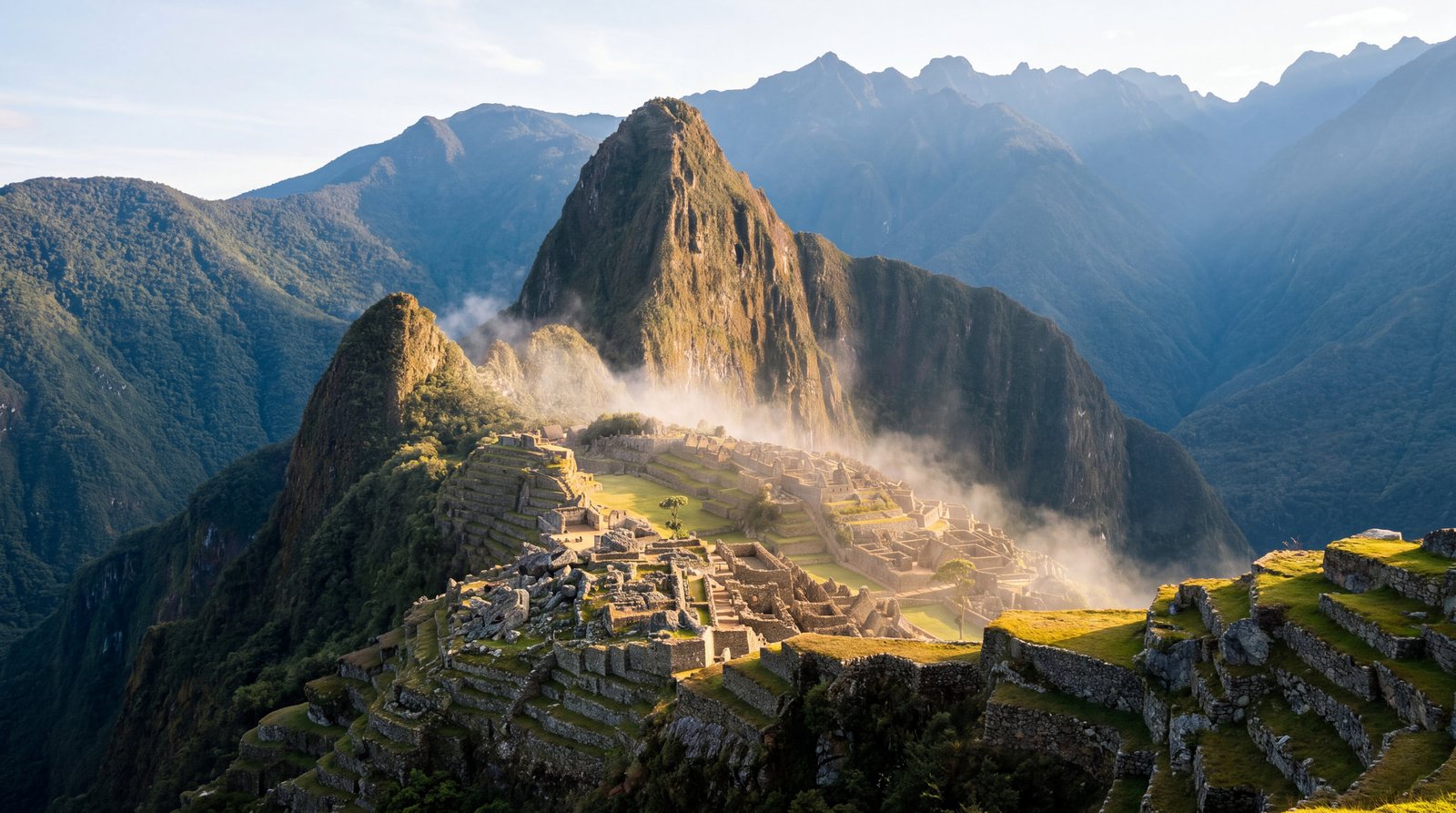
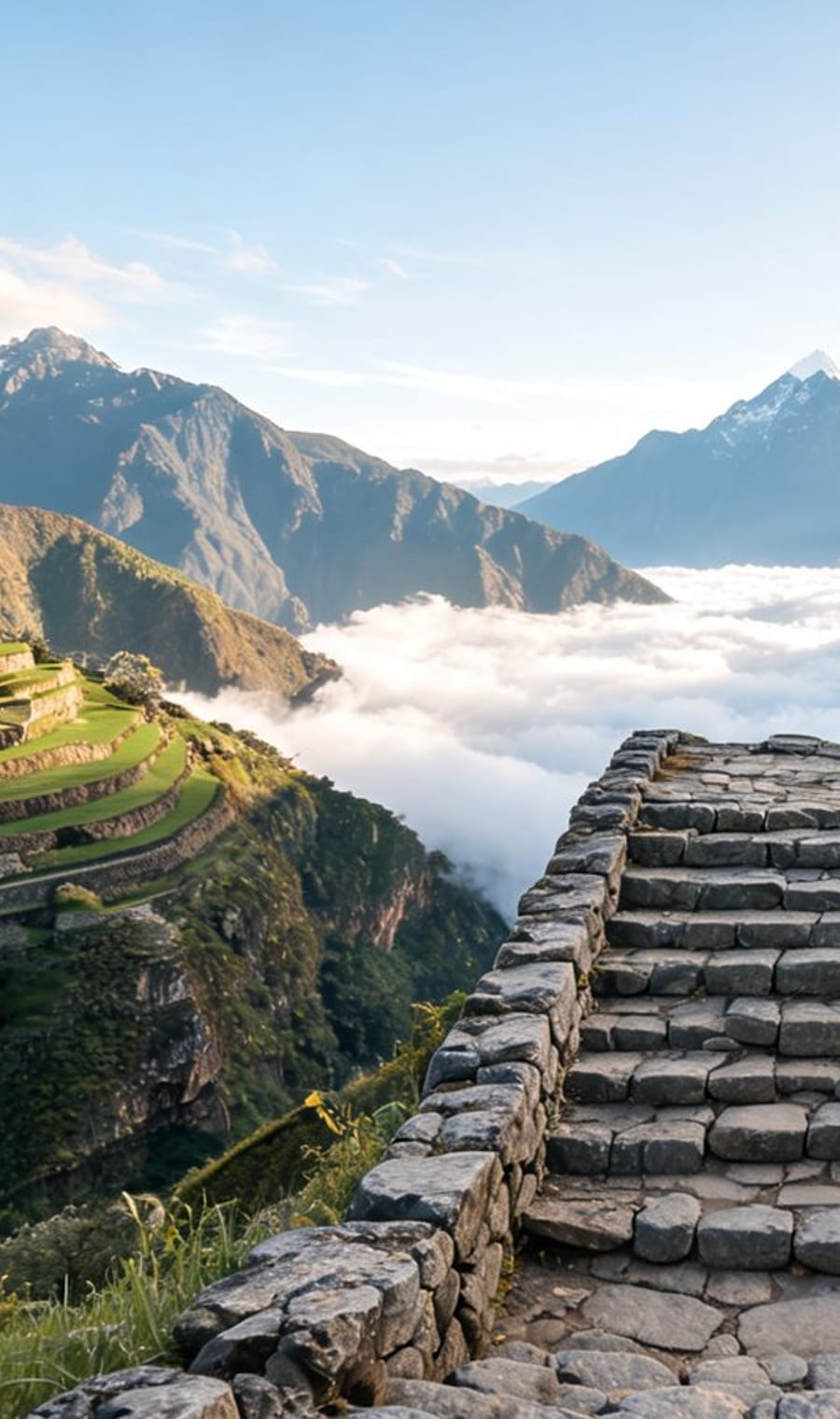
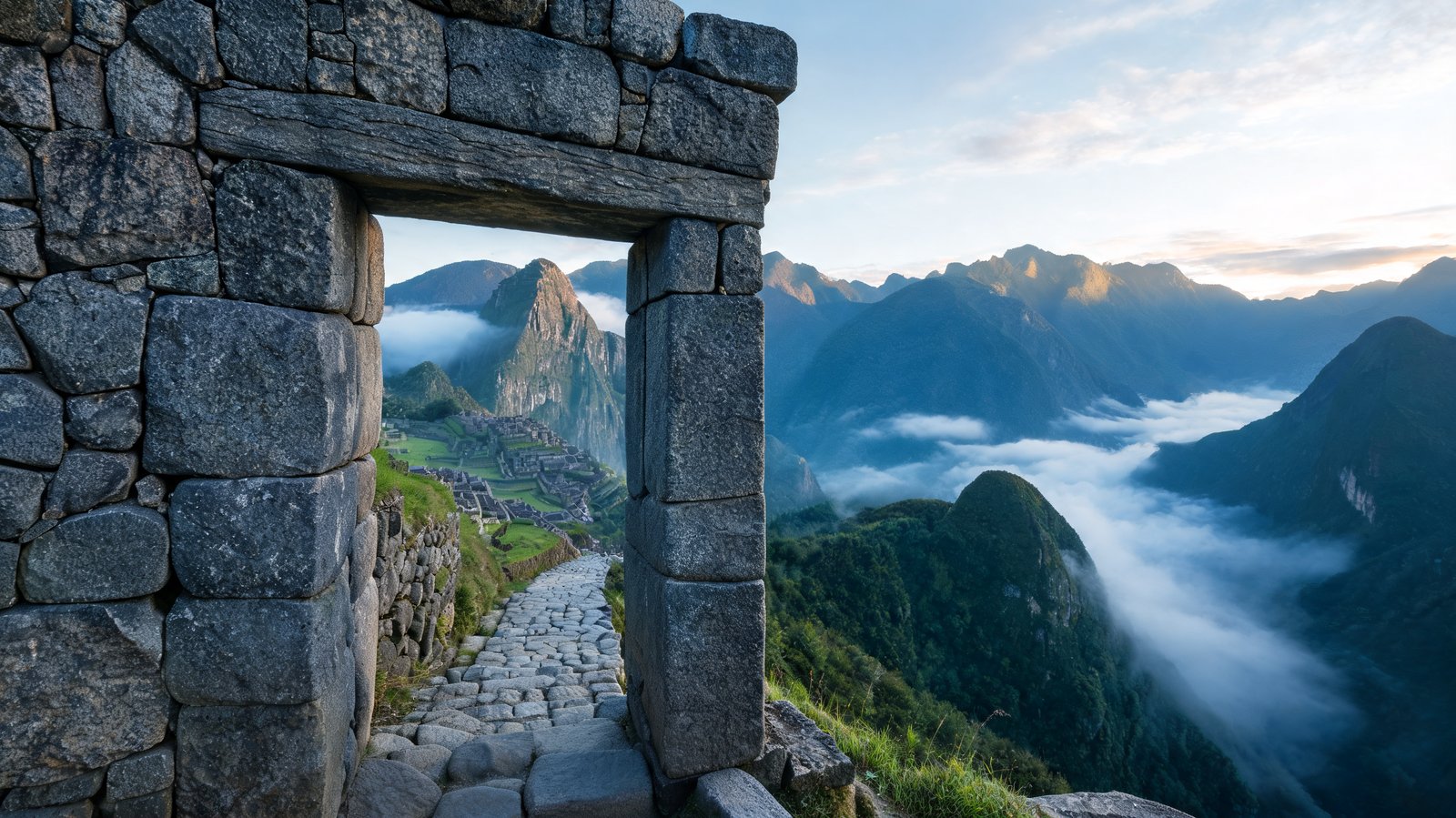
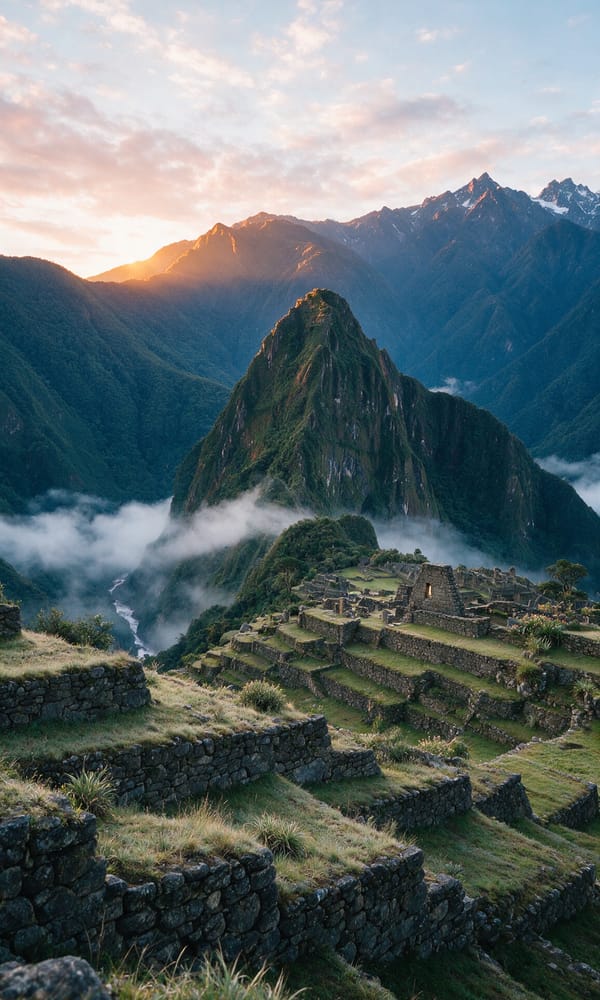
Peru is a country where the headline attraction is extraordinary but everything around it is equally deserving. Machu Picchu is genuinely one of the great archaeological sites on earth — the Inca city hidden in the cloud forest at 7,972 feet, never found by the Spanish, visited by Hiram Bingham in 1911 and mostly intact. The sunrise entry through the Sun Gate, the Temple of the Sun aligned to the winter solstice, the agricultural terraces still following the contours of the mountain — it earns every photograph that has ever been taken of it.
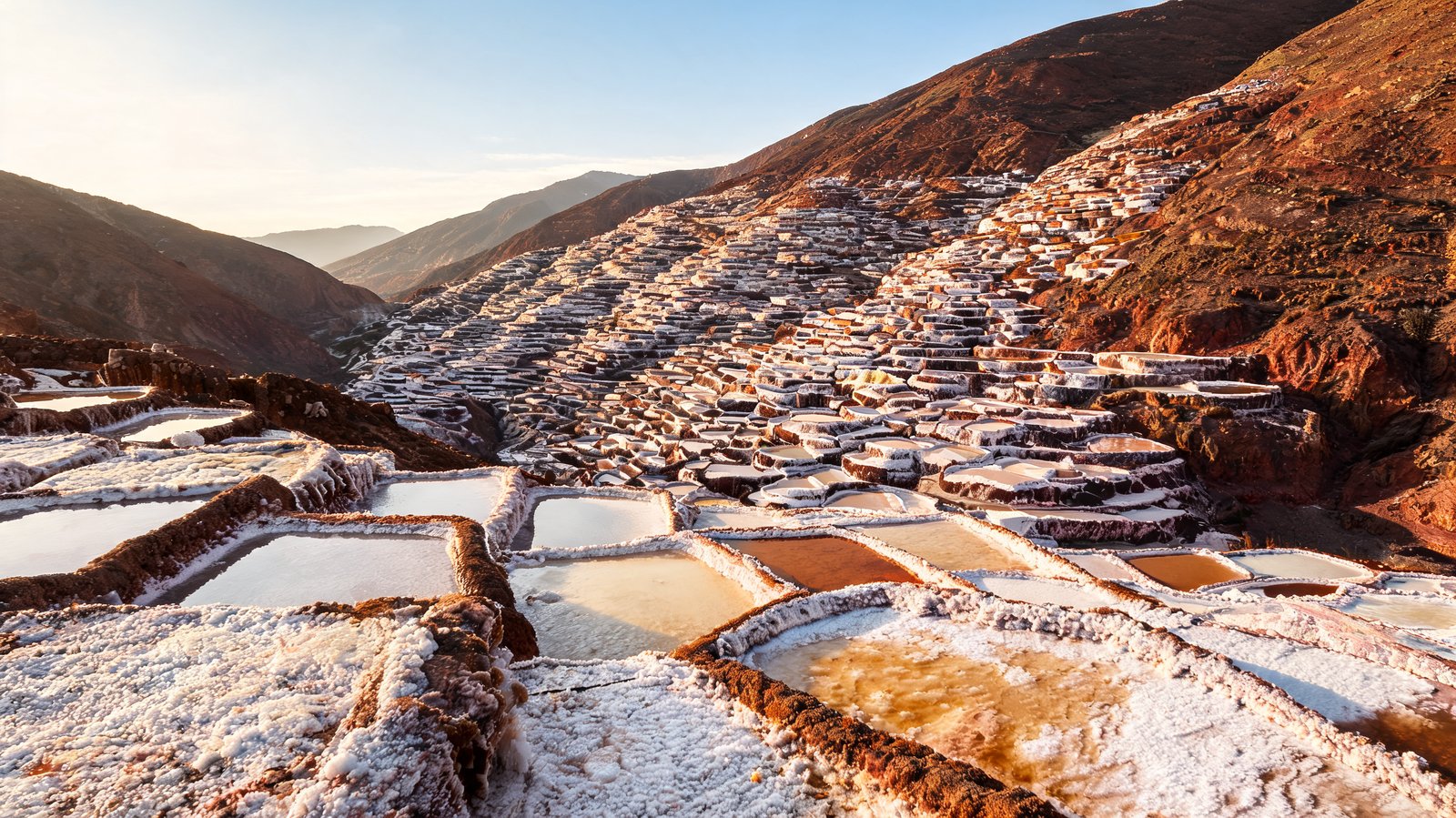
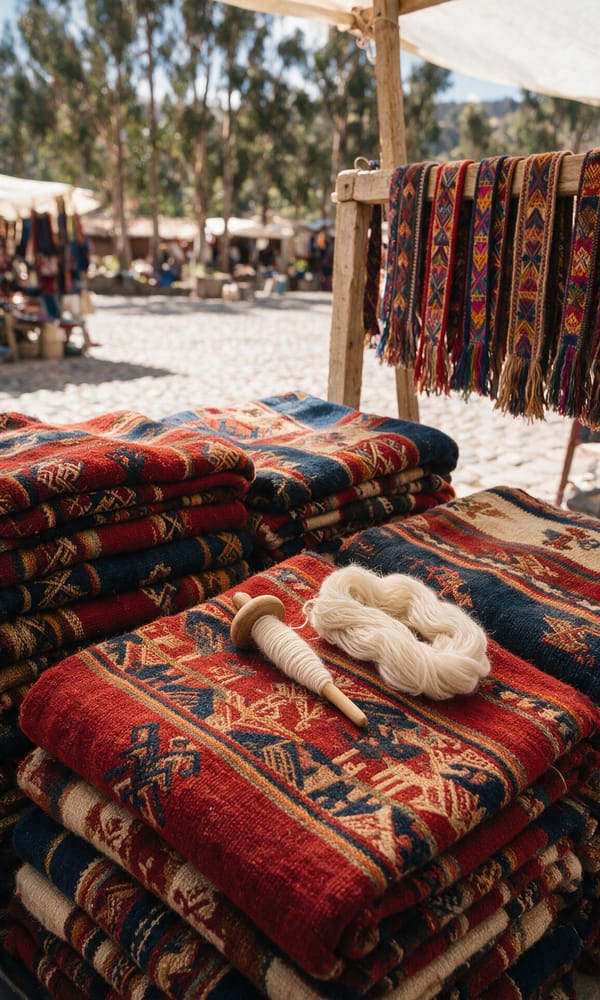
But the Sacred Valley of the Incas — the Urubamba River valley between Cusco and Machu Picchu — is itself one of the richest living cultural landscapes in South America. The Sunday market at Pisac still functions as a trade market for Quechua communities, not primarily as a tourist market. The salt terraces at Maras have been producing salt using pre-Inca irrigation since before the Spanish arrived. The textile cooperative at Chinchero produces work whose natural dyeing process — from plant to finished fabric in a morning — is a direct continuation of techniques that predate the Inca empire.
Altitude acclimatization is a planning element, not a risk. Cusco sits at 11,000 feet — genuinely high, and genuinely manageable with the correct sequence of arrivals. The Sacred Valley, at 9,000 feet, is lower than Cusco and should come first. Two nights in the Valley before Cusco is the correct protocol, and it's built into every itinerary we plan. The altitude question is not a reason to hesitate about Peru. It's a reason to plan properly.
Six Peru Destinations Worth Planning Properly
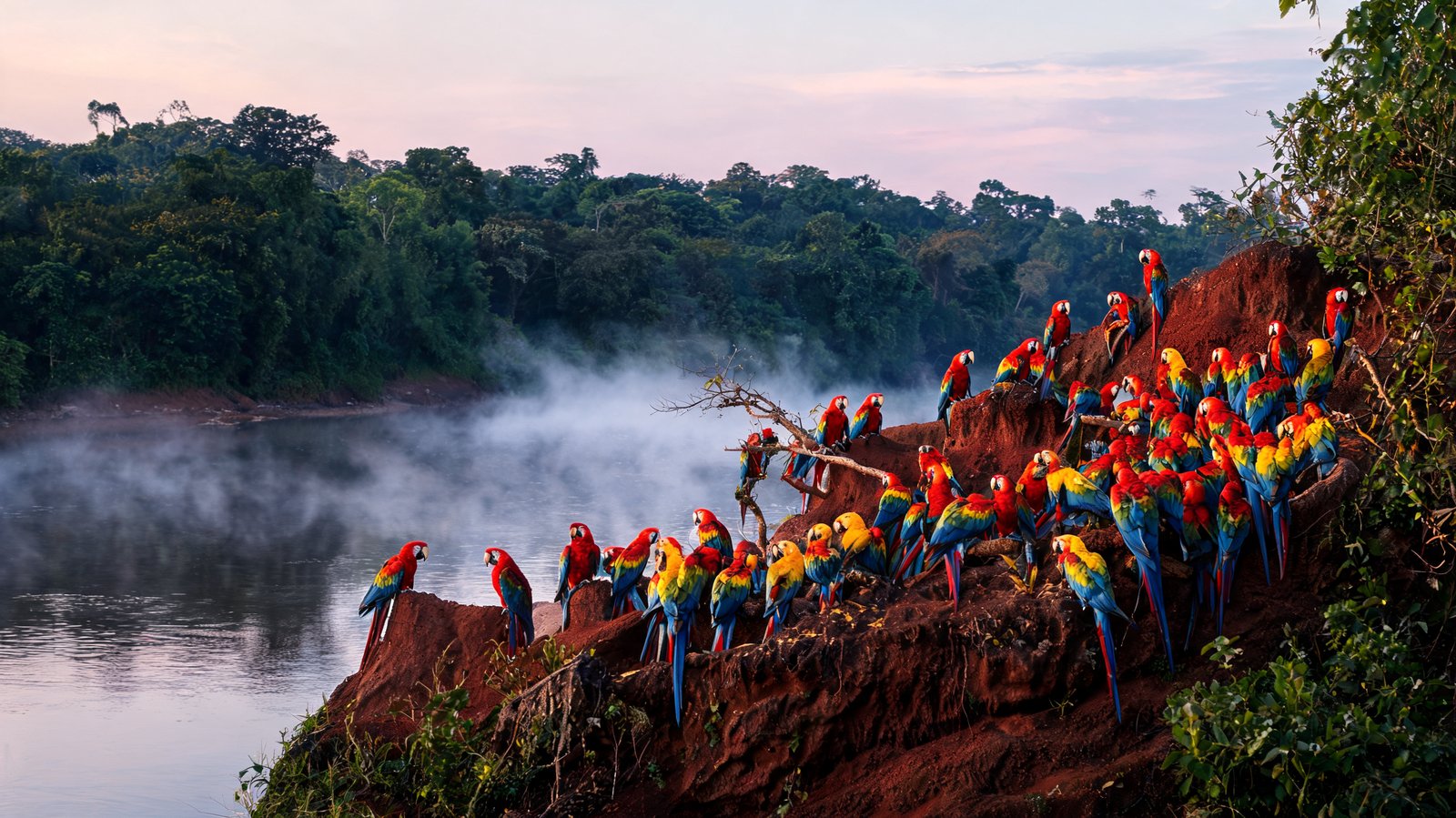
Each has a specific entry strategy, a guide profile that changes the experience, and a version of itself that the majority of visitors miss because they planned around the postcard rather than the place.
Trips We Plan Often
Peru itineraries built around the altitude sequence, the sunrise ticket, and the Lima food circuit that make the full country accessible rather than just the postcard.
What We Add to Peru Planning
Peru's planning variables — altitude sequence, Machu Picchu ticket timing, Lima food reservations, and guide type — require specific answers before anything else is booked.
Peru by Season
Plan a Peru Trip
Built Around the Full Country
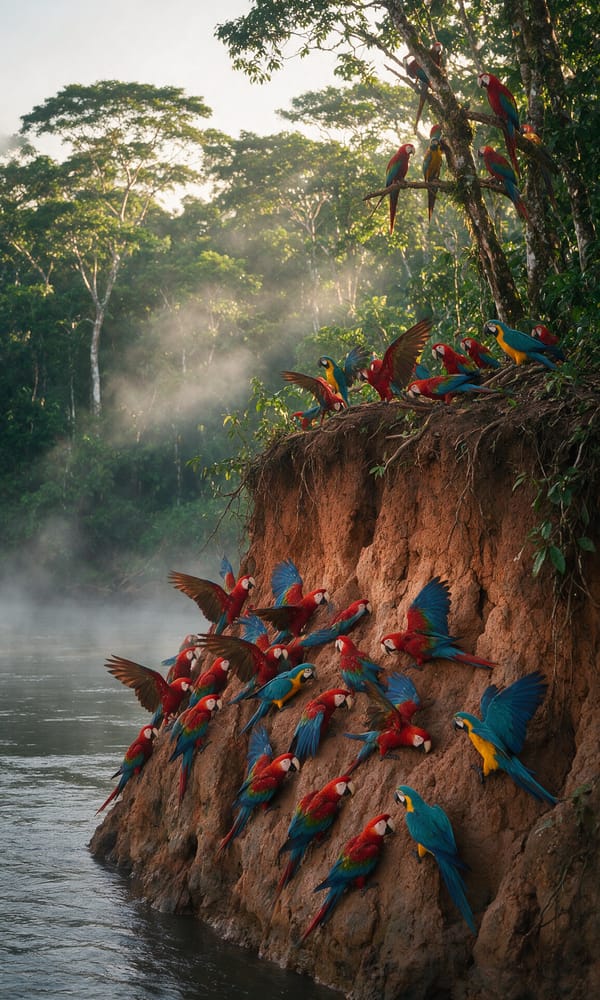
Tell me which Peru regions draw you most — Machu Picchu, the Sacred Valley, Lake Titicaca, the Amazon — and when you can travel. I'll put together a specific altitude sequence, guide recommendation, and ticket booking plan within one business day.
No booking fees · Response within 24 hours · Fully bespoke
Destinations Worth Comparing
What Peru Actually Costs
- Luxury hotels, with breakfast and selected meals
- Private transfers and guides
- Admissions, premium rail to Machu Picchu and ground transport
- International airfare; domestic flights unless listed
- Hiram Bingham and top Belmond upgrades
- Insurance and gratuities
- Hotel tier in Cusco and the Sacred Valley
- Train class to Machu Picchu
- Permits and an Amazon extension
Editorial planning bands, not quotes — assembled from published rates and official fee sources, verified . Rates, permit costs and park fees change; confirm before booking. Source: official Machu Picchu tickets.
Peru — FAQ
Questions we hear most when planning Peru travel — from altitude sickness management to Machu Picchu ticket timing, Lima food access, and how to combine Peru with neighboring countries.