
South America

A Country You Cannot
Do in Ten Days.

Brazil takes up close to half of South America, and almost every move inside it is a flight rather than a drive. Between July and October Rio is dry and mild, the Pantanal's floodwater has drained back to the rivers and the jaguars are working the banks in daylight, and Iguaçu is comfortable to walk. The Northeast beaches run on the opposite rain calendar and belong to a different trip.

Best Season
July – October
Best For
Jaguars
& Rio de Janeiro
The Country

Brazil Is Bigger Than
Any Ten-Day Itinerary.

Brazil works best in July through October: Rio is dry and mild, and the Pantanal's floodwater has dropped far enough that jaguars hunt the riverbanks in daylight. A first trip runs 13–15 days across two or three regions, not five. The Northeast beaches run on the opposite rain calendar and belong to a different trip.

Brazil takes up close to half of South America, and almost every move inside it is a flight rather than a drive. Rio to the Pantanal, the Pantanal to Iguaçu, Iguaçu to Salvador: none of those are road days, and most route through São Paulo or Brasília rather than going direct. An itinerary that ignores the domestic air map spends a fifth of its days connecting, and that happens constantly, because the distances do not look like distances on a screen.

The most consequential decision on a first trip is the Pantanal over the Amazon, and most people make it the other way round because the Amazon is the famous word. The Amazon is closed canopy: the animals are above you and behind leaves, and what you reliably see is birds, pink river dolphins and caiman after dark. The Pantanal is a seasonally flooded plain, and when the water drains back to the rivers from July the sightlines open and jaguars work the banks in daylight. If the trip is about large animals, the wetland wins, and it is not close.

The other thing people get wrong is the coast. Brazil runs two rain calendars in opposition. Rio and the south are driest from roughly May to September, while the Northeast — Bahia, Pernambuco, Ceará — takes its heaviest rain from about April to July, which is precisely the window that makes Rio and the Pantanal work. Rainfall normals by station are published by INMET, Brazil's national meteorological institute. Pairing Rio in July with a week on a Bahia beach is a scheduling mistake, and it is on a great many itineraries.
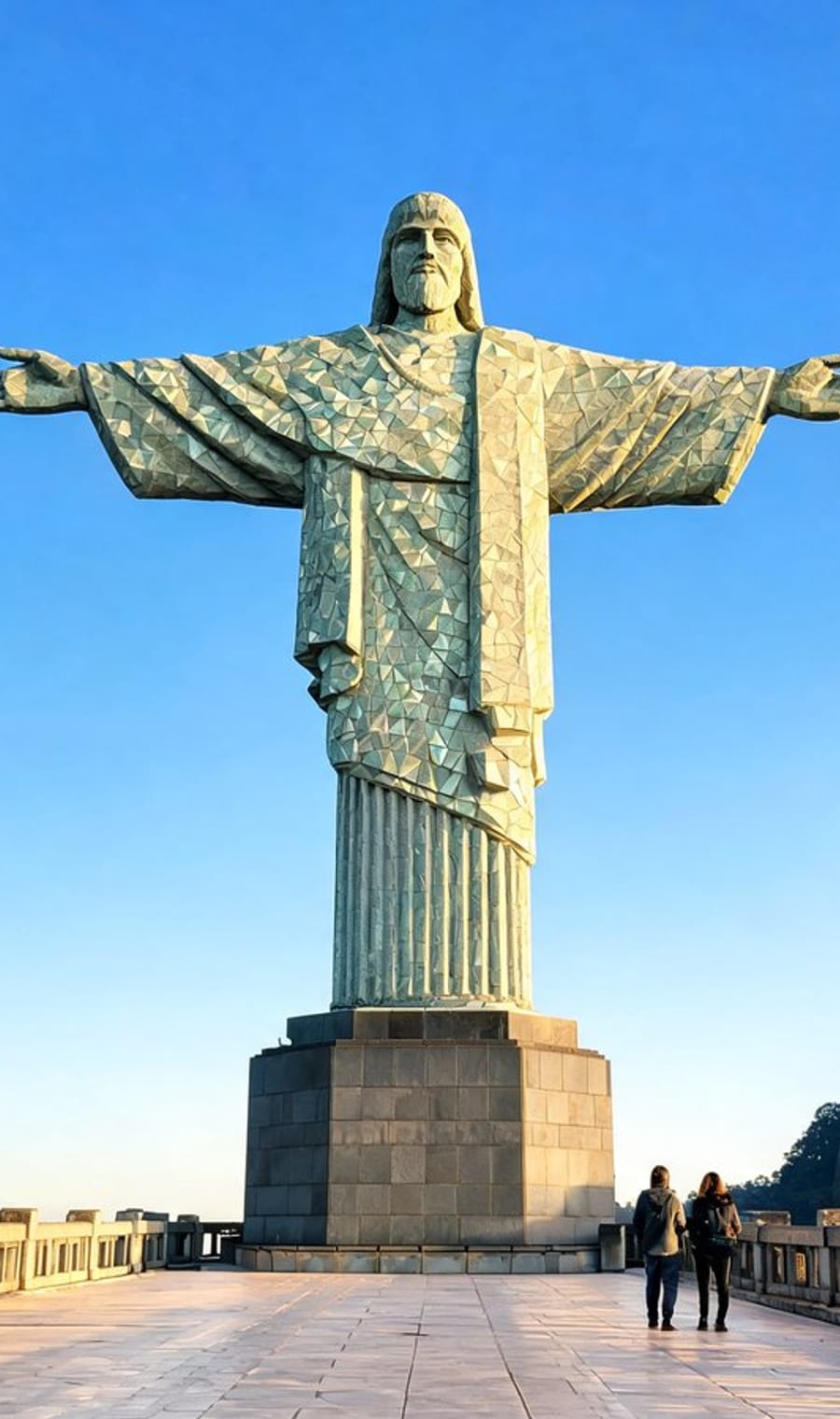
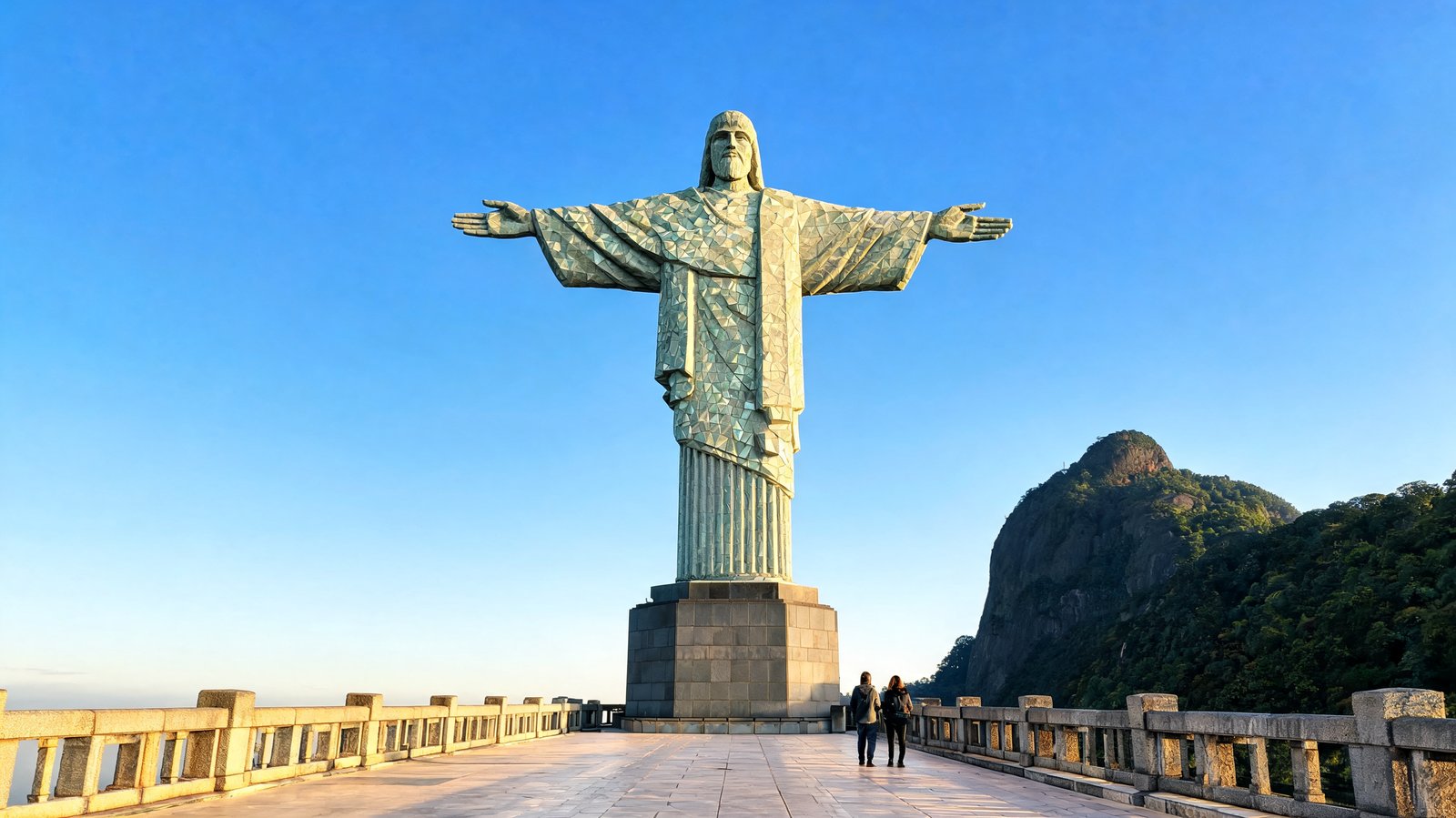
Cristo Redentor standing above Rio de Janeiro with visitors at its base
Cristo Redentor · Rio de Janeiro · Brazil
Where We Send Clients

Six Regions Worth Planning Properly

Brazil is not one destination and it is barely one climate. The wetland, the rainforest, the colonial Northeast and the southern cities keep different calendars and reward different months. These six are the ones that repay the time.
Rio de Janeiro
Rio de Janeiro State
Rio de Janeiro
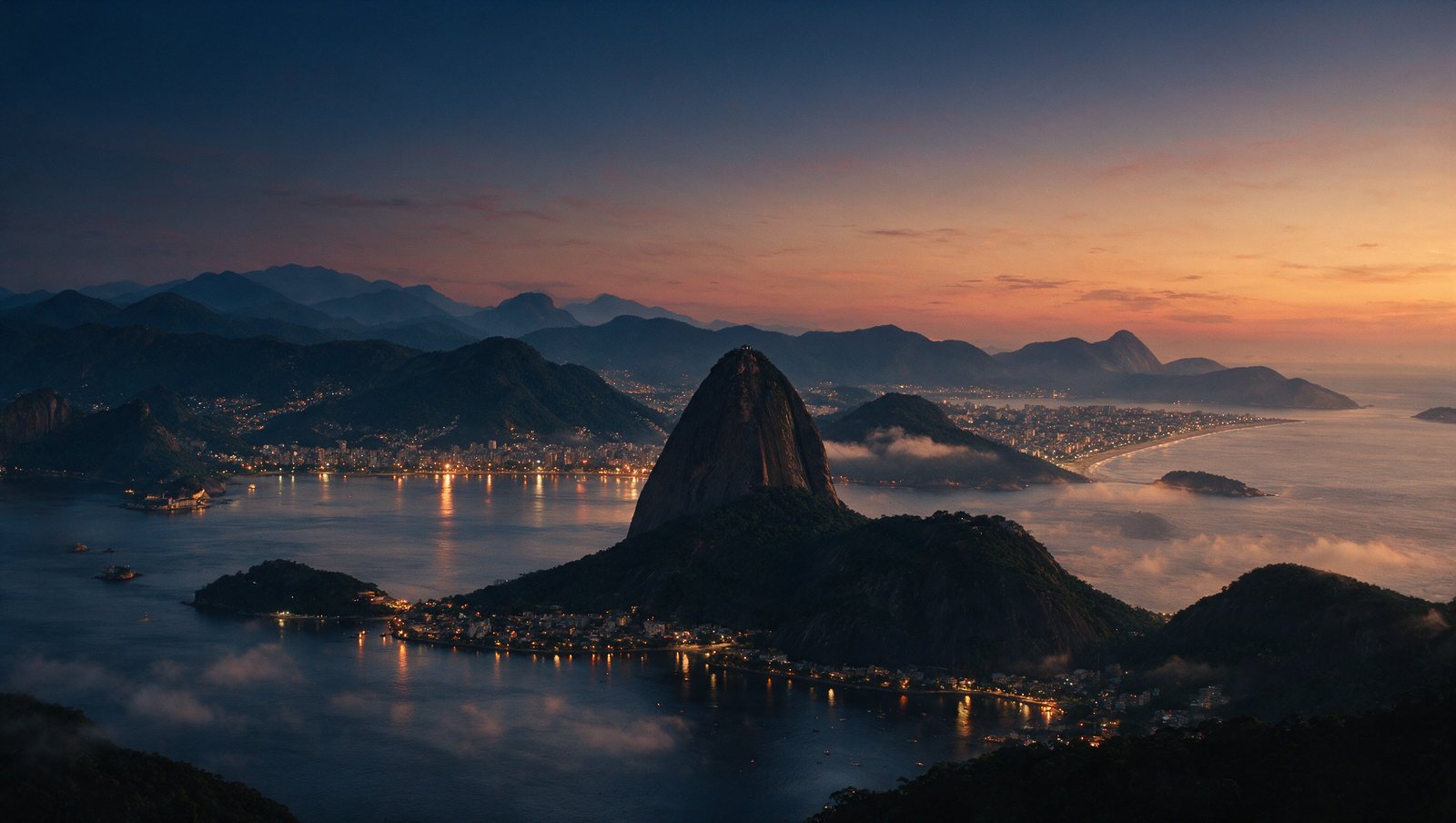
The best natural setting of any large city anywhere. Corcovado at opening rather than mid-morning, Sugarloaf on the second cable car as the light goes, and the Tijuca forest above the city with trailheads inside the urban grid. Two nights is a transit stop; four is a stay.
Corcovado Sugarloaf Tijuca Forest
Explore →
The Pantanal, Mato Grosso
Mato Grosso
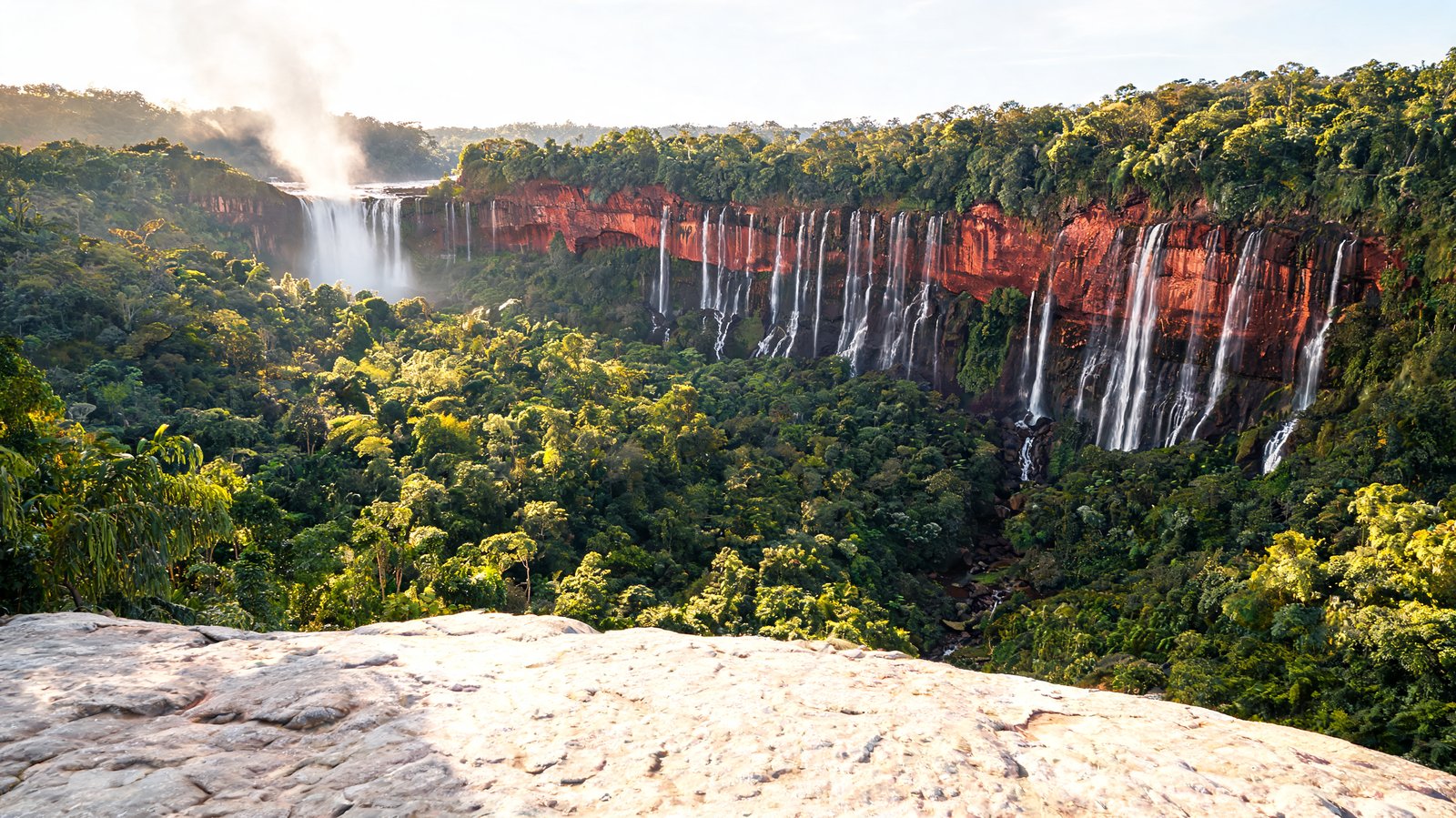
The Pantanal
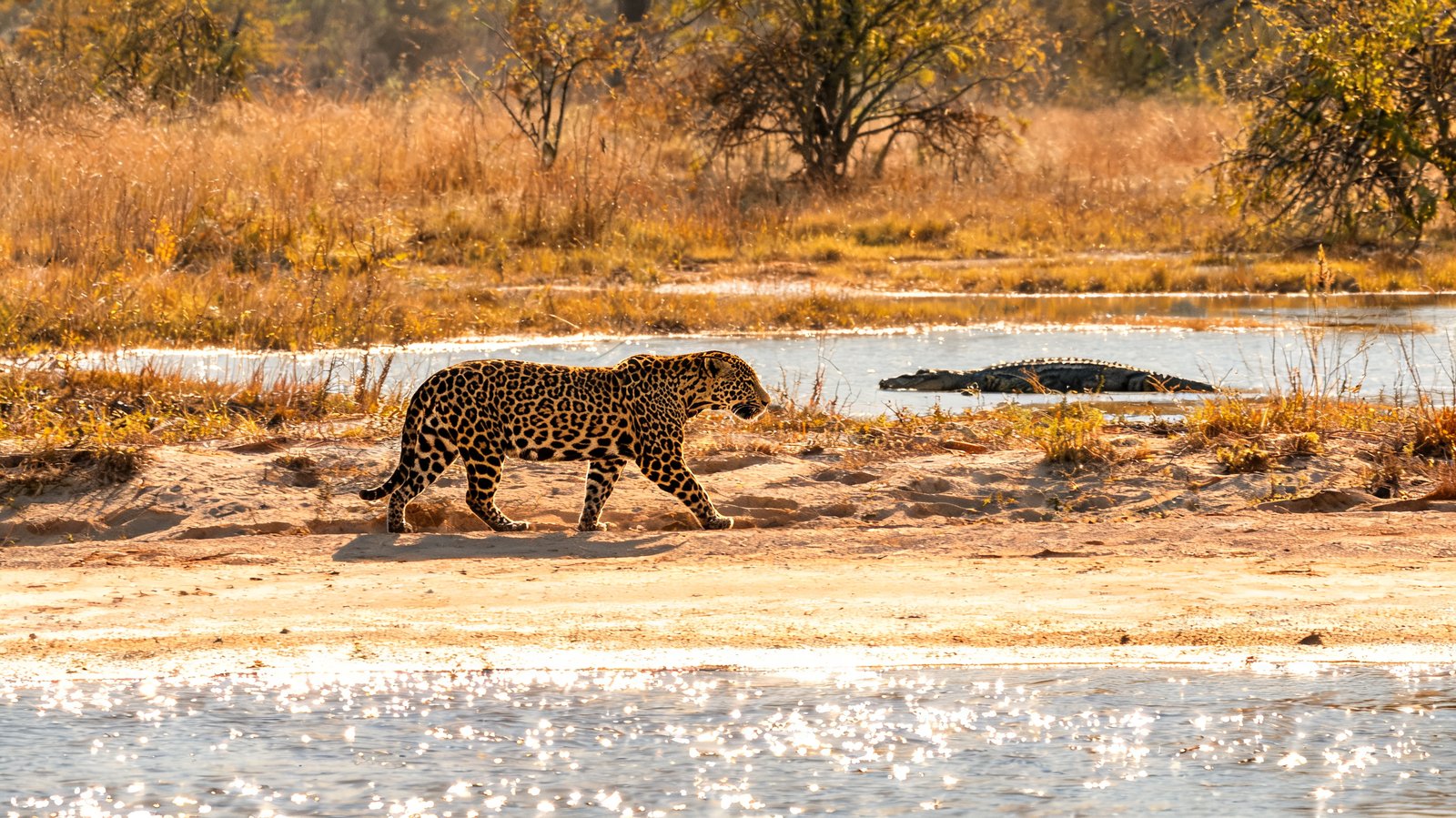
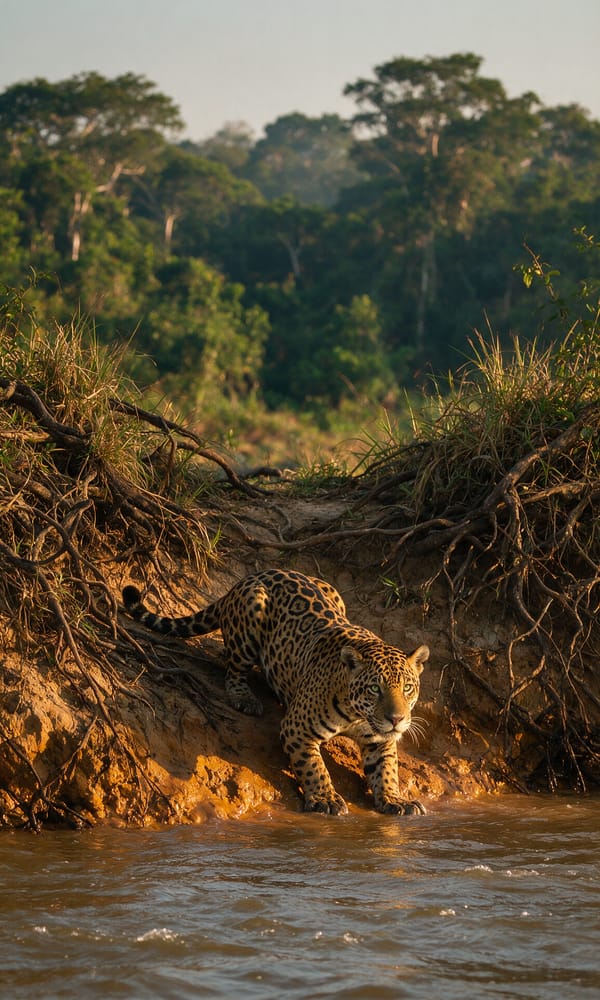
The most reliable place on earth to see a wild jaguar. The raised dirt road south from Poconé crosses wooden bridge after wooden bridge to Porto Jofre on the Cuiabá River, where the boats work the banks from July. Giant otters, hyacinth macaws and caiman in numbers.
Jaguars Jul – Oct River Boats
Explore →
Iguaçu Falls, Paraná & Misiones
Paraná & Misiones
Iguaçu Falls
Two parks doing two different jobs, on either side of a river border. The Brazilian side is the panorama, and a half day is enough for it. The Argentine side is the water itself, on a boardwalk network that wants a full day and rewards the first hour. Take both if the schedule allows.
Devil's Throat Both Sides Year-Round
Explore →
Salvador & Bahia
Bahia
Salvador & Bahia
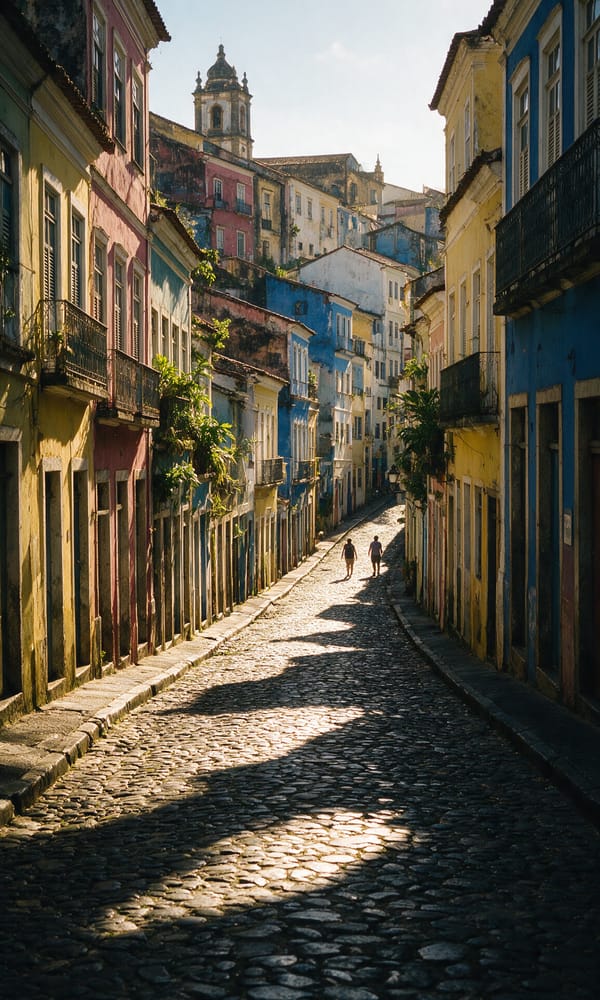
Brazil's first capital, and the densest concentration of Afro-Brazilian culture in the country. The Pelourinho on the escarpment above the port, a Candomblé terreiro, and a kitchen built on dendê palm oil, dried shrimp and coconut that has nothing in common with what is served in Rio.
Pelourinho Candomblé Bahian Food
Explore →
The Northeast Coast, Pernambuco to Ceará
Pernambuco to Ceará
The Northeast Coast
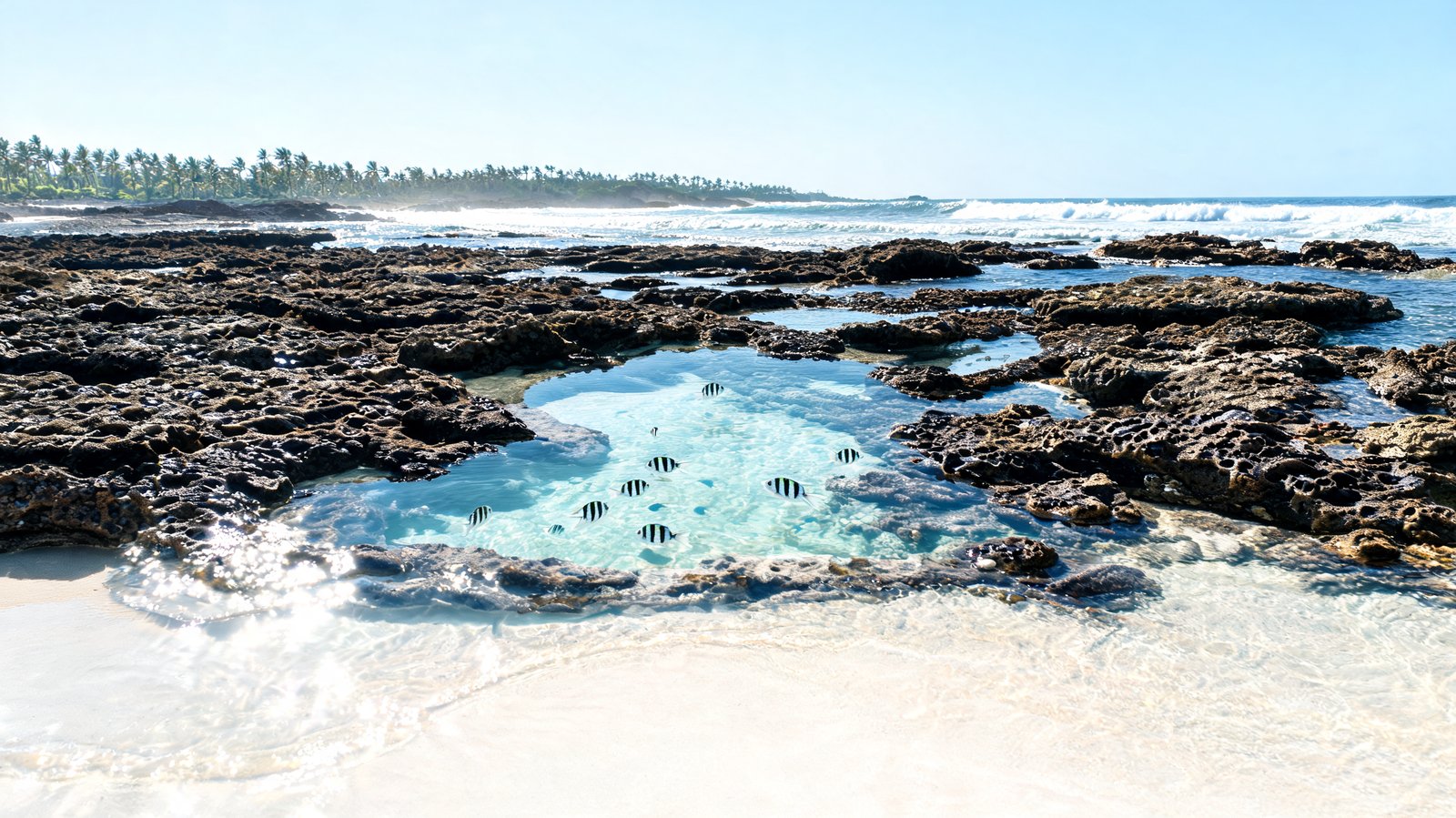
The beaches worth the flight. Fernando de Noronha offshore for the clearest water in the country. The reef pools at Porto de Galinhas and Maragogi at low tide. The dune coast west of Fortaleza, where the wind arrives in the second half of the year and the kite schools follow it.
Fernando de Noronha Reef Pools Sept – March
Explore →
The Amazon, Amazonas
Amazonas
The Amazon
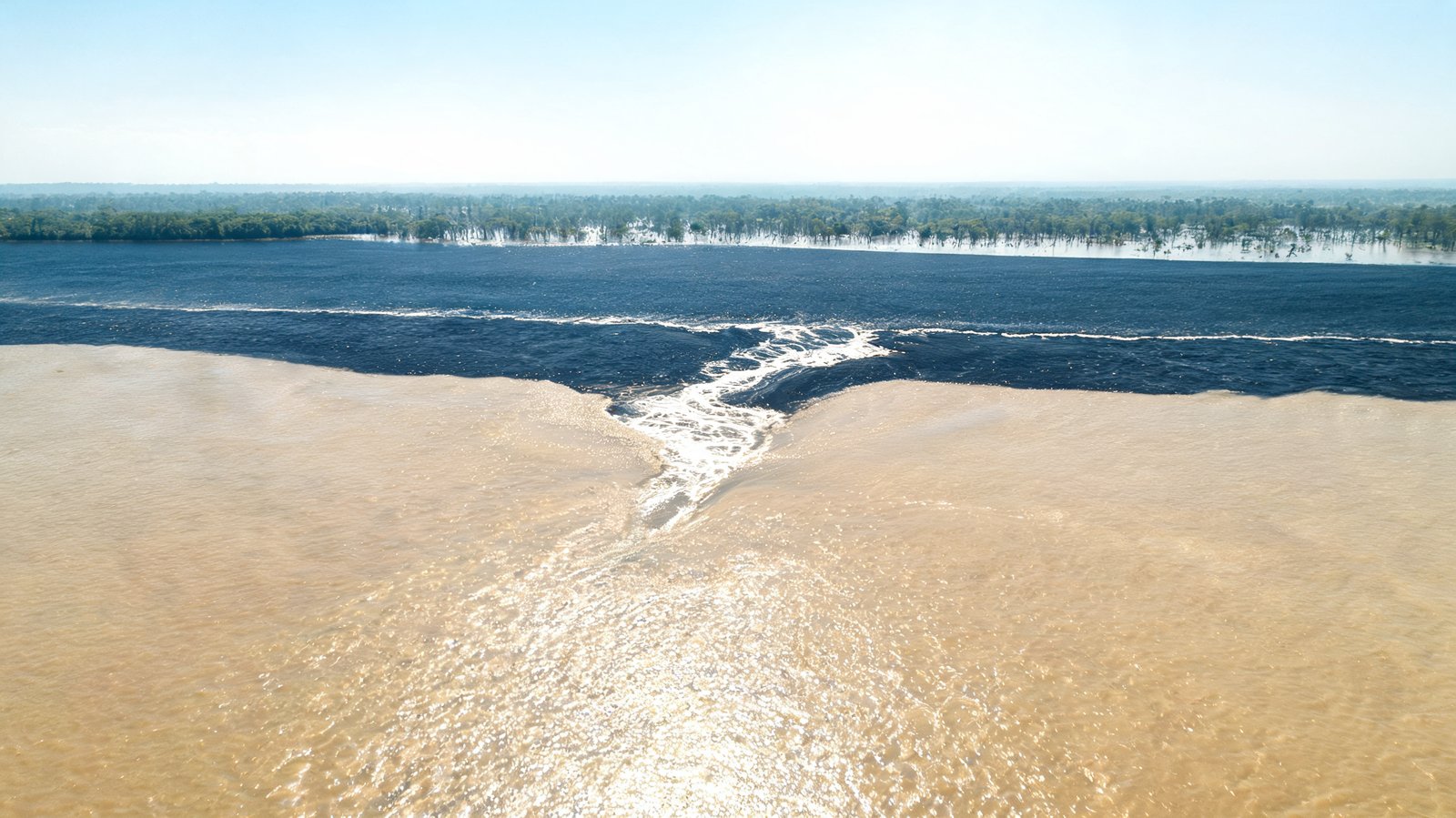
Go for the river system, not for a checklist of animals. Manaus for the meeting of the waters, where the black Rio Negro and the sandy Solimões run side by side for kilometres before they mix, then upriver to a lodge in the Mamirauá reserve. High water and low water are two different destinations.
Mamirauá Rio Negro River Lodges
Explore →
Featured Itineraries

Trips We Plan Often

Brazil itineraries built around the domestic air map, the month each region is actually good, and the guides and boat pilots who make the difference between a sighting and a drive.
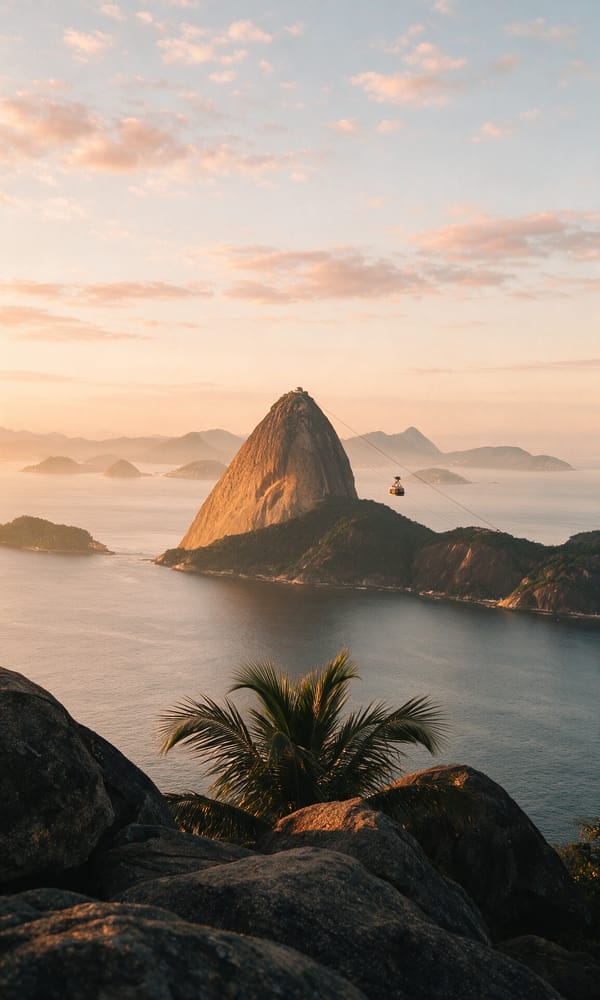
Sugarloaf Mountain above Guanabara Bay at sunrise seen from the granite rocks of Praia Vermelha
July – October · 13–15 Days
Rio, Iguaçu and the Pantanal
The first Brazil trip, in the order that works. Four nights in Rio to start, because three is the floor for Corcovado and Sugarloaf at their best hours plus one unscheduled day. Fly to Foz do Iguaçu for two nights: the panorama from the Brazilian park in a half day, then a full day on the Argentine boardwalks, starting before the walkways fill. On to Cuiabá and south into the northern Pantanal for five nights, the last three at the river end where the jaguar boats work. Finish with two nights back on the coast rather than running a domestic connection into a long-haul departure the same day.
Brazil13–15 Days
Plan This Trip
A jaguar watching from the clay riverbank of the Cuiaba River in the northern Pantanal
July – October · 11–13 Days
The Pantanal First, the Amazon Second
For travellers whose trip is about animals rather than cities. Six nights in the northern Pantanal, split between a lodge on the Transpantaneira road for the anteaters, tapir and birds and a river camp at Porto Jofre for the jaguars. Then Manaus and four nights upriver in the Mamirauá reserve for the flooded forest, the uakari monkeys and the river dolphins. The order matters: the Amazon after the Pantanal reads as the subtler place it is, while the Pantanal after the Amazon makes the rainforest feel like a warm-up. Two nights in Rio at one end to break the flying and give the trip a city.
Brazil11–13 Days
Plan This Trip
A steep cobbled street of pastel colonial houses in Salvador's Pelourinho below a church tower
September – March · 11–13 Days
The Northeast on Its Own Calendar
The Brazil that does not work in July. Three nights in Salvador for the Pelourinho, the terreiros and the food, with a guide who lives in the city rather than one bussed in for the morning. Then four nights inland in the Chapada Diamantina for the tablelands, waterfalls and cave pools — the interior almost no first-time itinerary includes and the part people ask about afterwards. Finish on the water: the reef pools north of Recife, or Fernando de Noronha for four nights of the clearest sea in Brazil. There is no Rio in this trip, and that is the point.
Brazil11–13 Days
Plan This Trip
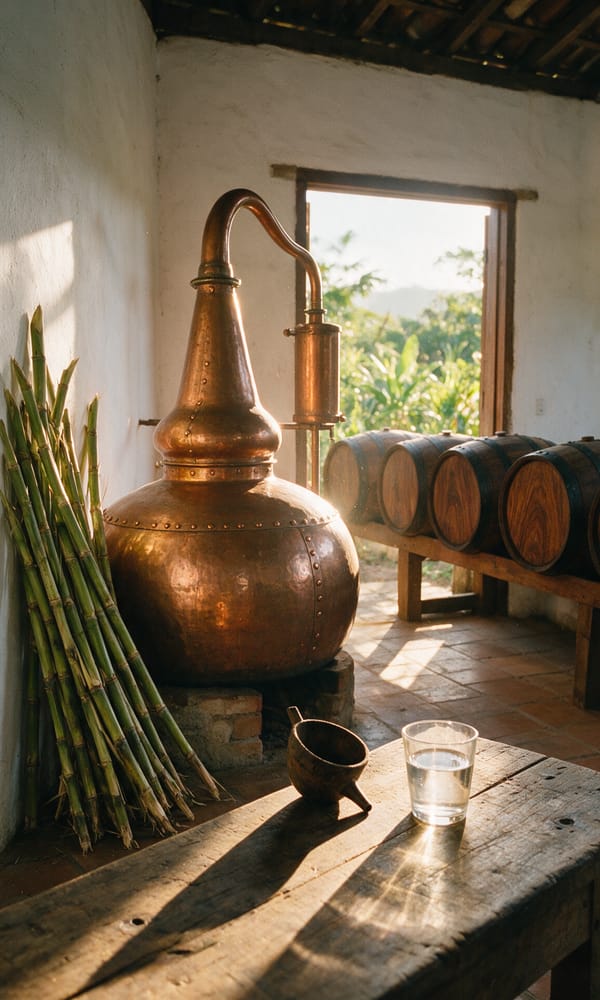
A copper pot still and stacked sugarcane inside a family cachaca distillery near Paraty
September – November · 9–11 Days
Rio and the Costa Verde, Slowly
Less ground, more country. Five nights in Rio: Corcovado and Sugarloaf inside the first two days, then the parts of the city that need unhurried time — the Botanical Garden early, Santa Teresa on foot, a Lapa samba club that starts around the hour a guidebook says the evening ends. Then the coast road south-west to Paraty for four nights, with the colonial grid, a schooner day out to the islands in the bay, and a cachaça distillery still run by the family that built it. One flight, one drive, two places. It is the trip people ask for on a second visit, or after a multi-country South America circuit.
Brazil9–11 Days
Plan This Trip
Why Plan With Us

What We Add to Brazil Planning

Brazil punishes the itinerary that treats it as one country on one calendar, and the damage arrives as lost days rather than as a bad hotel.

Wetland or Rainforest
The Pantanal-versus-Amazon question decides whether a wildlife trip works, and the honest answer disappoints people who came for the word Amazon. The Pantanal is open country that floods and drains on a schedule, so when the water is low the animals are visible and their movements predictable. The Amazon is closed canopy, and a poor bet for anything large and shy. We ask what you want to see before anything is held, because the answer changes which airport the trip starts from.
The Domestic Air Map
Brazil's internal network runs through São Paulo, Brasília and a short list of regional hubs. Cuiabá, Foz do Iguaçu, Manaus and the Northeast capitals mostly connect to one another by way of somewhere else, so the order of the regions is not a preference — it is a constraint that either returns two days to the trip or takes them away. We build the ground arrangements against the schedule that exists, and we will not sell a domestic connection that has to hold on the same day as a long-haul departure.
Guides Who Can Read a City
Portuguese is not Spanish, English is not widely spoken outside the tourism trade, and the gap between a driver with a licence and a specialist is wider in Brazil than in most places we send people. In Salvador that means someone with standing in a terreiro rather than a ticket to a performance. In Rio it means a guide who works with a favela community project and can take you in, or who says plainly that they cannot. In the Pantanal it means a boat pilot the other pilots call on the radio, which is most of what a jaguar sighting actually consists of.
The Month Decides the Region
Nearly every Brazil planning failure traces back to choosing the regions first and the dates second. The dry window that makes the Pantanal work is the wet window in Bahia, and the months the Northeast beaches are at their best are the months Rio is hottest and the Pantanal is under water. Fix the dates and the shape of a good trip is mostly determined. If the dates are locked by school terms, we will say which parts of Brazil to leave for another visit rather than fit them in badly — and if the appetite is really for the continent, Peru's Andean circuit and Patagonia's trekking season each want a trip of their own.
When to Go

Brazil by Season

Winter Dry Season
July – October
The window that makes the largest number of Brazils work at once. Rio is dry, mild and clear. The Pantanal's floodwater has drained back to the rivers, which concentrates the wildlife and opens the jaguar season, and August and September are its strongest months. Iguaçu is comfortable to walk. June and early November sit on the edges of this and are frequently fine. Against that, the Northeast coast is still coming out of its wettest run in July, and the sea in Rio is cold enough that swimming becomes a decision. Pantanal river camps and the boat pilots worth having commit months ahead.
Best Overall Window
Summer
November – March
Hot, wet in the south, and the season Brazil sells itself on. Rio runs humid with heavy afternoon storms, and this is when Carnival and New Year on Copacabana fall. The Pantanal floods and the jaguar boats stop. The compensation is the Northeast: Bahia and Pernambuco are driest from roughly September through March, the Ceará dune coast from about August to January, and Fernando de Noronha's water is clearest inside that window. A Brazilian summer trip is a coastal trip, and a good one once planned as that rather than as a compromise.
Autumn Shoulder
April – June
The most misread window in the country. Rio is drying out and emptying, and May and June are among the better months to be in the city: good light, rates off their summer peak, the beaches back in the hands of Cariocas. Iguaçu carries its heaviest flow in this stretch, once the summer rains have worked through the Paraná basin. Against that, the Pantanal is still draining, and this is the Northeast's wettest run of the year — Salvador and Recife take their heaviest rainfall from roughly April to July, per the station normals published by INMET.
Ready When You Are

Plan a Brazil Trip
Around the Month You Have

Tell me your dates first, then what you want out of them — jaguars, a city, a beach, or the falls. I'll come back with the regions that actually work in that window, the order to take them in, and the properties and guides I'd use in each, within one business day.

Plan a Brazil Trip All South America Destinations

No booking fees  ·  Response within 24 hours  ·  Fully bespoke

What It Costs

What Brazil Actually Costs

Priced per region, on two opposite calendars
A Pantanal river camp sells full board with boat days, a Rio hotel sells a room, and Fernando de Noronha charges a per-person environmental tax on top of whatever the bed costs, so no single nightly figure covers the three.
What actually sets the number
  • Which regions the month allows — July to October for the Pantanal, September to March for the Northeast coast
  • Fernando de Noronha's environmental preservation tax, R$105.79 for a single day and R$901.36 for ten
  • Boat days at Porto Jofre, where the pilots worth having commit months ahead

Tell me the dates and the party and you get a real quote, not a range. Source: Fernando de Noronha environmental preservation tax.

Common Questions

Brazil — FAQ

The questions that come up most when planning a first Brazil trip — which month suits which region, the Pantanal against the Amazon, which side of Iguaçu, and what Carnival does to a schedule.

July through October, if the trip covers Rio, the Pantanal and Iguaçu. That window gives Rio its dry, mild winter, drops the Pantanal's floodwater far enough for the jaguar boats to work the riverbanks, and keeps the falls comfortable to walk. It is also the wrong answer for a beach trip. The Northeast coast runs on the opposite calendar and takes its heaviest rain from roughly April to July, so a Bahia or Pernambuco stretch belongs to a September-to-March trip instead. Regional rainfall normals are published by INMET, Brazil's national meteorological institute.

The Pantanal, clearly, if the point is seeing large animals rather than seeing a rainforest. It is a seasonally flooded plain, and when the water drains from July the animals concentrate along the rivers with open sightlines. Jaguar watching from a boat on the Cuiabá River is the most dependable big-cat viewing in the Americas. The Amazon is closed canopy: extraordinary for the river system, the birds and the pink dolphins, and a poor bet for anything large and shy. UNESCO lists both: the Pantanal Conservation Area, inscribed in 2000, whose four protected areas cover 187,818 hectares, about 1.3% of the wetland, and the Central Amazon Conservation Complex, the largest protected area in the basin. Only one of them reliably shows you a jaguar.

Both, with the Brazilian side as a half day and the Argentine side as a full one. The Brazilian park holds the panorama, the whole arc in one frame from a walkway ending below the Devil's Throat. The Argentine park holds the greater share of the falls on a boardwalk network that puts you above and beside the water, including the walkway out to the throat itself. If only one is possible, take Argentina and accept that you lose the photograph. The two parks are inscribed separately: Iguaçu National Park in Brazil in 1986, and Iguazú National Park in Argentina in 1984. A same-day border crossing needs planning: confirm the entry requirements for your nationality on both sides before booking.

Thirteen to fifteen for three regions, and ten will not do it. Brazil's internal connections mostly route through a hub rather than running direct, so every region change costs the better part of a day at each end. Ten days buys two regions properly or three badly. If ten days is the hard limit, the strongest trip is Rio plus one other thing: the Pantanal in the dry months, Iguaçu in any month, or the Costa Verde coast if the aim is to stop moving. Sixteen days opens a fourth region without the trip collapsing into a sequence of airports.

Only if Carnival is the reason for the trip, and rarely otherwise. Carnival falls in the days before Ash Wednesday, so the date moves with Easter, landing in February or early March. It is one of the great events anywhere, and also the hottest, most crowded and most heavily booked week of the Rio calendar, with minimum-stay requirements at hotels. If you want it, commit close to a year ahead and give it the whole trip. If you do not, leave the fortnight around it alone. The Sambadrome schedule and the official street-bloco calendar are published each year by Riotur, Rio's city tourism authority; confirm the current year's dates before booking.

Roughly September to March in Bahia and Pernambuco, and about August to January on the Ceará dune coast. Salvador and Recife see their heaviest rainfall from around April to July, which is precisely the stretch that makes Rio, the Pantanal and Iguaçu work. Fernando de Noronha follows the same pattern, with the clearest water and calmest sea in the back half of its dry window. A coastal Brazil trip and a wildlife Brazil trip want opposite halves of the year; combining them needs a September or March edge, or two separate trips. Monthly normals by station are published by INMET.

Citizens of the United States, Canada and Australia need an e-visa, applied for online before travel. The requirement was reinstated on after several postponements, and it has changed more than once in recent years. Other nationalities face different requirements, and passport validity, onward-ticket and vaccination rules apply regardless of visa status. The authoritative source is Brazil's Ministry of Foreign Affairs — see the official electronic visitor visa page. Apply well ahead of departure rather than in the final fortnight. Entry rules reviewed ; confirm your own government's current guidance before booking.

Safe enough to travel well with ordinary urban discipline, and not a country to be casual in cities. The practical version is dull and it works: nothing visible on the street you would mind losing, a phone out only when you have stopped and looked around, and arranged cars rather than hailed ones after dark. The wildlife regions, Iguaçu and the Northeast beach towns are calmer. We brief clients on the neighbourhoods and hours that matter in each city. Check your own government's current travel advice before booking — for United States travellers that is the State Department advisory for Brazil — and health guidance, including yellow-fever vaccination recommendations, from the CDC's Brazil page. Guidance reviewed .
More questions answered on the Full FAQ Page
From the Journal

Read More on Planning South America