
South America

The End of the Earth,
Worth Every Mile.

Patagonia is the landscape that travelers consistently describe as having no reference point — the granite spires of Torres del Paine, the Perito Moreno glacier advancing six feet a day into Lago Argentino, the constant wind that makes the steppe feel actively alive. The planning work here is choosing the lodge-supported trek over the tent, the right week against weather variability, and the Chilean and Argentine sides as a combined circuit rather than separate trips.

Best Season
November – March
Best For
Hiking
& Glaciers
The Region

Weather Is the Point,
Not the Problem.

Patagonia's season is November through March. Most itineraries run 10–16 days. The W-Trek is five days of hiking at 12–18 km a day with 500–1,100 m of elevation gain on the longer sections — moderate to challenging, and the lodge-supported version removes the camping rather than the walking. Non-hikers have a real Patagonia trip available; it is a different one.

Patagonia's weather is famously unpredictable — four seasons in a day is the cliché and it is accurate. The wind that scrapes the Torres del Paine valleys can reach 100 km/h in mid-summer; the same valley two hours later can be glass-still under sunshine. The mistake travelers make is to treat the variability as something to overcome. It isn't. It's what makes Patagonia feel genuinely wild rather than packaged. The planning work is positioning yourself in lodges close enough to the trailheads that you can move when the window opens and rest when it doesn't.

The lodge-supported trek (sleeping in mountain refuges along the W-circuit, hot showers, wine with dinner, no tent) is not a compromise version of Patagonia. The refuges inside Torres del Paine National Park are well-built, well-staffed, and the difference between sleeping in one and sleeping in a tent is significant in comfort but not in wilderness exposure — the trail by day is identical. For approximately 80% of travelers, the lodge-supported W-trek is the correct format. The tent version adds physical hardship without adding meaningful wilderness value for travelers who aren't already serious backcountry hikers.

The Chilean and Argentine sides of Patagonia are different countries with different geographies. Chile holds the Torres del Paine massif and the southern fjord-and-channel coastline. Argentina holds the Perito Moreno glacier, the Fitz Roy and Cerro Torre spires above El Chaltén, and Tierra del Fuego with the southernmost city in the world at Ushuaia. The combined circuit — Chilean Torres del Paine plus Argentine Perito Moreno plus Fitz Roy — is the comprehensive Patagonia experience. Doing only one side is a common compromise that loses half the landscape.
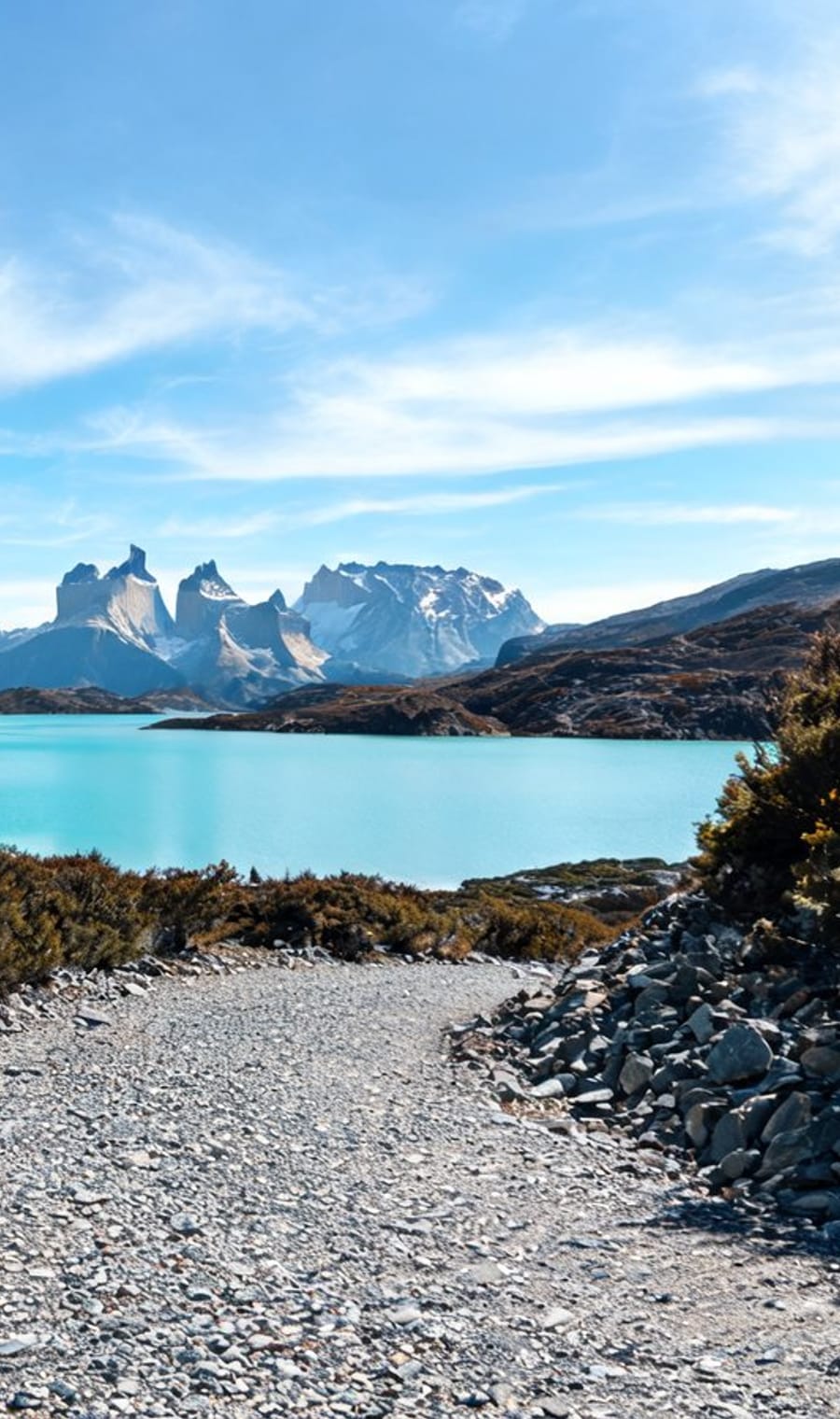
The gravel W Trek trail above a turquoise lake below the Torres del Paine
The W Trek · Torres del Paine · Chile
Where We Send Clients

Six Patagonian Landscapes Worth Planning Around

Patagonia is divided unevenly between Chile and Argentina, with the genuinely extraordinary sites concentrated across a 500-mile corridor in the south. Each has a specific season, a specific lodge, and a version of the experience worth flying south for.
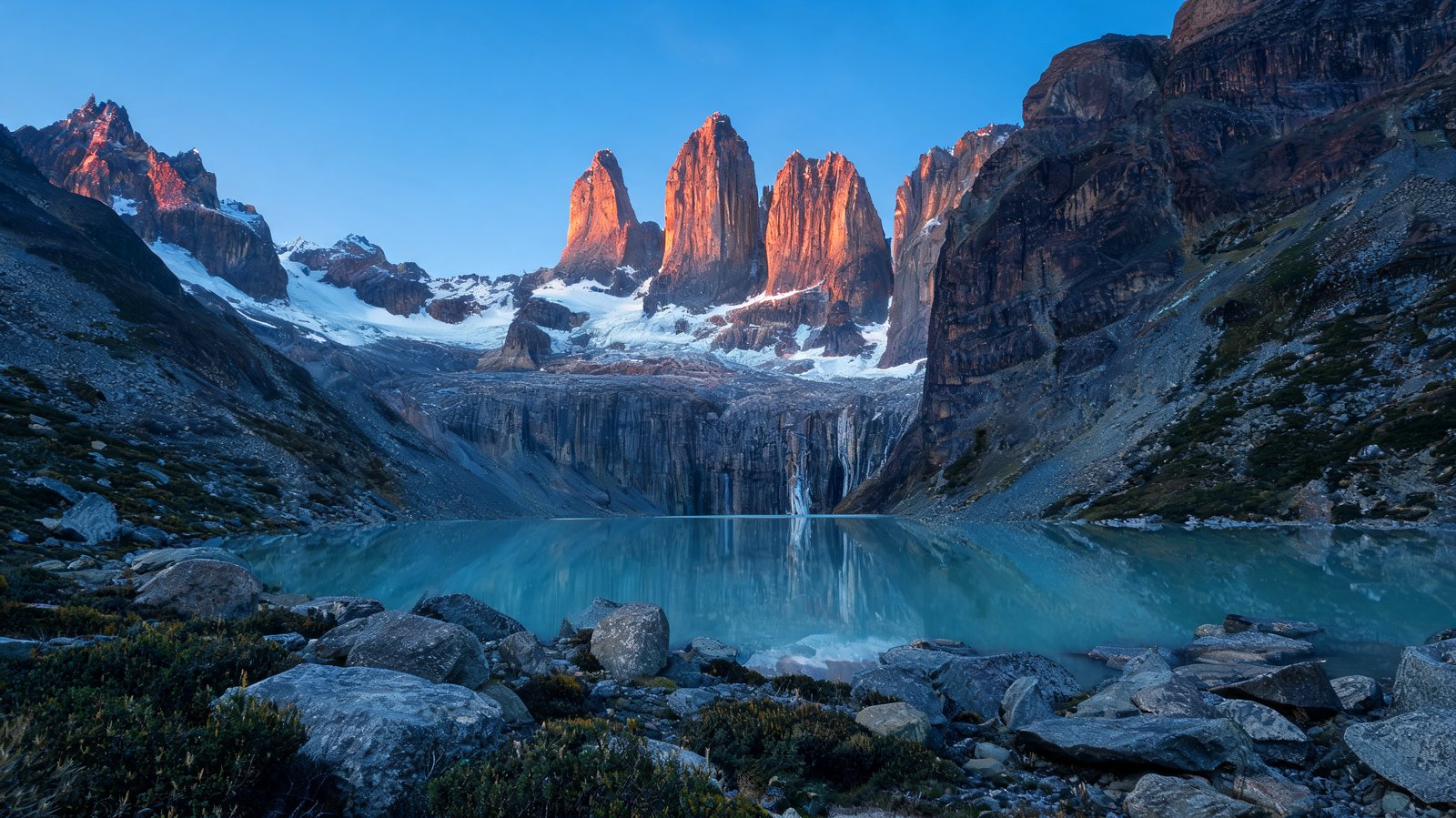
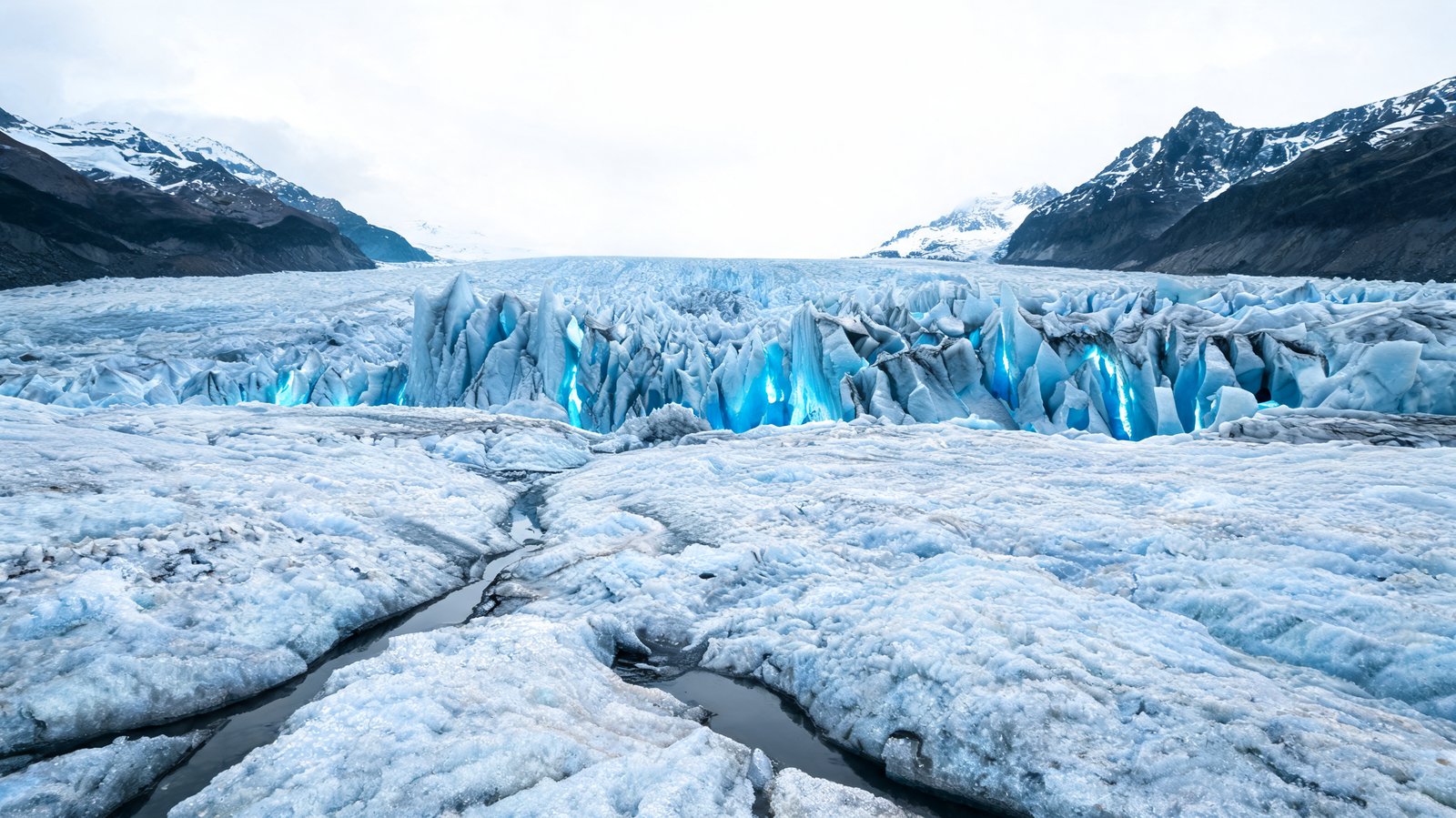
Torres del Paine, Chilean Patagonia
Chilean Patagonia
Torres del Paine
The W-Trek and the full O circuit, with lodge-supported options that remove the tent and change the trip categorically. The towers at dawn from the base refuge, granite turning black to amber in twenty minutes. The French Valley, and Grey Glacier by kayak from a lodge on its shore.
W-Trek Towers Lodge Trek
Explore →
Perito Moreno Glacier, Argentine Patagonia
Argentine Patagonia
Perito Moreno Glacier
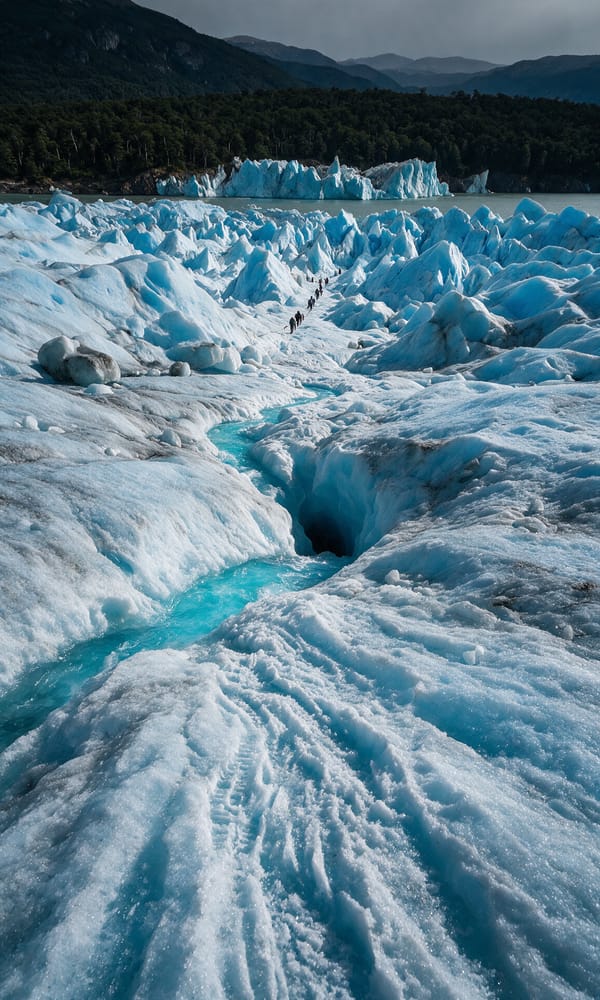
One of the few Patagonian glaciers not retreating — it advances about six feet a day into Lago Argentino, calving off a face three miles wide and 250 feet above the water. Ice trekking with crampons, where the full day is far more rewarding than the hour. Based out of El Calafate.
Glacier Trek Calving Face Crampons
Explore →
El Chaltén & Fitz Roy, Argentine Patagonia
Argentine Patagonia
El Chaltén & Fitz Roy
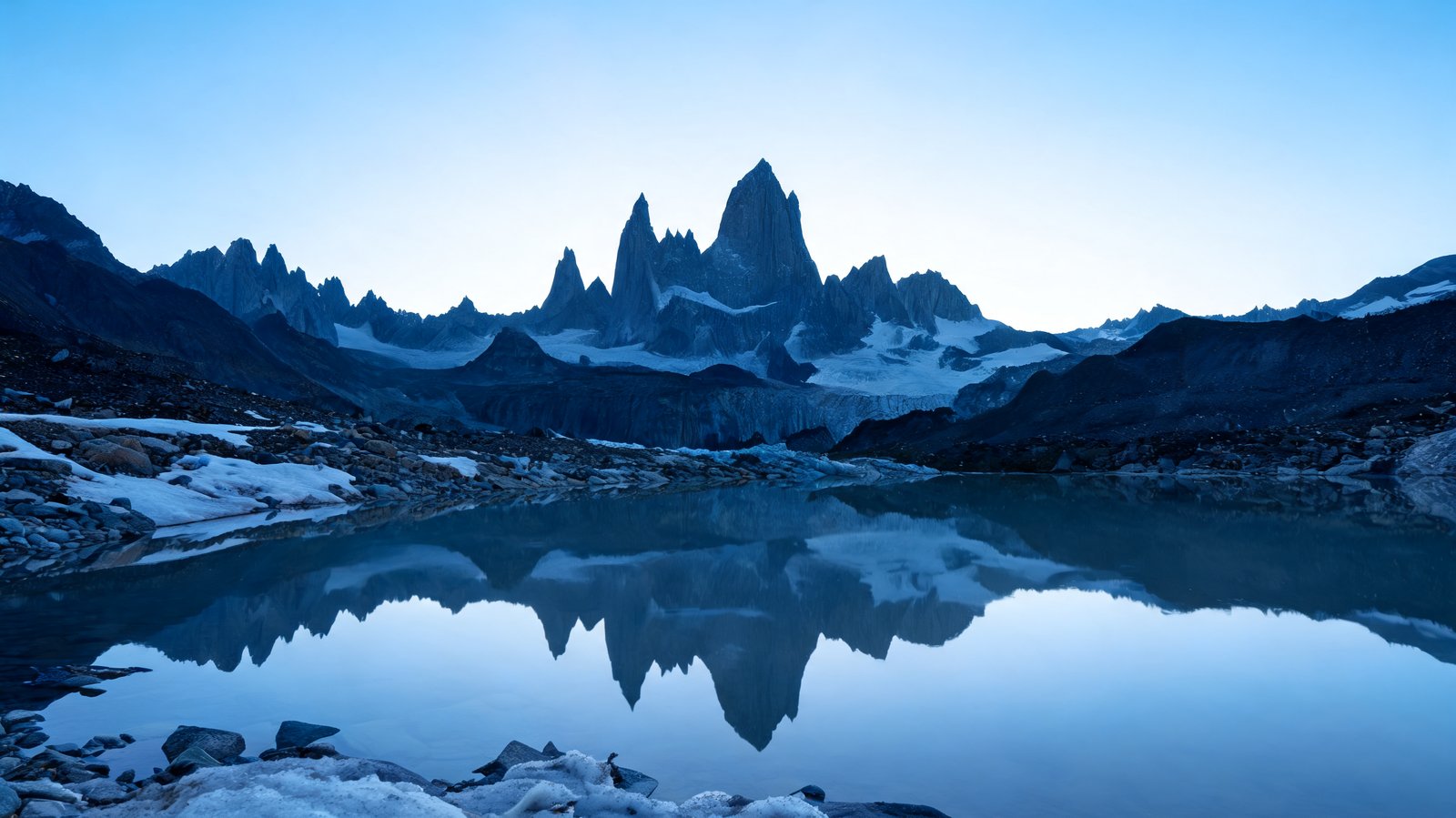
Argentina's trekking capital and the gateway to Fitz Roy. Laguna de los Tres for the dawn reflection — eight hours round trip, 1,100 meters of ascent, ending at a glacial lake under the spires. A village whose whole infrastructure points at trekkers rather than package tourists.
Fitz Roy Laguna Tres Cerro Torre
Explore →
Tierra del Fuego & Ushuaia
Tierra del Fuego
Tierra del Fuego & Ushuaia
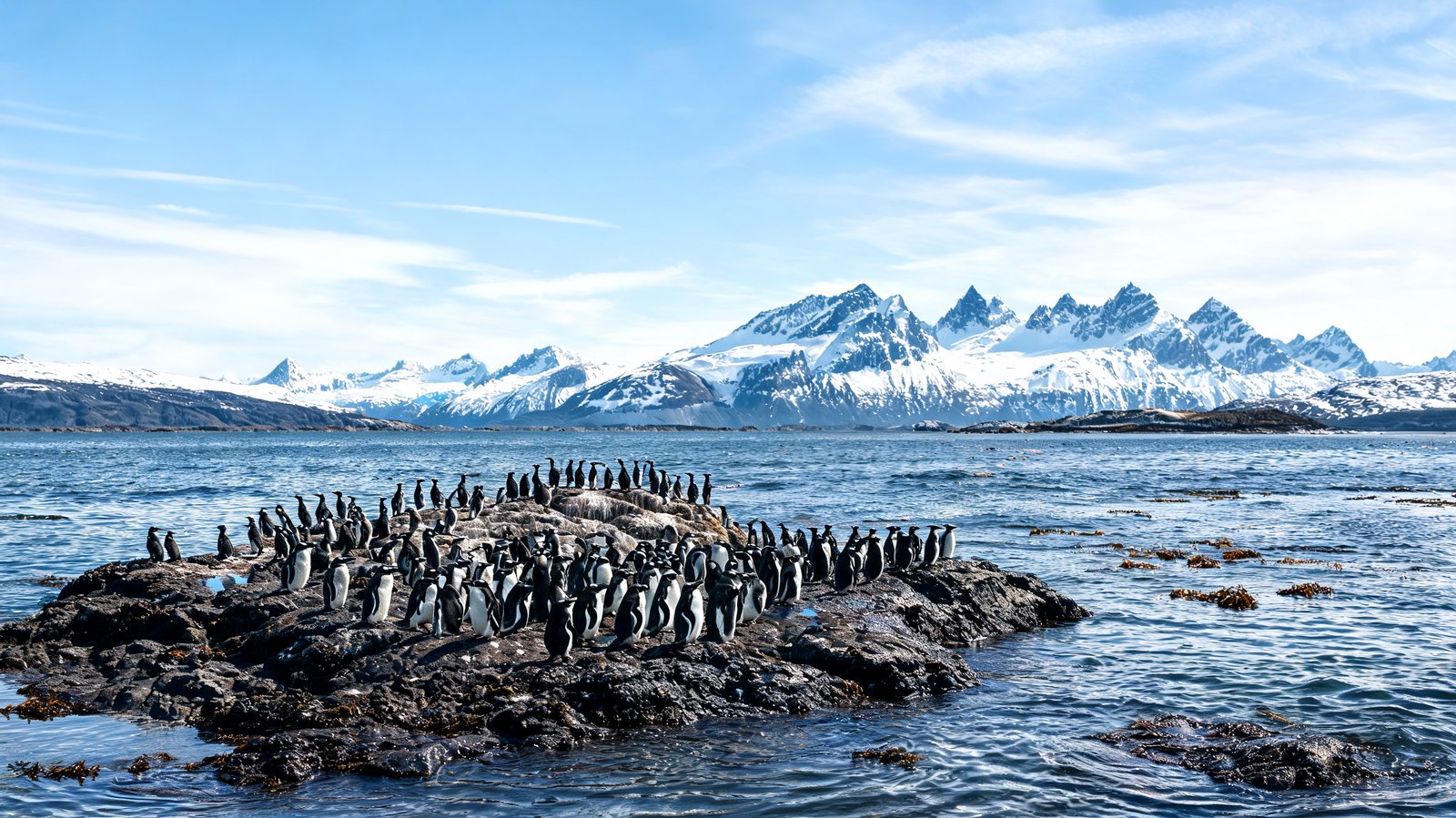
The southernmost city in the world at 54.8°S, and the embarkation port for Antarctic expeditions. The Beagle Channel by zodiac past a Magellanic penguin colony from October to March. The Martial Glacier above the town by chairlift, then a half-day walk up to the snout.
Beagle Channel Penguin Colony Ushuaia
Explore →
Peninsula Valdés, Atlantic Patagonia
Atlantic Patagonia
Peninsula Valdés
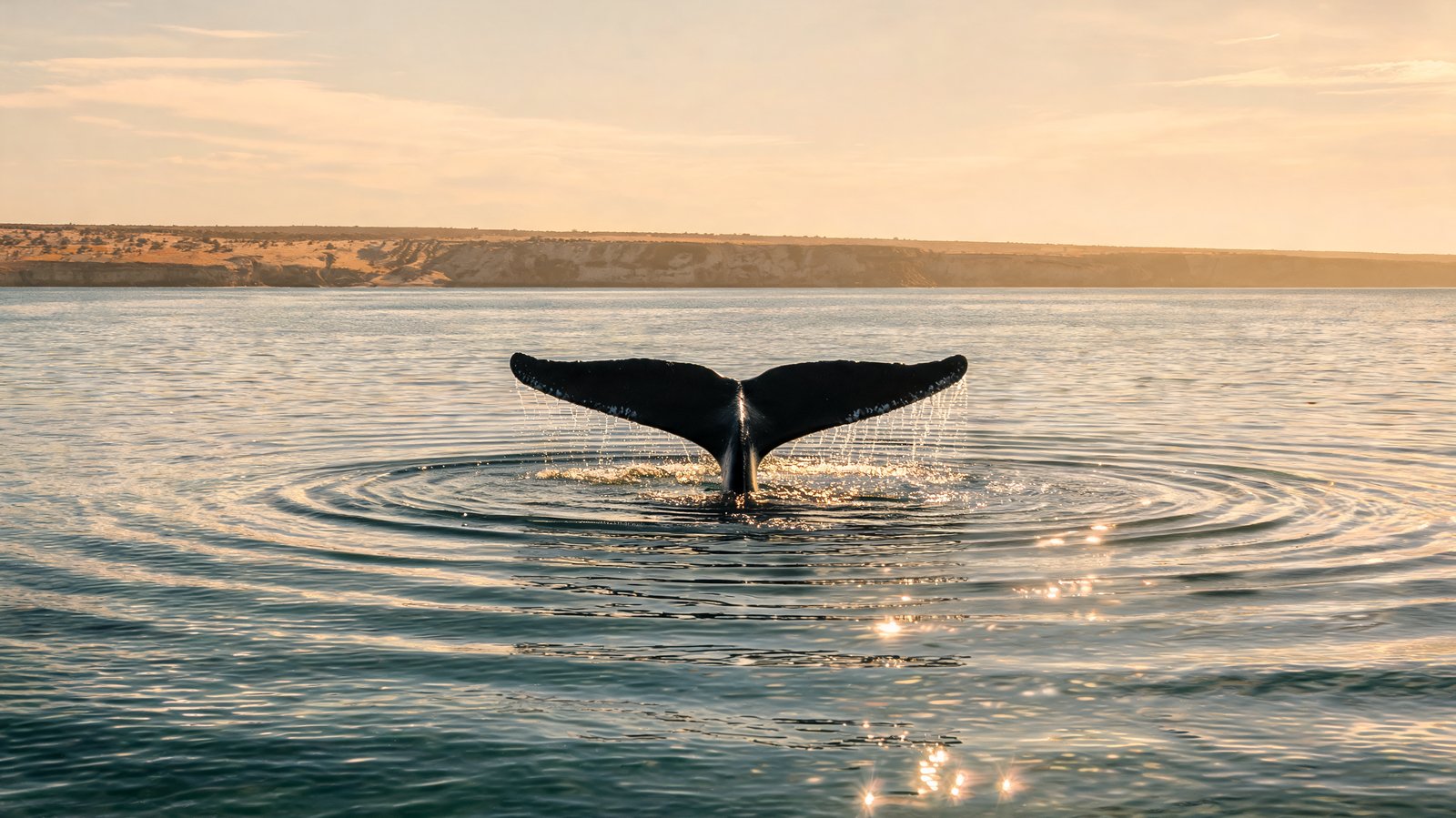
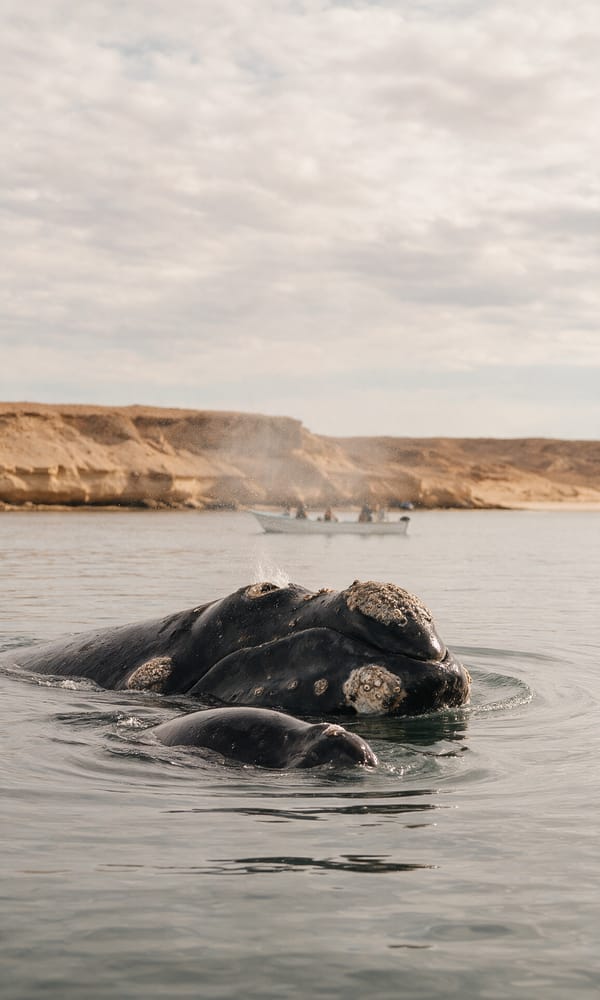
Southern right whales calve in the sheltered gulfs from September through November, and the boats out of Puerto Pirámides come within meters of mothers and calves. At Punta Norte the orcas beach themselves deliberately to take sea lion pups, then ride the wave back out.
Right Whales Orcas Penguin Colony
Explore →
Chilean Fjords & Carretera Austral
Chilean Fjords
Chilean Fjords & Carretera Austral
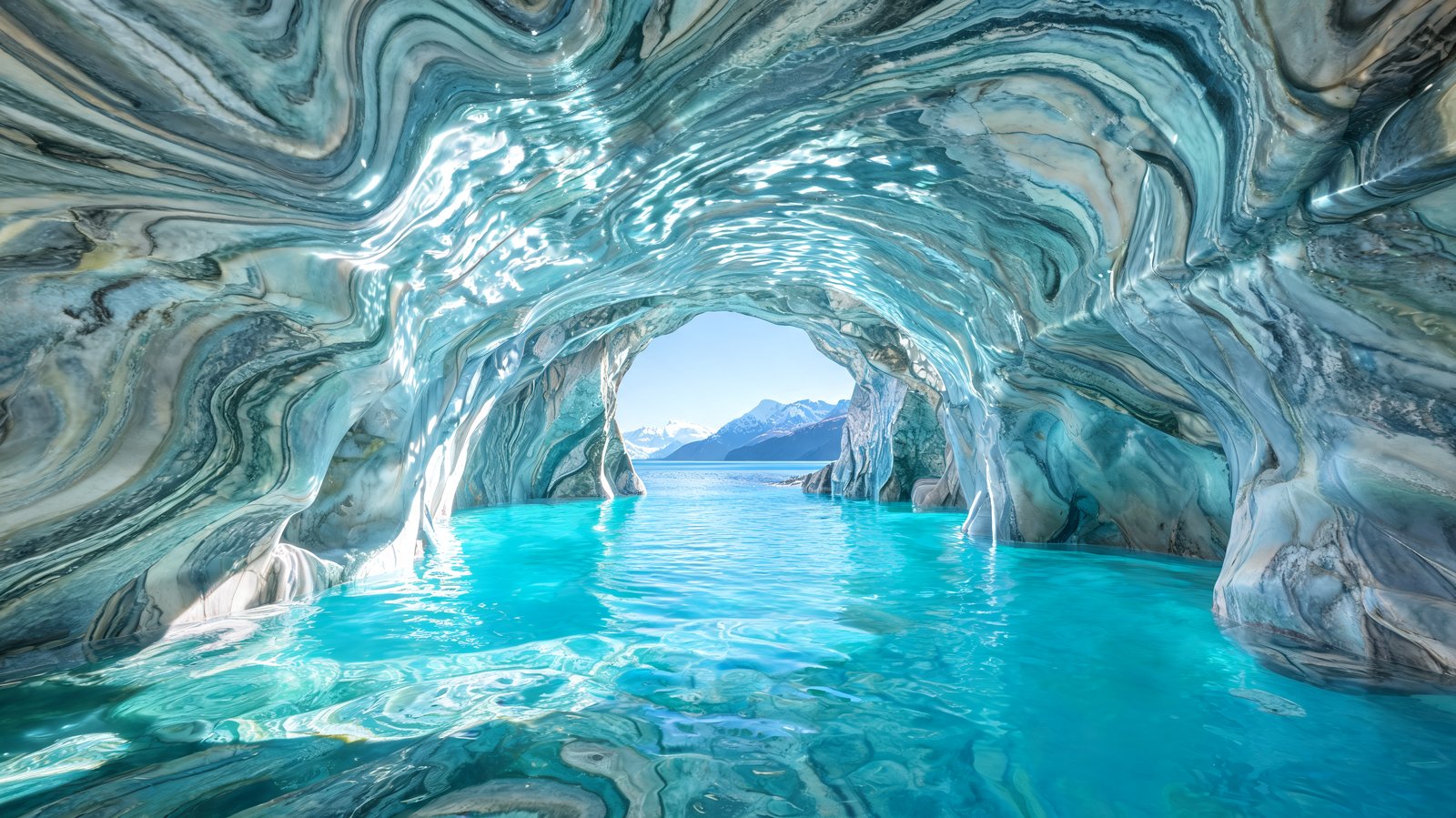
The Navimag between Puerto Montt and Puerto Natales — four days through the fjord channels, past glaciers calving into the sea and hundreds of kilometers of uninhabited coast. The Carretera Austral by 4WD for the Marble Caves and Cerro Castillo, a quieter equal to Paine.
Navimag Fjords Carretera
Explore →
Featured Itineraries

Trips We Plan Often

Patagonia itineraries built around the lodge-supported W-trek format, the Argentine glacier circuit, and the seasonal weather windows that maximize the time the towers and the spires are actually visible.
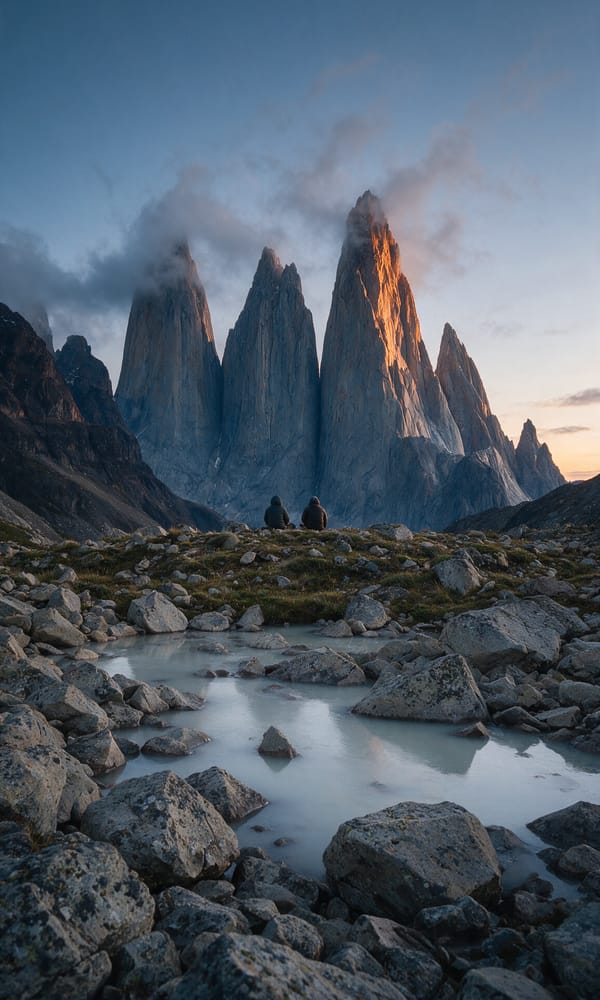
The three granite towers of Torres del Paine catching first light above a glacial tarn and boulders
November – March · 10–12 Days
Patagonia Essential: Torres del Paine & Perito Moreno
Santiago overnight, connect to Punta Arenas, transfer to Puerto Natales. Five days lodge-supported W-Trek through Torres del Paine: night one at Refugio Paine Grande on Lake Pehoé, day two to French Valley and Refugio Cuernos, day three to Refugio Chileno and the dawn ascent to the base of the Towers on day four. Cross the border to El Calafate, two nights for the Perito Moreno glacier (ice trek on day two, boardwalk circuit on day three). Fly to Buenos Aires for one final night before the international flight home. The most efficient introduction to both sides of Patagonia.
Chile · Argentina10–12 Days
Plan This Trip
Crampon tracks across ridged blue ice on the Perito Moreno glacier with roped walkers between seracs
November – March · 14–16 Days
Chilean & Argentine Patagonia Combined
The comprehensive Patagonia circuit. Begin in Santiago, fly south to Punta Arenas. Five days Torres del Paine lodge-supported trek. Cross to El Calafate for three days (Perito Moreno glacier, ice trek, the smaller Upsala glacier by boat). Drive Ruta 40 to El Chaltén for three days (Laguna de los Tres trail to the Fitz Roy reflection, Laguna Torre for Cerro Torre). Fly to Ushuaia for two nights (Beagle Channel zodiac, Tierra del Fuego National Park). Return through Buenos Aires for two nights to decompress in Palermo, eat at a parrilla, see a tango show worth the night. The most complete Patagonia available in a single trip.
Chile · Argentina14–16 Days
Plan This Trip
A southern right whale and calf surfacing beside a small boat off Península Valdés
September – November · 12–14 Days
Patagonia Wildlife: Peninsula Valdés & Torres del Paine
Built around the southern right whale calving season at Peninsula Valdés. Buenos Aires for two nights, fly to Trelew for Peninsula Valdés (three nights at an estancia overlooking the Gulf of San José): right whales by boat from Puerto Pirámides, the Punta Tombo penguin colony, Punta Norte for the orca-beaching window in October–November. Fly south to El Calafate for the Perito Moreno glacier (two nights), then transfer to Torres del Paine for four nights of the lodge-supported W-Trek. Return through Santiago. Combines two of South America's great wildlife events with the classic Patagonia landscape.
Chile · Argentina12–14 Days
Plan This Trip
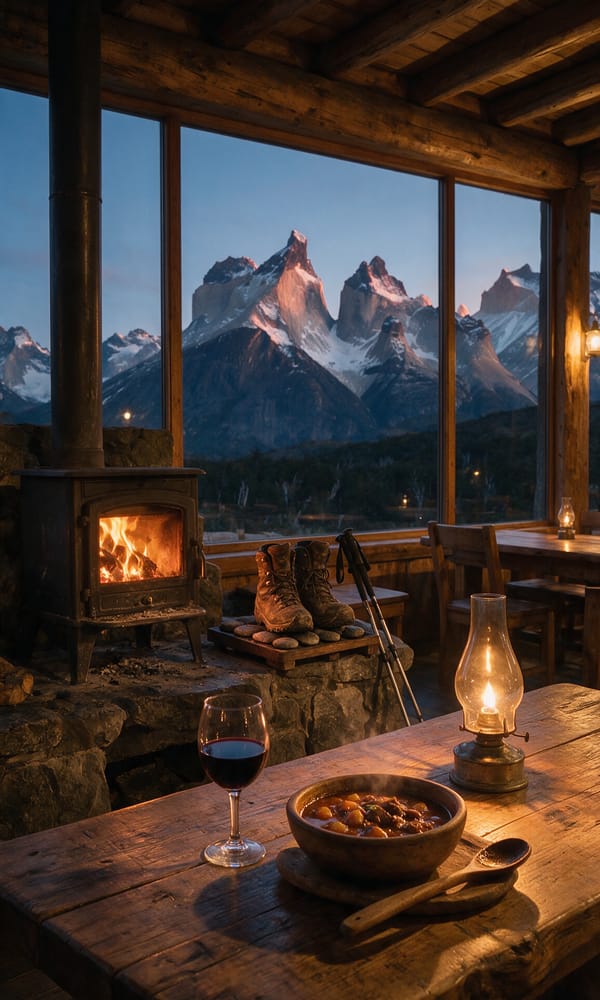
A lodge table with red wine and a lamp, boots drying by the stove, the Cuernos beyond
November / December · 10 Days
Patagonia Lodge Trek
The full lodge-supported W-Trek without compromises — six nights inside Torres del Paine National Park at the upgraded mountain lodges, hot showers, wine with dinner, all gear and luggage transferred between refuges. Day-by-day: arrival in Puerto Natales, transfer into the park to a lake lodge for acclimatization; W-Trek section one to Refugio Grey for Grey Glacier kayak; section two through French Valley; section three to Refugio Chileno and the 4am dawn hike to the base of the Towers; section four out via the Laguna Amarga gate. Two final nights in a lodge inside the park for rest before the return to Santiago. Genuine wilderness during the day, genuine comfort at night.
Chile10 Days
Plan This Trip
Why Plan With Us

What We Add to Patagonia Planning

Patagonia is the destination where weather management, lodge positioning, and Chilean–Argentine logistics combine to produce a trip that either flows or constantly fights itself. Getting the structure right is most of the work.

Weather Window Management
Patagonia's weather is famously unpredictable. A four-day Torres del Paine trek can include sun, rain, snow, and 100 km/h wind in the same window. The right lodge selection matters enormously because the trekker who can wake up at a refuge inside the park can move when the weather window opens, while the day-tripper from Puerto Natales can lose a day to road delays. We build itineraries with weather buffer baked in and choose lodges that maximize trail flexibility.
Chilean vs Argentine Entry Logic
Most travelers fly into Santiago and out of Buenos Aires (or reverse), which determines the most efficient direction through the Patagonia circuit. Chile's Torres del Paine pairs with Argentina's El Calafate and El Chaltén via a single border crossing — but the order matters for the lodge availability calendar and for how the trip's emotional arc progresses. We sequence the order to match each client's specific arc and the lodge calendar.
Lodge Trek vs Camping
The lodge-supported W-Trek is not a compromise version of Patagonia trekking. The quality of the refuges inside Torres del Paine has improved dramatically over the past decade — hot showers, three-course dinners, wine with the meal, well-built mountain dormitory rooms with proper bedding. The trail experience by day is identical to the camping version. For approximately 80% of travelers, the lodge version is the correct format. We're honest with the remaining 20% about when tent-camping adds something real.
Torres at Dawn Logistics
The classic photograph of the Torres del Paine spires at first light requires a hike that begins at 2:30am from Refugio Chileno, ascends a steep boulder field in the dark, and arrives at the lake at the base of the Towers approximately 30 minutes before dawn. The lodge selection at the base of this trail matters more than at any other point in the circuit — staying at Chileno cuts the pre-dawn approach from 3 hours to 90 minutes and dramatically increases the probability of being at the lake when the light hits.
When to Go

Patagonia by Season

Southern Summer
November – March
The only realistic window for the full Patagonia trekking circuit. Daylight extends 18+ hours at the southern latitudes, all trails are open, all lodges are operating, and the temperature in the valleys runs 10–18°C — cool but workable. Wind remains the dominant weather variable throughout, but rain frequency drops compared to the shoulder months. December and January are peak season for international tourism; book the W-Trek lodges 6+ months in advance for these months. November is excellent and noticeably less crowded. March offers the autumn-color version of the landscape (lenga and ñire trees turn red and gold) and trails that are still open.
Best Overall Window
Shoulder & Peak Edge
November / Late March
November is the shoulder window before the December–January peak — wildflowers across the steppe, snow still on the higher trails of Torres del Paine in early November (which limits the full O-Trek but keeps the standard W-Trek accessible), and lodge availability significantly better than peak. Late March into early April produces the autumn colors of the southern beech (lenga) forests — a particularly photogenic version of the landscape. The first half of April is the practical end of the trekking season as lodges begin closing for winter.
Off Season
April – October
Most Patagonia lodges close from late April through early October. The trekking infrastructure is largely seasonal — refuges close, trails are buried under snow, and the high passes of the O-Trek are dangerous or impassable. The exception: winter Patagonia for serious adventure travelers interested in ski mountaineering, ice climbing, or the dramatic light conditions of the short winter days. Most travelers should not consider Patagonia outside the November–March window. Ushuaia and Buenos Aires remain accessible year-round; the trekking heart of Patagonia is not.
Ready When You Are

Plan a Patagonia Trip
Built Around the Full Circuit

Tell me whether you want the Chilean side, the Argentine side, or both, whether you prefer lodge-supported trekking or camping, and when you can travel within the November–March window. I'll come back with a specific itinerary within one business day.

Plan a Patagonia Trip All South America

No booking fees  ·  Response within 24 hours  ·  Fully bespoke

What It Costs

What Patagonia Actually Costs

$700–$1,500
per person, per day, land only. Ranges, not quotes.
What that includes
  • A luxury lodge or hotel, full board where the lodge states it
  • Included excursions and ground transfers
  • Stated park admissions
What it does not
  • Airfare to Chile or Argentina, and domestic legs
  • Premium boat and helicopter access
  • Gear rental and gratuities
The two or three things that move it most
  • All-inclusive lodges versus town hotels
  • Chile, Argentina or both — routing drives transfer cost
  • Guiding and transfer intensity

Editorial planning bands, not quotes — assembled from published rates and official fee sources, verified . Rates, permit costs and park fees change; confirm before booking. Source: CONAF Torres del Paine.

Common Questions

Patagonia — FAQ

Questions we hear most when planning Patagonia — from W-Trek fitness requirements to the Chilean–Argentine debate, the lodge vs. camping format, and weather management.

The lodge-supported W-Trek is moderate-to-challenging — 5 days of hiking with 12–18 km per day and elevation gain of 500–1,100m on the longer days. Any traveler comfortable with full-day hiking on uneven terrain in variable weather will manage it without difficulty. The dawn ascent to the base of the Towers on the trek's signature day is the hardest single hike — a 4-hour round trip from Chileno with a steep boulder field at the top. We can advise on training in the months leading up to the trip and on modified routes for travelers who want the lodge experience without the most demanding sections.

November through March, with November being the under-recognized sweet spot. December and January are peak — best weather odds, longest daylight, and the most reliable lodge operation, but most crowded and requiring earliest bookings. November offers excellent conditions with significantly fewer trekkers and easier lodge availability. February and March remain excellent, with March adding autumn color to the landscape. Outside this window, most of the infrastructure is closed and the trekking circuit is genuinely not accessible.

For approximately 80% of travelers, the lodge-supported version is unambiguously the correct format. The mountain refuges inside Torres del Paine National Park have improved dramatically and offer hot showers, comfortable bedding, three-course dinners, and wine with the meal. The trail experience during the day is identical to the tent version. The case for camping is exclusively for travelers who specifically want the backcountry-sleeping experience or who have a strong preference for tent life. The lodges do not feel commercial — they are well-positioned, well-staffed, and embedded in the wilderness in a way that adds rather than subtracts.

Chile, if forced to choose one — Torres del Paine is the most iconic Patagonia landscape and what most travelers fly south for. But the combined circuit (Torres del Paine + Perito Moreno + Fitz Roy) is dramatically more comprehensive than either side alone, and the additional logistics of the cross-border journey are well-managed. For a first Patagonia trip with 12+ days available, the combined circuit is the right structure. For shorter trips of 7–10 days, focus on one side.

Yes — two or three nights before or after the wilderness portion adds significant value and provides natural decompression. Buenos Aires has a genuinely world-class restaurant scene (the parrilla tradition at its peak, the modern Argentine cooking at restaurants like Don Julio or Tegui, the Italian-Argentine heritage at the cantinas), an excellent tango scene if approached with the right guide rather than a tourist show, and a city-walk culture that pairs well as a rest before or after a strenuous trekking trip. Most Patagonia clients who add Buenos Aires comment that it was a stronger part of the trip than expected.

For November and March travel: 4–6 months ahead is typically sufficient. For December and January (peak): 8–12 months ahead, particularly for Refugio Chileno (which is the smallest of the W-Trek lodges and the most important for the dawn-of-the-Towers hike). The lodges open booking calendars roughly a year in advance and the most popular nights at Chileno specifically can sell out within weeks of the calendar opening. We track this for clients planning more than a year ahead.

No — Patagonia is at low elevation throughout the trekking circuit. Torres del Paine valleys are 200–900m, and even the high passes on the O-Trek don't exceed 1,200m. This is dramatically different from the Andes in Peru, where Cusco at 3,400m and Machu Picchu at 2,400m require active altitude acclimatization. Patagonia has no altitude planning component — the demanding factor is weather, wind, and trail length, not thin air.

Yes, and it's a frequent combination — South America's two most iconic landscapes paired into a single 3-week trip. The logical structure is Peru first (Machu Picchu, Sacred Valley, Lima), then south to Patagonia. The flight connections through Santiago or Lima are efficient. The seasonality lines up — Peru's dry season (May–October) overlaps modestly with the beginning of Patagonia's summer season (November–March), so the most efficient combined window is October–November for travelers who want both with minimum compromise on either.
More questions answered on the Full FAQ Page
From the Journal

Read More on Patagonia