
South Pacific

Adventure and Elegance
in Equal Measure.

New Zealand is the destination where the South Island fjords, the North Island geothermal landscape, the Central Otago wine country, and a hospitality culture that has built genuine lodge luxury in remote terrain combine into one of the most varied trips available in the world. The work of planning New Zealand is sequencing the two islands correctly and choosing the lodges that anchor each leg of the trip.

Best Season
November – April
Best For
Self-Drive
& Lodges
The Country

Two Islands, Two Countries
Within One Trip.

New Zealand's season runs November through April. For a first trip with 10–12 days available, the South Island alone is the right answer — Queenstown, Fiordland, Wanaka, Mount Cook and Marlborough. Adding the North Island properly needs 14–16 days. Self-drive is the correct format rather than a concession: the distances are moderate and the road is much of the point.

The South Island and the North Island of New Zealand are essentially different countries within one passport. The South Island is the adventure-and-landscape destination — Queenstown as the adrenaline base, Fiordland's Milford and Doubtful Sounds, the Otago Rail Trail through the gold-rush country, Mount Cook (Aoraki) and the Tasman Glacier, the Marlborough Sauvignon Blanc wine region in the north. The North Island is the cultural-and-geothermal destination — Rotorua's geyser fields and Maori cultural programs, the Bay of Islands' subtropical coast, Hawke's Bay's wine country, and the cosmopolitan Auckland and Wellington urban scenes.

The Great Walk system — nine multi-day hiking trails designated by the Department of Conservation as the country's premier wilderness experiences — has been built out over the past three decades into a category of lodge-supported trekking that has very few peers in the world. The Milford Track is the most famous of the Great Walks; the lodge-supported version (no tents, hot showers, three-course dinners, wine with the meal) is the format that we recommend for most travelers. Other lodge-supported options exist on the Routeburn, the Heaphy, and several others.

New Zealand's lodge category is genuinely distinctive. The Relais & Châteaux network in New Zealand includes properties like Huka Lodge (the Taupo retreat that has been hosting global travelers since 1924), Helena Bay (the Northland luxury lodge on its own private estate), Eichardt's Private Hotel (the boutique Queenstown property), and a handful of others. The properties are not commercial; they operate at a 1:1 staff-to-guest ratio in some cases, with dinner programs that change daily based on what came in from the lodge garden or the local supplier that morning. The combination of the New Zealand landscape and the lodge category is what justifies the long flight from the Northern Hemisphere.
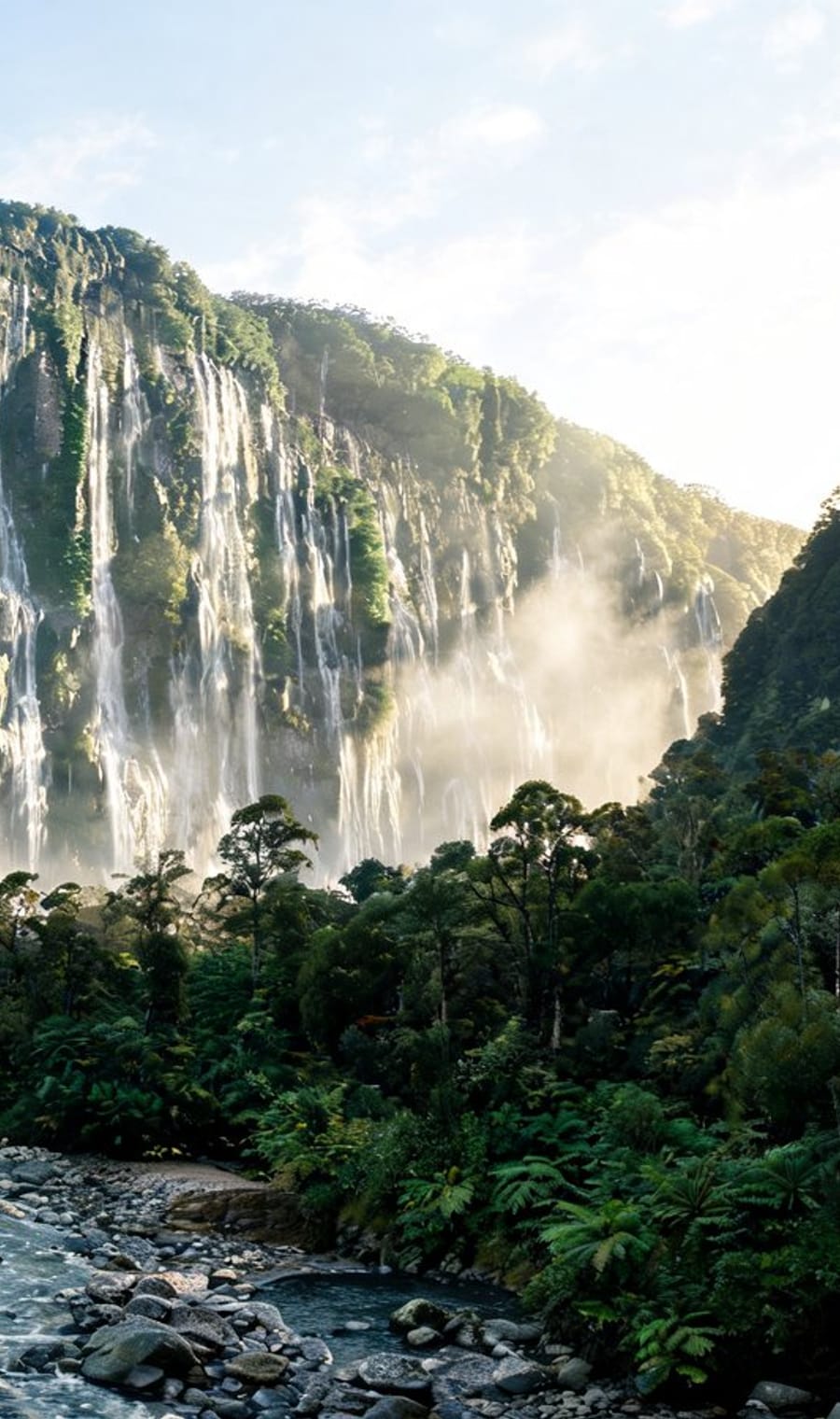
Waterfalls dropping down sheer green walls into a Fiordland valley
Fiordland · South Island · New Zealand
Where We Send Clients

Six Regions Worth the Distance

Each of New Zealand's six core travel regions covers a distinct landscape and lodge category. Most strong New Zealand trips combine three to four of these across two weeks.
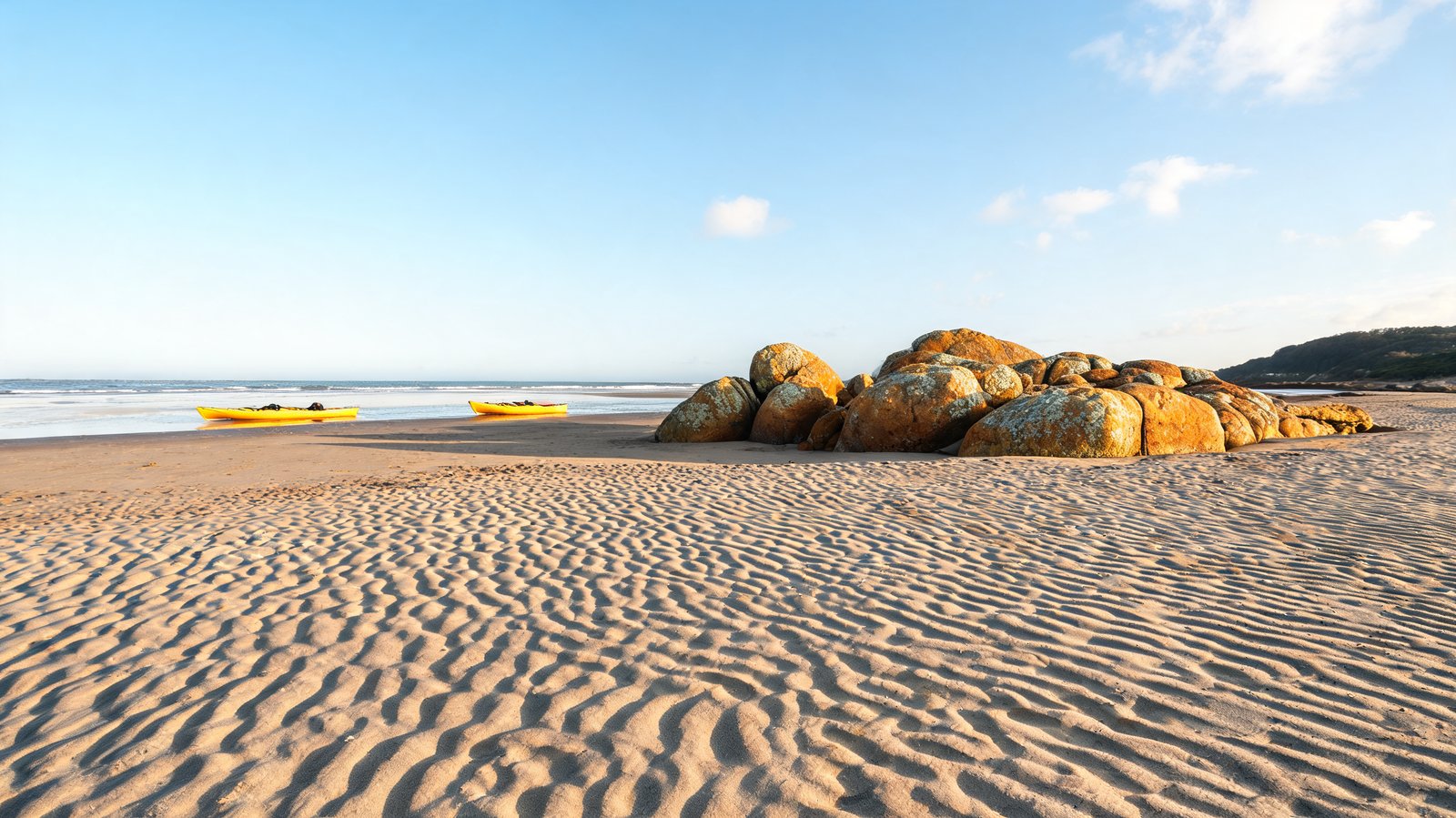
Queenstown & Fiordland, South Island
South Island
Queenstown & Fiordland
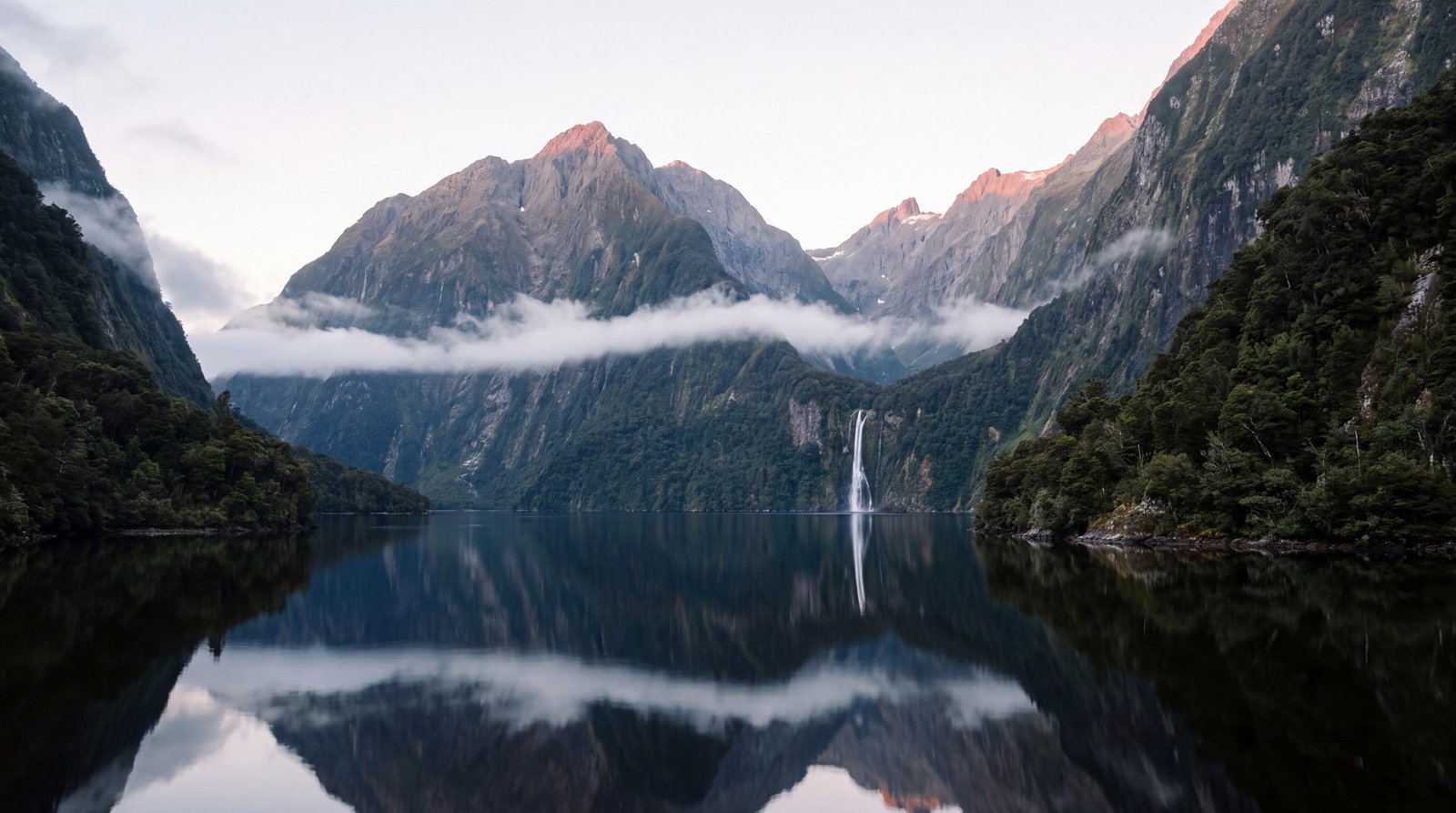
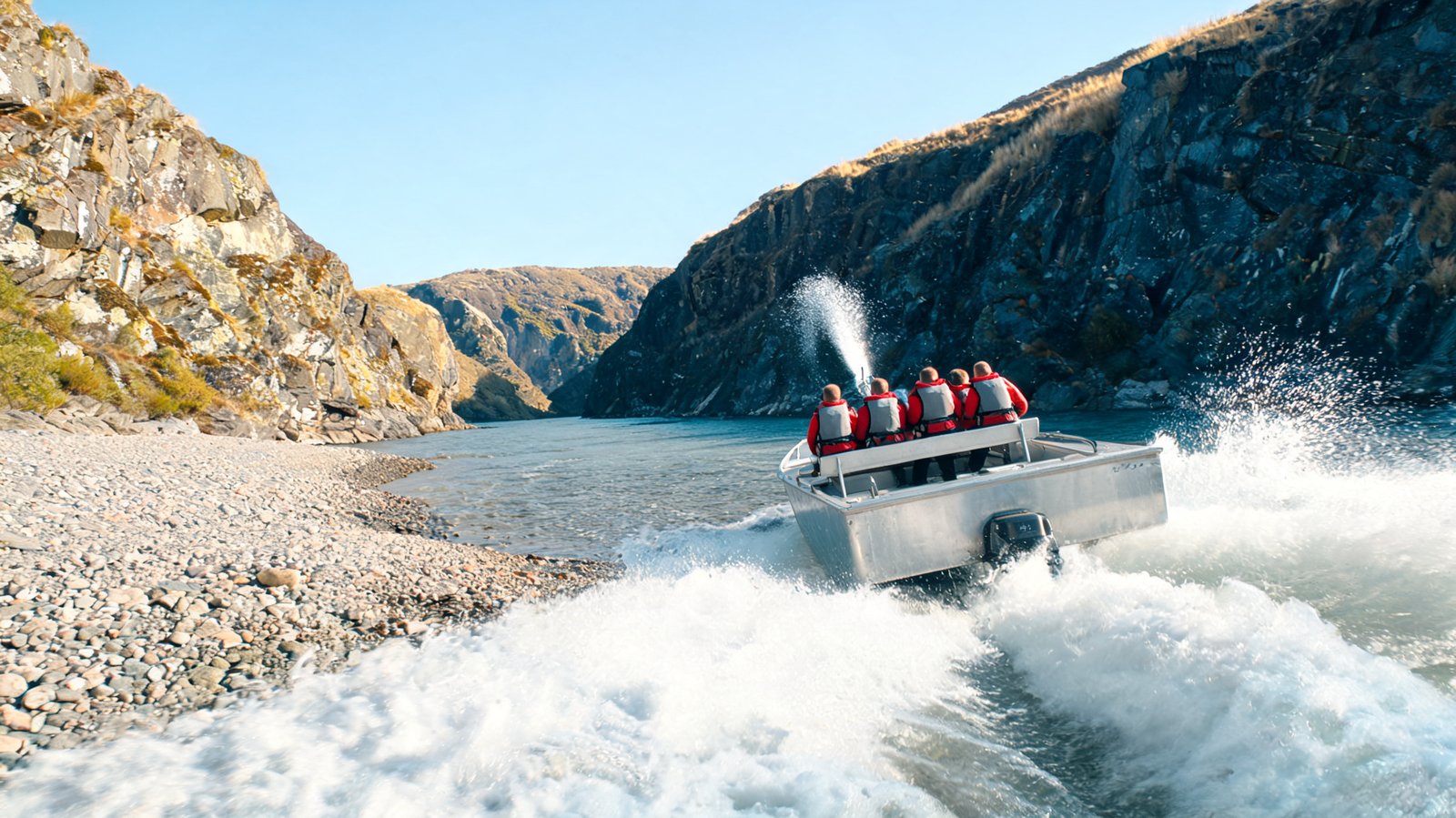
Queenstown as the adventure base — the original bungee at Kawarau Bridge in 1988, jet boats on the Shotover. Milford Sound from a small boat at dawn, before the buses reach the head of the fjord. Doubtful Sound for the remoter alternative, three times larger and far less visited.
Milford Sound Doubtful Sound Adventure
Explore →
Marlborough & Abel Tasman, South Island North
South Island North
Marlborough & Abel Tasman
The Sauvignon Blanc country that put New Zealand on the wine map — the 1985 Cloudy Bay vintage was the breakthrough that established the style. Cellar doors at Cloudy Bay, Greywacke and Dog Point. Abel Tasman for a lodge-supported coastal track of turquoise bays over three to five days.
Cloudy Bay Abel Tasman Sea Kayaking
Explore →
Rotorua & Taupo, North Island Central
North Island Central
Rotorua & Taupo
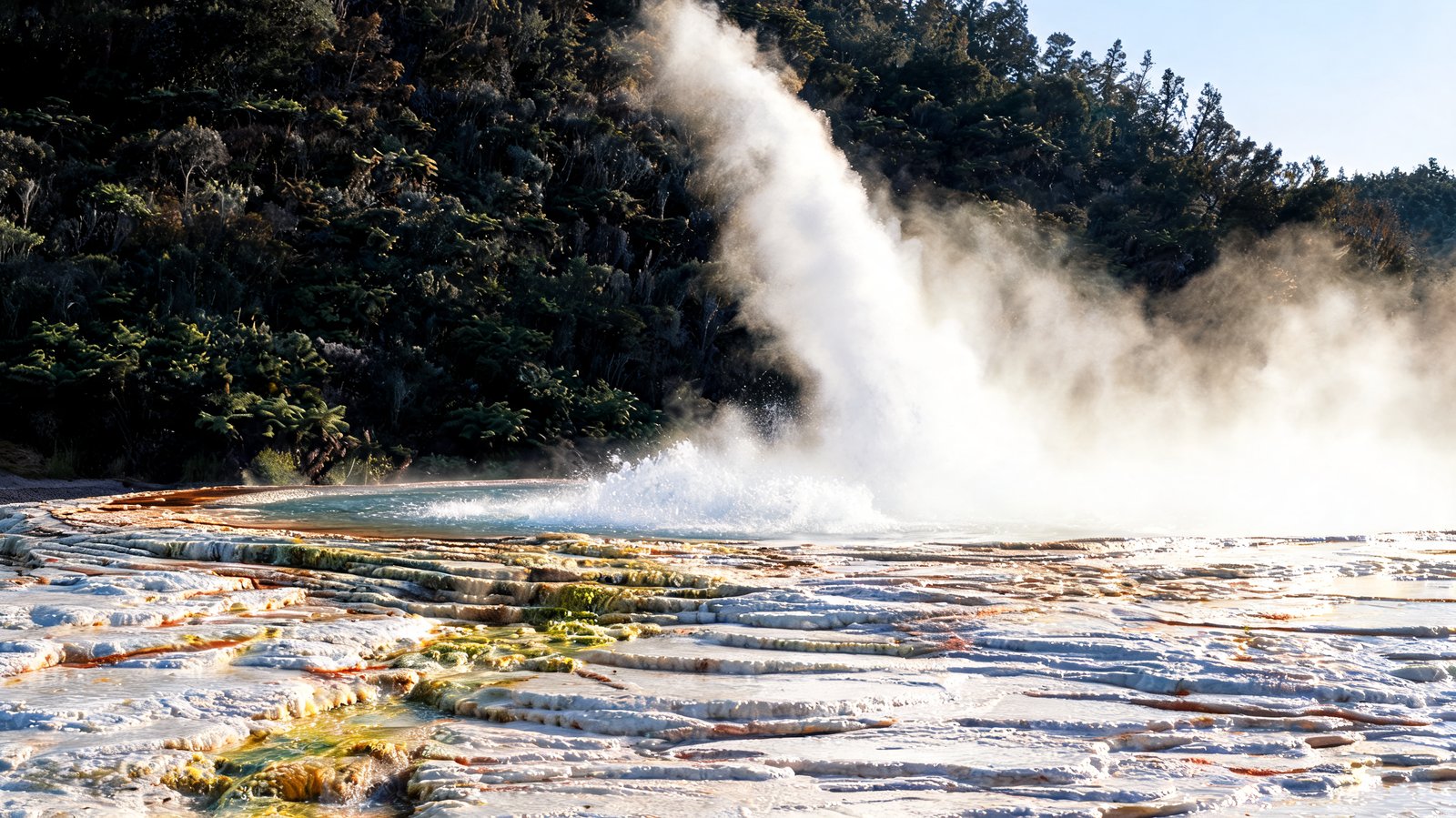
The North Island's geothermal belt — Te Puia's Pohutu geyser goes up thirty meters about once an hour, and Wai-O-Tapu holds the boiling mud pools. Huka Lodge on the Waikato has taken guests since 1924 and sits within reach of the Tongariro Alpine Crossing, a premier single-day walk.
Geothermal Maori Culture Huka Lodge
Explore →
Bay of Islands & Northland
Northland
Bay of Islands & Northland
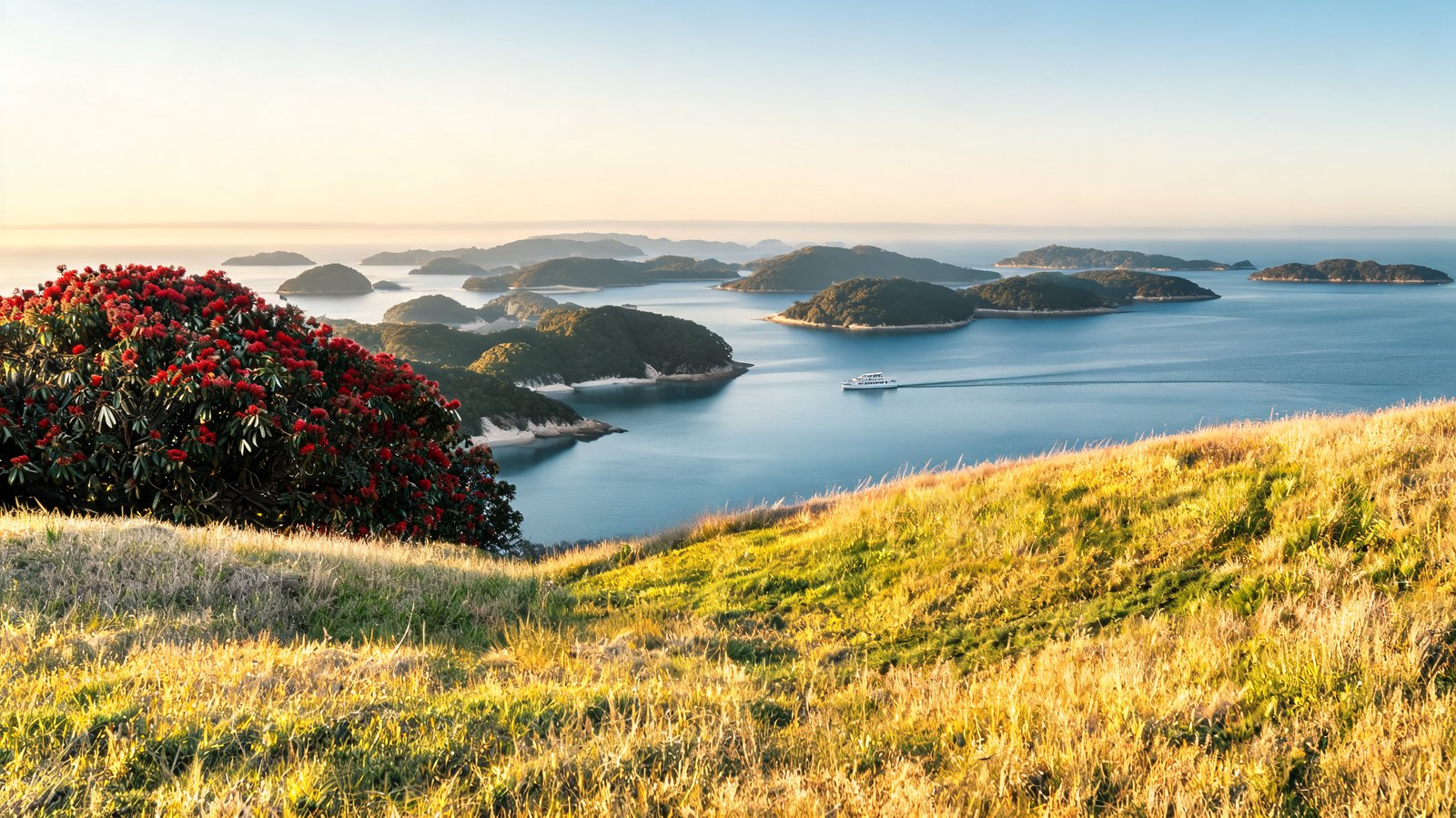
The subtropical top of the North Island — 144 islands across a sheltered bay, reached by boat from Paihia and Russell. Waitangi Treaty Grounds for the 1840 agreement that founded modern New Zealand. Cape Reinga for the meeting of the Tasman and the Pacific, at the lighthouse.
Cape Reinga Ninety Mile Waitangi
Explore →
Hawke's Bay & Napier, North Island East
North Island East
Hawke's Bay & Napier
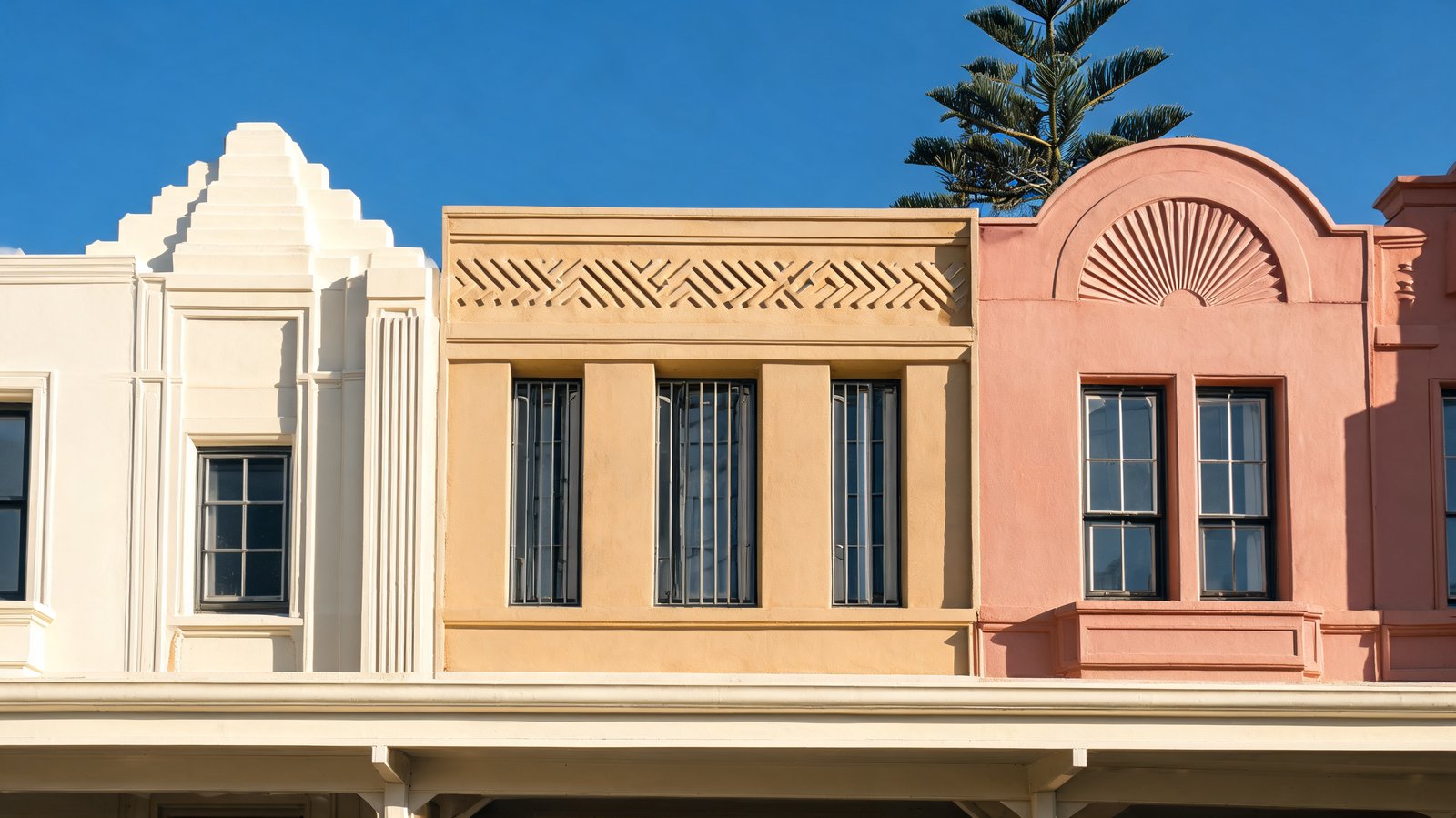
The country's red wine capital — Bordeaux-style blends and increasingly serious Syrah from the Gimblett Gravels. Napier was rebuilt after the 1931 earthquake and holds one of the most complete collections of 1930s Art Deco anywhere. Cape Kidnappers for the gannets at the cliff edge.
Cape Kidnappers Art Deco Gimblett
Explore →
Stewart Island, Far South
Far South
Stewart Island
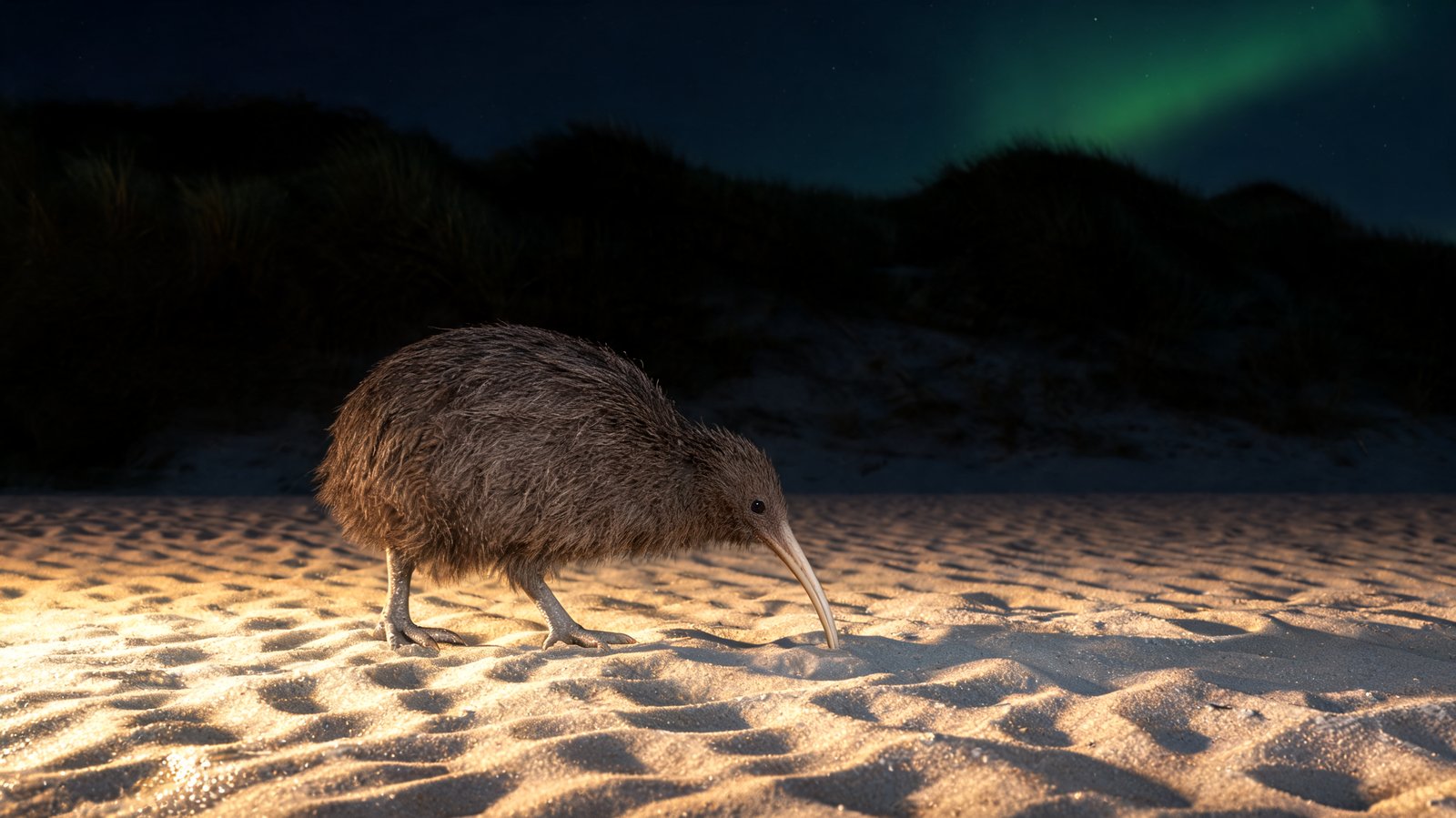
New Zealand's third island — 1,680 square kilometers, 85% national park, about 400 residents, twenty minutes by air from Bluff. The most reliable place in the country to see kiwi in the wild. Aurora Australis from Ulva Island, and the southernmost of the Great Walks.
Kiwi Birds Rakiura Southern Lights
Explore →
Featured Itineraries

Trips We Plan Often

New Zealand itineraries built around the right two-island combination, the lodge selection at each leg, and the seasonal timing that aligns the South Island weather window with the rest of the trip.
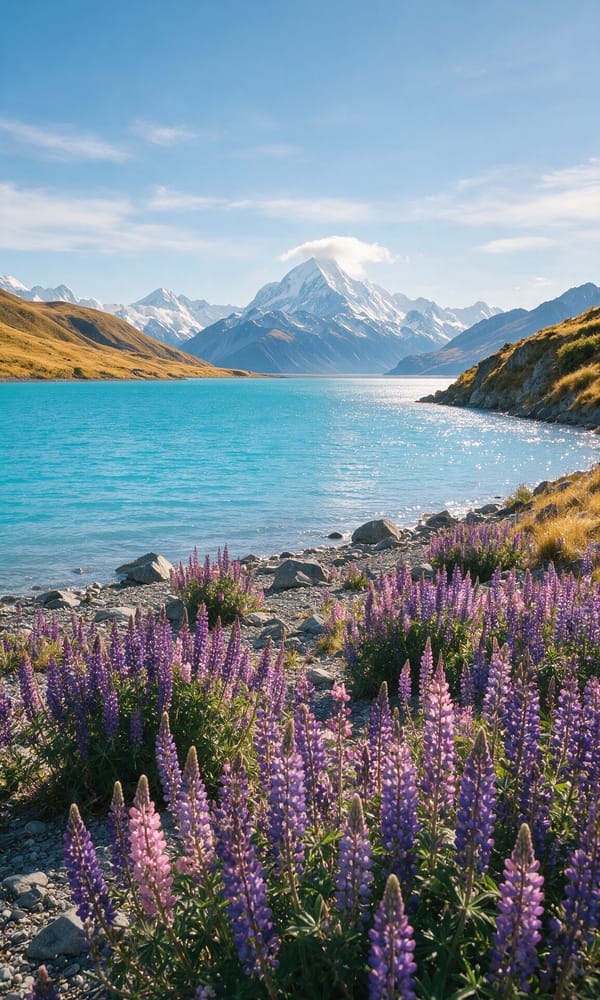
Lupins on the shingle shore of glacial-blue Lake Pukaki with snow-capped Aoraki Mount Cook beyond
November – April · 12–14 Days
South Island in Depth
Christchurch arrival overnight, drive south via the Tekapo and Pukaki lake region to Mount Cook for two nights. Continue to Wanaka for two nights (Roy's Peak walk for the alpine view, the Cardrona Valley, the lavender farms). Queenstown for two nights (jet boat, helicopter flight to Milford if weather, gondola dinner). Drive to Te Anau for the Milford Sound overnight cruise, then the Doubtful Sound day trip. Drive north through Central Otago (the Pinot Noir region, the Rail Trail option) to Marlborough for two nights at Cloudy Bay and surrounding wineries. Picton ferry to Wellington, fly home from there. The comprehensive South Island.
New Zealand12–14 Days
Plan This Trip
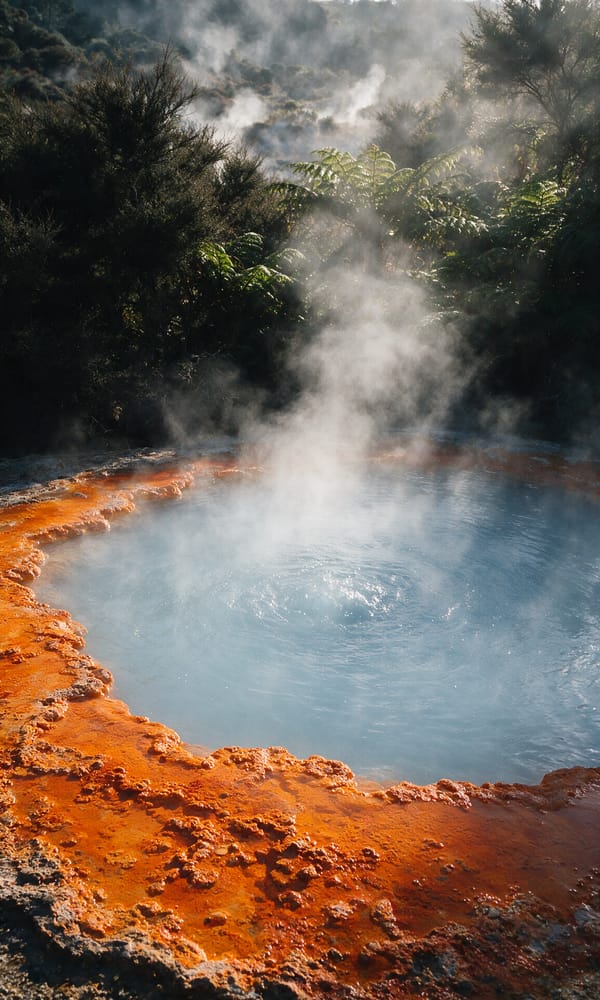
Steam rising off a milky blue geothermal pool rimmed with bright orange sinter near Rotorua
November – April · 14–16 Days
North & South Island Combined
Auckland arrival, drive north to the Bay of Islands for three nights at Helena Bay Lodge. Fly south to Taupo for two nights at Huka Lodge (Rotorua geothermal day trip, Tongariro Crossing option). Fly to Queenstown for four nights as the South Island base — Milford Sound day, Wanaka day trip, helicopter to a remote lunch. Drive north through Mount Cook to Christchurch (or fly direct from Queenstown to Auckland for the return). Two final nights in Auckland or Hawke's Bay for the Napier Art Deco district and Cape Kidnappers. Covers both islands without rushing either.
New Zealand14–16 Days
Plan This Trip
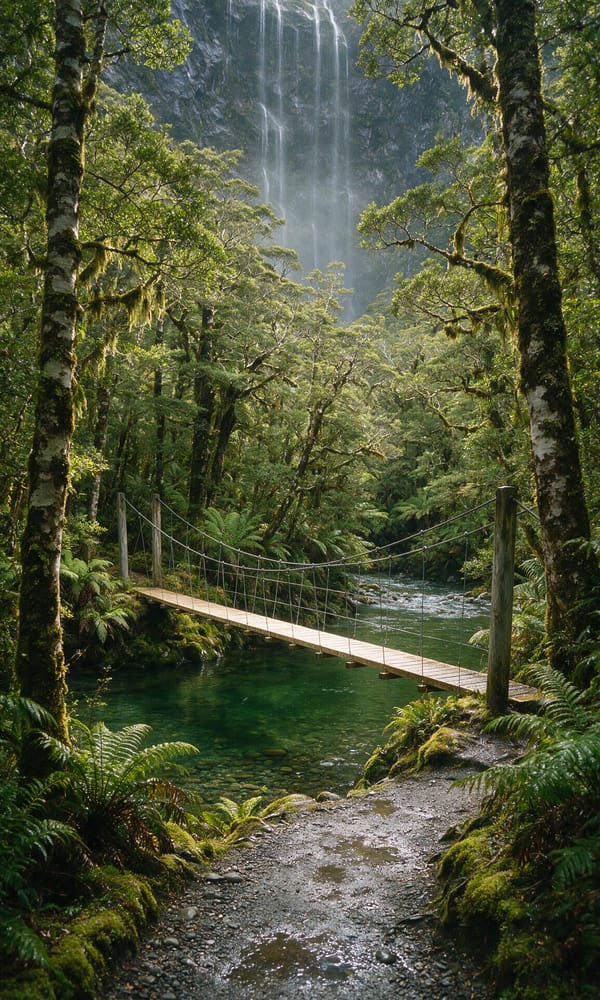
A swing bridge over a clear green river in mossy beech forest below misty Fiordland waterfalls
November – April · 10–12 Days
Milford Track Lodge-Supported
For walkers. Queenstown arrival, two nights of acclimatization (the Routeburn Falls day walk, the Skyline gondola dinner). Five-day Milford Track lodge-supported trek with Ultimate Hikes — sleeping in private lodges built specifically for the trek format (hot showers, three-course dinners, wine, expert guide), walking 14–22 km per day through the Clinton and Arthur valleys to Sandfly Point. Connecting boat to Milford Sound for the cruise. Return to Queenstown for one final night. Add two nights in Marlborough wine country if time permits before the international flight home. The classic New Zealand walking trip in the most accommodating format.
New Zealand10–12 Days
Plan This Trip
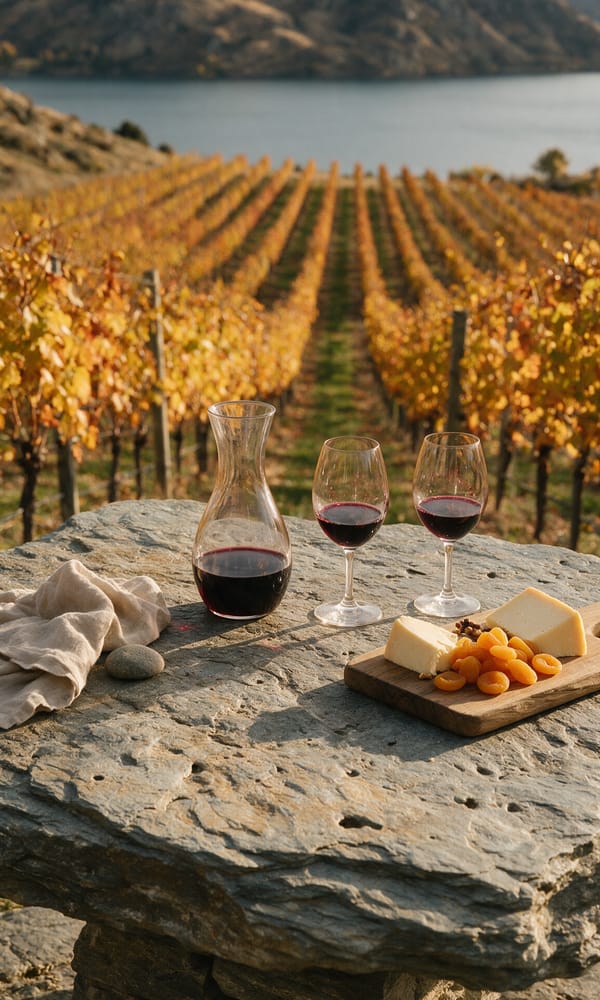
Two glasses of Pinot Noir on a schist table above golden autumn vine rows in Central Otago
February – April · 10–12 Days
New Zealand Wine & Lodge Circuit
Built specifically for wine and lodge enthusiasts during the autumn harvest window. Auckland arrival, fly to Napier for three nights at Cape Kidnappers Lodge — Hawke's Bay wine tastings (Craggy Range, Te Mata Estate, the Gimblett Gravels Syrah), Saturday morning Napier Farmers' Market, the gannet colony walk at the cliff edge. Fly to Blenheim for three nights at a Marlborough lodge (Cloudy Bay's own Shack accommodation if available, or one of the boutique wine country properties) — Sauvignon Blanc and Chardonnay tastings, Marlborough Sounds sea kayaking. Fly to Queenstown for three nights at Eichardt's or Matakauri Lodge for Central Otago Pinot Noir tastings and the alpine landscape finale. The harvest-season trip for serious food and wine travelers.
New Zealand10–12 Days
Plan This Trip
Why Plan With Us

What We Add to New Zealand Planning

New Zealand is the destination where the lodge selection, the two-island sequencing, and the weather window management combine to produce a trip that justifies the long-haul flight from anywhere in the Northern Hemisphere.

Lodge Selection
New Zealand's luxury lodge category is one of the most distinctive in the world — Huka Lodge (Taupo), Helena Bay (Northland), Cape Kidnappers (Hawke's Bay), Wharekauhau (Wellington wine country), Eichardt's (Queenstown), Matakauri (Queenstown), Blanket Bay (Wakatipu) — and the differences between them are significant. We match clients to specific lodges based on the desired trip arc, the food and wine preferences, the activity programs, and the level of intimacy expected (some lodges have 5 suites; others have 25).
South Island Weather Management
Fiordland is one of the wettest places on earth — Milford Sound receives 6.4 meters of rain annually, distributed across most of the year. The result is that scheduling a single day for the Milford Sound cruise produces a non-trivial weather risk. We build buffer days into the Queenstown leg so that the Milford visit can shift by 24–48 hours if necessary, and we position clients at lodges with the flexibility to move between activities based on the morning weather forecast.
Self-Drive vs Private Driver
New Zealand is genuinely the best self-drive destination in the South Pacific — the roads are well-maintained, traffic is light, the scenery between major destinations is part of the trip rather than something to bypass, and the road network is intuitive. We strongly recommend the self-drive format for travelers comfortable driving on the left. For travelers who prefer not to drive, private driver options exist but add significant cost (typically NZD $800–1,200 per day) and lose some of the freedom that makes New Zealand work.
Great Walk Lodge Booking
The lodge-supported Great Walk programs (particularly Ultimate Hikes' Milford and Routeburn tracks) sell out 6–12 months in advance for the November–April season. The Queenstown-end departures of the Milford Track in February and March are the most competitive bookings in the New Zealand calendar. We track this and book the right departures for clients whose travel windows align.
When to Go

New Zealand by Season

Summer & Autumn
November – April
The South Island's reliable trekking and travel window — Great Walks operating, lodges open, daylight extending to 9pm in midsummer, and temperatures ranging from comfortable (60s in coastal areas) to genuinely warm (mid-70s in Central Otago and Hawke's Bay). November and early December are the late-spring window with wildflowers and pre-Christmas crowds; January and February are the Southern Hemisphere summer peak (also the Australasian school holidays — busy and pricier); March and April are the autumn shoulder with the Central Otago wine harvest and the Wanaka and Arrowtown autumn color displays. For first New Zealand trips with broad ambitions, February–April is the most balanced window.
Best Overall Window
Winter Adventure
June – September
The South Island ski season — Queenstown's Coronet Peak, the Remarkables, and Cardrona/Treble Cone in Wanaka. Mount Hutt outside of Christchurch. The Routeburn and Milford tracks are closed in winter (lodge-supported programs don't operate). Winter in the North Island is significantly milder — Northland and the Bay of Islands remain pleasant for visiting; Rotorua's geothermal experience is arguably better in cool weather. Helicopter access to remote lodges and into the Southern Alps for heli-ski operations. Winter is the right window for ski travelers and travelers who want a quieter version of the country with reliable cold-weather lodge programs.
Shoulder Months
October & May
October is late spring in the South Island — the trekking season is opening, the early wildflowers are out, and rates are notably lower than the December–February peak. Risk: weather variability remains higher than midsummer. May is autumn closing — the Central Otago vineyards are turning, the Wanaka aspens are at peak color, and many lodges are still operating before winter shutdowns. Both shoulder months are excellent for the right traveler (lower crowds, lower rates, working weather rather than perfect weather) and we frequently structure October and May itineraries for repeat visitors.
Ready When You Are

Plan a New Zealand Trip
Built Around the Lodges

Tell me whether you want the South Island alone, both islands, the Great Walk lodge-supported trek, or the wine and lodge circuit — and when you can travel within the November–April window. I'll come back with a specific itinerary and lodge recommendations within one business day.

Plan a New Zealand Trip All South Pacific

No booking fees  ·  Response within 24 hours  ·  Fully bespoke

What It Costs

What New Zealand Actually Costs

$700–$1,400
per person, per day, land only. Ranges, not quotes.
What that includes
  • Luxury lodges and hotels with breakfast
  • A private vehicle and guide on touring days
  • Ground transfers and core activities
What it does not
  • International and domestic flights unless stated
  • Most meals
  • Helicopter access, premium wine and golf, plus gratuities
The two or three things that move it most
  • Guide days and remoteness
  • Lodge tier — the marquee lodges can push past the band
  • Milford, heli and active add-ons

Editorial planning bands, not quotes — assembled from published rates and official fee sources, verified . Rates, permit costs and park fees change; confirm before booking. Source: NZ Department of Conservation.

Common Questions

New Zealand — FAQ

Questions we hear most when planning New Zealand — from the two-island sequencing debate to lodge selection, self-drive logistics, and seasonal timing.

For first New Zealand trips with 10–12 days available: South Island alone, focusing on Queenstown, Fiordland, Wanaka, Mount Cook, and the Marlborough wine country. The South Island contains most of the iconic New Zealand landscapes (Milford, the Southern Alps, the fjords, the alpine lakes). For 14+ day trips: combined two-island, adding the Bay of Islands, Rotorua, Hawke's Bay, or Auckland depending on interests. The North Island adds the Maori cultural depth and the geothermal landscape; the South Island has the dramatic scenery and the lodge anchors.

Yes, for almost every traveler comfortable driving on the left. New Zealand is the best self-drive destination in the South Pacific by a meaningful margin — roads are excellent, traffic is light, the scenery is part of the trip rather than something to bypass, and the network connects all the major destinations efficiently. The driving distances are manageable (Queenstown to Mount Cook is 4 hours; Christchurch to Queenstown is 6 hours through some of the country's best landscape). For travelers who don't want to drive, private driver options exist but add significant cost and remove some of what makes New Zealand work.

November through April. February through April is the sweet spot for most travelers — Southern Hemisphere summer wrapping up, the Central Otago wine harvest in March, autumn colors in Wanaka and Arrowtown in April, and the peak Australasian holiday crowds clearing after the end of January. January and February are the warmest months but also the busiest. October and May are the shoulder months — lower crowds and rates, with some weather variability risk. June through September is winter — ski season in the South Island, milder North Island travel, and lodge programs that work well in cooler weather.

Yes, for most travelers who want the Milford Track experience. The lodge-supported format (Ultimate Hikes is the licensed operator) provides three private lodges along the route built specifically for the trek — hot showers, three-course dinners, wine with the meal, expert guides, and the gear and luggage transfer between lodges. The independent (DOC hut) version is excellent for serious backcountry walkers but adds significant physical and logistical commitment. The lodge-supported version is approximately 80% of the experience at 20% of the planning difficulty.

The day trip from Te Anau is the standard approach — a 2-hour bus through the Eglinton Valley, 2-hour cruise, return bus, full day commitment. The overnight cruise sleeps aboard a smaller vessel anchored in Harrison Cove or Freshwater Basin — kayaking off the boat at dawn before the day cruises arrive, dinner aboard with the fjord walls dramatic in the late afternoon light, and the morning departure ahead of the next day's bus traffic. The overnight format is significantly more memorable for travelers willing to commit the additional day.

The closest comparison is the African safari camp tradition. Small properties (typically 5–25 suites), 1:1 or near 1:1 staff-to-guest ratios, all-inclusive pricing that covers meals and most activities, and a programming model built around the local landscape rather than around the property itself. Differences: the New Zealand lodges are typically standalone rather than part of multi-property circuits, the dining program is more central to the experience, and the activities are more landscape-and-walking-based than wildlife-based. The price points are comparable to the top tier of African safari camps.

Possible but not always the right answer. New Zealand and Australia are essentially different countries with different travel styles — combining both in 14 days produces a rushed version of each. For a single Southern Hemisphere trip, focusing on either country for 10–14 days is typically the stronger structure. The exception: travelers who want both Sydney/Great Barrier Reef and Queenstown/Milford Sound can combine them with a 5-day Australia leg and a 10-day New Zealand leg, with the Sydney–Queenstown direct flight (3 hours) keeping the logistics manageable.

Excellent, particularly for active families with children old enough to walk and enjoy outdoor activities (typically 8+). The Routeburn and Abel Tasman lodge-supported walks accommodate family groups with appropriate fitness. Queenstown is set up for family adventure — jet boats, gondolas, lake activities, white-water rafting at age-appropriate levels. The lodge programs vary by property; some have children's accommodations and programming, some are adults-only. For families with younger children (under 6), the self-drive format works well if structured around shorter daily drives and family-friendly accommodation rather than the luxury lodge circuit.
More questions answered on the Full FAQ Page
From the Journal

Read More on New Zealand