
South Pacific

The Continent People
Plan as One Country.

Sydney, Uluru, the Great Barrier Reef and Tasmania are not stops on a loop. They are four separate trips joined by domestic flights, and the months that suit one of them work against the next. May through September is the window that makes a multi-region trip possible at all; everything after that is a decision about which half of the country the trip is really about.

Best Season
May – September
Best For
Reef, Desert
& Coast
The Continent

Australia Is Four Trips
People Book as One.

Australia covers 7.7 million square kilometres, and Sydney, Uluru, the Great Barrier Reef and Tasmania are four separate trips joined by domestic flights. Two regions need 11–13 days; three need 16–18. May through September suits the Red Centre and the tropical north; December through February suits Sydney and Tasmania. Almost nothing suits both.

The number worth holding on to is the one Geoscience Australia publishes: 7,688,287 square kilometres of land. Held against a fourteen-day holiday, that figure is the whole problem. Sydney, Cairns, Uluru and Hobart are not stops on a circuit, and each move between them is a domestic sector plus the half-day at either end that nobody writes into the plan. Four of those in a fortnight produces a trip spent in terminals.

The second thing that goes wrong is the calendar, because Australia has several. Sydney, Melbourne and Tasmania are at their best from December through February. The Red Centre and tropical Queensland are at their worst in precisely those months: Parks Australia closes the Valley of the Winds walk at Kata Tjuta beyond the first lookout when the forecast reaches 36°C, and the tropical north spends those weeks in the monsoon with marine stingers inshore. Flip to May through September and the position reverses. No month serves the whole country. The first question is not when to go; it is which half of the country the trip is about.

The reef question has a real answer too, and it is not Cairns by default. Cairns is the working port: the liveaboards that run the northern Ribbon Reefs and the Coral Sea sail from there, and if you dive, that is where you belong. Port Douglas is the better base for everyone else. And this is not the trip for someone with ten days who wants to see Australia. With ten days you see one part of it properly. The version reaching for three comes home with photographs of four airports.
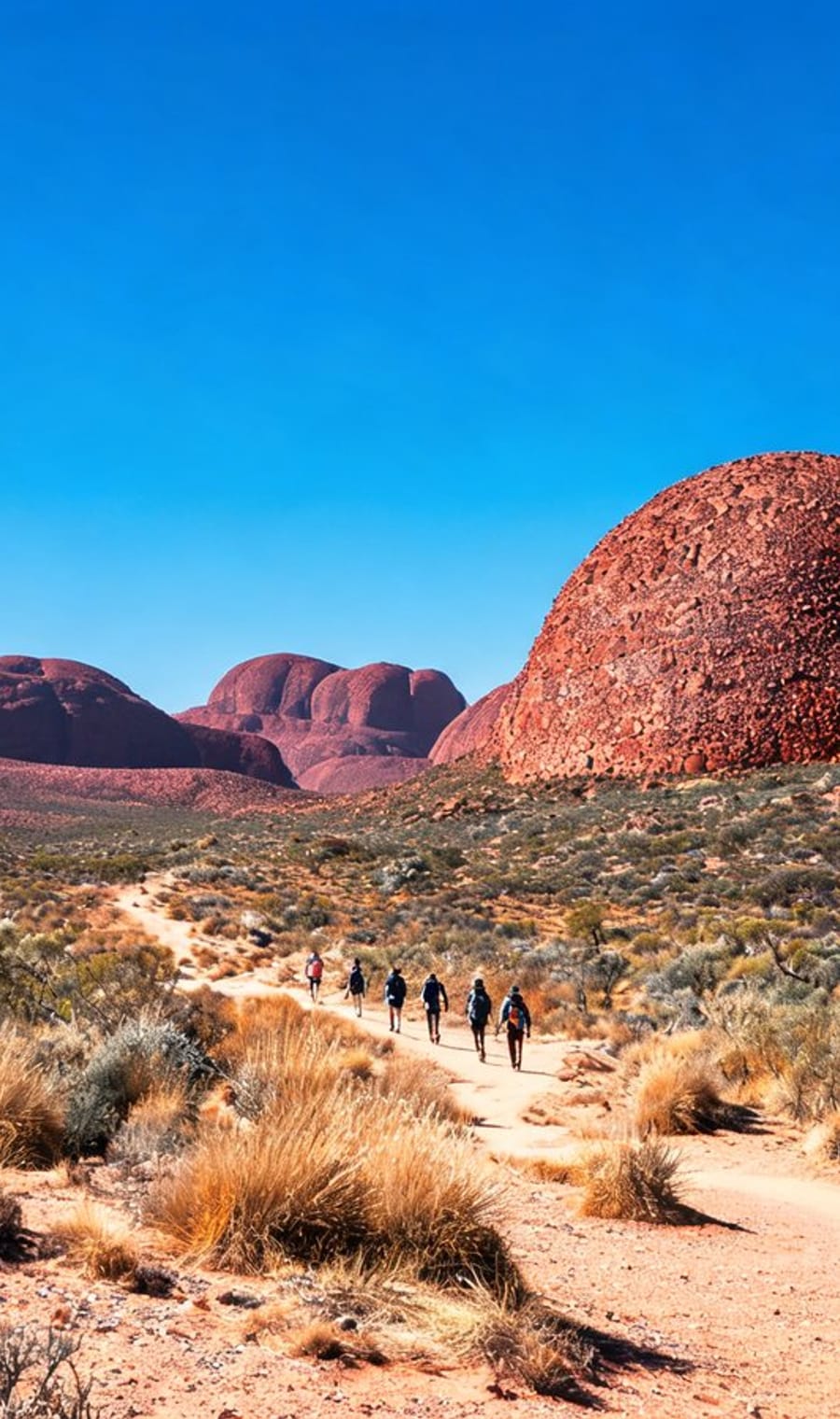
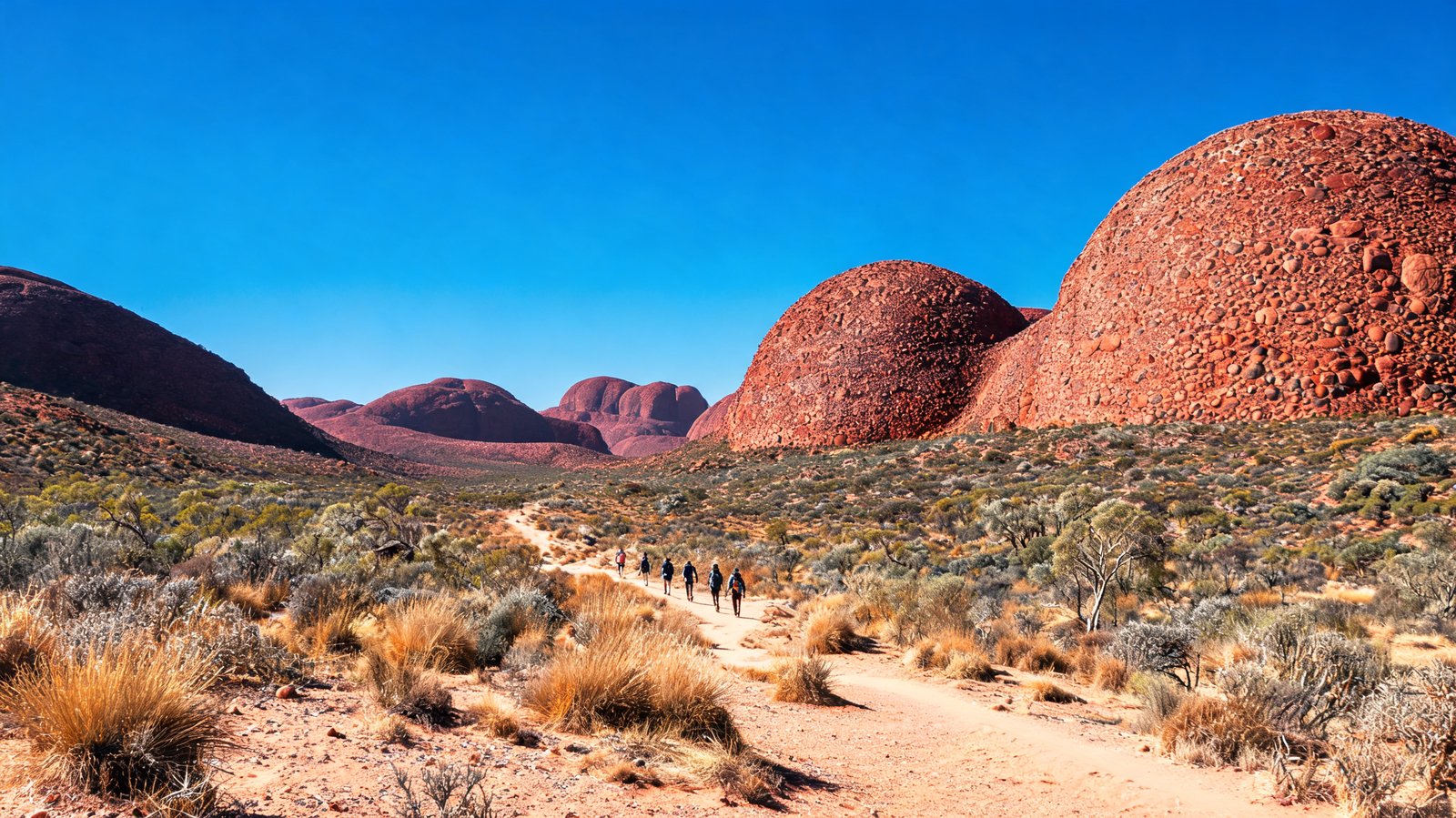
The domed sandstone of Kata Tjuta rising above spinifex in the Red Centre
The Red Centre · Northern Territory · Australia
Where We Send Clients

Six Regions That Do Not Sit on a Loop

Each of these is a trip in its own right, with its own season. Pairing any two is a decision about months as much as about distance.
Sydney & the Coast, New South Wales
New South Wales
Sydney & the Coast
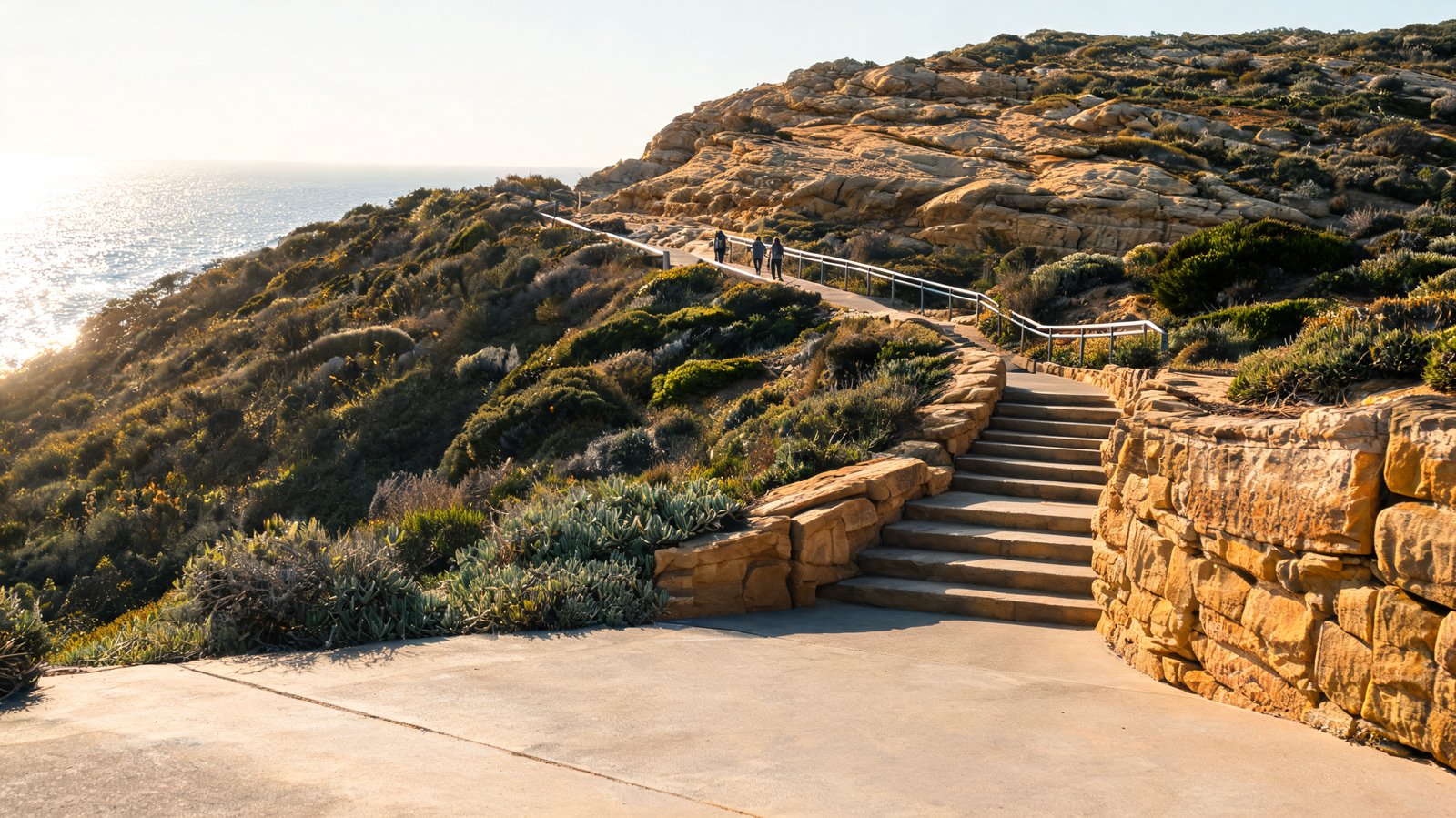
The one Australian city that kept a working harbour at its centre — four nights, not two. The ferry network is transport, not a tour. The Bondi to Coogee cliff walk is the best hour in the city, and the Blue Mountains deserve a night rather than a day trip out and back.
Harbour Ferries Coastal Walk Blue Mountains
Explore →
The Great Barrier Reef, Queensland
Queensland
The Great Barrier Reef
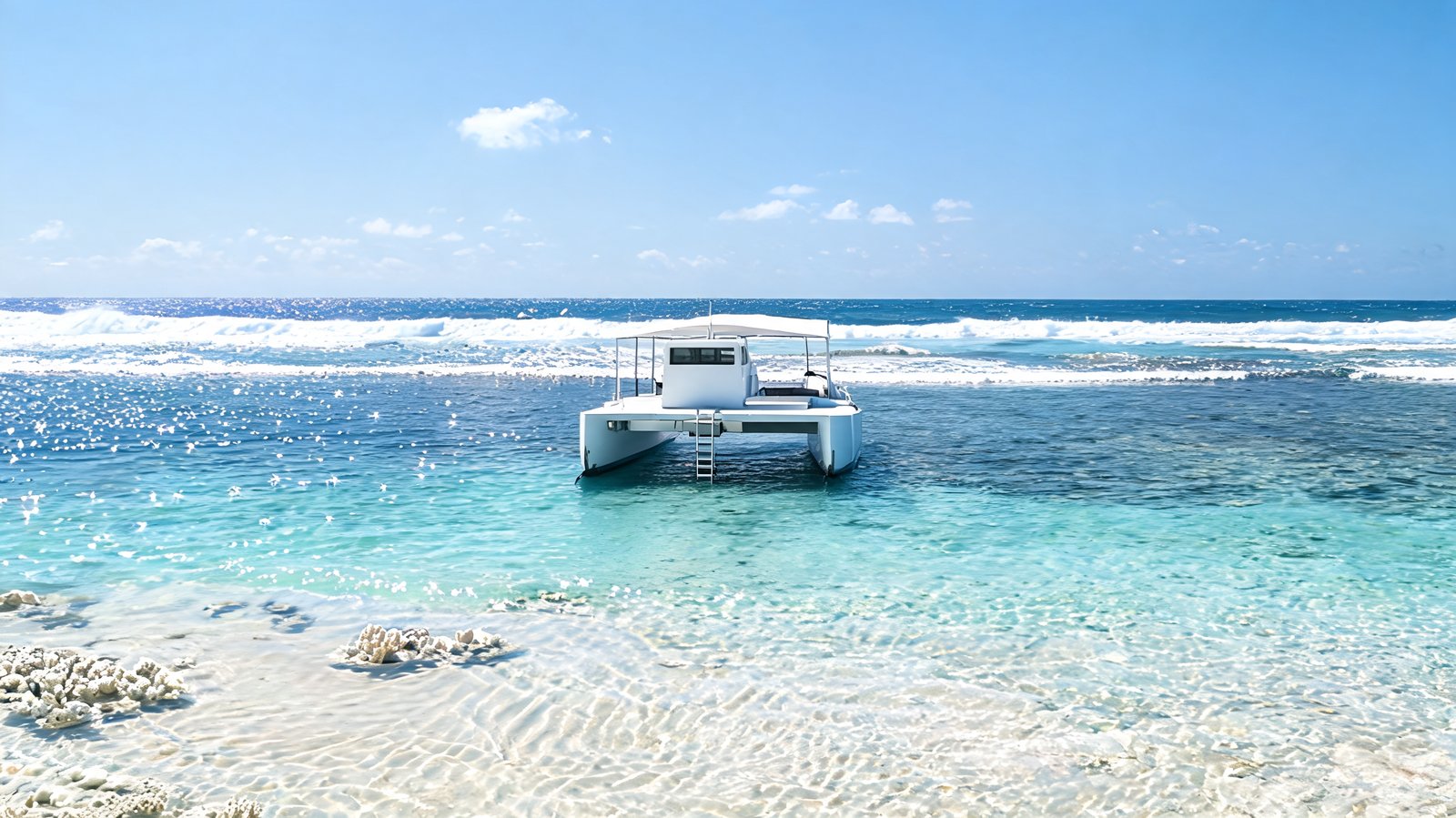
Port Douglas for the Agincourt ribbon reefs on the outer edge of the shelf, Cairns for the liveaboards working the northern Ribbon Reefs and the Coral Sea. Which operator, and how far out they go, decides the day. Dwarf minke whales pass through in June and July.
Agincourt Reefs Liveaboards Minke Season
Explore →
Uluru & the Red Centre, Northern Territory
Northern Territory
Uluru & the Red Centre
Itineraries that treat Uluru as a viewing platform give it four hours and a sunset. Three nights buys the base circuit at first light with an Anangu guide, Kata Tjuta's Valley of the Winds before the heat closes it, and Kings Canyon. Winter nights drop below freezing; summer days shut walks outright.
Anangu Guiding Kata Tjuta Kings Canyon
Explore →
Tasmania
Tasmania
Tasmania
An island between 40 and 43 degrees south, with the weather that implies. Cradle Mountain and the Overland Track at one end, Freycinet and Wineglass Bay east, the Bay of Fires above them, Hobart with MONA. It runs on the southern summer, December to March.
Cradle Mountain Freycinet Hobart
Explore →
The Kimberley, Western Australia
Western Australia
The Kimberley
The most remote coast anyone reaches on a normal holiday, and a trip that works one way — by expedition ship, roughly April to September, because the wet closes the land routes. Horizontal Falls in Talbot Bay, Montgomery Reef surfacing as the tide drops, rock art older than anything else on the trip.
Expedition Ship Horizontal Falls Rock Art
Explore →
Melbourne & the Great Ocean Road, Victoria
Victoria
Melbourne & the Great Ocean Road
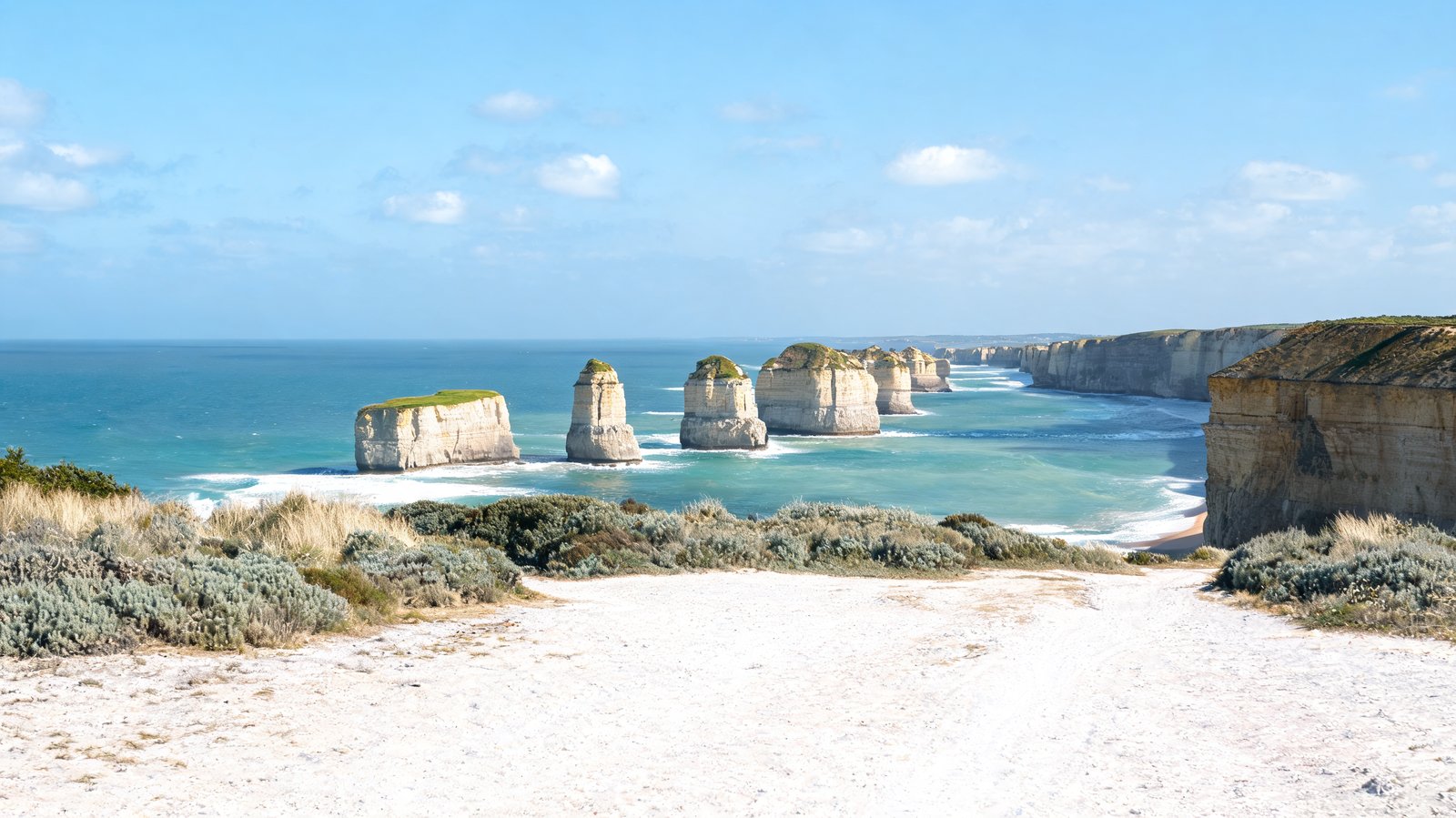
The counterweight to Sydney: laneway coffee, a serious restaurant city, and a coast road that begins an hour out of town. The Twelve Apostles in Port Campbell National Park are the photograph. The Great Ocean Walk behind them is why the coast wants two nights, not a day of driving.
Melbourne Twelve Apostles Great Ocean Walk
Explore →
Featured Itineraries

Trips We Plan Often

Australia itineraries built around the domestic air schedule rather than against it, with the reef days early enough that weather has somewhere to move to.
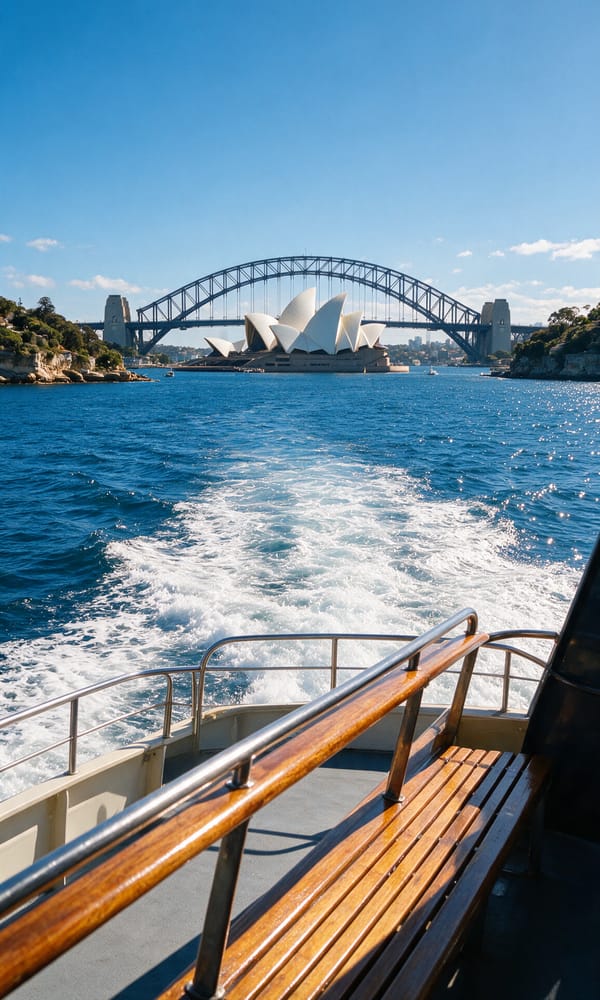
The timber rail of a Sydney harbour ferry with the Opera House and Harbour Bridge beyond
September – October · 11–13 Days
Sydney and the Reef, Two Regions Done Properly
The trip most people are describing when they say Australia, given the days it actually needs. Four nights Sydney rather than two: the harbour by ferry as transport, the Bondi to Coogee cliff walk early, one day left loose. Two nights in the Blue Mountains, which turns a coach day trip into an evening and a morning. Then Port Douglas for five nights, with two reef days on the outer Agincourt reefs booked several days apart, a Daintree day with a naturalist, and a rest day that exists so a blown-out boat morning has somewhere to go. September and October sit after the strongest winter trades and before the stinger season.
Australia11–13 Days
Plan This Trip
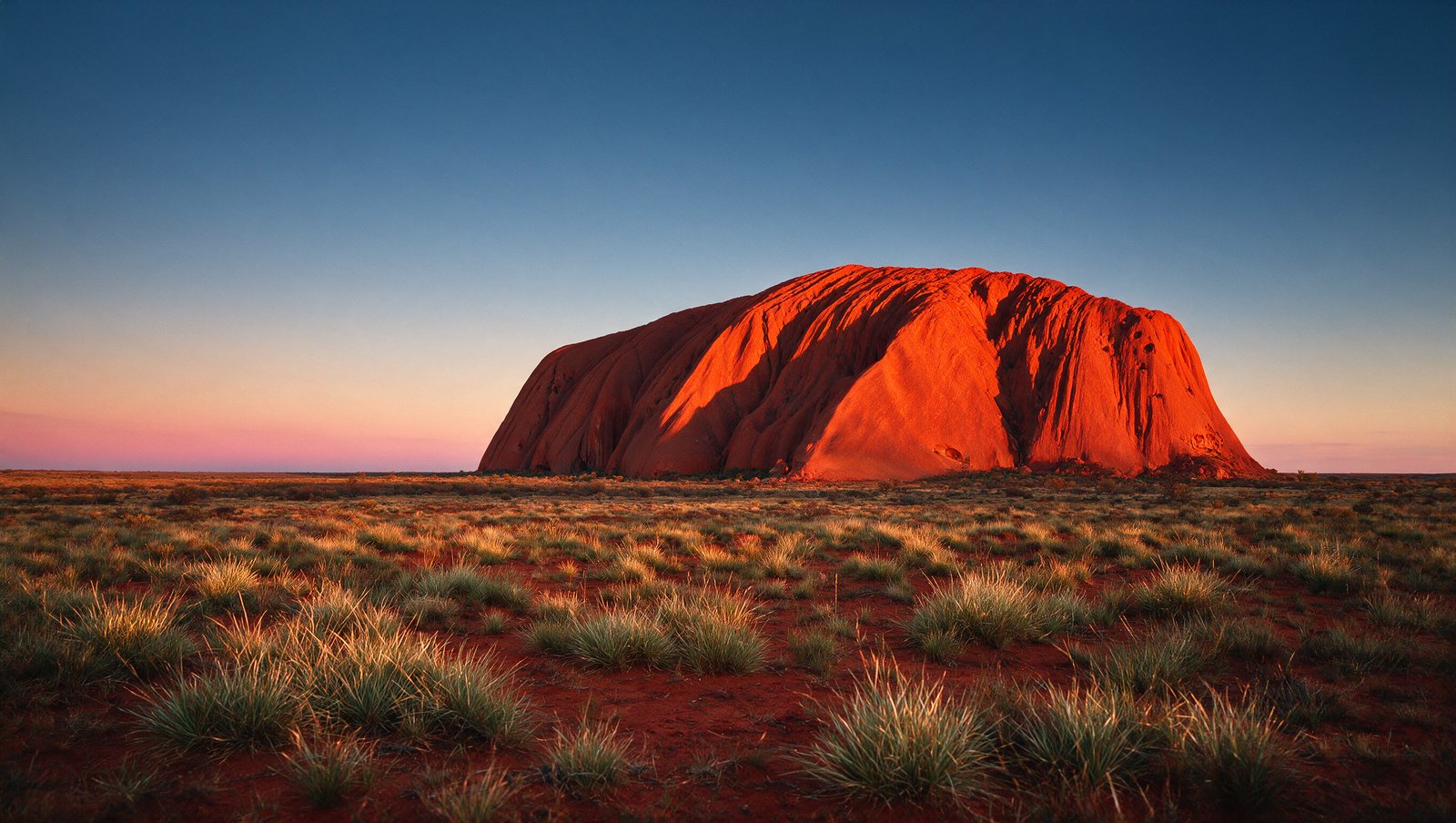
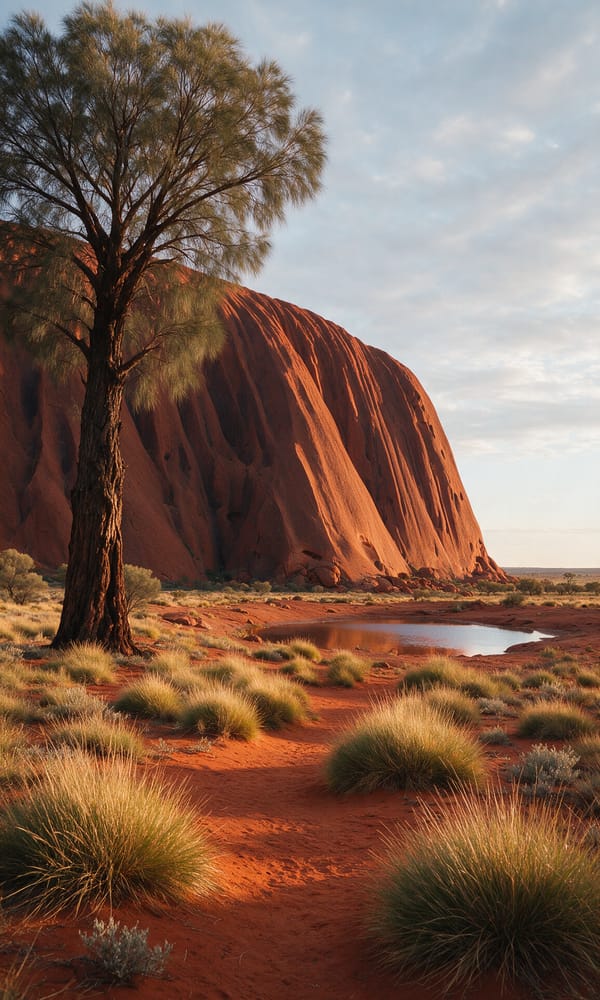
A red sand track through spinifex at the base of Uluru's ribbed sandstone flank at first light
May – September · 16–18 Days
Sydney, the Red Centre and the Reef
Three regions is where an Australia itinerary starts asking for sixteen days, and where the twelve-day version comes apart. Four nights Sydney to open, then the sector into the Red Centre for three nights at Yulara: the base walk at Uluru at first light with an Anangu guide, Kata Tjuta before the heat, a night under a sky with no light pollution in it, and the drive to Kings Canyon for the rim walk. On to Port Douglas for five nights of reef and rainforest with the same spare-day discipline. Winter is the only sensible window for the centre, which means a cooler Sydney at the front end. That is the trade, and it is the right way round.
Australia16–18 Days
Plan This Trip
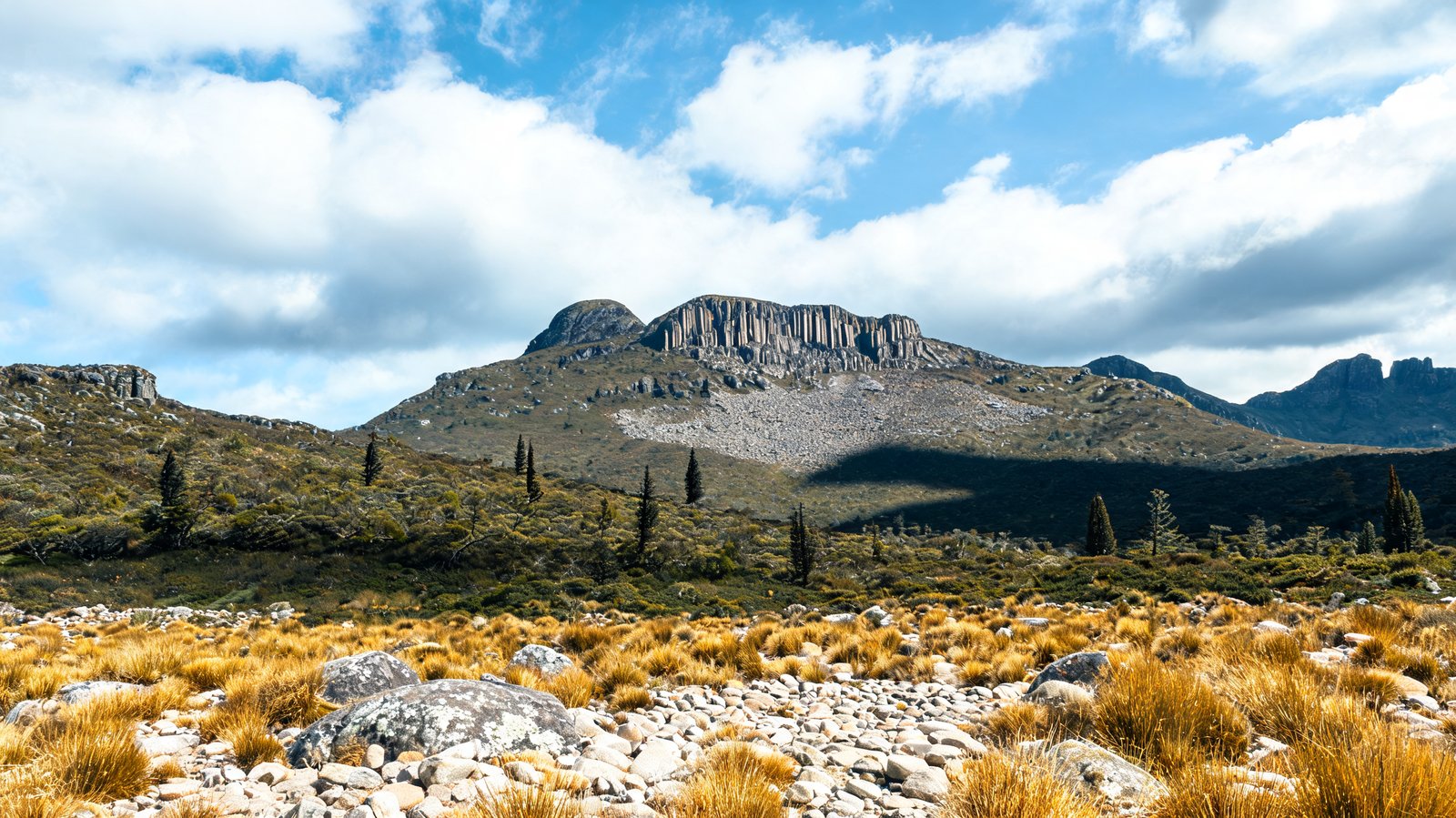
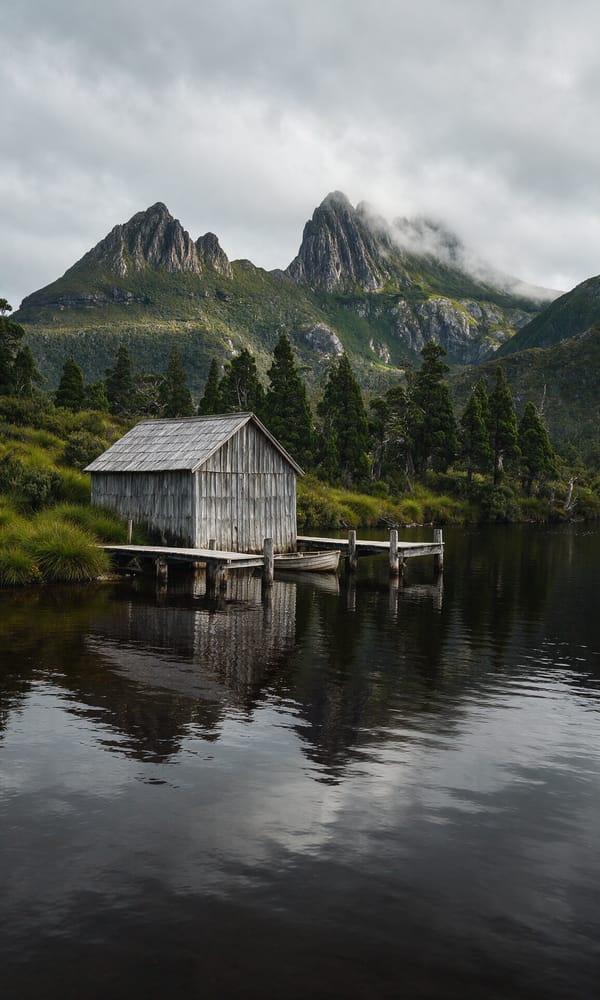
The timber boathouse on Dove Lake below the dolerite crags of Cradle Mountain in low cloud
December – March · 11–13 Days
Tasmania on Its Own Terms
Tasmania as the trip rather than the add-on, in the only months that reliably reward it. Three nights Hobart for MONA, the Salamanca market and a day out to the Tasman Peninsula, then east to Freycinet for three — Wineglass Bay from the saddle at dawn, the peninsula circuit for anyone who walks. North to the Bay of Fires for two nights of orange lichen and empty beaches, then across to Cradle Mountain for three, with day walks off the Overland Track. Finish in Launceston. Short driving legs, a food and wine scene well beyond the island's size, and a landscape nothing like the mainland.
Australia11–13 Days
Plan This Trip
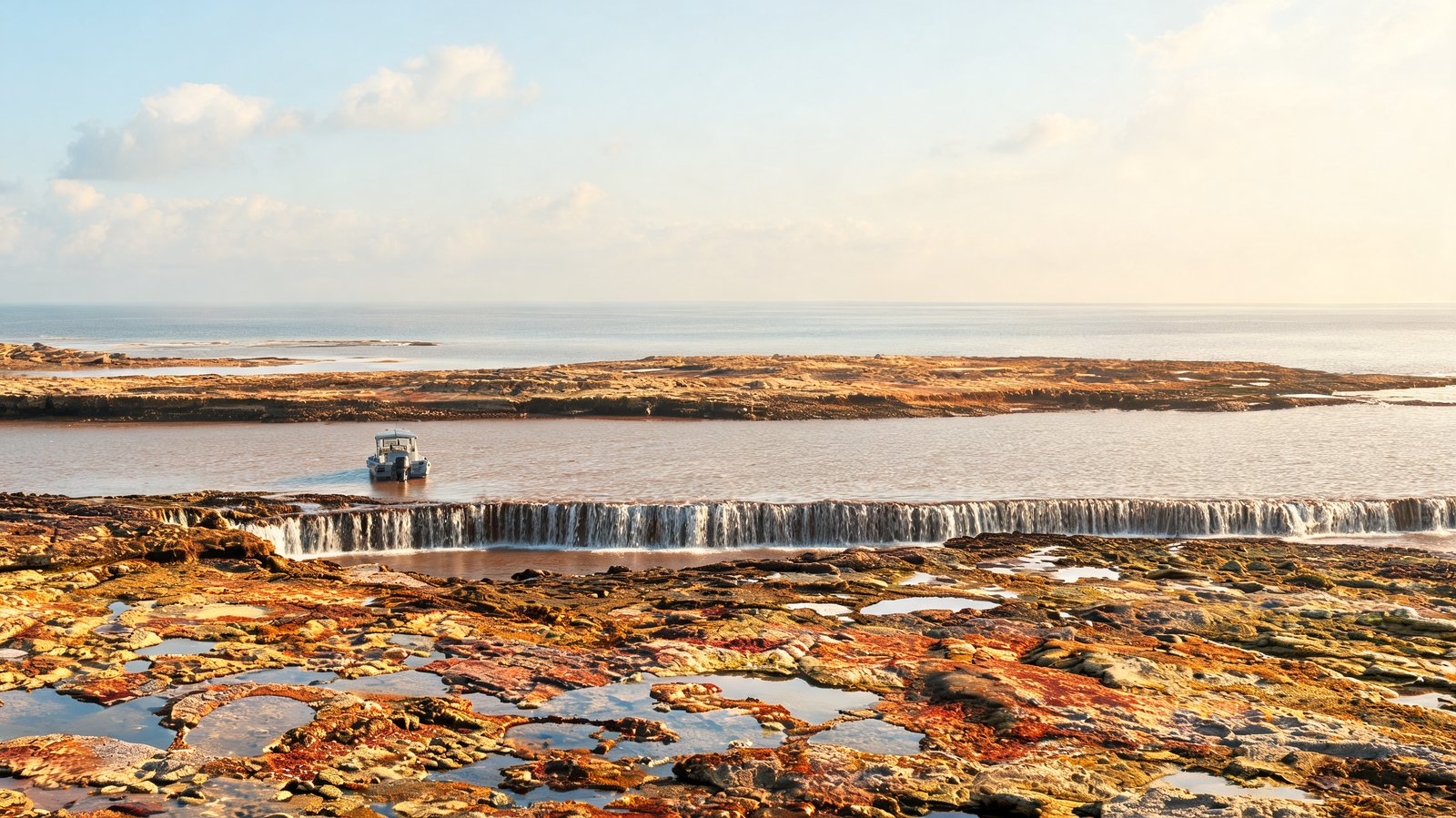
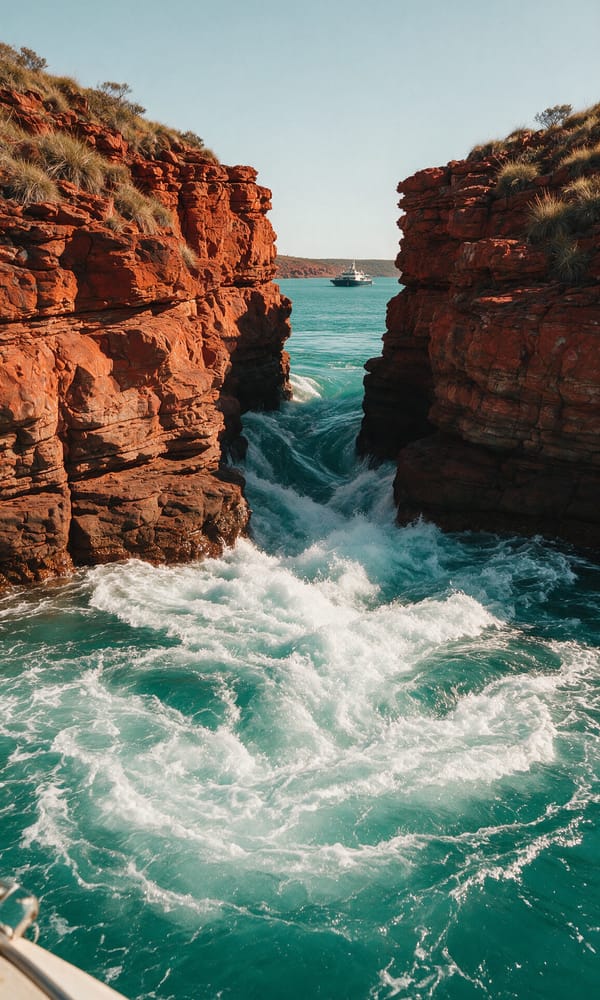
Tidal water forcing through the red sandstone gap at Horizontal Falls, seen from a small tender
April – September · 12–14 Days
The Kimberley by Expedition Ship
The one region of Australia where the vessel is the itinerary. Expedition ships work the coast between Broome and Darwin through the dry months, and the small-ship end of that fleet — thirty to a hundred guests, tenders and helicopters aboard — reaches places no land trip does: Horizontal Falls in Talbot Bay on the right tide, Montgomery Reef emerging as the water drains off it, and rock art reached on foot from a beach landing. Two nights in Broome at either end for Cable Beach and the pearling history. This is the trip for people who have already done the cities, and the one with the narrowest season and the fewest berths.
Australia12–14 Days
Plan This Trip
Why Plan With Us

What We Add to Australia Planning

Australia is the destination where the shape of the itinerary matters more than any single booking inside it, and where that shape is decided by the domestic air schedule and the calendar.

Four Trips, Not One Loop
The failure mode is always the same: one region too many. Every extra region is a domestic sector, an airport morning, a check-in at the far end and a day that reads as travel rather than travelling. We will argue you down to two regions on a twelve-day trip every time, and we would rather cut Uluru than cut the spare day on the reef. Sequence matters as much as the list — which region opens the trip and takes the jet lag, and which sector runs thin enough that a delay eats a night. We build the ground arrangements around the air schedule.
Which Reef Gateway, and Which Boat
"The Great Barrier Reef" is not one place with one condition. The Great Barrier Reef Marine Park Authority manages roughly 344,400 square kilometres of it, and the difference between an inshore fringing reef and the outer Ribbon Reefs is the difference between a disappointing day and the one you flew for. That makes the operator the real decision: where the boat goes, how many people it carries, whether it moves site when conditions turn, and whether there is a marine biologist aboard or a public address system.
Uluru With Anangu Guides
Uluru-Kata Tjuta National Park is jointly managed by its Anangu traditional owners and Parks Australia, and the climb closed permanently in October 2019 at the traditional owners' request. What visitors do instead is the part worth planning. A coach commentary at a sunset viewing area and a dawn walk on the base circuit with an Anangu guide are not two versions of one morning — the first is a photograph of a rock, the second is the reason the park is listed for cultural as well as natural criteria. Guiding at that level is limited and committed early, particularly through the winter months.
The Bookings That Close First
Australia has a short list of things that sell out long before the hotels do, and each one is trip-defining. Walker bookings on Tasmania's Overland Track are capped and administered by Tasmania Parks and Wildlife Service through the summer season. Kimberley expedition ships run one season a year across a small fleet, and the good cabins go a year out. Coral Sea liveaboard cabins and Anangu-guided walk slots behave the same way. These are the bookings we open a file with; hotels follow them.
When to Go

Australia by Season

Dry Season, North and Centre
May – September
The window that makes a multi-region trip possible at all. Tropical Queensland is dry and outside the inshore stinger season, the Red Centre is walkable at midday, and the Kimberley ships are running. Two caveats: nights at Uluru fall below freezing in June and July, and the south-east trades blow hardest through the same months, which is what puts outer-reef boats on weather watch. Within the window, May and September give you least of both problems. Dwarf minke whales pass the northern Ribbon Reefs in June and July, the one good reason to accept the wind.
Best Overall Window
Southern Summer
December – February
The right months for the southern half and the wrong ones for everything north of Brisbane. Sydney, Melbourne, the Great Ocean Road and Tasmania are at their peak — long days, swimmable water, the Overland Track in its walking season. Meanwhile the Red Centre passes 40°C often enough that walks close on the forecast, and tropical Queensland is in the monsoon with stingers inshore and cyclone risk on the coast. For southern cities and Tasmania, this is the window and it is not close.
The Shoulder Months
March – April & October – November
The compromise window, and the honest answer for anyone determined to cross the country in one trip. March and April catch the end of the wet in the north; October and November get ahead of the stinger season while Sydney warms. Rates sit below the July peak in the north and the Christmas peak in the south. The trade is variability — an April reef day can be flat calm or cancelled, and this is the window where the spare day earns its place.

Seasonal notes and park rules checked against the Bureau of Meteorology, Parks Australia and Tasmania Parks and Wildlife Service. Walk closures, booking seasons and stinger advice change; confirm before booking.

Ready When You Are

Plan an Australia Trip
With the Right Number of Regions

Tell me how many days you have, which of the four Australias you actually want, and when you can travel. I'll come back with a specific itinerary, the reef gateway and operator I'd use, and the two or three bookings that have to be made first — within one business day.

Plan an Australia Trip All South Pacific Destinations

No booking fees  ·  Response within 24 hours  ·  Fully bespoke

What It Costs

What Australia Actually Costs

Priced per region, plus the flights between them
Sydney, the Red Centre, the reef and Tasmania are four separate cost floors joined by domestic sectors, and a single nightly figure would sit above the cheapest of them and well below a Kimberley expedition berth.
What actually sets the number
  • How many regions — the Uluru-Kata Tjuta pass is A$38 for three days, and each extra region adds a sector
  • Reef days, which carry the A$8.50 per-person environmental management charge on any trip of three hours or more
  • The calendar split — May to September for the centre and the tropics, December to February for Sydney and Tasmania

Tell me the dates and the party and you get a real quote, not a range. Source: Uluru-Kata Tjuta National Park pass.

Common Questions

Australia — FAQ

The questions that come up most when planning a first Australia trip — how many days it really needs, which reef gateway, what happened to the Uluru climb, and whether Tasmania belongs in the same itinerary.

May through September, if the Red Centre or tropical Queensland is on the itinerary. Those are the dry months in the north, the walkable ones in the desert, and they fall outside the inshore stinger season. The cost is Sydney, Melbourne and Tasmania in their winter at the same time. If the trip is southern cities and Tasmania only, invert it and travel December through February. If it has to be both halves, September and April or May serve them least badly; put the reef days at the front of the stay. Season detail by region comes from the Bureau of Meteorology.

Eleven to thirteen days for two regions, and sixteen to eighteen for three. Below eleven days, pick one region and do it properly. Sydney plus the Great Barrier Reef is the two-region trip most people mean: four nights Sydney, five in the tropical north. Adding the Red Centre pushes the minimum to sixteen, because Uluru deserves three nights and the sector in and out of Ayers Rock costs most of a day at each end. Tasmania is a fourth trip rather than a fourth stop. Twelve days carrying three regions and four domestic sectors is the version that comes apart, usually around day six.

Port Douglas if you are snorkelling, Cairns if you are diving from a liveaboard. Port Douglas sits closest to the Agincourt ribbon reefs on the outer edge of the continental shelf, which the day boats reach in a morning, and it is the better town for five nights. Cairns is the working port: the liveaboards that run the northern Ribbon Reefs and the Coral Sea sail from there. The Whitsundays are a sailing destination with reef access rather than a reef destination. Whichever you pick, the operator matters more than the town — the Great Barrier Reef Marine Park Authority manages roughly 344,400 square kilometres, and no single day out represents it.

No longer — the climb closed permanently on 26 October 2019 at the request of the Anangu traditional owners. They jointly manage Uluru-Kata Tjuta National Park with Parks Australia, and the date fell on the anniversary of the 1985 handback. The base walk of roughly ten kilometres passes waterholes, rock art and sheltered faces the climbing route ignored, and it is the walk to do at first light with an Anangu guide. Uluru rises about 348 metres above the plain and reads very differently from underneath. Walk closures, hours and heat rules come from Parks Australia; confirm before booking, because walks close on the forecast rather than on the day.

Yes, on the outer reef with an operator that moves sites, and not on an inshore pontoon. The reef has been through repeated mass bleaching events, and the coverage has flattened a system the size of a small country into one verdict. Condition varies across it: the northern Ribbon Reefs and the outer Agincourt reefs are not the inshore fringing reefs that photograph worst. It is surveyed and published sector by sector by the Great Barrier Reef Marine Park Authority and the Australian Institute of Marine Science rather than as one national figure. Ask where the boat is going and how many people it takes.

Yes — almost every visitor needs an ETA or an eVisitor authorisation, applied for online before departure. Which one depends on the passport: United States and Canadian passport holders generally use the Electronic Travel Authority, while most United Kingdom and European Union passports use eVisitor. Neither is issued on arrival. Categories, conditions and processing times change, so check the requirement against the current rules rather than against what a previous traveller did. The authoritative source is the Australian Department of Home Affairs. Apply before flights are ticketed: a delayed authorisation against a fixed departure is the one problem an advisor cannot solve for you.

Not as an add-on. Tasmania is its own trip. Bolting it onto a Sydney-and-reef trip buys a domestic sector each way for two or three nights, which is not enough time to leave Hobart. On its own, eleven to thirteen days covers Hobart and the Tasman Peninsula, Freycinet, the Bay of Fires and Cradle Mountain. The Tasmanian Wilderness World Heritage Area runs to about 1.58 million hectares, and the Overland Track covers 65 kilometres from Cradle Mountain to Lake St Clair over about six days, with walker bookings capped through the summer season by Tasmania Parks and Wildlife Service. Travel December through March.

Both, in different places. Australia is one of the easiest countries in the world to drive: sealed roads, signage in English, long distances that are well served. Tasmania and the Great Ocean Road are better self-driven, because the unplanned stops are the point and a schedule spoils them. Uluru is the opposite case: the Anangu-guided base walk is the reason to be there, and no self-drive version reaches it. The reef is the same argument in water, where an operator carrying a marine biologist changes what you see. That argument is set out in the case for a private guide.
More questions answered on the Full FAQ Page
From the Journal

Read More on Planning South Pacific