
Polar Regions

The Edges
of the Earth.

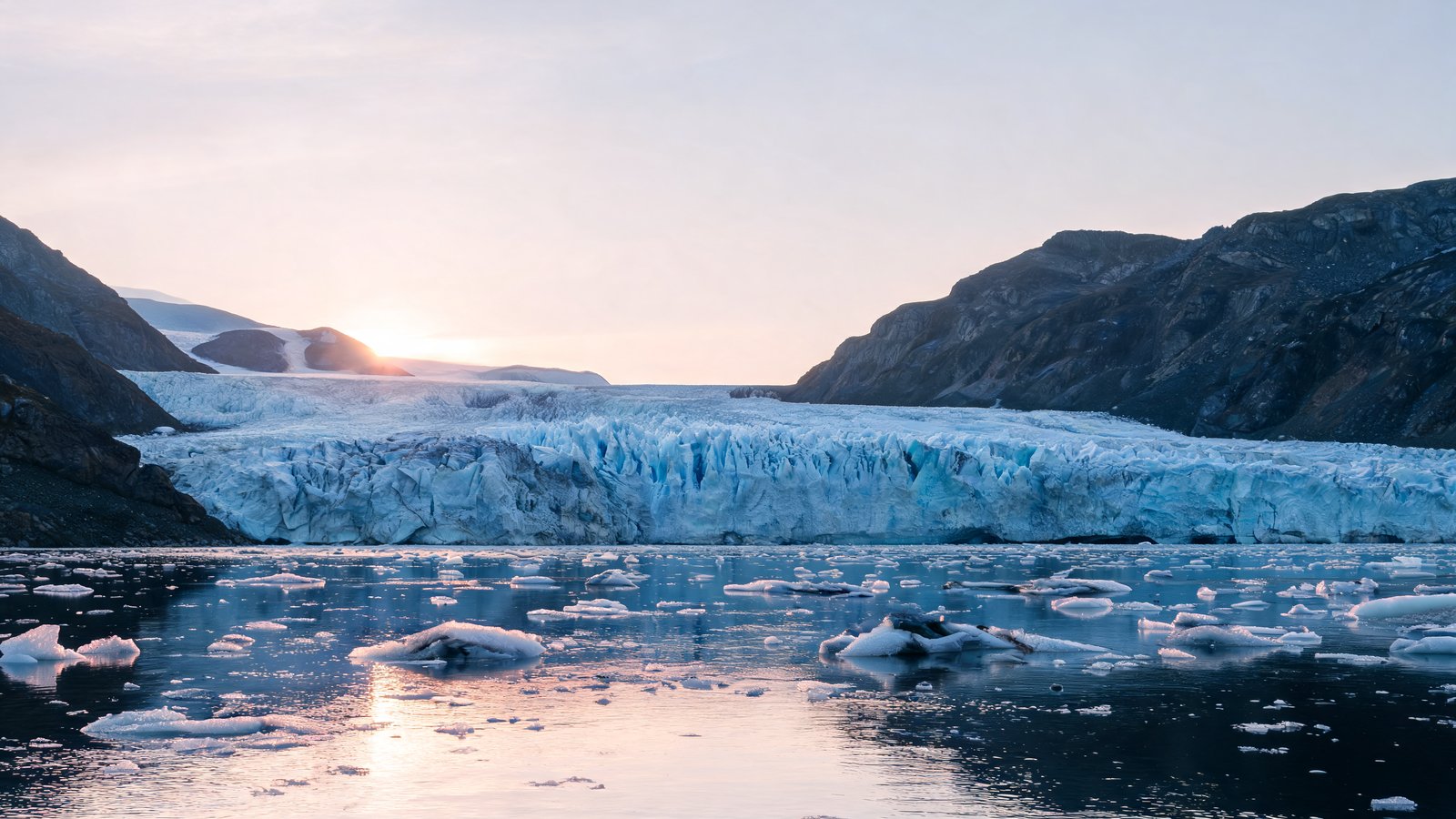
Antarctica is the last true wilderness on earth — a continent with no permanent human population, no roads, no infrastructure, and wildlife that has never learned to fear anything. The Arctic in summer is a world of midnight sun, polar bear encounters, and fjord landscapes that have no comparison. These are the trips that travelers who have been everywhere still call the most extraordinary ones they've taken.

Best Season
November – March
Best For
Expeditions
& Wildlife
The Region

The Vessel and the
Naturalist Are Everything

Antarctica runs November through March, the Arctic summer runs June through August, and the northern lights season runs September through March. Antarctic expeditions take 11–15 days, or 18–22 with South Georgia added. The physical demand is lower than most people expect: Zodiac landings mean stepping in and out of an inflatable onto rock or ice, and walking on uneven ground.

Polar expedition travel is the category where the planning decisions have the largest consequences. The vessel determines which landings are accessible — a ship with ice-strengthened hull and shallow draft reaches coastlines that larger vessels cannot approach. The naturalist team determines what you understand about what you're seeing — an ornithologist who has been studying the same penguin colony for twenty years, a glaciologist who can describe what the calving timeline of a specific glacier wall tells us about the pace of polar change, a Zodiac pilot who positions the inflatable in the right place at the right moment when the whale surfaces.

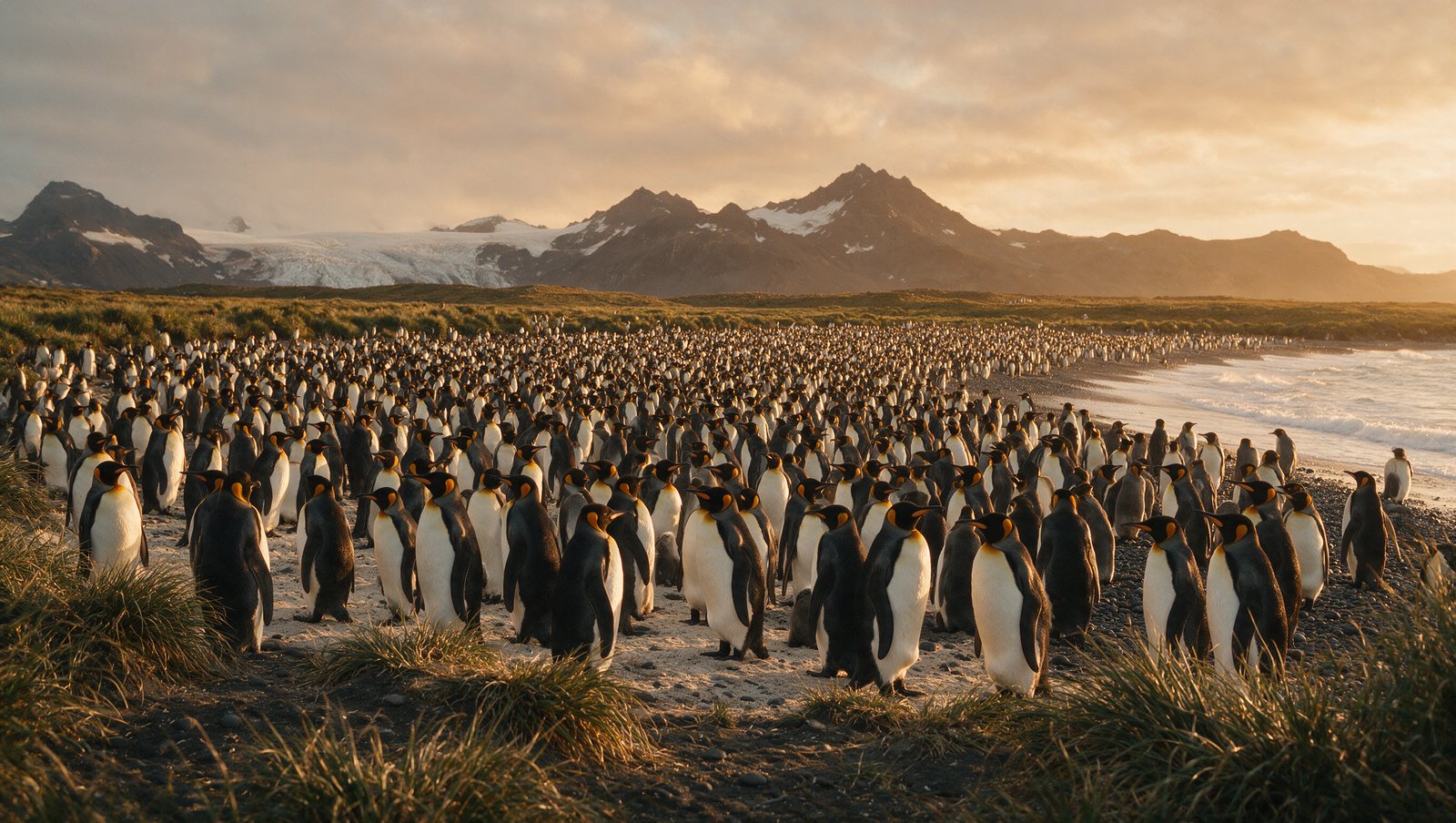
Antarctica between November and March is the primary window — penguin nesting and hatching, whale feeding in the Drake Passage, and the long polar days that give explorers eighteen-hour light windows for landings. The Antarctic Peninsula is the most accessible route; South Georgia and the Falklands extend the itinerary into one of the most extraordinary wildlife concentrations anywhere — king penguins in colonies of a quarter million, elephant seals, albatross nesting grounds.

The Arctic in summer brings polar bears on the ice, walrus haul-outs on remote beaches, and the midnight sun that turns the Norwegian fjords gold at two in the morning. Winter in the Arctic means the northern lights — a phenomenon that rewards patience, cold tolerance, and a location far enough north that the aurora appears directly overhead rather than on the horizon.
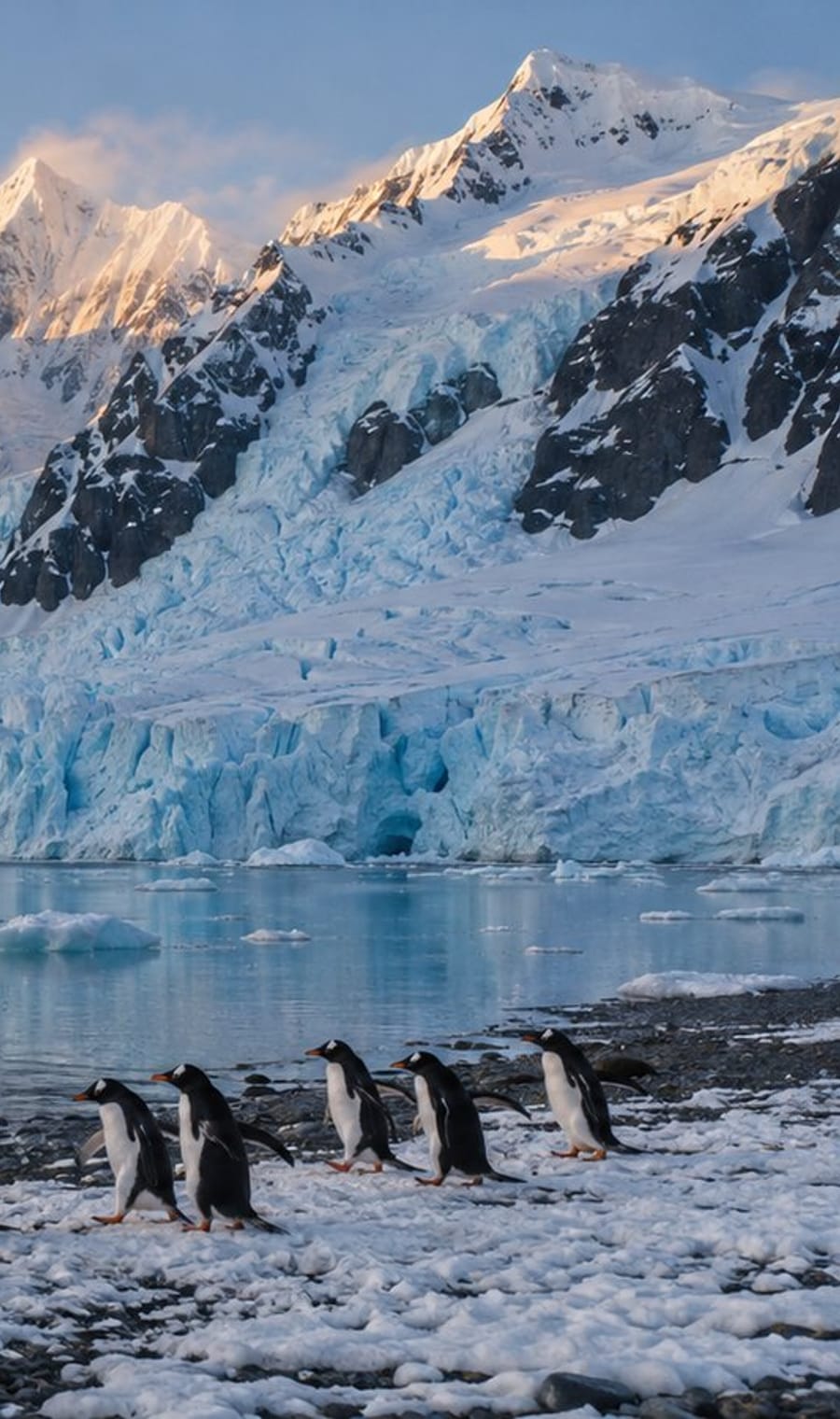
Gentoo penguins on a stony shore below a glacier front on the Antarctic Peninsula
Antarctic Peninsula · South Pole Region
Where We Send Clients

Six Polar Destinations Worth Planning Properly

Each has a short, specific window, a vessel selection that determines what's accessible, and a naturalist team that determines what's understandable. All of it matters.
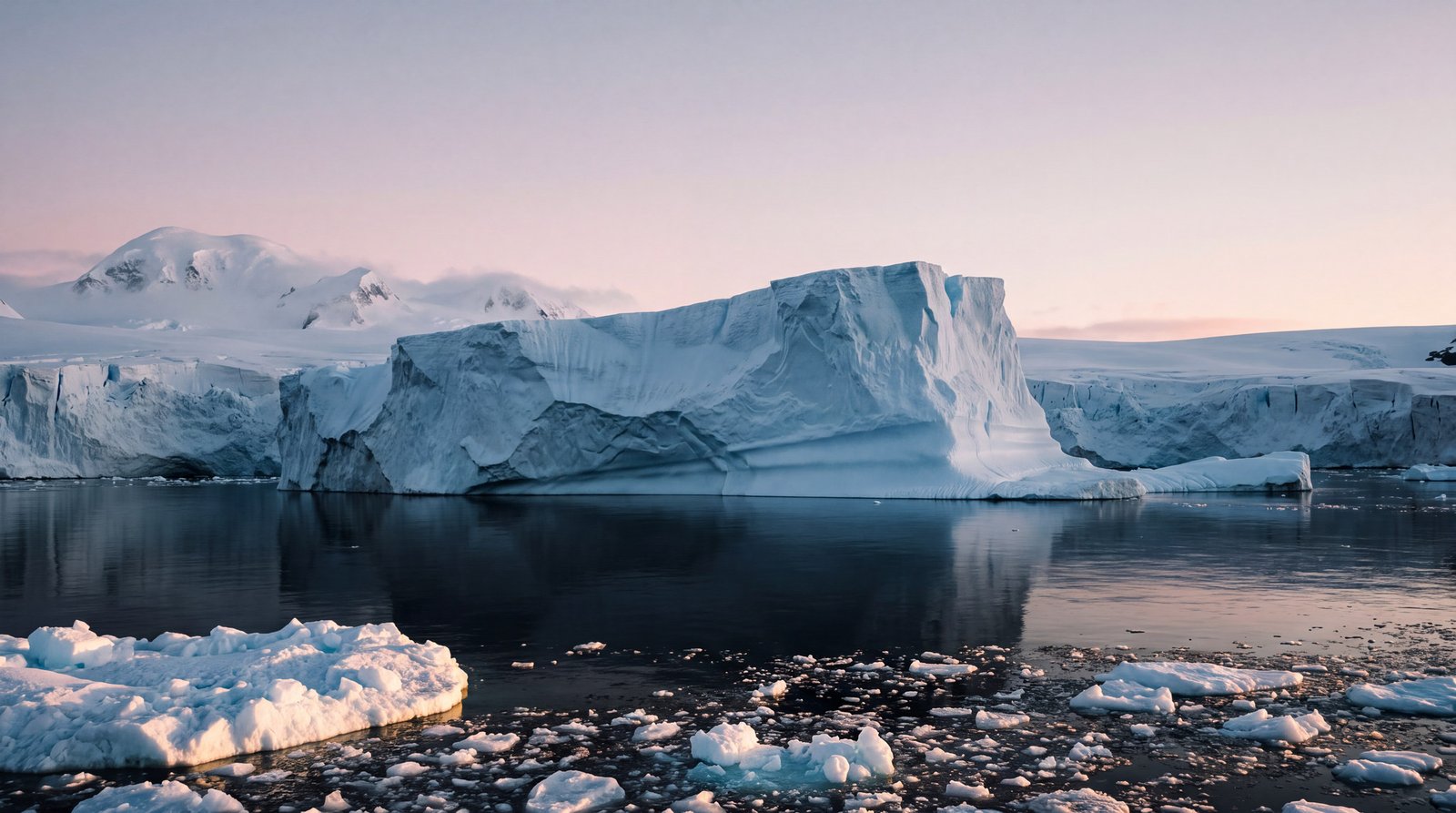
Antarctica, Southern Ocean
Southern Ocean
Antarctica
The last true wilderness on earth — no permanent population, no roads, no artificial light, and wildlife that has never learned to fear the humans who arrive by Zodiac. The Peninsula, reached from Ushuaia, is the most traveled route; South Georgia adds king penguin colonies of 250,000 animals.
Peninsula Penguins South Georgia
Explore →
Arctic Norway & Northern Lights, Arctic Circle
Arctic Circle
Arctic Norway & Northern Lights
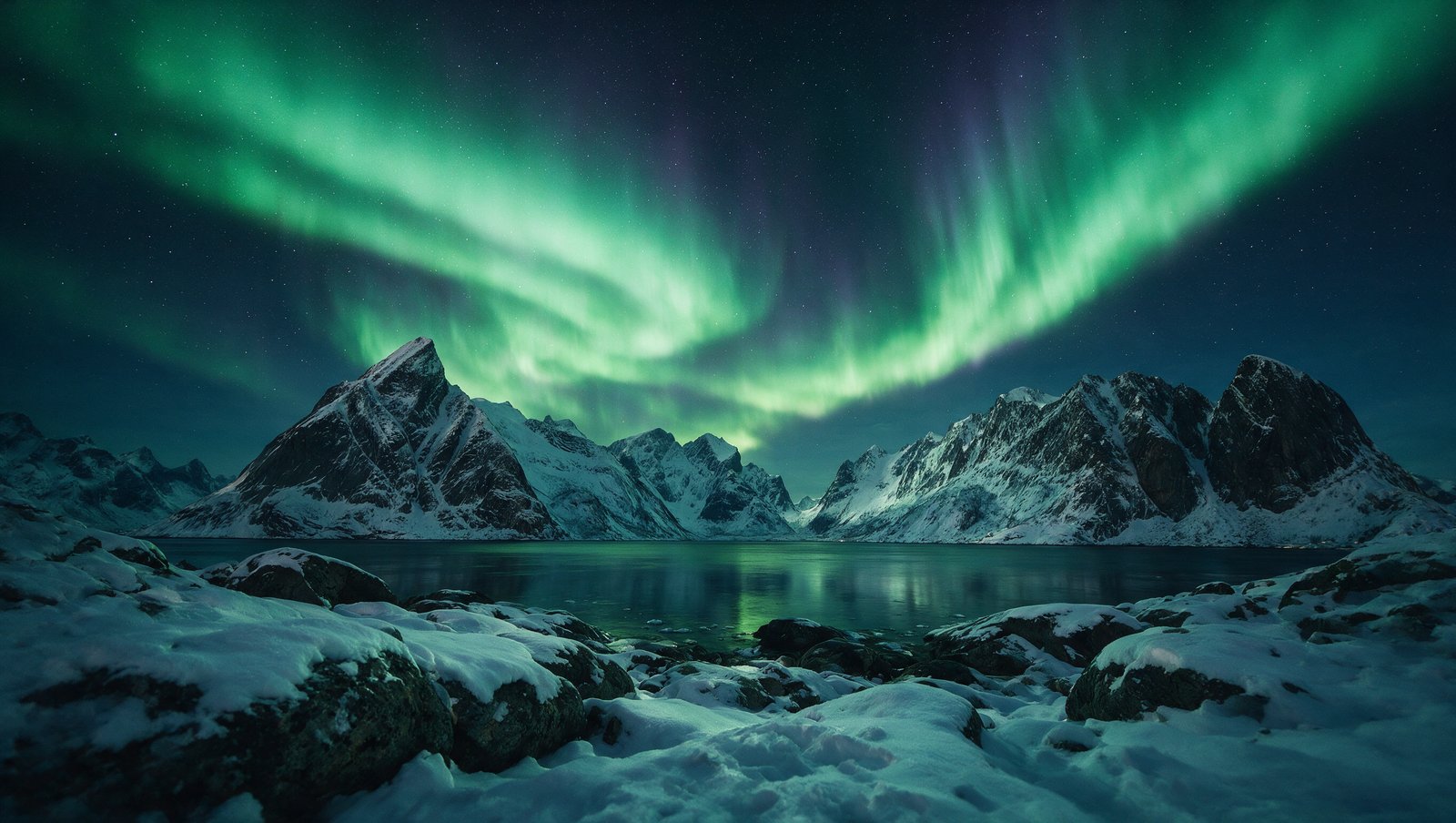
The Norwegian coastline above the polar circle — Tromsø as the base for northern lights, the Lofoten Islands for a landscape that defies what islands are supposed to look like, and the Hurtigruten route on a working ship delivering mail since 1893. Aurora season runs late September to late March.
Northern LightsTromsøLofoten Islands
Explore →
Svalbard, High Arctic
High Arctic
Svalbard
The archipelago halfway between mainland Norway and the North Pole, and the only place in the world where polar bears outnumber human residents. A small-ship expedition from Longyearbyen covers the fjords, tidewater glaciers and walrus haul-outs. Midnight sun in June and July never sets at all.
Polar BearsGlacier FjordsMidnight Sun
Explore →
Greenland, North Atlantic Arctic
North Atlantic Arctic
Greenland
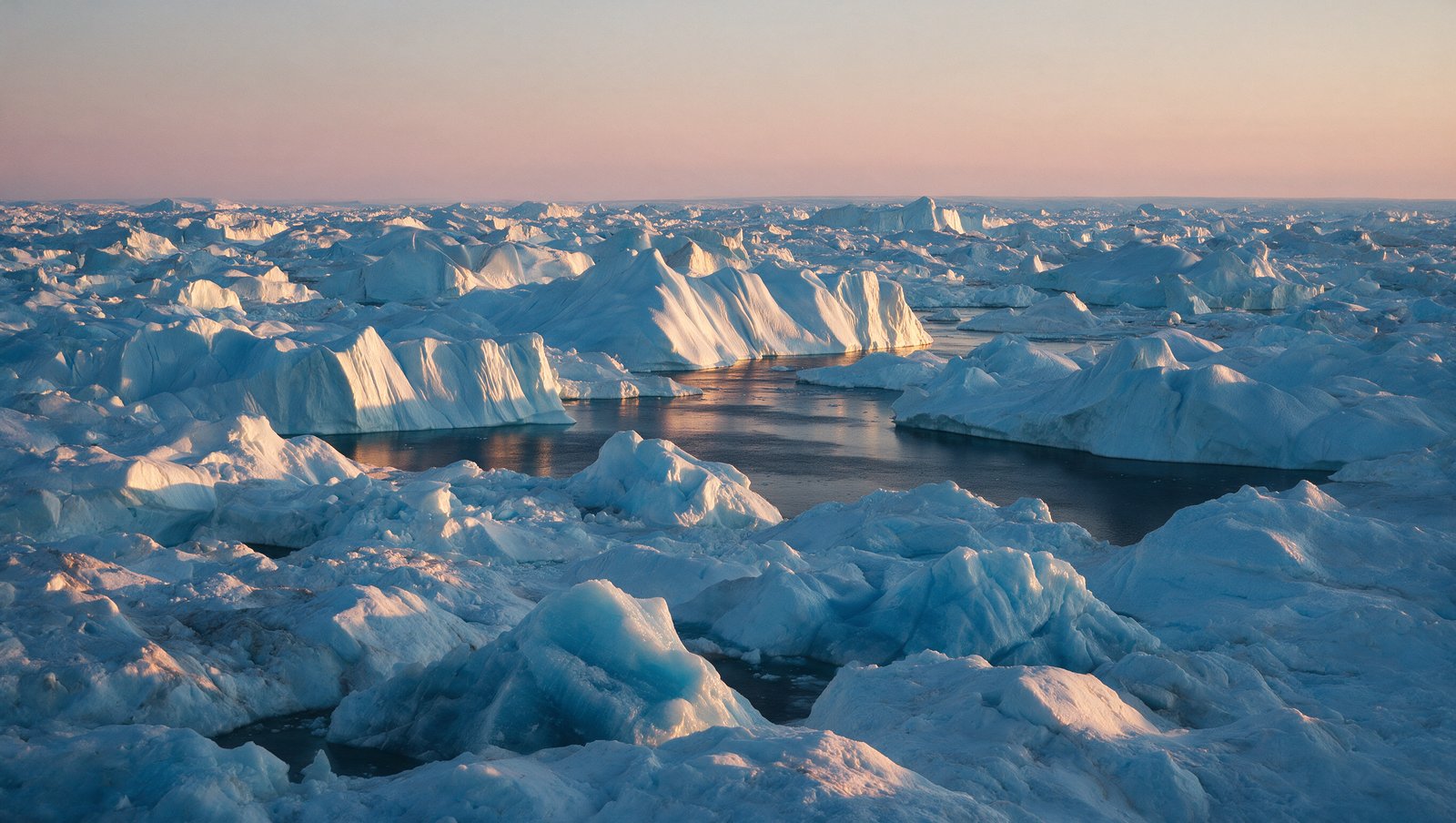
The world's largest island, 80% covered by an ice sheet holding enough fresh water to raise global sea levels by seven meters. The Ilulissat Icefjord calves some of the largest icebergs in the Northern Hemisphere into Disko Bay. Dog sledding on the east coast in April, before the ice breaks up.
IcefjordDog SleddingIcebergs
Explore →
Iceland, North Atlantic
North Atlantic
Iceland
The most accessible polar-adjacent destination in the world — three hours from London, five from New York, with glaciers, volcanoes, geothermal fields and waterfalls in an area smaller than Kentucky. The Westfjords are the Iceland most visitors never find. Summer for midnight sun, winter for ice caves.
Northern LightsIce CavesWestfjords
Explore →
Falklands & South Georgia, South Atlantic
South Atlantic
Falklands & South Georgia
The two most extraordinary wildlife destinations in the South Atlantic, and the natural extension of an Antarctica expedition. South Georgia for king penguin colonies of a quarter million, the elephant seal beaches, and Shackleton's grave at Grytviken. The Falklands for the rockhopper penguins.
King PenguinsSouth GeorgiaFalklands
Explore →
Featured Itineraries

Expeditions We Plan Often

Polar itineraries built around the vessels, naturalist teams, and windows that make the ends of the earth deliver everything they're capable of.
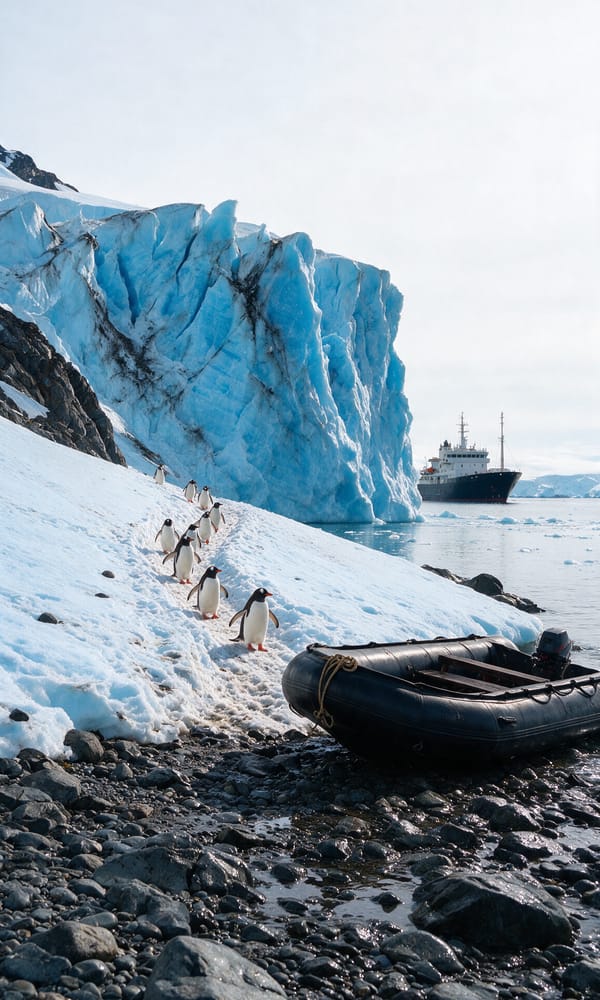
Gentoo penguins climbing a snow track past a Zodiac, an expedition ship anchored beyond
November – March · 11–15 days
Antarctica Peninsula Expedition
Fly to Ushuaia, Argentina for one night before embarkation. Two days crossing the Drake Passage on an ice-strengthened expedition vessel with a naturalist team of eight — an ornithologist, a glaciologist, a marine biologist, and a historian of Antarctic exploration who has made this crossing forty-one times and still finds new things to say about the Shackleton era. Eleven days on the Antarctic Peninsula: Zodiac landings at chinstrap, Adélie, and gentoo penguin colonies, a humpback whale encounter in the Gerlache Strait at close enough range that the breath from the blowhole reaches the Zodiac, a landing at Deception Island inside an active volcanic caldera, and a polar plunge off the stern for those who want the story. Return Drake crossing and disembarkation in Ushuaia. The expedition that clients who have been everywhere still call the most extraordinary thing they've ever done.
Antarctica11–15 Days
Plan This Trip
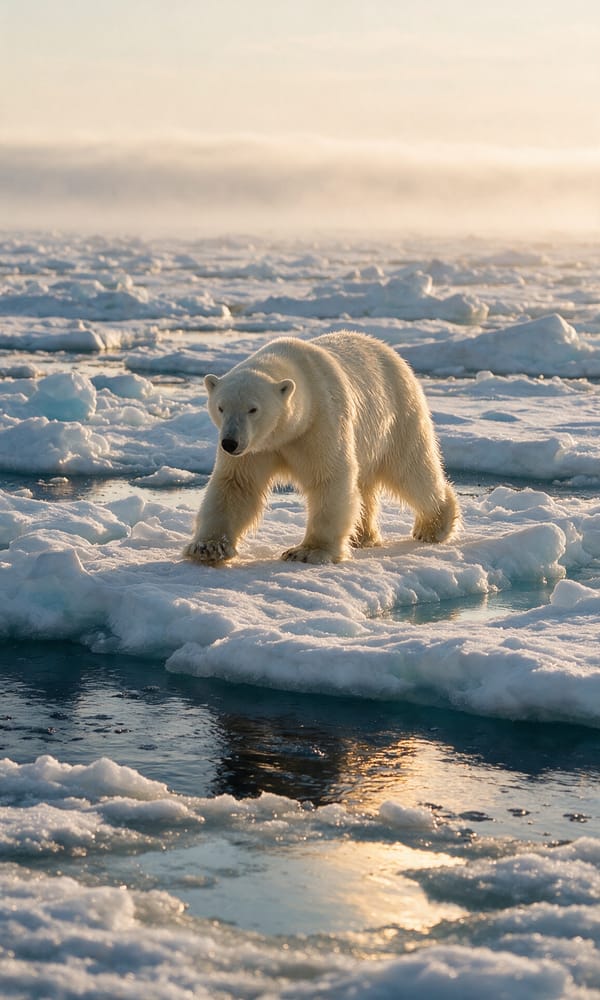
A polar bear walking across broken pack ice north of Svalbard under low midnight sun
June – August · 11–13 days
Arctic Norway: Svalbard & Midnight Sun
Fly to Longyearbyen on Svalbard for two nights — the northernmost permanent settlement in the world, a town where polar bear warning signs are posted at the city limits and the residents carry rifles when walking outside the settlement boundary. Board a small expedition vessel for seven days circumnavigating the archipelago — tidewater glacier faces that calve at regular intervals, walrus haul-outs on the north coast accessible only by small ship, polar bear sightings on the ice that the naturalist team have been tracking for three days before the guests arrive. Fly to Tromsø for two nights on the Norwegian mainland — the Sami cultural center, an evening boat into the fjord for white-tailed eagle sightings, and a dinner at a restaurant where the reindeer came from the same herd as the ceremony on the previous evening. Return from Tromsø direct.
Arctic Norway11–13 Days
Plan This Trip
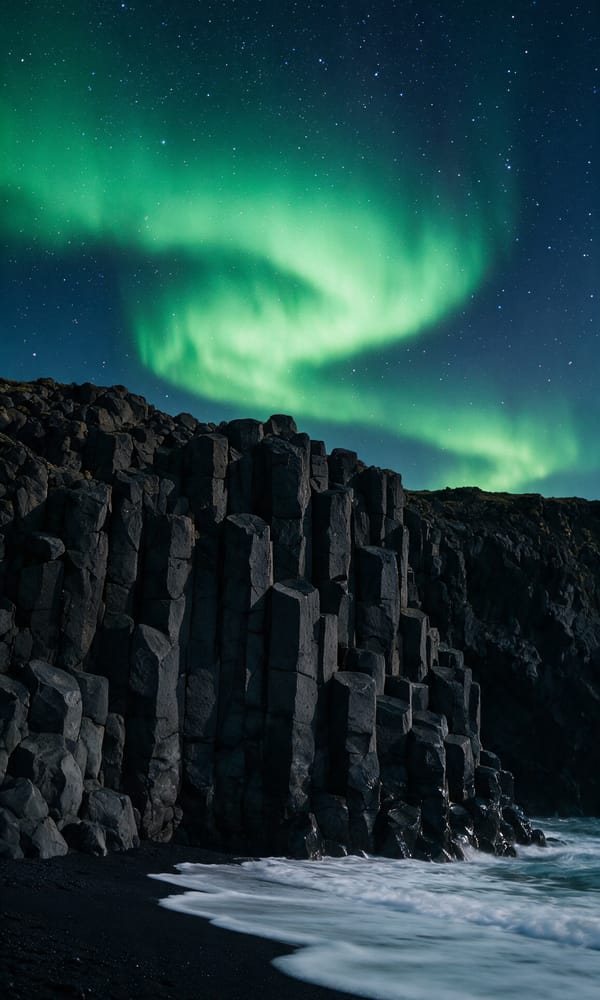
Green aurora folding above the hexagonal basalt columns and black sand at Reynisfjara
September – March · 5–7 days
Iceland & Northern Lights
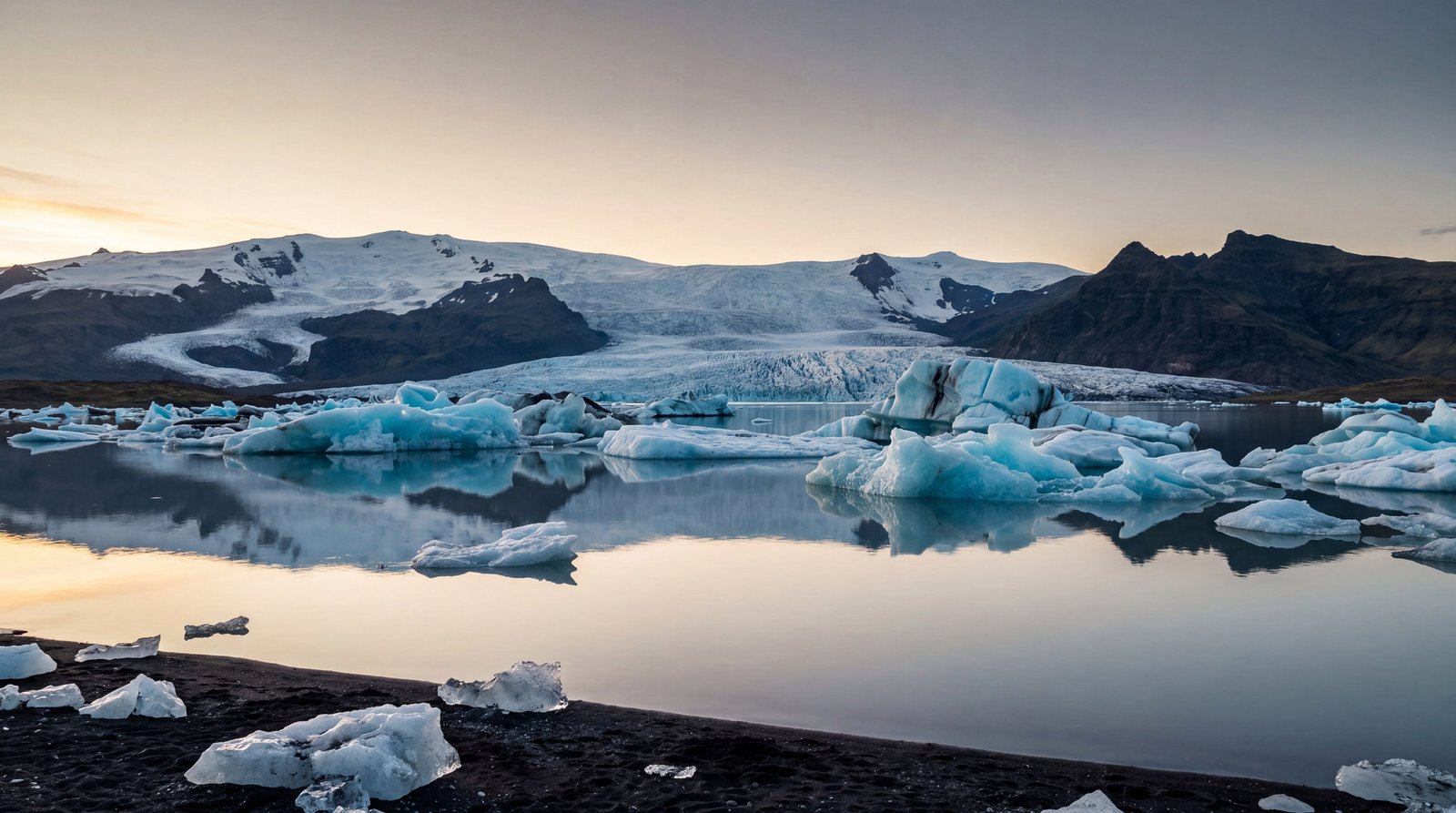
Three nights in Reykjavik — the Blue Lagoon on arrival evening for the thermal recovery from the flight, a day on the Golden Circle with a guide who knows which waterfall has no tourists at 8 a.m. and which geyser erupts on a schedule nobody publishes, and a geothermal food dinner at a restaurant that cooks in the volcanic ground. Drive to the south coast for two nights: the black sand beach at Reynisfjara where the basalt columns stand like an organ pipe section cut from the cliff, the Skógafoss waterfall at midnight in summer when the falls are fully lit and the light doesn't change for hours, and the Jökulsárlón glacial lagoon where the icebergs float down from Vatnajökull at walking pace. In winter: a northern lights tour on night one or two with a guide who monitors the KP index and drives clients three hours from Reykjavik to escape cloud cover when the aurora is active.
Iceland5–7 Days
Plan This Trip
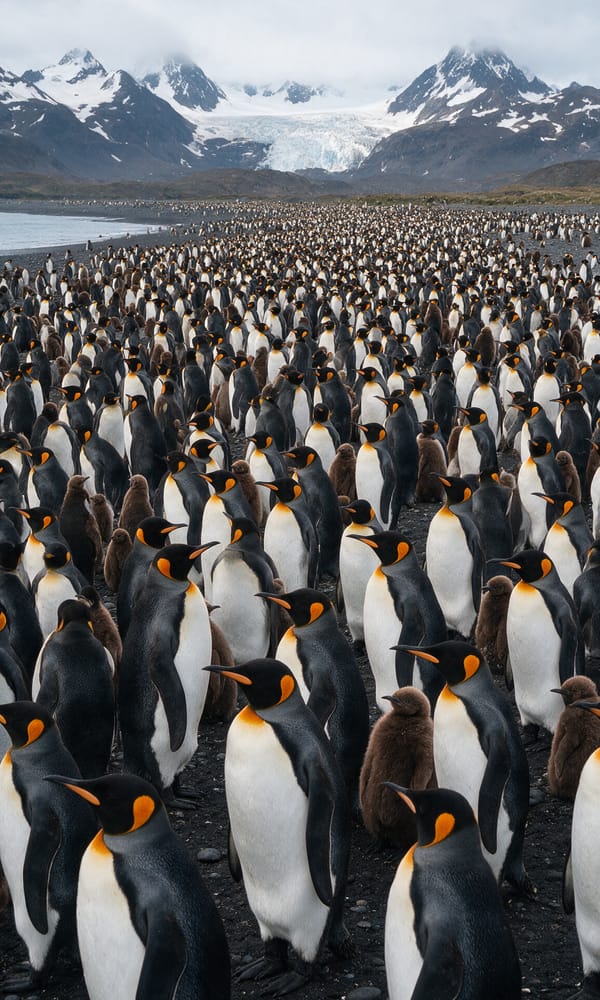
King penguins packed across the black sand at St Andrews Bay below a hanging glacier
November – February · 18–22 days
Antarctica, South Georgia & the Falklands
The complete southern circuit — the itinerary that combines three of the most extraordinary wildlife destinations in the world into a single expedition. The Falkland Islands for an introduction to sub-Antarctic wildlife: gentoo penguins nesting in the tussock grass, rockhopper colonies on the sea cliffs at Saunders Island, and black-browed albatross nesting in numbers that suggest the sky is breathing. South Georgia for the full-scale experience — a quarter million king penguins in the St. Andrews Bay colony, elephant seal breeding beaches where the bulls weigh three tons and move their bulk like a geological event, and Shackleton's grave at Grytviken where a remarkable number of clients pause for longer than they expected to. The Antarctic Peninsula for the glacier calving, the penguin Zodiacs, and the crossing of the Antarctic Circle. The most complete polar expedition available, for travelers who want to go all the way.
Falklands · South Georgia · Antarctica18–22 Days
Plan This Trip
Why Plan With Us

What We Add to Polar Expeditions

Polar expedition travel has no equivalent planning stakes anywhere in travel. The vessel, the naturalist team, and the specific berth category are everything. Getting these right is the work.

Vessel Selection
Not all Antarctic expedition vessels are equal — and the difference between a 100-passenger ship with an ice-strengthened hull and a 500-passenger vessel with shore excursions is the difference between an expedition and a cruise. We know the operators who carry the right naturalist teams, the vessels with the shallow drafts that reach the coastlines no other ship can approach, and the operators whose expedition ethos means the naturalist drives the itinerary rather than the entertainment schedule.
Naturalist Team Quality
The naturalist is to polar travel what the guide is to African safari — the single most consequential variable in the quality of the experience. An ornithologist who has been studying the same penguin colony for twenty years. A glaciologist who can explain what the calving timeline tells us about polar change. A historian of exploration whose Shackleton narratives make the Drake Passage crossing into its own experience. These are the naturalists on the vessels we recommend.
Berth & Cabin Selection
Polar expedition vessels have a range of cabin categories — from interior lower-deck berths to expedition suites with forward-facing windows. The cabin category matters in Antarctica in ways it doesn't in other sea travel: a forward-facing window on an ice transit means a view that most passengers don't have. A deck-level cabin means a walk to the Zodiac embarkation platform rather than three flights of stairs in a survival suit. We advise on cabin selection as an integrated part of expedition planning.
Pre- & Post-Expedition Planning
An Antarctica expedition requires arriving in Ushuaia at least a day before embarkation — weather delays happen, and missing embarkation is a non-refundable consequence of inadequate buffer. We build the pre-expedition logistics — flights, accommodation, transfers — with the same rigor as the expedition itself. Post-expedition, most clients want two or three nights in Buenos Aires to decompress before the return flight. We plan the full trip, not just the vessel berth.
When to Go

Polar Regions by Season

Antarctica Window
November – March
The only viable Antarctic expedition window. November brings the earliest penguin nesting activity and the fewest vessels on the peninsula — the quietest, most pristine version of the continent. December and January are peak season with the highest wildlife activity: penguin chick hatching, whale feeding, and the longest days. February and March offer calving glacier activity and the first penguin juveniles beginning to swim. The Drake Passage is notoriously unpredictable in all months — be prepared for both crossings regardless of departure date.
Antarctica Window
Arctic Summer
June – August
The primary Arctic expedition window — midnight sun, maximum ice-free coastal access for small vessels, polar bear activity on remaining pack ice, and walrus haul-outs on the remote northern coasts of Svalbard. The Lofoten Islands and Norwegian coast are at their most accessible and most dramatic in summer. Greenland's west coast expedition season peaks in July and August. Iceland in summer delivers the full landscape experience with twenty-two hours of usable daylight — the midnight sun photography window is extraordinary.
Northern Lights Season
September – March
The aurora borealis requires darkness, which means the primary northern lights window runs from late September — when the Arctic night returns after the midnight sun period — through late March. Peak activity occurs when the KP index exceeds 3 and the sky is clear. Tromsø, northern Iceland, and the Norwegian Arctic interior provide the best combination of dark skies, accessible logistics, and reliable infrastructure for northern lights pursuit. Iceland's ice caves in Vatnajökull glacier are accessible November through March, adding a winter activity that justifies the cold entirely.
Ready When You Are

Plan a Polar Expedition
Worth Every Degree of Cold

Tell me which polar destination draws you, when you can travel, and what kind of experience you're looking for. I'll come back with a specific recommendation — vessel, berth, timing, and naturalist team — within one business day.

Plan a Polar Expedition All Destinations

No booking fees  ·  Response within 24 hours  ·  Fully bespoke

What It Costs

What polar travel Actually Costs

$14,000–$50,000
per person, per voyage. Ranges, not quotes.
What that includes
  • A twin-share expedition cabin
  • All onboard meals and the expedition team's lecture program
  • Zodiac landings and standard expedition gear where stated
What it does not
  • Air to the gateway port and pre- or post-voyage hotels
  • Evacuation insurance, premium cabins and specialty activities
  • Some gratuities, depending on the operator
The two or three things that move it most
  • Which pole and route — the Ross Sea and the high Arctic sit at the top
  • Voyage length, ship and cabin category
  • Fly-cruise options and activity add-ons

Editorial planning bands, not quotes — assembled from published rates and official fee sources, verified . Rates, permit costs and park fees change; confirm before booking. Source: IAATO visitor guidelines.

Common Questions

Polar Regions — FAQ

Questions about Antarctic expeditions, Arctic travel, expedition ship selection, and what to actually expect on a polar voyage.

Moderate: if you can climb in and out of a small boat and walk on uneven ground, you can do it. The main expedition activity — Zodiac landing operations — means stepping in and out of small inflatable boats onto rocky beaches or ice, sometimes in rough water. Walking on uneven terrain is involved. Most healthy adults in reasonable shape manage it. Kayaking, camping on the ice, and snowshoeing are optional add-ons for those who want more physical engagement. The ships themselves are extremely comfortable.

Antarctica is pure wilderness — no permanent human population, millions of penguins, extraordinary icebergs, and a sense of genuine remoteness. The Arctic offers polar bears in the High Arctic and access to inhabited destinations like Svalbard, Iceland, and Greenland's west coast. Both are extraordinary; Antarctica tends to have the stronger emotional impact for first-time polar travelers.

Four variables decide it: ship size, expedition team quality, Zodiac-to-passenger ratio, and onboard facilities. Under 150 passengers allows landings at more sites and a more intimate experience, and the team is the guides, ornithologists, geologists and lecturers aboard. Top operators — Ponant, Silversea Expeditions, Hurtigruten, Aurora Expeditions — are meaningfully different from large mass-market alternatives.

The Antarctic season runs November through March. November offers pristine snow landscapes and penguin courtship. December–January provides the greatest wildlife activity — penguin chicks and seal pups. February–March brings better whale activity and is slightly calmer for Drake Passage crossings. Weather is a reality of polar travel at any point in the season.

A fly-cruise uses a charter flight from Punta Arenas, Chile to King George Island, bypassing the Drake Passage and saving 4 days of transit. It costs significantly more and eliminates the Drake crossing — which many travelers describe as an iconic part of the experience in itself. I advise on the trade-off based on total trip length and individual preference.

Most operators provide heavy-weight parkas and waterproof boots on-property. What you bring: merino wool or synthetic base layers, mid layers, waterproof pants for Zodiac operations, a balaclava, liner gloves, heavy gloves, and seasickness medication. Camera gear protection is important — lenses and sensors are vulnerable to salt spray and rapid temperature changes between the ship and the deck.

Popular departures on the smaller, more sought-after ships book 12–18 months in advance. The window is not as long as it might seem — Antarctica has only one season per year, and the best ships have limited capacity. Early booking also typically delivers the best cabin selection. I can sometimes find last-minute availability at significant discounts, but this is not a reliable strategy for most travelers.

Yes, and most clients do. Departures are typically from Ushuaia, Argentina — the world's southernmost city — and the broader Patagonia region (Torres del Paine, the Perito Moreno Glacier) is an extraordinary add-on. Buenos Aires and the Argentine wine country (Mendoza) also combine well. A full Southern South America and Antarctica itinerary typically runs 18–24 days.
More questions answered on the Full FAQ Page
From the Journal

Read More on Polar Travel