
High Arctic

The Arctic You Cannot
Reach From the Road.

Longyearbyen sits at 78° north and the road out of town ends after a few kilometres. What you reach on foot or by snowmobile is one corner of a 61,000-square-kilometre archipelago; a small expedition vessel reaches the rest. Which season you book, and how many passengers are on the manifest, decide almost everything that follows.

Best Season
June – August
Best For
Polar Bears
& Pack Ice
The Archipelago

Svalbard Is a Ship Trip
Before It Is Anything Else.

Svalbard's expedition season runs June to August, when the pack ice retreats far enough for a small ship to work the north and east coasts. March to May is the other season: snowmobile country, with the sun back over Longyearbyen from 8 March. Midnight sun runs 20 April to 22 August. Most voyages are 7 to 12 nights.

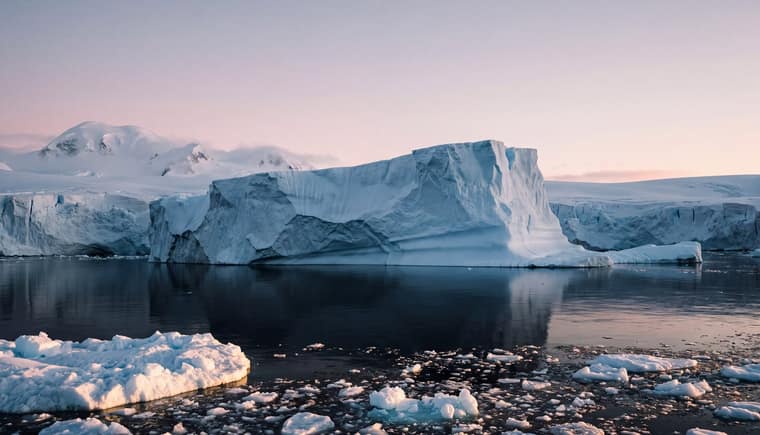
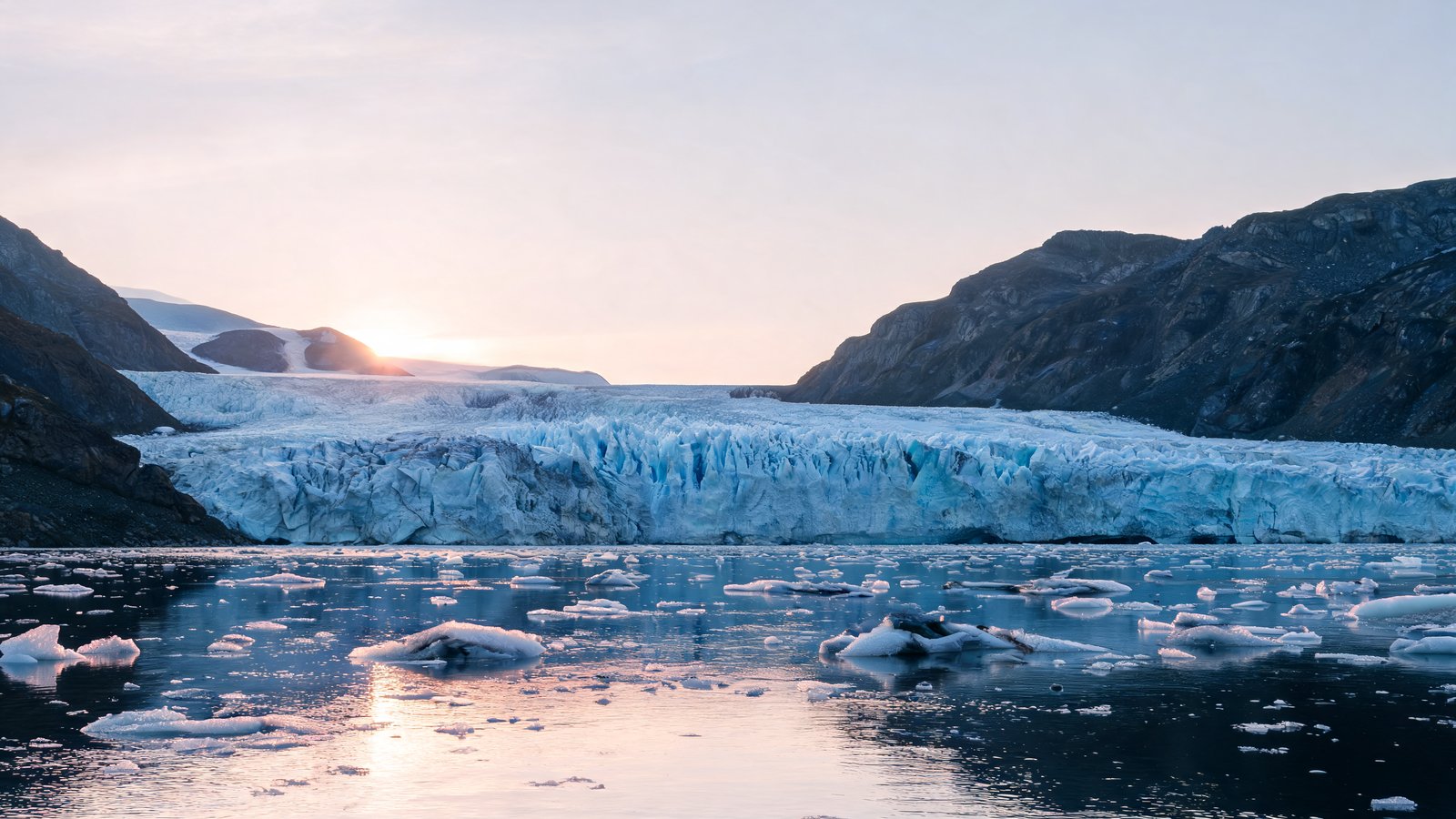
Longyearbyen sits at 78° north, roughly 1,300 kilometres from the Pole, and the road out of town ends after a few kilometres. That one fact decides the trip. The Norwegian Polar Institute puts the archipelago at about 61,000 square kilometres with some 60% of it under glacier ice, and what you can reach on foot, by bus or by snowmobile from town is a small corner of that. A small expedition vessel reaches the rest — the tidewater glacier fronts, the bird cliffs on Hinlopen, the walrus haul-outs, the pack ice at the top of the map.

There are two Svalbards and they are not the same holiday. June to August is the ship season: continuous daylight, enough open water on the west coast to work north, and a real chance of a full circumnavigation of Spitsbergen in a good ice year. March to May is the land season — snowmobile, dog sled and fjord ice, with the low blue light photographers plan whole trips around, run out of Longyearbyen and a handful of remote camps. Booking the wrong one for what you actually want is the most common mistake made here.

Be clear about the bears before anything else. Svalbard is one of the few places where a wild polar bear sighting is genuinely likely, and it is never promised: bears are found by watching ice from a bridge for hours, not by driving to a spot. Norwegian law reflects that — it is an offence to seek out, pursue or disturb a polar bear, and the Governor of Svalbard sets minimum distances inside the protected areas. Anyone who needs a guaranteed sighting on a fixed date should book a different trip.
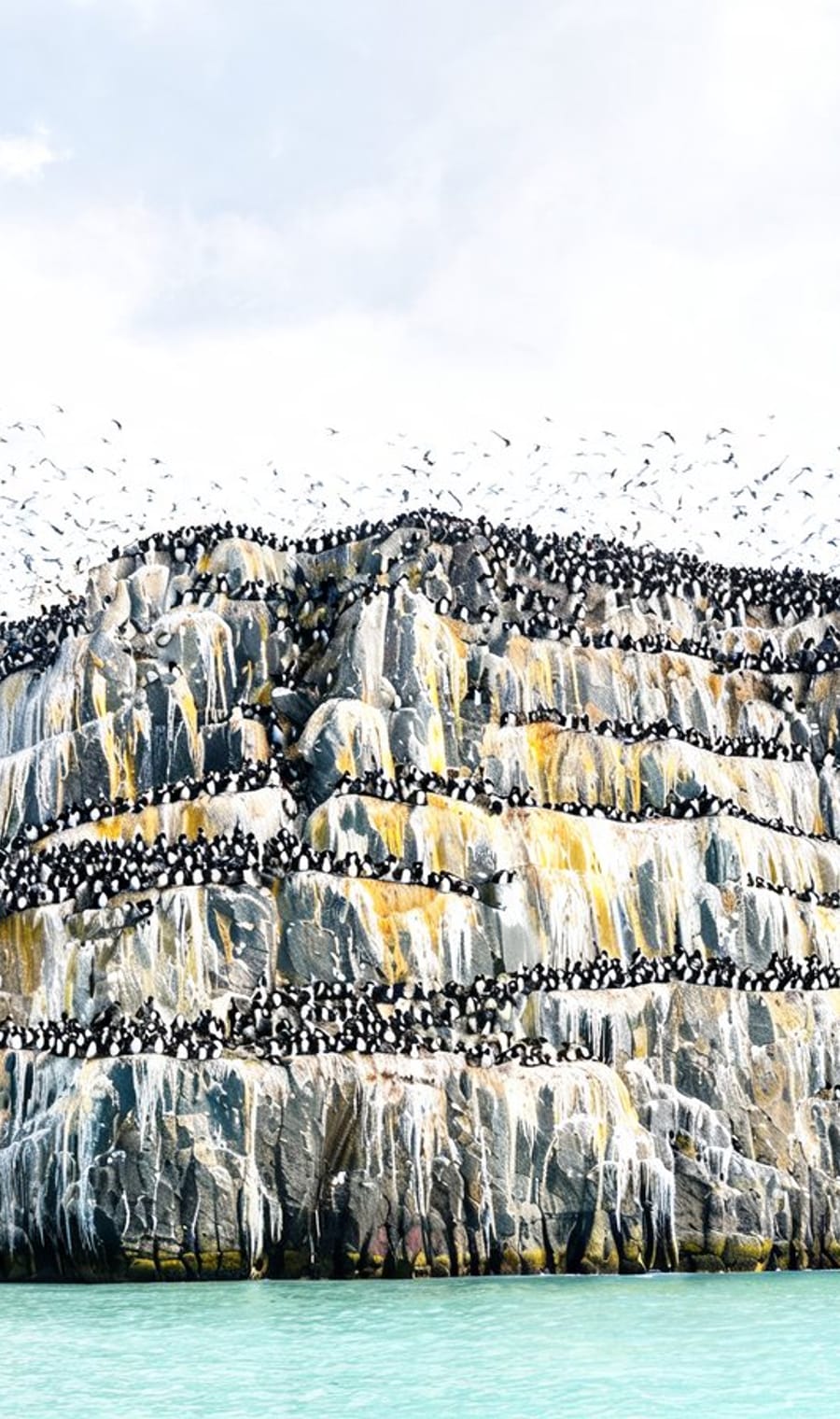
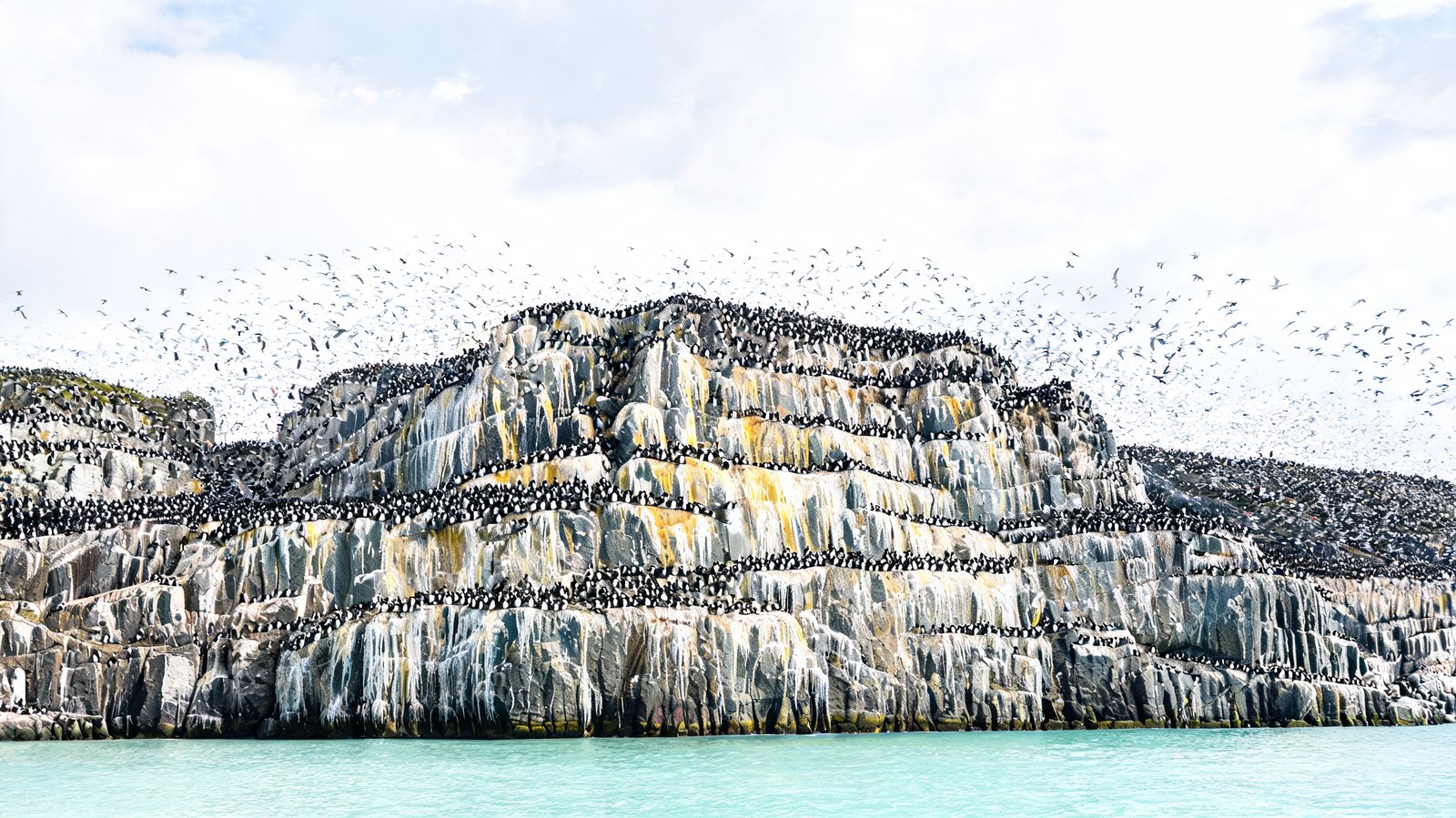
Seabirds packed onto the Alkefjellet cliffs above Hinlopen Strait, Svalbard
Hinlopen Strait · Spitsbergen
Where a Ship Actually Goes

Six Places Worth the Ice Time

Svalbard is one archipelago and several quite different trips. These six decide an itinerary — what a vessel reaches in a given week, and what you can do from Longyearbyen without one.
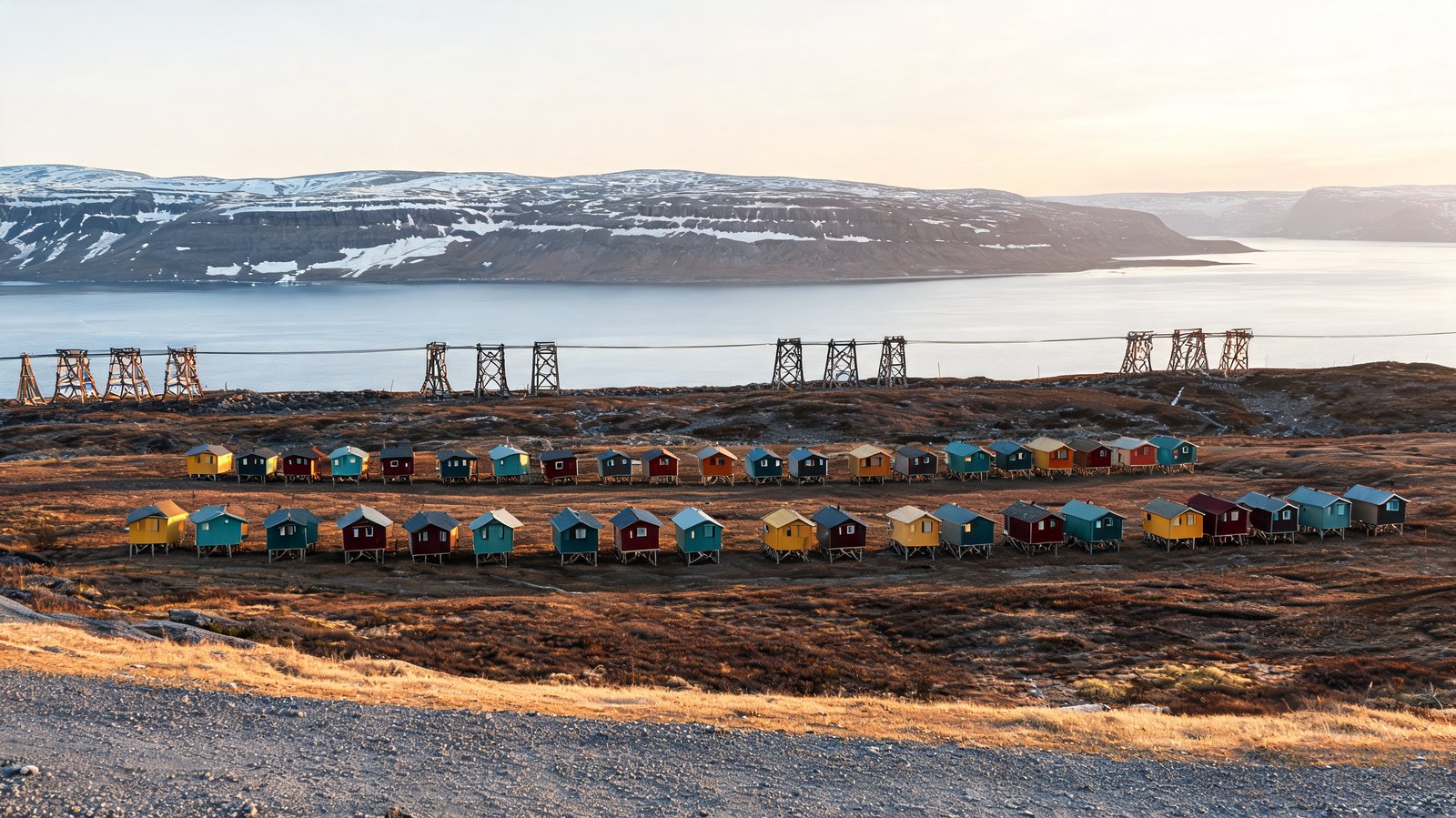
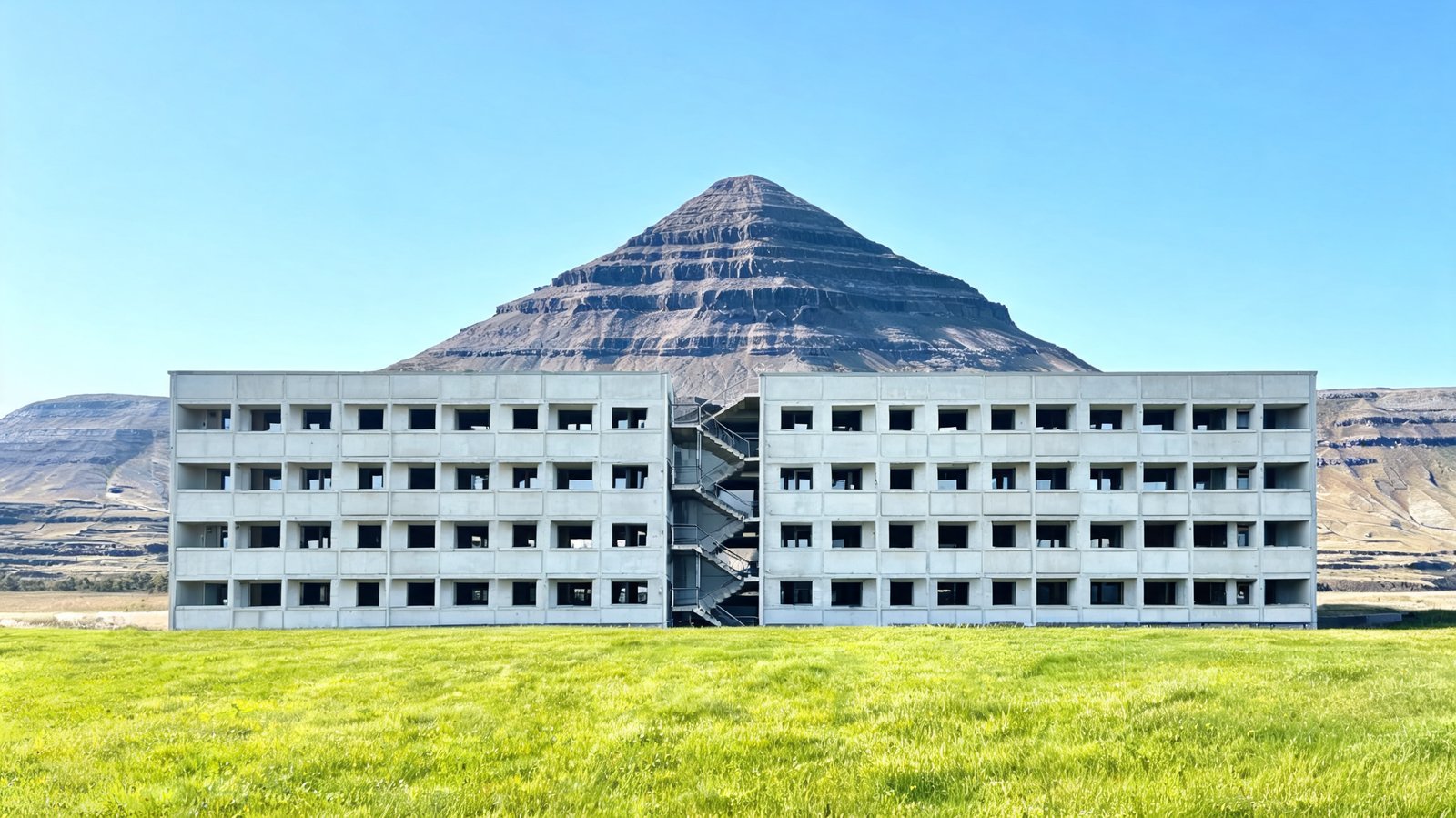
Longyearbyen, 78° North
78° North
Longyearbyen
The base, and the only settlement with an airport, hotels and a hospital. Two nights before a voyage is not padding: it absorbs a missed connection, and the museum and the old mine roads give the place a shape before you sail.
Arrival Base Svalbard Museum Buffer Night
Explore →
Billefjorden & Pyramiden, Isfjorden
Isfjorden
Billefjorden & Pyramiden
The one part of Svalbard reachable without an expedition ship. Day boats run east to the glacier front at Nordenskiöldbreen and to Pyramiden, the mining settlement closed in 1998 and left largely standing. In March and April the same route is snowmobile country over fjord ice.
Day Boats Pyramiden Glacier Front
Explore →
Forlandet & the West Coast, West Spitsbergen
West Spitsbergen
Forlandet & the West Coast
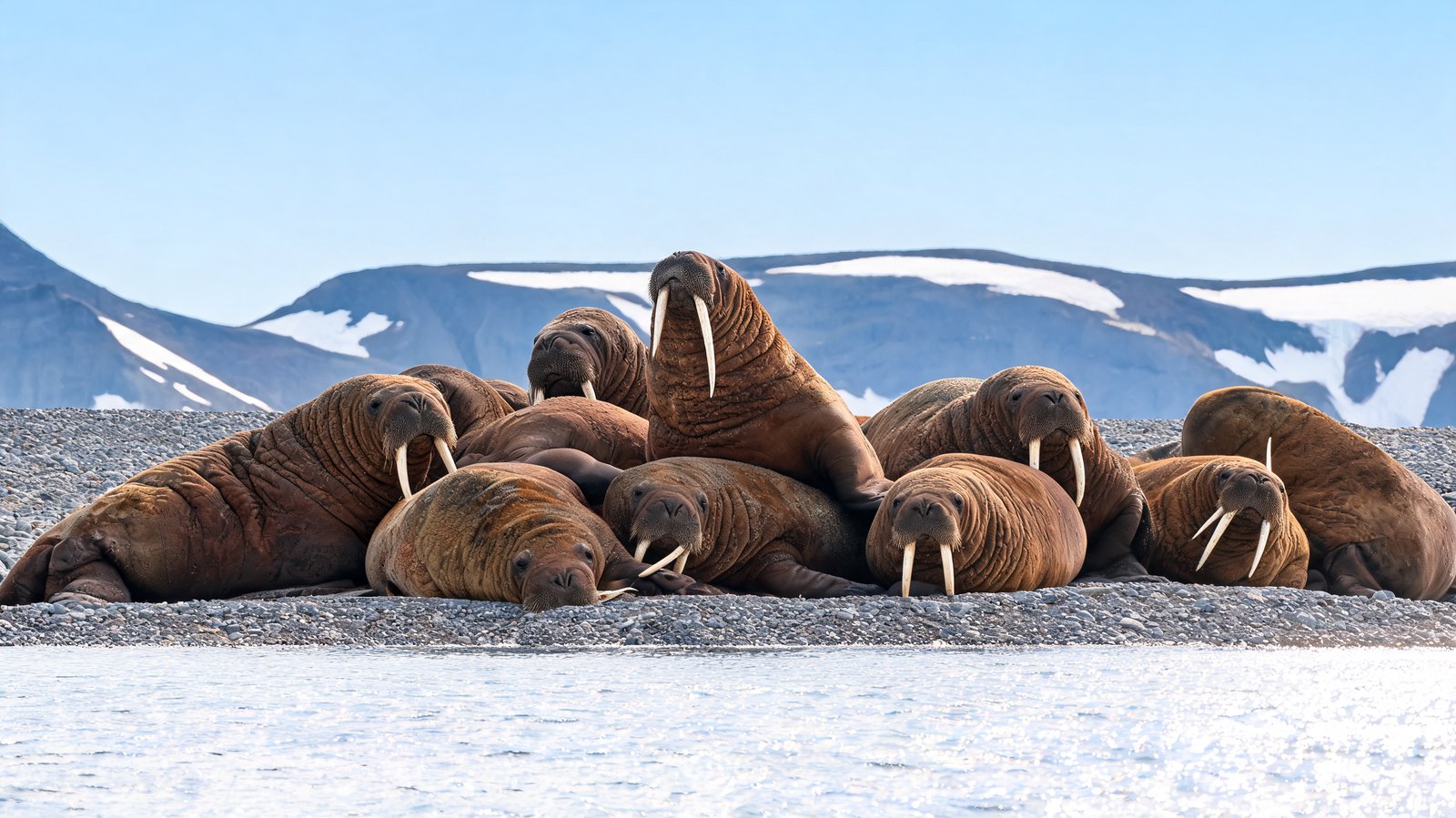
The first stretch a northbound vessel works, and the most dependable in a heavy ice year. Poolepynten on Prins Karls Forland holds the walrus haul-out most itineraries build a landing around, and the coast beyond it stacks glacier fronts and trapper huts within Zodiac distance.
Walrus Zodiac Landings Trapper Huts
Explore →
Alkefjellet & Hinlopen, Hinlopen Strait
Hinlopen Strait
Alkefjellet & Hinlopen
The strait between Spitsbergen and Nordaustlandet, and the reason to want a ship that can get east. Alkefjellet's dolerite cliffs hold tens of thousands of pairs of Brünnich's guillemots, and the Zodiac cruise beneath them is the loudest hour of the voyage.
Bird Cliffs Zodiac Cruise Ice Dependent
Explore →
The Austfonna Ice Cap, Nordaustlandet
Nordaustlandet
The Austfonna Ice Cap
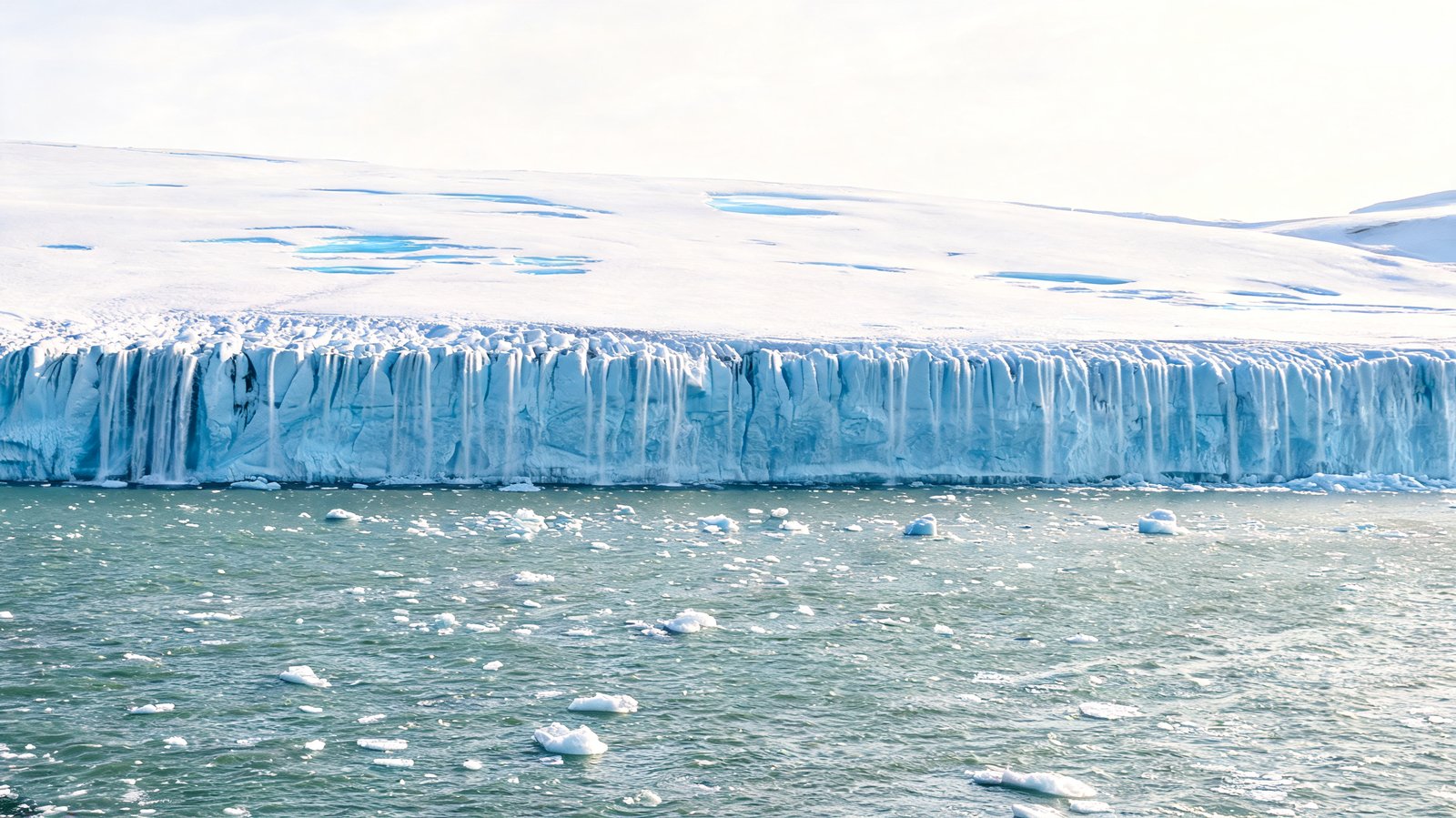
The far northeast, and the part of Svalbard that looks like Antarctica. Austfonna covers roughly 8,000 square kilometres and meets the sea as a calving wall running for tens of kilometres. Reaching it needs an ice-rated hull and a season that cooperates; plenty of voyages turn back short.
Ice Cap Late Season Ice-Rated Hull
Explore →
Ny-Ålesund, Kongsfjorden
Kongsfjorden
Ny-Ålesund
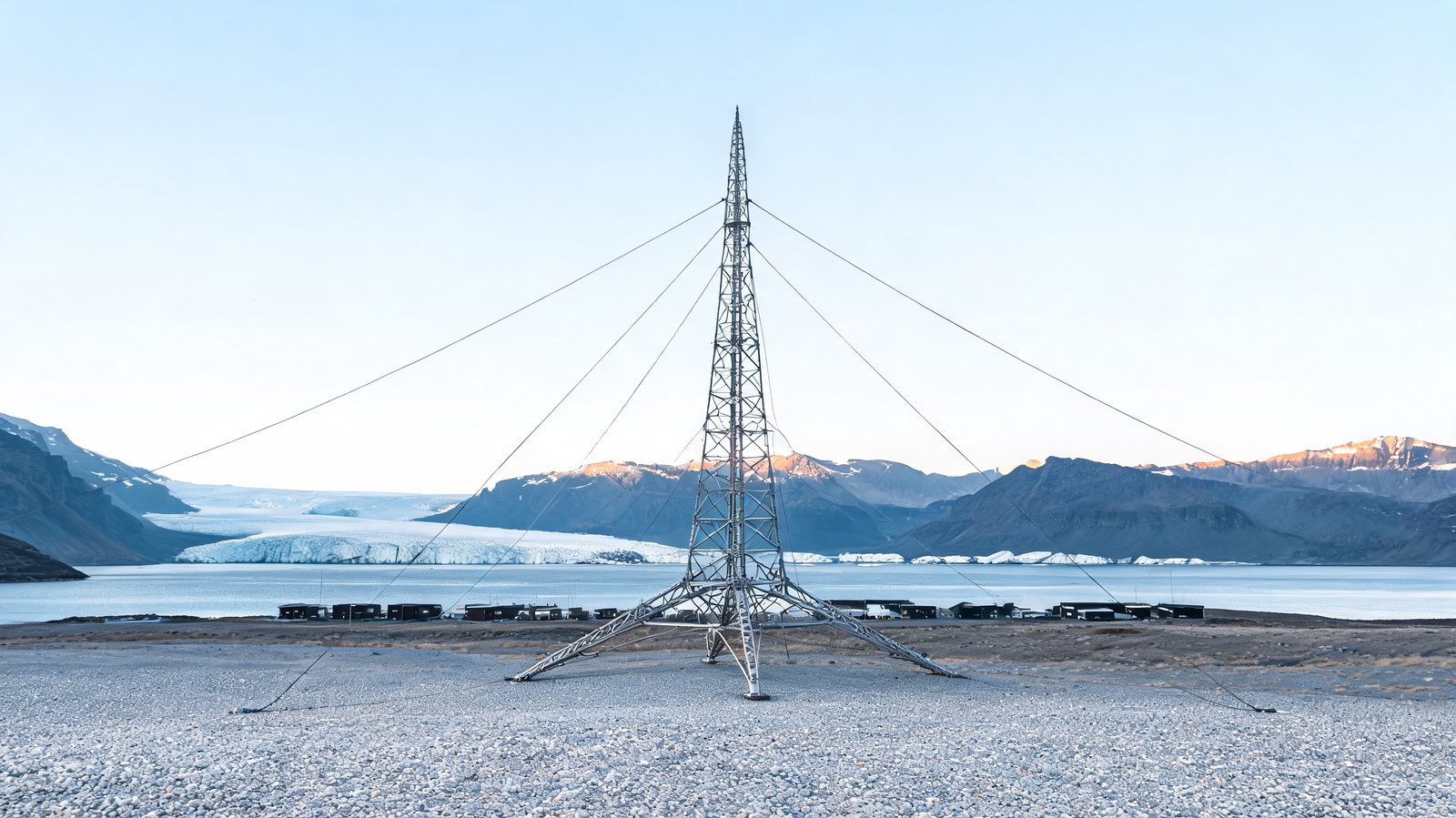
One of the northernmost year-round settlements anywhere, at 78°55' north, now a research station rather than a mining town. Ships call for an hour or two: the mooring mast Amundsen's airship left from in 1926 still stands, and three glacier fronts sit within a morning's cruising.
Research Station Amundsen Glacier Fronts
Explore →
Featured Itineraries

Voyages and Weeks We Plan Often

Svalbard trips built around the vessel first — its passenger count, its hull and its captain — because here the ship decides what the days contain and the places are a consequence.
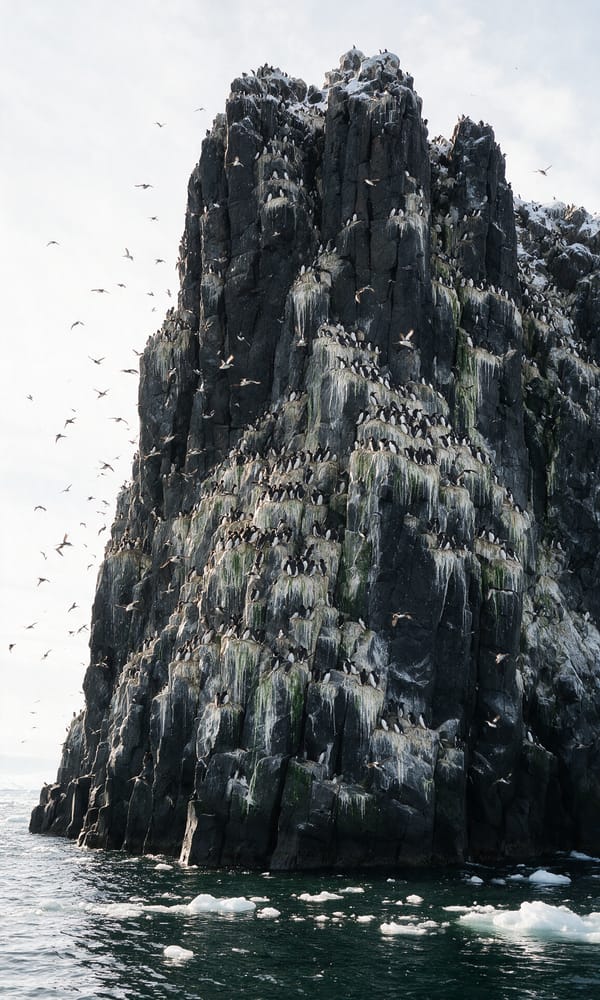
Thousands of guillemots on the black dolerite ledges of the Alkefjellet cliffs in Svalbard
June – August · 10–12 Days
The Spitsbergen Circumnavigation
The full loop, and the reason to give Svalbard the extra week. Board in Longyearbyen and work north up the west coast — Kongsfjorden's glacier fronts, the walrus haul-out at Poolepynten, an hour ashore at Ny-Ålesund — then east along the north coast into Hinlopen Strait for the guillemot cliffs at Alkefjellet. Nordaustlandet and the Austfonna ice wall if the season allows, then south down the east side and home. Ten to twelve days is what the distance needs, and late July into August is when the ice usually permits it. Ask for a vessel under a hundred passengers, an ice-strengthened hull, and a captain who has run this route in a bad year as well as a good one.
Svalbard10–12 Days
Plan This Trip
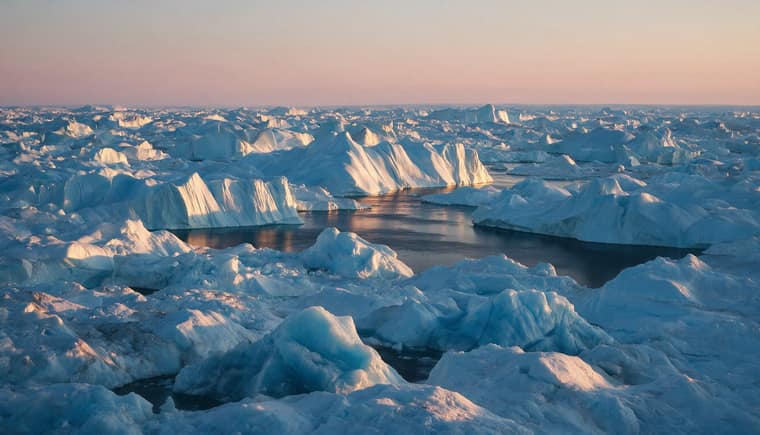
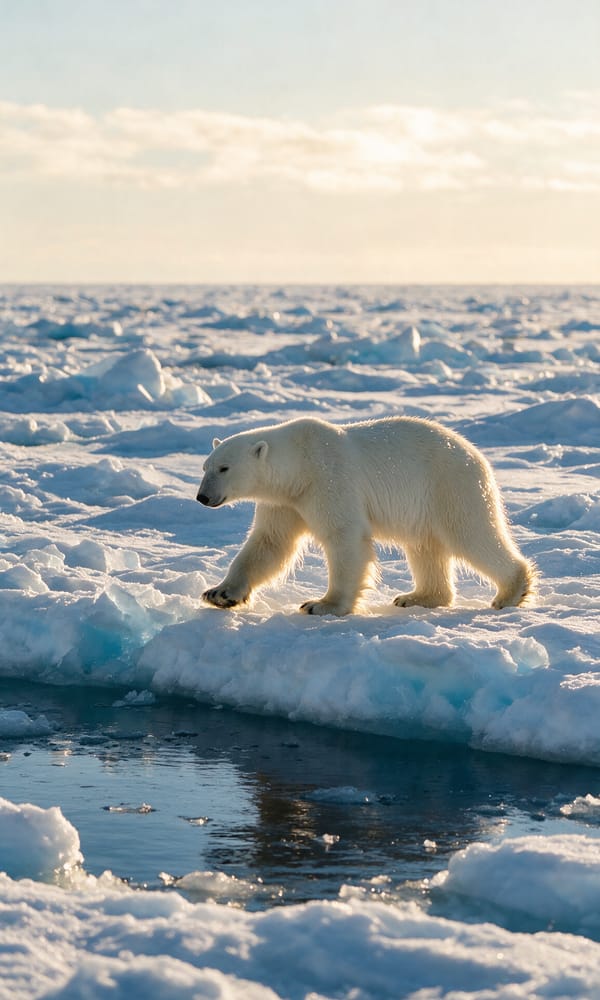
A polar bear walking the edge of a floe on the pack ice north of Spitsbergen
June – July · 8–9 Days
North Spitsbergen and the Ice Edge
The shorter voyage, and the stronger one for bears. Instead of circling the archipelago the ship works north from Longyearbyen to the edge of the pack ice above 80° and spends its time there, which is where bears are in early summer — on the ice rather than the beaches. Fewer landings, more hours on the bridge and in the Zodiacs, and a route that does not depend on the east coast opening. Continuous daylight means the ship can hold position when something is happening at two in the morning, and it regularly is. Best for photographers and for repeat polar travellers who already have the landings and want the wildlife.
Svalbard8–9 Days
Plan This Trip
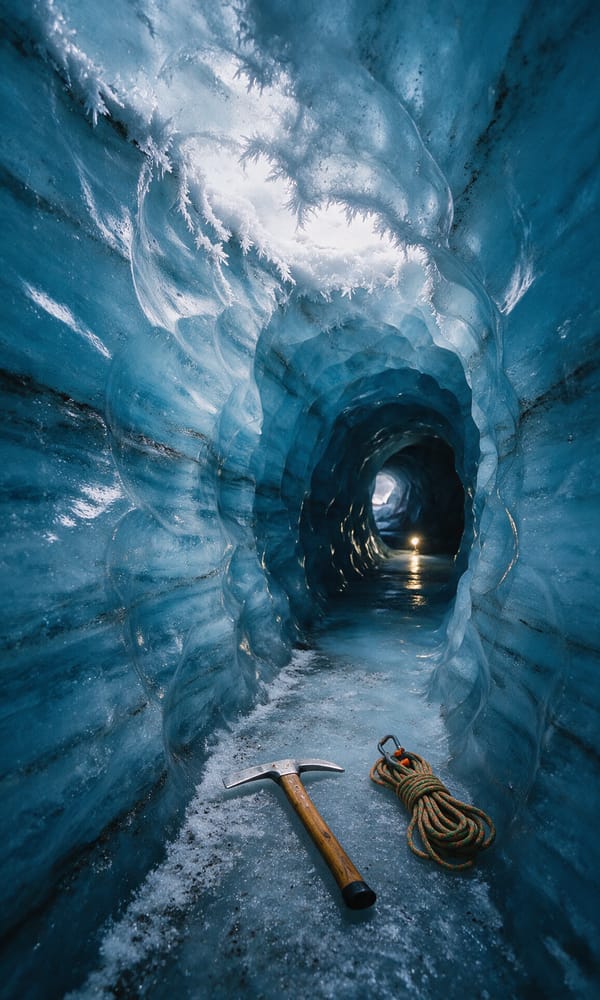
A narrow passage of ribbed blue ice inside a glacier cave above Longyearbyen
March – May · 6–8 Days
Snowmobile Weeks and the Blue Light
Svalbard without a ship, based in Longyearbyen. Two guided snowmobile days east over the fjord ice toward Tempelfjorden and the glacier front, a dog sled day, an ice cave under the glacier above town, and one long day held back for weather, which March will use. Early March gives the low blue and pink light that lasts for hours rather than minutes; April gives daylight and settled snow. A remote wilderness camp adds a night away from town for people who want it. Guided throughout, because Norway's polar bear rules make going out alone a specialist undertaking rather than a decision a visitor makes on the morning.
Svalbard6–8 Days
Plan This Trip
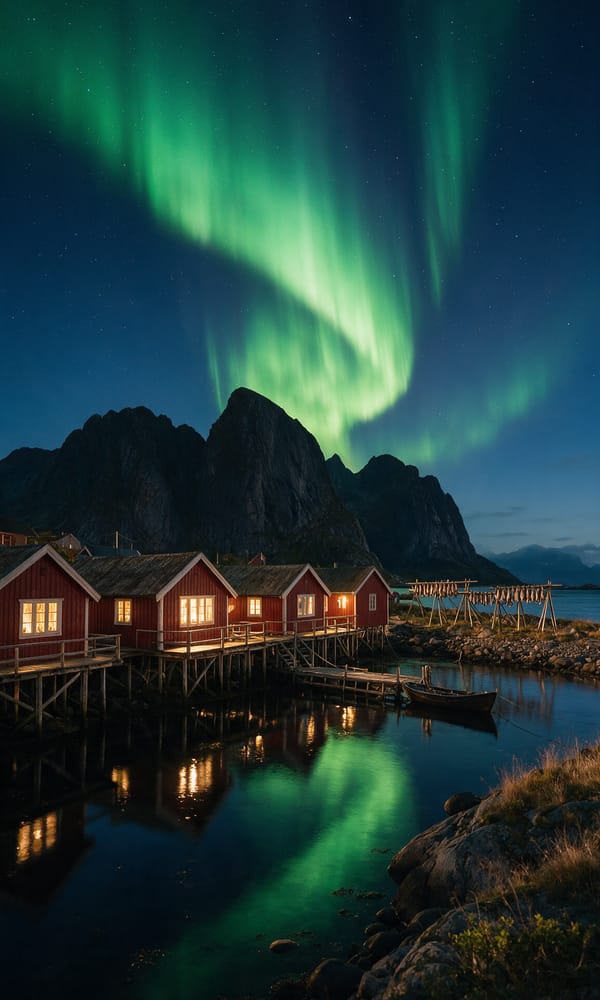
Green aurora over red timber cabins on stilts in a Lofoten fishing village
August – September · 12–14 Days
Svalbard and Arctic Norway
The pairing that works, and only in the narrow window where both halves do. A late-season voyage out of Longyearbyen while sailings are still running, then south to the mainland once the nights have come back — which is what makes the aurora possible at all, and why this cannot be a July trip. Tromsø or the Lofoten islands for the second week, with the northern lights a real prospect from late August rather than a brochure promise. Arctic Norway and the northern lights covers that half in detail. Fourteen days is comfortable; twelve works if the voyage is the shorter one.
Svalbard · Norway12–14 Days
Plan This Trip
Why Plan With Us

What We Add to Svalbard Planning

Almost every decision on a Svalbard trip is made before departure, and almost all of them are about the vessel rather than the destination. Get that part right and the archipelago does the rest of the work.

Passenger Count Decides Landings
The number on the manifest is the specification that matters, and it is the one brochures bury. Everyone goes ashore by Zodiac in loads of ten to twelve, so a landing is a queue with a fixed clock on it. Ninety passengers get one long visit; two hundred get two short shifts and a rotation schedule. Norway also caps passenger numbers for vessels landing inside the protected areas and restricts them to a defined list of sites, which excludes a large ship from places a small one can use. That number is where every Svalbard conversation should start.
The Route Is a Proposal
Every Svalbard itinerary you are shown is provisional, and the honest operators put that in writing. Ice decides the east coast, wind decides whether a Zodiac launches, and a bear on a landing beach cancels that landing outright. In a heavy year a circumnavigation becomes a west coast voyage; in a light one a ship is at Nordaustlandet in early July. That is a property of the destination rather than a failure of the operator, and it is exactly why Svalbard suits some travellers and frustrates others. We work out which you are before anything is booked.
Operator Standards, Not Marketing
Serious Arctic expedition operators work to the guidelines published by AECO, the Association of Arctic Expedition Cruise Operators, which cover wildlife distances, conduct ashore, site-specific rules and how many guides go with how many guests. Membership is voluntary, so its absence tells you something worth knowing. Norwegian law sits above it: the Governor of Svalbard administers the protected areas, the notification duties and the polar bear rules. We check both, and we ask the operator directly for guide numbers rather than reading them off a page.
Getting There, and the Night Before
Longyearbyen is served by a short list of flights through Oslo and Tromsø, and the schedule thins outside summer. One weather day at either end can put a passenger on the dock after the ship has sailed, and no insurance policy fixes that. We build a buffer night into every Svalbard trip, at the front rather than the back, and we use it properly: the museum, the old mine roads and a dog yard fill that day. It is the cheapest insurance in polar travel and it is skipped constantly by people booking the voyage on its own.
When to Go

Svalbard by Season

Expedition Season
June – August
The window when a small ship can work the whole archipelago. Continuous daylight through July removes the schedule entirely — a landing happens when the ice and the wind allow it, at two in the morning if that is when it clears. Early June still holds fast ice in the fjords and the best odds of bears on it; late July and August open the east side, which is when a circumnavigation of Spitsbergen becomes realistic. Bird cliffs peak in June and July. The good cabins on the small vessels are committed twelve to eighteen months ahead.
Best Overall Window
Light Winter
March – May
The land season, and a genuinely different trip. The sun comes back over Longyearbyen in early March and the blue and pink light through that month is why photographers pick it over summer. Snowmobile and dog sled routes run on fjord and valley ice toward Tempelfjorden and the east coast when conditions allow, and a cold winter opens crossings that a mild one closes. April is the balance of daylight and reliable snow. May keeps the light while losing the snow at sea level, and by late May the ships have started.
Polar Night
October – February
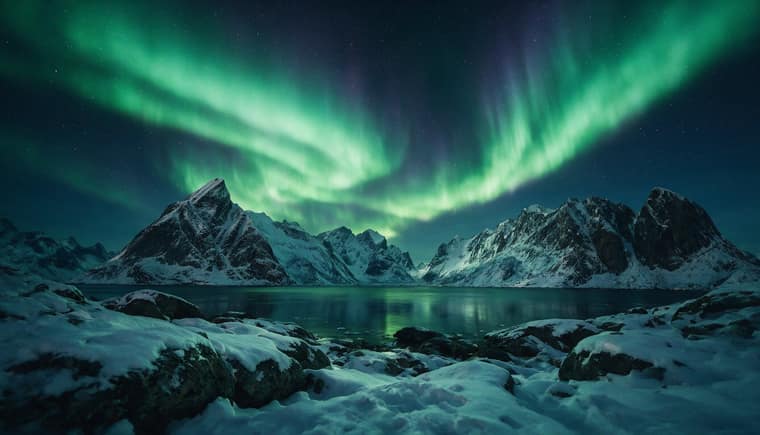
The sun stays below the horizon from late October to mid-February, and through the middle of that stretch there is no usable twilight either. Expedition vessels do not operate. What remains is Longyearbyen itself — aurora overhead rather than on the horizon, ice caving, and a small number of guided snowmobile trips once the snow settles. It is a specialist week for people who want the dark, and a poor choice for a first visit or for anyone hoping to see landscape rather than sky.

Light dates, season windows and protected-area rules checked against the Governor of Svalbard, the Norwegian Polar Institute and Visit Svalbard. Regulations, sailing schedules and ice conditions change; confirm before booking.

Ready When You Are

Plan a Svalbard Trip
Around the Right Vessel.

Tell me which season you want, whether the priority is bears, landings or the blue light, and how much time you have. I'll come back with specific voyages, the passenger counts that go with them, and what the alternative looks like, within one business day.

Plan a Svalbard Trip All Polar Regions Destinations

No booking fees  ·  Response within 24 hours  ·  Fully bespoke

What It Costs

What Svalbard Actually Costs

Priced per cabin per voyage, or per snowmobile day
Svalbard sells two products in two units — an eight to twelve day voyage priced by cabin grade on a named vessel, and a March to May snowmobile week priced by the day out of Longyearbyen — and a single nightly figure would describe neither.
What actually sets the number
  • Passenger count — Norway caps ships in the protected areas at 200, with landings limited to 43 sites
  • Cabin grade and vessel — the same sailing week prices several ways on one hull
  • Which season — the March to May snowmobile weeks are a separate product on a per-day basis

Tell me the dates and the party and you get a real quote, not a range. Source: Svalbard environmental fee.

Common Questions

Svalbard — FAQ

The questions that come up most when planning a first Svalbard trip — which season, whether a ship is really necessary, what the bear odds honestly are, and what the rules require of visitors.

June to August for a ship, March to May for snowmobiles and the blue light. They are two different trips, not two dates for one. June and July bring continuous daylight and the widest open water on the west coast; late July into August gives the best odds on a full circumnavigation, because the east-side ice has had the whole summer to move. March to May has snow cover, fjord ice and a returning sun, and almost no vessels operating. Visit Svalbard publishes the light dates: midnight sun 20 April to 22 August, sun below the horizon 26 October to 15 February.

You can see a genuine slice of it from Longyearbyen, but not the archipelago. Day boats reach the glacier front in Billefjorden and the settlement at Pyramiden, and in March and April snowmobile routes cross the fjord ice east toward Tempelfjorden. That is a real week, and it suits people who would rather not be at sea. What it cannot reach is Hinlopen, Nordaustlandet, the northern walrus haul-outs or the pack ice, because the road ends outside town and every remaining distance is a marine one. If those are the reason you are going, the vessel is not optional.

Most summer voyages record at least one bear, and no honest operator promises it. Sightings are usually distant and more often on ice than on land, which is why the ships worth taking carry good glass on the bridge and a naturalist team watching for hours at a stretch. The rules shape what you will see as well: seeking out, pursuing or disturbing a polar bear is an offence, and vessels inside the protected areas hold published minimum distances rather than closing in. Anyone picturing a bear at fifty metres on a fixed date is describing a zoo. The Norwegian Polar Institute publishes the survey work behind the population figures.

Under a hundred passengers if landings matter to you. Landing time is the constraint, not cabin space. Zodiacs move people ashore in loads of ten to twelve, and every extra passenger is another rotation, so a 200-berth ship spends in shifts the hour a 90-berth ship spends in one go. Norway also caps passenger numbers for vessels landing inside Svalbard's protected areas and restricts landings to a defined list of sites, which puts a hard ceiling on what a large vessel can do here at all. The Governor of Svalbard publishes the current rules; these changed recently, so confirm with the operator before booking.

Svalbard itself has no visa requirement, but you almost certainly transit mainland Norway, which does. The archipelago sits outside the Schengen area, so the practical question is Oslo or Tromsø, where every visitor clears Schengen immigration on the way through. A traveller who needs a Schengen visa should make sure it allows the re-entry, because leaving Schengen for Svalbard and returning can consume a single-entry visa. Read the Governor of Svalbard guidance and your own government's current advice — for American travellers, travel.state.gov. Checked ; entry rules change, so confirm before booking.

Not without polar bear protection and the competence to use it, which is why nearly every visitor goes out with a guide. Norway requires anyone travelling outside the settlements to carry appropriate means of frightening off and, as a last resort, defending against a bear, and hiring a rifle without the training behind it is not a plan. Trips beyond the management area immediately around town also carry notification and search-and-rescue insurance requirements. Inside Longyearbyen you walk normally. The practical answer for a visitor is to book the guided version of whatever you wanted to do alone; the Governor of Svalbard publishes the current rules.

Cold, bright and physically demanding, and the only season that puts you on the ice rather than beside it. The sun returns over Longyearbyen in early March and the light through that month is the long blue and pink hour photographers plan whole trips around. Days run five to eight hours on a machine, wind chill sits well below the air temperature, and operators supply the outer layers. Routes depend entirely on fjord ice — a warm winter closes the east coast crossings and a cold one opens them. April adds daylight and settled snow; May keeps the light and loses the snow low down.

Only if you want the aurora as well, and then only outside the midnight sun months. The two halves do not overlap on the calendar the way people assume. Svalbard's ship season is continuous daylight, which means no northern lights at all, and the aurora needs the dark half of the year, when Svalbard has almost no vessel operations. Pairing them works in late August and September, when the archipelago still has sailings and the mainland has its nights back. The usual shape is a voyage first and a mainland stay second — Arctic Norway and the northern lights covers that end in detail.
More questions answered on the Full FAQ Page
From the Journal

Read More on Planning Polar Regions