
South America

The Continent Most
Travelers Underbook.

Patagonia contains some of the most dramatic mountain and glacier landscape on earth. Peru's Sacred Valley rivals any archaeological site in the world. The Galápagos Islands offer wildlife encounters with a proximity and fearlessness that no other place replicates. Argentina's wine country sits in the shadow of the Andes. South America is a continent that consistently overdelivers for travelers who arrive knowing what to plan around.

Best Season
October – April
Best For
Landscape
& Ancient Sites
The Region

A Continent That Keeps
Surprising People

South America splits by region rather than by season. Patagonia runs October to April, the Andes and Peru run May to October, and Buenos Aires, Colombia and the Galápagos work year-round. Most itineraries run 9–12 days for one region. Combining Peru and Patagonia in under two weeks is the most common planning error — the continent is larger than it photographs.

The W Trek in Patagonia — five days through the Torres del Paine national park, the granite towers at dawn, the Grey Glacier at its face, the Valle del Francés in the light of an afternoon that doesn't end until ten — is one of the most celebrated multi-day walks in the world. The lodge-supported version makes it accessible to travelers who want the landscape without the camping: a comfortable bed, a hot dinner, and a packed lunch prepared by someone who knows what you'll need at 1,400 meters.

The Inca Trail is equally demanding and equally transformative — but the two acclimatization nights in Cusco before the trek are non-negotiable, a planning detail that separates a good Machu Picchu experience from a miserable one. Lima has become one of the finest food cities in the world in the past fifteen years; the Central restaurant's tasting menu is built around altitude-zoned Peruvian produce that has no equivalent anywhere else. The Surquillo market is the food source. The culinary story connects.

Buenos Aires has a food and wine scene that would be internationally recognized if it were in Europe, a tango culture that is still a living tradition rather than a tourist performance, and a bookshop called El Ateneo Grand Splendid that happens to be inside one of the most beautiful theaters in South America. Colombia's Cartagena, Medellín, and the coffee region have been reborn as genuine travel destinations. South America is a continent worth planning properly.
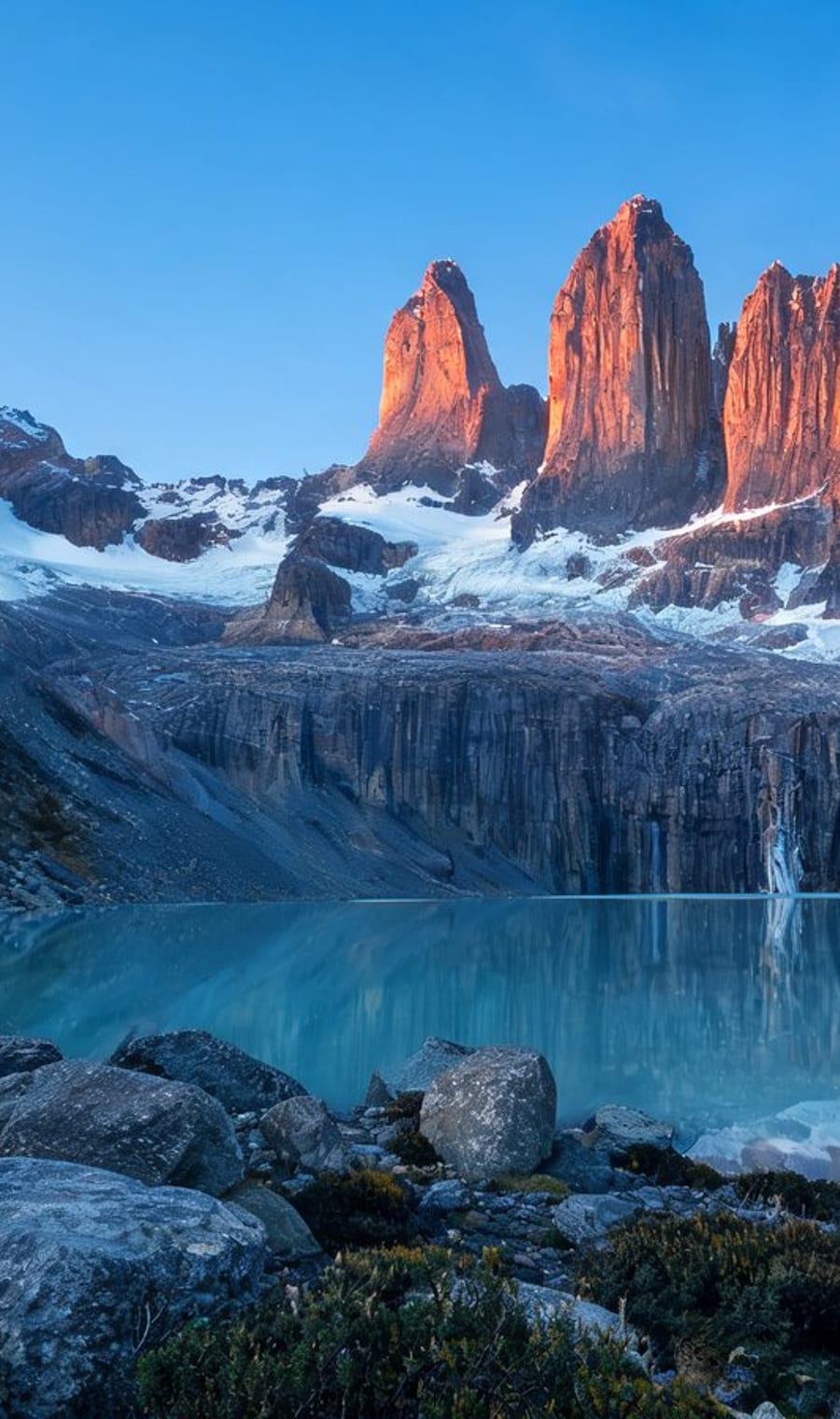
The granite towers of Torres del Paine catching first light above a still glacial lake
Torres del Paine · Chilean Patagonia
Where We Send Clients

Six South American Destinations Worth Planning Properly

A continent with more travel depth per flight hour than most travelers realize — and specific windows, logistics, and access that determine whether each destination overdelivers or underperforms.
Patagonia, Southern Cone
Southern Cone
Patagonia
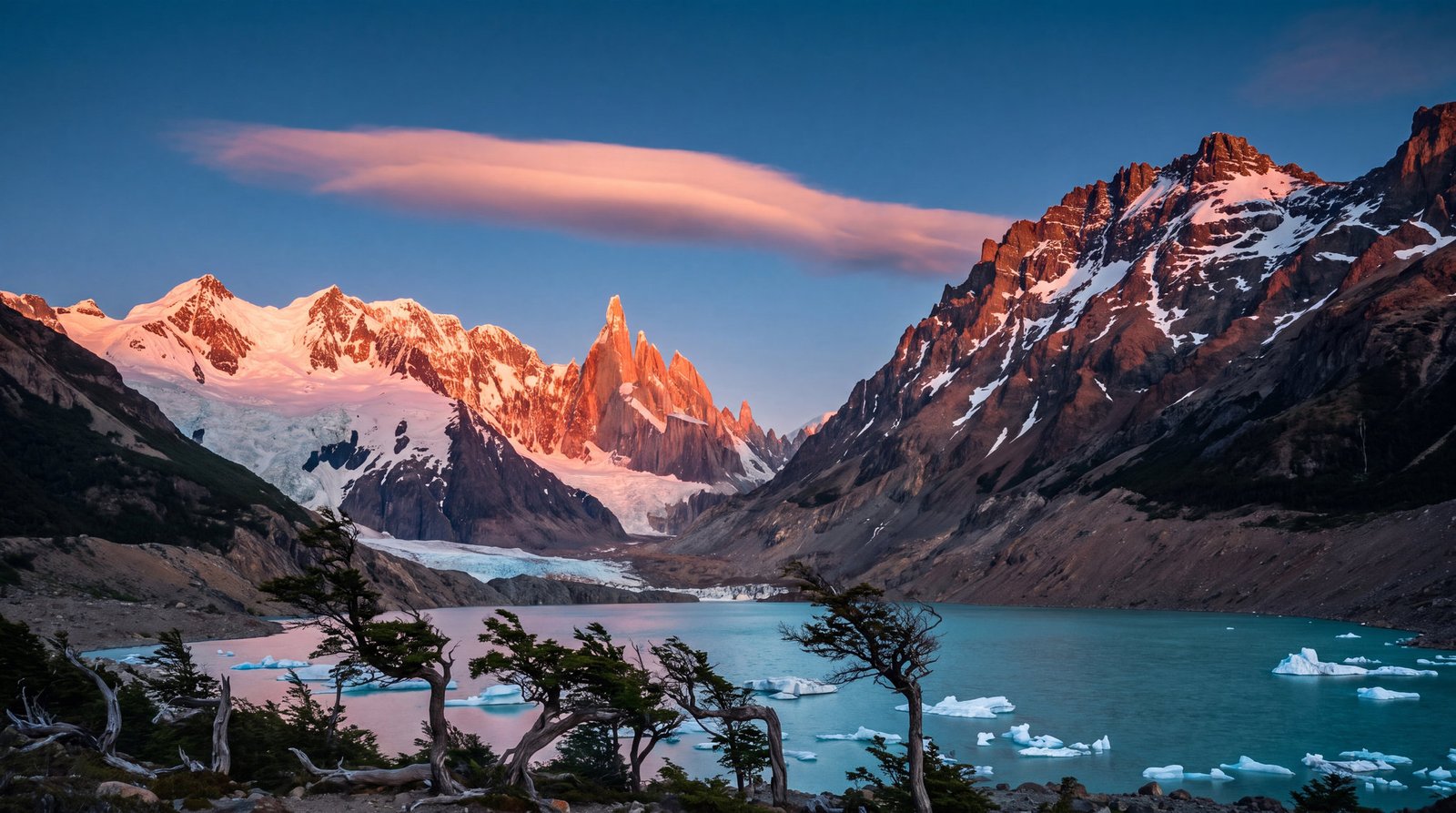
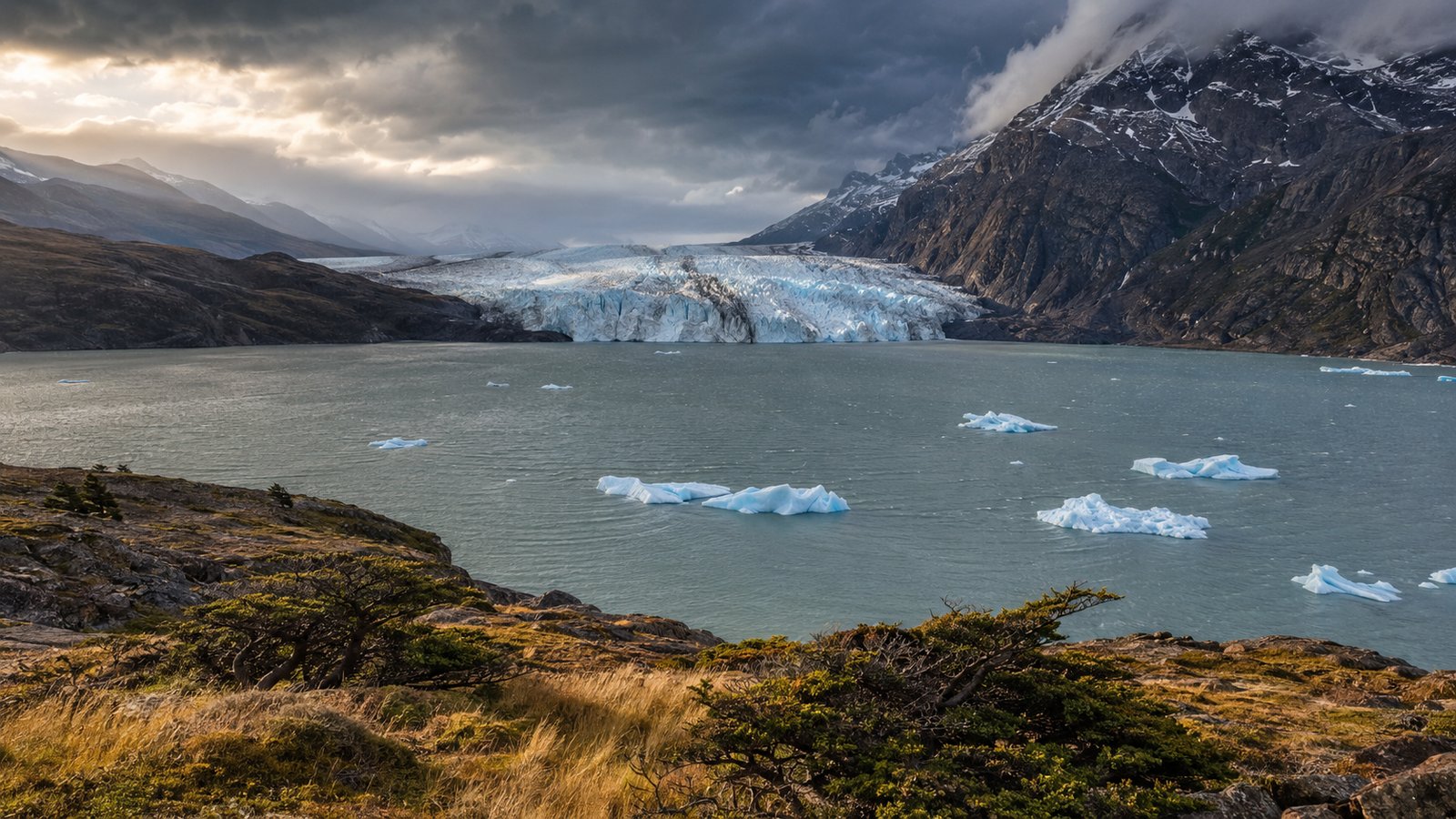
Torres del Paine in Chilean Patagonia is one of the most extraordinary landscapes accessible to any traveler willing to make the journey south. The W Trek runs five days from the Grey Glacier face to the granite towers, in lodge-supported versions with a bed and dinner at the end of each day's walk.
W Trek Torres del Paine Grey Glacier
Explore →
Peru, Andean South America
Andean South America
Peru
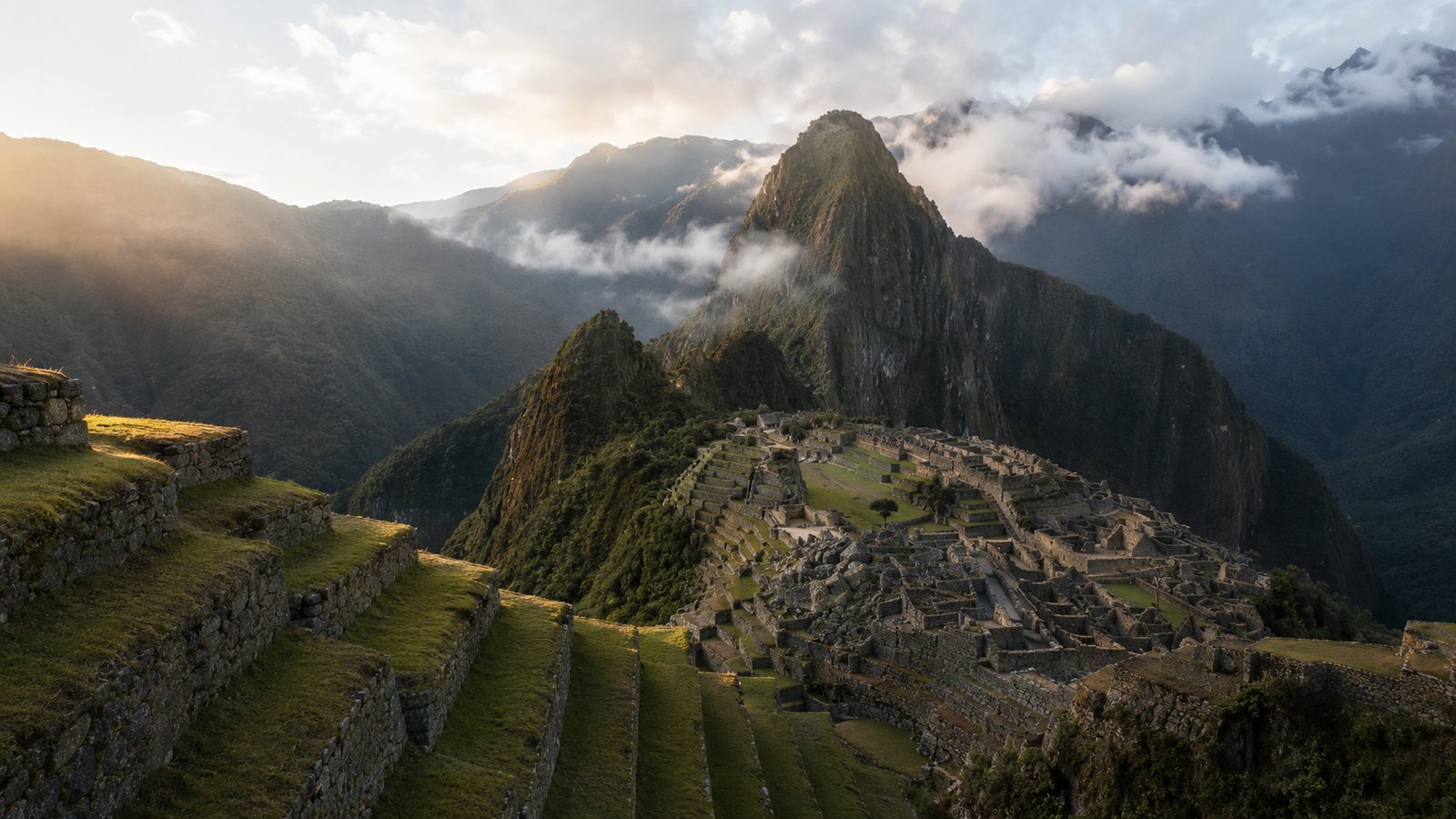
Machu Picchu with two acclimatization nights in Cusco — non-negotiable, and the difference between a transcendent morning and a headache at 2,400 meters. The Sacred Valley for Pisac and Ollantaytambo. Lima for one of the world's most serious food cities. Best May through October; permits six months out.
Machu PicchuInca TrailLima Food Scene
Explore →
Galápagos & Ecuador
Ecuador
Galápagos & Ecuador
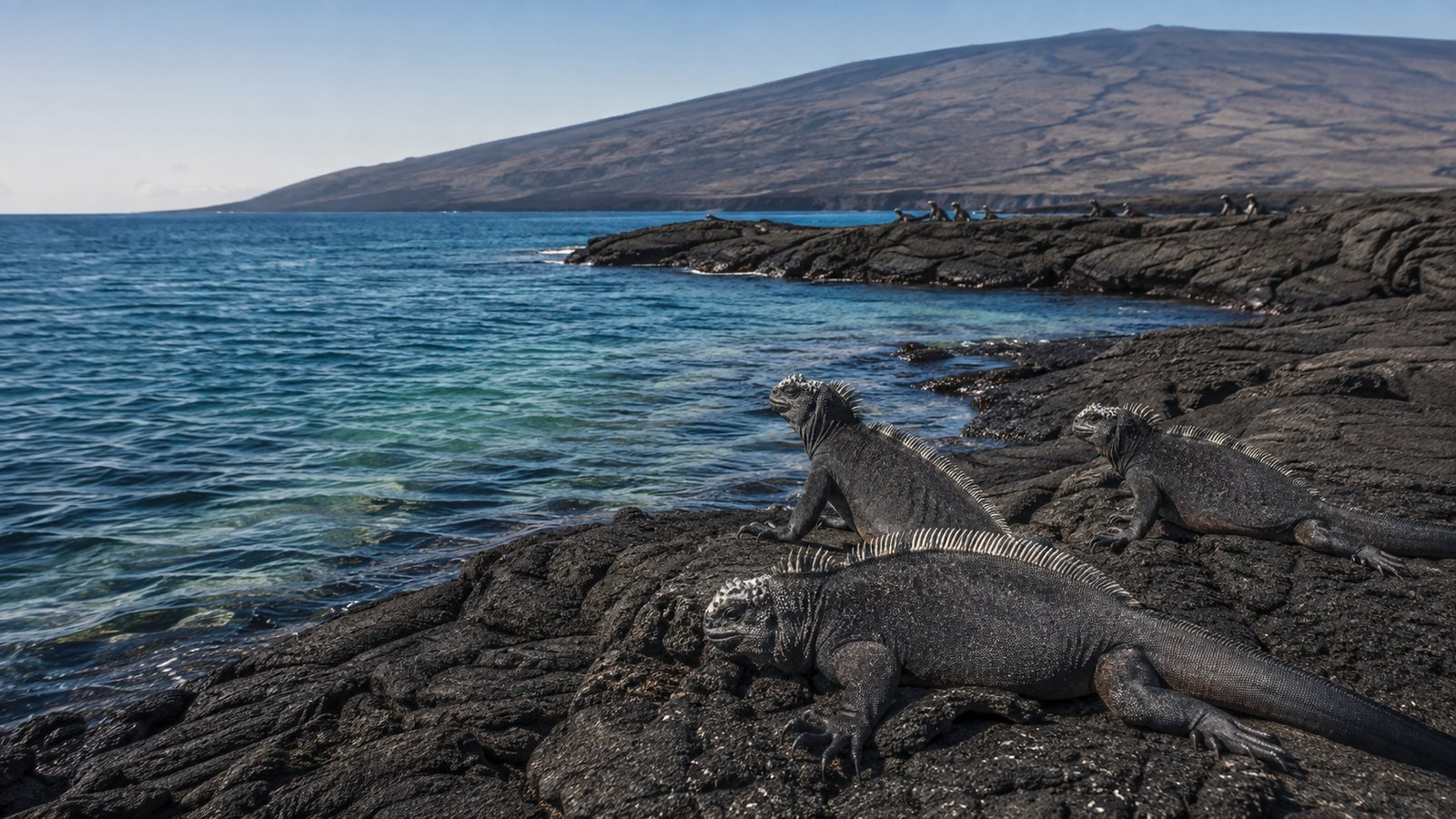
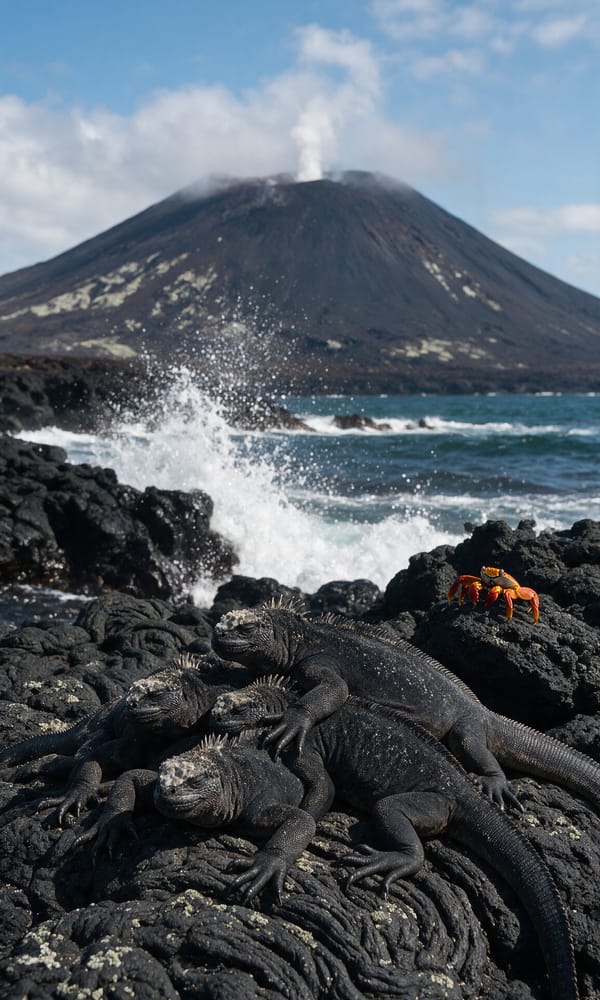
The only place on earth where wildlife evolved without predators and has no fear of humans — a marine iguana that lets you step over it, a blue-footed booby displaying six feet away. A small-ship liveaboard covers more islands and ecosystems than any land tour. Quito for the colonial architecture.
WildlifeLiveaboardGalapagos Islands
Explore →
Brazil
Brazil
Brazil
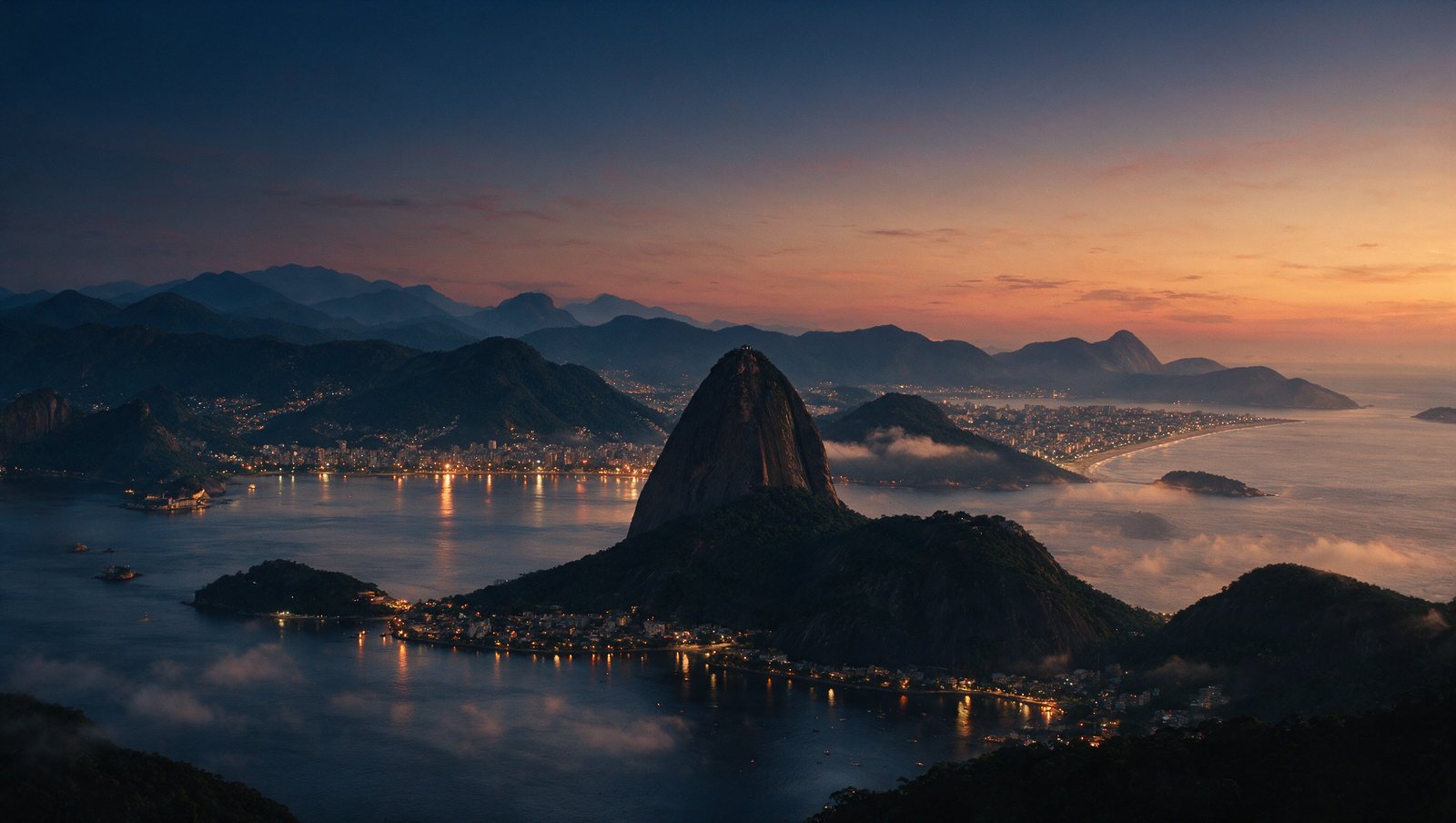
Rio for the most extraordinary natural setting of any major city — Sugarloaf at dusk, Ipanema at dawn before the volleyball nets go up, a Lapa samba club where the music starts at midnight. The Pantanal for jaguar encounters that beat an African safari for proximity. Iguaçu from the Argentine side.
Rio de JaneiroPantanal JaguarsAmazon
Explore →
Argentina, Southern Cone
Southern Cone
Argentina
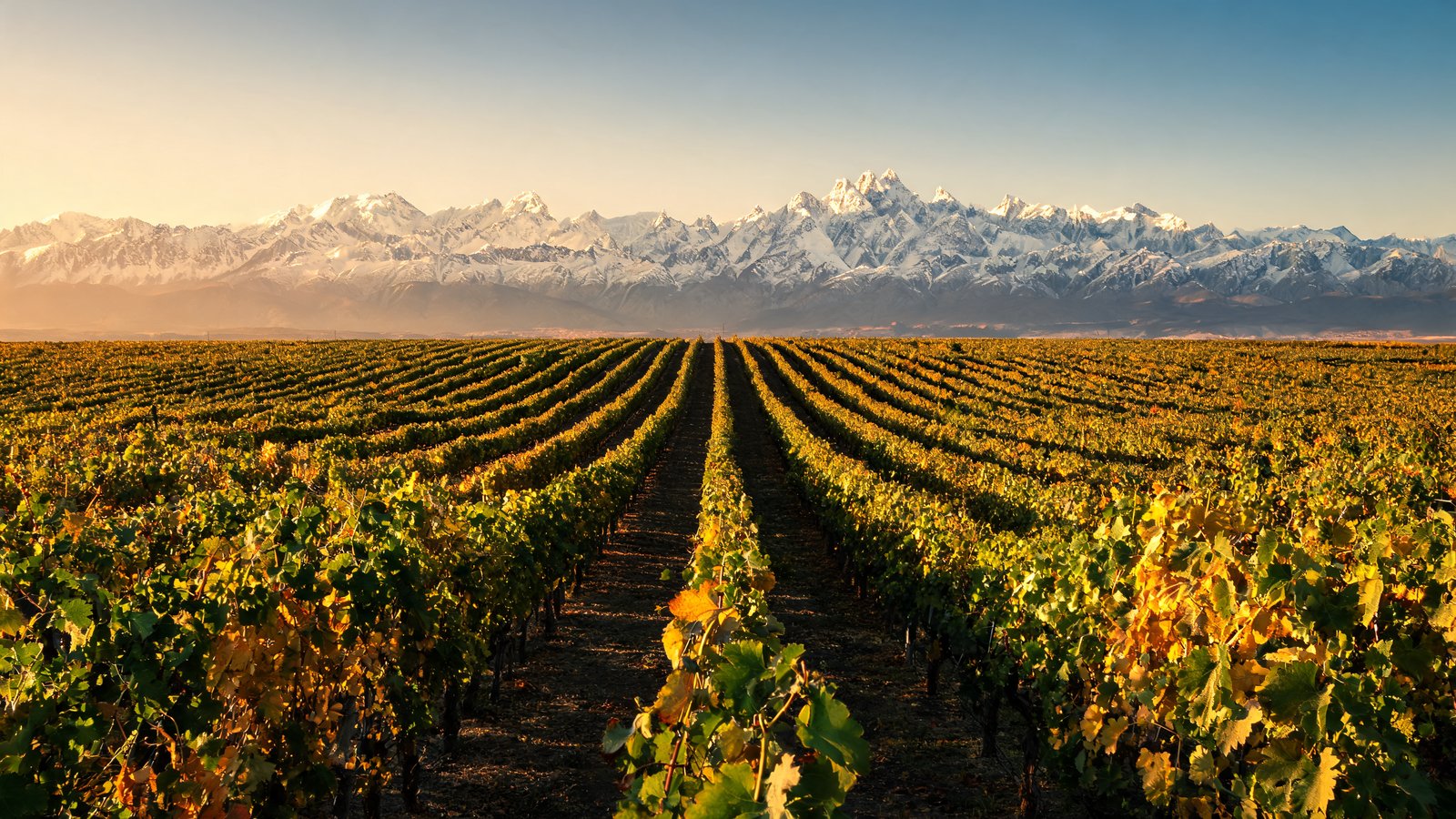
Buenos Aires would be internationally celebrated if it were in Europe — the Teatro Colón, the San Telmo market on a Sunday morning, a Palermo milonga where the dancers have partnered since 1958. Mendoza in the shadow of the Andes rivals Napa and costs less at the estate. Bariloche for the lakes.
Buenos AiresMendozaBariloche
Explore →
Colombia, Northern South America
Northern South America
Colombia
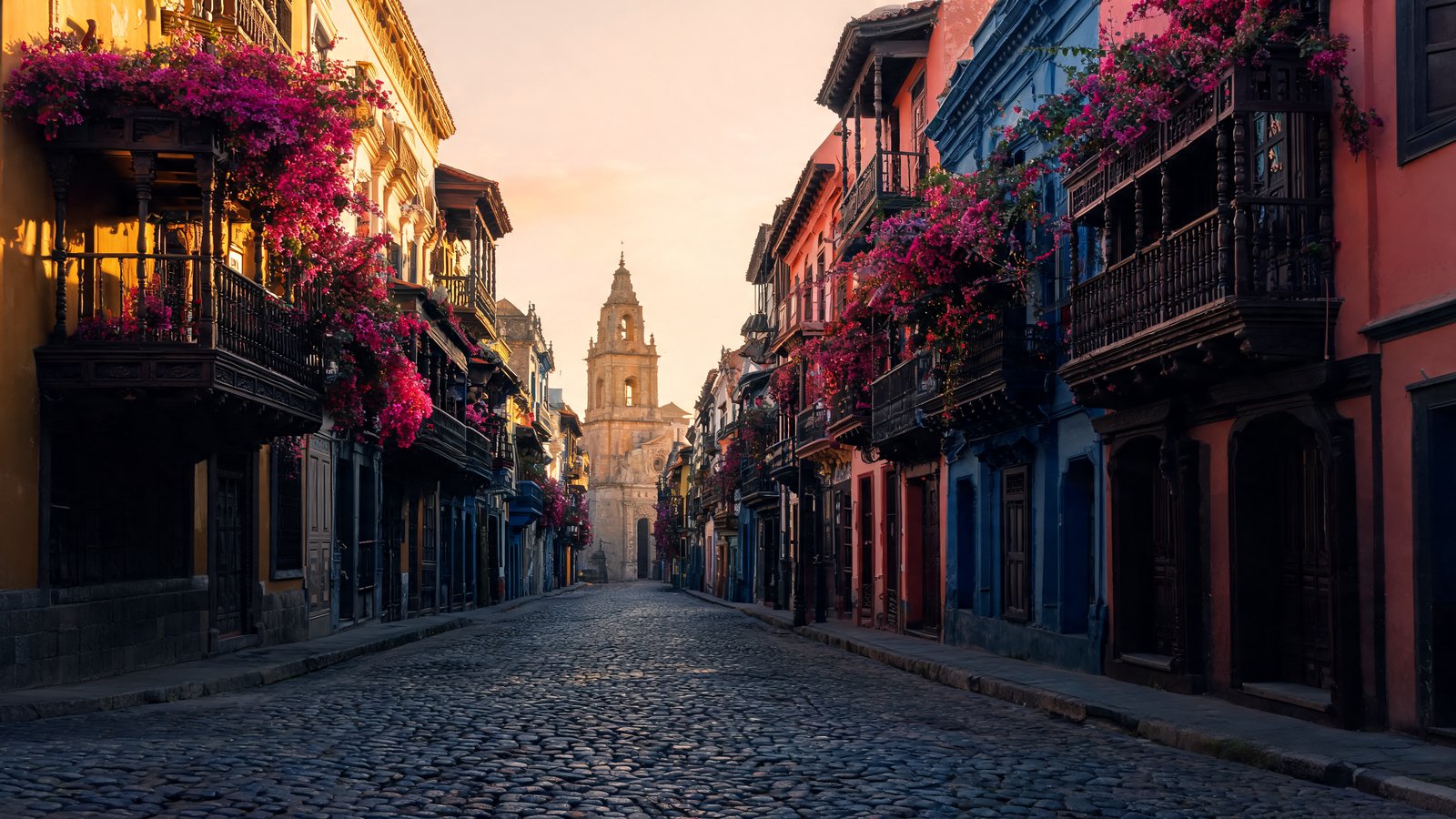
Cartagena's walled colonial city is better preserved than almost anything in the Caribbean — a boutique hotel inside a 16th-century mansion, a market lunch that makes no concessions to tourists. Medellín has transformed more than any city in the Americas. The Eje Cafetero for the coffee fincas.
CartagenaMedellínCoffee Country
Explore →
Featured Itineraries

Trips We Plan Often

South American itineraries built around the logistics, timing, and access that make a continent consistently underestimated by first-time visitors deliver everything it's capable of.
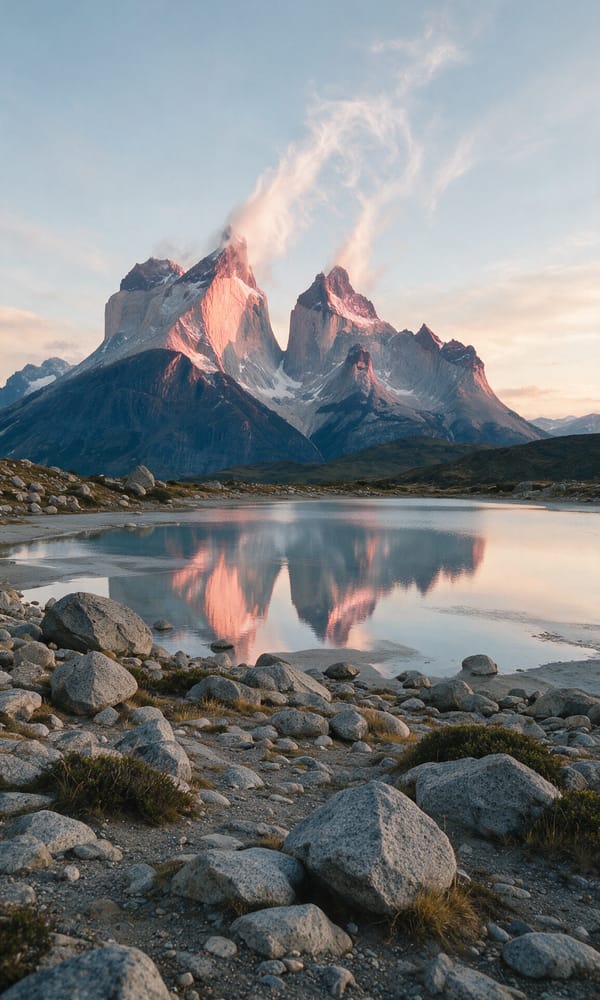
The three granite towers of Torres del Paine turning pink at dawn above a glacial lagoon
November – March · 10–12 days
Patagonia W Trek Lodge-Supported
Two nights in Puerto Natales — the gateway town, an orientation walk, a dinner at a restaurant where the lamb has been roasting since the morning, and a packing session with a guide who has walked the W more than two hundred times and knows which gear decisions matter and which don't. Five days on the W Trek with nights at the mountain lodges rather than campsites — hot showers, a cooked dinner, and a bed that makes the next morning's early start possible. The Grey Glacier base camp for the full glacier face. The Valle del Francés for the hanging glaciers and the condors. The mirador above the Torres at dawn, when the pink light hits the towers from behind and the color changes every three minutes for half an hour. Two nights in Puerto Arenas on the return. The trek that most clients say they wish they'd done ten years earlier.
Chilean Patagonia10–12 Days
Plan This Trip
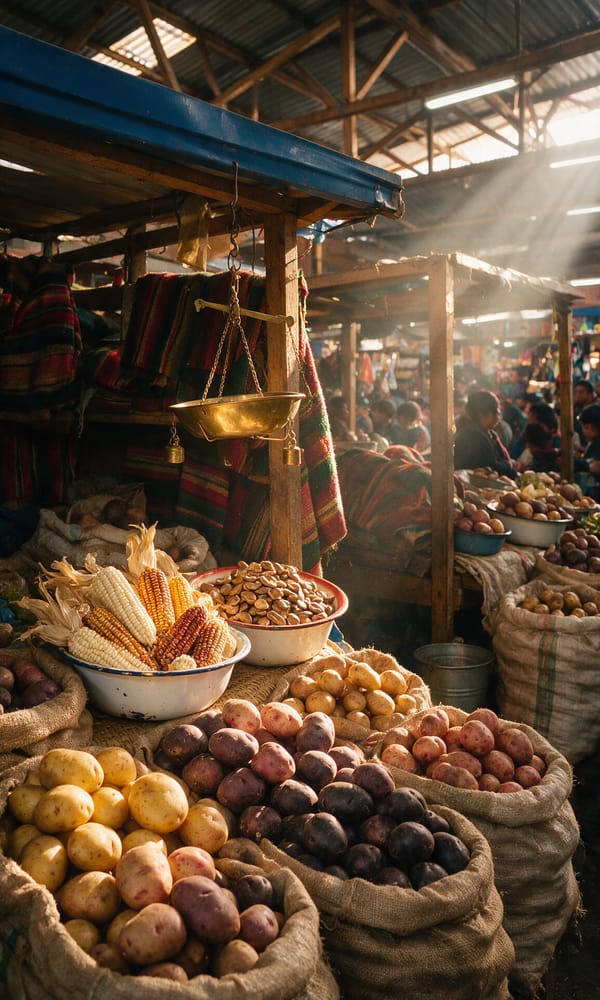
Sacks of yellow, purple and black native potatoes at a Cusco market stall in morning light
May – October · 10–12 days
Peru: Inca Trail & Lima
Two nights in Cusco for acclimatization — non-negotiable, and used properly: a morning at the San Pedro market with a food guide who knows which stalls serve the farmers rather than the tourists, an afternoon at the Qorikancha temple, and a dinner at a restaurant where the tasting menu is built around 4,000 varieties of native Peruvian potato. Four days on the Inca Trail — the classic route, permits secured six months in advance, a guide who can explain the astronomy embedded in the trail's alignment, and an arrival at the Sun Gate at dawn with Machu Picchu below in the morning cloud. One full day at the citadel with a private archaeologist. Fly to Lima for three nights: the Central tasting menu one evening, the Surquillo market at 7 a.m., and a ceviche lunch at a counter that has been feeding the same neighborhood since 1970.
Peru10–12 Days
Plan This Trip
Marine iguanas piled on black lava with an orange crab and surf breaking behind on Fernandina
Year-Round · 10–12 days
Galápagos & Ecuador Cloud Forest
One night in Quito — the colonial quarter with a local architecture guide, a craft market at the Mercado Artesanal, and a dinner at a restaurant in the Mariscal neighborhood that sources from the Andes altitude zones. Eight days on a small-ship Galápagos liveaboard — a vessel of sixteen passengers maximum, a marine biologist and a naturalist guide, and a daily rotation of islands and snorkel sites that the large tour vessels don't access. The marine iguanas of Fernandina, the blue-footed boobies of North Seymour, the giant tortoises of Santa Cruz, the sea lions of Gardner Bay, and a snorkel in Darwin's Arch with hammerhead sharks in water so clear the seabed is visible at thirty meters. Two nights in the cloud forest near Mindo on the return — hummingbirds, orchids, and a chocolate tour at a single-origin cacao farm that exports to three countries and sells locally by appointment.
Ecuador10–12 Days
Plan This Trip
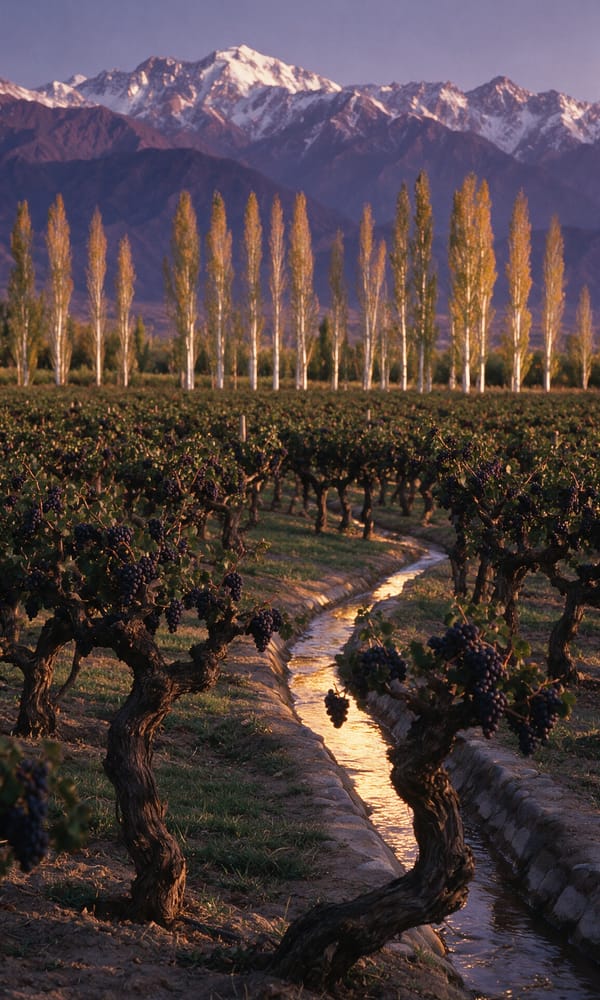
Old Malbec vines heavy with fruit in a Mendoza vineyard below the snow-topped Andes at dusk
October – April · 9–11 days
Argentina: Buenos Aires & Mendoza Wine Country
Four nights in Buenos Aires — the Recoleta cemetery with a historian who can explain the political history that makes Evita's tomb a pilgrimage site; the San Telmo Sunday antique market; a tango milonga on a Thursday night at a Palermo social club where the dancers are locals, not performers; and a parrilla dinner where the fire has been going since four in the afternoon and the malbec comes from a bottle that wasn't on the wine list because the sommelier chose it for the table. Fly to Mendoza for five nights: a private wine finca stay at an estate in the Luján de Cuyo appellation, morning horseback rides along the foothills of the Andes, three private bodega visits that include a vertical tasting of the estate's top malbec through ten vintages, and a harvest lunch in the vineyard on the final full day that starts at noon and ends when the wine does.
Argentina9–11 Days
Plan This Trip
Why Plan With Us

What We Add to South American Travel

South America requires specific logistical knowledge — permit systems, altitude planning, lodge booking windows — that most travelers encounter as surprises and we handle in advance.

Permit & Booking Systems
The Inca Trail permits sell out six months in advance. Torres del Paine lodge beds for December and January book out a year ahead. Galápagos liveaboard berths on the small vessels that access the remote islands require planning well ahead of the trip date. We manage all of this as standard — not as a premium service, but as the minimum planning work these itineraries require to be executable.
Altitude Management
Cusco sits at 3,400 meters — high enough that altitude sickness affects a meaningful percentage of travelers who arrive without preparation. The two acclimatization nights in Cusco before the Inca Trail or any high-altitude activity are non-negotiable in our Peru itineraries. We brief clients on acclimatization protocols, medication options, and the pacing strategy that makes the difference between a transcendent Machu Picchu experience and a debilitating one.
Specialist Guides
A Lima food specialist who maps the Surquillo market and the connection between altitude-zone produce and Peru's culinary revolution. A Galápagos marine biologist who has been studying the tortoises of Santa Cruz for a decade and can read animal behavior rather than just present it. A Patagonia guide who has walked the W more than two hundred times and knows the microweather patterns by hour. These guides are the difference between a good South America trip and an exceptional one.
Regional Combination Logic
Patagonia and Argentina wine country in a single trip. Peru and the Galápagos via Quito in under two weeks. Colombia's coffee country with a Cartagena beach end. We build South American combination itineraries around the hub-and-spoke flight network of the continent — knowing which connections are reliable, which cities serve as genuine gateways, and which combinations produce the widest range of experiences for the time invested.
When to Go

South America by Season

Patagonia Summer
October – April
The primary window for Patagonia — Southern Hemisphere summer means long days (up to eighteen hours in December), stable weather windows in the notoriously changeable Torres del Paine, and wildflowers across the pampas. December through February is peak season — lodges book out and the W Trek is at full permit capacity. October/November and March/April offer the same conditions with lower occupancy. The Galápagos is excellent year-round; January through June offers calmer seas and warmer water temperatures ideal for snorkeling.
Best Patagonia Window
Andes & Peru Dry Season
May – October
The optimal window for the Inca Trail, Machu Picchu, the Sacred Valley, and high-altitude Andean travel — dry skies, clear mountain views, and the full range of agricultural terraces in use. June through August is the peak window for Peru; Inca Trail permits for this period sell out by March. May and September/October are excellent shoulder months with lower occupancy and the same conditions. The Pantanal wildlife viewing in Brazil peaks in July through October as water levels drop and animals concentrate around remaining water sources.
Year-Round Destinations
Buenos Aires · Colombia · Galápagos
Buenos Aires and the Argentine wine country are excellent year-round, with summer (December through March) being ideal for outdoor activity and winter (June through August) for cultural focus and lower rates. Colombia is consistent year-round — December through March and July through August are the driest periods. The Galápagos receives visitors year-round and each season has specific wildlife highlights: sea turtle hatching (December through March), Galápagos hawk breeding (June through December), and penguin activity (June through September).
Ready When You Are

Plan a South America Trip
That Earns the Distance

Tell me which part of South America draws you, when you can travel, and what kind of experience you're after. I'll come back with a specific recommendation — destination, logistics, timing, and what makes it right for you — within one business day.

Plan a South America Trip All Destinations

No booking fees  ·  Response within 24 hours  ·  Fully bespoke

What It Costs

What South America Actually Costs

$600–$1,200
per person, per day, land only. Ranges, not quotes.
What that includes
  • Luxury hotels with breakfast
  • Private transfers and guides
  • Key admissions, selected domestic transport and some meals
What it does not
  • International airfare
  • Most meals; expedition-cruise segments like the Galápagos price separately
  • Insurance and gratuities
The two or three things that move it most
  • Country and remoteness — lodge access drives cost more than city choice
  • Domestic flight legs
  • Lodge and hotel tier, plus guiding

Editorial planning bands, not quotes — assembled from published rates and official fee sources, verified . Rates, permit costs and park fees change; confirm before booking. Source: CONAF Torres del Paine.

Common Questions

South America — FAQ

Questions about Machu Picchu, Patagonia, country combinations, timing, and how to travel South America without the usual planning mistakes.

Machu Picchu and the Sacred Valley in Peru is one of the world's iconic travel experiences. Patagonia — shared between Chile and Argentina — delivers some of the most dramatic landscapes on earth. The Galapagos Islands in Ecuador are extraordinary for wildlife and unlike any other destination. Buenos Aires is one of South America's great cities for food, architecture, and culture.

A focused Peru trip — Lima, Cusco, Sacred Valley, Machu Picchu — works in 10–12 days. A combination of Peru and Argentina requires 16–21 days for genuine depth. Patagonia alone fills 10–12 days if you're going deep into both the Chilean and Argentine sides. The continent rewards longer travel more than any aggressive multi-country itinerary.

Much of it. The iconic landscapes of Torres del Paine and Argentine Patagonia can be experienced via day hikes, horseback riding, boat excursions, and vehicle-based drives without the multi-day trekking circuits. Several excellent lodges provide full access to the scenery without demanding exertion. The W Trek and Circuit are available for serious trekkers but are not required to experience Patagonia.

Arrive on the first bus, which means sleeping in Aguas Calientes the night before rather than day-tripping from Cusco. That puts you inside the site before the main crowds. Daily visitor numbers are capped and popular entry times sell out months ahead. I book access passes in advance and can also arrange Inca Trail permits for the full trekking approach if that is what you want.

Yes, though internal flight distances are significant. Peru and Argentina are a popular pairing — Lima to Buenos Aires is around 4 hours. Adding Chile (Santiago and Patagonia) extends the trip with manageable logistics. Bolivia adds a dramatically different landscape layer — the Salar de Uyuni is among the most otherworldly environments in the world. The more countries you add, the more transit days you spend.

Peru is best May–October (dry season) — comfortable temperatures and clear skies for mountain views. Patagonia peaks November–March (Southern Hemisphere summer) when Torres del Paine is fully accessible; most lodges and trails close outside this window. Buenos Aires is pleasant year-round, peaking in spring (September–November) and fall (March–May) for the most comfortable weather.

Cusco sits at 3,400m (11,200 feet) and most travelers experience some degree of altitude adjustment. Headache, fatigue, and shortness of breath are common in the first 24–48 hours. Arriving in Cusco a day before any major activity, staying hydrated, and using altitude medication if recommended by your doctor are the standard mitigations. The Sacred Valley (2,800m) is a lower-altitude acclimatization option before Cusco.

A live-aboard cruise covers more islands, eliminates daily commuting by boat, and provides maximum time with wildlife — the standard recommendation for most visitors. Land-based trips from Santa Cruz are viable and more budget-friendly, with day trips to different islands. The best live-aboard small ships (under 20 passengers) provide naturalist guiding and itinerary flexibility that land-based options cannot match.
More questions answered on the Full FAQ Page
From the Journal

Read More on South America