
South America

Three Directions Out
Of Buenos Aires.

Argentina's two best things sit at opposite ends of a very long country, and its wine country is a third direction again. Buenos Aires and the far south are a domestic flight apart, Mendoza is west against the Andes, and Salta and the Quebrada de Humahuaca are north. The planning work is choosing two of those, in the month that supports both, and fixing the flights before anything else.

Best Season
Oct – Nov · Mar – Apr
Best For
Cities, Wine
& Wildlife
The Country

Argentina Is Three Trips
In Three Directions.

Argentina's usable windows are October to November and March to April, when Buenos Aires, Mendoza and the northwest are all comfortable at once. A first trip runs 12–16 days and picks two regions, not four. Buenos Aires and Mendoza are a domestic flight apart, and Salta is a third direction again. Península Valdés whale season runs June to December.

Argentina runs from roughly 22°S at the Bolivian border to 55°S at Ushuaia, and that span is the entire planning problem. Buenos Aires is the hub every route passes through, and from it the country fans west to the Andes and the vineyards, north to the high desert of Salta and Jujuy, northeast to the subtropics and Iguazú, and south to the lakes, the whale coast and Patagonia. Four climates on four calendars. Try to take all of them in twelve days and five of those days go to airports.

So the rule on this page is pick two. Buenos Aires plus one other region is a complete trip in nine to eleven days. Buenos Aires plus two is a sixteen-day trip, and it needs the flights booked around the itinerary rather than the other way round. Most long-haul arrivals land at Ezeiza, beyond the city's southwest edge, while most domestic departures leave from Aeroparque on the riverfront in Palermo. The transfer between them turns a connection into a lost morning. Both are operated by Aeropuertos Argentina, and their schedules should be read before the hotel nights are.

This page covers Argentina above the 42nd parallel and leaves the far south to the Patagonia planning page, which handles Torres del Paine, El Chaltén and the Perito Moreno glacier. If your Argentina is really a Patagonia trip with two nights in Buenos Aires bolted on the front, start there instead. If it is the capital, malbec at altitude, the northwest and whales off the Atlantic, the sequencing below is the useful part.
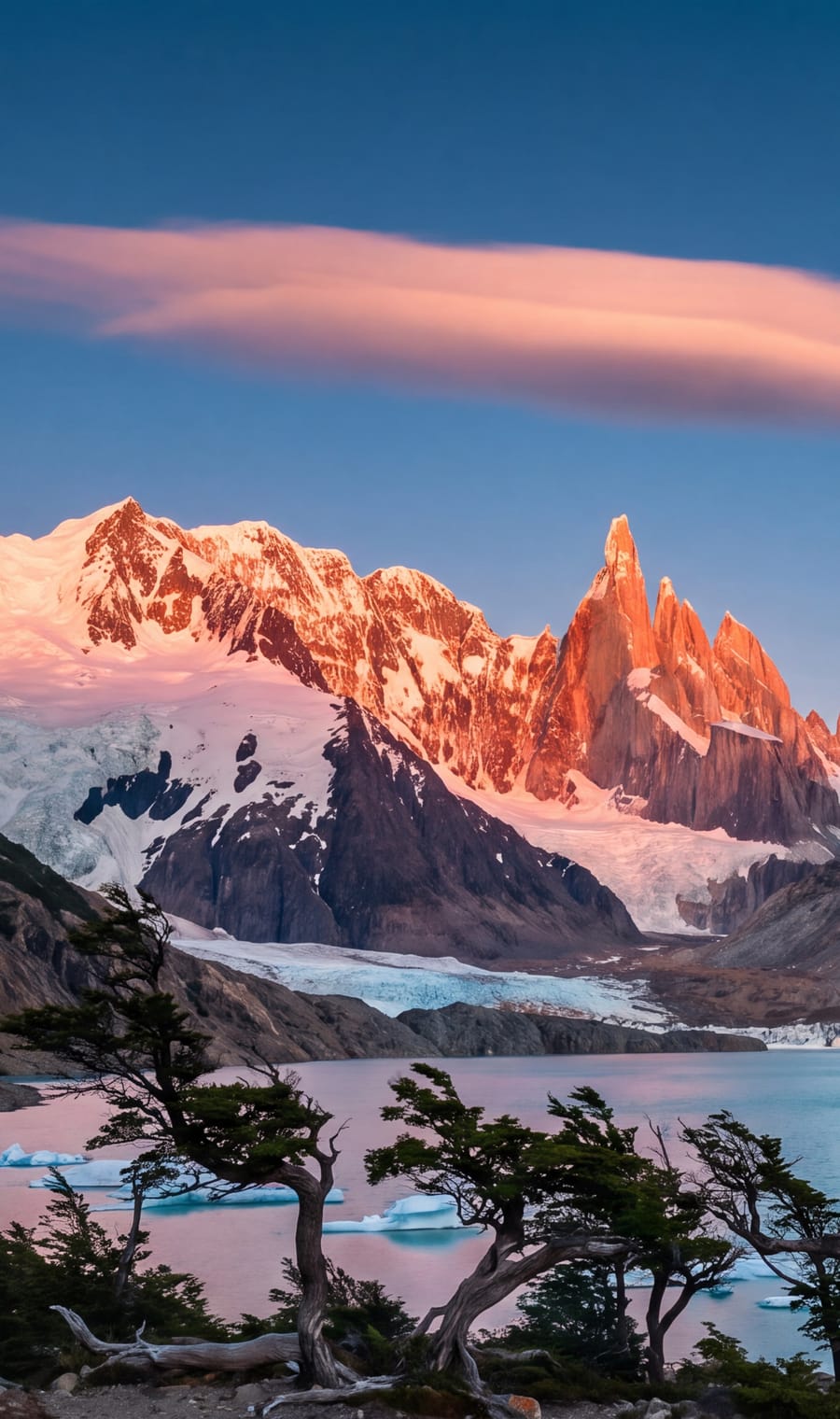
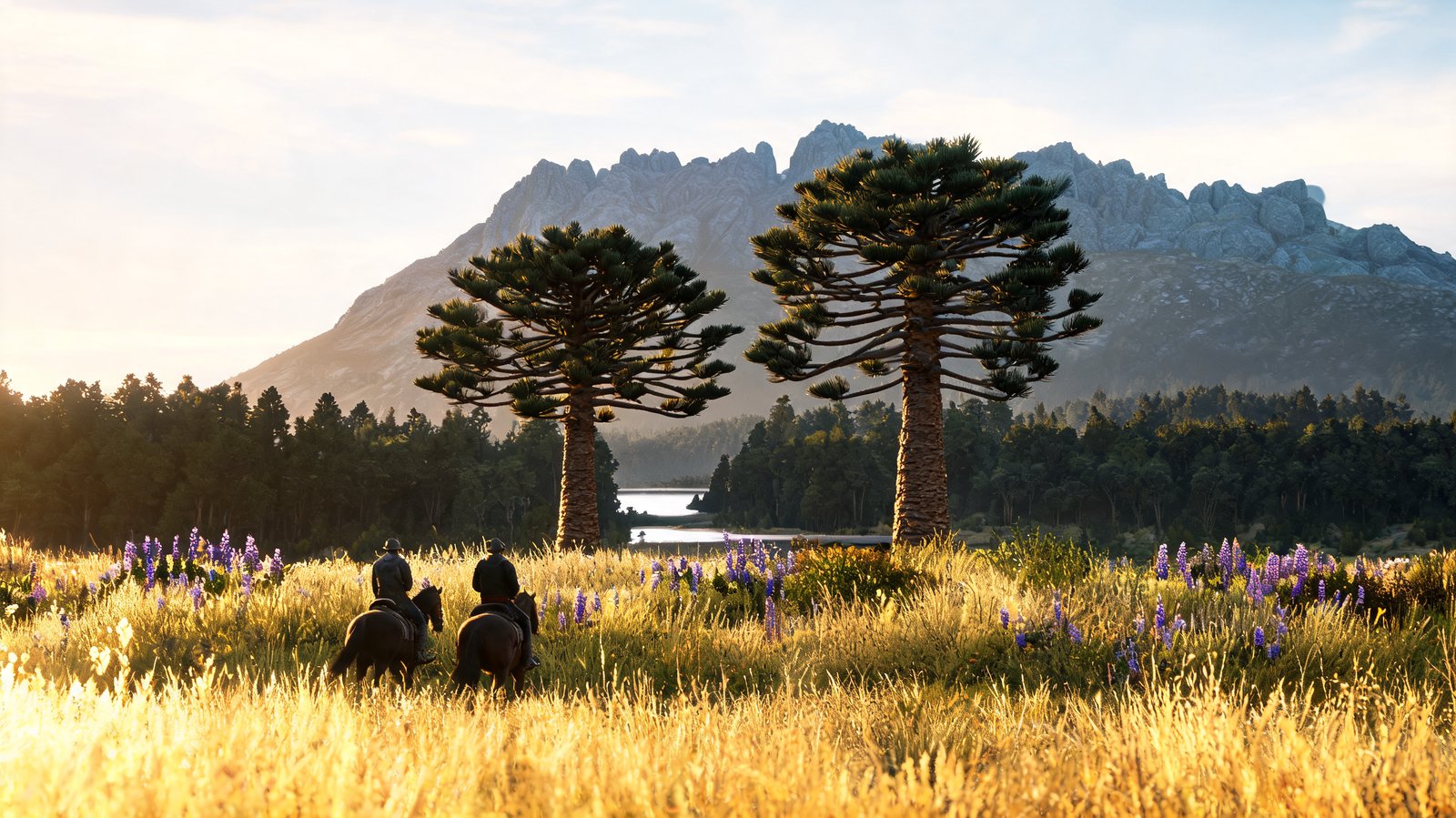
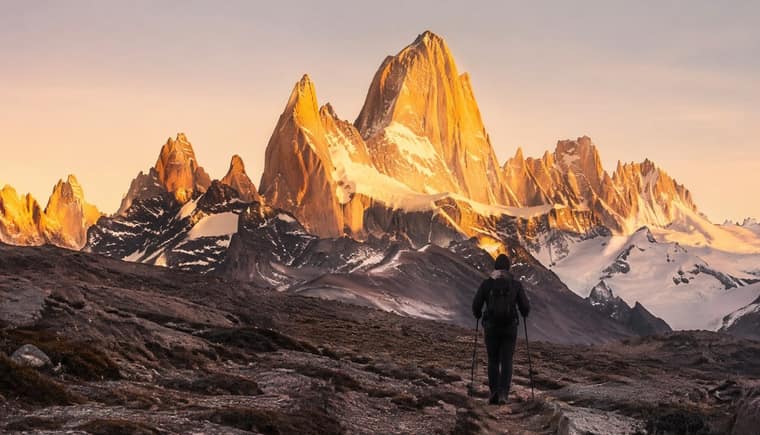
Granite spires above a glacial lake and wind-bent trees in the southern Andes
The Southern Andes · Argentina
Where We Send Clients

Six Regions Worth Planning Properly

Each of these is a flight from Buenos Aires and from each other. They are listed in the order most first trips should weigh them, not the order a map suggests.
Buenos Aires, Federal Capital
Federal Capital
Buenos Aires
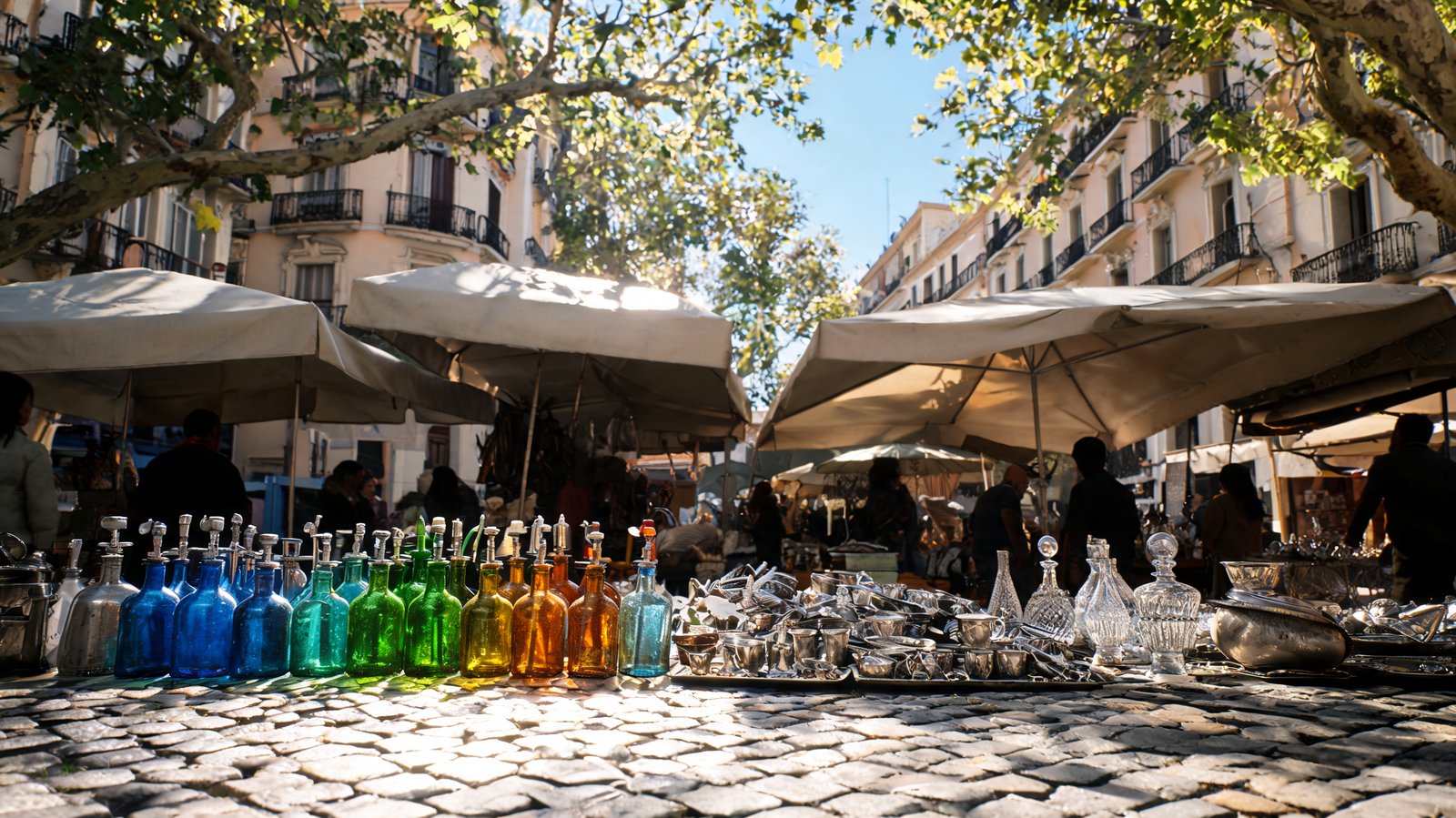
The Teatro Colón, open since 1908 and built for the sound rather than the façade; the San Telmo fair down Defensa on a Sunday; a Palermo milonga on a weeknight where the dancers are neighbours rather than a floor show. Three nights minimum, four if you want the city rather than the checklist.
Teatro Colón San Telmo Milongas
Explore →
Mendoza & the Uco Valley, Cuyo
Cuyo
Mendoza & the Uco Valley
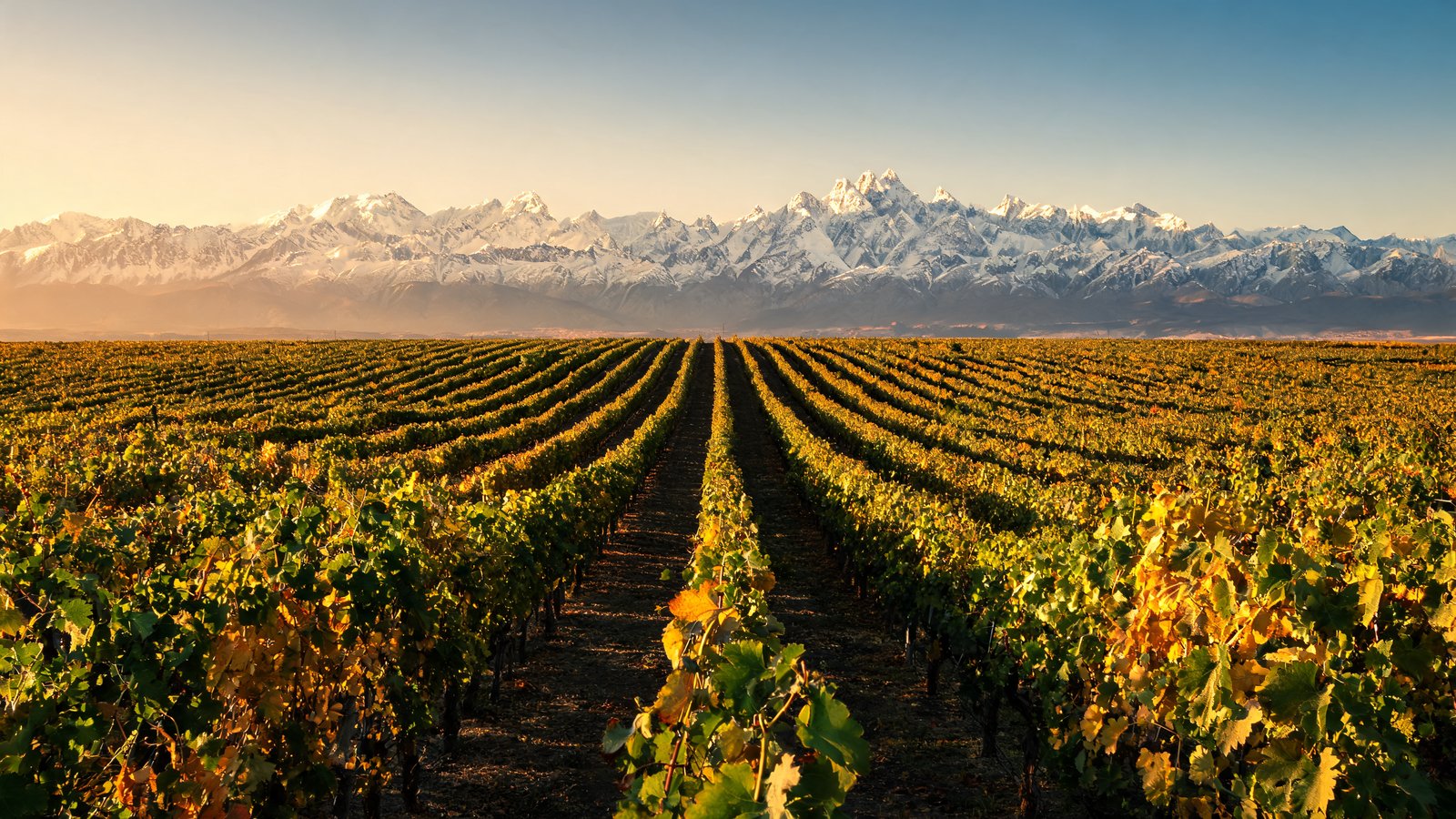
Wine country where the altitude is the point, not the scenery. Luján de Cuyo sits close to the city; the Uco Valley climbs into the foothills, where the day-night temperature swing keeps the acid in the malbec. Aconcagua, at 6,961 metres the highest peak in the Americas, is the horizon on a clear morning.
Uco Valley Luján de Cuyo Bodega Stays
Explore →
Salta & Jujuy, The Northwest
The Northwest
Salta & Jujuy
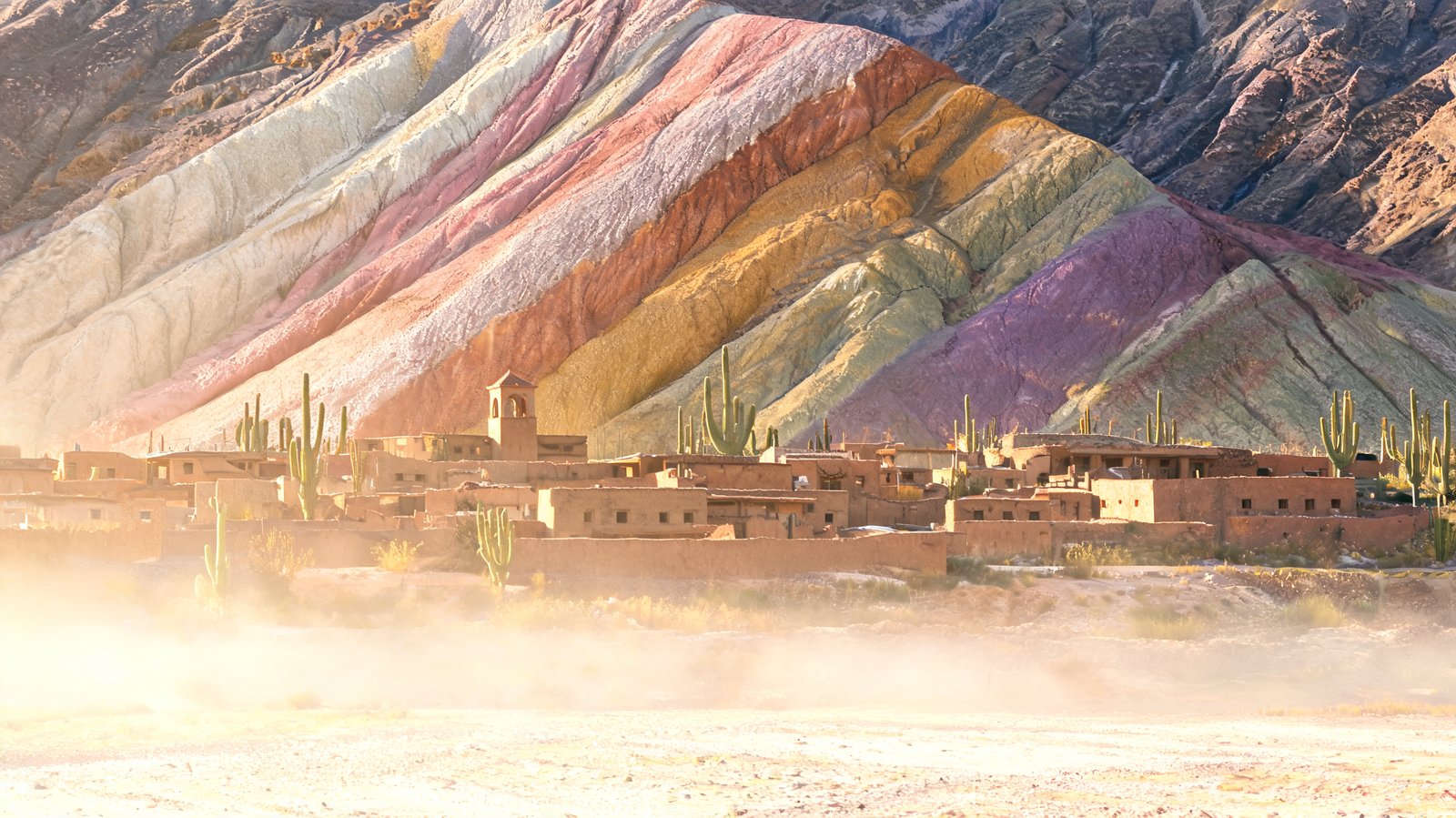
Colonial Salta as the base, then north into the Quebrada de Humahuaca, a 155-kilometre valley on the line of the Inca road and a UNESCO site since 2003. Purmamarca under its banded hillside, the pucará at Tilcara, and the road west over a pass above 4,000 metres to the Salinas Grandes.
Quebrada de Humahuaca Cafayate Salinas Grandes
Explore →
Iguazú Falls, Misiones
Misiones
Iguazú Falls
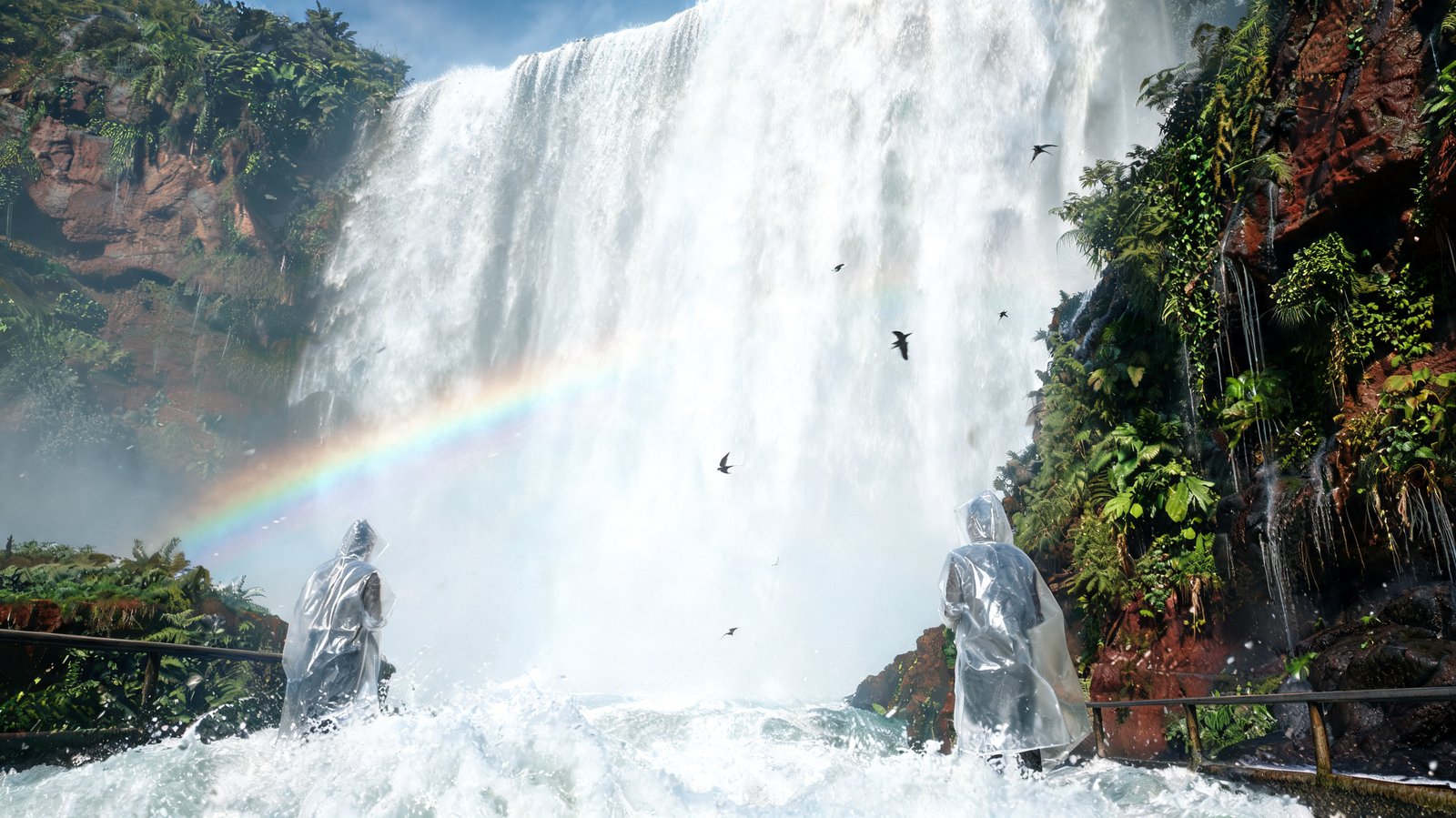
The Argentine side is the wet one and it needs a full day. Iguazú National Park has been a UNESCO World Heritage site since 1984, and its walkways put you above, beside and underneath the water. Subtropical forest, so the heat and humidity are real from December to February.
Garganta del Diablo UNESCO 1984 Two Nights
Explore →
The Lake District, Río Negro & Neuquén
Río Negro & Neuquén
The Lake District
Nahuel Huapi, created in 1934 as Argentina's first national park, wraps a lake system in araucaria and southern beech; the Seven Lakes road runs north from Villa La Angostura to San Martín de los Andes. Estancia and lodge country, good walking, and a softer landing than the far south.
Nahuel Huapi Seven Lakes Road Estancias
Explore →
Península Valdés, Chubut
Chubut
Península Valdés
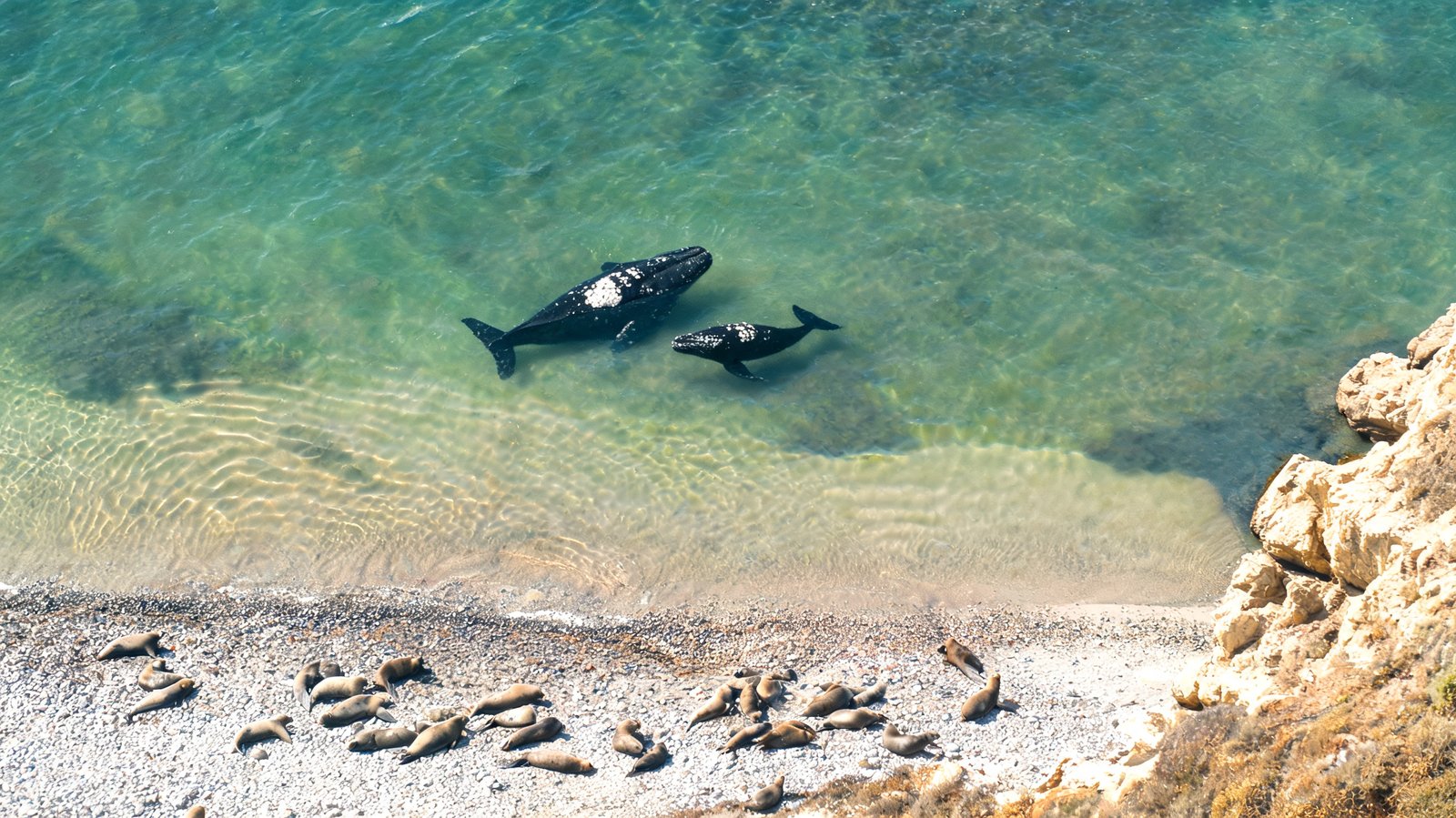
Southern right whales use the sheltered gulfs as a calving ground, and Puerto Pirámides is the only authorised launch point for boat trips in the country. Elephant seals and sea lions on the beaches, orcas working the shoreline at Punta Norte. The peninsula has been a UNESCO site since 1999.
Right Whales Jun – Dec Punta Norte
Explore →
Featured Itineraries

Trips We Plan Often

Each is built as Buenos Aires plus one or two regions, with the domestic flights fixed first. The durations are what the route needs, not the shortest version that can be sold.
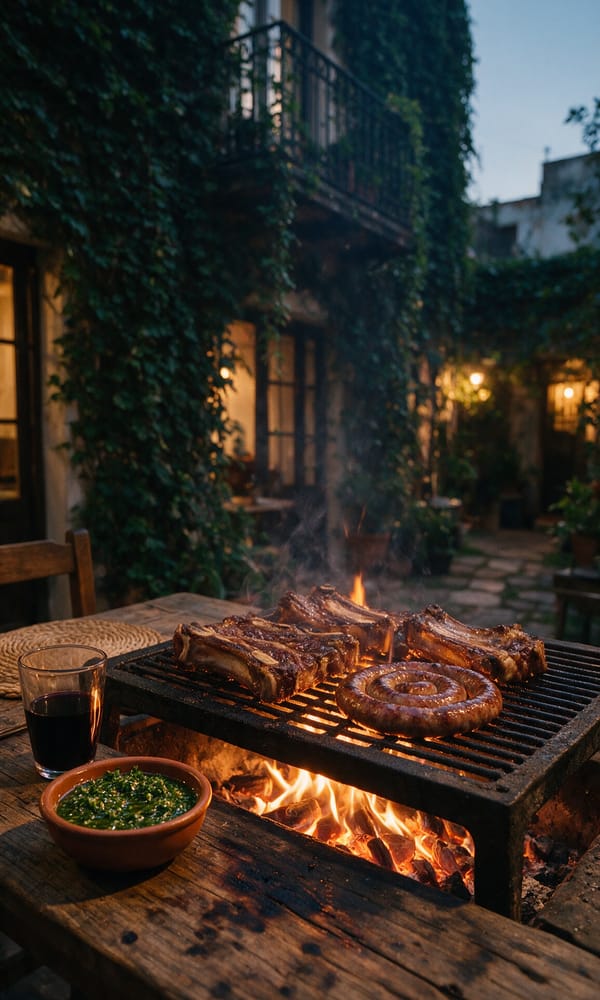
Beef and chorizo over quebracho embers on a cast-iron parrilla beside a glass of Malbec
October – April · 9–11 Days
Buenos Aires and the Wine Country
The default first trip. Four nights in Buenos Aires with a historian for the Recoleta cemetery and the political story it encodes, the San Telmo fair if a Sunday falls right, a milonga on a weeknight in Palermo rather than a dinner show, and one parrilla evening where the fire was lit in the afternoon. Fly west for five nights split between Luján de Cuyo and the Uco Valley: a bodega stay rather than a city hotel with day trips, three private cellar visits arranged directly with the winemakers, and a long vineyard lunch on the last full day. Best from late February to April.
Argentina9–11 Days
Plan This Trip
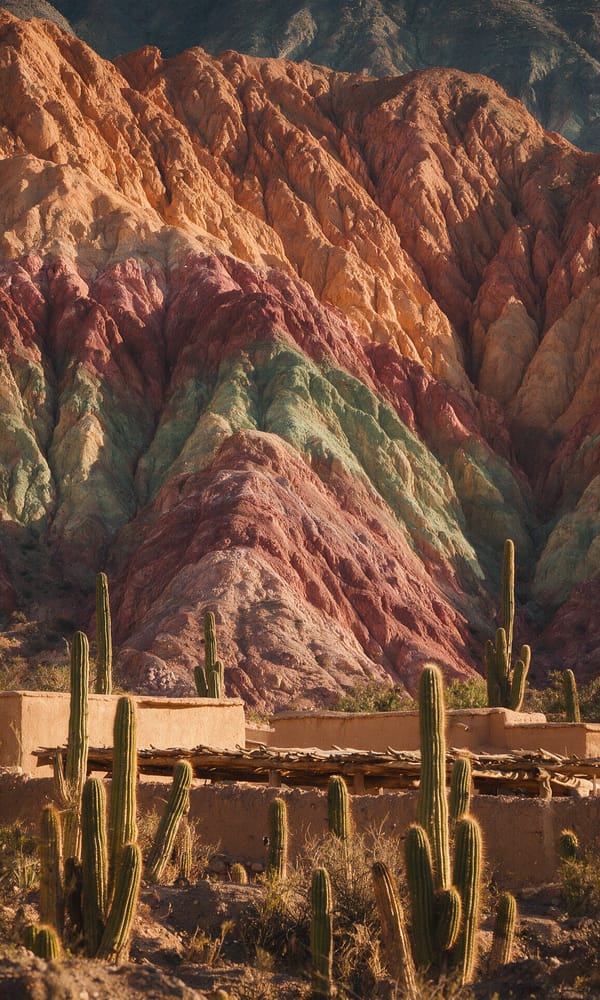
Banded ochre and rose rock rising above the adobe village of Purmamarca behind cardon cacti
April – October · 11–13 Days
The Northwest, With the High Wine
Three nights Buenos Aires, then north to Salta as a base for the colonial centre and the Museo de Arqueología de Alta Montaña. Two nights in the Quebrada de Humahuaca — Purmamarca, the pucará at Tilcara, Humahuaca itself — with the day trip west over the Cuesta de Lipán to the Salinas Grandes for anyone comfortable at altitude. Then south through the Quebrada de las Conchas to Cafayate, roughly three hours of red rock, for three nights among vineyards planted around 1,700 metres, where torrontés grows higher than anything Mendoza can offer. This is a winter and shoulder-season trip; the northwest's rain falls in the southern summer.
Argentina11–13 Days
Plan This Trip
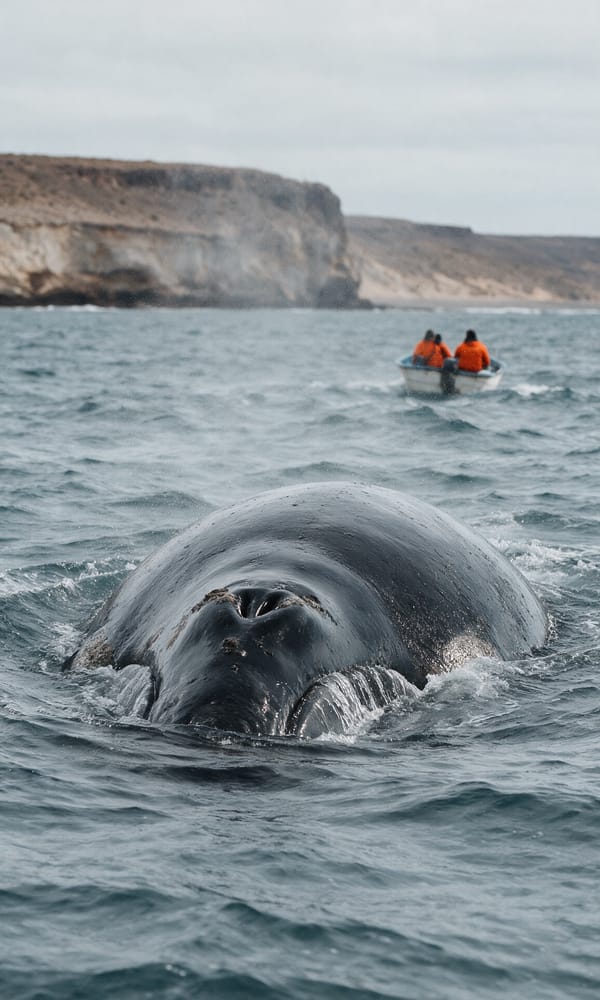
A southern right whale surfacing beside a small boat off Península Valdés in Patagonia
September – November · 12–14 Days
Whales, Falls and the Capital
Two wildlife events and a city, built around the only Argentine calendar that cannot be moved. Three nights Buenos Aires to start. Fly south to the Chubut coast for four nights at an estancia or lodge on Península Valdés: right whales by boat from Puerto Pirámides, the Magellanic penguin colony at Punta Tombo, and Punta Norte on the tide days when the orcas work the shoreline. Back through Buenos Aires and northeast to Iguazú for three nights, with two full days in the Argentine park — the lower and upper circuits on the first, the Garganta del Diablo walkway early on the second — and an afternoon crossing to the Brazilian side for the panorama.
Argentina12–14 Days
Plan This Trip
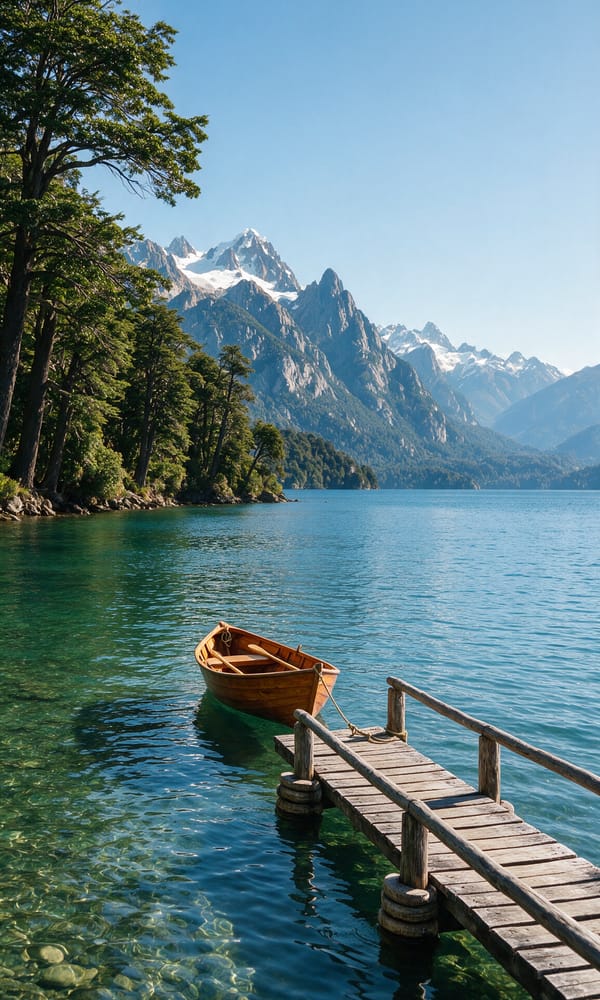
A wooden jetty and rowboat on Lago Nahuel Huapi below beech forest and Andean peaks
November – March · 12–14 Days
Lakes, Andes and Vineyards
The southern-summer version, for people who want mountains without committing to the far south. Three nights Buenos Aires, then south to Bariloche for five: a lodge or estancia on the Nahuel Huapi lake system, the Seven Lakes road towards San Martín de los Andes as a full day with stops rather than a transfer, and walking in southern beech forest. Fly north to Mendoza for four nights in the Uco Valley, the other end of the same mountain range. Finish with a night back in Buenos Aires. For travellers set on glaciers and granite spires, the honest answer is that this is not that trip and Patagonia is.
Argentina12–14 Days
Plan This Trip
Why Plan With Us

What We Add to Argentina Planning

Argentina is not a difficult country to travel. It is a difficult country to sequence, and almost every disappointing trip here is a sequencing failure, not a hotel failure.

Deciding Which Two Regions
The first conversation is a subtraction, not an addition. Wine and cities want spring or autumn; the northwest wants the dry winter months; whales want June to December; the lakes want the southern summer. Those calendars overlap only partly, so the month you can travel eliminates regions before anyone opens a hotel list. Getting that order right — month first, regions second, properties last — separates a trip that flows from a series of flights with sightseeing attached. It is also the conversation most itineraries skip, because it is the part that reduces what can be sold.
The Domestic Air Network Comes First
The two Buenos Aires airports are on opposite sides of the city. An itinerary that ignores that books a domestic departure a few hours after a long-haul arrival at the wrong airport, and the problem surfaces at the taxi rank. We build the ground days around the published air schedule: which regional routes run daily and which run three times a week, which connections make a same-day transfer honest, and where a night in Buenos Aires between two legs is the cheaper option. Schedules move with the season, so this gets checked at booking rather than assumed.
Bodega Access That Is Not a Web Form
Mendoza's best estates are not equally open. Some run a tasting-room visit any traveller can book online, some take a limited number of private visits a day, and some open only through relationships. The difference is not the wine in the glass; it is whether the winemaker walks the block with you and pours a vertical of the estate's top malbec, or whether a host reads a script to twelve people. The same applies to the small Cafayate producers, where the access is entirely personal. Sorting that takes direct contact and reciprocal favours, which no booking platform holds.
Knowing Where Argentina Ends and Patagonia Begins
A large share of Argentina enquiries are really Patagonia enquiries wearing a country's name, and the two need different itineraries, different months and a different budget. The far south peaks from November to March, runs on weather windows rather than schedules, and rewards lodge-supported trekking. The country above it peaks in the shoulder months and runs on cities, vineyards and a coastline. Naming which one a client is actually describing, in the first call, saves more than any negotiation later. Our Patagonia planning page covers the southern half.
When to Go

Argentina by Season

Spring & Autumn
October – November · March – April
The two windows where the widest range of the country is comfortable at the same time. Buenos Aires is warm without the January humidity. Mendoza's harvest runs from late February into April, and being in the Uco Valley while the fruit comes in is a different visit from a tasting in October. The northwest is dry at both ends of this range and the lakes are open. If your dates are flexible, these are the months to protect — and the months when the good bodega stays and the small northwest lodges fill first.
Best Overall Window
Southern Summer
December – February
The Lake District and the far south are at their best and their busiest, which is the reason to accept the season. Against that: Buenos Aires is hot and humid and half the city leaves for the coast in January, Iguazú is subtropical and unpleasant in the middle of the day, and the northwest is in its rainy months, when the Quebrada roads can be cut. Argentine school holidays fall here too, so domestic flights and lake hotels price accordingly. Plan it for the south, not the north.
Southern Winter
June – August
Salta, Jujuy and the Quebrada de Humahuaca are dry, clear and sharply cold at night, which is exactly when the colours in those valleys read properly. Whale season on the Chubut coast opens in June. Buenos Aires is cool and grey but perfectly workable, and the Teatro Colón season is running rather than dark. What closes is the mountain walking: the Andes passes and much of the far south are out. A winter Argentina trip is a northwest and city trip, and on those terms it is good value.
Ready When You Are

Plan an Argentina Trip
Around Two Regions, Not Five

Tell me the month you can travel and how many days you have. I'll come back with which two regions that month actually supports, the flight sequence that makes them fit, and the properties I'd use in each — within one business day.

Plan an Argentina Trip All South America Destinations

No booking fees  ·  Response within 24 hours  ·  Fully bespoke

What It Costs

What Argentina Actually Costs

$450–$1,000
per person, per day, land only. Ranges, not quotes.
What that includes
  • Half of a Buenos Aires five-star or a Uco Valley bodega room, with breakfast
  • Private transfers, and a driver-guide on the touring and tasting days
  • Core admissions, including the ARS 60,000 non-resident ticket at Iguazú
What it does not
  • International airfare and the domestic flights between regions
  • Most lunches and dinners, wine bought at the cellar door and its shipping
  • Premium cellar verticals, estancia riding days and gratuities
The two or three things that move it most
  • Which two regions — Buenos Aires and Mendoza price above Salta and the Quebrada
  • Bodega access — a tasting-room visit and a private vertical with the winemaker are not the same line
  • Domestic air — three regions in twelve days adds flights, not just nights

Editorial planning bands, not quotes — assembled from published rates and official fee sources, verified . Rates, permit costs and park fees change; confirm before booking. Source: Argentine national park entrance fees.

Common Questions

Argentina — FAQ

The questions that come up most when planning a first Argentina trip — which months work, how many regions fit, and whether Patagonia belongs in the same itinerary.

October to November and March to April, if you want more than one region to work at once. March into April also catches the Mendoza harvest. December to February belongs to the Lake District and the far south, and is a poor time for Iguazú and the northwest. June to August is the northwest's best season and the opening of whale season on the Chubut coast, at the cost of the mountain walking. No single month covers the whole country, and an itinerary claiming otherwise is trading a region's conditions away without saying so.

Nine to eleven days for Buenos Aires plus one region, and twelve to sixteen for two. Below nine, the domestic flights eat too much of the trip to justify leaving the capital, and a four-night city break is a better use of the time than a rushed loop. Buenos Aires wants three nights minimum and holds four comfortably. Every extra region costs a flight day at each end, which is why the arithmetic stops working at three regions inside a fortnight. If the trip has to be short, take Buenos Aires and Mendoza and do them properly; the northwest and Iguazú will still be there.

Most Western passport holders, including US citizens, need no tourist visa for a short visit. The permitted length of stay depends on nationality. Separately, Argentine immigration rules adopted in 2025 require foreign visitors to hold health insurance covering medical treatment in the country, and public hospitals ask non-residents for insurance or payment outside an emergency. The requirements published by the Argentine Ministry of Foreign Affairs are the authoritative source, and every traveller should also read their own government's current advice — for Americans, the US Department of State country page. Checked ; entry rules change, so confirm before booking.

Only with sixteen days or more, and only between November and March. The far south runs on its own calendar and its own logistics — weather windows rather than fixed schedules, long transfers, lodge-supported trekking — and squeezing it onto the end of a wine-and-cities itinerary produces two compromised halves. If glaciers and granite are what you came for, build the trip around them and treat Buenos Aires as arrival and departure. If the cities, the vineyards and the northwest are the draw, leave the south for a second trip that can give it the ten days it wants. Our Patagonia page covers that half.

Go to Mendoza. Buenos Aires has excellent wine lists, but the reason to fly west is not the bottle — it is the altitude that explains it. The Uco Valley climbs into the Andean foothills, and the wide gap between daytime heat and night cold holds the acid and the colour in high-altitude malbec. Tasting the same wine from three elevations, standing in the block it came from, does something a restaurant list cannot. Give it four or five nights at an estate rather than a city hotel with day trips out; the drive costs an hour or more each way, and it is the wrong hour to lose.

June through December, with the boats out of Puerto Pirámides at their best from September. Southern right whales use the sheltered gulfs on either side of the peninsula as a calving and nursing ground, and they move within the season: earlier months concentrate nearer Puerto Madryn, the later ones inside the peninsula itself. Puerto Pirámides is the only authorised launch point for nautical whale watching in Argentina. Elephant seals, sea lions and the Punta Norte orcas run on separate calendars again. Seasons and boat operations are published by the municipality of Puerto Pirámides; confirm before booking, as sailings depend on weather.

Both, and the Argentine side needs a full day to itself. The two parks do different jobs. Argentina's Iguazú National Park, a UNESCO World Heritage site since 1984, puts a network of walkways in among the water, including the platform at the lip of the Garganta del Diablo. Brazil's side is a single high panorama and reads as a half day. Border crossing rules and park entry conditions change, and a same-day return crossing has to be planned rather than improvised, so confirm the current requirements for your nationality before committing to a two-country day.

Salta city is low and easy, but the best drives in the region climb high enough that it matters. The Quebrada de Humahuaca runs 155 kilometres up a steadily rising valley, and the road west from Purmamarca to the Salinas Grandes crosses a pass above 4,000 metres. For anyone arriving from sea level that is a real gain in a single morning, and the standard mistake is taking it on the first day. Build two nights in the Quebrada before the high day, and treat the salt flats as an out-and-back rather than a through route. Anyone with a cardiac or respiratory condition should take medical advice specific to altitude first.
More questions answered on the Full FAQ Page
From the Journal

Read More on Planning South America