
South Pacific

The Distance Is Real.
So Is the Payoff.

The South Pacific requires a commitment — a long flight, a genuine time zone shift, and a willingness to be genuinely far from home. What it offers in return is water that doesn't look real in photographs and turns out to be exactly that color, landscapes that have no comparison anywhere else on earth, and a pace of travel that the closer destinations can't replicate.

Best Season
May – October
Best For
Long-Haul
Island Escapes
The Region

Worth the Flight.
Every Time.

The South Pacific's dry season runs May through October. Most itineraries run 8–14 days. The four destinations are not interchangeable: Australia and New Zealand are active, wide-ranging trips across cities and landscape, while Fiji and French Polynesia are resort-and-lagoon destinations. The flight is long enough that pairing two of them usually returns more than committing to one.

The South Pacific rewards travelers who commit to it. French Polynesia's overwater bungalows above a lagoon in Bora Bora are genuinely one of the finest resort experiences available anywhere — but the category spans from extraordinary to merely expensive, and the property selection matters as much here as anywhere. Fiji's private island resorts are a category of their own: a handful of properties on uninhabited islands where the staff-to-guest ratio is so favorable that the experience feels like a private charter. New Zealand's South Island is one of the great adventure and landscape destinations in the world — the Milford Track, the Otago Rail Trail, the Southern Lakes.

Australia brings its own dimension — the Great Barrier Reef by liveaboard rather than day trip, the Kimberley coast by expedition vessel, the Daintree Rainforest and Cape Tribulation, Sydney for a city that has somehow kept a genuine harbor at its center. The Cook Islands for the most intimate overwater bungalow experience in the Pacific, on a lagoon that has fewer flights in per week than Bora Bora has in a day.

We plan South Pacific trips around the commitment they require — which means getting every element right, from the overwater villa category to the inter-island logistics to the marine activity scheduling that makes a reef trip genuinely exceptional rather than just wet.
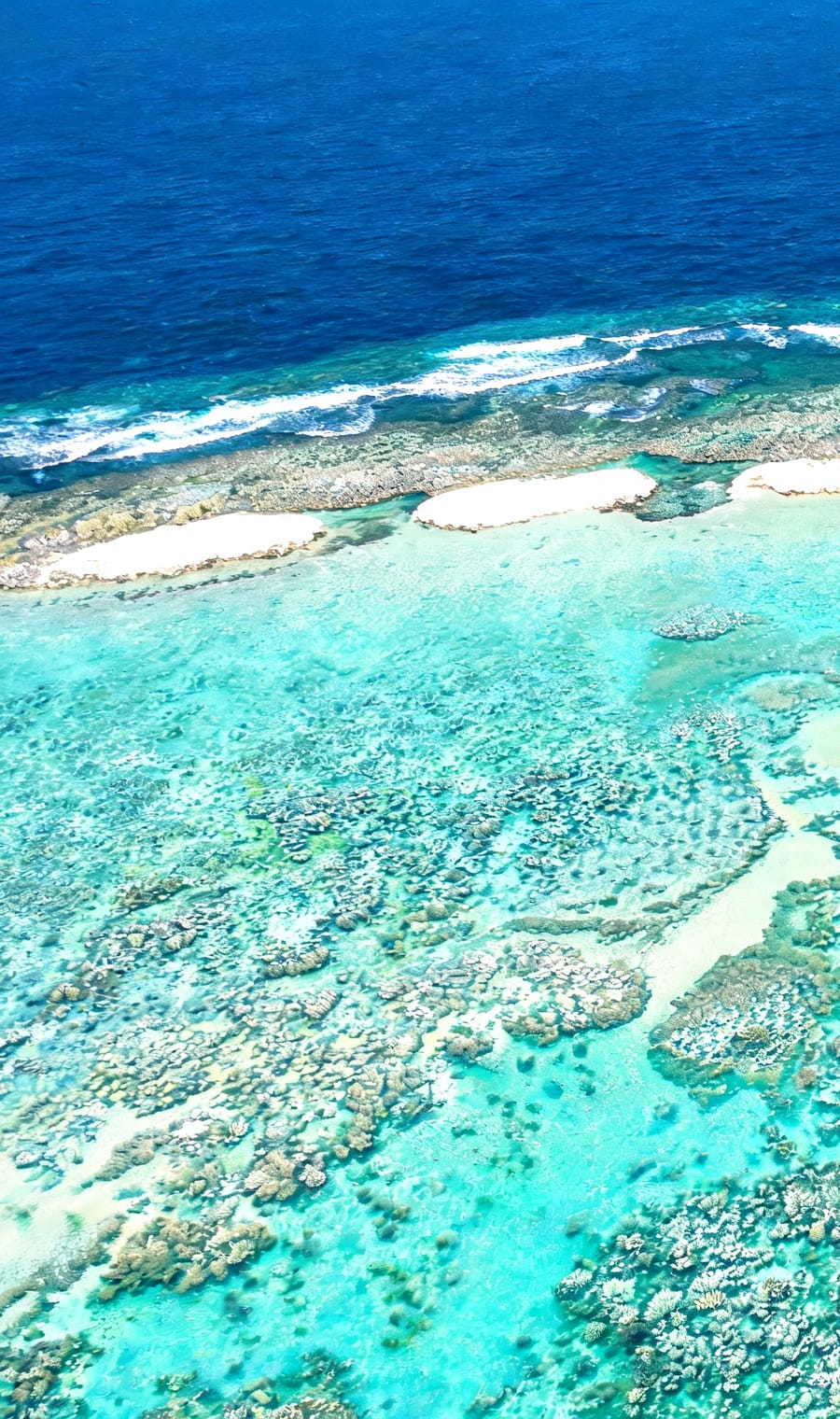
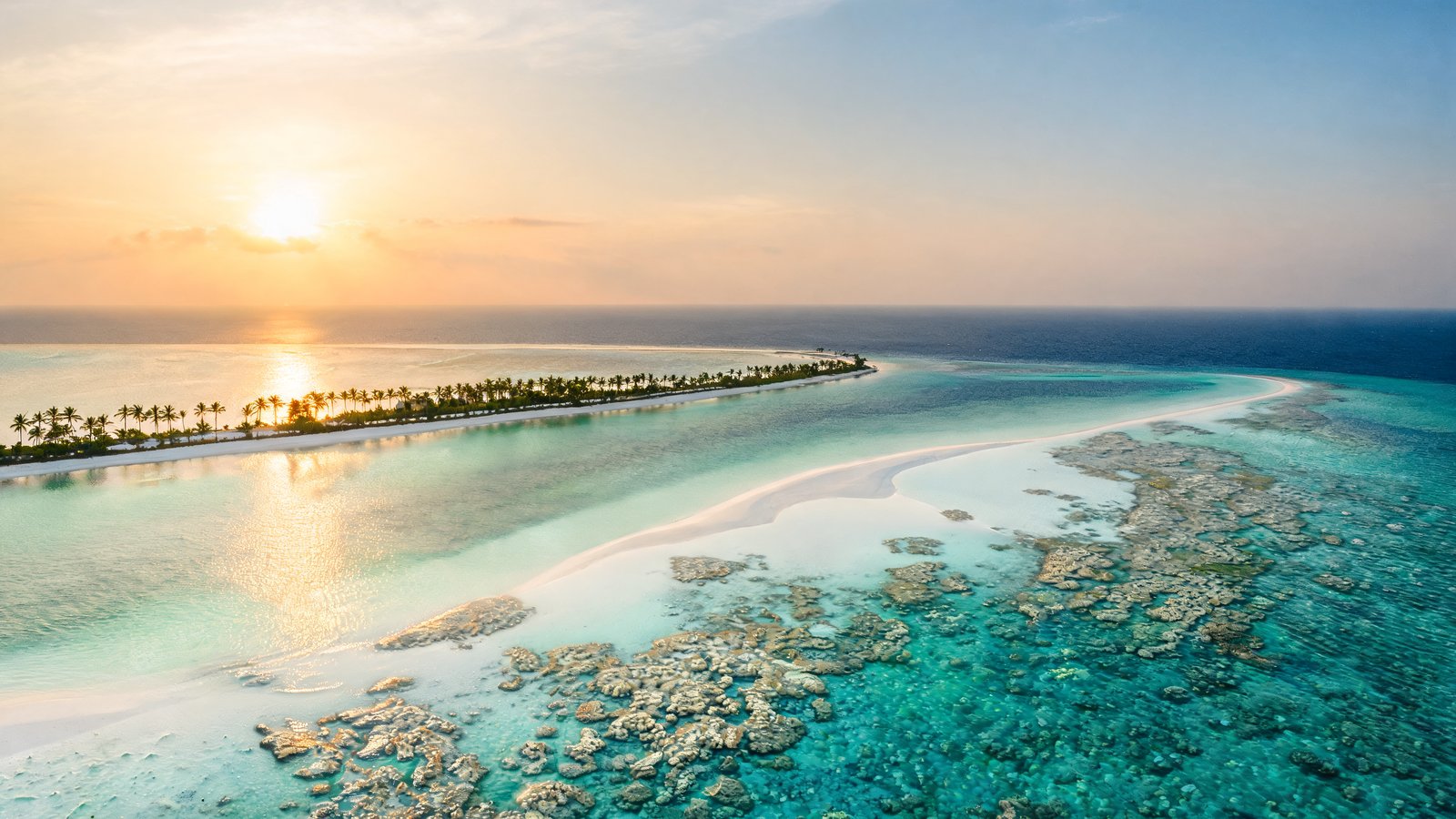
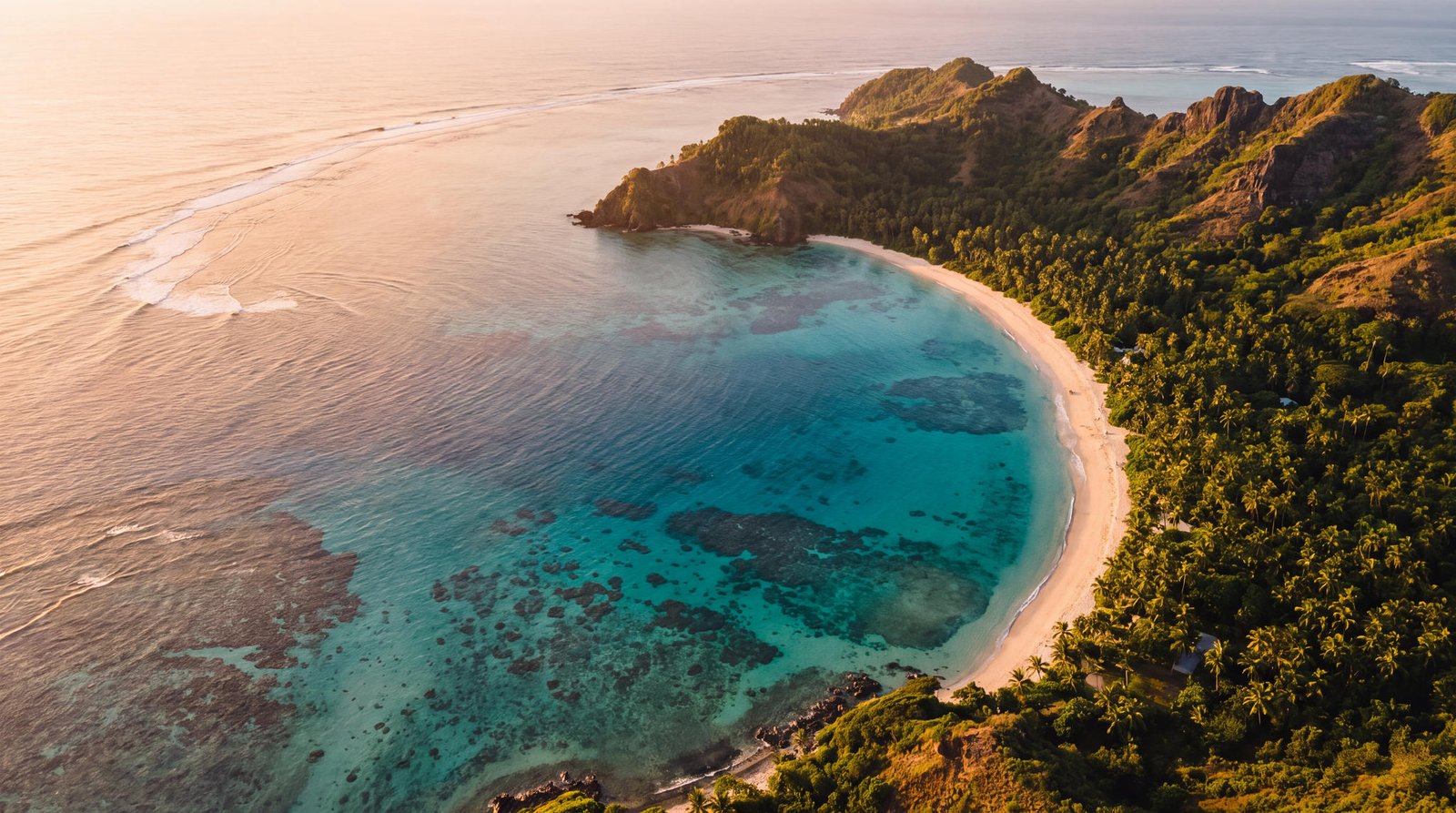
An aerial view of the barrier reef and turquoise lagoon shallows off Bora Bora
Bora Bora · French Polynesia
Where We Send Clients

Six South Pacific Destinations Worth the Distance

Each rewards genuine planning — the property, the island combination, the timing, and the activities that convert a long flight into a trip worth every hour of it.
Bora Bora & French Polynesia
French Polynesia
Bora Bora & French Polynesia
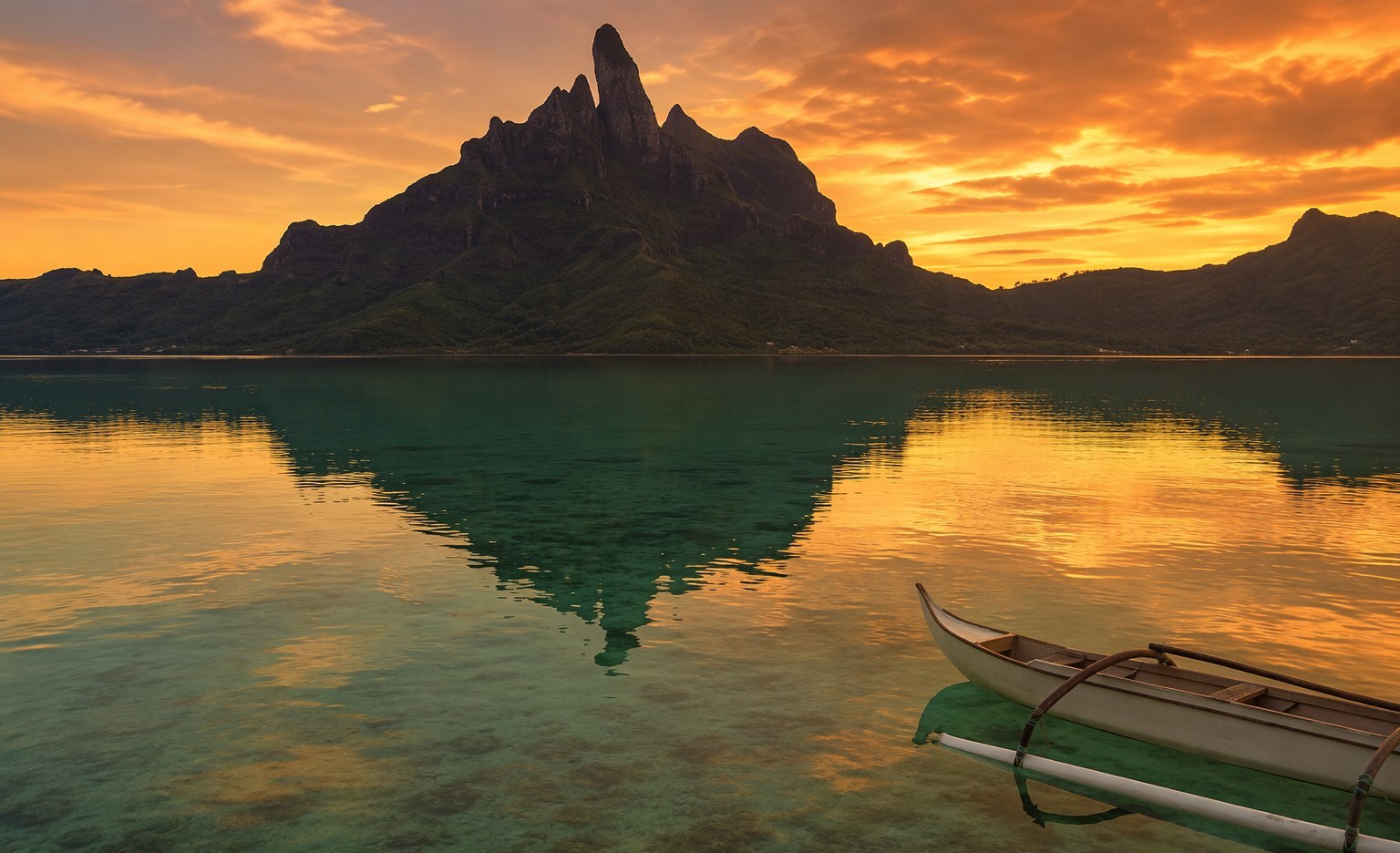
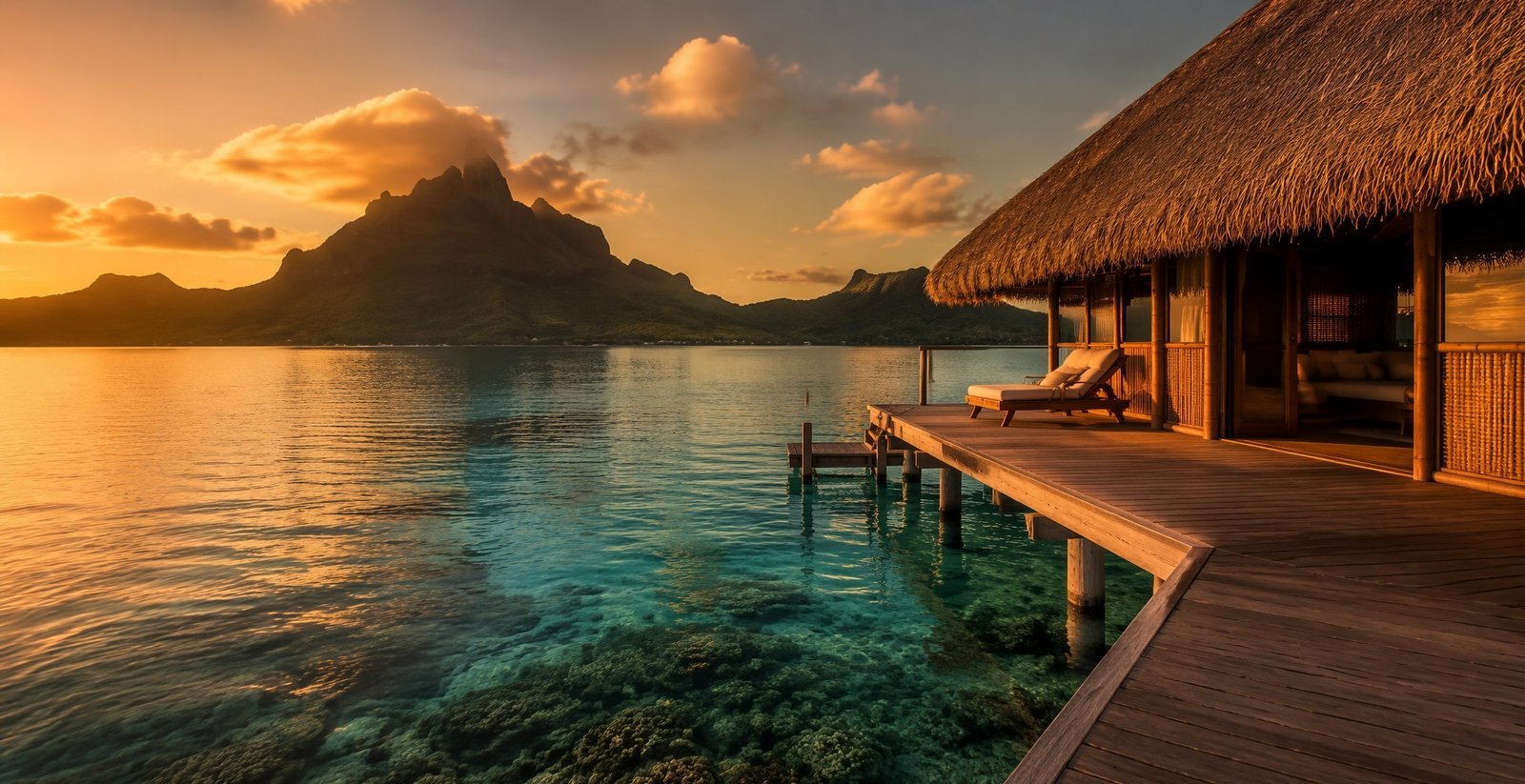
The overwater bungalow over a lagoon that really is that shade of blue in person — the photograph does not exaggerate. Bora Bora for the properties that earn their rate through villa placement and lagoon quality. Moorea for a quieter counterpoint at half the price. The Tuamotus for the shark passes.
Overwater Villas Lagoon Diving Tuamotus
Explore →
Fiji, Melanesia
Melanesia
Fiji
The private island resorts of the Mamanuca and Yasawa chains are a category the rest of the world has not replicated — an uninhabited island, a lodge of twelve rooms, a reef wrapping the property. The Coral Coast for family-accessible reef. Soft coral in the Bligh Waters ranks among the world's finest.
Private IslandsCoral DivingMamanucas
Explore →
New Zealand, Australasia
Australasia
New Zealand
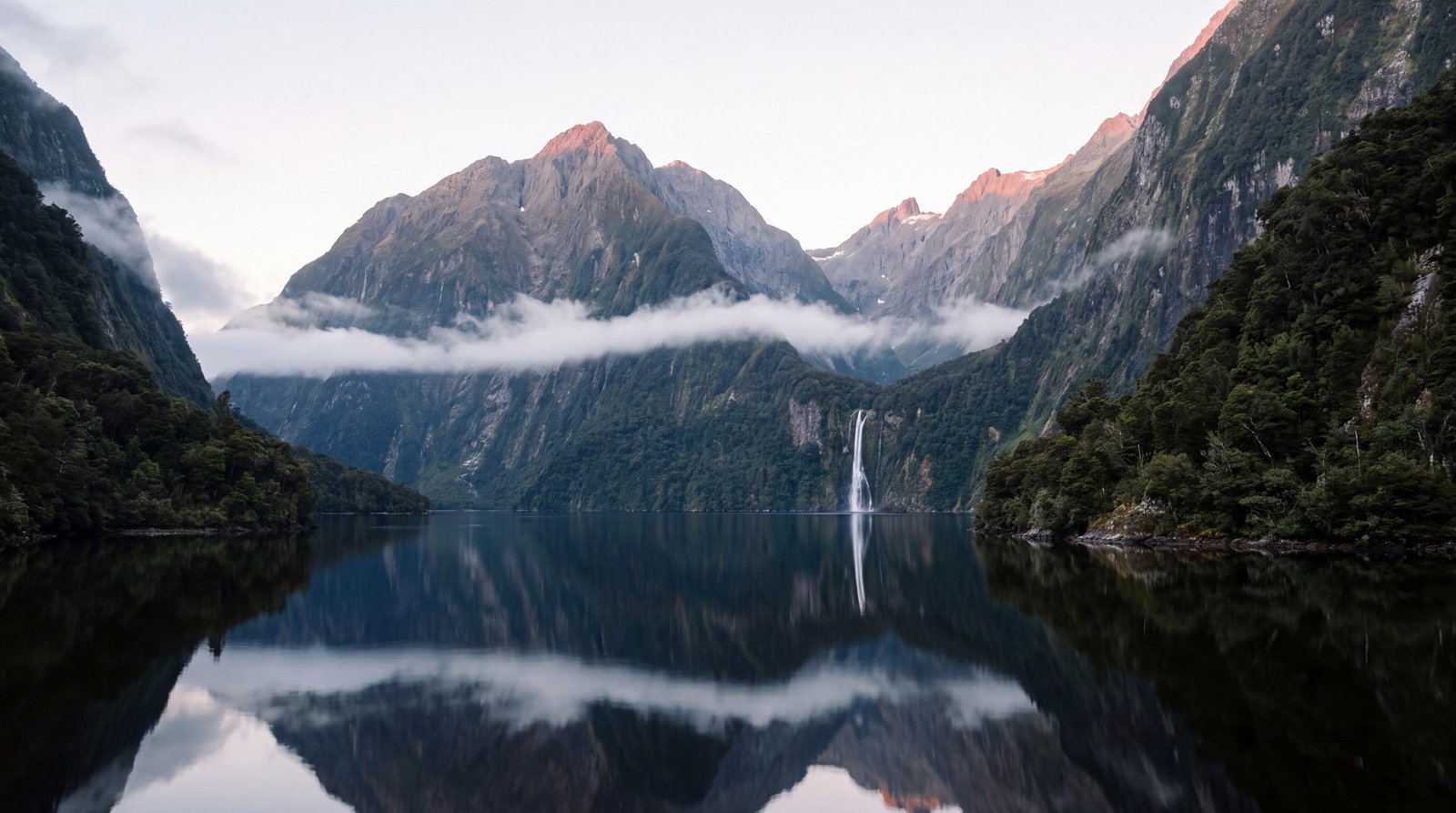
The South Island is one of the finest adventure landscapes on earth — Queenstown as the adrenaline base, Milford Sound by small boat at dawn, Abel Tasman for sea kayaking in turquoise bays. The Milford Track is one of the great long walks, and lodge-supported options remove the tent from it entirely.
South IslandMilford TrackAdventure
Explore →
Australia, Australasia
Australasia
Australia
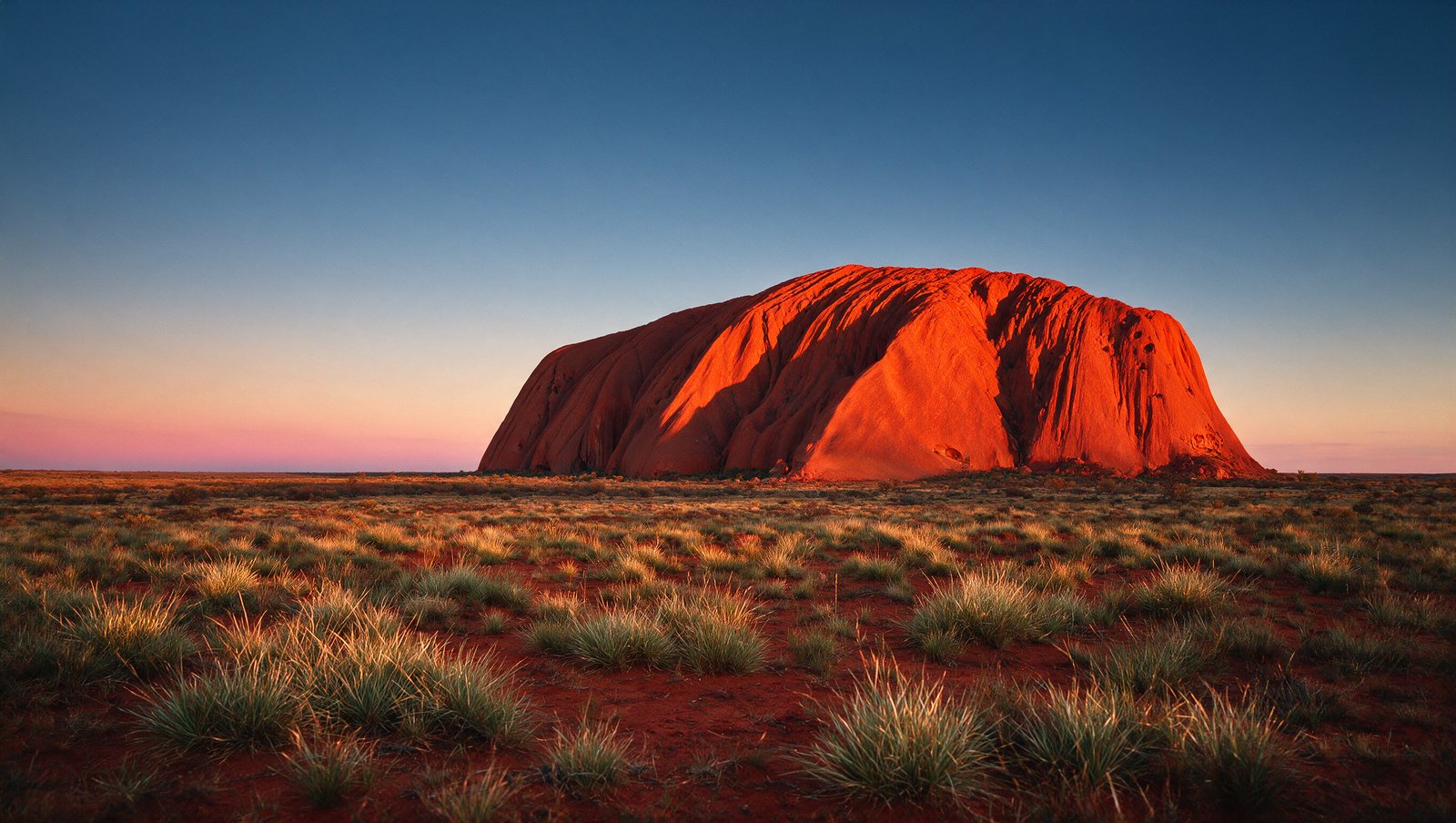
Sydney for a city that has earned its harbor. The Great Barrier Reef by liveaboard rather than day trip — two nights on the outer reef, night dives with manta rays, and a marine biologist who has worked these waters for fifteen years. The Kimberley coast for genuinely remote wilderness. Uluru at sunrise.
SydneyGreat Barrier ReefKimberley
Explore →
Cook Islands, Polynesia
Polynesia
Cook Islands
The South Pacific's best-kept overwater secret — Aitutaki's lagoon is rated by dive operators among the finest in Polynesia, and the island takes a fraction of Bora Bora's traffic. The bungalows are smaller, more intimate and dramatically less expensive. Rarotonga for the interior hiking trails.
AitutakiOverwater VillasHoneymoon
Explore →
Vanuatu & Beyond, Melanesia
Melanesia
Vanuatu & Beyond
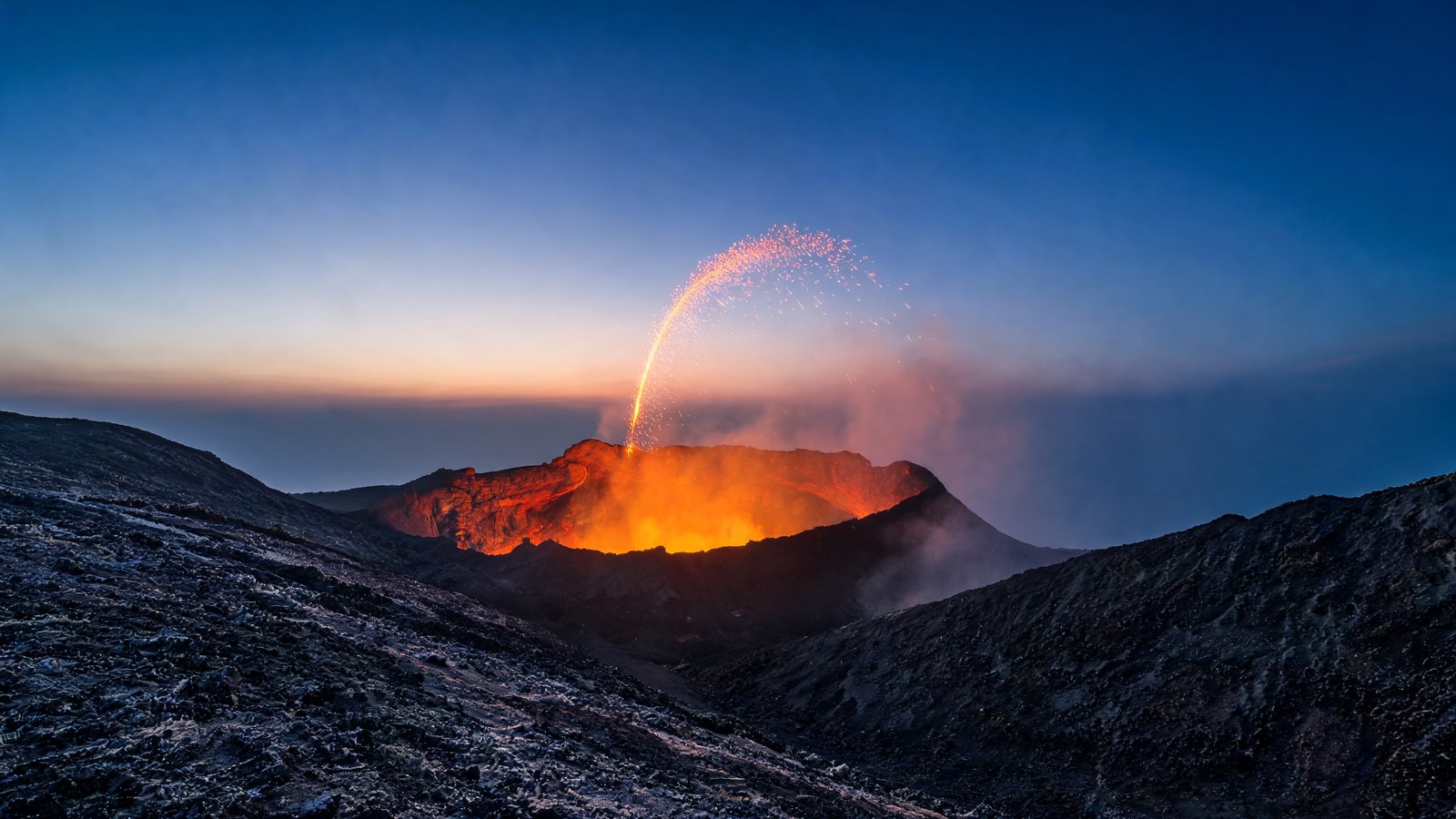
Vanuatu for the SS President Coolidge — the finest accessible wreck dive in the world, a 200-meter liner sunk in 1942. Tanna Island for Mount Yasur, an active volcano you can stand at the rim of at night while lava bombs arc overhead. For travelers who want a Pacific not organized for tourism.
Wreck DivingActive VolcanoAdventure
Explore →
Featured Itineraries

Trips We Plan Often

South Pacific itineraries built around the island combinations, properties, and activities that make the distance genuinely worthwhile.
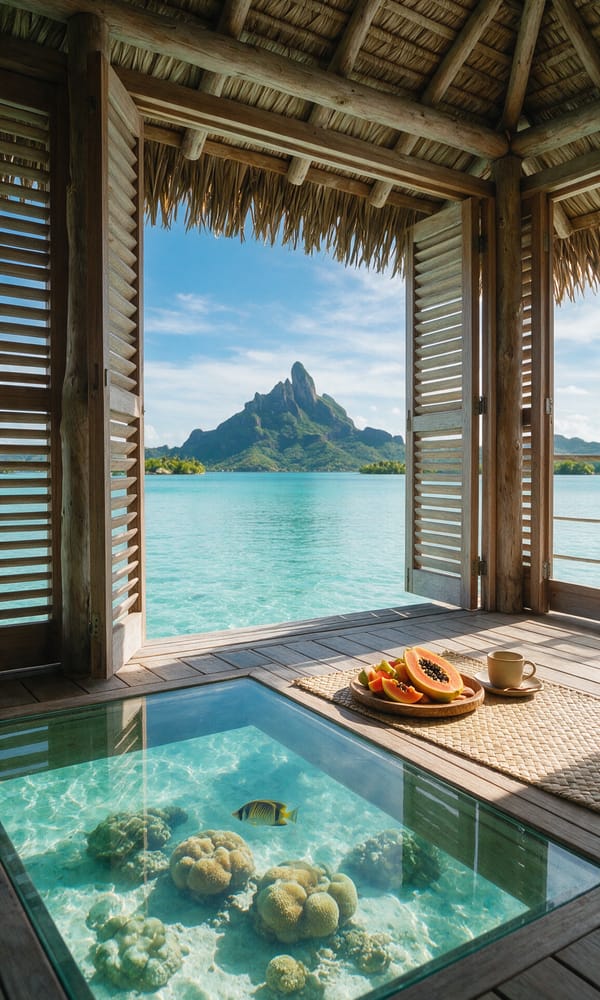
A glass floor panel and breakfast tray inside an overwater bungalow on the Bora Bora lagoon
May – October · 10–12 days
French Polynesia Island Hop
One night in Tahiti for Papeete's morning market — the vanilla, the black pearls, the reef fish arriving at the quay at 5 a.m. Fly to Moorea for three nights — a two-bedroom overwater bungalow on the lagoon, a morning snorkel with rays and blacktip reef sharks in the bay below the villa, a 4WD into the pineapple farms of the Opunohu Valley. Fly to Bora Bora for four nights at one of the properties where the overwater villa sits over the inner lagoon rather than the outer reef, with water clear enough to see the coral from the glass floor panel at breakfast. A final two nights in the Tuamotus for the shark pass drift dive at Rangiroa — a seventy-meter visibility wall of grey reef sharks and grouper that divers return for annually. A South Pacific itinerary that covers the full range of what French Polynesia can deliver.
French Polynesia10–12 Days
Plan This Trip
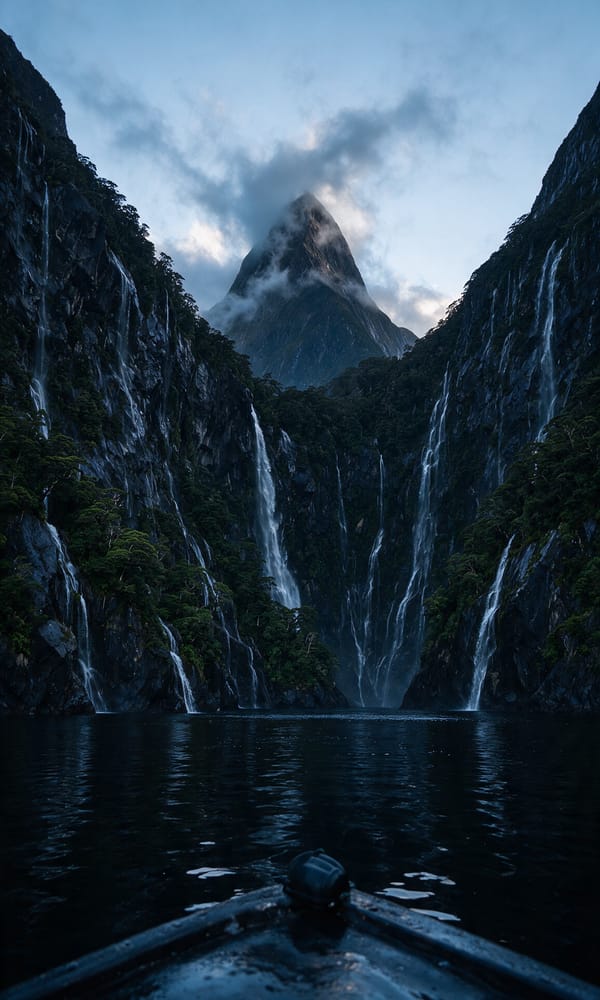
Waterfalls streaking the sheer wet walls below Mitre Peak in Milford Sound at dawn after rain
November – April · 12–14 days
New Zealand South Island Complete
Christchurch for a night and a morning at the Botanic Gardens before the crowds. Drive the Southern Alpine Highway to Queenstown — two nights for the Remarkables, a jet boat through the Shotover Canyon, and a pinot noir dinner at a Central Otago winery that opens its cellar door for groups of four. Fiordland for four nights: Milford Sound at dawn by small boat when the waterfalls are running after rain and the dolphins follow the bow for twenty minutes; the Kepler Track for a day hike above the bush line; the Te Anau glowworm caves accessible only by boat after dark. Wanaka for two nights, Mount Aspiring National Park, and the lake at golden hour. Abel Tasman National Park by sea kayak for the final three days — golden beaches, blue water, and a guided paddle that ends at a private camp accessible only by sea.
New Zealand12–14 Days
Plan This Trip
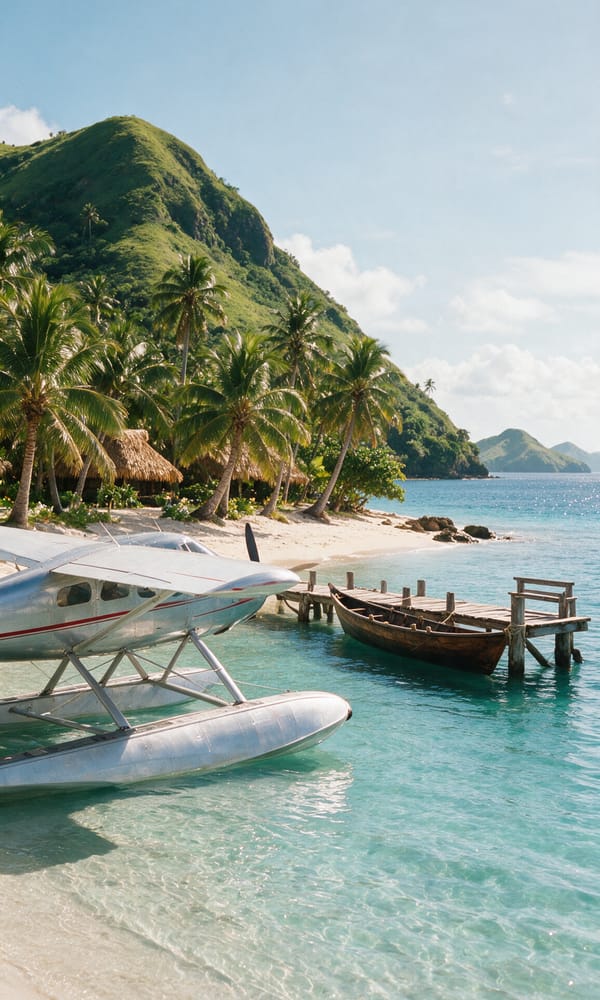
A floatplane moored in turquoise shallows off a palm-fringed private island in Fiji's Yasawa chain
May – October · 8–10 days
Fiji Private Island Week
One night in Nadi on arrival — recovery from the flight, a pool, a kava ceremony with the lodge staff who will meet you on the seaplane. Fly out to a private island in the Yasawa chain the following morning — twelve guests maximum, a reef that wraps two sides of the island, a schedule that involves nothing that isn't chosen. Three snorkel and dive sessions guided by a marine biologist who has been working this section of reef for nine years. A village visit to the nearest inhabited island for a traditional lovo feast. Four days in which the entire rhythm of the day is set by the light and the tide, with no itinerary to follow and no reason to look at a phone. The kind of Fiji week that makes clients cancel the Australia add-on they originally planned because leaving doesn't make sense anymore.
Fiji8–10 Days
Plan This Trip
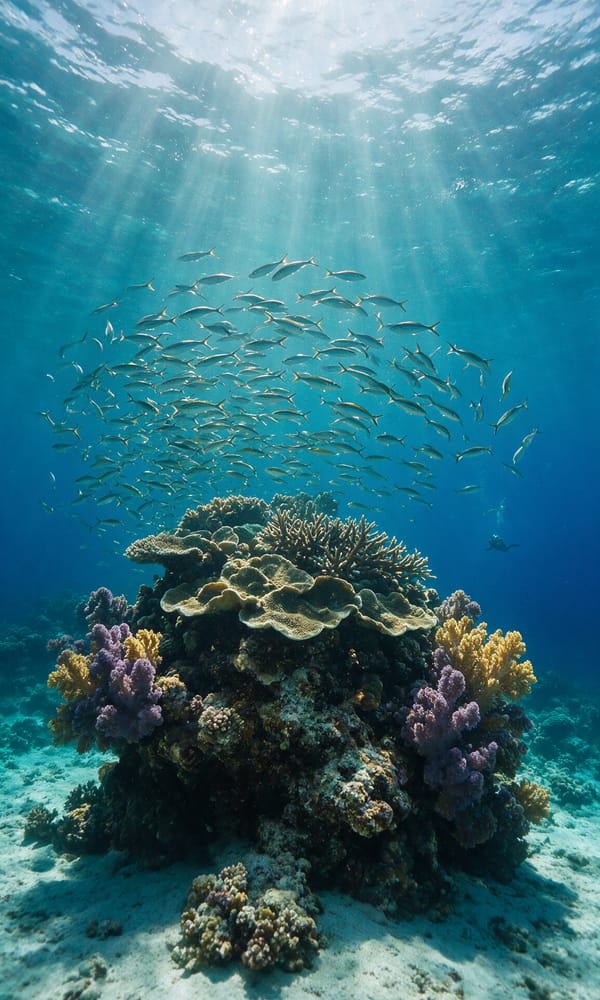
A coral bommie and a school of fusiliers on the outer Great Barrier Reef, a diver distant beyond
Year-Round · 12–14 days
Australia: Sydney, Reef & the North
Three nights in Sydney — the ferry network as a travel tool (not just tourism), the fish market at dawn, a Bondi to Coogee coastal walk with a guide who grew up in the Eastern Suburbs, and a restaurant dinner in Surry Hills that requires a booking six weeks out. Fly to Cairns for the Great Barrier Reef liveaboard — two nights on a vessel with a marine biologist, diving the outer reef where the day boats don't reach, a night dive with manta rays at a cleaning station, and a morning with a visibility that makes the Great Barrier Reef feel like what it actually is rather than what the surface tourism implies. Fly to Cape Tribulation for two nights in the Daintree Rainforest — a guided dawn walk with a naturalist who has worked this section of World Heritage rainforest since 1994. Return to Cairns and home, or continue to Uluru for a sunrise that justifies the extra stop entirely.
Australia12–14 Days
Plan This Trip
Why Plan With Us

What We Add to South Pacific Travel

The South Pacific requires a long flight and significant investment. The planning work that ensures the trip justifies both is more consequential here than almost anywhere.

Overwater Villa Selection
Not all overwater bungalows are equal — and in French Polynesia especially, villa placement over the lagoon versus the outer reef, the quality of the lagoon floor below the deck, and the privacy from neighboring villas are highly variable across properties at similar price points. We know which villas at which properties are worth booking and which ones spend their marketing budget on photographs of the category leader's best room.
Island Combination Logic
French Polynesia has 118 islands. The Air Tahiti network connects about a dozen of them on a schedule that doesn't always accommodate the itinerary travelers plan. Knowing which islands to combine, which connections are reliable, and which sequences work against the prevailing wind patterns is the planning work that determines whether a multi-island itinerary flows or fractures. We've built enough of these itineraries to know exactly how to sequence them.
Marine Activity Guidance
The South Pacific is a diving and snorkeling destination above all else — and the quality of those experiences varies enormously by reef health, guide expertise, and timing. We book marine activities with operators whose guides have genuine scientific training, whose boats don't visit the same sites as every other operator, and who understand that the client's experience is more important than the efficiency of the schedule. The difference between a good reef dive and an exceptional one is almost entirely the guide.
Preferred Partner Access
Virtuoso membership covers a number of the South Pacific's top properties — particularly in French Polynesia and Fiji, where resort credits and suite upgrades at participating properties are pure upside at the property level, since we don't charge a planning fee. The booking relationship also helps at properties where villa category upgrades are available to advisors who maintain consistent volume with that property.
When to Go

South Pacific by Season

Dry Season
May – October
The primary South Pacific window — dry, calm, and consistently excellent for French Polynesia, Fiji, and Vanuatu. Trade winds keep temperatures comfortable. Underwater visibility peaks in the dry season across most reefs. This is also the Southern Hemisphere winter, which makes New Zealand's South Island ski season and Australia's outback travel optimal. The peak travel window for French Polynesia and Fiji — book overwater villas and private island properties at least four to six months in advance for June through August.
Best Overall Window
Wet Season
November – April
The Southern Hemisphere summer — hot and humid in Fiji and French Polynesia, with a cyclone risk from December through March that is real but manageable with proper travel insurance and flexible dates. Rates drop significantly. New Zealand and Australia are at their best in these months — warm temperatures, long days, and the full range of outdoor activities. Australia's Great Barrier Reef diving is excellent year-round; November through January brings warm surface temperatures and calm Coral Sea conditions.
Shoulder Months
April – May & October – November
The two shoulder windows between wet and dry seasons offer some of the best value in the South Pacific — rates 20–30% below peak, weather that is generally excellent, and occupancy levels that make private island resorts feel genuinely private. April and May are particularly strong for Fiji (entering dry season, minimal crowds) and for Australia's northern Queensland (end of wet season, before the winter rush). October and November work well for New Zealand, with spring wildflowers and lower rates than December through February.
Ready When You Are

Plan a South Pacific Trip
Worth the Distance

Tell me which part of the South Pacific draws you, when you can travel, and what kind of experience you're after. I'll come back with a specific recommendation — island, property, timing, and what makes it worth the flight — within one business day.

Plan a South Pacific Trip All Destinations

No booking fees  ·  Response within 24 hours  ·  Fully bespoke

What It Costs

What the South Pacific Actually Costs

$600–$1,900
per person, per night. Ranges, not quotes.
What that includes
  • Half of a double luxury room or villa
  • Breakfast, or full board only where the resort states it
  • Standard non-motorized resort amenities
What it does not
  • International and inter-island flights
  • Boat or helicopter transfers, taxes and service charges
  • Premium dining, spa and diving
The two or three things that move it most
  • Island remoteness and transfer logistics
  • Overwater villa versus garden or beach room
  • Meal-plan level

Editorial planning bands, not quotes — assembled from published rates and official fee sources, verified . Rates, permit costs and park fees change; confirm before booking. Source: Tourism Fiji.

Common Questions

South Pacific — FAQ

Questions about Australia, New Zealand, Fiji, French Polynesia, and how to combine South Pacific destinations without running out of time.

Australia and New Zealand are diverse, active destinations — combining cities, natural landscapes, wildlife, and adventure across thousands of miles. Fiji and French Polynesia (Tahiti, Bora Bora) are beach and ocean destinations — extraordinary for relaxation, water sports, and overwater accommodation, but with limited cultural exploration. The right choice depends on whether you want a resort experience or a travel experience.

12–16 days for a meaningful South Island and North Island trip. That is enough for Milford Sound and Fiordland, Queenstown, Rotorua's geothermal landscape and Maori culture, and a few days in Auckland. Self-driving New Zealand is very accessible; private guided options are available for those who prefer not to navigate independently. Under 10 days produces a surface-level experience.

For most travelers, yes. The distances between Sydney, the Great Barrier Reef, Uluru, and the Kimberley are comparable to flying across continents. A first-time Australia trip typically focuses on one or two regions: the east coast (Sydney, the Reef, possibly Melbourne) or the Red Centre (Uluru). Subsequent trips go deeper into less-visited areas. I help clients calibrate based on total time available.

The combination of water clarity, overwater villa experience, marine life access, and genuinely warm hospitality is difficult to replicate elsewhere. Bora Bora's lagoon is among the most photographed in the world, and the best French Polynesian resorts deliver a level of environment and service that justifies the journey. Most clients find the experience fully exceeds expectations.

Australia and New Zealand share opposite seasons to the Northern Hemisphere — summer runs November–February, ideal for beach and outdoor activity. Shoulder months (March–May, September–November) offer milder temperatures and fewer crowds. Fiji is warm year-round, with a more pronounced wet season November–April. French Polynesia peaks May–October in its drier season.

Yes. Australia and New Zealand are frequently combined via a 3-hour trans-Tasman flight. A French Polynesia island-hop — Tahiti, Moorea, and Bora Bora — works well in 10–12 days. Adding Fiji to a New Zealand or Australia trip brings a beach resort layer to an otherwise active itinerary. I design combinations around the total time available and the balance of experiences you want.

New Zealand packs an extraordinary variety of landscapes into a manageable geographic footprint. Fjords, glaciers, volcanic plateaus, tropical beaches, and alpine peaks within a few hours of each other. The adventure infrastructure is excellent and safety standards are high. The combination of world-class scenery and genuinely easy travel logistics makes it one of the most accessible adventure destinations.

The Great Barrier Reef is still extraordinary, but coral bleaching events have affected parts of it. The outer reef — accessed by liveaboard or day boat from Cairns or Port Douglas — consistently outperforms inner-reef tourist sites in terms of coral health and marine life density. I advise clients on which operators and access points deliver the best reef condition based on current conditions at time of booking.
More questions answered on the Full FAQ Page
From the Journal

Read More on the South Pacific