
South Pacific

The Lagoon Is on Aitutaki.
Plan the Trip Around It.

Fifteen islands, about fifteen thousand people, and two islands that carry almost every trip. Rarotonga is where the flights land and where a thin lagoon disappoints anyone who booked it as a beach week. Aitutaki is the water everyone came for. Getting the nights in the right proportion is most of the work.

Best Season
May – October
Best For
Lagoons
& Quiet Weeks
The Islands

Aitutaki Is Why You Go.
Rarotonga Is Where You Land.

May through October is the dry window, and a first Cook Islands trip runs 9–10 nights. Give Aitutaki at least five of them and Rarotonga the rest: the lagoon is the reason to come, and a day trip does not cover it. Exactly one resort in the country has overwater bungalows. Cyclone season runs November to April.

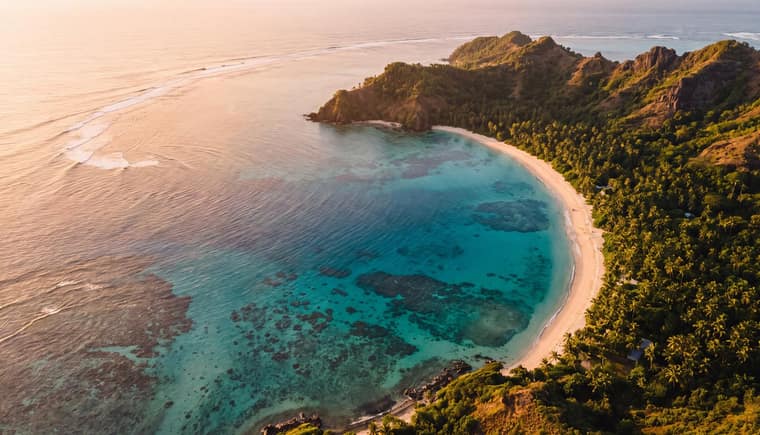
The Cook Islands are sold as one destination and planned badly as one. Fifteen islands, about 15,000 residents, and two of them carry nearly every visitor: Rarotonga, where the international flights land and roughly seven in ten Cook Islanders live, and Aitutaki, one domestic hop north. They are not variations on each other. Rarotonga is a working island with a town, a bus timetable and a narrow fringing lagoon. Aitutaki is a triangular atoll wrapped around a lagoon that photographs the way it actually looks.

Almost every complaint about the Cook Islands is really a complaint about Rarotonga booked as if it were Aitutaki. The lagoon on Rarotonga is thin, the bottom goes from clean sand to seagrass within a few hundred metres, and the swimmable stretches sit on the southern coast around Muri and Titikaveka rather than in front of the town. Booked for what it is, a green volcanic island with a 32 km coast road, an interior worth walking and a Saturday market, it holds three or four nights easily. Booked as a beach week, it disappoints on the first afternoon.

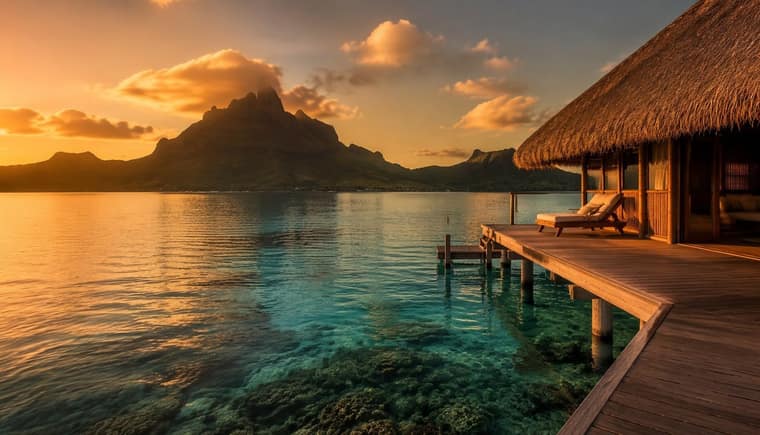
The country is also not a quieter Bora Bora, which is the other framing that causes trouble. French Polynesia has overwater villas by the hundred across several islands; the Cook Islands have one resort with them, on a private motu off Aitutaki. What you get instead is a place with a resident population going about its week, no resort monoculture, and rates that sit below the French Polynesian equivalent. What you do not get is nightlife, shopping, or much open on a Sunday. That suits a specific traveller and quietly annoys everyone else.
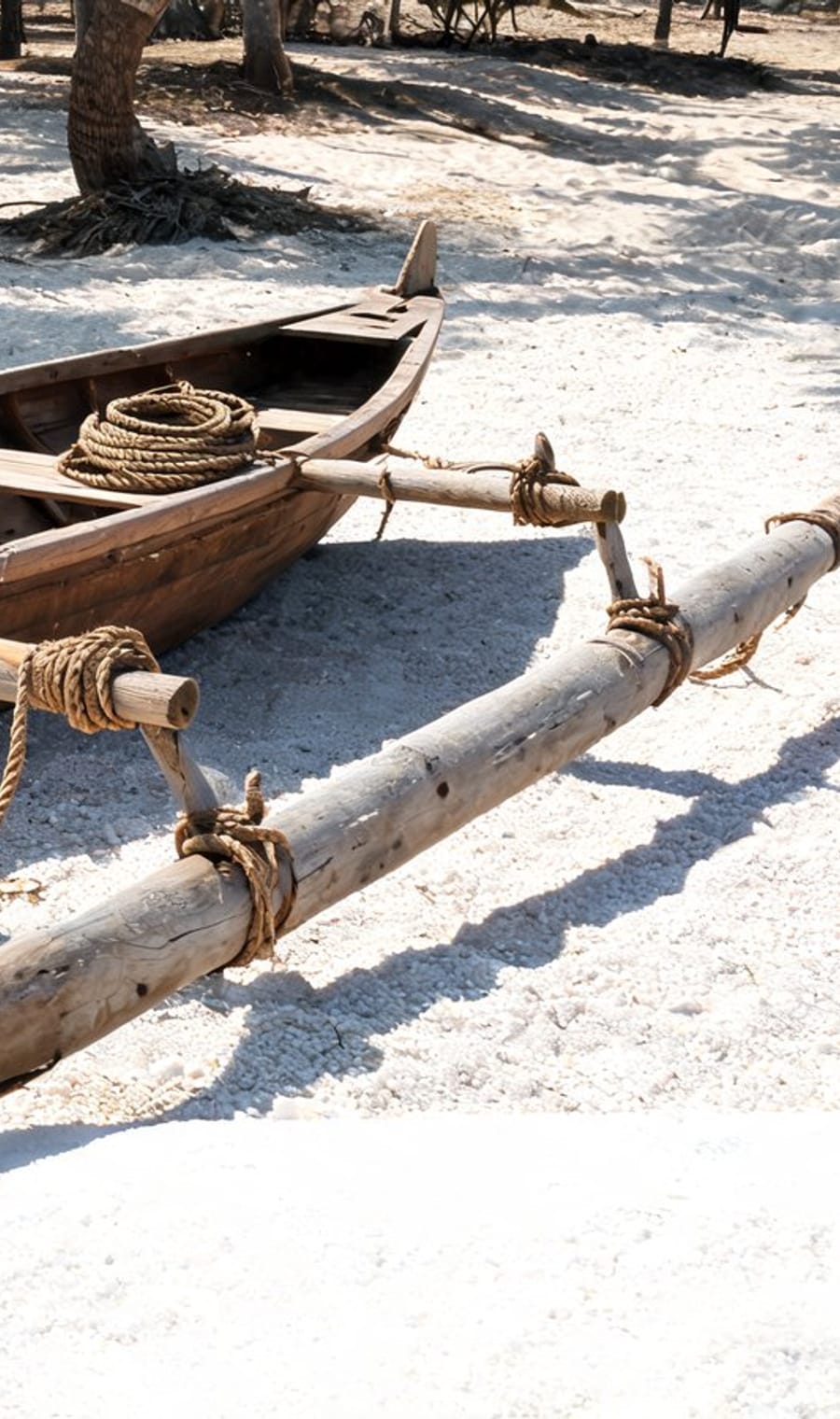
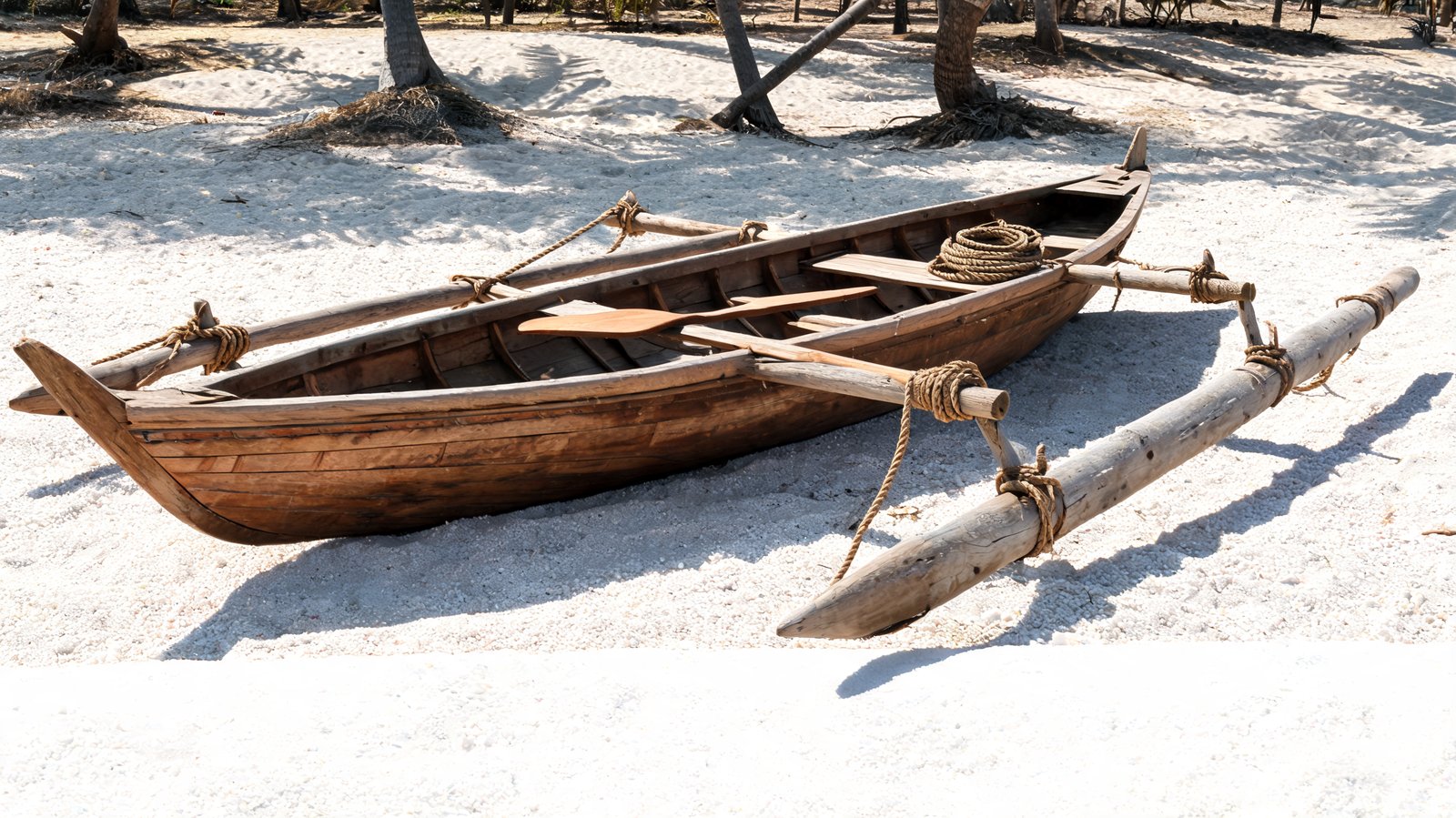
An outrigger canoe pulled up on white sand beside the Aitutaki lagoon
Aitutaki Lagoon · Cook Islands
Where We Send Clients

Where the Nights Actually Go

Fifteen islands, and for almost every trip, two of them. Splitting those two properly is the whole planning exercise. These six places are where the nights go, and the ratio between them decides more than the hotel does.
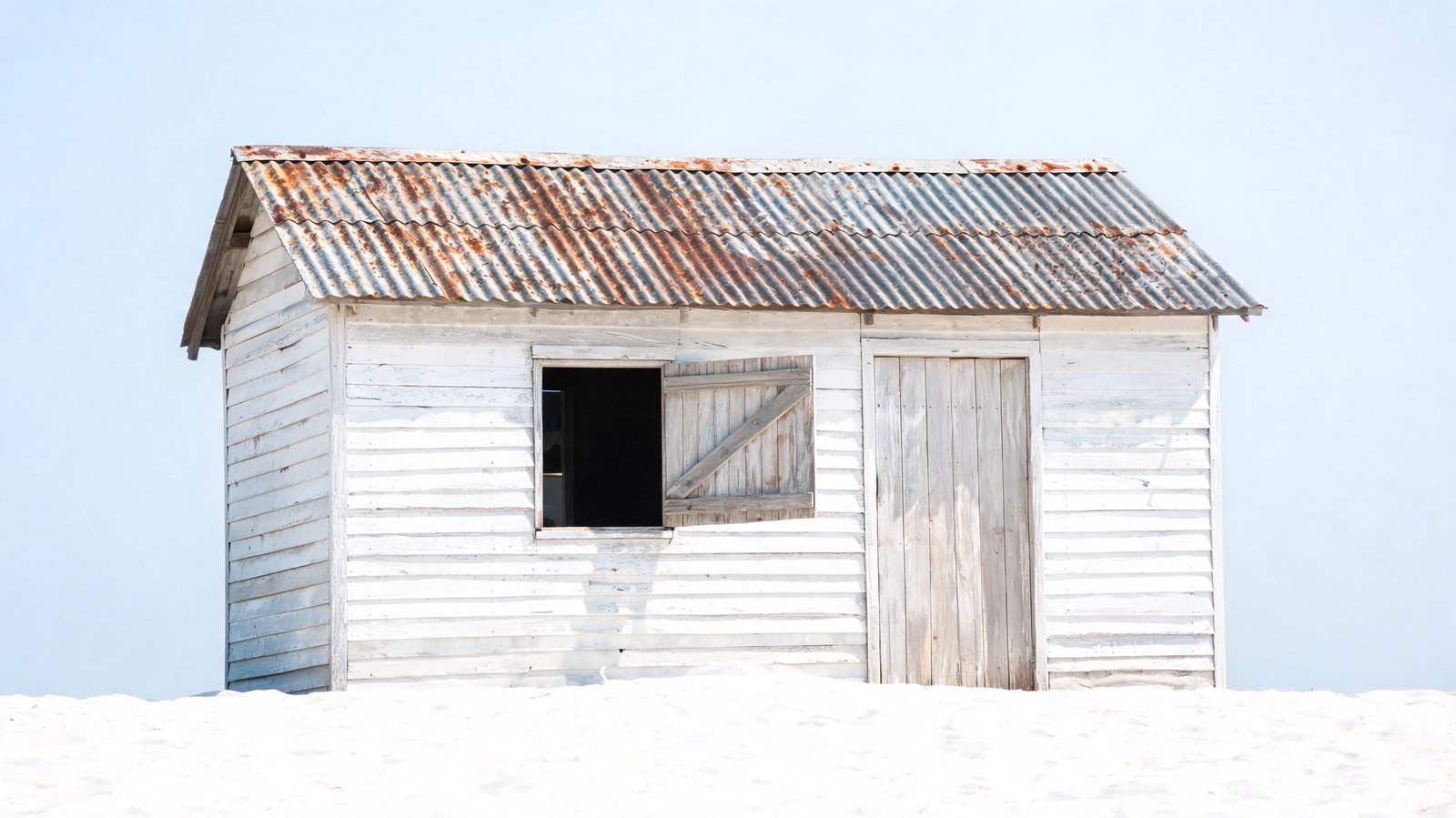
Aitutaki Lagoon
Aitutaki
Aitutaki Lagoon
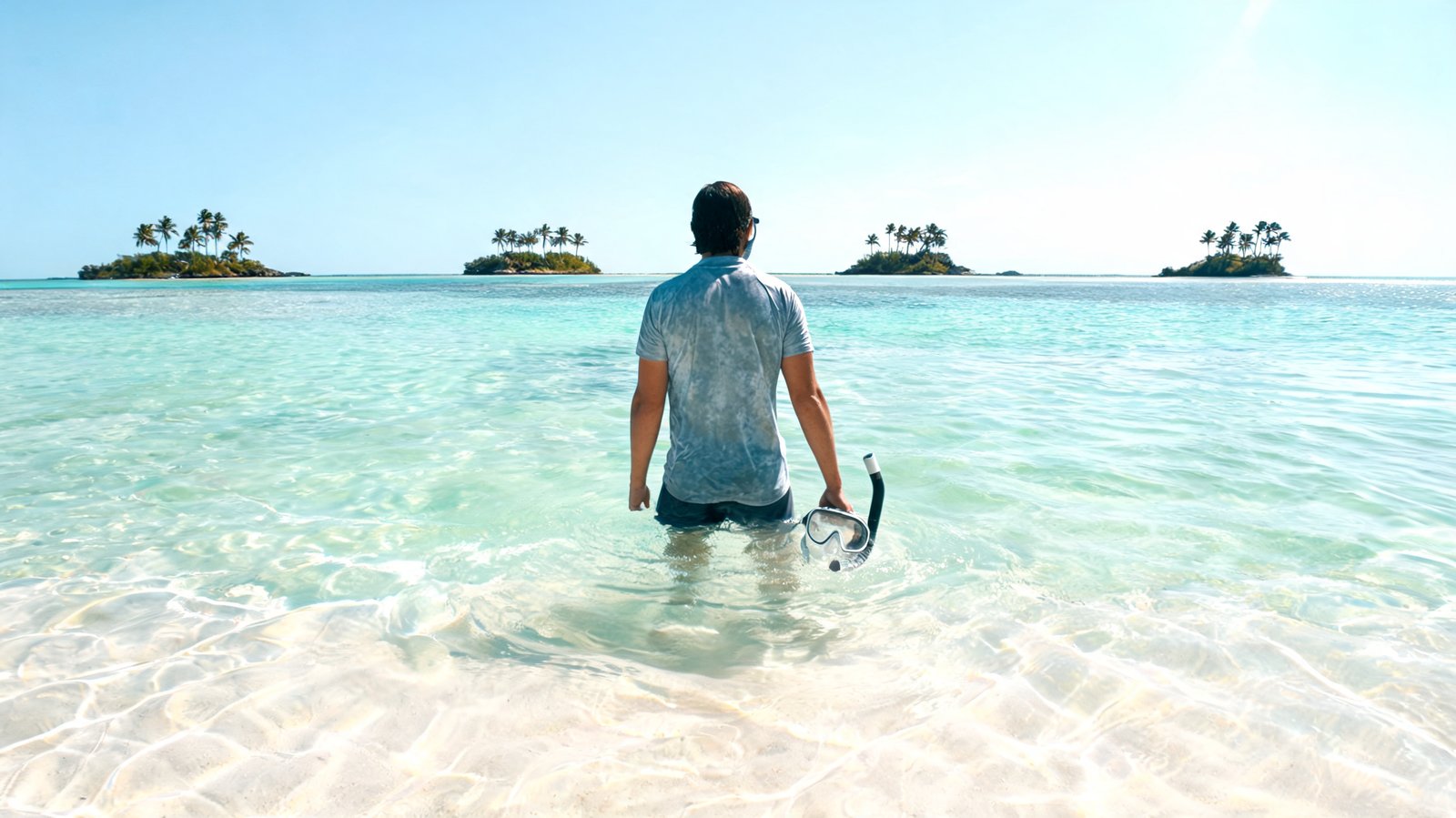
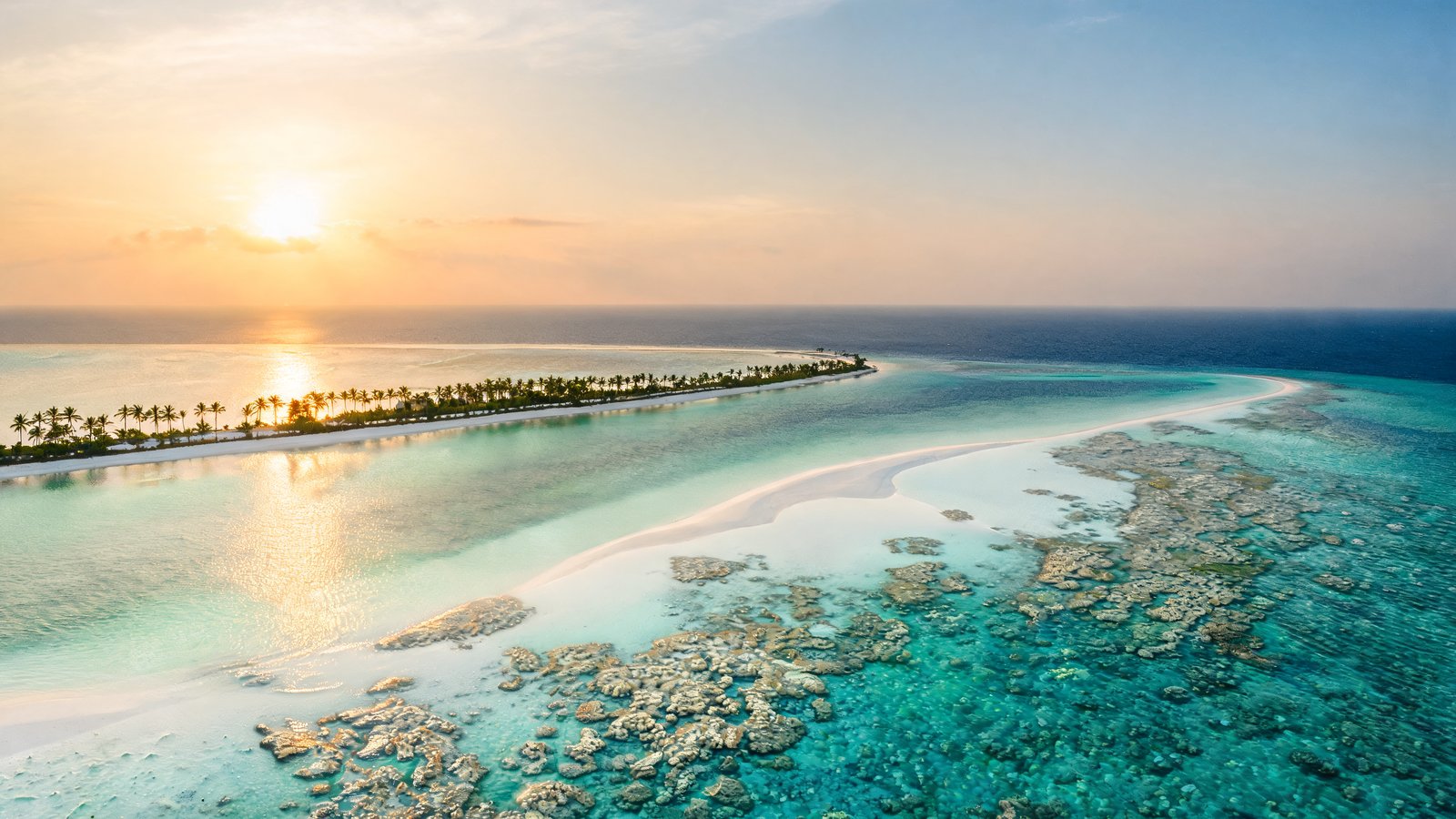
The reason the country is on anyone's list. A shallow triangular lagoon ringed by motu, wadeable a long way out in places, and the whole exclusive economic zone around it sits inside Marae Moana, a marine park legislated in 2017. Take the lagoon cruise twice, not once.
Lagoon Cruise Motu Snorkelling
Explore →
One Foot Island, Aitutaki
Aitutaki
One Foot Island
Tapuaetai, the sandbar in the far corner of the lagoon that every cruise stops at. The one-room post office stamps passports with a foot, which is frankly a gimmick and also the only stamp of its kind anywhere. Book a boat that gets there ahead of the fleet or after it leaves.
Tapuaetai Sandbars Passport Stamp
Explore →
Muri & Titikaveka, Rarotonga
Rarotonga
Muri & Titikaveka
Rarotonga's southern coast, and the only part of the island that reads as a beach week. Muri's lagoon is broad and shallow with four motu offshore; Titikaveka is quieter with the better snorkelling. Depth and bottom change stretch by stretch, which is why the specific property matters more here than the island.
Muri Lagoon Titikaveka Snorkelling
Explore →
The Cross-Island Track, Rarotonga
Rarotonga
The Cross-Island Track
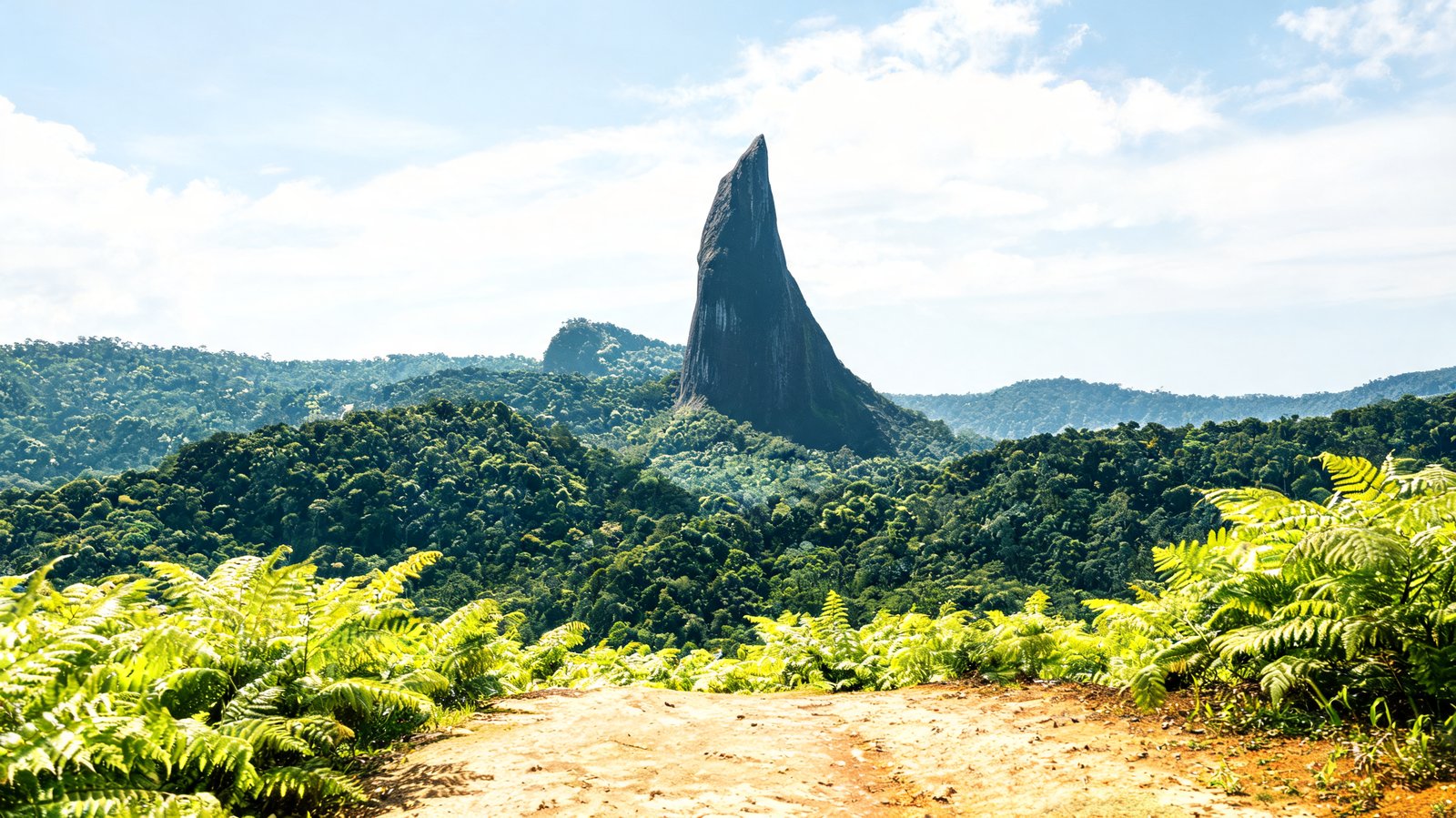
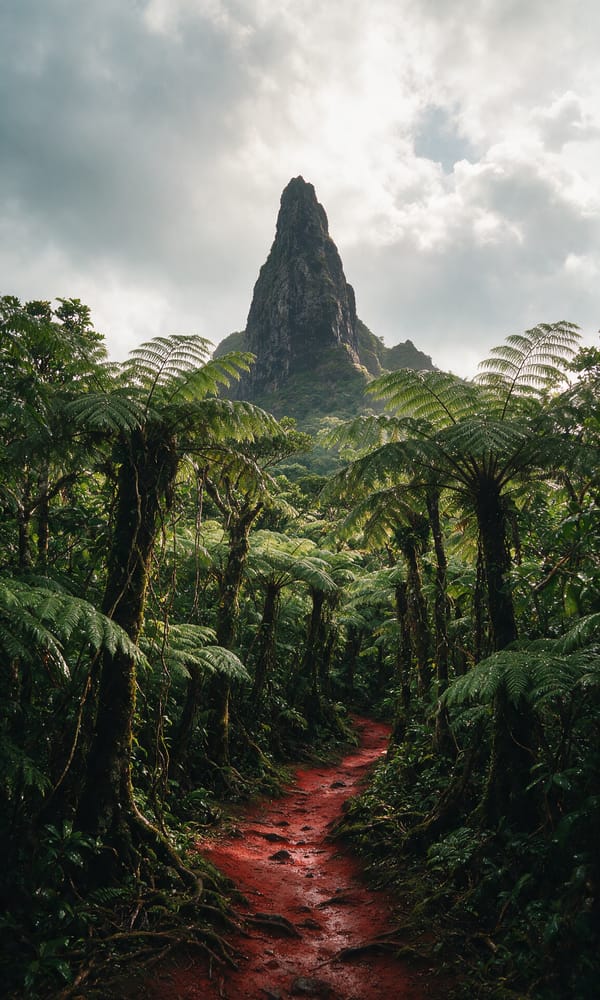
The interior, which most visitors never see. Roughly seven kilometres from the north coast to the south, past Te Rua Manga, the 413-metre volcanic plug known as the Needle, finishing at Wigmore's Falls. Three to five hours depending on the mud, and the best half-day on Rarotonga by some distance.
Te Rua Manga 7 km Half Day
Explore →
Avarua & the Market, Rarotonga
Rarotonga
Avarua & the Market
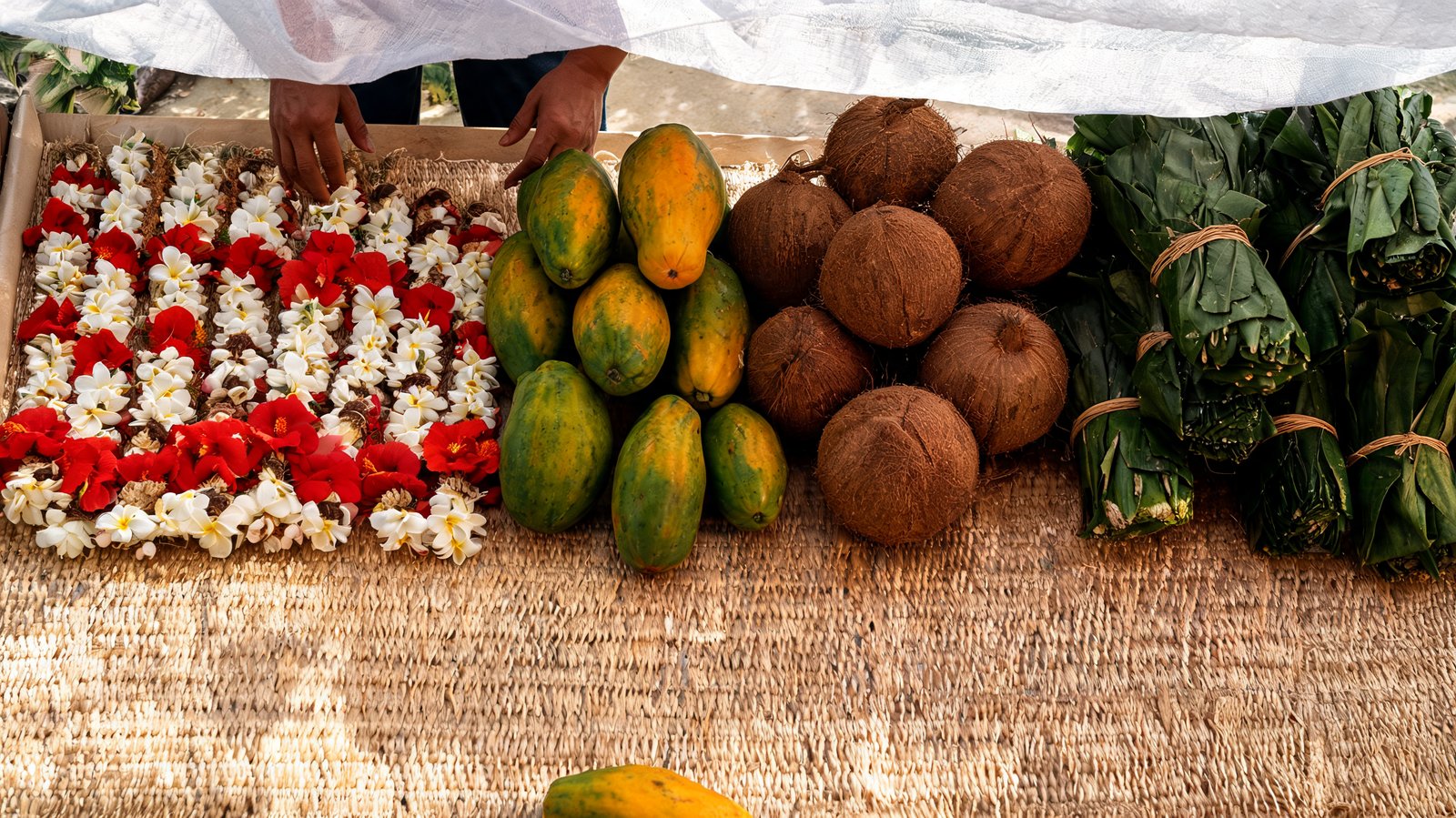
The capital, such as it is: one low street on the north coast, a small harbour, and the Punanga Nui market on Saturday mornings for 'ei katu, ika mata and produce. Sunday belongs to the church here. A Cook Islands Christian Church service is open to visitors and the singing is the reason to go.
Saturday Market Avarua Island Night
Explore →
Atiu, Southern Group
Southern Group
Atiu
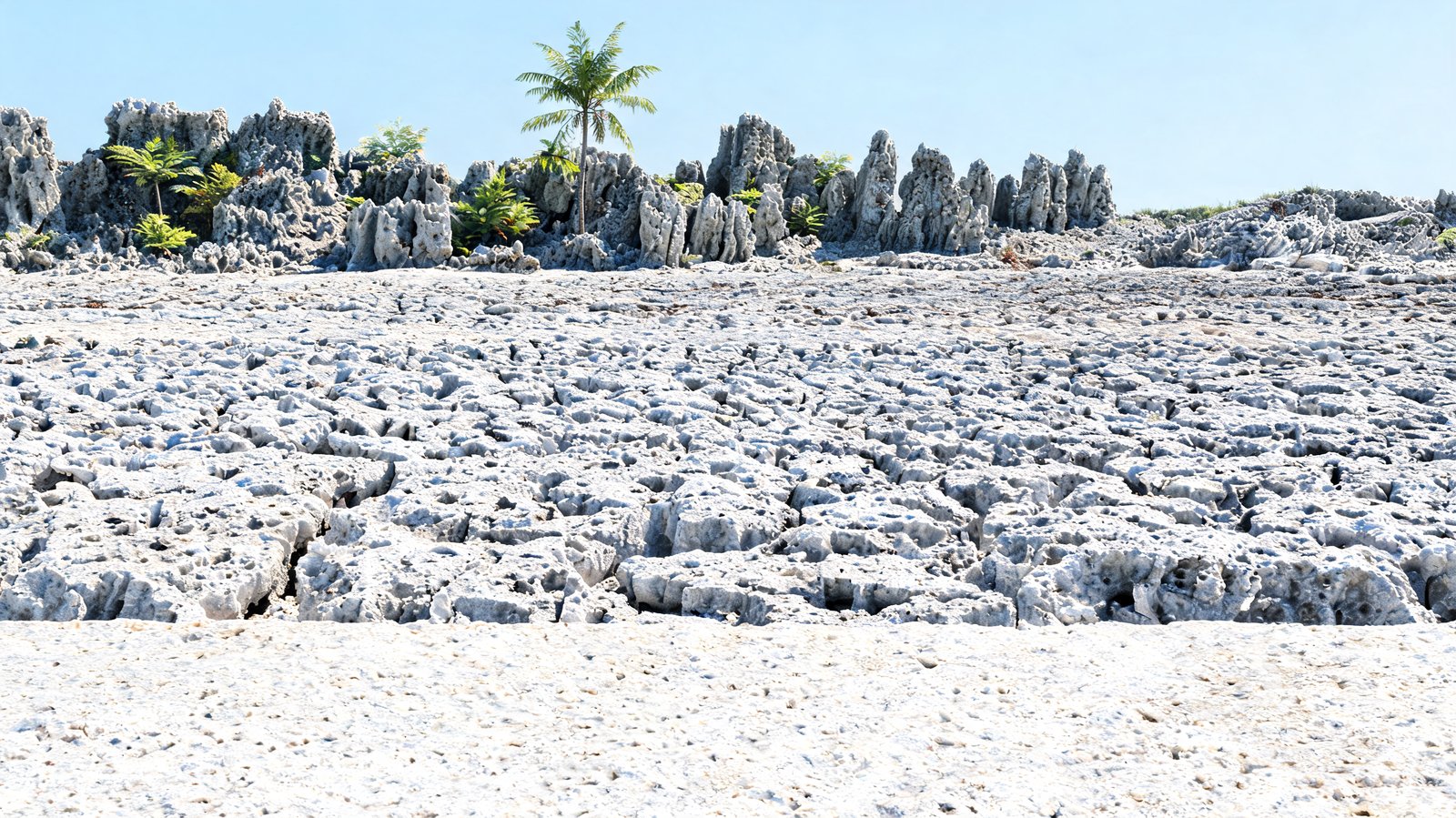
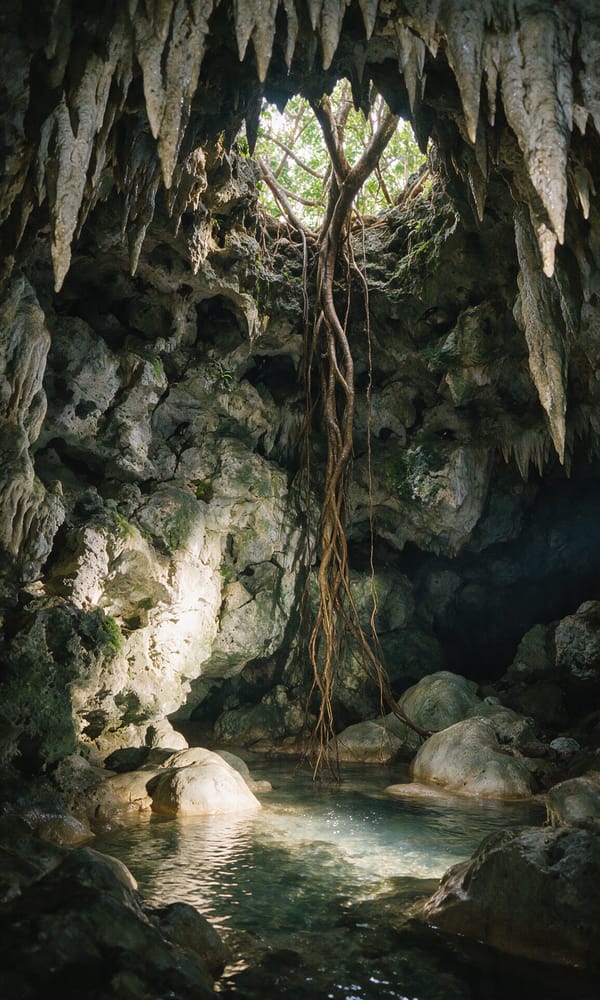
The third island, for travellers who want something other than a lagoon. Atiu is raised makatea limestone honeycombed with caves; Anatakitaki holds the kopeka, a swiftlet that navigates the dark by echolocation. Add a small coffee industry and the tumunu bush-beer tradition. Air service is limited and books out.
Makatea Caves Kopeka Coffee
Explore →
Featured Itineraries

Trips We Plan Often

Cook Islands itineraries built around the domestic flight schedule, the side of the lagoon a property actually sits on, and giving Aitutaki the nights it needs rather than the nights left over.
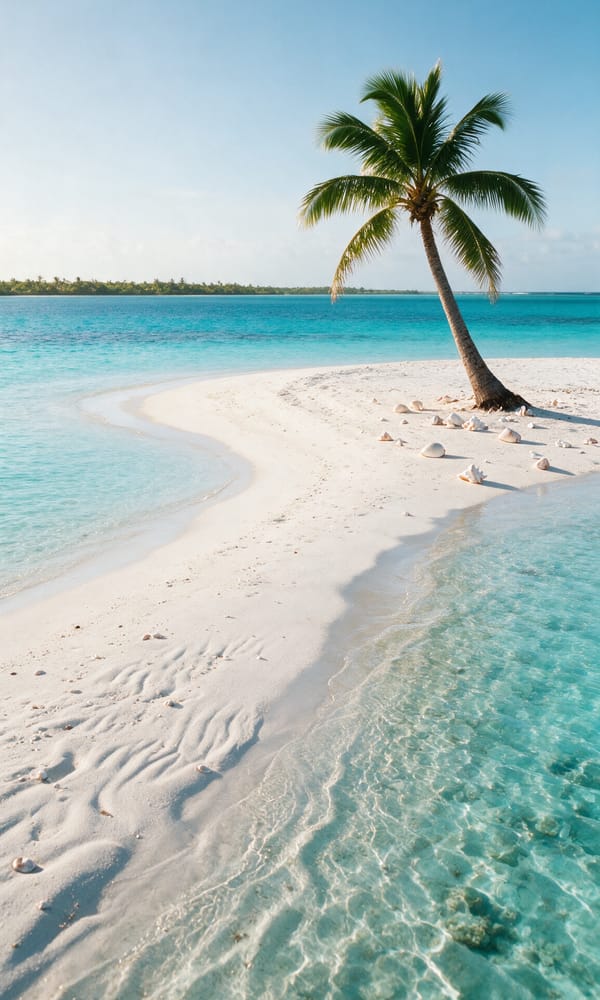
A bare white sandbar and leaning coconut palm on an outer Aitutaki motu at first light
May – October · 9–10 Days
The Split That Works
Two nights on Rarotonga's south coast at the start, which is what the arrival timing tends to force anyway and which gets the jet lag out of the way somewhere with a lagoon in front of it. Then five nights on Aitutaki: two lagoon days rather than one, a morning on the far motu before the day boats arrive, and enough unscheduled time that the weather can move a plan without wrecking it. Back to Rarotonga for the last two nights, timed so the Saturday market and the cross-island walk both land. That sequence protects the connection home, which a single-night Rarotonga finish does not, and it puts the two lagoon days early enough that a blown-out morning can still be rescheduled rather than written off.
Cook Islands9–10 Days
Plan This Trip
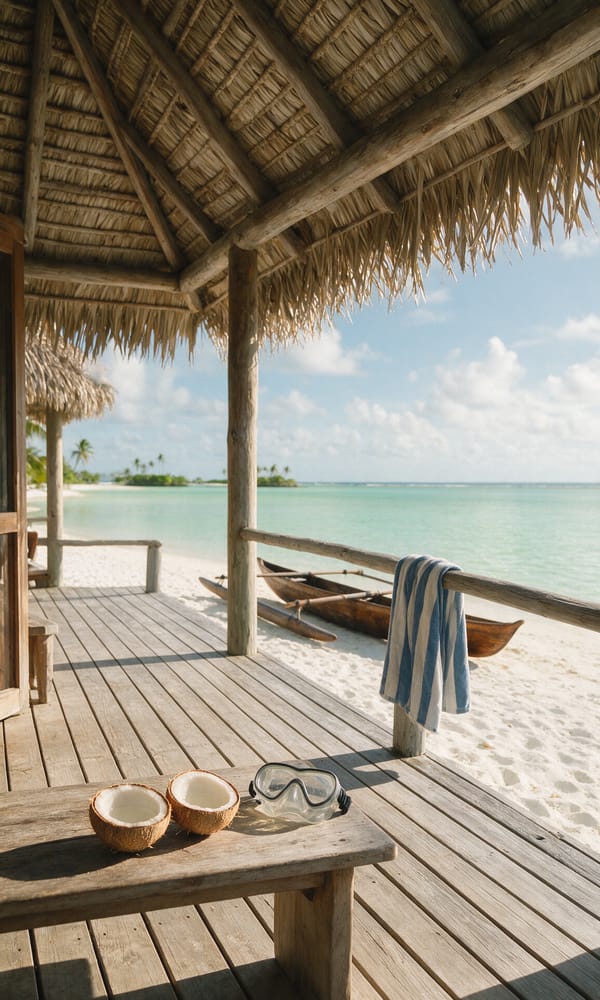
Worn timber decking, coconut shells and a snorkel mask on a beachfront villa deck above the Aitutaki lagoon
June – September · 6–7 Days
Aitutaki, and Nothing Else
The honeymoon version, and the one people are usually imagining when they ask about the Cook Islands. One night on Rarotonga on arrival because the domestic schedule requires it, then five or six on Aitutaki and nothing on the plan but the lagoon. Snorkelling on the outer reef, a private drop on a sandbar with lunch, kitesurfing in the trade-wind months, and dinner at the same three places because there are only three. It works because Aitutaki is small enough to stop performing after two days. Anyone who needs variety inside a week should read the twelve-day version below instead.
Cook Islands6–7 Days
Plan This Trip
Stalactites and hanging banyan roots inside the Anatakitaki limestone cave on Atiu, lit by one torch beam
May – October · 12–14 Days
Three Islands, Including Atiu
For travellers who want the country rather than the lagoon photograph. Three nights Rarotonga with the cross-island track, the market and an island night, five on Aitutaki, then three on Atiu: caving at Anatakitaki with a guide who knows where the kopeka nest, a coffee plantation, and a tumunu evening that is the closest thing to being invited in. Atiu accommodation is small and the domestic seats sell out well ahead, so this itinerary is booked back to front, starting with the flights. Finish on Rarotonga. It is not a comfortable trip throughout and it is the one people talk about afterwards.
Cook Islands12–14 Days
Plan This Trip
The basalt spire of Te Rua Manga rising above the rainforest on Rarotonga's cross-island track
May – October · 14–16 Days
Cook Islands and French Polynesia
The two Polynesias in one trip, using the Rarotonga–Papeete service rather than backtracking through Auckland. Seven or eight nights in the Cooks split the usual way, then across to Tahiti for Moorea and either Bora Bora or the Tuamotus. The comparison is the point: the same ocean, two very different price positions, and two very different relationships with tourism. Most people come home preferring one strongly and are surprised which. The service between the two runs on a limited weekly schedule that governs the whole shape of the trip, so it is the first thing confirmed and everything else is built around it.
Cook Islands14–16 Days
Plan This Trip
Why Plan With Us

What We Add to Cook Islands Planning

Four decisions carry this trip, and three of them are made before anyone books a hotel. Get the ratio and the routing right and the properties are the easy part.

The Ratio Between Two Islands
The single most common Cook Islands itinerary is seven nights on Rarotonga with one day trip to Aitutaki, and it is close to backwards. The lagoon that justifies the distance gets six hours; the island that does not gets six days. Aitutaki wants five nights minimum, which is what it takes for two proper lagoon days plus a weather day. Rarotonga wants three or four, and earns them on the coast road, the interior and the Saturday market rather than on its beaches. We start every plan with that ratio and work the flights around it.
Routing Decides the Trip
Rarotonga has one international airport and a thin set of routes into it, mostly through Auckland, with Sydney, Brisbane, Papeete and a seasonal Christchurch service alongside. That thinness has consequences. Miss a connection and the next opportunity may be days out rather than hours. The domestic hop to Aitutaki carries a lower checked-baggage allowance than the long-haul sector, which surprises people at the counter. And arrivals into Rarotonga cluster at hours that decide whether the first night is a night or a shower. The routing is settled first here, not last.
Which Stretch of Which Lagoon
On Rarotonga, "beachfront" and "swimmable at low tide" are unrelated claims, and the gap between them is a few hundred metres of coast. The southern arc holds the good water. The north and parts of the east give you a lagoon you can wade in and not much you would swim in, and photographs taken at high tide will not tell you which you are booking. On Aitutaki the question is whether a property sits on the lagoon side, which way it faces for the afternoon trade wind, and whether the boat leaves from its own jetty or a drive away. Those are property-by-property answers.
Saying Who It Does Not Suit
The Cook Islands are wrong for a meaningful number of people who ask about them, and the honest conversation costs five minutes and saves a holiday. There is no shopping, no nightlife past an island night, no restaurant scene to work through, and Sunday closes most of what there is. Families with teenagers who need stimulation tend to struggle by day four. Travellers who want the full overwater-villa resort machine should be looking at French Polynesia or the Maldives, and we will say so. What is left is the group this country is genuinely excellent for.
When to Go

The Cook Islands by Season

Dry Season
May – October
Lower humidity, steadier southeast trades, and the clearest water on the Aitutaki lagoon. This is when the country is worth the distance and it is priced accordingly, with July and August the tightest weeks for the small Aitutaki properties and the domestic seats to reach them. Humpback whales pass through roughly July to October and are seen from shore on Rarotonga's west coast in a good year. The trade wind that keeps the temperature honest is the same one that makes the kitesurfing season, and the same one that can put a chop on the lagoon for a morning.
Best Overall Window
The Edges
April & November
Two months that often behave like the dry season with better availability, and occasionally do not. Both sit inside the official cyclone window, both bring more humidity than June, and both regularly deliver a fortnight anyone would take. The trade is real rather than theoretical: you gain room in the properties that are full in July, and you accept a wider spread of possible weather. For a second trip to the region, or for anyone who has to travel outside school holidays, these are the months worth arguing for.
Wet Season
December – March
Warmer, wetter, and inside the South Pacific tropical cyclone season, which runs November to April in the regional seasonal outlooks. Most of those weeks pass without an event, rain tends to arrive in heavy short bursts rather than all day, and rates soften. What changes is the downside: a named system can shut the domestic air link for days, and insurance stops being optional. Book these months deliberately, with cover in place and a plan that can lose two days, or book May instead.
Ready When You Are

Plan a Cook Islands Trip
With Aitutaki Given Its Days

Tell me how many nights you have, which month, and whether you want the lagoon or the whole country. I'll come back with the island split, the properties that sit on water you can actually swim in, and the flight sequence that holds it together, within one business day.

Plan a Cook Islands Trip All South Pacific Destinations

No booking fees  ·  Response within 24 hours  ·  Fully bespoke

What It Costs

What the Cook Islands Actually Costs

Priced per island, plus the sector between them
Aitutaki and Rarotonga sit at different price levels on the same trip, and because the split that works gives Aitutaki five of nine nights, one nightly figure would be an average weighted to the wrong island.
What actually sets the number
  • The island split — five nights on Aitutaki against three on Rarotonga moves the total more than the property does
  • The domestic sector, a 40-minute flight run up to five times a day, with excess baggage at NZ$3.50 a kilo
  • The overwater bungalows, which exist at exactly one resort in the country and commit furthest ahead

Tell me the dates and the party and you get a real quote, not a range. Source: Air Rarotonga baggage and excess rates.

Common Questions

Cook Islands — FAQ

The questions that come up most when planning a first Cook Islands trip — how to split the two islands, whether the overwater villas are real, how it compares with Bora Bora, and who should book somewhere else.

May through October, the drier and cooler half of the year, with July to October adding humpback whales offshore. Those months bring lower humidity, steadier southeast trades and the clearest water on the Aitutaki lagoon, and they are priced and booked accordingly — July and August fill the small Aitutaki properties and the domestic seats to reach them months out. November through April is the wet half and sits inside the South Pacific cyclone season. April and November are the two months worth arguing about: they often behave like the dry season with better availability, and occasionally do not.

Give Aitutaki at least five nights and Rarotonga three or four, not the reverse. Five on Aitutaki is what it takes to get two full lagoon days plus one day the weather is allowed to take, which is the difference between seeing the lagoon and spending time on it. Rarotonga earns its three or four nights on the 32 km coast road, the cross-island track, the Saturday market and an island night, none of which need a beach. Booking it the other way round is the most common Cook Islands mistake, and it produces a holiday that was fine rather than one that was the point.

You can, and it is the most expensive way to see the least of it. The day-trip product exists, sells well and delivers a few hours on the water in the middle of the day, arriving with every other day boat and leaving before the light turns. What it cannot give you is the lagoon early or late, when the colour is doing what the photographs promised and the sandbars are empty. If the trip genuinely cannot spare five nights, three on Aitutaki still beats a day trip by a wide margin. If it cannot spare three, consider going somewhere else.

One resort has them, on a private motu off Aitutaki, and that is the entire national supply. Everything else in the country is a beachfront room, a garden bungalow, a villa or a self-catering unit, which is a very different product from a lagoon ringed with villa pontoons. The scarcity has a practical consequence: those rooms are committed further ahead than anything else in the Cook Islands, and a July or August request inside six months is usually a request for something that no longer exists. Current inventory is listed through Cook Islands Tourism; confirm availability before booking flights.

Smaller, quieter, cheaper, and with a fraction of the overwater inventory. Aitutaki's lagoon stands comparison with any in the Pacific, and the country receives a small share of French Polynesia's traffic, so the water is genuinely emptier. What French Polynesia has that the Cooks do not is scale: dozens of overwater properties, several islands with real hotel choice, a serious food scene in Papeete, and the ability to build a two-week trip without repeating yourself. If the villa itself is the holiday, go to French Polynesia. If the lagoon and the quiet are the holiday, the Cooks win, and it is not close.

Anyone who wants nightlife, shopping, a restaurant scene, or a resort that fills every hour for them. This is a country of roughly fifteen thousand people. Rarotonga has one small town, Aitutaki has a handful of places to eat, and Sunday closes most of both for church. Teenagers who need stimulation tend to run out of it by day four, and travellers who measure a trip by how much they did will find the answer here is not much. The people it suits are the ones for whom that is the entire appeal, and they are the ones who come back.

Rarotonga is the only international gateway, and Auckland is the hub most itineraries route through. Sydney, Brisbane, Papeete and a seasonal Christchurch service make up most of the rest, and the schedule is thin enough that a missed connection can cost days rather than hours. Inside the country, Air Rarotonga operates every domestic sector, including Aitutaki and Atiu, with a lower checked-baggage allowance than the long-haul flight. Schedules and routes change season to season, so confirm current services with the airline and with Cook Islands Tourism before committing to dates.

Most visitors do not need a visa and are granted a 31-day permit on arrival. The conditions attached to it are the part people miss: a passport valid well beyond the departure date, proof of onward travel, and accommodation booked before you land. That last one catches independent travellers who intended to sort a room out on the island. Requirements differ by nationality and change without much warning, so treat this as orientation rather than authority. The current rules are published by the Cook Islands Ministry of Foreign Affairs and Immigration, checked ; verify against your own government's current travel advice before booking.
More questions answered on the Full FAQ Page
From the Journal

Read More on Planning South Pacific