
Melanesia

The Pacific Nobody
Arranged For You.

Vanuatu is the South Pacific for people who do not want a resort island. A 199-metre liner sunk in 1942 sits close enough to the beach at Luganville to be entered on foot, an active volcano on Tanna can be stood above at dusk, and the infrastructure is genuinely thinner than Fiji's. The planning problem is the domestic flight schedule, and everything else follows from it.

Best Season
May – October
Best For
Volcanoes
& Wreck Diving
The Region

The Pacific That Was Never
Organised Around Visitors.

Vanuatu's dry season runs May through October, outside the November-to-April cyclone window. A first trip runs 9 to 12 days across two islands, not four. Espiritu Santo holds the SS President Coolidge, a 199-metre liner sunk in 1942 and entered from the beach; Tanna holds Mount Yasur, where crater access follows a published alert level.

Vanuatu is a chain of 83 islands, 65 of them inhabited, according to the Vanuatu Tourism Office. The country became independent on 30 July 1980 after seventy-four years as a joint British and French condominium, which is why English, French and Bislama are all official. It is not a resort destination and does not pretend to be. What it has instead is a shipwreck you walk to from a beach, a volcano you stand above at night, and islands where tourism is a sideline rather than the economy.

Espiritu Santo holds the SS President Coolidge, a 199-metre liner requisitioned as a troopship and lost on 26 October 1942 when she struck friendly mines entering the Segond Channel. Her master ran her onto the reef and more than five thousand men walked off; two did not. She lies on her port side with the bow near 20 metres and the stern past 60, close enough to shore that the dive begins on a beach rather than a boat. Nothing else anywhere matches that ratio of scale to access.

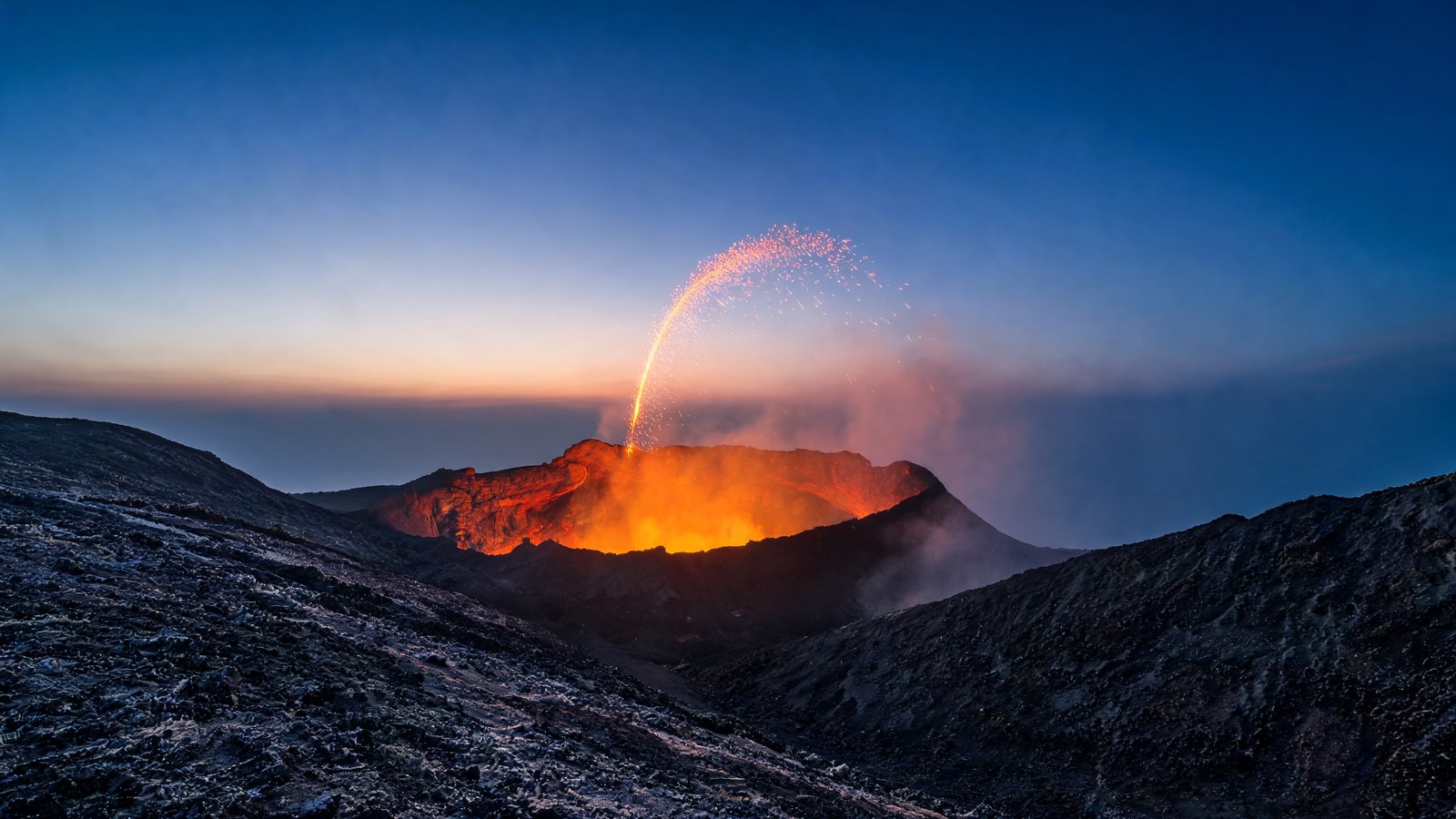
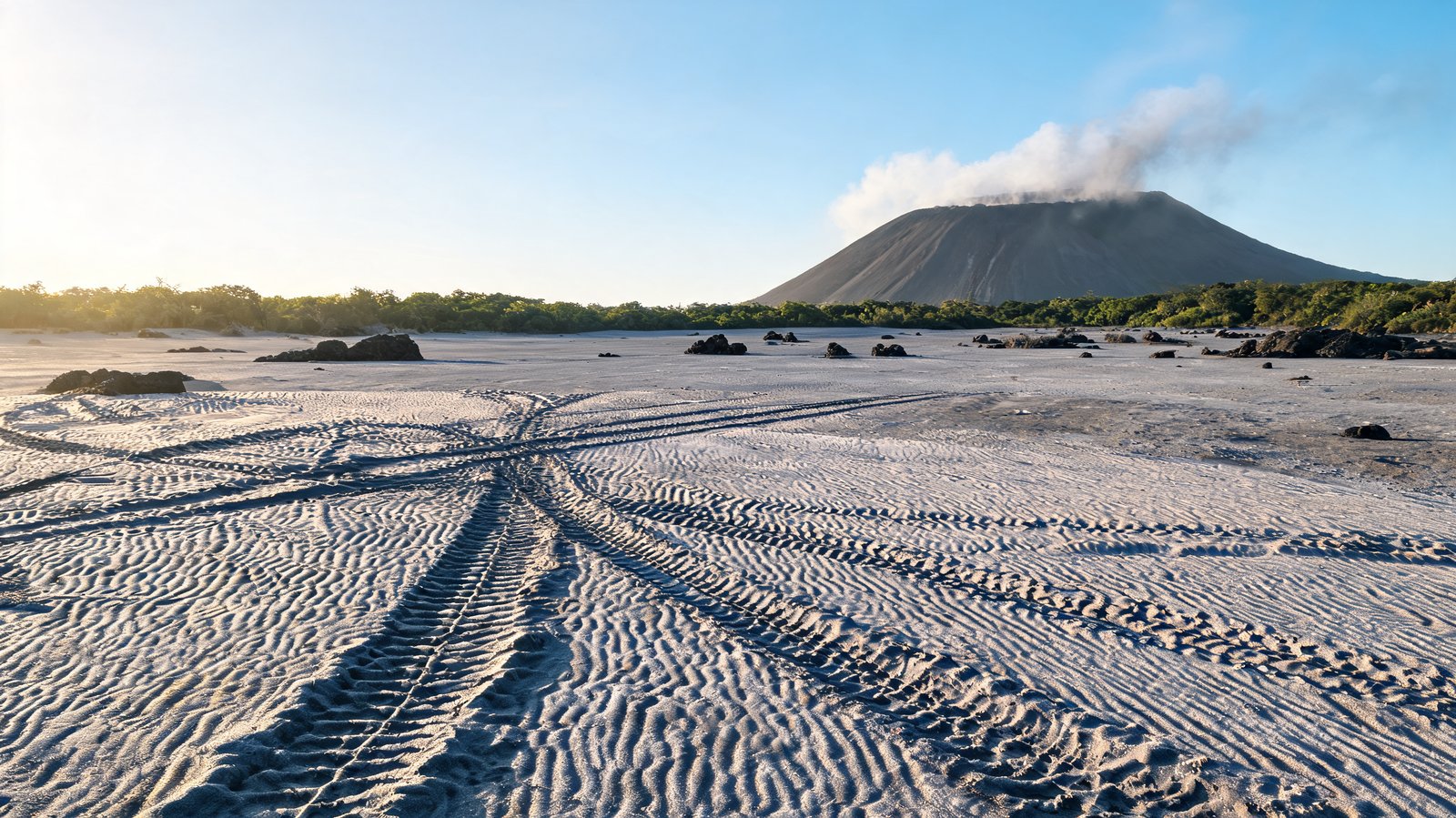
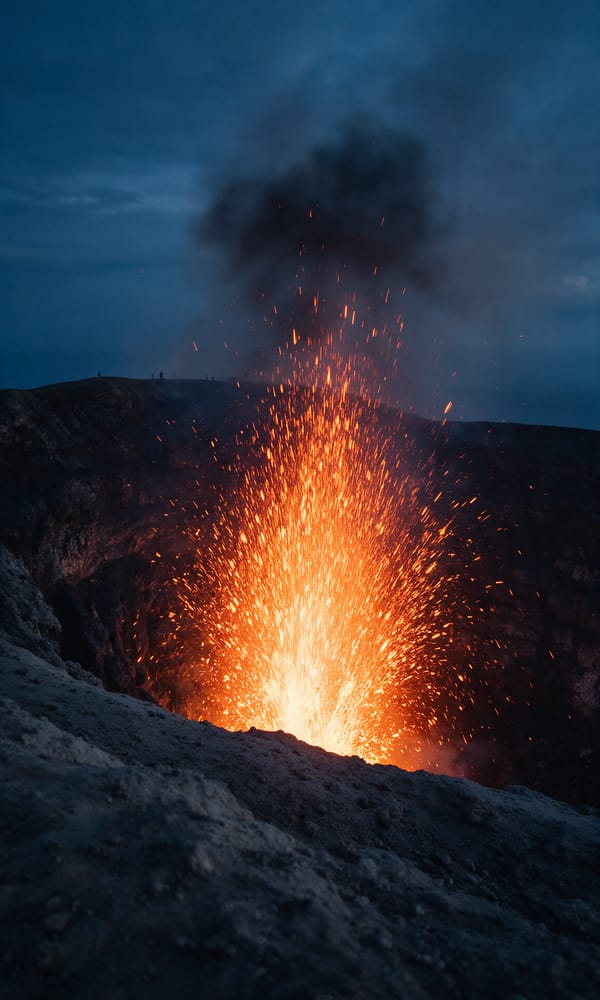
Tanna holds Mount Yasur, a 361-metre cone that has erupted more or less continuously since before Cook recorded its glow in 1774. You cross the ash plain by 4WD and walk the last stretch to a rim above live vents. The constraint on all of it is air. The domestic network runs small turboprops on thin schedules, weather cancels sectors, and a trip planned as though those flights were trains will lose days. Anyone who wants an overwater villa and one flight should book Fiji, and I will say so on the first call.
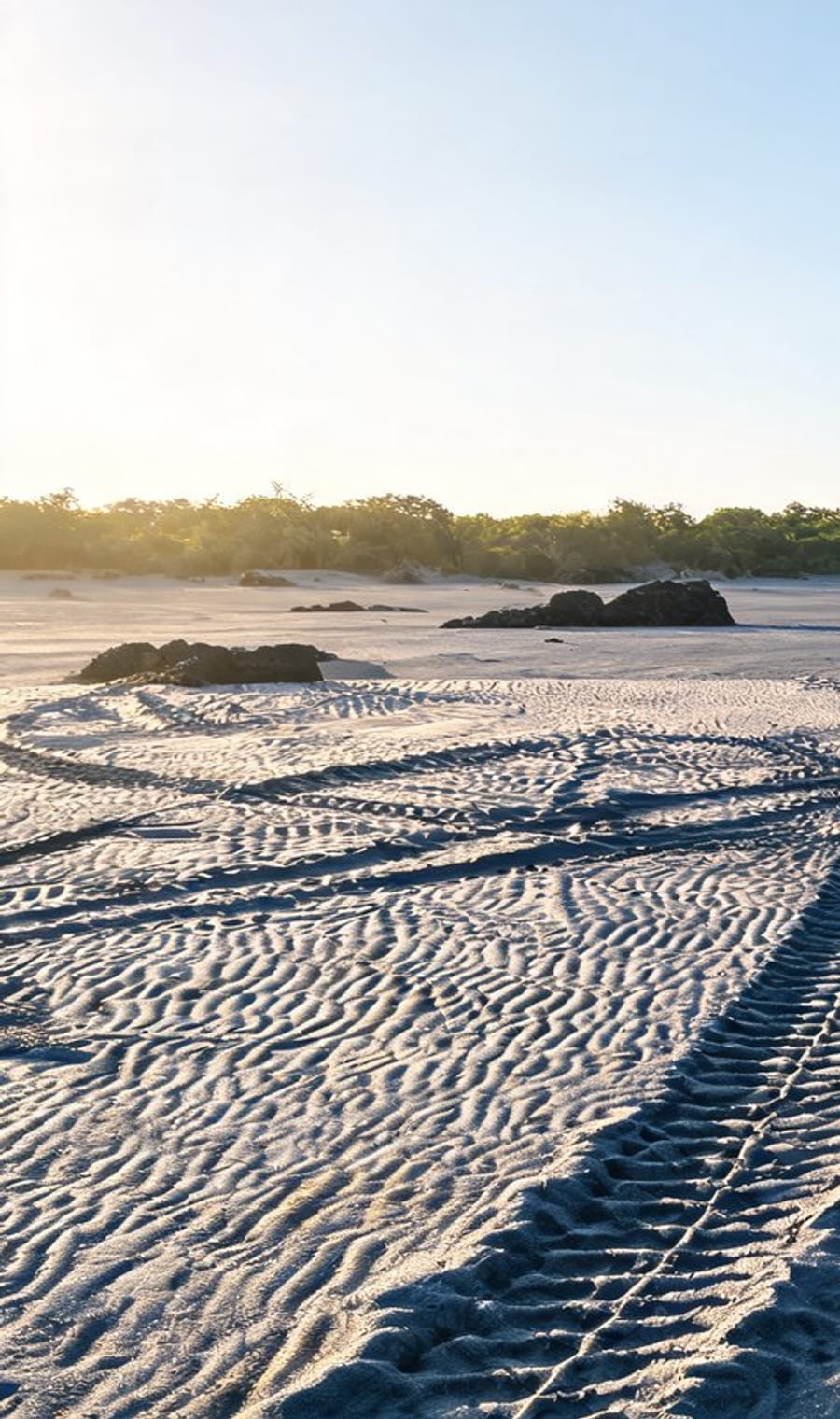
Rippled volcanic ash below Mount Yasur on Tanna, Vanuatu
Yasur's ash plain · Tanna · Vanuatu
Where We Send Clients

Six Islands Across the Melanesian Arc

This page covers Vanuatu and the arc that runs beside it — Tonga, the Solomons, Samoa. They share a season and very little else. These six are the ones worth building a trip around, and the order below is roughly the order of difficulty.
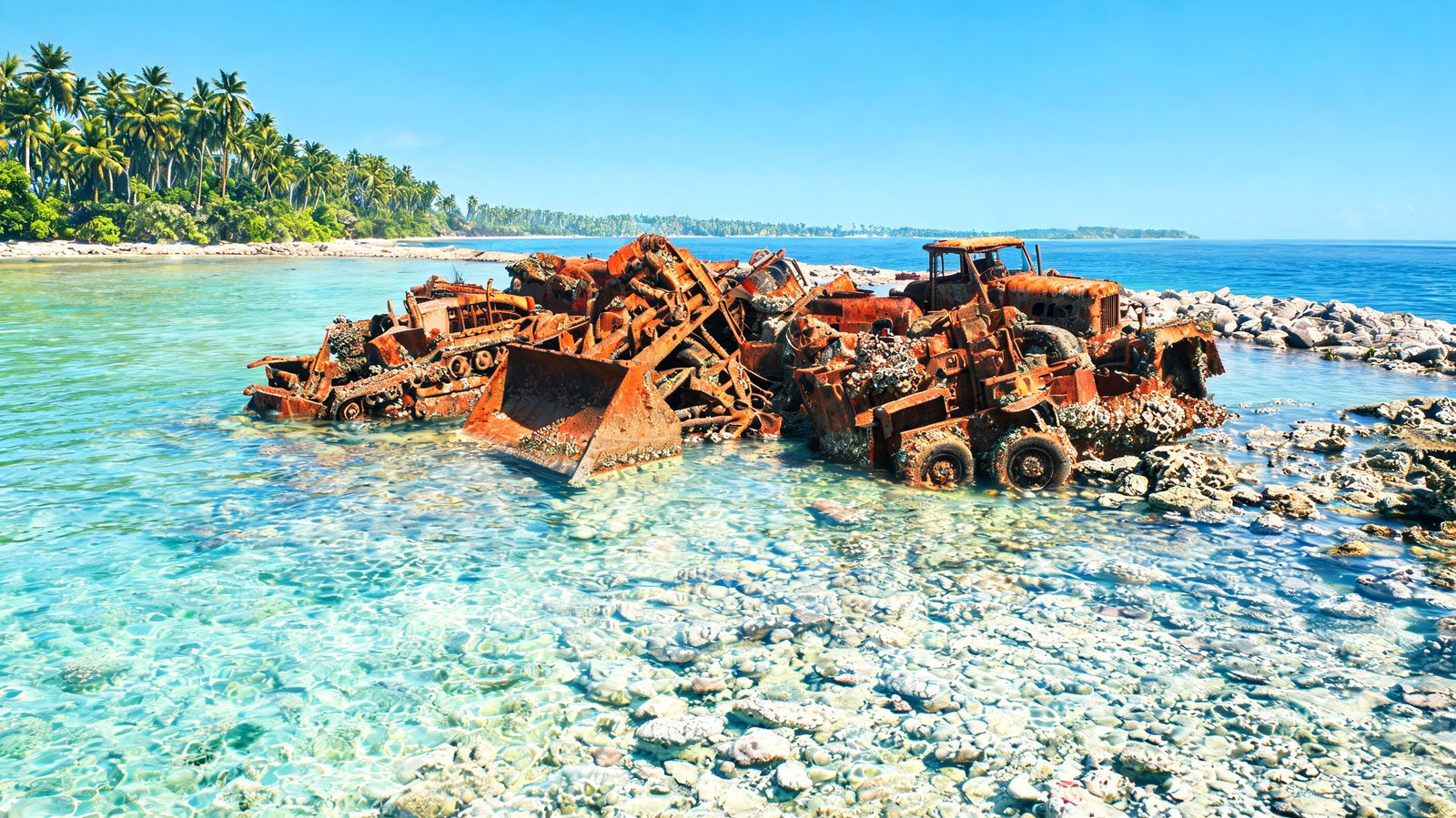
Espiritu Santo, Vanuatu
Vanuatu
Espiritu Santo
The wreck island. The SS President Coolidge is entered from the beach at Luganville, and Million Dollar Point down the same shore is where American forces bulldozed their surplus into the sea in 1945. Champagne Beach sits about 50 kilometres north, on a coast with almost no development.
Coolidge Million Dollar Point Blue Holes
Explore →
Tanna, Vanuatu
Vanuatu
Tanna
Mount Yasur, and the reason most non-divers come. A rough two-hour 4WD crossing from the airstrip, then a short walk to a rim above live vents, best at dusk when the glow reads properly. Rim access follows the published alert level and can close at short notice.
Mount Yasur Kastom Villages Two Nights
Explore →
Efate & Port Vila, Vanuatu
Vanuatu
Efate & Port Vila
The gateway and the hinge every domestic flight routes through, which is why it earns a night at each end rather than none. Chief Roi Mata's Domain, listed by UNESCO in 2008, spans three sites across Efate, Lelepa and Artok. Havannah Harbour holds the quieter properties.
Roi Mata Havannah Harbour Arrival Island
Explore →
Vava'u & Ha'apai, Tonga
Tonga
Vava'u & Ha'apai
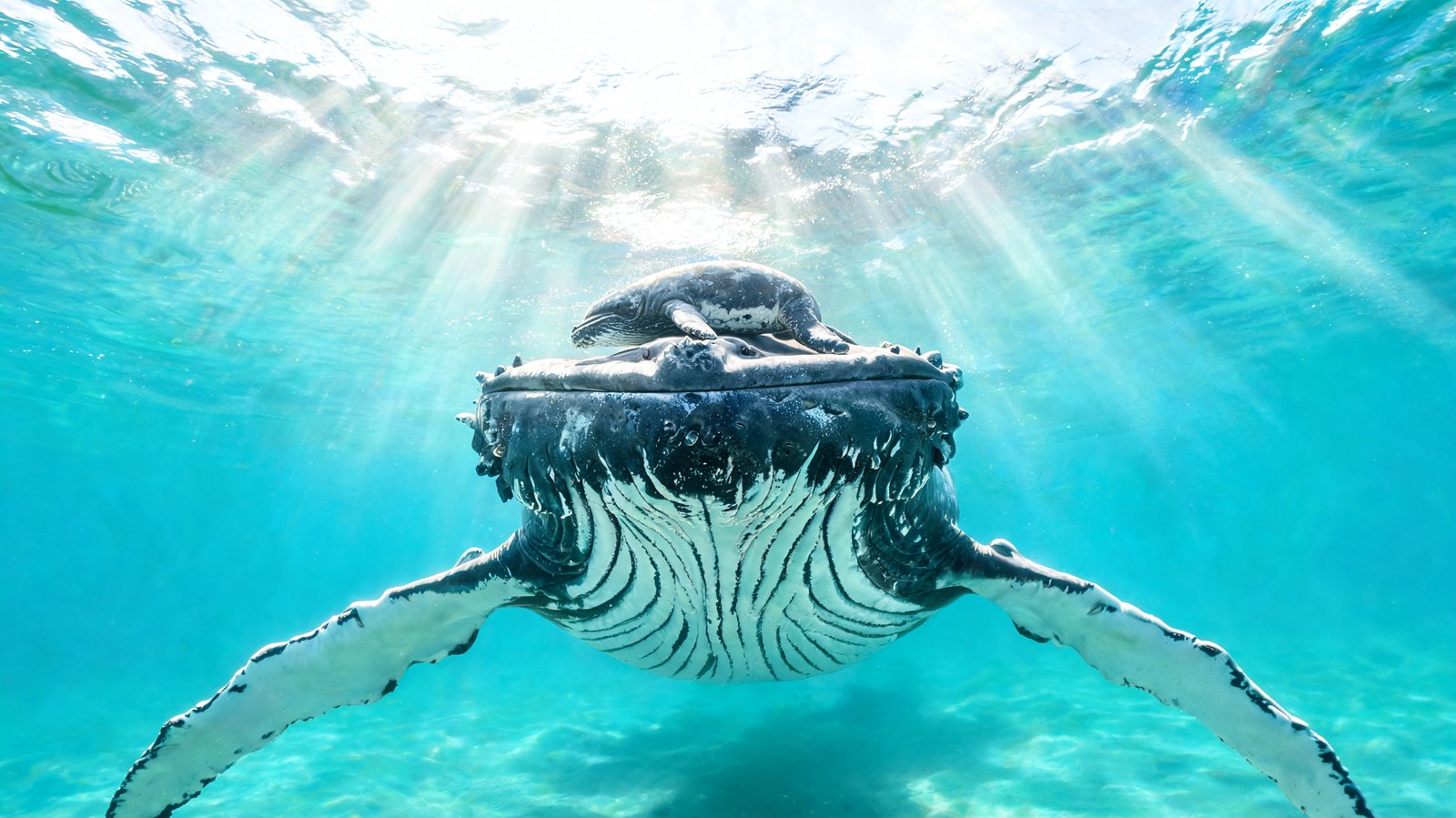
Humpbacks come up from Antarctic waters to calve here between roughly July and October, and Tonga licenses in-water operators, which most countries do not. Vava'u's sheltered channels make it the base. Sunday is observed strictly across the kingdom, and almost nothing runs.
Humpbacks Jul – Oct Neiafu
Explore →
Guadalcanal & Marovo, Solomon Islands
Solomon Islands
Guadalcanal & Marovo
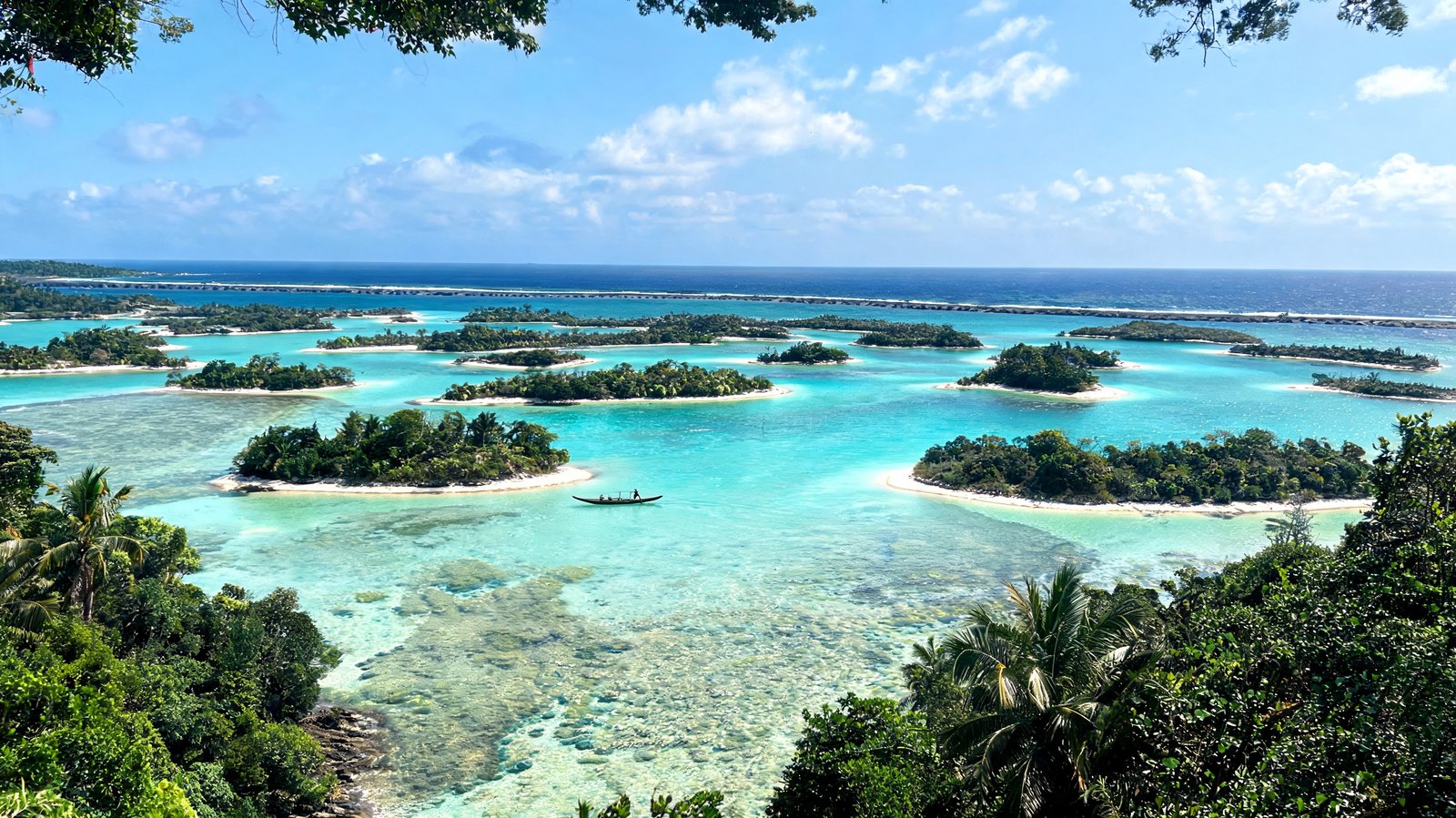
Iron Bottom Sound off Honiara holds dozens of warships sunk in the 1942–43 Guadalcanal campaign, and the Bonegi wrecks are shore dives north of town. Marovo Lagoon is the largest saltwater lagoon on earth. East Rennell was listed by UNESCO in 1998 and sits on its danger list.
Iron Bottom Sound Marovo Uepi
Explore →
Upolu & Savai'i, Samoa
Samoa
Upolu & Savai'i
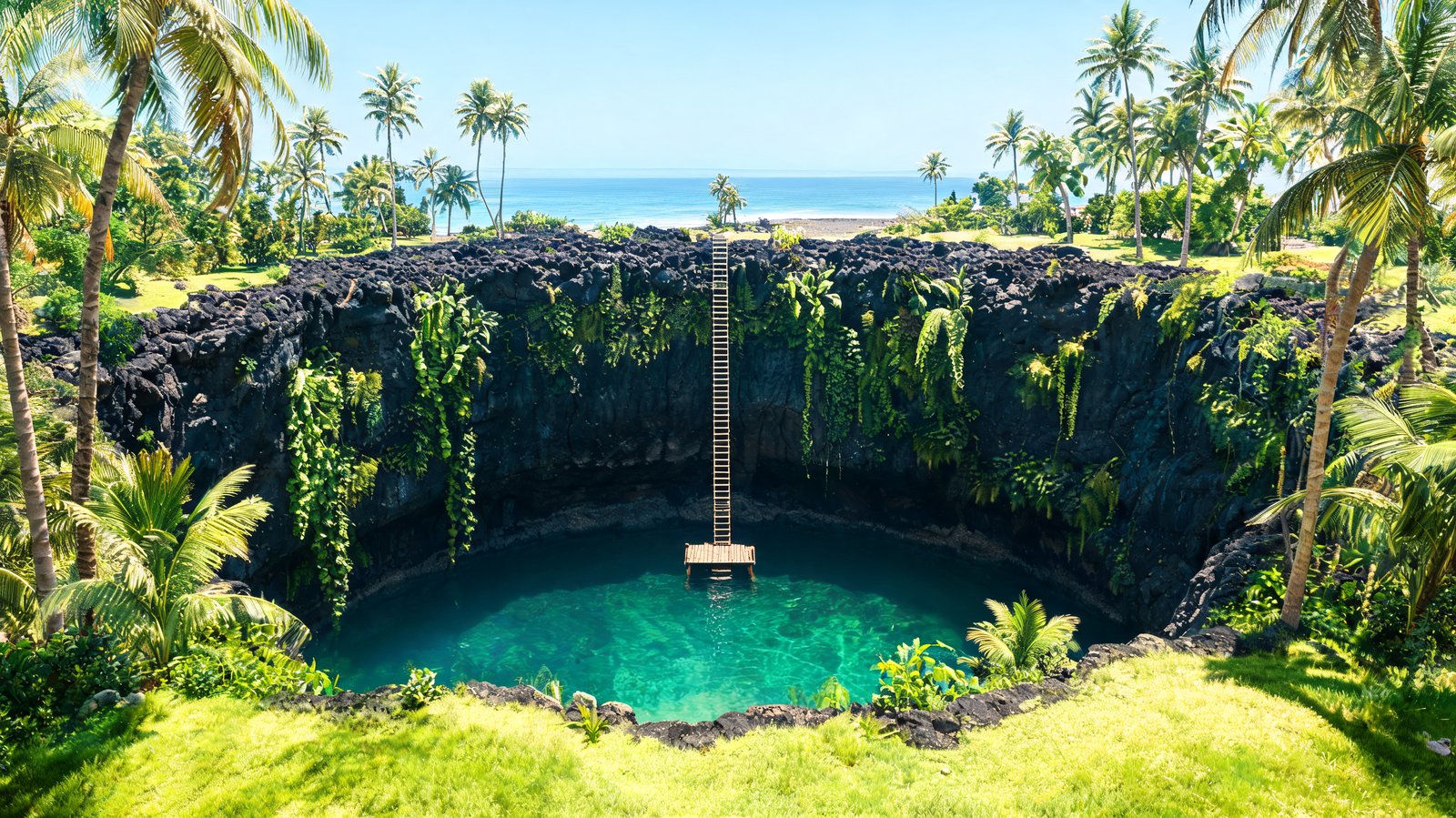
The soft entry to this arc and the one with sealed roads. Robert Louis Stevenson's house at Vailima stands below his tomb on Mount Vaea, the To Sua trench on Upolu's south coast is reached by ladder, and Savai'i carries lava fields from the 1905–1911 Matavanu eruption.
Vailima To Sua Lava Fields
Explore →
Featured Itineraries

Trips We Plan Often

Itineraries built around the domestic flight schedule rather than against it, the dive operators who know the Coolidge as a ship rather than a site, and the villages where a visit is arranged in advance and paid to the community.
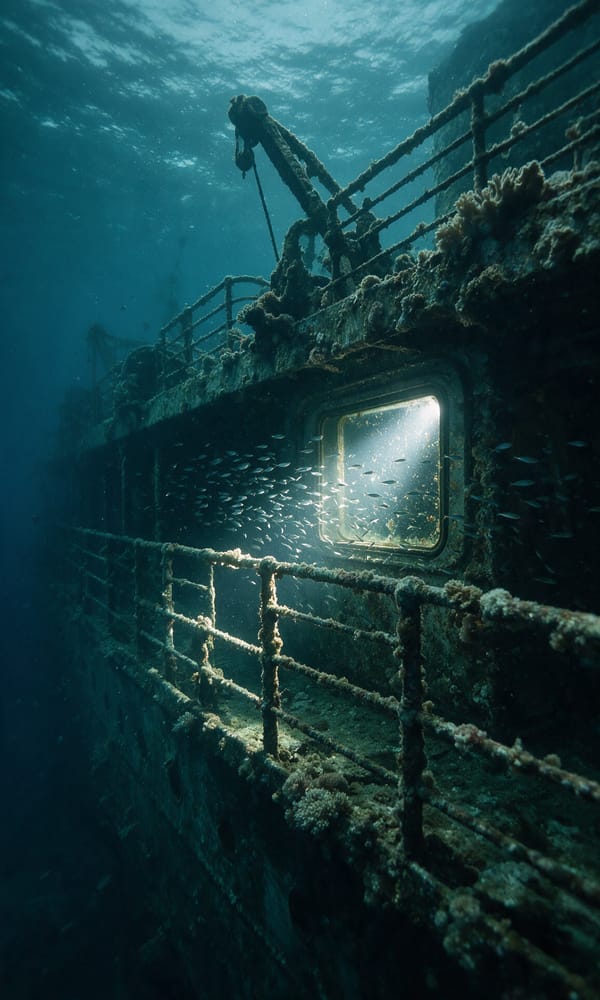
A diver's torch on the coral-crusted flank of the President Coolidge wreck off Espiritu Santo
May – October · 7–8 Days
One Island, One Week
Seven days, one island, no domestic connection beyond the pair at either end. Base near Luganville and dive the Coolidge across four or five days rather than two, because the ship gives up a different section each time and the first dive is spent getting oriented. Million Dollar Point sits a short drive along the same shore and works as an afternoon. Hold two days back for the east coast — Champagne Beach and the freshwater blue holes inland, which are worth the detour even for people who came only for the wreck. A night in Port Vila at each end absorbs the schedule.
Vanuatu7–8 Days
Plan This Trip
Orange lava arcing from the vent at Mount Yasur's crater rim on Tanna at dusk
May – October · 11–13 Days
Vanuatu End to End
The full country, and the version that needs the flight schedule built first. Two nights on Efate to start — Chief Roi Mata's Domain by boat to Lelepa and Artok, and Havannah Harbour rather than a hotel strip. Fly south to Tanna for two nights, with Yasur at dusk on the first evening and the second held in reserve, because the rim closes on alert level and a single attempt is a gamble. Back through Vila, then north to Espiritu Santo for five nights of diving. Thirteen days does this comfortably; eleven does it with nothing spare, and nothing spare is how days get lost here.
Vanuatu11–13 Days
Plan This Trip
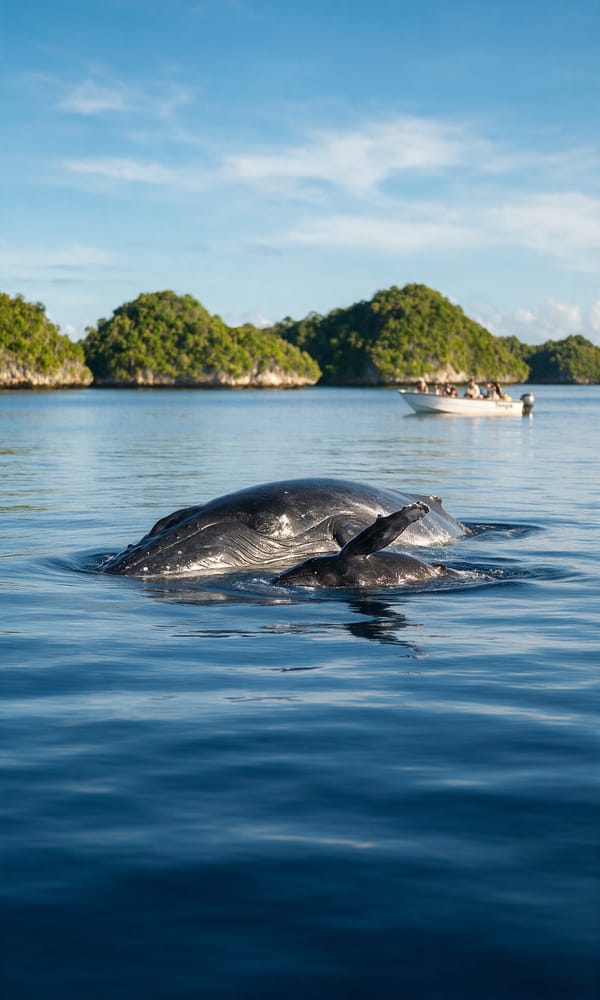
A humpback mother and calf at the surface off Vava'u with a whale-watch boat standing off
July – October · 9–10 Days
Tonga in Whale Season
Tonga between July and October, when humpbacks are calving in the Vava'u group and licensed boats can put swimmers in the water with them. Six nights in Vava'u is the right number: whale days are weather days, and three good ones out of six is a realistic expectation rather than a promise. Neiafu is the base, and the harbour is sheltered enough that a blown-out morning is not a lost day. Add two or three nights in Ha'apai for the emptier version of the same season, or a night on Tongatapu for the royal tombs and the Ha'amonga trilithon. Sunday is closed; plan a rest day around it rather than fighting it.
Tonga9–10 Days
Plan This Trip
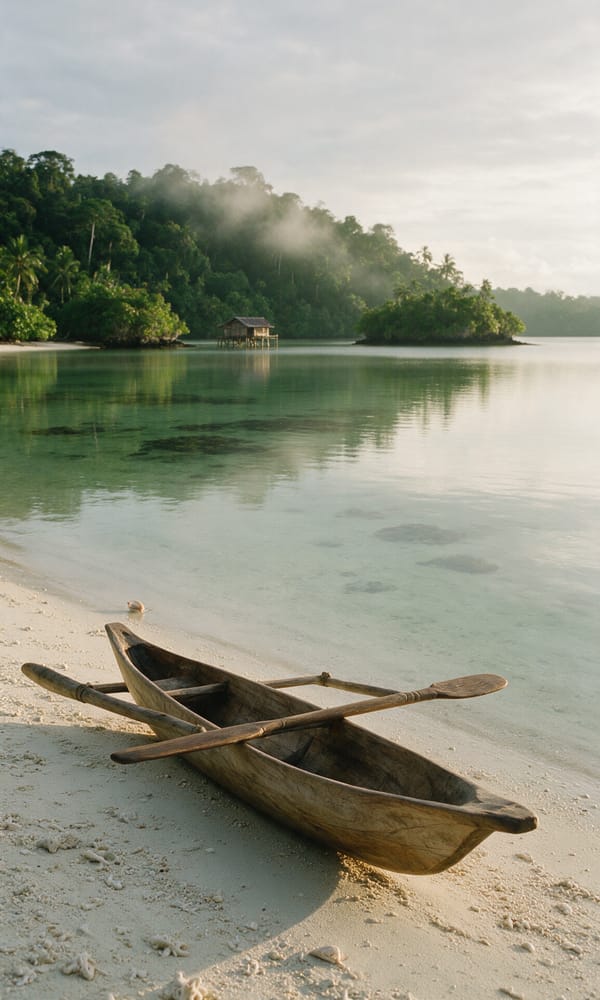
A dugout outrigger canoe on coral sand at first light on Marovo Lagoon
May – October · 13–15 Days
The Solomons and Papua New Guinea
The specialist trip, and the one I brief hardest before anyone commits. Start in Honiara for the Guadalcanal battlefields and the Bonegi shore wrecks, then fly west to Marovo Lagoon or Uepi for four nights of reef diving with a village-owned operator. From there, Papua New Guinea as a separate leg rather than a side trip: the Sepik for carving villages reached by river, Tufi for the fjord coast and its wrecks, or a Highlands cultural show if the dates line up. Both countries want an established ground operator, fixed transfers and no improvisation, and both want a traveller genuinely comfortable with thin infrastructure.
Solomons & PNG13–15 Days
Plan This Trip
Why Plan With Us

What We Add to a Melanesia Trip

This is the part of the Pacific where planning is not a luxury. Flights are thin, access rules move, and the difference between a good operator and an available one is not visible from a booking page.

The Schedule Is the Itinerary
Domestic air in Vanuatu runs small turboprops out of Bauerfield on schedules that change seasonally and cancel for weather. Everything else follows from that. We build the ground around the published air schedule, never book a domestic sector on the same day as an international departure, and put a night in Port Vila at each end of the trip as absorption. It reads like a wasted day on paper, and it is the only reason a cancelled sector costs an afternoon instead of the volcano. Most self-planned trips here fail on exactly this point.
Volcano Access Is a Live Rule
Yasur is not a booking, it is a permission that depends on the day. The Vanuatu Meteorology and Geo-hazards Department publishes a volcanic alert level for the volcano on a 0-to-5 scale, and access to the summit area is restricted as that level rises. Operators on Tanna work to it, and the good ones tell you before you fly rather than after you arrive. That is why we hold a second evening on Tanna rather than one, and why the itinerary says in writing what the alternative is if the rim is shut that week.
Dive Operator, Not Dive Site
The Coolidge is a technical dive dressed as a recreational one. The bow sits inside open-water limits; the engine room, the porcelain relief divers call the Lady and the cargo holds do not, and the profiles that reach them carry decompression obligations on every dive of the day. Operator selection decides whether that is managed properly or sold loosely to whoever turns up. We ask what gas is available, what the guide-to-diver ratio is inside the ship, how many dives a day the plan assumes, and what the nearest chamber and evacuation route actually are before anyone books.
The Honest Brief
Half of this job is telling people that this is not their trip. Vanuatu and the arc beyond it suit divers, walkers and travellers who find a cancelled flight interesting rather than ruinous. They do not suit a first Pacific holiday built around a spa, a kids' club and a villa over water — that trip exists, it is in Fiji or French Polynesia, and sending someone here instead produces a bad two weeks and a fair complaint. We ask that question on the first call rather than the fourth, because the answer changes the country, not the hotel.
When to Go

Vanuatu and the Arc by Season

Dry Season
May – October
The window, and it holds across the whole arc. South-east trades keep the humidity down, underwater visibility is at its best, and the months sit entirely outside the cyclone season. It is also when the humpbacks are in Tongan waters, roughly July through October, with August and September the most reliable weeks. The cost is that this is peak: Tonga's licensed whale boats and the better Espiritu Santo dive slots commit months out, and June and July nights on Tanna are genuinely cool at the rim.
Best Overall Window
Wet and Cyclone Season
November – April
The South Pacific cyclone season runs November to April, and it is not a formality here. Vanuatu sits in the cyclone belt and on the Ring of Fire, and Port Vila has taken damage from both cyclones and earthquakes in recent years. Rates fall and the islands are green. Diving on Santo continues, because the Coolidge lies in sheltered water. Travel in this window with flexible fares, real insurance, and a trip built so that a lost day is inconvenient rather than fatal.
The Shoulder Edges
April – May & October – November
The two seams, and the best value on this page. April and May catch the end of the wet with the islands green and the water warming; October and November get ahead of the cyclone window while whale season is still running in Tonga. Rates sit below the July peak and the dive boats are not full. The trade is variability: one of these weeks can be flat calm and the next can cancel a sector, which is exactly why the spare day belongs in this window.

Season notes, volcano access and cyclone dates checked against the Vanuatu Meteorology and Geo-hazards Department and the Fiji Meteorological Service, the regional cyclone centre for the South Pacific. Alert levels, flight schedules and operator seasons change; confirm before booking.

Ready When You Are

Plan a Vanuatu Trip
Around the Flights That Exist

Tell me how many days you have, whether the trip is about the wreck, the volcano or the whales, and how much thin infrastructure you are genuinely happy with. I'll come back with a specific island order, the operators I'd use, and the two bookings that have to be made first — within one business day.

Plan a Vanuatu Trip All South Pacific Destinations

No booking fees  ·  Response within 24 hours  ·  Fully bespoke

What It Costs

What Vanuatu Actually Costs

Priced per country leg and per boat day
Four countries share the May-to-October window and nothing else: a Luganville dive package, a Tanna volcano lodge and a licensed Tongan whale boat price on three different bases, and an average of them describes none.
What actually sets the number
  • Each country taxes and licenses separately — Tonga's consumption tax has run at 15 percent since April 2005
  • How many domestic sectors the route needs, since each costs most of a day and cancels for weather
  • The July-to-October whale window in Vava'u, when licensed boats and dive slots commit months ahead

Tell me the dates and the party and you get a real quote, not a range. Source: Tonga's 15% consumption tax.

Common Questions

Vanuatu & Beyond — FAQ

The questions that come up most when planning Vanuatu and the islands beyond it — when to go, how the domestic flights behave, what the Coolidge actually asks of a diver, and when Fiji is the better answer.

May through October, and the same window works for Tonga, the Solomons and Samoa. That is the dry season across this part of the Pacific: south-east trades hold the humidity down, underwater visibility is at its best, and the whole window sits outside the November-to-April cyclone season. It is also peak, which matters more here than in a large destination — Tonga's licensed whale boats and the better Espiritu Santo dive slots are committed months ahead, and there is not much depth behind them. April, May, October and November are the value seams, with more weather variability and lower rates.

Book Fiji for a resort holiday and Vanuatu for a trip built around a wreck or a volcano. They are not competing versions of the same week. Fiji has the highest density of private-island resorts anywhere, short transfers from an international gateway, and service built for people who want the day handled. Vanuatu has wreck diving Fiji cannot match, an active volcano you can stand above, and thinner infrastructure at every level: fewer flights, fewer rooms at the top end, more that can go sideways. If both descriptions appeal, do Fiji first and come here second.

Espiritu Santo if you dive, Tanna if you do not, and never both in seven days. A week in Vanuatu is one island plus the Port Vila hinge at either end, because every domestic sector routes through Bauerfield and each one costs most of a day once transfers and check-in are counted. Santo gives four or five days on the Coolidge and the shore wrecks, which is what that ship actually needs. Tanna gives two nights, the volcano at dusk with a second evening in reserve, and time on Efate around it. Three islands in a week produces a trip about airports.

Yes for the bow and the forward sections, while the famous interior swims need advanced or technical training. The ship lies on her port side with the bow near 20 metres and the stern past 60, so the part you want to see determines the certification you need. An open-water diver gets the bow, the forward gun and the promenade deck. The engine room, the cargo holds and the porcelain relief divers call the Lady sit deep enough that the profiles carry decompression obligations. Ask the operator what depth each dive reaches and what gas is on the boat before you book, not on the morning.

Usually yes, and it depends on the alert level published for that day. The Vanuatu Meteorology and Geo-hazards Department runs a volcanic alert level for Yasur on a 0-to-5 scale, and access to the summit area is restricted as the level rises. Operators on Tanna work to it. Visits go up in the late afternoon so you reach the rim as the light drops, which is when the vents read properly. Build two evenings into the itinerary rather than one, because an activity a geologist can close on the day should never be a single-attempt booking. Check the current level before you travel.

Reliable enough to plan around and not reliable enough to plan tightly against. Vanuatu's domestic network runs small turboprops out of Bauerfield in Port Vila to Tanna, Espiritu Santo and the outer islands, on schedules that change with the season and cancel for weather. Cancellations are not rare and they cascade, because there are only so many aircraft and only so many sectors in a day. The working rules are simple: never connect a domestic flight to an international departure on the same day, keep a night in Port Vila at each end, and treat one spare day as part of the trip rather than as contingency.

Roughly July through October, with August and September the most consistent weeks in the Vava'u group. Humpbacks come north from Antarctic feeding grounds to breed and calve in Tongan waters, and Tonga is one of a small number of countries that licenses in-water encounters rather than prohibiting them; the International Whaling Commission publishes the general guidance operators work to. Licensed boats put a small group in the water at a time, typically four swimmers with a guide, and the whales decide how the encounter goes. Weather cancels days. Six nights in Vava'u turns a maybe into a likely, and no operator can promise contact.

Entry rules differ by country and by passport, so check each one against your own government's current advice. Several nationalities enter Vanuatu, the Solomon Islands and Samoa without a visa for short visits, while Papua New Guinea's requirements are stricter and want arranging well before departure. Papua New Guinea also carries security advisories that Vanuatu does not, which is the main reason we treat it as an operator-led trip rather than an independent one. Requirements and advisories change, and the position here was checked in . Start with the country pages for Vanuatu and Papua New Guinea, then confirm with your own foreign ministry before ticketing.
More questions answered on the Full FAQ Page
From the Journal

Read More on Planning South Pacific