
South Pacific

The Warm Heart
of the Pacific.

Fiji is the destination that delivers what the South Pacific brand actually promises — a genuine welcome that isn't manufactured for tourism, private island resorts at a scale and intimacy the Caribbean cannot match, and soft coral diving that serious divers rank among the finest in the world. The work of planning Fiji is choosing the right island chain — Mamanuca, Yasawa, or the more remote Lau Group — and matching the property to the trip.

Best Season
May – October
Best For
Island Resorts
& Diving
The Country

Private Islands at a Scale
Most Categories Can't Match.

Fiji's dry season runs May through October. Most trips run 8–12 days. The chain decision comes before the resort: the Mamanucas sit 10–45 minutes from Nadi with more variety and easier family logistics, while the Yasawas are further out, smaller and quieter, with the manta ray season as their draw. December to March is warm and green rather than washed out.

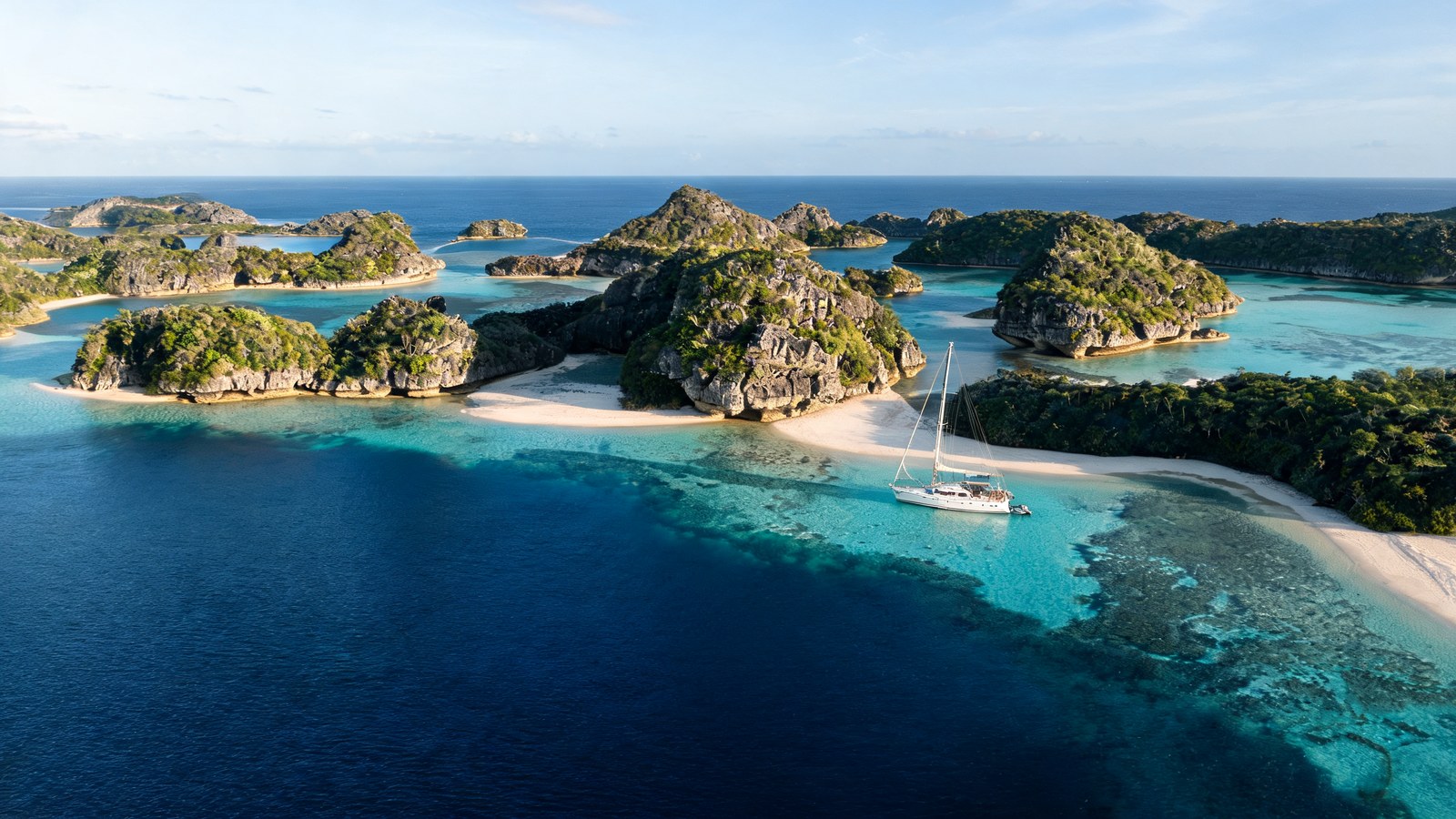
Fiji's distinctive offer in the South Pacific is the private-island resort category — a genuinely uninhabited island, a lodge of 12 to 20 rooms maximum, a reef wrapping the property, and a staff ratio that makes a Botswana safari camp look crowded. The format exists in scattered form across the Pacific and the Indian Ocean, but Fiji has the highest density of this kind of property in the world. The Mamanuca and Yasawa chains contain more than a dozen such resorts, ranging from honeymoon-focused intimate properties (adults-only, 14 villas) to family-accessible reef-and-snorkel destinations.

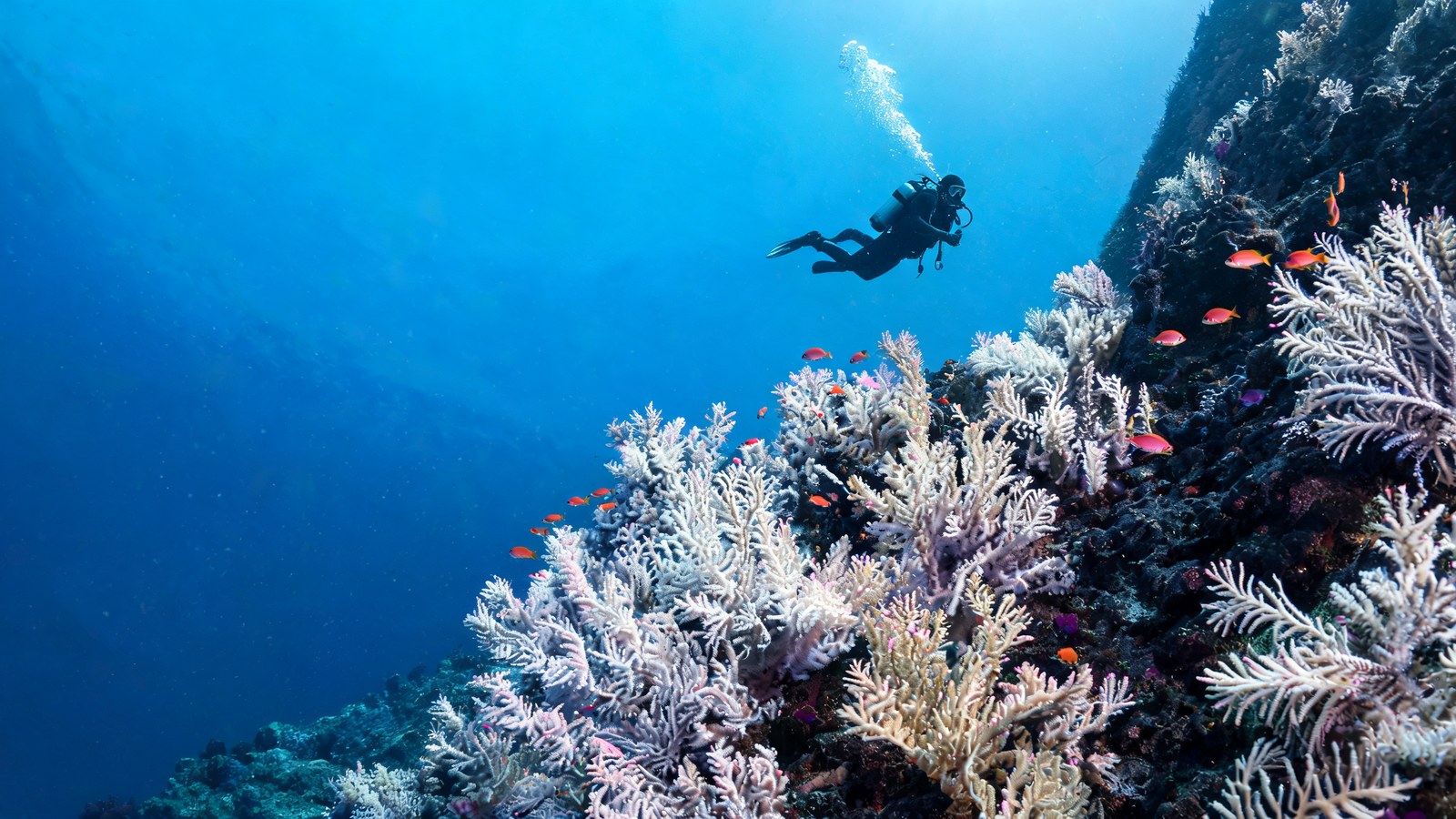
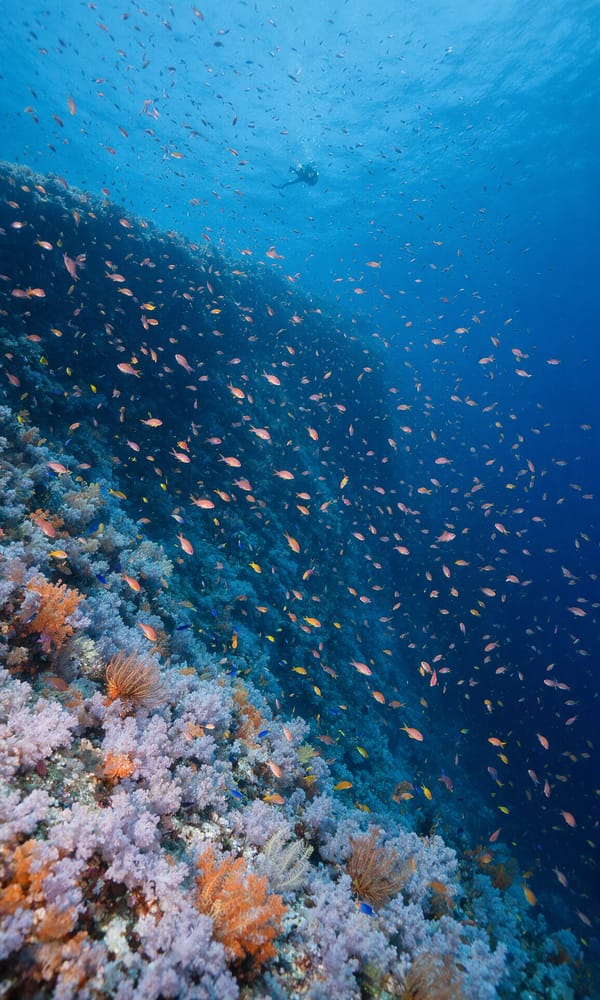
The Bligh Waters between Fiji's two main islands (Viti Levu and Vanua Levu) are widely considered by serious divers to contain the finest soft coral diving on earth — the colors of the soft coral species are genuinely unlike anything in the Caribbean or Mediterranean, and the visibility in the channels is consistently 30+ meters. The Rainbow Reef off Taveuni and the Great White Wall (a sheer vertical face of densely packed white soft coral) are the destination dives. Travelers who have done Cozumel and the Red Sea consistently describe Fiji's soft coral as a different category of underwater experience.

Fiji's welcome is the third element that distinguishes it. The Bula greeting is not a tourism affectation — it's a genuine cultural expression that runs through every interaction in the country, from the resort staff to the village kava ceremony to the airport baggage handler. The villages around the resort properties remain functioning communities, and the lodges that organize a village visit (with the appropriate sevusevu of yaqona/kava as a gift to the village chief) deliver one of the most authentic cultural exchanges available anywhere in the South Pacific.
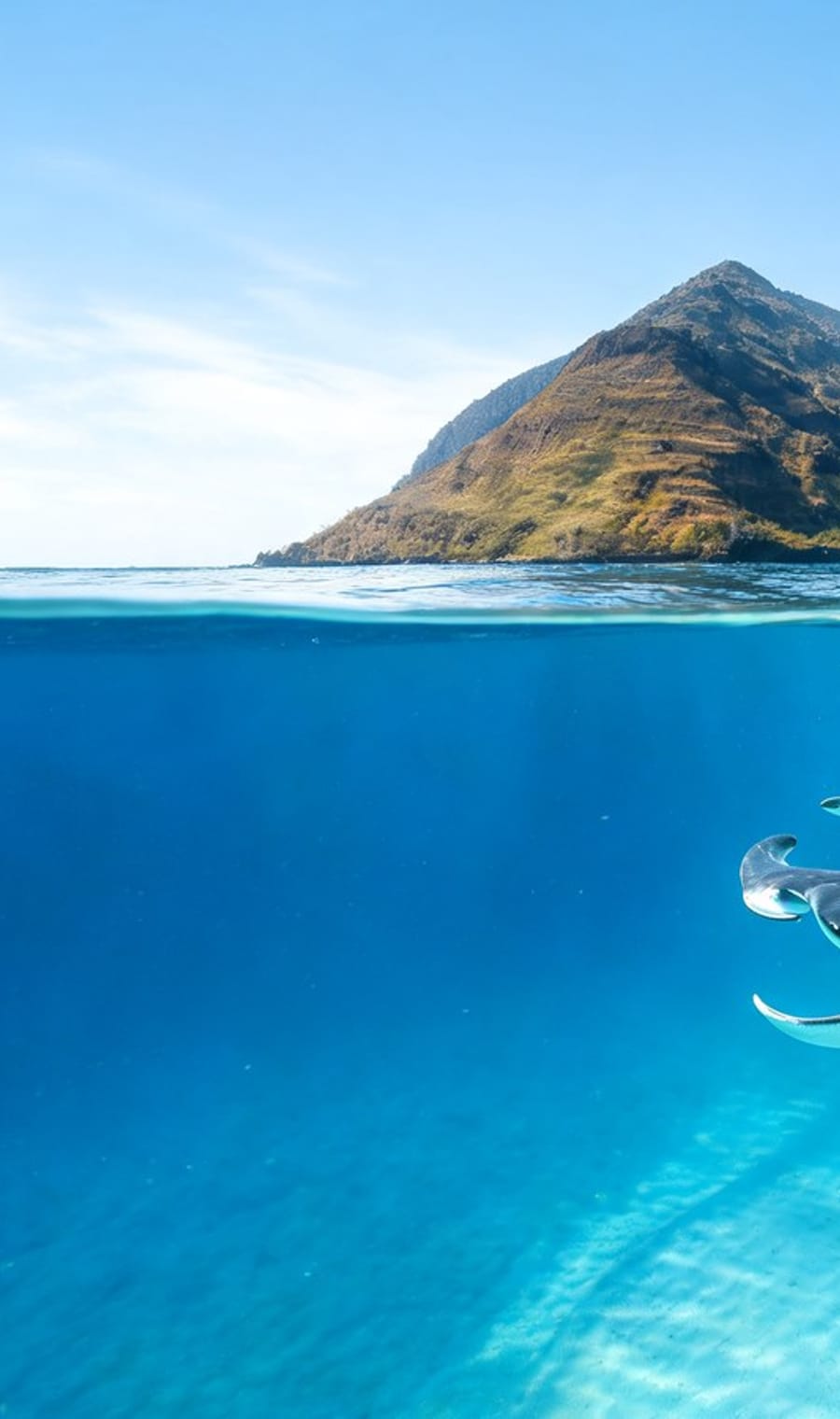
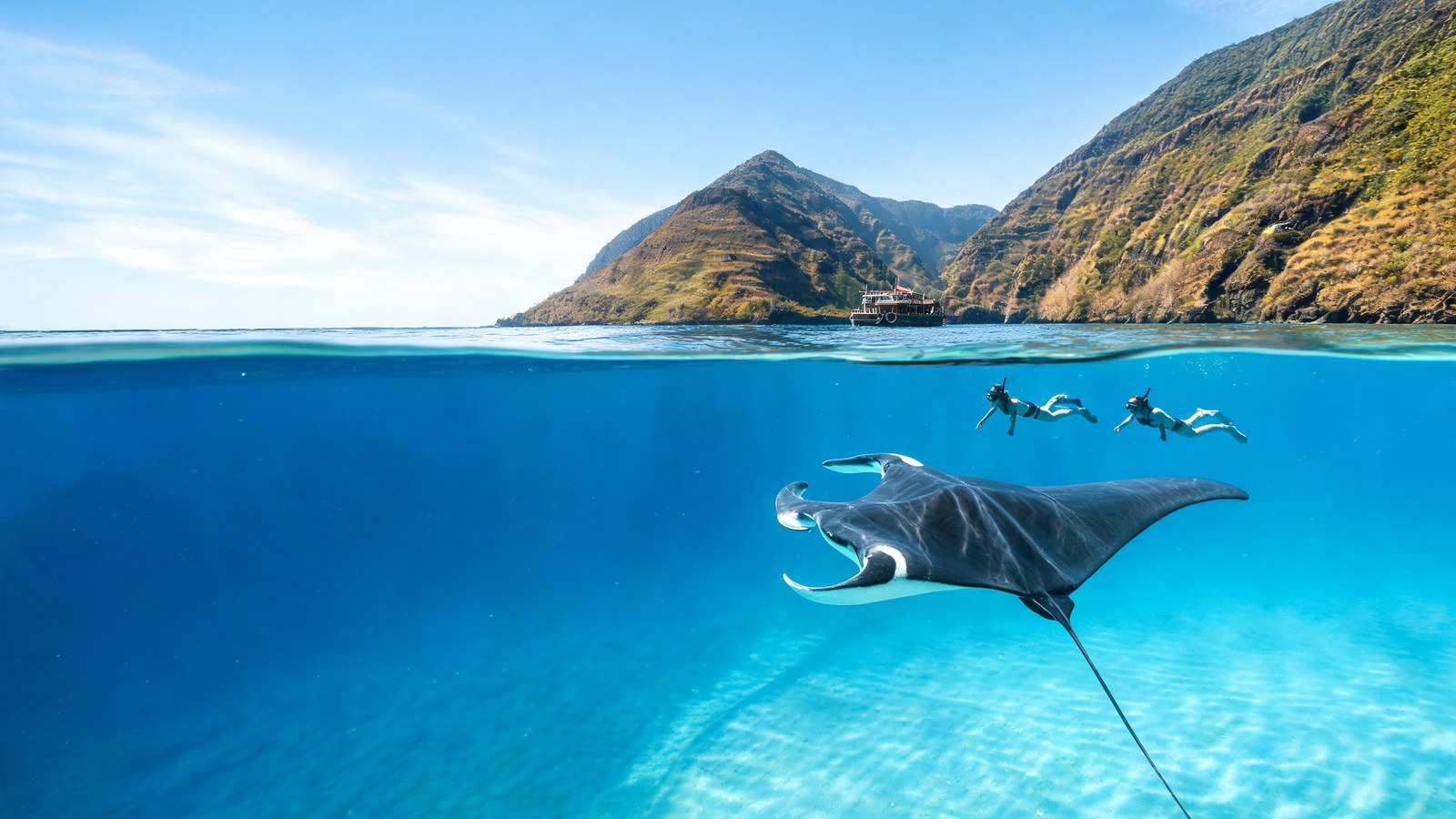
A split over-and-under view of a Yasawa island and its reef shallows
Yasawa Islands · Fiji
Where We Send Clients

Six Versions of Fiji Worth Planning Around

Fiji has 332 islands; the question is never which island, it's which version of Fiji you're after. Each of these six covers a different format, a different vibe, and a different reason to make the long Pacific flight.
Yasawa Islands, Western Fiji
Western Fiji
Yasawa Islands
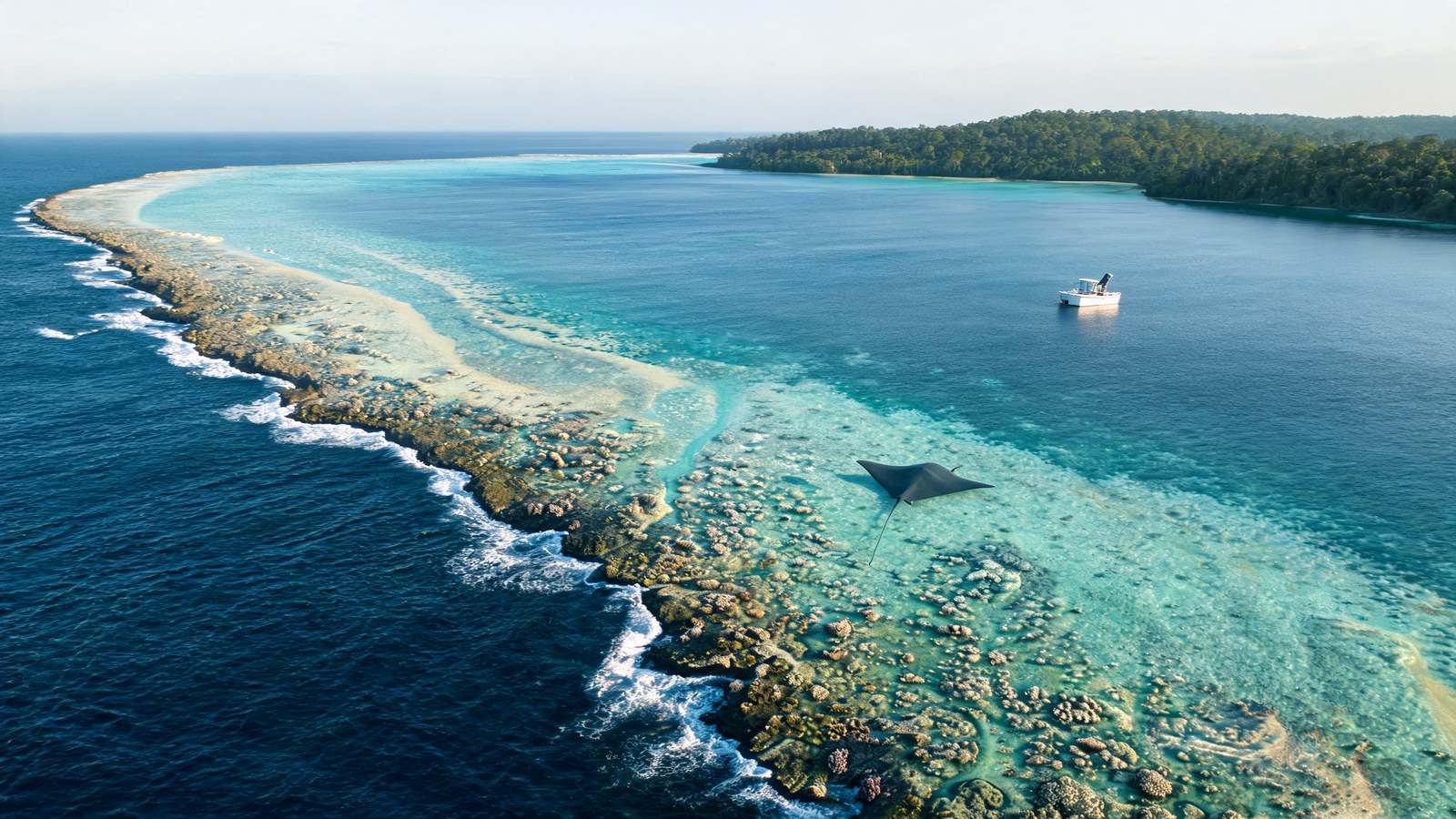
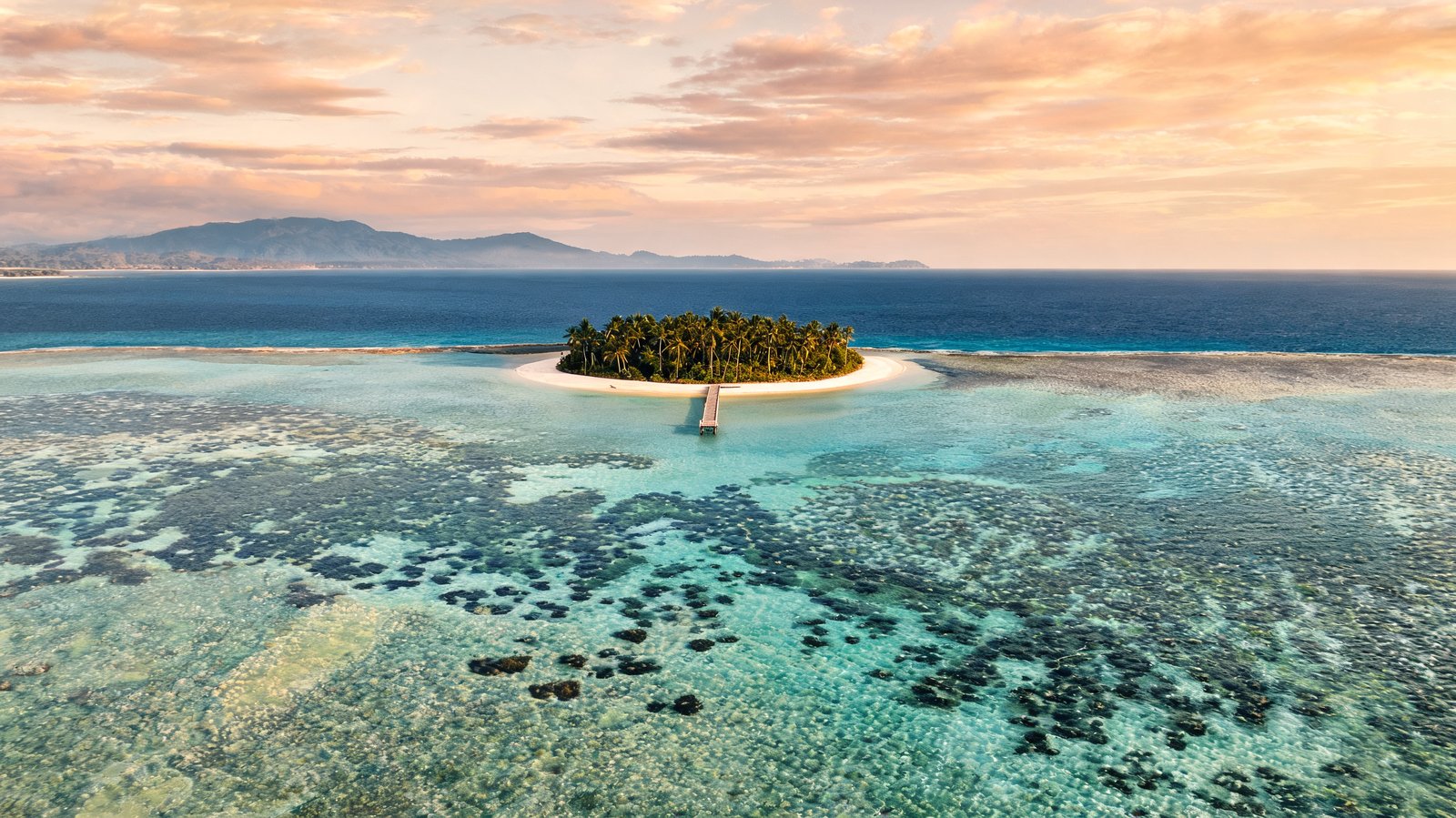
The most remote of the easily reached chains — twenty volcanic islands running 80km northwest of Viti Levu, by seaplane in 45 minutes or by the working ferry in four hours. The resorts run small, twelve to twenty-four rooms. Manta rays at Drawaqa between May and October.
Private Islands Manta Rays Seaplane
Explore →
Mamanuca Islands, Western Fiji
Western Fiji
Mamanuca Islands
The closer western chain, twenty minutes by boat from Denarau. The Mamanucas hold Fiji's largest concentration of resorts, from family-focused Castaway and Malolo to adults-only Tokoriki. Reef snorkeling starts off the beach. Less remote than the Yasawas, and far easier to reach.
Resorts Family Easy Access
Explore →
Vanua Levu & Taveuni, Northern Fiji
Northern Fiji
Vanua Levu & Taveuni
The northern islands, and Fiji's diving capital. The Rainbow Reef produces the Great White Wall — a vertical face of packed white soft coral dropping from 15 to 60 meters. The Cousteau Resort at Savusavu is the property for serious divers. The 180th meridian runs through Taveuni.
White Wall Soft Coral Cousteau
Explore →
Lau Group, Eastern Fiji
Eastern Fiji
Lau Group
The most remote inhabited Fijian archipelago — sixty islands in the east, reached mainly by chartered yacht. Village life still runs much as it did before European contact. Vatuvara is the only luxury property in the chain: one villa, fly-in access. A Fiji unchanged in fifty years.
Most Remote Traditional Vatuvara
Explore →
Coral Coast & Pacific Harbour, Southern Viti Levu
Southern Viti Levu
Coral Coast & Pacific Harbour
Viti Levu's southern coast, where the larger resorts sit within reach of land-based days — Sigatoka river rafting, rainforest trips, sport fishing. Pacific Harbour is the bull and tiger shark capital of Fiji, and the Beqa Lagoon dives have run as a controlled operation for decades.
Mainland Bull Sharks Beqa Lagoon
Explore →
Kadavu & the Great Astrolabe Reef, Southern Fiji
Southern Fiji
Kadavu & the Great Astrolabe Reef
Fiji's fourth-largest island and the gateway to the Great Astrolabe, the world's fourth-longest barrier reef, which encircles it. The lodges are intimate, and Matava is widely held to be the most genuine eco-resort in the country. Village visits here feel far less rehearsed.
Astrolabe Eco Lodges Manta Rays
Explore →
Featured Itineraries

Trips We Plan Often

Fiji itineraries built around the right private island, the right access (seaplane vs catamaran vs ferry), and the right combination of beach, diving, and village culture for the trip you actually want.
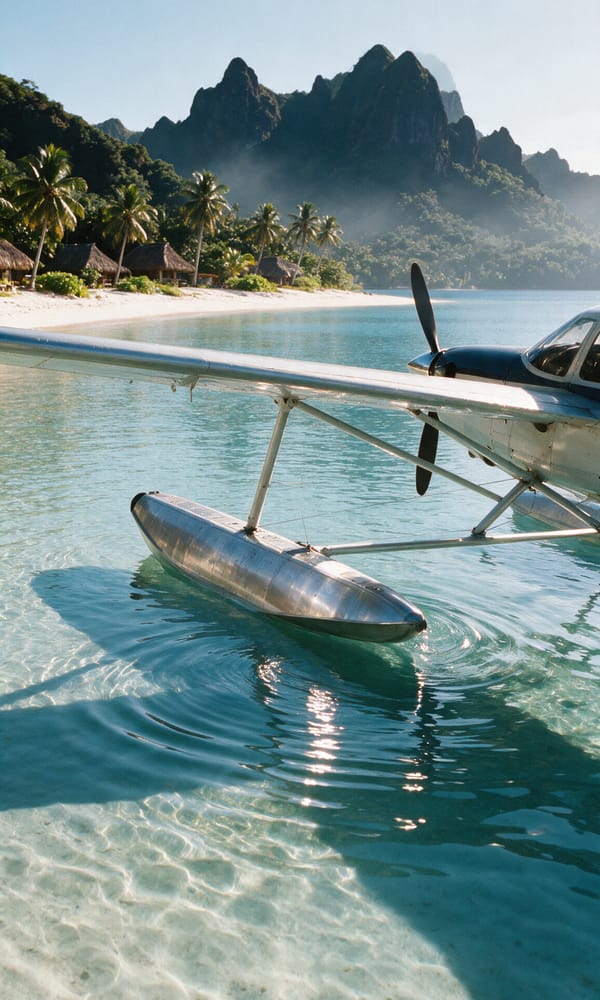
A floatplane moored in turquoise shallows off a palm-fringed Yasawa island beach in Fiji
May – October · 8–10 Days
Yasawa Islands Private Resort
Fly into Nadi, overnight at a Denarau resort to recover from the international flight. Seaplane to a small Yasawa private-island resort (12–20 rooms) for 7 nights — reef snorkeling immediately off the property, manta ray encounter at Drawaqa Passage in season (May–October, when the plankton bloom attracts the rays), a village visit with the kava sevusevu, a beach picnic at an uninhabited motu. Return by seaplane to Nadi for one final night before the international flight home. The format that delivers the Fiji that the marketing photographs promise.
Fiji8–10 Days
Plan This Trip
White soft corals covering a sheer reef wall with a distant diver in deep blue water
April – October · 10–12 Days
Fiji Diving: Vanua Levu & the Great White Wall
For divers. Fly into Nadi, connecting flight to Savusavu on Vanua Levu, 7 nights at the Jean-Michel Cousteau Resort with daily diving on the Rainbow Reef, the Great White Wall, and the Namena Marine Reserve. Connect to Taveuni for a 3-day extension at one of the island's dive lodges with focused current dives along the Rainbow Reef from a closer base. Return through Nadi for a beach decompression night. The diving credentials needed: Open Water minimum, Advanced strongly recommended, Nitrox helpful for the deeper Great White Wall dives.
Fiji10–12 Days
Plan This Trip
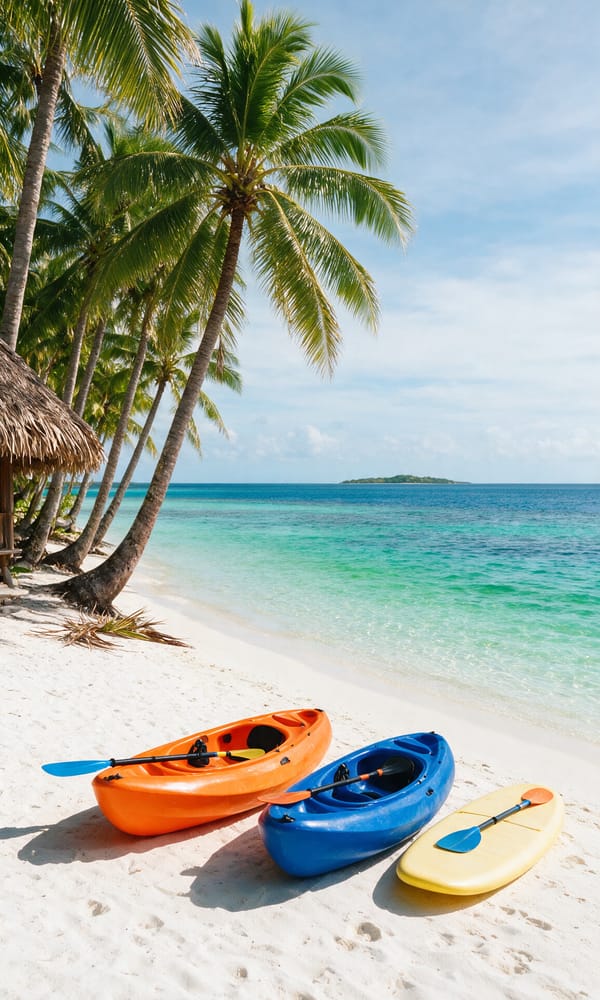
Kayaks and a paddleboard drawn up on white sand beside a calm reef flat in the Mamanucas
Year-Round · 8–10 Days
Fiji Family: Mamanucas
For families with children. Fly into Nadi, transfer by boat (45 minutes) to a Mamanuca family-resort property (Castaway, Malolo, or Likuliku) for 7 nights. Resort programs for children of all ages (the Bula Club for toddlers; supervised activities for teens), excellent immediate-reef snorkeling, swimming pools, kayaks and paddleboards. Optional day trip to Cloud 9 or to a nearby uninhabited motu for the castaway lunch experience. Final night at the InterContinental on Denarau for a smoother airport morning. Fiji is one of the strongest family destinations in the South Pacific when paired with the right family-specific resort.
Fiji8–10 Days
Plan This Trip
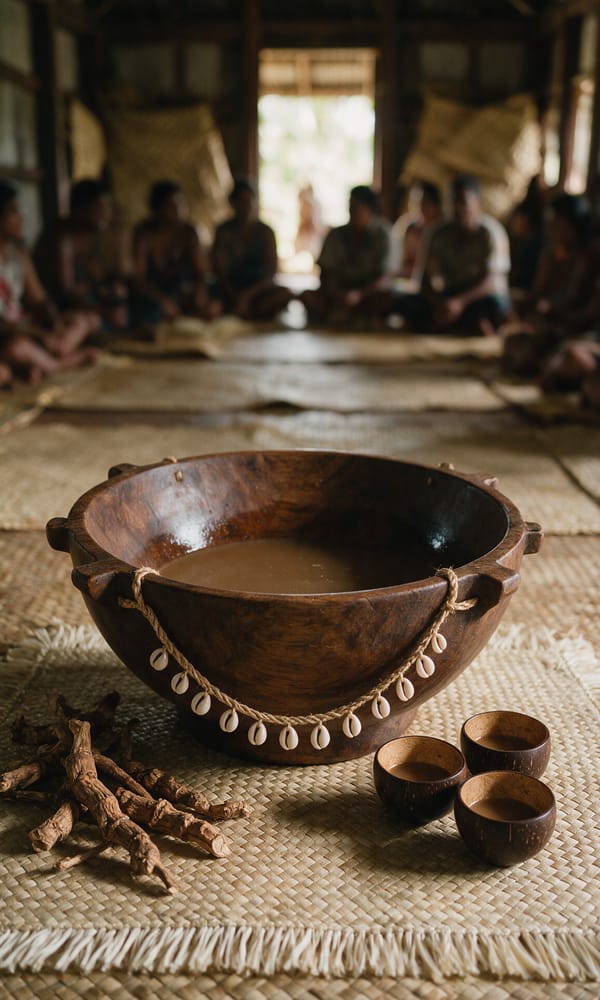
A carved kava bowl and coconut-shell cups on a woven mat at a Fijian village welcome
May – October · 10–14 Days
Lau Group: Private Charter
For travelers who have done Fiji and want the deepest experience available. Private yacht charter (8–12 guests, full crew) from Savusavu departing east into the Lau Group for 7–10 days. Anchor at uninhabited islands, dive virgin reefs with no prior commercial visitation, attend village welcome ceremonies in villages that receive perhaps a dozen visitors per year. Return to Savusavu for connection back to Nadi. Alternative: Vatuvara Private Islands resort in the northern Lau Group as a fixed lodge option (1 villa total, exclusive use, fly-in by chartered Twin Otter).
Fiji10–14 Days
Plan This Trip
Why Plan With Us

What We Add to Fiji Planning

Fiji is the destination where the private-island resort selection, the access method (seaplane vs catamaran), and the diving operator quality combine to produce a trip that either delivers the South Pacific archetype or feels like a generic beach holiday.

Private Island Resort Selection
Fiji has more private-island resorts than any other destination in the world — and the range across them is wide. Some are genuinely intimate (12 rooms, no other guests outside of the dining hall), some are larger and busier (60+ rooms, an active social scene). Some are adults-only and honeymoon-focused; some are family-accessible with kids' programs and shallow snorkel access. Some have outstanding reef immediately off the dock; some require a 20-minute boat ride to reach the good snorkeling. These differences are not apparent in marketing materials; they surface in what the resorts tell us directly and in what clients report when they get home.
Access Logistics
Fiji's outer islands are accessed by seaplane (10–45 minutes, dramatic arrival, expensive), by helicopter (10–30 minutes, similar cost), by Yasawa Flyer catamaran (4–5 hours, scenic and cheaper, with stops at multiple islands en route), or by speedboat transfer (45–90 minutes, mid-range). The right access method depends on the destination resort, the time of arrival in Nadi (afternoon arrivals usually mean a Denarau overnight, since seaplane operations don't run at dusk), and the comfort with overwater transport. We sequence the access to minimize wasted time.
Soft Coral Diving Operator Quality
The Bligh Waters and the Rainbow Reef have a reputation among serious divers that the right operator can deliver and the wrong operator can completely miss. The current dives on the Great White Wall require precise timing against the tides — a 30-minute window difference produces a different experience. Jean-Michel Cousteau Resort's dive operation and a small number of independent operators in Savusavu and Taveuni have the local current expertise; the larger general-purpose operations frequently do not.
Village & Cultural Programming
The village visit (with the appropriate sevusevu of yaqona/kava as a gift to the village chief) is one of the most genuine cultural exchanges available in the South Pacific, but it has to be arranged through a property that has a real relationship with the local village rather than a commercial arrangement. The properties we recommend have multi-generational relationships with the surrounding villages, and the visit format is genuine cultural exchange rather than performance for visitors. We make sure clients understand the appropriate protocols.
When to Go

Fiji by Season

Dry Season
May – October
The reliable Fiji window — cooler air (mid-70s to low 80s), lower humidity, reduced rainfall, and the most stable diving conditions. The trade winds keep the temperatures comfortable. May, June, and September are the sweet spot for crowd avoidance and rate access. July and August are the European/Australian peak. Manta ray season at Drawaqa Passage in the Yasawas runs roughly May through October. Visibility on the Bligh Waters and the Rainbow Reef is at its peak. The Fijian winter is genuinely temperate rather than hot, which makes the long days outside resort-comfortable.
Best Overall Window
Shoulder Months
November & April
The shoulder months between the dry and wet seasons — warm but not yet in the cyclone window, with some rainfall increase but largely good weather. November is one of our preferred booking windows: trades remain consistent, rates drop from the July–August peak, and the manta ray season is winding down (which makes the latest-season encounters often the most concentrated). April is similarly attractive — recovering from the wet season, with the diving visibility returning to peak conditions and significantly lower rates at most resorts.
Wet Season
December – March
Fiji's wet season — warmer (mid-80s), higher humidity, more frequent and intense rainfall, and the official cyclone window (which doesn't typically affect tourist islands but occasionally disrupts travel logistics). The water temperature remains warm, the diving is still possible (though visibility drops on the open reef sites), and rates at most resorts drop meaningfully. Christmas through early January is the Australian/New Zealand school holiday peak — busy and pricier than the rest of the wet season. February is the rainiest month and the one most travelers should avoid.
Ready When You Are

Plan a Fiji Trip
Built Around the Right Island

Tell me whether you want a Mamanuca resort, a Yasawa private island, the Vanua Levu diving, or a Lau Group charter — and when you can travel within the May–October dry window. I'll come back with a specific property and itinerary recommendation within one business day.

Plan a Fiji Trip All South Pacific

No booking fees  ·  Response within 24 hours  ·  Fully bespoke

What It Costs

What Fiji Actually Costs

$300–$1,400
per person, per night. Ranges, not quotes.
What that includes
  • Half of a luxury room, bure or villa
  • Breakfast, or all-inclusive only where the resort states it
  • Standard resort activities
What it does not
  • International airfare and island transfers
  • Taxes and service charges where billed separately
  • Spa, diving and gratuities
The two or three things that move it most
  • Main-island versus private-island resorts
  • Villa category and meal plan
  • Boat versus seaplane transfer

Editorial planning bands, not quotes — assembled from published rates and official fee sources, verified . Rates, permit costs and park fees change; confirm before booking. Source: Fiji Revenue & Customs Service.

Common Questions

Fiji — FAQ

Questions we hear most when planning Fiji — from Mamanuca vs Yasawa to seaplane access, diving certification, and how to choose the right private island resort.

Mamanuca for easier access (10–45 minutes from Nadi), more resort variety, more family-focused options, and slightly busier social scenes. Yasawa for the more remote feel, smaller and more intimate private-island resorts, the manta ray season (May–October at Drawaqa Passage), and less developed surrounding villages. For a first Fiji trip with the standard 7–10 day length, either chain delivers a strong experience; the Yasawas typically produce the more memorable single trip if the schedule accommodates the seaplane access.

Yes — one of the strongest family destinations in the South Pacific when matched to the right property. The Mamanuca family-resort properties (Castaway, Malolo, Likuliku) have well-staffed kids' programs across age groups, excellent immediate-reef snorkeling, and a Fijian welcome culture that treats children warmly and inclusively. The Yasawas have fewer family options but excellent properties for older children and teens. The honeymoon-focused adults-only properties (Tokoriki, Tadrai, Vatuvara) are not family destinations.

Open Water minimum, Advanced Open Water strongly recommended (the wall drops from 15m to 60m, with most of the soft coral concentration below 18m). Nitrox certification is helpful for longer dive times at depth. The dive operators at Jean-Michel Cousteau Resort and the Taveuni dive operations require evidence of Advanced certification for the deeper sections of the wall. For the inside-lagoon sites, Open Water with limited prior experience is sufficient. Less-experienced divers can still see significant soft coral at shallower depths on alternative reef sites.

May through October is the dry season and the right answer for almost every traveler. May, June, and September are the sweet spot — same weather as July–August, with lower crowds and better rates. The manta ray season at Drawaqa Passage in the Yasawas runs roughly May through October, with August–September often producing the most concentrated encounters. November and April are excellent shoulder months. December through March is the wet season and the cyclone window — significantly cheaper but with weather variability and occasional disruption to logistics.

Fiji wins on culture, diving, resort variety and price; French Polynesia wins on the iconic lagoon and the top-end overwater villas. The Fijian village culture is more accessible to visitors than its French Polynesian equivalent, the soft coral of the Bligh Waters is genuinely a different category of diving, and Fiji carries more private-island resort variety at notably lower price points across most categories. French Polynesia has the iconic Bora Bora lagoon view, more architecturally elaborate overwater villas at the top end, and a more romantic honeymoon archetype. For divers and cultural travelers, Fiji is the stronger answer; for honeymooners specifically looking for the Bora Bora photograph, French Polynesia.

Genuine, in our experience consistently. The Bula greeting runs through every Fijian interaction — at airports, at fuel stations, at the resort, in the village. Fijian hospitality culture is structured around the principle that the guest is the most important person in the room, and the cultural overlay holds up across the country regardless of tourism economics. This is one of the consistent factors that produces the high client return-rate on Fiji trips — travelers describe being changed by the warmth of the welcome in a way that doesn't match the South Pacific resort archetype they expected.

A traditional Fijian welcome ceremony that involves the preparation and sharing of kava, a non-alcoholic drink made from the powdered root of the kava plant. The drink produces a mild numbing sensation in the mouth and a relaxed mental state. The ceremony is structured around the chief and senior village members and is the traditional way to enter a village as a visitor. Travelers participate by bringing a bundle of kava root (yaqona) as a sevusevu gift, which the resort or guide will provide. The ceremony is one of the most genuine cultural exchanges available in the South Pacific when arranged through a property with a real village relationship.

The official South Pacific cyclone season runs November through April, with the peak risk between January and March. Cyclones that affect Fiji's tourist regions occur on average every few years; most years pass without significant disruption to travel. The risk affects the wet-season trip planning more as a weather-variability question than as a cyclone-specific concern. Travel insurance that covers weather disruption is appropriate for wet-season Fiji trips. We don't recommend Fiji in February specifically (peak risk + heaviest rains); November, March, and April carry low risk despite being shoulder months.
More questions answered on the Full FAQ Page
From the Journal

Read More on Planning Fiji