
South Pacific

The Overwater Bungalow
Was Invented Here.

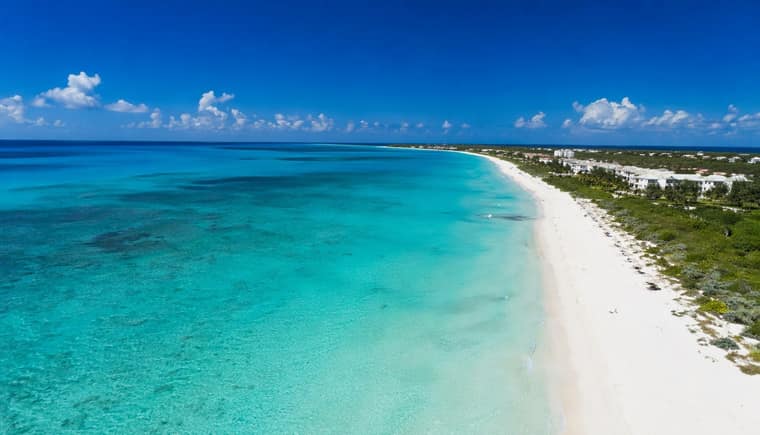
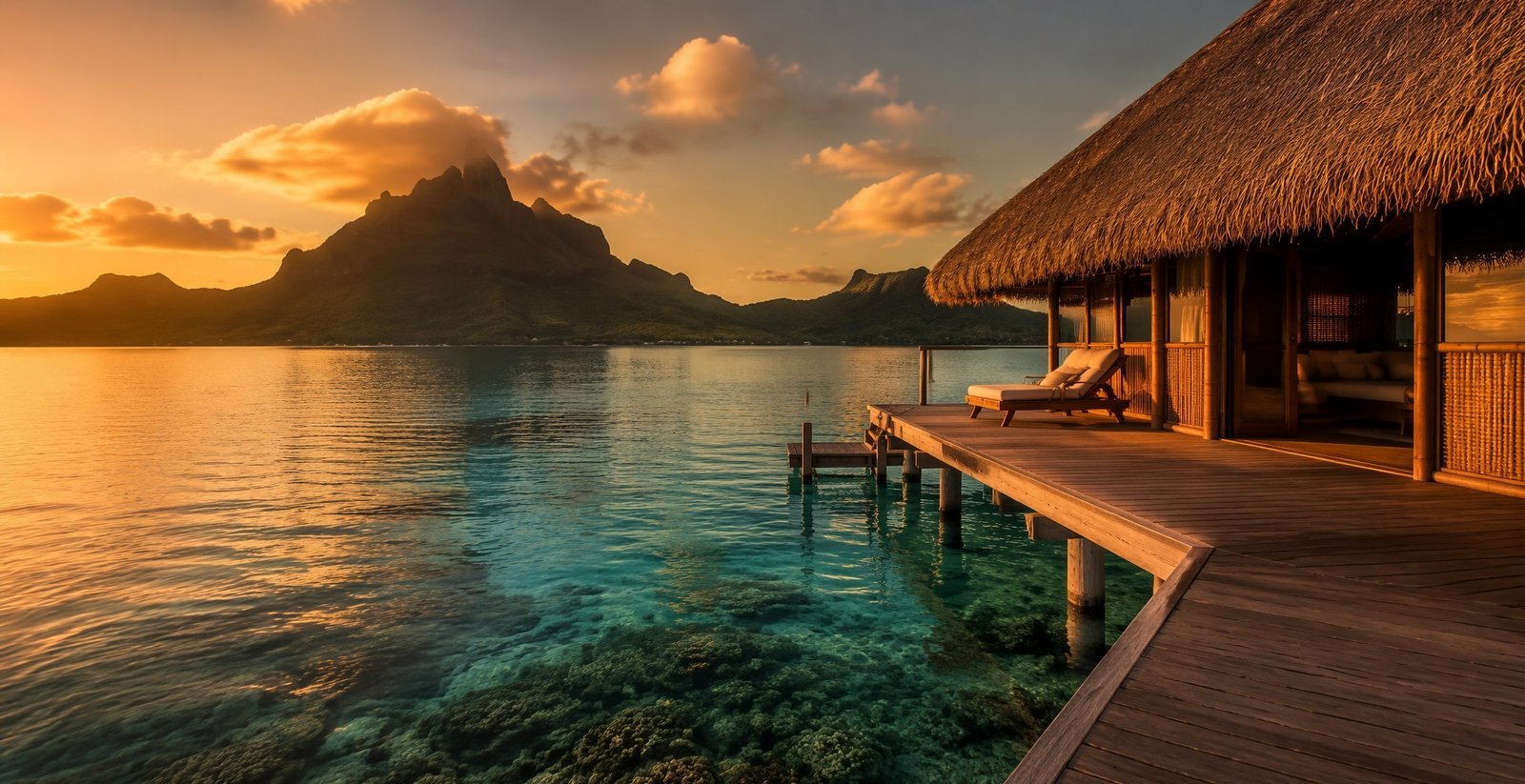
French Polynesia is the destination that the overwater bungalow image was built on — Bora Bora, Moorea, the Tuamotu atolls. The lagoon really is that color. The planning work is choosing which island combination, which property among the handful that earn their rates, and how to use the Air Tahiti inter-island network to add a quieter atoll or a dive island to the Bora Bora archetype.

Best Season
May – October
Best For
Honeymoons
& Overwater
The Region

The Lagoon Really Is
That Color.

French Polynesia's dry season is May through October, with whales present August to October. Most itineraries run 10–14 days across two or three islands. Bora Bora delivers the archetype — the lagoon, Mount Otemanu, the top-end overwater villas. Moorea has the more dramatic silhouette, a more Polynesian daily life, and costs considerably less. Two islands works better than three.

The overwater bungalow as a hotel format was invented in French Polynesia in 1967 by three California hoteliers who realized that Moorea's lagoon depth was perfect for stilted construction. The format has now been replicated across the Maldives, the Caribbean, Fiji, and the rest of the South Pacific — but the original lagoon, the one in the photographs that justified the trip, remains here. Bora Bora's lagoon is the one. The color is genuinely that color in person; the photograph doesn't exaggerate. The property selection is what determines whether you get the lagoon at its best or a less remarkable corner of it.

Moorea is the underused alternative to Bora Bora — a more dramatic island silhouette (the volcanic ridge runs sharper, with peaks visible across the lagoon from every property), about half the cost of equivalent Bora Bora accommodation, and a more authentic island feel because Moorea retains a meaningful local population beyond the resort workforce. Many of our most experienced South Pacific clients now skip Bora Bora entirely on return visits in favor of Moorea or the Tuamotus, treating Bora Bora as a one-time pilgrimage rather than the destination they choose to return to.

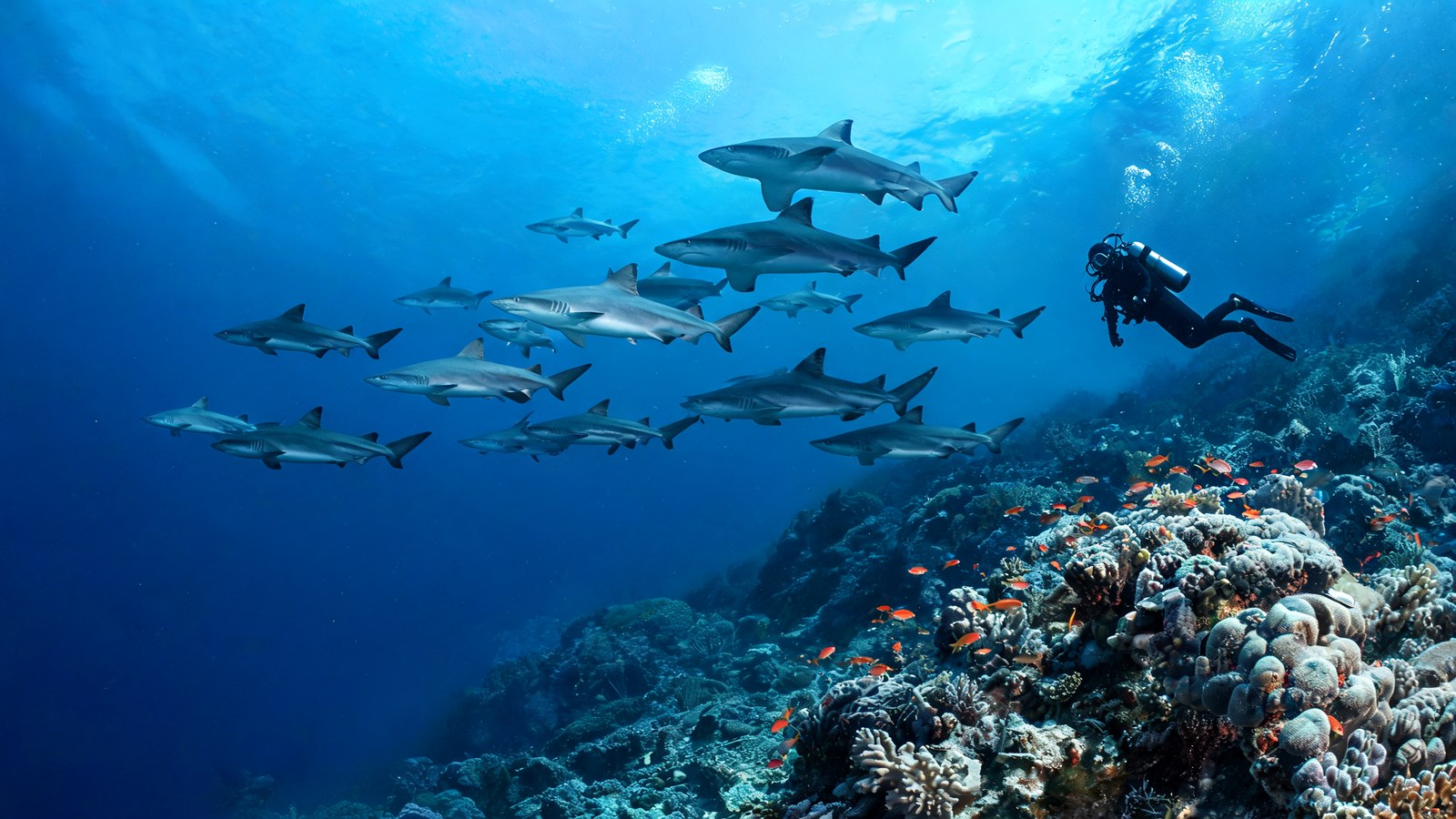
The Tuamotu atolls — Rangiroa and Fakarava in particular — are a different French Polynesia entirely. Diving instead of lagoon swimming, the south pass of Fakarava with its 700-shark wall, the inside-the-pass current dive at Tiputa on Rangiroa where the marine life concentrates against the incoming tide. Far less developed than the Society Islands (Tahiti, Moorea, Bora Bora), with smaller pensions and lodges instead of resort properties, and an entirely different version of French Polynesia that adds significantly to a multi-island trip.
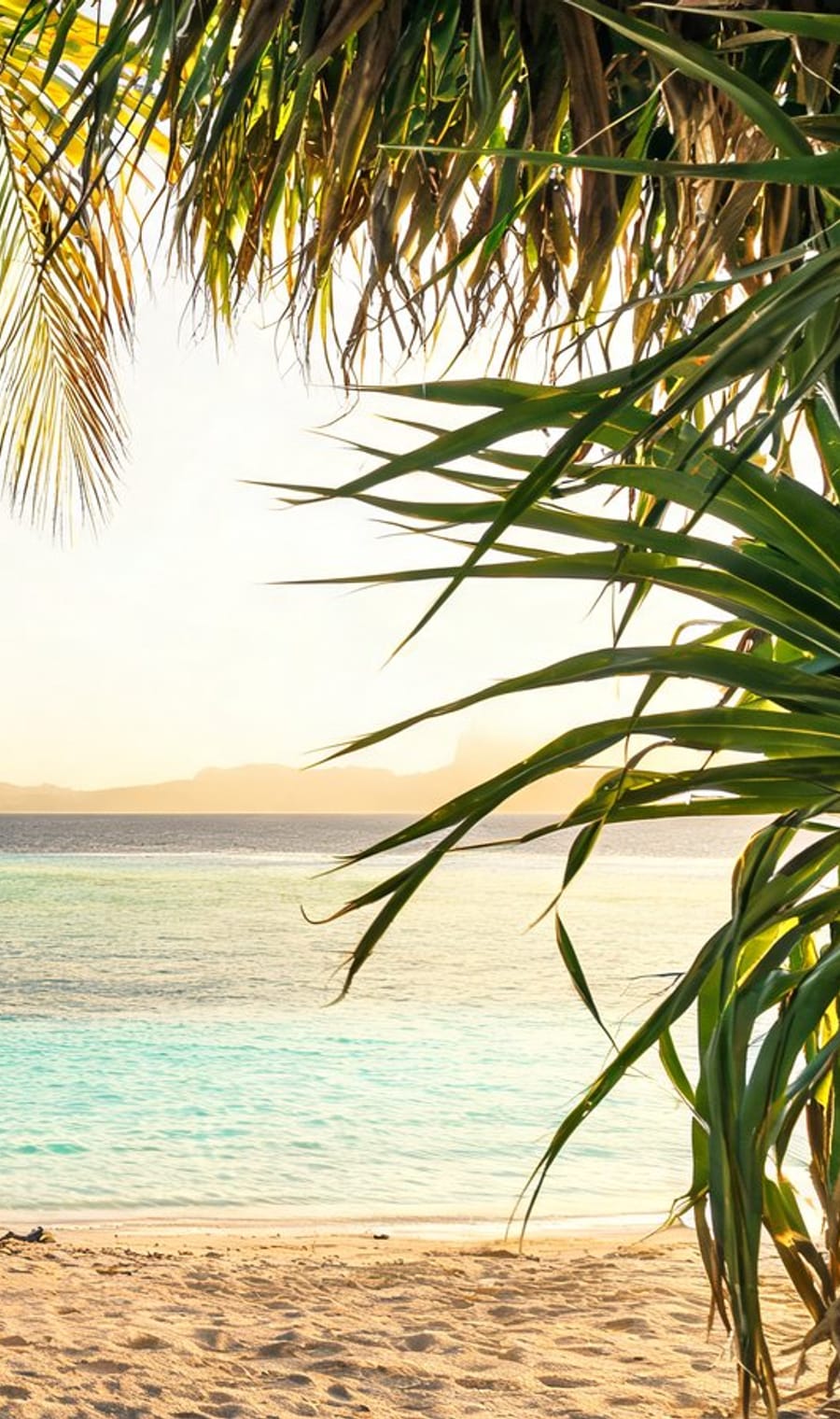
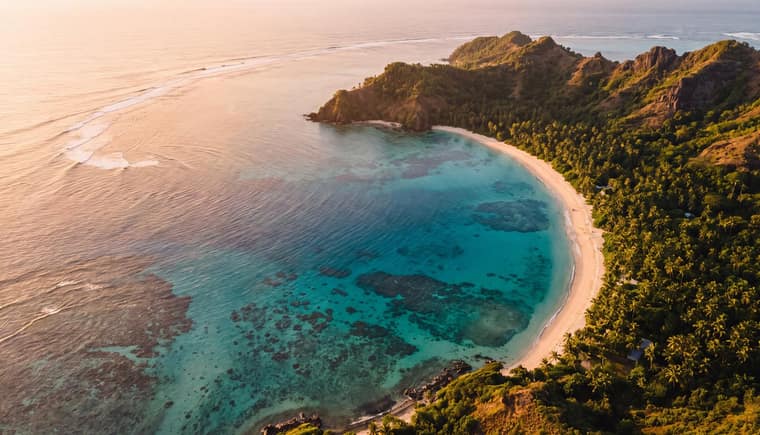
Palm fronds framing the turquoise lagoon at Bora Bora
Bora Bora · Society Islands
Where We Send Clients

Six Islands Worth Sequencing Properly

French Polynesia divides into archipelagos — the Society Islands (Tahiti, Moorea, Bora Bora, Huahine), the Tuamotus (Rangiroa, Fakarava), and the more remote Marquesas. The Air Tahiti inter-island network connects them efficiently if the order is right.
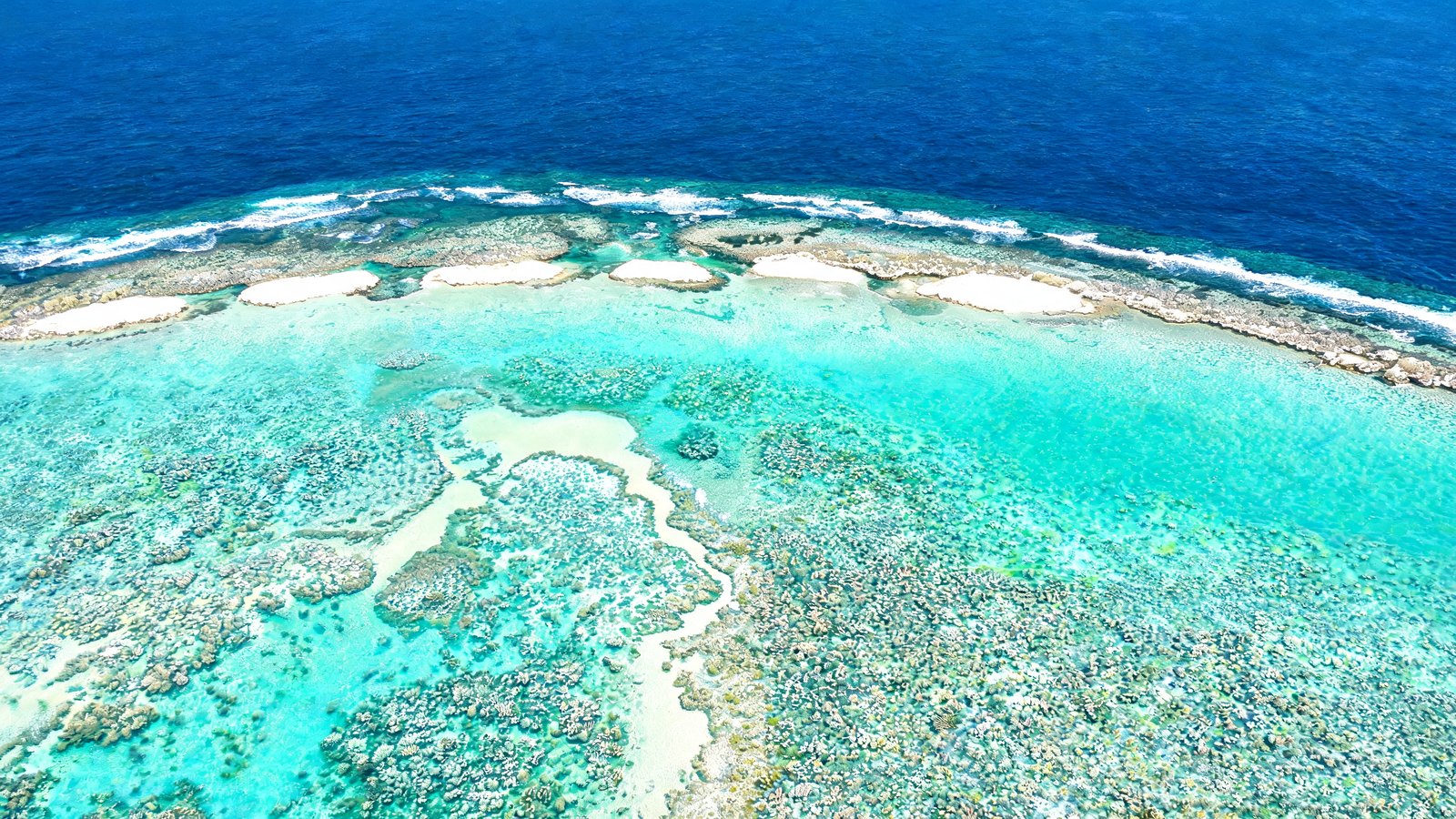
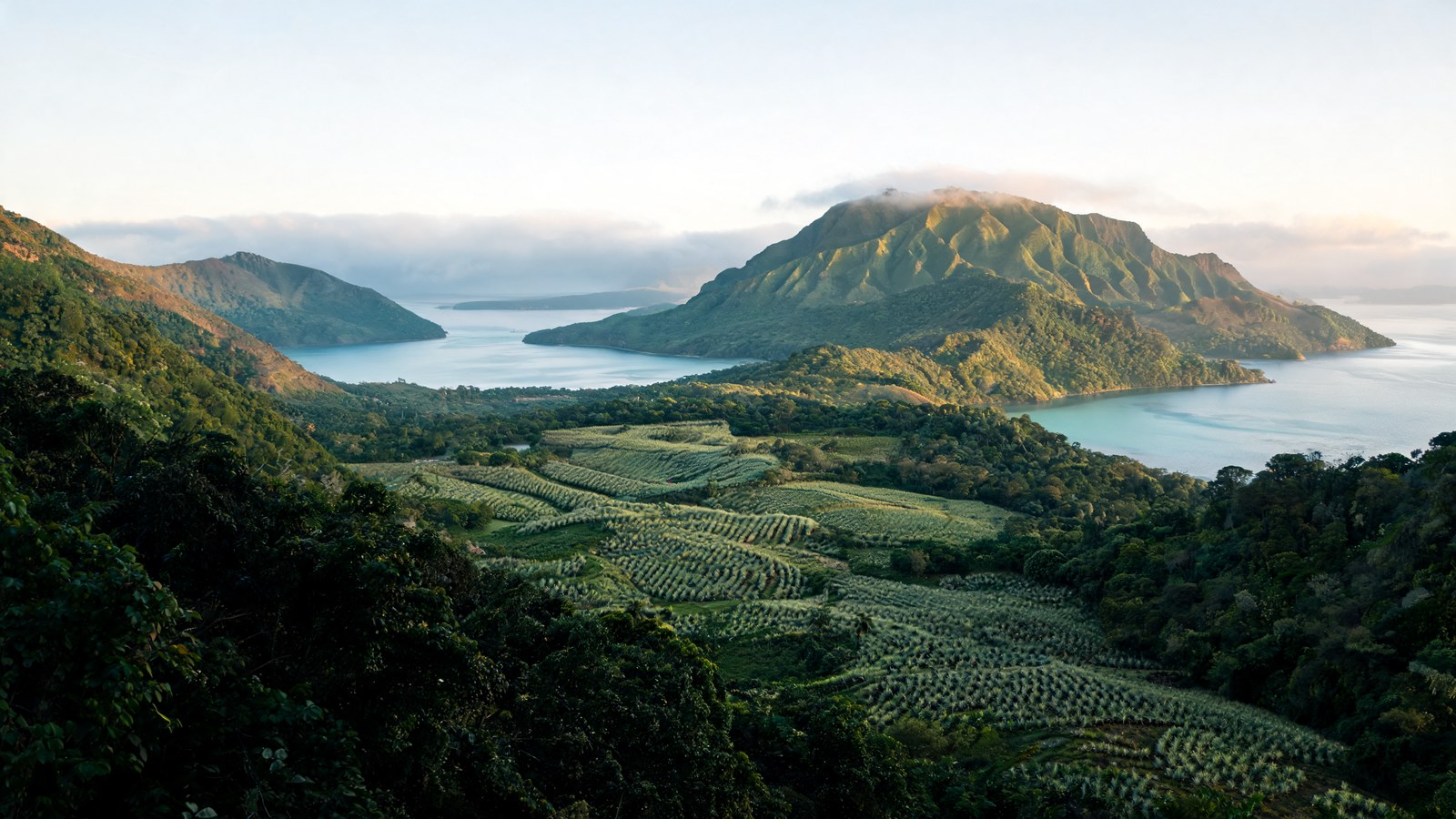
Bora Bora, Society Islands
Society Islands
Bora Bora
The iconic lagoon, and the handful of properties that earn their rate through villa placement on the motu, lagoon quality, and service that has held for decades. Mount Otemanu rising behind every overwater villa. The work is choosing the right motu and the right villa category.
Overwater Lagoon Diving Otemanu
Explore →
Moorea, Society Islands
Society Islands
Moorea
The intimate counterpoint to Bora Bora — a more dramatic silhouette in Mou'aroa and Tohiea, about half the price, and a real local population beyond the resort workforce. Opunohu and Cook's Bay for the anchorages. Humpbacks from August through October, which Bora Bora cannot offer.
Whales Peaks Less Crowded
Explore →
Fakarava & the Tuamotus, Tuamotu Atolls
Tuamotu Atolls
Fakarava & the Tuamotus
A UNESCO Biosphere Reserve and one of the world's great dive destinations. Fakarava's south pass holds the 700-shark wall — grey reef sharks in continuous aggregation, seen on a single drift. Rangiroa is the second-largest atoll on earth, where dolphins approach divers in Tiputa Pass.
Shark Diving UNESCO Drift Diving
Explore →
Tahiti & Papeete, Society Islands
Society Islands
Tahiti & Papeete
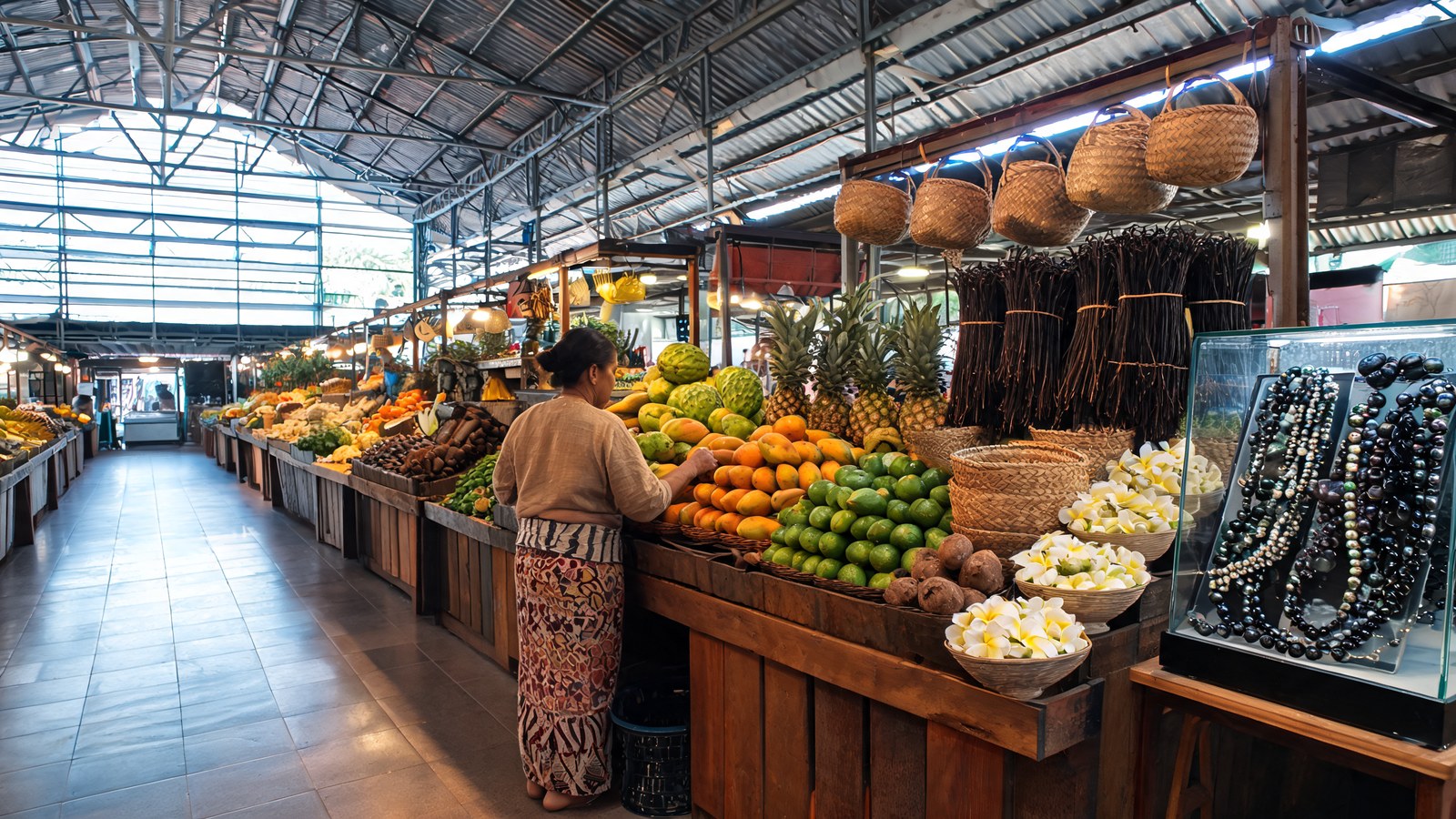
More often a connection than a destination, but it repays a night or two — the Marché de Papeete for produce, vanilla and pearls, the black-sand drive around Tahiti Iti, and Teahupo'o, one of the world's most dangerous waves and the venue for the 2024 Olympic surfing.
Black Pearls The Market Teahupo'o
Explore →
Huahine, Society Islands
Society Islands
Huahine
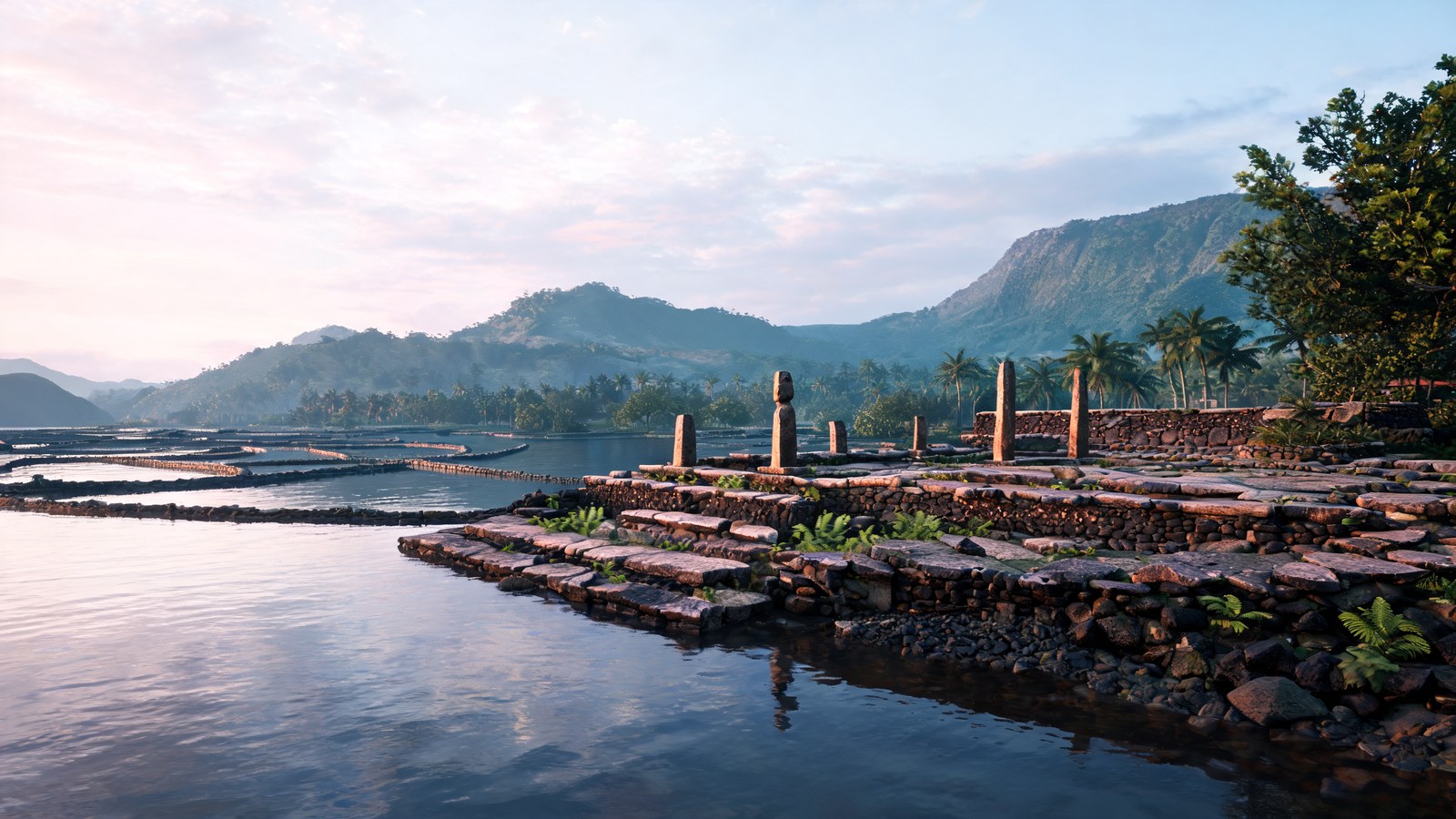
The least developed of the major Society Islands, and increasingly what returning visitors choose over Bora Bora. A genuine village atmosphere in Fare, the marae of Maeva among the most important sites in eastern Polynesia, and a lagoon with the snorkeling but none of the density.
Maeva Villages Pensions
Explore →
Marquesas & Aranui Cruise, Marquesas Islands
Marquesas Islands
Marquesas & Aranui Cruise
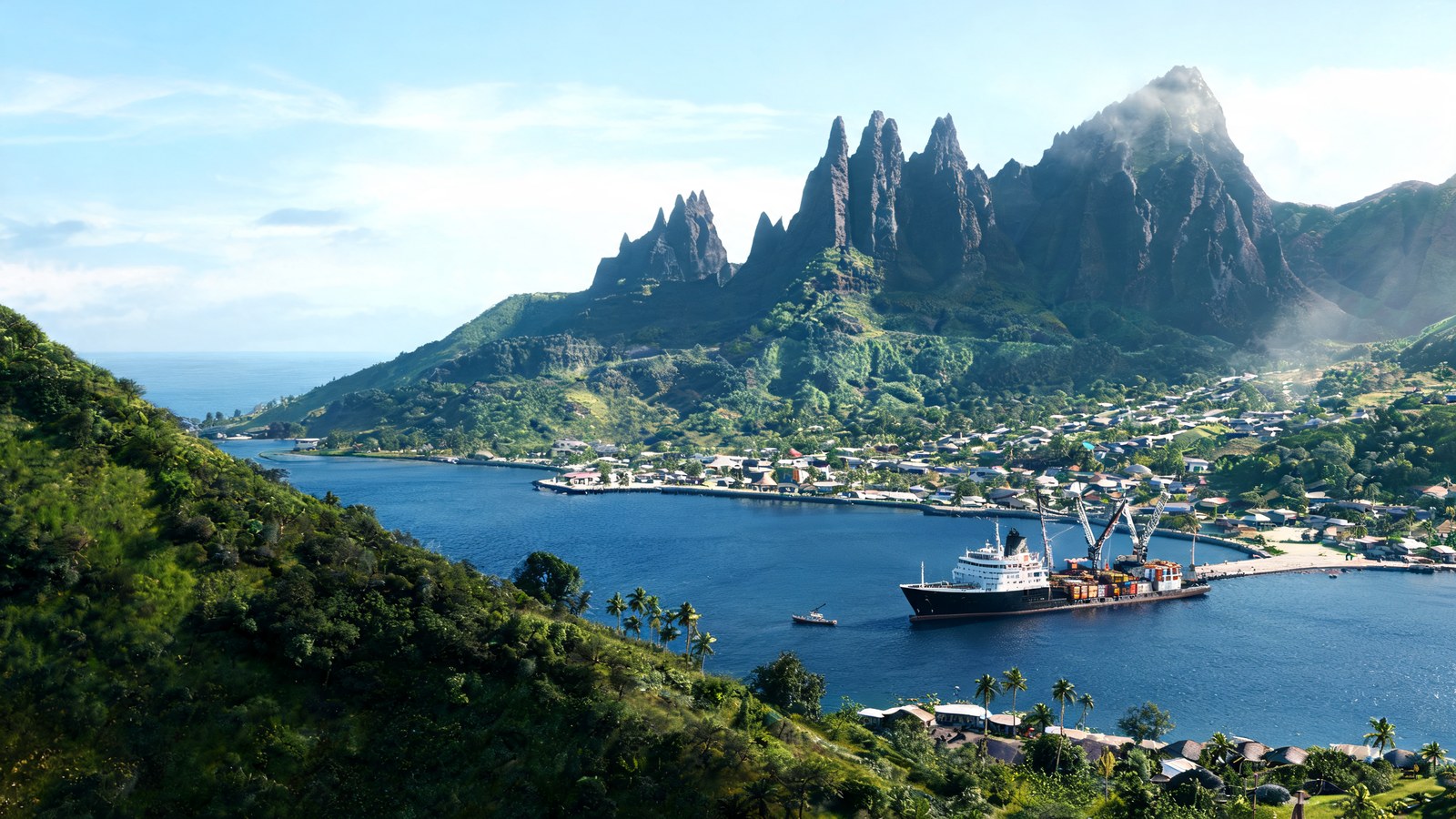
1,400km northeast of Tahiti and a different French Polynesia — volcanic peaks rising straight from the ocean with no lagoon, Gauguin's grave on Hiva Oa, tiki at Puamau that predate European contact. Access is the Aranui 5, a working freight ship carrying passengers on a 14-day run.
Aranui Tiki Hiva Oa
Explore →
Featured Itineraries

Trips We Plan Often

French Polynesia itineraries built around the right island combination, the right property selection on each, and the Air Tahiti routing that connects them without wasted days.
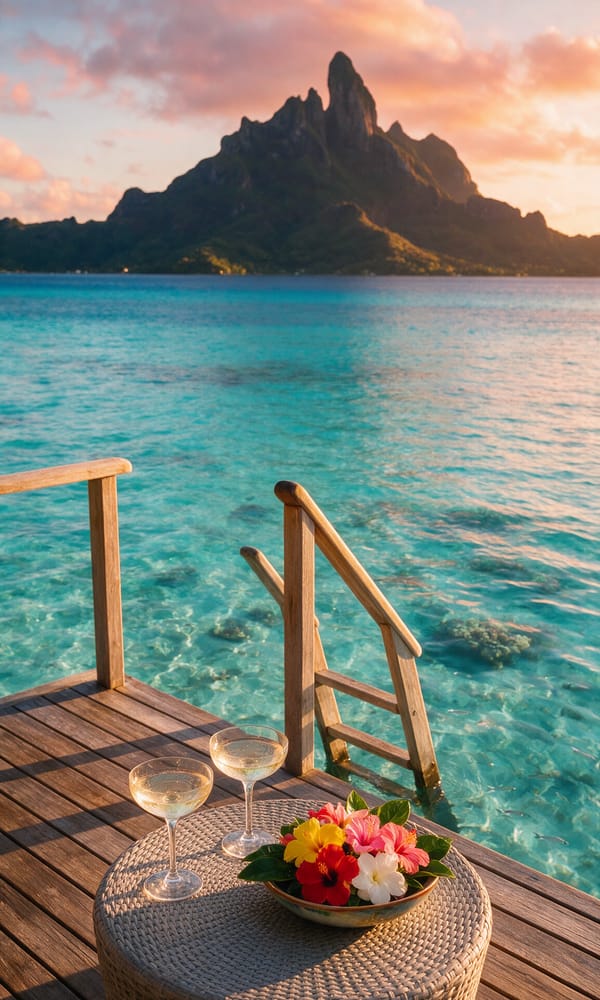
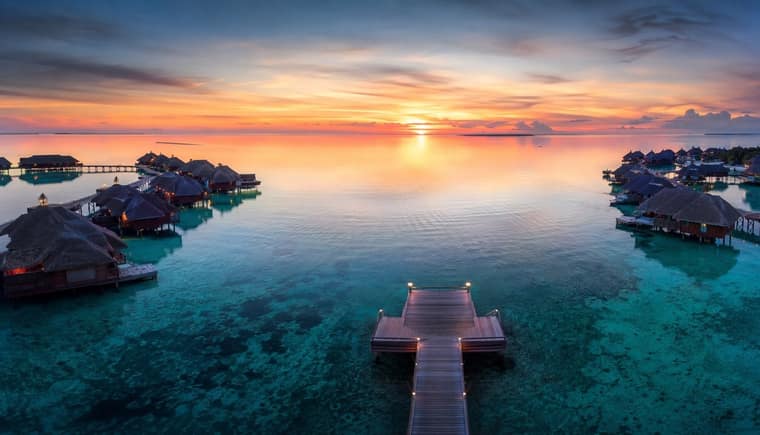
A teak overwater deck with cocktail glasses above a turquoise lagoon facing Mount Otemanu at sunset
May – October · 10–12 Days
Bora Bora & Moorea Honeymoon
Papeete overnight on arrival, fly to Moorea for four nights at an overwater villa on Hauru Point — whale watching in season (August–October), the Cook's Bay catamaran day, snorkeling with rays and reef sharks, the pineapple plantation drive. Fly to Bora Bora for five nights at one of the motu resorts, with a category upgrade to a villa with the Mount Otemanu view. Sunset sail with cocktails, the private lagoon picnic on a motu, the underwater snorkel safari. Return through Papeete for a final night, a black pearl farm visit, and the international flight home.
French Polynesia10–12 Days
Plan This Trip
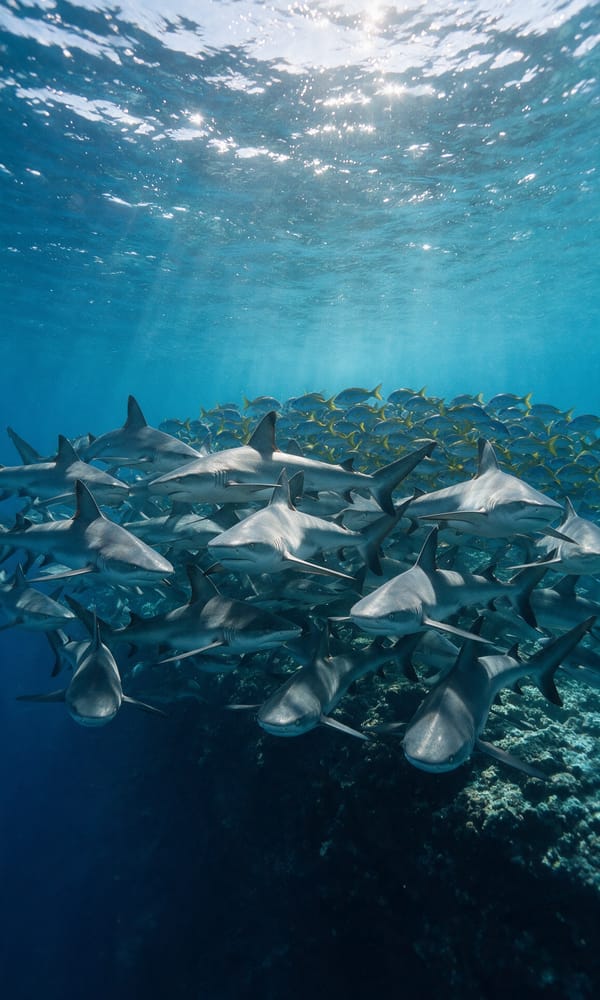
Grey reef sharks holding in the current over coral in the Fakarava south pass
May – October · 12–14 Days
French Polynesia Diving Circuit
For divers and serious snorkelers. Papeete overnight, fly to Fakarava for five nights at a lagoon pension — the south pass shark wall, the north pass drift dive with mantas, the inside-lagoon coral garden snorkel. Fly to Rangiroa for three nights — the Tiputa Pass dolphin encounter, the Blue Lagoon excursion (a smaller lagoon inside the larger atoll), the L'Aquarium snorkel. Connect to Moorea for three nights of more relaxed lagoon time with whale watching in season. Return to Tahiti for a final night. The dive credentials needed: Open Water minimum, Advanced strongly recommended.
French Polynesia12–14 Days
Plan This Trip
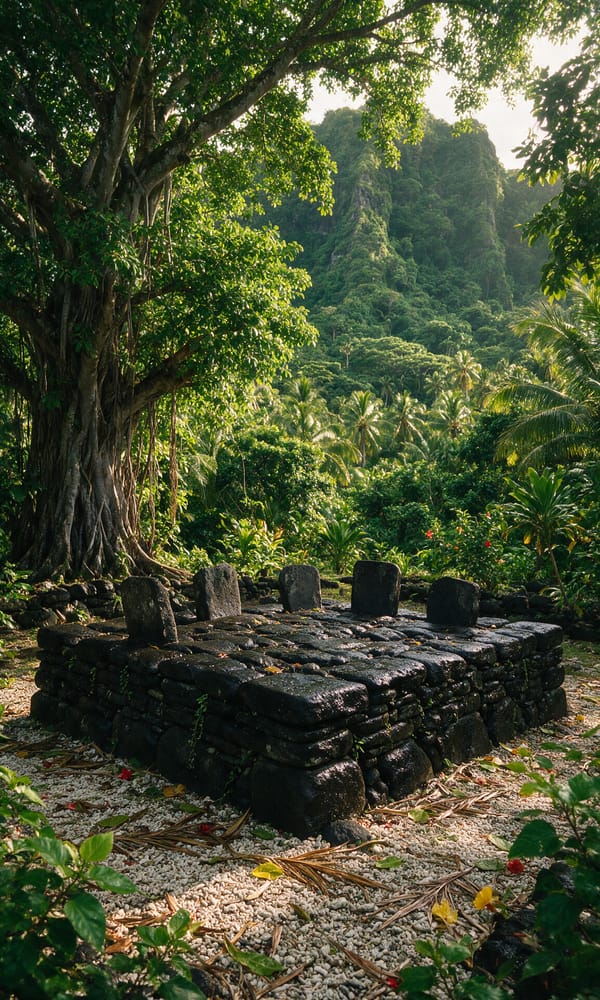
Black basalt platform stones of a Huahine marae shaded by a banyan below a volcanic ridge
May – October · 10–12 Days
French Polynesia: Beyond Bora Bora
For travelers who have done Bora Bora previously, or for travelers who specifically want the more authentic French Polynesian experience without the destination-wedding atmosphere. Papeete one night, fly to Huahine for four nights (Maeva marae complex, sacred eels at Faie, lagoon snorkel with the lodge boat, village dinners). Connect to Moorea for four nights of the volcanic landscape and the whale watching season. Optional add-on of Tetiaroa (Marlon Brando's atoll) for a luxury overnight at The Brando. Return to Papeete for a final night. The French Polynesia that returning visitors typically choose.
French Polynesia10–12 Days
Plan This Trip
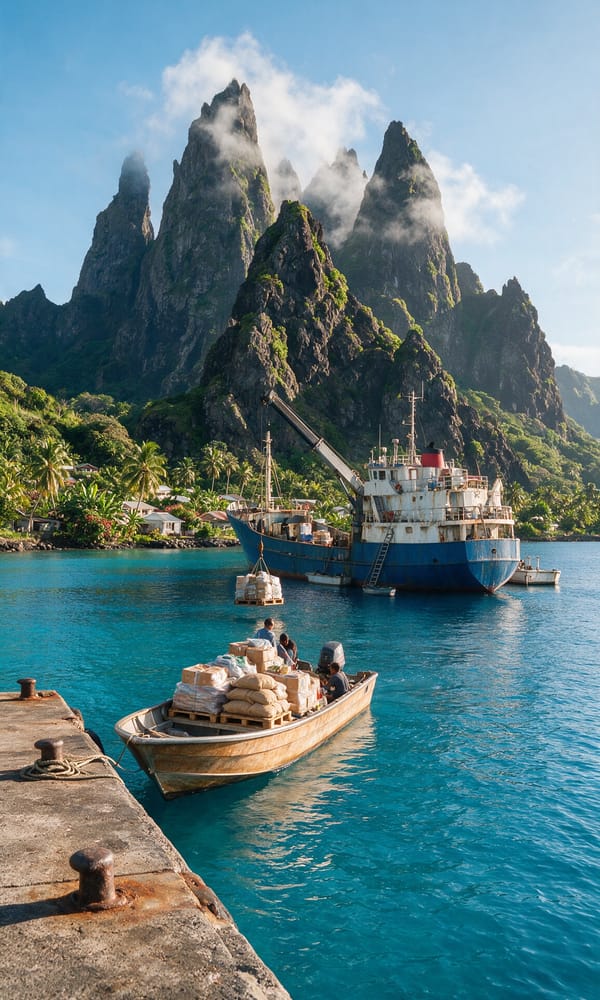
A cargo-laden whaleboat crossing from an anchored freight ship to a Marquesan quay below basalt spires
Year-Round · 14 Days
Marquesas by Aranui 5
The Aranui 5 is a working freight ship that doubles as a passenger vessel, completing a 14-day round trip from Papeete through the Marquesas Islands (Nuku Hiva, Ua Pou, Hiva Oa, Tahuata, Fatu Hiva, Ua Huka) and two Tuamotu stops (Fakarava and Rangiroa or Bora Bora on the return). The format is genuine: the freight is loaded and unloaded at each island, passengers go ashore for half-day excursions to the tiki sites, the Paul Gauguin grave on Hiva Oa, traditional craft villages. The most authentic and least filtered French Polynesia available to passenger travel. Approximately 200 passengers max, with cabins ranging from interior to suite.
French Polynesia14 Days
Plan This Trip
Why Plan With Us

What We Add to French Polynesia Planning

French Polynesia is the destination where the property selection on Bora Bora, the island sequencing through Air Tahiti, and the right combination of Society Islands and Tuamotus produce the trip that justifies the distance.

Resort & Villa Selection on Bora Bora
Bora Bora has approximately a dozen resort properties on the motu islets surrounding the main island. The lagoon view, the villa category, the position of the property relative to Mount Otemanu, and the consistency of the service vary significantly across them. The difference between the right villa at the right resort and a mid-tier choice at a similarly priced property is significant — visible immediately on arrival. We know which villa at which property delivers the experience that the rates are intended to buy.
Air Tahiti Routing
The Air Tahiti inter-island network is the only way to combine multiple French Polynesian islands, and the routing matters. Some islands have only morning or evening flights, some routes only operate two or three days a week, and the order in which islands are sequenced affects the total trip length and the airport-to-resort transfer logistics. The most efficient routing typically begins with the closer Society Islands (Moorea), then moves to Bora Bora, then to the Tuamotus if included, then returns through Papeete.
Island Combination Logic
Bora Bora alone for less than 7 days is the most common mistake travelers make. The honeymoon-only Bora Bora trip works for travelers who want exactly that and accept the trade-off, but adding 3–4 nights of Moorea, Huahine, or a Tuamotu atoll dramatically increases the geographic and experiential variety of the trip. We help structure the right combination based on what each traveler is actually looking for, rather than defaulting to the single-island Bora Bora package.
Whale Season Timing (Moorea)
Humpback whales migrate to Moorea's waters from August through October to calve in the warm lagoons. The encounters — by certified operator, snorkel-only, on a small boat with a marine biologist guide — are among the great wildlife experiences available in the South Pacific. For travelers whose trip can be timed in August–October, adding the whale day to a Moorea stay changes the texture of the trip entirely. The timing is narrow and the operators with the right credentials are limited; we book this in advance.
When to Go

French Polynesia by Season

Dry Season
May – October
The reliable window for French Polynesia. Cooler air temperatures (in the upper 70s to low 80s), drier weather, lower humidity, and the calmest lagoon conditions of the year. The trade winds from the southeast keep the air moving and the temperatures comfortable. Lagoon water clarity is at its peak, making this the best window for diving in Fakarava and Rangiroa. Whale season runs August through October in Moorea. Peak tourist months are July and August (US/European summer holidays), which fill the Bora Bora resorts and warrant booking 6–9 months ahead. May, June, and September are the sweet spot — same weather, lower crowds, more accessible rates.
Best Overall Window
Whale Watching
August – October
Humpback whales migrate from Antarctica to French Polynesian waters to mate and calve in the warm lagoons. Moorea is the primary destination for whale watching — certified operators run small-boat trips with snorkeling permitted under specific protocols (no chasing, no aggressive approach, swim-pause-observe). The experience of being in the water at close range with a humpback mother and calf is among the great wildlife encounters in the South Pacific. The season is narrow and the operators with the right credentials are limited; travelers planning specifically for whale season should book 6+ months ahead.
Wet Season
November – April
The wetter, warmer season — air temperatures in the mid-80s with higher humidity, more frequent (but typically short) rain showers, and occasional tropical depressions. The water remains warm and the diving conditions are still good, but visibility on the open ocean dive sites is slightly reduced. Rates at the Bora Bora and Moorea resorts drop meaningfully outside of the December–January holiday peak. For travelers willing to accept some weather variability, January–March is a viable window with significantly lower resort rates. February is the rainiest month and the one we typically recommend avoiding.
Ready When You Are

Plan a French Polynesia Trip
That Justifies the Distance

Tell me whether you want Bora Bora alone, a multi-island combination, the diving Tuamotus, or the authentic Marquesas — and when you can travel within the May–October window. I'll come back with a specific itinerary and property recommendations within one business day.

Plan a French Polynesia Trip All South Pacific

No booking fees  ·  Response within 24 hours  ·  Fully bespoke

What It Costs

What French Polynesia Actually Costs

$600–$1,900
per person, per night. Ranges, not quotes.
What that includes
  • Half of a luxury room or overwater bungalow
  • Breakfast only where the resort includes it
  • Standard resort facilities
What it does not
  • International and inter-island flights
  • Boat or helicopter transfers, taxes and service charges
  • Meals, spa, diving and gratuities
The two or three things that move it most
  • Bora Bora versus Tahiti and Moorea
  • Villa tier, lagoon view and private pool
  • Dry-season demand, May through October

Editorial planning bands, not quotes — assembled from published rates and official fee sources, verified . Rates, permit costs and park fees change; confirm before booking. Source: Tahiti Tourisme.

Common Questions

French Polynesia — FAQ

Questions we hear most when planning French Polynesia — from Bora Bora property selection to Moorea vs Bora Bora, Tuamotu diving access, and how many islands to combine.

Bora Bora for the iconic lagoon and the destination-archetype trip. The postcard view, the overwater villa over Mount Otemanu, the property quality at the top end. Moorea for a more dramatic island silhouette, a more authentic Polynesian feel (Bora Bora's economy is almost entirely resort-driven; Moorea retains a meaningful local population), half the price of equivalent Bora Bora accommodation, and the unique addition of whale watching August through October. Many of our most experienced South Pacific clients now skip Bora Bora on return visits in favor of Moorea. For a first French Polynesia trip, combining both for 4–5 nights each is the strongest single answer.

On Bora Bora and Moorea: yes, for honeymoon or special-occasion travel. The experience of waking up over the lagoon with reef fish visible through the glass floor and direct ladder access to the water is genuinely distinct from a beach bungalow. The premium varies by resort — typically 30–60% more than equivalent beach villas. On the Tuamotus, where the focus is diving, the overwater format is less essential and the savings on a lagoon-edge bungalow can be redirected toward dive packages.

For a first trip: two islands (typically Moorea and Bora Bora) for 8–10 days minimum, ideally 10–12 days. Single-island Bora Bora trips of fewer than 7 days are the most common mistake — the island is small and the activities are concentrated, so anything more than 5 nights begins to feel slow without adding a second destination. For 12+ days, a third island (a Tuamotu atoll for divers, Huahine for the authentic alternative, Tetiaroa for the Brando) significantly expands the trip. The Air Tahiti routing accommodates multi-island moves efficiently if planned with the right sequence.

May through October is the dry season and the right answer for almost every traveler. June and September are the sweet spot — same weather as the July–August peak, with lower crowds and better rates. August through October adds the Moorea whale watching season. November through April is the wet season — typically still warm and the rain is usually brief, but with more weather variability and higher risk of tropical storms; significantly lower resort rates outside the December–January holiday peak.

Open Water minimum, Advanced Open Water strongly recommended. The Tuamotu pass dives (south pass of Fakarava with the shark wall, Tiputa Pass on Rangiroa) involve current and depth conditions that benefit from the Advanced certification. Snorkeling alone in the Tuamotus is excellent at the inside-lagoon coral gardens and L'Aquarium-type sites, but the genuinely extraordinary experiences (the 700-shark wall, the dolphin encounter) require diving. Discover Scuba programs are available for first-time divers and provide a meaningful first experience without full certification.

Direct flights to Papeete (PPT) operate from Los Angeles, Honolulu, Paris, Tokyo, Auckland, and a handful of other gateways. Los Angeles is 8 hours (daily), Honolulu 5.5, Tokyo 10, Auckland 5, and Paris 22 via West Africa. From the US, the LA–Papeete route on Air Tahiti Nui, French Bee, or United is the standard. The arrival is typically late evening; a Papeete overnight on the night of arrival is usually the right structure rather than connecting immediately to Bora Bora. Departures are similarly late evening, allowing a final-day return to Papeete from the islands without a rushed connection.

Variable. The overwater villa format is generally restricted by minimum-age policies at the top resorts (often 12+, occasionally 7+). Beach villas at the same resorts are family-friendly without age restrictions. Moorea is the most family-suitable major island — abundant snorkeling, whale watching, the pineapple plantation, and resort properties with active kids' programs. Bora Bora is more honeymoon-focused at most of its resorts. Outside the resort circuit, the islands are not heavily oriented toward family travel infrastructure. We match families to properties that explicitly accommodate the age range of the traveling children.

French Polynesia is the dramatic one, the Maldives the pristine one — topography and culture against water clarity and intimacy. French Polynesia has the volcanic peaks of Mount Otemanu and Mou'aroa visible from the lagoons, generally larger and more architecturally varied resorts, the Polynesian cultural overlay, and the option to add Tuamotu diving or a Marquesas cruise for a multi-region trip. The Maldives has the most consistently extraordinary lagoon water clarity in the world, smaller and more intimate resorts (often the entire resort occupies a single small island), better-priced overwater villa options at the mid-tier, and an Asia-side travel access from Europe and the Middle East. For US travelers, French Polynesia is the natural choice; for European and Middle Eastern travelers, the Maldives has the geographic advantage.
More questions answered on the Full FAQ Page
From the Journal

Read More on French Polynesia