
Rest & Restoration

Travel That
Gives Something Back

There is a difference between a hotel with a spa and a trip genuinely built around restoration. The program, the practitioners, the structure of the days, the absence of the things you're trying to recover from — these are what make a wellness trip work.

Why Wellness Travel

Wellness Travel Isn't a
Spa Day at the End of
a Busy Itinerary

A spa resort stay delivers value in 3–5 nights. A structured programme — Ayurvedic treatment, a supervised protocol, a dedicated sleep retreat — typically needs 7–14 days to complete its arc, and shorter versions produce proportionally reduced results. Asia's dry season runs November to April, and Mexico and the Americas run November to May.

Most travel includes wellness as an afterthought — a treatment booked on the last afternoon, a yoga class offered at 7 a.m. before a full day of sightseeing. That's not what we're talking about here. Genuine wellness travel is organized around restoration as the primary purpose, with everything else — the setting, the food, the schedule, the pace — in service of that.

What that looks like varies enormously by what you actually need. Burnout from work calls for something different than recovery from a health event. A couple who wants to reconnect needs a different structure than a solo traveler seeking genuine solitude. Someone drawn to Ayurvedic medicine needs a different property than someone who wants a sleep-focused program or a structured yoga immersion. The category is wide. The matching is specific.

The wellness industry also has a meaningful quality range — from properties running genuine clinical programs with credentialed practitioners to resorts that built a meditation pavilion and rebranded. We know the difference. The ones we recommend have programs that hold up to scrutiny: transparent about what's included, honest about what you should expect, and staffed by people who know what they're doing.
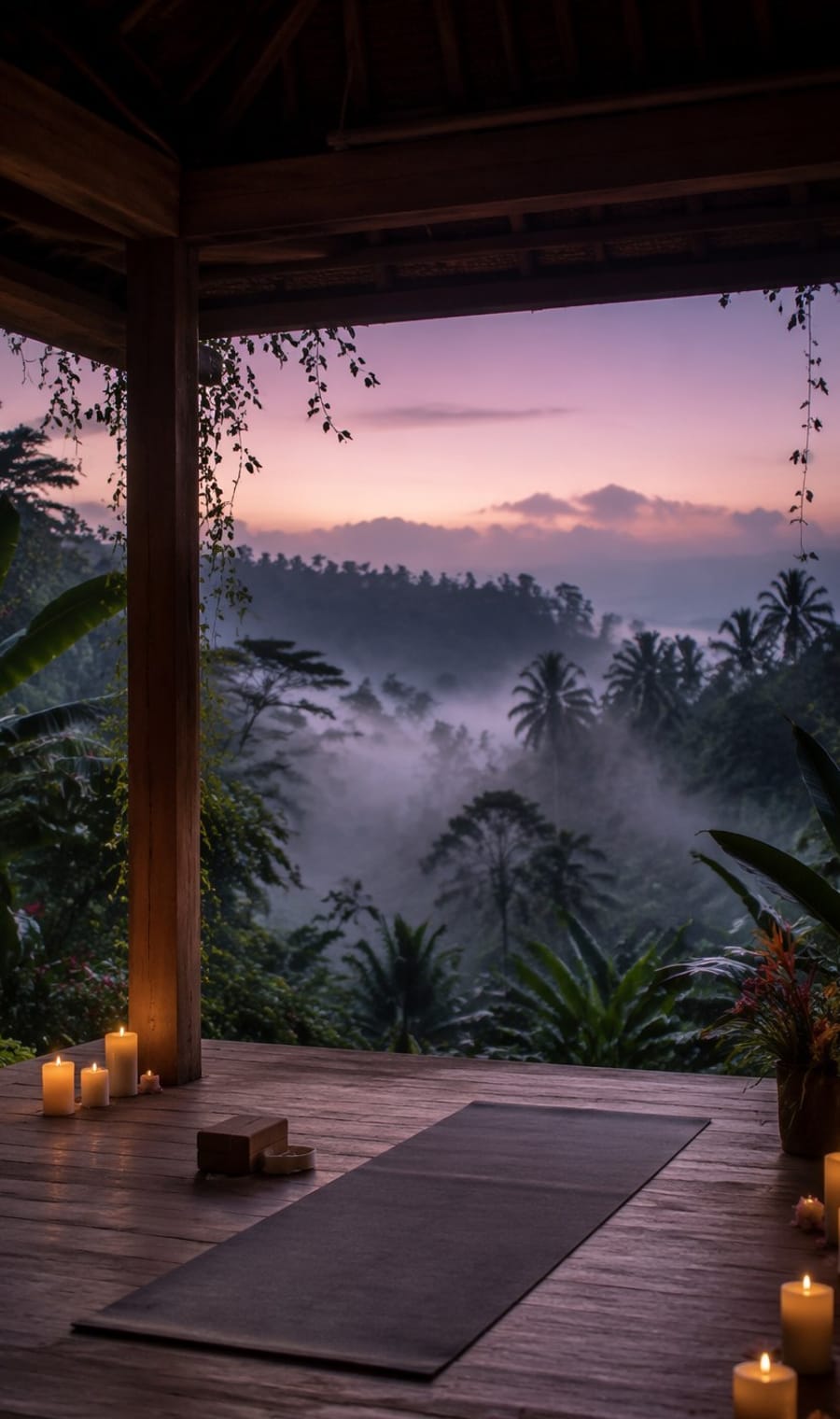
A candlelit yoga pavilion open to mist over the jungle at dawn
A jungle yoga pavilion · Ubud · Bali
Where We Send Wellness Travelers

Six Destinations Worth Slowing Down In

Each destination has a different wellness tradition and a different quality of property. The right one depends on what you're trying to leave behind — and what you want to come home with.
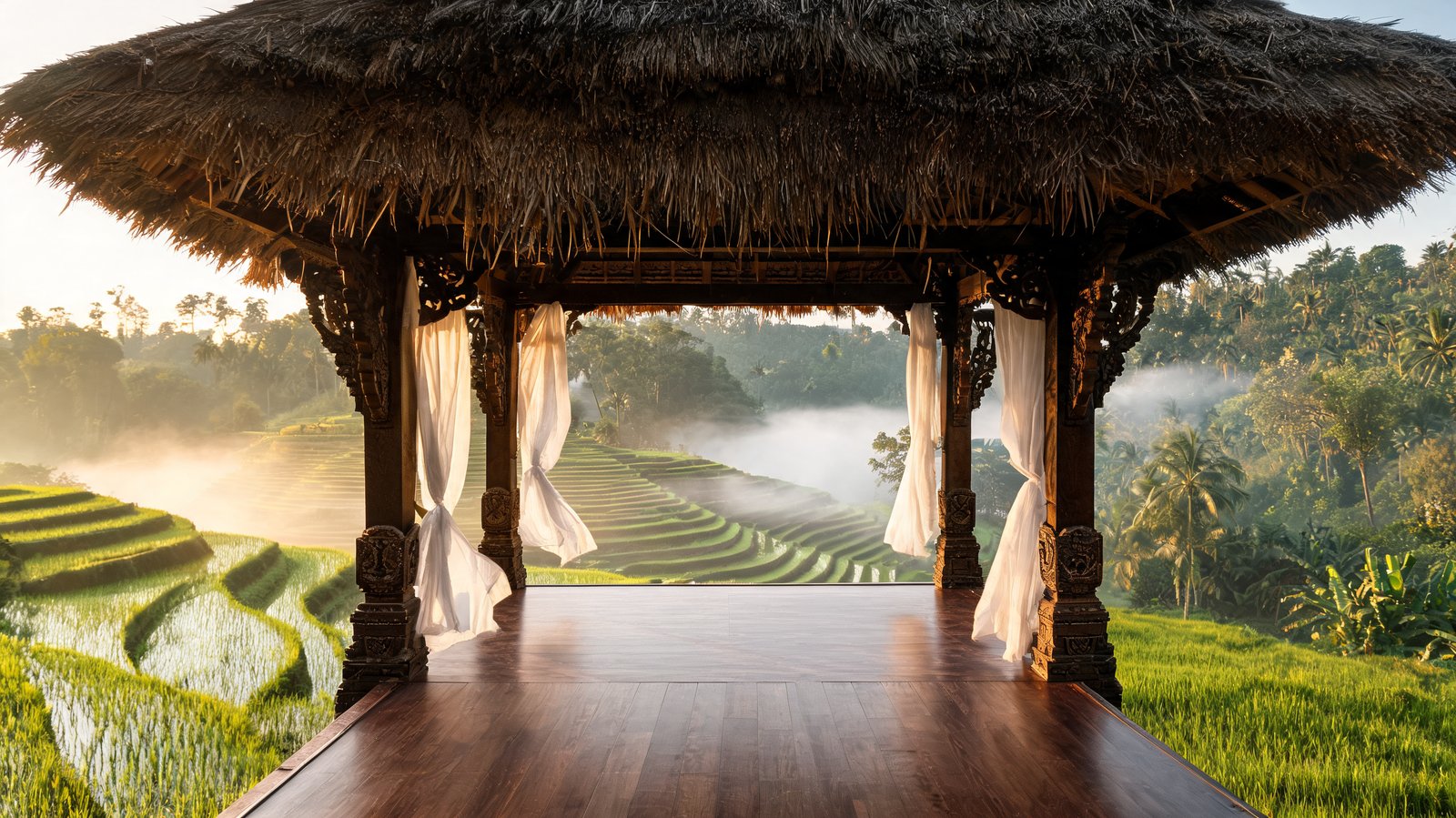
An open-sided timber and thatch yoga pavilion above misted rice terraces at dawn, Ubud, Bali
Southeast Asia
Bali
The most recognized wellness destination on earth — and one that earns the reputation when you find the right property. Ubud sits in the volcanic highlands surrounded by rice terraces, jungle, and a culture that has organized itself around ritual, balance, and the concept of Tri Hita Karana — harmony between people, nature, and the spiritual world. The best wellness retreats here offer genuine Balinese healing traditions alongside yoga programs, organic cooking, and the kind of silence that takes two days to settle into. The range in quality is wide. We know which properties deliver on the premise and which ones are wellness in name only.
Ubud Yoga Immersion Balinese Healing May – September
Explore →
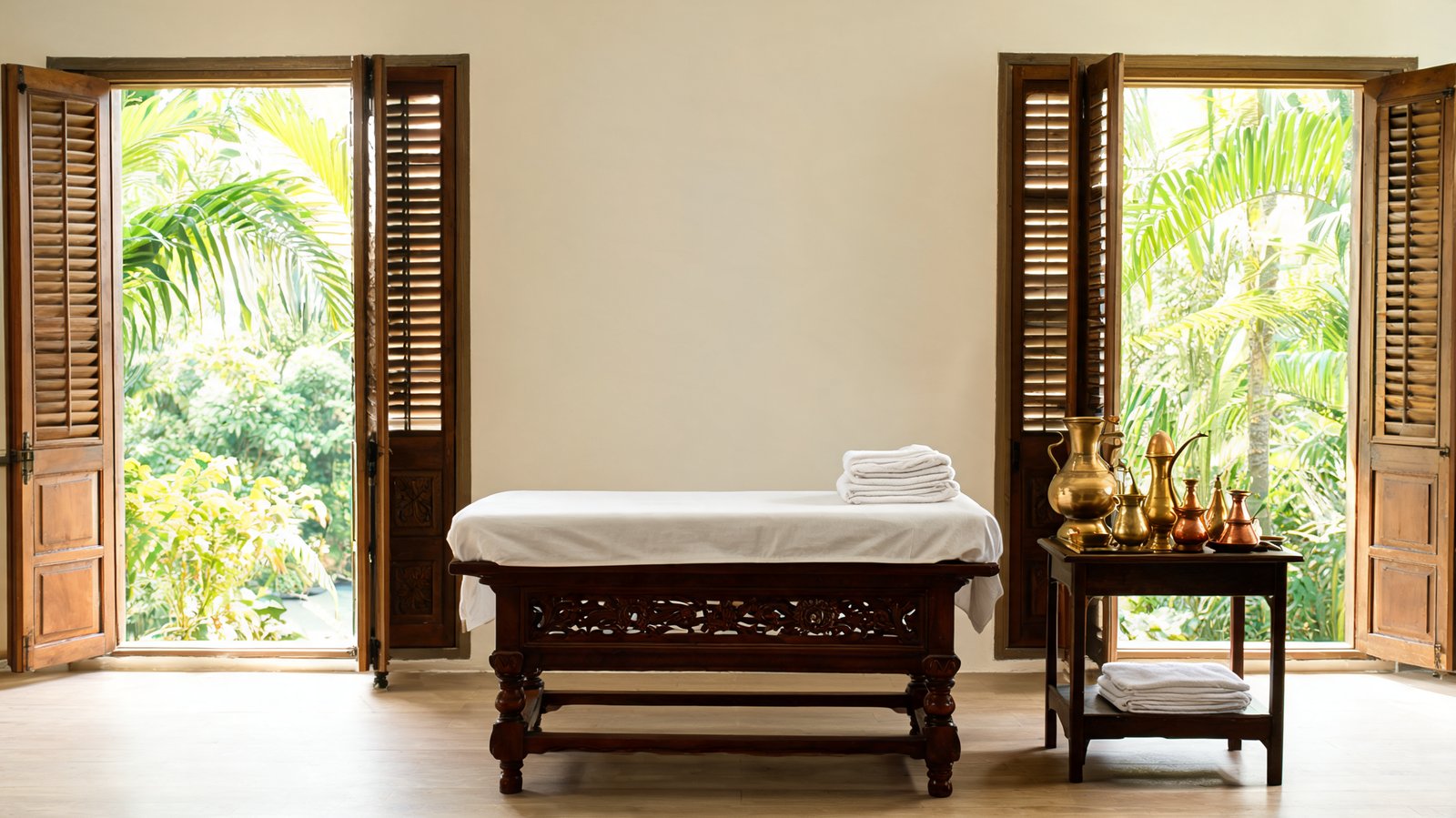
A carved wooden treatment bed and brass oil vessels in an Ayurvedic treatment room, Sri Lanka
South Asia
Sri Lanka
The most credible destination for Ayurvedic medicine outside of India. Sri Lanka's Ayurvedic tradition is centuries old and clinically grounded — the best programs run seven to fourteen days with a physician-led assessment, customized treatment protocol, and strict dietary guidelines that form part of the therapy. The best properties combine rigorous programming with exceptional food and coastal or jungle settings that make the commitment easier to sustain.
AyurvedaPanchakarma7–14 Days
Explore →
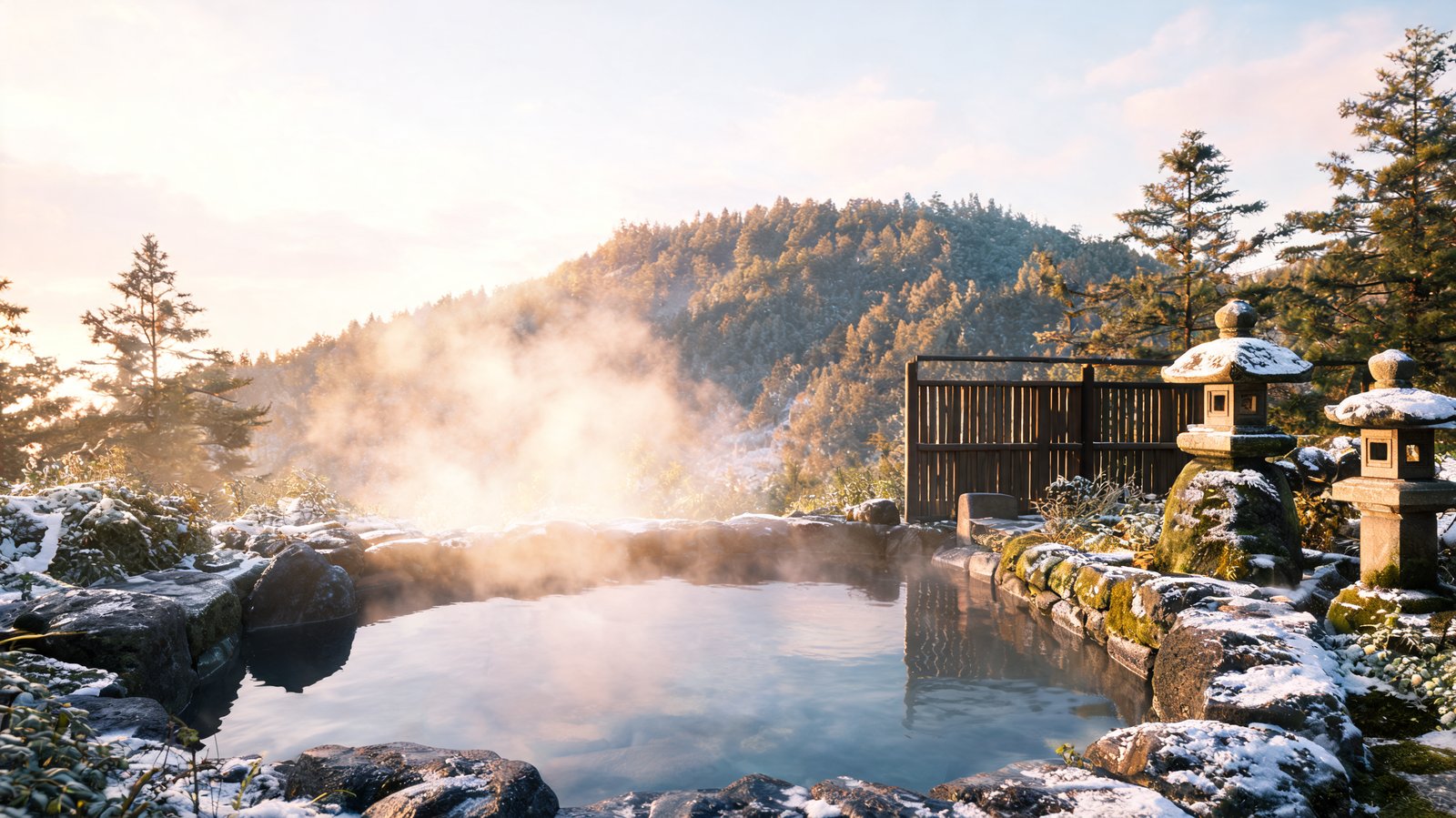
Steam rising off an outdoor onsen bath rimmed with volcanic rock at first light, Japan
East Asia
Japan
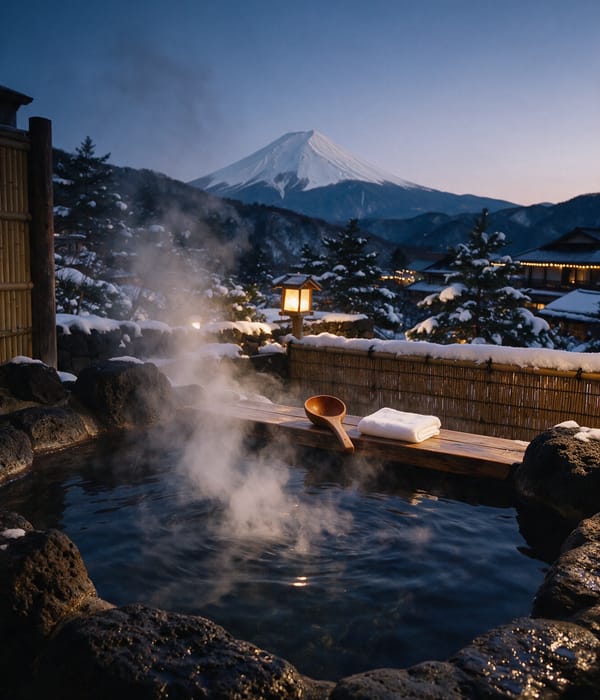
Onsen culture — the Japanese tradition of thermal bathing — is one of the oldest wellness practices on earth and one of the most quietly powerful. A ryokan stay in Hakone, Kinosaki, or Beppu structures the day around the bath, the meal, and the rest, in that order. Forest bathing (shinrin-yoku) in Yakushima or the Japanese Alps delivers a different quality of stillness. For travelers who find active wellness programs exhausting, Japan is the antidote.
OnsenRyokanForest Bathing
Explore →
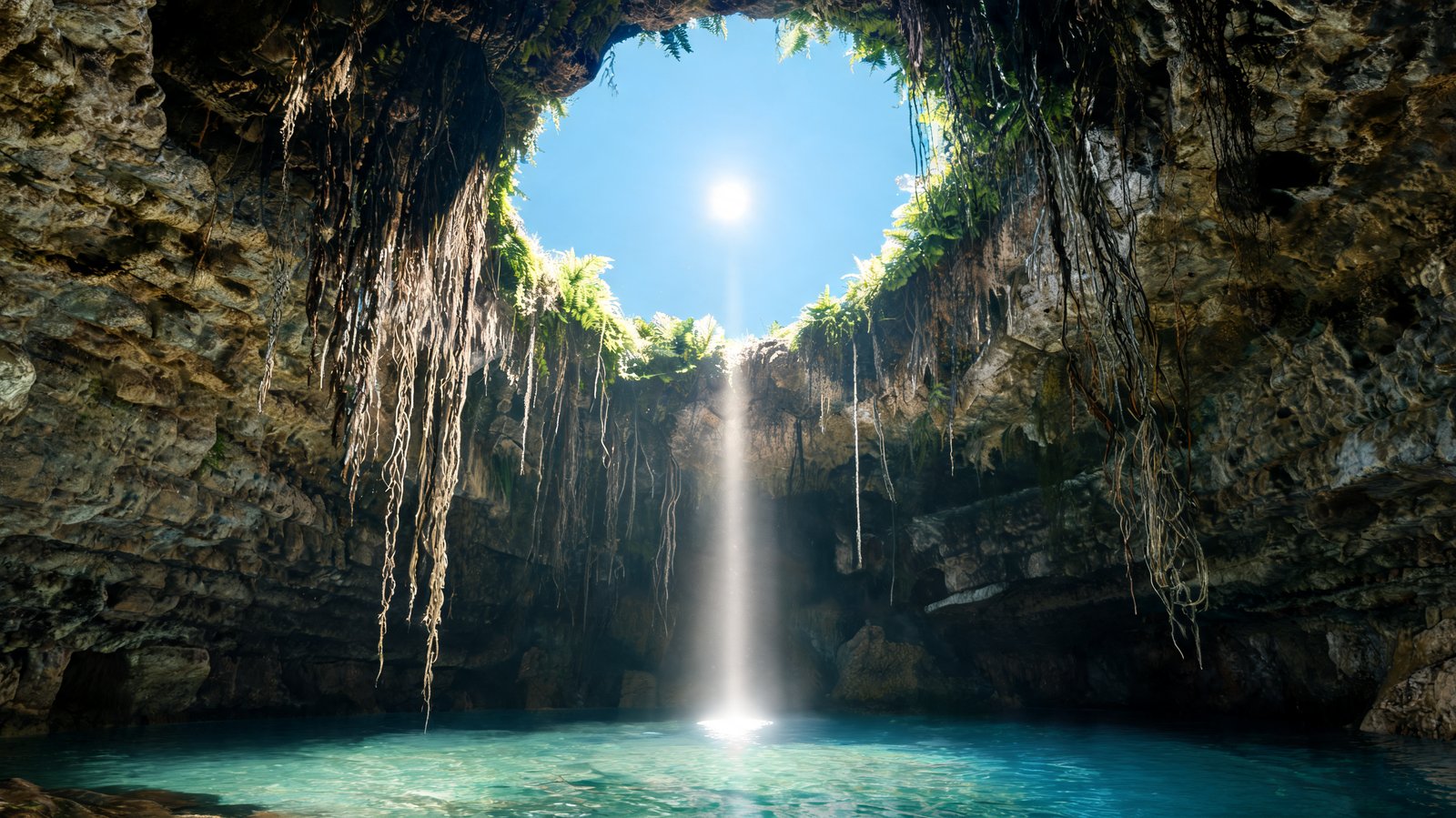
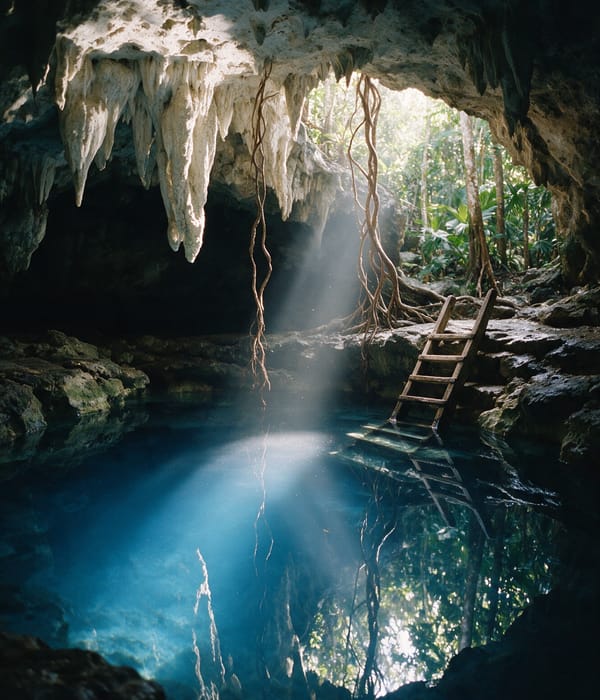
A shaft of sunlight falling through the opening of a Yucatan cenote onto clear water, Mexico
North America
Mexico
Tulum and the Riviera Maya have developed one of the strongest wellness property markets in the Western Hemisphere. Boutique jungle retreats with cenote access, biodynamic menus, sound healing, and digital detox structures that the Caribbean resort model doesn't offer. The best Tulum properties are small, intentional, and a very different proposition from the resort corridor to the north. Short flight, no jet lag, immediate decompression.
TulumDigital DetoxCenotes
Explore →
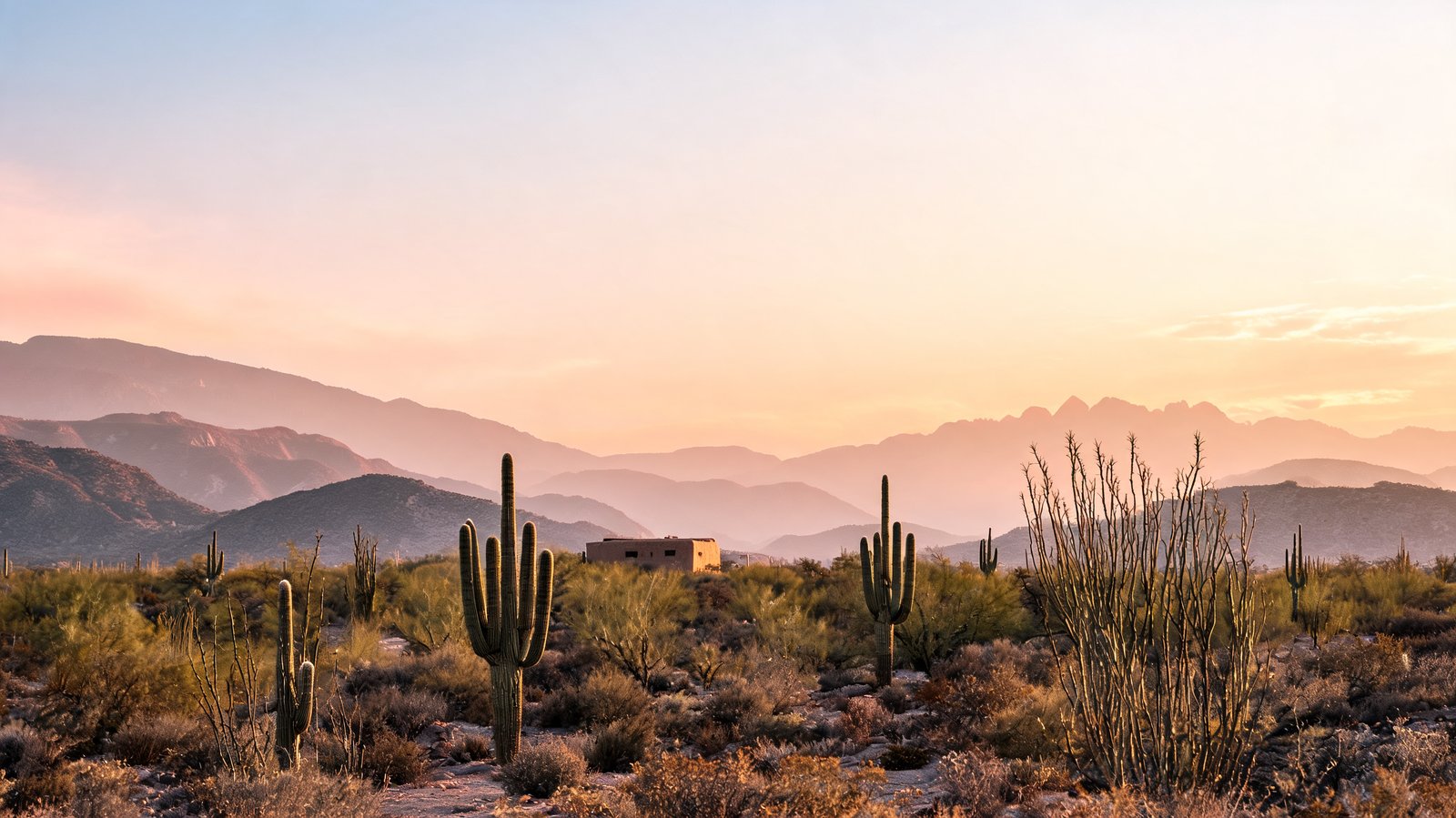
Saguaro and layered desert ridgelines at dawn in the Catalina foothills, Arizona
United States
Arizona & Southwest
Canyon Ranch in Tucson and Miraval in the Catalina foothills are two of the most seriously programmed wellness resorts in the world — clinical assessments, structured integrative medicine, and a daily schedule that treats restoration as a full-time activity. Sedona adds a different dimension: vortex hiking, red rock desert, and a concentration of bodywork practitioners that draws serious wellness travelers from across the country. No passport required, direct flights nationwide.
Canyon RanchSedonaNo Passport
Explore →
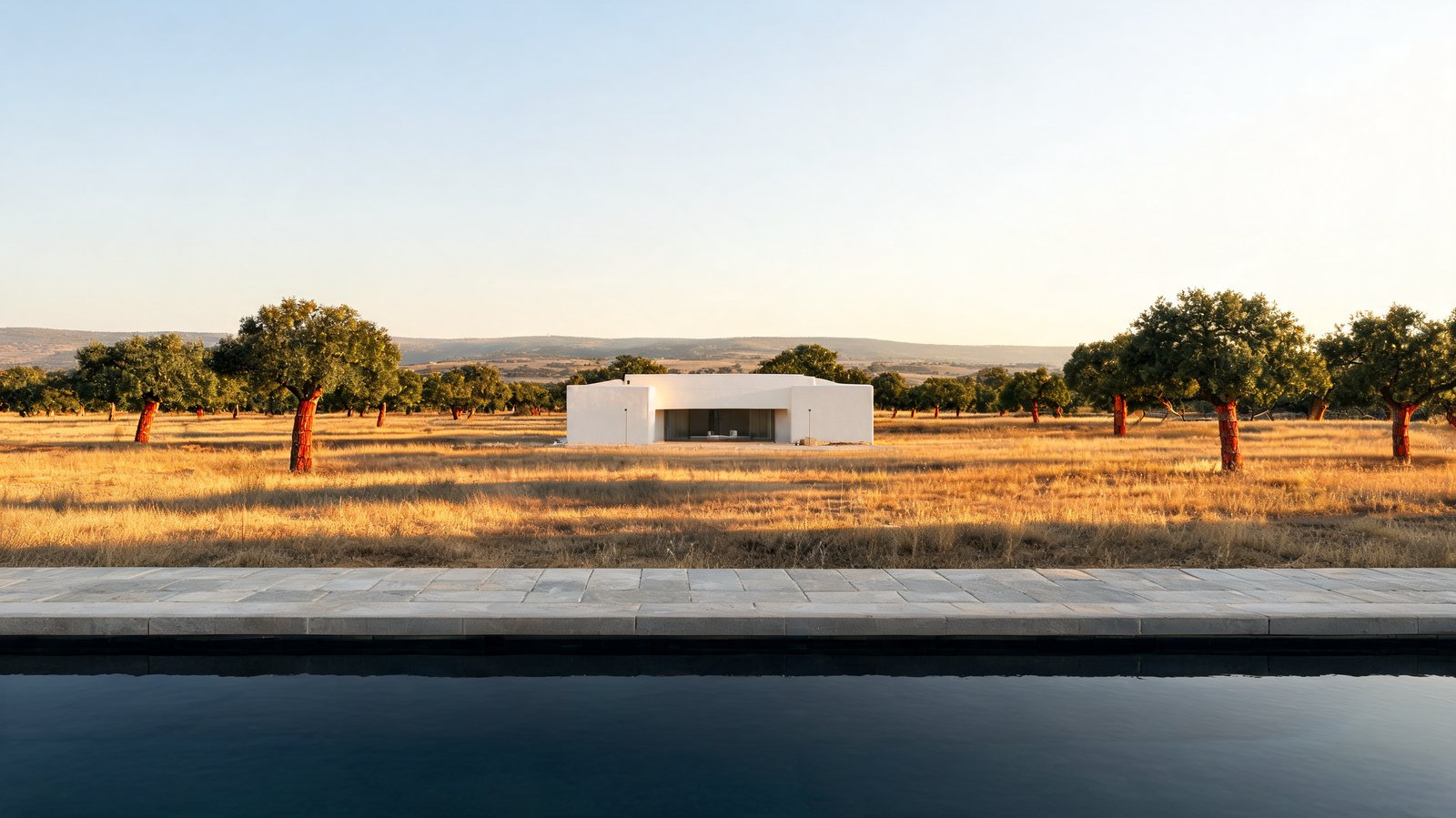
A whitewashed retreat terrace among stripped cork oaks in late afternoon light, the Alentejo, Portugal
Europe
Portugal & Southern Europe
A growing market for genuine wellness properties — the Alentejo cork forests, the Serra da Estrela mountains, and the Douro Valley wine country all host retreats that combine the slow pace of rural Portugal with thermal bathing, naturopathic programs, and farm-to-table nutrition. For travelers who want European scenery and cultural grounding alongside their wellness program, Portugal is one of the most underused options on the continent.
AlentejoThermal SpasRetreats
Explore →
Signature Experiences

Trips We Plan Often

Wellness itineraries we've put together repeatedly — and refined based on what actually delivers. Each is matched to what you need and fully customisable from here.
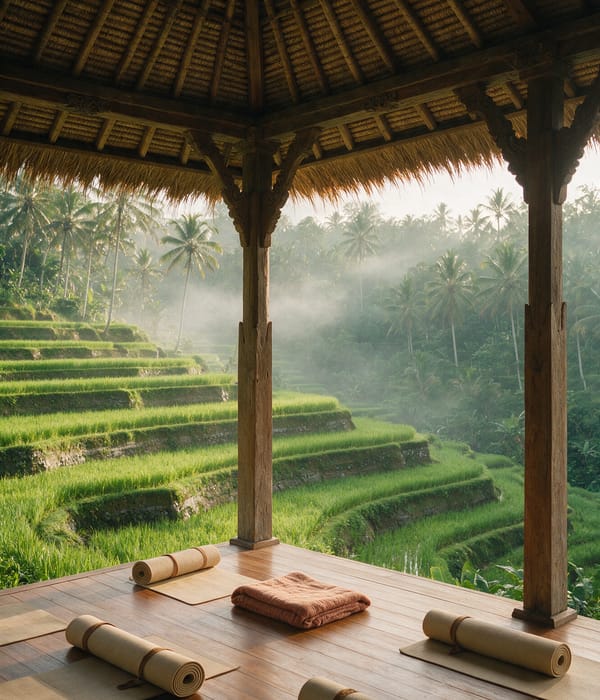
Rolled mats on the teak floor of an open-air Ubud yoga pavilion above misty rice terraces
May – September · 7–10 days
Ubud Yoga & Healing Retreat
A small retreat property in the Ubud highlands — rice terrace views, twice-daily yoga, traditional Balinese healing sessions with a local balian practitioner, and a kitchen building meals around the property's organic garden. Cooking class, a half-day at Tirta Empul water temple, and one afternoon completely unscheduled. Structured enough to hold the week together, quiet enough to let the location do its work.
Bali7–10 Days
Plan This Trip
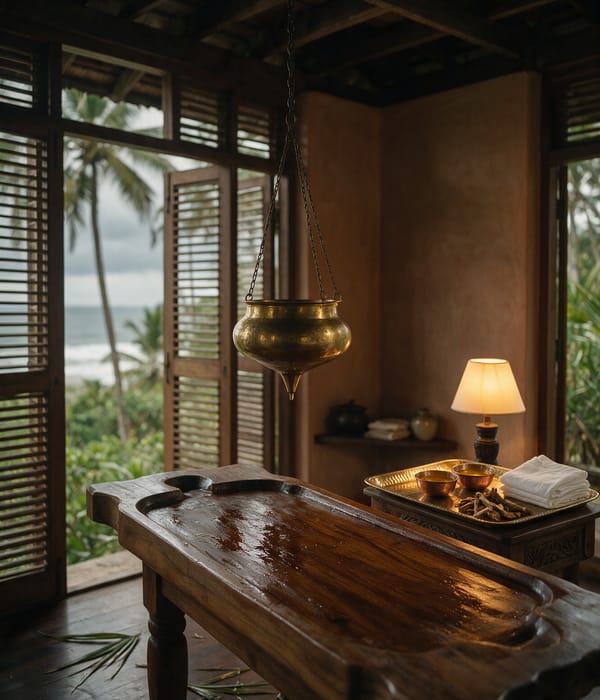
A brass shirodhara vessel above an oiled wooden treatment table in a southern Sri Lanka Ayurveda room
November – April · 10–14 days
Sri Lanka Ayurvedic Immersion
A physician-led Ayurvedic program at one of Sri Lanka's credentialed wellness resorts — initial Prakriti assessment, customized Panchakarma treatments, therapeutic diet, and daily consultations. Ten days minimum for the program to complete its intended arc; fourteen for a full course. A coastal property on the southwest circuit, reachable from Colombo in under three hours, with enough quiet to make the commitment feel sustainable.
Sri Lanka10–14 Days
Plan This Trip
Steam lifting from a stone rotenburo bath in snowy Hakone with Mount Fuji beyond the valley
October – May · 8–10 days
Japan Onsen & Ryokan Circuit
Two nights in Hakone — Fuji views, outdoor rotenburo baths, and kaiseki dinners served in the room. The overnight Sunrise Seto sleeper train to Matsuyama for two nights in Japan's oldest onsen. Beppu on Kyushu island for the finish — eight distinct types of thermal spring within a single city, and a town that has organized its entire identity around the bath. The most restorative itinerary we run, and the one most clients ask to repeat.
Japan8–10 Days
Plan This Trip
A shaft of light dropping through limestone into the clear water of a jungle cenote near Tulum
November – May · 5–7 days
Tulum Jungle Digital Detox
A small boutique property in the Tulum jungle — no Wi-Fi in the rooms, cenote swimming each morning, a biodynamic menu built around the property's farm, and bodywork sessions with a rotating roster of practitioners who live and work in the community. Sound healing, breathwork, and intentional scheduling around when the screens go away. Short enough to actually do, long enough to matter. The right reset for a specific kind of exhaustion.
Mexico5–7 Days
Plan This Trip
The Details

What Every Wellness Trip Includes

The planning work for a wellness trip is more personal than most. It starts with understanding what you actually need — not just where you want to go.

Program Matching
We ask what you're trying to recover from before we recommend a destination. Burnout, sleep deprivation, post-event recovery, and a desire for spiritual grounding all point to different programs. The match between what you need and what a property delivers is the whole job.
Practitioner Vetting
A wellness property is only as good as the people running its programs. We verify credentials for Ayurvedic physicians, yoga teachers, and clinical practitioners before placing clients with them. Certifications, training lineage, and years of practice all factor in — particularly for programs involving medical-adjacent treatments.
Structure & Pace Design
Too many scheduled activities undermine the purpose of a wellness trip. We build itineraries with intentional white space — unscheduled time that isn't laziness but part of the program. The balance between structure and open time is different for every traveler, and we calibrate it before the trip is booked.
Pre & Post-Trip Guidance
A preparation brief before you leave — dietary adjustments, sleep recommendations, digital wind-down — and a re-entry guide for when you're back. Most wellness trips lose their benefit within a week of returning because the transition home isn't managed. We treat that as part of the trip, not an afterthought.
When to Go

Wellness Travel Season by Destination

Asia Dry Season
November – April
The primary window for Bali, Sri Lanka, and most Southeast Asian wellness destinations. Bali's dry season runs May through September — both windows work, with the dry season preferred for outdoor programming. Sri Lanka's southwest coast is best November through April. Japan's onsen circuit is extraordinary October through May, when cooler air and the outdoor rotenburo bath combination is at its best.
Best for Asia
Mexico & Americas
November – May
Tulum and the Riviera Maya retreat market peaks November through May — dry season, cooler temperatures, and the best conditions for jungle and cenote-based programming. Arizona's Canyon Ranch and Miraval are functional year-round, with spring and fall offering the most comfortable conditions for outdoor activities in the Sonoran Desert. No seasonal disruptions, no hurricane risk.
Year-Round Flexibility
Any Month
Wellness travel is uniquely suited to shoulder and off-peak travel because the program — not the destination's high season — drives the experience. A Bali retreat in low season means quieter properties and more practitioner availability, not a compromised experience. For travelers with flexible schedules, avoiding peak windows in any wellness destination consistently delivers a better result at lower cost.
Ready When You Are

Plan a Wellness Trip
That Actually Restores

Tell me what you're trying to recover from, how much time you have, and where in the world appeals to you. I'll come back with a specific recommendation — property, program, length, and what to expect — within one business day.

Plan a Wellness Trip Explore All Experiences

No booking fees  ·  Response within 24 hours  ·  Fully bespoke

What It Costs

What a wellness retreat Actually Costs

$900–$2,500
per person, per night, programme inclusive. Ranges, not quotes.
What that includes
  • Luxury accommodation with all meals and non-alcoholic drinks
  • Core classes and programming
  • A published treatment credit, or included treatments
What it does not
  • Airfare
  • Diagnostics not named in the program
  • Extra private sessions, alcohol and supplements
The two or three things that move it most
  • Clinical-diagnostic versus restorative programs
  • Treatment intensity and consultations
  • Room category and length of stay

Editorial planning bands, not quotes — assembled from published rates and official fee sources, verified . Rates, permit costs and park fees change; confirm before booking. Source: Canyon Ranch packages.

Common Questions

Wellness & Retreats — FAQ

Questions about wellness travel — from choosing the right program and destination to combining retreats with broader itineraries.

Across the full range. Spa-focused resort stays, yoga and meditation retreats, Ayurvedic programs in Sri Lanka and India, thermal bathing routes in Europe, sleep-focused retreats, and fitness immersion programs. The right program depends on what you're actually trying to achieve from the trip, which I ask about directly before suggesting anything.

A spa resort stay can deliver value in 3–5 nights. A structured program — Ayurvedic treatment, a medically supervised wellness protocol, or a dedicated sleep retreat — typically requires 7–14 days to complete its intended arc. Shorter versions exist but produce proportionally reduced results. I advise on what's realistic for a given timeline and goal.

Yes, and often very well. A Bali wellness retreat pairs naturally with Ubud's temple circuit and rice terrace walks. A Tuscany villa stay with yoga and cooking combines with wine region visits. Sri Lanka's Ayurvedic programs pair well with cultural touring around ancient cities. I build itineraries that honor the wellness intention without making the whole trip feel clinical.

Ubud, Bali for yoga and spiritual retreat. Sri Lanka and Kerala in southern India for Ayurveda. Switzerland and Austria for alpine spa traditions. Sedona, Arizona for desert wellness and spiritual retreat. Thailand for massage and traditional medicine. Iceland and Scandinavia for thermal bathing and nature immersion. Each has a distinct character and is suited to different goals.

A spa resort integrates spa facilities into a broader resort experience — you use the spa as much or as little as you want. A dedicated wellness retreat builds the entire program around your health goals: scheduled treatments, dietary programming, structured activities, and often a clinical intake assessment. Both have their place depending on how immersive an experience you're looking for.

Not at all. Couples' retreats, duo spa itineraries, and small-group yoga trips are all strong categories. Many of my wellness bookings are for couples who want to decompress together or individuals bringing a close friend. Programs are adaptable to who is traveling and what shared or individual goals each person has.

The wellness category has a wide quality spectrum. I look for properties with qualified practitioners (licensed doctors, registered nutritionists, certified yoga instructors), transparent treatment protocols, a clear clinical or therapeutic basis for what they offer, and verifiable guest outcomes over time. I check key properties against their own clinical teams and against what returning clients report, and I filter out anything that's primarily aesthetic positioning without substance.

Most reputable retreat programs send a pre-arrival health questionnaire and preparation guidelines — dietary adjustments, reducing alcohol and caffeine, beginning a sleep schedule. Following this meaningfully improves the results of the program. I facilitate this communication between the client and the property as part of the pre-trip brief.
More questions answered on the Full FAQ Page
From the Journal

Read More on Wellness Travel