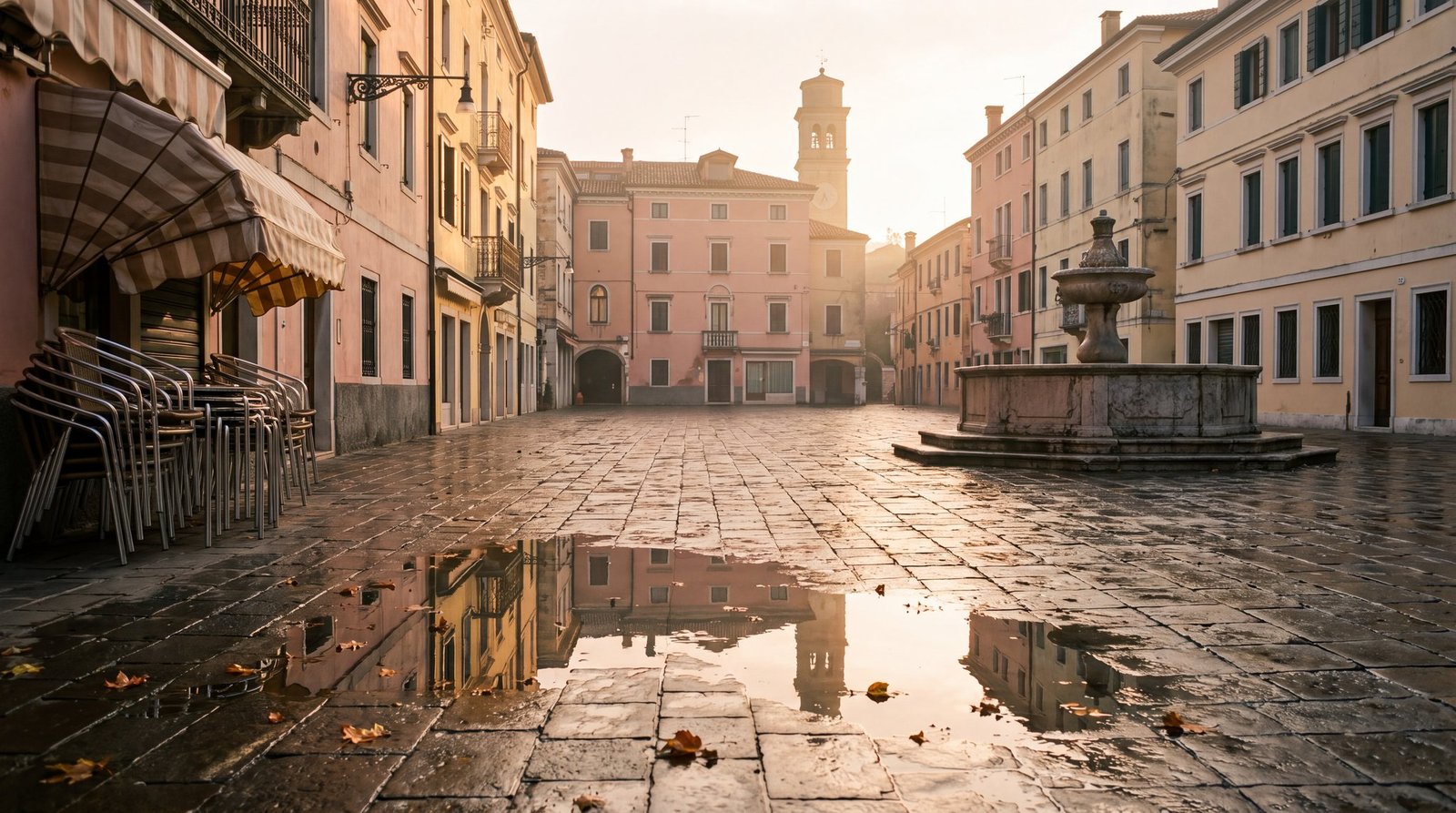
Peak season is the most crowded, most expensive version of most destinations. The months on either side almost always produce the better trip — if you know which windows to use and which to avoid.
Mark SoleFounder & Travel Director, Hit Your Mark Travel
Share
Peak season exists because someone decided the best time to travel to a place and then told everyone. The Amalfi Coast in July. The Amalfi Coast in July. The Amalfi Coast in July. By the time enough people have read enough articles saying "July is the best time to visit the Amalfi Coast," July is the worst time to visit the Amalfi Coast — gridlocked roads, fully booked restaurants, hotels at maximum rates, and a 35°C heat index that keeps you inside from noon to four. The landscape is identical in May. The coast is 22°C and empty. The restaurant you couldn't book in July has a table.
This is not a minor optimization. For most destinations in Europe, Asia, and the Americas, traveling in the shoulder window — the four to six weeks on either side of peak — produces a materially different trip: lower cost, more availability, better service ratios (fewer guests competing for the same staff), and often the same or better weather. The exceptions are real and worth knowing. But they are exceptions.
"The landscape is identical in May. The coast is 22°C and the restaurant you couldn't book in July has a table."
What shoulder season actually delivers
The shoulder advantage is three things working together. First, crowd reduction: the difference between July in Positano and late September in Positano is not marginal — it is a different quality of experience. The narrow streets are walkable. The boat you wanted is available. The terrace table at the hotel is yours without a 7am booking sprint. The town feels like the place that inspired the photographs rather than a managed version of them.
Second, rate compression. Luxury hotel rates at many European properties are 20 to 40 percent lower in shoulder than peak, and availability opens in room categories that are sold out during the high season. The Four Seasons Firenze in Florence in May — one of the finest hotels in Italy, in a 15th-century convent with extraordinary gardens — has availability and competitive rates. In June through August, it is effectively sold out at peak rates weeks or months in advance.
Third, service quality. This is less discussed than cost or availability, but it matters significantly at the high end. A 100-room property operating at 40 percent occupancy in shoulder season can give every guest a level of attention that the same property at 95 percent occupancy in peak season cannot. The staff ratio is the same; the guest load is not.
The specific windows by region
Mediterranean and Southern Europe: The two best shoulder windows are April through mid-June (spring: warm but not hot, wildflowers still out in Tuscany, the tourist infrastructure fully open but not overwhelmed) and late September through October (the heat has broken, the summer crowds are gone, but the sun is still reliable and the water is still warm from four months of summer). October is a specific category — see the separate piece on the Mediterranean in October — but the full shoulder window from April 15 through June 15 and September 15 through October 31 represents the best overall value period for most of Europe.
Japan: The cherry blossom window in late March through mid-April is technically shoulder — not summer peak — but it has become so heavily visited that it operates at peak dynamics in the main spots (Kyoto, Tokyo). The genuine shoulder for Japan is May (after the cherry blossoms, before summer heat and humidity) and October (after summer, comfortable temperatures, autumn foliage still a few weeks away). Both months offer the full Japan experience without the compression of the most popular travel windows.
Southeast Asia: The dry season (November through March) is peak in most of Thailand and Vietnam. The genuine shoulder is October/November in the transition between monsoon and dry season — the landscape is still green from the rains, the temperatures are manageable, the hotel rates haven't risen to December levels, and the beaches in the Gulf of Thailand are entering their prime window. April and May are genuinely hot and to be avoided; June begins the rainy season.
Caribbean and Mexico: The shoulder is May and early June, before hurricane season becomes statistically relevant (late June through October is the official season; the peak risk window is August through October). May is dry, less crowded than winter peak, and 15 to 25 percent cheaper across most of the region. The Riviera Maya in May is a genuinely excellent time — water temperature optimal, relatively quiet, good rates.
East Africa safari: The two peak windows are July through October (long dry season, the Masai Mara migration river crossings) and late January through February (calving season in the Ndutu plains of the southern Serengeti). The shoulder between those two — November and March through June — offers good game viewing with lower rates and fewer vehicles at sightings. The genuine rainy season in April is the one to avoid in most camps, though some lodge areas remain excellent.
A quick reference
Destination
Peak (avoid for crowds)
Shoulder (use instead)
Amalfi / Tuscany
Jul–Aug
Apr–May and Sep–Oct
Paris
Jul–Aug and holiday weeks
Mar–Apr and Oct–Nov
Greek Islands
Jul–Aug
May–Jun and Sep–Oct
Kyoto / Japan
Late Mar–Apr (cherry blossom) and Aug
May and Oct
Bali
Jul–Aug
Apr–May and Sep–Oct
Caribbean / Mexico
Dec–Mar and US holiday weeks
Apr–Jun (avoid Sep–Oct hurricane risk)
The genuine exceptions — shoulder for a reason
Shoulder is not always a free upgrade. Some destinations have light seasons because the experience genuinely degrades, and traveling in those windows means accepting real tradeoffs rather than just fewer tourists.
The Caribbean hurricane season (late August through October) is the clearest example: the reduced rates come with meaningful weather risk, and some properties close or reduce operations. The rainy season in parts of East Africa closes camps entirely and makes some reserves inaccessible. Iceland in April can still have significant road closures in the highlands. Iceland in November is genuinely dark and cold in ways that are fine for northern lights travel but wrong for the summer-landscape Iceland most travelers are imagining.
The test to apply: is the shoulder season light because there are fewer tourists, or because something about the destination is worse? If the answer is the former, shoulder is almost certainly the better choice. If it's the latter, understand specifically what degrades and decide whether that matters for what you're planning.
How we use this in planning
When we build a client itinerary, the first timing question is whether the peak dates they're considering are peak for a functional reason — wildlife migration, a specific festival, a climate window — or peak because that's when everyone else goes. More often than the second. When we can shift a trip by two or three weeks into shoulder, we almost always recommend it. The destination doesn't change. The trip does.
The Shoulder Windows That Matter Most
Italy shifts to May–June and September–October, and Greece holds its sea warmth well into October.
Botswana runs the argument in reverse: its shoulder is May and June, before the flood peaks and before the peak-season rates land.
About the Author
Mark Sole
Founder & Travel Director
Timing is the most consistent variable we can control in trip planning, and the one most clients initially underweight. The shoulder windows in this piece are drawn from twenty years of observing what changes — and what doesn't — when you shift a trip by three weeks in either direction.