
Get Moving

Travel Built
Around Doing

There is a version of Patagonia you see from a viewpoint and a version you feel in your legs after five days on the W Trek. The permits, the guide, the pacing, the fitness matching — these are what separate a trip you survived from one you'd do again.

Why Active Travel

The Best Active Travel
Isn't the Most Extreme Version

Fitness requirements vary more here than any other planning input. A safari asks almost nothing physically; trekking to Machu Picchu or Everest Base Camp asks for months of cardiovascular preparation. Southern-hemisphere seasons run October to April and northern ones June to September, so there is good trekking somewhere in all 12 months. Current fitness sets the itinerary, not the reverse.

Active travel covers a wide range — from a week of moderate hiking in the Dolomites with rifugio dinners each night to a supported multi-day trek in Patagonia with gear transfers and a private guide. Neither is more valid than the other. What matters is the match: between your fitness level, your time, and what you're actually trying to get out of the trip.

The planning failures in active travel are specific. Permits that close before you book. Altitude acclimatization ignored in the itinerary. A guide with the wrong expertise for the terrain. A fitness level assumed rather than assessed. A twelve-mile hiking day scheduled before anyone's legs have adjusted. These aren't edge cases — they're the standard failures of active trips put together without someone who's actually done them.

We plan active trips with the same rigor we bring to a safari or a villa rental. The guide quality, the daily distances, the recovery days, the gear requirements, the contingency for weather — all of it is worked through before you land. The goal is a trip you finish feeling like you earned something, not one you endured.
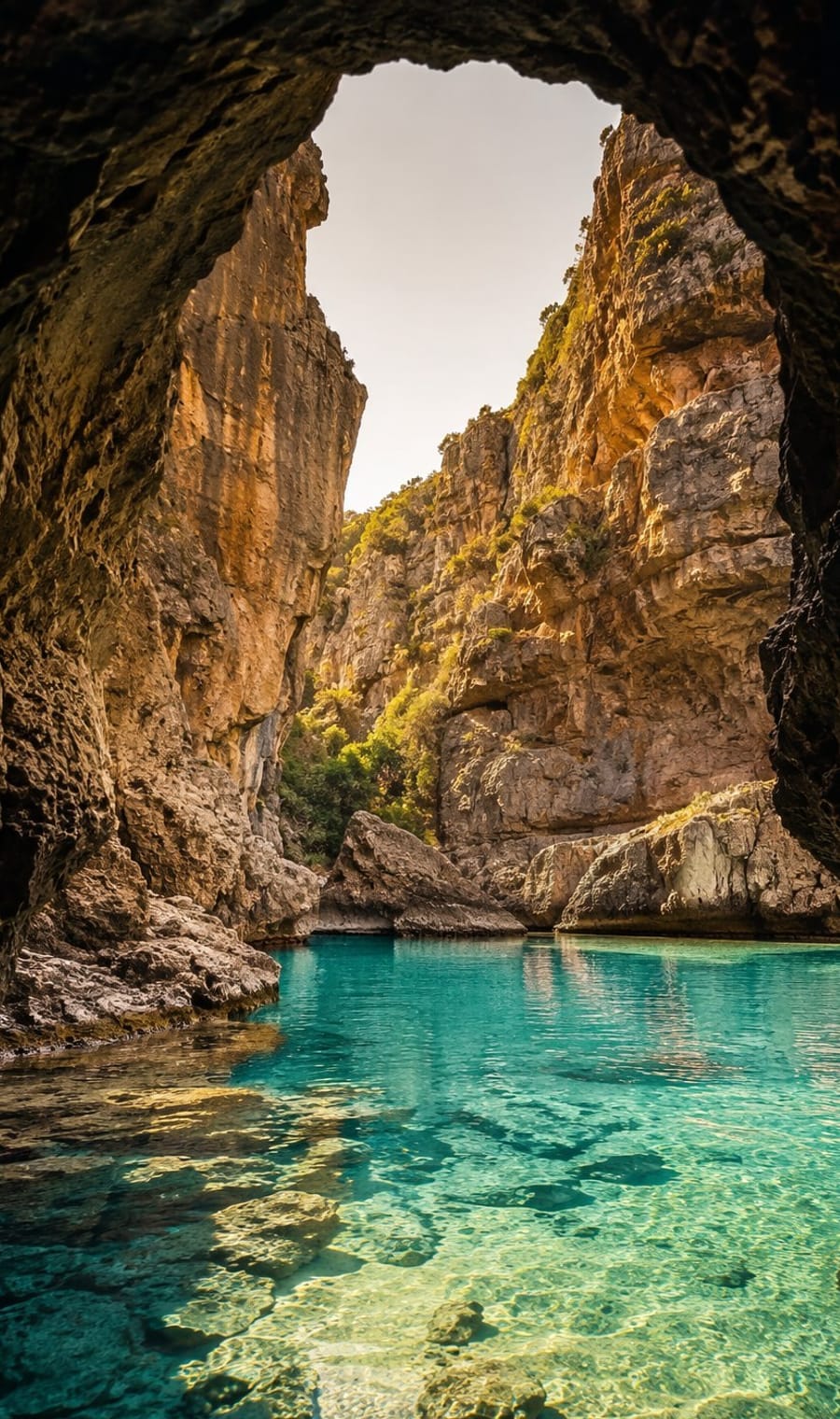
A sea cave arch opening onto clear turquoise water
A sea cave reached only by water · Adventure
Where We Plan Active Trips

Six Destinations Worth Moving Through

Each destination rewards physical engagement in a way that passive travel simply can't replicate. These are the places where the experience lives in the doing.
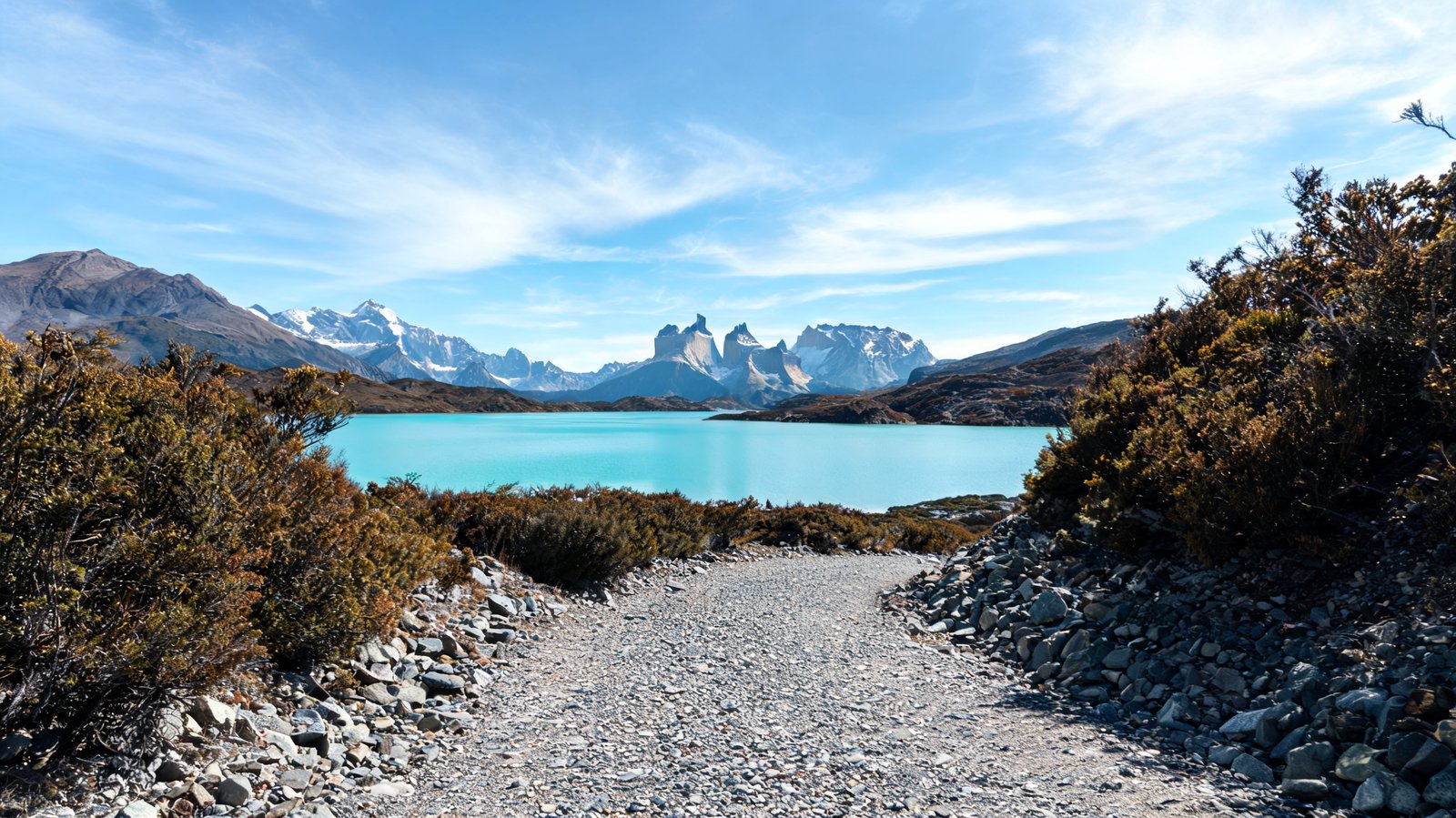
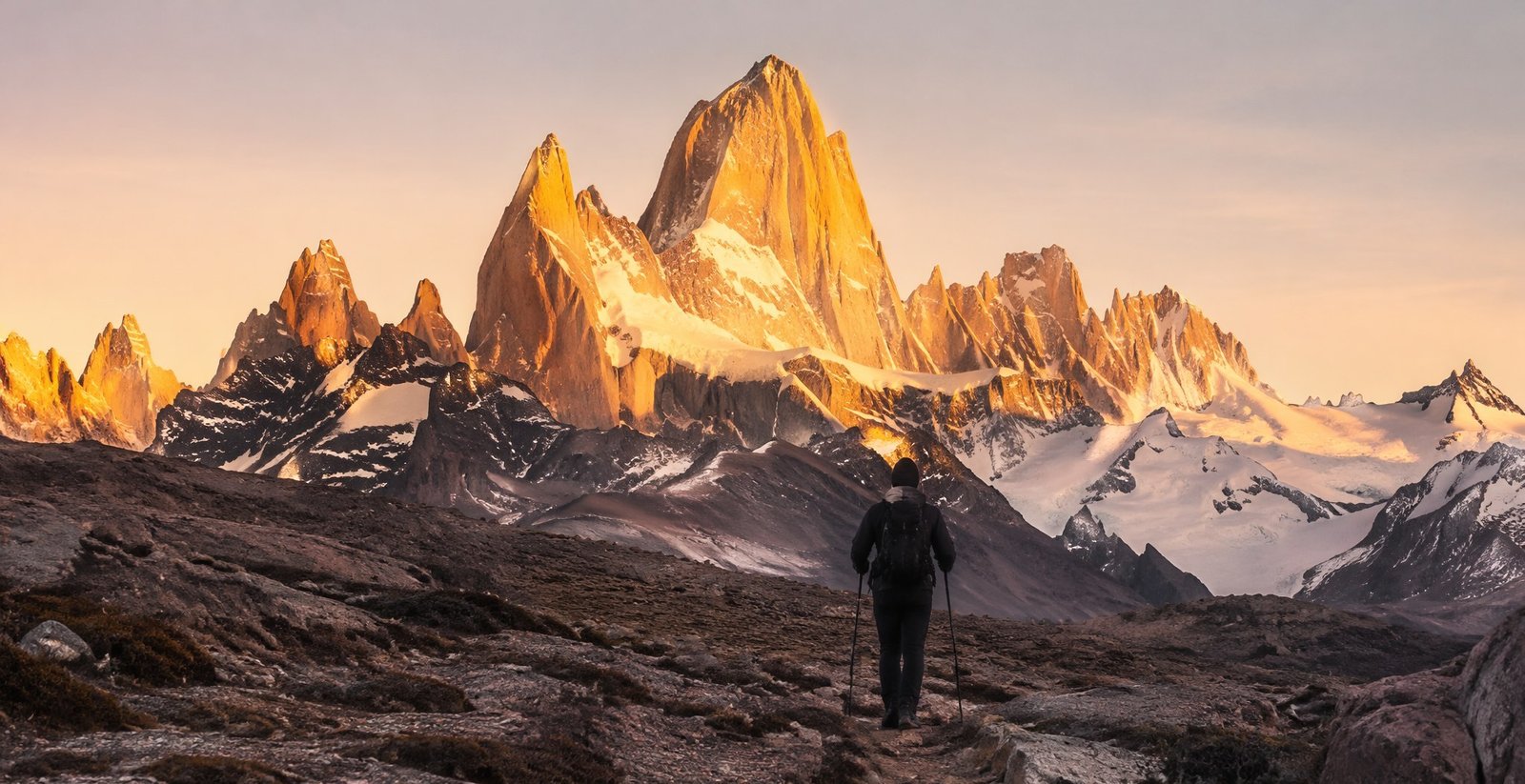
The W Trek trail crossing scree above a glacial lake below the Torres del Paine towers, Patagonia
South America
Patagonia
The benchmark active destination — a place whose landscape is so singular that the only honest way to experience it is on foot. Torres del Paine's W Trek delivers five days of some of the most dramatic scenery on earth: the granite towers at dawn, the French Valley glacier lookout, the Grey Glacier at the lake's edge. Supported trekking with gear transfers and lodge accommodation makes it accessible to fit travelers without mountaineering experience. Plan twelve months out — refugio and hotel slots fill fast and permits are tightly managed.
W Trek Torres del Paine Supported Trek October – April
Explore →
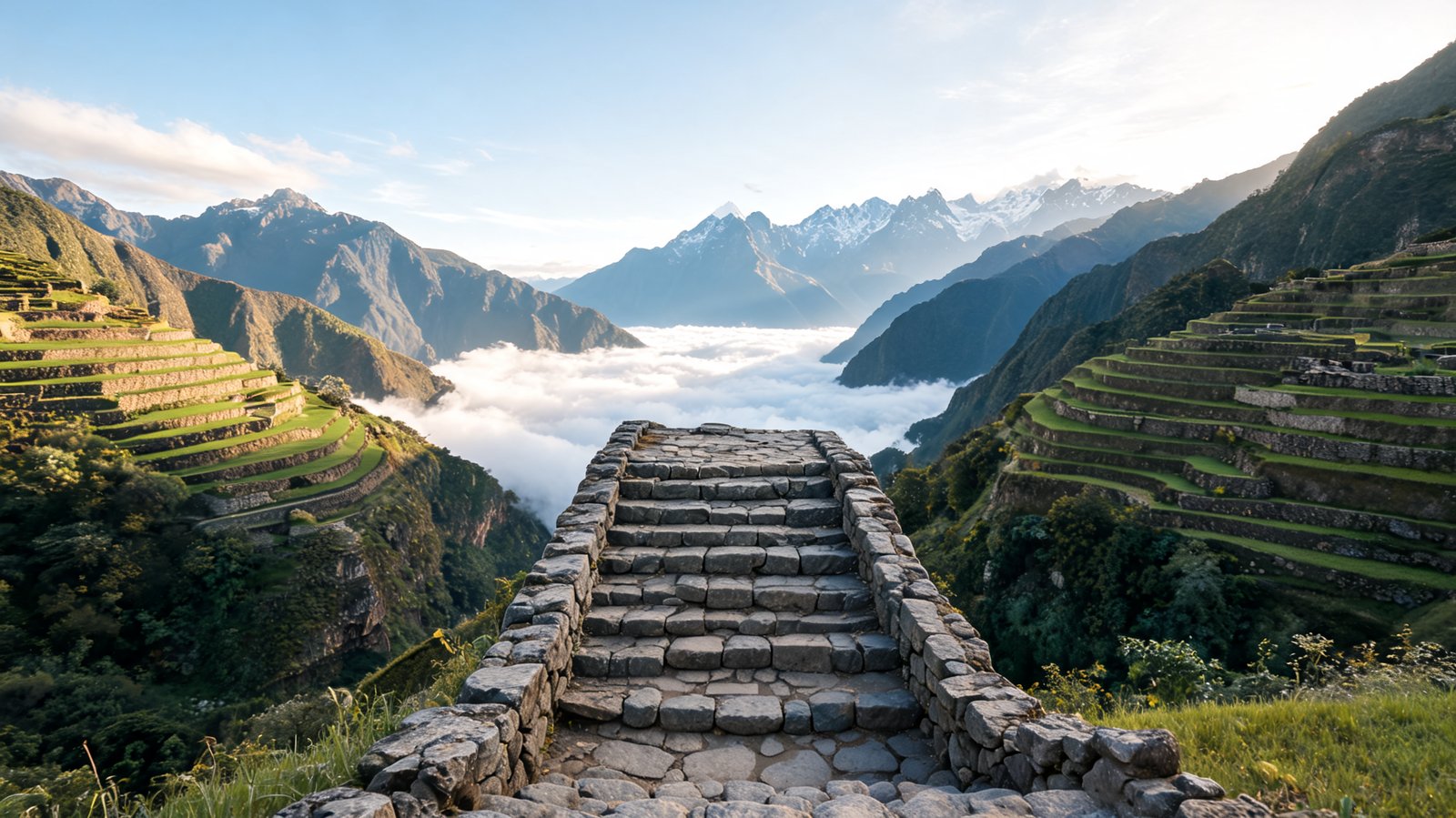
A worn Inca stone stairway climbing above cloud filling the valley, the Peruvian Andes
South America
Peru & the Andes
The Inca Trail to Machu Picchu is the most iconic active trip in South America — 26 miles, four days, two altitude passes above 13,000 feet, and a sunrise arrival at the Sun Gate that puts everything in perspective. Permits are limited to 500 people per day and sell out months in advance. The Salkantay and Lares alternatives are less crowded and equally rewarding for groups who miss the main trail window.
Inca TrailMachu PicchuAltitude
Explore →
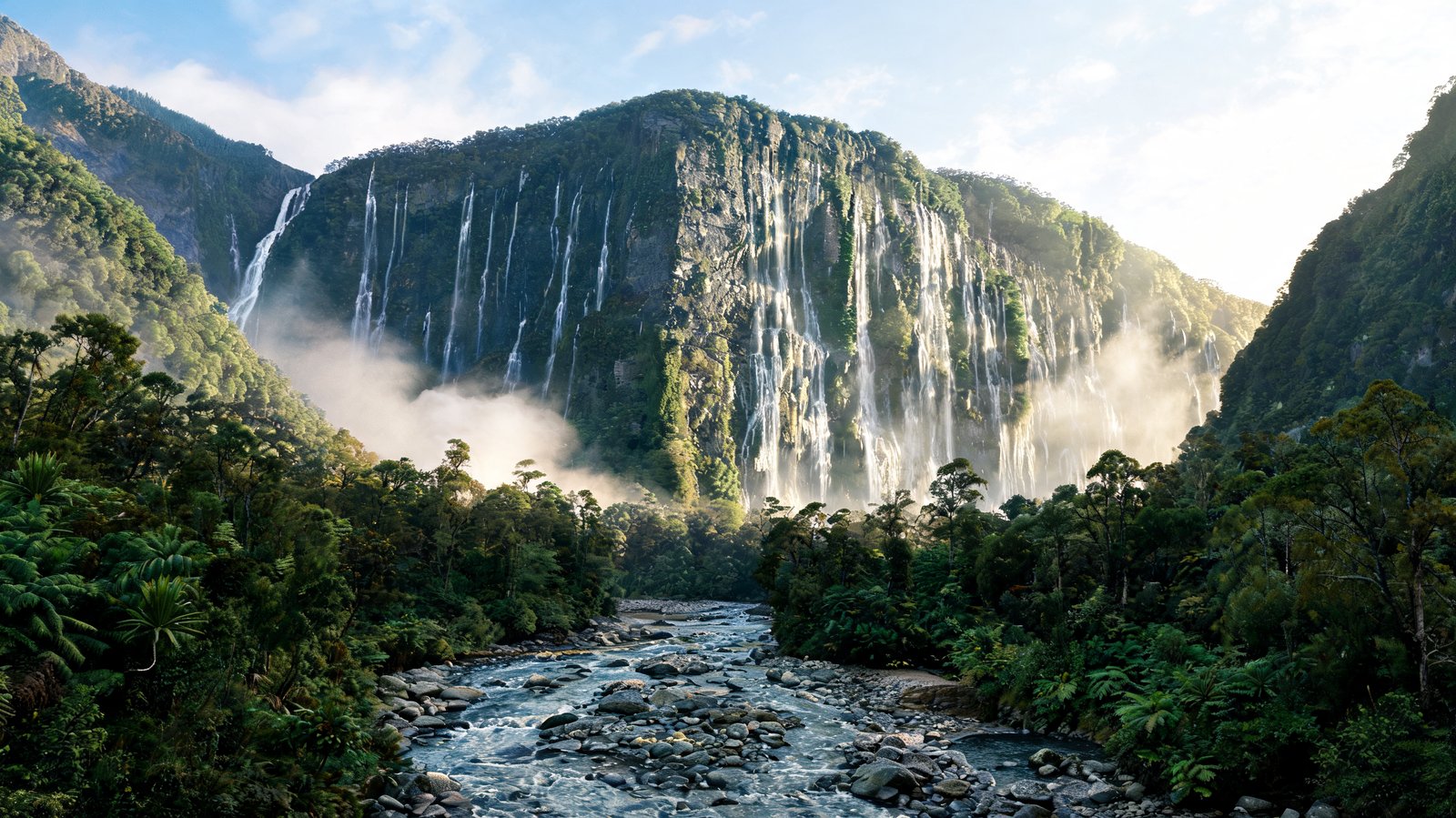
Waterfalls threading down a sheer forested fiord wall above a braided stream, Fiordland, New Zealand
South Pacific
New Zealand
The South Island is built for multi-sport travel. The Milford Track — one of the Great Walks — covers 33 miles through Fiordland over four days with guided lodge accommodation. Beyond the track: sea kayaking in Abel Tasman, cycling the Otago Rail Trail, glacier hiking on the West Coast, and the Routeburn for those who want something quieter than Milford. Best November through April.
Milford TrackMulti-SportGreat Walks
Explore →
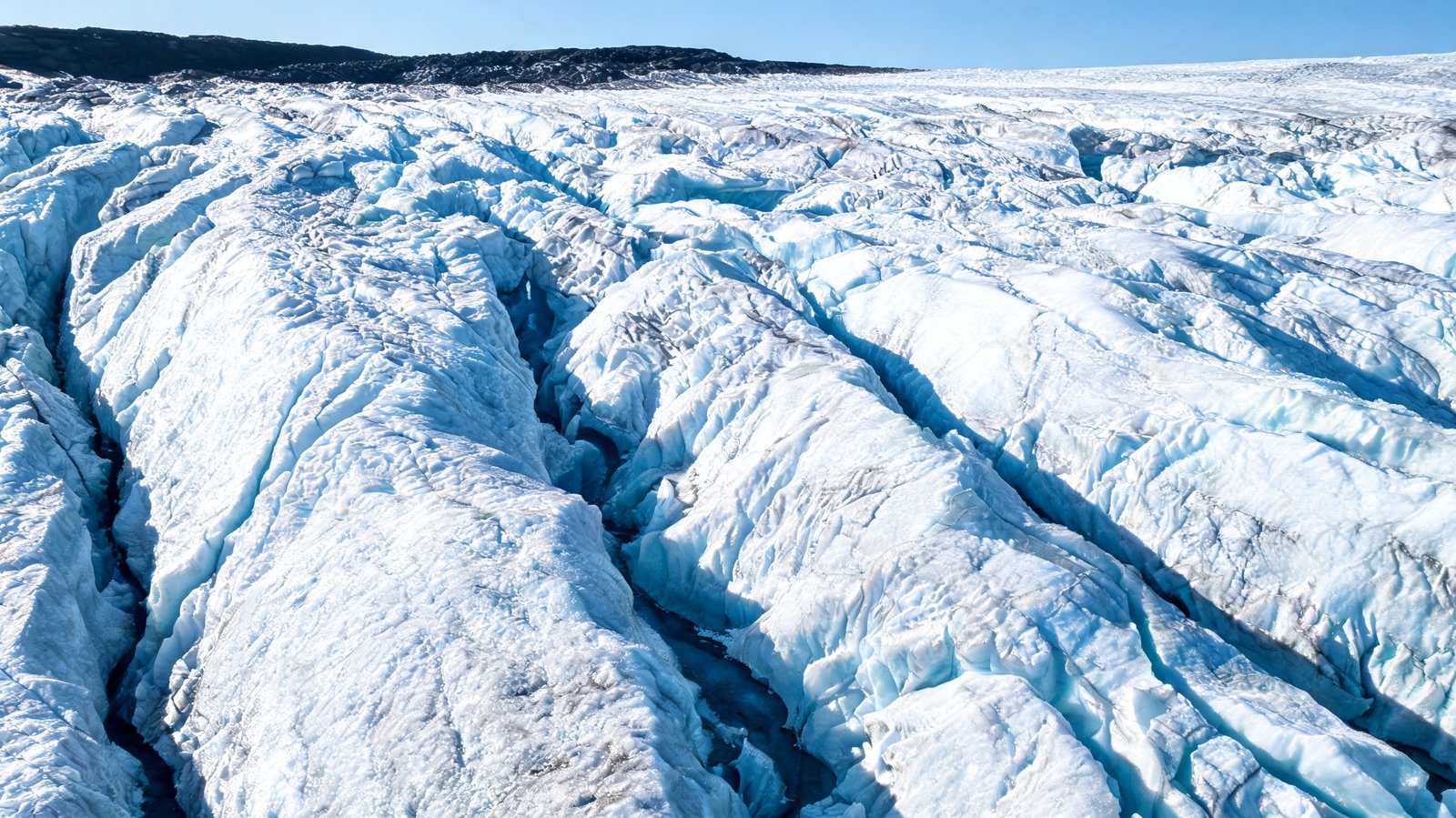
Ridged white ice and blue crevasses on the surface of the Vatnajokull glacier, Iceland
North Atlantic
Iceland
Glacier hiking on Vatnajökull, kayaking among icebergs in the Jökulsárlón lagoon, volcanic lava field scrambles on the Fimmvörðuháls trail, and the Laugavegur — Iceland's 34-mile highland traverse. Summer delivers twenty hours of daylight for extended outdoor days. Winter adds the Northern Lights and ice cave access beneath Vatnajökull that isn't possible any other time of year.
Glacier HikingLaugavegurYear-Round
Explore →
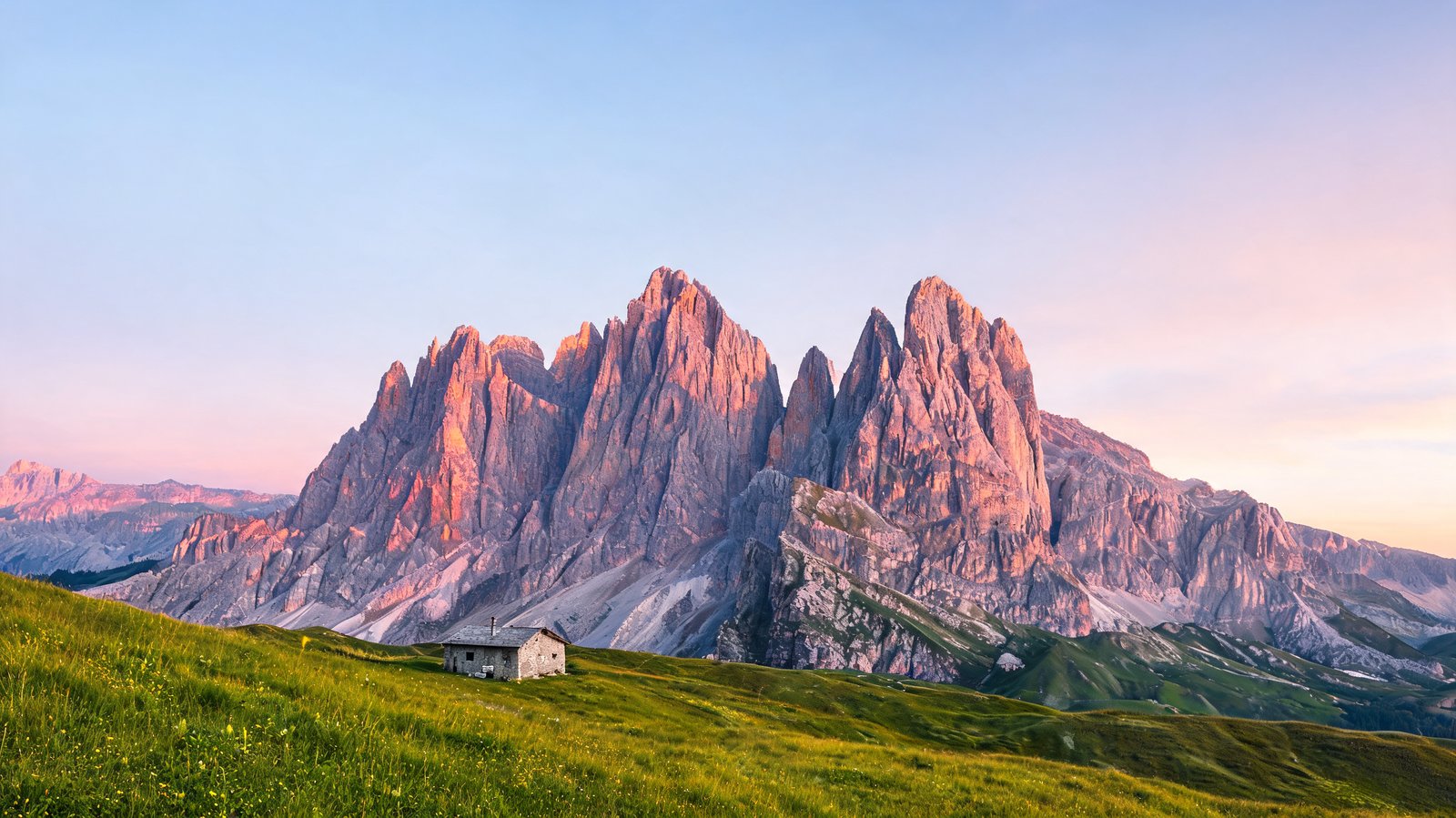
Vertical limestone faces catching first light above an alpine meadow and a stone rifugio, the Dolomites
Europe
Dolomites & Alps
Hut-to-hut trekking through the Italian Alps — six to eight days on the Alta Via routes with rifugio accommodation, local food, and a different set of vertical pink limestone faces each morning. Via ferrata for those who want more exposure. The Tour du Mont Blanc for those who want to loop through France, Italy, and Switzerland in eleven days. The most civilized version of serious trekking on earth.
Hut-to-HutVia FerrataTour du Mont Blanc
Explore →
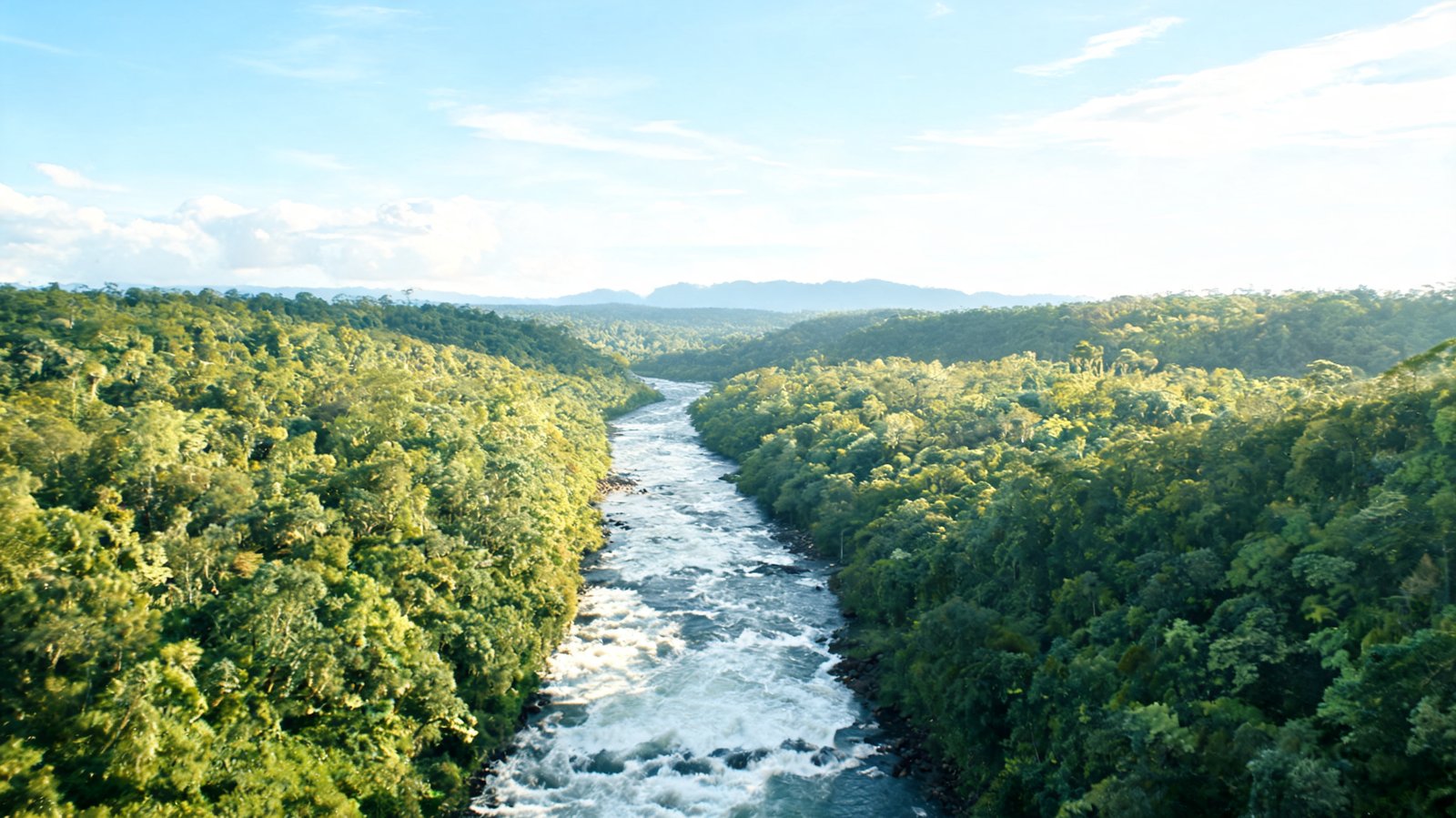
White water running through a sunlit rainforest valley on the Pacuare river, Costa Rica
Central America
Costa Rica
The most accessible adventure destination in the Americas — compact enough to cover meaningful ground in a week, diverse enough to stay interesting throughout. White-water rafting on the Pacuare, surfing on the Nicoya Peninsula, zip-line canopy in Monteverde, volcano hiking in Arenal, and sea kayaking along the Osa Peninsula coast. No permit queues, no altitude concerns, and short flights from most U.S. cities.
SurfingWhite WaterAccessible Entry
Explore →
Signature Experiences

Trips We Plan Often

Active itineraries we've put together repeatedly — and refined through every run. Each is matched to fitness level and fully customisable from here.
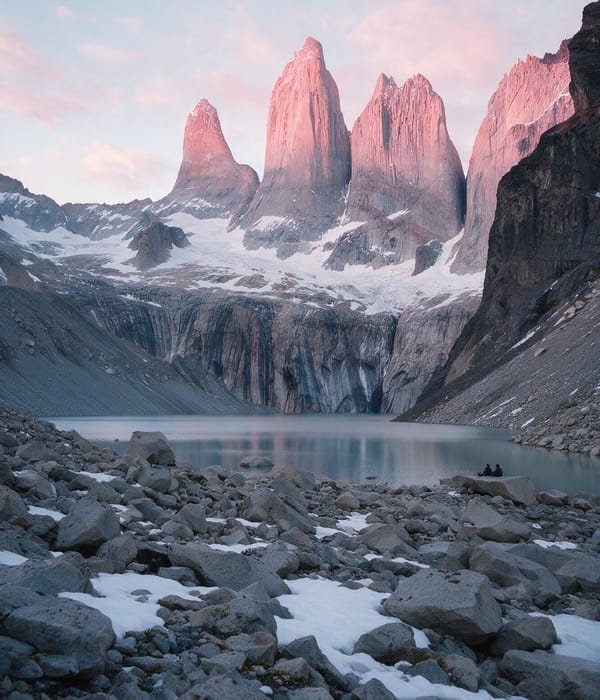
Three granite towers of Torres del Paine catching pink dawn light above a still glacial lagoon
October – April · 10–12 days
The Patagonia W Trek
Five days on the W Trek with supported lodge accommodation — no camping, no gear carry. The Torres base at dawn on day one, the French Valley lookout on day three, the Grey Glacier on the finish. Two days in Puerto Natales before the trek for acclimatization, plus optional extensions to El Chaltén and Fitz Roy in Argentina. Booked twelve months out for peak season slots.
Chile10–12 Days
Plan This Trip
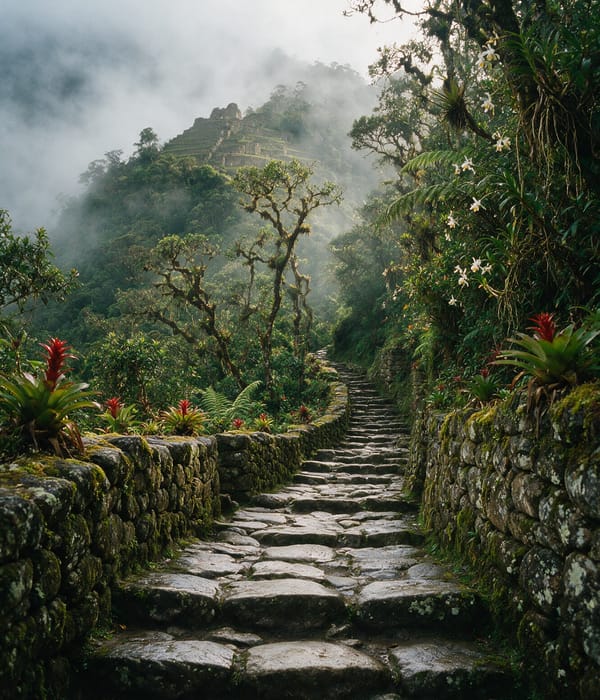
Worn granite steps of the Inca Trail climbing through misty cloud forest between mossy stone walls
May – September · 10–12 days
Inca Trail to Machu Picchu
Two nights in Cusco for altitude acclimatization before the trail begins — this step is non-negotiable and often ignored by tours that skip straight to the trailhead. Four days on the classic Inca Trail with a small private group and a bilingual historian-guide. Sun Gate sunrise arrival, a full day at Machu Picchu, and two nights in the Sacred Valley on the return. Permits secured the moment dates are confirmed.
Peru10–12 Days
Plan This Trip
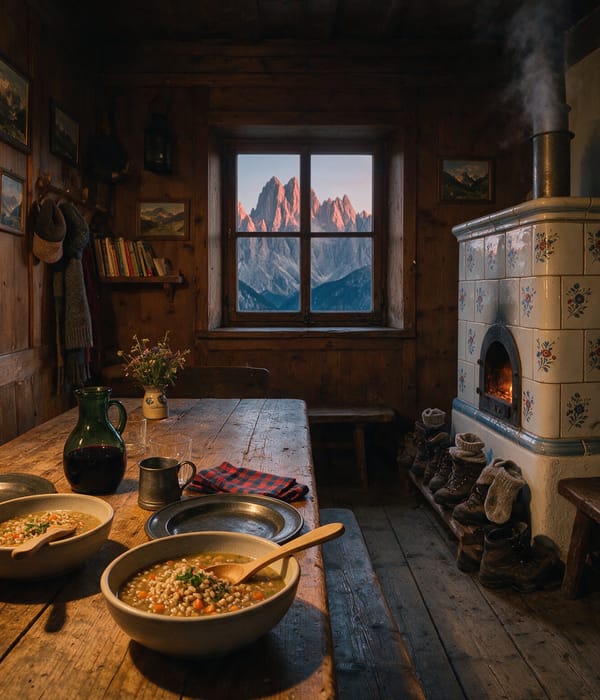
A pine table set with soup and red wine in a Dolomites rifugio, limestone spires through the window
July – September · 8–10 days
Dolomites Hut-to-Hut
Six days on the Alta Via 1 or 2, sleeping in rifugi each night — mountain huts with full dinners, wine lists, and hot showers that make the hardest climbing days feel immediately civilized. Via ferrata sections can be added or removed based on exposure comfort. Flying into Venice and out of Innsbruck makes for a natural point-to-point route through some of Europe's most dramatic alpine terrain.
Italy / Austria8–10 Days
Plan This Trip
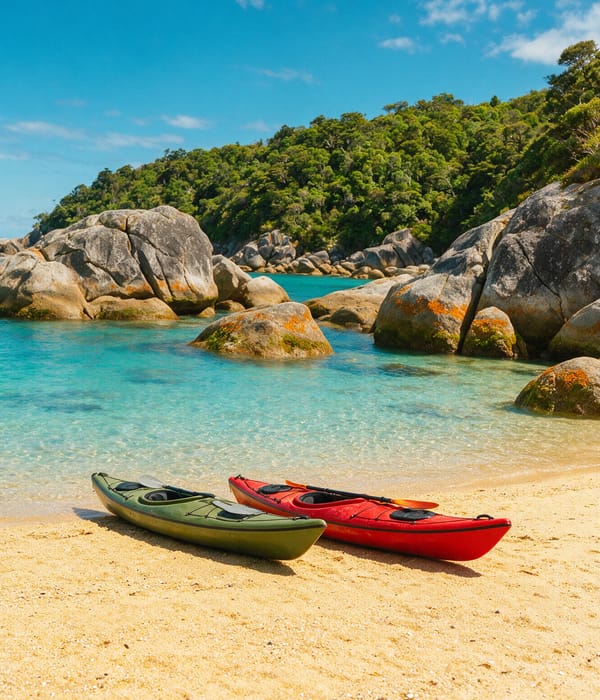
Two sea kayaks on golden sand in an Abel Tasman cove with clear turquoise shallows
November – April · 12–14 days
New Zealand South Island Multi-Sport
Queenstown as a base for the first three days — Remarkables hike, jet boat on the Dart River, optional skydive. The Milford Track in its entirety over four days with guided lodge accommodation. Sea kayaking in Abel Tasman for two days, cycling the Otago Rail Trail through Central Otago wine country for the finish. The most diverse active itinerary we run, on terrain that holds the attention at every stage.
New Zealand12–14 Days
Plan This Trip
The Details

What Every Active Trip Includes

The planning work for an active trip is more involved than most, because the consequences of getting it wrong are more immediate.

Fitness Matching
We assess your current fitness level and experience against the demands of the itinerary before building anything. Daily distances, elevation gain, technical sections, and recovery days are all mapped to what you can actually do — not what the brochure assumes.
Permit & Slot Logistics
The Inca Trail, Milford Track, Torres del Paine refugios, and Iceland's Laugavegur all require permits or reservations that sell out months in advance. We secure these the moment dates are confirmed — not as an afterthought once the rest of the trip is built.
Guide Quality
A guide who knows a route technically is different from one who can read group energy, manage pace, and adapt the day when conditions shift. We source guides with both — and for high-altitude or technical terrain, we verify certifications and first-aid qualifications before placing anyone with them.
Gear & Preparation
A specific packing list for your exact itinerary, a training recommendation for the six weeks before you leave, and a weather briefing once your start date is within range. Not generic advice — specifics for the terrain, the season, and the number of days you'll be on the move.
When to Go

Active Travel Season by Destination

Southern Hemisphere Summer
October – April
The window for Patagonia, New Zealand, and Peru's high-altitude routes. Torres del Paine's W Trek is only reliably open October through April — outside that window, trails close and refugios shut down. New Zealand's Great Walks operate November through April. Book Patagonia accommodations and Peru permits twelve months in advance for this season.
Patagonia & New Zealand
Northern Hemisphere Summer
June – September
The primary window for European alpine trekking — Dolomites rifugi open mid-June through late September, Tour du Mont Blanc runs July through August, and Iceland's highland routes including the Laugavegur are accessible June through October. Iceland's midnight sun delivers twenty hours of usable daylight at peak summer, opening up day lengths no other active destination can match.
Year-Round Destinations
Any Month
Costa Rica operates year-round, with the dry season (December through April) offering more reliable conditions for rafting and coastal activities. Iceland is the strongest year-round active destination — winter adds ice cave access, Northern Lights on evening hikes, and glacier conditions unavailable in summer. Active travel in shoulder seasons often means better guide availability and smaller group sizes.
Ready When You Are

Plan an Active Trip
You Actually Finish Strong

Tell me the destination you're drawn to, your current fitness level, and when you can go. I'll come back with a specific itinerary — distances, guide, permits, accommodation, and a training outline — within one business day.

Plan an Adventure Trip Explore All Experiences

No booking fees  ·  Response within 24 hours  ·  Fully bespoke

What It Costs

What an active trip Actually Costs

$800–$1,800
per person, per day, land only. Ranges, not quotes.
What that includes
  • Luxury lodging along the route
  • Trip leaders, supported routes and standard equipment
  • Trip transfers and most meals
What it does not
  • International airfare, and pre- or post-trip nights
  • Specialty gear rental
  • Gratuities and insurance
The two or three things that move it most
  • Destination and hotel collection
  • Scheduled group versus private bespoke departure
  • Equipment and support complexity

Editorial planning bands, not quotes — assembled from published rates and official fee sources, verified . Rates, permit costs and park fees change; confirm before booking. Source: U.S. National Park Service passes.

Common Questions

Adventure & Active Travel — FAQ

Questions we hear most when planning adventure and active itineraries. More detail on the full FAQ page.

It varies significantly by activity. Safari requires minimal exertion. Trekking to Machu Picchu or Everest Base Camp requires months of cardiovascular preparation. Cycling in Tuscany or kayaking in the South Pacific sits somewhere in between. I match the itinerary to your actual fitness level and realistic preparation timeline — not an idealized version of it.

For diving, a PADI Open Water certification is required for most reef dives — courses are available at destination resorts if you don't have one. For trekking, technical training is rarely required unless you're pursuing true mountaineering. I brief clients clearly on exactly what preparation is needed and how much lead time is realistic.

I work exclusively with operators who have verifiable safety records, qualified guides, and proper rescue and emergency protocols. For higher-risk activities — high altitude trekking, backcountry expeditions — I also brief clients on specialist travel insurance requirements that include evacuation coverage.

Patagonia (Chile and Argentina) for trekking. Peru for the Inca Trail and Machu Picchu. Nepal for Himalayan trekking. New Zealand for multi-sport. Costa Rica for accessible adventure. Tanzania for Kilimanjaro. Each destination has a different character — I help clients match destination to ambition level and actual fitness.

Consistently. The "adventure by day, comfort by night" model is one of the most satisfying ways to travel. Lodges in Patagonia offer world-class guiding and genuine wildness while delivering outstanding meals and rooms. The same is true across New Zealand, Costa Rica, and East Africa. You don't have to sacrifice comfort to have a genuine adventure.

Much of it is. Safari is accessible at any age. Cycling, light trekking, and guided cultural expeditions all scale to fitness level. High altitude and technical activities have real physical requirements regardless of age. I plan honestly and help clients choose activities they'll genuinely enjoy and complete successfully — not activities that will leave them feeling they should have done something else.

One major activity per day, with evenings reserved for rest, meals, and the next day's briefing. A full-day trek, a guided dive, a long-distance cycle — well-structured itineraries build around a single anchor rather than stacking them. Pacing matters on active trips; I build in rest days on longer itineraries to avoid accumulated fatigue.

Popular routes — the Inca Trail, Kilimanjaro, Everest Base Camp — have daily permit limits that sell out months in advance. Peak season on these routes books 6–9 months ahead. Less regulated adventures (Patagonia trekking, cycling tours, kayak expeditions) need 3–5 months for prime dates. The earlier you start, the more options you have.
More questions answered on the Full FAQ Page
From the Journal

Read More on Active Travel