
Central America

The Country People Ruin
By Trying to See All of It.

Costa Rica is the best family adventure destination I plan, and the one most often wrecked by ambition — four regions crammed into eight days on roads that do not cooperate. Two bases, one highland and one coast, with the park reservations and the naturalist guides held before the hotels. That is the whole trick, and almost nobody books it that way.

Best Season
Dec – April
Best For
Family Adventure
& Wildlife
The Country

Costa Rica Punishes
the Four-Region Itinerary.

The dry season on Costa Rica's Pacific side runs December through April. A first trip runs 8 days and buys two bases, not four: one highland base — Arenal or Monteverde — and one coast, with every transfer finished in daylight. The Caribbean side runs an opposite rain calendar, and Tortuguero has no road to it at all. Several national parks now require a reservation booked before you arrive.

Costa Rica is small on a map and slow on the ground. The country is roughly the size of West Virginia, and the itineraries that fail are the ones that read the distances off the map rather than off the road: two-lane highway through the Central Valley, single-lane bridges, mountain switchbacks, cattle, fog above 1,200 metres, and a rainy-season afternoon that turns a river crossing into a decision. A drive that looks like ninety minutes is three hours often enough that you should plan as if it always is.

So the rule I hold clients to is two bases, and eight or nine days is a genuinely good trip on it. Adding a third region does not add a third experience; it subtracts two mornings and adds a packing day. Adding a fourth produces the trip people describe afterwards as exhausting, which is a strange thing to say about a country where the whole point is that you are outside all day.

It is the best family adventure destination I plan, and that is not a soft claim: the wildlife is visible from a bridge rather than from a vehicle at dawn, the activities scale from a hanging-bridge walk to a class III river, and roughly a quarter of the country's land area sits inside protected areas administered by SINAC, the national conservation authority. What it is not is a beach holiday with some nature attached. If what you want is a lounger and a swim-up bar, Riviera Maya and Los Cabos will do that better and with less driving.
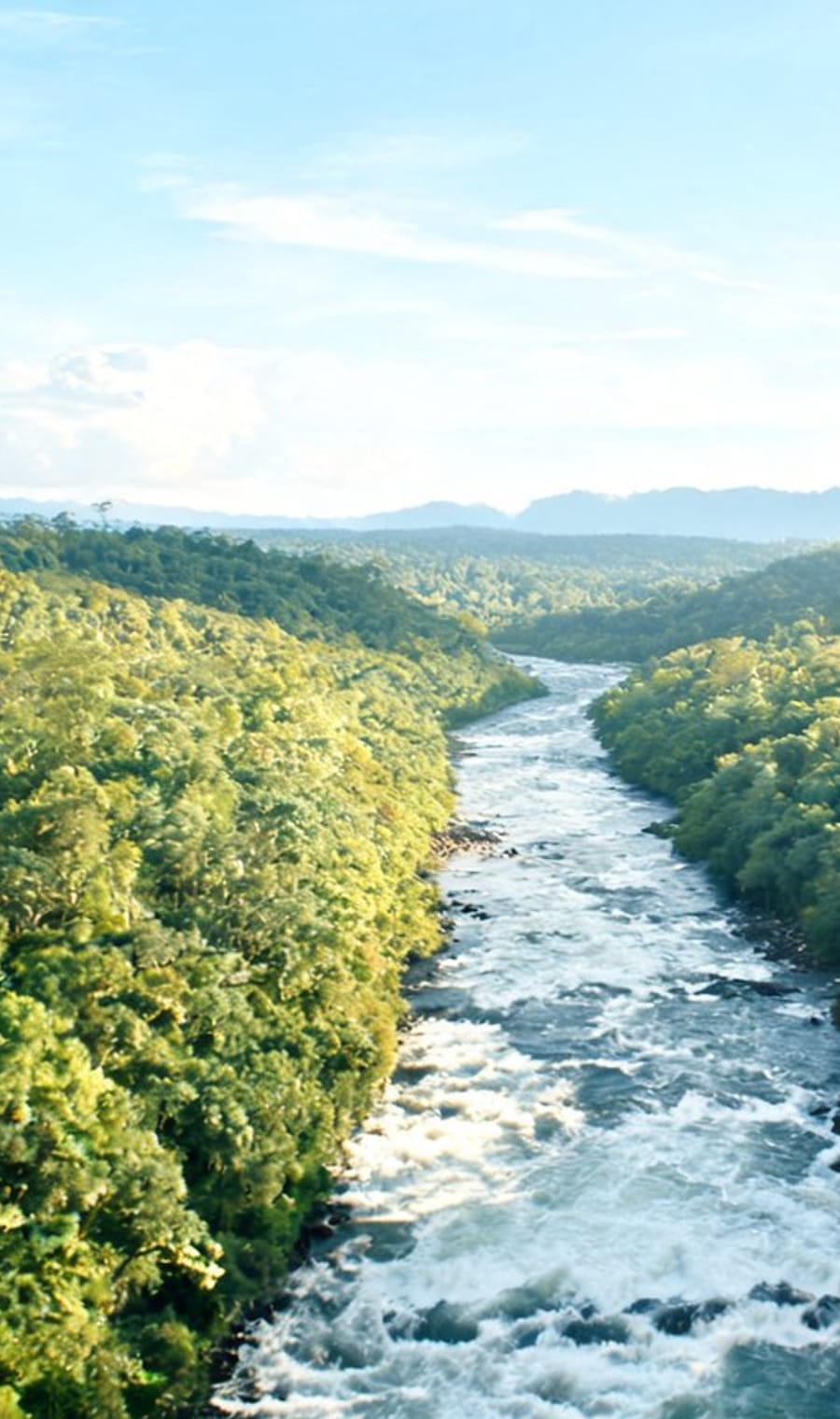
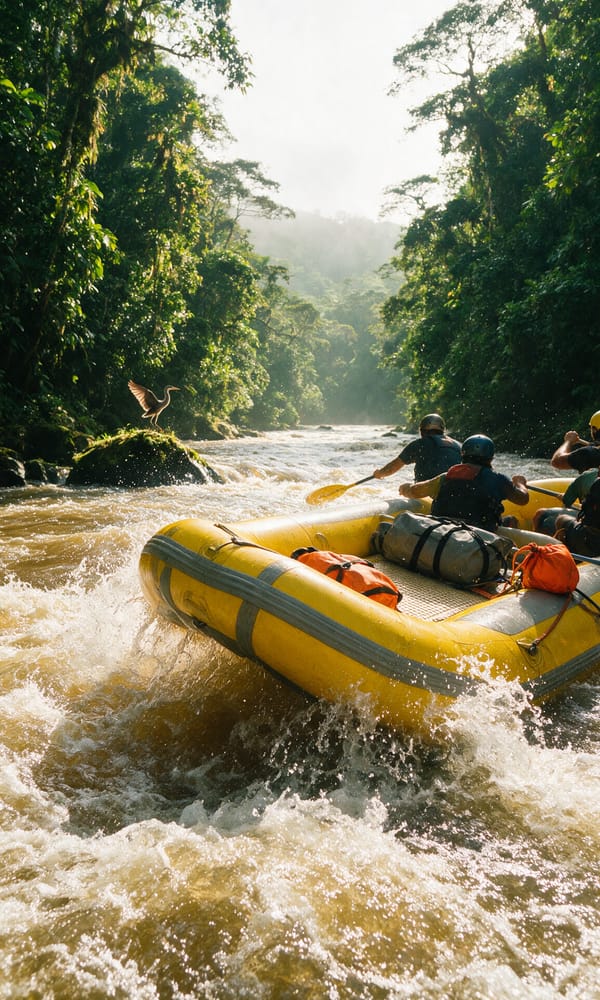
A whitewater river running through dense rainforest in Costa Rica's Pacuare valley
Pacuare River Valley · Costa Rica
Where We Send Clients

Six Regions Worth Planning Properly

Pick two of these six, not four. They differ by altitude, by rain calendar and by how hard they are to reach, and the combination you choose decides how much of the trip is spent in a vehicle.
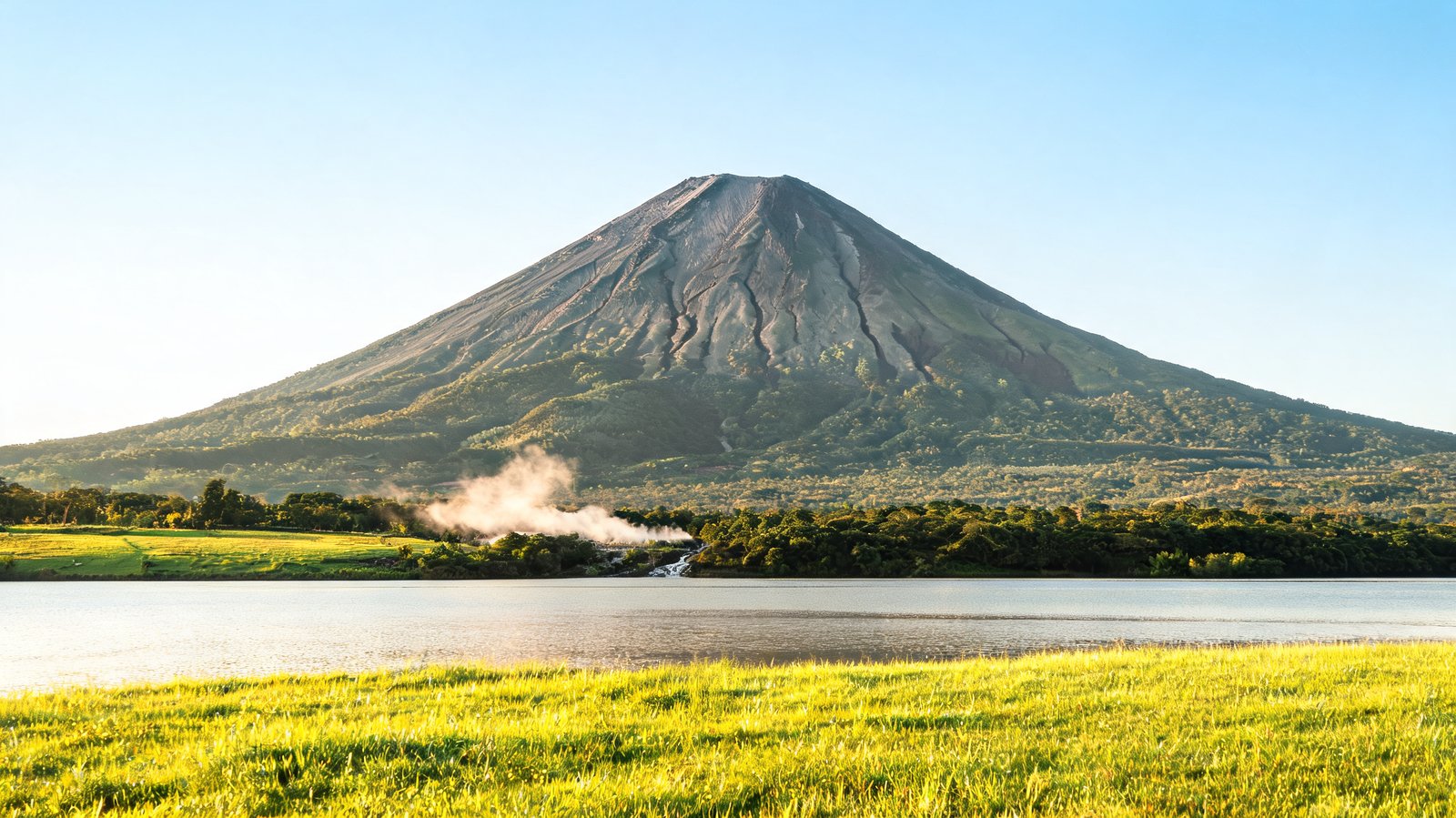
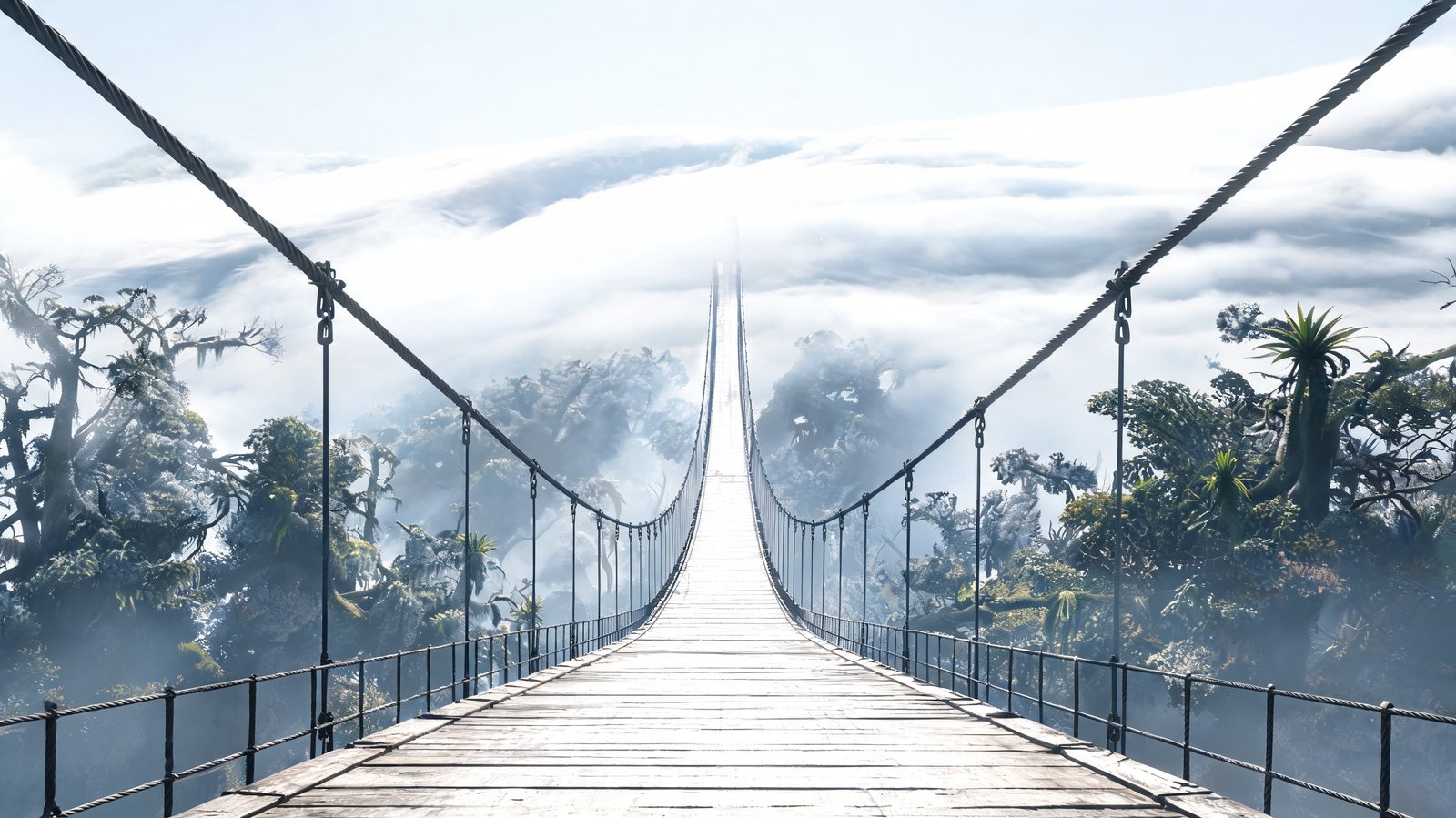
Arenal & La Fortuna, Alajuela
Alajuela
Arenal & La Fortuna
The easiest first base in the country and the one that does the most work: the cone without the fireworks since 2010, the geothermal water it still heats, hanging bridges through secondary rainforest, and the Río Balsa for a first raft.
Hot Springs Hanging Bridges Rafting
Explore →
Monteverde, Puntarenas
Puntarenas
Monteverde
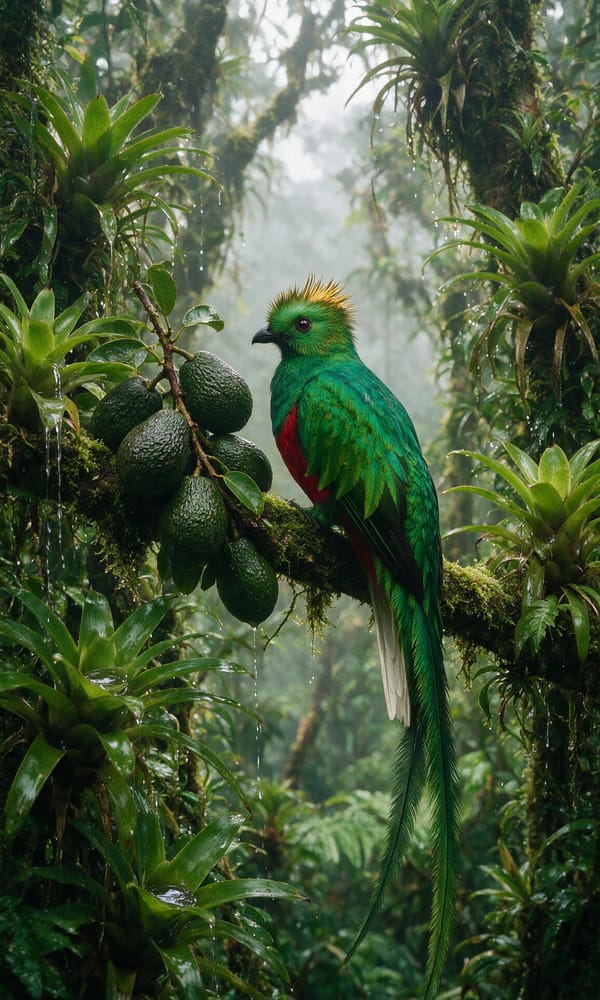
Cloud forest at around 1,400 metres on the continental divide, which is why it is markedly cooler than the coast and why the cloud arrives horizontally rather than overhead. The birding is the case for coming: resplendent quetzals are most reliable in the nesting months, roughly February through July.
Cloud Forest Quetzals Canopy
Explore →
Manuel Antonio & the Central Pacific
Central Pacific
Manuel Antonio & the Central Pacific
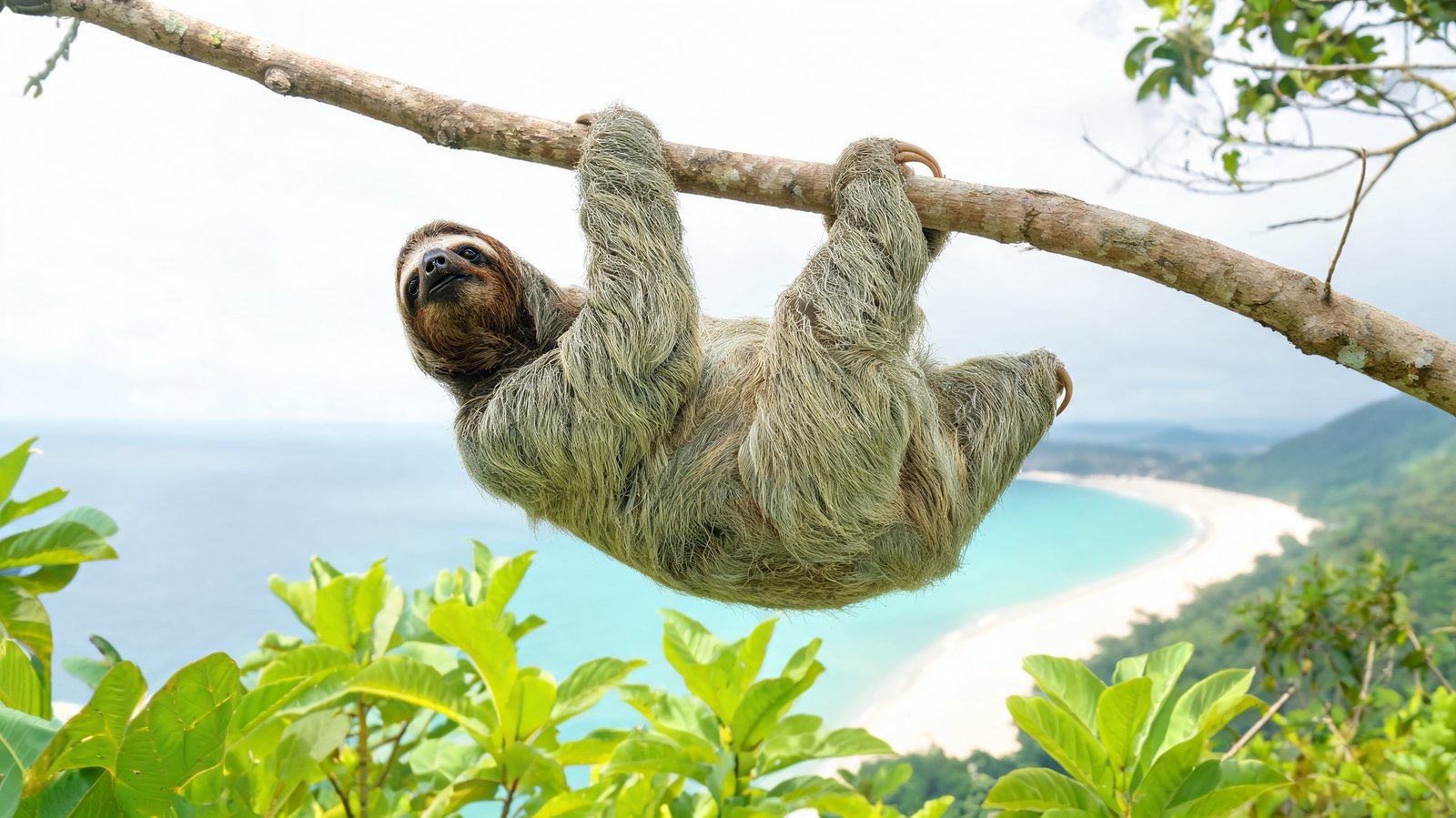
The most accessible wildlife in Costa Rica and the busiest stretch of coast because of it. Sloths, capuchins and squirrel monkeys inside a park you can walk in trainers, with a beach at the end of the trail. The park caps daily visitors and closes one day a week, and the closure day has moved more than once.
Sloths Beach + Park Easy Walking
Explore →
Osa Peninsula & Corcovado, South Pacific
South Pacific
Osa Peninsula & Corcovado
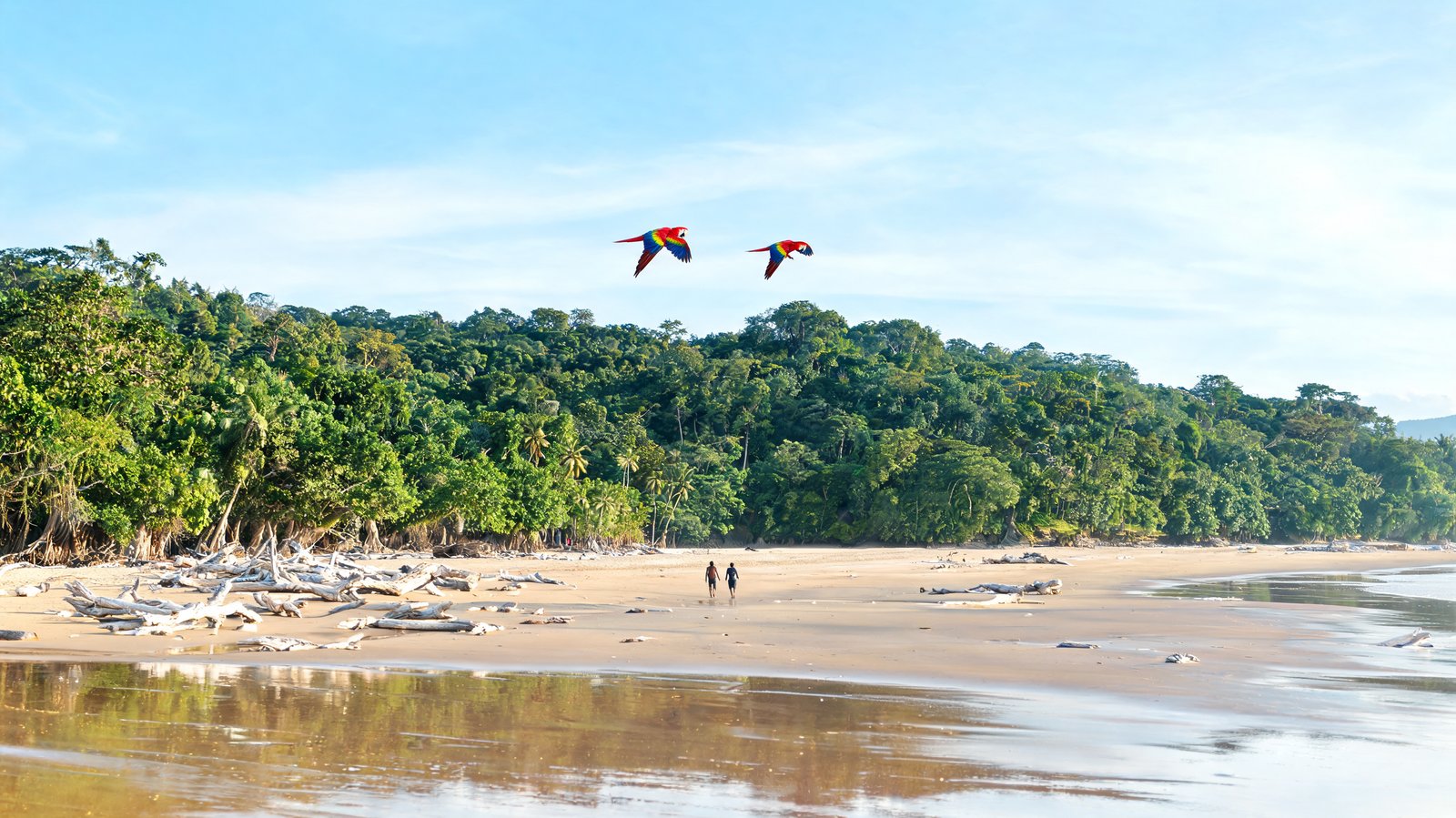
The serious rainforest, and the one region worth flying to rather than driving. Corcovado protects the largest surviving block of Pacific lowland rainforest in Central America, and it is the one park in the country that requires every visitor to carry a certified guide. Tapirs, scarlet macaws, four monkey species.
Corcovado Guide Required Fly In
Explore →
Guanacaste & Nicoya
Guanacaste
Guanacaste & Nicoya
The dry northwest, and the coast with the resort infrastructure and its own international airport at Liberia. Tropical dry forest rather than rainforest — the trees drop their leaves in the dry months, which makes wildlife easier to see and the landscape browner than the brochures admit.
Dry Forest Surf Towns Liberia Airport
Explore →
Tortuguero & the Caribbean, Limón
Limón
Tortuguero & the Caribbean
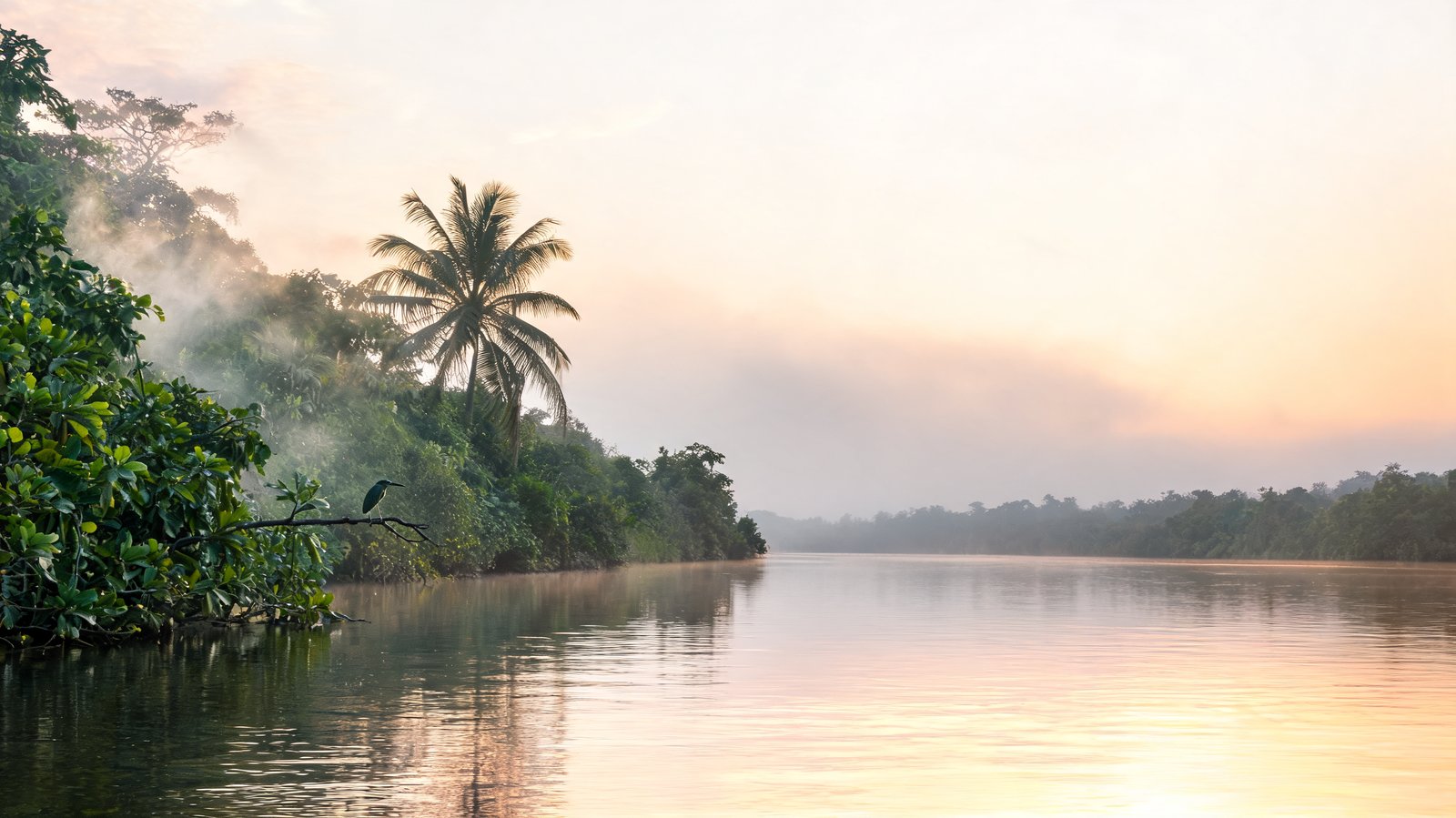
A different country on the same passport. Tortuguero is reachable only by boat or small plane, and its green turtle nesting season runs roughly July to October, monitored continuously since 1959. South of Limón, Cahuita and Puerto Viejo are Afro-Caribbean towns with their own food, their own English creole and almost no resorts.
Green Turtles Canals Afro-Caribbean
Explore →
Featured Itineraries

Trips We Plan Often

Every one of these is built on two or three bases, with the park reservations and the certified guides held before the hotels are confirmed, because in Costa Rica those are the pieces that run out.
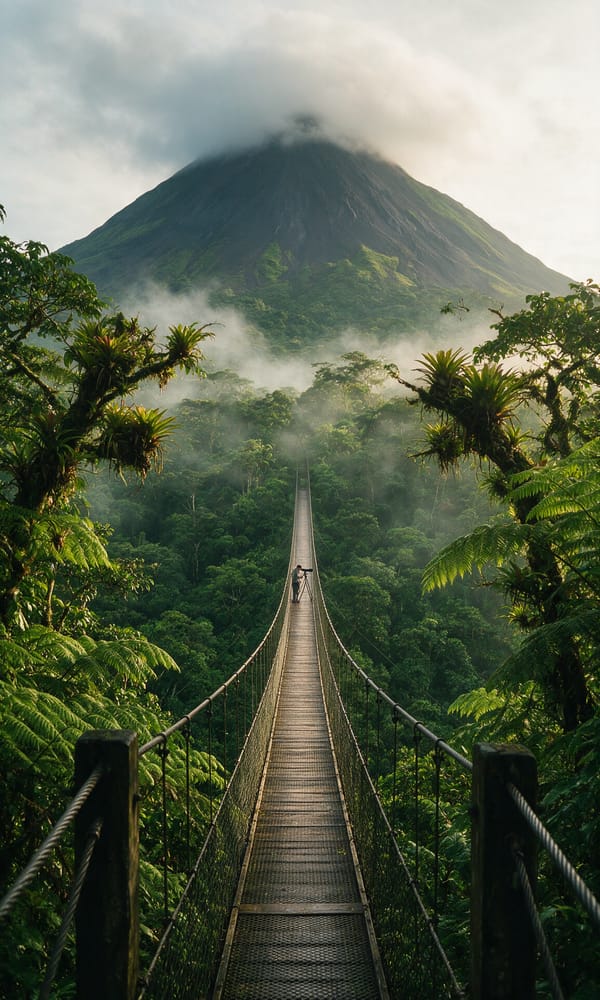
A cable suspension bridge running over misty rainforest canopy with Arenal's cone in cloud beyond
December – April · 8–9 Days
Two Bases, Done Properly
The trip most first-timers should take and the one they talk themselves out of. Four nights at Arenal: a hanging-bridge morning with a naturalist, an afternoon in hot springs fed by the volcano, a half-day on the Río Balsa, and one day with nothing on it. Nobody comes here for lava any more — Arenal's eruptive period ran from 1968 to 2010, and the Smithsonian Institution's Global Volcanism Program has recorded no eruption since. Then a transfer south to four nights on the Central Pacific, with Manuel Antonio entered at opening on a reserved ticket. Two unpackings, and no morning that starts with a suitcase.
Costa Rica8–9 Days
Plan This Trip
A male resplendent quetzal with long tail streamers on a mossy branch in Monteverde cloud forest
December – April · 10–12 Days
Cloud Forest and the Osa
For travellers who came for the wildlife and are willing to work for it. Three nights in Monteverde at altitude, walking the Monteverde Cloud Forest Reserve at opening with a guide carrying a scope, plus a night walk and a morning given over to birds. Then down to the coast and a flight south to the Osa Peninsula for four nights at a lodge inside or beside Corcovado, with the certified-guide requirement handled as part of the booking. Finish with two nights on the Golfo Dulce side for the calm water.
Costa Rica10–12 Days
Plan This Trip
A yellow raft breaking through white water on a jungle river walled by rainforest on both banks
December – April · 8–10 Days
Family Adventure, Ages 8 and Up
Built around what an eight-year-old can sustain in heat and humidity: one big thing a day, not two. Four nights at Arenal for the volcano, a canopy circuit, a beginner raft and the hot springs, then a transfer northwest to four or five nights in Guanacaste for the beach half. Guanacaste rather than the Central Pacific for families flying into Liberia, because it removes a long transfer at both ends, and the dry forest of the Área de Conservación Guanacaste inland is one of Costa Rica's four UNESCO World Heritage sites. Rooms that connect, and guides briefed that they are guiding children rather than adults. Families who want more culture and less zip line should be looking at multigenerational trip planning instead.
Costa Rica8–10 Days
Plan This Trip
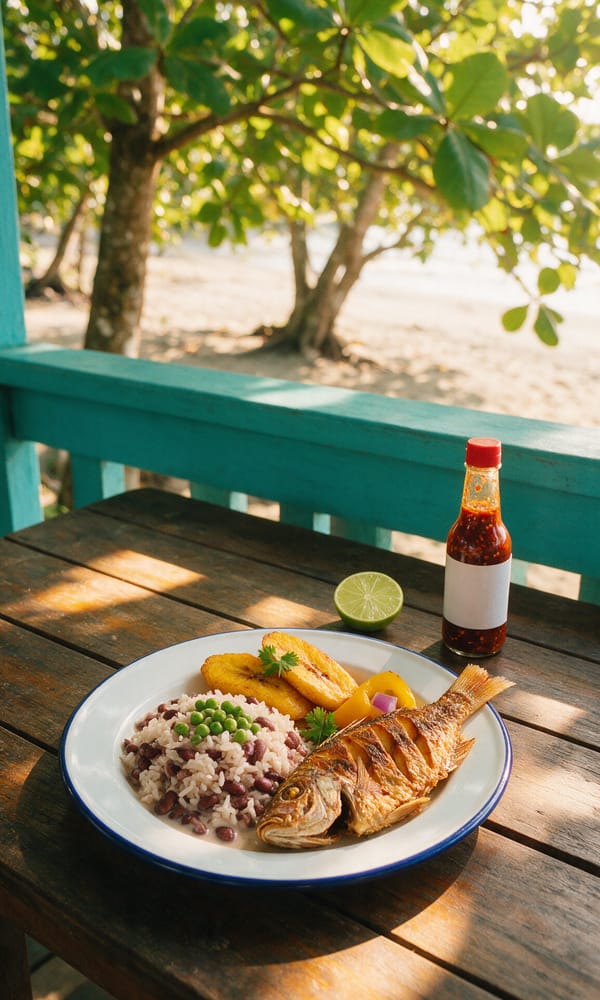
Rice and beans with fried plantain and whole snapper on a veranda table in Puerto Viejo
September – October · 9–11 Days
The Caribbean Side, on Its Own Calendar
While the Pacific coast is having its two wettest months, the Caribbean slope is often at its brightest, which makes September and October the contrarian window here. Three nights in Tortuguero, in by boat or small plane because there is no road, with canal mornings at first light and — in the July-to-October green turtle nesting season — a guided walk run under the protocols of the Sea Turtle Conservancy, which has monitored this beach since 1959. Then south to Cahuita and Puerto Viejo for four or five nights of Afro-Caribbean food, reef snorkelling on the calm days and a sloth sanctuary morning. Not a trip for anyone who needs guaranteed sun.
Costa Rica9–11 Days
Plan This Trip
Why Plan With Us

What We Add to Costa Rica Planning

Costa Rica is easy to book badly. Nothing on a booking site tells you which lodge sits at the end of a road that becomes a problem in October.

The Two-Base Rule, Enforced
Most Costa Rica itineraries arrive here already broken, with four regions and eight days on them. The fix is not a better hotel in each place; it is deleting two of the four. I lose that argument sometimes, and the clients who take it back have consistently better trips. Arenal to Monteverde is a short distance and a long morning, and the boat crossing of Lake Arenal is the civilised way to do it rather than the road around. Every transfer we build ends in daylight, because arriving at a rainforest lodge after dark means seeing it for the first time on your way out.
Naturalist Guides, Not Drivers
The single largest difference between two identical-looking Costa Rica trips is whether the guide carries a spotting scope and can hear what is calling. A driver-guide gets you to the park and points at a sloth someone else already found. A naturalist has the bird list in his head and knows which fig is fruiting this week. SINAC already requires a certified guide in Corcovado; everywhere else it is optional and it is still the highest-value line in the budget. We book the individual, by name, months out — the good ones in Monteverde and on the Osa are committed early.
Reading the Lodge Honestly
"Eco-lodge" in Costa Rica covers a solar-powered research station with cold water and a lodge with a spa and three restaurants. Both are legitimate; they are not interchangeable, and photographs flatten the difference. The questions that actually decide the week are unglamorous: is the room open to the forest or screened, is there air conditioning at night, and how long is the boat or the last stretch of road. The country's Certification for Sustainable Tourism, run by the national tourism board, is a public rating you can check, which the word "eco" on a website is not.
Reservations Held Before Hotels
Costa Rica has quietly become a reservation country, and the sequence people use is backwards. Corcovado needs a certified guide and an advance booking. Manuel Antonio caps daily entries. Poás closes on gas readings monitored by OVSICORI and runs on timed entry when it is open. Turtle walks at Tortuguero are guided, permitted and limited. Every one of those is capacity that runs out before hotel rooms do. We hold the constrained pieces first and fit the accommodation to them, which sometimes means telling a client their week will not work for the thing they picked it for.
When to Go

Costa Rica by Season

Dry Season
December – April
The Pacific side at its most reliable, and the reason this is the window almost everyone books. Sun most of the day and roads at their best. Christmas to New Year and Holy Week are the two weeks Costa Ricans travel domestically as well, so the coast is at its busiest and its most expensive. And February through April is when resplendent quetzals are nesting in the highlands, a reason to weight nights toward Monteverde if birds are why you came.
Best Overall Window
Green Season
May – August
Better value and genuinely wetter at the same time. The typical pattern on the Pacific side is a bright morning and a heavy afternoon downpour, workable if the day is planned around it: activities early, lodge or lunch in the middle, out again at four. Rates come off their peak, the forest is green rather than brown, and the parks are quieter. The cost is that a washed-out afternoon is normal rather than unlucky, and river levels can cancel a raft.
Wettest Months
September – November
September and October are the wettest months on the Pacific, and some Osa and Central Pacific lodges reduce operations or close entirely. They are also, on the Caribbean slope, often the brightest weeks of the year. So they are the wrong window for a Pacific trip and the right one for Tortuguero, Cahuita and Puerto Viejo. November transitions back: the Pacific dries out through the month and late November is quiet, green and ahead of the December rush.

Season windows, park rules and nesting months checked . Reservation systems, closure days, guide requirements and volcano-related closures change without notice; confirm before booking. Sources: SINAC, Instituto Meteorológico Nacional, OVSICORI-UNA, Sea Turtle Conservancy.

Ready When You Are

Plan a Costa Rica Trip
With Two Bases and No Wasted Days

Tell me how many days you have, who is travelling and what the youngest person in the group can manage. I'll come back with a two-base itinerary, the guides I'd use in each region, and which park reservations have to be held first — within one business day.

Plan a Costa Rica Trip All Caribbean & Mexico Destinations

No booking fees  ·  Response within 24 hours  ·  Fully bespoke

What It Costs

What Costa Rica Actually Costs

Quoted by season, green or dry, per lodge night
The same lodge room is a different price in the December-to-April dry season and in the green season from May, and September and October are wet enough on the Pacific that some Osa and Central Pacific lodges reduce operations or close outright — one band would describe neither half of the year.
What actually sets the number
  • Dry season December to April against green season from May, with September and October wettest on the Pacific
  • Two bases or four — a third region costs two mornings and a packing day
  • Corcovado's mandatory certified guide, and the daily caps that sell out before hotel rooms do

Tell me the dates and the party and you get a real quote, not a range. Source: SINAC protected-area entry tariffs.

Common Questions

Costa Rica — FAQ

The questions that come up most when planning a first Costa Rica trip — how many regions fit, which coast, and what has to be reserved before anything else.

December through April for the Pacific side, September and October for the Caribbean. Those are two different answers because the country runs two climates. The Pacific dry season is the reliable window: sun most of the day and roads at their best. It is also the busiest and most expensive, and Christmas week and Holy Week are the two peaks within it. On the Caribbean slope the pattern inverts, and the months that flood the Pacific are often the brightest weeks in Tortuguero and Puerto Viejo. Pick the coast first, then the month.

Two, and the second one should be a coast. A third region costs two mornings, a packing day and the guide relationship you had just started building, and it buys a fourth photograph of a different tree. One highland base — Arenal or Monteverde — plus one coast is a complete eight-day trip with an unscheduled day still in it. If you want Monteverde and Arenal and a coast, that is a ten-day trip, and it is a very good one. It is not an eight-day trip.

Worth it from May to August, and a real gamble in September and October. It is both things at once: better value and genuinely wetter, and anyone selling only the first half is selling. May through August on the Pacific typically means bright mornings and a heavy afternoon, which works if activities go early and the middle of the day is spent under a roof. September and October are different in kind — the wettest months on the Pacific, with some Osa and Central Pacific lodges closing or scaling back. Flexible dates make the green season smart. Fixed dates and a single shot at a raft day do not.

Pacific for a first trip, Caribbean for a second one or for travellers who actively dislike resorts. The Pacific has the infrastructure: the lodges, the guides, the domestic flights, and the wildlife density around Manuel Antonio and the Osa Peninsula. The Caribbean has a different culture entirely — Afro-Caribbean towns south of Limón — plus Tortuguero's canals and turtle nesting, far fewer hotels, and an opposite rain calendar. It is the more interesting half of the country and the harder half to travel, and combining both properly in one trip needs about eleven days. Under that, pick one and mean it.

Drive the core loop, fly to the Osa Peninsula and Tortuguero. Arenal, Monteverde, Guanacaste and the Central Pacific are all reachable by road, and a private driver is usually better value than a rental car once you count the guiding you get with it. The Osa Peninsula sits at the far southern end of the country, and the road day it takes to reach it eats a night at the lodge you flew all this way for. Tortuguero has no road at all — it is boat or small plane, which is a fact about the place rather than an upgrade.

Around eight, when a child can handle a hanging bridge, a hot day and a boat transfer without it becoming the story. Younger than that and the country still works, but the trip changes shape: shorter walks, a base with a pool, no long transfers, and the wildlife seen from the lodge grounds rather than deep in a park. Most zip-line operators and rafting companies set their own minimum ages and weights, and those are worth confirming at the booking stage rather than at the platform. From eight up, Costa Rica is the strongest family destination I plan, and nobody has to sit still for a museum.

Several do, and Corcovado additionally requires a certified guide. SINAC, the national conservation authority, runs online reservation and daily-capacity systems across the busier parks: Corcovado requires both an advance booking and an accredited guide, Manuel Antonio caps daily entries and closes one day a week, and Poás operates timed entry when it is open at all — it closes on the gas and seismic readings published by OVSICORI-UNA. Turtle walks at Tortuguero are guided and permitted. These sell out before hotels do, so they get held first. Rules and closure days change; verify with SINAC before fixing dates.

Most US, Canadian, UK and EU visitors need no tourist visa, only a valid passport and proof of onward travel. The length of stay granted is set by the immigration officer on arrival rather than by the ticket, and it has changed in recent years. A yellow fever certificate is required only for travellers arriving from certain countries where the disease is present, not for arrivals from North America or Europe. The authoritative sources are the Dirección General de Migración y Extranjería and your own government's travel advice — for Americans, the US Department of State country page. Checked ; confirm before booking.
More questions answered on the Full FAQ Page
From the Journal

Read More on Planning Caribbean & Mexico