
The North Atlantic

A Country Built
on Contrast.

Iceland is the most accessible extreme landscape on earth — five hours from the east coast of the United States, with glaciers, active volcanoes, black sand and geothermal water inside a country smaller than Kentucky. It is also, in high summer on the standard route, one of the more crowded places in Europe. The planning is entirely about where you go instead.

Best Season
June – August
Best For
Landscape
& Aurora
The Country

Everyone drives the same loop. You do not have to.

Iceland is two destinations. Summer, June to August, gives near-endless daylight and full Highland access over 7–9 days. Aurora season runs late September through March, needs 5–7 days, and is a weather lottery — allow at least three or four nights in the right area, because more nights is the only way to improve the odds.

The Golden Circle and the south coast carry the overwhelming majority of Iceland's visitors, and they are genuinely spectacular. They are also, between June and August, busy in a way that undermines the emptiness most people came for. The country is small enough that the alternatives are close and large enough that they feel like a different nation.

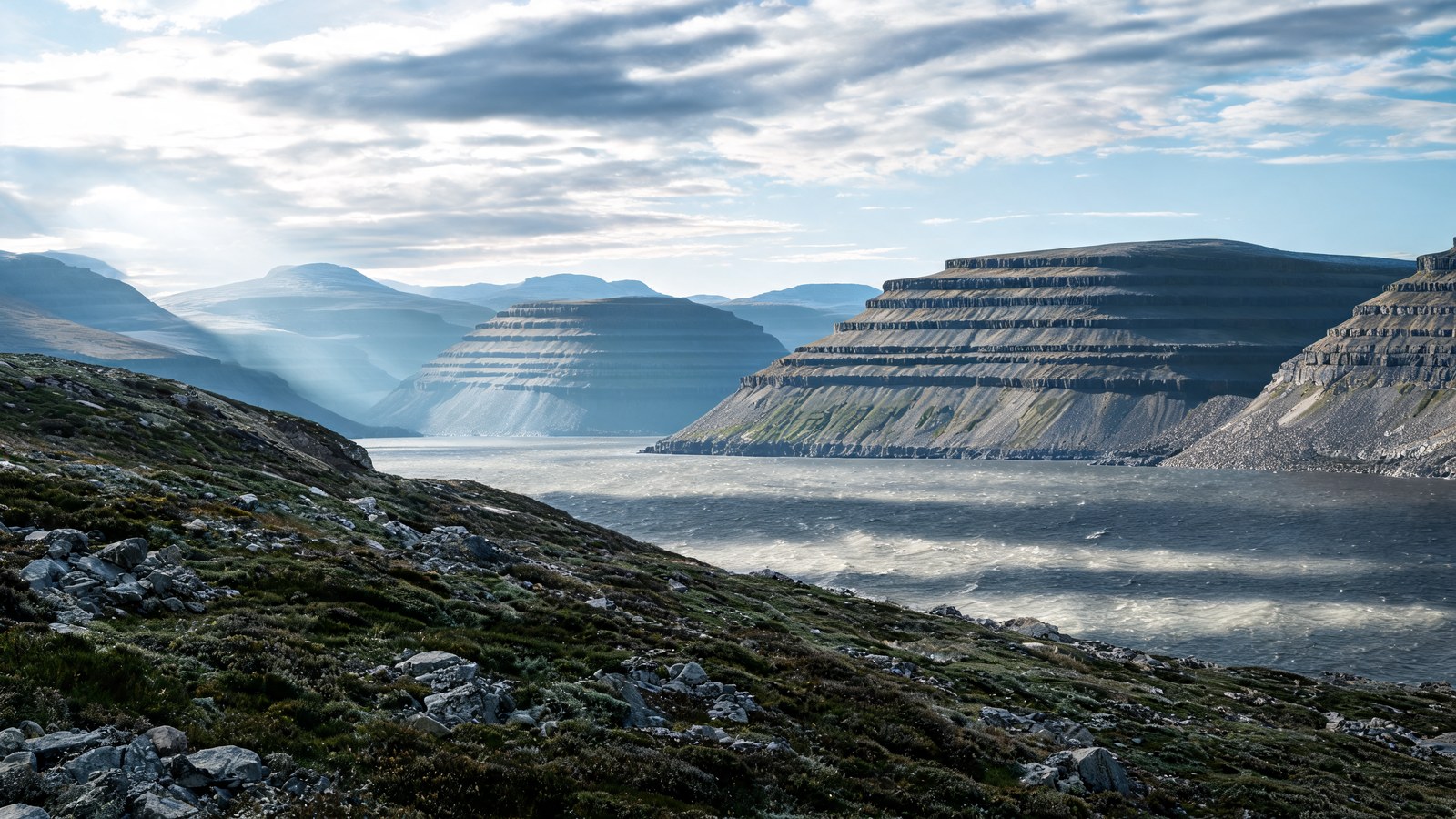
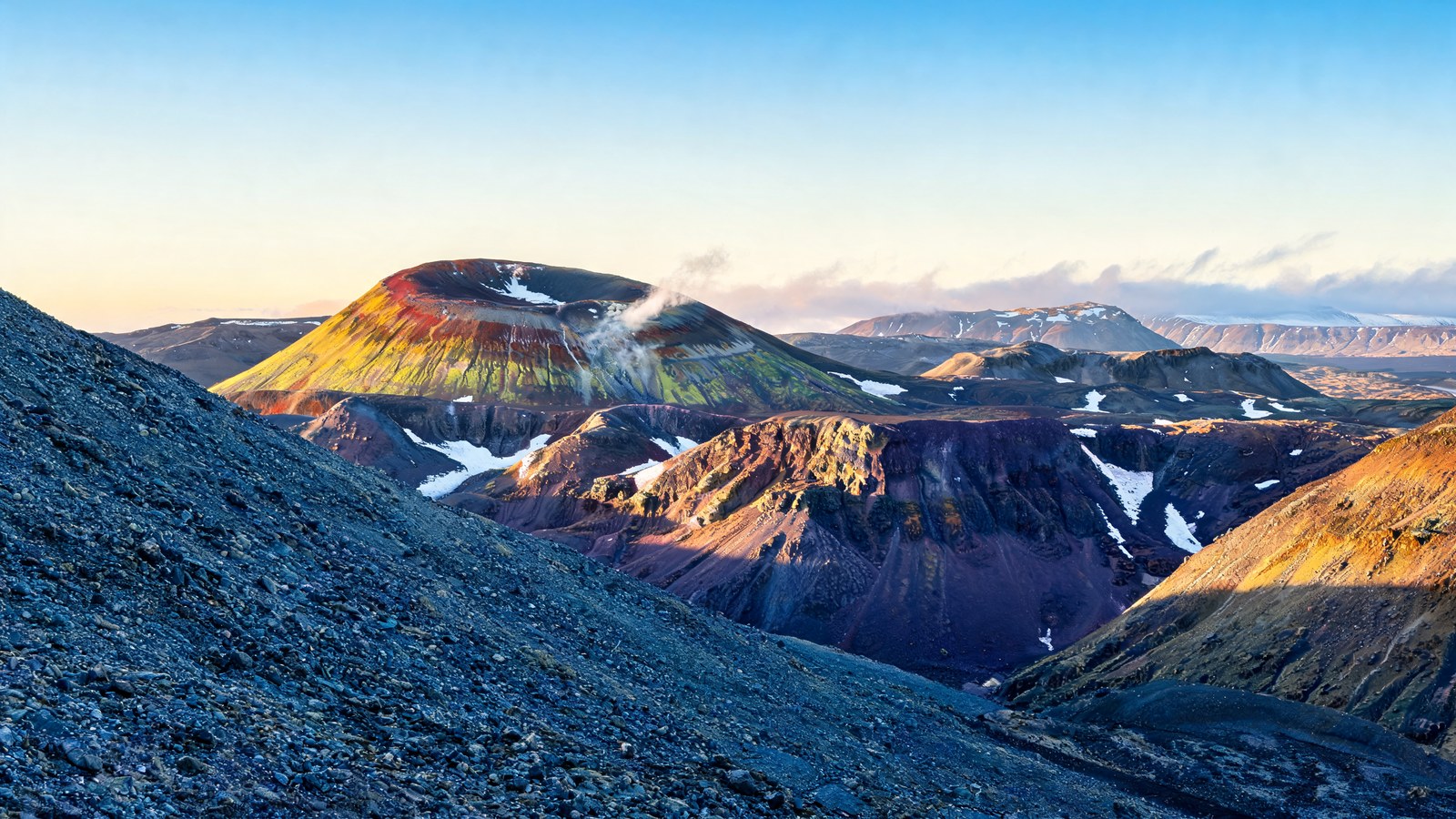
The Westfjords, the north around Mývatn and Akureyri, and the interior highlands in their short summer window deliver the Iceland of the photographs without the coach parks. Add the right hotel — the country's luxury stock has improved sharply in the last five years — and it becomes a considerably more comfortable trip than its reputation for guesthouses and dried fish suggests.
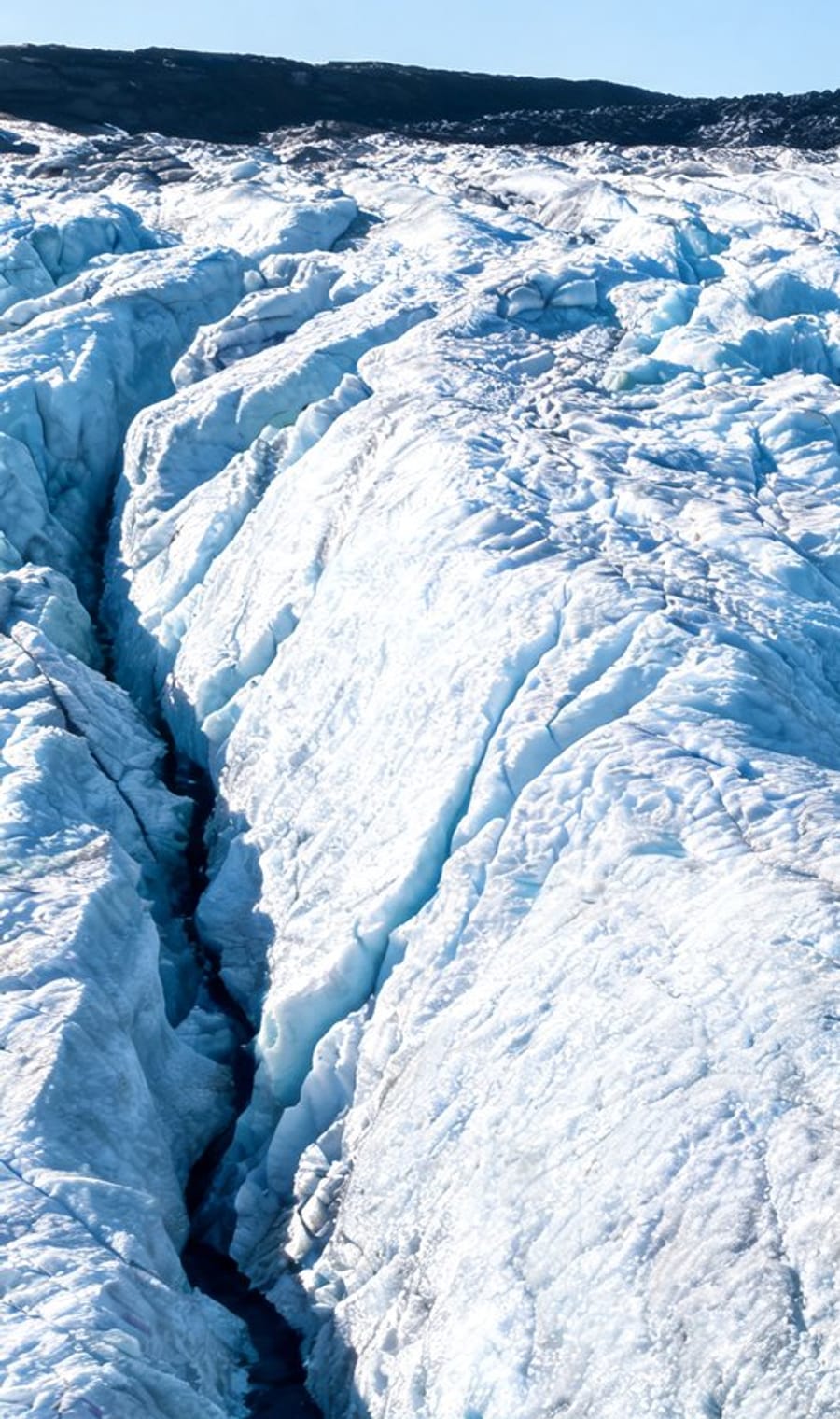
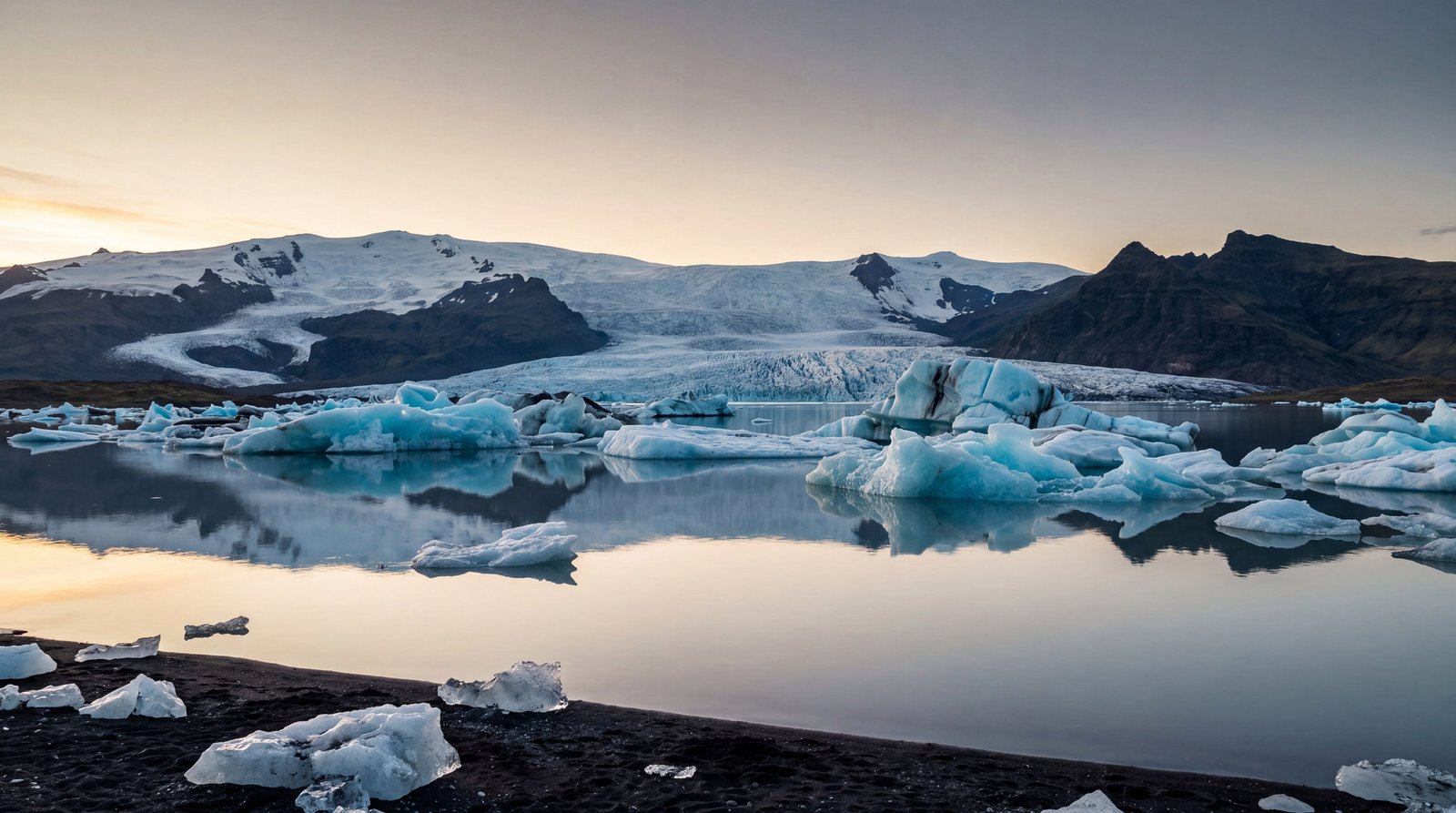
A blue crevasse splitting the surface of the Vatnajökull ice cap
Vatnajökull · Iceland
Where to Go

The Regions Worth the Drive

Iceland is a ring road with detours. The detours are the trip.
Signature Journeys

Trips We Plan Often

Two structures that avoid the standard mistake of driving too far each day.
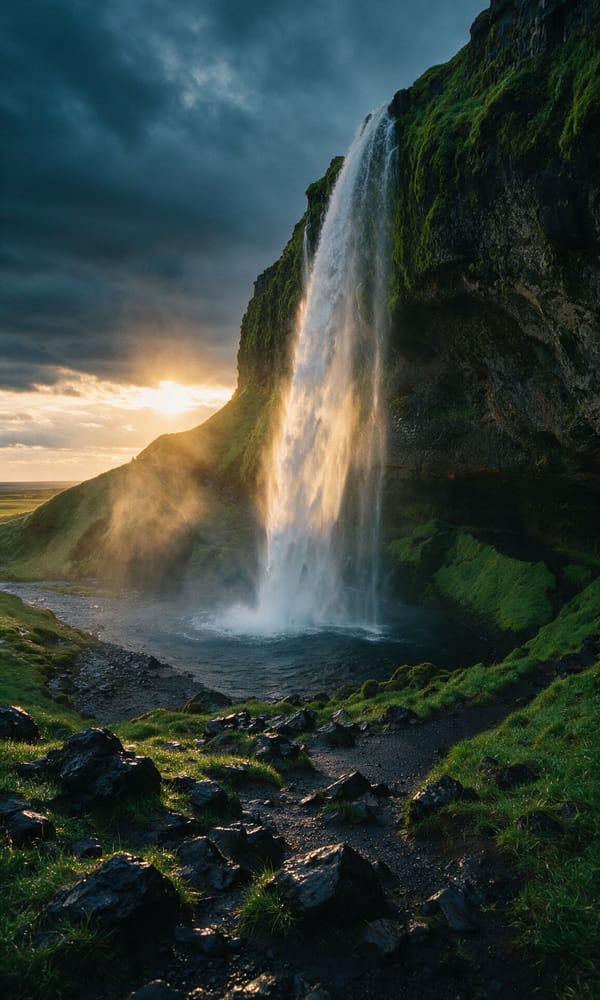
A waterfall falling from a mossy basalt cliff on Iceland's south coast under midnight sun
June – August · 7–9 days
The Summer Version
The south coast taken early and late to dodge the traffic, then inland to the highlands by super-jeep for two or three nights, and north to Mývatn and Húsavík for whales. Midnight sun throughout, which effectively doubles the usable day.
South & North7–9 Days
Plan This Trip
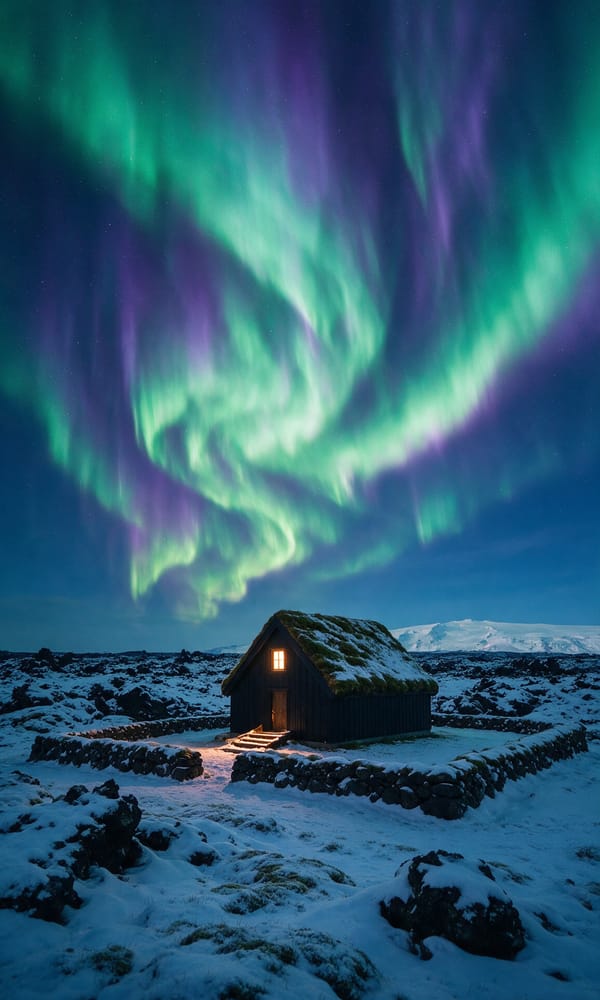
Green aurora curtains twisting above a snow-covered turf-roofed church in Iceland
October – March · 5–7 days
Northern Lights, Realistically
A base away from Reykjavík's light with several nights to allow for weather, ice caves under Vatnajökull, geothermal bathing without the Blue Lagoon queues, and a guide who tracks the forecast nightly rather than promising anything.
Aurora5–7 Days
Plan This Trip
The Details

What We Add to Iceland Planning

A country that is easy to visit and surprisingly easy to plan badly.

Honest Aurora Advice
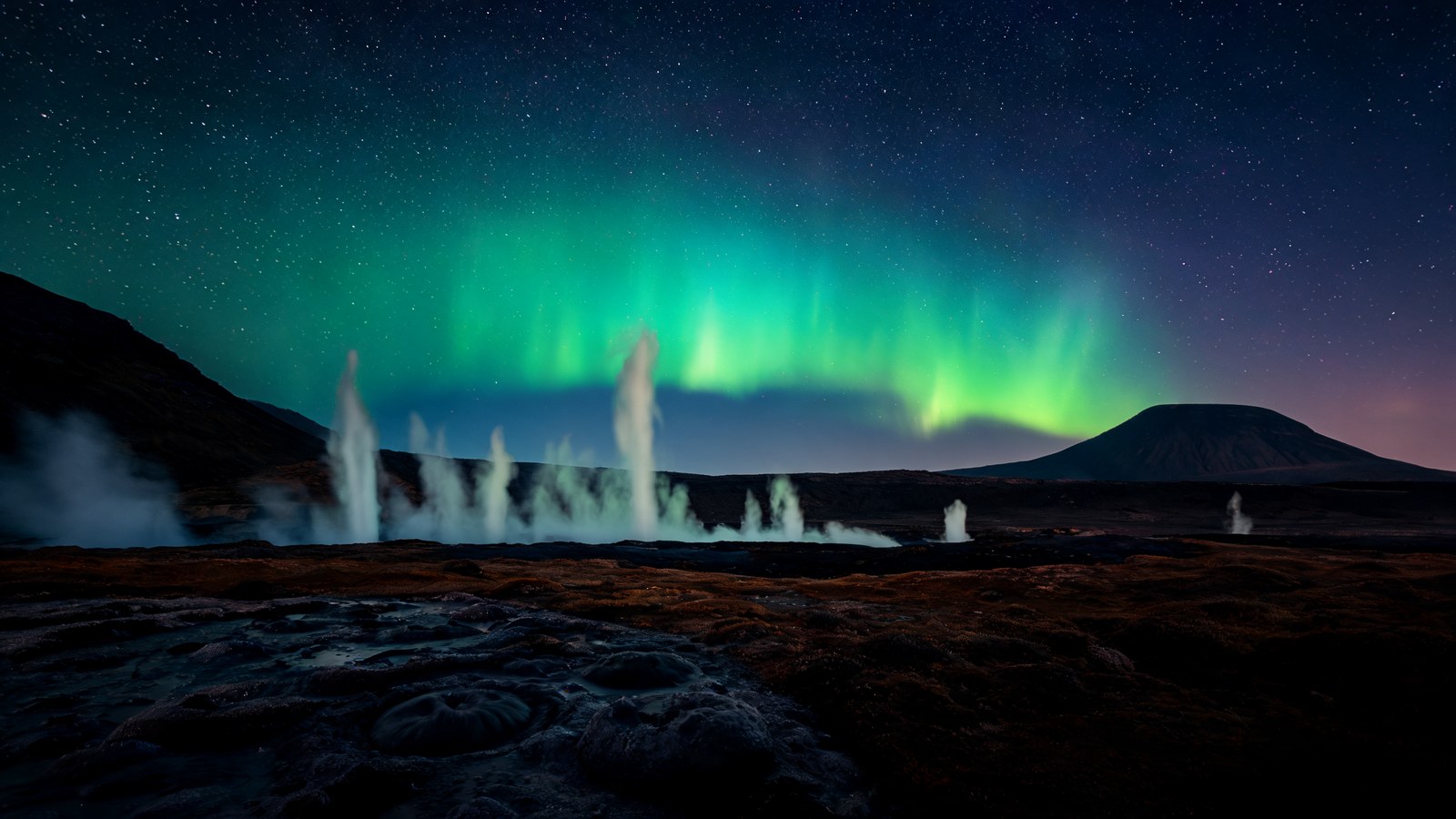
Nobody can promise the northern lights. What we can do is put you in the right months, away from light pollution, with enough nights to make it probable and a guide who moves you when the forecast changes. Operators who guarantee sightings are selling something else.
Avoiding the Coaches
The famous sites are worth seeing and are ruined by timing. Sequencing the south coast against the day trips out of Reykjavík is the single biggest improvement we make to an Iceland itinerary.
Realistic Driving
The most common Iceland mistake is planning the ring road in a week. Distances look small and are not, particularly with weather. We build itineraries that stop moving, which is when the country actually starts to register.
The Right Hotels
Iceland's luxury stock is thin but real and it books out early. There are perhaps a dozen properties nationwide worth the premium, and knowing which of them to build a route around is most of the work.
When to Go

Iceland by Season

Two entirely different countries, six months apart.

Summer
June – August
Midnight sun, every road and highland track open, whales off the north coast and puffins on the cliffs. The most access and the most visitors. No aurora — the sky never gets dark enough.
Best Window
Aurora Season
October – March
Long nights, ice caves, and the northern lights when the weather cooperates. Highland routes close and daylight is short, so itineraries need to be tighter and more patient.
Shoulder
May & September
Our quiet preference. Most things open, far fewer people, and in September a real chance of aurora with usable daylight either side of it. The best balance in the calendar.
Ready When You Are

Plan an Iceland Trip
Worth the Drive

Tell me your season, whether the aurora is the point, and how much driving you actually want. I will come back with a route that stops moving — within one business day.

Plan an Iceland Trip All Polar Regions

No booking fees  ·  Response within 24 hours  ·  Fully bespoke

What It Costs

What Iceland Actually Costs

$1,100–$1,900
per person, per day, land only. Ranges, not quotes.
What that includes
  • Luxury rooms with breakfast
  • A private vehicle and guide, or a high-end small group
  • Transfers and core excursions
What it does not
  • International airfare
  • Most meals
  • Helicopter, snowmobile, glacier and spa upgrades, plus gratuities
The two or three things that move it most
  • Private-guide and 4x4 days
  • Season — aurora winter versus midnight-sun summer
  • Remoteness and adventure add-ons

Editorial planning bands, not quotes — assembled from published rates and official fee sources, verified . Rates, permit costs and park fees change; confirm before booking. Source: Vatnajökull National Park.

Common Questions

Iceland — FAQ

Questions we hear most when planning Iceland trips. More detail on the full FAQ page.

Late September through March, on clear nights away from town lights. Allow at least three or four nights in the right area — it is a weather lottery and the only way to improve the odds is more chances and better positioning.

Summer for access, hiking, whales, puffins and the highlands. Winter for aurora, ice caves and the empty version of the famous sites. September and early October give you a genuine mix of both.

For the ring road and the south coast in summer, no. For the highland F-roads, absolutely and by law. In winter a four-wheel drive with proper tyres is strongly advised regardless of route.

It is the most photographed and the most crowded of the geothermal baths. The Sky Lagoon near Reykjavík, the Mývatn Nature Baths in the north, and several smaller local pools deliver the same experience with a fraction of the queue.

Five is enough for the south and a first look. Seven to nine lets you add the north or the highlands without spending the trip driving. Fourteen covers the full ring road at a pace that is actually enjoyable.

Yes. Food, fuel and accommodation are all high by European standards, and there is no real way around it. What we can do is make sure the money goes on the parts of the trip that repay it.
From the Journal

Read More on Planning Iceland