
North America

Scale That Has
No Reference Point.

A state twice the size of Texas where the human footprint is visible from float plane windows as a thin ribbon of road in an otherwise uninterrupted wilderness. Alaska is the destination that resets how travelers understand scale — and why the wilderness lodge approach is the difference between seeing Alaska and being in it.

Best Season
June – August
Best For
Wilderness
& Small Ships
The Destination

The Last Genuinely Wild
Place in North America.

Alaska's season is June through August, with May and September genuine shoulders rather than compromises. Most itineraries run 10–14 days. The format decision outranks the month: a large cruise ship covers the Inside Passage at the lowest cost per night and at a distance, a small expedition ship trades that reach for landings, and a wilderness lodge trades coverage for depth.

Alaska resets how travelers understand scale. From a float plane window at 2,000 feet, the human footprint of a country of 735,000 people is visible as a thin ribbon of road between Anchorage and Fairbanks in an otherwise uninterrupted wilderness. Brown bears fish in rivers that have never been named on a map that travelers carry. The Denali massif — 20,310 feet, the highest peak in North America — appears from a hundred miles distant across a plain of tundra so flat that the mountain seems to have been placed there rather than grown.

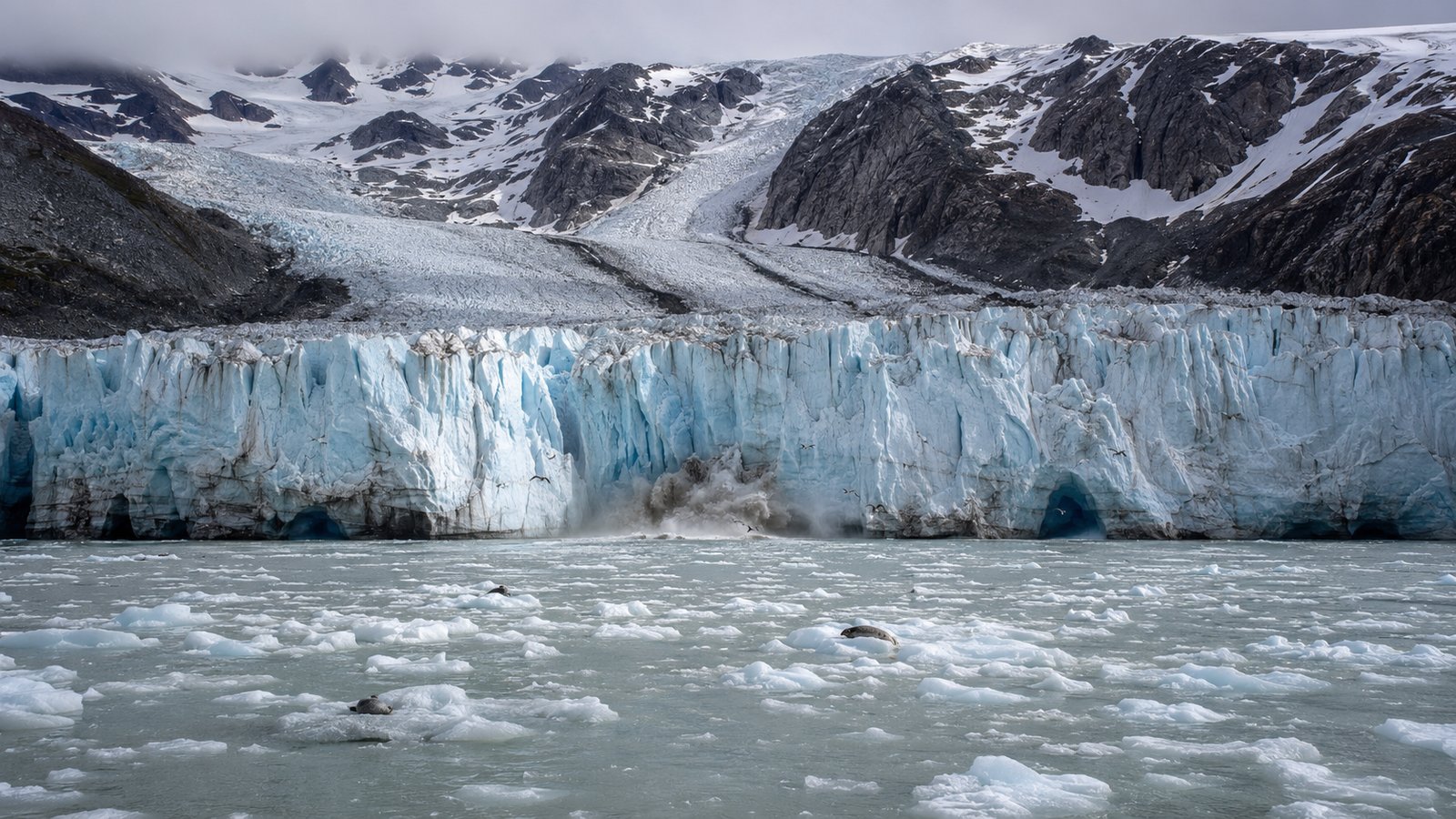
The wilderness lodge approach produces a categorically different Alaska from the cruise ship approach. A 3,000-passenger ship sees Alaska from the water, from a deck at distance, with glaciers the size of buildings calving into the fjords at a range where the sound arrives seconds after the ice falls. A wilderness lodge accessible only by float plane places the traveler inside the ecosystem: bears within earshot of the cabin, salmon visible in the river from the porch, the Milky Way unobscured by any light source for a hundred miles in any direction.

The summer window is compressed — June through August — and extraordinary. The midnight sun provides eighteen hours of light per day. The wildflowers on the tundra bloom for a few weeks in July and go brown by September. The bear activity at the salmon runs peaks in late July through August. Alaska rewards the traveler who understands the timing and chooses the format accordingly.
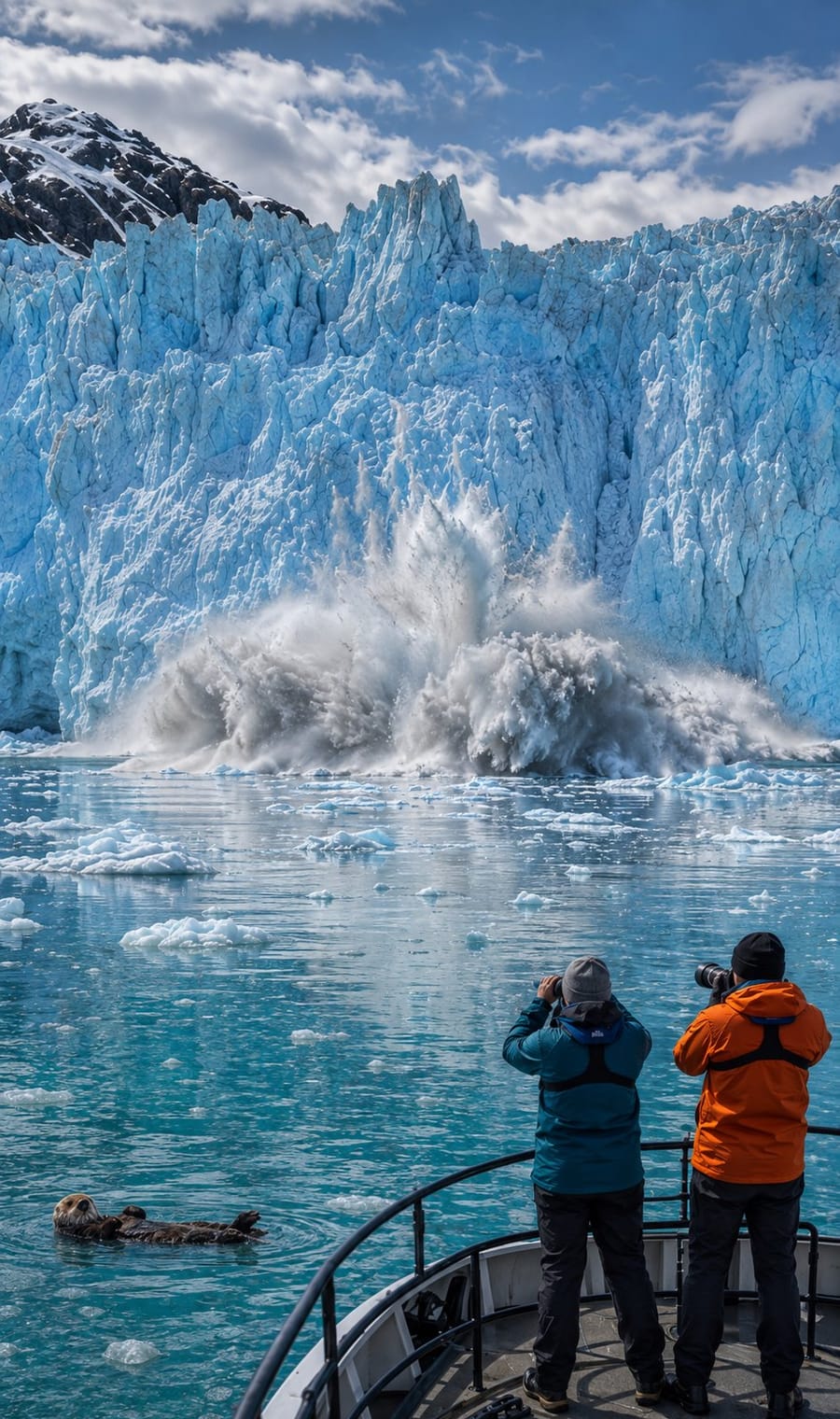
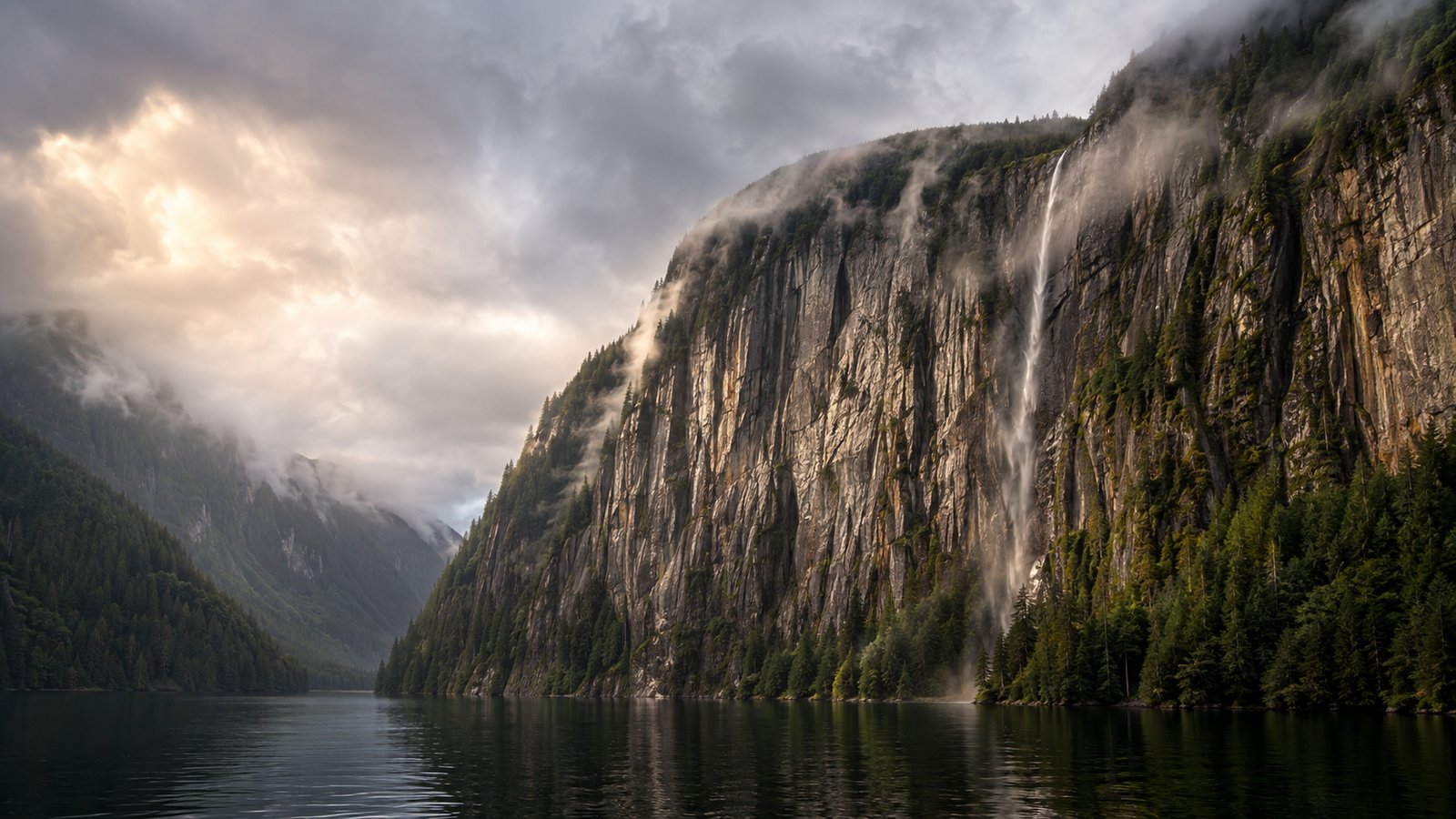
A tidewater glacier front seen from the bow of a small ship in Kenai Fjords, Alaska
Katmai & Kenai · Alaska
Where We Send Clients

Six Alaska Regions Worth Planning Properly

Each region has a specific wildlife window, a format that works best within it, and a version of the experience that most Alaska visitors never find because they arrived without knowing which lodge or which week mattered most.
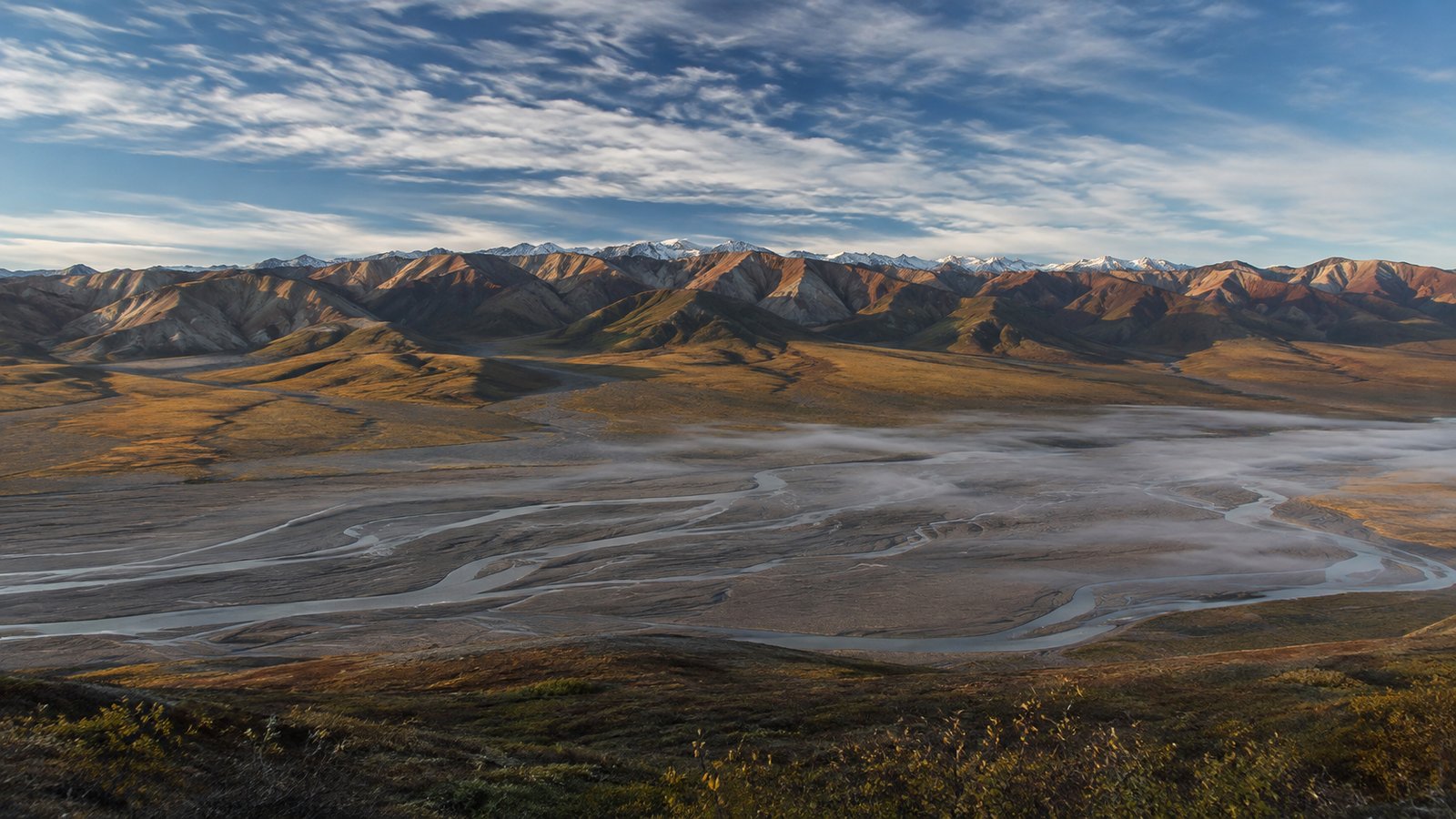
Denali National Park, Interior Alaska
Interior Alaska
Denali National Park
The park road is closed to private vehicles beyond mile 15, which keeps six million acres largely untrammeled. Denali itself is visible on only 30% of clear days, and knowing where along the 92-mile road to look takes a driver who reads the mountain's weather. Bears forage feet from the bus.
Denali Peak Wildlife Wilderness Bus
Explore →
Inside Passage & Southeast, Southeast Alaska
Southeast Alaska
Inside Passage & Southeast
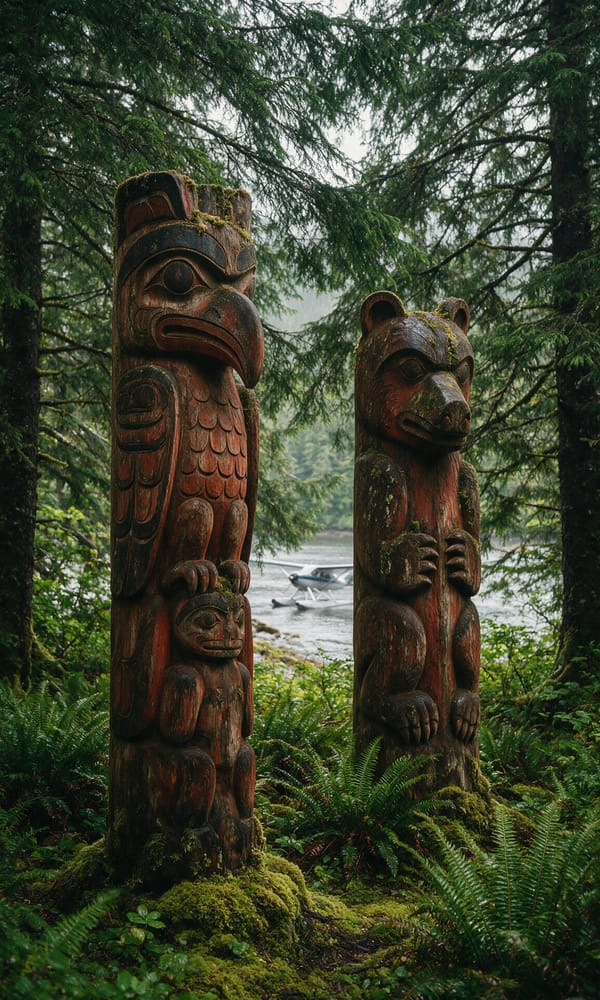
Glacier Bay by small-ship expedition — sixteen passengers, a naturalist, and kayaks launched off the bow within earshot of calving ice. Misty Fjords by floatplane over granite walls and hanging waterfalls. Ketchikan for totem poles explained by a carver who reads the clan lineage in them.
Glacier BayExpedition ShipFloatplane
Explore →
Kenai Peninsula, Southcentral Alaska
Southcentral Alaska
Kenai Peninsula
Kenai Fjords by charter boat — orca, humpback, Steller sea lion, tufted puffin and Dall's porpoise in a single morning below Exit Glacier's calving face. Homer Spit, the halibut capital of Alaska, where a hundred-pound fish is not an exceptional catch. Kachemak Bay by water taxi.
WhalesKenai FjordsHomer Halibut
Explore →
Prince William Sound, Southcentral Alaska
Southcentral Alaska
Prince William Sound
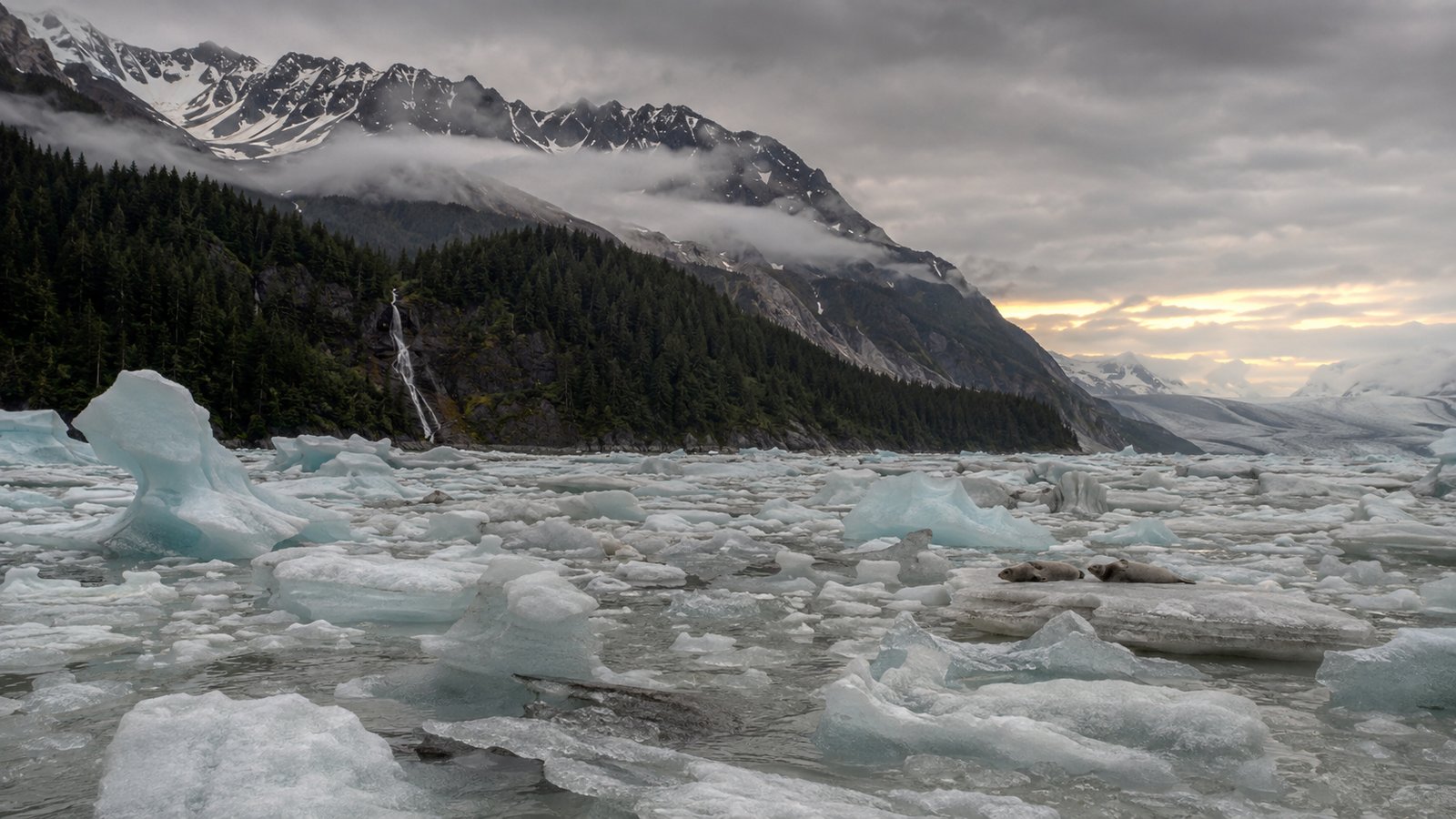
The Columbia Glacier calving into the Sound, where ice the size of apartment buildings breaks from the face into blue-grey water. Sea kayaking between the bergs. McNeil River is the most competitive wildlife lottery in North America: permit holders watch sixty brown bears fish at once.
Columbia GlacierKayakingMcNeil Bears
Explore →
Kodiak Island, Kodiak Archipelago
Kodiak Archipelago
Kodiak Island
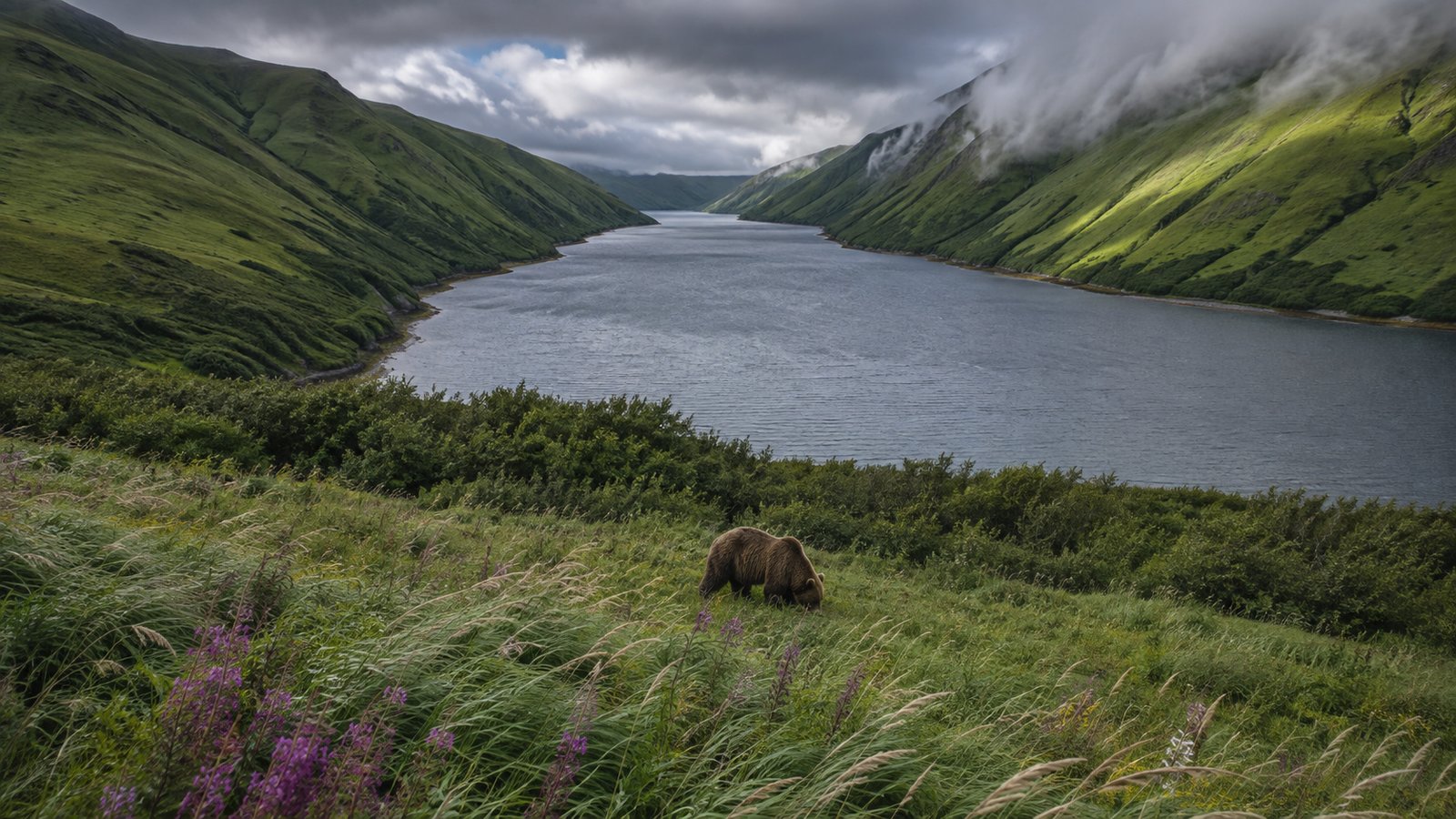
Brown bears at the Frazer Lake salmon run, reached only by floatplane from Kodiak town, landing on the gravel bank and walking to the falls. The refuge covers 1.9 million roadless acres on the second largest island in the United States. The Alutiiq center for a people 7,500 years resident.
Brown BearsFloatplaneAlutiiq Culture
Explore →
Arctic Alaska & Northern Lights, Northern Alaska
Northern Alaska
Arctic Alaska & Northern Lights
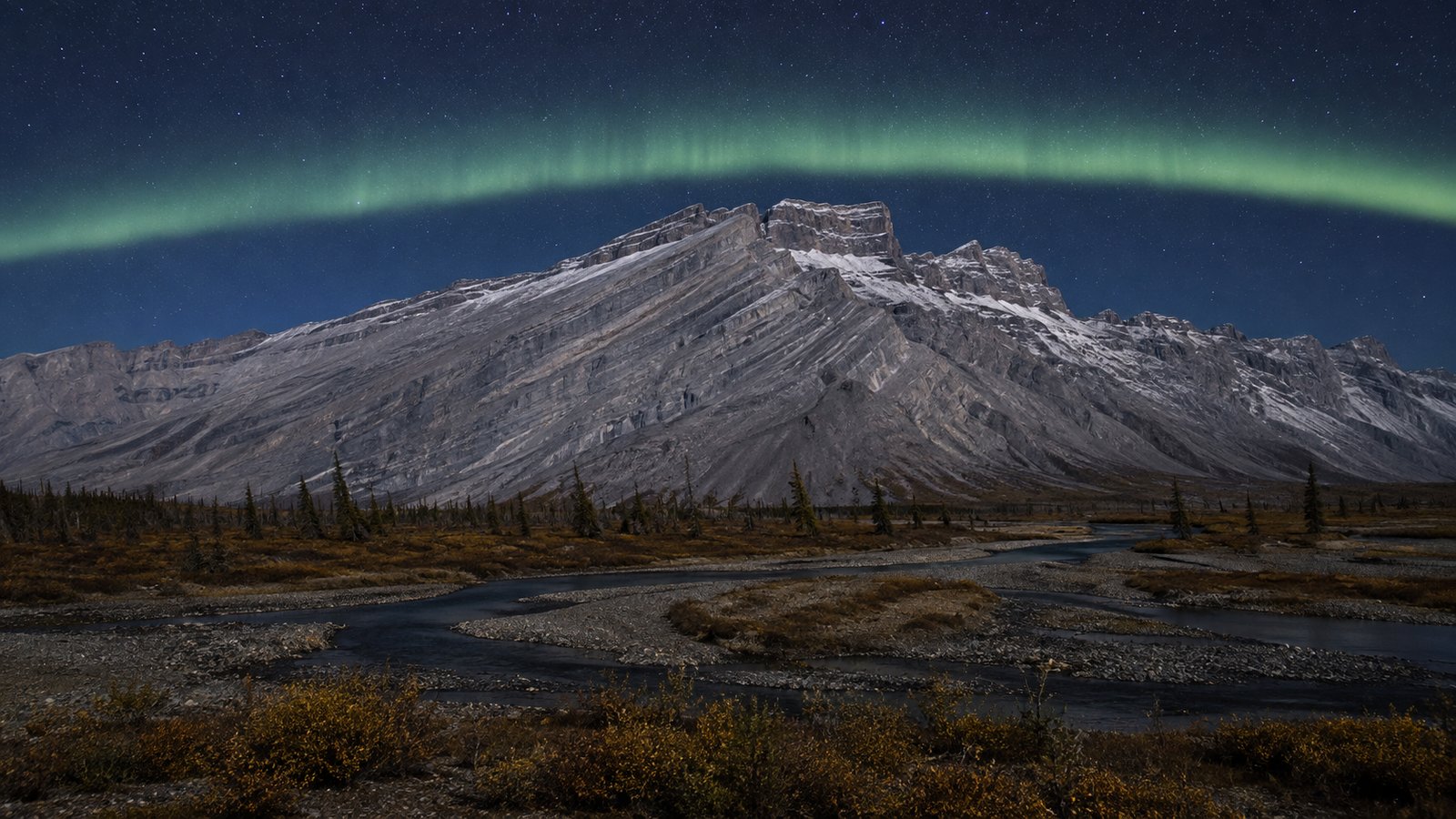
Coldfoot Camp above the Arctic Circle — northern lights from September through March in a sky with no competing light, and midnight sun in June. The Brooks Range for Dall sheep and grizzly on tundra that has never seen a road. Gates of the Arctic is the least-visited park in the country.
AuroraBrooks RangeGates of the Arctic
Explore →
Featured Itineraries

Trips We Plan Often

Alaska itineraries built around the correct format — wilderness lodge, small ship, or bear-camp — for the experience the traveler is actually after.
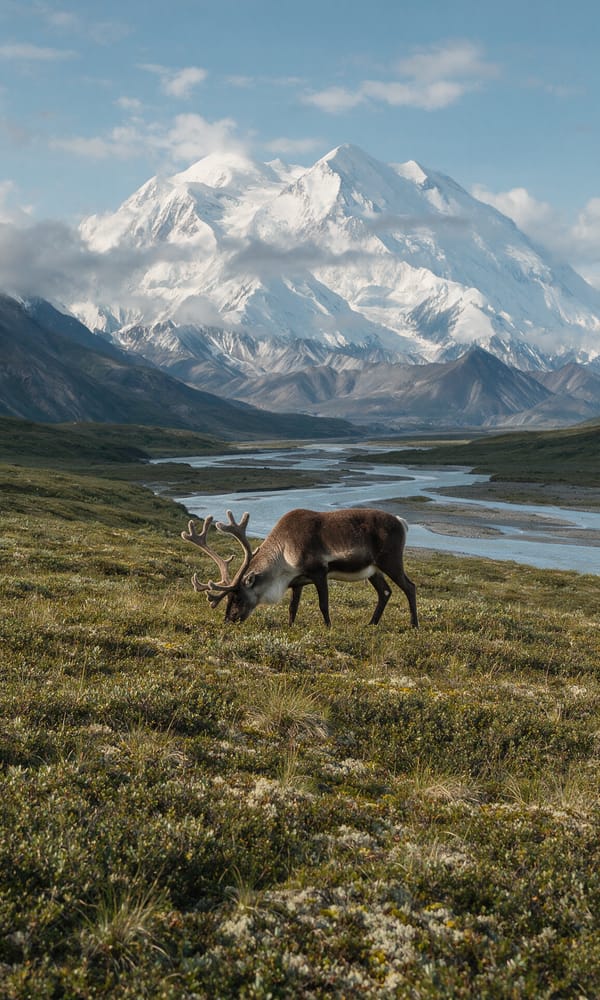
Tundra and a braided river below Denali's snow-covered summit, a lone caribou grazing
June – August · 10–12 Days
Alaska Classic: Denali & Kenai
Anchorage overnight, then north to Denali for three nights at a wilderness lodge adjacent to the park: the park bus on consecutive days for maximum wildlife coverage across the road, a guide who has driven the bus for fifteen seasons and reads the tundra for animal movement. South to the Kenai Peninsula for three nights — a morning on Kenai Fjords charter boat (orca, humpback, puffin), Homer Spit for the halibut day, Kachemak Bay by water taxi for an afternoon trail. Prince William Sound for two nights — kayaking Columbia Bay between the icebergs, the calving face at close range. Return Anchorage for the flight south.
Alaska10–12 Days
Plan This Trip
Weathered Tlingit cedar totem poles in mossy rainforest at Ketchikan, a floatplane moored behind
May – September · 10–14 Days
Inside Passage Small Ship
Seattle embarkation on a 16-passenger expedition ship — a vessel small enough to anchor in coves where larger ships cannot enter and flexible enough to stay at a whale sighting for as long as the whale stays. Ketchikan for the Tlingit totems and the floatplane over Misty Fjords. Wrangell for the ancient petroglyphs. Petersburg for the Norwegian fishing village. Juneau for the Mendenhall Glacier trail. Glacier Bay for the full day of calving ice and naturalist interpretation. Sitka for the raptor center. Kayak launches daily from the stern platform — the expedition's defining format.
Southeast Alaska10–14 Days
Plan This Trip
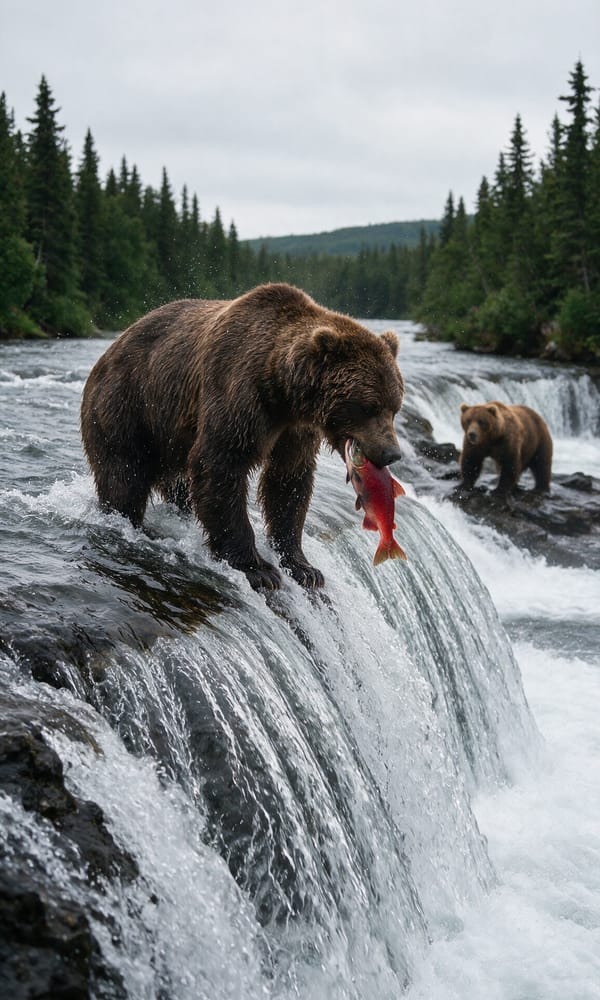
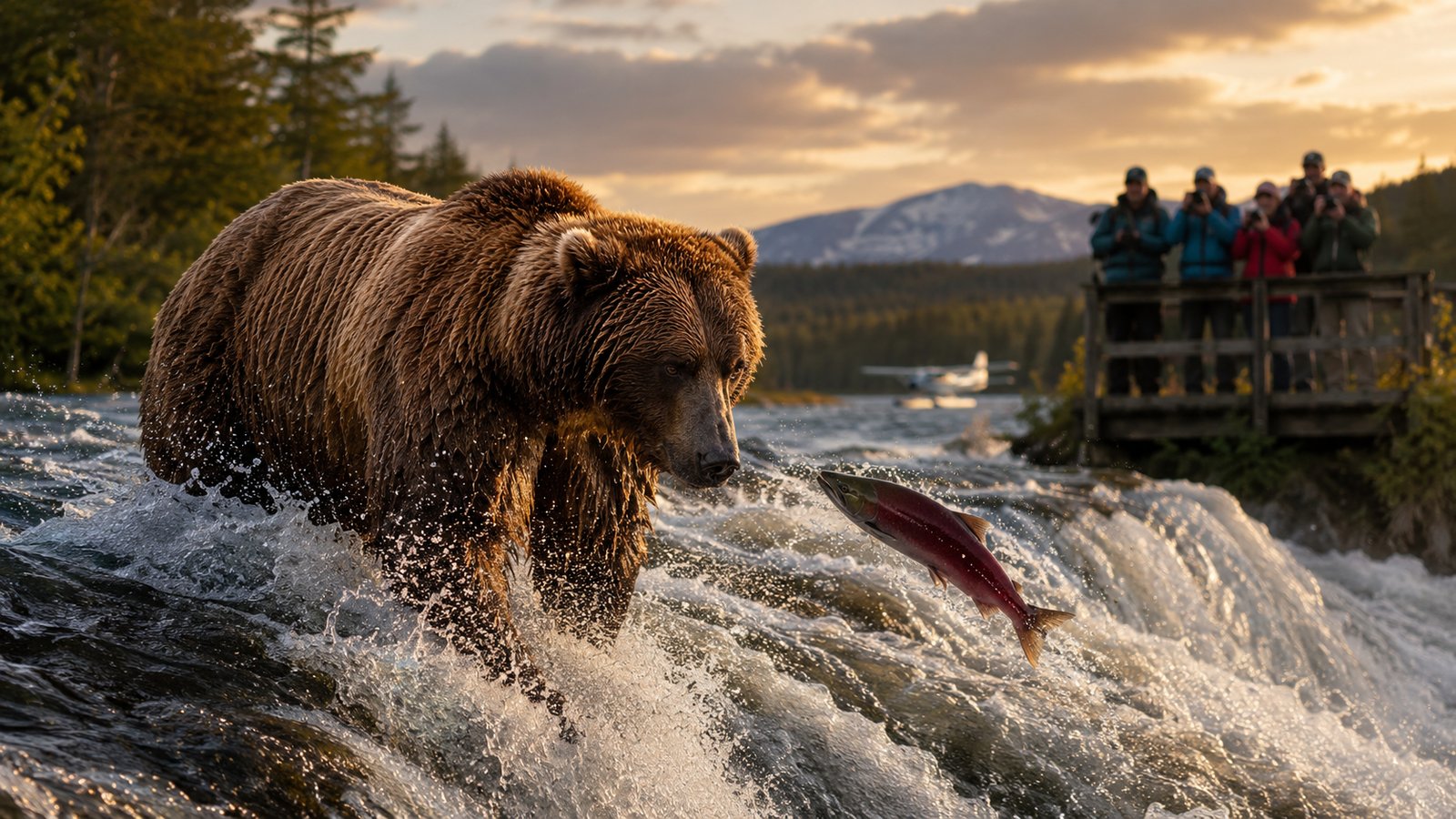
A brown bear catching a sockeye salmon in the whitewater at Brooks Falls
Late July – August · 8–10 Days
Alaska Bear Watching
Specifically timed for the salmon run peak: McNeil River permit holders observe the largest bear congregation in the world at the falls — if the permit lottery was won the previous December. For non-lottery travelers, Brooks Falls at Katmai National Park offers bear viewing platforms at the sockeye salmon run in late July (the most famous bear-watching site in Alaska, first-come-first-served for the platform) or Kodiak's Frazer Lake by floatplane for the brown bears in the more private setting. The itinerary is built around which site is available in which specific two-week window.
Alaska8–10 Days
Plan This Trip
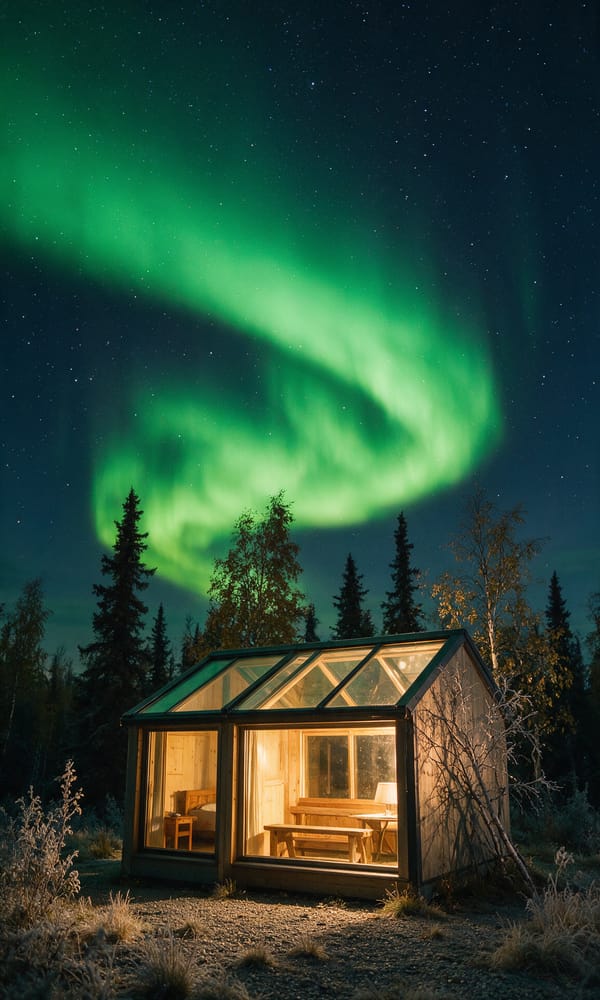
Green aurora twisting above a lamplit glass-roofed cabin and black spruce near Fairbanks
September / October · 7–9 Days
Alaska Northern Lights
Fairbanks as the northern lights capital of Alaska: positioned at the right latitude, with consistently clearer skies than the coast and a strong infrastructure of aurora forecasting and viewing lodges with glass-ceiling cabins for viewing from bed. Coldfoot Camp above the Arctic Circle for a night in genuine darkness. Denali in shoulder season for the tundra autumn color — the blueberry bushes and fireweed going crimson and gold across the hillsides in mid-September with dramatically fewer visitors than summer. Aurora activity tracker and cloud forecast briefing before each night viewing window.
Alaska7–9 Days
Plan This Trip
Why Plan With Us

What We Add to Alaska Planning

Alaska's planning variables — format, lodge quality, wildlife timing, and floatplane logistics — are more consequential here than almost anywhere else in North America.

Small Ship vs Cruise Ship
A 16-passenger expedition vessel and a 3,000-passenger cruise ship travel the same Inside Passage. The expedition ship anchors in coves that the large ship cannot enter, launches kayaks from its stern platform, changes its schedule when a whale appears off the bow, and puts sixteen people on the beach at Glacier Bay instead of three thousand. The crew-to-guest ratio is two to one. The experience of Alaska from the water is not the same experience at different scales — it is a categorically different experience.
Floatplane Logistics
Kodiak Island, the remote bear viewing camps, McNeil River, and many of the best wilderness lodges in Southcentral Alaska are accessible only by floatplane. The logistics of floatplane access — the weather windows, the weight limits, the booking sequence, and the alternative plan when the weather closes the route — require advance coordination from an operator familiar with the specific air services and their reliability records. We manage floatplane logistics as part of the planning for any Alaska itinerary that requires them.
Wildlife Viewing Windows
The salmon run for bears peaks at different rivers on different dates — Brooks Falls at Katmai in late July, Frazer Lake on Kodiak in August, McNeil River in late July to mid-August. The orca migration through Prince William Sound peaks in July. The calving glacier activity at Columbia is most dramatic in summer when the melt rate is highest. Aligning the itinerary with these windows requires knowing which specific dates matter at which specific site — and building the rest of the trip around those fixed points.
Lodge Selection in the Wilderness
The gap in quality between the top Alaska wilderness lodges and the mid-tier is as significant as the gap between the best safari camps in Africa and the rest. The difference is in guide quality, food, naturalist programming, and the location within the ecosystem — a lodge positioned at the right river bend produces bear sightings that a lodge two miles away doesn't. We know the Alaska lodge landscape from our lodge relationships and from client feedback across multiple seasons, and we match travelers to lodges that deliver what they're actually after.
When to Go

Alaska by Season

Peak Season
June – August
Wildflowers on the tundra, midnight sun at 11pm, maximum wildlife activity across all regions, and all wilderness lodges at full operation. The salmon run builds through July and peaks in August for bear viewing. Orca activity in Prince William Sound. Glacier Bay expeditions at maximum schedule. The summer window is compressed — three months — and extraordinary.
Primary Window
Early Season
May
Early season Alaska — Denali clear-sky probability is actually higher in May than peak summer (fewer afternoon clouds), fewer visitors on the park bus, and some wilderness lodges at lower rates for the opening weeks. Glacier Bay expeditions beginning. Inside Passage in early season with wildflowers on the forested slopes. Not all lodges are open. Worth considering for Denali-focused trips where mountain visibility is the priority.
Shoulder Season
September – October
Autumn tundra color — the blueberry bushes and dwarf willows turning crimson and gold across the Denali foothills in mid-September. Northern lights begin in earnest from late September. Bears fattening on late salmon runs in September. Dramatically smaller crowds than summer across all regions. Most wilderness lodges closing by late September. The northern lights itinerary is built entirely in this window.
Ready When You Are

Plan an Alaska Trip
Built Around Wilderness

Tell me whether the bears, the glacier, the northern lights, or the Inside Passage is the anchor experience — and when you can travel. I'll recommend the format, the lodge or vessel, and the timing that delivers the Alaska you're actually after.

Plan an Alaska Trip All North America

No booking fees  ·  Response within 24 hours  ·  Fully bespoke

What It Costs

What Alaska Actually Costs

$600–$1,100
per person, per day, land only. Ranges, not quotes.
What that includes
  • Premium or luxury lodging, with road and rail transfers
  • Selected wildlife and glacier activities
  • Some meals, typically breakfast and lodge dinners
What it does not
  • Airfare to Alaska and any cruise component
  • Most meals unless stated
  • Helicopter flightseeing and gratuities
The two or three things that move it most
  • Remote fly-in lodges versus road-and-rail itineraries
  • Wildlife season timing
  • Rail class and flightseeing add-ons

Editorial planning bands, not quotes — assembled from published rates and official fee sources, verified . Rates, permit costs and park fees change; confirm before booking. Source: Denali National Park fees.

Common Questions

Alaska — FAQ

Questions we hear most when planning Alaska travel — from cruise ship vs wilderness lodge to bear spray, mosquitoes, Denali visibility, and what to realistically expect.

Big ship for coverage and cost, small ship for engagement, wilderness lodge for depth — the format decides the trip. Cruise ship: the most convenient and most comprehensive coverage of the Inside Passage at the lowest per-night cost, with the trade-off of large crowds, fixed schedules, and Alaska experienced from a distance. Small-ship expedition: sixteen passengers, kayak launches, flexible schedule, naturalist guide — the Inside Passage at the scale and pace that allows real engagement. Wilderness lodge: the interior Alaska experience — Denali, bear viewing, glacier country — that no ship can reach. Most Alaska trips should choose one format rather than combining all three in one trip.

Denali is visible from the park road in clear weather approximately 30% of days during the summer season. The mountain creates its own weather system, which means partly cloudy days at the park entrance can still produce an obscured summit. May has slightly better odds than July because the afternoon convective clouds haven't built yet. A three-night stay at Denali gives most travelers at least one clear view. A single-day visit is a meaningful gamble. We manage expectations on this explicitly in every Denali conversation, and we recommend building the itinerary around the park experience broadly — not around the assumption of a perfect mountain view.

For independent hiking in bear country — which describes most of Denali, Kenai, and Kodiak — yes, bear spray is considered essential. It is more effective than firearms in bear encounters at close range. At organized bear viewing sites (McNeil River, Katmai, Kodiak's lodges) the guides carry spray and the protocols are well-established. The wilderness lodges we recommend brief every guest on bear protocol and provide spray for guided hikes. We include a comprehensive pre-trip safety brief with every Alaska itinerary that involves independent time in the backcountry.

Significant, particularly in June and early July in the Interior and at Denali. The tundra wetlands breed enormous quantities of mosquitoes during the summer, and a calm evening near standing water can produce clouds that require full coverage clothing, a head net, and DEET-based repellent to tolerate. August is better than June. The coast and the Inside Passage have far fewer mosquitoes than the Interior. We recommend a full insect protection kit for any Denali or Interior Alaska trip in June and July — head net, long sleeves, and the strongest DEET available. It's not a reason not to go; it requires preparation.

Brooks Falls at Katmai National Park is the most accessible high-concentration bear viewing in Alaska. The platform overlooking the falls at the sockeye run in late July can have fifteen or more bears visible simultaneously. It operates on a first-come reservation system (not a lottery) and can be reached by floatplane from King Salmon. Kodiak's Frazer Lake is a more private alternative, accessible by floatplane from Kodiak town. Pack Creek on Admiralty Island (near Juneau) has a permit system that is less competitive than McNeil. We book all of these as part of itinerary planning.

With the right planning, yes. Denali's park bus is accessible for children of any age. The Kenai Fjords charter boat for wildlife viewing is appropriate for children who are comfortable on the water. The manta ray snorkel on the Big Island and bear viewing at accessible sites are both managed experiences that work well for older children. The wilderness lodge format — which we strongly recommend — is more child-appropriate than independent camping. Floatplane travel requires children to be comfortable in a small aircraft. The biggest consideration for families is the physical demands: Alaska's best experiences often require early starts and physical activity that younger children may find difficult.

It depends on the format. Denali's park bus requires no physical fitness beyond sitting for eight hours. The Kenai Fjords charter boat is similar. The Inside Passage small ship has daily kayak launches that are optional and appropriate for basic paddlers. The bear viewing platforms at Katmai require a short walk from the floatplane. The more demanding options — multi-day backcountry trekking, sea kayaking, canyoning — have specific fitness requirements that we discuss individually. Alaska at the wilderness lodge level is accessible to most travelers in moderate fitness. Alaska at the backcountry level requires genuine preparation.

September through March, with peak aurora probability in September-October and February-March (the equinox months have higher geomagnetic activity). Fairbanks is the best base — positioned at 64° north latitude with consistently clearer skies than the coast and a strong aurora forecasting infrastructure. The midnight sun from May through late July produces skies that never get dark enough for aurora viewing. A September Fairbanks trip specifically timed for the aurora window should budget three to four nights to account for cloudy nights, which are inevitable. We use real-time aurora forecasting tools to position viewing nights as part of every aurora itinerary.
More questions answered on the Full FAQ Page
From the Journal

Read More on Planning Alaska