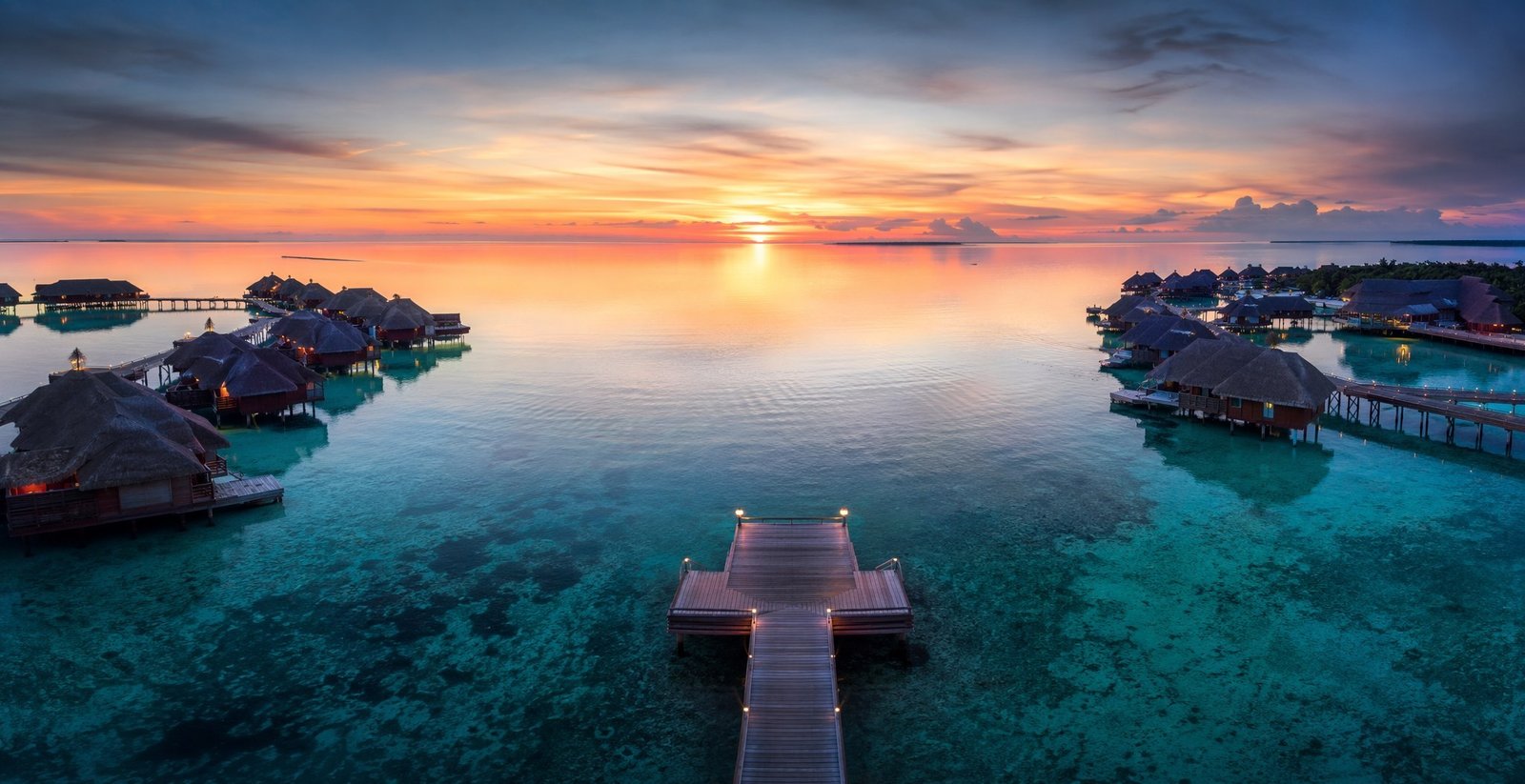
The Maldives Question: Overwater Villa or Beach Villa?
Everyone wants the overwater villa. It's the image. But the honest answer depends on who is travelling, what the water needs to be, and a reef question almost nobody asks before booking. Here is the villa conversation in full.
Mark SoleFounder & Travel Director, Hit Your Mark Travel
Share
Every Maldives conversation starts in the same place: the overwater villa. It is the image — the deck over turquoise water, the ladder into the lagoon, the photograph that launched the destination. Most travelers arrive at the planning call having already decided, because the decision looks obvious from the feed.
It is not obvious. The overwater villa is the right answer for some trips and a genuinely worse booking for others, and the difference is knowable before you commit. This piece is the villa conversation in full — what overwater actually buys, when the beach villa wins, and the question that outranks both and rarely gets asked.
The short answer, before the detail
The overwater villa buys the image and a ladder straight into the lagoon. The beach villa usually buys more space, easier access with children, and the same reef — and the reef is what actually decides a Maldives trip. Both are at their best in the dry season, November through April, over the typical 7–10 night stay. The atoll decides the rest.
"Everyone wants the overwater villa. It's the image. But the answer is more nuanced than the Instagram feed suggests — and the reef matters more than the room."
What the overwater villa actually buys
Direct water access, first. The ladder off the deck into the lagoon is not a gimmick — waking up, walking ten steps and being in the water before breakfast is a genuinely different rhythm from walking down a beach, and for confident swimmers it is the single best argument for the category. Where the villa sits over a living house reef, the snorkelling from your own deck can be the best on the property.
Privacy and horizon, second. A well-positioned overwater villa looks at open water and nothing else. No foot traffic past the terrace, no shared beachfront, and — in the villas positioned for it — a sunset or sunrise that belongs entirely to the deck. Position is doing the work in that sentence: within the same category at the same resort, the villa's orientation decides whether the prevailing wind is on your deck and which way the light falls. It is the question we ask before booking any specific villa number, and it is the planning detail the category's own marketing never mentions.
And the image, honestly. Part of what the overwater premium buys is the fact of it — the photograph from the deck, the glass floor panel, the room over the water. That is a real reason and there is no need to be embarrassed by it. It is simply worth knowing that it is one reason among several, and pricing it as such.
When the beach villa is the better booking
With young children, the beach villa is not a compromise — it is the correct answer. A villa whose front door opens onto sand and a shallow, walk-in lagoon entry is a fundamentally safer and easier base than a deck over open water with a ladder. Families who book overwater for the image tend to spend the week managing the water instead of enjoying it.
For space, the beach category usually wins at the same tier — more interior room, a garden or pool footprint, and somewhere to be during the midday heat that is not the bed or the deck. On a 7–10 night stay, the extra room stops being a detail and starts being the difference between a villa you sleep in and one you actually live in.
And for snorkellers, the counterintuitive one: what matters is the reef, not the room. A beach villa forty steps from a living house reef delivers better water, every day, than an overwater villa above a lagoon that has been grazed bare. The villa category is a one-time decision about architecture; the reef is a decision about what every single day of the trip contains. Rank them accordingly.
The question that outranks both: which atoll
The honest hierarchy of Maldives decisions is: atoll first, resort second, villa category third. The Maldives planning page covers this in full, but the short version belongs here. Reef quality varies enormously between properties and it is not visible on a booking site; lagoon depth at low tide decides whether your ladder reaches water or sandbar; and the transfer — a 30-minute speedboat from Malé versus a 40-minute seaplane — sets both the arrival experience and a real line on the bill.
Get the atoll and resort right and either villa category delivers the trip. Get them wrong and the overwater deck becomes a very expensive place to read about the snorkelling somewhere else. This is also why the villa question, asked first, is the wrong first question — it optimises the architecture before the water.
The split stay, and what the premium really is
The structure many of our travelers end up happiest with is the split stay: beach villa for the first stretch, overwater for the finish. You get the space and the easy water for the body of the trip and the image for the close, usually timed to the better sunset side of the resort. Properties accommodate this as a normal request, not a hack — it simply has to be built into the booking from the start rather than negotiated on arrival.
On price: the overwater category carries a premium over beach at almost every property, and the gap varies widely by resort and season.
What the premium buys is everything in the first section above. Whether that is worth it depends on which trip you are taking — which is the whole point of asking the villa question third instead of first.
If the Maldives is one candidate among several for the trip, the wider comparison — Maldives against French Polynesia and the Caribbean, and what each actually optimises for — is covered in beach and island planning. For honeymoons specifically, where this question comes up most, the timing and booking-lead side lives with romance and celebration travel.
How we book the Maldives
The villa conversation is the third question in our Maldives process, not the first. We start with who is travelling and what the water needs to be — swimmers, waders, divers, children — then match the atoll and the property to that, and only then put a villa category and a specific villa number against it, checked for orientation, wind and lagoon depth at low tide. Sequence it that way and the villa decision mostly makes itself.
Planning the Maldives
The full picture — atolls, seasons, transfers and what is actually included at a resort — is on the Maldives destination page.
The overwater question is the one I am asked before any other about the Maldives, and the honest answer surprises most people who ask it. This piece is the villa conversation I have with every client before we look at a single resort.