
Travel Organized
Around the Table
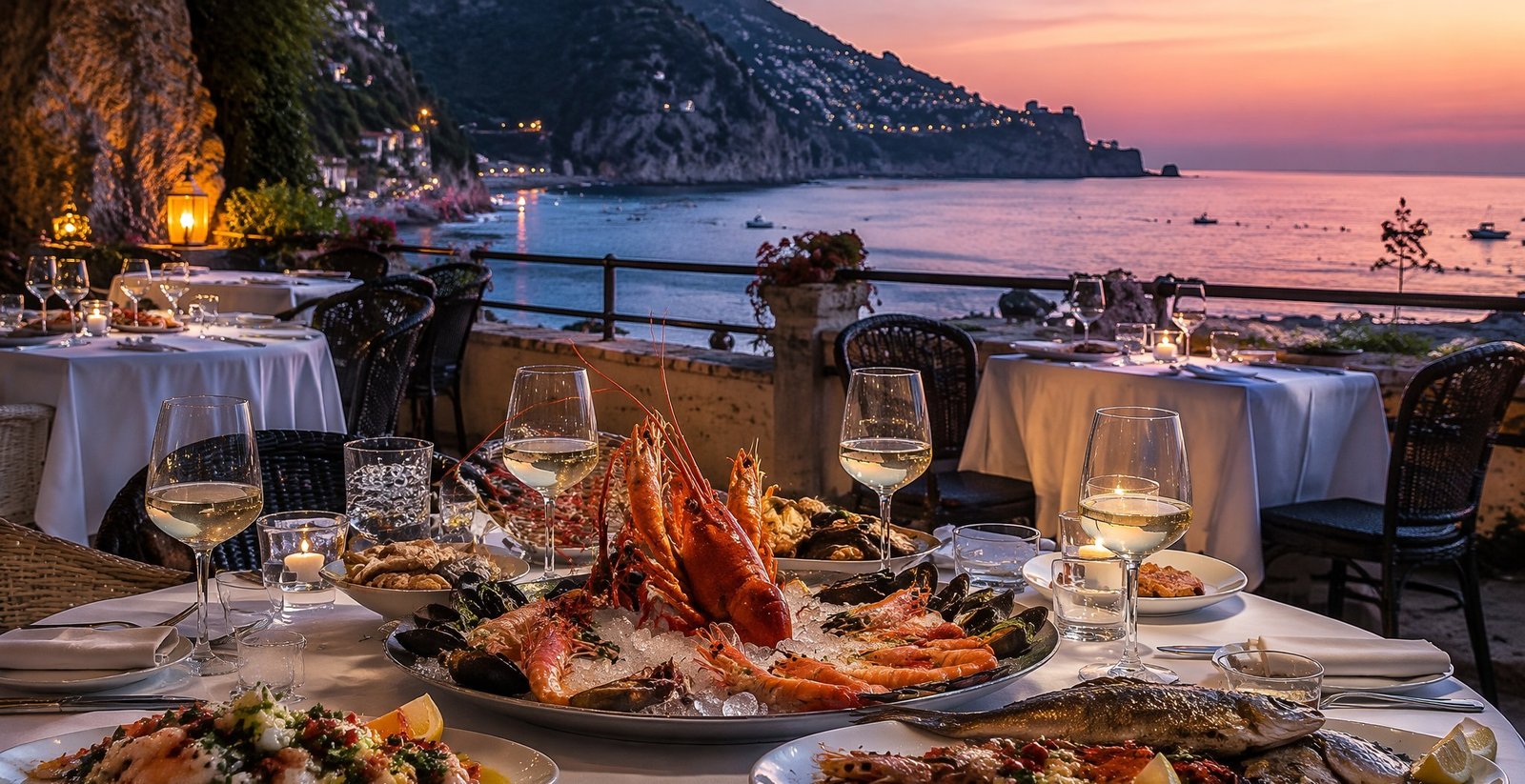
Food is the lens that makes everything else about a destination make sense. The farmer, the fisherman, the winemaker, the grandmother who has been making the same pasta for fifty years — these are the people worth finding. Finding them takes planning.
The Best Food Travel
Isn't About
Michelin Stars
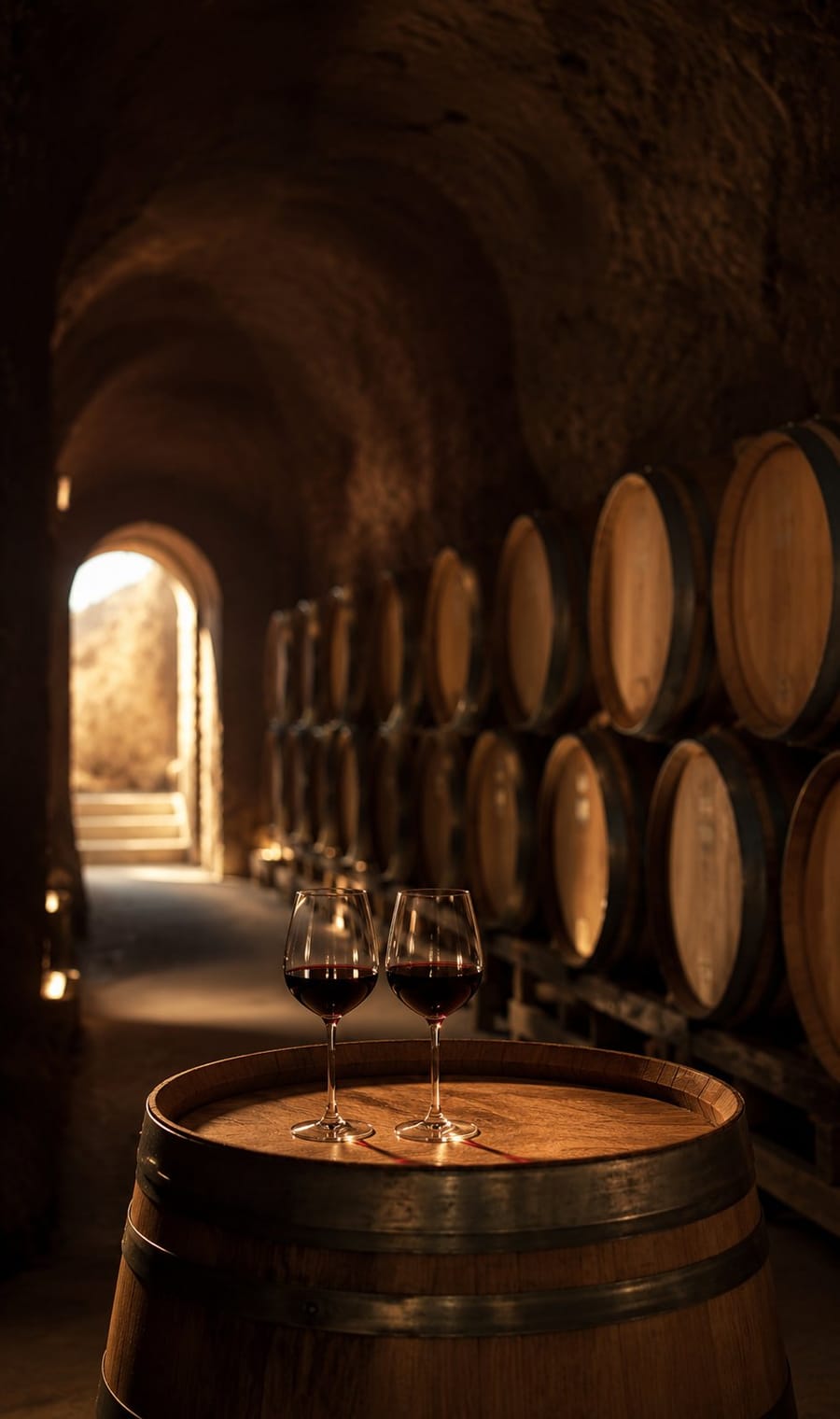
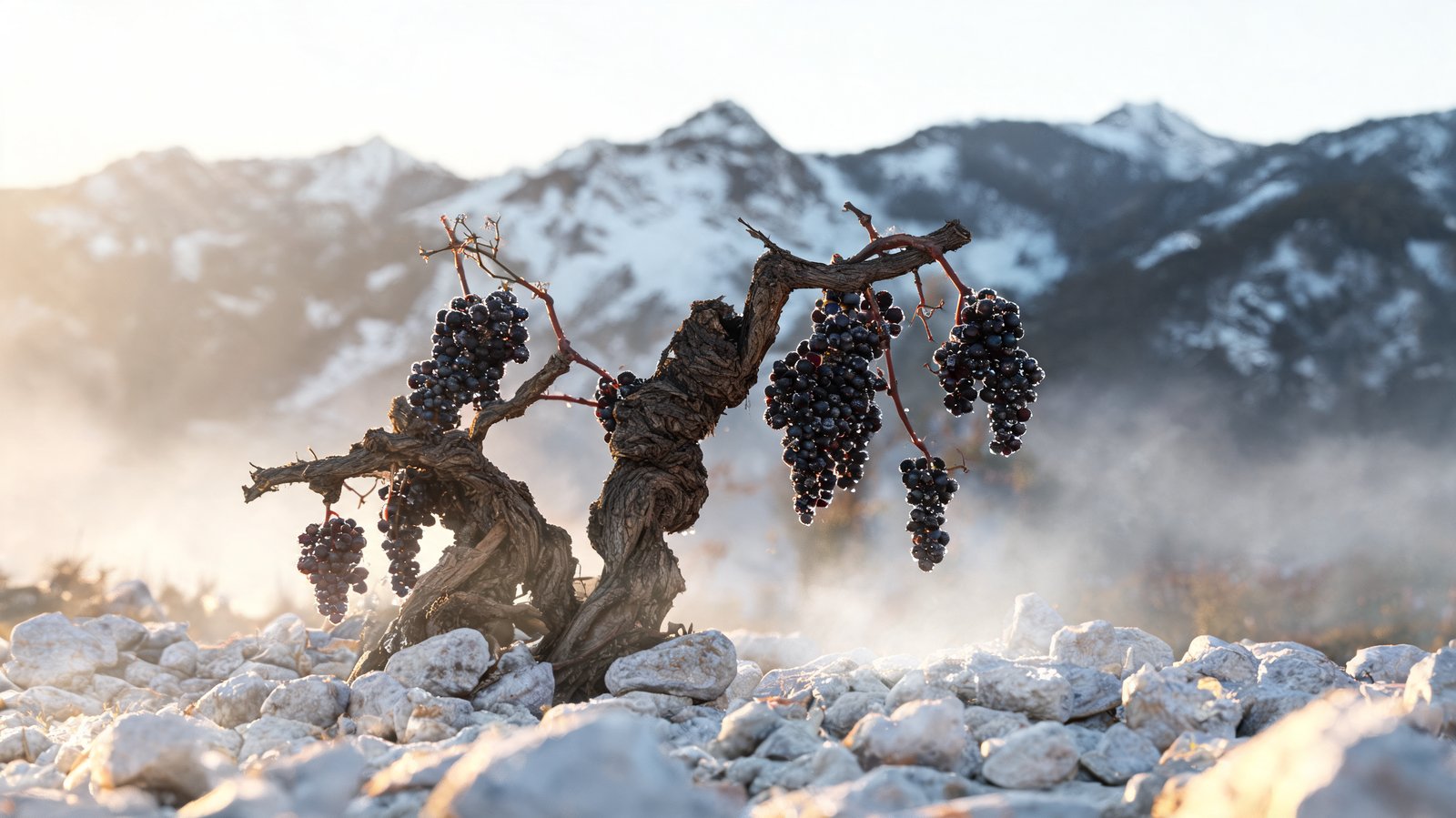
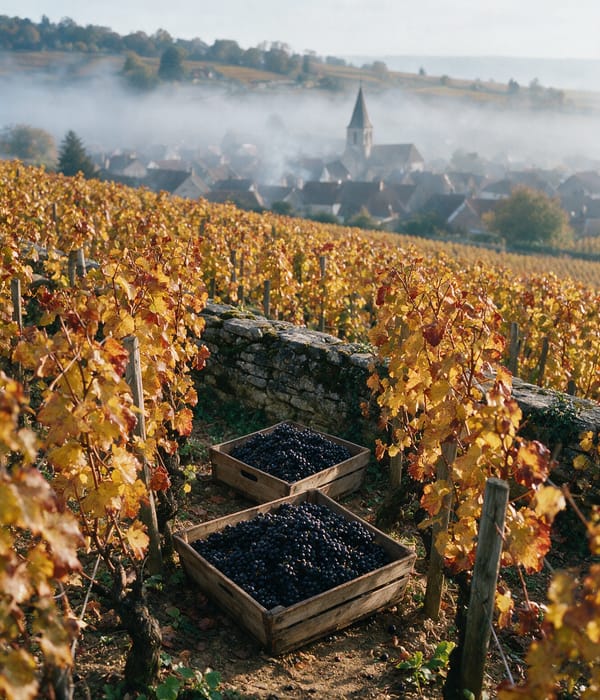
Harvest and truffle season runs September through November and is the strongest window for food-led travel; spring markets run April to June. The regions planned most often are Napa and Sonoma, Willamette, Burgundy, Champagne, Tuscany, Piedmont and Rioja — 7 regions across 3 different harvest calendars. You do not need to know wine to get the value from any of them.
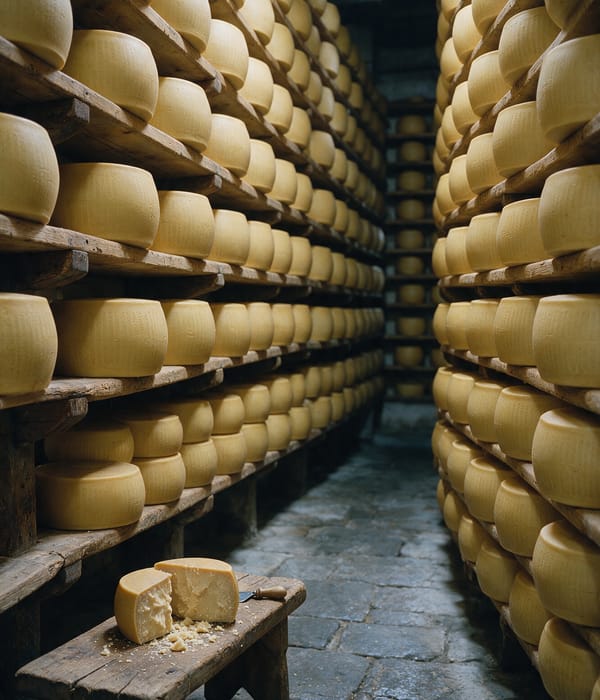
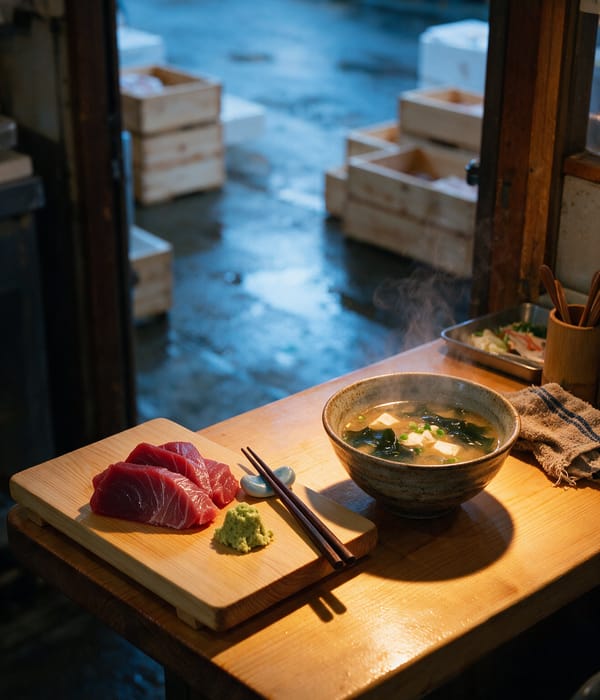
A Michelin reservation is a transaction. What makes food travel genuinely memorable is different — it's the Parmigiano-Reggiano producer who lets you into the aging cave at 5 a.m. because you know someone who asked. The Burgundy négociant whose allocation list is closed to most of the world but who will taste you through twenty vintages if the introduction comes from the right place. The tsukemen shop in a Tokyo alley that hasn't changed its broth recipe in thirty-four years and seats nine people at a counter.
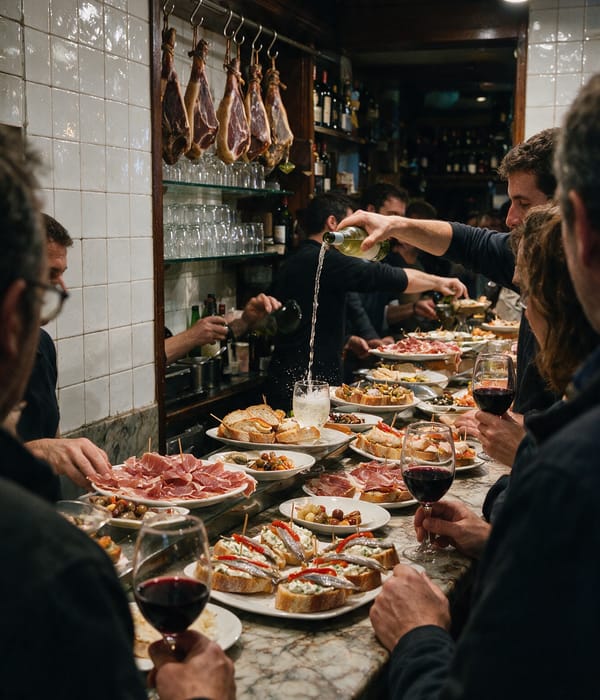
Great food travel is built around the chain from source to plate. It starts at the market before the restaurants arrive to shop. It goes to the producer before it goes to the chef. It eats at lunch counters and standing bars and family trattorias alongside the people who live there — and it uses the formal dinner as punctuation rather than the whole sentence. That's the version worth building a trip around.
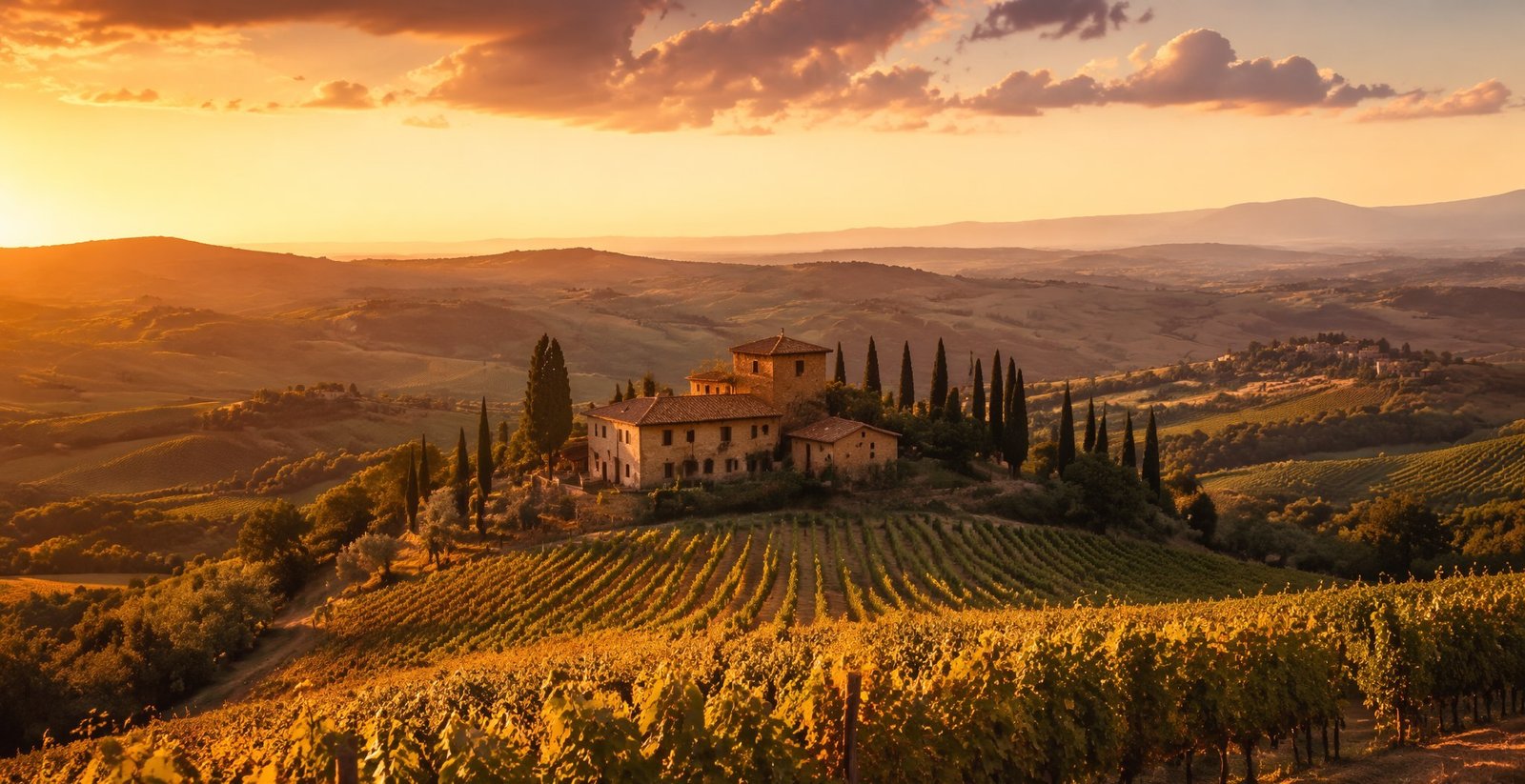
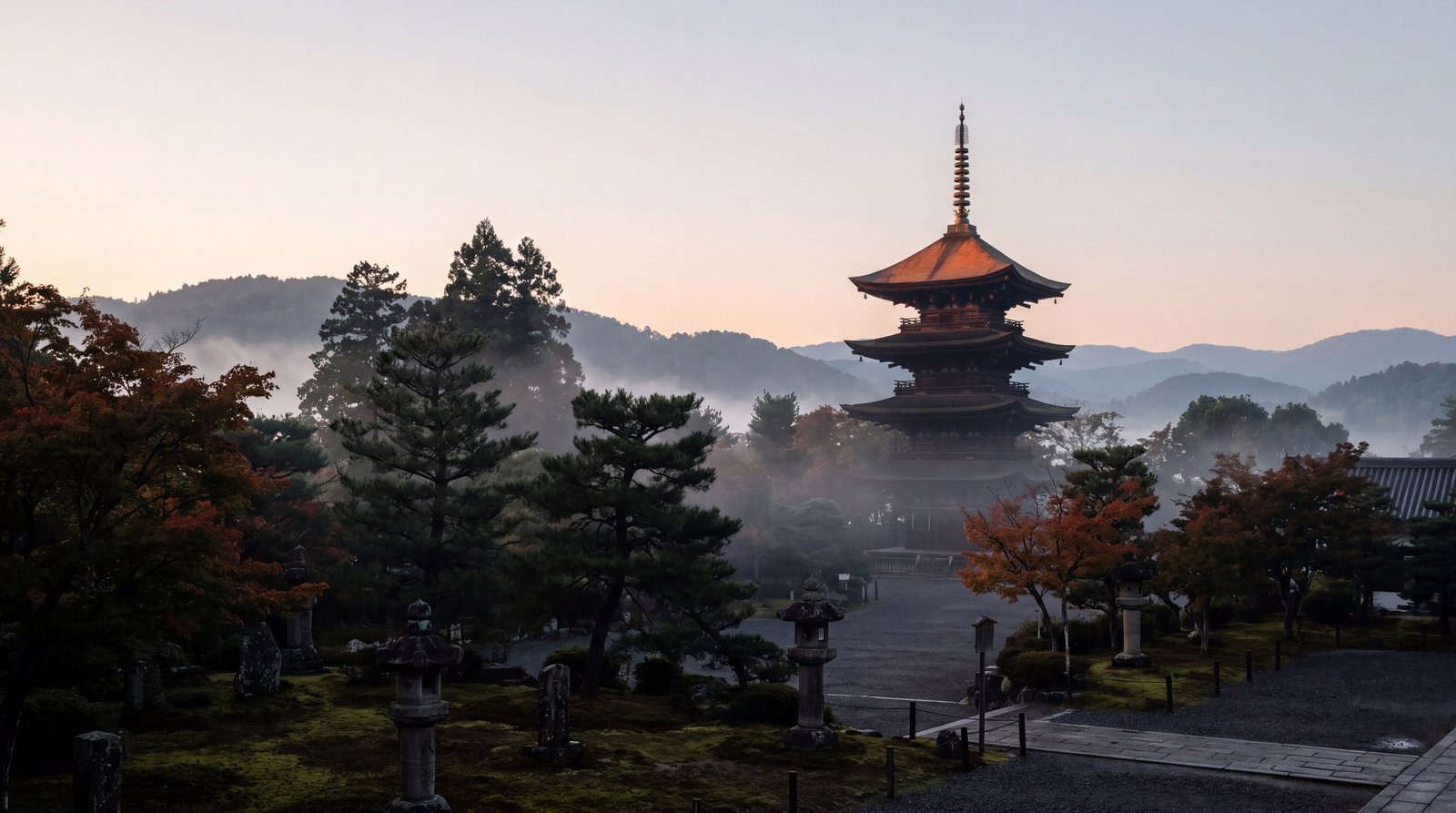
The destinations that reward food travel most are the ones with the deepest culinary traditions — places where the food is an expression of the landscape, the season, and a way of life that hasn't been entirely absorbed by tourism. Italy's Emilia-Romagna. Burgundy. The Basque Country on both sides of the border. Kyoto. Lima. The places where what's on the plate has taken centuries to become what it is, and where understanding it changes how you see everything else.
Nine Destinations Where the Food Explains the Place
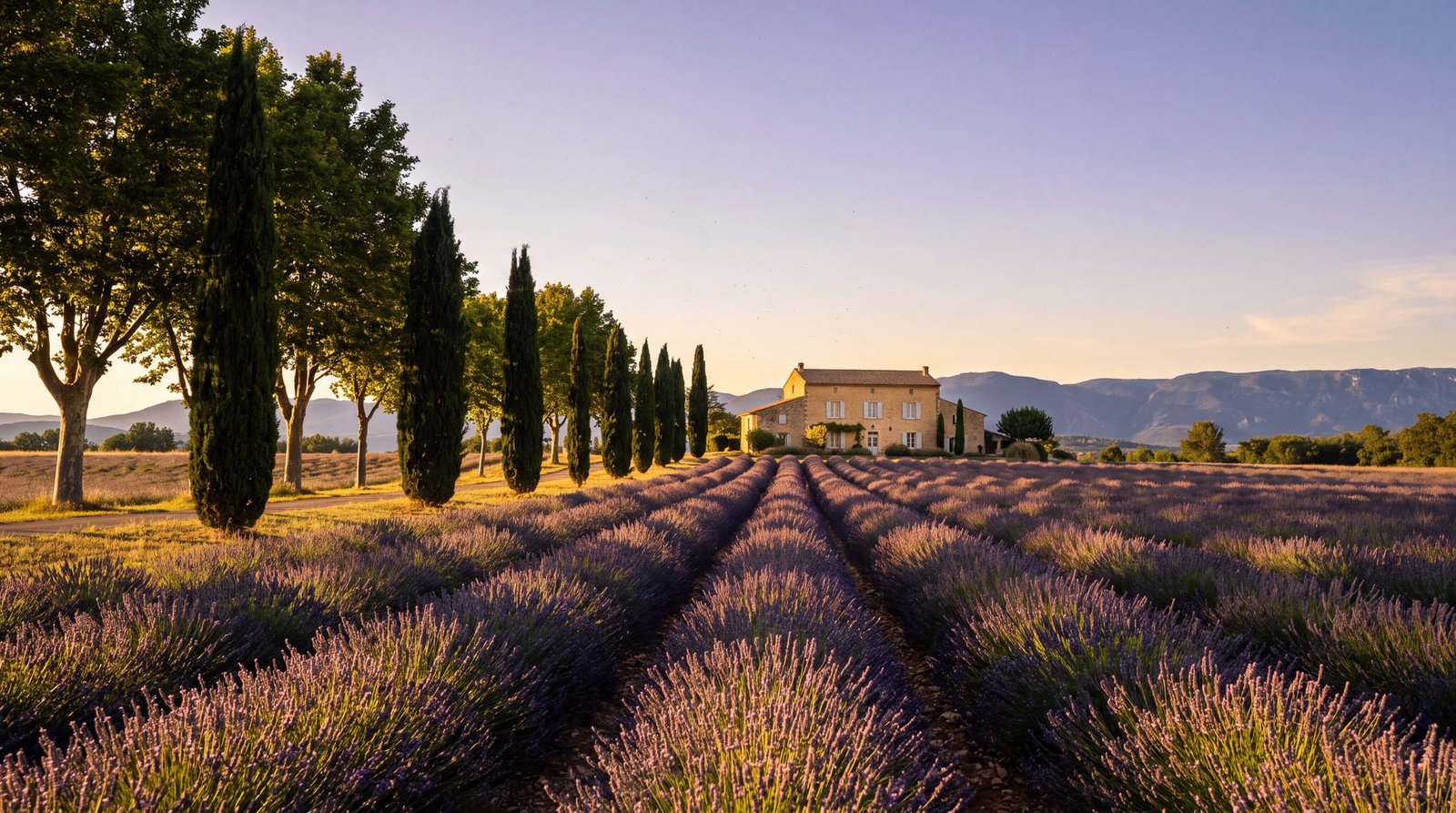
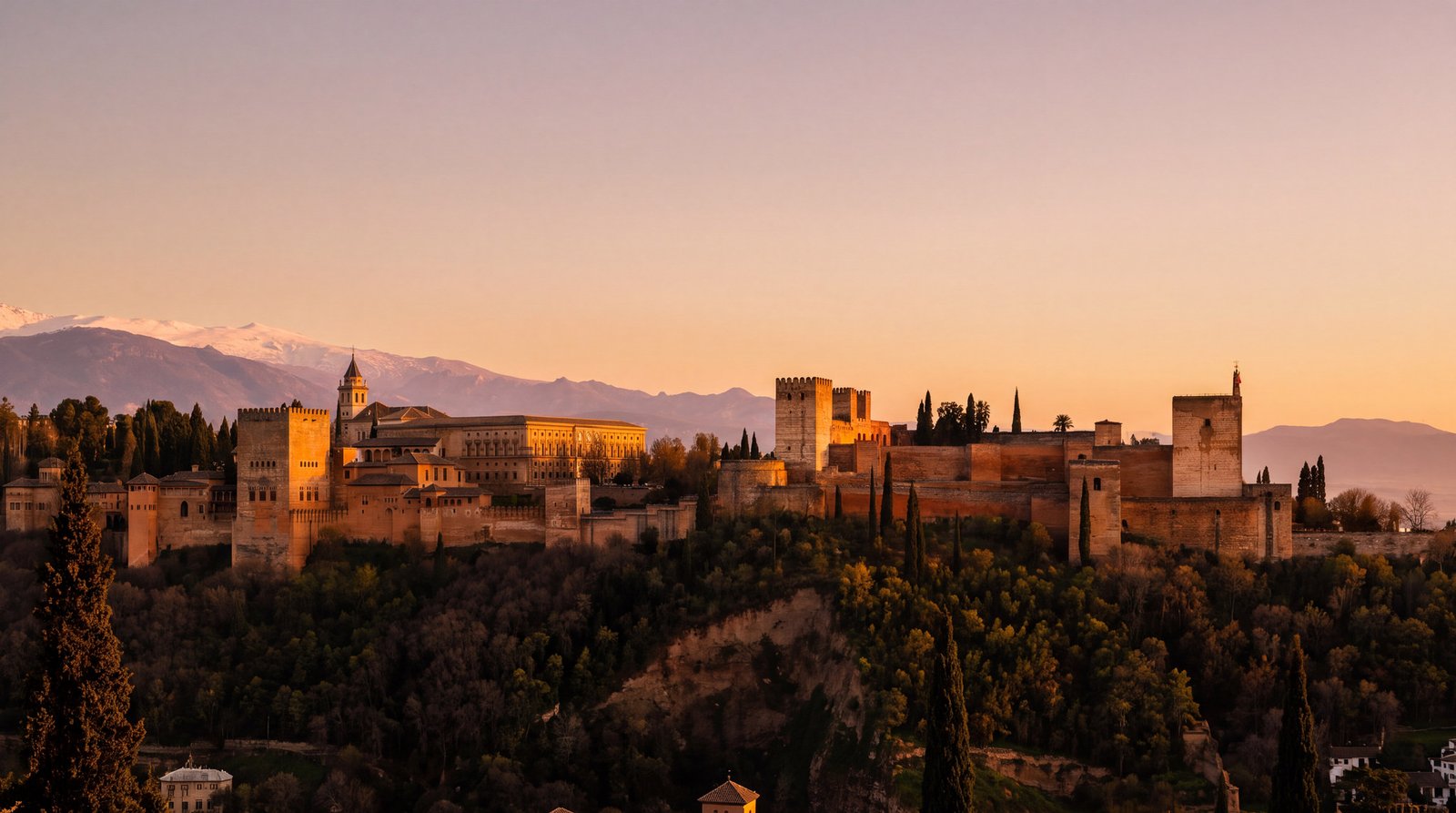
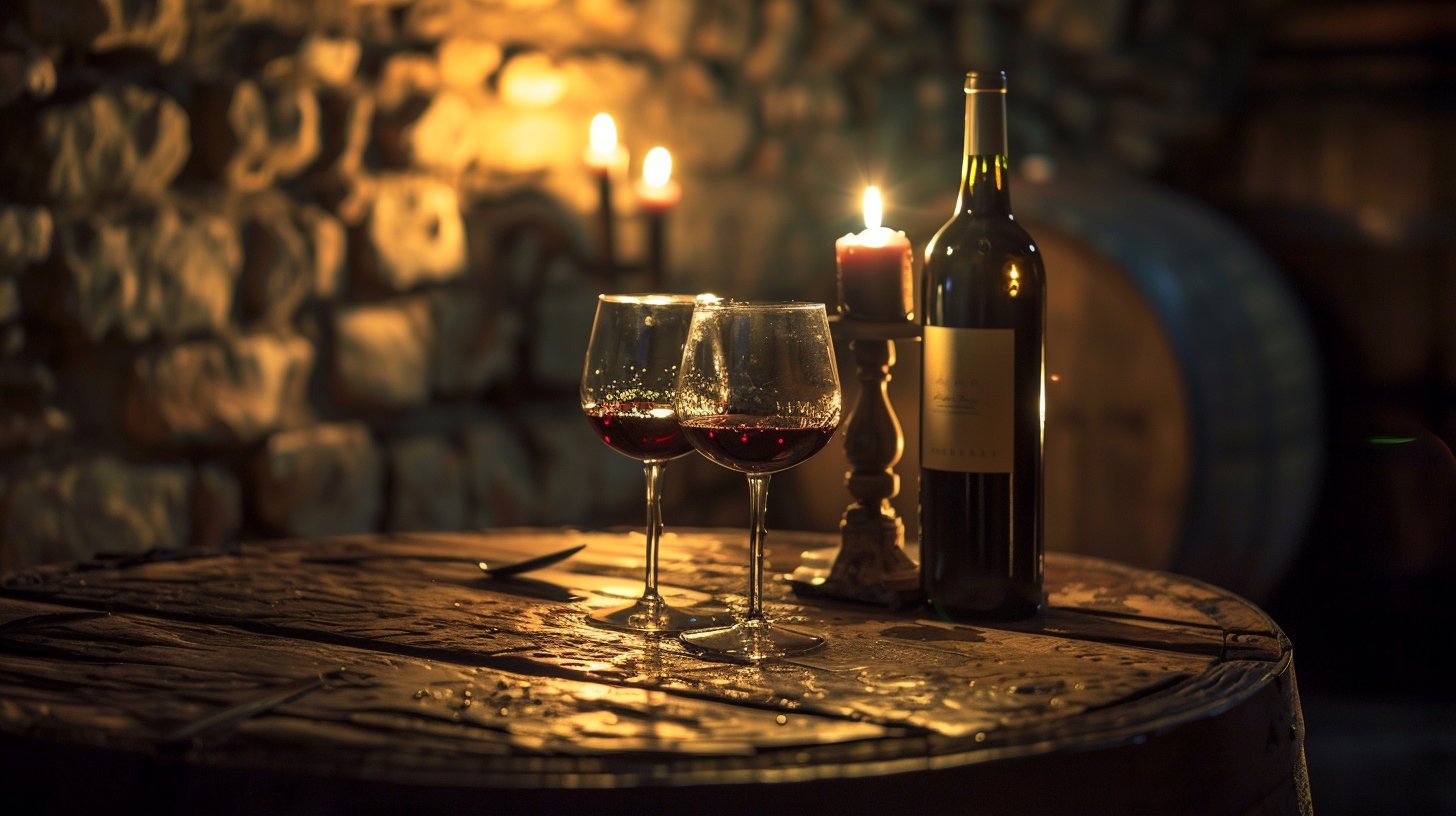
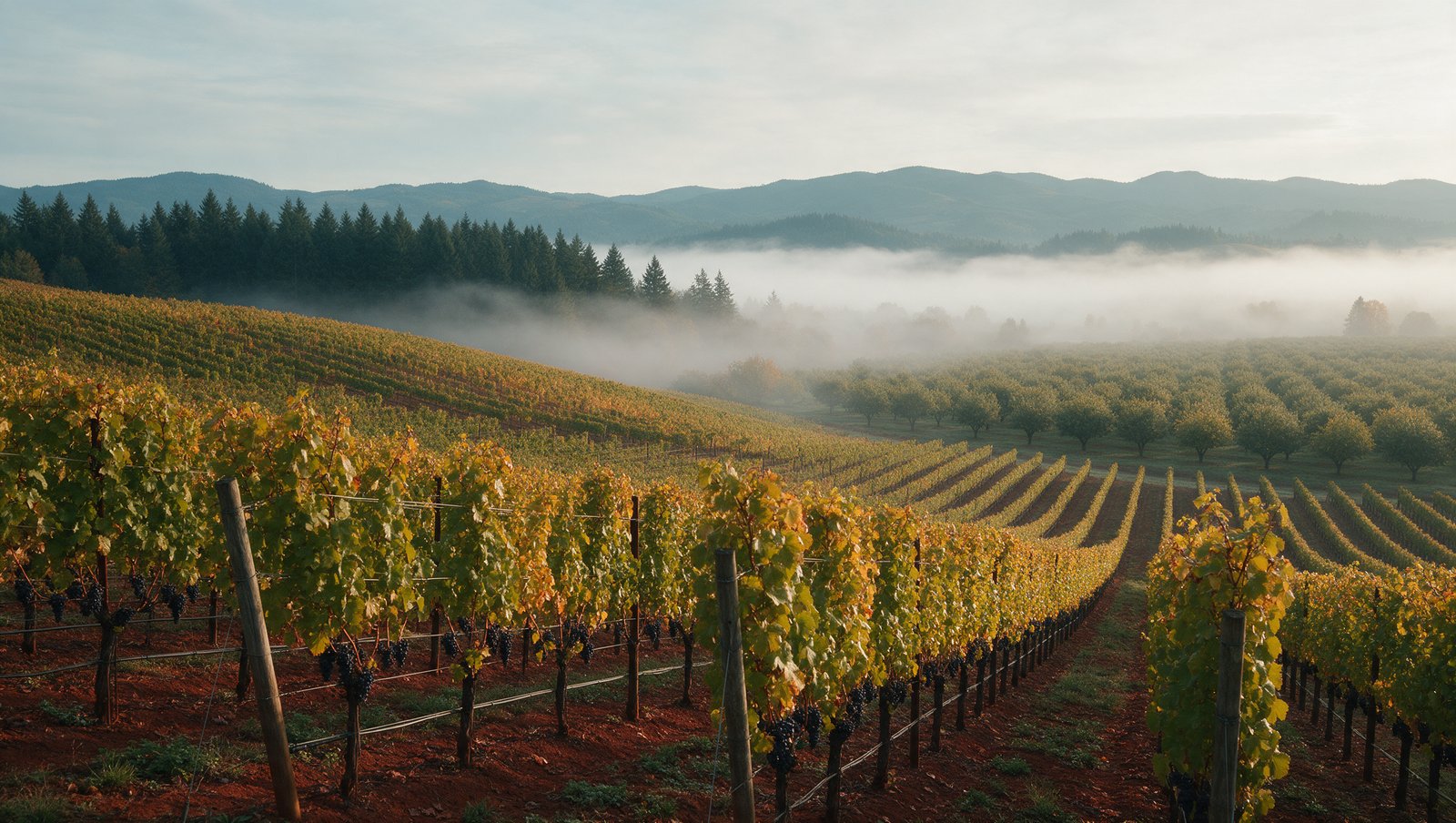
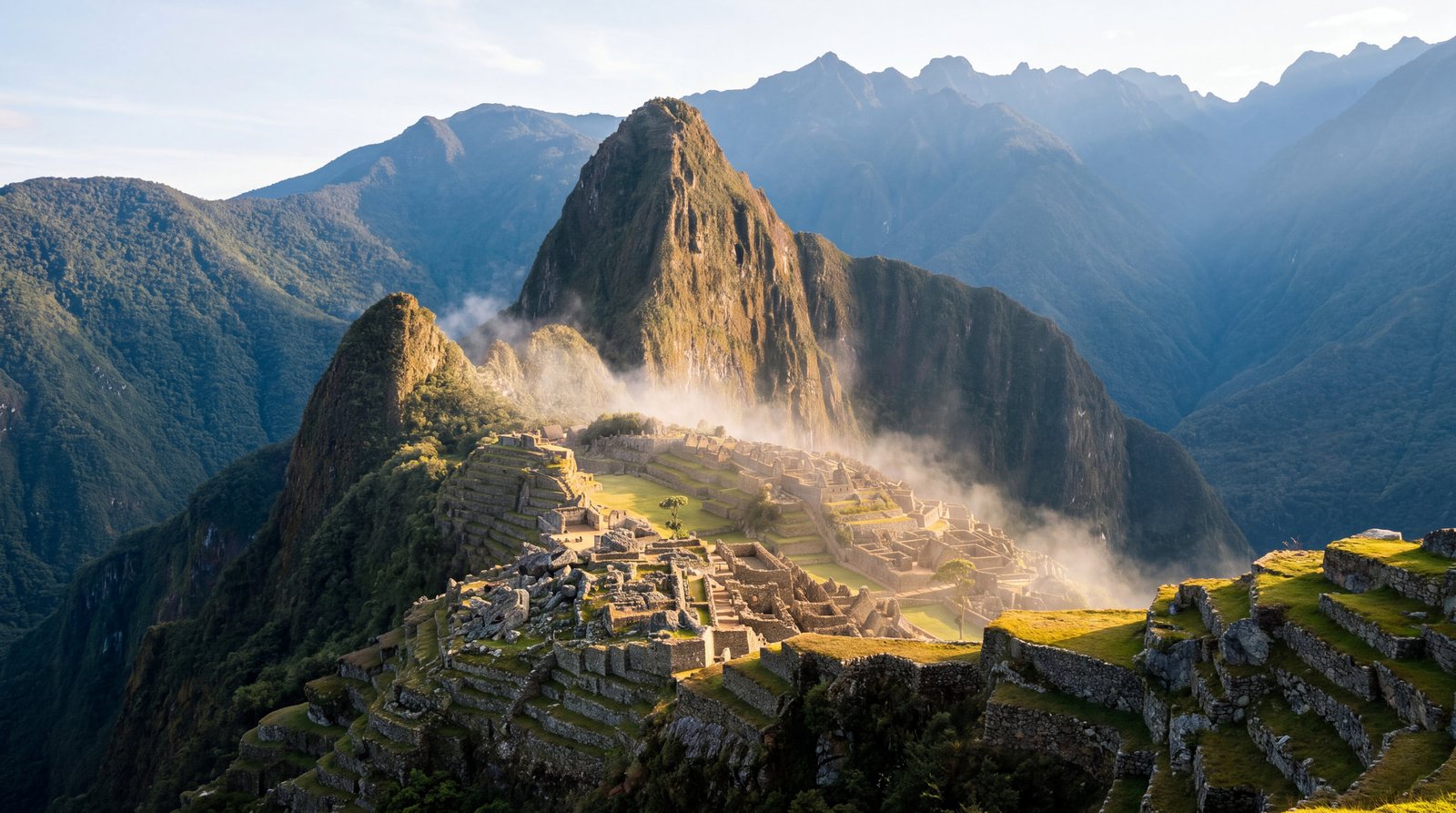
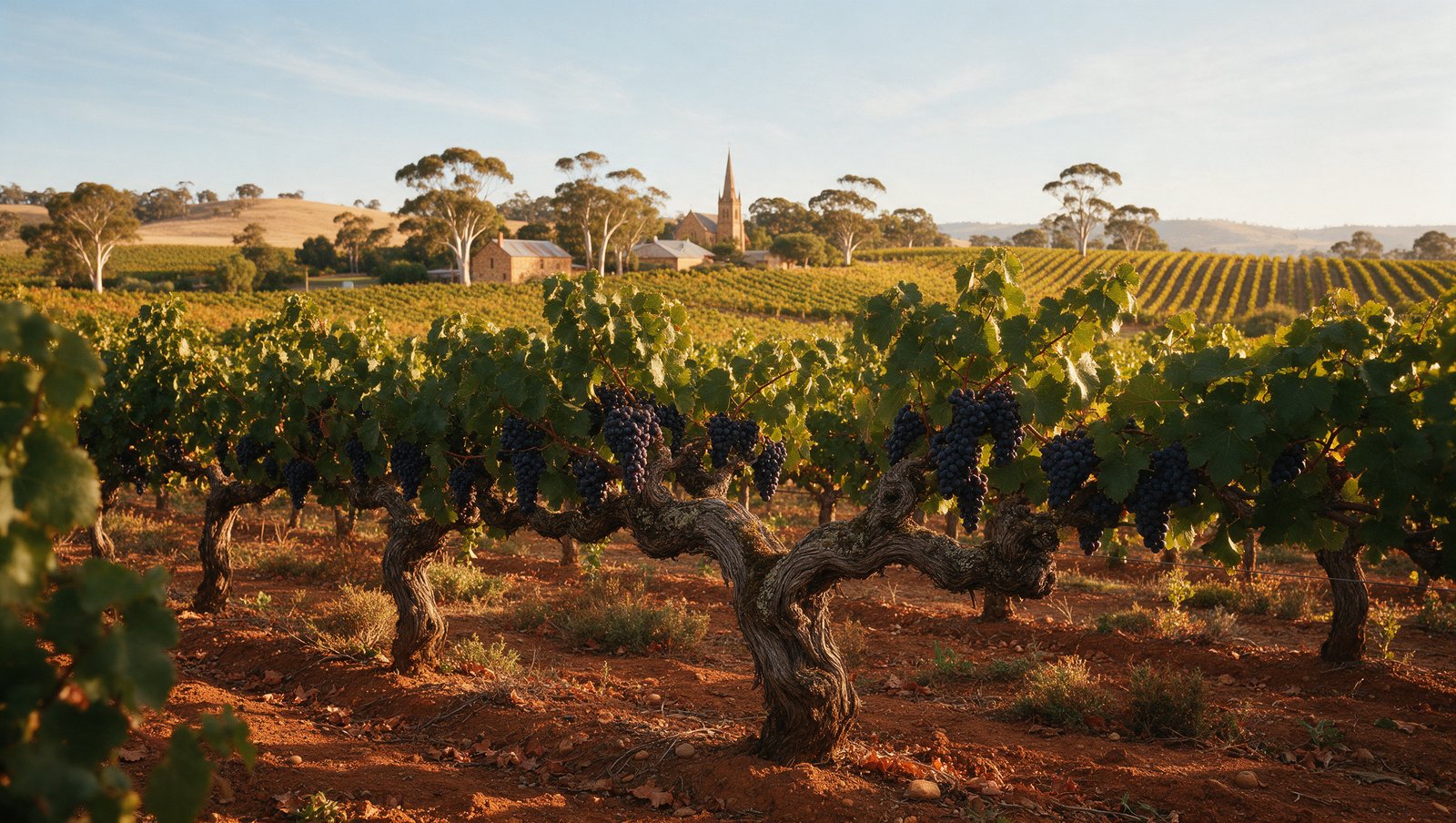
The best food destinations are the ones where the cuisine is inseparable from the landscape, the season, and the people who make it. These are the places where that condition holds most completely. Argentina and Australia harvest from February to April, six months out of step with the rest of this list. The Argentina planning page, the Australia planning page and the Willamette Valley winery route go deeper on each.
Trips We Plan Often
Food and wine itineraries we've put together repeatedly — and refined based on what actually produces the meals and the access worth traveling for.
What Every Food & Wine Trip Includes
The difference between a food trip and a remarkable food trip is almost entirely in the access layer — and access is built through relationships, not bookings.
Food & Wine Travel by Season
Plan a Food & Wine Trip
Built Around the Source
Tell me the destination you're drawn to, whether wine or food is the primary lens, and when you can travel. I'll come back with a specific itinerary — producers, markets, guides, and the restaurant reservations worth having — within one business day.
No booking fees · Response within 24 hours · Fully bespoke
What a food and wine trip Actually Costs
- Luxury lodging with breakfast
- A private driver-guide
- Premium tastings and selected pairing meals
- Airfare
- Bottle purchases and shipping
- Rare-wine flights, extra Michelin menus and gratuities
- Region — Napa and Burgundy price above emerging regions
- Private-tasting tier
- Pairing-meal caliber and chauffeur time
Editorial planning bands, not quotes — assembled from published rates and official fee sources, verified . Rates, permit costs and park fees change; confirm before booking. Source: Opus One tasting experiences.
Food & Wine Travel — FAQ
Questions about wine region trips, culinary itineraries, and how to get genuine access to the best tables and tastings.