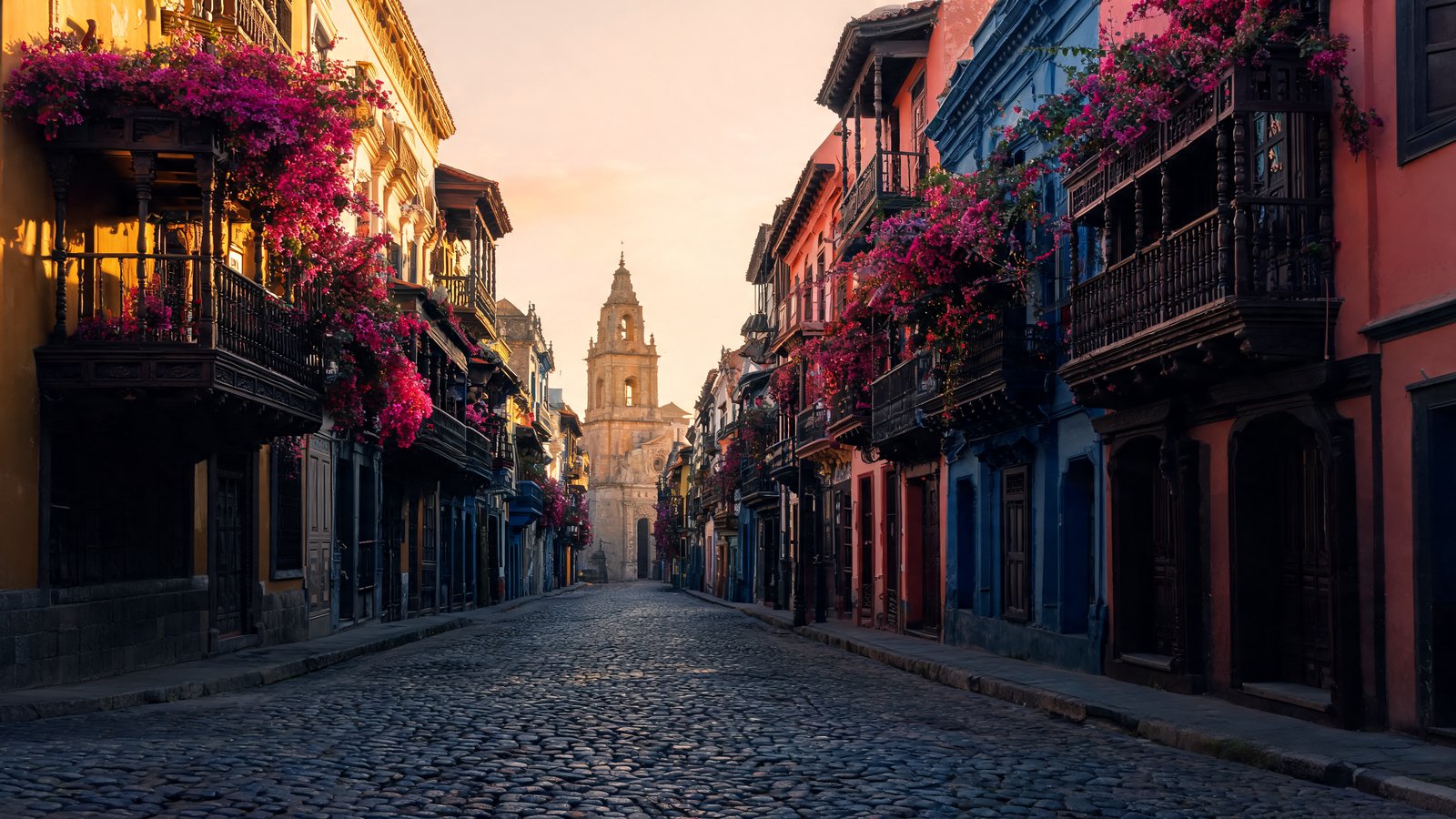

South America

The Shortest Way
Into South America.

Colombia is the continent without the transatlantic-length haul, and the country most people plan backwards. Cartagena is the reason they book and the least interesting week on offer; the coffee slopes above Salento, Medellín's valley and the Sierra Nevada are where the trip actually is. December through March is the window that opens all of it at once.

Best Season
Dec – March
Best For
Coffee Country
& Colonial Cities
The Country

Colombia Is South America's
Shortest Way In.

Colombia's driest months are December through March, with a second dry window in July and August. A first trip runs 9–12 days: three nights in the coffee region, three in Medellín or Bogotá, and two or three in Cartagena. Bogotá sits at 2,640 metres and Cartagena at sea level, so the country has no single climate.

Colombia is the top corner of the continent. Punta Gallinas in La Guajira is the northernmost point of the South American mainland, and Colombia is the only country there with coastlines on both the Caribbean and the Pacific. For anyone starting from the eastern side of North America, that geography is the whole argument: the continent without the transatlantic-length haul, and the rare South American trip that still works on nine days rather than sixteen.

Cartagena is the reason most people book Colombia, and a week in Cartagena is the least interesting week the country offers. The walled city is genuinely first rank — the port, fortresses and monuments were inscribed on the UNESCO World Heritage List in 1984, and Castillo San Felipe de Barajas is the largest Spanish fortification in the Americas. It is also about a square kilometre. Two or three nights reads it properly. Seven turns into beach days on water the Magdalena keeps cloudy, a trip most people could have had closer to home.

The trip is in the Andes. Medellín sits near 1,500 metres, the coffee belt runs roughly 1,200 to 2,000, and Bogotá is at 2,640 — more than a kilometre above Denver. That vertical spread is the product. A shirt on a Cartagena rooftop, a fleece on a Bogotá street and a hammock on a working coffee farm, inside one week. Plan Colombia by altitude rather than by map distance and the itinerary writes itself.
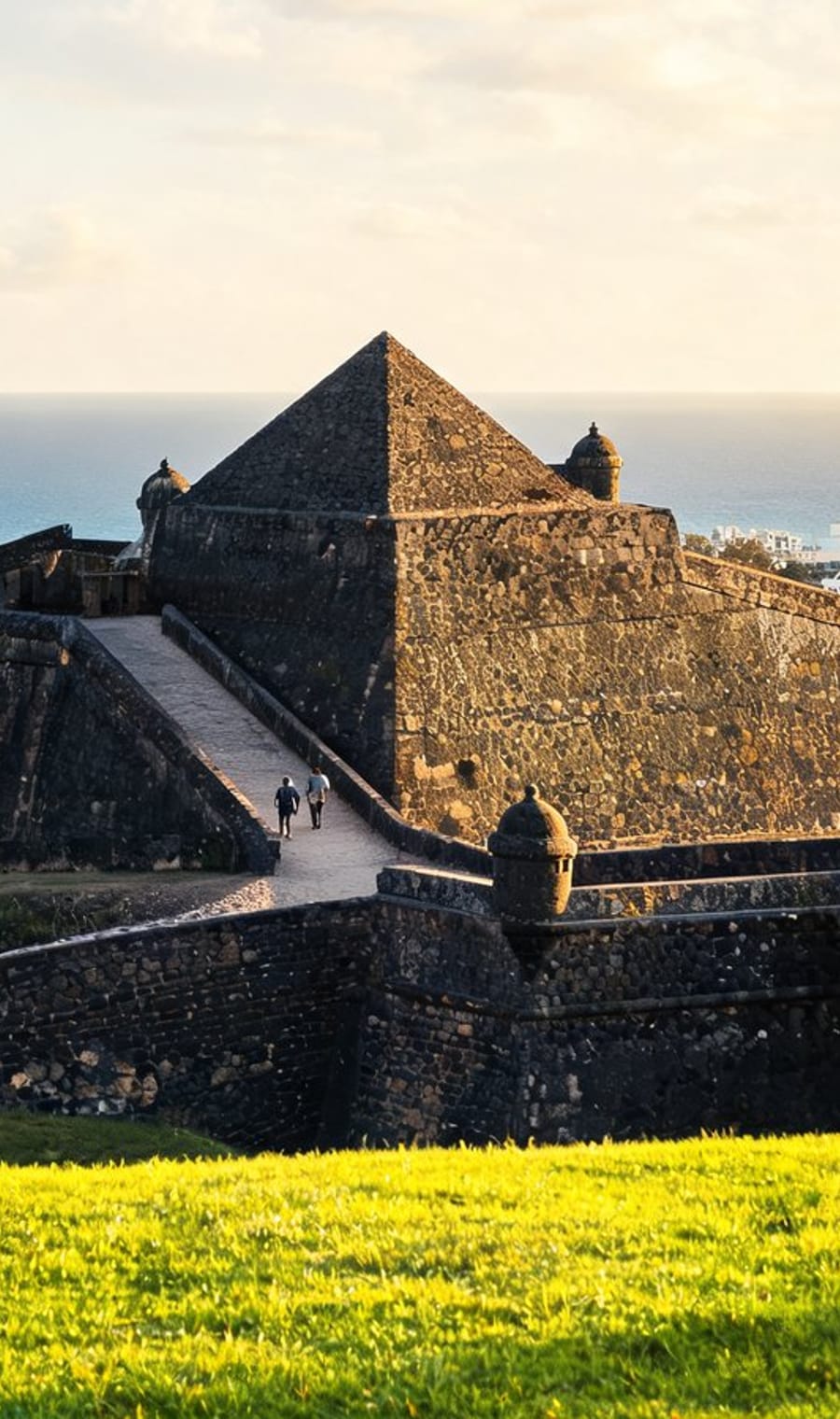
The stone ramparts of Cartagena's walled city in late afternoon light
Ciudad Amurallada · Cartagena · Colombia
Where We Send Clients

Six Regions Worth Planning Properly

Colombia is a Caribbean country, an Andean country and a Pacific rainforest country at once, and the six below sit at five different altitudes. Pick two or three. Taking all six in ten days is the mistake that turns a good trip into an airport tour.
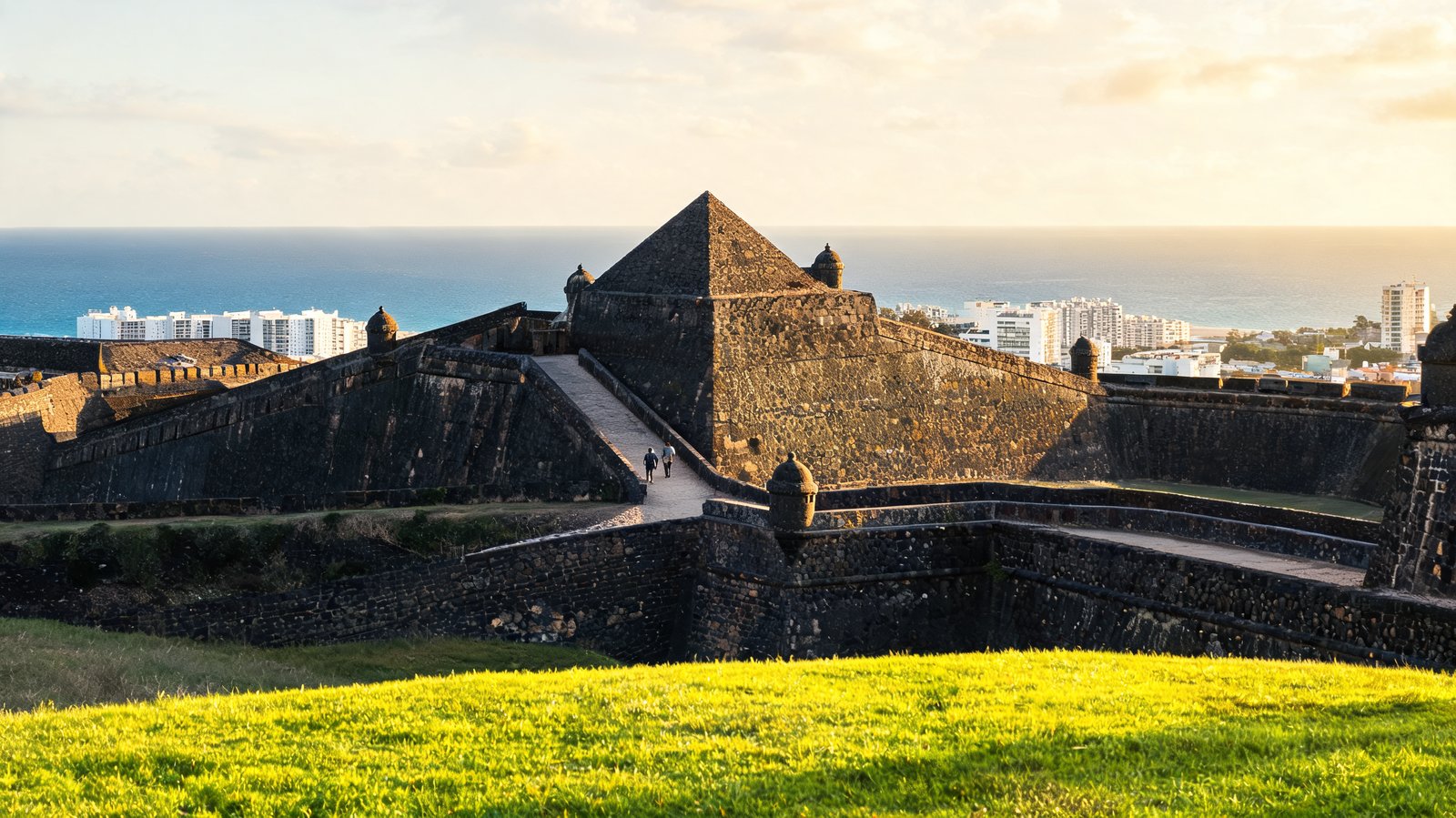
Cartagena, Bolívar
Bolívar
Cartagena
A walled colonial city about a kilometre across, and the best-preserved one on the Caribbean rim. Take it at six in the morning and at nine at night. The middle of the day belongs indoors or on the water. That is a scheduling fact, not a preference.
Walled City San Felipe Getsemaní
Explore →
Medellín, Antioquia
Antioquia
Medellín
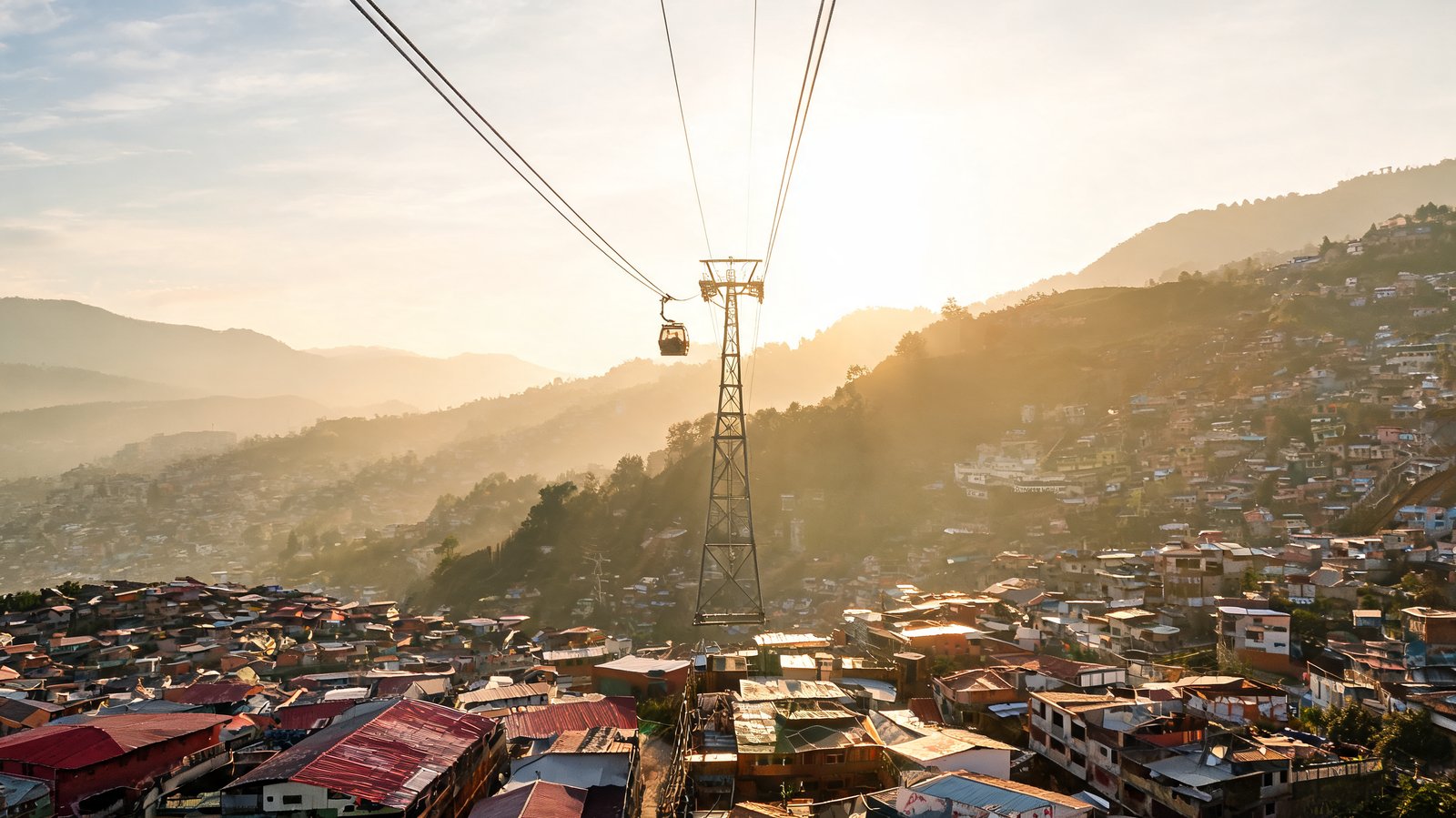
Near 1,500 metres, which is why the days sit in the high twenties Celsius year-round. The Metrocable, opened in 2004, was the first aerial cable line built into a city's mass-transit network as transport rather than as a ride. Guatapé is two hours out, best on a weekday.
Metrocable Comuna 13 Guatapé
Explore →
The Coffee Region, Quindío & Risaralda
Quindío & Risaralda
The Coffee Region
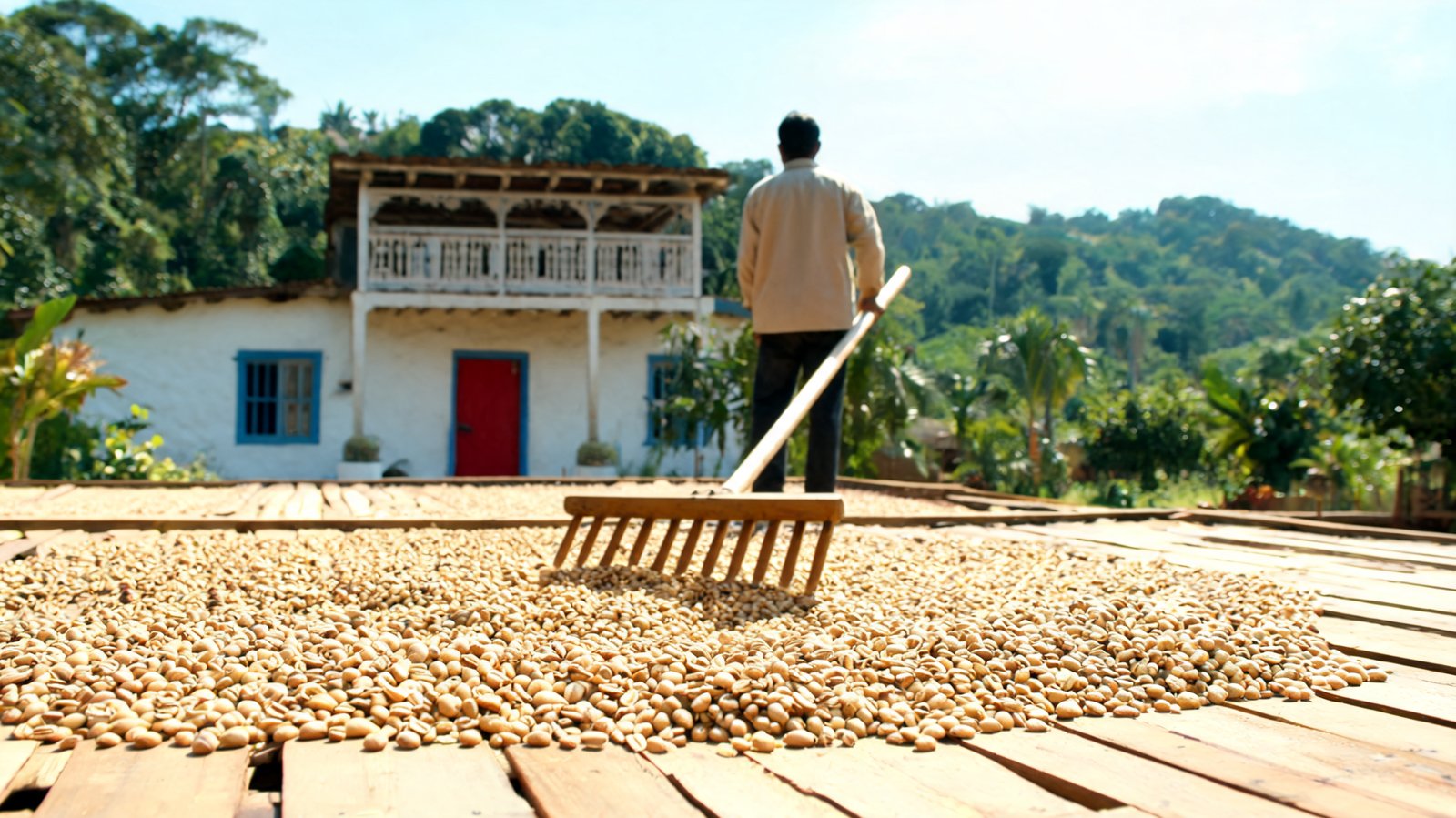
The part of Colombia that stays with people, and the part most itineraries give one night. UNESCO inscribed the Coffee Cultural Landscape in 2011 for the farming settlement pattern itself, not for a view. Base in Salento or Filandia, sleep on a working finca, and give it three nights.
Salento Cocora Valley Working Fincas
Explore →
Bogotá, Cundinamarca
Cundinamarca
Bogotá
At 2,640 metres it is cool, grey more often than the brochures admit, and the country's serious museum city. The Museo del Oro holds roughly 34,000 pieces of pre-Hispanic goldwork; Monserrate rises to 3,152 metres behind the old town. Two nights suits most trips, four if the museums are the point.
Museo del Oro La Candelaria Monserrate
Explore →
Santa Marta & the Sierra Nevada, Magdalena
Magdalena
Santa Marta & the Sierra Nevada
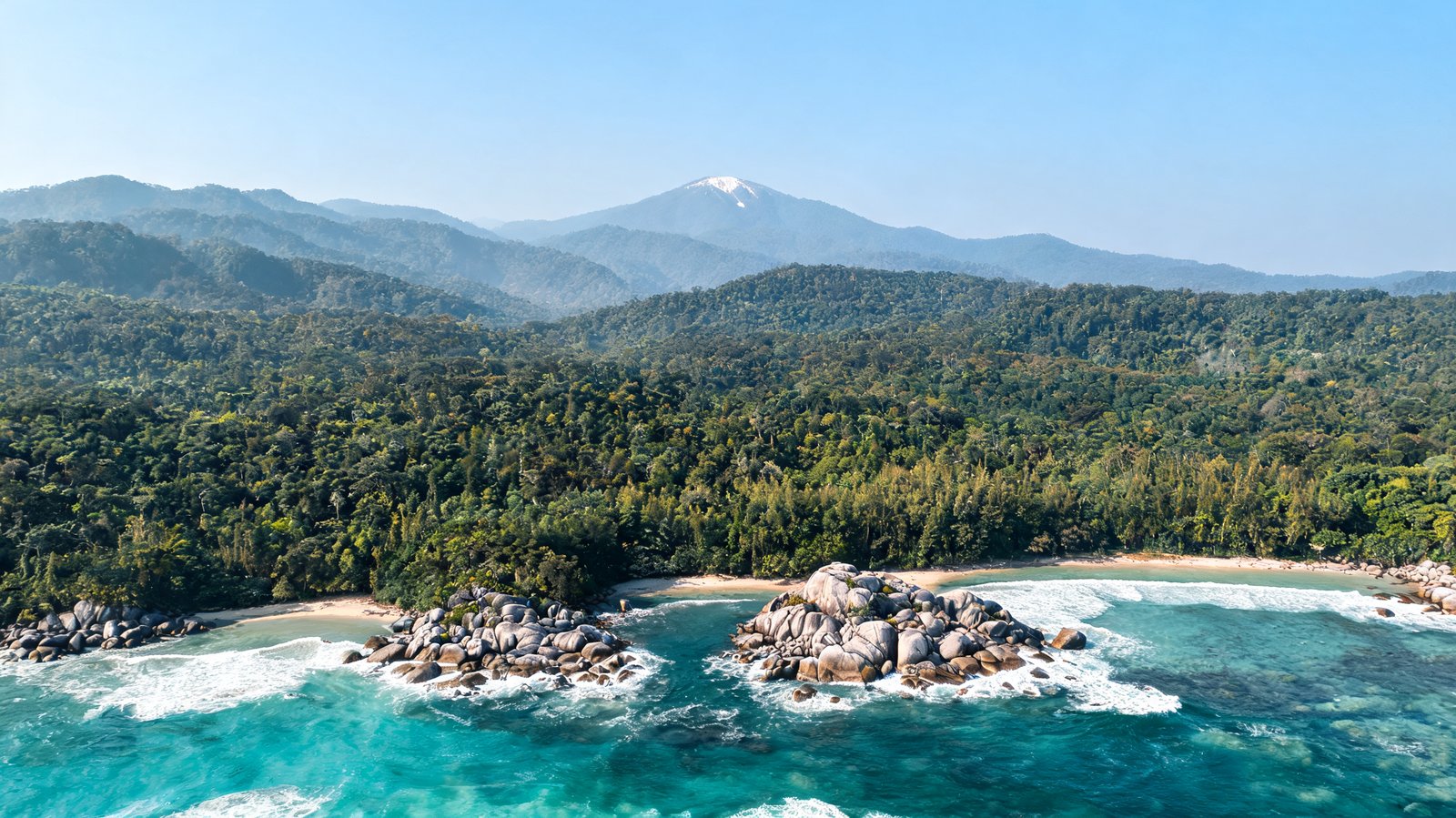
Where the coast stops being a beach and becomes a mountain range. Tayrona National Park is an hour east of Santa Marta and closes to visitors for scheduled periods each year at the request of the Indigenous communities. Minca sits 45 minutes above the city, and the Ciudad Perdida trek starts here.
Tayrona Minca Ciudad Perdida
Explore →
The Pacific Coast, Chocó
Chocó
The Pacific Coast
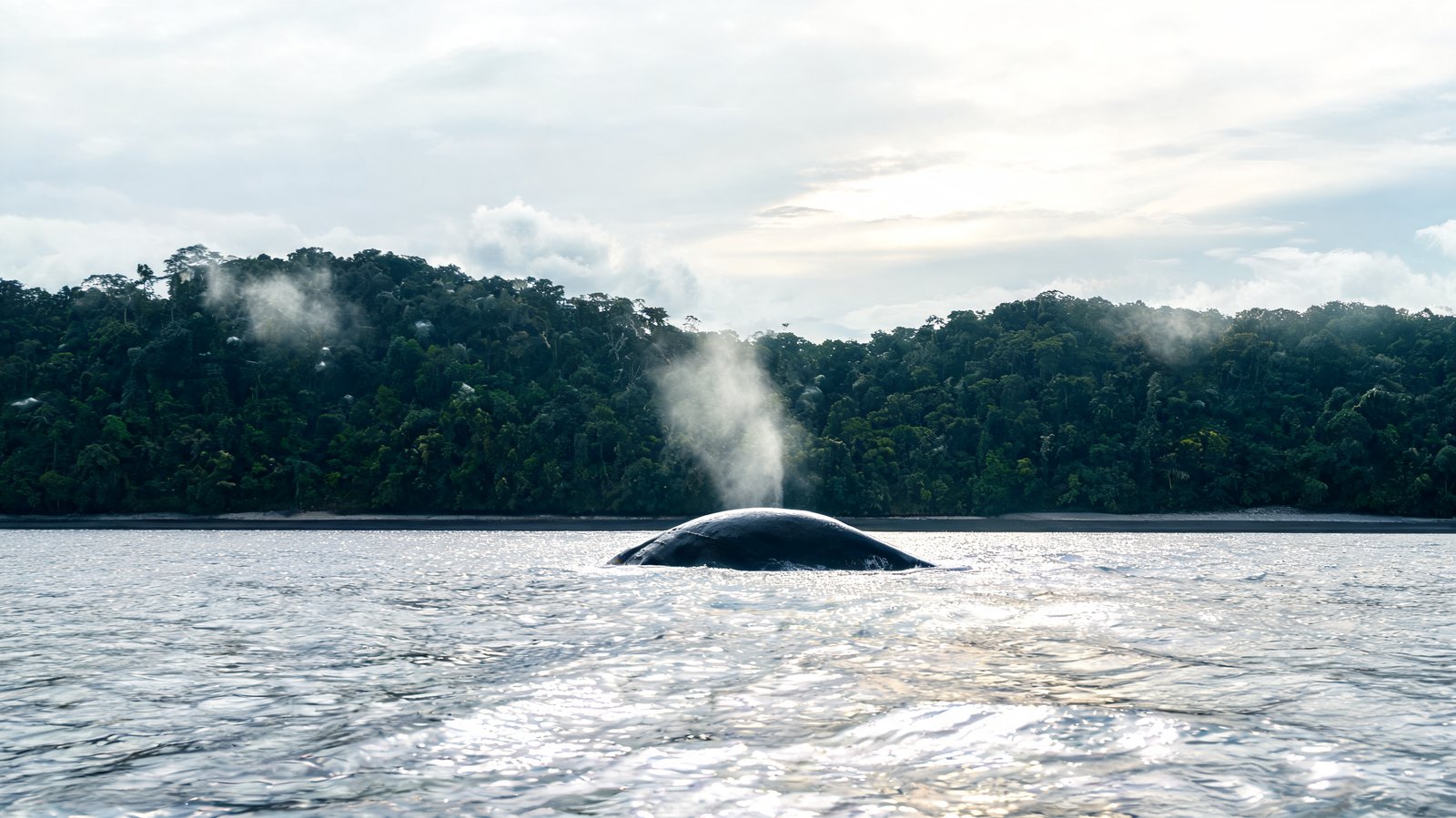
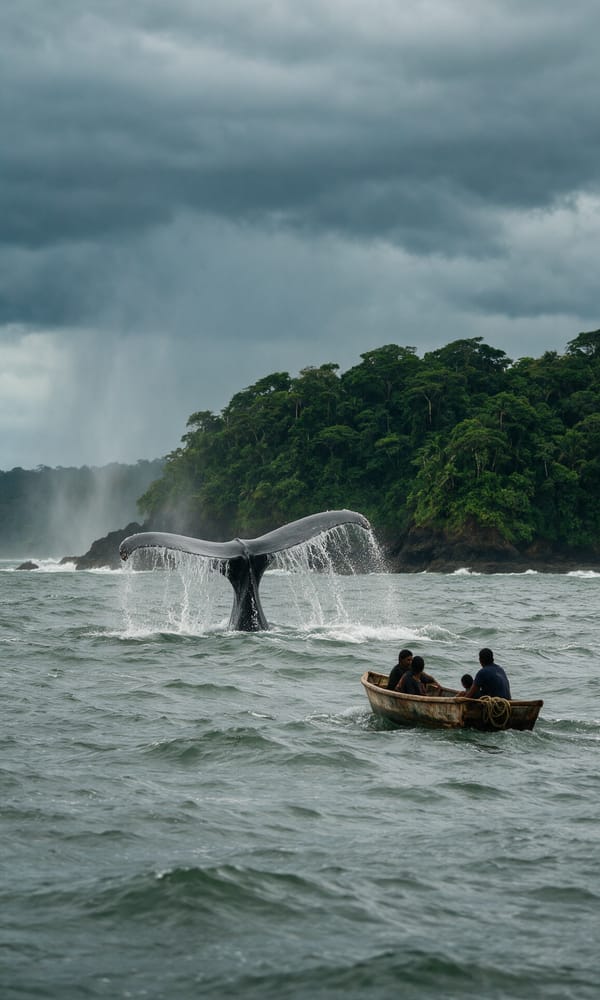
Nuquí and Bahía Solano have no road in — you arrive by small aircraft or by boat, and the lodges run on generators and rainwater. Humpbacks calve along this coast roughly July through October. It is among the wettest inhabited places on earth, which is why the people who go come back.
Humpbacks Jul – Oct No Road In
Explore →
Featured Itineraries

Trips We Plan Often

Colombian itineraries built around the internal flight network, the fincas that are still farms, and the guides who live in the neighbourhoods they walk you through.
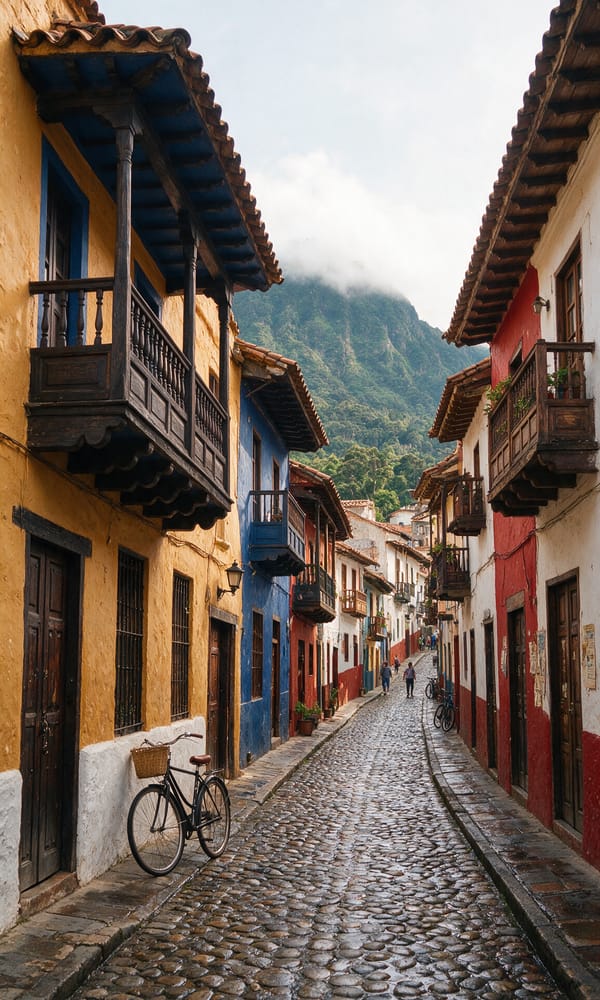
A steep cobbled Bogotá lane of painted colonial houses climbing toward the cloud-covered Monserrate ridge
December – March · 9–10 Days
Colombia in the Right Order
The standard first trip, sequenced so the altitude and the heat work for you rather than against you. Two nights Bogotá to start: La Candelaria on foot, the Museo del Oro, and one evening in the Chapinero restaurants most itineraries never reach. Fly to Pereira or Armenia for three nights on a working coffee farm near Salento, with a picking-and-milling morning and Cocora walked at opening rather than photographed at noon. Two nights Medellín, one of them given to Comuna 13 with a guide from the neighbourhood. Finish with three nights Cartagena, arriving into the heat last rather than first.
Colombia9–10 Days
Plan This Trip
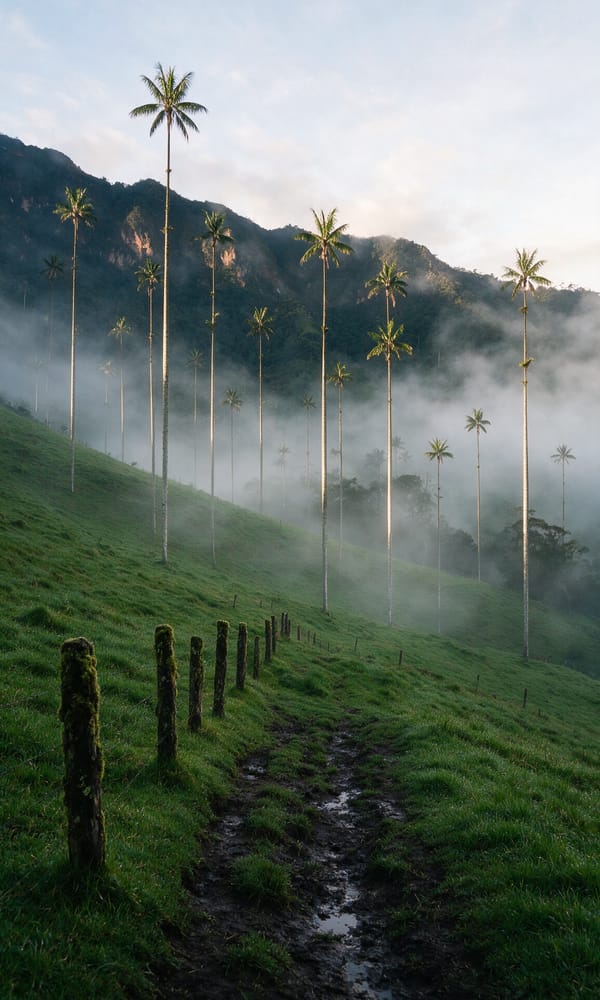
Towering wax palms rising from a misty green pasture in the Cocora valley at first light
Year-Round · 8–9 Days
The Andes Without the Coast
Colombia for people who did not come for a beach, and the version I would take in April or October when the coast is unreliable. Three nights Medellín, a weekday run out to Guatapé, and an afternoon in Jardín or Santa Fe de Antioquia. Then south to the coffee belt for four nights split between a finca near Salento and one near Filandia — the same landscape with a fraction of the day-trippers. Cocora on the first clear morning, a cupping with the people who grew the lot, and one day with nothing on it. Optional two nights Bogotá at the end. No packing for two climates and no long internal flights.
Colombia8–9 Days
Plan This Trip
Mossy circular stone terraces and a steep stairway climbing a cloud-covered jungle ridge at Ciudad Perdida
December – April · 10–12 Days
The Coast and the Sierra Nevada
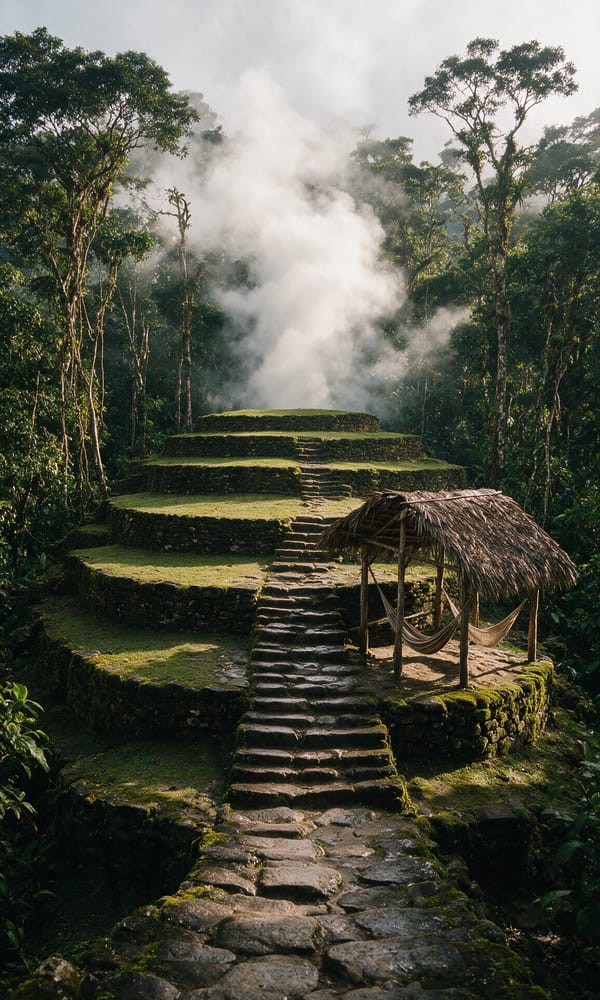
The coastal trip written by someone who thinks Cartagena is worth two nights, not seven. Two nights inside the walls, with San Felipe and the Getsemaní streets rather than a boat day. Then about four hours east by road to Santa Marta, and up. Two nights in Minca for the birding and the cacao, three on the Tayrona side with the park entered at opening, and — for the fit and the willing — a four-day round trip on foot to Ciudad Perdida with an authorised operator, sleeping in hammocks and crossing the Buritaca river more times than anyone counts. This is the itinerary where the Sierra Nevada, not the Caribbean, turns out to be why you came.
Colombia10–12 Days
Plan This Trip
A humpback whale's flukes lifting from grey Pacific swell beside a small wooden boat off Choco
July – October · 9–11 Days
Whales on the Chocó Coast
A second Colombia trip rather than a first, and the one I would argue hardest for. Humpbacks calve along the Pacific coast roughly July through October, and the lodges around Nuquí and Bahía Solano put you on a boat among them with no other vessel in sight. Getting there means a small aircraft and no road, no air conditioning, generator power, and rain that arrives sideways. Four or five nights is right. Pair it with three in Medellín on the way through and three in the coffee region afterwards, which puts the hot shower at the end rather than the start. Not for anyone who needs a lobby, and the trip clients still talk about years later.
Colombia9–11 Days
Plan This Trip
Why Plan With Us

What We Add to Colombia Planning

The useful information about Colombia is granular — a neighbourhood, a road, a month, a family — and almost none of it is on a booking site.

Where a Guide Is Not Optional
Most of what a visitor does in Colombia now needs no more caution than any large city anywhere. Three things still want a local fixer. Comuna 13 is worth a morning, with a guide who grew up in it. The Ciudad Perdida trek is only legal with an authorised operator. And ground movement outside the main corridors after dark is a question to ask before you book. We do not send anyone where our partners will not go, and we say so.
One Country, Four Weather Systems
Colombia straddles the equator, so its wet and drier periods do not line up between regions. The Andean interior's dry windows are December to March and July to August; the Caribbean coast's is December to April; the Pacific is wet year-round. That is why "which Colombia am I going to" is the better question, and getting it backwards is how people end up walking Cocora in cloud.
Fincas That Are Still Farms
"Coffee farm stay" in Colombia covers a family finca still harvesting its own lot, a former farmhouse run as a small hotel with a demonstration mill, and a new build with a coffee bag in the lobby. The first is one of the best stays in South America; the third is a hotel with a theme. What separates them is whether the person walking you through the mill sells that coffee. Colombia grows only Arabica, and the Federación Nacional de Cafeteros publishes harvest timing by region. Knowing which fortnight you book into separates a working farm from a set.
The Drives That Should Be Flights
Colombia is mountainous in a way distance maps do not show. The commonest self-planned error is a road day that should have been a flight. Bogotá to the coffee region, Medellín to the coast, anything to Cartagena — those are flights. What works on the ground is short and local: Salento to the Cocora valley is about 11 kilometres and half an hour in a Willys jeep, Santa Marta to the Tayrona entrance around an hour, Medellín to Guatapé roughly two. Medellín's airport sits above the city at around 2,100 metres in Rionegro, and the drive down into the valley takes about 45 minutes. Build the ground schedule around the flight schedule, never the reverse.

Entry and safety information checked against Migración Colombia, the US Department of State travel advisory and the UK FCDO travel advice for Colombia. Read your own government's current advice before you book, not after.

When to Go

Colombia by Season

The Long Dry Window
December – March
The one window where the Andes and the Caribbean coast are both at their best, which is why a Bogotá–coffee–Medellín–Cartagena trip is easiest to build here. The trade is that this is also Colombia's own holiday season: the last two weeks of December and the first of January are the busiest and most expensive of the year on the coast, and the good fincas in Quindío are committed months ahead. February and March are the quieter half of the same window and, on balance, the better booking.
Best Overall Window
The Second Dry Spell
July – August
The Andean interior gets a second drier run through July and August, and it brings two things December does not. Humpback whales are calving on the Pacific coast from roughly July into October. And Medellín's Feria de las Flores fills the city in early August, either the best week to be there or the worst, depending on whether you want a parade of flower-carrying silleteros outside your hotel. The coast is wetter and more humid than in February.
The Wet Months
April – May & October – November
The two rainy spells, and not the write-off they sound like. Rain in the Colombian Andes usually means a heavy afternoon rather than a lost day, and rates across the interior drop from the December and July peaks. October and November are the worst months on the Caribbean coast and the wrong time for a Cartagena-and-Tayrona trip. April and May are a reasonable gamble for an Andes-only itinerary with slack in the schedule. Barranquilla's Carnival falls in the four days before Ash Wednesday and moves with the church calendar.

Season windows and park status checked against IDEAM, Colombia's meteorological institute, Parques Nacionales Naturales de Colombia for Tayrona, Los Nevados and the Pacific marine parks, and UNESCO's listing for the Carnival of Barranquilla. Park closure dates, trek permissions and festival dates change every year; confirm before booking.

Ready When You Are

Plan a Colombia Trip
Around the Altitude, Not the Map

Tell me how many days you have, which month, and whether you want the coast in it at all. I'll come back with a specific itinerary, the fincas and city properties I'd use, and an honest read on which regions fit that month, within one business day.

Plan a Colombia Trip All South America Destinations

No booking fees  ·  Response within 24 hours  ·  Fully bespoke

What It Costs

What Colombia Actually Costs

$350–$900
per person, per day, land only. Ranges, not quotes.
What that includes
  • Half of a walled-city, Bogotá or Medellín boutique room, or a working finca in Quindío, with breakfast
  • Private transfers and a local guide on the days that need one
  • Park entry, including Tayrona's COP 96,500 high-season rate for non-resident foreigners
What it does not
  • International airfare and the internal flights that replace the drives
  • The Chocó fly-in lodges, which quote per person all-inclusive on a different basis
  • Most dinners, the Ciudad Perdida trek and gratuities
The two or three things that move it most
  • City against finca — a Cartagena suite runs several times a coffee-farm room
  • Dates — late December into early January is the most expensive stretch on the coast
  • How many legs are flown — Bogotá to the coffee region and Medellín to Cartagena are flights, not drives

Editorial planning bands, not quotes — assembled from published rates and official fee sources, verified . Rates, permit costs and park fees change; confirm before booking. Source: Parques Nacionales 2026 entry-fee resolution.

Common Questions

Colombia — FAQ

The questions that come up most on the phone about Colombia — timing, safety in plain terms, how long Cartagena and the coffee region really need, and whether the altitude is going to be a problem.

December through March, with a second and slightly wetter dry window in July and August. Colombia sits on the equator, so it has drier and wetter periods rather than summer and winter. The Andean interior is driest December to March and again July to August. The Caribbean coast runs dry December to April and is at its worst from September to November. The Pacific side is wet more or less continuously and gets planned around the humpback season instead, roughly July into October. Regional climate data is published by IDEAM, Colombia's meteorological institute.

Parts of it are straightforward and parts of it are not, and the difference is by department rather than by country. Both the US Department of State and the UK FCDO write their Colombia advice department by department. The practical version: Cartagena's walled city, El Poblado and Laureles in Medellín, Salento and the coffee fincas, and Bogotá's museum quarter in daylight need city-normal caution. Ground movement outside those corridors after dark, and any visit to Comuna 13, want a guide arranged in advance. Both pages also carry current warnings about drink-spiking and app-arranged meetings. Checked ; read your own government's current advice before booking.

Two or three, not a week. The walled city is about a square kilometre and genuinely first rank — UNESCO inscribed the port, fortresses and monuments in 1984, and Castillo San Felipe de Barajas is the largest Spanish fortress in the Americas. In that climate the useful hours are before nine in the morning and after seven at night, and the water immediately offshore carries river sediment. Three nights lets you walk the walls at dawn twice, eat properly in Getsemaní, and take one boat day if you want one. The days you free up belong in the coffee region.

Three nights, and yes, if you walk it rather than photograph it. Base near Salento or Filandia, each about an hour by road from Armenia or Pereira. UNESCO inscribed the Coffee Cultural Landscape in 2011 for the settlement and farming pattern itself. The Cocora valley is roughly 11 kilometres and half an hour from Salento by jeep, and its wax palms — Ceroxylon quindiuense, Colombia's national tree and the tallest palm in the world at up to 60 metres — stand in open pasture rather than forest. Go at opening. By late morning the cloud is up the valley and the car park is full; people who call Cocora overrated are describing eleven o'clock.

For some people yes: Bogotá sits at about 2,640 metres, high enough to notice on the first day. That is more than a kilometre above Denver. Expect a shorter breath on stairs, a poor first night's sleep and a low tolerance for alcohol. Two easy days at the start handle it. Monserrate, at 3,152 metres directly above the old town, is worth taking the funicular up rather than walking on day one. Medellín is different: near 1,500 metres, it holds days in the high twenties Celsius and nights in the high teens all year, which is the eternal-spring line. Anyone with a heart or lung condition should raise Bogotá with a doctor before booking.

Most short-stay tourists from the US, the UK, the EU and Australia do not, but there is paperwork to do before you fly. Colombia operates an online pre-travel immigration registration that airlines check at the gate, and the rules on stay length, extensions and onward tickets depend on nationality. The authoritative source is Migración Colombia, not a forum post from a traveller holding a different passport. Vaccination is a separate question: CDC travel health guidance for Colombia covers yellow fever, which is recommended for parts of the country and can be asked for at some national park entrances. Checked ; confirm current requirements before booking flights.

Only with the right expectations: this is not the postcard Caribbean, and going in believing it is guarantees disappointment. The islands sit inside the Corales del Rosario y de San Bernardo national natural park, about an hour offshore by boat, and make an easy day or overnight at one of the small island hotels. The Canal del Dique carries Magdalena River sediment into the bay behind Cartagena, and visibility around the reef reflects that — a documented management issue for Parques Nacionales Naturales de Colombia rather than a bad-luck day. If clear Caribbean water is the point of the trip, San Andrés and Providencia are the honest answer and they are a separate flight.

Yes, and for travellers on the eastern side of North America it is the easiest first step onto the continent. Nine days covers real ground rather than one city. It suits people who want to see a country rather than a sight, and it is a poor choice for anyone whose mental image is a single marquee ruin — which is what Peru and the Sacred Valley deliver. Colombia records more bird species than any other country, documented by the Humboldt Institute, which alone justifies the Sierra Nevada or the coffee belt for anyone who travels with binoculars.
More questions answered on the Full FAQ Page
From the Journal

Read More on Planning South America