
Three Thousand Years of
Civilization. Still Standing.
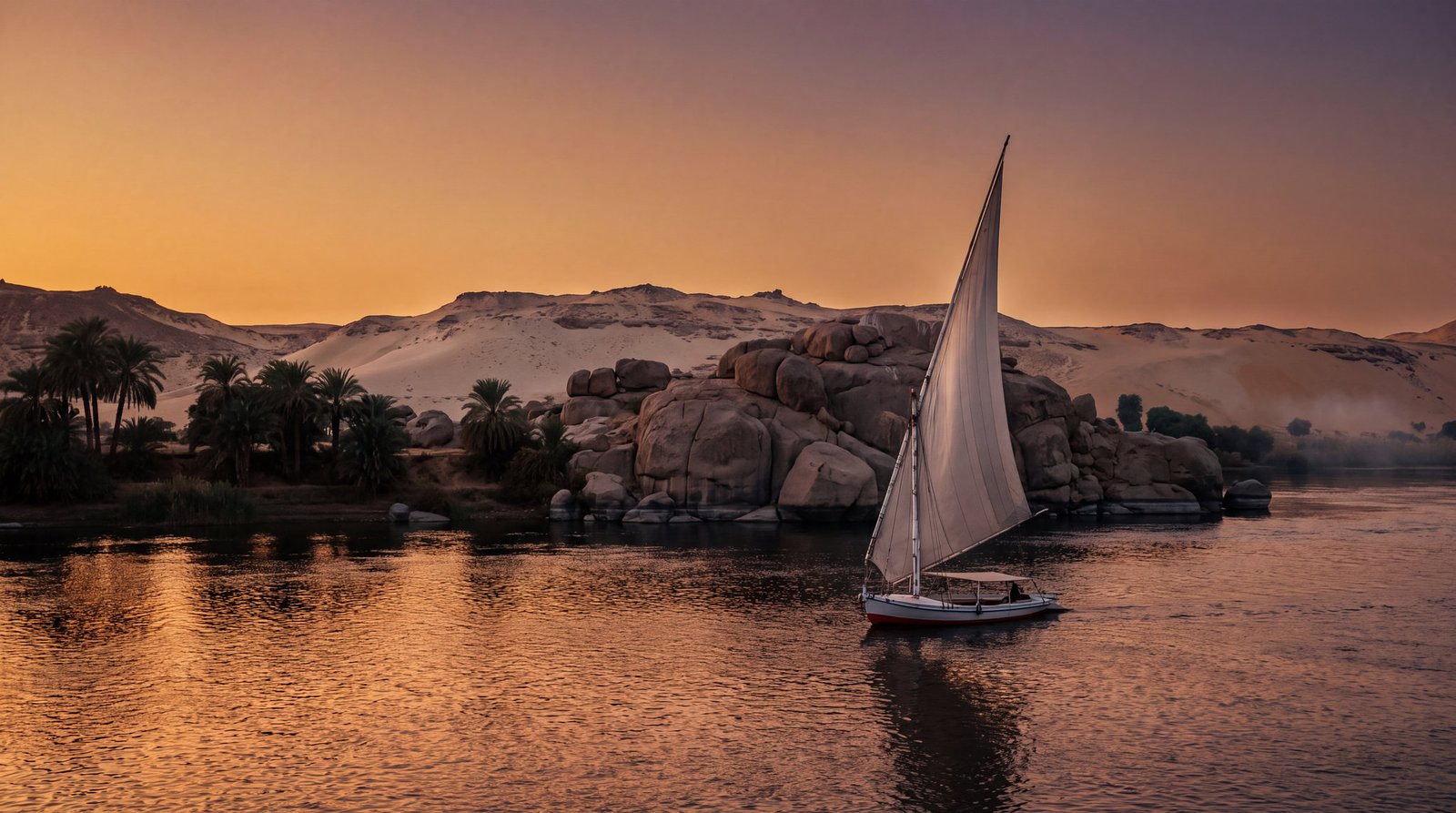
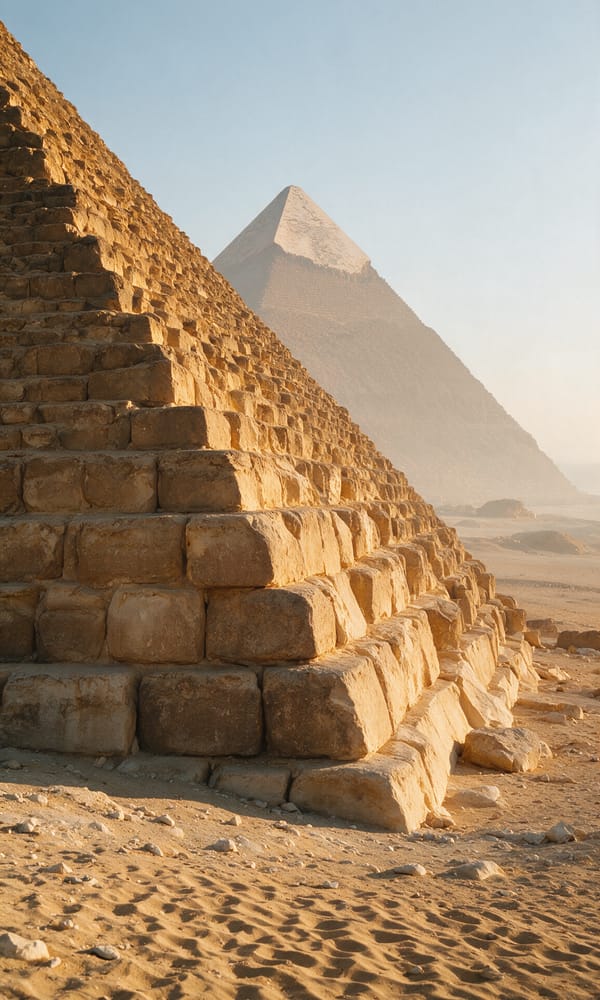
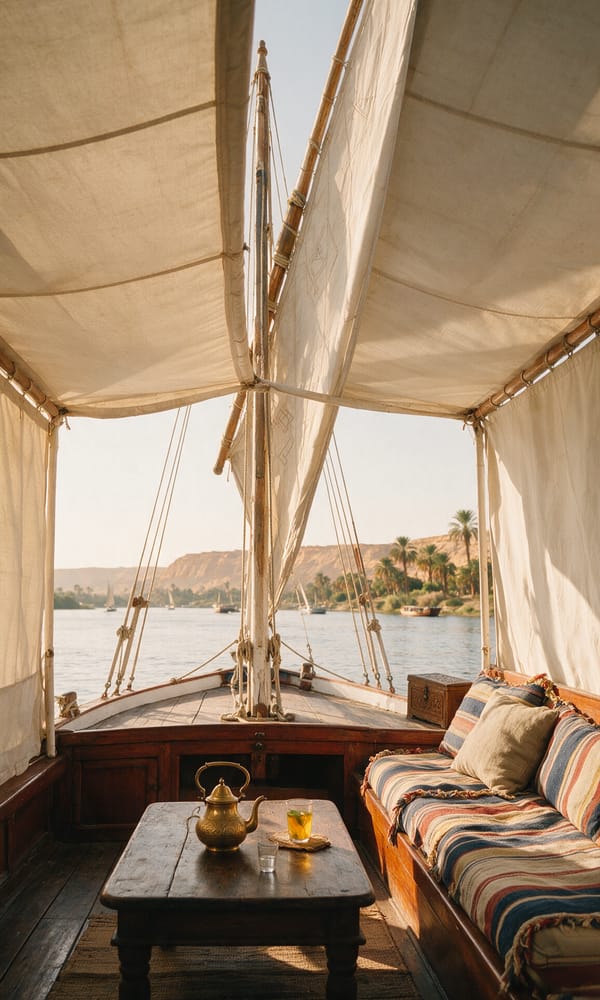
The Pyramids at dawn before the camel touts arrive. The Valley of the Kings with an Egyptologist who can read the hieroglyphics and explain the theology of the afterlife. The Nile at dusk from a felucca deck. Abu Simbel by early flight — the temple interior still aligned with the same sunrise it was designed for three millennia ago.
& the Nile
The Egyptologist Makes
the Difference.
Egypt's window is October through April, with November to February the most comfortable months for walking Luxor and the Valley of the Kings. May through September is too hot for a first visit. Itineraries run 10–16 days depending on how much Nile you include. The guide decides the trip: an Egyptologist reads the walls, a tour guide reads a script.
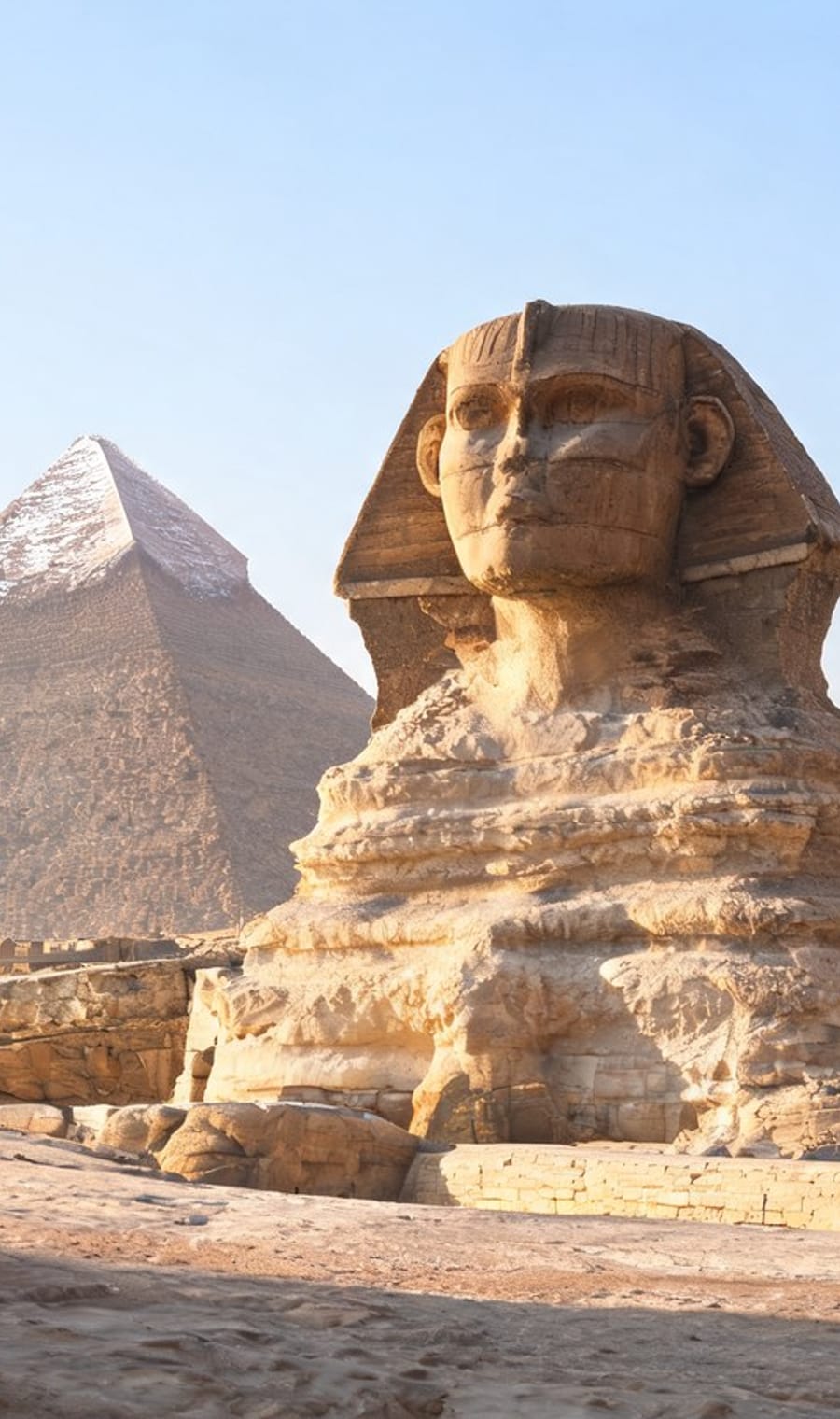
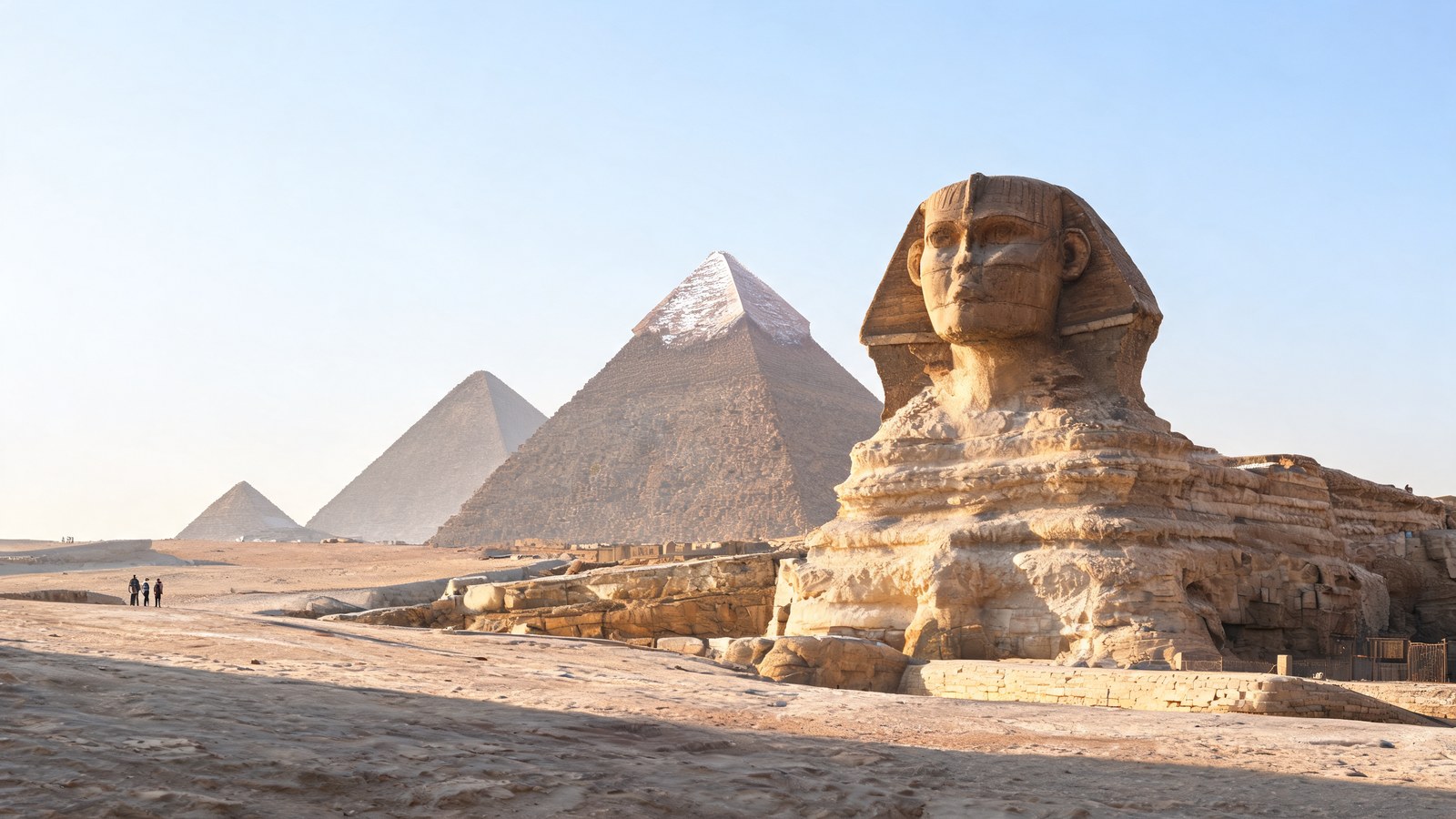
Egypt is one of the world's genuinely unmissable destinations — a civilization so old and so continuous that standing in front of the Pyramids of Giza produces a kind of temporal vertigo that photographs and reading cannot prepare you for. The scale is unexpected. The antiquity is incomprehensible in the abstract. The light coming across the Sahara at 6am over the Sphinx is a color that no photograph has ever reproduced faithfully.
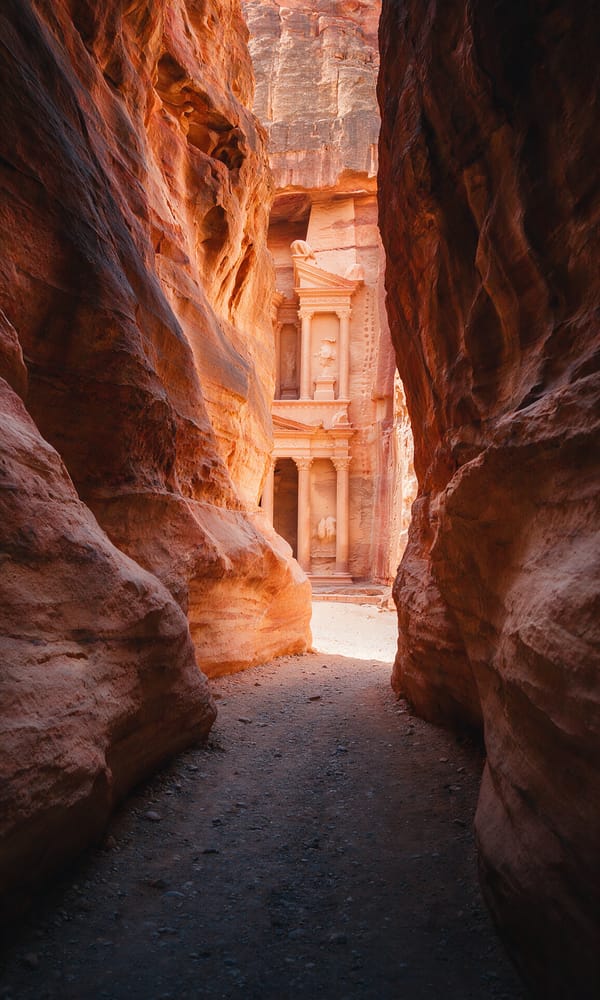
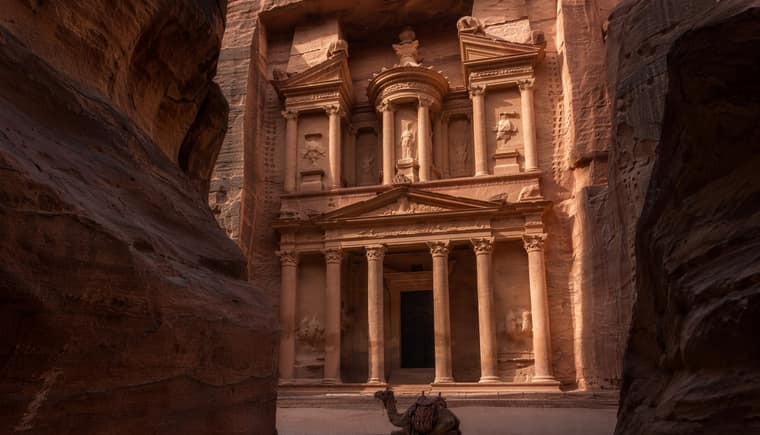
But Egypt is also the destination where guide quality makes the largest difference of any cultural trip on earth. The content of what you're looking at — the hieroglyphic inscriptions on the tomb walls, the astronomical alignment of the temple sanctuaries, the theology of the ancient Egyptian afterlife that explains why every tomb looks the way it does — is invisible without someone who has spent twenty years studying it. A licensed tour guide shows you the Treasury and tells you its dimensions. An Egyptologist reads the inscription above the tomb entrance and tells you it's a legal document: the dead man's case for why he deserved eternal life.
The planning decisions that matter most in Egypt are: which Egyptologist, what time to arrive at Giza, which Nile vessel, and whether Abu Simbel is worth the early flight from Aswan. The answer to all four is specific, not general — and it's the difference between a good Egypt trip and one that changes how you think about history.
Six Egypt Destinations Worth Planning Properly
Each site has a specific entry strategy, an ideal guide profile, and a version of the experience that the majority of visitors don't reach because they arrived without knowing what they were looking at.
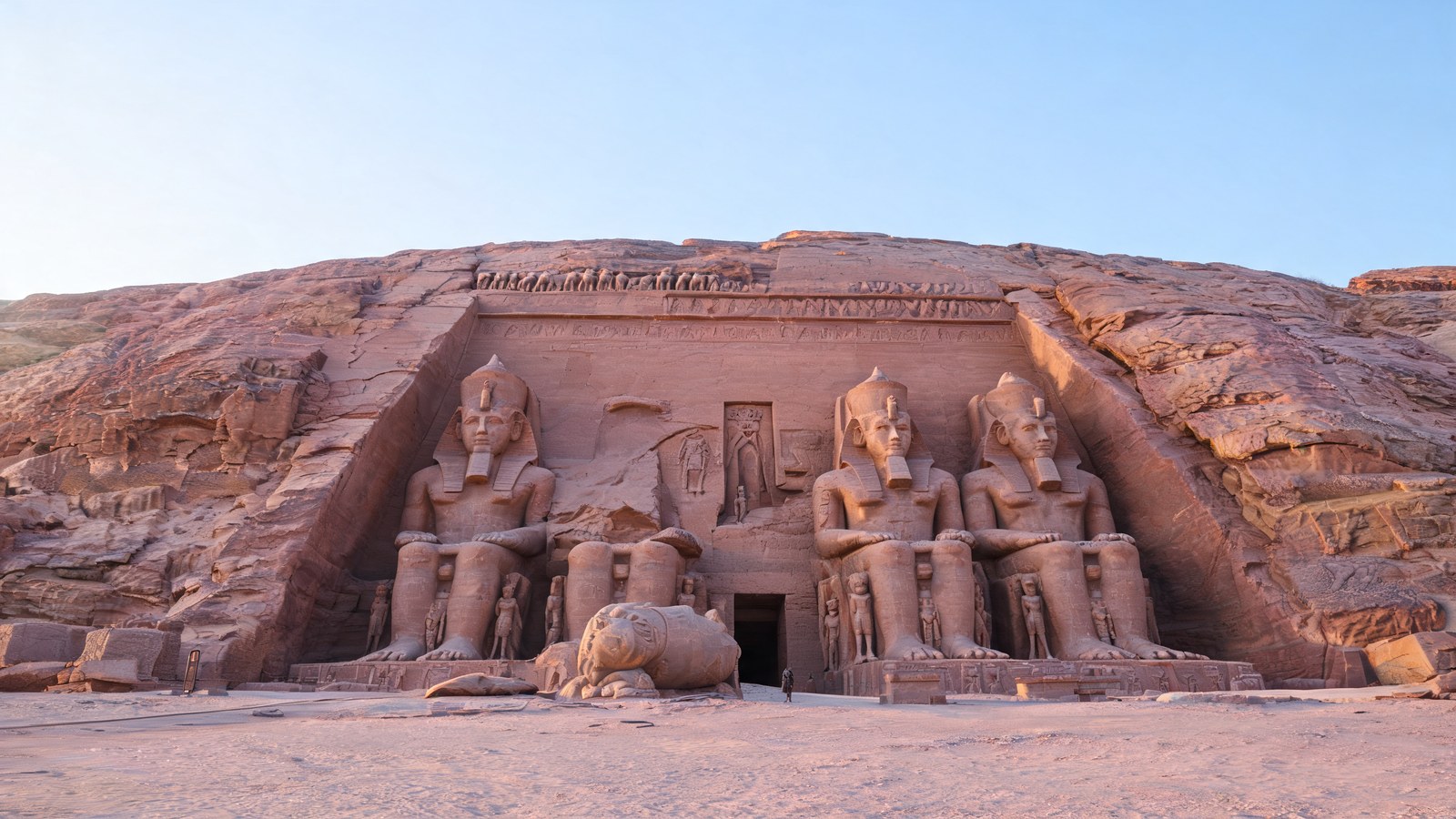
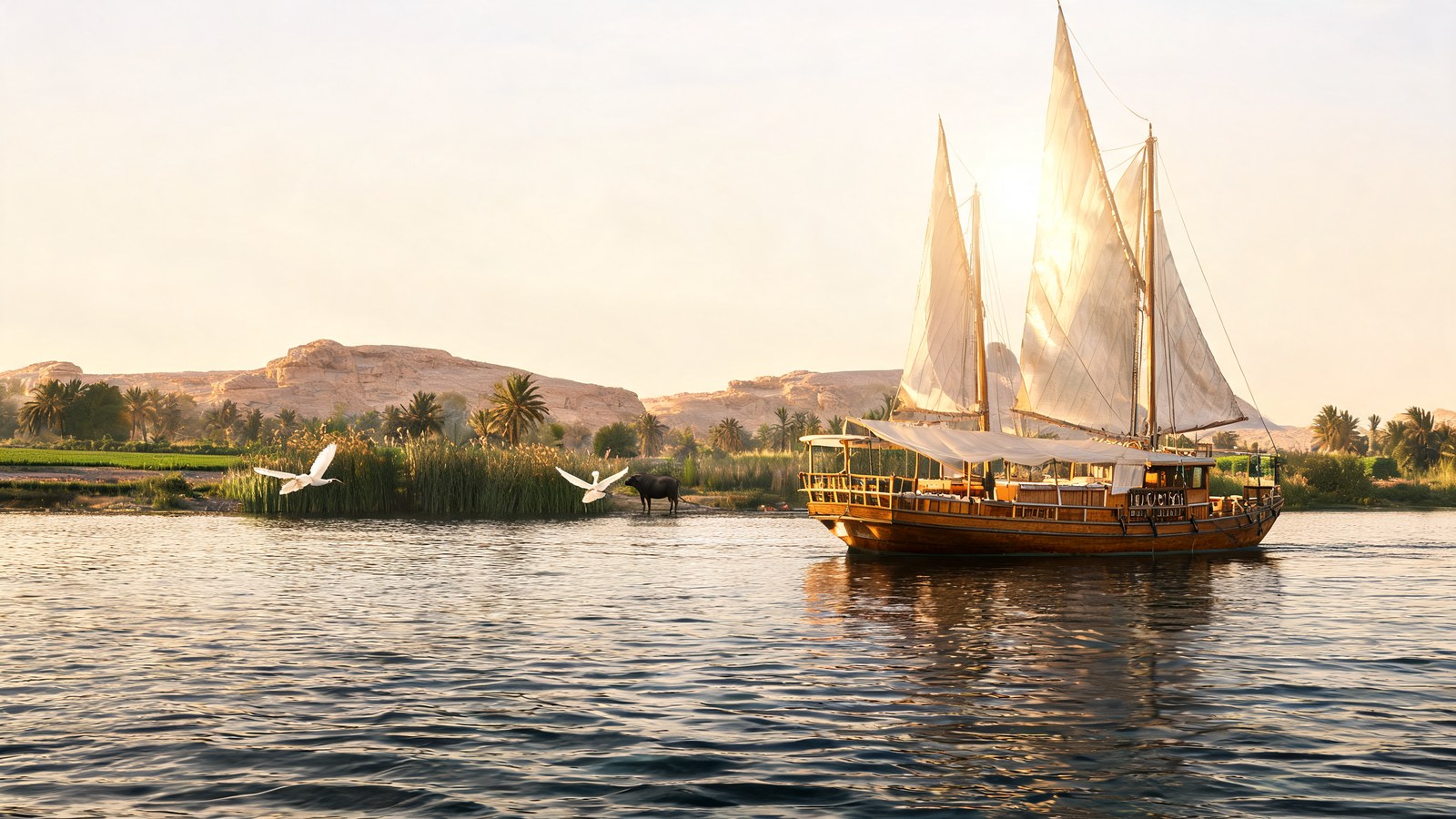
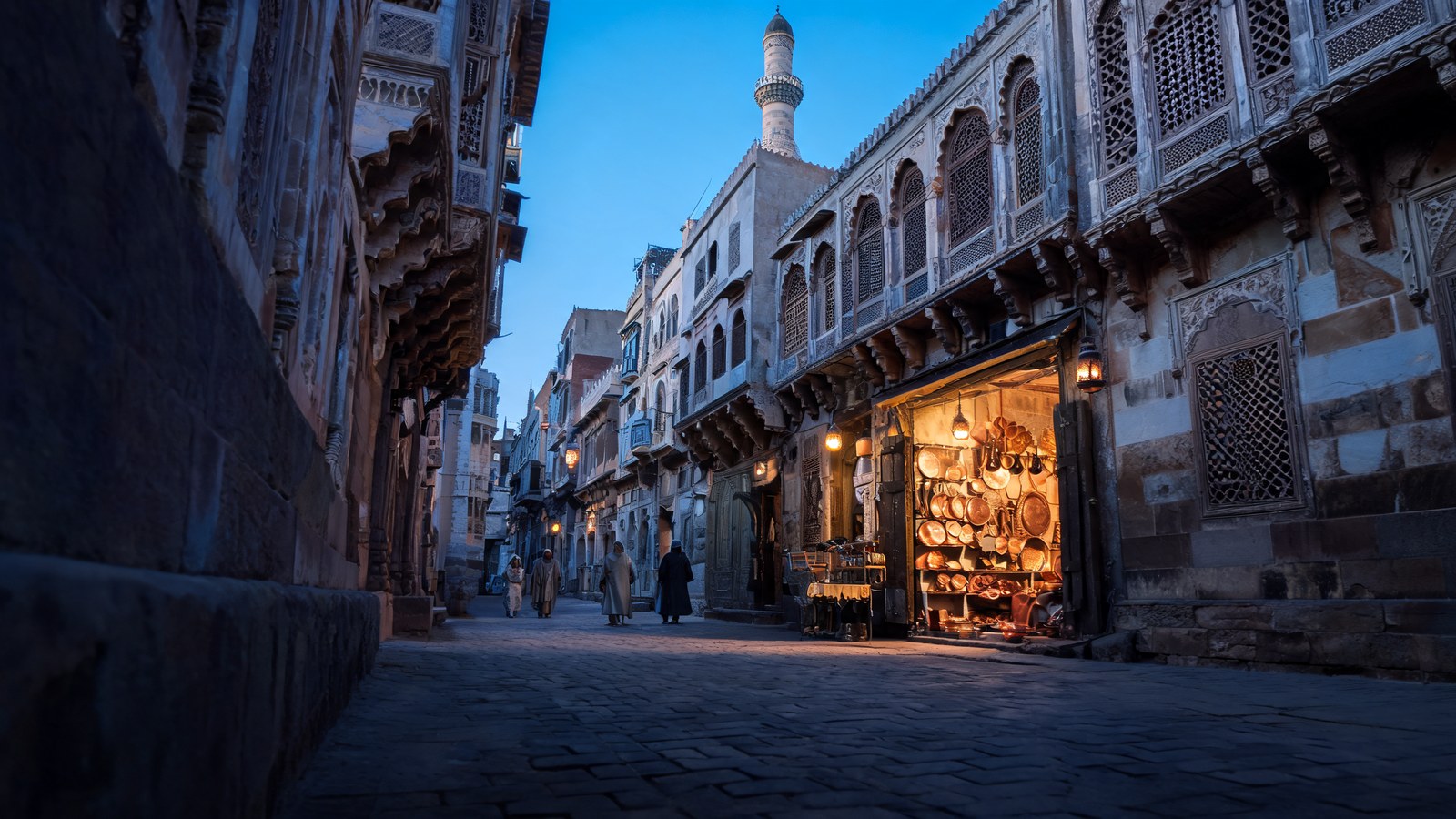
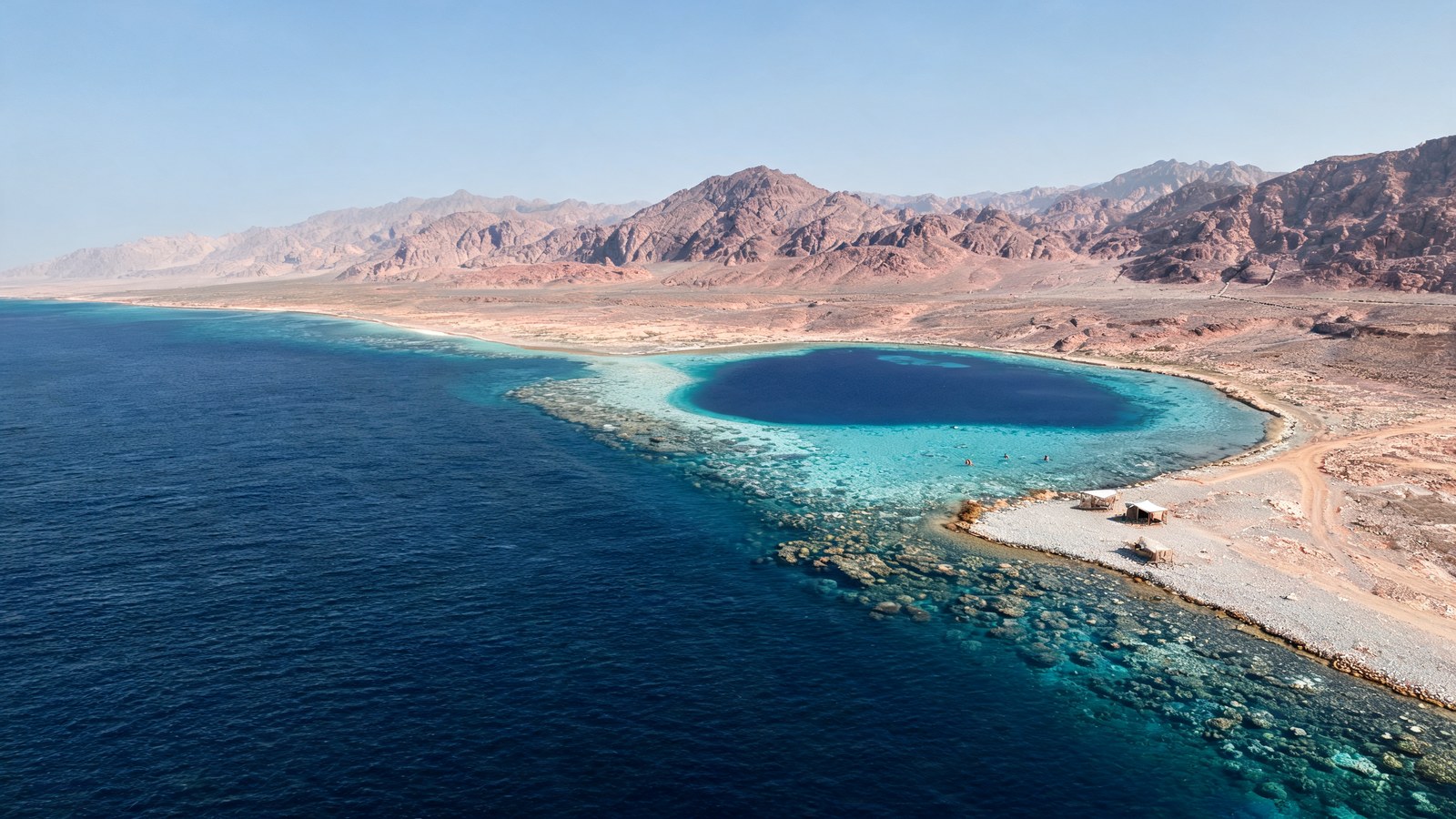
Trips We Plan Often
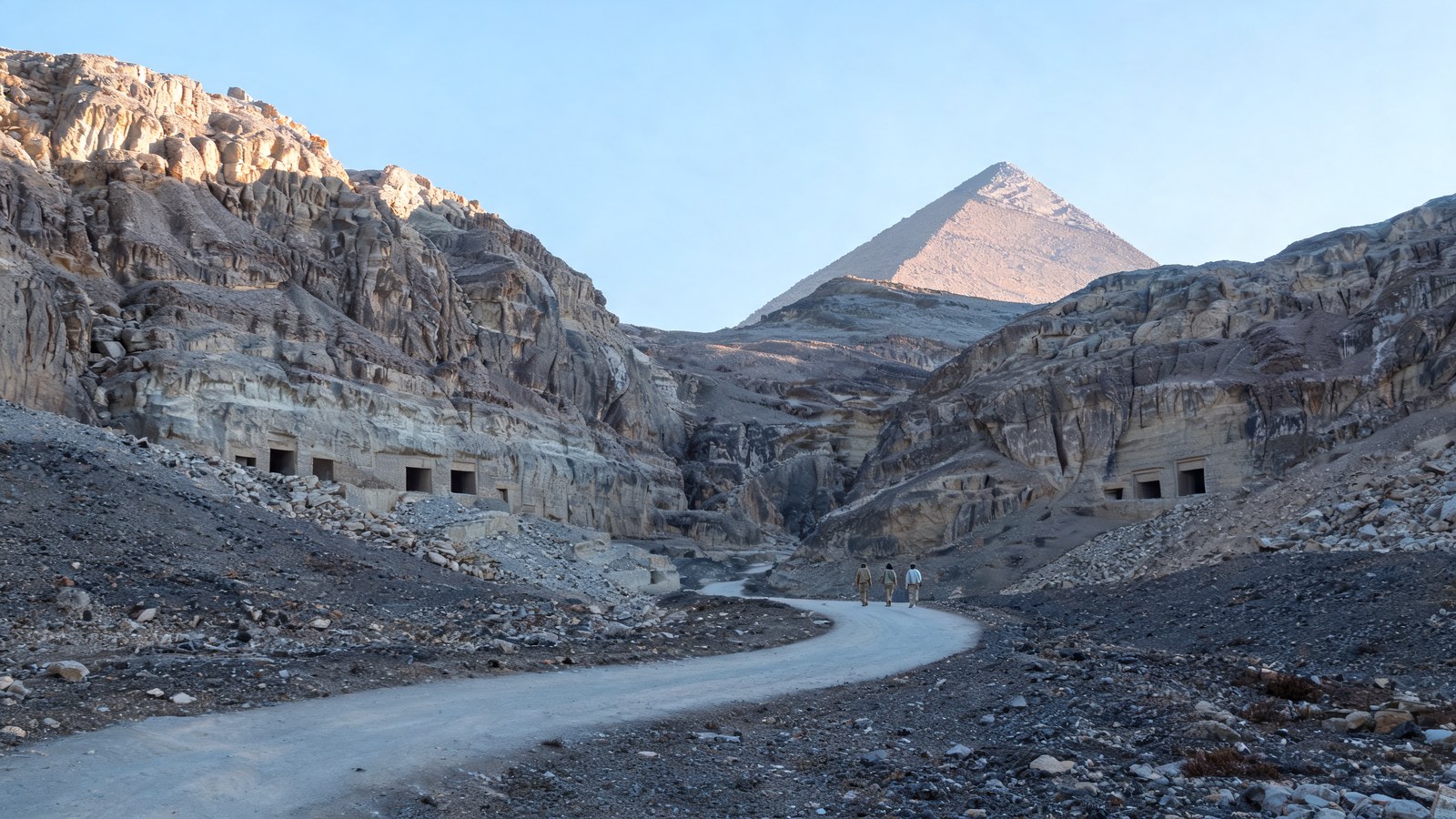
Egypt itineraries built around the Egyptologists, the dawn access, and the Nile vessel that delivers the monuments in the right light and at the right pace.
What We Add to Egypt Planning
Egypt is the destination where guide quality makes the largest difference of any cultural trip on earth. The planning decisions that follow from this are specific.
Egypt by Season
Plan an Egypt Trip
Built Around the Specialists
Tell me which Egypt sites draw you most, when you can travel, and whether the Nile cruise or the Jordan combination interests you. I'll come back with a specific recommendation — Egyptologist, vessel, dawn logistics, and timing — within one business day.
No booking fees · Response within 24 hours · Fully bespoke
Destinations Worth Comparing
What Egypt Actually Costs
- Five-star hotels, and a luxury Nile cruise segment where stated
- Private transfers and an Egyptologist guide
- Core admissions, selected meals and domestic flights where stated
- International airfare and the visa
- Gratuities — a real line item in Egypt
- Optional tomb tickets and premium suites
- Nile vessel and cabin category
- Egyptologist caliber and private-guide days
- Domestic air and special-access sites
Editorial planning bands, not quotes — assembled from published rates and official fee sources, verified . Rates, permit costs and park fees change; confirm before booking. Source: Experience Egypt.
Egypt — FAQ
Questions we hear most when planning Egypt travel — from guide selection and Nile cruise options to safety, timing, and what to genuinely expect at the Pyramids.