
Arabian Peninsula

The Middle East
Nobody Knows About
Yet.

A country that has maintained its culture and landscape without transformation. Desert, fjord, mountain, and coast within a single week's drive. A hospitality standard that exceeds expectation at every turn. And a self-drive road trip culture that rewards the traveler who plans properly and arrives with open time.

Best Season
October – March
Best For
Road Trips
& Desert
The Destination

The Antidote to the
Dubai-Era Middle East.

Oman's window is October through March, with the Jebel Akhdar rose harvest in March and April. May to September is too hot for the interior. Most itineraries run 8–16 days. A 4WD is genuinely required for the wadis and the Wahiba Sands rather than a rental upsell. Oman rates among the safest countries in the region for solo female travellers.

Oman is the country that travelers who love the Middle East recommend to travelers who aren't sure about it yet. It has maintained its cultural identity and its landscape through the Gulf's transformation — no glass towers rising from the desert, no manufactured tourism infrastructure. What it has instead is an extraordinary topographic diversity compressed into a country that can be driven end-to-end in a week: orange dune deserts that require 4WD, fjord coastlines with no geological parallel outside Norway, mountain plateaus with rose gardens at 2,000 meters, and an interior valley market culture that hasn't changed its Friday rhythm in three hundred years.

The self-drive format is the correct way to experience Oman. The country has one of the best road networks in the Middle East, the distances between key sites are manageable across a ten-to-twelve day circuit, and the experience of arriving at the Wahiba Sands edge in your own 4WD — watching the orange dunes rise above the gravel plain — is qualitatively different from arriving in a tour vehicle. The logistics require advance planning: a 4WD rental, the correct route sequence for light and logistics, and knowing which nights require the Wahiba camp and which nights are best in Nizwa.

Oman sits on almost no traveler's shortlist for the Middle East, and it should sit on every traveler's. The hospitality culture runs deeper here than anywhere else in the region — not as performance, but as a genuine practice that produces encounters with locals that most tourism infrastructure doesn't deliver. Oman is the Middle East before it became a destination.
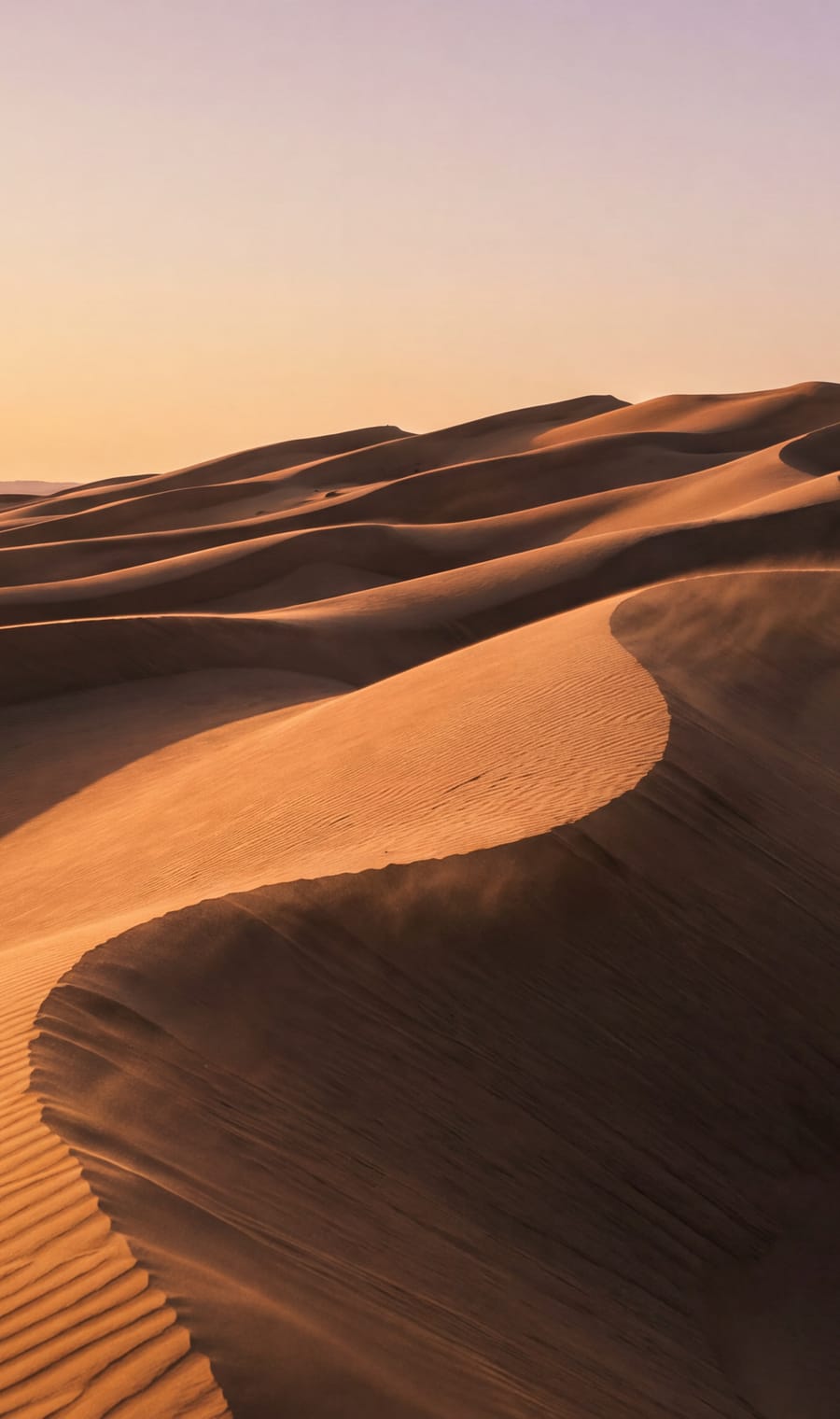
The curved ridge of a dune in the Wahiba Sands, Oman
Wahiba Sands · Oman
Where We Send Clients

Six Oman Destinations Worth Planning Properly

Oman's regions are each distinct — the itinerary sequence, the Friday timing, and the 4WD logistics are what make the difference between a good trip and a great one.
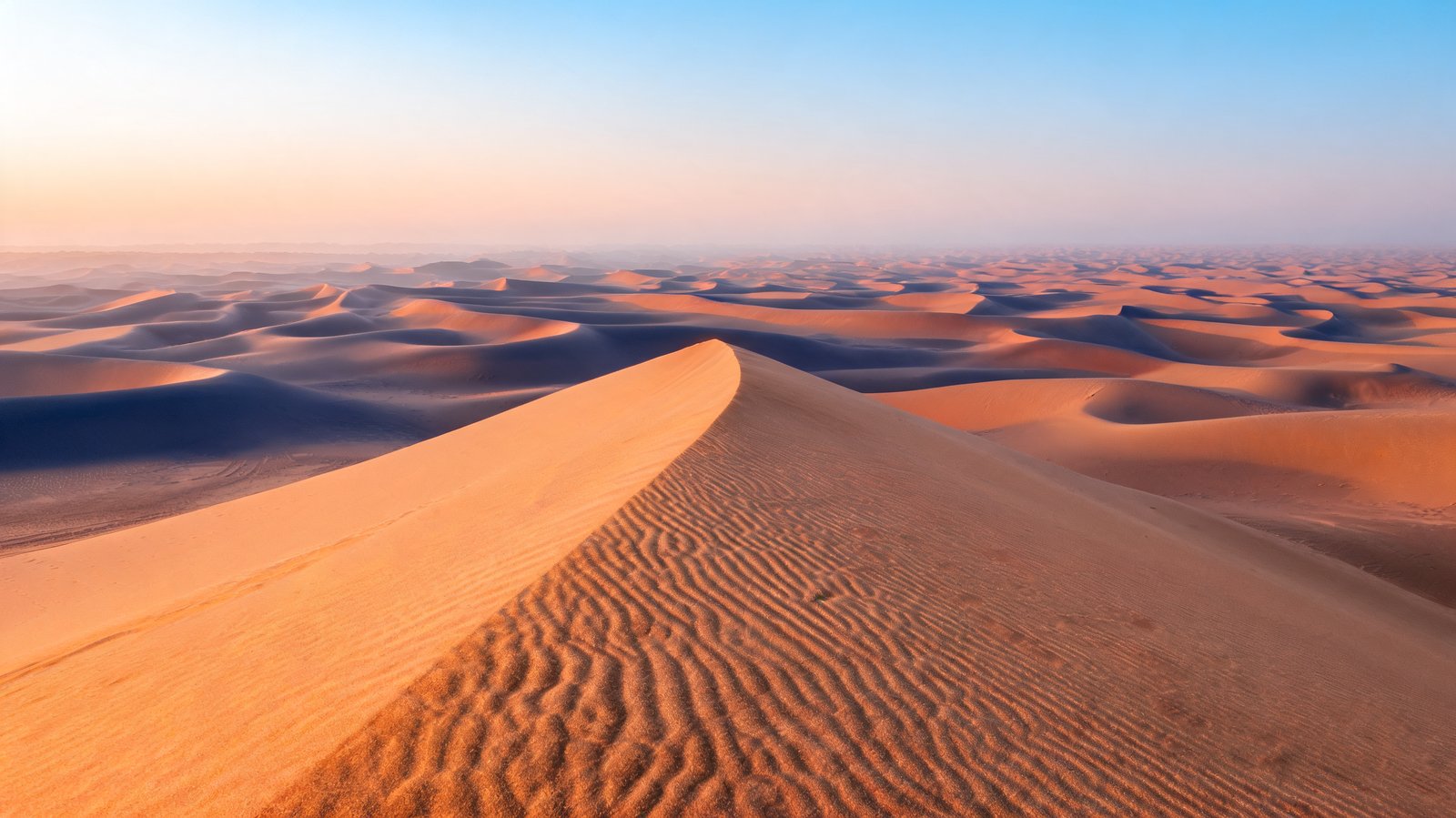
Wahiba Sands, Eastern Oman
Eastern Oman
Wahiba Sands
A desert camp reachable only by 4WD, through orange dunes rising 150 meters above the gravel plain at the edge. A camel ride at sunset with a guide who grew up nomadic on these sands. The dune crest at dawn, before the heat and before anyone leaves camp, as the desert turns amber in minutes.
Desert Camp Bedouin Culture 4WD
Explore →
Musandam Peninsula
Musandam Peninsula
Musandam Peninsula
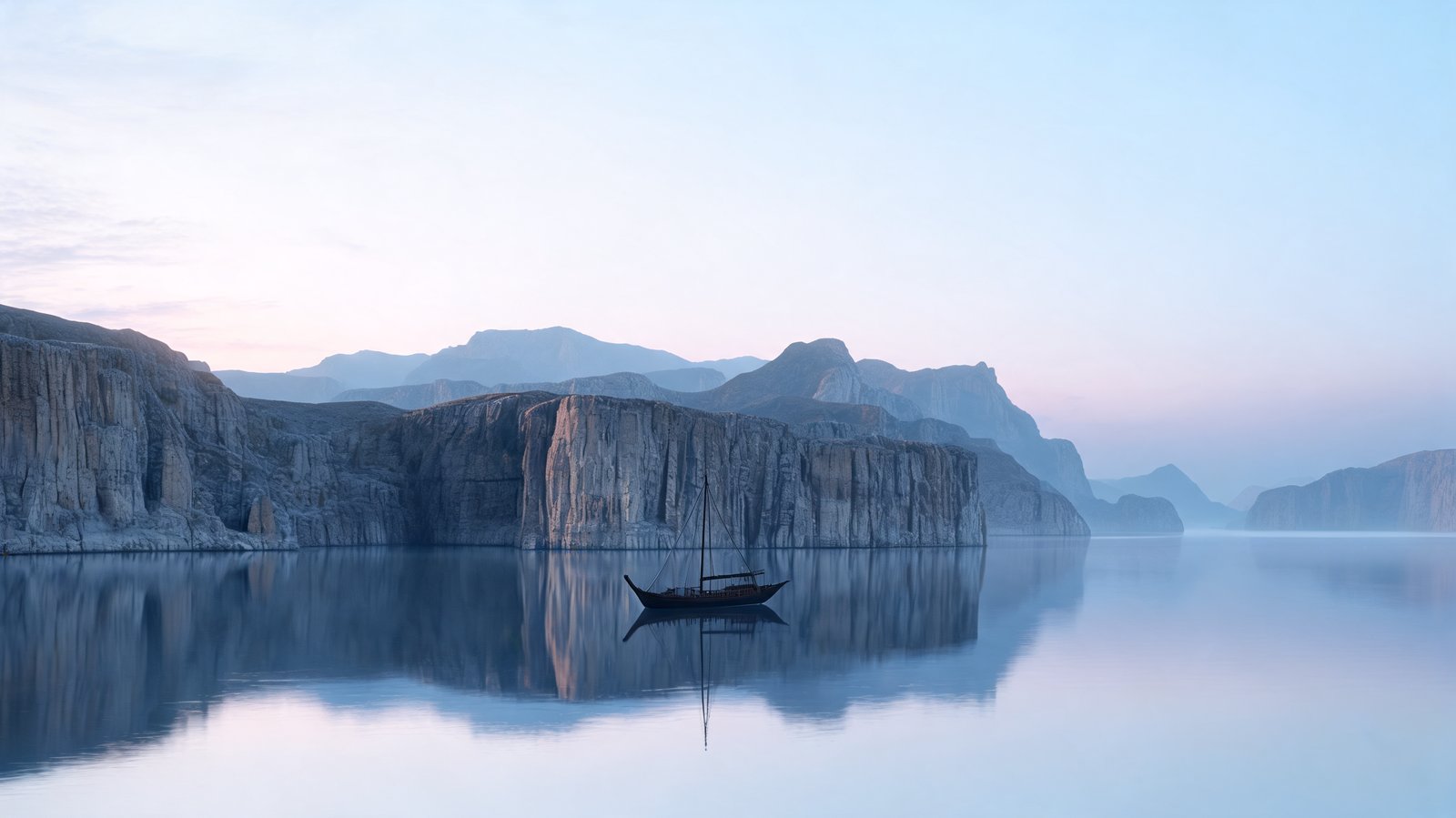
A fjord coastline with no geological parallel outside Norway — limestone cliffs dropping into the Strait of Hormuz in inlets the dhow navigates at walking pace. A dawn cruise through Khor ash-Sham when the water is flat and the dolphins run at the bow. Villages reachable only by boat.
FjordsDhow CruiseKhasab
Explore →
Nizwa, Interior Oman
Interior Oman
Nizwa
The Friday morning goat market is the most authentic market in the Arabian Peninsula — livestock traded between farmers in a 17th-century walled souk, in a negotiation that takes exactly as long as it takes. A potter working the same red clay on the same wheel since the Nizwa Sultanate.
Goat MarketHistoric FortPottery
Explore →
Wadi Shab & Wadi Bani Khalid, Eastern Oman
Eastern Oman
Wadi Shab & Wadi Bani Khalid
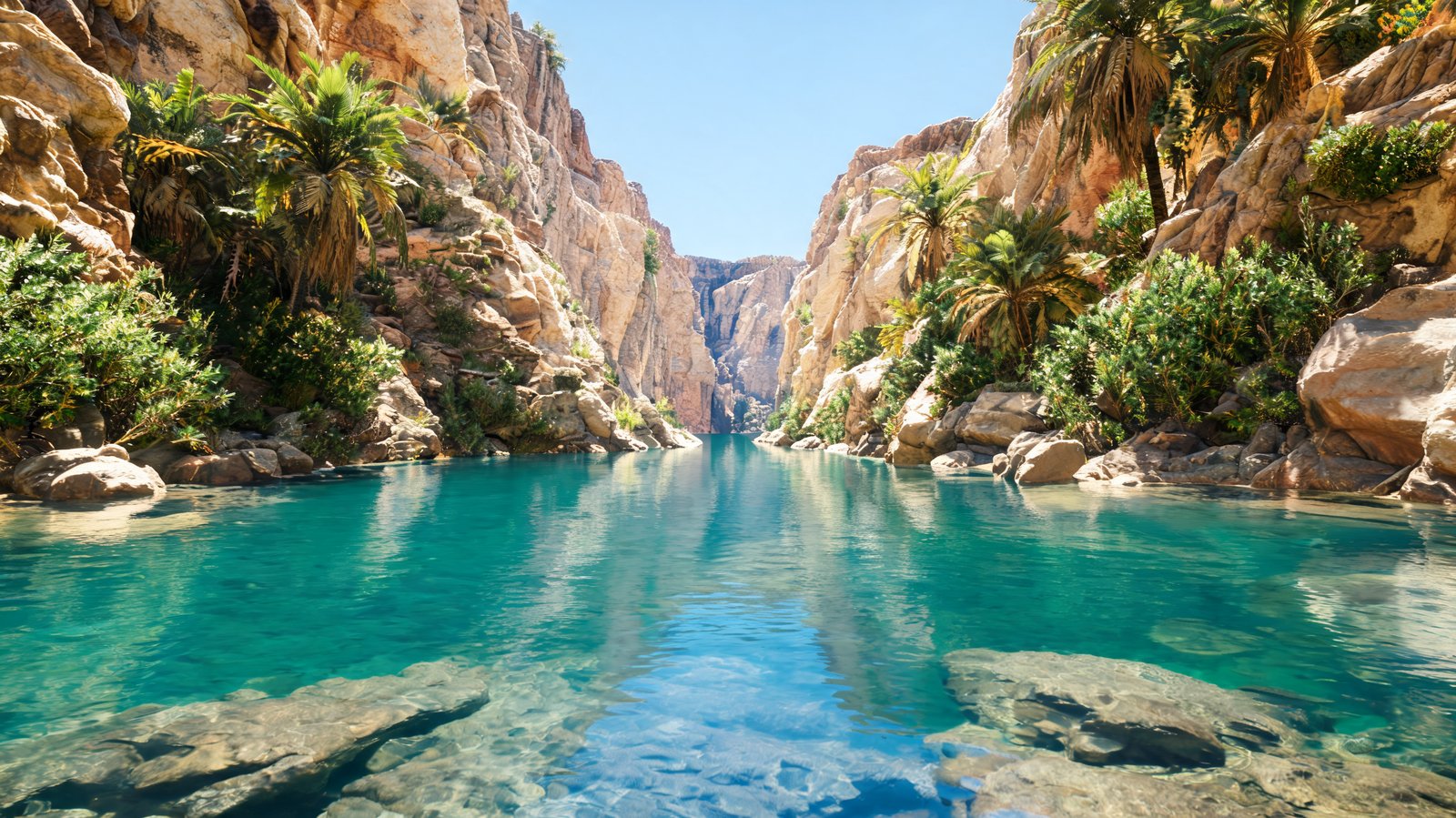
Wadi Shab: emerald pools in a canyon a 45-minute walk from the road, ending in a narrow passage you have to swim through into a cave to reach the last pool. Wadi Bani Khalid: turquoise pools in the Hajar foothills that stay cool while the air outside reaches forty degrees.
Emerald PoolsTurquoiseHajar
Explore →
Muscat, Capital Region
Capital Region
Muscat
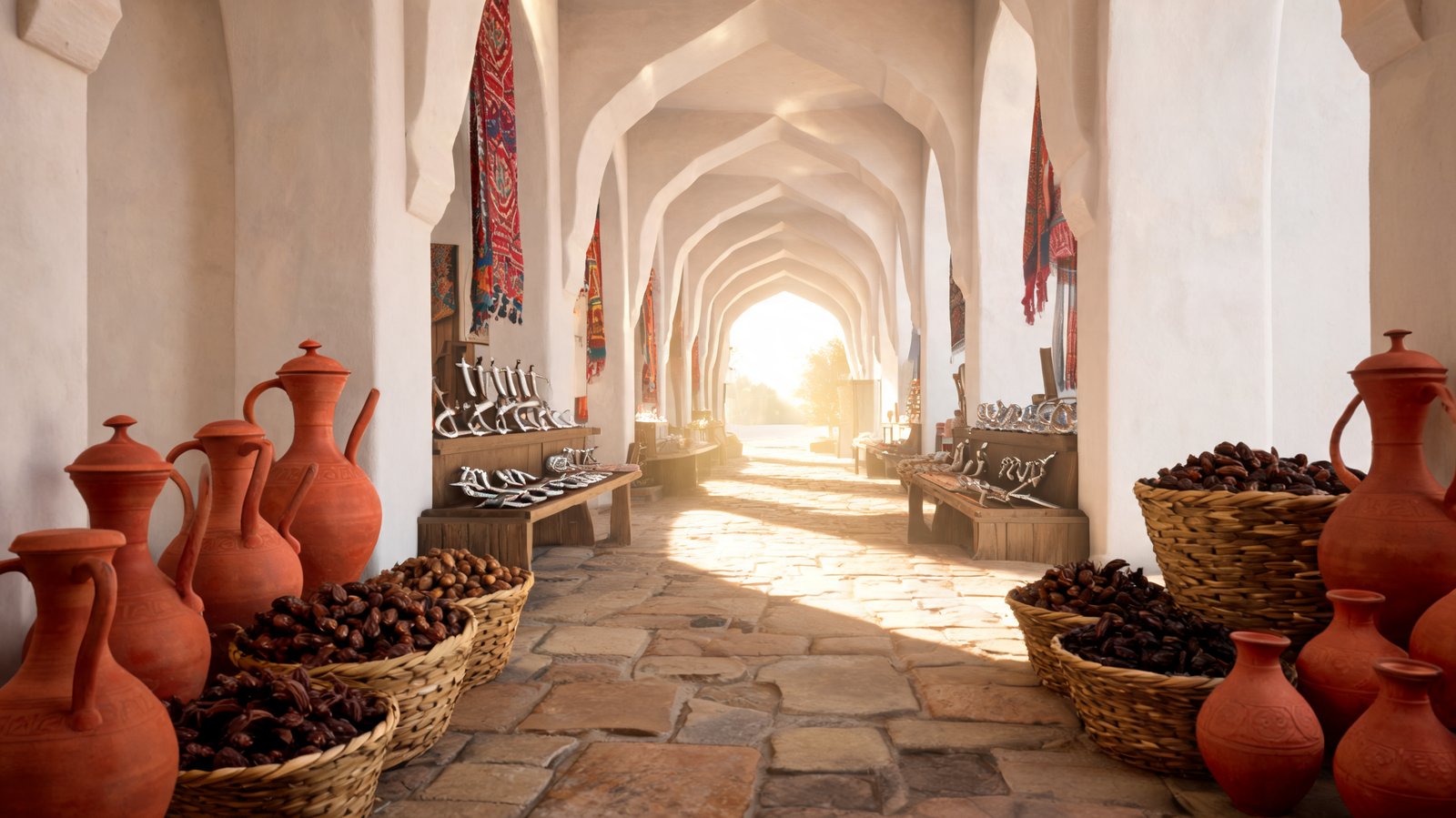
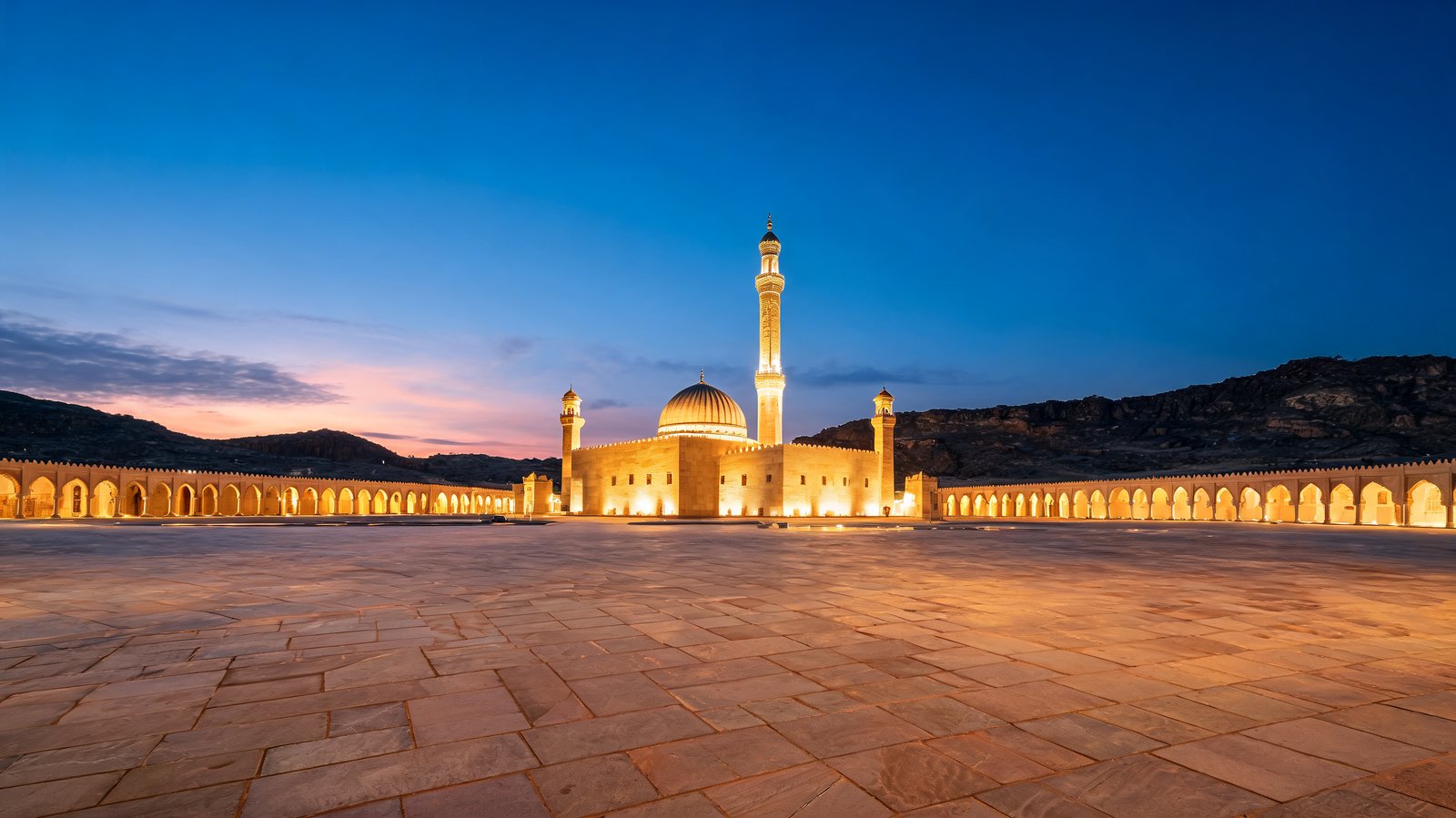
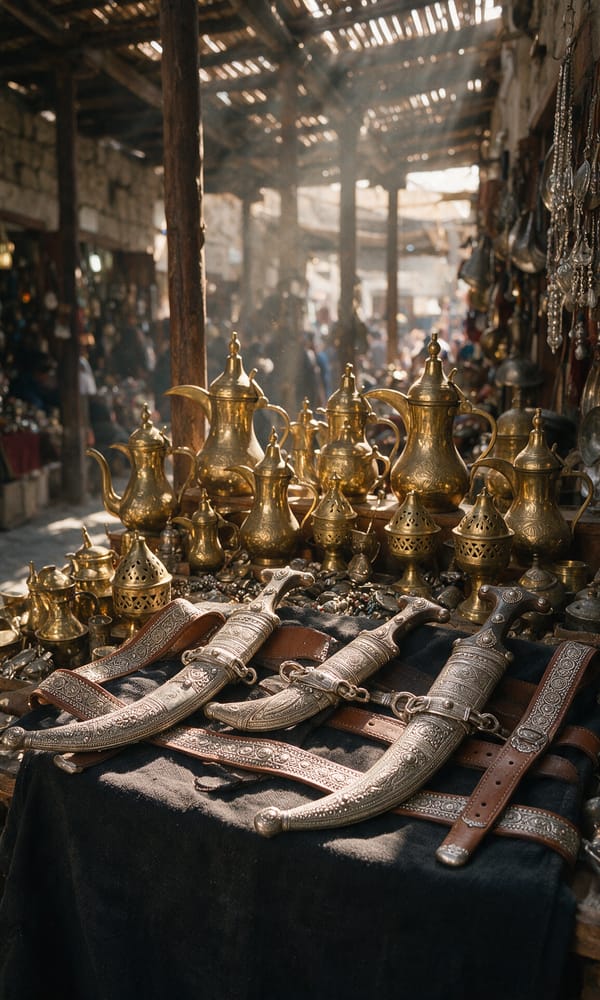
The Sultan Qaboos Grand Mosque, one of the finest Islamic buildings of the 20th century, needs timed entry and a guide who can read the Quranic inscriptions woven into the single-piece Persian carpet. The Muttrah Souq silver market, where khanjar daggers are still made by hand.
Grand MosqueMuttrah SouqSilver Craft
Explore →
Jebel Akhdar & the Green Mountain, Al Hajar Mountains
Al Hajar Mountains
Jebel Akhdar & the Green Mountain
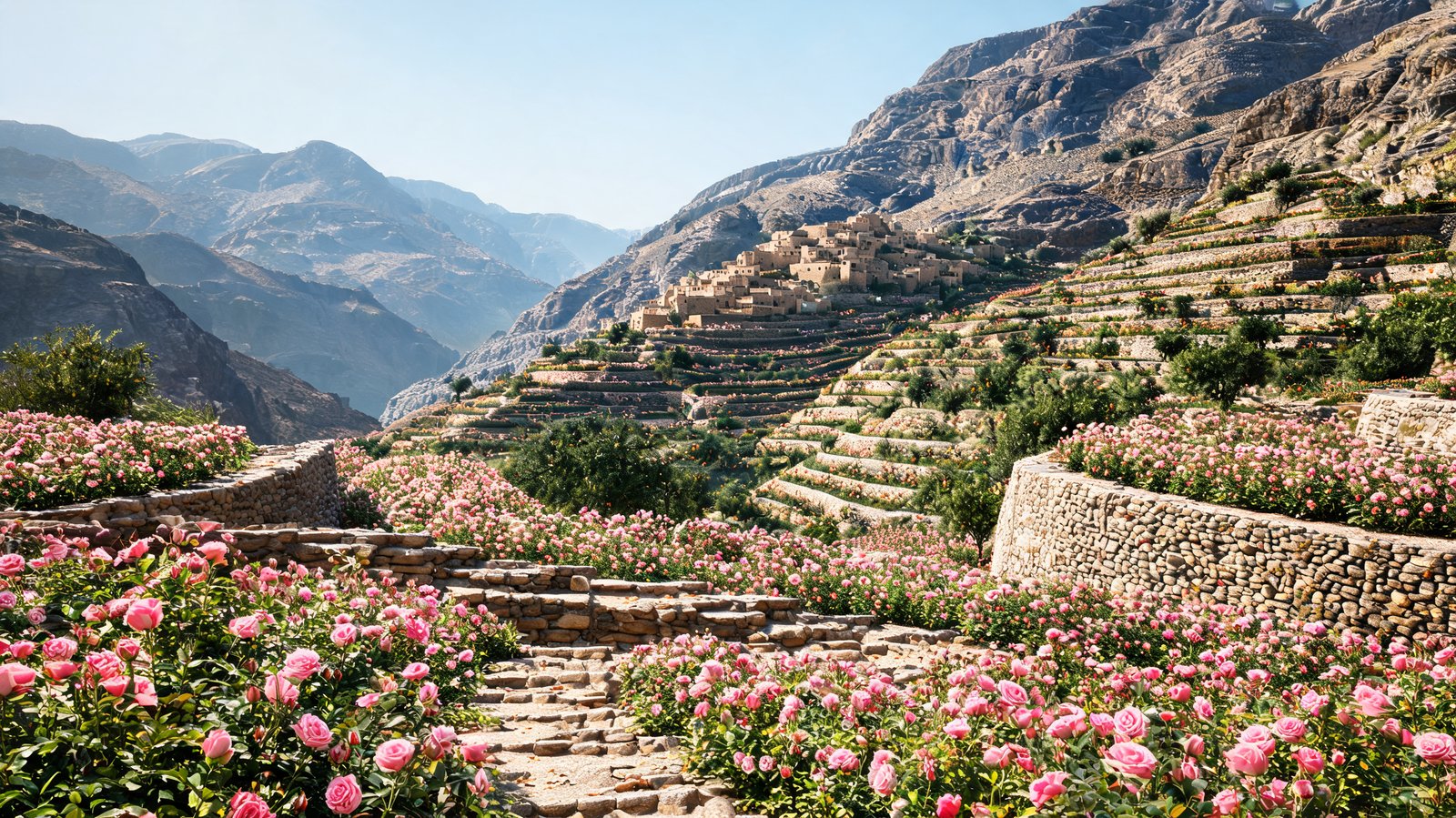
Terraced pomegranate orchards at 2,000 meters, a rose water season from Damask roses cut only in March and April, and Hajar villages that were closed to outsiders entirely until the 1990s. The view across Wadi Ghul, the Grand Canyon of Arabia, is among the finest in the Middle East.
Rose WaterGreen MountainTerraces
Explore →
Featured Itineraries

Trips We Plan Often

Oman itineraries built around the self-drive routing, the Friday market timing, and the 4WD logistics that make each region accessible on its own terms.
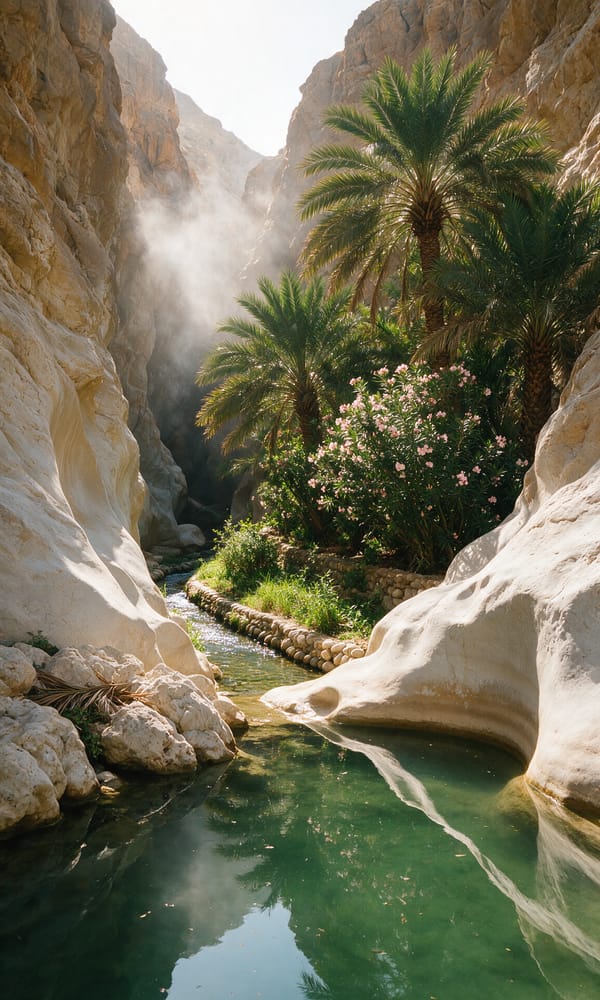
A clear emerald pool between pale limestone walls and date palms in the gorge at Wadi Shab
October – March · 10–12 Days
Oman Self-Drive
Muscat first — the Grand Mosque on day one, the Muttrah Souq and silver market on the afternoon. Then east along the coast to Wadi Shab and the emerald pools, followed by Wadi Bani Khalid. South to Wahiba Sands for two nights in the desert camp: camel at sunset, dunes at dawn, Bedouin dinner. West to Nizwa — arriving Thursday to be in position for the Friday morning goat market. Jebel Akhdar by 4WD through the mountain switchbacks. Return to Muscat for a final night. Musandam added as a separate domestic flight for a total of twelve days.
Oman10–12 Days
Plan This Trip
Silver khanjar daggers and brass coffee pots laid on dark cloth at a stall in Nizwa souq
October – March · 8–10 Days
Oman Highlights
The essential Oman circuit in eight to ten days: Muscat for the mosque and the souq, then inland to Nizwa for the Friday goat market (the itinerary built backward from this date), the Nizwa Fort with a guide who explains the falaj water system, Wahiba Sands for two nights, and Wadi Shab as the final natural experience before the return to Muscat. Sur — the dhow-building capital of the Arabian Sea — added as an overnight if the green turtle nesting season coincides.
Oman8–10 Days
Plan This Trip
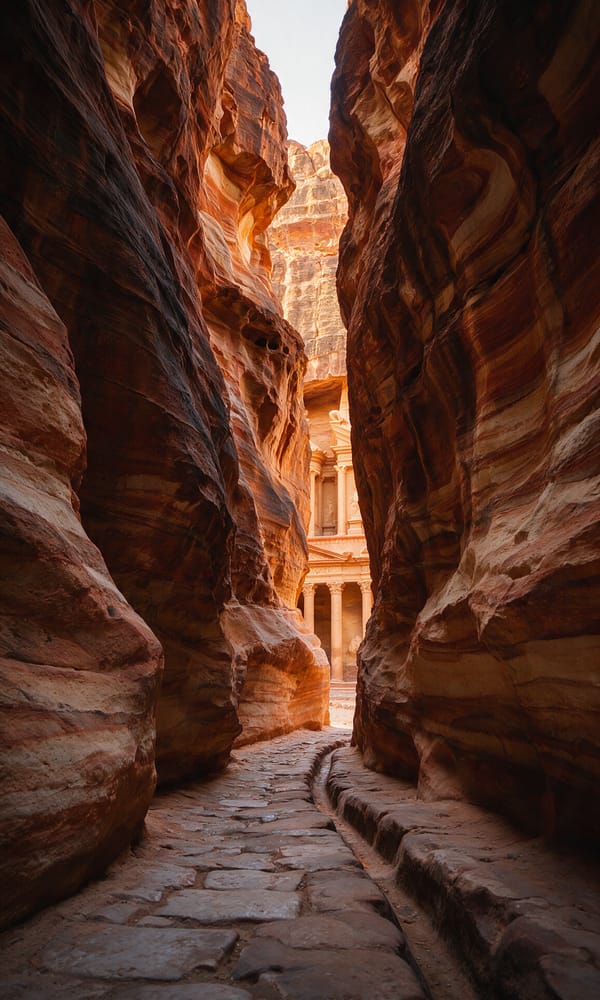
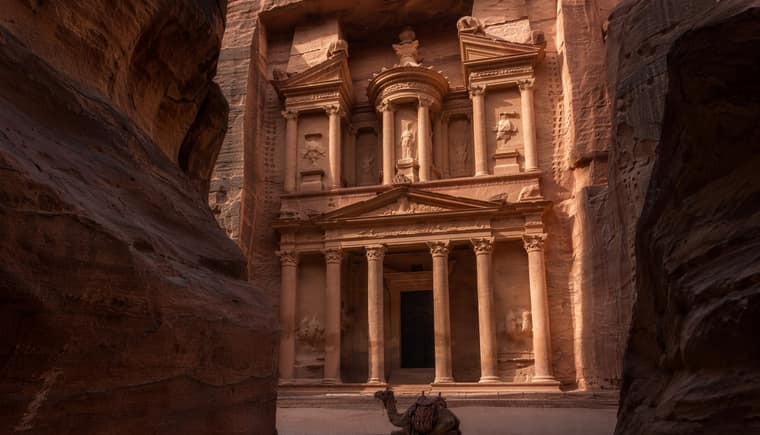
The carved columns of Petra's Treasury showing through the narrow banded sandstone walls of the Siq
October – April · 14–16 Days
Oman & Jordan
Two of the most rewarding Middle East destinations combined in a single two-week trip: Oman for the landscape diversity, the Bedouin culture, and the self-drive freedom; Jordan for Petra and Wadi Rum and the Nabataean archaeology. The combination covers the Arabian Peninsula's best self-drive destination and the Levant's best cultural destination without overlap or redundancy. The flight connection between Muscat and Amman is direct and frequent, making the logistics cleaner than most two-country Middle East combinations.
Oman · Jordan14–16 Days
Plan This Trip
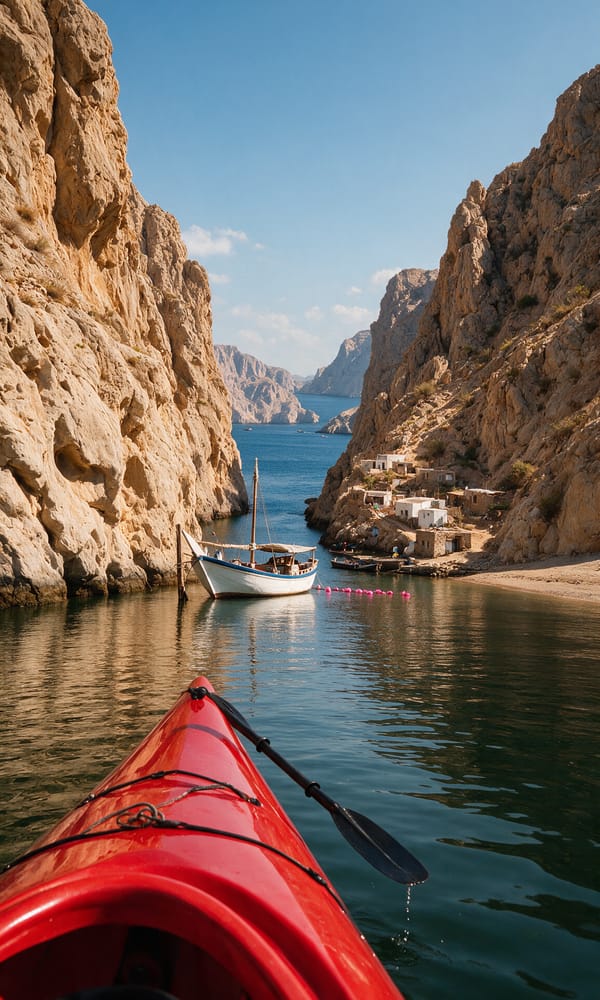
A kayak bow and paddle on flat green water below the bare limestone walls of a Musandam fjord
November – March · 10 Days
Oman Adventure
The Jebel Shams canyon rim — the Grand Canyon of Arabia — at dawn on day one. Canyoning in Wadi Ghul with a technical guide. Musandam kayaking through the fjord inlets with a naturalist who can identify the dolphin species from the surface pattern. Wahiba Sands camel trek over two days with a Bedouin guide. Hajar mountain trails across the Al Hajar range between Jebel Akhdar and the interior plateau. A trip built for the traveler who wants Oman's landscape on its own physical terms.
Oman10 Days
Plan This Trip
Why Plan With Us

What We Add to Oman Planning

Oman is the most self-drivable destination in the Middle East — but the routing, the Friday timing, and the 4WD logistics require planning to get right.

Self-Drive Routing
Oman is the best self-drive destination in the Middle East — the road network is exceptional, the distances are manageable, and the experience of arriving at each site under your own direction adds something that a tour vehicle doesn't. But the route order matters enormously for logistics and light: Wadi Shab in the morning before the sun enters the canyon, Wahiba Sands in the late afternoon when the dune color peaks, Jebel Akhdar with enough daylight to reach the plateau before the mountain road narrows in the dark. We build the route around these specifics.
4WD Requirement
Wahiba Sands and Jebel Akhdar both require a 4WD vehicle — not as an adventure option, but as a practical requirement: the Wahiba camp entry is through dune fields that a standard vehicle cannot navigate, and the Jebel Akhdar road above 1,500 meters is controlled by a checkpoint that turns away non-4WD rentals. Arranging a 4WD rental in Oman requires advance booking, particularly in the peak October-March window when supply is limited. We handle this as part of the planning rather than leaving it to arrival logistics.
Friday Market Timing
The Nizwa goat market happens only on Friday mornings — from approximately 7am until noon, when the trading winds down and the stalls close. The entire interior itinerary is built around arriving in Nizwa on Thursday evening. A traveler who arrives in Nizwa on Saturday morning has missed it by one day, and the next opportunity is a week away. We build the Oman itinerary backward from Friday — Nizwa Thursday night — and work outward from that fixed point.
Musandam Separation
The Musandam Peninsula is geographically an Omani exclave — separated from Oman proper by a stretch of UAE territory. Reaching it requires either a separate domestic flight from Muscat to Khasab, or a UAE crossing from Dubai or Fujairah with a specific visa configuration. Most travelers choose the domestic flight, but the logistics of entry, accommodation booking, and dhow charter timing in Khasab all require coordination from the outset. We manage this as part of the overall itinerary rather than leaving it as an afterthought.
When to Go

Oman by Season

Primary Window
October – March
Comfortable 25-28°C across the country, low humidity, and desert nights that are cool and clear. The Wahiba Sands is at its most photogenic from November through February when the dune shadows are long in the morning and the air is crisp. The Musandam fjords are calm and dolphin-active throughout this window. The Grand Mosque is at its most comfortable to visit in the cooler months.
Best Overall Window
Rose Harvest Season
March – April
The Jebel Akhdar Damask rose harvest runs for approximately three weeks in late March and early April — the only window when the rose water distillation is active and the terraces are in bloom. Warm but not hot across the rest of the country. A specific reason to time the Oman trip around this window if Jebel Akhdar is a priority.
Avoid for Interior Travel
May – September
Extreme heat in the Omani interior — Wahiba Sands reaches 45-50°C in July and August, which makes the desert camp experience not just uncomfortable but potentially dangerous. Muscat is humid and hot. The Jebel Akhdar plateau is tolerable but requires very early starts. Musandam and the coast are the only regions that remain manageable, and only for travelers accustomed to Gulf heat.
Ready When You Are

Plan an Oman Trip
That Goes Beyond Muscat

Tell me which Oman regions draw you most, when you can travel, and whether self-drive or a guided format suits you better. I'll come back with a specific routing recommendation — 4WD logistics, Friday timing, and what to prioritize — within one business day.

Plan an Oman Trip All Middle East

No booking fees  ·  Response within 24 hours  ·  Fully bespoke

What It Costs

What Oman Actually Costs

$650–$1,300
per person, per day, land only. Ranges, not quotes.
What that includes
  • Five-star hotels and a desert camp
  • Breakfast and selected dinners
  • A private driver, transfers and core excursions
What it does not
  • International airfare, and the eVisa where required
  • Most meals
  • Spa treatments and gratuities
The two or three things that move it most
  • Resort and desert-camp tier
  • 4x4 and guide days
  • Desert and Musandam logistics

Editorial planning bands, not quotes — assembled from published rates and official fee sources, verified . Rates, permit costs and park fees change; confirm before booking. Source: Royal Oman Police eVisa.

Common Questions

Oman — FAQ

Questions we hear most when planning Oman travel — from solo female safety to 4WD requirements, Friday itinerary planning, and the Musandam logistics.

Yes. Oman is consistently rated among the safest countries in the Middle East for solo female travelers, and among the safest in the world by most international rankings. The hospitality culture is genuinely welcoming, harassment is rare in the tourist corridors, and the country has a strong rule of law. Modest dress — shoulders and knees covered — is appropriate throughout, and a scarf is worth carrying for mosque visits. The self-drive format is entirely comfortable for solo women travelers.

For the essential Oman circuit — including Wahiba Sands and Jebel Akhdar — yes, a 4WD is required. Wahiba Sands camp access crosses open dune terrain that a standard vehicle cannot manage. Jebel Akhdar has a checkpoint above 1,500 meters that physically stops non-4WD vehicles. A trip that excludes both can be done in a standard car, but it misses the two most distinctive Oman landscapes. A 4WD rental adds cost but changes what the trip is capable of entirely.

By road it is approximately 2.5 hours from Dubai to Khasab, via the UAE-Oman border crossing at Tibat. The catch is paperwork: that route requires the correct visa configuration for re-entering Oman from the UAE. The more reliable option for a full Oman trip is a domestic flight from Muscat to Khasab — a 45-minute flight that bypasses the border complexity entirely. Day trips from Dubai to Musandam are popular but compress the fjord experience; an overnight in Khasab allows for a proper dhow cruise.

Yes. The Nizwa goat market is a Friday morning event — it begins at dawn and closes by midday. Arriving Thursday evening positions you for an early Friday start. Arriving Friday morning works if you're already in Nizwa; arriving Saturday means the market is six days away. The entire interior Oman itinerary is built around this fixed point. We account for this from the first planning conversation — it's the anchor date that everything else adjusts around.

Most Western nationalities (US, UK, EU, Canada, Australia) can obtain a visa on arrival or an e-visa in advance, valid for 30 days. The process is straightforward online through the Royal Oman Police visa portal. If your Oman trip includes a Musandam excursion via UAE, the border crossing logistics need to be planned — your Oman visa must accommodate the re-entry. We provide a full entry brief with every itinerary.

Modest dress is expected throughout Oman, particularly in interior cities like Nizwa and at religious sites. Shoulders and knees covered is the practical standard. The Grand Mosque in Muscat has a specific dress code enforced at the entrance — women are required to wear an abaya (available for loan at the entrance) and cover their hair. At beaches and hotel pools, standard swimwear is appropriate. Oman is more conservative than Dubai but significantly more relaxed than Saudi Arabia.

Alcohol is available in licensed hotels and restaurants in Oman — primarily in Muscat and the larger tourism properties. It is not available in public restaurants, local establishments, or at religious sites. The Wahiba Sands desert camps are alcohol-free. The restriction is not difficult to navigate for most travelers, and the Omani coffee and dates tradition that replaces the cocktail hour is worth engaging with on its own terms.

Dubai is an extraordinary city — ambitious, cosmopolitan, and genuinely impressive as an urban achievement. Oman is a country — older, deeper, and more varied in landscape and culture. They're not in competition: Dubai can be a gateway into or out of an Oman trip, and three days in Dubai at the start or end adds a cultural counterpoint. For a traveler choosing between them as a primary destination, Oman offers far more in terms of natural landscape, cultural authenticity, and the kind of encounter that a city cannot produce.
More questions answered on the Full FAQ Page
From the Journal

Read More on Planning Oman