
The Caucasus

Wine, Monasteries and
Roads That Decide the Trip.

Georgia and Armenia are the wine-and-monastery trip people are looking for once Tuscany has stopped surprising them. Georgia has fermented in buried clay qvevri for eight thousand years; Armenia has been cutting churches into cliffs since the fourth century. Both fit in one itinerary, and the driving distances — not the sights — are what decide how that itinerary is built.

Best Season
May – Oct
Best For
Wine
& Mountain Roads
The Caucasus

Two Countries, One Border,
Eight Thousand Years of Wine.

The Caucasus works best from May through October, and the two strongest windows are late September to late October for the Kakheti grape harvest and May to June for the mountain roads reopening. Tbilisi and Yerevan sit about 280 km apart on one road with a single land border between them, so both countries fit inside twelve to fourteen days.

This is the trip people are looking for when Tuscany and Provence have stopped surprising them. Georgia has been making wine in clay qvevri buried to the neck for something like eight thousand years, and UNESCO added the method to its intangible heritage list in 2013. Armenia has been building churches since the fourth century and cut some of them into cliffs. Neither country has been sanded down for visitors yet, and that is the whole appeal and also the reason it takes planning.

Tbilisi and Yerevan are not interchangeable, and the split is not even. Tbilisi is the better city to walk: an hour on foot takes you past the brick-domed sulphur bathhouses of Abanotubani, a street of carved Persian-era balconies, Art Nouveau facades and Soviet blocks, and the food and the natural-wine bars are the reason people extend. Yerevan is calmer, built in pink tuff, and works better as a base than as a destination — the reason to be in Armenia is mostly what sits within two hours of the city.

The mountains are where itineraries break. Kazbegi is three hours north of Tbilisi on one road and gives you a 5,054-metre peak with a church on the ridge above the town; Svaneti is a full driving day each way and gives you medieval tower villages almost nobody else has. One of those fits a nine-day trip and the other does not. And if the party wants a five-star bed every night, say so early — outside the two capitals the honest answer is a very good guesthouse.
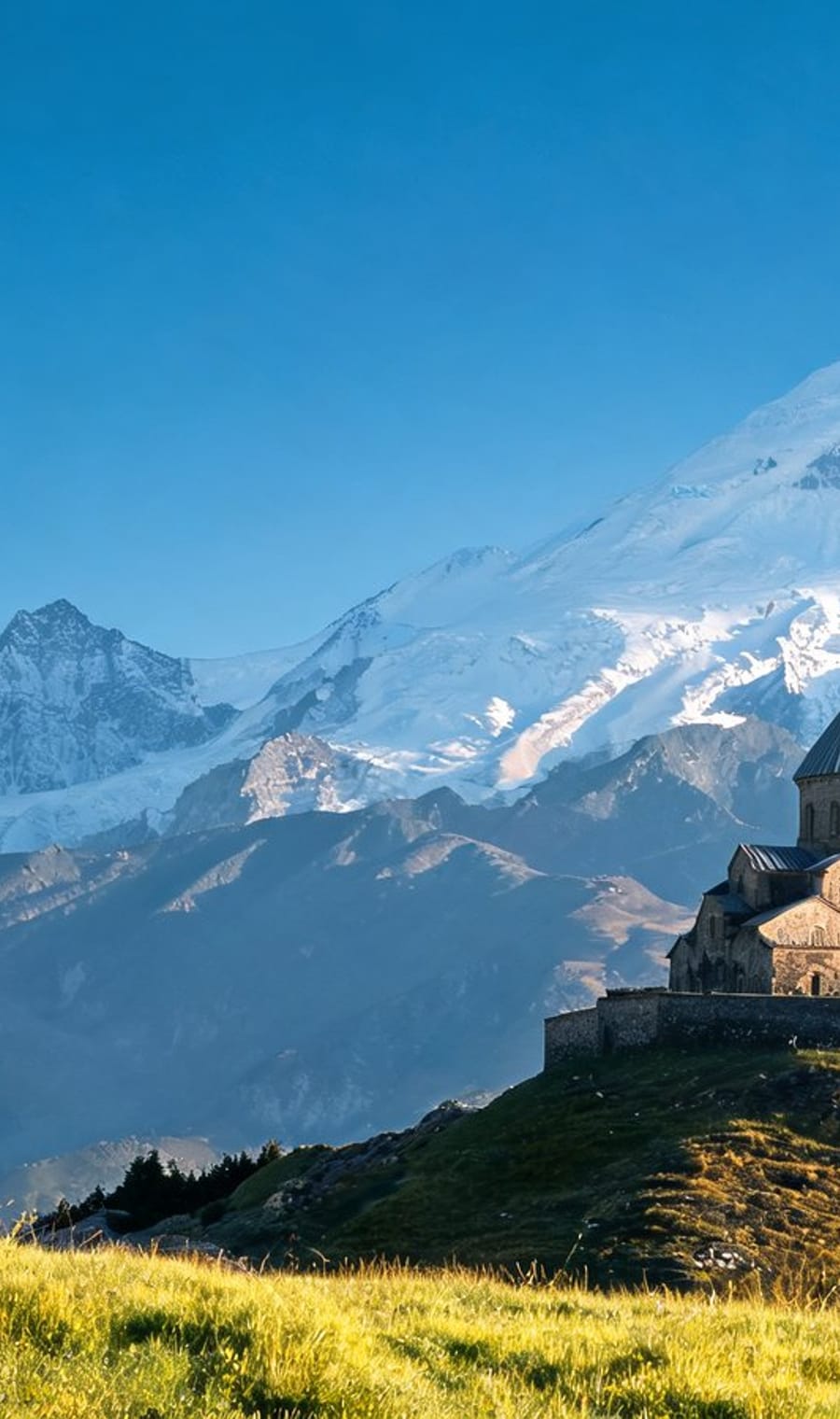
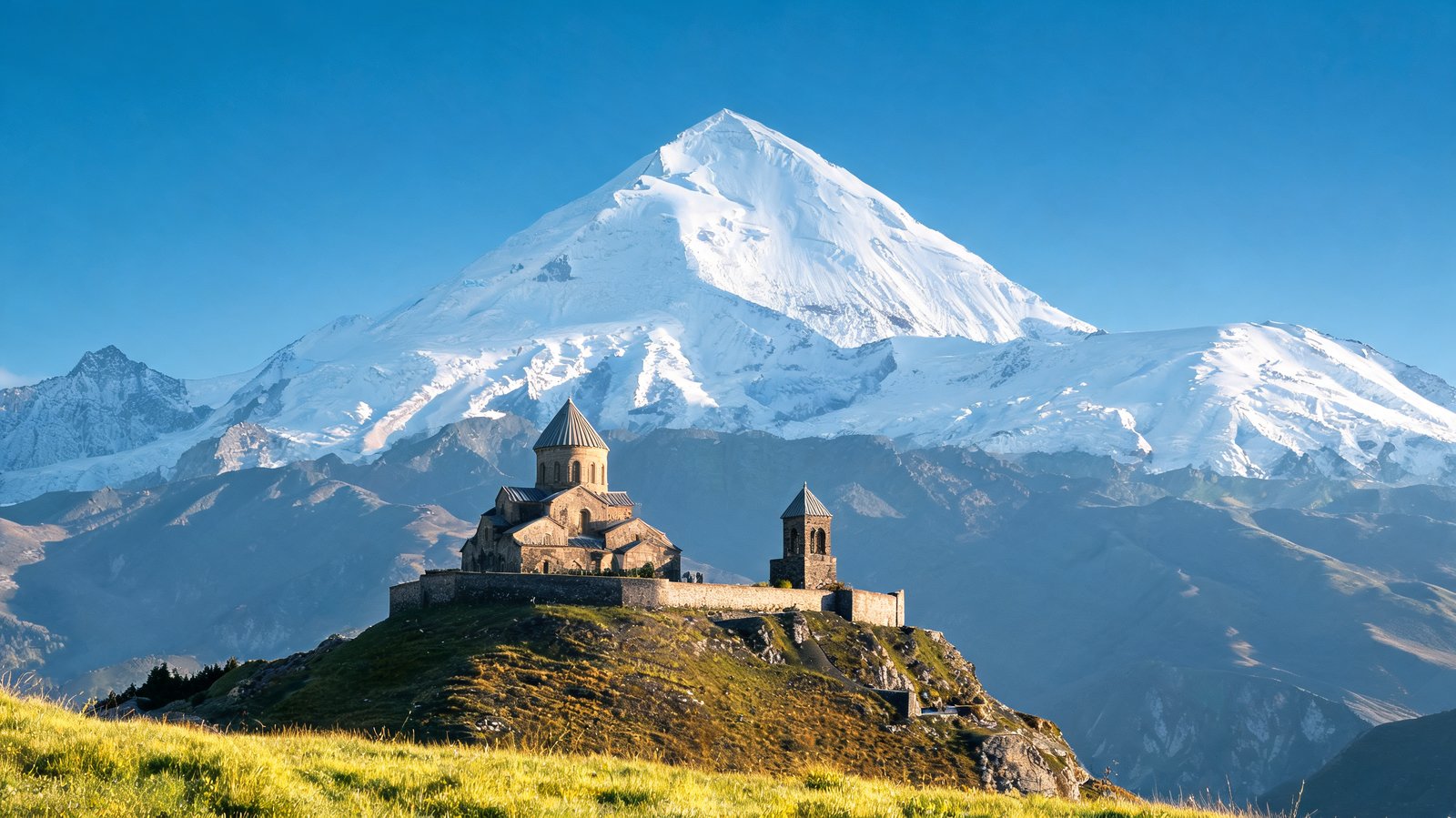
Gergeti Trinity church on its ridge below the snows of Kazbegi, Georgia
Gergeti Trinity · Kazbegi · Georgia
Where We Send Clients

Six Places That Repay the Driving

Georgia and Armenia are one trip and two temperaments. Georgia is wine, mountains and a capital worth three nights; Armenia is monasteries, high plateau and churches built since the fourth century. These six repay the hours in the car.
Tbilisi, Georgia
Georgia
Tbilisi
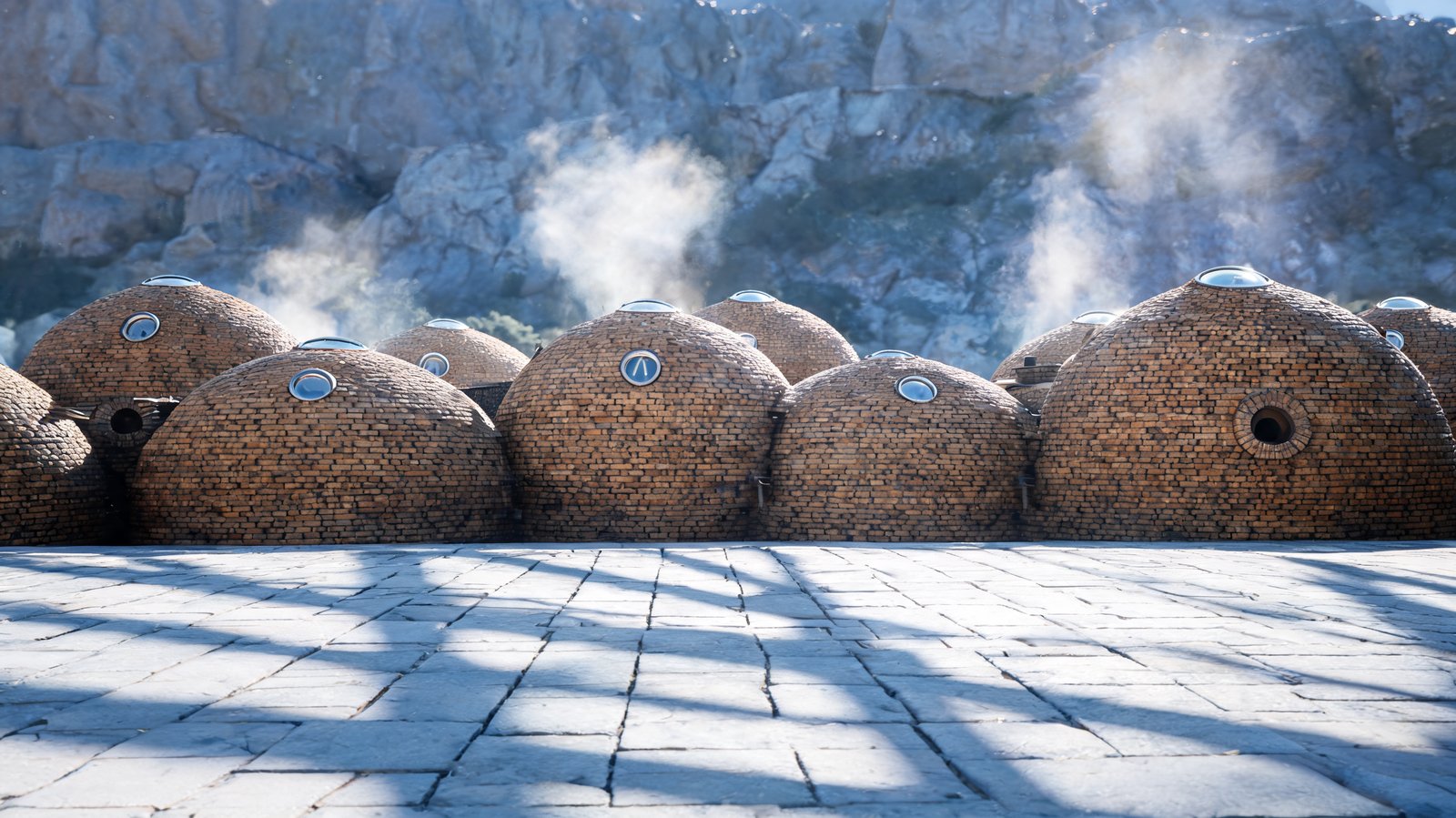
One city, five layers, one walk. The brick-domed sulphur bathhouses of Abanotubani sit below the Narikala fortress; the carved balconies, the Art Nouveau facades on Aghmashenebeli and the Soviet boulevards are all within a half-mile. Three nights, not two — the food and the wine bars are why people extend.
Old Town Sulphur Baths Wine Bars
Explore →
Kakheti, Georgia
Georgia
Kakheti
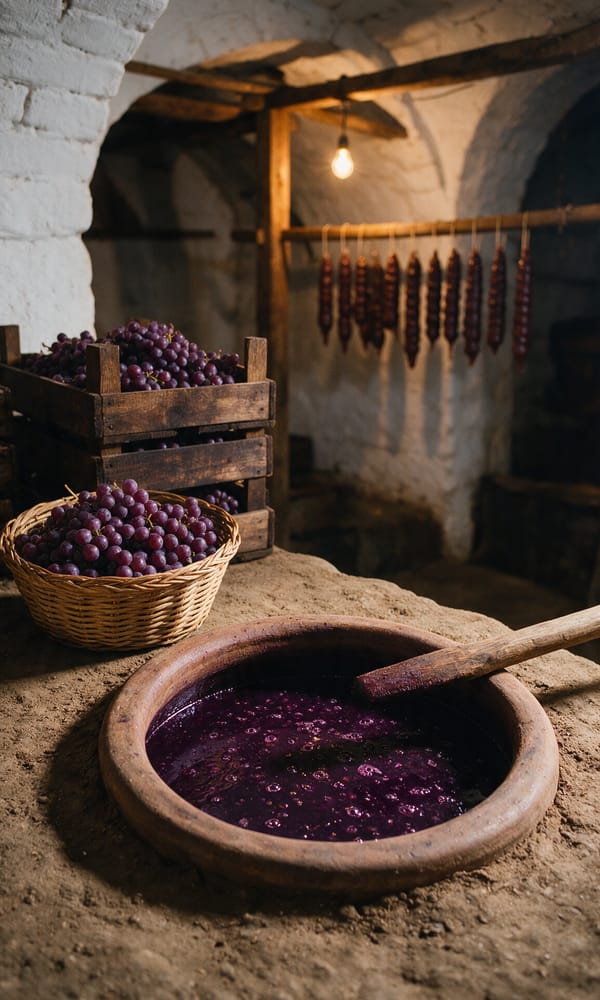
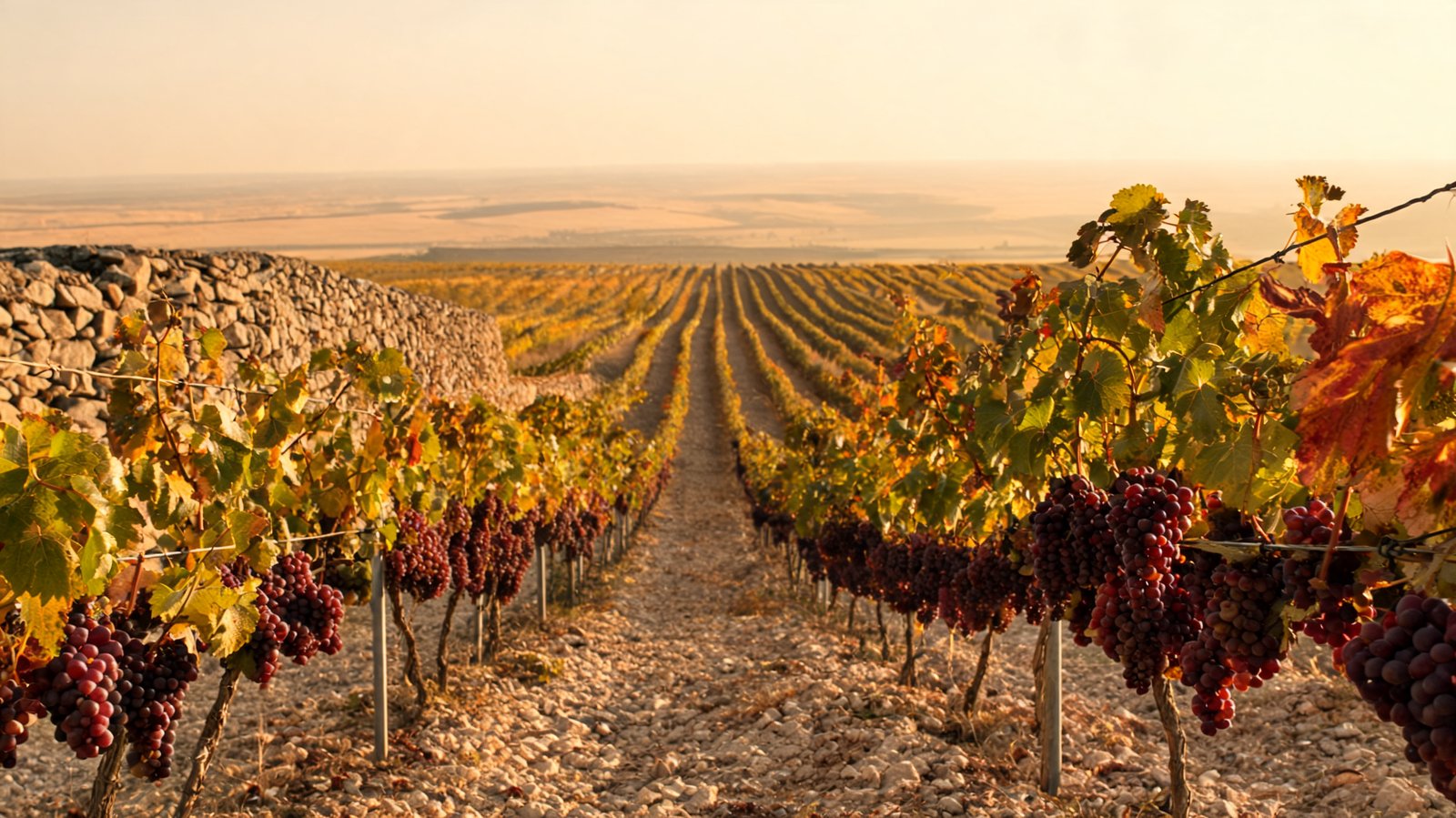
The wine country, two hours east of Tbilisi. Fermentation in qvevri buried to the neck under the cellar floor is on UNESCO's intangible heritage list, and the families who still work that way will open the cellar if someone calls ahead. Telavi to sleep, Sighnaghi to walk, Alaverdi Cathedral for scale.
Qvevri Wine Rtveli Harvest Sighnaghi
Explore →
Kazbegi, Georgia
Georgia
Kazbegi
Three hours north of Tbilisi on the Georgian Military Highway, over the Jvari Pass at 2,379 metres. Gergeti Trinity Church stands at roughly 2,170 metres on the ridge above Stepantsminda, with Mount Kazbek at 5,054 metres behind it. Two nights is enough and one is not; the road is half the point.
Gergeti Trinity Jvari Pass Truso Valley
Explore →
Upper Svaneti, Georgia
Georgia
Upper Svaneti
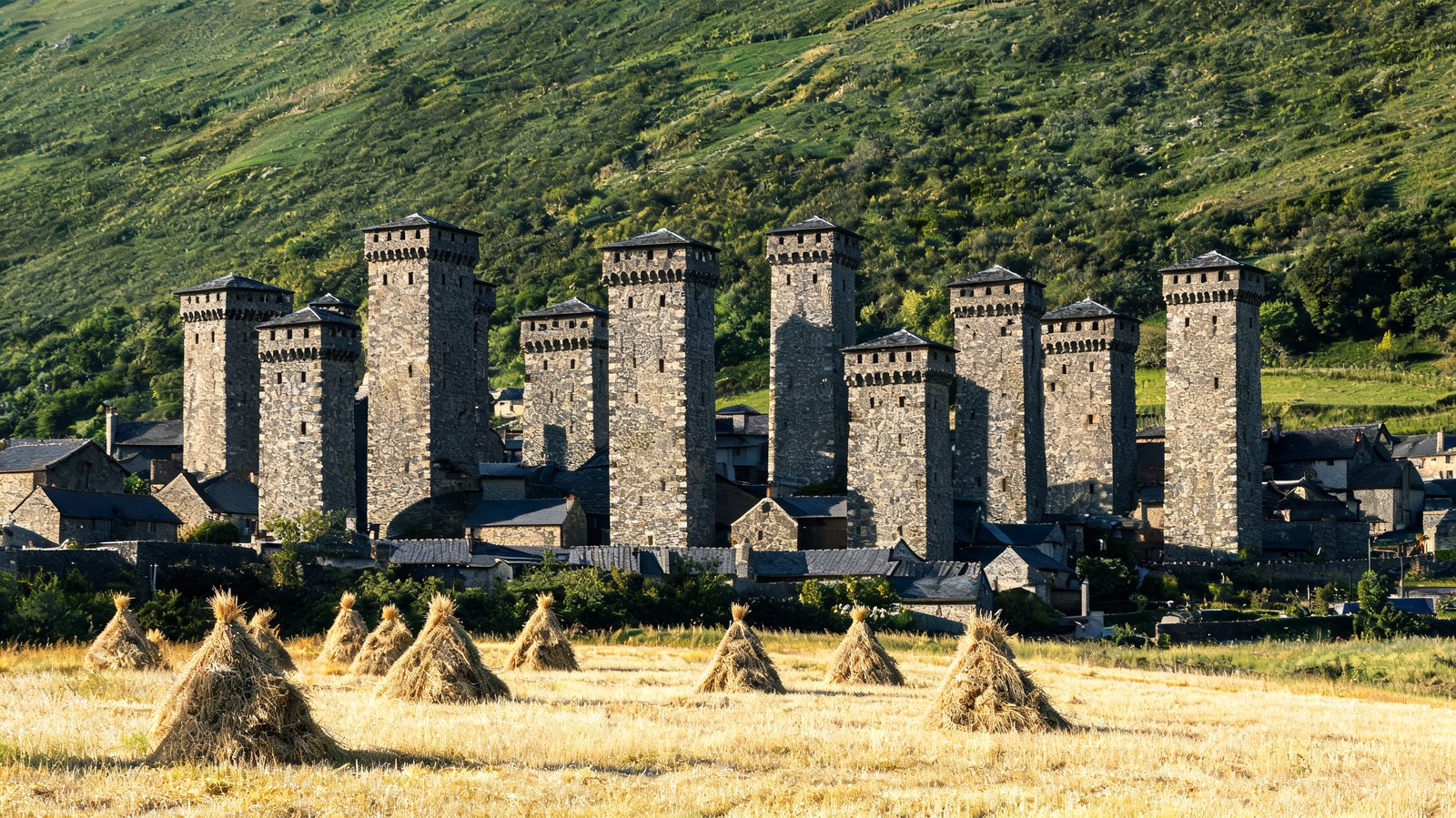
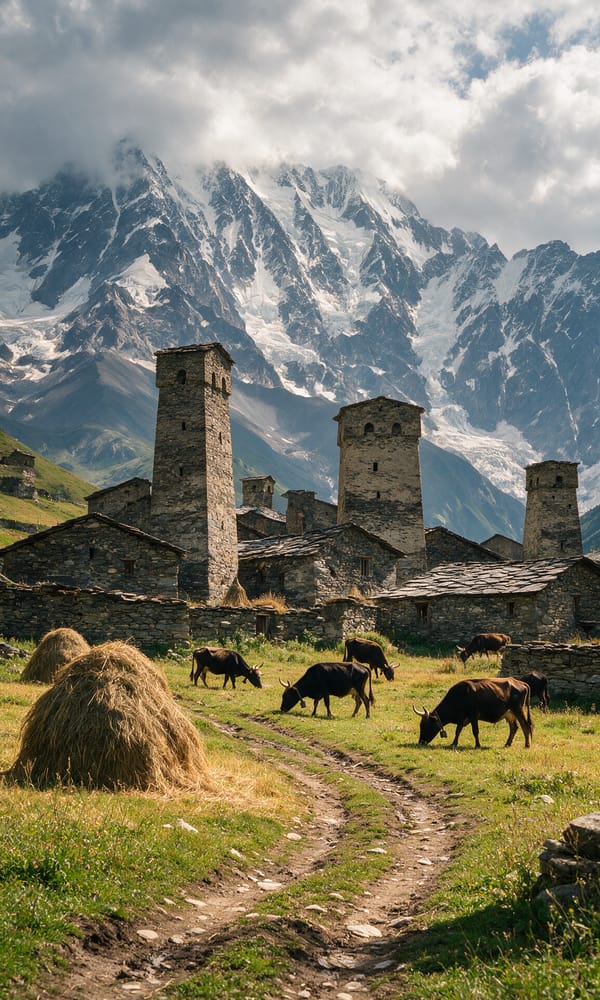
Medieval tower houses in the Greater Caucasus, World Heritage-listed since 1996. Mestia is the base; Ushguli, at roughly 2,100 metres, is among the highest permanently inhabited villages in Europe. It costs a driving day each way from Tbilisi, and the Ushguli track is a summer road.
Svan Towers Ushguli June – Oct
Explore →
Yerevan & the Ararat Plain, Armenia
Armenia
Yerevan & the Ararat Plain
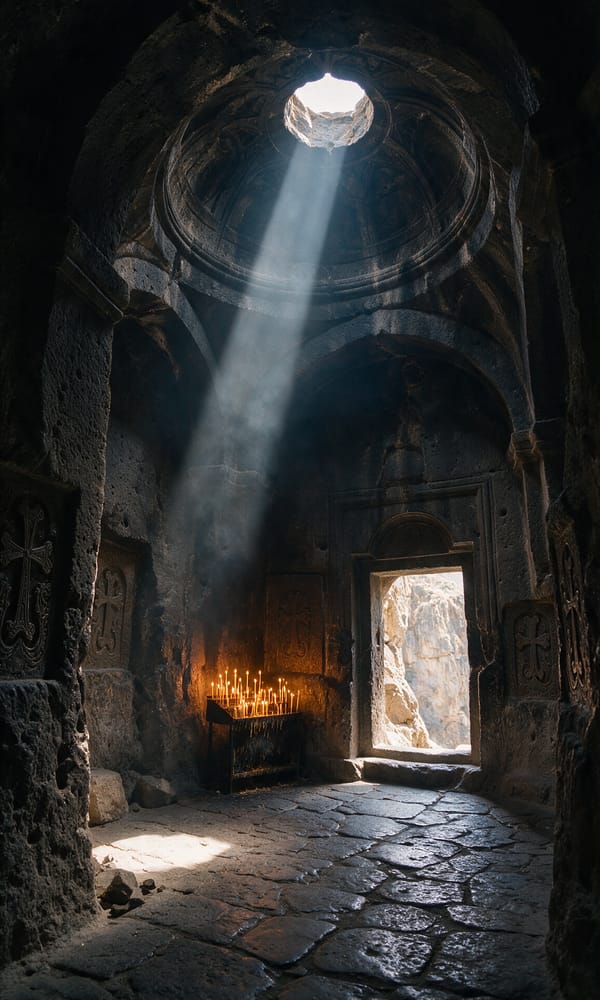
Yerevan is built in pink tuff and reads as a grid rather than a maze, which makes it a better base than a destination. Within two hours: the colonnaded temple at Garni, the rock-cut chapels of Geghard, and Echmiatsin, seat of the Armenian Apostolic Church since the fourth century.
Geghard Garni Matenadaran
Explore →
Vayots Dzor & Tatev, Armenia
Armenia
Vayots Dzor & Tatev
The half of Armenia most itineraries run out of days before reaching. Areni in Vayots Dzor is where Armenian wine is being rebuilt from indigenous grapes. Tatev monastery sits on the lip of a gorge, reached by a 5.7-kilometre cableway that runs when the wind allows.
Tatev Areni Wine Noravank
Explore →
Featured Itineraries

Trips We Plan Often

Caucasus itineraries built around the cellars that open for a phone call, the drivers who know which passes are clear, and a border day planned as a border day rather than bolted onto the end of a drive.
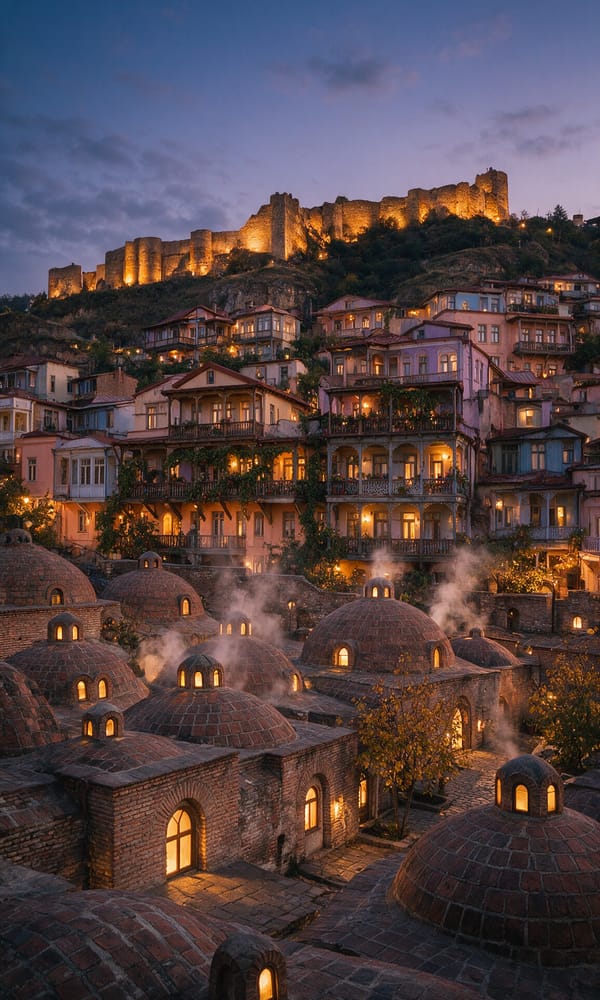
Steaming brick domes of Tbilisi's sulphur baths below wooden balconies and Narikala fortress at dusk
May – October · 7–8 Days
Georgia, First Time
Three nights Tbilisi to start, not one: the Old Town and Abanotubani on foot, the Dry Bridge market, and a day held back for the National Gallery and the wine bars rather than a fourth church. Drive east to Kakheti for two nights based at Telavi or Sighnaghi, with two working qvevri cellars rather than four tasting rooms, and Alaverdi Cathedral in the late afternoon. Then north on the Georgian Military Highway for two nights at Stepantsminda — the Jvari Pass on the way up, Gergeti Trinity early on the full morning, and the Truso or Juta valley in the afternoon. Back to Tbilisi for the flight.
Georgia7–8 Days
Plan This Trip
A shaft of light falling through the carved dome onto the rock-hewn floor of Geghard Monastery
May – October · 12–14 Days
Both Countries, One Border
The trip the region is actually for, and it needs twelve days as a floor. Three nights Tbilisi, two in Kakheti, two at Stepantsminda, then south to the Sadakhlo–Bagratashen crossing and on to Yerevan — roughly 280 kilometres end to end and five to six hours with the formalities, taken as a driving day rather than squeezed onto the back of one. Three nights in Yerevan covers Garni, Geghard, Echmiatsin and the Matenadaran manuscript collection. Then two nights south in Vayots Dzor for the Areni wineries, Noravank and Tatev, or two nights north at Dilijan for the monasteries at Haghpat and Sanahin. Fly home from Yerevan; an open-jaw booking saves a day of backtracking.
Georgia & Armenia12–14 Days
Plan This Trip
Stone Svan defence towers above slate-roofed houses in Ushguli with glaciated Mount Shkhara behind
June – September · 10–11 Days
Georgia With Svaneti Added
Svaneti is the reason to give Georgia ten days rather than seven, and it does not compress. Two nights Tbilisi, west to Kutaisi for a night and the mosaics at Gelati Monastery, then the climb from Zugdidi to Mestia — about 130 kilometres and three hours of switchbacks. Three nights in Mestia for the Svan tower houses, the Chalaadi glacier walk and the day up to Ushguli, which is a rough four hours return in a four-wheel drive rather than a scenic drive. Back east for two nights at Stepantsminda and a last night in Tbilisi. June to September only: the Ushguli track is not a shoulder-season road.
Georgia10–11 Days
Plan This Trip
An open qvevri set into a Kakheti cellar floor with fermenting must and crates of harvested grapes
Late September – October · 8–9 Days
Rtveli, the Harvest Trip
Built around the Kakheti grape harvest, which runs from roughly mid-September into late October depending on the variety and the vintage. Two nights Tbilisi, then four in Kakheti — long enough to pick, to stand over an open qvevri while it ferments, and to eat a supra that runs past midnight without a driving day the next morning. Sighnaghi as the base for the Alazani valley, Telavi for the older estates. Two nights at Stepantsminda afterwards, when the first snow is on Kazbek and the valleys have turned. Harvest dates move with the weather, so the wineries confirm about three weeks out and the itinerary absorbs that.
Georgia8–9 Days
Plan This Trip
Why Plan With Us

What We Add to Caucasus Planning

Almost everything that makes this region worth the trip sits behind a relationship, a road condition or a phone call, and none of the three shows up on a booking site.

The Border Day, Planned as a Day
Crossing between the two countries is a road day, not a transfer, and the trips that go wrong treat it as a transfer. The Sadakhlo–Bagratashen crossing on the Tbilisi–Yerevan road is straightforward, but very few vehicles drive through: a Georgian driver takes you to the line, you walk the formalities with your own bags, and an Armenian driver waits on the far side. That handover has to be booked as a handover — both names, both numbers, and slack for a queue. Done that way it costs a morning; improvised, it costs a day and a hotel night.
Cellars That Open for a Phone Call
Kakheti has hundreds of producers and perhaps thirty a serious wine traveller would cross an ocean for. The tasting-room versions are pleasant and interchangeable. The ones worth the drive are family cellars where the qvevri are under the floor of the room you are standing in, the pressing happens in front of you in October, and the family eats with you afterwards. Almost none take online bookings and several do not answer email in English. Getting in is a phone call from someone the family knows, which is the part of this that does not scale.
Where the Beds Are Honest
Outside Tbilisi and Yerevan the room stock is thin, and the booking sites make it look otherwise. In Kakheti, in Svaneti and across southern Armenia the best beds are in family guesthouses and winery estates: eight rooms, one cook, a view a city hotel cannot buy. They are genuinely excellent and they are not five-star, and the gap between those two sentences is where trips go wrong. We settle which nights are hotel nights and which are guesthouse nights before anything is booked, because that conversation costs nothing in July and a great deal on arrival in Mestia.
Drivers Who Know the Passes
The Georgian Military Highway crosses the Jvari Pass at 2,379 metres and carries freight in both directions. The Zugdidi to Mestia road is three hours of switchbacks. The track to Ushguli is a summer track. None of it is dangerous with the right driver and all of it is miserable with the wrong one. A self-drive rental on a foreign licence with snow in the forecast is the plan we talk clients out of most often. A driver here is not a chauffeur. He is the person who knows when to leave Mestia to be down before dark.
When to Go

The Caucasus by Season

Spring
April – June
The mountains reopen on their own schedule and it is later than people expect. Tbilisi and Yerevan are mild from April, and the wildflowers in the Caucasus foothills run through May into June, but the high roads lag behind: the Ushguli track in Svaneti is normally a June-to-October proposition, and the Jvari Pass can still close for snow clearance into April. April and May are right for the cities, the monasteries and the lower valleys, with the caveat that the highest villages may not be open at all.
High Summer
July – August
The two capitals get genuinely hot and the high country gets very good. Tbilisi and the Ararat plain sit above 32°C on plenty of July and August days, which turns city sightseeing into an early-morning and late-evening activity. The same weeks are the only reliable window for Svaneti, Tusheti and the high Armenian passes, and they are peak domestic season, so Mestia and Stepantsminda book out early. If the trip is built on mountains, this is the window and it wants booking in February. If it is built on cities and cellars, wait.
Harvest and Winter
September – March
Late September into October is the best six weeks in either country, and it is not close. The harvest is on in Kakheti, the mountain roads are still open, the light is long and low, the summer crowds have gone and the vineyards have turned. From November the calendar changes rather than ends: the passes and the Ushguli road shut, Gudauri opens for skiing, and Tbilisi and Yerevan carry on as cold, cheap, very well-fed winter cities. December through March is a city-and-ski trip, not a touring one.
Best: Late Sept – Oct

Seasonal notes and harvest timing checked against the UNESCO World Heritage listings for Georgia and for Armenia. Mountain roads, harvest dates and border arrangements all move; confirm before booking, and read your own government's current travel advice.

Ready When You Are

Plan a Georgia & Armenia Trip
With the Border Day Built In

Tell me how many days you have, whether the harvest or the mountains matters more, and how the party feels about guesthouses and long drives. I'll come back with a routed itinerary, the cellars I'd open, and a border plan within one business day.

Plan a Georgia & Armenia Trip All Middle East Destinations

No booking fees  ·  Response within 24 hours  ·  Fully bespoke

What It Costs

What Georgia & Armenia Actually Cost

Hotel nights and guesthouse nights, priced apart
Tbilisi and Yerevan have five-star hotels; Kakheti, Svaneti and southern Armenia have family guesthouses and winery estates that are genuinely excellent and are not five-star, so a single nightly figure would average two different products — and the driver moves the day rate further than the room does.
What actually sets the number
  • Which nights are hotel nights and which are guesthouse nights — settled before anything is booked, because the gap is the trip
  • The driver-and-guide day rate, which on a touring itinerary outweighs the room
  • Rtveli — late September into late October is the strongest window in either country and the one that books first

Tell me the dates and the party and you get a real quote, not a range. Source: Georgian National Museum ticket prices.

Common Questions

Georgia & Armenia — FAQ

The questions that come up most when planning a first Caucasus trip — timing, how the land border actually works, how much driving is involved, and what the rooms are really like once you leave the two capitals.

Late September and October, with May and June a close second. The autumn window gives you the Kakheti harvest, mountain roads still open, low light and the vineyards turning, all at once — that combination does not happen twice a year. May and June are the alternative if the trip is about walking and wildflowers rather than wine, though Svaneti's highest roads often are not clear until June. July and August are hot in Tbilisi and on the Ararat plain and busy in the mountains. November to March is a different trip entirely: cities, food and skiing at Gudauri, with the touring routes shut.

Yes, and it is the better trip — twelve to fourteen days covers both countries with one land border in the middle. Below twelve days, pick one country and do it properly; Georgia is the stronger single choice for a first visit because the wine country, the capital and the mountains sit inside a short driving radius. They are complementary rather than repetitive: Georgia is vineyards, tower villages and a walkable capital; Armenia is high plateau and monasteries. Book the flights open-jaw, into Tbilisi and out of Yerevan, and the border day stops being a backtrack.

Most Western passport holders enter both countries for a tourist stay without applying for a visa in advance. The exemption runs by nationality and the permitted stay differs between the two countries, so check it against your own passport rather than someone else's. Where a visa is required, both governments run an electronic application. The authoritative sources are the Georgian Ministry of Foreign Affairs consular service and the Armenian Ministry of Foreign Affairs, and every traveller should also read their own government's current advice — for Americans, travel.state.gov. Verified ; rules change, so confirm before booking flights.

The main road crossing is Sadakhlo on the Georgian side and Bagratashen on the Armenian side, on the Tbilisi–Yerevan highway. In practice you change vehicles at the line: a Georgian driver brings you to the barrier and an Armenian driver meets you on the far side. Booked as a proper handover, with both drivers named and a two-hour queue assumed, the whole day is Tbilisi to Yerevan by lunchtime plus an afternoon stop. Not every border in this region is open to travellers, and arrangements change. Check your own government's current advice before you book. Checked .

Stay two nights. Kakheti is only about two hours from Tbilisi, which is exactly why people day-trip it, and the day trip gets you two tasting rooms and a drive home before dark. The reason to stay is the supra — the long Georgian table with a toastmaster — which you cannot sit at properly if someone has to drive back to Tbilisi. Two nights also buys a morning walk in Sighnaghi above the Alazani valley and a second cellar at a sensible hour. In harvest season make it three: the picking starts at first light.

Kazbegi if the trip is under ten days, Svaneti if it is longer. Kazbegi is three hours from Tbilisi on one road, and two nights there gets you the Jvari Pass, Gergeti Trinity on its ridge at about 2,170 metres, and a valley walk. Svaneti costs a driving day each way and wants three nights on the ground, so it only makes sense at ten days and up — and it is only reliably reachable from June to September. What you get for that is a World Heritage landscape of medieval tower houses that almost nobody in your address book has seen. Both in one trip needs twelve days.

More than most people expect, and it is the thing that decides the itinerary. Tbilisi to Kakheti is about two hours, Tbilisi to Stepantsminda about three, Tbilisi to Yerevan five to six including the border, and Zugdidi up to Mestia three hours of switchbacks. Nothing is far in kilometres and everything is slow in practice, because the roads are mountain roads carrying freight. The planning rule is to never stack two long drives back to back and to build the day around what happens at the end of it, not the middle. Anyone who dislikes being in a car should look at Portugal instead.

Outside the two capitals the best rooms are in small guesthouses and winery estates rather than hotels. Both capitals have international five-star properties and they are genuinely good. Kakheti has a handful of serious estate hotels and a great many family cellars with rooms above them. Svaneti and southern Armenia are guesthouse country: clean, warm, eight rooms, a cook who is also the owner, and no lift, no spa and sometimes no lock on the bathroom door. That is not a compromise if you know it is coming and a bad surprise if you do not, which is why we settle the standard before booking.
More questions answered on the Full FAQ Page
From the Journal

Read More on Planning Middle East