
Western Europe

The Original
Standard.

France invented the standards that the rest of the world's gastronomy, wine, hospitality, fashion, and garden design are still measured against. The country is broad enough that no two regions feel like the same country — Brittany's coast, the Provence light, Alsace's wine route, the Loire châteaux, the Champagne hills. The work of planning France is choosing which version of it you want, then making the choices that produce it.

Best Season
May – June
Best For
Food, Wine
& Regions
The Country

The Country That Set
Every European Standard.

France's best windows are May–June and September–October. Paris needs four nights minimum on a first visit — enough for the major museums, three or four neighbourhood walks with a guide, and time that is not spent queuing. Most itineraries run 8–12 days. Bordeaux and Burgundy are September–October trips, and Provence needs a car rather than a train.

Paris repays the planner in a way that few other cities in the world do. A guide who has spent twenty years walking the Marais knows which gallery hung a new show this week and which pastry chef the working chefs go to before their own service starts. The bistrot at the corner of rue Saint-Sabin and rue Sedaine has been serving the same steak-frites menu since 1957, takes no reservations, and is unknown to every English-language guidebook because the owner has no interest in being reviewed. The difference between a Paris trip booked through standard channels and one built around two or three people who actually know the city is the difference between visiting Paris and being in Paris.

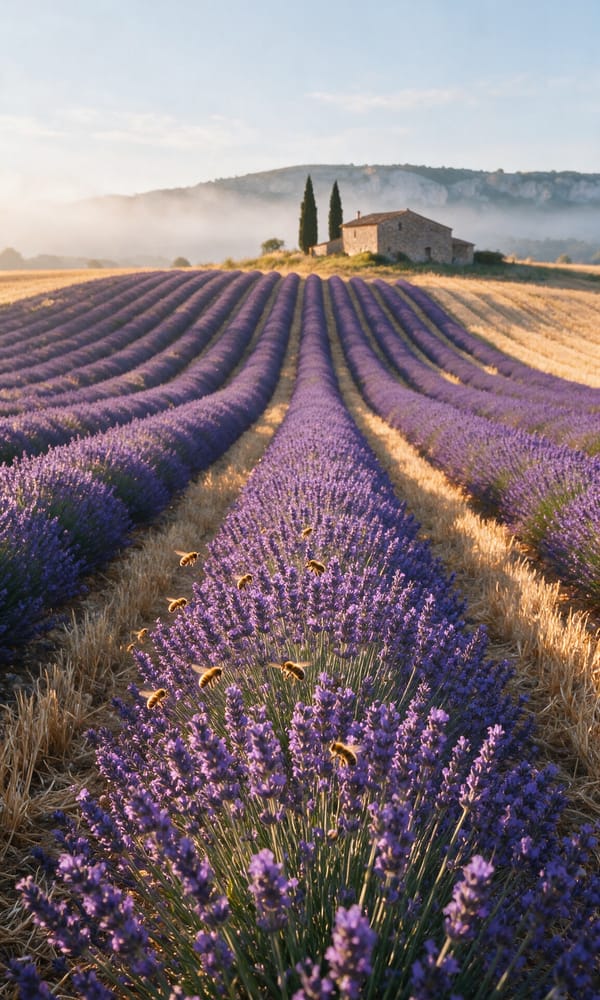
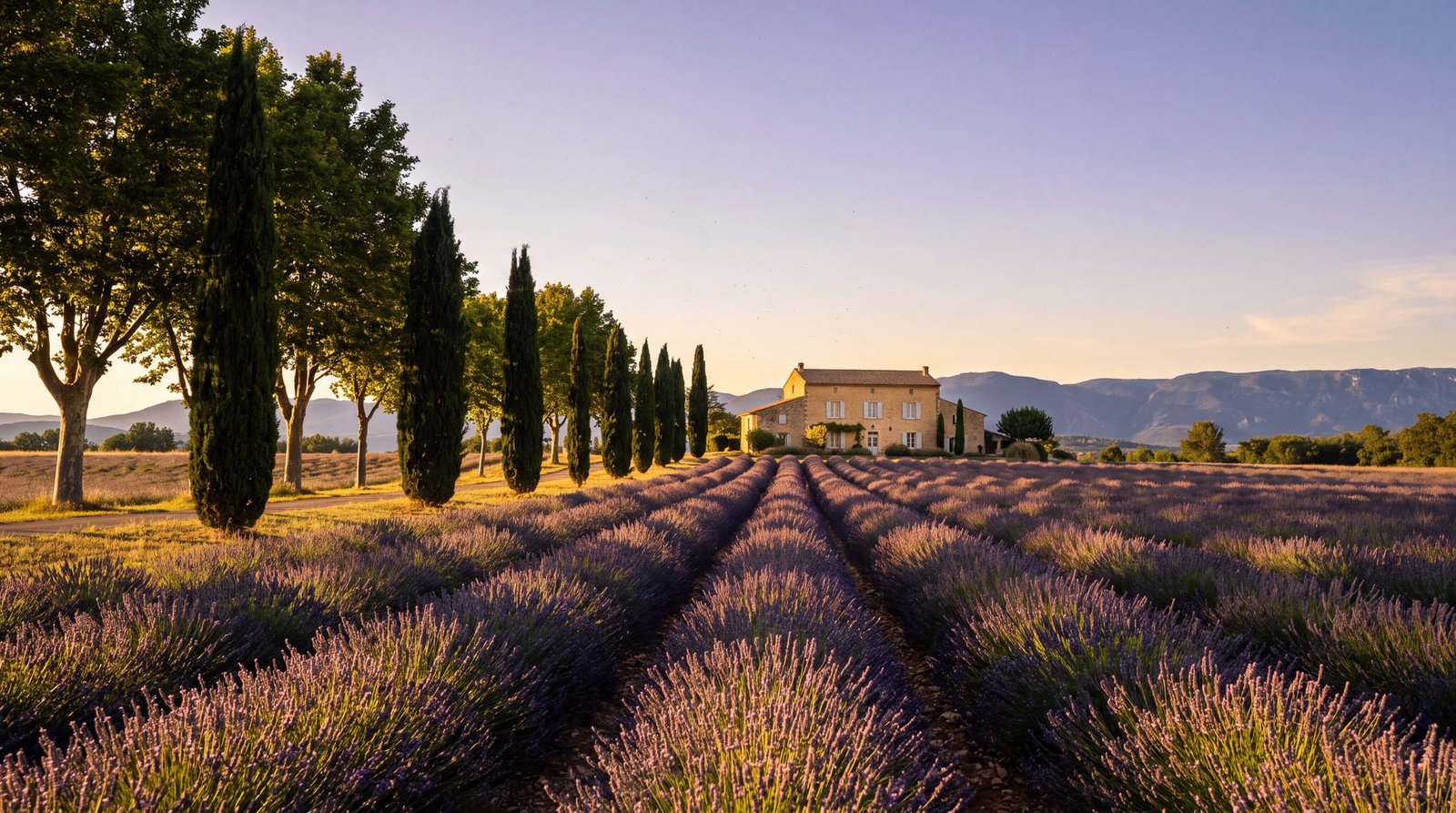
Provence rewards slow travel by rental car through the markets, the perched villages of the Luberon, and the lavender fields whose flowering window varies year to year by two or three weeks based on rainfall and temperature. Knowing exactly when the Sault and Valensole plateau lavender is in flower in your travel window — and which year produces a longer or shorter season — is the difference between a Provence trip timed for the photographs and one that arrives a week early or a week late. We track this annually with growers in the region.

Bordeaux is widely misunderstood. The wine country is divided by the Gironde estuary into the right bank (St-Émilion, Pomerol, limestone plateau, Merlot-dominant) and the left bank (Médoc, gravel terraces, Cabernet Sauvignon-dominant) — and the difference between the two is significant enough that the average traveler should be visiting both and understanding which is which. The châteaux range from those open to walk-in visitors with structured tours to those that admit guests only through a négociant introduction. The latter category produces the wine country experience that travelers fly to Bordeaux to have.
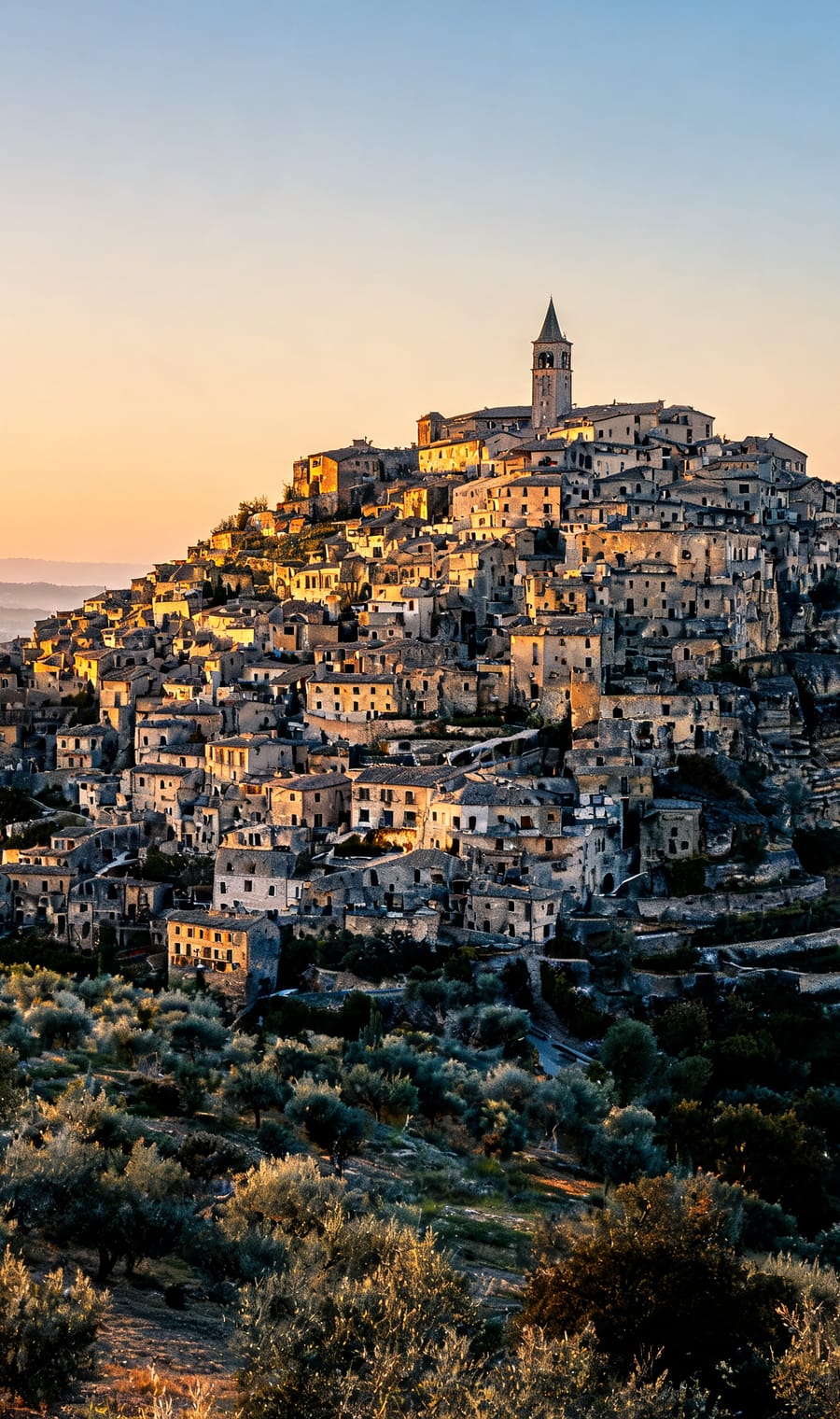
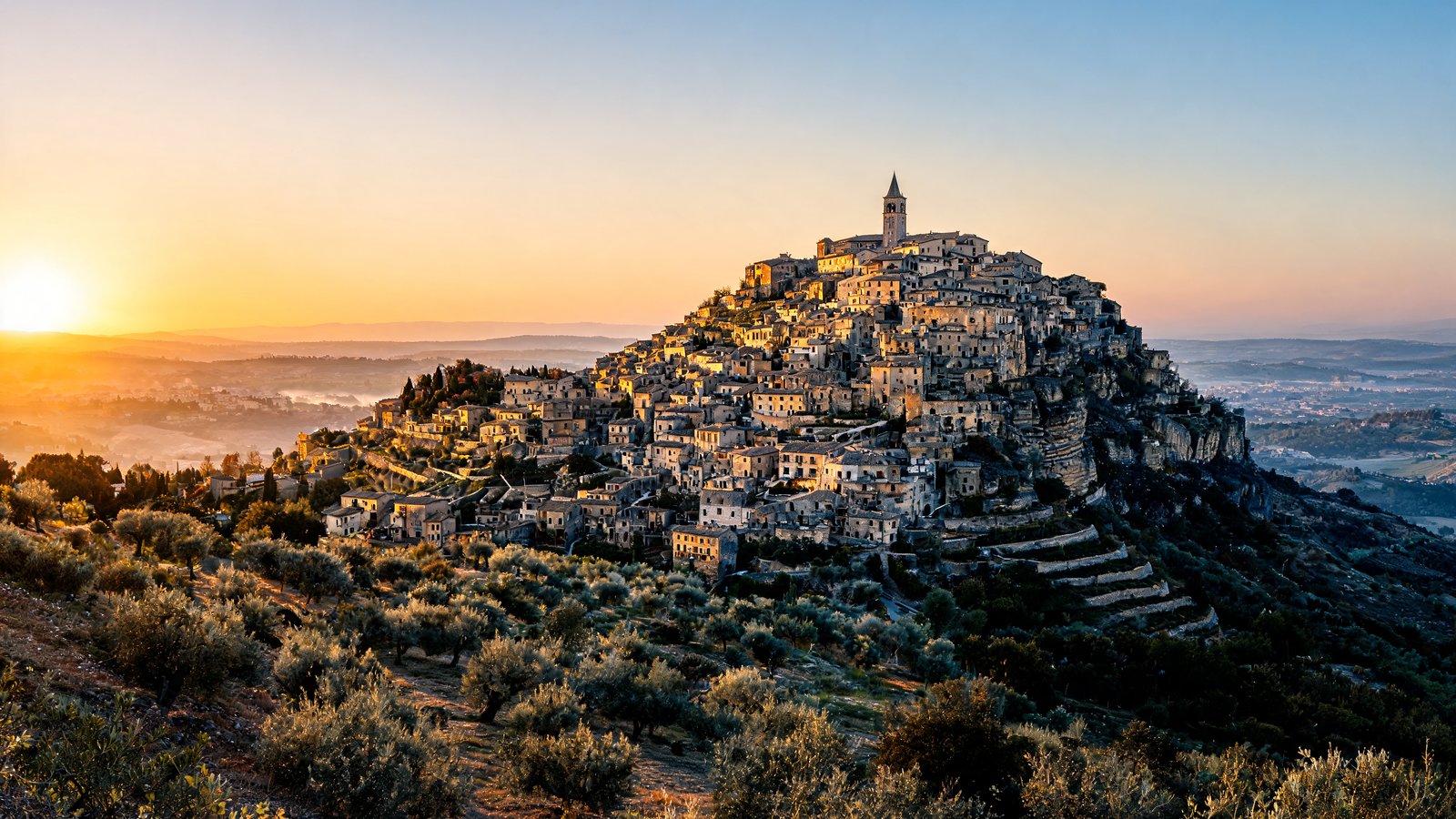
A stone hill village stacked above the Luberon valley in Provence
Gordes · Luberon · Provence
Where We Send Clients

Six Regions Worth Planning Properly

France has six genuinely distinct travel destinations operating simultaneously — each with its own food culture, wine tradition, and rhythm. The country is large enough to reward multiple trips structured around different regions.
Paris, Île-de-France
Île-de-France
Paris
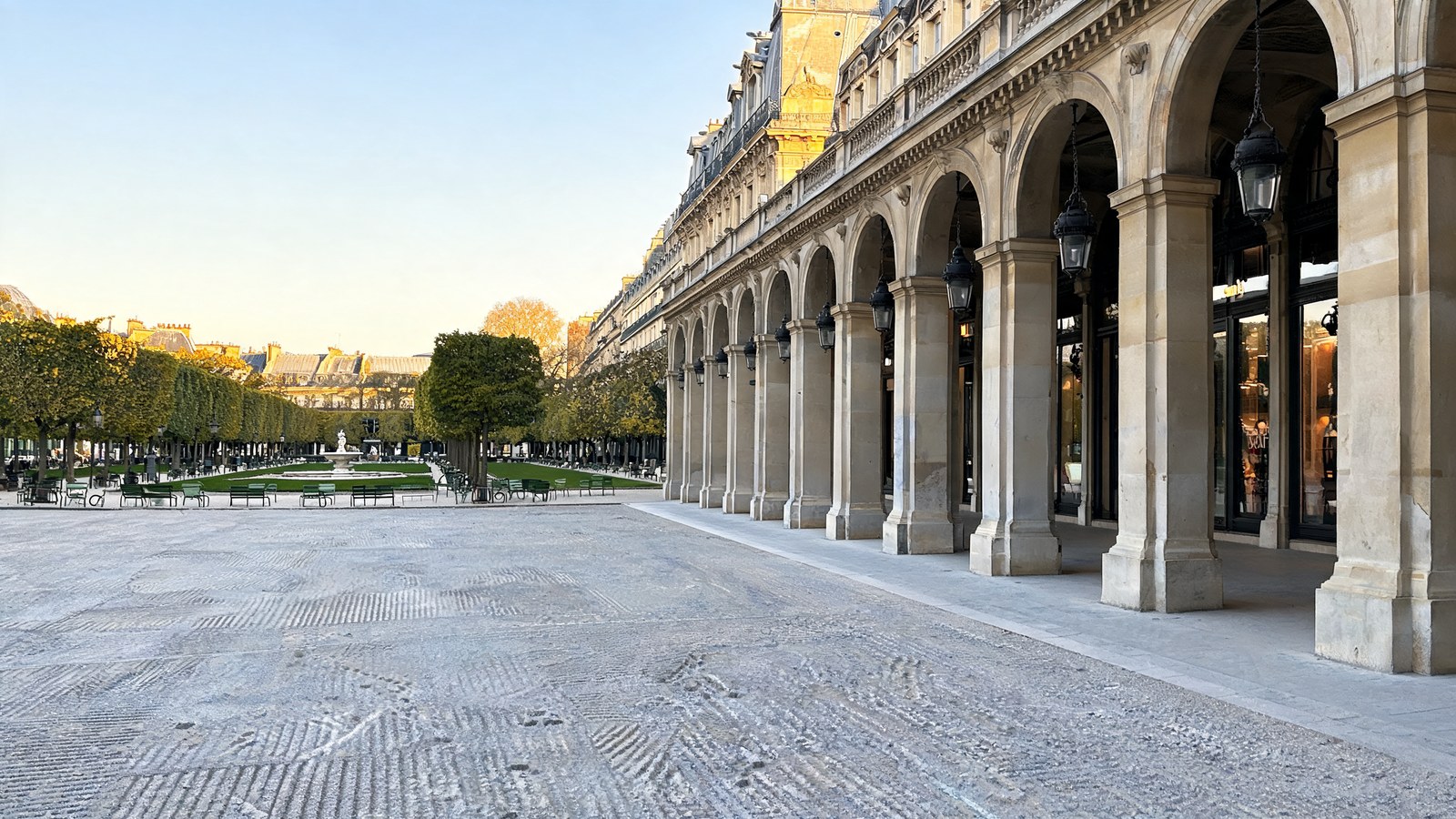
The Marais on foot with a guide who knows which gallery opened this week and which patisserie the working chefs use before service. The Palais-Royal gardens at dawn, the gravel unraked and the colonnade empty. A bistrot in the 11th serving the same chalk menu since 1957, in no guidebook.
Marais Bistrots Hidden Paris
Explore →
Provence
Provence
Provence
Gordes and the Luberon villages above the Calavon. Lavender runs late June to mid-July depending on altitude, and Valensole peaks before Sault, so the timing needs tracking with growers. Roussillon for the ochre cliffs. A château lunch where the winemaker pours from the barrel.
Lavender Luberon Aix Market
Explore →
Bordeaux & Wine Country, Aquitaine
Aquitaine
Bordeaux & Wine Country
St-Émilion for the limestone right bank — Merlot blends carrying a minerality the left bank cannot replicate. Médoc for Pauillac and Margaux, gravel terraces that drained well enough to ripen Cabernet this far north. A négociant introduction opens cellars closed to general visitors.
St-Émilion Médoc Barrels
Explore →
Loire Valley, Centre-Val de Loire
Centre-Val de Loire
Loire Valley
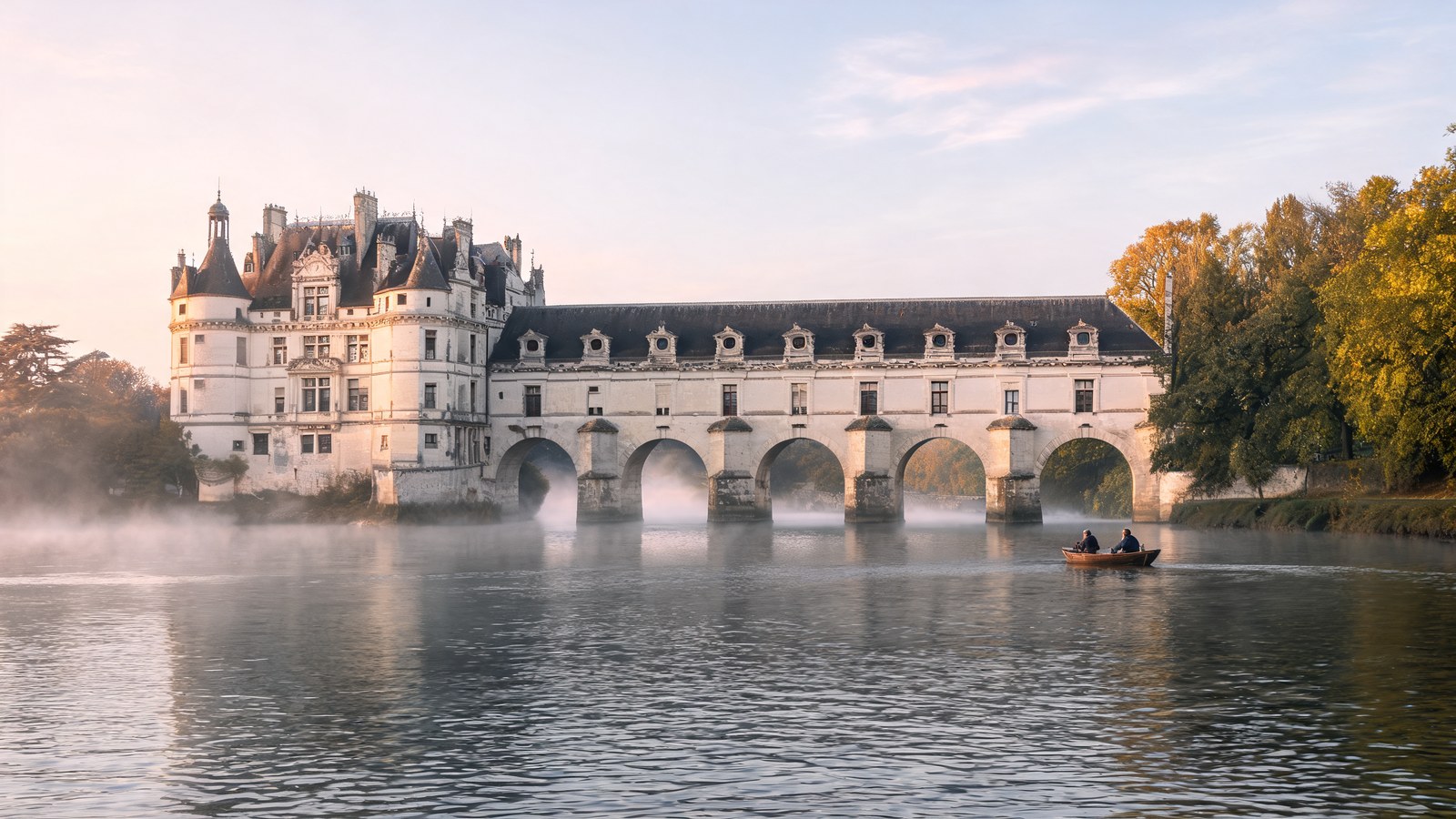
The châteaux by bicycle on the Loire à Vélo — flat, dedicated paths, distances suited to a morning ride. Chambord for a 426-room hunting lodge with a double-helix stair attributed to Leonardo. Chenonceau spanning the Cher on five arches. Vouvray cellars cut into the tuffeau cliff.
Chenonceau Loire Wine By Bicycle
Explore →
Alsace & Strasbourg, Grand Est
Grand Est
Alsace & Strasbourg
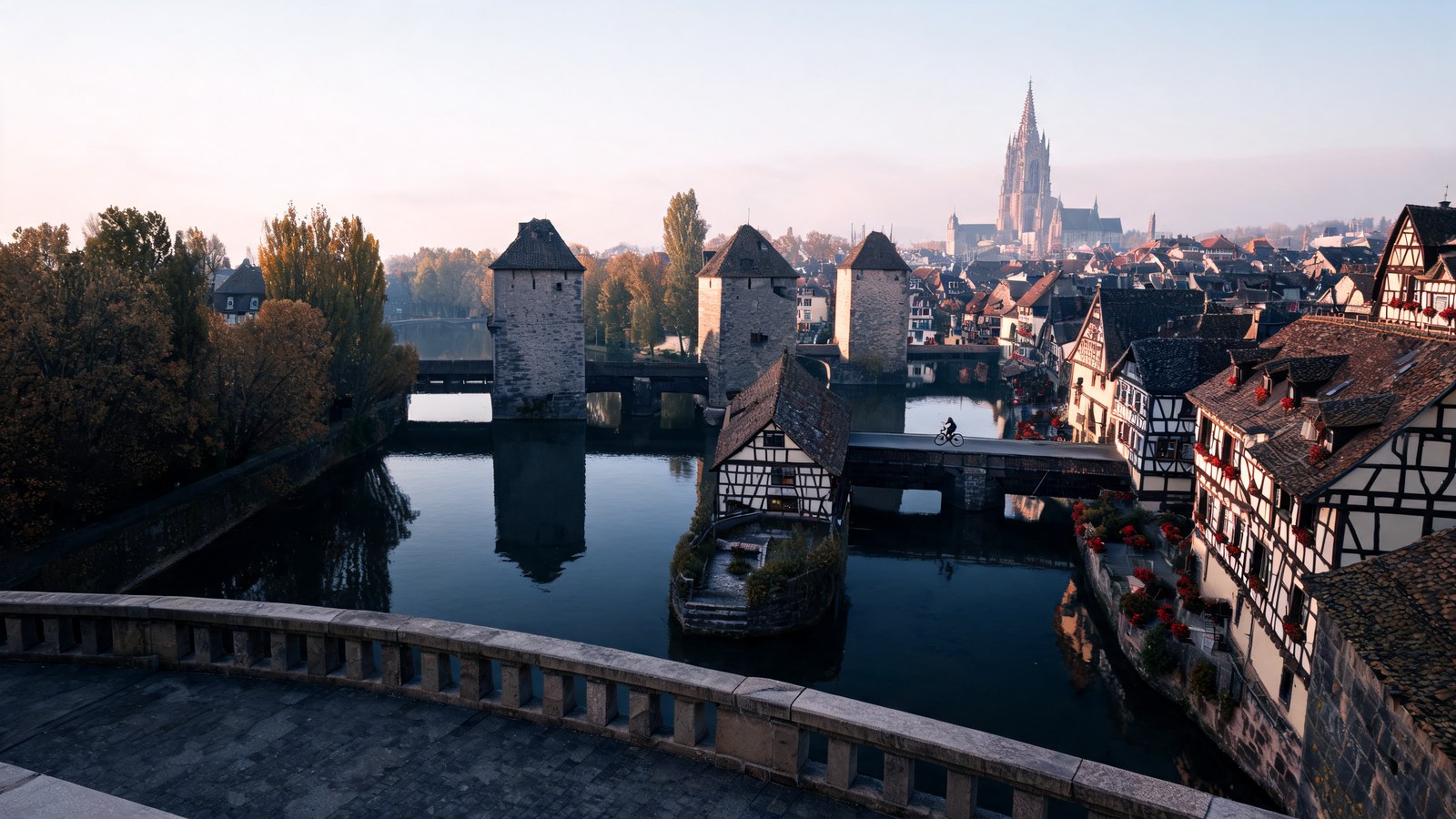
The wine route through Kaysersberg, Riquewihr and Eguisheim — Renaissance villages of painted timber, Gewürztraminer poured by families on the same parcels since the 1500s. Strasbourg's Petite France, where the architecture records every change of hands between 1681 and 1945.
Wine Route Villages Winstub
Explore →
Normandy & Brittany
Normandy & Brittany
Normandy & Brittany
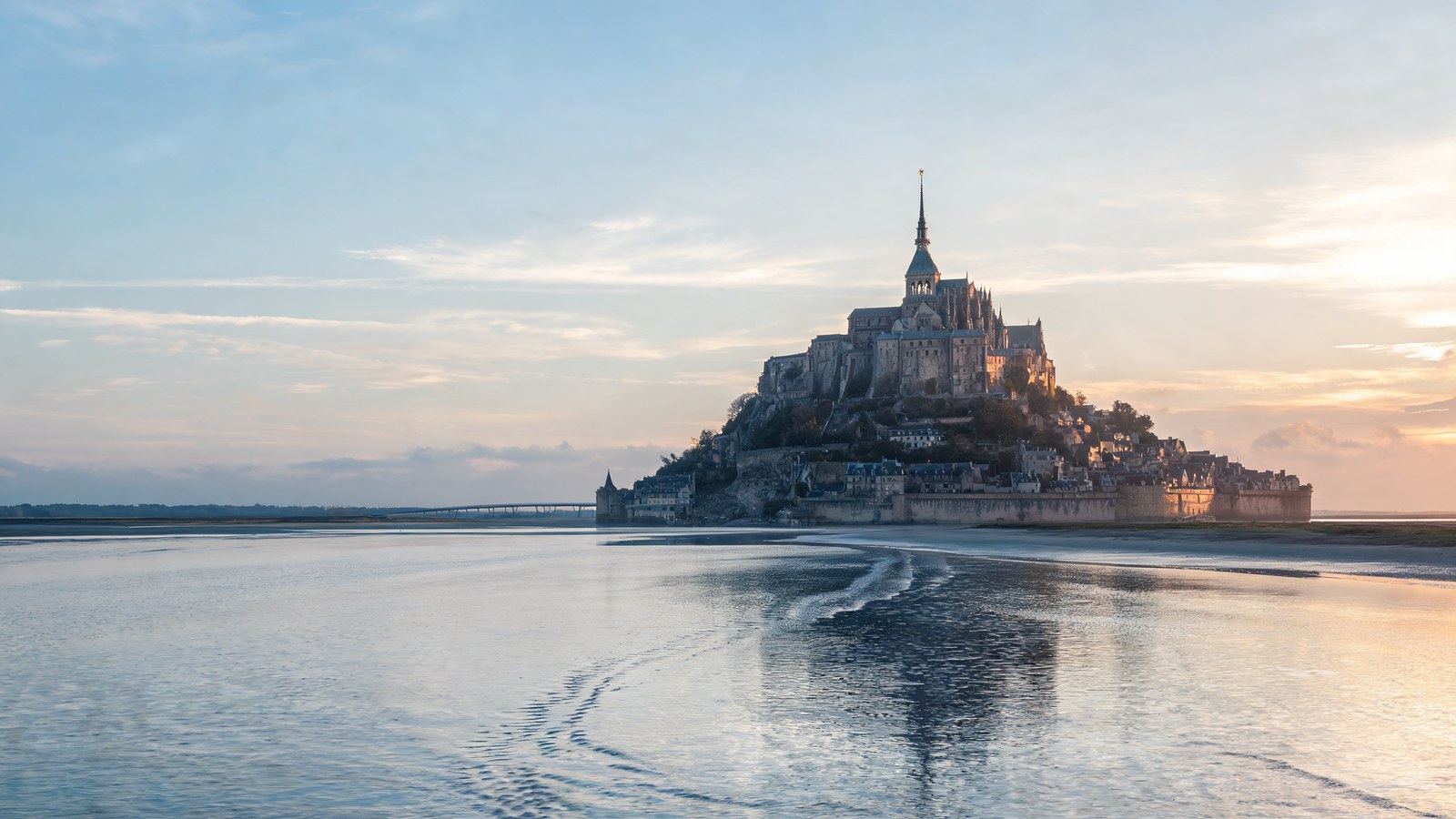
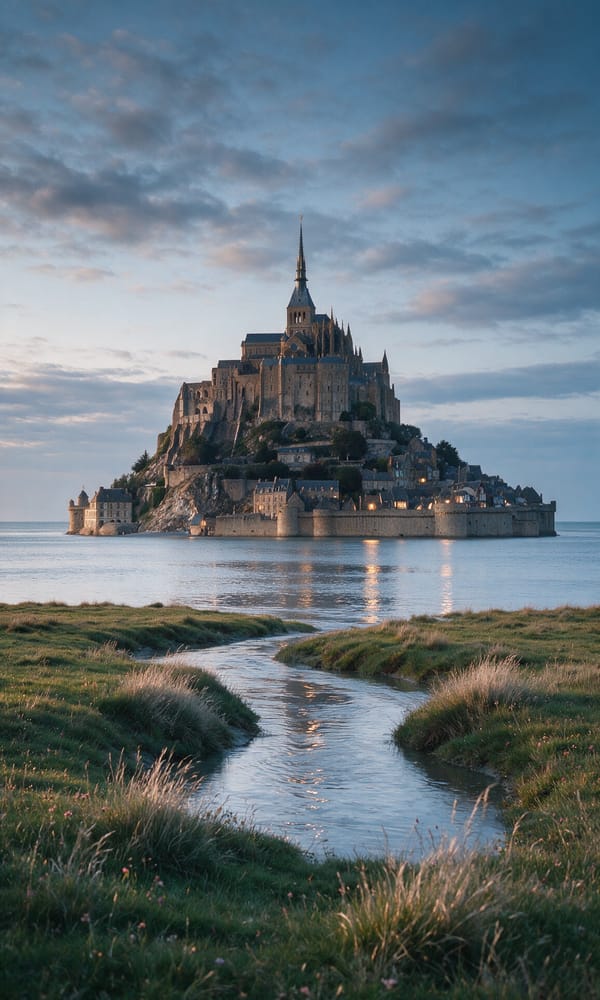
The D-Day beaches with a historian who has walked Omaha and Pointe du Hoc for thirty years, not a bus stopping at the standard markers. Mont Saint-Michel from the east at high tide, the causeway briefly under water. Carnac for 3,000 standing stones older than Stonehenge.
D-Day Mont St-Michel Brittany
Explore →
Featured Itineraries

Trips We Plan Often

France itineraries built around the food specialists, the wine networks, the lavender timing, and the property selections that convert a France trip into the version of France worth flying to.
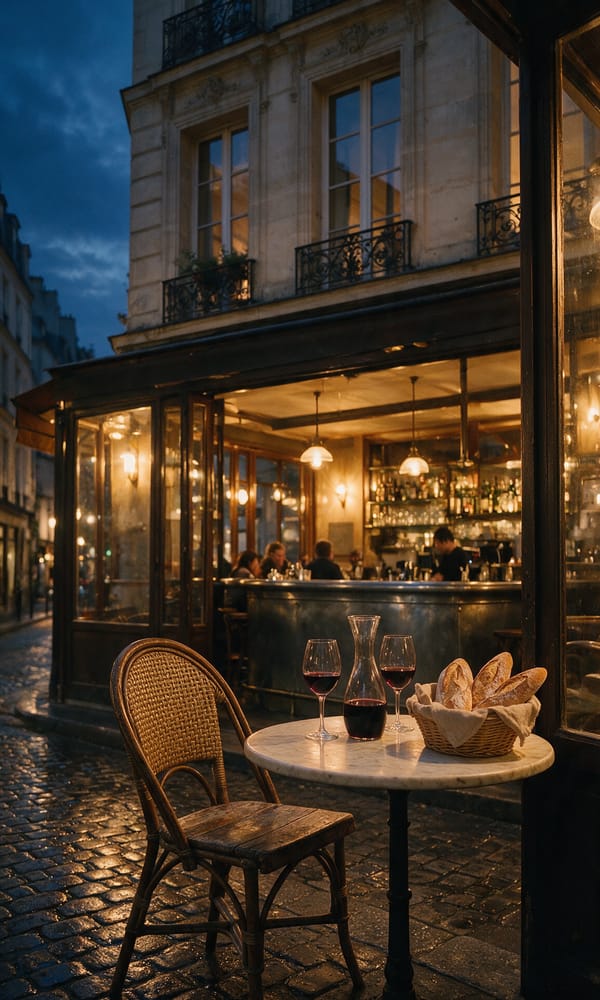
A marble bistrot table with a carafe of red wine on a Marais pavement at dusk
May–June / September · 10–12 Days
Paris & Provence
Four nights Paris with a food guide who maps the city by neighborhood and chef rather than by landmark — the Marais, the 11th, the markets, a bistrot dinner that doesn't take reservations and doesn't appear in English-language guidebooks. High-speed train (3 hours) to Marseille, two nights Aix-en-Provence for the Tuesday and Thursday morning markets. Rental car through the Luberon — Gordes, Roussillon, the ochre trail, the lavender fields if timing aligns. Two nights at a Provençal mas converted to a country hotel between Bonnieux and Lacoste. Return to Paris by train for the final night and the flight home.
France10–12 Days
Plan This Trip
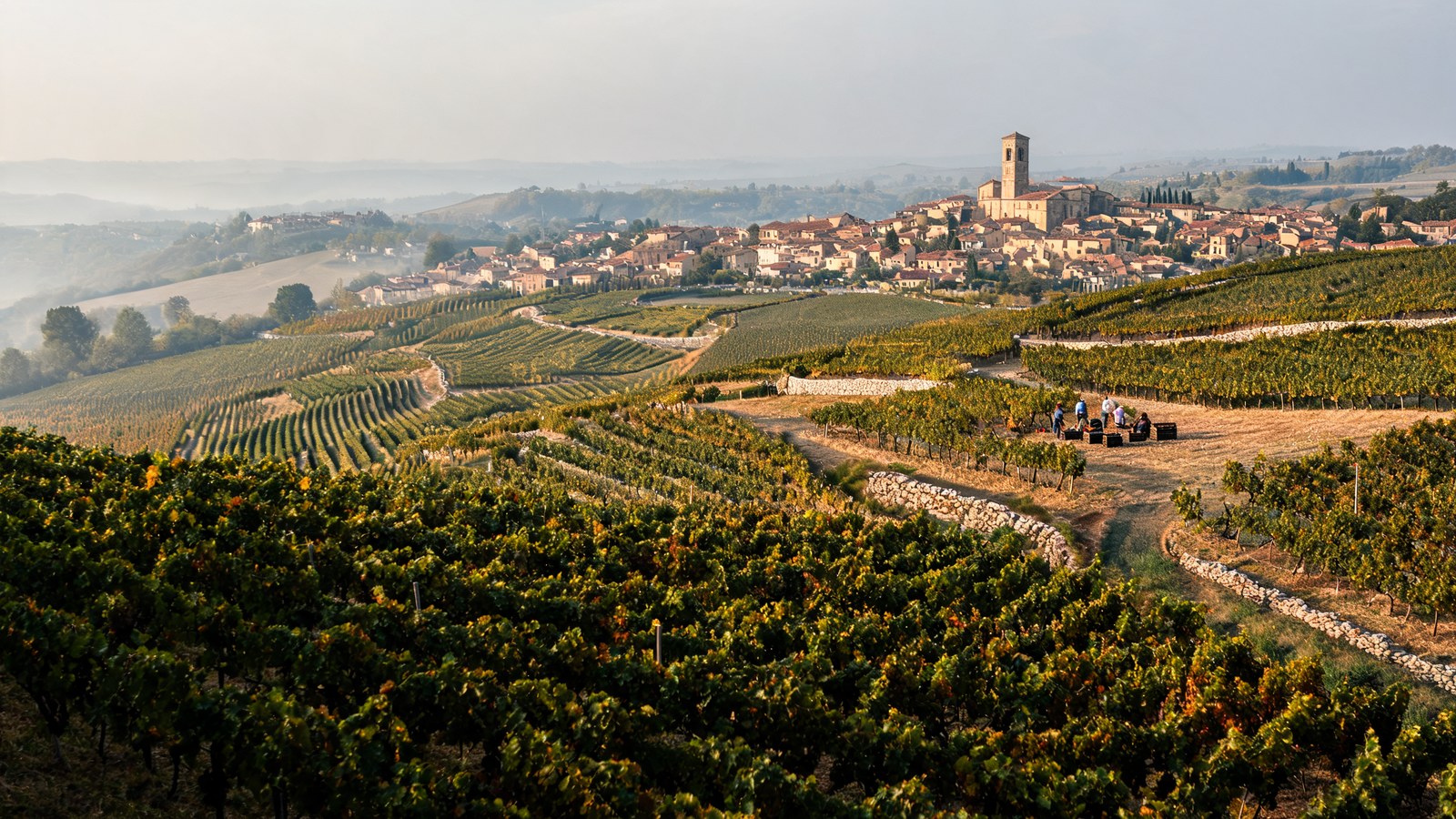
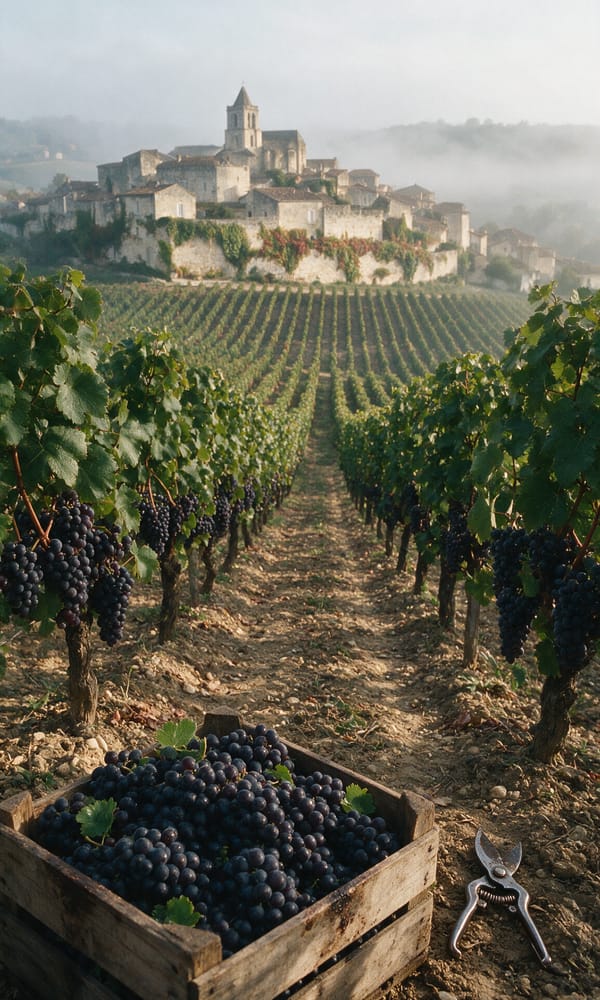
A crate of Merlot grapes and secateurs in a vineyard row below hilltop Saint-Émilion
September – October · 10 Days
Bordeaux & Loire Valley
Fly into Bordeaux for two nights in the city — the Port of the Moon, the Cité du Vin, and a négociant dinner that opens the door to the next two days. Right bank: St-Émilion overnight, a barrel tasting at a Pomerol producer who pours from cask. Left bank: Pauillac and Margaux, three of the classified growths in two days. Drive north to Tours for three nights in the Loire — Chambord, Chenonceau, Amboise by bicycle along the cycle paths, and Vouvray cellars carved into the tuffeau cliff. Return to Paris by train, one final night.
France10 Days
Plan This Trip
Mont Saint-Michel ringed by high tide at dusk with its abbey spire above the village walls
May – September · 8–10 Days
Normandy & Paris
Four nights Paris with a chef-led food walk in the Marais, a museum morning at the Musée d'Orsay before crowds, the Picasso Museum on a weekday. Train to Bayeux for two nights — the tapestry in the dedicated museum (the original is 70 meters long; the audio guide takes 90 minutes) and a half-day on the D-Day beaches with a historian rather than a coach tour. Drive south to Mont Saint-Michel for an overnight in the village inside the walls — the abbey at high tide from the east, oysters on the causeway, dinner in the village after the day visitors leave. Return to Paris for one final night.
France8–10 Days
Plan This Trip
Lavender rows running toward a stone farmhouse and cypresses on the Valensole plateau at dawn
Late June – Mid July · 10 Days
France by Season: Summer Provence
Built specifically for the lavender season, with timing confirmed each year against grower reports. Fly into Marseille, two nights Aix to acclimate and shop the market. Drive to the Valensole plateau (lavender peaks earlier here than further north), three nights at a stone farmhouse converted to a country inn. Photography mornings at first light on the plateau, then the Verdon Gorge in the afternoon for the turquoise canyon swimming. Move north to the Sault region for the higher-altitude lavender peak — three more nights in the Vaucluse, Mont Ventoux for the panoramic afternoon, Avignon for the Palais des Papes and the Pont d'Avignon. Camargue add-on possible for flamingos and the bull culture of the Rhône delta.
France10 Days
Plan This Trip
Why Plan With Us

What We Add to France Planning

France is the country where the food specialist, the wine introduction, and the property selection have the largest combined effect on the trip. Knowing which person to ask makes the planning work.

The Guide Who Knows the Chef
Paris and Lyon both have networks of food guides who have eaten in their cities professionally for fifteen or twenty years, who know which kitchen has a new chef this season, which bistrot is taking reservations through a side door, and which restaurant the working chefs in the neighborhood actually go to on their day off. These guides do not advertise. They are accessed through introduction. We hold those introductions.
Driving Provence Properly
Provence requires a rental car, but more specifically it requires knowing which routes through the Luberon and the Vaucluse to drive in what order, which villages still have an active weekly market (a meaningful proportion no longer do), and which hours of the day produce the photography light that justifies the trip. The lavender field timing varies enough year-to-year that a fixed-date itinerary published months in advance can be five days off the actual peak. We track this annually with regional growers.
Wine Access
The Bordeaux châteaux divide into three categories: those that accept walk-in visitors with structured guided tours, those that require a négociant introduction, and those that admit guests only through long-standing private relationships. The wine country experience that justifies a trip to Bordeaux is overwhelmingly in the second and third categories. The same structure exists in Burgundy, Champagne, and the Rhône. We maintain the introductions that open the second-category visits and we coordinate the third where appropriate.
Paris vs the Regions
Paris and the rest of France are essentially different countries. The Parisian week operates on its own restaurant rhythms, museum schedules, and neighborhood seasonality (in August the city partially empties of Parisians and the energy changes entirely). The regions operate on agricultural calendars — harvest, festival, market days. Treating France as one destination produces an itinerary that fights both systems. We structure trips around the right rhythm for each leg.
When to Go

France by Season

Spring Season
May – June
The best general France window. Paris is warm enough for terrace dining without yet being summer-hot. The Provence countryside is in full wildflower bloom, with poppies in May and the early lavender beginning at lower altitudes in late June. Loire Valley gardens are at their peak. Markets across the country show the spring vegetable rotation — asparagus, artichokes, fresh peas, early strawberries. Tourist pressure is below July and August peaks, accommodation rates are below summer levels, and the weather is reliably warm without the August humidity that affects Paris specifically. For a first France trip or for travelers who want broad regional coverage, May and early June is the most consistently rewarding window.
Best Overall Window
Harvest Season
September – October
France's harvest season is one of the great travel calendars in the world. Grape harvest runs September across Bordeaux, Burgundy, and Champagne, with the precise timing varying by appellation and vintage conditions. The light in Provence and the Loire turns autumnal in late September, and the photographic conditions improve as the summer haze clears. Restaurant culture transitions from the summer terrace menu to the autumn rotation (mushrooms, game, the year's first oysters). Tourist pressure drops 30–40% from August. For wine-focused or food-focused trips, September is unambiguously the correct month.
Peak & Off Season
July–August & November–April
July and August are France's domestic vacation period as much as the international peak — Paris partially empties of Parisians, while the coastal and Provençal regions fill with French families and become genuinely crowded. The Côte d'Azur in August requires booking 6+ months ahead for top properties. November through April is the off season — Paris remains a full-year city, the Champagne and Burgundy harvest seasons are over, the Alsace Christmas markets in December are extraordinary, and rates across the country drop significantly. Ski season in the French Alps runs December through March at the major resorts.
Ready When You Are

Plan a France Trip
That Goes Below the Surface

Tell me which regions of France interest you, whether you want Paris alone or a multi-region trip, and when you can travel. I'll come back with a specific itinerary, guide introductions, and property recommendations within one business day.

Plan a France Trip All Europe Destinations

No booking fees  ·  Response within 24 hours  ·  Fully bespoke

What It Costs

What France Actually Costs

$700–$1,400
per person, per day, land only. Ranges, not quotes.
What that includes
  • Five-star or boutique hotels with breakfast
  • Private transfers and guiding
  • Main admissions and selected rail segments
What it does not
  • Transatlantic airfare
  • Most meals, and the nightly city tax unless packaged
  • Event premiums and gratuities
The two or three things that move it most
  • Paris and the Riviera versus the rest of the country
  • Hotel tier and driver-guide days
  • Event season — festive Paris and the Riviera exceed the band

Editorial planning bands, not quotes — assembled from published rates and official fee sources, verified . Rates, permit costs and park fees change; confirm before booking. Source: official French tourist-tax schedule.

Common Questions

France — FAQ

Questions we hear most when planning France — from Paris timing to Provence driving, Bordeaux wine access, and how to combine Paris with the regions.

A minimum of four nights for a first visit. That is enough to cover the major museum circuit (Louvre, Musée d'Orsay, Picasso, one of the smaller specialist museums), three or four neighborhood walks with a food or culture guide, and the breathing room to repeat a meal you liked rather than feeling obligated to try a new restaurant every night. Five to seven nights is the more comfortable range for a real Paris immersion. Less than three nights produces a checklist rather than an experience.

Yes — Provence by guided coach or by exclusively staying in Aix or Avignon misses approximately 70% of what makes Provence Provence. The Luberon villages, the Valensole plateau, the markets in the smaller towns (Lourmarin, L'Isle-sur-la-Sorgue), and the wine country between Châteauneuf-du-Pape and the Côtes du Rhône all require driving. The roads are excellent and the driving is one of the most pleasant in Europe — small roads, low traffic outside of the highway. We strongly recommend the self-drive option for any client comfortable driving abroad.

September during the harvest is the definitive window. The vineyards are active, the producers are present at the châteaux (rather than on summer holiday), and the autumn light across the Médoc is the photography most travelers expect when they imagine wine country. May through June is also excellent, with vines fully leafed out and the spring tastings of the previous vintage just released. July and August are warm and many smaller producers reduce their visiting hours; the major classified growths remain open but feel more commercial than at harvest. November through March is the dormant season — beautiful in a stripped-down sense but with significantly reduced producer access.

The Loire à Vélo route is flat, well-marked, and designed for casual cyclists rather than serious riders. Distances between the major châteaux are 15–30 km — within reach for anyone comfortable on a bicycle for a morning. E-bikes are widely available and significantly reduce the fitness component for hilly side-routes. We schedule the rides to allow rest days between the cycling days and book accommodation in villages on the route so luggage transfers handle the gear. Total mileage across a 5-day cycling segment is typically 100–150 km — substantial but not demanding for an average traveler.

Yes, significantly. Alsace combines Renaissance villages, world-class Gewürztraminer and Riesling production, distinctive regional cuisine (choucroute, tarte flambée, baeckeoffe), and the most architecturally distinctive city in eastern France (Strasbourg). The wine route between Colmar and Strasbourg is one of the most rewarding driving routes in Europe. For travelers who have done Paris and want a regional France trip with strong food, wine, and architectural content in close geographic concentration, Alsace is consistently the recommendation that surprises most.

Less than the stereotype suggests, with one practical caveat. At any property we book — boutique hotel, chambre d'hôte, restaurant of meaningful standard — staff speak excellent English. The notion that the French are unwelcoming to non-French speakers is largely outdated; opening with "bonjour" and attempting basic French phrases produces consistently warm responses. The caveat: in smaller villages in Provence, the Dordogne, and the countryside generally, English fluency drops significantly. For self-drive itineraries in the regions, a translation app and basic French politeness phrases cover the gap entirely.

A two-Michelin or three-Michelin dinner in Paris will run €300–€600 per person with wine pairings. A serious bistrot dinner — the format we typically recommend over the multi-star experience — runs €60–€100 per person with a bottle of wine to share. Lunch menus across France ("formule midi") are dramatically cheaper than dinner at the same restaurants and represent the best value-to-quality ratio in French dining. Wine in restaurants is marked up less aggressively than in the US (typically 2.0–2.5x, vs 3–4x in American restaurants), making it economical to drink well. In the wine regions, cellar door prices for the same wine are often 40–60% below retail.

August, for a paradoxical reason: it is the month Paris itself goes on vacation. Many of the city's best restaurants, bakeries, and small shops close for two to four weeks. The Métro is less crowded, the streets are emptier, and the tourist experience is in many ways smoother — but the actual depth of Paris is reduced. For travelers who want the bistrot culture and the deep food experience, August is genuinely a worse month than September. The exception: travelers who specifically want the calmer summer Paris with longer daylight (sunset is past 9:30pm) and lower domestic competition for tables at the restaurants that do stay open.
More questions answered on the Full FAQ Page
From the Journal

Read More on Planning France