
Spiritual Geography.
Real Depth.
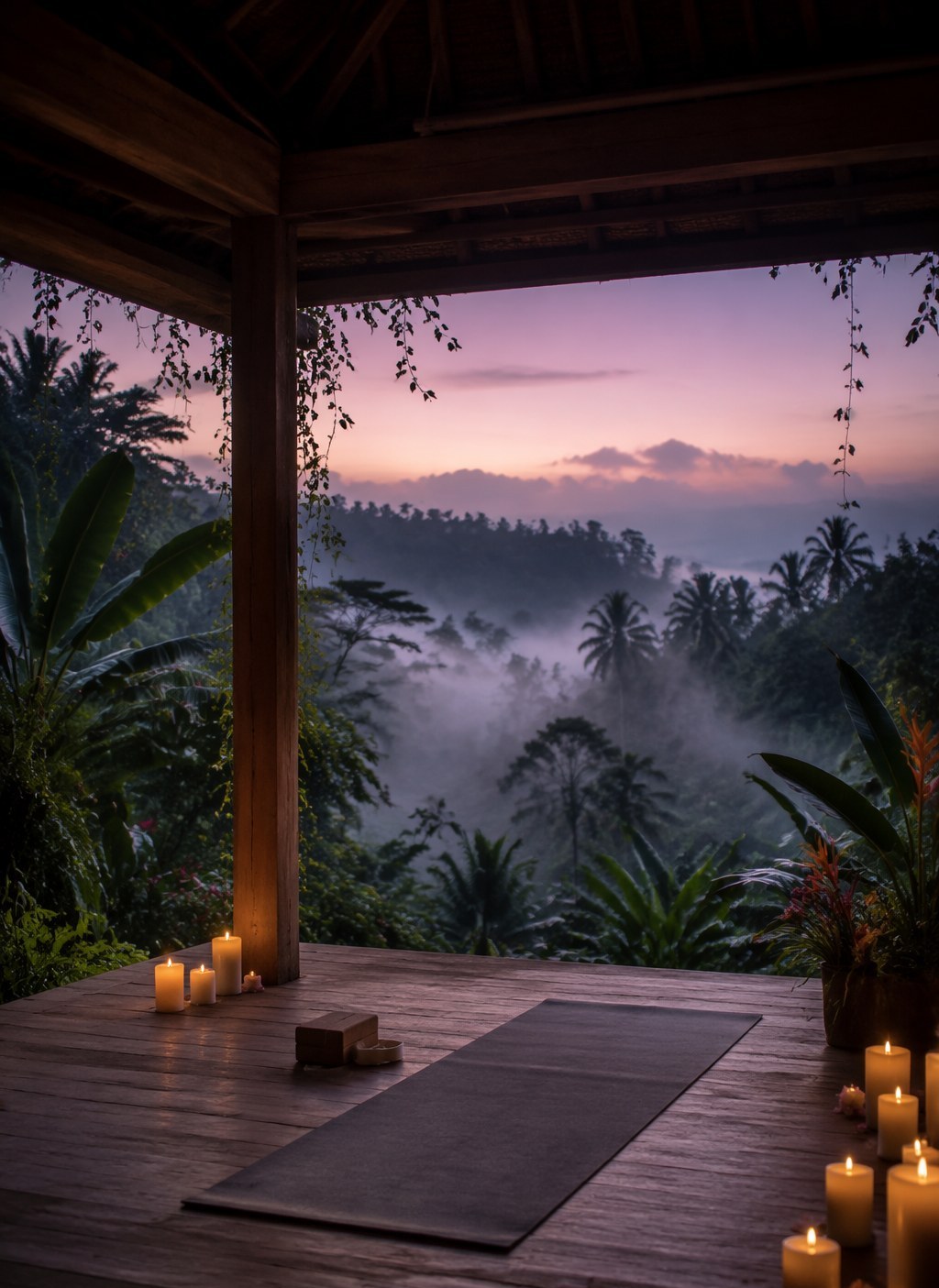
Bali has a spiritual geography — a system of orientation between the mountains and the sea that shapes every compound, every temple, every ceremony on the island. Most visitors experience the island's beauty without understanding what underlies it. The ones who arrive with the right guide understand why the rice terraces are laid out the way they are, why every offering is placed where it is placed, and why the Balinese relationship to daily ceremony is not performance but practice.
& Culture
Tri Hita Karana.
The System Behind the Beauty.
Bali's dry season runs May through October, with July and August the busiest and most expensive months in it. Most itineraries run 9–12 days. The wet season, November to April, is not a washout — rain arrives in afternoon bursts rather than all day, and rates fall accordingly. Ubud and south Bali are two different trips, not interchangeable bases.
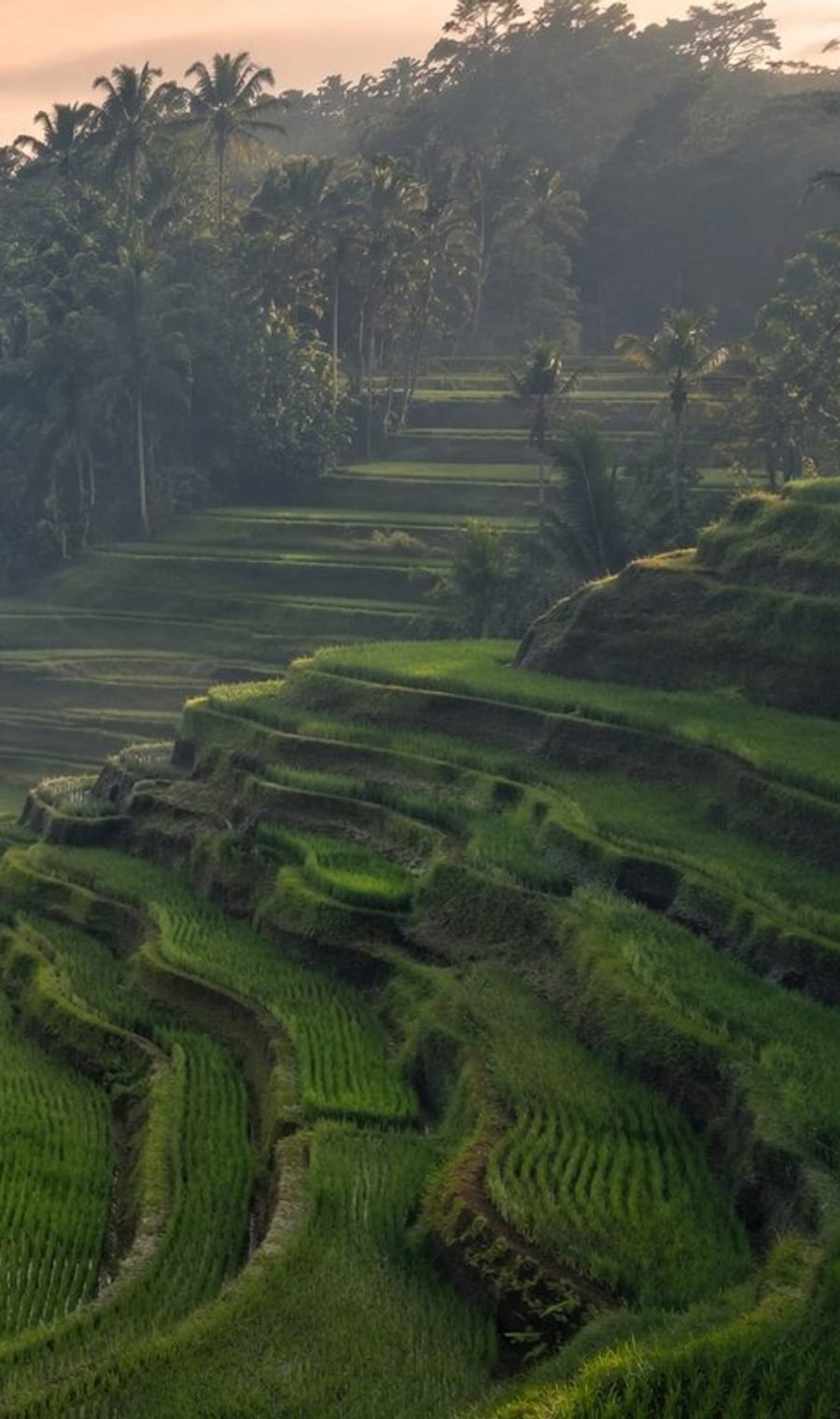
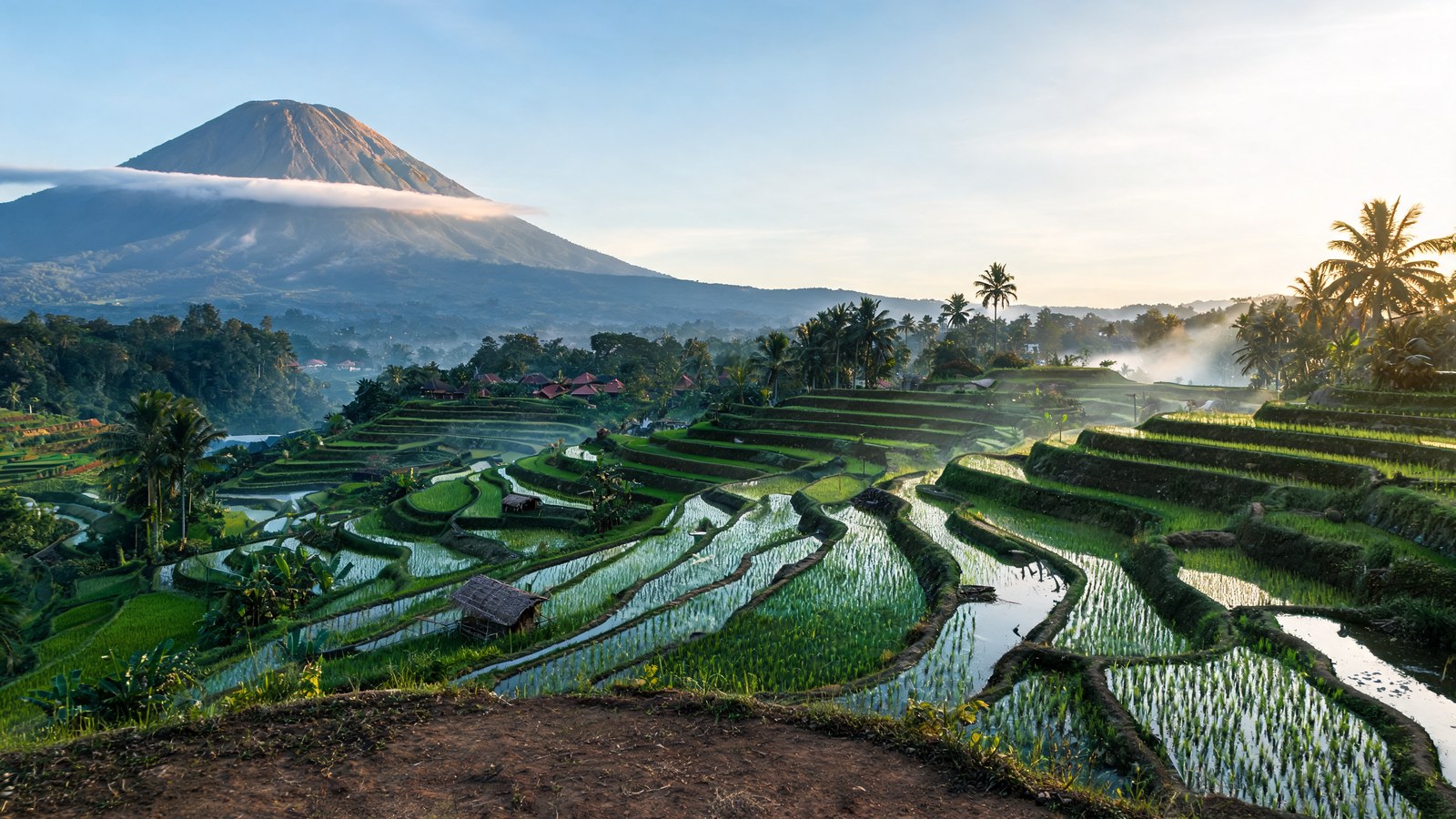
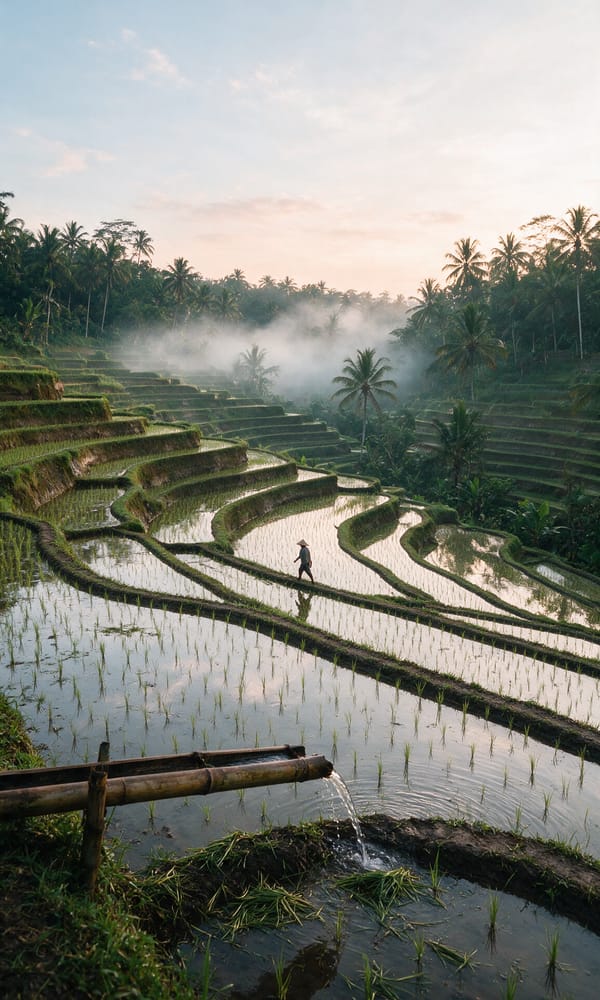
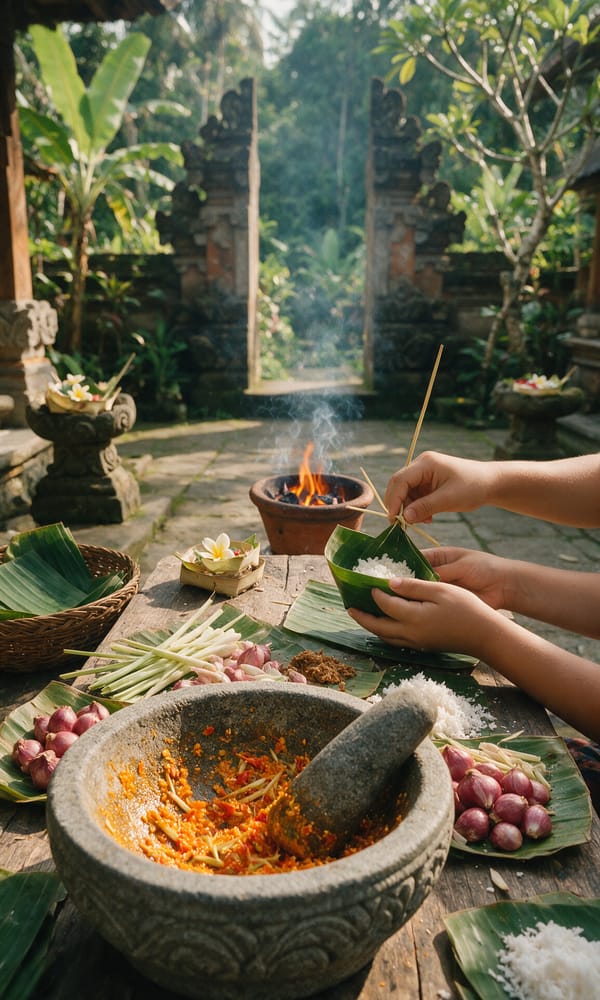
Tri Hita Karana — the Balinese Hindu concept of harmony between humans, the natural environment, and the divine — is not a tourism slogan. It is the organizing principle of Balinese life, expressed in the orientation of every compound on the island, in the placement of every offering, in the timing of every ceremony. The rice terraces of Bali's central highlands are a UNESCO World Heritage Site not because they are beautiful (though they are) but because the Subak irrigation system that has maintained them for a thousand years is a functioning expression of Tri Hita Karana — water temples coordinating the planting cycles, the fallow periods, and the pest management of an entire watershed through ritual and consensus.
A guide who understands this system reveals a different Bali than the one visible from the beachside resort or the Ubud spa circuit. The walk through a rice terrace with a farmer who explains the Subak irrigation schedule is available to every visitor and missed by most. The ceremony that closes the road in front of your car on the way to a temple is not a traffic inconvenience; it is the active practice of the spiritual geography that makes Bali unlike any other destination in Asia.
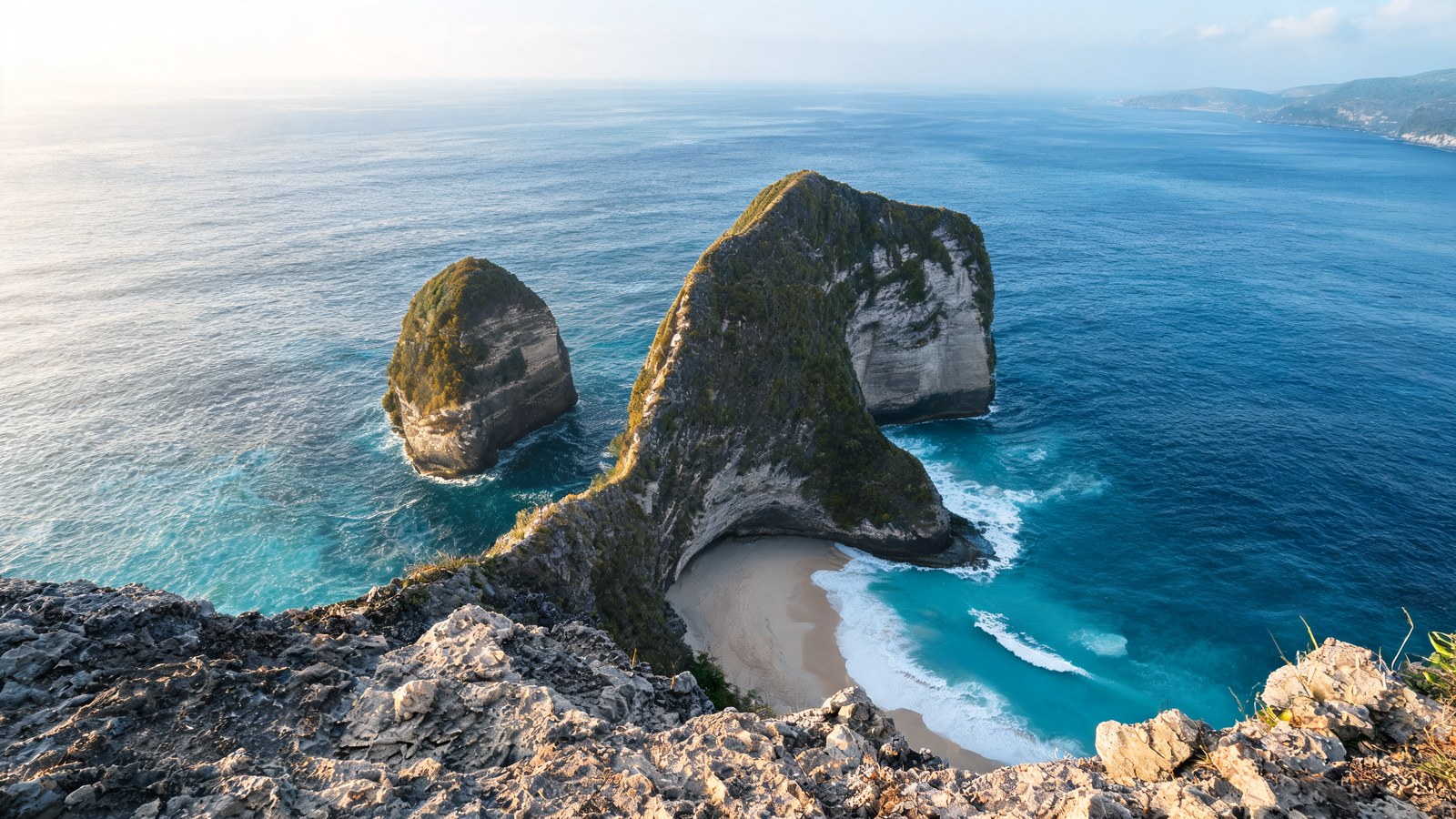
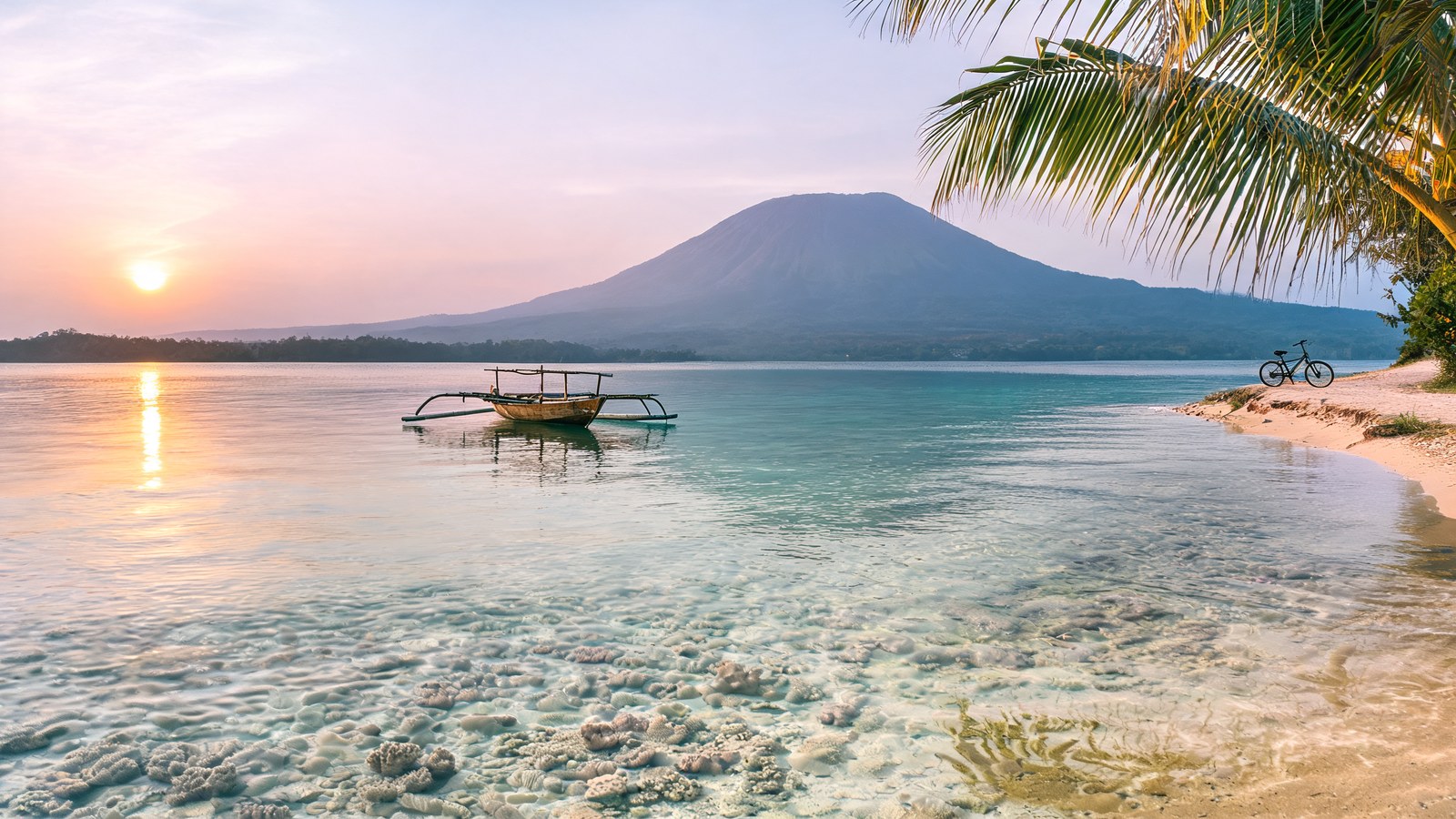
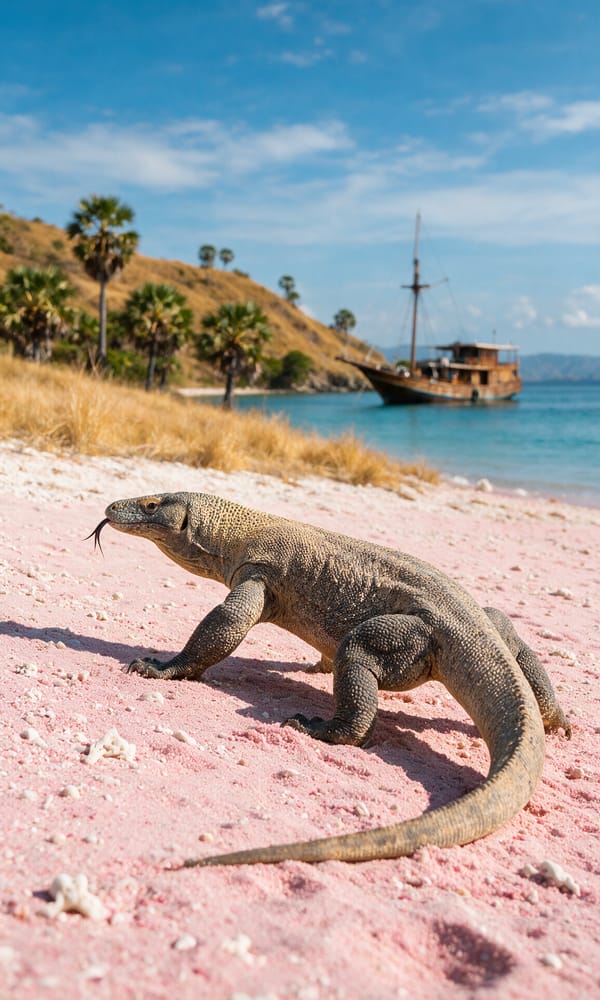
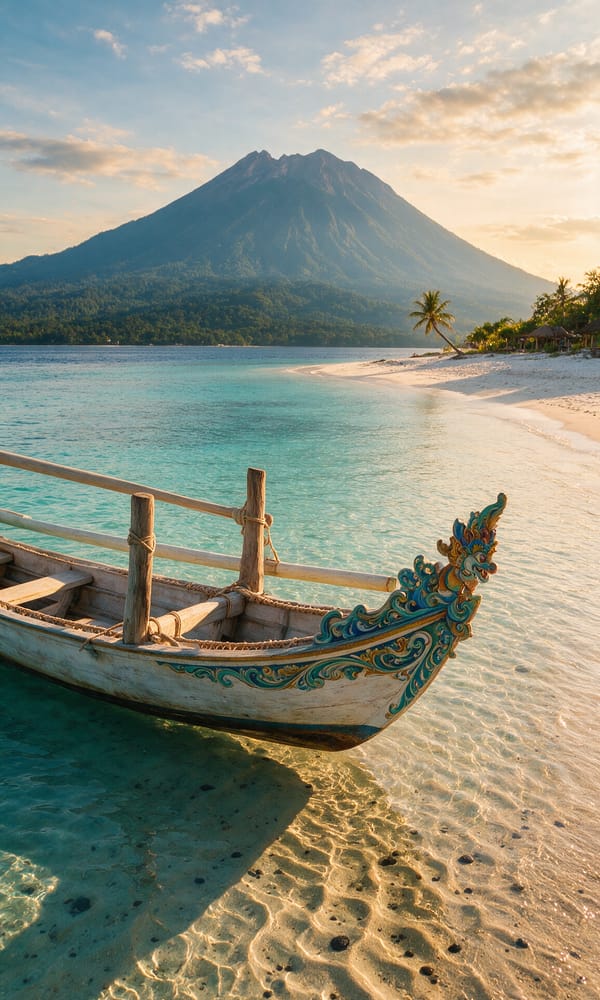
Bali's companion islands extend the trip beyond what the island itself can offer: Nusa Penida for the cliff scenery and manta ray snorkeling at Manta Point, Komodo for the dragons and the exceptional diving in the Komodo current, Lombok for the Gili Islands and Rinjani volcano and the Sasak culture that is entirely distinct from Balinese Hindu. Planning Bali without considering the surrounding islands is planning half the destination.
Six Areas Worth Planning Properly
Bali and its surrounding islands cover more travel territory than most visitors realize — from highland rice culture to Komodo dragon encounters to motor-vehicle-free beach islands.

Trips We Plan Often
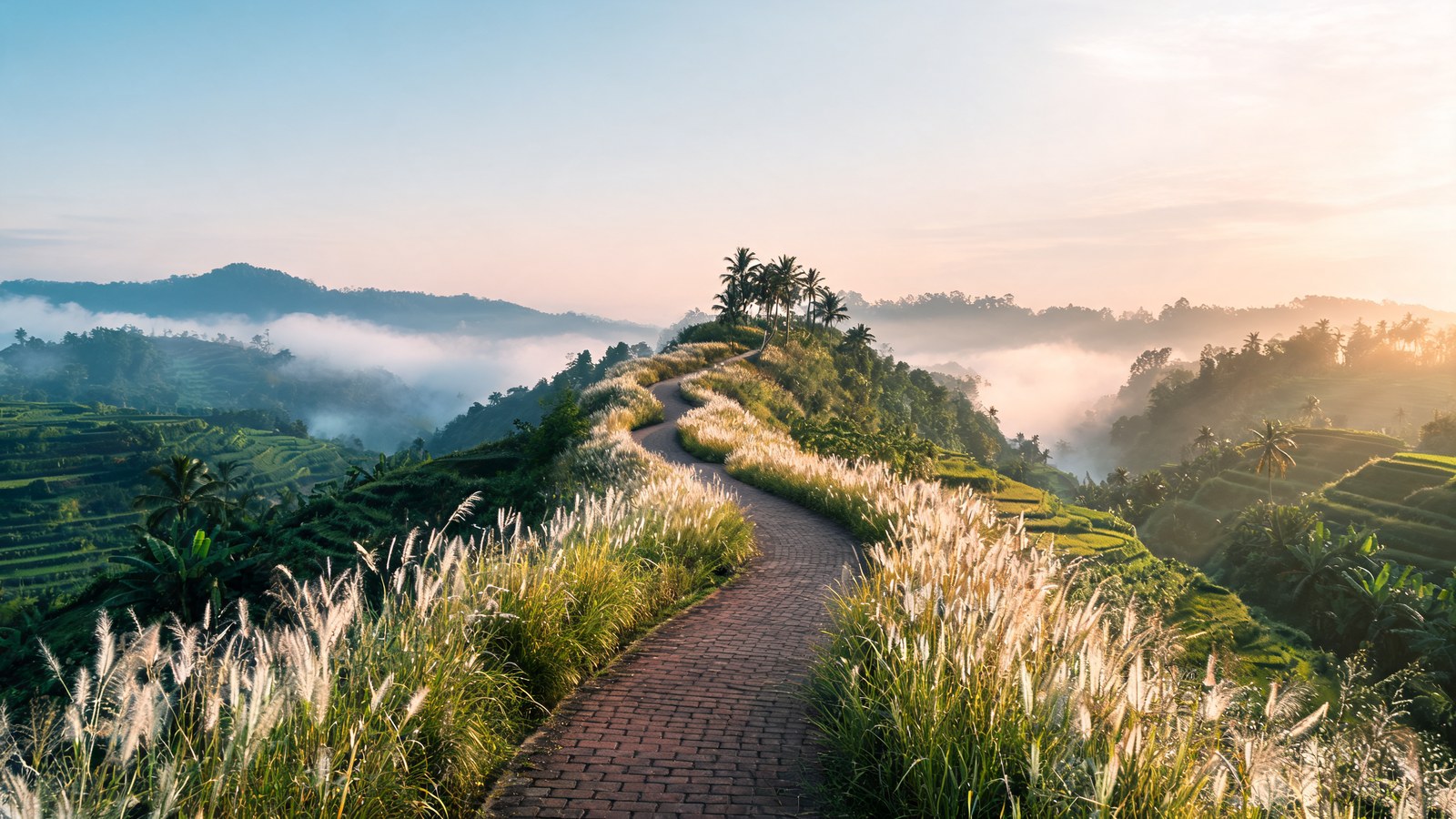
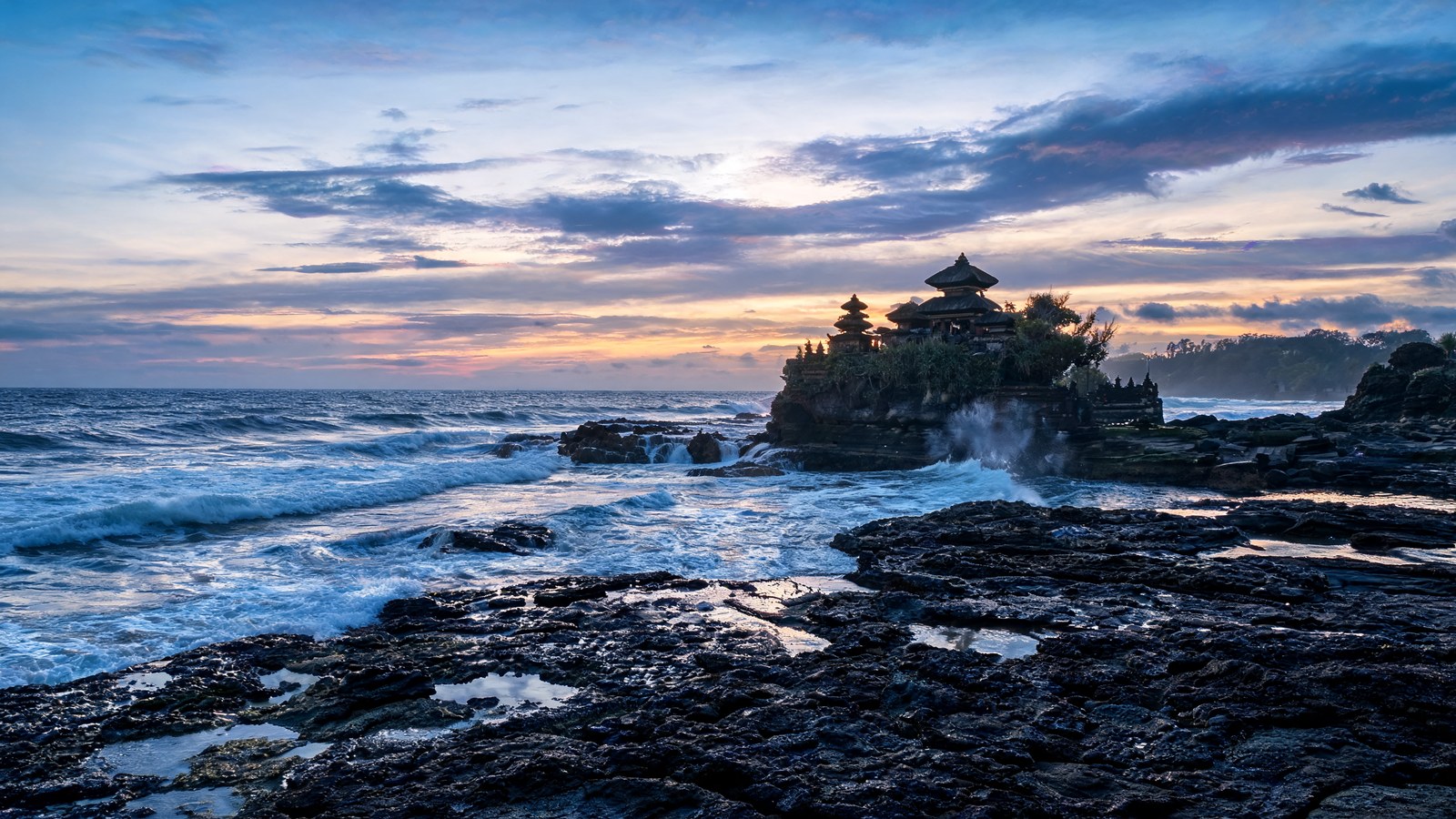
Bali itineraries calibrated to the culture, the companion islands, and the specific experiences that convert a beach holiday into something more layered.
What We Add to Bali Planning
Bali is the destination where the guide makes the largest difference in whether the cultural depth is accessible or invisible — and where the wrong timing makes the companion islands inaccessible entirely.
Bali by Season
Plan a Bali Trip
That Goes Beyond the Surface
Tell me whether you're looking for cultural depth, island combinations, diving, or family-specific programming. I'll come back with a specific itinerary structure, property recommendations, and guide options within one business day.
No booking fees · Response within 24 hours · Fully bespoke
Destinations Worth Comparing
What Bali Actually Costs
- Half of a five-star room or a one-bedroom pool villa, two adults sharing
- The 10% hospitality tax and a 5–10% service charge on quoted rates
- Breakfast for two where the published rate carries it
- International airfare and the internal flights to Komodo or Lombok
- The IDR 150,000 (about $8) Bali tourist levy, charged once per visit
- Lunch, dinner, alcohol, spa treatments and a car with driver
- Area — Uluwatu and Seminyak villas run about 70% above Ubud in high season
- Dates — mid-August runs about 27% above mid-May across 251 sampled villas
- Property tier — Capella Ubud starts at about double the Apurva Kempinski rate
Editorial planning bands, not quotes — assembled from published rates and official fee sources, verified . Rates, permit costs and park fees change; confirm before booking. Source: Bali tourist levy.
Bali — FAQ
Questions we hear most when planning Bali — from the Ubud vs south Bali decision to rainy season travel, Komodo logistics, and the villa versus resort question.