
Southeast Asia

More Layers Than
Most Travelers Find.

Bangkok is one of the world's great food cities — not because of the street food alone, but because the entire spectrum from a three-baht morning market bowl to the multi-course tasting menu at a Nahm-generation restaurant operates simultaneously within a few kilometers of each other. Chiang Mai's cooking tradition predates tourism by four hundred years. The islands are six entirely different types of experience, and choosing incorrectly is one of Thailand's most common planning errors.

Best Season
November – April
Best For
Food
& Islands
The Country

Bangkok Is a Great Food City.
The North Is a Different Country.

November through April is the right answer for most of Thailand — cool dry season nationwide, clear skies on the Andaman coast, and manageable heat in Bangkok and the north. Most itineraries run 10–14 days. Bangkok needs two or three nights before heading north or south, not one. The monsoon, May to October, is regional rather than nationwide.

Thailand's mistake — if it has one — is being so immediately accessible and so apparently similar across regions that the differences between the north and the south, between Bangkok and Chiang Mai, between Koh Lanta and Koh Tao, get flattened into a single "Thailand experience." They are not the same. Bangkok is a megacity with a food culture that spans from the Yaowarat Chinatown fisherman's dawn market to the modern Thai fine-dining movement that is among the most interesting in Asia. Chiang Mai operates at the pace of a market town; the hill tribe villages thirty minutes from the city center are a different world from either.

The Thai cooking tradition — Northern Thai in Chiang Mai, Central Thai in Bangkok, Southern Thai in the coastal regions — is not one cuisine. The fermented fish paste (pla ra) that defines Northern Thai cooking is absent from Bangkok's Central Thai repertoire; the coconut-heavy curries of the south have no equivalent in the north. A cooking class in Chiang Mai with a teacher who was trained by her grandmother in a Doi Suthep village teaches a different set of skills and ingredients than a Bangkok cooking class in a professional kitchen. Both are worth doing. Neither is interchangeable.

The island question has a right answer that depends entirely on what you want from it. Koh Lanta for families and snorkeling in calm water. Koh Tao for dive certification with the most affordable and well-organized dive schools in Thailand. Koh Samui for resort infrastructure and international flight access. Koh Lipe for the most beautiful beach water in Thailand with the least amount of development in front of it. Knowing which island is right for which traveler is planning work that makes the difference between the right beach trip and the wrong one.
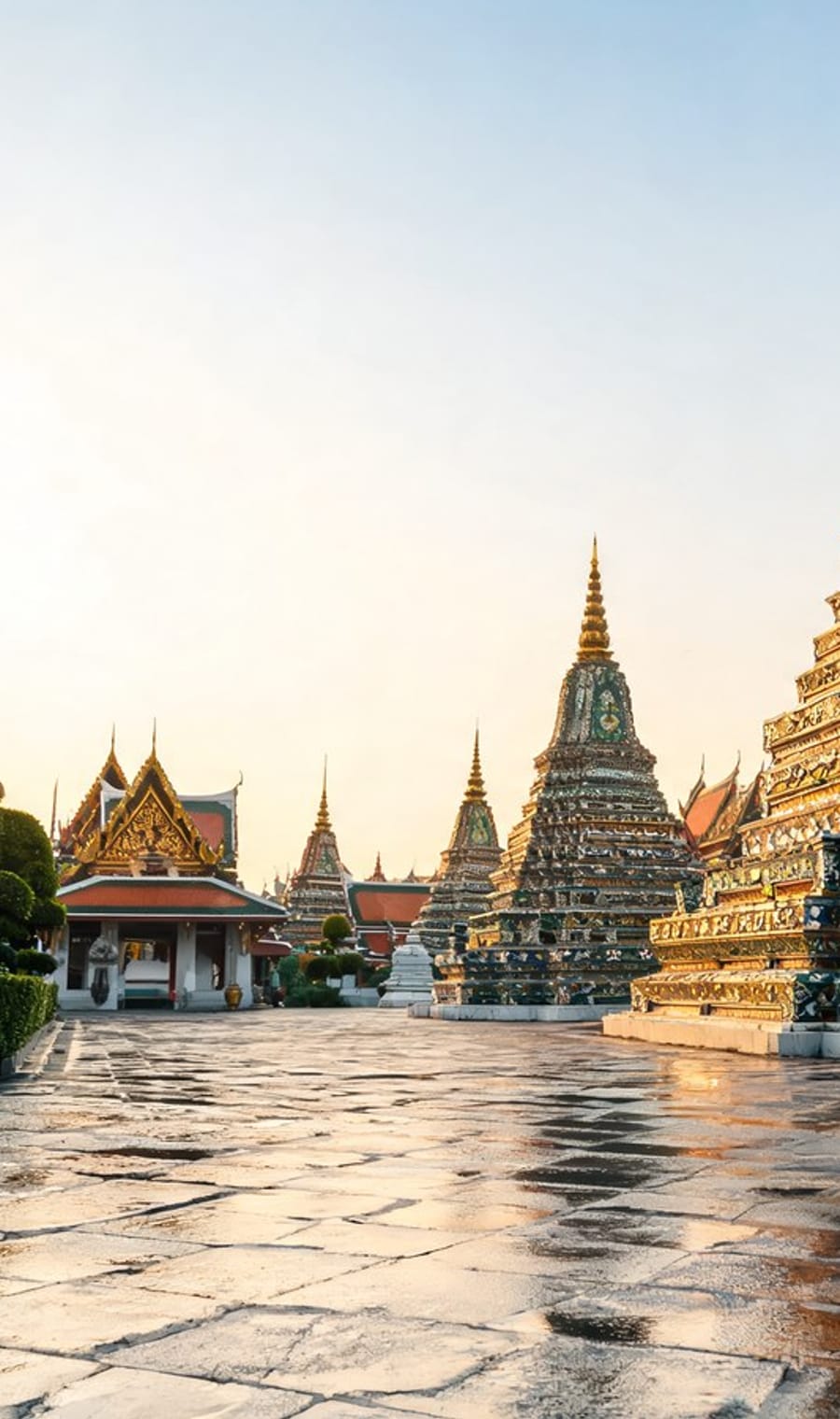
Gilded chedis and temple roofs of a Bangkok wat after rain
Bangkok · Thailand
Where We Send Clients

Six Areas Worth Planning Properly

Thailand's regions are distinct enough that treating them as interchangeable is the most common planning error. Each has a specific best version that requires knowing what to look for.
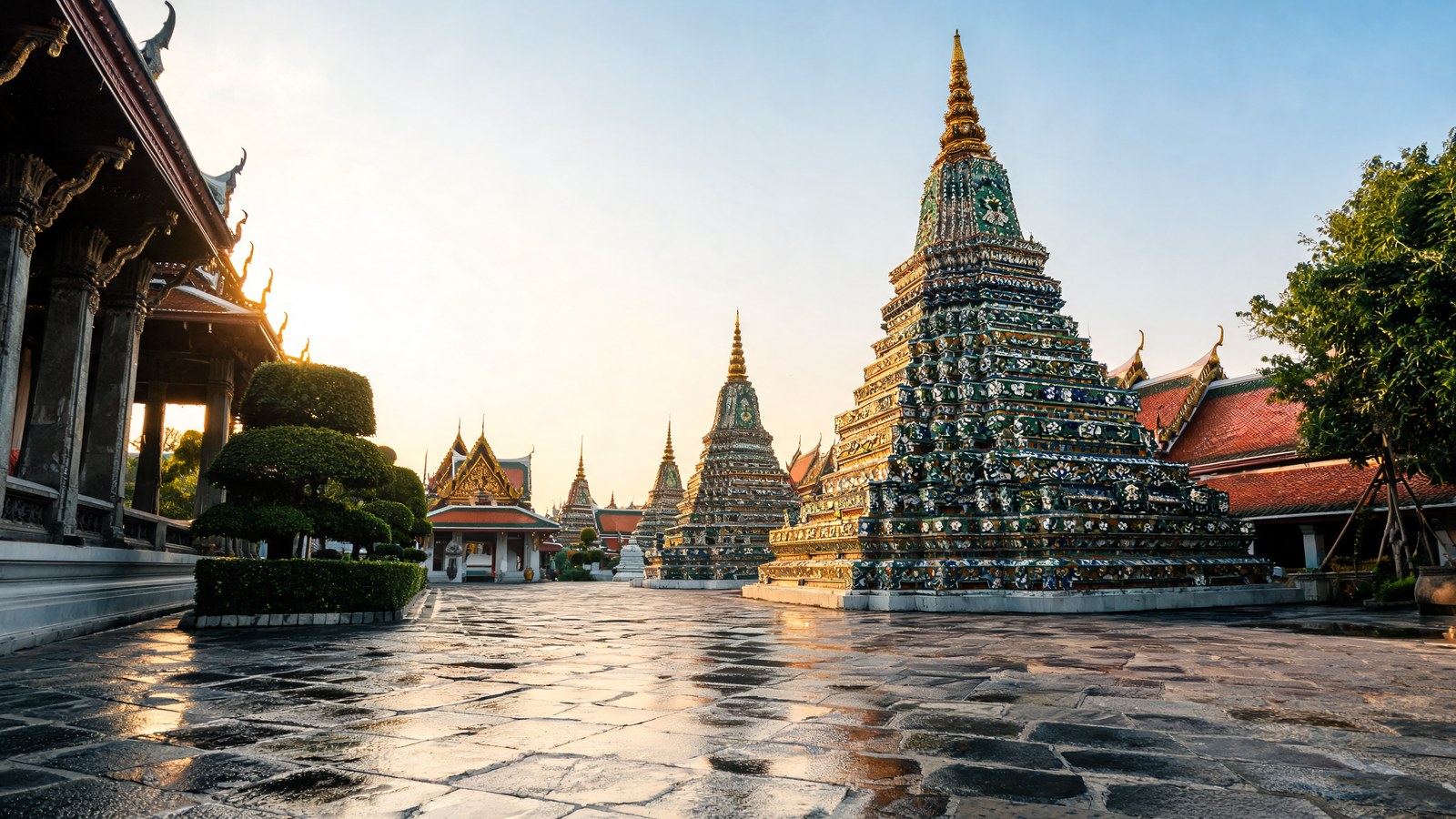
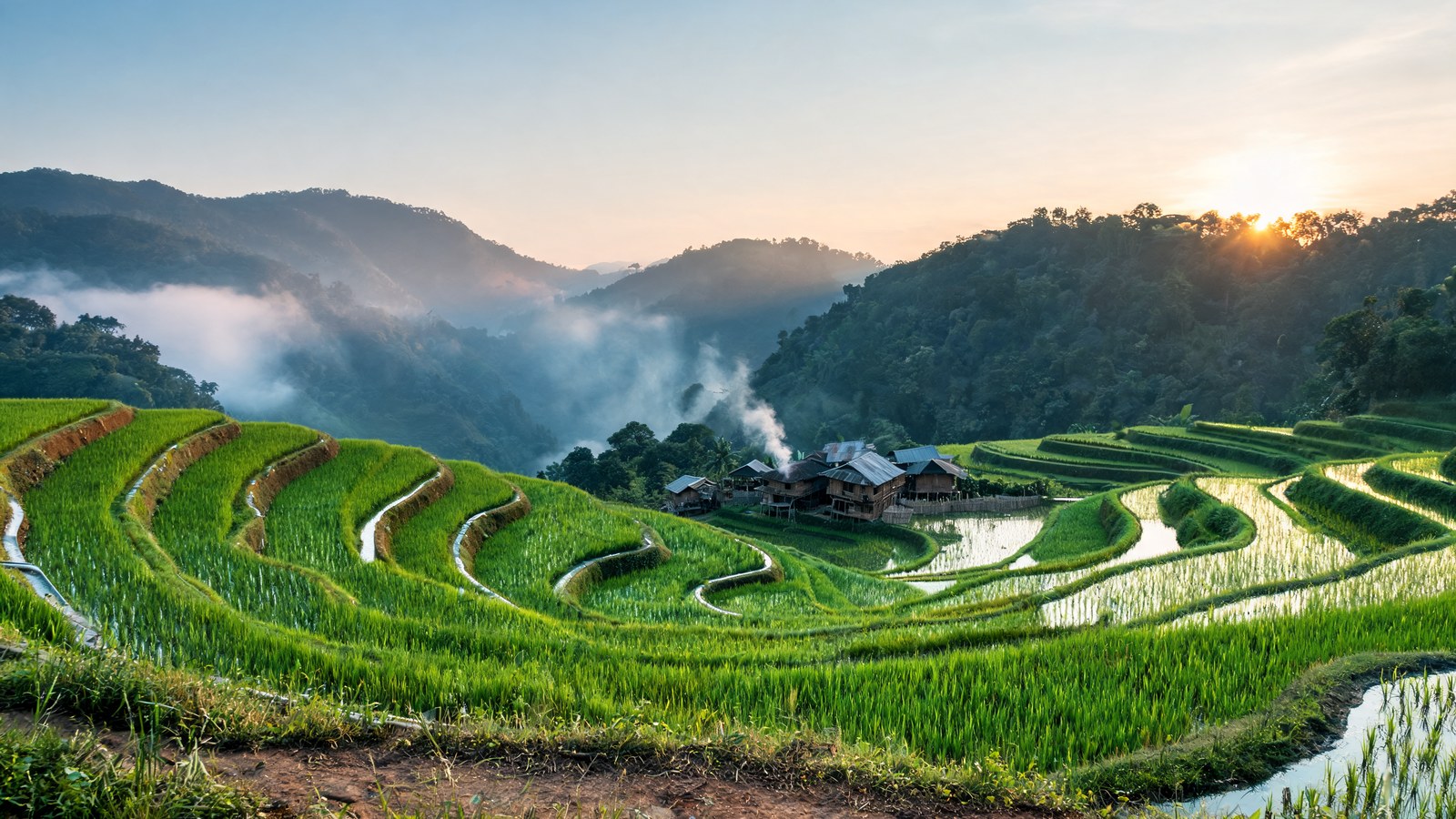
Bangkok, Central Thailand
Central Thailand
Bangkok
Damnoen Saduak at dawn — not the staged version, but the canal stalls trading produce wholesale before seven, on the schedule they have kept for sixty years. Yaowarat at ten at night, the barbecue smoke thick and the stalls three deep. Wat Pho at seven, before the cruise-ship buses.
Street Food Wat Pho Yaowarat
Explore →
Chiang Mai, Northern Thailand
Northern Thailand
Chiang Mai
The Doi Inthanon hill tribe villages at 2,000 meters sit forty-five minutes from the center. The Sunday market on Wualai still serves the city's own residents, not the tourist Walking Street. Elephant Nature Park is the genuine rehabilitation model; the riding camps are not.
Hill Tribes Cooking Elephants
Explore →
Chiang Rai & Golden Triangle, Far Northern Thailand
Far Northern Thailand
Chiang Rai & Golden Triangle
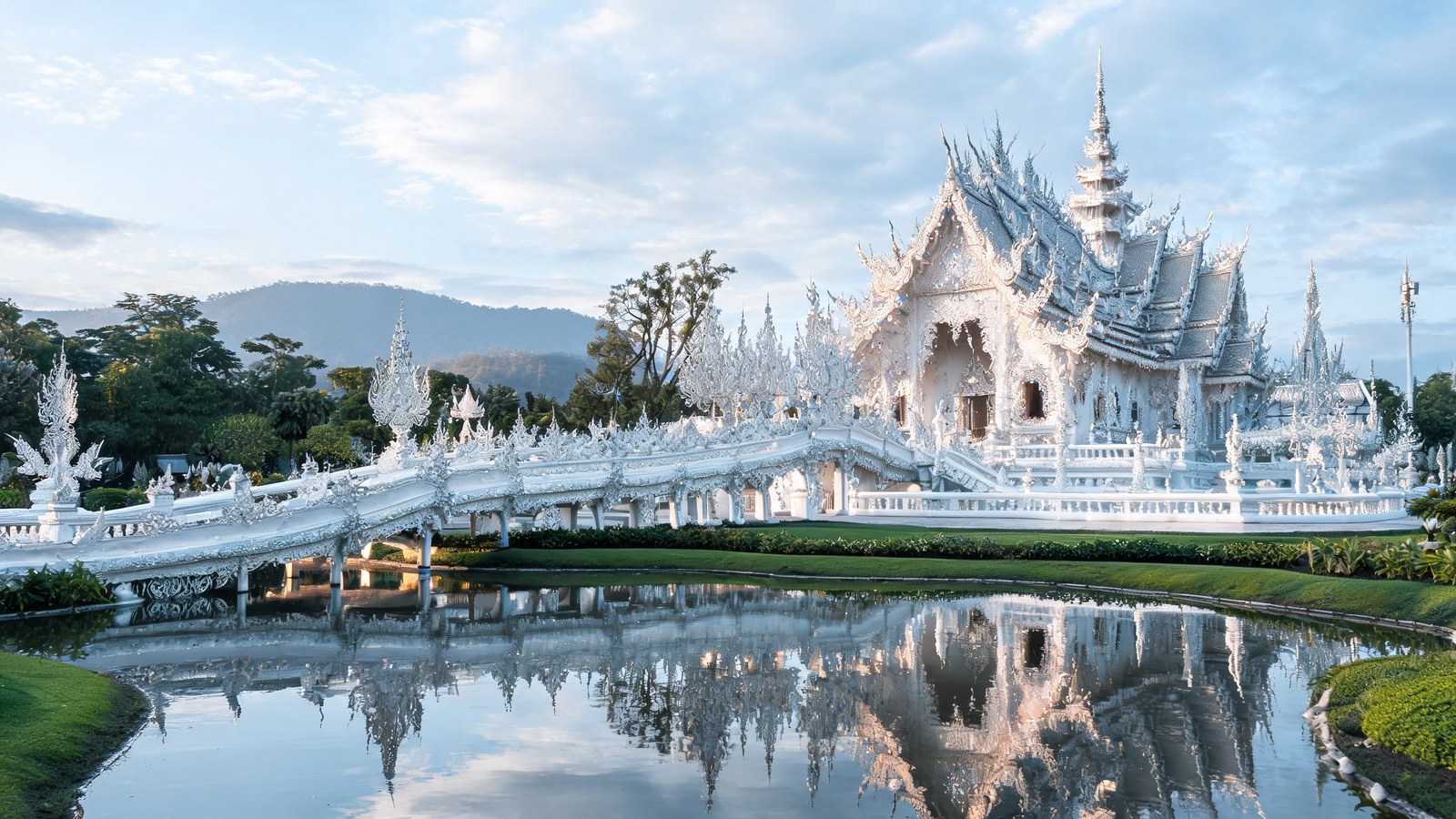
The White Temple is Chalermchai Kositpipat's ongoing project, contemporary Buddhist architecture in mirrored glass with no precedent in Thai temple design. The Hall of Opium covers the colonial drug economy with rare honesty. Akha farmers near Mae Sai grow some of Asia's best coffee.
Wat Rong Khun Golden Triangle Coffee
Explore →
Southern Islands, Southern Thailand
Southern Thailand
Southern Islands
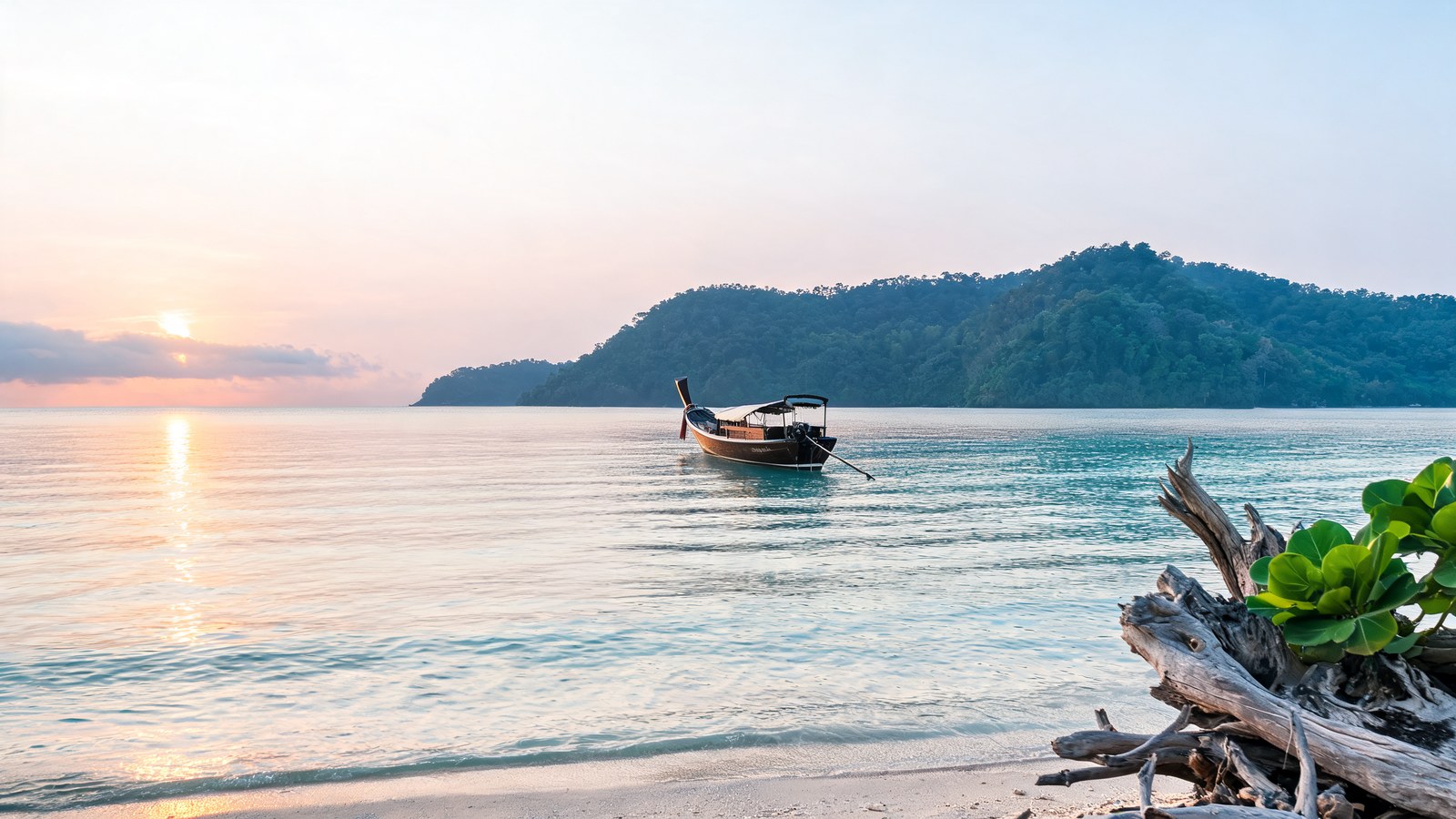
Koh Lanta for calm-water snorkeling and a low-key pace. Koh Tao for PADI certification, with the best-organized dive schools in the country. Koh Samui for resort infrastructure and international flights. Koh Lipe for the most beautiful water in Thailand, without the development.
Island Choice Diving Snorkeling
Explore →
Krabi & Railay, Andaman Coast
Andaman Coast
Krabi & Railay
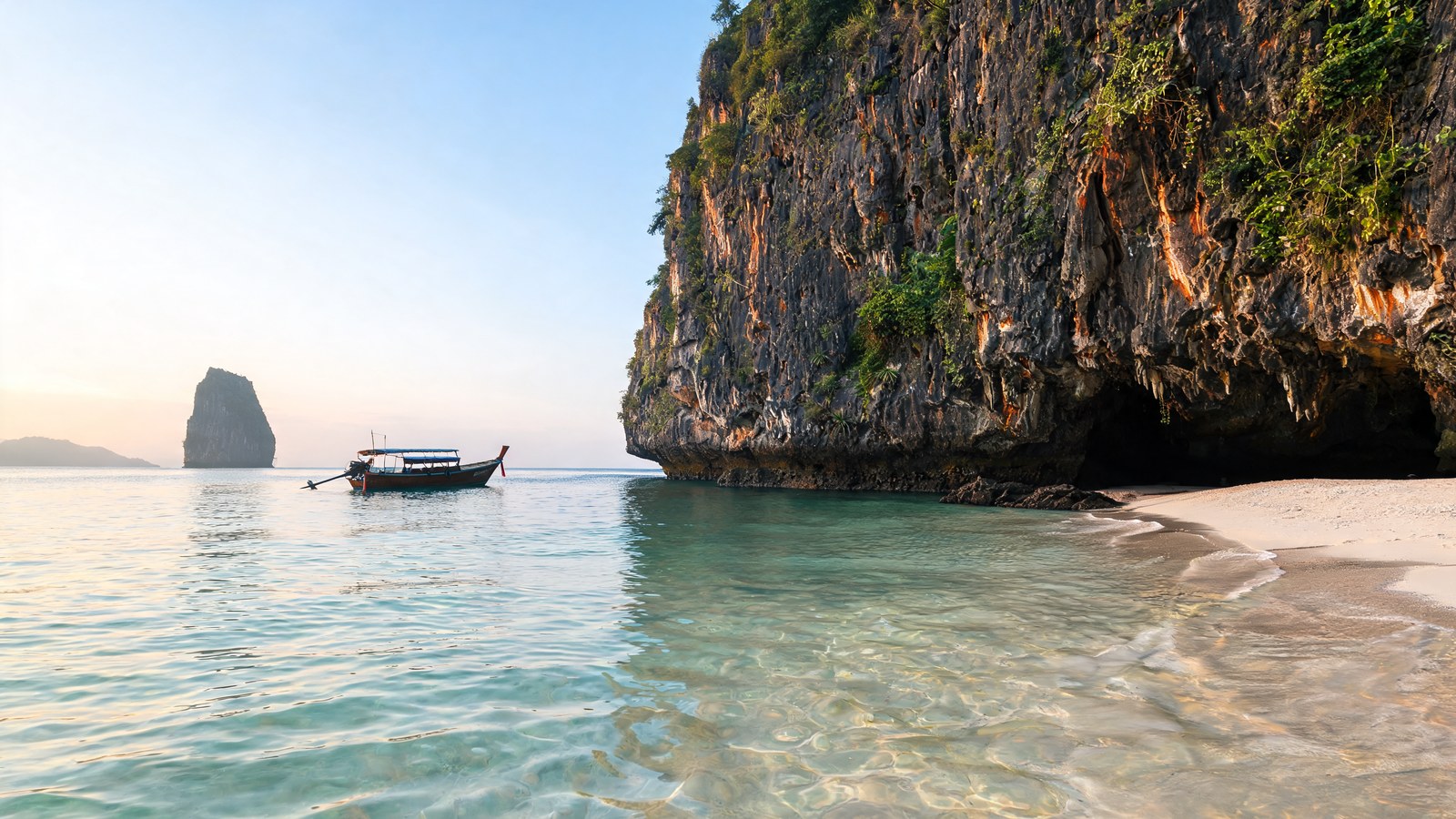
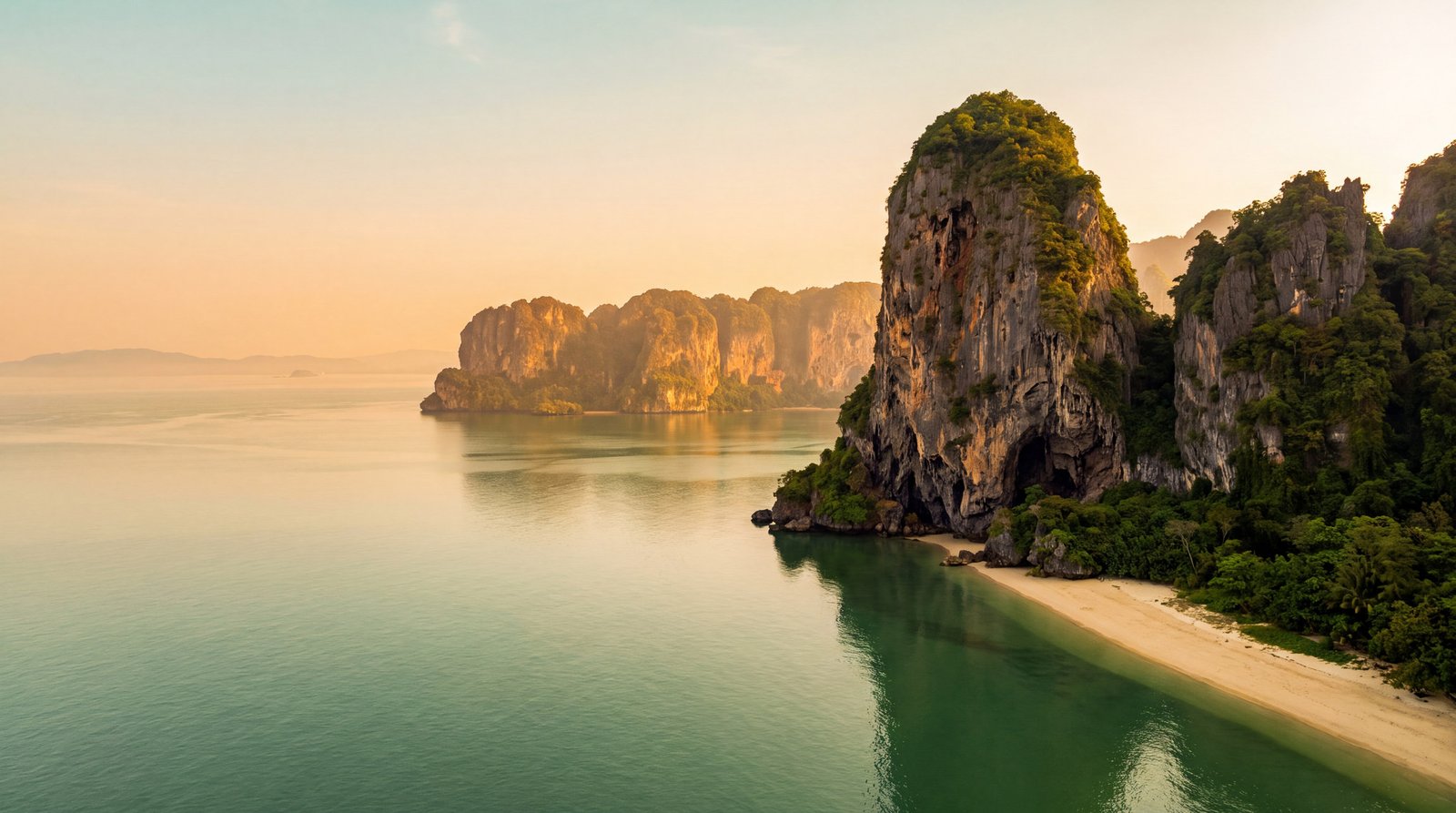
Railay is reachable only by longtail, because the karst cliffs that wall it have no road in — vertical faces dropping to emerald water, and kayaking through caves into lagoons that open only at low tide. Phra Nang is the best beach in Thailand, and best reached before nine.
Railay Karsts Sea Kayaking
Explore →
Sukhothai & Ancient Temples, Lower Northern Thailand
Lower Northern Thailand
Sukhothai & Ancient Temples
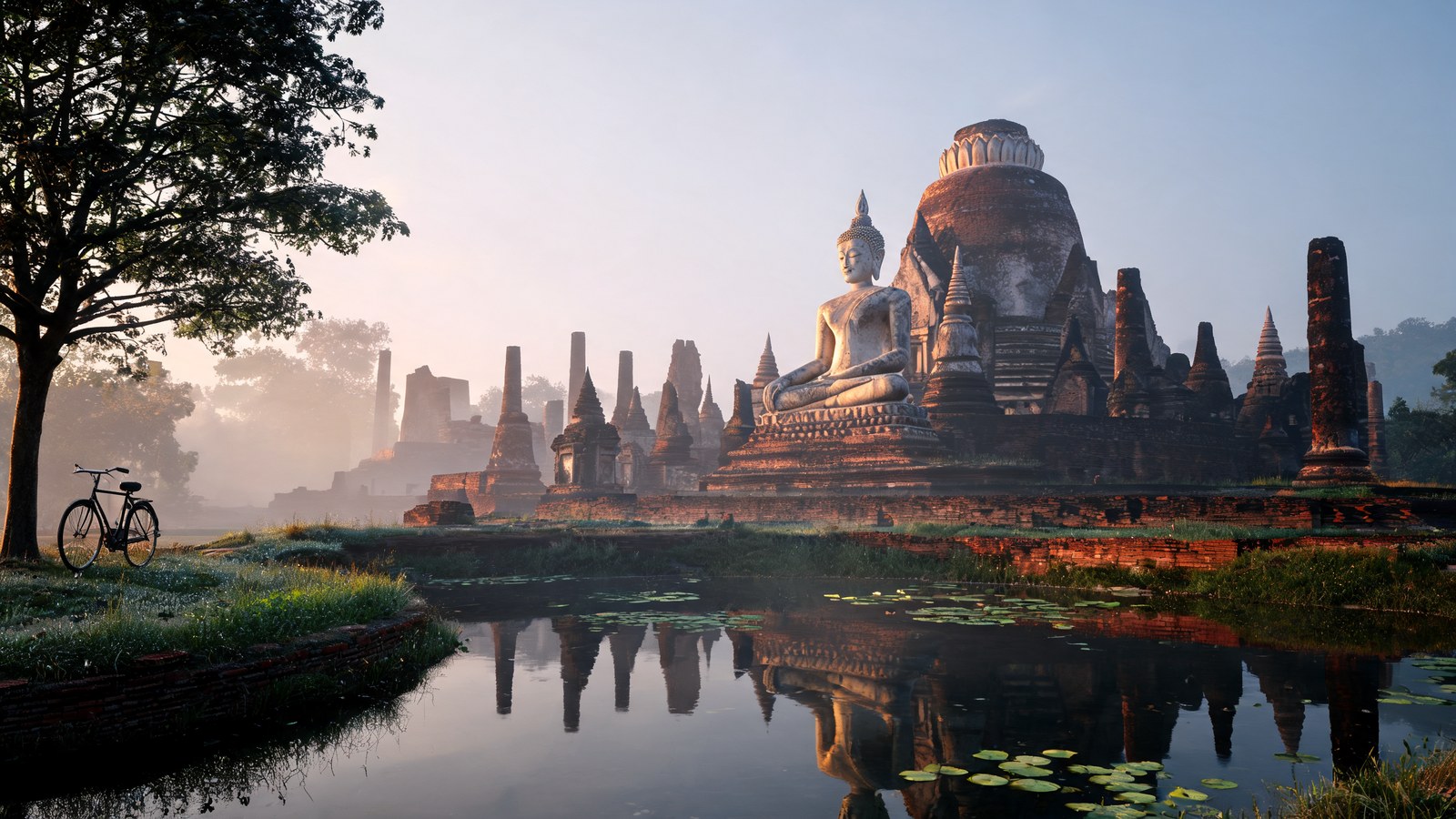
The first capital of the Thai kingdom, laid out in the 13th century on a Buddhist cosmological plan that orients the whole city. Best by bicycle at dawn, before the buses, when the stone Buddhas come out of the mist. The most underused major historical site in Thailand.
UNESCO First Capital Bicycle
Explore →
Featured Itineraries

Trips We Plan Often

Thailand itineraries that distinguish between the north and south, match the island to the traveler, and find the food culture that most visits skim past.
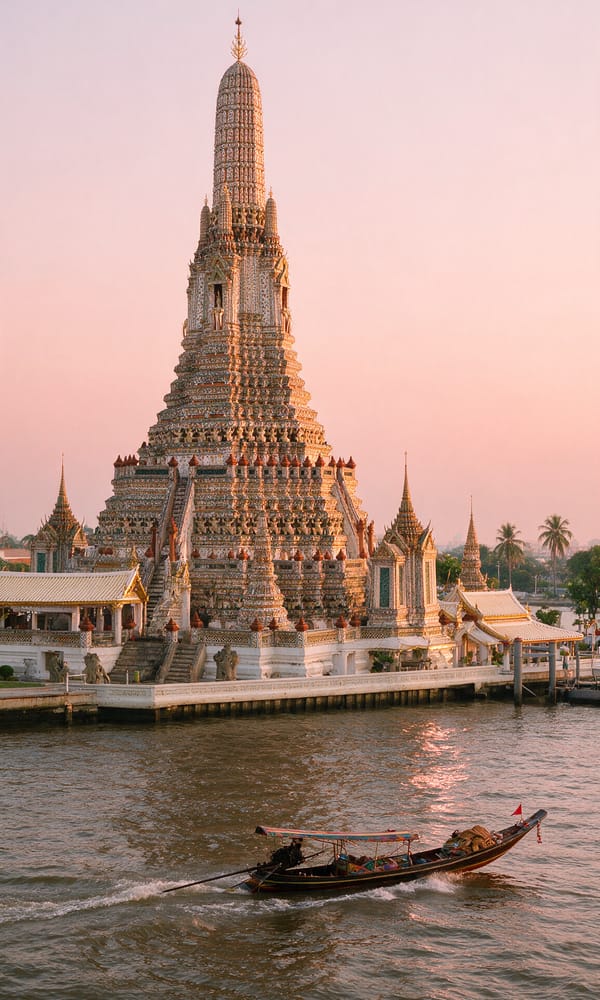
Wat Arun's porcelain-encrusted prang above the Chao Phraya as a longtail boat passes at dawn
November – April · 10–12 Days
Bangkok & Chiang Mai
Three nights Bangkok with a food specialist guide for Yaowarat at night, the Damnoen Saduak floating market at dawn, and a temple circuit that runs Wat Pho, Wat Arun by longtail, and Wat Suthat before the tour group buses arrive. Train or fly north to Chiang Mai for five nights: Doi Inthanon hill tribe villages (a full day, not a half-day), a cooking class in a home village north of the city rather than a commercial school, the Elephant Nature Park for the genuine sanctuary experience, and Chiang Rai for the White Temple and the Golden Triangle. The combination covers what Thailand's two most distinct destinations do at their most specific — which is a different itinerary than the Bangkok-islands combination that most first-time visitors default to.
Thailand10–12 Days
Plan This Trip
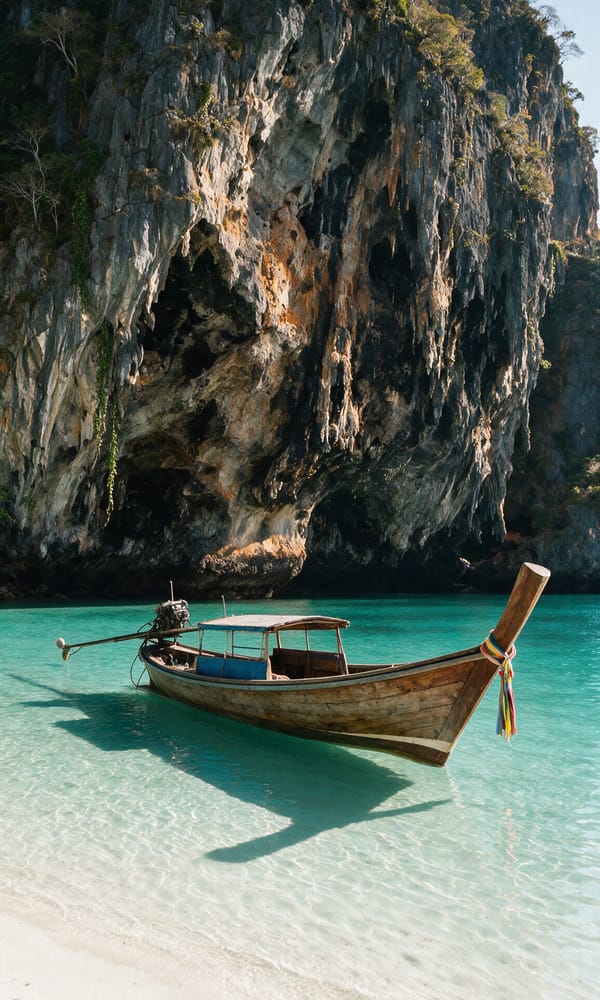
A longtail boat moored in turquoise shallows below an overhanging limestone karst at Railay
November – April · 12–14 Days
Thailand Islands & Culture
Three nights Bangkok for the food circuit, one night Sukhothai (fly Bangkok to Sukhothai, bicycle the temples at dawn, fly Chiang Mai the same afternoon), two nights Chiang Mai for the cooking class and elephant sanctuary, then fly south to Koh Lipe or Koh Tao for five nights depending on whether the priority is the finest beach water or dive certification. Ferry or fly to Krabi for two nights and a Railay day — the Andaman approach to the islands is a different experience from the Gulf side, and combining both extends what the island component of Thailand delivers. The itinerary covers north, south, culture, and coast in fourteen days without feeling rushed at any stage.
Thailand12–14 Days
Plan This Trip
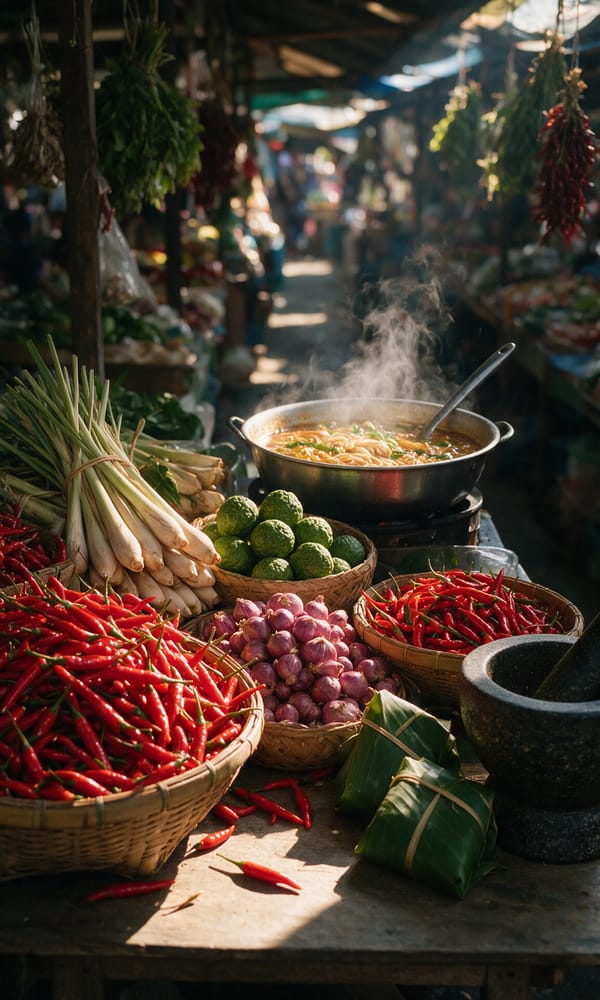
Baskets of chillies, lemongrass and kaffir limes on a Chiang Mai morning market table
December – March · 10 Days
Northern Thailand in Depth
One night Bangkok on arrival for acclimatization and a Yaowarat night food walk, then fly to Chiang Mai for four nights of serious depth: cooking class in a hill tribe village, full-day Doi Inthanon with two specific minority communities, Elephant Nature Park morning (full day, not the half-day version), and Chiang Mai city food guide in the morning markets. Drive to Pai for two nights — a mountain town that operates at a pace entirely unlike Chiang Mai — and then Chiang Rai for two nights finishing with the White Temple, the Blue Temple, and the Golden Triangle. Fly home from Chiang Rai or return to Bangkok for the international connection. The most culturally coherent Thailand itinerary we build.
Thailand10 Days
Plan This Trip
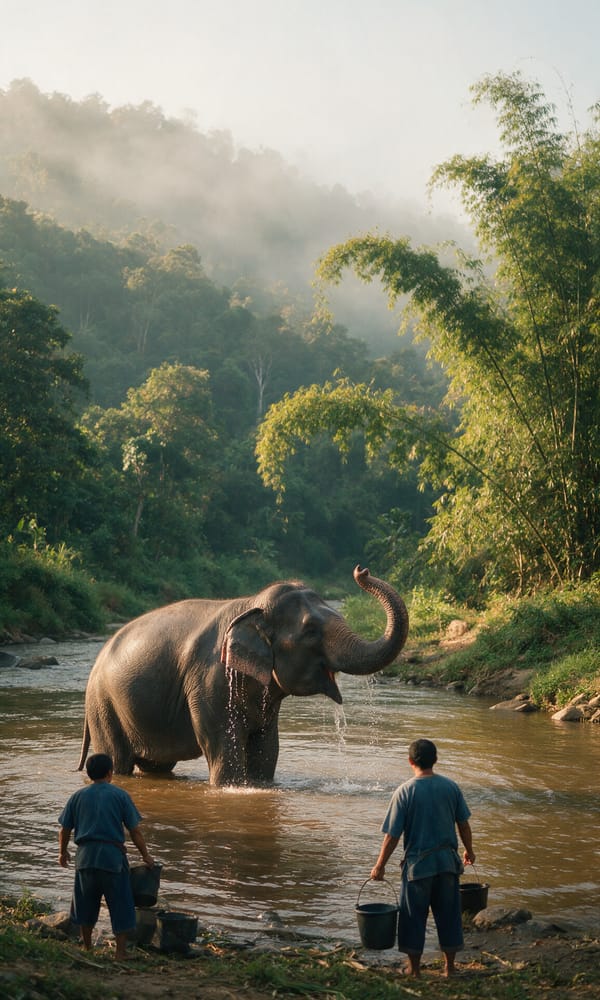
An Asian elephant standing chest-deep in a river below misty forested ridges near Chiang Mai
December – January · 12 Days
Thailand Family
Two nights Bangkok with child-appropriate temple visits — Wat Pho is excellent for children at 7am, the reclining Buddha at human scale rather than in photography, and a longtail boat on the Chao Phraya river that covers the temple circuit without the heat of a midday walking tour. Fly to Chiang Mai for three nights: elephant sanctuary (Elephant Nature Park accepts children and the experience of helping bathe an elephant is excellent for younger travelers), cooking class with a teacher who adapts the session for families, Doi Inthanon for the cooler air and the hill tribe market. Fly south to Koh Samui for five nights — the resort infrastructure on Samui is the most family-appropriate on any Thai island, with children's pools, water sports, and the calm water bays on the northern coast.
Thailand12 Days
Plan This Trip
Why Plan With Us

What We Add to Thailand Planning

Thailand planning errors are structural: wrong island for the traveler, wrong season for the region, north and south treated as the same destination. We correct all three.

Food Specialist Access
Bangkok is a great food city, and the guide who maps it by cuisine rather than by landmark is the one who unlocks it. The food specialists we work with in Bangkok know the Yaowarat hierarchy of Thai-Chinese cuisine, the morning market circuit that the professional chefs use for sourcing, and the omakase-level Thai restaurants that have a waiting list rather than a Tripadvisor page. In Chiang Mai, we work with teachers who are from the hill tribe communities that created Northern Thai cuisine — not instructors who learned it from a tourism curriculum.
Island Matching
The island question has a right answer for each traveler, and we ask the right questions before giving it. Koh Samui is right for travelers who want resort infrastructure and international flight convenience. Koh Lanta is right for families and snorkelers who want calm water and a quiet pace. Koh Tao is right for divers or dive students. Koh Lipe is right for travelers who want the finest beach without the development. Choosing incorrectly — most commonly selecting Koh Phangan for its beaches and discovering the Full Moon Party infrastructure, or choosing Koh Samui for the diving when Koh Tao is forty-five minutes away and significantly better — is the most common Thailand planning error we see.
Northern vs Southern Thailand
Most itineraries treat Thailand as Bangkok plus islands, which effectively ignores that northern Thailand — Chiang Mai, Chiang Rai, the hill tribe country, Pai, Sukhothai — is an entirely different travel destination from the beach south. The food culture, the climate, the pace, the accommodation style, and the cultural context are all different. A Thailand itinerary that allocates five nights to the north and five nights to an island covers more of what the country actually is than a Bangkok transit plus ten-night beach trip, at the same total duration.
Avoiding Tourist Infrastructure
The difference between the Elephant Nature Park — a genuine rehabilitation sanctuary run by Lek Chailert since 1996 — and the elephant camps that offer riding and painting is not subtle and is not difficult to distinguish if you know what to look for. The difference between the floating market that operates for local commerce before 7am and the one that operates for tourist photography from 8am is the same thing. We build itineraries around the genuine version of each experience rather than the tourist-facing version that looks similar in the photograph and is not the same thing on the ground.
When to Go

Thailand by Season

Cool Dry Season
November – April
The correct answer for most travelers — the dry season runs throughout the country from November through April, with cool evenings in the north and clear skies in the south. Bangkok is most comfortable in November through February when temperatures stay below 32°C. Northern Thailand peaks in December and January with genuinely cool evenings and excellent visibility at altitude. The Andaman coast (Krabi, Phi Phi, Koh Lanta) is at its best from November through April. The Gulf coast islands (Koh Samui, Koh Phangan, Koh Tao) follow a slightly different pattern — they can have rain in November and December while the Andaman is clear. We provide specific guidance by island for every itinerary.
Best Overall Window
Shoulder & Festival Season
November & April
Loy Krathong in November — the festival of lights when lanterns are released on rivers across the country and the Chiang Mai sky fills with khom loi floating lanterns — is among the most visually spectacular cultural events in Southeast Asia. Songkran in mid-April (Thai New Year water festival) is equally spectacular and significantly wetter. Both festivals significantly affect accommodation availability and rates in the cities where they peak. Booking twelve months in advance for Loy Krathong in Chiang Mai is not unusual. April is also the hottest month in Thailand — Songkran provides a practical reason for the water.
Monsoon Season
May – October
The monsoon season runs May through October across most of Thailand, with rain concentrated in the afternoon and evening rather than all day. Bangkok is manageable with strategic indoor time during downpours. Northern Thailand is lush and photogenic in the rainy season and significantly quieter. The Andaman coast (Krabi, Koh Lanta, Phuket) is genuinely difficult in May through October — rough seas, limited boat access, and some islands closing entirely. The Gulf coast islands switch season — Koh Samui's drier period runs into November and December when the Andaman is clear, making the east coast the better island choice in September and October.
Ready When You Are

Plan a Thailand Trip
Planned Around Depth

Tell me whether you're thinking north, south, or both — and whether you want food culture, islands, temples, or a combination. I'll come back with a specific itinerary structure, island recommendation, and guide options within one business day.

Plan a Thailand Trip All Asia Destinations

No booking fees  ·  Response within 24 hours  ·  Fully bespoke

What It Costs

What Thailand Actually Costs

$650–$1,200
per person, per day, land only. Ranges, not quotes.
What that includes
  • Five-star hotels with breakfast
  • Private transfers and licensed guiding
  • Standard admissions and selected touring meals
What it does not
  • International airfare; domestic flights where optional
  • Most dinners
  • Spa, shopping and gratuities
The two or three things that move it most
  • City versus island split
  • Hotel and villa tier
  • Private boat days and domestic flights

Editorial planning bands, not quotes — assembled from published rates and official fee sources, verified . Rates, permit costs and park fees change; confirm before booking. Source: Tourism Authority of Thailand.

Common Questions

Thailand — FAQ

Questions we hear most when planning Thailand — from island selection and timing to elephant sanctuaries, solo female travel, and the Bangkok vs Chiang Mai home base question.

November through April is the correct answer for most travelers. Cool dry season throughout the country, clear skies on the Andaman coast, manageable temperatures in Bangkok and the north. December and January are the coolest months in Chiang Mai. The Gulf coast islands (Koh Samui, Koh Tao) operate on a slightly different schedule: September and October are actually drier on the Gulf side when the Andaman is in monsoon. If your priority is one specific island, the island's specific season matters more than the national calendar.

Koh Samui for resort infrastructure, direct international flights, and the most developed luxury hotel sector on any Thai island. Koh Lanta for families and snorkelers wanting calm water and a quieter pace. Koh Tao for diving certification — the best organized and most affordable dive schools in Thailand. Koh Lipe for the finest beach water in Thailand with minimal development. Koh Phi Phi for the dramatic scenery if you can accept the party noise. Koh Phangan for Haad Rin beach — but not if you're going for the snorkeling; Koh Tao is forty-five minutes north and significantly better for that. The answer requires knowing what you want from the island.

Three nights is the minimum that does Bangkok justice. That is enough for the temple circuit at dawn, the food guide market and night walk, and a meaningful experience of the river and the neighborhoods rather than the hotel lobby and the Skytrain. Two nights is transit; it produces the sense of having visited without the substance of having been there. For travelers who want Bangkok to be a genuine part of the trip rather than an arrival pad, three nights is our consistent recommendation. Four nights is appropriate if Bangkok's food culture is itself a primary interest.

Koh Samui is a Gulf coast island with its own international airport, developed resort infrastructure, and a calmer sea on the northern and eastern coasts. Phuket is an Andaman coast island — larger, with more developed infrastructure and more tourist density than Samui, and with the Andaman's characteristically clearer water and stronger swell. The best beach areas of Phuket (Surin, Kamala, the north) are significantly better than the overbuilt Patong area that most visitors encounter. Koh Samui suits families and travelers who want resort calm; Phuket suits travelers who want more activity options and are willing to navigate to the less developed beaches. Neither is the answer for serious snorkelers or divers — Koh Lanta or Koh Tao does that better.

The clearest indicator: does the operation use elephants for riding, painting, or performance? If yes, it is not a sanctuary — those activities require training methods that no ethical rehabilitation operation uses. The Elephant Nature Park in Chiang Mai, founded by Lek Chailert, is the most established genuine sanctuary in northern Thailand — elephants are not ridden, are not trained to perform, and the human-elephant interaction involves bathing, feeding, and walking alongside rather than on top of. Several newer operations have adopted the sanctuary vocabulary while maintaining the training model in less visible ways. We specify the properties we recommend by name, not by category.

Thailand is consistently rated among the most solo-female-friendly destinations in Southeast Asia. Bangkok, Chiang Mai, and the major islands have well-established infrastructure for solo travelers and strong backpacker and independent travel networks. Standard urban safety precautions apply in Bangkok (use Grab rather than unmetered taxis, avoid poorly lit areas at night). The island resorts are generally very safe. Temple dress code (knees and shoulders covered for entry) is the most commonly encountered cultural consideration. We provide specific neighborhood and transport guidance for solo travelers as part of every Thailand itinerary.

Excellent. The Buddhist vegetarian tradition in Thailand produces a restaurant category (the "jay" or vegan Thai kitchen, marked by a yellow flag) that has no equivalent in most Western countries: inexpensive, widely available, and genuinely skilled in producing the full range of Thai flavors without animal products. Bangkok's Chinatown and the Buddhist temple neighborhoods have the highest concentration of jay restaurants. Beyond dedicated vegetarian restaurants, Thai cuisine includes a large number of inherently vegetarian dishes in its standard repertoire (many curries, most rice dishes, stir-fried vegetables). Fish sauce is the hidden challenge — it appears in many dishes without being listed as an ingredient, and requesting "no fish sauce" requires specific communication rather than ordering vegetarian.

Neither is better as a standalone base — they are complementary destinations that serve different purposes. Bangkok is the international gateway and the food and culture capital; Chiang Mai is the northern gateway to the hill tribes, the cooking tradition, and the mountain landscape. For a first Thailand trip of ten or more days, both deserve at least three nights each. For shorter trips where a single base is required, Bangkok wins for international connectivity and the widest range of daily activity; Chiang Mai wins for travelers whose priority is the northern food and cultural traditions rather than the city-scale Bangkok offers.
More questions answered on the Full FAQ Page
From the Journal

Read More on Planning Thailand