
South Asia

There Is No Bad Month.
Only the Wrong Coast.

Sri Lanka runs two monsoons on opposite flanks of one island, which means the calendar never closes — it only moves. December through March belongs to the west, the south and the hill country; May through September belongs to Trincomalee and the east. Get that one decision right and the rest of the itinerary follows. Get it wrong and no hotel on the island can fix it.

Best Season
Dec – April
Best For
Culture
& Wildlife
The Country

Sri Lanka Has Two Monsoons.
Pick the Right Coast.

Sri Lanka runs two monsoons on opposite sides of one island, so there is no bad month — only a wrong coast. December through March suits the west, the south and the hill country; May through September suits the east. A first trip runs 10 to 14 days by road, and Sri Lanka's eight UNESCO World Heritage sites all sit within that circuit.

The island runs two rainy seasons on opposite flanks. Sri Lanka's Department of Meteorology divides the year into four: the southwest monsoon from May to September, the northeast monsoon from December to February, and two inter-monsoon periods either side. The practical consequence is that the west coast, the south coast and the hill country are dry roughly December through March, while Trincomalee and the east coast are dry roughly May through September. Nowhere on the island is out of season at the same time as everywhere else.

That single fact does most of the planning work, and almost no itinerary uses it. Trips get built around a fixed route — Cultural Triangle, Kandy, tea country, south coast — and then squeezed into whatever month the client can travel. Run it the other way. Tell me the month first, and the route sorts itself: the same eight World Heritage sites are reachable in either direction, and the beach half of the trip simply moves to the other side of the island.

What the island will not give you is speed. The map is small and the roads are not fast, and that is where most first drafts break. Kandy to Nuwara Eliya is around 80 kilometres and takes about three hours; the hill roads are hairpins, not highway. Ten days covers the Cultural Triangle, the hill country and one coast. Fourteen days adds a second park and stops the rushing. Twelve days trying to do all four is a coach tour with better hotels and no time to look at anything.
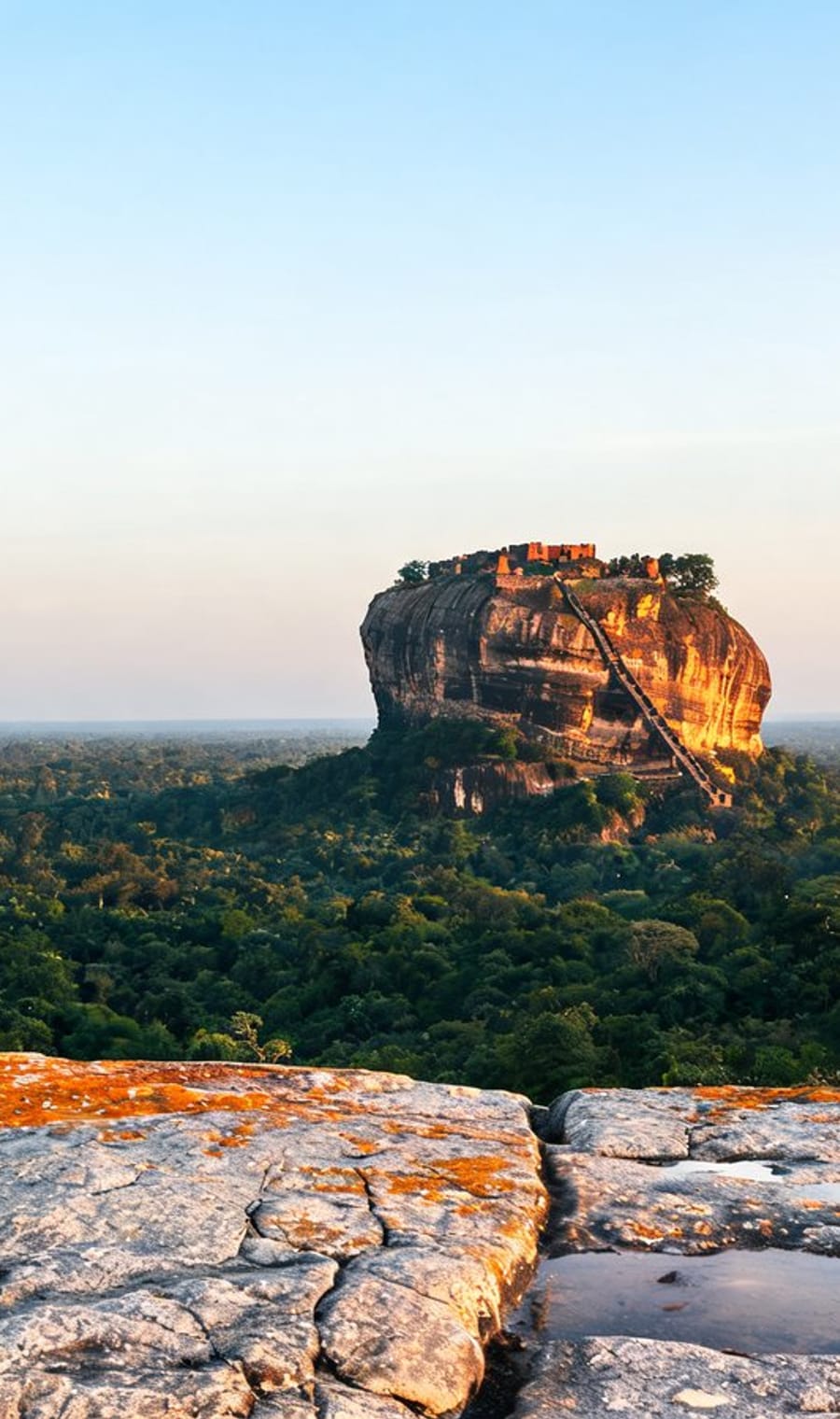
The Sigiriya rock fortress rising out of jungle, seen from a stone ledge
Sigiriya · Central Province · Sri Lanka
Where We Send Clients

Six Places on One Circuit

Sri Lanka's set pieces sit close enough together to work as one loop rather than a series of trips. What changes with the month is the direction you drive it and which coast you finish on. These six are the ones that repay the days.
Sigiriya & Dambulla, Central Province
Central Province
Sigiriya & Dambulla
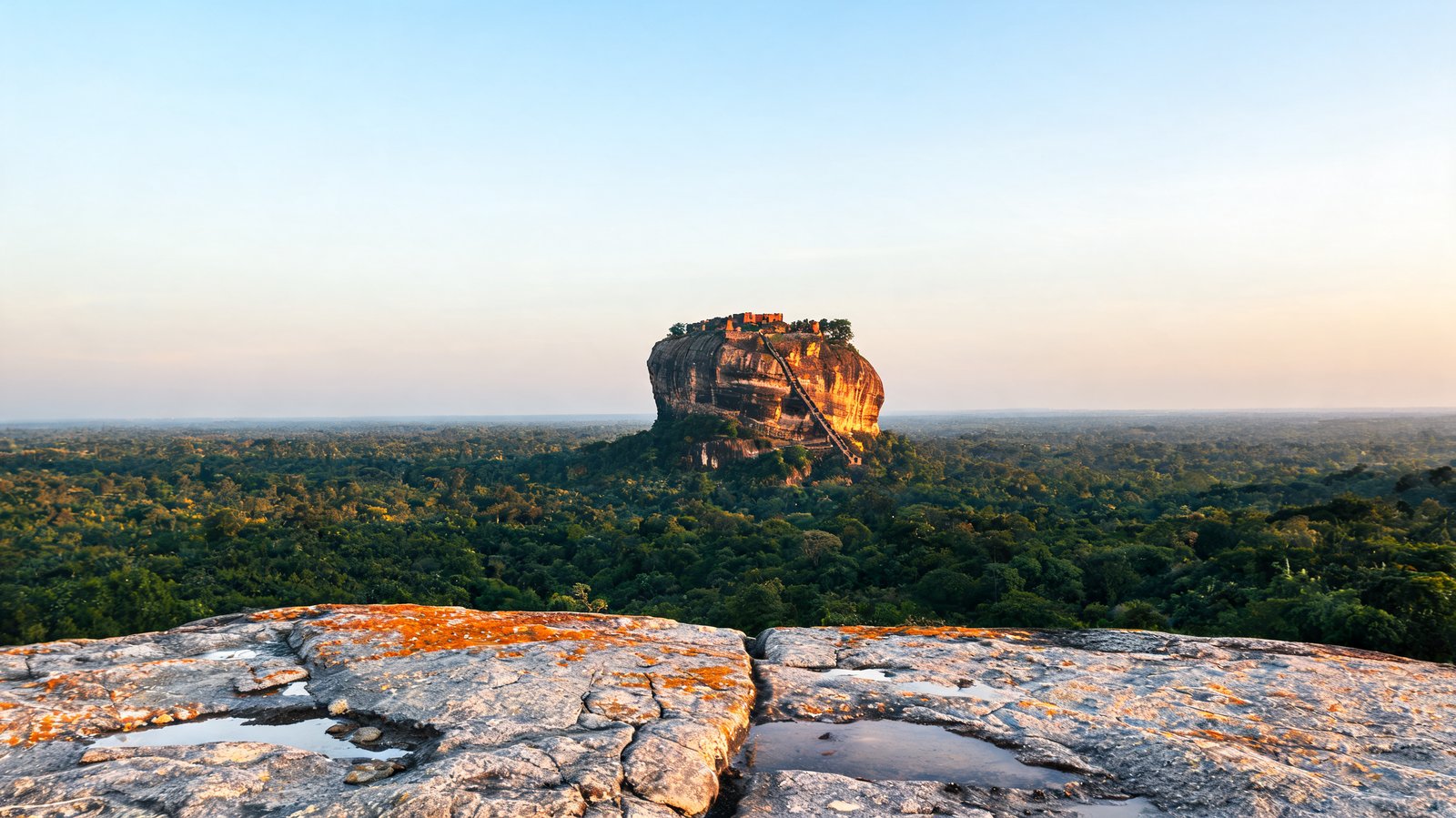
The rock stands clear of the plain and the climb is built stairs plus an exposed steel spiral, not a scramble — take it at opening or late afternoon. Dambulla's painted cave temples are the hour most itineraries do not allow. Pidurangala opposite gives you the view back.
Lion Rock Cave Temples Pidurangala
Explore →
Anuradhapura & Polonnaruwa, North Central Province
North Central Province
Anuradhapura & Polonnaruwa
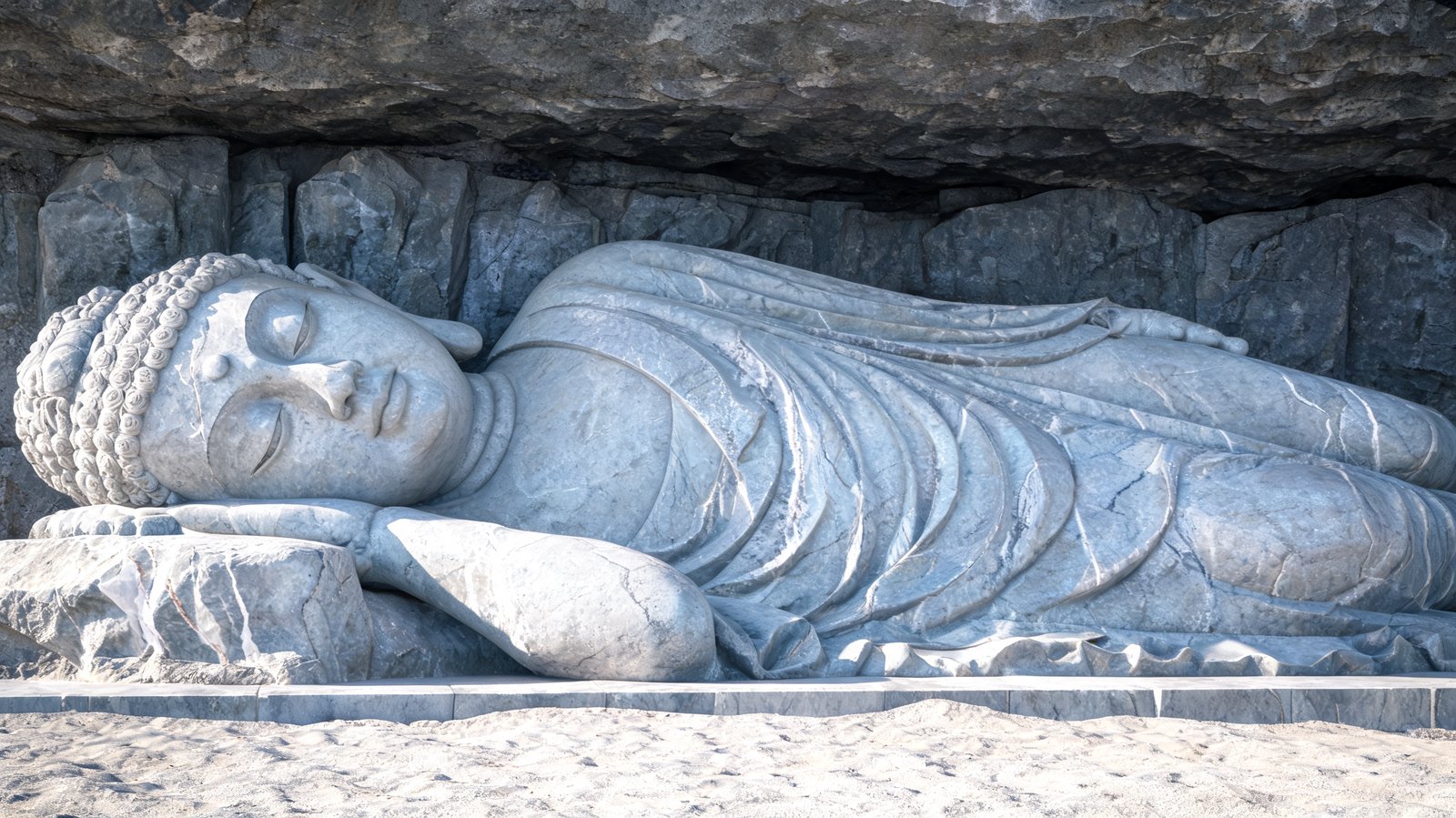
Two ancient capitals, and most trips only need one. Polonnaruwa is compact, legible and best on a bicycle — the Gal Vihara Buddhas are cut from a single granite face. Anuradhapura is far larger, still an active pilgrimage centre, and wants a guide to make sense of the scale.
Gal Vihara Sri Maha Bodhi Bicycles
Explore →
Kandy, Central Province
Central Province
Kandy
The last royal capital and the head of the hill line. The Temple of the Sacred Tooth Relic is a working shrine with daily ceremonies rather than a monument, and it deserves one of them rather than a walk-through. The Esala Perahera falls in July or August on the lunar calendar.
Sacred Tooth Perahera Rail Head
Explore →
Nuwara Eliya & Ella, Central & Uva
Central & Uva
Nuwara Eliya & Ella
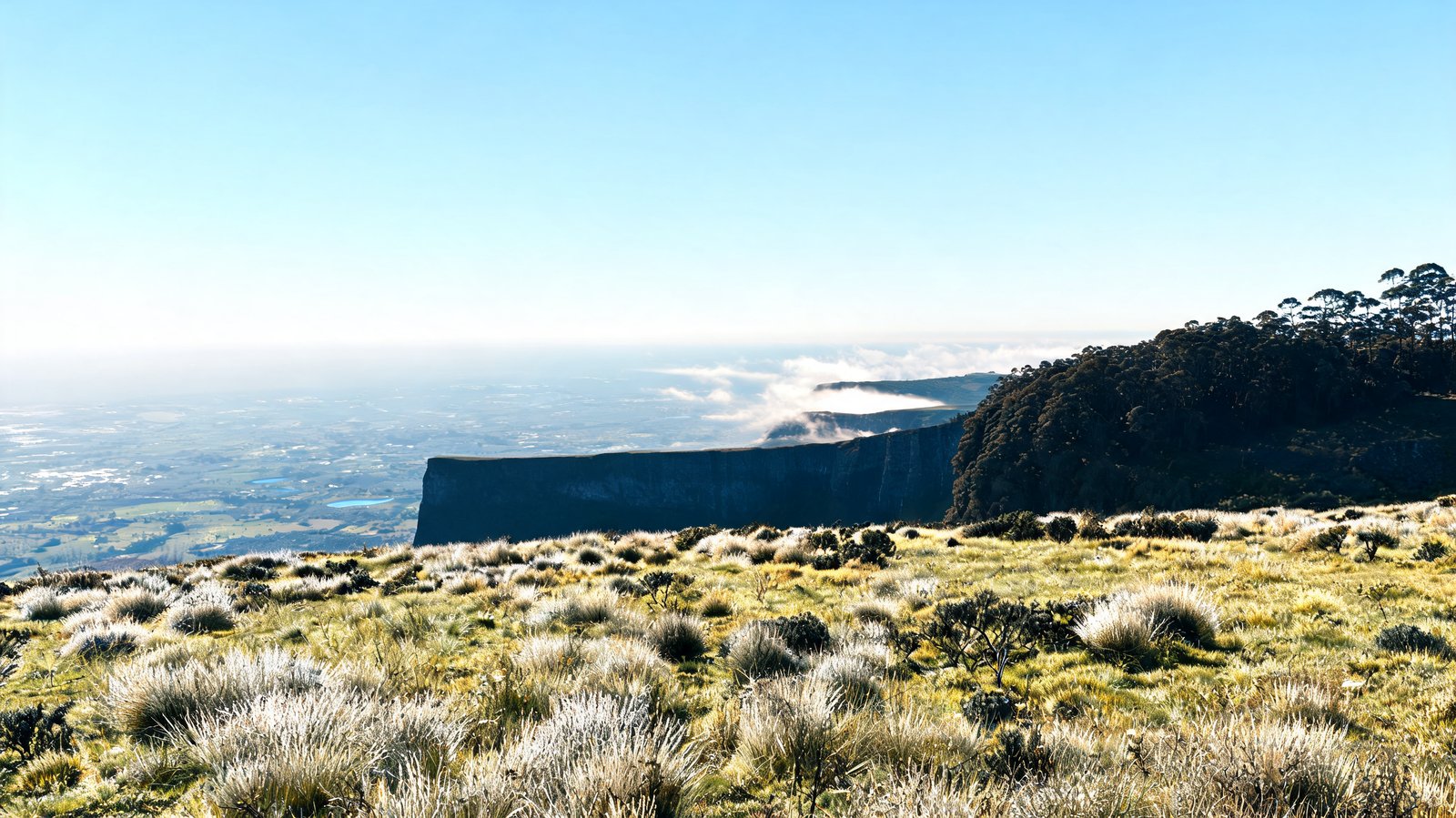
Tea estates at altitude, planter bungalows, and the train everyone comes for. Horton Plains is the walk worth the six o'clock start — the escarpment at World's End clouds over most mornings by nine. Ella is smaller, warmer and busier than it was; Haputale and Ohiya are not.
Tea Estates Horton Plains Hill Line
Explore →
Yala & Wilpattu, Southern & North Western
Southern & North Western
Yala & Wilpattu
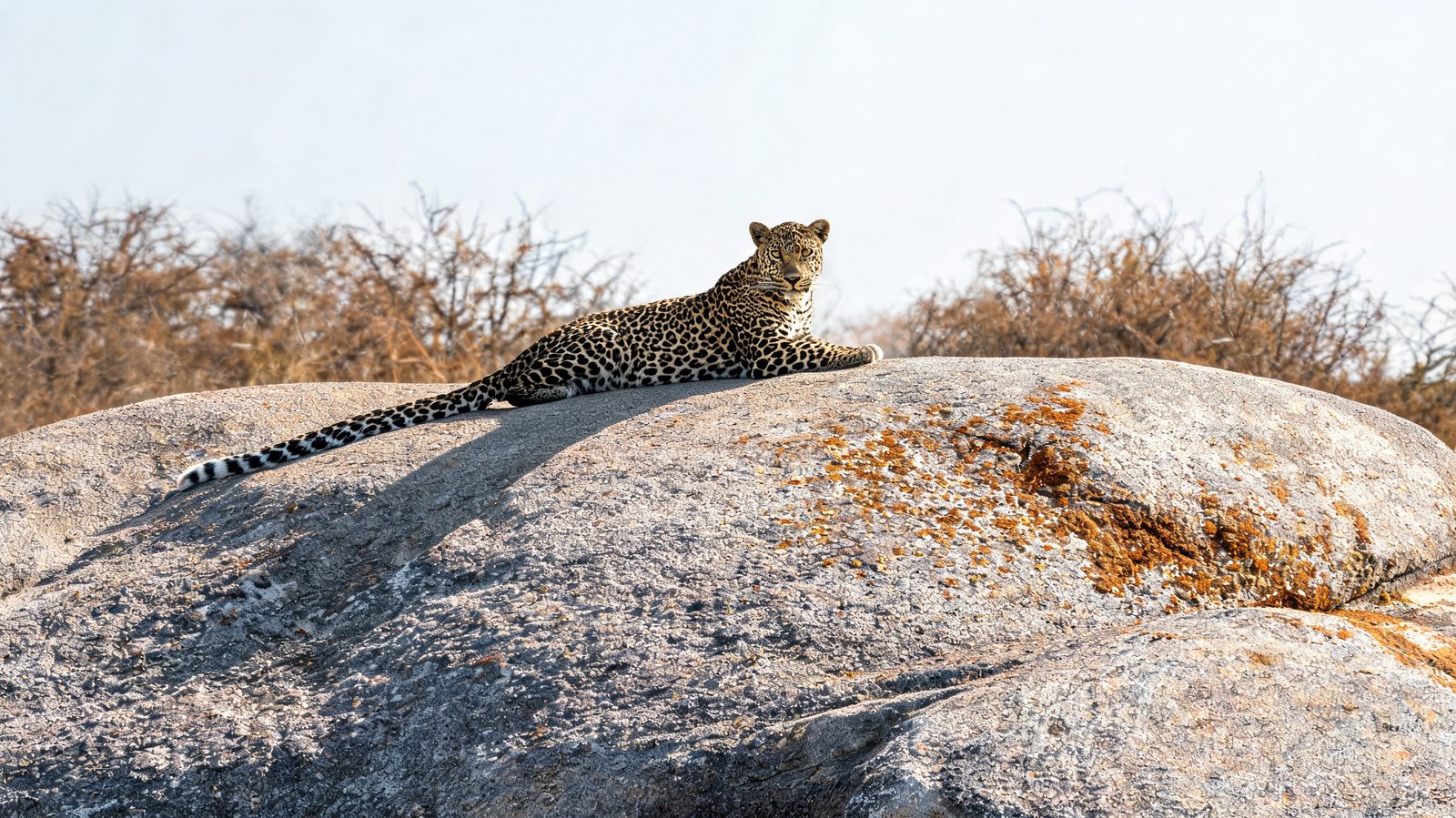
Leopard country in two very different versions. Yala's Block 1 gives the highest odds and the most vehicles. Wilpattu is larger, thicker and quieter, with sightings that take patience rather than luck. Block 1 usually closes for several weeks around September, on dates set annually.
Leopard Sloth Bear Dawn Drives
Explore →
Galle & the South Coast, Southern Province
Southern Province
Galle & the South Coast
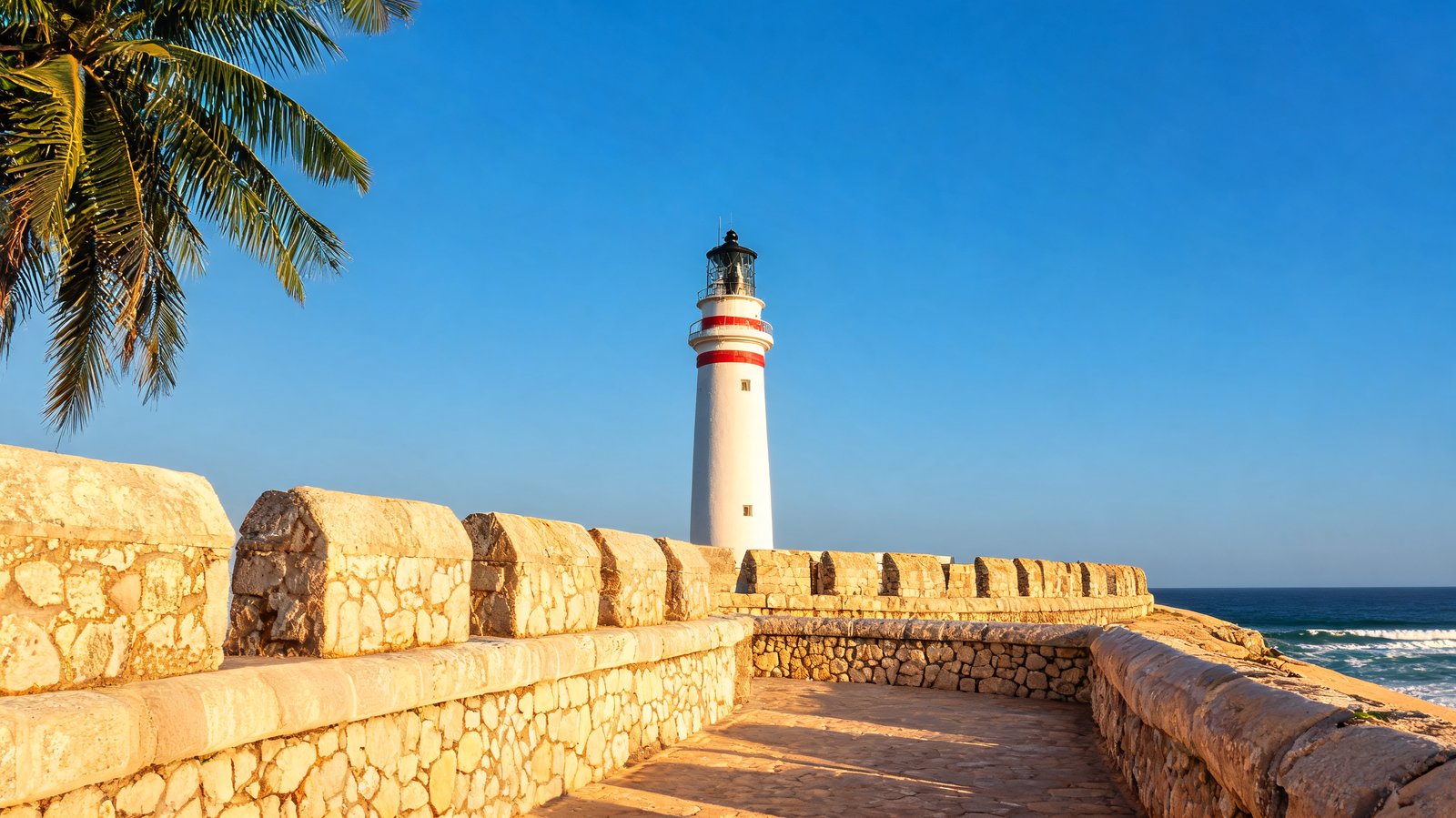
A working town inside Dutch ramparts rather than a museum piece, and the walk round the walls at dusk is the reason to sleep inside them. East of Galle the beaches run through Weligama to Mirissa, where the blue whale boats go out between December and April.
Galle Fort Mirissa Whales
Explore →
Featured Itineraries

Four Ways Round the Island

The route is a function of the month, not of taste. These four are the shapes that actually work — one for each coast season, one that pairs the island with the Maldives, and one built around parks rather than monuments.
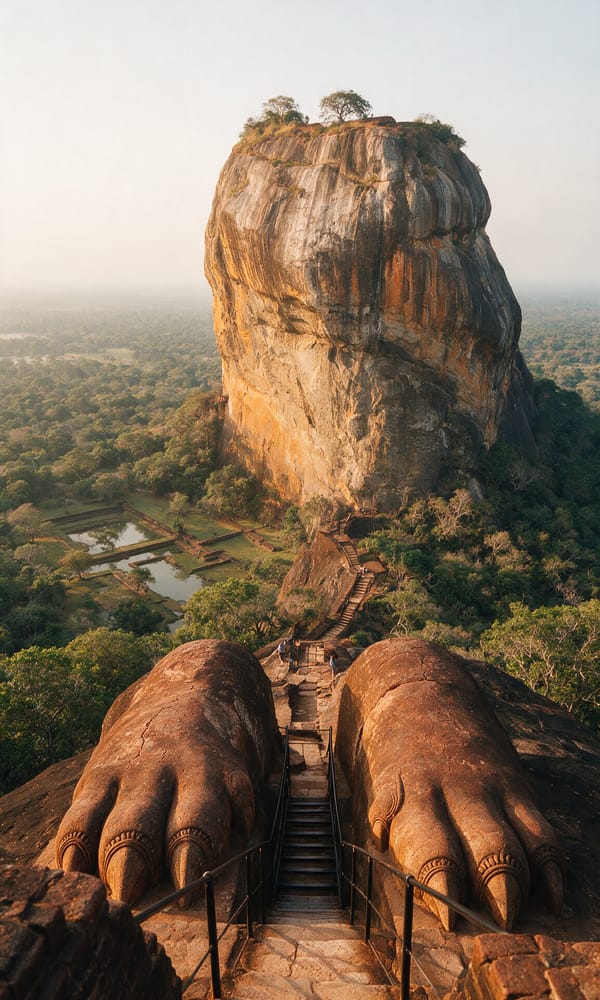
Sigiriya's carved lion paws and staircase below the sheer ochre rock face in early morning haze
December – March · 12–14 Days
The Classic Circuit
The version that works when you travel in the northern winter. One night at Negombo to absorb a small-hours arrival, then the Cultural Triangle for three: Sigiriya at opening, Dambulla — where five caves hold 157 statues under painted ceilings — and Polonnaruwa by bicycle on the third morning. Two nights Kandy, timed around an evening ceremony at the Temple of the Sacred Tooth Relic. The train up to Nanu Oya, then three nights on a working tea estate above Nuwara Eliya with Horton Plains at dawn from there. Down to Yala for two nights of morning drives rather than the afternoon crush. Finish inside Galle Fort or on the beaches east of it.
Sri Lanka12–14 Days
Plan This Trip
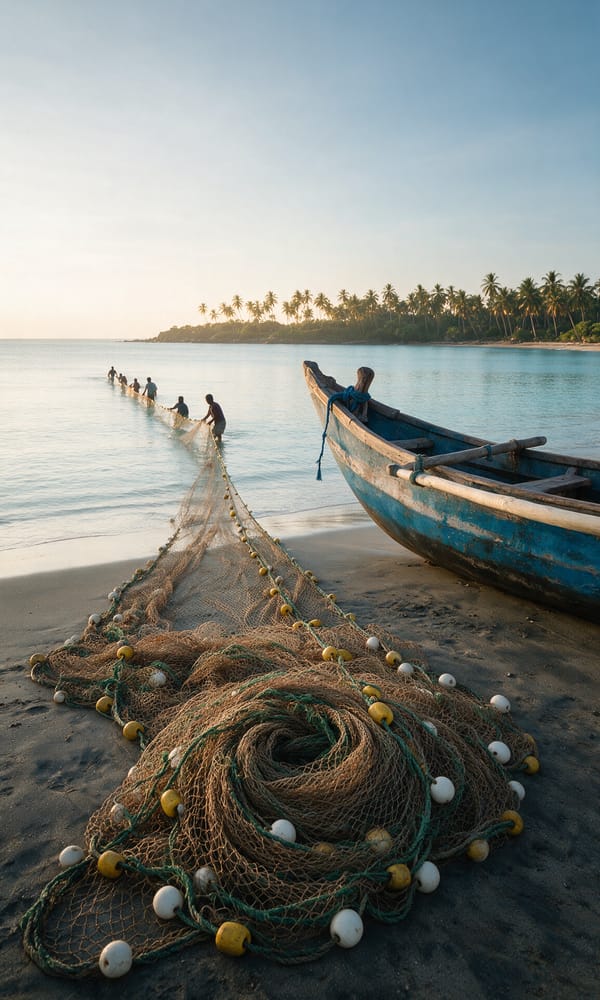
A coiled seine net and blue fishing boat on wet sand at Uppuveli as fishermen haul offshore
May – September · 10–12 Days
The Island in Reverse
Same island, mirrored. While the southwest monsoon soaks Galle and the hills, Trincomalee and the east coast are in their dry season, and almost nobody plans for it. Into Colombo, then north-east to the Cultural Triangle for three nights, adding Anuradhapura while the dry zone is at its best. Two nights Kandy. Then east rather than south: four or five nights between Trincomalee, Uppuveli and Passikudah, with snorkelling off Pigeon Island and blue and sperm whales offshore in the same months. Add Wilpattu on the way back if the leopard matters more than the beach. This is the quieter half of the year, and the one almost nobody asks for.
Sri Lanka10–12 Days
Plan This Trip
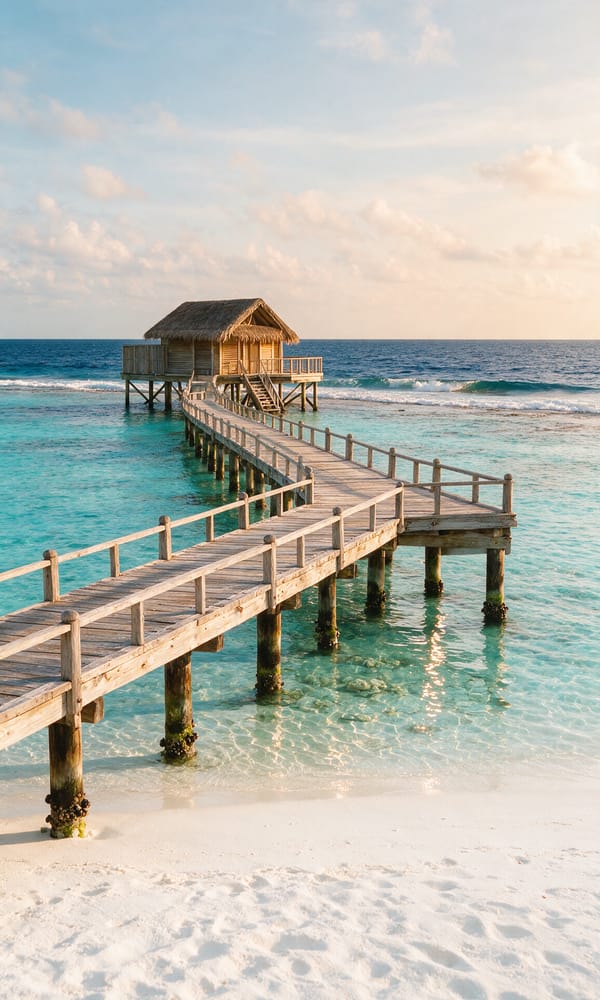
A timber jetty running over clear shallows to a thatched overwater villa on a Maldivian atoll
December – April · 13–15 Days
Sri Lanka, Then the Maldives
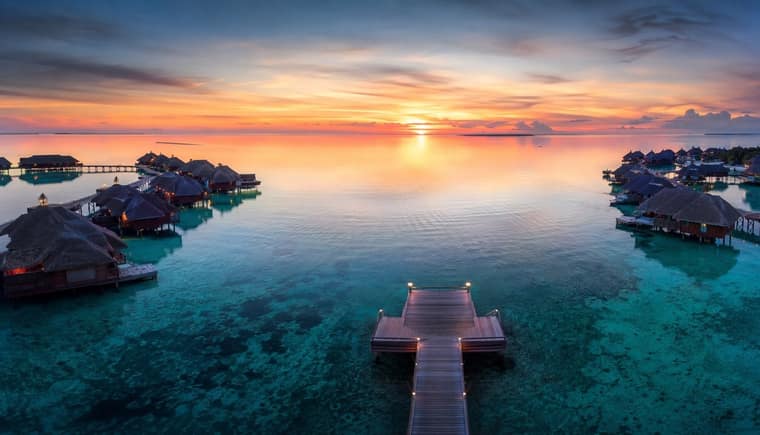
Plenty of Sri Lanka itineraries end in the Maldives, and the order is not negotiable. Sri Lanka is the content and the Maldives is the decompression, so the island comes first: nine or ten days for the Cultural Triangle, Kandy, the hill country and Yala, then a direct flight from Colombo to Malé and four or five nights on one atoll. Doing it the other way round means arriving at the busiest part of the trip already unwound, then flying home from a beach you left too early. Both countries share the December-to-April window, which is what makes the pairing work at all.
Sri Lanka13–15 Days
Plan This Trip
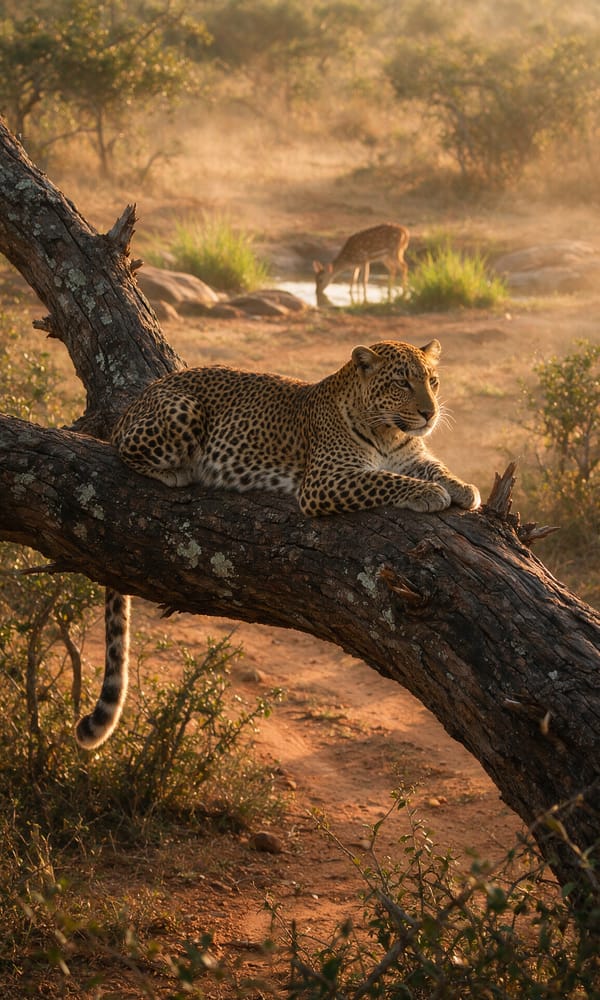
A leopard stretched along a fallen branch above a red track at dawn in Yala National Park
February – April · 10–12 Days
The Wildlife-Led Version
For travellers who would trade a ruin for a leopard. Three nights at Wilpattu first, because the park is large, thickly wooded and repays two full days rather than one — sloth bear here as well as leopard. South through the Cultural Triangle holding only Sigiriya and Dambulla, then two nights at the edge of Sinharaja, the lowland rainforest where the endemic bird flocks are and where a specialist guide is the whole point. Three nights at Yala for dawn drives in Block 1. Finish at Mirissa with a blue whale morning while the boats are still running. This is the trip that needs an early start every day.
Sri Lanka10–12 Days
Plan This Trip
Why Plan With Us

What We Add to Sri Lanka Planning

Sri Lanka is easy to travel and easy to plan badly. The mistakes are the same three: the wrong coast for the month, too many stops, and a park chosen from a photograph.

The Month Picks the Route
Every Sri Lanka enquiry starts the same way: here are the dates, what should we do. The honest answer is that the dates have already decided most of it. A July trip that insists on Galle and the tea country is buying rain; the same July on the east coast is buying the best beach weather on the island. We start from the month, put the coast on the correct side, and only then argue about how many nights each stop gets. It is the simplest fix available and it is the one most itineraries skip.
Driving Days Counted Honestly
The distances look trivial and they are not. Kandy to Nuwara Eliya is roughly 80 kilometres and roughly three hours. Colombo to the Cultural Triangle is most of a morning. Yala to Galle is a real half-day. A trip built on map distances arrives at every stop in the wrong light and leaves before the good hour. We count the drives first and then decide what fits, and the usual outcome is one fewer place and two more nights where it counts. The train legs are the exception, and they are worth the hours.
Which Park, Which Week
Choosing a national park here is a calendar decision as much as a wildlife one. Yala's Block 1 has the leopard density and the vehicle density to match, and it closes for several weeks most years around September on dates the Department of Wildlife Conservation sets annually. Wilpattu asks for two full days and gives fewer certainties. The elephant gathering on the Minneriya and Kaudulla tank beds peaks in the dry months of August and September, and which reservoir holds the animals shifts year to year with the water. None of that is visible on a booking site.
The Train Booked, Not Hoped For
The hill line is the one part of a Sri Lanka trip that cannot be fixed on the day. Reserved seats on the scenic legs are limited, released on a fixed schedule by Sri Lanka Railways, and they go. The common error is booking the full Kandy-to-Ella run and spending most of a day on a train, when Nanu Oya to Ella covers the best of the tea-estate scenery in far less time and leaves the morning free. We book the seat, position the car to meet you at the far end, and keep the luggage off the train.
When to Go

Sri Lanka by Coast and Season

West, South & Hill Country
December – March
The window most people mean when they say Sri Lanka. Galle, Mirissa, the tea estates and the Cultural Triangle are all at their driest, the whale boats run out of Mirissa, and the Central Highlands are clear enough to see the point of them. The Adam's Peak pilgrimage season runs from the December full moon to the one in May, and the climb is done overnight. It is also peak season: estate bungalows and the small Galle Fort hotels commit months ahead, and Christmas and New Year book earliest of all.
Best for a First Trip
East Coast
May – September
The half of the year almost nobody books, and the reason the island has no closed season. While the southwest monsoon runs, Trincomalee, Uppuveli, Nilaveli and Passikudah are dry and calm. Pigeon Island is snorkellable, blue and sperm whales move offshore in these months, and the Cultural Triangle sits in the dry zone and stays workable throughout. What you give up is the south coast, Galle in the rain, and hill country views that spend the season inside a cloud. August and September also bring the elephant gathering at Minneriya.
The Inter-Monsoons
April & October – November
The two changeovers, and the honest answer is that they are a gamble either way. April is the better of the two — the tail of the southern season, hot, with the Sinhala and Tamil New Year in mid-April closing businesses and filling domestic roads for several days. October and November bring the heaviest rain to most of the island, often as short violent afternoon storms rather than all-day drizzle, and rates fall accordingly. Both work for the Cultural Triangle. Neither is right for a beach-led trip.
Ready When You Are

Plan a Sri Lanka Trip
Around the Month You Have

Tell me the month you can travel, how many days you have, and whether the wildlife or the ruins matter more. I'll come back with a route running the right direction, the parks worth the drive in that window, and specific properties within one business day.

Plan a Sri Lanka Trip All Asia Destinations

No booking fees  ·  Response within 24 hours  ·  Fully bespoke

What It Costs

What Sri Lanka Actually Costs

Priced by coast and season, not per island night
Sri Lanka runs two monsoons on opposite flanks — the southwest from May to September and the northeast from December to February — so a planter's bungalow above Nuwara Eliya and a beach hotel at Trincomalee are in high season in different months of the same year, and no single band holds both.
What actually sets the number
  • The southwest monsoon May to September and the northeast December to February, on opposite coasts
  • Which coast the month puts you on, since the beach half of the trip simply moves
  • Yala's Block 1 closing for several weeks around September, on dates set annually

Tell me the dates and the party and you get a real quote, not a range. Source: Central Cultural Fund ticket prices.

Common Questions

Sri Lanka — FAQ

The questions that come up most when planning a first Sri Lanka trip — which coast for which month, how long the circuit really needs, the train, the parks, and whether to add the Maldives.

December through March for the west, the south and the hill country; May through September for the east coast. Sri Lanka runs two monsoons on opposite flanks, which is why it has no closed season and why a single best-time answer is wrong. The Department of Meteorology splits the year into the southwest monsoon from May to September, the northeast monsoon from December to February, and two inter-monsoon periods either side. April and October to November are the changeovers and the least predictable. The practical version: name the month you can travel, and the route puts you on whichever coast is dry.

Ten days for the Cultural Triangle, the hill country and one coast; fourteen to add a second national park without rushing. Under ten days something has to go, and the honest cut is one of the two ancient capitals rather than a night off the beach. Seven days can cover the Cultural Triangle and the hills, or the south coast and one park, but not both. The constraint is road speed rather than distance: Kandy to Nuwara Eliya is about 80 kilometres and about three hours, and every leg behaves the same way. Adding a stop costs a day, not an afternoon.

Yes, but take the shorter leg and reserve the seat well ahead. The full Kandy-to-Ella run takes most of a day; Nanu Oya to Ella covers the tea-estate section in a fraction of that and leaves you a morning. Reserved first- and second-class seats on the hill line are limited, sell out, and are booked through Sri Lanka Railways rather than at the station on the day. The Nine Arch Bridge sits beyond Ella toward Demodara and is reached on foot from town, not from that train. Send the luggage ahead by car and meet it at the far end.

Climb Sigiriya for the site and Pidurangala for the view of it, and there is time for both in one day. Sigiriya is the World Heritage listing: water gardens, mirror wall, frescoes and the palace foundations on a rock standing some 180 metres above the plain. The ascent is built stairs plus an exposed steel spiral across the face, and it is hot, crowded and wrong for anyone uneasy with heights or narrow metal treads. Pidurangala is the rock opposite — a rougher trail with a boulder scramble at the end and no frescoes. Take Pidurangala at first light, Sigiriya later that morning or late afternoon.

Yala for the odds, Wilpattu for the experience, and Yala's Block 1 is far busier than the photographs suggest. Block 1 holds one of the densest leopard populations anywhere and the most jeeps with it; a single sighting can draw a queue of vehicles. Wilpattu is the country's largest national park, thickly wooded and dotted with the natural lakes it is named for, with lower vehicle numbers and lower odds. The Sri Lankan leopard is an endemic subspecies listed as endangered. Book dawn drives in either park, and take two full days at Wilpattu or leave it out.

Off Mirissa on the south coast from December to April, and off Trincomalee on the east coast from May to September. The two-monsoon logic applies here as well: the boats go out on whichever coast has the calm sea that month. The continental shelf runs close to shore near Dondra Head, the island's southern tip, which is why blue whales sit within a short run of Mirissa rather than a full day offshore. Trincomalee adds sperm whales in its season. Sightings are never guaranteed, mornings are calmer than afternoons, and the operator matters more than the port — the responsible ones keep their distance and do not chase.

Most visitors need an Electronic Travel Authorization, applied for online before departure. The official channel is the Sri Lankan government's own ETA portal, and the requirement, validity and fee vary by nationality and have changed more than once in recent years. Apply through the government site rather than a third-party agent, and do it weeks before departure rather than in the final days. Check your own government's current travel advice for Sri Lanka at the same time, along with passport validity and onward-ticket rules. Checked ; entry rules change, so confirm before booking.

Yes, and the order matters: Sri Lanka first, the Maldives last. The two share the December-to-April window, Colombo and Malé are connected by direct flights, and the trips do completely different jobs. Sri Lanka is dense, early-start, guide-led travel; the Maldives is one island and no decisions. Run it in that order and the second half is the reward. Run it backwards and you arrive at the hardest-working part of the trip already switched off. Nine or ten days on the island and four or five on an atoll is the split that works. For one country only, take the island.
More questions answered on the Full FAQ Page
From the Journal

Read More on Planning Asia